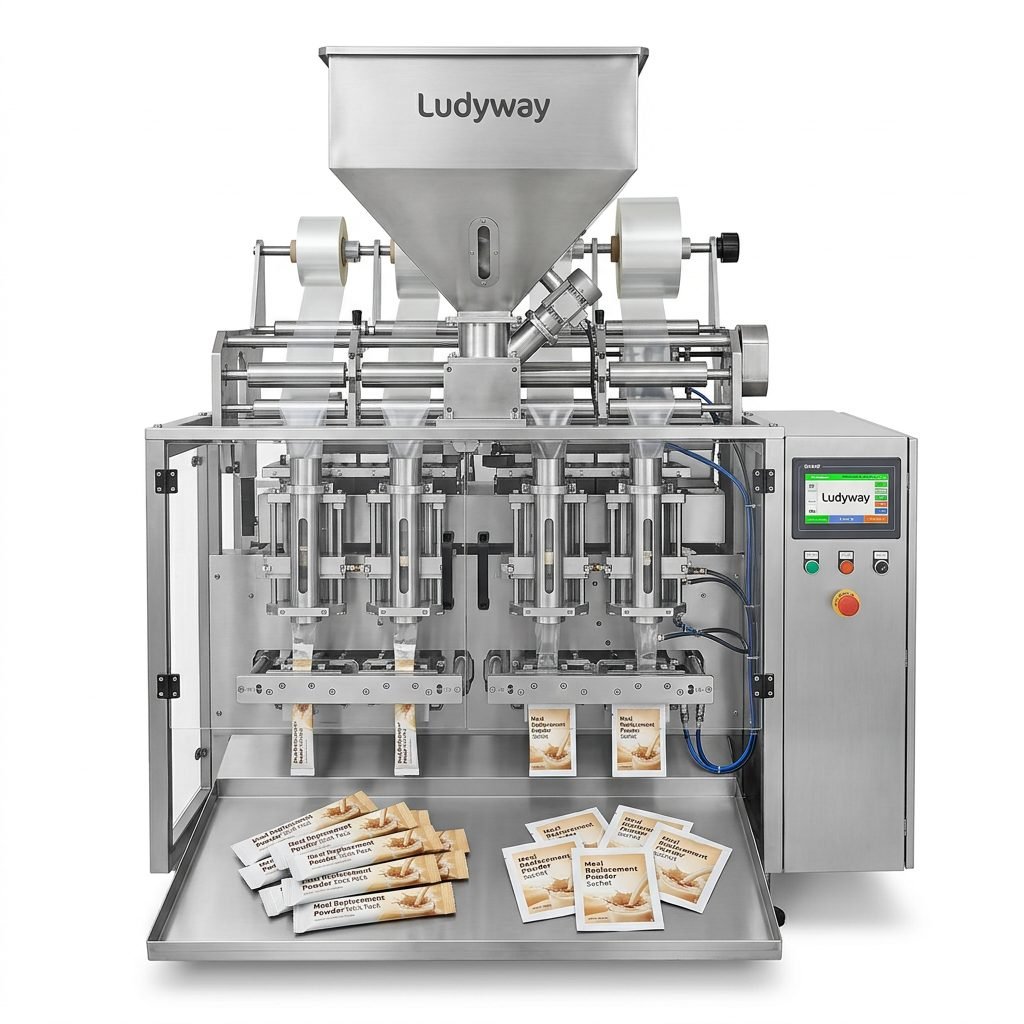
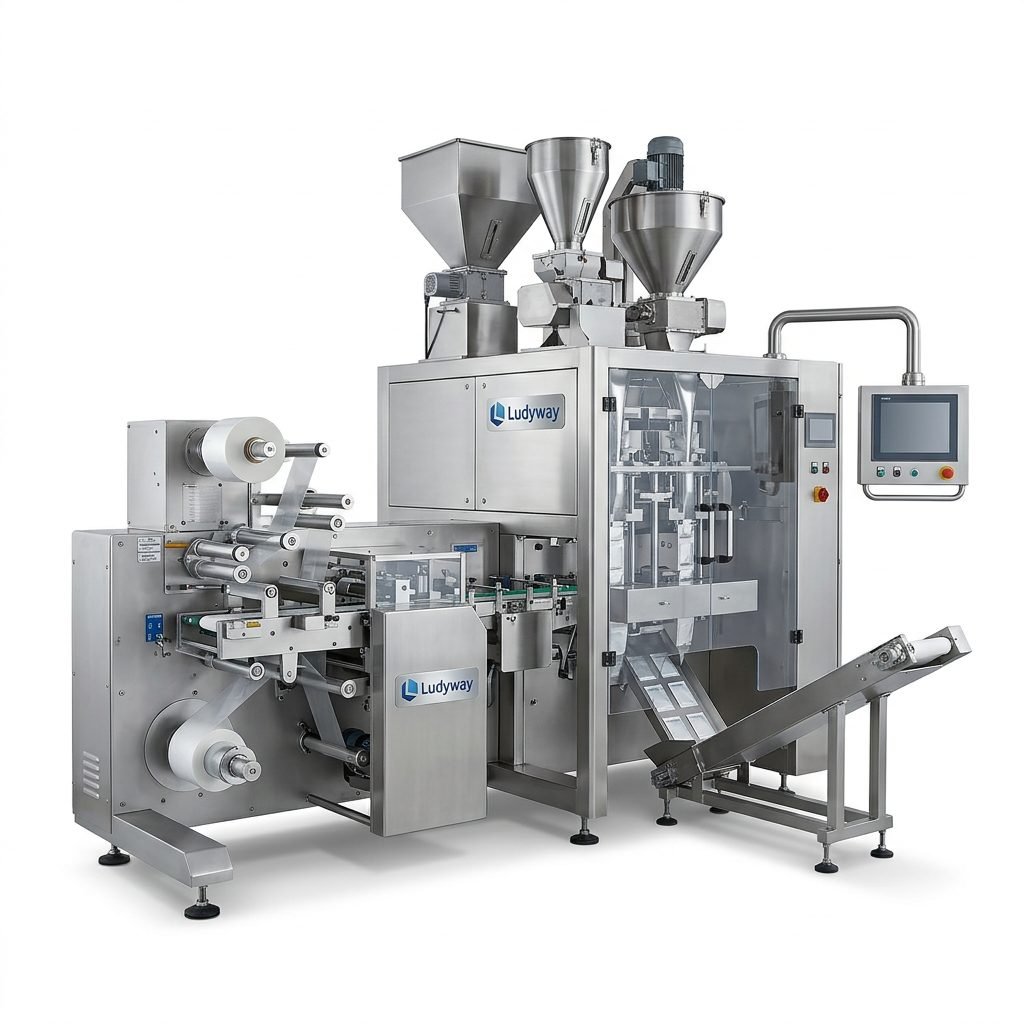
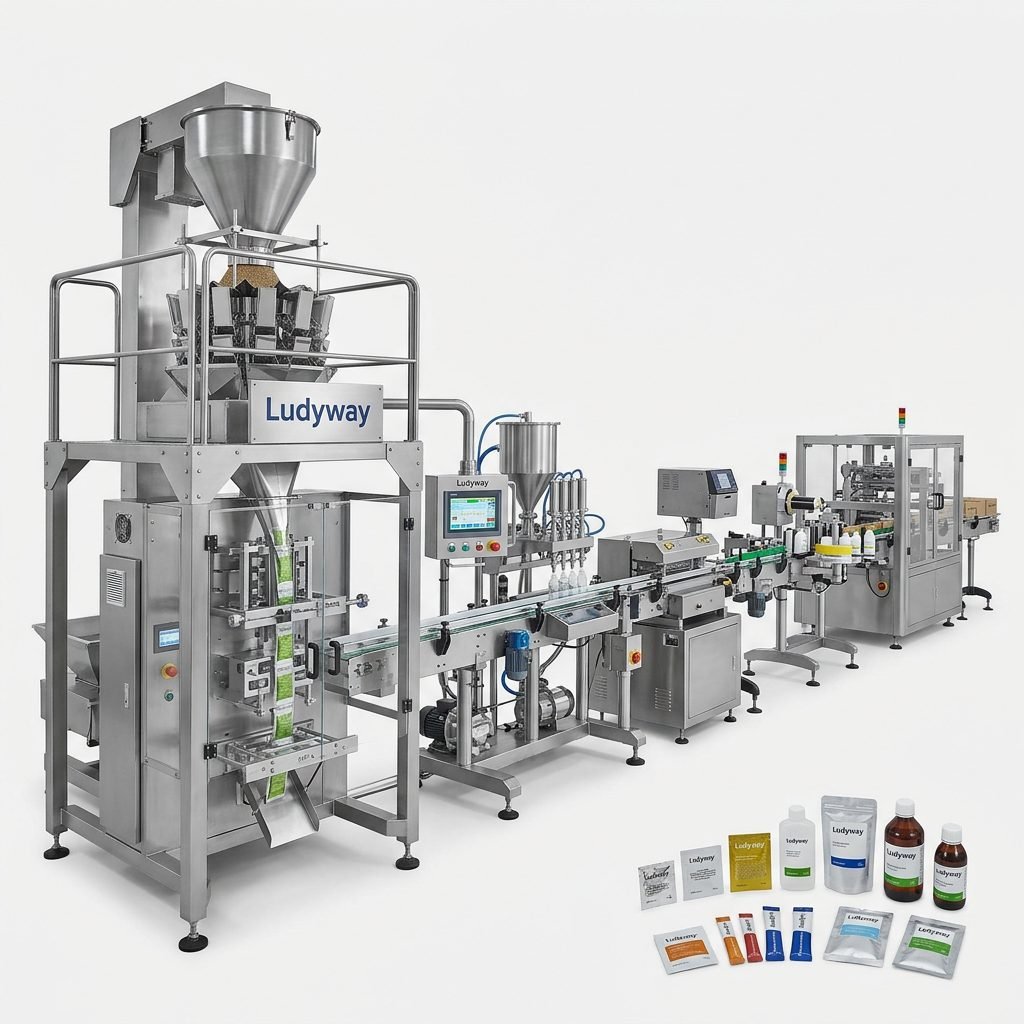
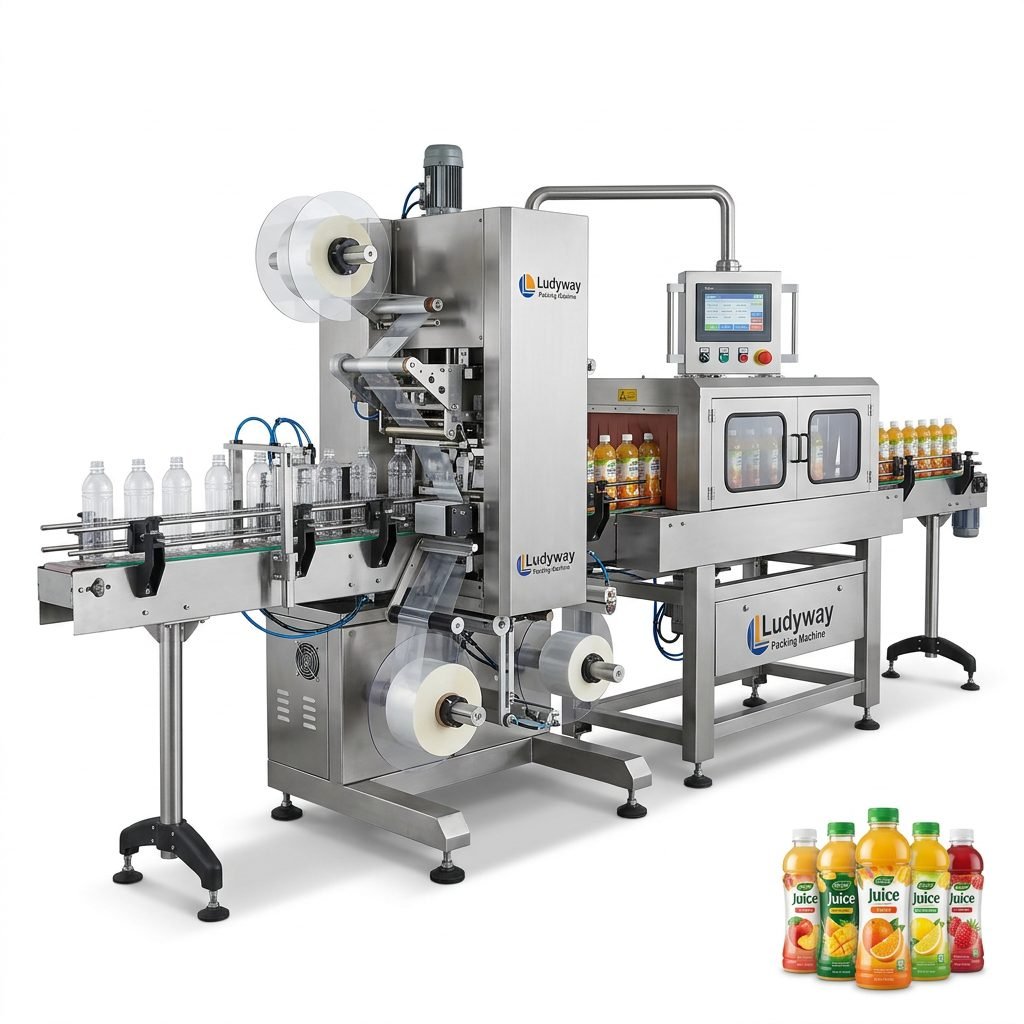
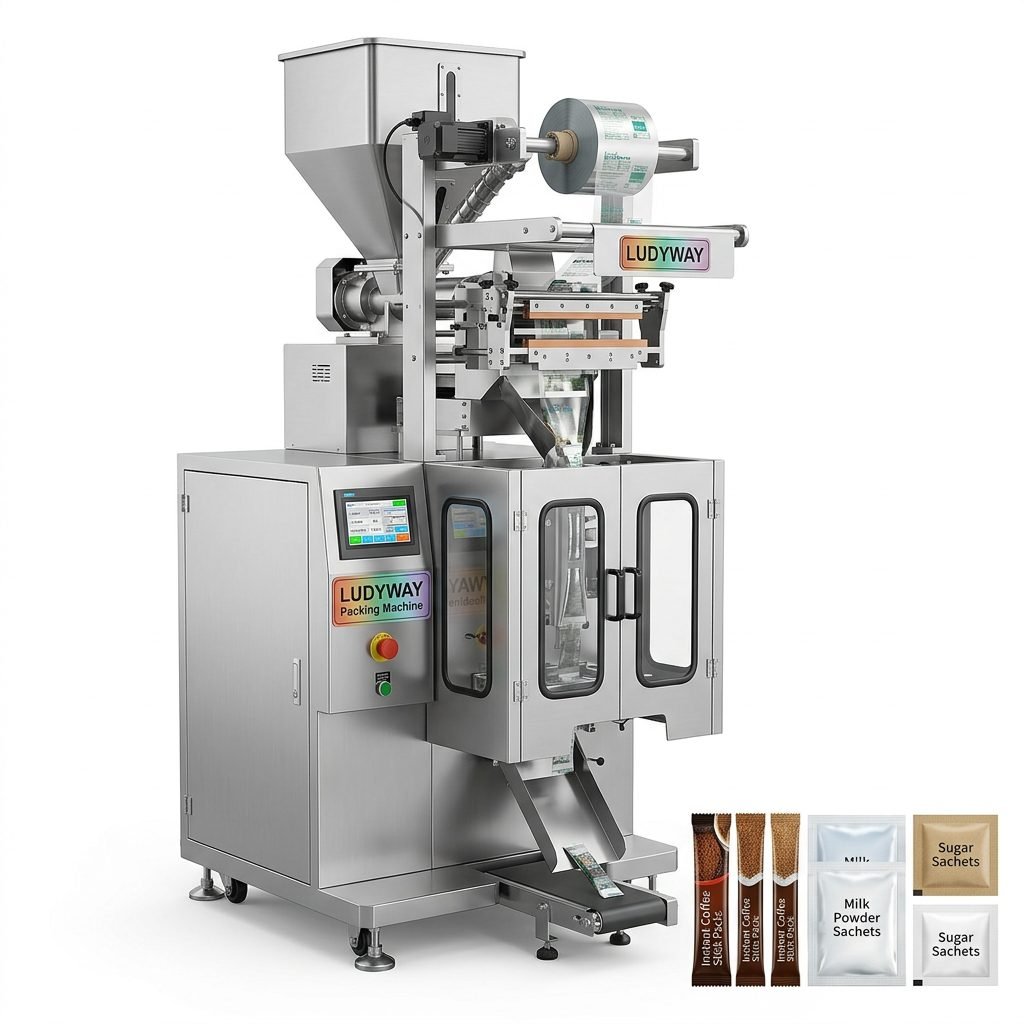
For businesses in Pakistan’s dynamic manufacturing and FMCG sectors, investing in a packaging machine is a significant decision that directly impacts production efficiency, product quality, and overall profitability. The choice of manufacturer is as crucial as the machine itself. With a growing demand for automation and high-quality packaging across industries like food, pharmaceuticals, personal care, and agriculture, selecting the right partner requires careful consideration of several key factors.
Understanding Your Specific Business Needs in the Pakistani Market
Before you even begin your search, it’s vital to have a clear understanding of your own requirements. The Pakistani market presents unique opportunities and challenges, from catering to a large consumer base to navigating specific logistical and regulatory environments.
Key questions to ask yourself:
• Product Type: Are you packaging granules (like spices, tea, seeds), powders (milk powder, detergent), liquids (sauces, oils, shampoos), or solid items?
• Production Volume & Speed: What is your current and projected output? Do you need a high-speed multi-lane system or a more compact, flexible machine?
• Packaging Format: Are you producing stick packs, sachets, pouches, or bags?
• Industry Regulations: Especially critical for food and pharmaceutical companies in Pakistan, ensuring the machine meets hygiene and safety standards (like GMP) is non-negotiable.
For instance, a Lahore-based spice company needing high-speed sachet packaging for retail will have vastly different needs than a Sialkot-based surgical instruments manufacturer requiring sterile medical device pouching.

Essential Criteria for Selecting a Packaging Machine Manufacturer
Once your needs are defined, evaluate potential manufacturers against these critical benchmarks.
1. Technical Expertise and Industry Experience
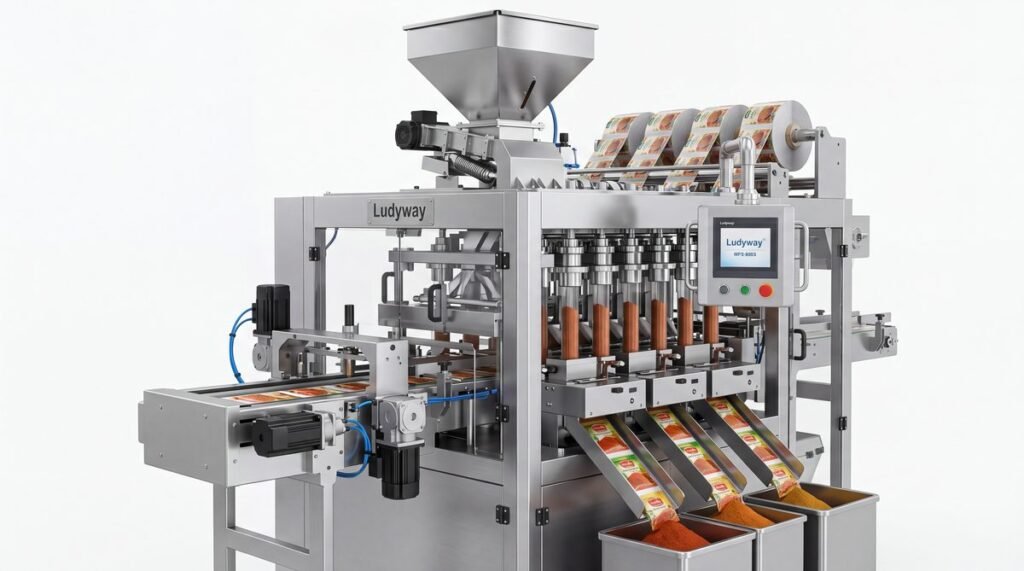
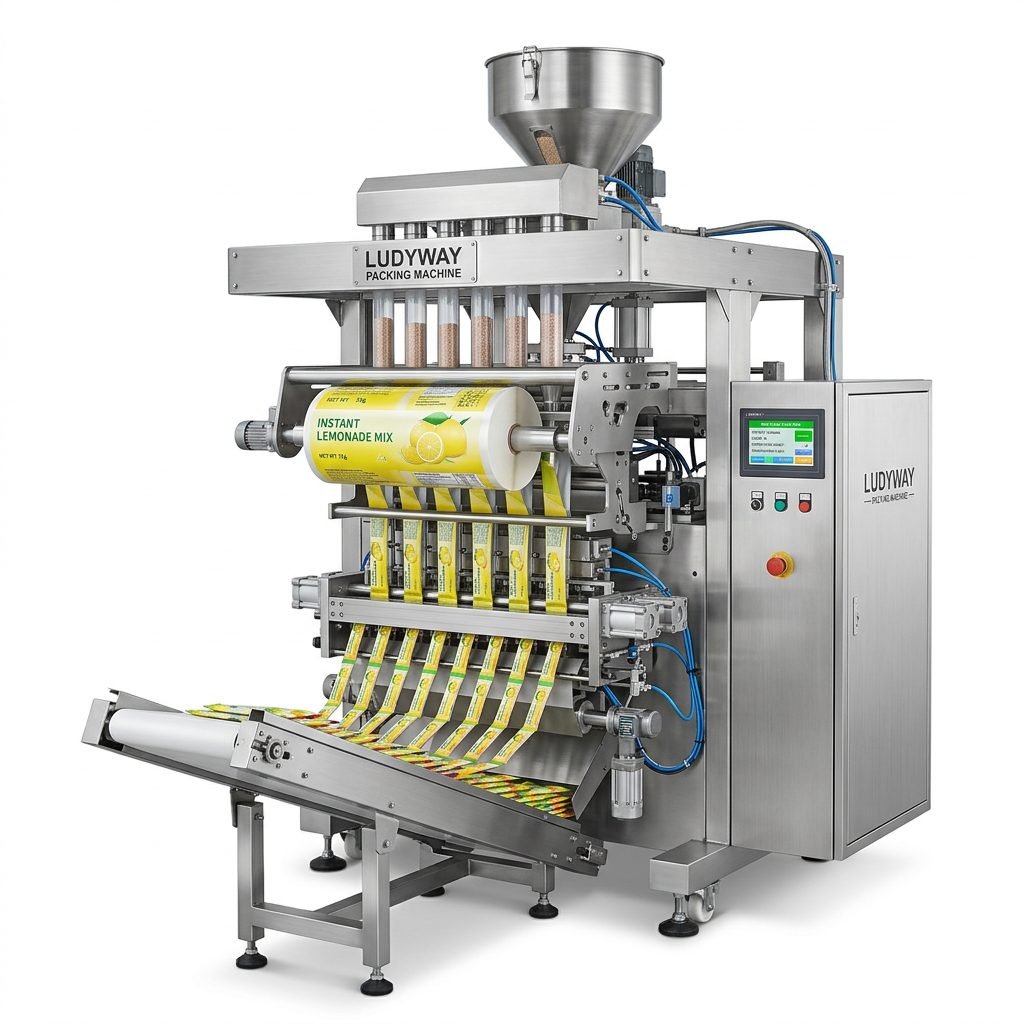
Look for a manufacturer with a proven track record, particularly in your specific product category. Experience translates into a deeper understanding of material handling, dosing accuracy, and sealing integrity. A manufacturer like Ludyway, with over 30 years in the industry, has developed solutions for a vast range of products from food granules to pharmaceutical powders, giving them the insight to anticipate and solve common packaging challenges faced by Pakistani businesses.
2. Range of Machinery and Customization Capability
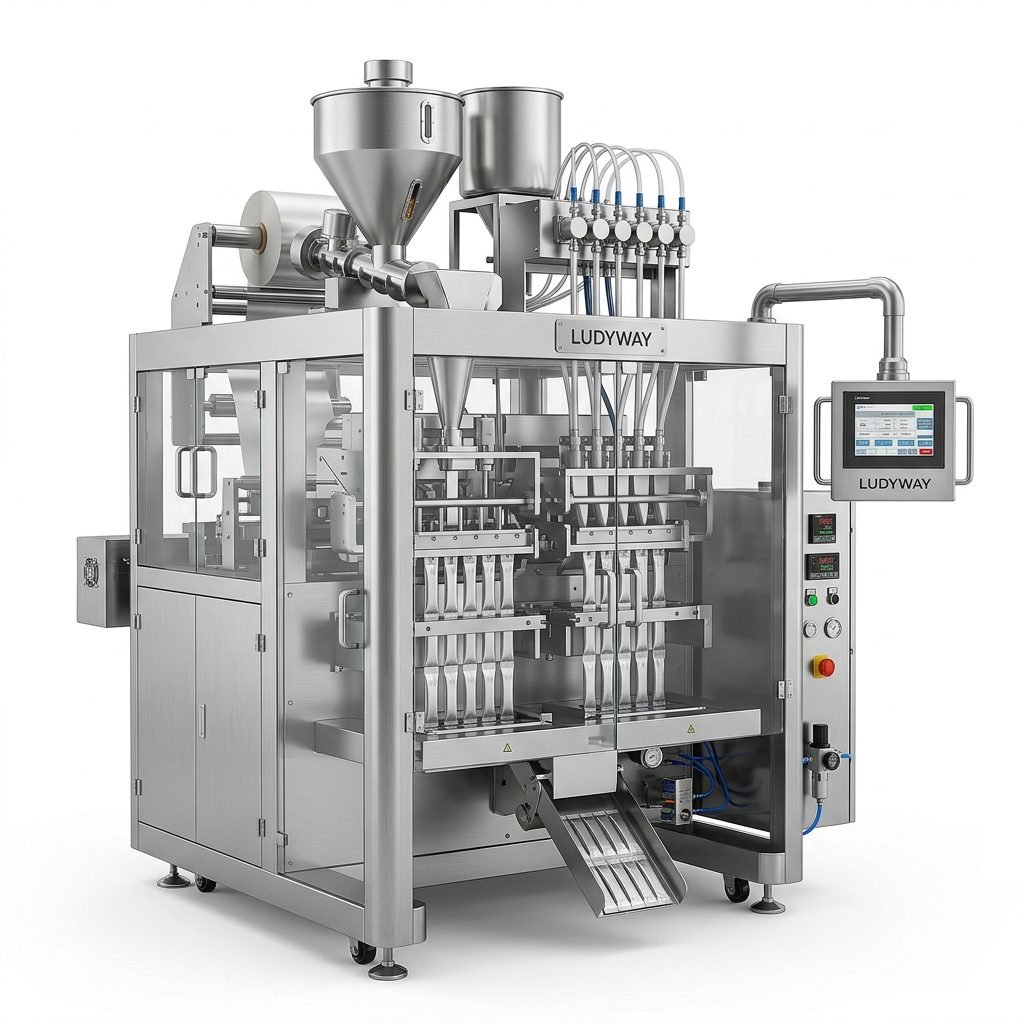
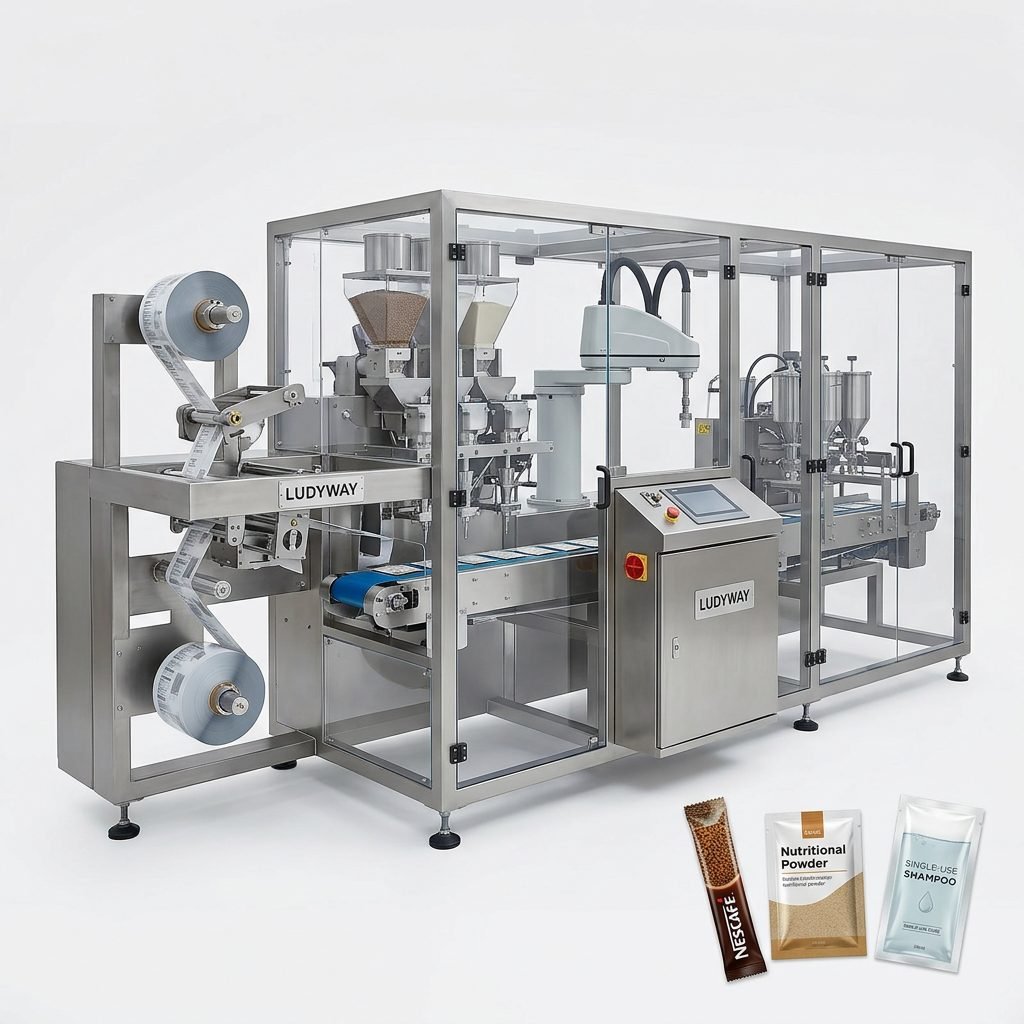
Does the manufacturer offer a machine that fits your exact need, or can they customize one? A broad portfolio is a good sign. For example, if you produce multiple product lines—like both liquid hand sanitizer and powder detergent—a supplier offering both liquid filling and powder dosing systems is advantageous. Customization is key for businesses with unique pouch sizes, complex weighing requirements, or specific integration needs with existing production lines.
Leading manufacturers, including Packmate Machinery and PacklineOEM, often provide extensive ranges from stick pack machines to complete turnkey lines, ensuring you find a tailored solution rather than a one-size-fits-all compromise.

3. Manufacturing Quality and Technology
The build quality of the machine determines its longevity, reliability, and precision. Investigate the manufacturer’s production facility, quality control processes, and the technology they employ. Modern facilities with CNC machining and robotic welding, like Ludyway’s 20,000㎡ plant, typically produce more durable and precise equipment. Look for features like servo-driven systems for accuracy, stainless steel contact parts for hygiene, and user-friendly PLC (Programmable Logic Controller) interfaces.
4. After-Sales Support and Service Network
This is arguably the most critical factor for operations in Pakistan. Machine downtime can be catastrophic. Ensure your chosen manufacturer has a robust support system. This includes:
• Local Technical Support: Availability of engineers or agents in Pakistan or the region for quick response.
• Comprehensive Training: On-site training for your operators and maintenance staff.
• Spare Parts Availability: A guaranteed inventory of critical spare parts to minimize downtime.
• Remote Diagnostics: Modern manufacturers often offer remote support to troubleshoot issues quickly.
Companies that export globally, such as PackingMachineOEM, usually have established international service protocols, which is a significant advantage.
5. Cost-Effectiveness and Return on Investment (ROI)
While upfront cost is important, the total cost of ownership (TCO) is what truly matters. A cheaper machine with high maintenance costs and frequent breakdowns will be more expensive in the long run. Evaluate the energy efficiency, material waste reduction, and labor savings a machine offers. A reliable, high-speed automated line from a reputable manufacturer can significantly improve your ROI through increased output and reduced operational costs.

Why Consider International Manufacturers Like Ludyway?
Many successful Pakistani businesses partner with international manufacturers, particularly from China, which is a global hub for packaging machinery. Here’s why:
Advanced Technology at Competitive Prices: Chinese manufacturers like Ludyway, Packmate Machinery, and SnusMachinery (specializing in nicotine pouch packaging) often offer technology on par with Western brands but at a more accessible price point, providing excellent value.
Proven Experience with Diverse Markets: Manufacturers serving over 100 countries have encountered and solved a wide array of packaging challenges, making them well-equipped to handle the specific requirements of Pakistani industries, from humid climates affecting powder flow to voltage stability issues.
Scalability and Customization: Large-scale international manufacturers have the R&D and engineering resources to develop custom solutions, whether you’re a startup needing a simple sachet machine or a large corporation requiring a fully integrated turnkey line with robotic palletizing.
Navigating the Procurement Process
1. Request Detailed Quotations: Don’t just ask for a price. Request a detailed proposal outlining machine specifications, warranty, delivery timeline, installation, and training costs.
2. Ask for Client References: Reputable manufacturers will provide contacts of existing clients, preferably in similar industries or regions.
3. Request a Live Demo or Video Test: Ask the manufacturer to run a test with a sample of your actual product (or a close substitute). This is the best way to verify performance claims for dosing accuracy, speed, and seal quality.
4. Clarify Shipping and Import Duties: Understand all Incoterms, shipping logistics to Karachi or Lahore ports, and who handles customs clearance. A reliable partner will guide you through this process.

Conclusion: Building a Partnership for Growth
Choosing a packaging machine manufacturer in Pakistan is not just a transaction; it’s the beginning of a long-term partnership. Your manufacturer should act as a strategic ally in your growth, offering not just a machine but a solution that enhances your productivity and product appeal in the competitive Pakistani and global markets.
By thoroughly assessing your needs, rigorously evaluating manufacturers on technical merit and support capability, and considering established international partners with a local support mindset, you can make an informed decision that will drive efficiency and profitability for years to come.
Frequently Asked Questions (FAQs)
Q1: What is the lead time for receiving a packaging machine in Pakistan from an international manufacturer?
A: Lead times vary based on machine complexity and customization. For standard models, it can range from 30-60 days after order confirmation, plus shipping time. Custom or turnkey lines may take 90-120 days. Always confirm this timeline in your contract.
Q2: How do I ensure the machine will work with my local power supply and packaging materials?
A: Reputable manufacturers will configure machines to match Pakistan’s standard voltage (220V/50Hz) and can test runs with samples of your locally sourced packaging films or laminates before shipment to ensure compatibility.
Q3: What kind of training is typically provided?
A: Comprehensive training should include machine operation, routine maintenance, troubleshooting, and safety procedures. This is usually conducted on-site by the manufacturer’s engineers after installation.
Q4: Are spare parts readily available in Pakistan?
A: This depends on the manufacturer. It’s crucial to discuss spare parts logistics upfront. Leading manufacturers either stock critical parts with local agents or have efficient air shipping arrangements to minimize downtime.
Q5: Can the machine be upgraded in the future as my business grows?
A: Modularity is a key feature of modern packaging machinery. Discuss future scalability options with your supplier, such as adding more lanes, integrating checkweighers, or connecting to downstream cartoning systems.