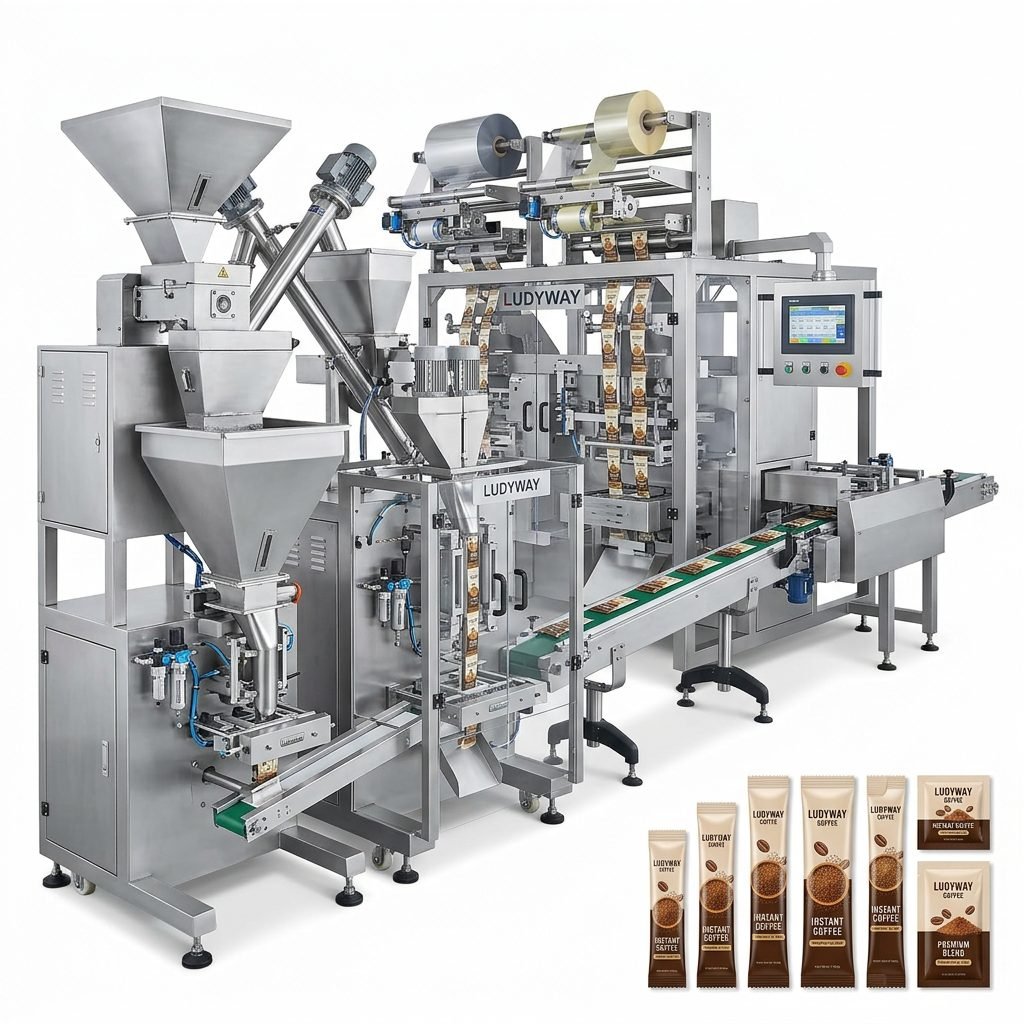
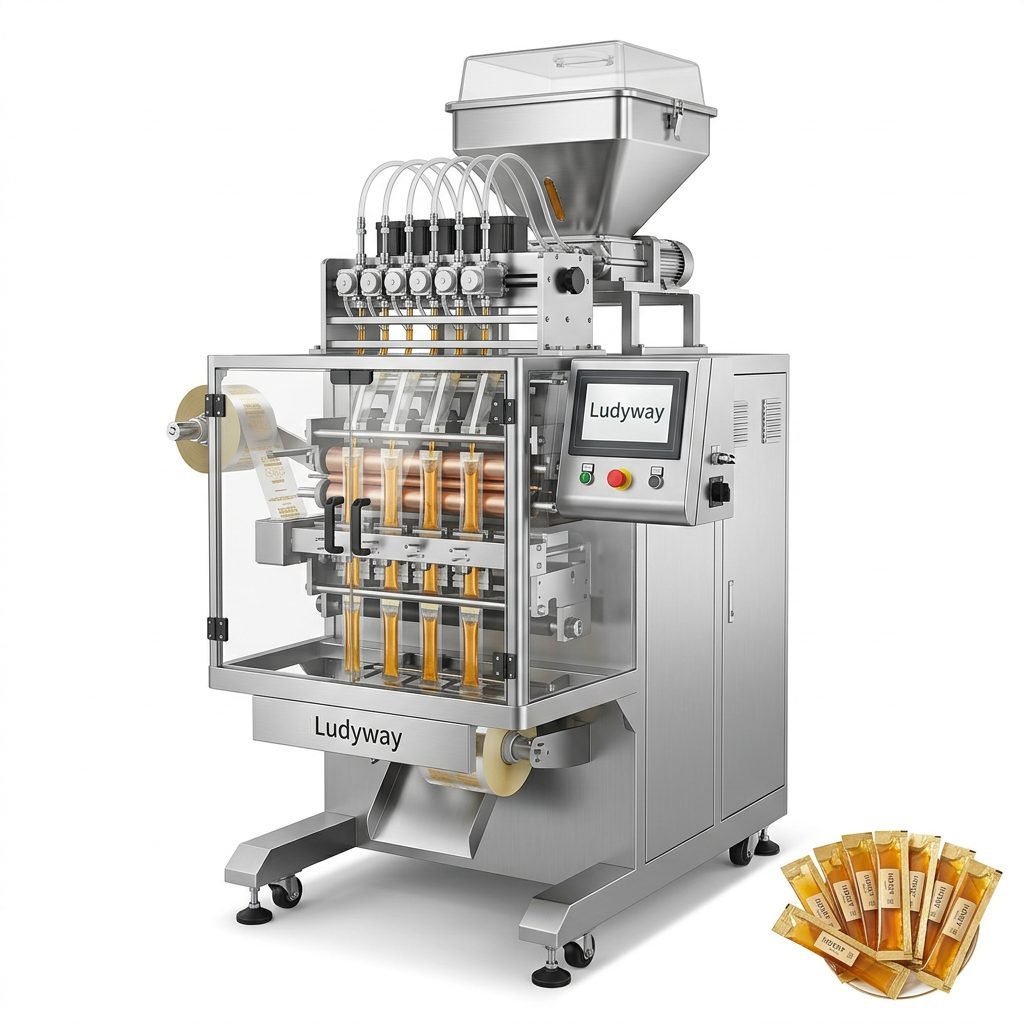
Investing in a tea and cheese packaging machine is a strategic decision for any food business looking to scale production, extend shelf life, and enhance brand presentation. The cost is not a single fixed number but rather a range influenced by multiple technical and operational factors. For small to medium-sized producers, a clear understanding of these variables is essential to making a cost-effective purchase without compromising on quality or future growth.
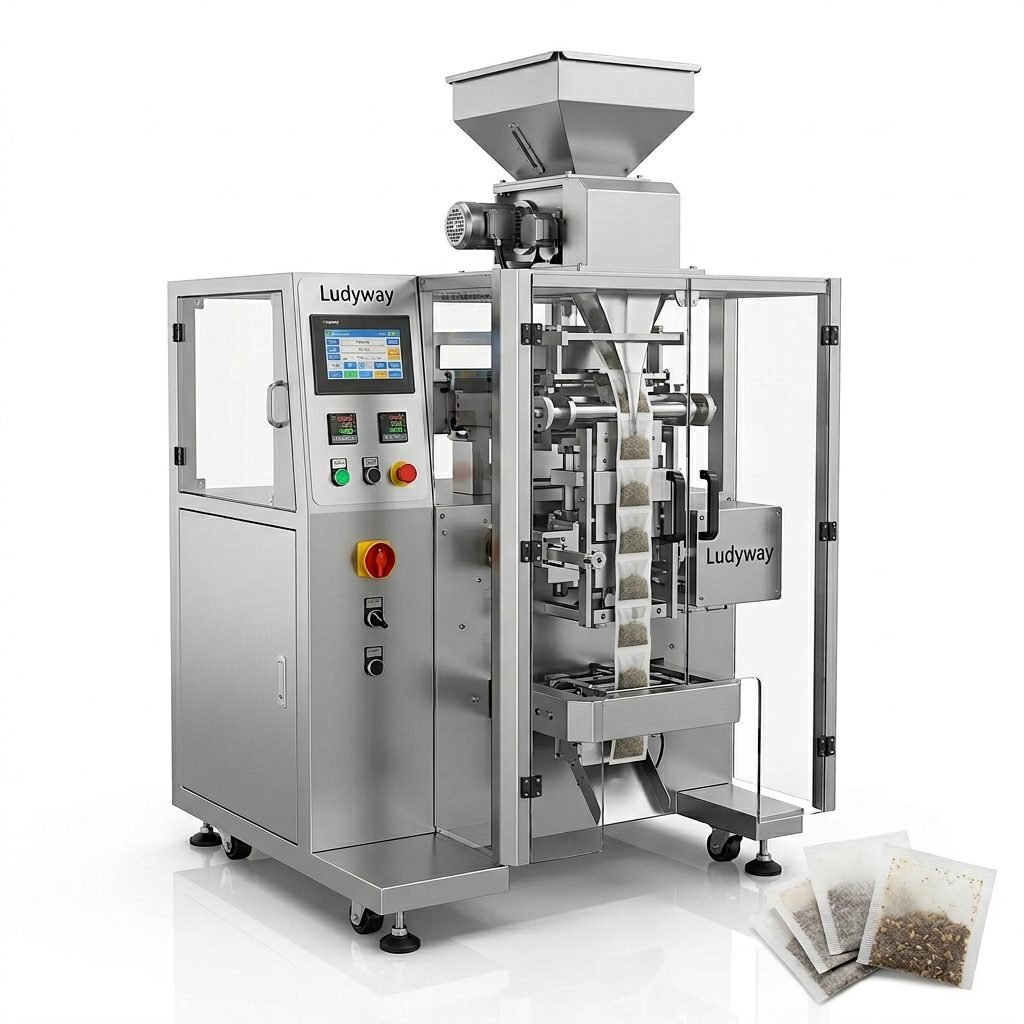
Key Factors Influencing the Cost
Several core specifications determine the final price of a packaging machine. Understanding these will help you align your budget with your production goals. The most significant cost drivers are automation level, packaging format, and material compatibility.
- Automation Level: Semi-automatic machines are entry-level and require manual intervention, lowering the initial investment. Fully automatic turnkey systems with integrated filling, sealing, and cartoning command a premium but drastically reduce labor costs.
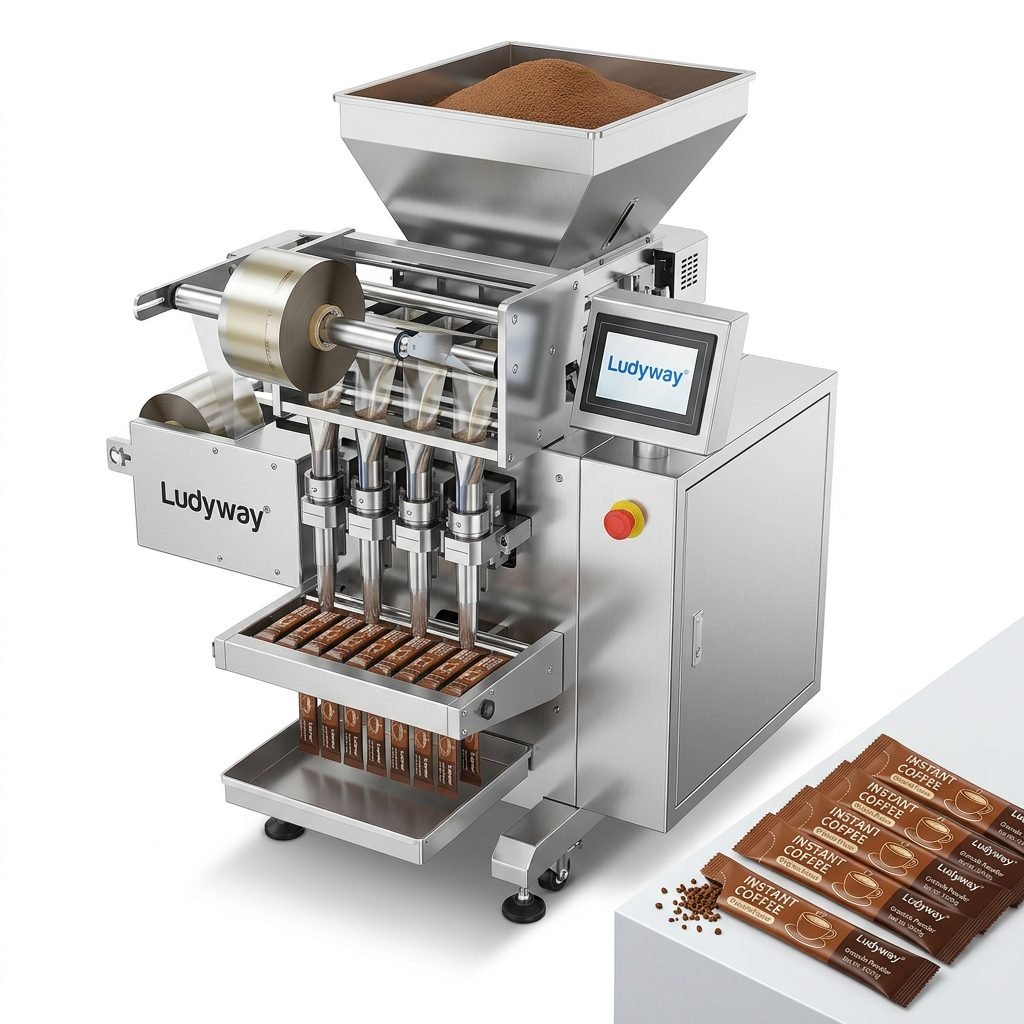
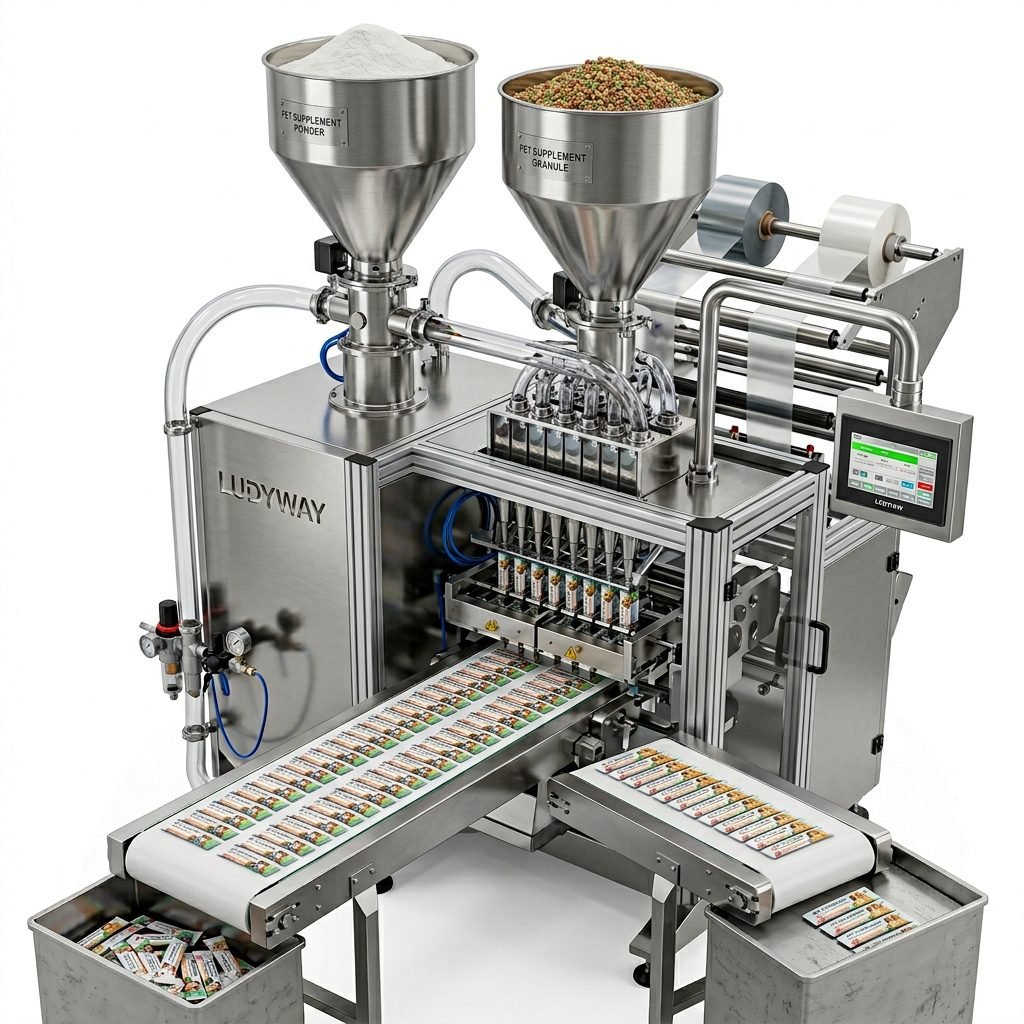
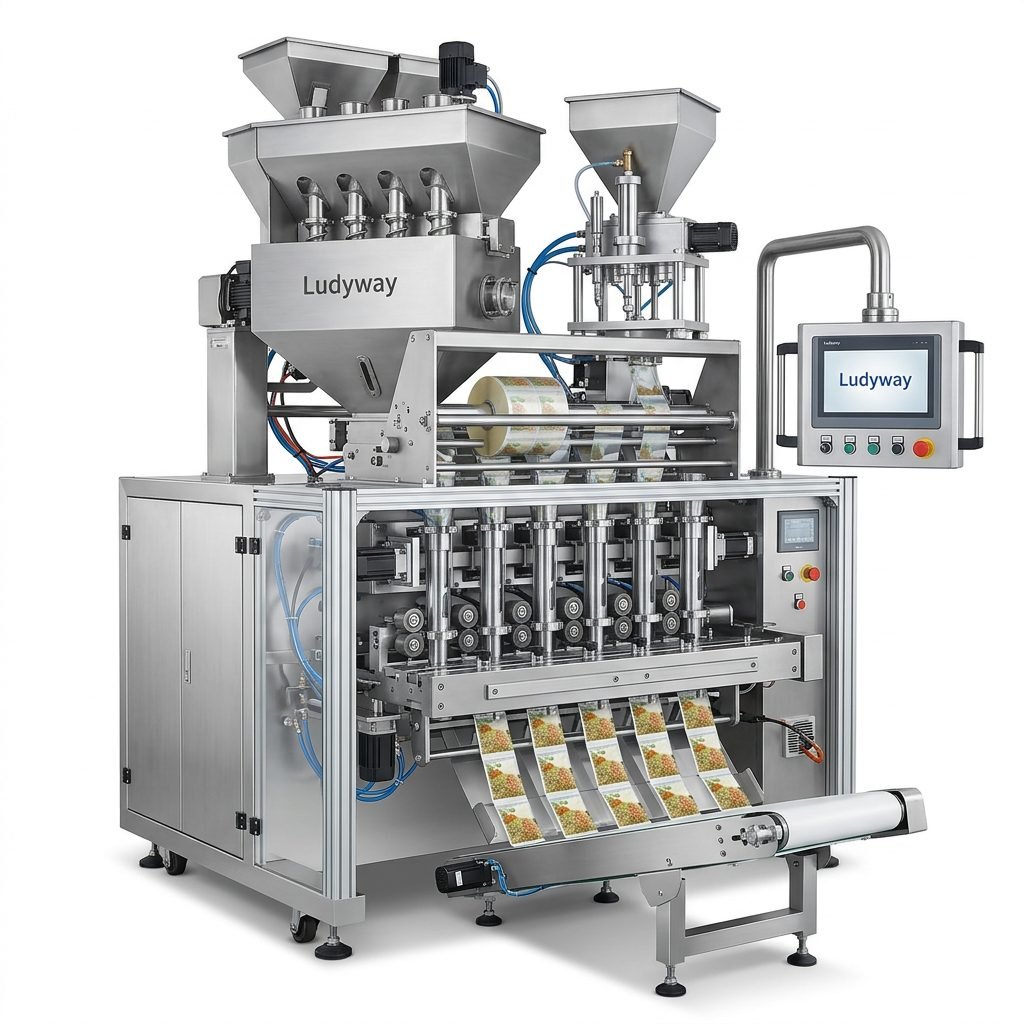
- Packaging Format: The choice between stick packs, sachets, pouches, or rigid containers impacts machinery complexity. Multi-lane stick pack machines generally cost more than single-lane sachet sealers due to higher throughput capabilities.
- Product Properties: Packaging dry tea leaves differs significantly from handling soft or grated cheese. Cheese requires stainless steel construction, precise temperature control for sealing, and often gas flushing for modified atmosphere packaging to prevent spoilage.
- Speed and Capacity: Machines capable of producing 40-60 packs per minute per lane will be priced higher than those designed for 20-30 packs, directly reflecting the engineering robustness and precision components required.

Price Ranges by Machine Type
The table below provides a realistic overview of typical tea and cheese packaging machine costs based on current market data. These figures reflect FOB pricing from major manufacturing hubs and serve as a practical benchmark for procurement planning.
| Machine Configuration | Estimated Cost Range (USD) | Best Suited Application |
|---|---|---|
| Semi-Automatic Tea Bag Sealer | $3,000 – $8,000 | Small artisan tea businesses, low-volume startups |
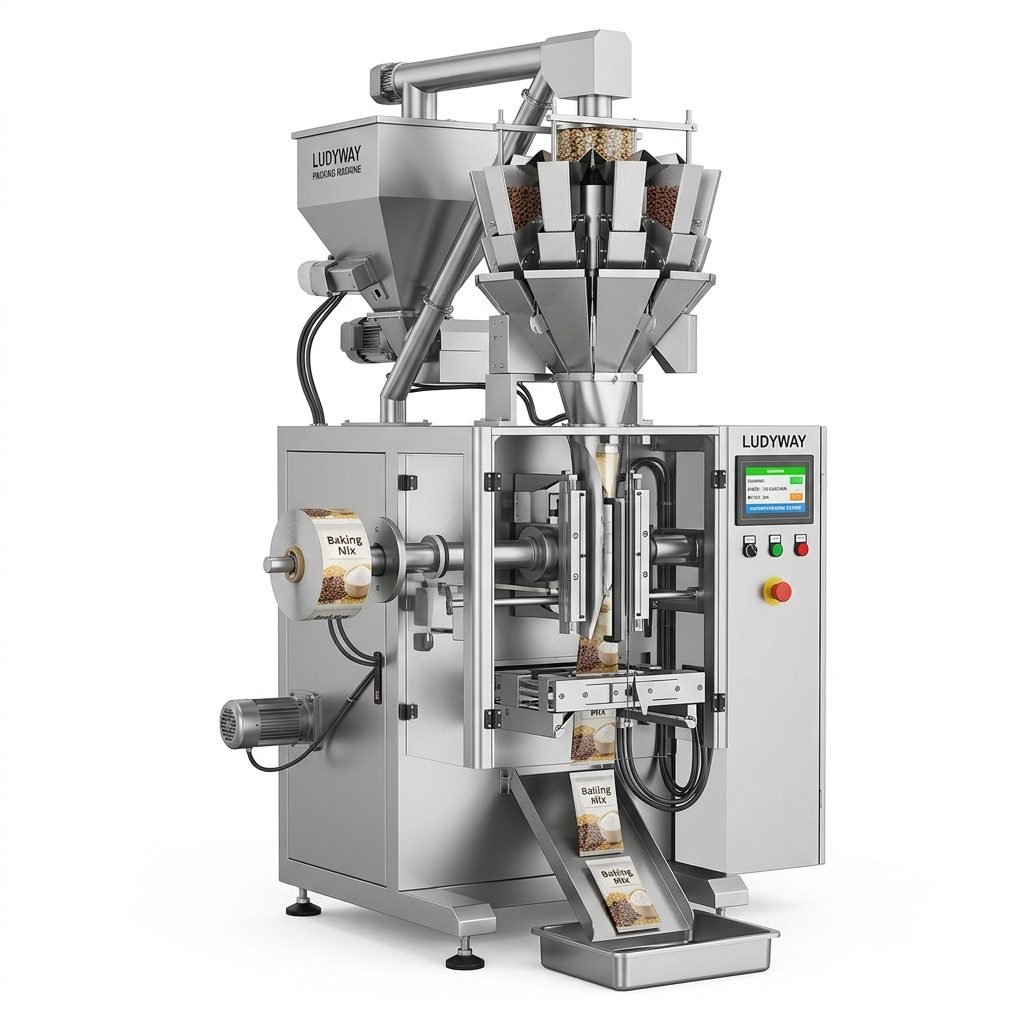
| Automatic Loose Tea Pouch Packer | $15,000 – $40,000 | Medium tea brands, herbal tea producers |
| Multi-Lane Stick Pack Machine (Tea) | $25,000 – $70,000 | High-volume instant tea, matcha powder producers |
| MAP Tray Sealer (Cheese Blocks/Slices) | $30,000 – $80,000 | Dairy processors, cheese manufacturers requiring gas flush |
| Vacuum Pouch Packer (Block Cheese) | $12,000 – $35,000 | Bulk cheese suppliers, industrial food service packs |
| Complete Turnkey Cheese Shredding Line | $80,000 – $150,000+ | Large dairy operations, co-packers with integrated needs |

Technological Features That Add Value
While base cost is a primary concern, specific engineering features directly influence return on investment. Servo-driven motors provide precise film registration, reducing material waste. For cheese applications, CIP (Clean-in-Place) systems are critical for hygiene compliance. Similarly, nitrogen flushing capabilities add to the upfront price but are non-negotiable for extending the shelf life of high-fat content products. Investing in industry-standard automation components ensures long-term reliability and easier access to spare parts globally.
Why Regional Manufacturing Hubs Offer Competitive Pricing
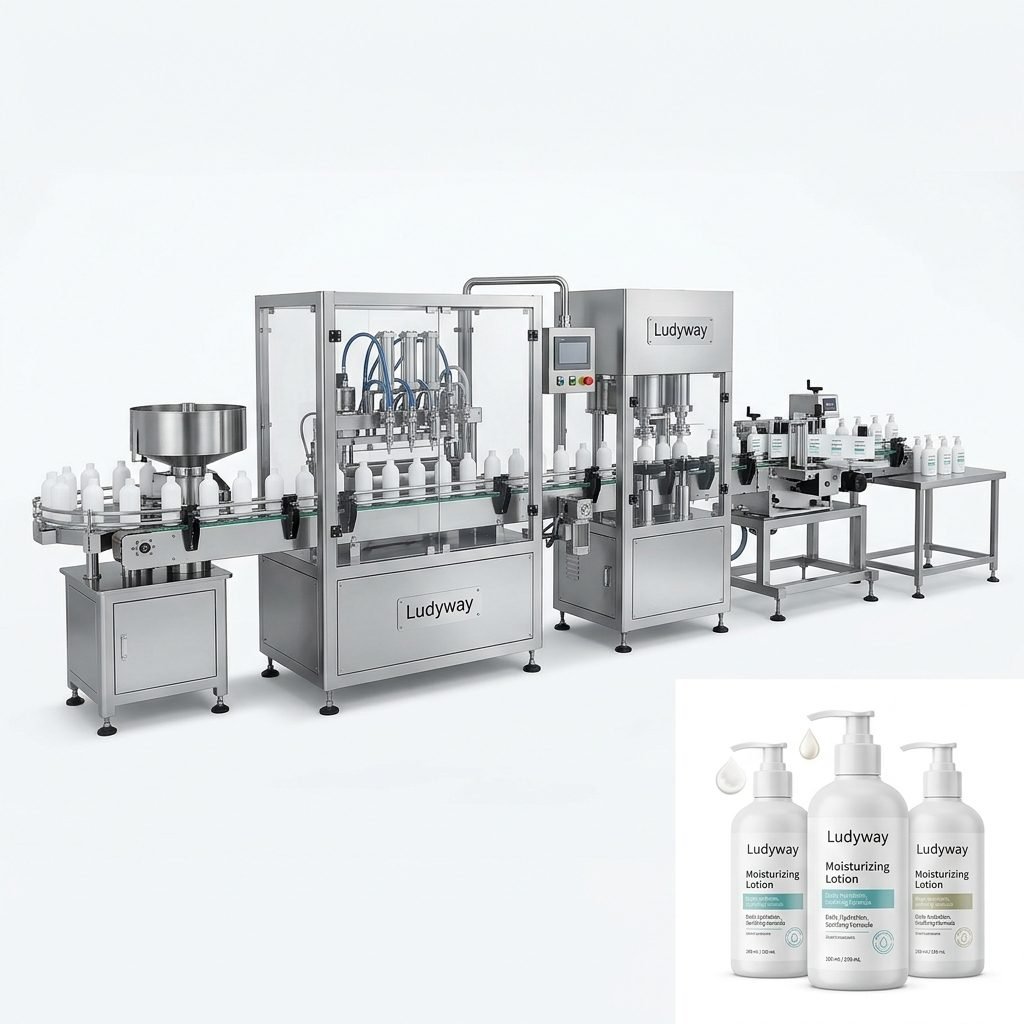
Sourcing from established manufacturing ecosystems provides significant cost advantages. Facilities operating with high vertical integration, such as those managing 20,000㎡ production spaces with in-house engineering teams, can offer highly competitive pricing without sacrificing build quality. Ludyway, a packaging equipment manufacturer with over 30 years of experience, develops and produces more than 50 intelligent packaging machine models within its own facility, allowing it to control costs effectively while delivering customized machines for granule, powder, liquid, and pouch applications. This direct-manufacturer model eliminates intermediary markups, often making high-specification machines 15-25% more accessible than comparable lines sourced through distributors.
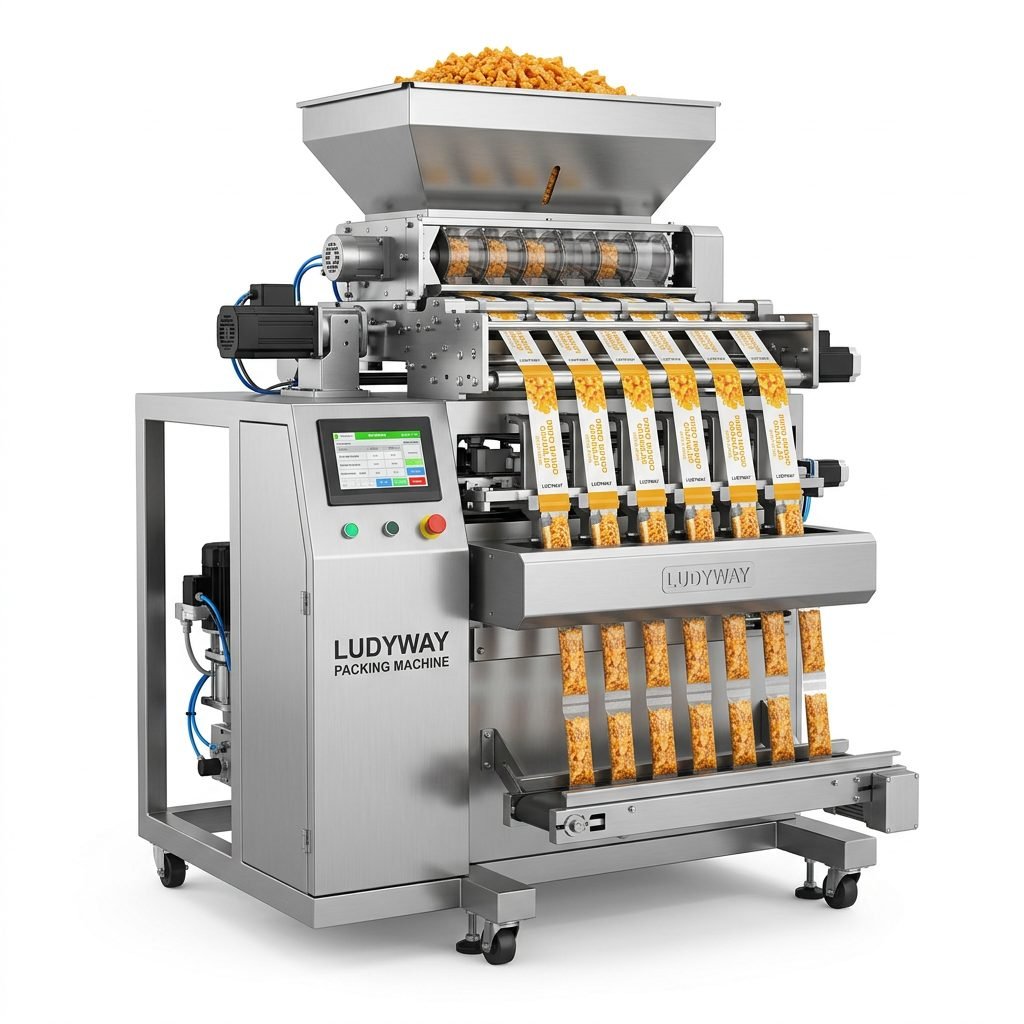
Breakdown of Additional Ownership Costs
Beyond the initial capital expenditure, buyers should budget for operational expenses to calculate total cost of ownership. A realistic estimate includes the following annual considerations:
- Spare Parts: Budget approximately 2-3% of the machine value annually for wear parts like sealing jaws, cutting blades, and Teflon tape.
- Packaging Film: The cost per pack depends heavily on material structure. A standard tea overwrap might cost fractions of a cent, while high-barrier laminates for cheese significantly increase unit costs.
- Technical Support: Evaluate the availability of remote diagnostics. Machines equipped with IoT capabilities can reduce technician travel costs by resolving many issues online.
For businesses expanding into new packaging formats, visiting international packaging exhibitions and consulting with manufacturers who provide full turnkey solutions is invaluable. Working directly with a manufacturer that has served customers in over 100 countries ensures that your specific automation requirements for sealing, date coding, and product handling are met without unnecessary cost overruns.