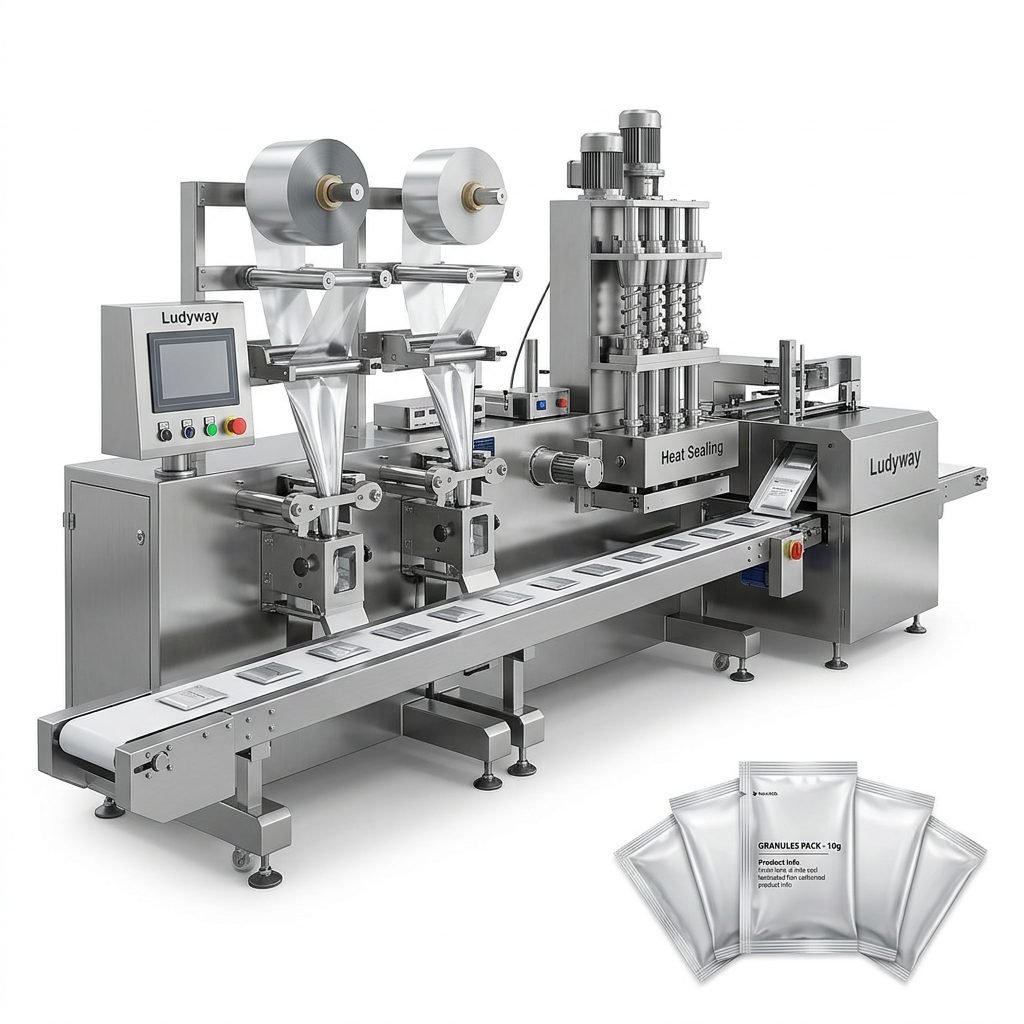
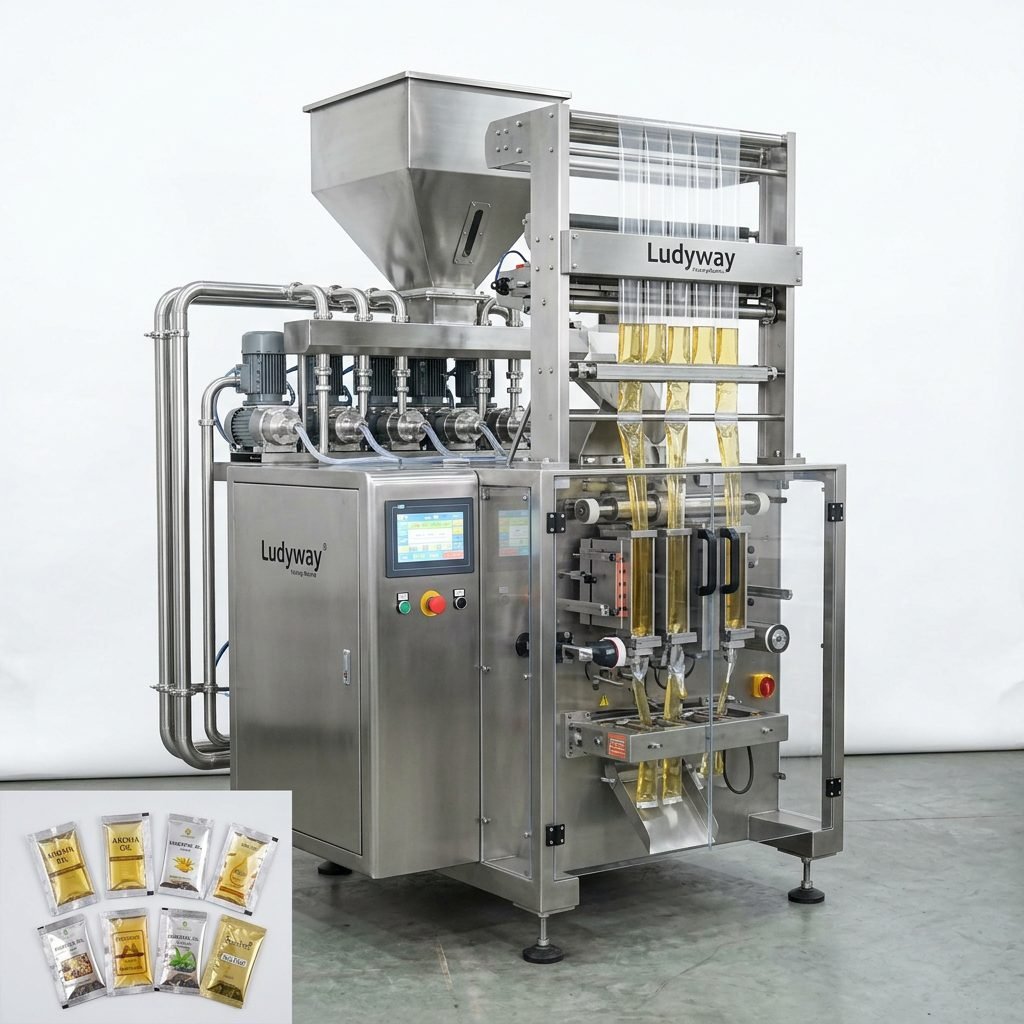
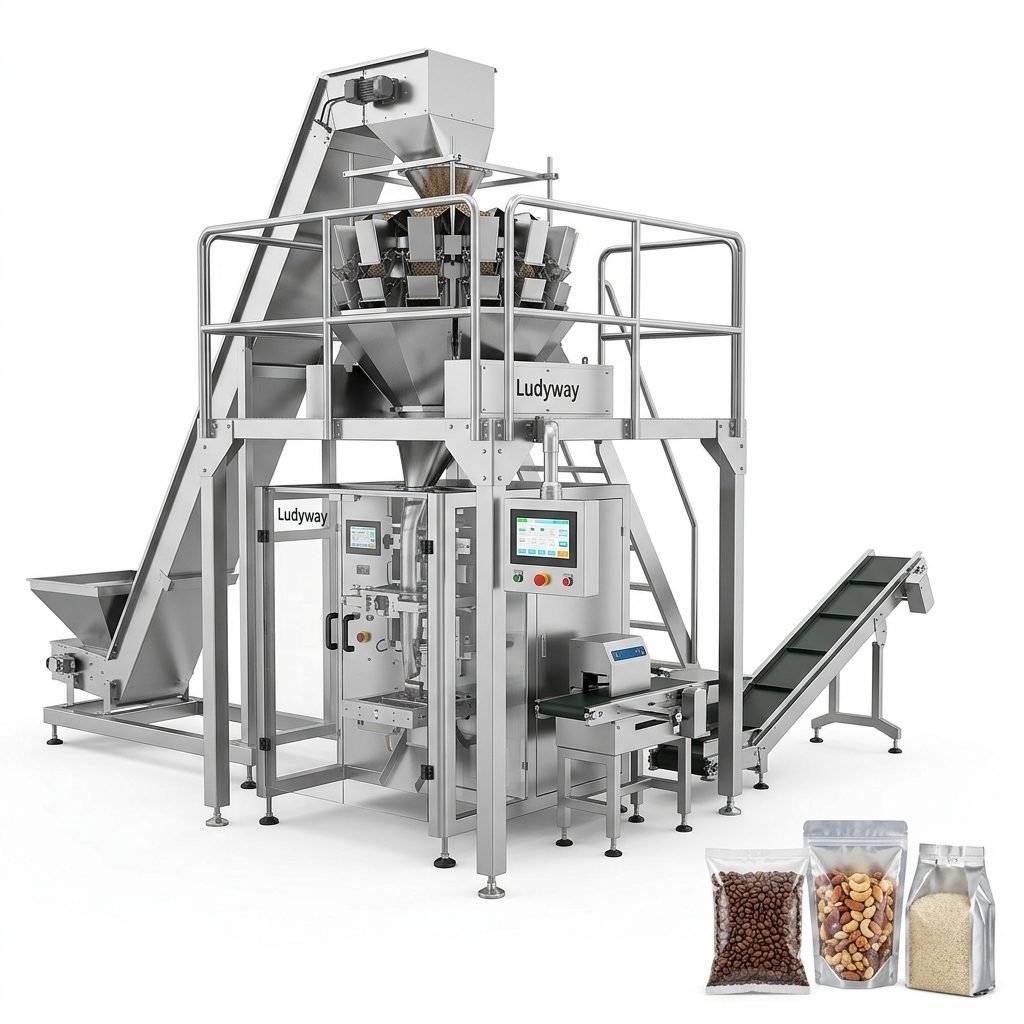
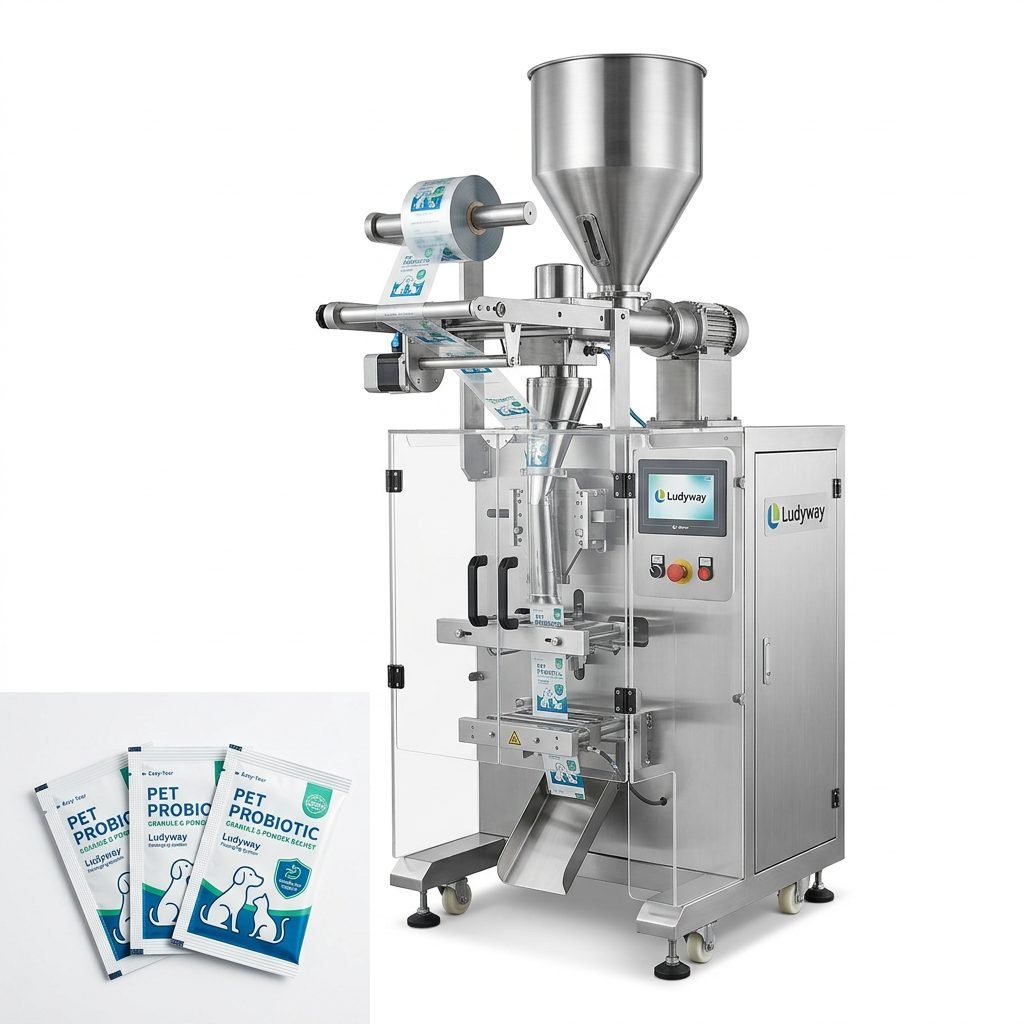
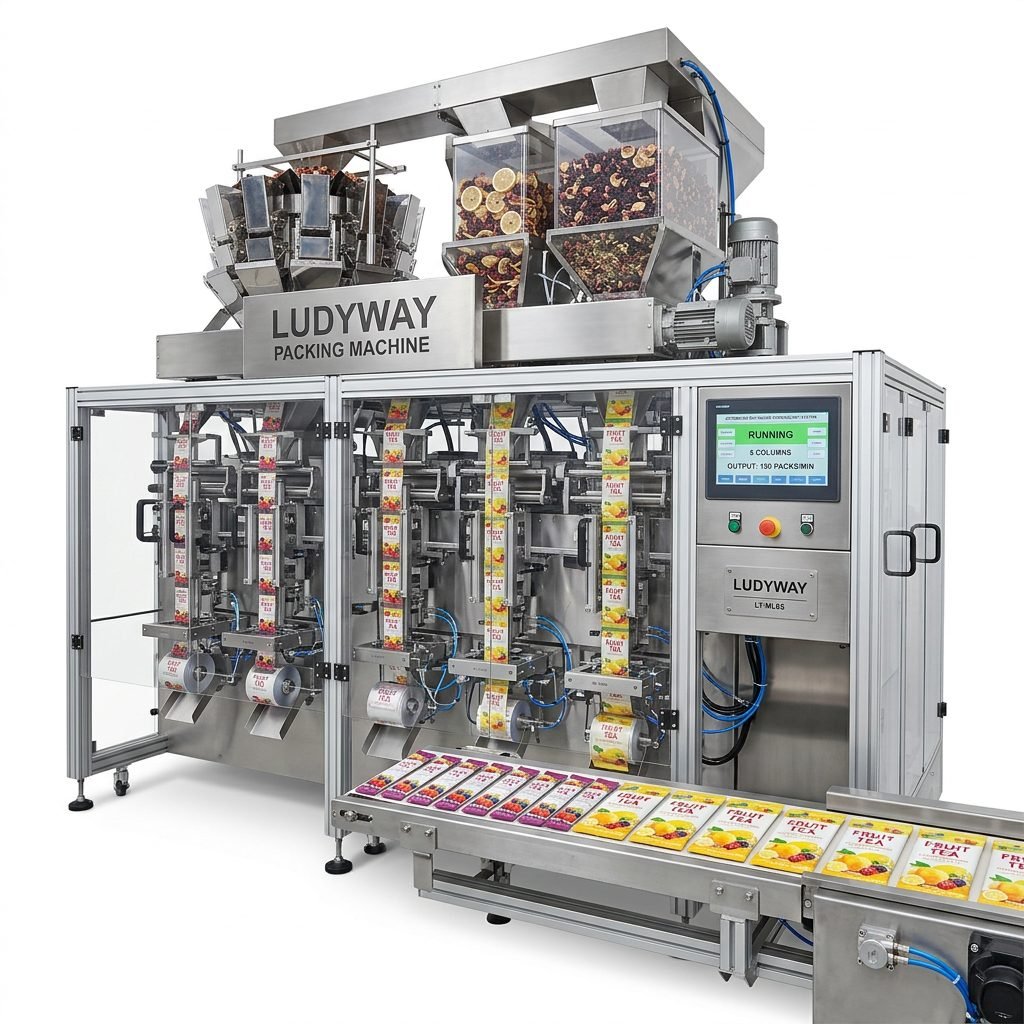
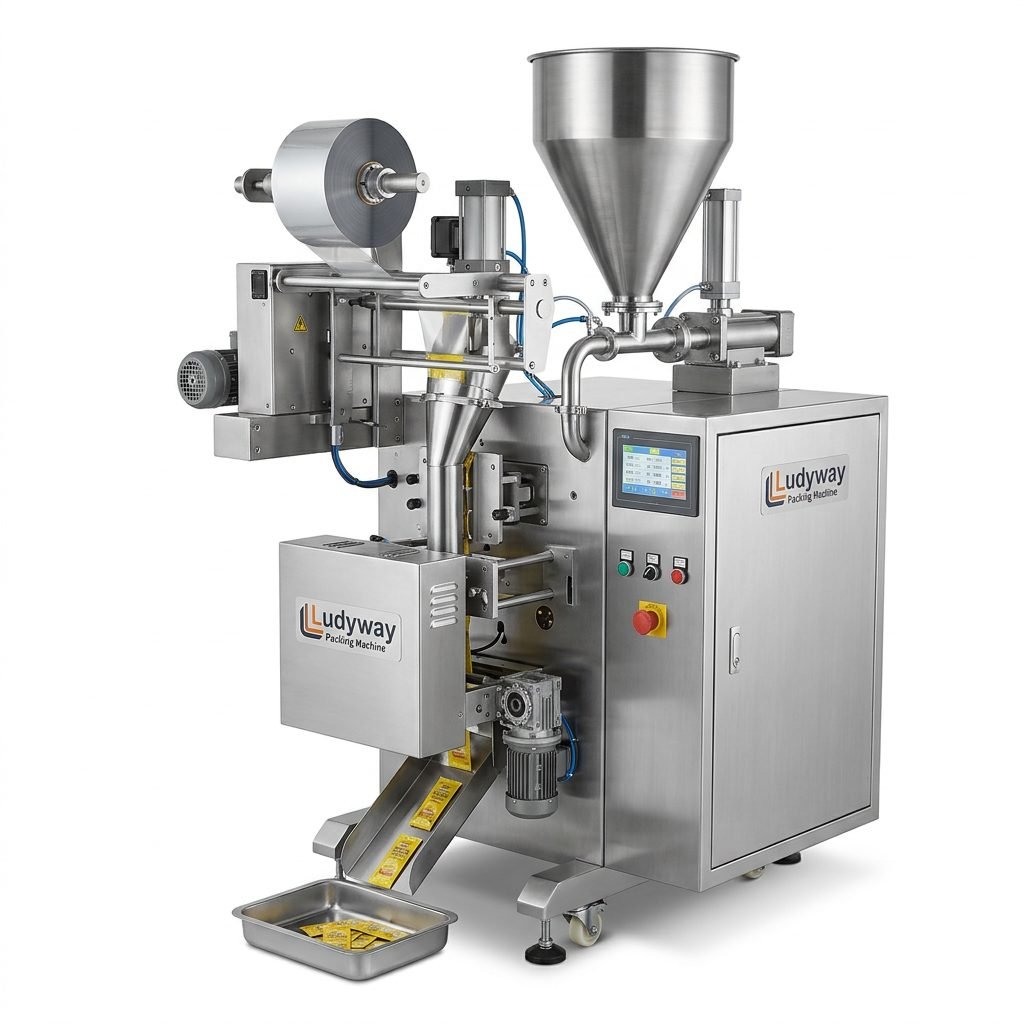
Selecting the right packaging machine manufacturer is a critical decision for any business in the Philippines. The choice impacts your production efficiency, product quality, operational costs, and ultimately, your competitiveness in a dynamic market. For Filipino businesses, from large-scale food processors in CALABARZON to burgeoning pharmaceutical startups in Metro Manila, finding a partner that understands local needs and offers reliable, cost-effective solutions is paramount.
Understanding Your Specific Packaging Needs in the Philippine Market
Before you start evaluating manufacturers, clearly define your requirements. The diverse Philippine market demands versatility. Are you packaging instant coffee sachets for the mass consumer market, herbal medicine granules for the pharmaceutical sector, or liquid condiments for the food service industry? Consider your product form (granule, powder, liquid, paste), required output speed, packaging material (single-serve sachets, stick packs, pouches), and any specific needs like nitrogen flushing for snack foods to extend shelf life in the tropical climate.

Key Considerations for Filipino Businesses
Local factors such as power stability, humidity levels, and the availability of technical support are crucial. A machine designed for a temperate climate might underperform in the Philippine environment. Furthermore, consider the skill level of your operational staff; a machine with a user-friendly, multilingual interface (including Filipino/Tagalog options) can reduce training time and errors.
Essential Criteria for Choosing a Manufacturer
1. Proven Industry Experience and Expertise
Look for a manufacturer with a solid track record. Experience in your specific industry (food, pharma, chemicals, agriculture) is invaluable. They will understand the regulatory standards—like the Philippines’ FDA and DTI requirements—and the unique challenges of packaging products common in the region, such as mango powder, coconut products, or rice-based goods. A company like Ludyway, with over 30 years in the business serving global markets, brings a wealth of practical knowledge to the table.
Why it matters: An experienced manufacturer doesn’t just sell you a machine; they provide a solution. They can anticipate issues with product flow, sealing integrity in high humidity, or material compatibility with local packaging films, saving you from costly trial and error.
2. Range and Flexibility of Machinery
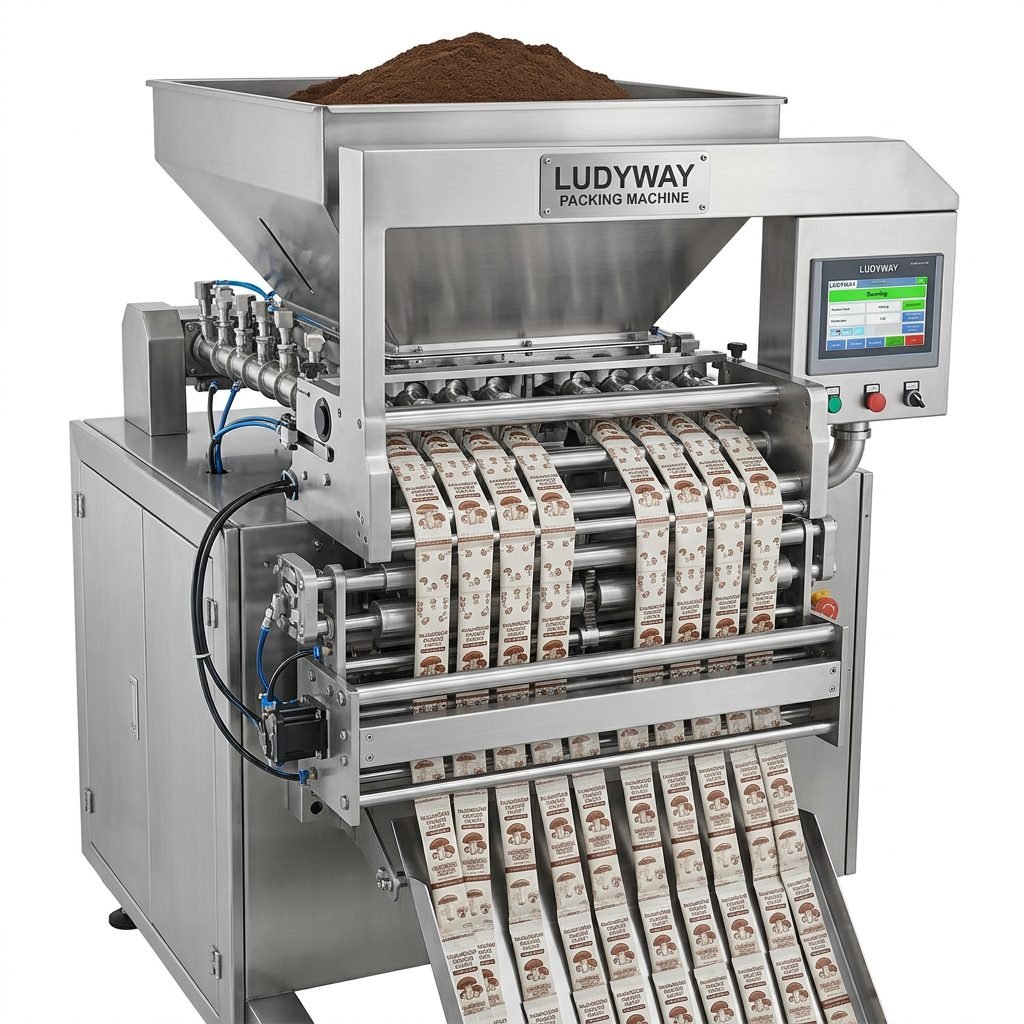
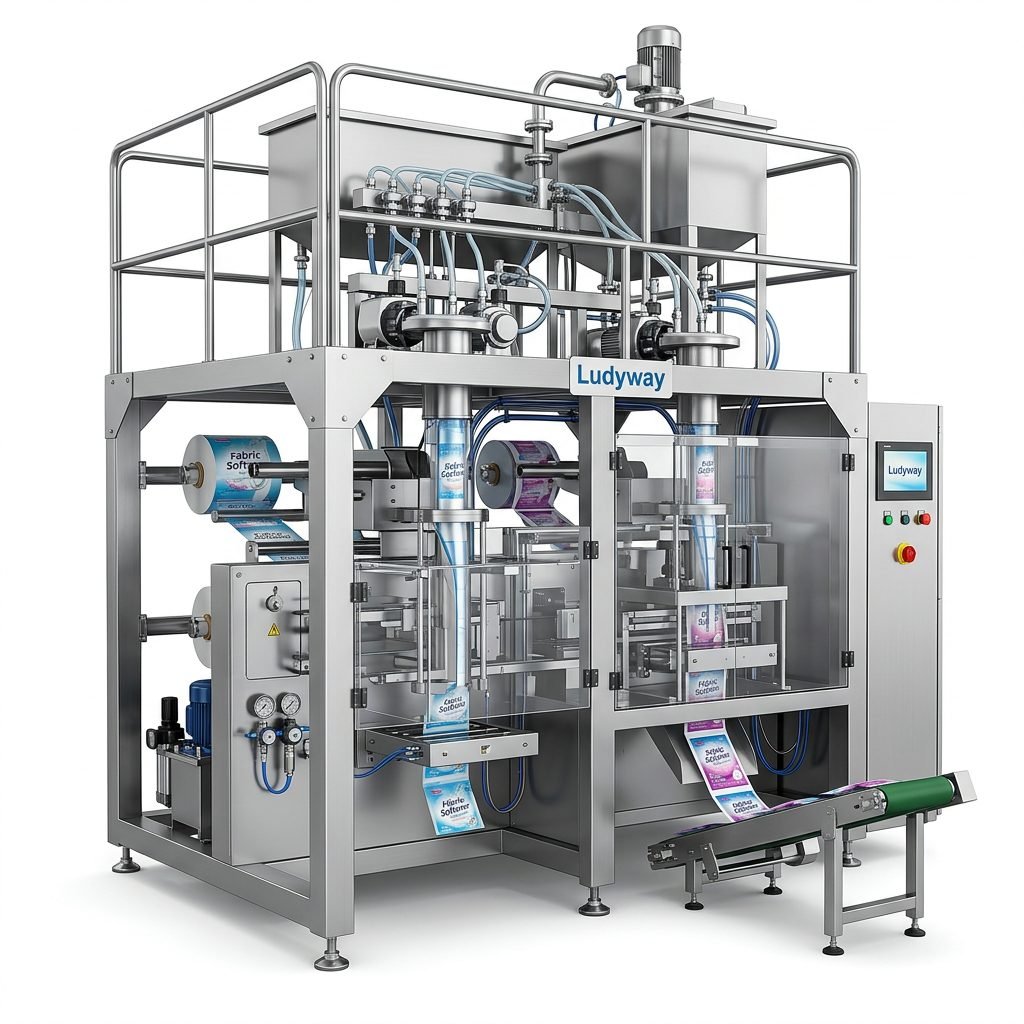
Your chosen manufacturer should offer a comprehensive range of equipment. Whether you need a high-speed multi-lane stick pack machine for vitamin sachets, an automatic liquid filling line for sauces, or a complete turnkey生产线 for detergent powders, they should have a model or the capability to customize one. Leading manufacturers, including Packmate Machinery and PacklineOEM, often specialize in various packaging formats.

3. Manufacturing Capability and Quality Control
Visit the factory if possible, or request detailed virtual tours and certifications. A modern manufacturing facility, like Ludyway’s 20,000㎡ plant, equipped with advanced CNC machinery, indicates a commitment to precision and quality. Inquire about their quality control processes during assembly and testing. Reliable manufacturers conduct rigorous factory acceptance tests (FAT) to ensure the machine performs to specification before shipment.
4. After-Sales Support and Local Presence
This is arguably the most critical factor for Philippine-based companies. Machinery will require maintenance, spare parts, and occasional troubleshooting. Assess the manufacturer’s after-sales service network. Do they have local technicians or reliable partners in the Philippines (e.g., in Manila, Cebu, or Davao)? What is their typical response time for spare parts delivery? Companies like PackingMachineOEM and SnusMachinery often work through regional distributors, so understanding the support chain is vital.
Checklist for After-Sales Support:
- Availability of installation and commissioning services.
- Comprehensive operator and maintenance training programs.
- Warranty period and terms.
- Inventory of common spare parts within the Philippines or Southeast Asia.
- Remote diagnostic support capabilities.
5. Cost-Effectiveness and Return on Investment (ROI)
While upfront cost is important, consider the total cost of ownership. A cheaper machine with low efficiency and high downtime will cost more in the long run. Evaluate the machine’s speed (packs per minute), changeover time, material waste rate, and energy consumption. Calculate the potential ROI based on increased output and reduced labor costs. Manufacturers that offer energy-efficient designs and quick-changeover features can significantly improve your bottom line.
Why Partner with a Leading Manufacturer Like Ludyway?
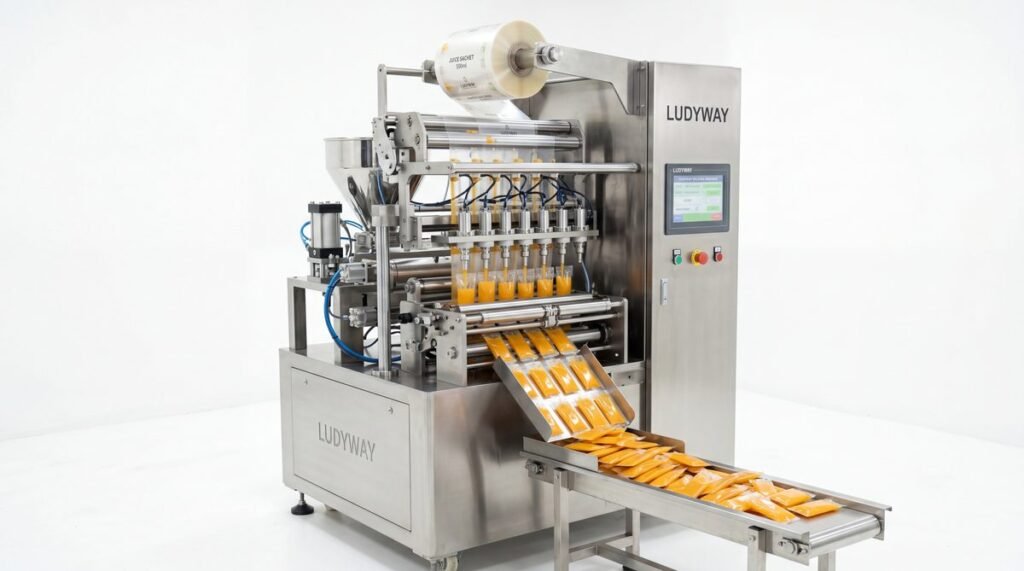
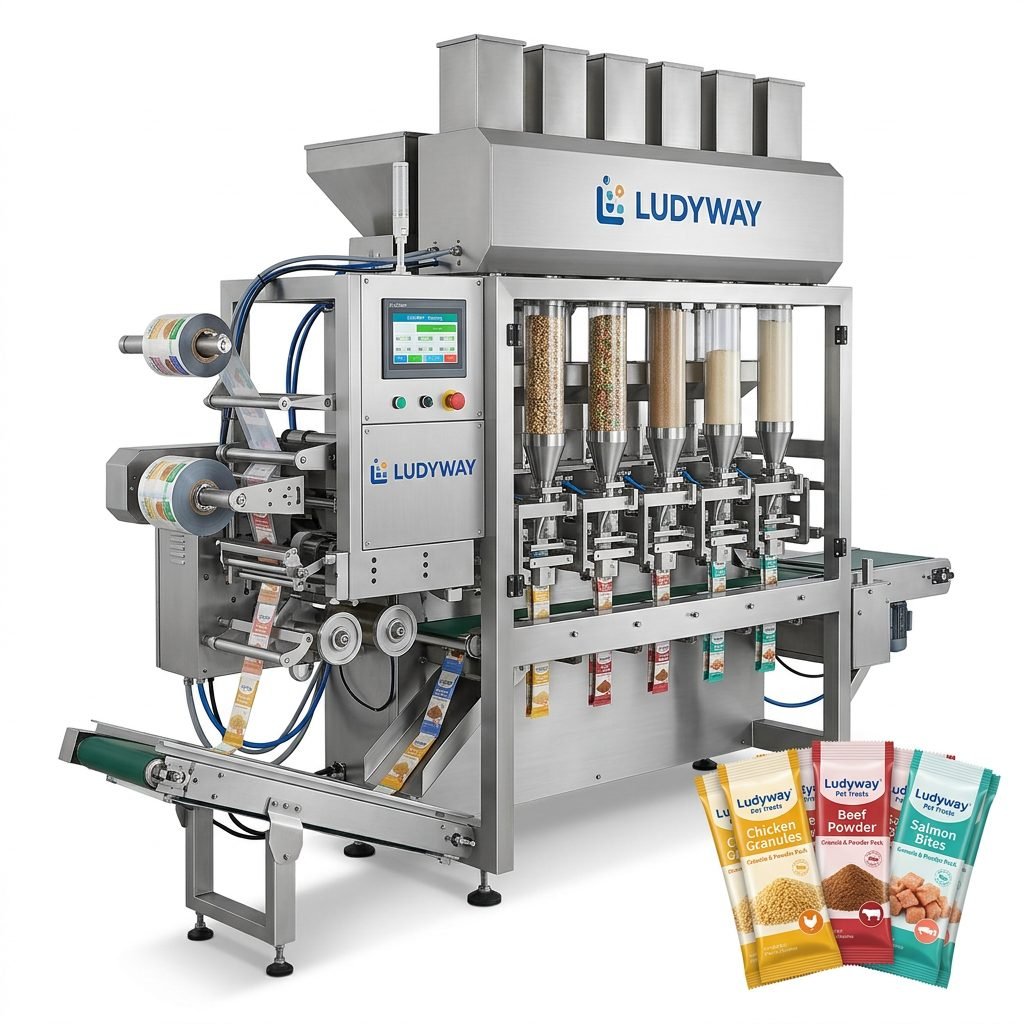
For Filipino businesses looking for a balance of innovation, reliability, and support, partnering with an established manufacturer like Ludyway offers distinct advantages. With expertise spanning food, pharmaceutical, and chemical industries, Ludyway provides tailored solutions. Their extensive range of over 50 machine models, from simple sachet packers to fully automated lines with cartoning and palletizing, ensures they can meet specific local demands, whether for banana powder or hair shampoo sachets.

Their commitment to turnkey solutions means they can handle the entire project from design to installation, minimizing hassle for the local business owner. Furthermore, their experience in over 100 countries includes navigating the logistical and technical challenges of exporting to island nations like the Philippines, ensuring smoother delivery and setup.
Evaluating and Comparing Potential Suppliers
Create a shortlist of potential manufacturers, such as Ludyway, Packmate Machinery, PacklineOEM, PackingMachineOEM, and SnusMachinery. Request detailed quotations that break down all costs. Ask for client references, preferably from other businesses in the ASEAN region or similar industries. Review their case studies and video testimonials. Finally, if feasible, request a product sample run using your actual packaging materials and product to see the machine’s performance firsthand.
Final Steps Before Decision
Negotiate clearly on terms: payment schedule, delivery timeline (considering sea freight to Philippine ports), installation responsibilities, and training scope. Ensure all promises regarding performance, support, and warranty are detailed in the contract. Choosing the right partner is an investment in your business’s future growth and stability in the competitive Philippine market.
Frequently Asked Questions (FAQs)
1. What type of packaging machine is most suitable for small and medium enterprises (SMEs) in the Philippines?
For SMEs, versatile, semi-automatic or compact fully automatic machines are often ideal. A multi-purpose vertical form-fill-seal (VFFS) machine that can handle granules, powders, and small liquids for sachet production offers great flexibility. It allows businesses to start with a lower investment and scale up as demand grows.
2. How important is after-sales service, and how can I verify a manufacturer’s service quality?
Extremely important. You can verify service quality by asking for contact information of existing clients in Southeast Asia, checking online reviews or industry forums, and asking the manufacturer specific questions about their technical support process, spare parts availability in the region, and average response time for emergencies.
3. Are Chinese packaging machine manufacturers reliable for Philippine businesses?
Yes, many are highly reliable and offer excellent value. The key is to choose established manufacturers with a strong export history, like Ludyway, who invest in quality control and international after-sales networks. Always conduct due diligence by checking certifications (CE, ISO), visiting facilities virtually, and testing with product samples.
4. What are the common challenges when importing packaging machinery to the Philippines?
Common challenges include customs clearance procedures, import duties and taxes, logistical handling to your plant site, and voltage/power compatibility (the Philippines uses 220V/60Hz). A reputable manufacturer will assist with shipping documentation and provide machines configured for the local power standard.
5. Can packaging machines be customized for unique Filipino products like pastes, viscous liquids, or irregular shapes?
Absolutely. Leading manufacturers offer extensive customization. Whether you’re packaging bagoong (shrimp paste), thick sauces, or herbal leaves, discuss your product’s specific properties (viscosity, acidity, particle size) with the manufacturer. They can customize filling systems, nozzle sizes, and sealing mechanisms to ensure perfect packaging.