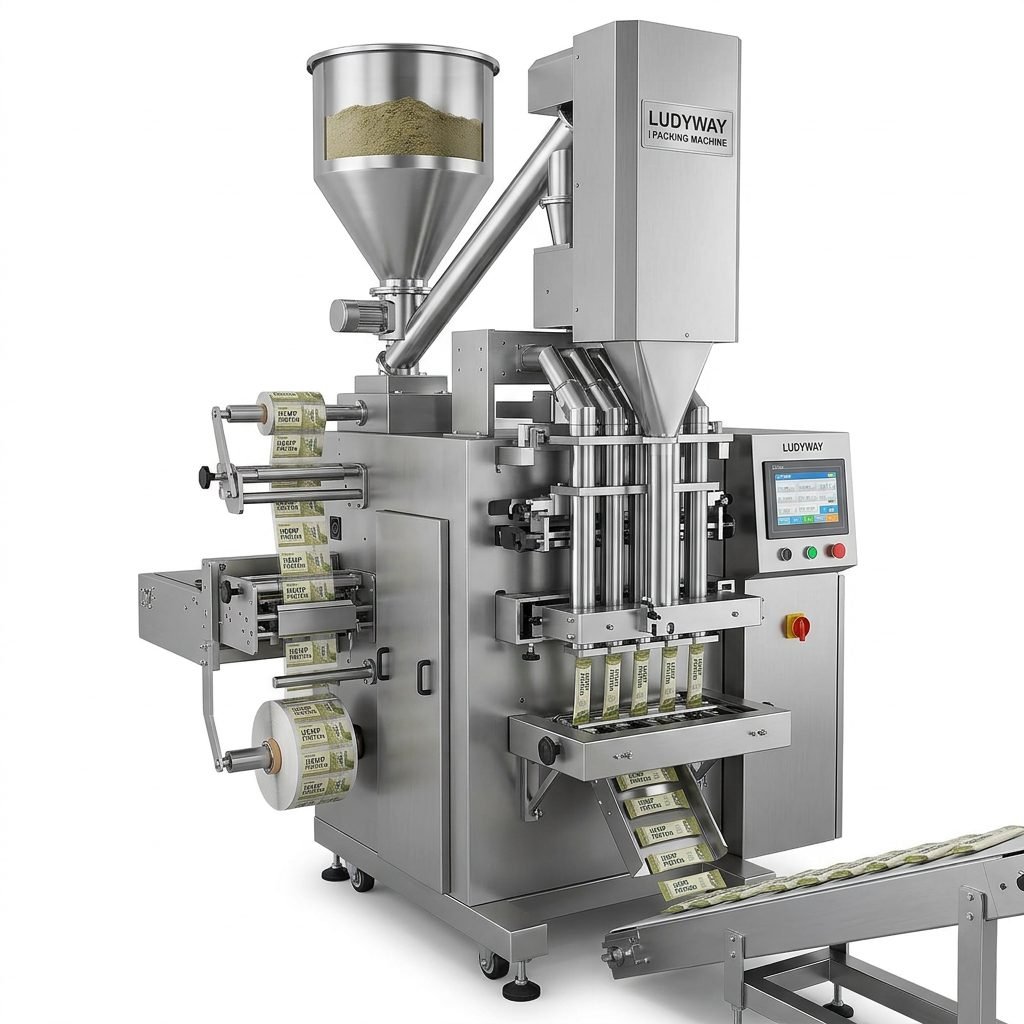
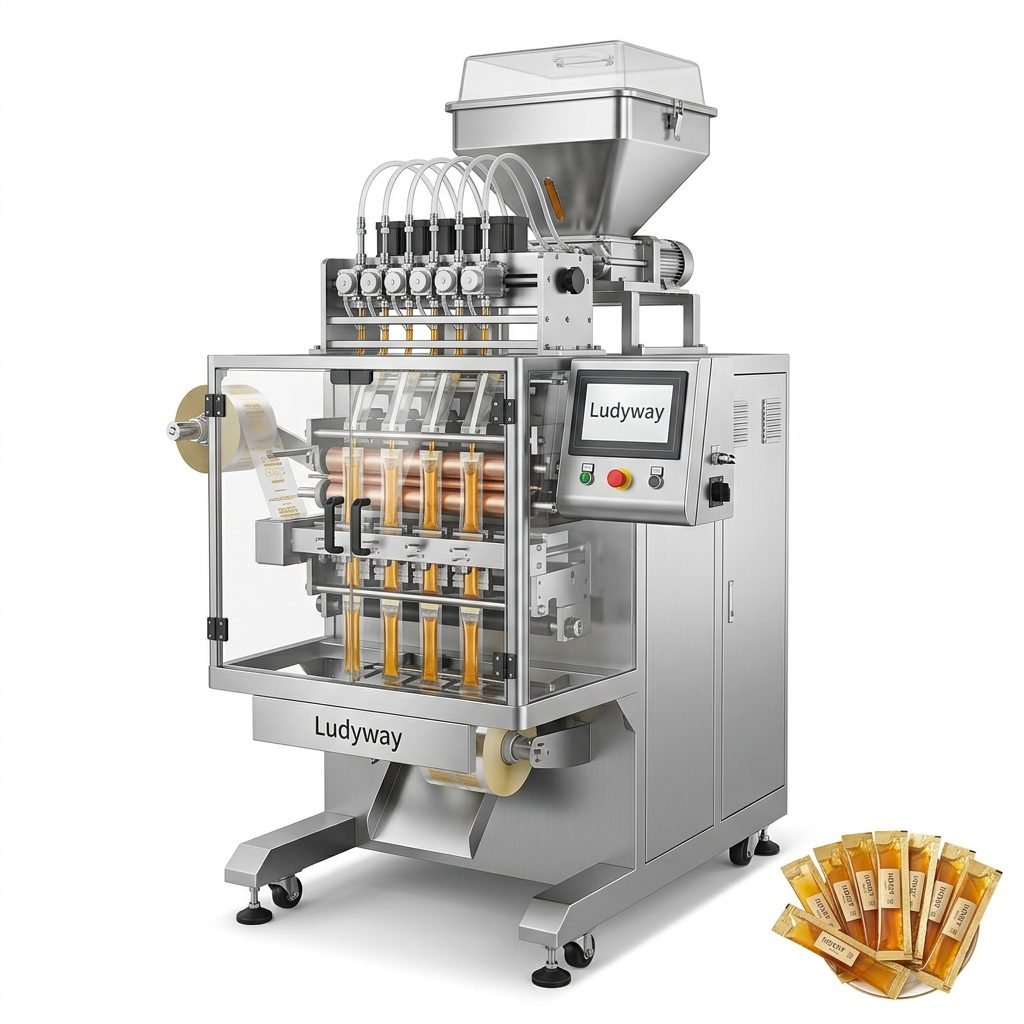
In today’s fast-paced manufacturing landscape, efficiency is paramount. For businesses involved in packaging powders, granules, or liquids, the choice of a cama packaging machine can be a pivotal decision impacting productivity, cost, and product quality. Automated packaging solutions streamline operations, reduce labor dependency, and ensure consistent, high-speed output. However, selecting the best automated system requires careful consideration of several technical and operational factors.
Understanding Your Packaging Requirements
The first step in choosing the right automated packaging solution is a thorough analysis of your specific needs. This goes beyond simply knowing your product type.
Key questions to ask include:
✔ Product Characteristics: Is your product a free-flowing granule, a fine powder, a viscous paste, or a liquid? Each has unique handling requirements.
✔ Production Speed (Output): What is your required output in packs per minute (PPM) or units per hour? This defines the machine’s necessary cycle speed.
✔ Packaging Materials & Format: Will you use pre-made pouches, roll film for form-fill-seal (FFS), stick packs, or sachets? The machine must be compatible with your chosen material (e.g., laminates, PET, PE).
✔ Bag Size & Weight Range: What is the minimum and maximum fill weight or volume your operation requires? Flexibility here can future-proof your investment.
Core Technologies in Cama Packaging Systems
Modern cama machines integrate several advanced technologies. Understanding these will help you evaluate different models.
1. Precision Dosing and Filling Systems
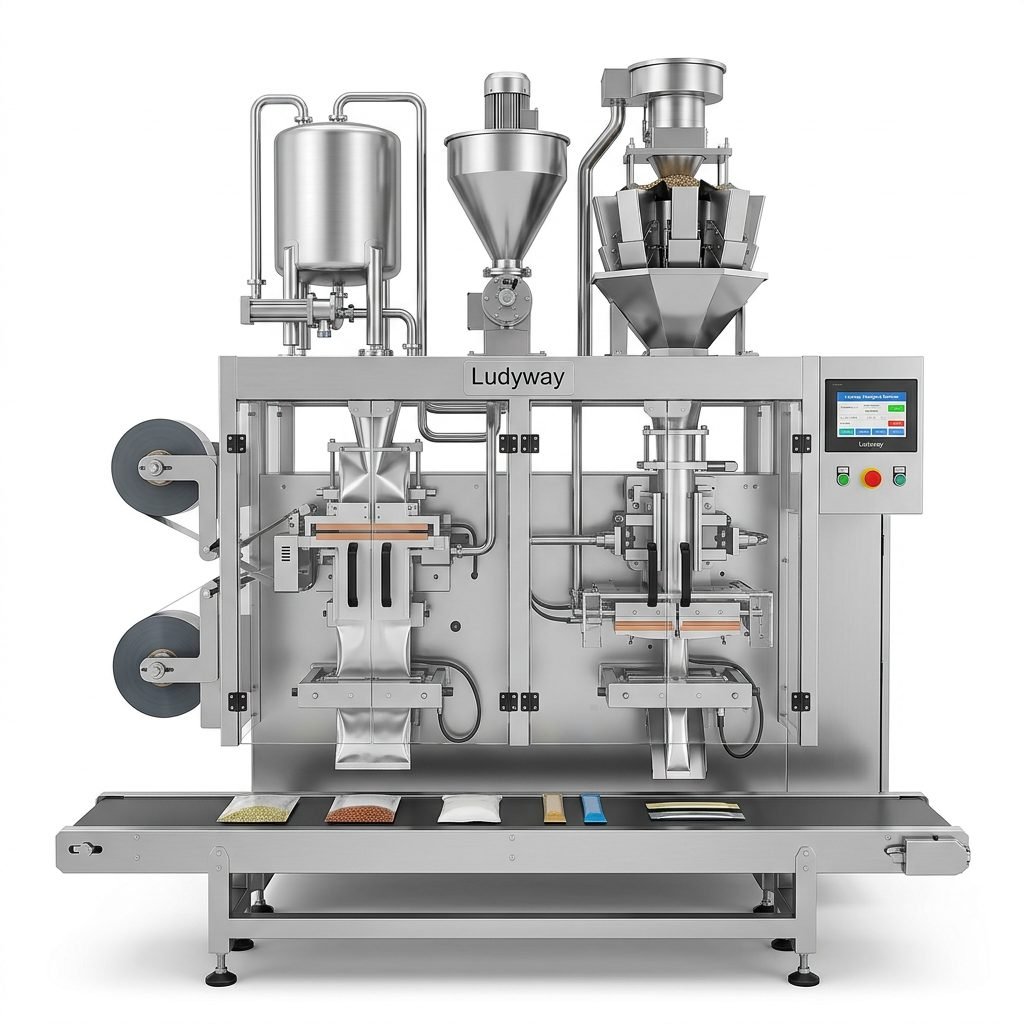
The heart of any packaging machine is its filling system. Accuracy is non-negotiable for product give-away and compliance. Common systems include:
- Volumetric Cup Fillers: Ideal for uniform granules and chunks. Simple and cost-effective.
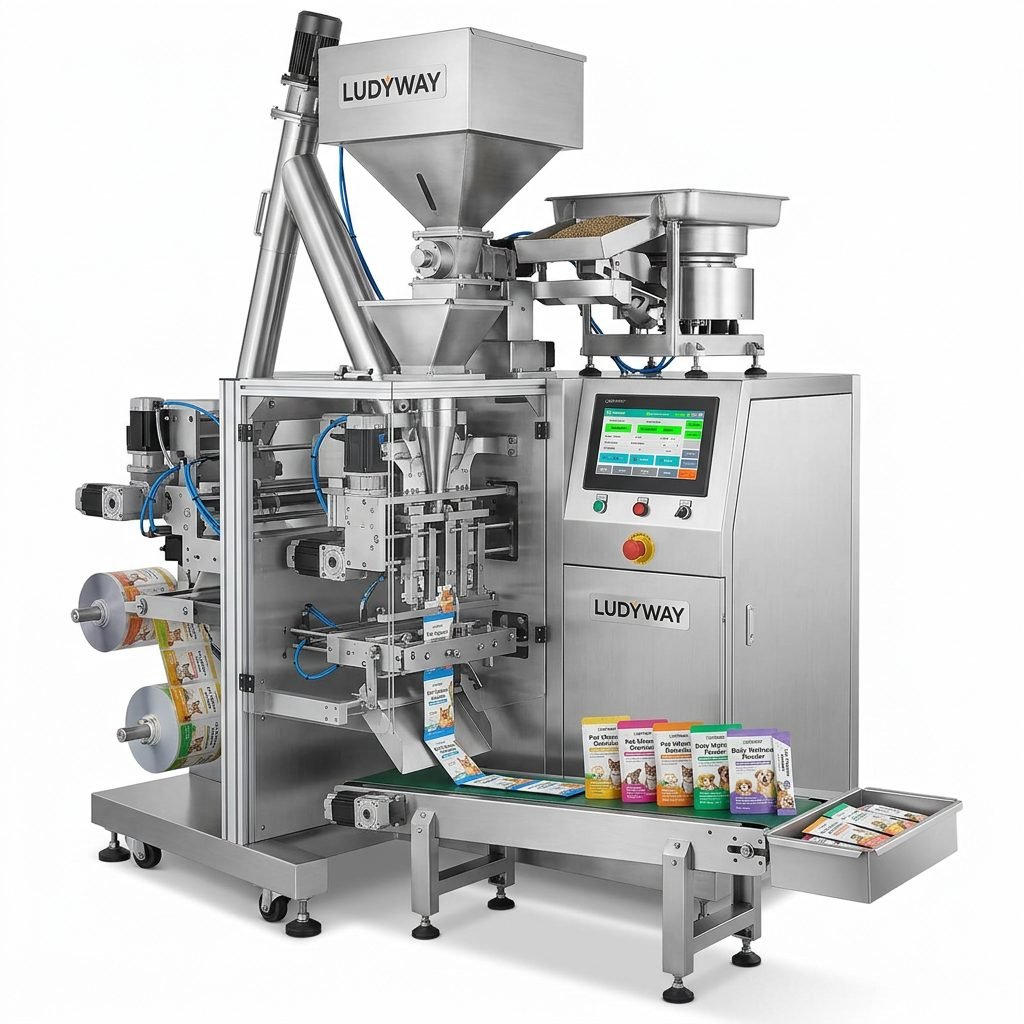
- Auger Fillers: The gold standard for powders and fine granules. They use a rotating screw to deliver precise amounts. Look for servo-driven augers for superior accuracy.
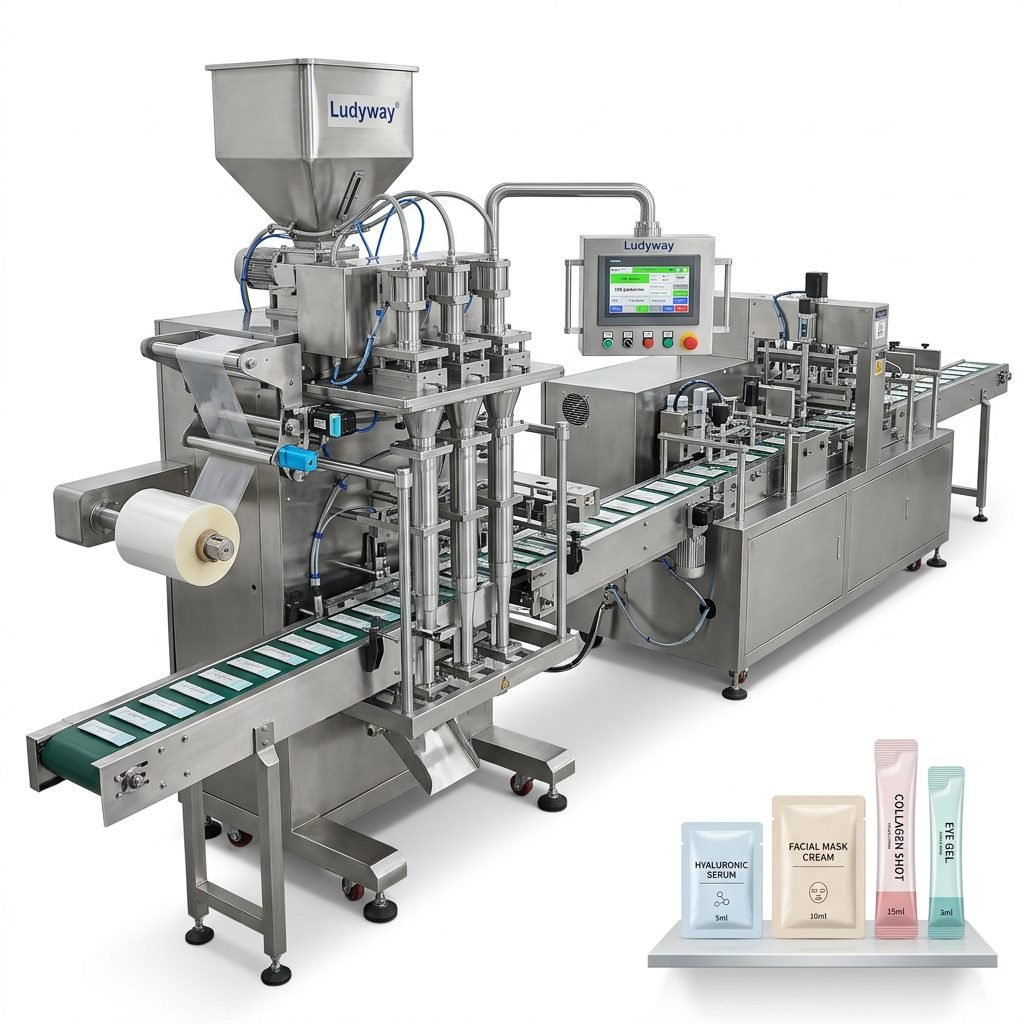
- Liquid Piston Fillers: Used for oils, sauces, and other liquids, providing clean and precise volumetric filling.
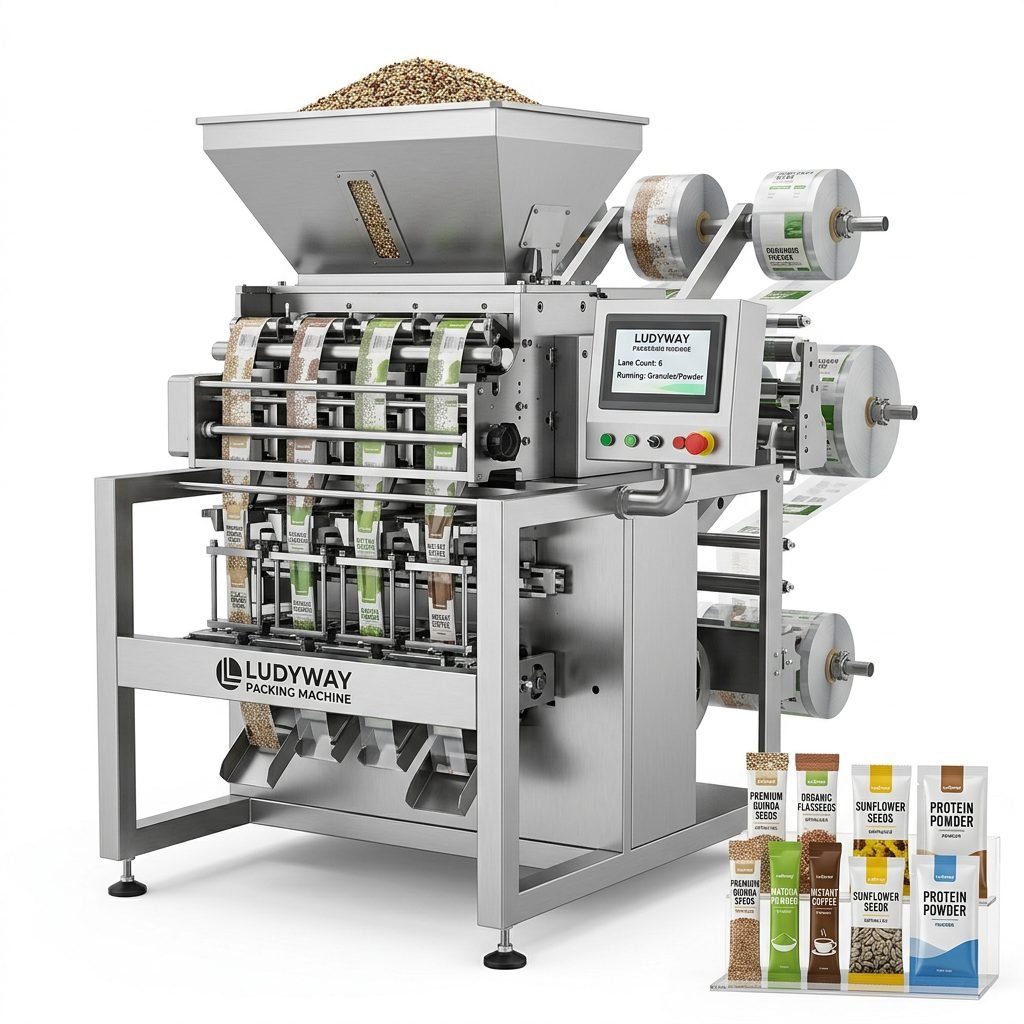
- Weighing Scales (Net Weighers): For the highest precision, especially with valuable products. Multi-head weighers are used for snack foods and irregular items.
2. The Form-Fill-Seal (FFS) Process
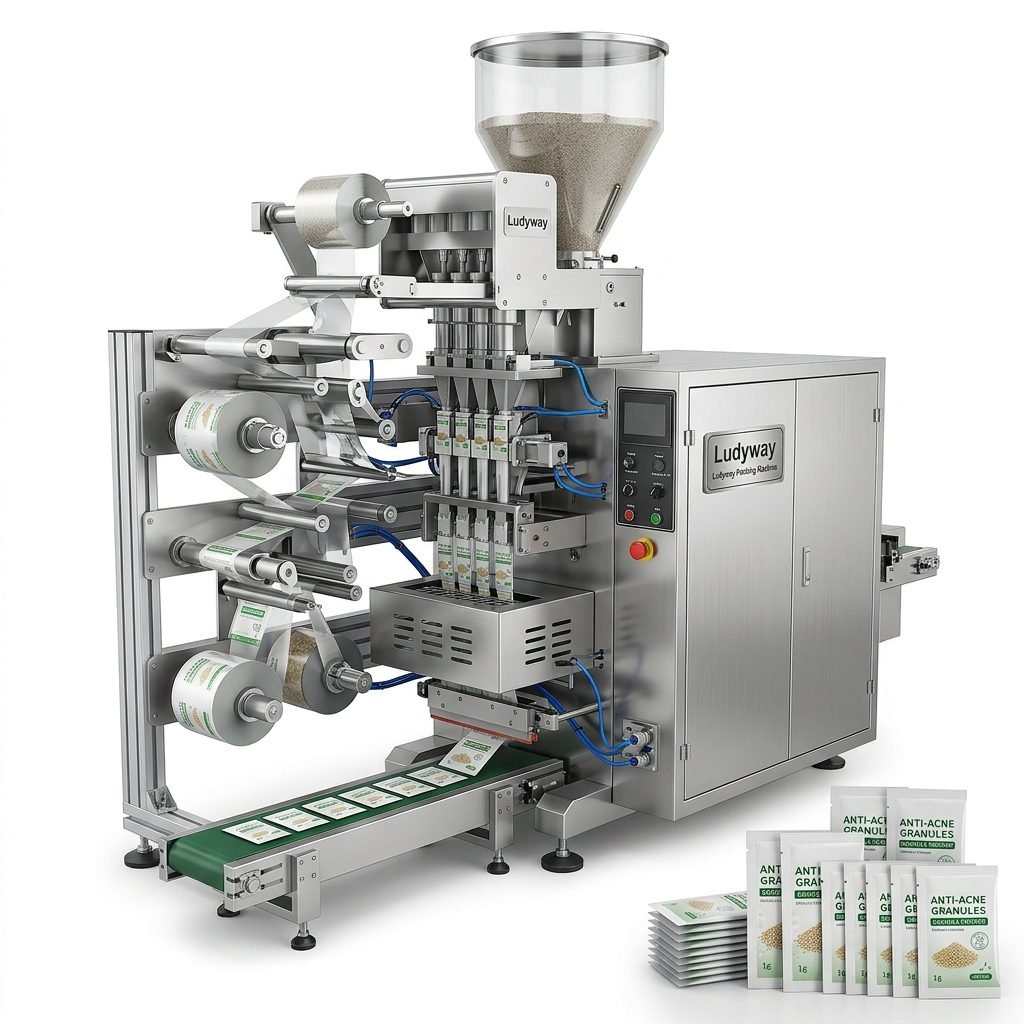
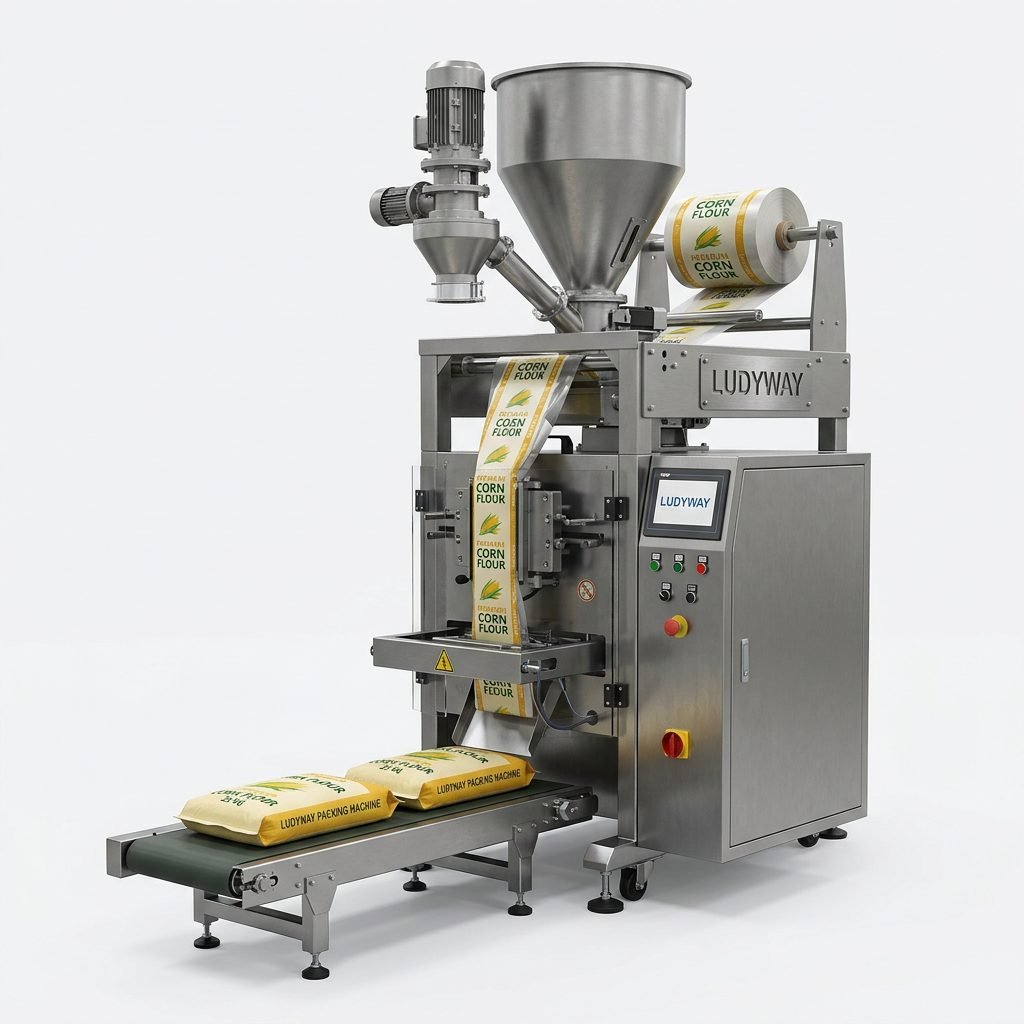
Many automated systems are built on FFS technology. A single machine forms pouches from a roll of film, fills them with product, and seals them—all in one continuous operation. This minimizes material handling and is highly efficient for large-volume runs.
Evaluating Machine Performance and Build Quality
Beyond specifications, the machine’s construction and performance in real-world conditions are critical.
Checklist for Machine Evaluation:
Frame and Construction: The machine should have a robust, rigid frame (often stainless steel) to minimize vibration at high speeds, ensuring longevity and consistent sealing.
Drive System: Servo-motor drives offer more precise control, flexibility, and energy efficiency compared to traditional mechanical systems. They allow for easier changeovers and recipe storage.
Changeover Time & Ease: How quickly can you switch between different bag sizes or products? Quick-change parts and user-friendly HMI (Human-Machine Interface) controls drastically reduce downtime.
Hygienic Design: For food, pharmaceutical, or health products, easy-clean surfaces, minimal crevices, and compliance with sanitary standards (like cGMP) are essential.
The Importance of Supplier Expertise and Support
Your relationship with the machinery supplier is as important as the machine itself. A reliable partner provides immense value beyond the initial sale.
Look for a supplier with proven industry experience, like Ludyway Machinery, which brings over 30 years of specialized knowledge in packaging for food, pharmaceutical, and health industries. This depth of experience means they understand the nuanced challenges of different products.
Comprehensive support should include detailed factory acceptance testing (FAT), thorough installation and commissioning, and extensive operator training. Ensure they offer readily available spare parts and responsive technical service to minimize potential production interruptions.
Integration and Future-Proofing Your Line
The best automated solution fits seamlessly into your existing or planned production line. Consider upstream and downstream equipment compatibility.
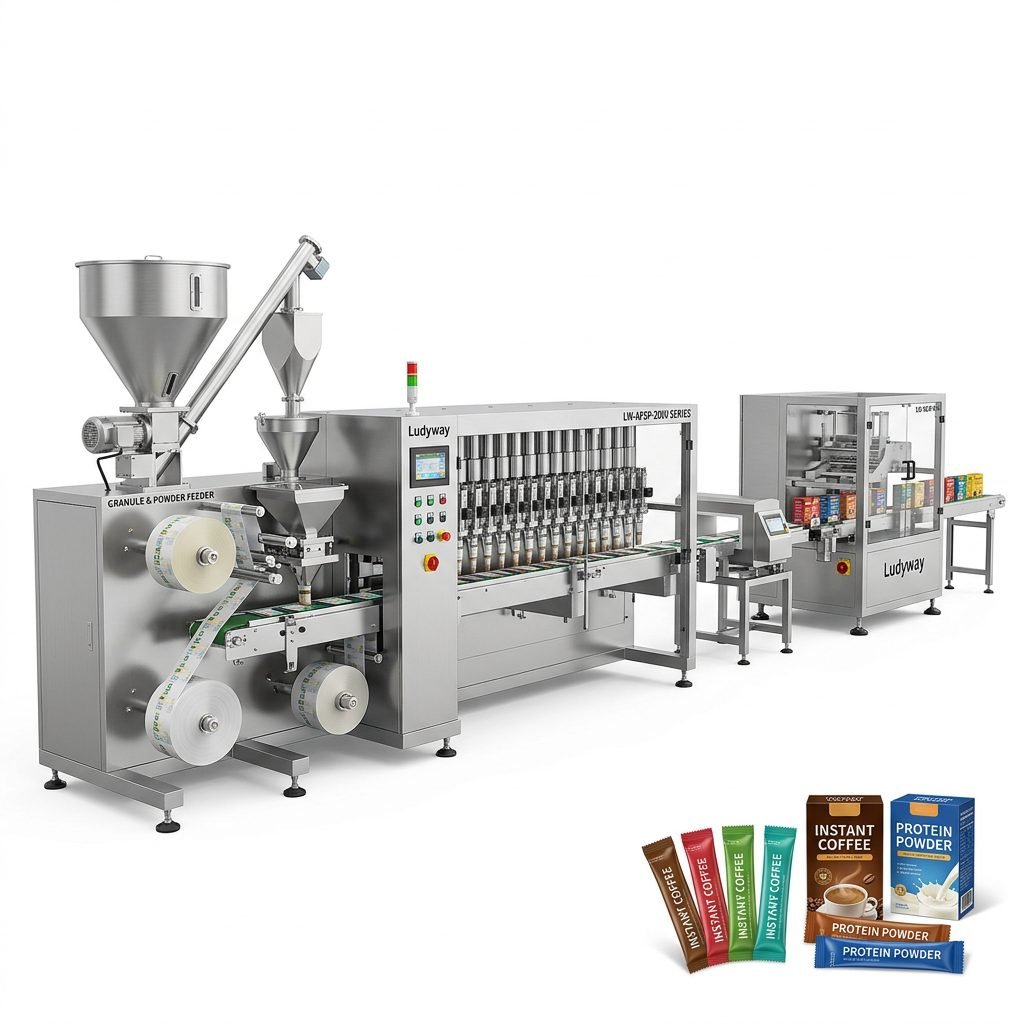
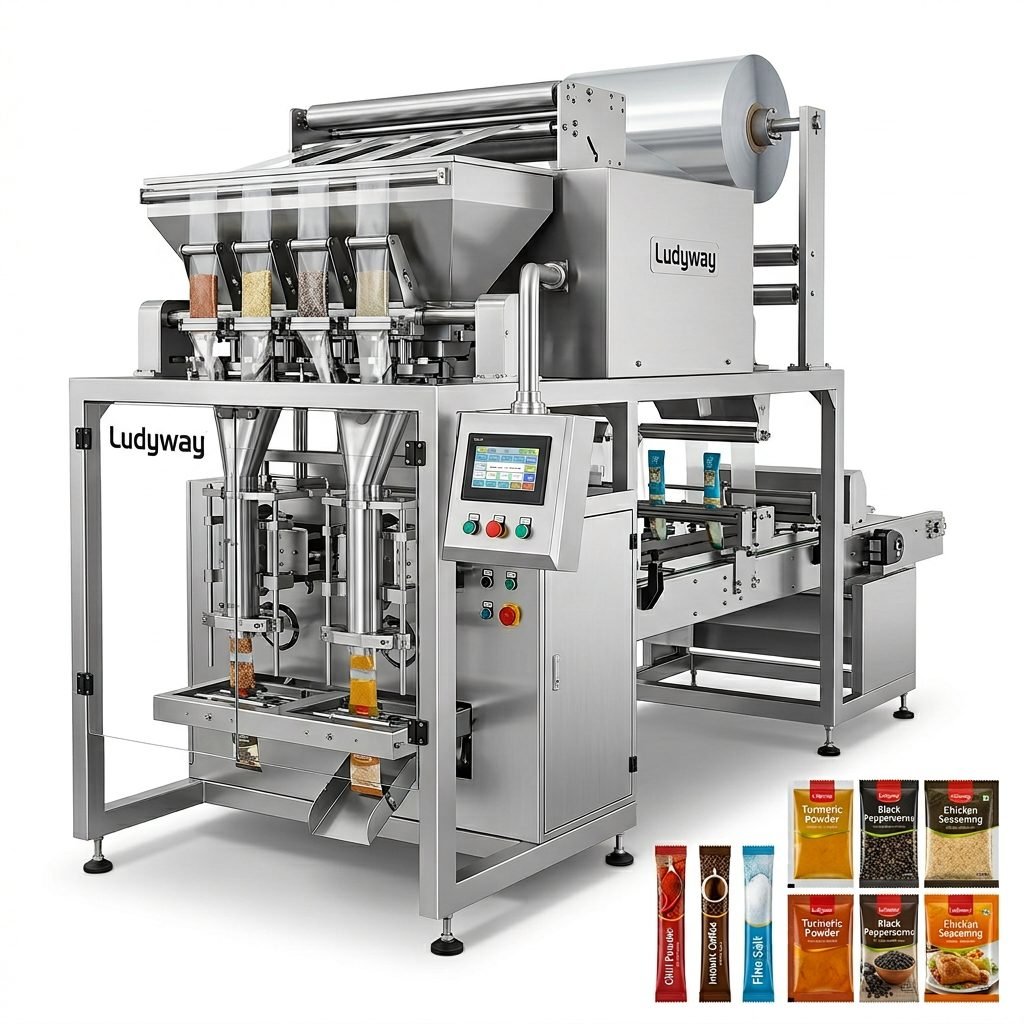
Can the machine integrate with your existing conveyors, checkweighers, metal detectors, or cartoning systems? Choosing a supplier capable of providing a complete turnkey solution ensures all components work in harmony, optimizing overall line efficiency.
Furthermore, consider scalability. Will the machine accommodate potential future increases in output or new product formats? Investing in a modular or upgradeable system can protect your investment as your business grows.
Conclusion: Making an Informed Investment
Selecting the optimal cama packaging machine is a strategic investment that demands a balance of technical understanding and practical foresight. By meticulously defining your requirements, understanding core technologies, scrutinizing build quality, and partnering with an experienced and supportive supplier, you can secure an automated packaging solution that delivers lasting efficiency, reliability, and a strong return on investment. The right machine becomes a cornerstone of your production capability, enabling you to meet market demands with consistency and quality.
Frequently Asked Questions (FAQs)
Q1: What is the main advantage of a servo-driven cama packaging machine over a traditional one?
A: Servo-driven machines offer superior precision, flexibility, and energy efficiency. They allow for digital control of all movements, enabling quicker changeovers, storage of multiple product recipes, and smoother operation at various speeds, which reduces mechanical wear and tear.
Q2: How do I determine the right packaging speed (PPM) for my business?
A: Calculate your current and projected daily/weekly production volume. Factor in available production hours and desired efficiency buffers. The machine’s PPM rating should comfortably meet your peak demands without consistently running at its absolute maximum, which can increase maintenance needs.
Q3: Can one machine handle different types of products, like powders and granules?
A: Many machines are versatile, but the filling system is key. An auger filler can often handle both fine powders and small granules with a change of tooling (screw type). However, switching between vastly different products (e.g., powder to liquid) typically requires a different filling head or a dedicated machine.
Q4: What kind of after-sales support should I expect from a reputable supplier?
A: Expect comprehensive support including installation supervision, detailed operator and maintenance training, a clear warranty policy, readily available spare parts inventory, and access to remote or on-site technical assistance. Providers like Ludyway emphasize long-term partnership through reliable service.
Q5: Are automated packaging machines difficult to maintain?
A: Modern machines are designed for maintainability. Routine maintenance (cleaning, lubrication, part inspection) is straightforward with proper training. The complexity lies in having access to clear manuals, training, and genuine spare parts. Choosing a machine with a robust design and local support network minimizes operational difficulties.