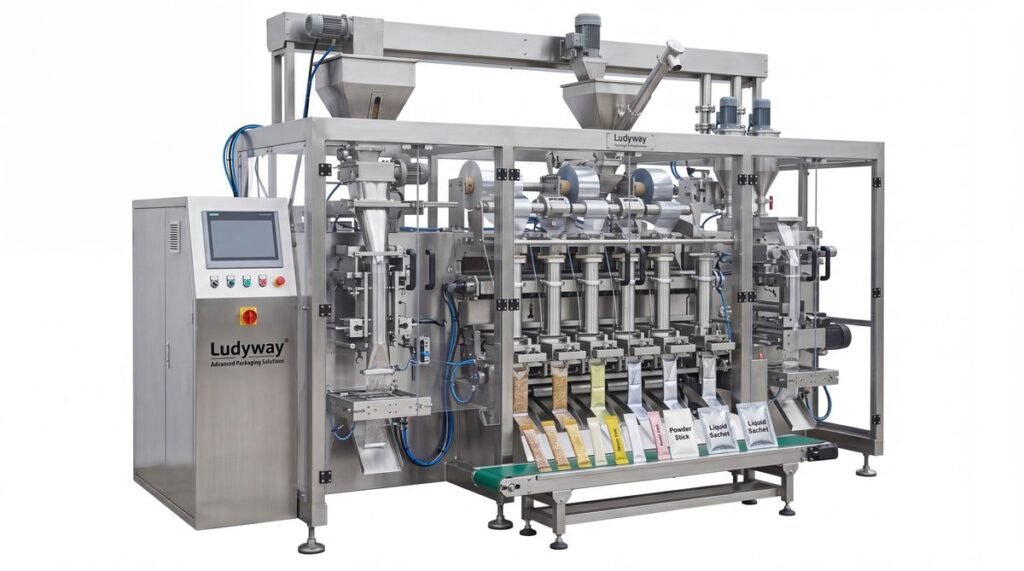
Investing in a packing belt machine is a critical decision for any manufacturer looking to streamline end-of-line packaging operations. Whether you are securing cartons, bundling products for palletizing, or stabilizing loads for transit, the right strapping equipment can significantly reduce labor costs, improve throughput, and minimize product damage. However, with a broad range of machine types, tensioning systems, and automation levels available, choosing the optimal solution requires a structured evaluation of your operational requirements.
This comprehensive buyer’s guide walks you through the essential factors to consider when selecting a packing belt machine, from understanding different machine categories to evaluating technical specifications and supplier capabilities.
Understanding Packing Belt Machine Types
Before diving into technical specifications, it is important to understand the main categories of packing belt machines available on the market. Each type serves different production environments and throughput requirements.
| Machine Type | Best For | Automation Level | Typical Throughput |
|---|---|---|---|
| Manual Strapping Tool | Low-volume, small workshops | Fully manual | 5–15 straps/hour |
| Semi-Automatic Strapping Machine | Medium-volume production lines | Operator-assisted | 15–40 straps/minute |
| Automatic Strapping Machine | High-volume, conveyor-integrated lines | Fully automated | 40–60+ straps/minute |
| Fully Automatic Arch Strapping Machine | High-speed, 24/7 operations | Integrated with production line | 60–80+ straps/minute |
Understanding which category fits your current production volume—and where you expect to be in the next three to five years—is the first step toward making a cost-effective investment in strapping technology.
Key Factors to Consider When Choosing a Packing Belt Machine
Selecting the right equipment involves evaluating several interconnected factors. Below are the most critical considerations that experienced packaging professionals and industry resources such as the PMMI packaging association recommend examining before making a purchase decision.
Production Volume and Speed Requirements
Your current and projected throughput is perhaps the single most important factor. A packing belt machine that cannot keep pace with your production line will create bottlenecks, while an oversized machine represents unnecessary capital expenditure. Calculate your peak hourly strap count and add a buffer of at least 20–30% for future growth. Manufacturers processing high volumes of cartons or bundles should look toward fully automatic arch strapping systems that integrate seamlessly with existing conveyor lines.
Product and Package Dimensions
The size, weight, and shape of the packages you need to strap directly determine the arch size and table height of the machine. Consider the following dimensional factors:
- Minimum and maximum package width and height — the strapping arch must accommodate your largest product with adequate clearance.
- Package weight — heavier loads require higher tensioning force and more robust machine construction.
- Package stability — unstable or irregularly shaped products may require additional fixturing or customized table configurations.
- Conveyor compatibility — the machine’s table height should align with your existing packaging line conveyor elevation for smooth product transfer.
Belt Material Compatibility
Not all packing belt machines are compatible with every strapping material. The two most common options are polypropylene (PP) strapping and polyester (PET) strapping. PP strapping is economical, lightweight, and suitable for moderate loads, making it ideal for carton closure and bundling applications. PET strapping offers higher break strength, superior tension retention, and better resistance to elongation, which is essential for heavy pallet loads and products exposed to temperature fluctuations during transit.
Verify that the machine’s tensioning range, sealing mechanism, and strap width compatibility align with the strapping material your application demands. According to flexible packaging industry data, selecting the correct strap material can reduce material costs by up to 15% while improving load security.
Automation Level and Integration Needs
The degree of automation you require depends on labor availability, production speed, and the complexity of your packaging workflow. Key automation features to evaluate include:
- Automatic strap feeding and tensioning — eliminates manual strap threading and reduces operator fatigue.
- Conveyor integration — the machine should communicate with upstream and downstream equipment via sensors and PLC controls.
- Auto coil changeover — minimizes downtime by automatically switching to a fresh strap coil when the current one is depleted.
- Programmable strap position and count — allows you to set multiple strap positions per package and track daily throughput data.
- Integration with palletizing and stretch wrapping systems — for end-of-line automation, compatibility with pallet wrapping and conveying equipment is essential.
Technical Specifications to Evaluate
When comparing models from different manufacturers, pay close attention to the following technical parameters. These specifications directly impact machine longevity, maintenance requirements, and overall cost of ownership.
| Specification | Why It Matters | Recommended Range |
|---|---|---|
| Tensioning Force | Determines strap tightness and load security | 5–80 kg adjustable, depending on application |
| Strap Width Compatibility | Wider straps handle heavier loads | 5–19 mm for most industrial applications |
| Sealing Method | Heat seal, friction weld, or mechanical seal | Heat seal for consistent, high-speed operations |
| Arch Size | Must accommodate your largest package dimensions | Customizable; common: 650×500 mm to 1300×1300 mm |
| Cycle Speed | Directly affects production line throughput | 2–3 seconds per cycle for automatic machines |
| Power Supply | Must match your facility’s electrical infrastructure | 110V/220V/380V options available |
Industry-Specific Considerations
Different industries impose unique requirements on packing belt machines. Understanding these sector-specific demands helps narrow your options and ensures compliance with relevant standards.
Food and Beverage
Equipment in this sector must often meet stringent hygiene requirements. Look for machines constructed with stainless steel frames and food-grade lubrication. Washdown-ready designs may be necessary for facilities that require frequent sanitation. Reference FDA food packaging guidelines for applicable regulatory requirements in your market.
Pharmaceuticals and Healthcare
Pharmaceutical packaging demands high precision, cleanroom compatibility, and robust documentation for validation. Machines should support serialization and track-and-trace capabilities where required by regulations such as the Drug Supply Chain Security Act (DSCSA).
E-Commerce and Logistics
High-volume distribution centers require machines that can handle variable package sizes with minimal changeover time. Automated arch strapping machines with quick-adjust features and high-speed cycling are the standard in this segment. Integration with sortation systems and automated guided vehicles (AGVs) is increasingly common.
Heavy Industrial and Construction Materials
Applications involving building materials, metal products, or heavy machinery components demand high-tension PET strapping and robust machine frames capable of withstanding harsh operating environments. Dust-resistant enclosures and reinforced wear components are essential for longevity in these settings.
Evaluating Suppliers and After-Sales Support
The quality of the machine is only part of the equation. The reliability of the supplier and the availability of ongoing technical support can make or break your investment. When evaluating potential partners, consider the following:
- Industry experience and track record — how long has the manufacturer been producing strapping equipment, and do they have references in your specific sector?
- Spare parts availability — a local or regional parts inventory reduces downtime in the event of component failure.
- Technical service and training — does the supplier offer installation support, operator training, and remote troubleshooting assistance?
- Warranty coverage and service contracts — understand what is covered, for how long, and whether extended service agreements are available.
- Customization capabilities — can the manufacturer modify machine specifications to meet your unique packaging line requirements?
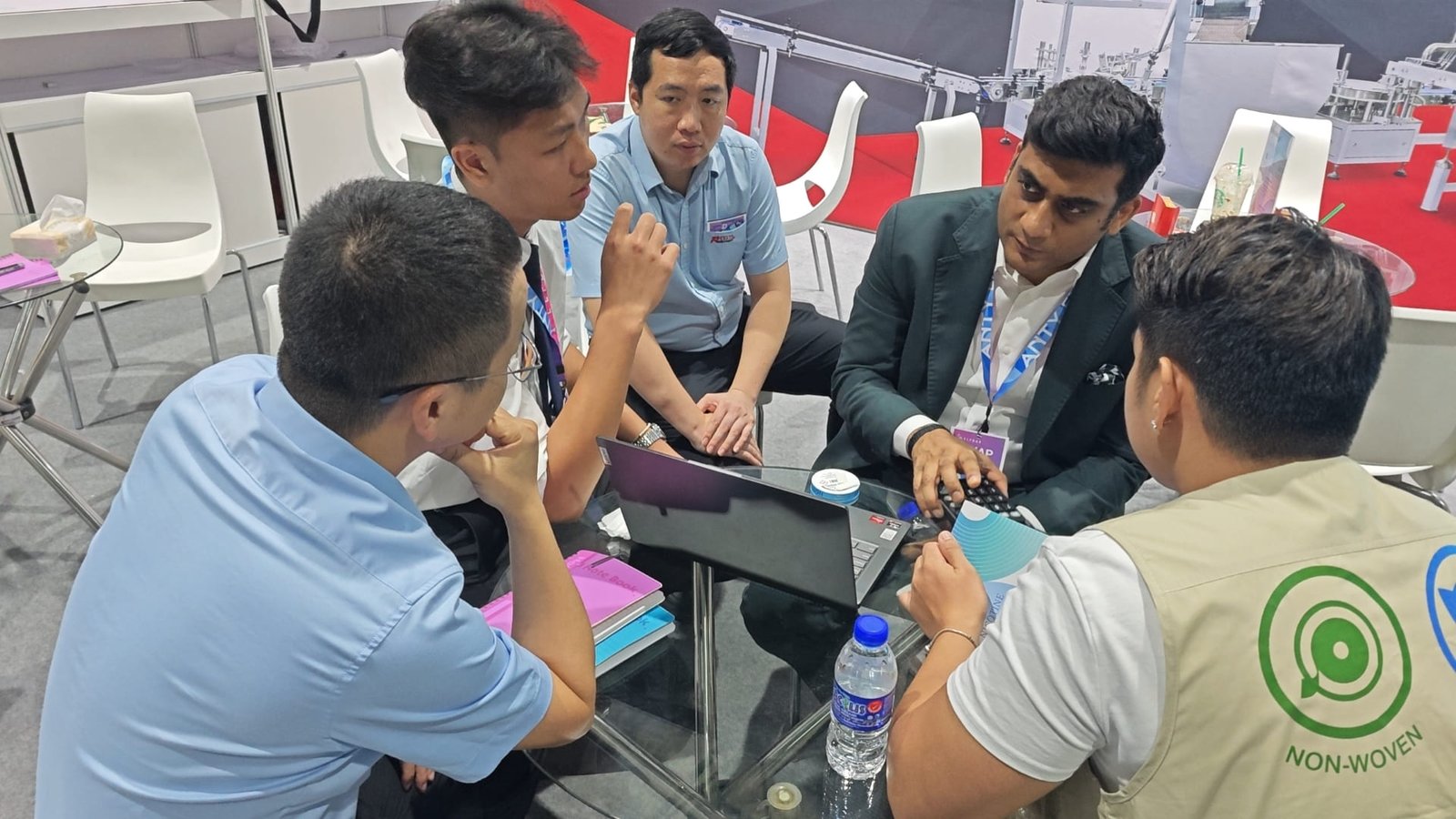
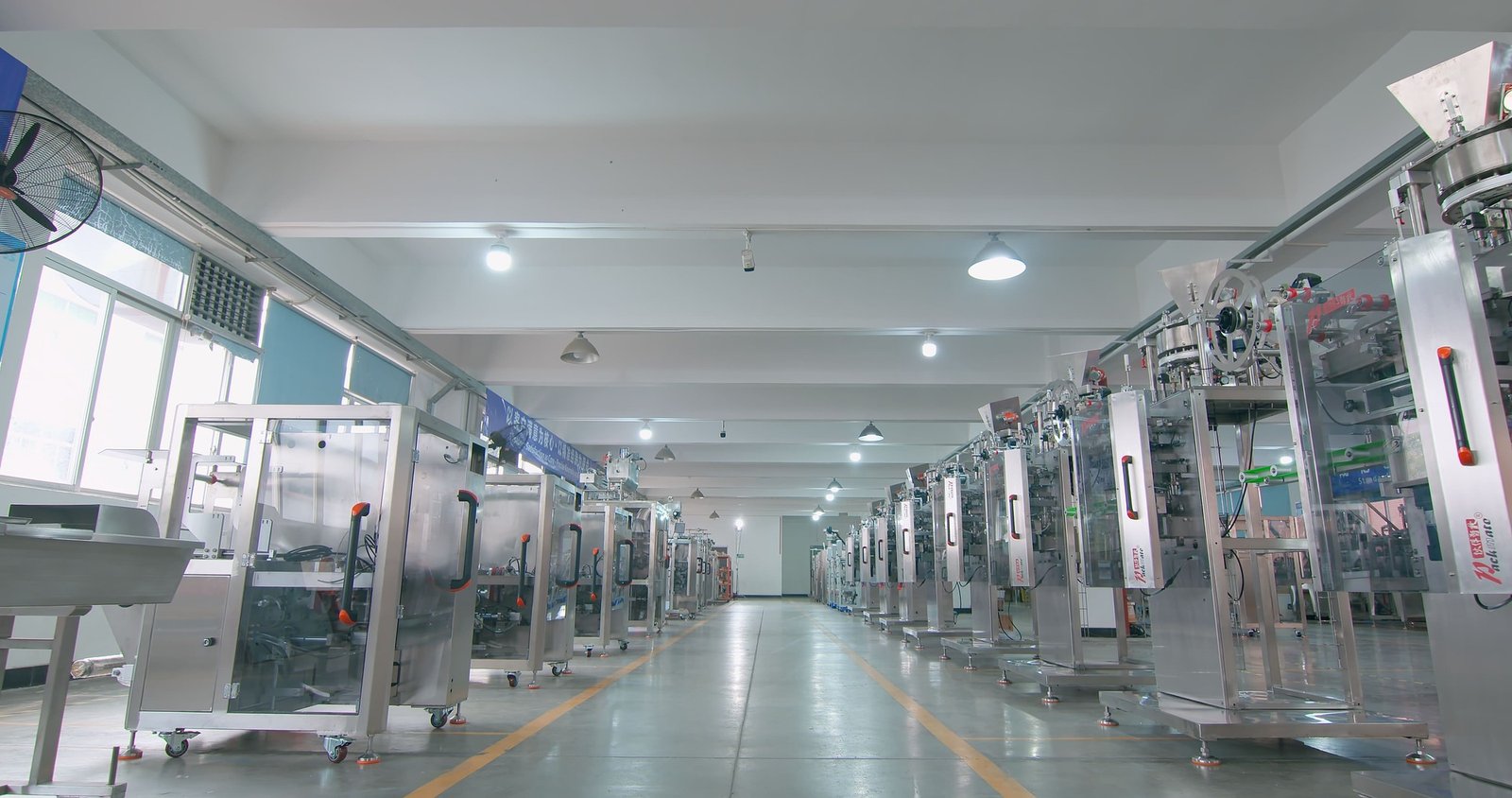
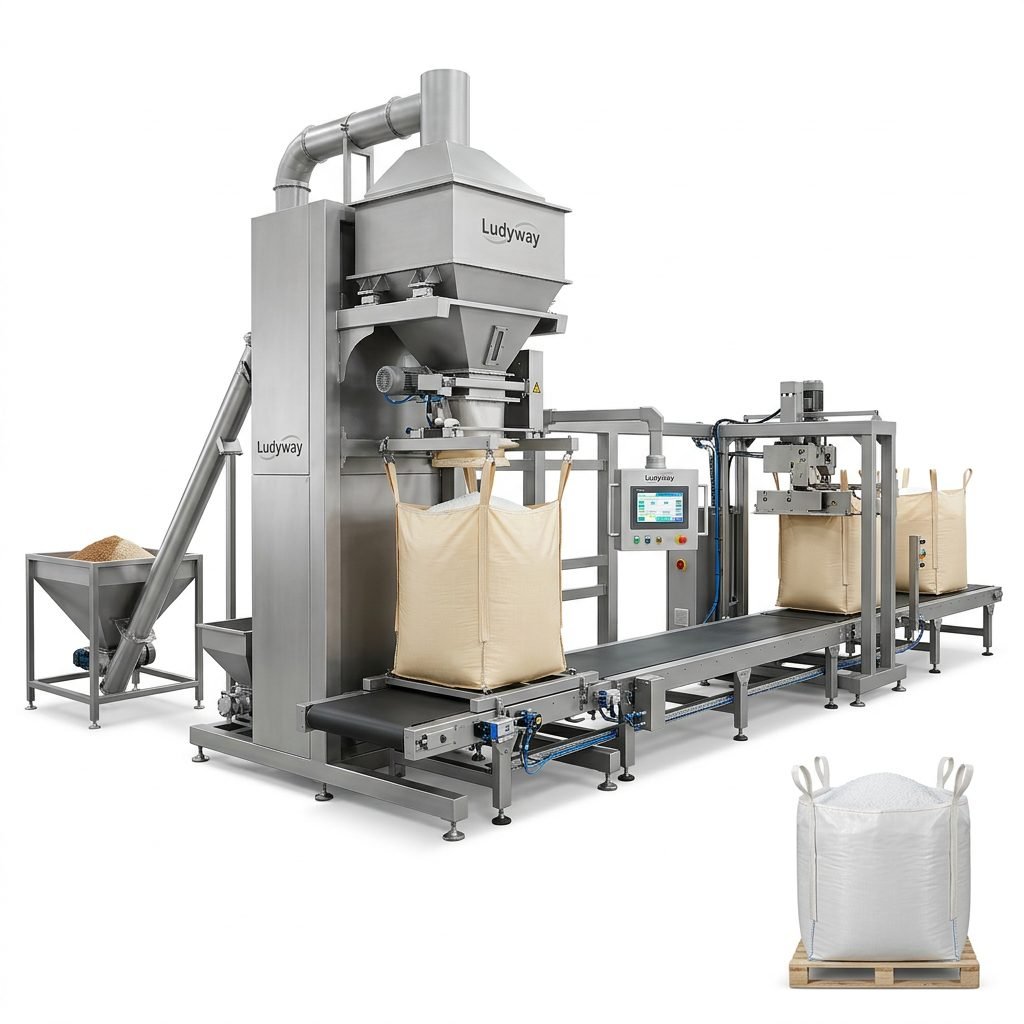
For manufacturers seeking a comprehensive packaging machinery partner, companies like Ludyway Machinery—a China-based packaging equipment manufacturer with over 30 years of industry experience and a 20,000-square-meter manufacturing facility—offer integrated solutions that can include strapping systems alongside filling, sealing, coding, and palletizing equipment. Working with a single partner for multiple packaging needs can simplify procurement, streamline integration, and consolidate after-sales support.
Cost Considerations Beyond the Purchase Price
The initial purchase price of a packing belt machine is only one component of the total cost of ownership (TCO). A thorough financial analysis should account for:
- Consumable costs — strapping material, replacement sealing elements, and wear parts.
- Energy consumption — automatic machines vary in power efficiency; compare kilowatt-hour ratings across models.
- Labor requirements — fully automatic systems reduce operator dependency but may require specialized maintenance personnel.
- Downtime costs — machines with higher reliability and faster repair turnaround protect your production schedule.
- Training and onboarding — factor in the time required to train operators and maintenance staff on new equipment.
Industry benchmarks from the PMMI business intelligence library suggest that maintenance and consumables can account for 10–18% of total machine cost over a typical five-year operating period, making TCO analysis an essential part of the procurement process.
Making the Final Decision
Choosing the right packing belt machine requires balancing current operational needs with future growth projections. Start by clearly defining your throughput requirements, package dimensions, and strapping material preferences. Then evaluate machine types against these criteria, paying close attention to build quality, automation features, and supplier support infrastructure.
Request demonstrations or sample strapping tests using your actual products and packaging materials whenever possible. Observing the machine in operation with your specific load configuration provides insights that specification sheets alone cannot convey.
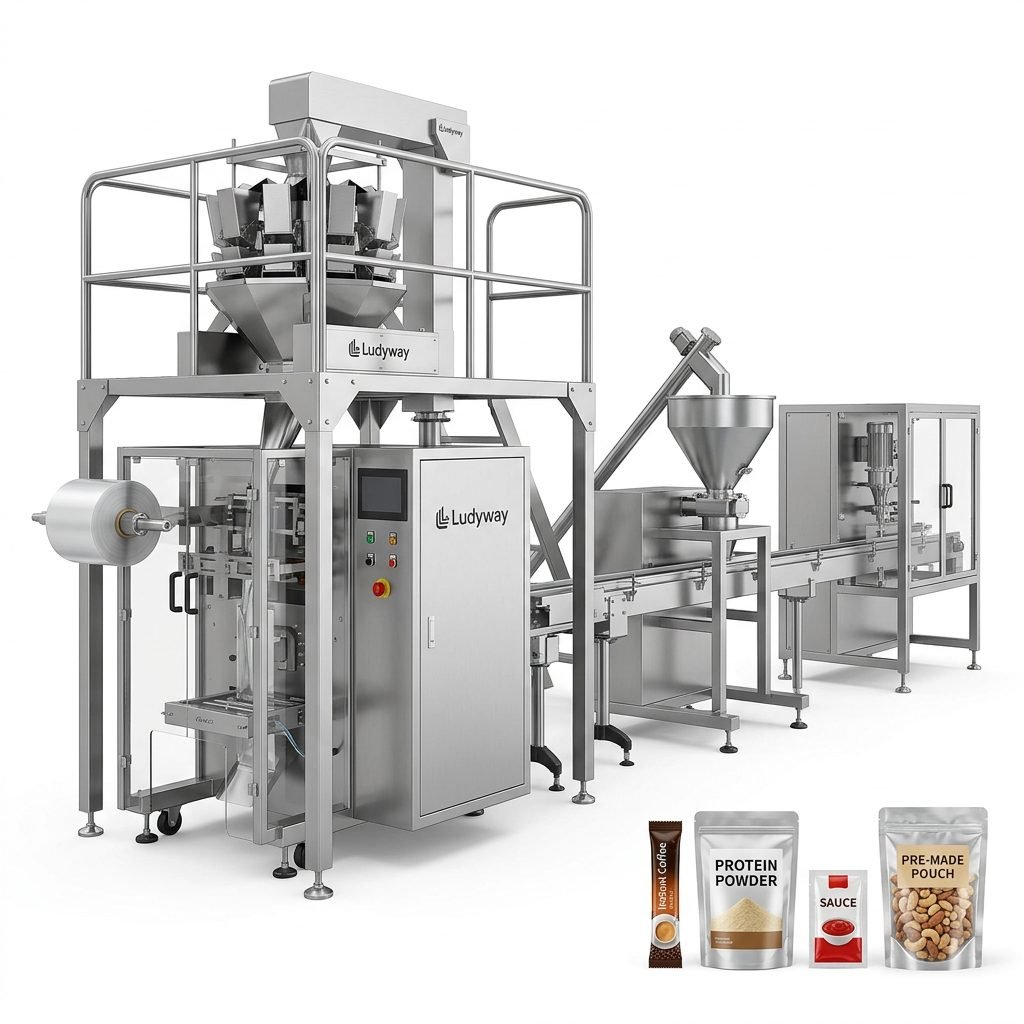
Finally, consider how the strapping equipment fits into your broader packaging strategy. A machine that integrates seamlessly with your upstream filling, sealing, and conveying systems—and downstream palletizing and stretch wrapping equipment—delivers greater overall value than a standalone unit that creates new workflow inefficiencies. For businesses evaluating end-to-end packaging automation, partnering with a supplier that offers turnkey packaging solutions can simplify the entire process from equipment selection through installation and commissioning.
By following this structured evaluation approach, you can confidently select a packing belt machine that enhances productivity, reduces operational costs, and supports your manufacturing goals for years to come.