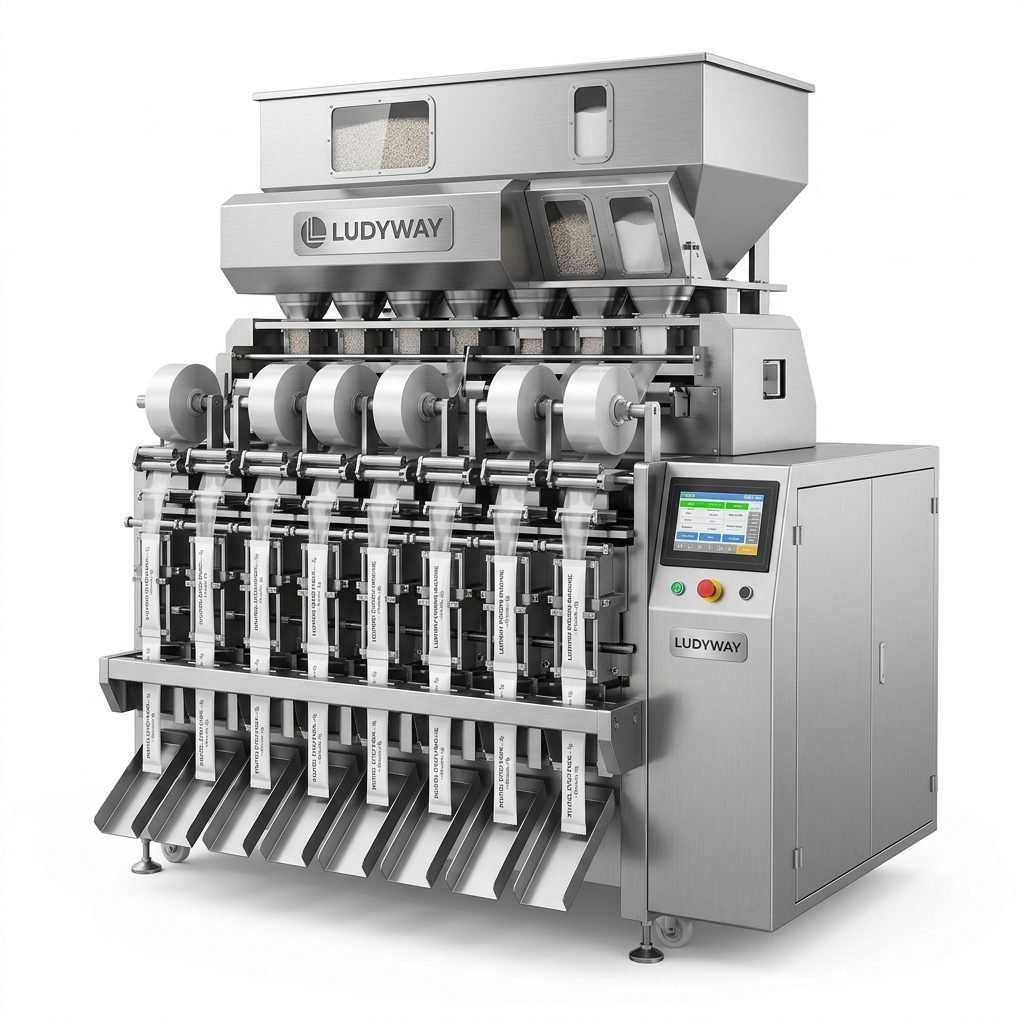
Understanding the Real Cost of a Tea and Juice Pouch Packing Machine
Investing in a tea and juice pouch packing machine is a significant decision for any beverage manufacturer. Whether you are producing single-serve tea sachets, fruit tea stick packs, or liquid juice pouches, the cost of packaging equipment can vary dramatically. Prices typically range from $5,000 for entry-level semi-automatic machines to over $500,000 for fully automated multi-lane production lines. Understanding what drives these costs is essential to making an informed purchasing decision that aligns with your production goals and budget.
According to the PMMI State of the Industry Report, the global packaging machinery market continues to expand rapidly, driven by increasing demand in the beverage and functional drink sectors. The Flexible Packaging Association also highlights that pouch and sachet formats are among the fastest-growing segments in the packaging industry.
Key Factors That Influence Tea and Juice Packaging Machine Pricing
Several critical variables determine the final cost of a pouch packing machine. Below are the most important factors you need to evaluate before requesting a quotation.
Machine Type and Configuration
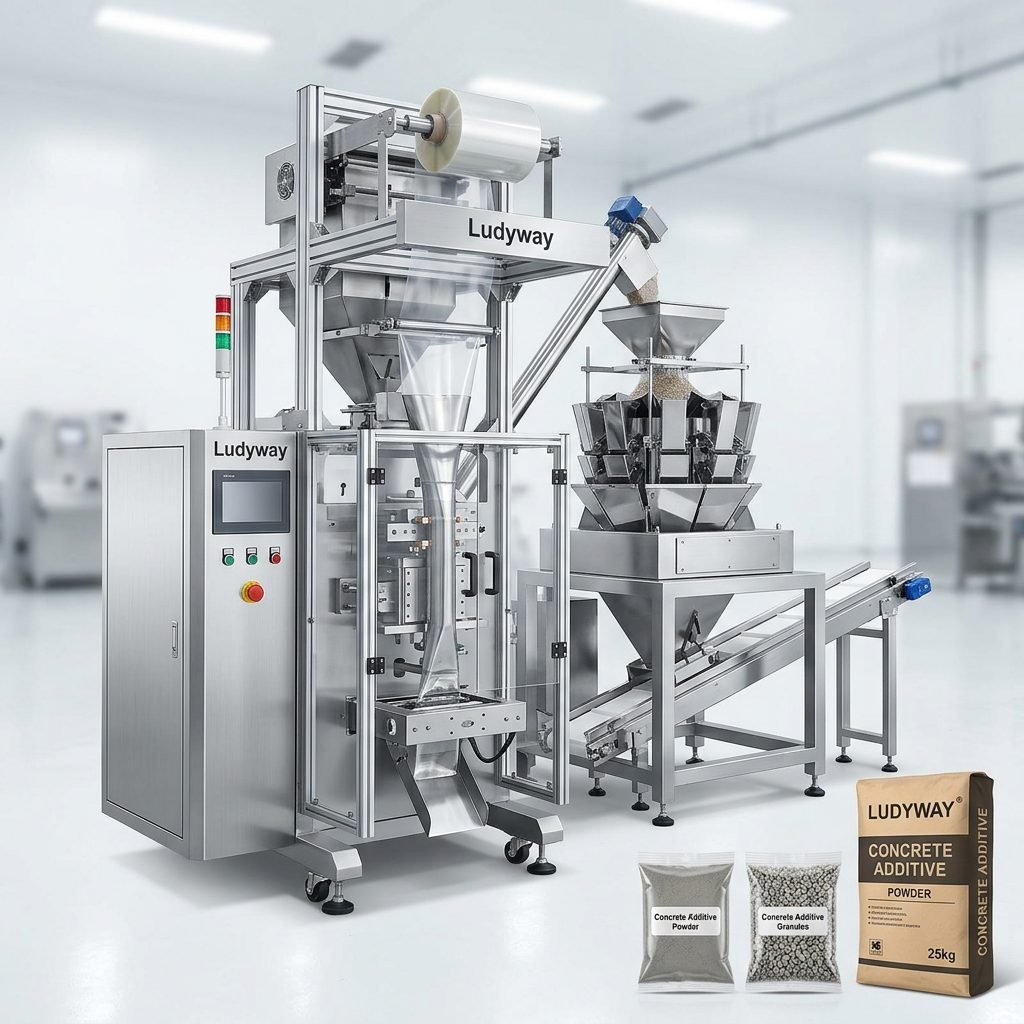
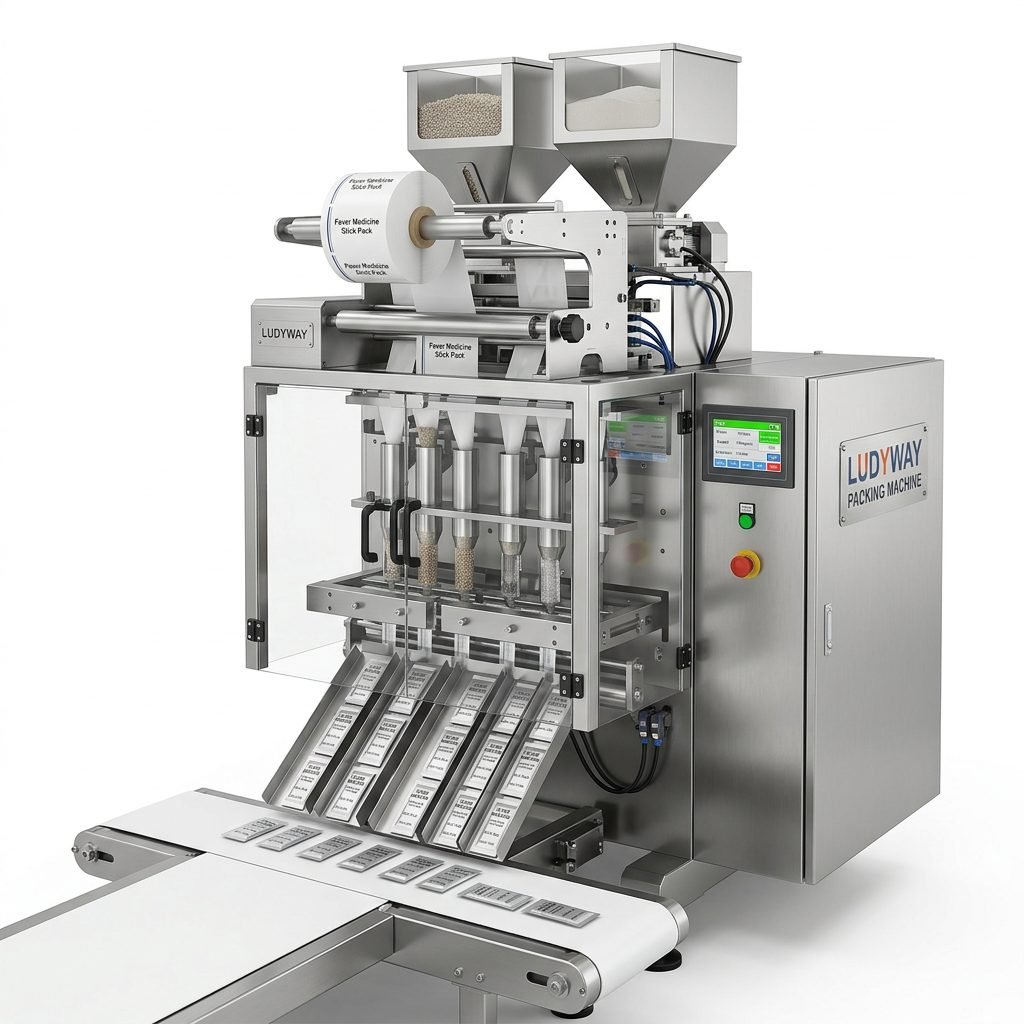
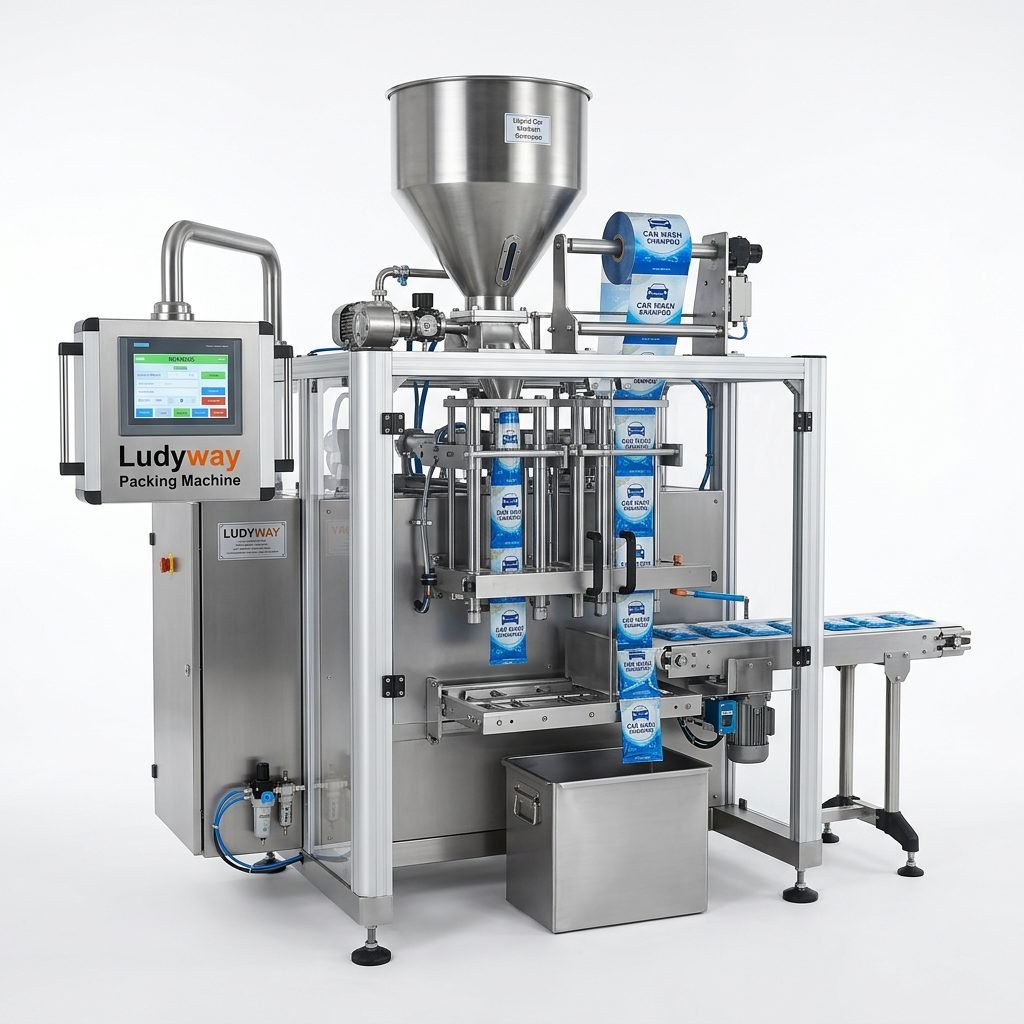
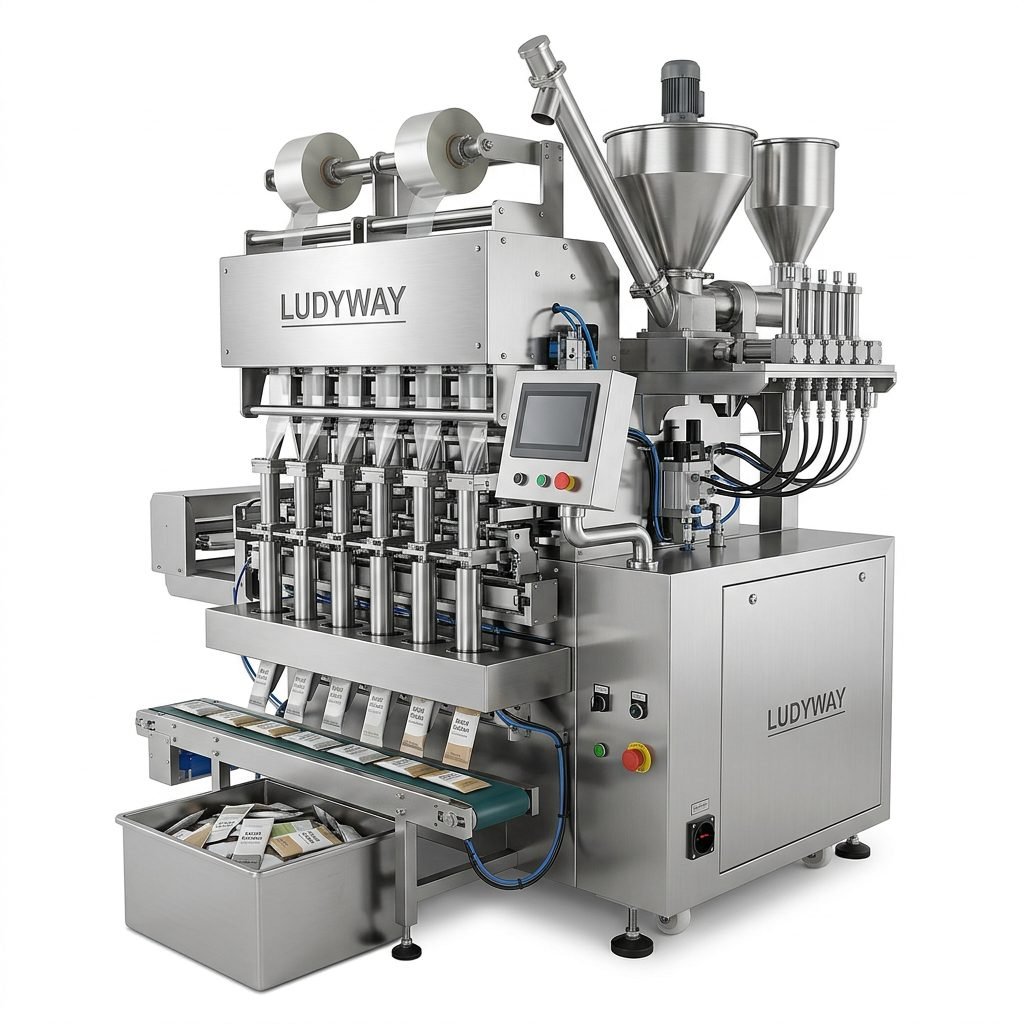
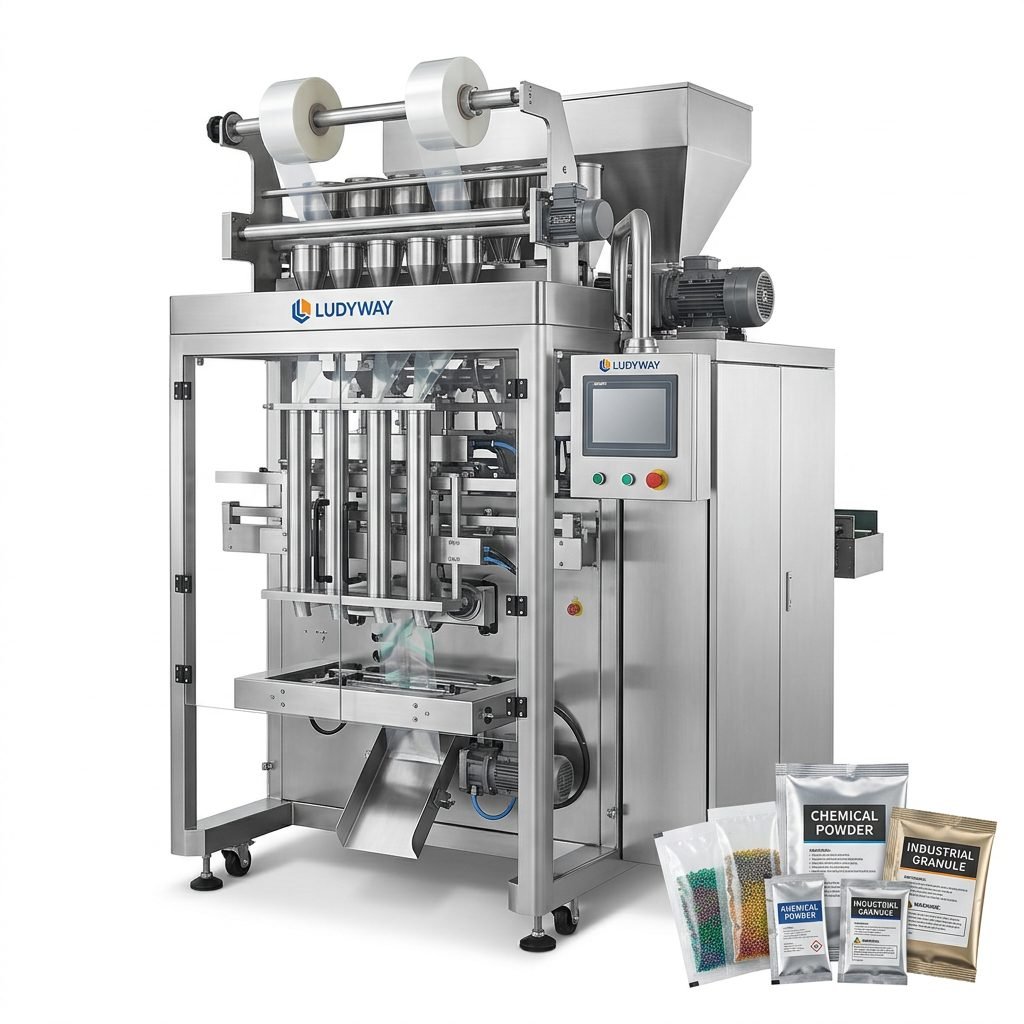
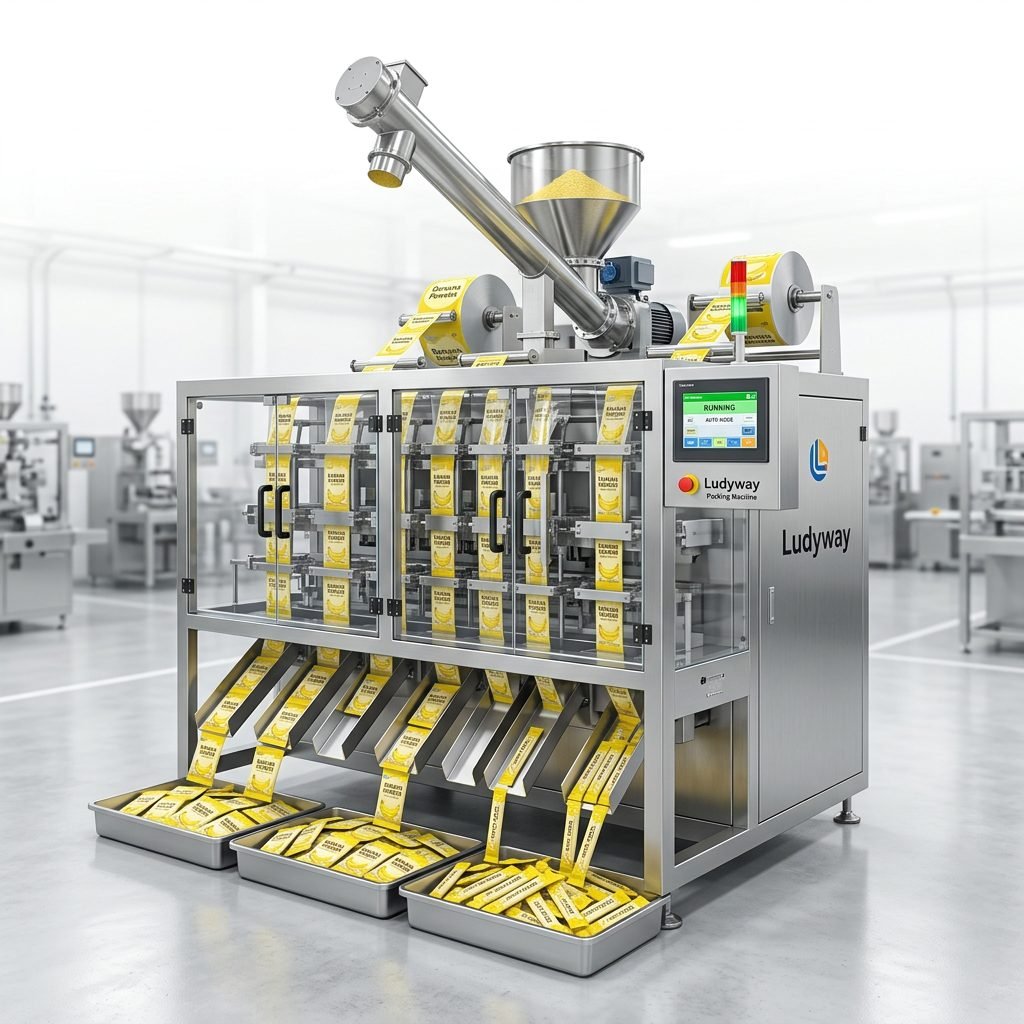
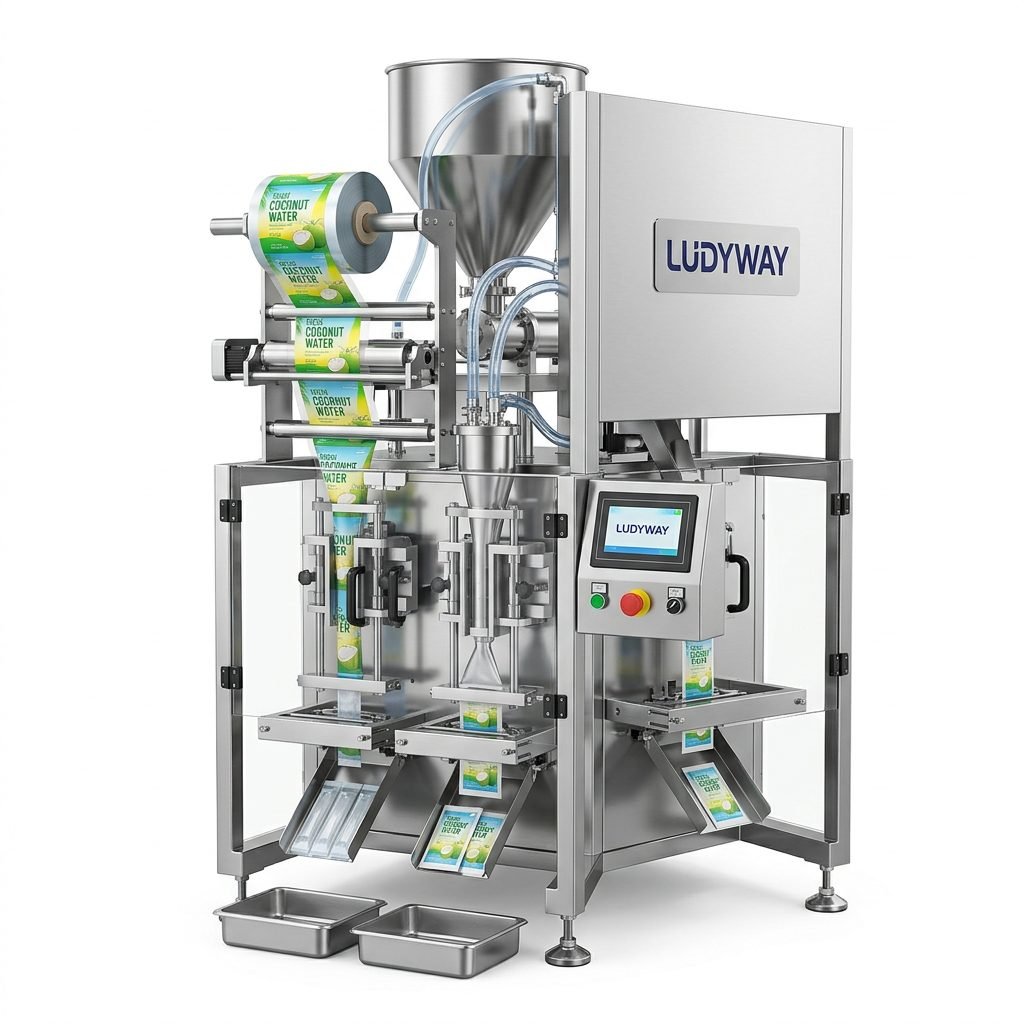
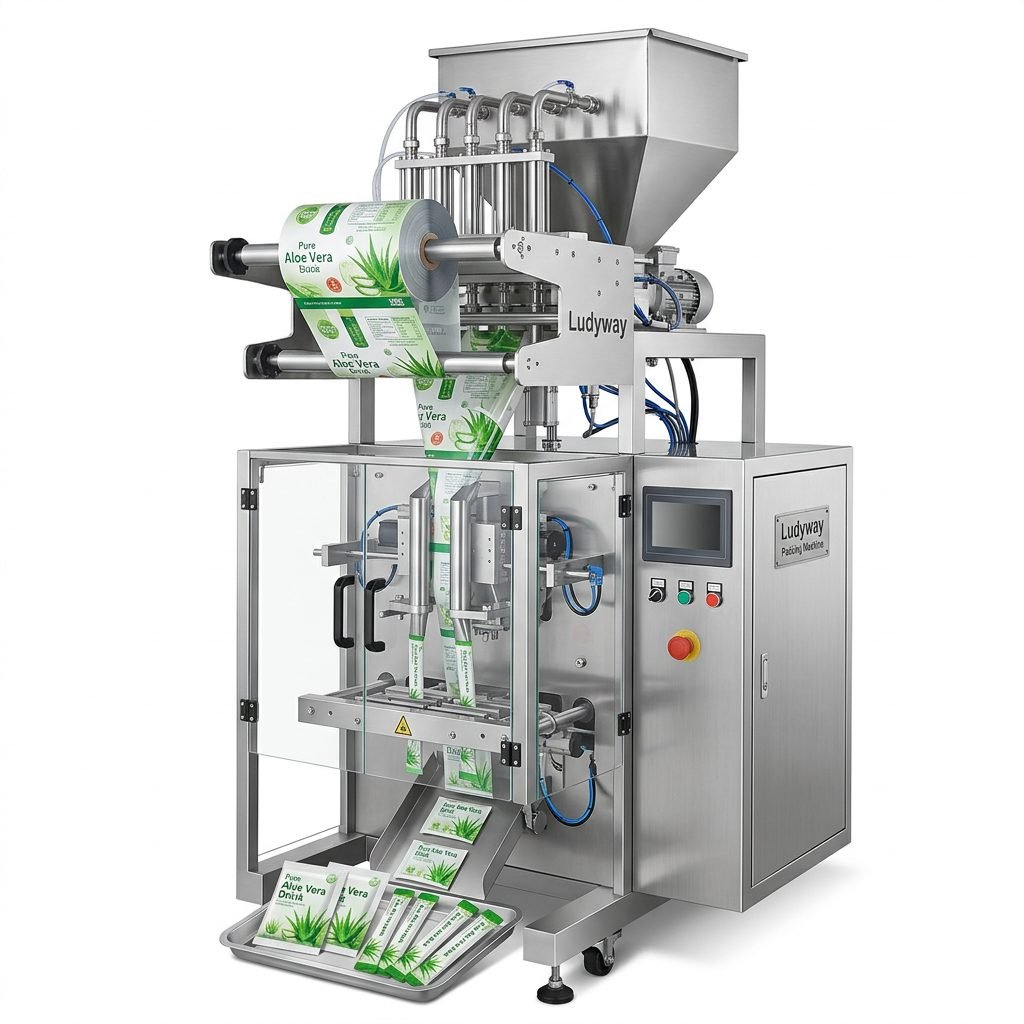
The type of machine you choose has the largest impact on cost. A basic single-lane vertical form fill seal (VFFS) machine is considerably less expensive than a high-speed multi-lane stick pack system capable of producing hundreds of pouches per minute. Machines configured for granule packaging (such as loose-leaf tea or herbal blends) differ in design from those designed for liquid filling (such as juice concentrates or aloe vera drinks). Multi-purpose machines that can handle both granule and liquid products typically come at a premium.
Automation Level and Production Speed
Production speed is directly correlated with machine cost. Entry-level machines may produce 30 to 60 pouches per minute, while advanced multi-lane systems can achieve 400 to 800 pouches per minute or more. Higher automation levels reduce labor costs and increase throughput, but the initial investment is substantially higher. Consider your current and projected production volumes carefully before deciding on the level of automation you need.
Filling System Technology
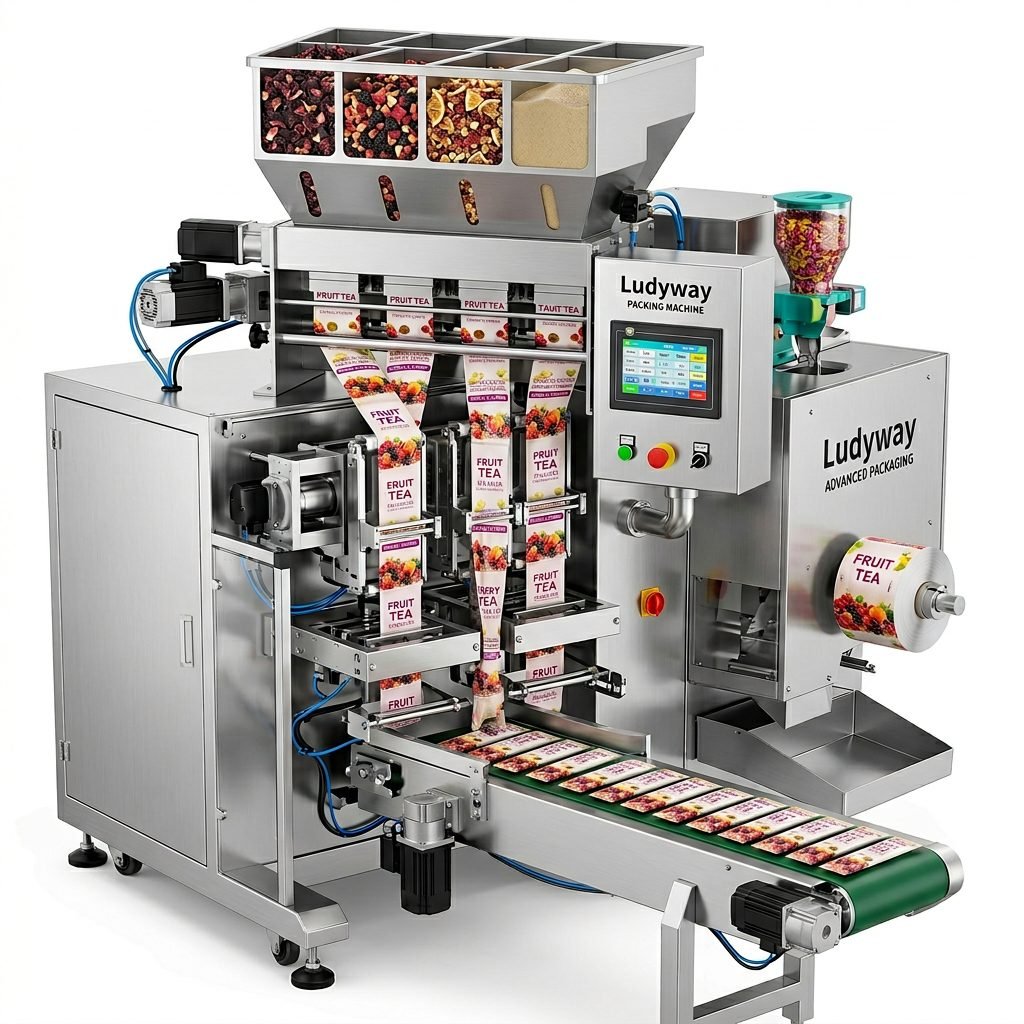
The filling mechanism represents one of the most important technical components of any pouch packing machine. Volumetric cup fillers are cost-effective for dry granule products. Auger fillers offer higher precision for powder-based tea products. Piston fillers and flow meters are preferred for liquid juice products. Multi-head weighers provide the highest accuracy and speed but add significant cost. The right filling technology depends on your product characteristics and required accuracy.
Build Quality and Compliance Standards
Machines constructed with food-grade stainless steel (304 or 316L) and designed to meet GMP, CE, and FDA compliance standards command higher prices. For tea and juice products intended for human consumption, these certifications are not optional—they are mandatory in most regulated markets. Investing in compliant equipment from the outset helps avoid costly retrofits and regulatory issues later.
Price Ranges by Machine Type: A Detailed Breakdown
The table below provides an overview of typical price ranges for different categories of tea and juice pouch packing machines. These figures serve as general guidance, and actual prices vary based on configuration, capacity, and manufacturer.
| Machine Category | Typical Speed Range | Estimated Price Range (USD) | Best Suited For |
|---|---|---|---|
| Entry-Level Single-Lane VFFS | 30–60 pouches/min | $5,000 – $15,000 | Small businesses, startups, artisanal tea brands |
| Mid-Range Multi-Lane (4–6 Lanes) | 120–300 pouches/min | $20,000 – $60,000 | Mid-sized manufacturers, growing brands |
| High-Speed Multi-Lane (8–12 Lanes) | 400–800 pouches/min | $60,000 – $150,000 | Large-scale production, OEM contract packers |
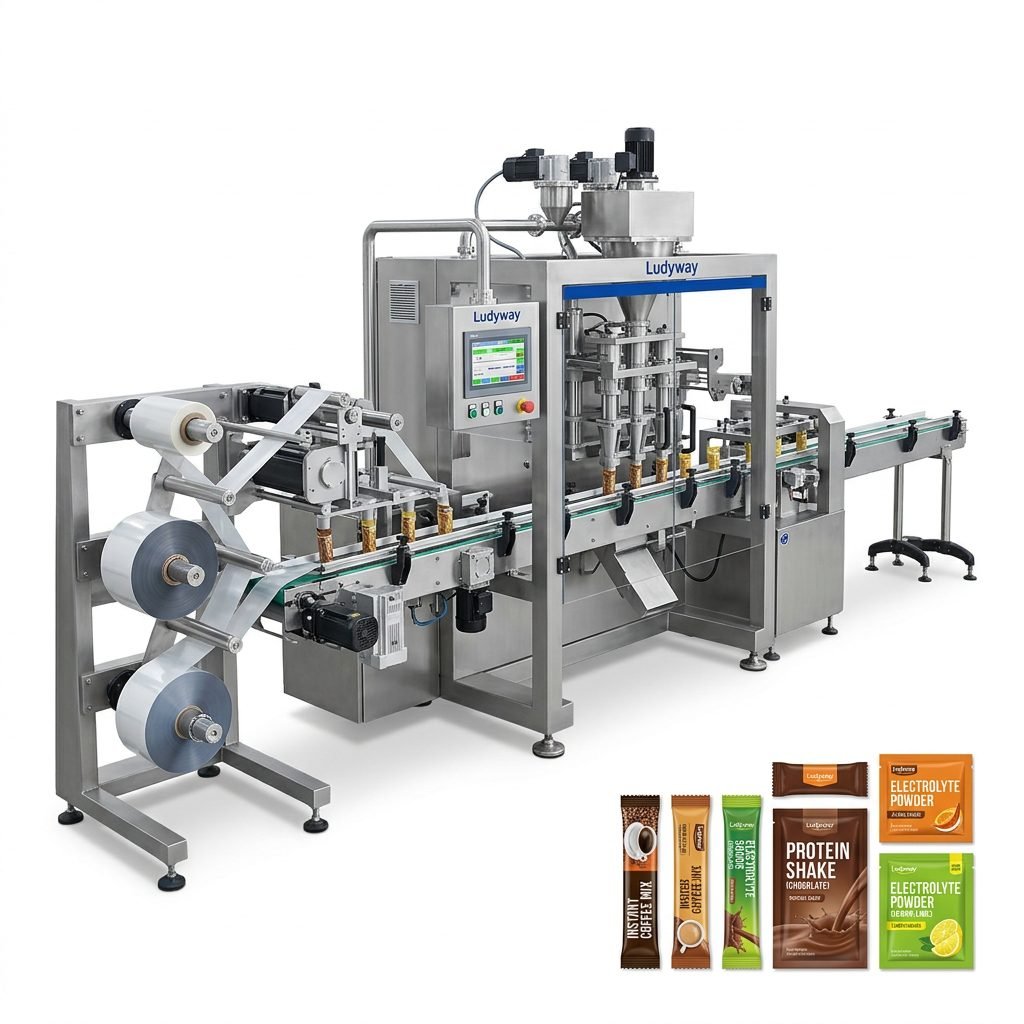
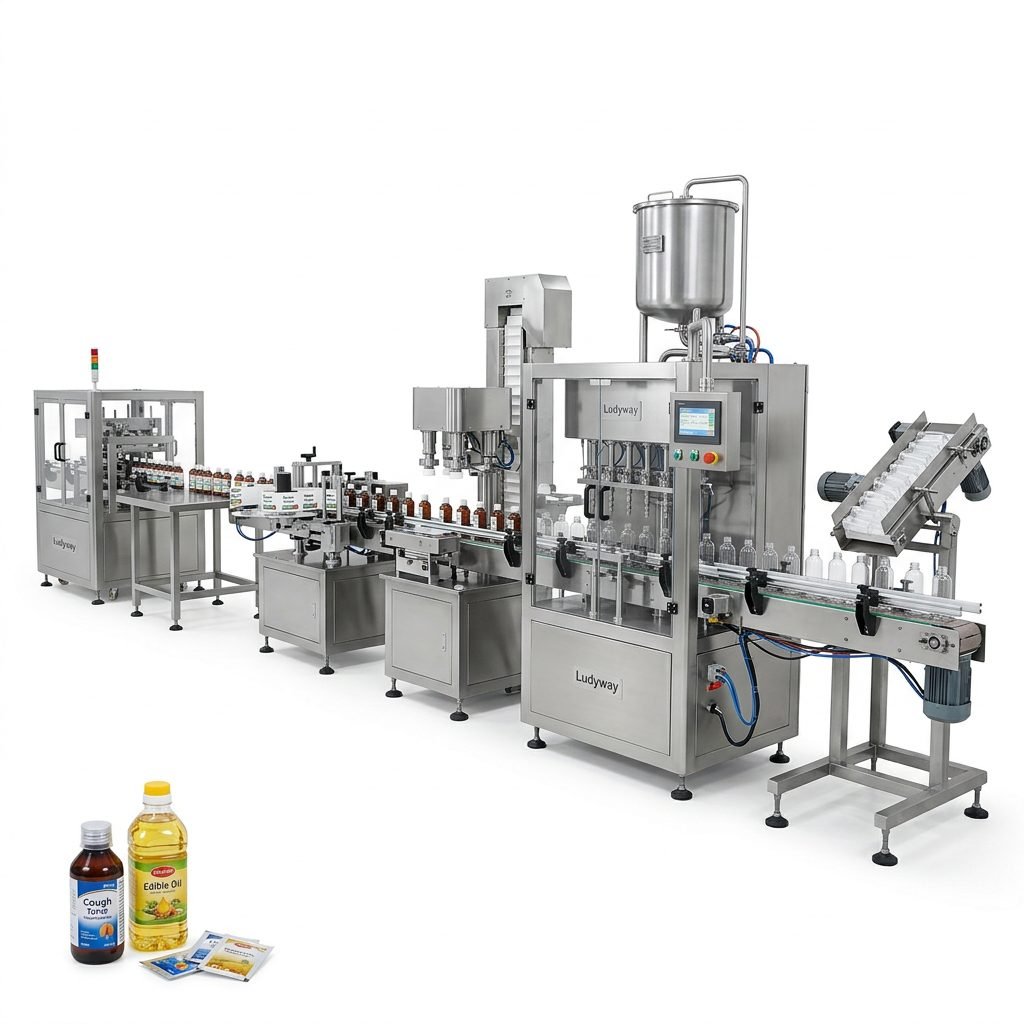
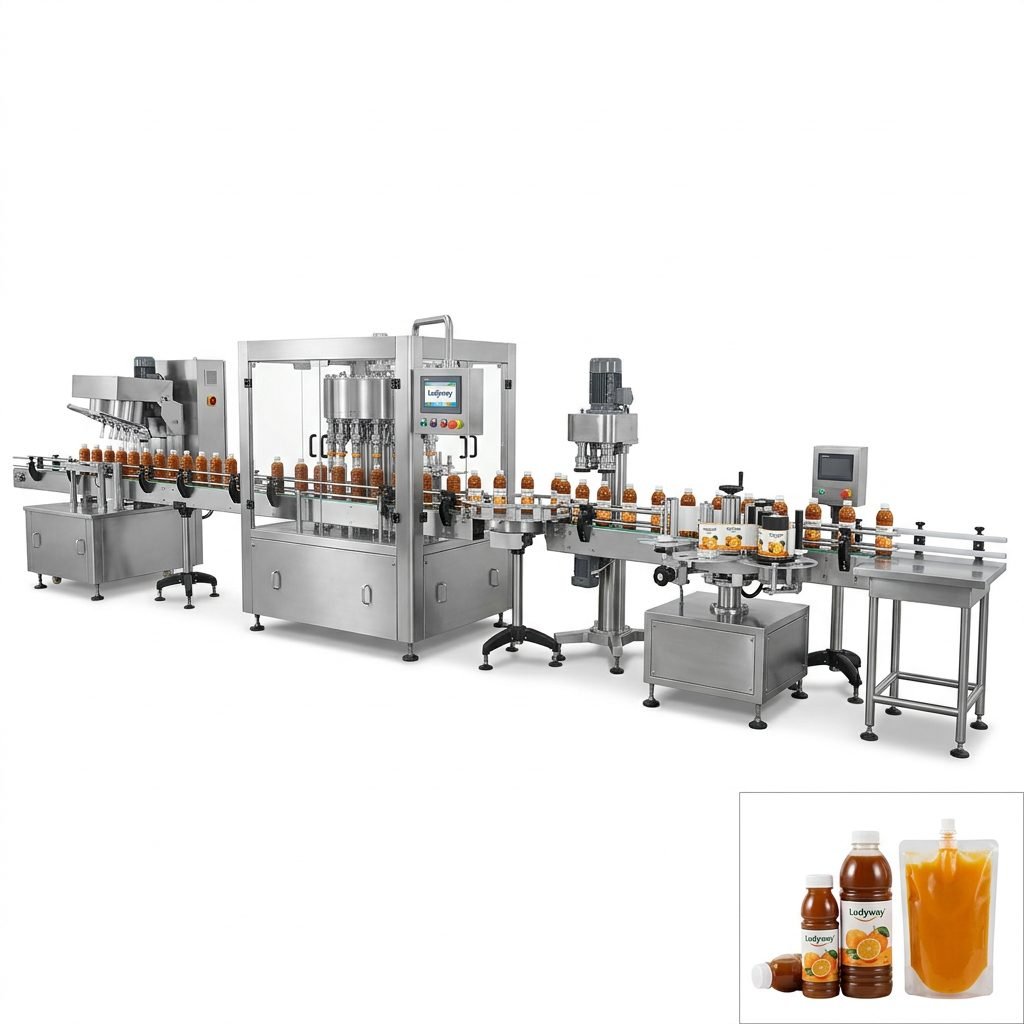
| Fully Automated Turnkey Production Line | 800+ pouches/min | $150,000 – $500,000+ | High-volume industrial operations, multinational brands |
Why Multi-Lane Machines Deliver Superior Long-Term Value
While the upfront cost of a multi-lane stick pack machine is higher than a single-lane alternative, the return on investment typically materializes within 12 to 18 months for medium-to-high-volume producers. Multi-lane systems offer several distinct advantages:
- Higher throughput per square meter of factory floor space, maximizing facility utilization
- Reduced labor costs—one operator can manage a multi-lane system that replaces several single-lane machines
- Lower per-pouch production cost, improving overall profit margins on each unit sold
- Consistent seal quality and fill accuracy across all lanes, reducing product waste and quality complaints
- Scalability—multi-lane platforms can often be upgraded or reconfigured as production needs evolve
Additional Costs to Consider Beyond the Machine Purchase Price
The sticker price of a pouch packing machine is only part of the total investment. Manufacturers should budget for several ancillary expenses that can significantly impact the overall project cost.
- Installation and commissioning: Professional setup, calibration, and operator training typically add 5% to 10% of the machine cost.
- Ancillary equipment: Conveyors, checkweighers, metal detectors, coding and marking systems, and cartoning machines are often necessary for a complete production line.
- Packaging materials: Ongoing costs for laminated film rolls, pre-made pouches, or biodegradable materials should be factored into operational budgets.
- Maintenance and spare parts: Budget 2% to 5% of the machine cost annually for preventive maintenance, wear parts, and unexpected repairs.
- Facility requirements: Compressed air systems, electrical upgrades, and cleanroom modifications may be needed depending on the machine specifications.
How to Choose the Right Tea and Juice Packaging Machine
Selecting the optimal machine requires a thorough assessment of your specific production requirements. Consider the following decision-making framework:
1. Define your product characteristics: Is your product a dry granule, fine powder, or liquid? Does it contain particles or pulp? Is it sticky, hygroscopic, or free-flowing? These properties determine the appropriate filling system and hopper design.
2. Determine your target production capacity: Calculate your daily, monthly, and annual output requirements. Include buffer capacity for seasonal demand spikes typical in the beverage industry.
3. Evaluate your packaging format: Are you using stick packs, flat sachets, three-side-seal, or four-side-seal pouches? Each format requires specific forming and sealing tooling.
4. Assess your facility constraints: Measure available floor space, ceiling height, and utility capacity before selecting a machine model. Some high-speed multi-lane systems require substantial infrastructure support.
5. Review after-sales support: The availability of technical support, spare parts, and operator training from your equipment supplier directly impacts long-term operational efficiency. This is often more important than minor upfront price differences.
Return on Investment: Crunching the Numbers
A well-chosen pouch packing machine typically achieves full payback within 12 to 24 months. For example, a mid-range 6-lane stick pack machine costing $45,000 that produces 200 pouches per minute can generate significantly higher output than three single-lane machines combined, while requiring only one operator instead of three. At an average labor savings of $30,000 per year and increased production capacity generating additional revenue of $50,000 annually, the ROI timeline is compelling.
Accurate ROI calculations depend on your specific product margins, labor costs, and production volumes. We recommend working with a manufacturer that can provide detailed throughput analysis and cost modeling based on your actual requirements.
Partnering with an Experienced Packaging Machine Manufacturer
Choosing the right equipment partner is just as important as choosing the right machine. Look for manufacturers with a proven track record in the food and beverage packaging sector, demonstrated engineering expertise, and responsive global after-sales support. A reputable supplier will offer comprehensive services including factory acceptance testing (FAT), installation supervision, operator training, and ongoing maintenance support.
As one of the largest packaging machine manufacturers in China, Ludyway specializes in advanced packaging equipment and turnkey production solutions for the food, pharmaceutical, and health industries. With over 30 years of industry expertise and more than 50 intelligent packaging machine models, the company provides reliable solutions for granule, powder, liquid, and pouch packaging applications. You can learn more about current industry trends through resources like the PMMI packaging industry association and the Flexible Packaging Association knowledge hub.
Key Takeaways When Budgeting for a Pouch Packing Machine
- Machine costs vary widely—from under $10,000 for basic models to over $500,000 for fully automated turnkey systems.
- Multi-lane configurations generally offer better long-term ROI for medium and high-volume producers.
- Factor in all ancillary costs, including installation, training, maintenance, and facility upgrades.
- Product characteristics (granule, powder, or liquid) significantly influence the optimal machine configuration and cost.
- Choose a manufacturer with proven experience in the tea and juice packaging segment and strong after-sales support infrastructure.
A strategic approach to equipment investment—balancing upfront cost with long-term productivity, quality, and scalability—ensures that your tea and juice packaging operations remain competitive in an increasingly demanding global market.