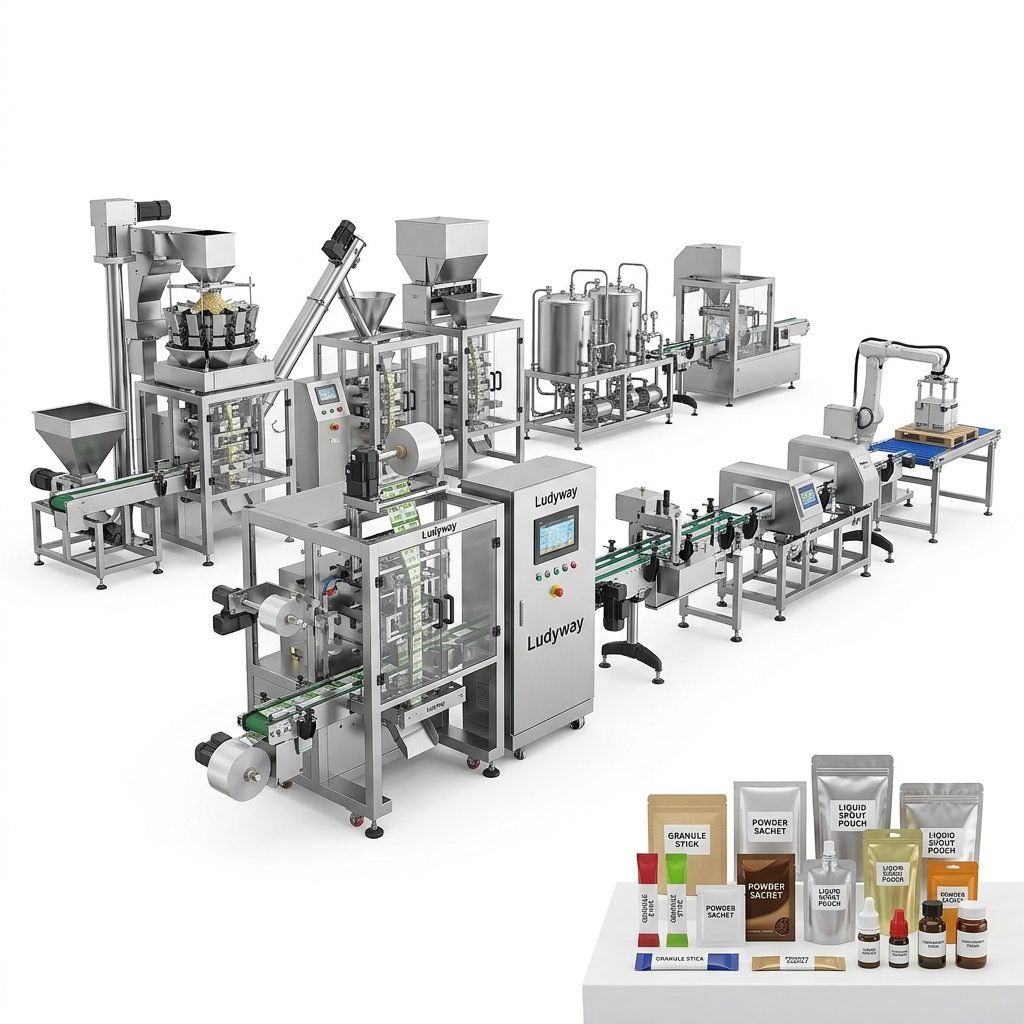
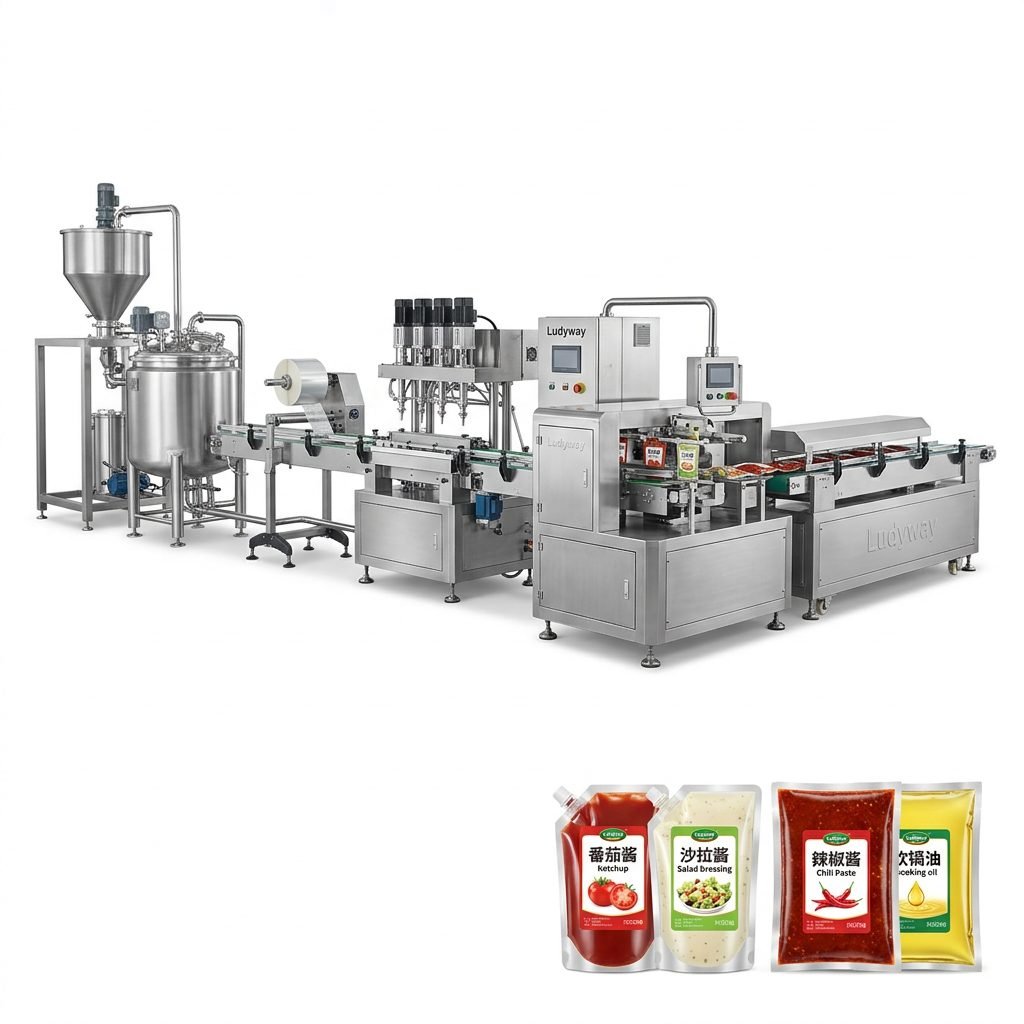
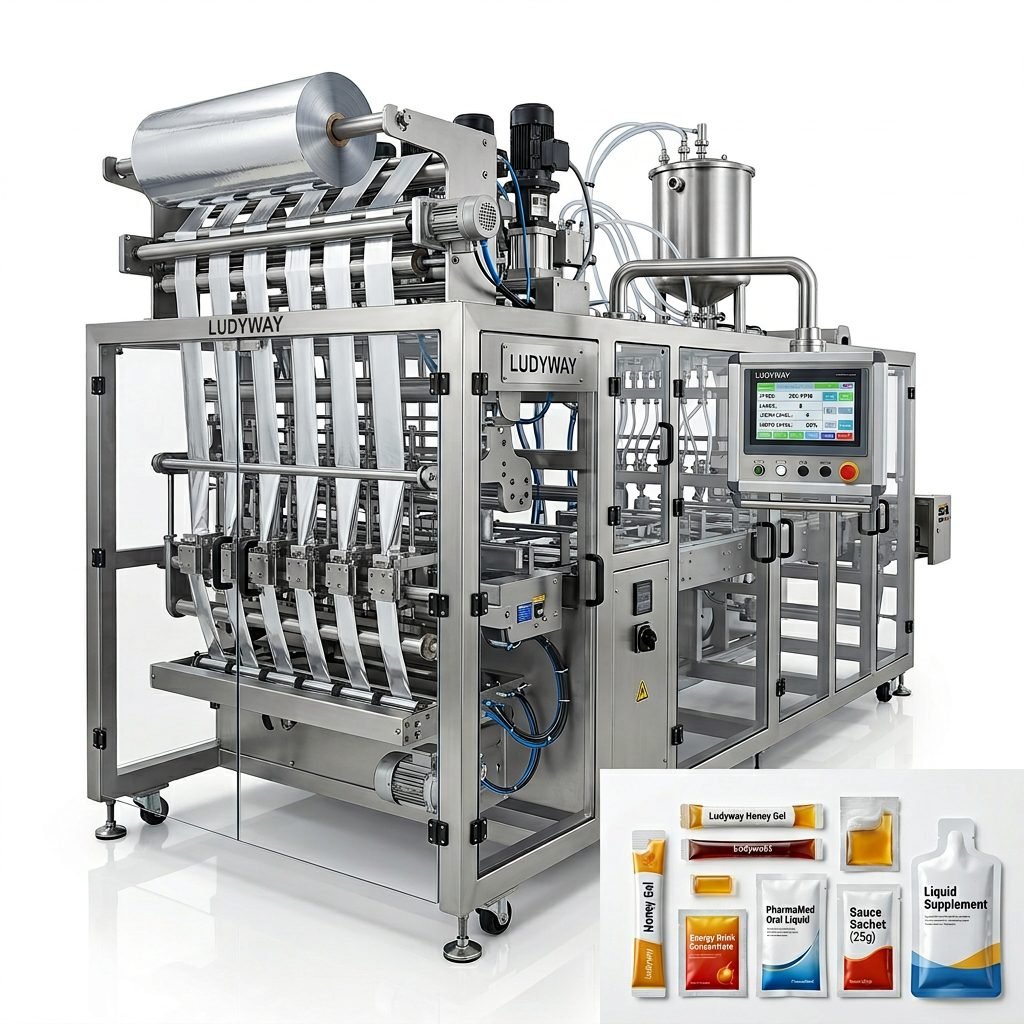
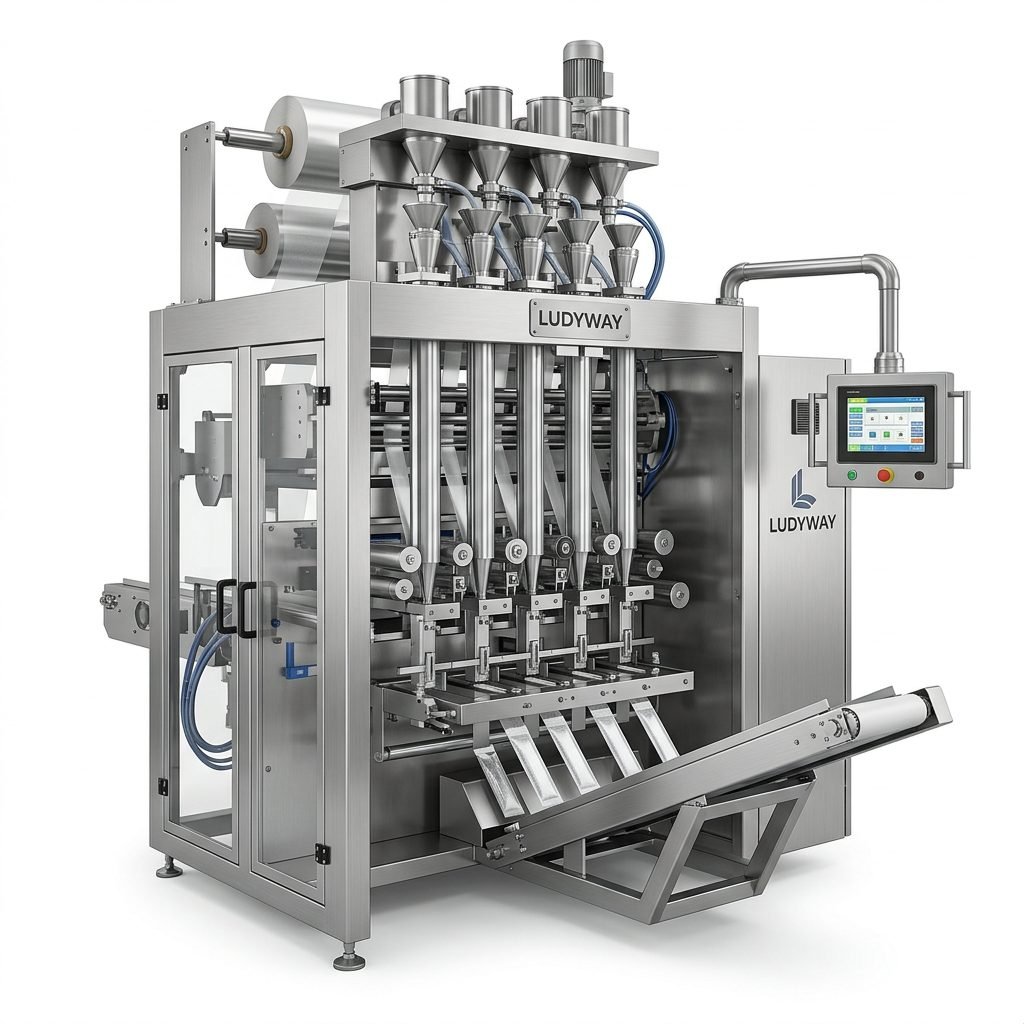
Investing in a paper packaging machine is a strategic decision that affects your production efficiency, product quality, and operational costs. Whether you are packaging powders, granules, liquids, or solid products, selecting the right equipment requires a clear understanding of your current and future manufacturing needs. This guide covers the essential factors to evaluate before making a purchase, helping you navigate machine types, technical specifications, supplier selection, and long-term cost considerations.
Understanding Paper Packaging Machine Types
Not all packaging machines are built alike. The type of machine you need depends on your product characteristics, packaging format, and production volume. Recognizing the differences between machine categories will help you narrow down your options quickly.
Vertical Form Fill Seal (VFFS) Machines
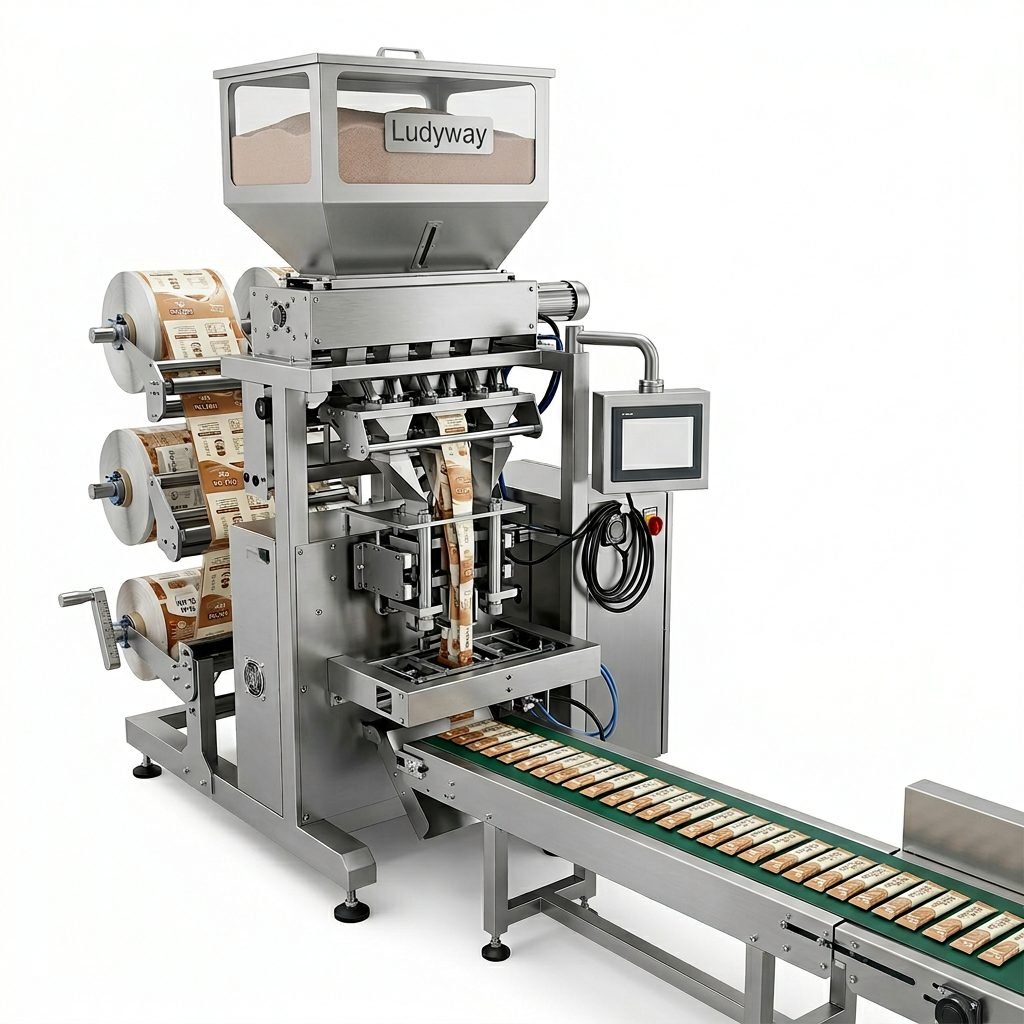
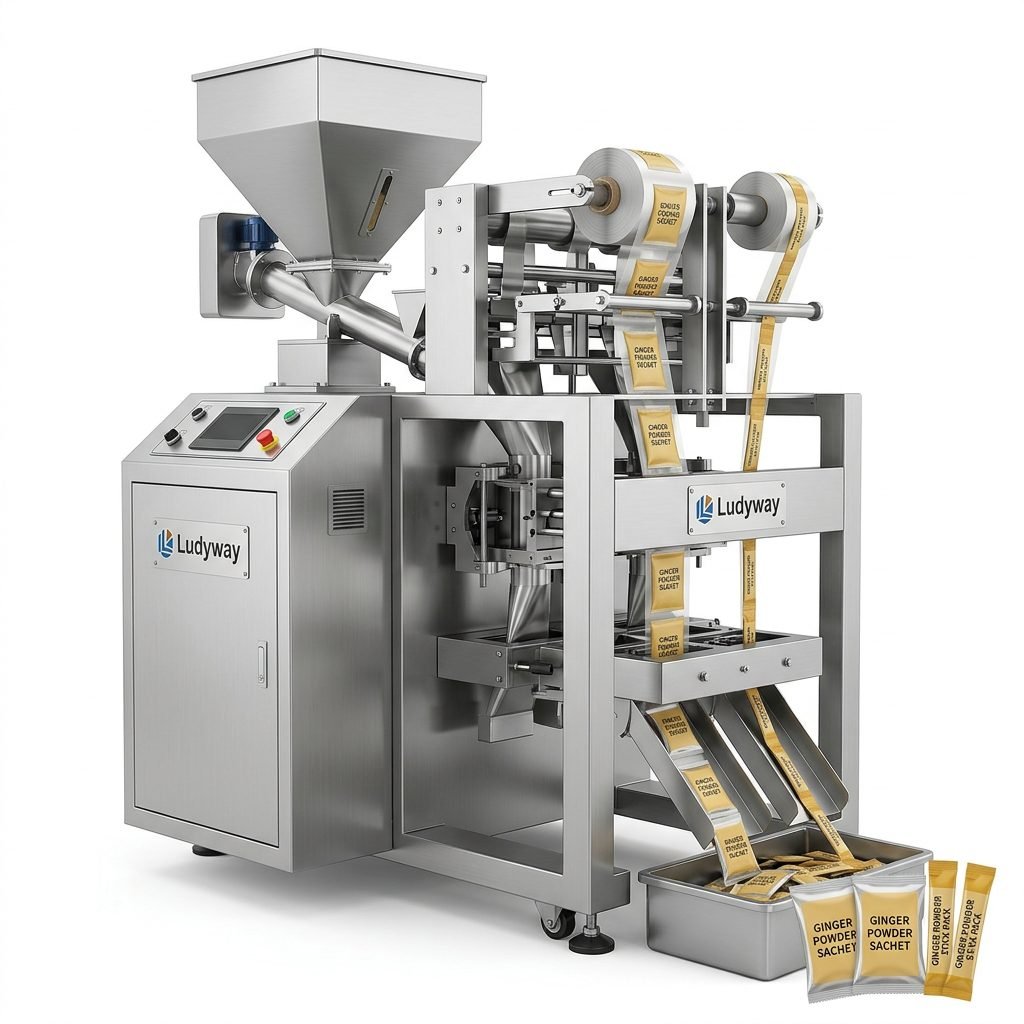
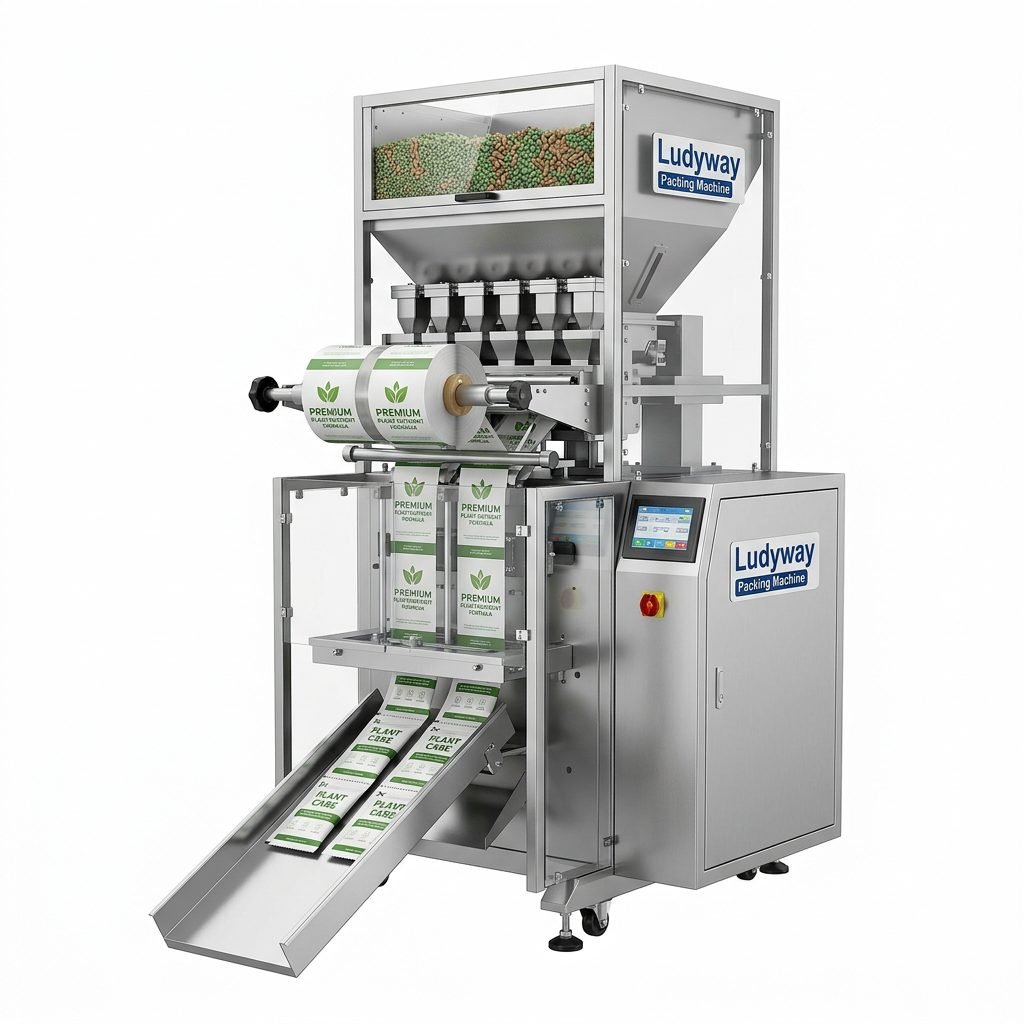
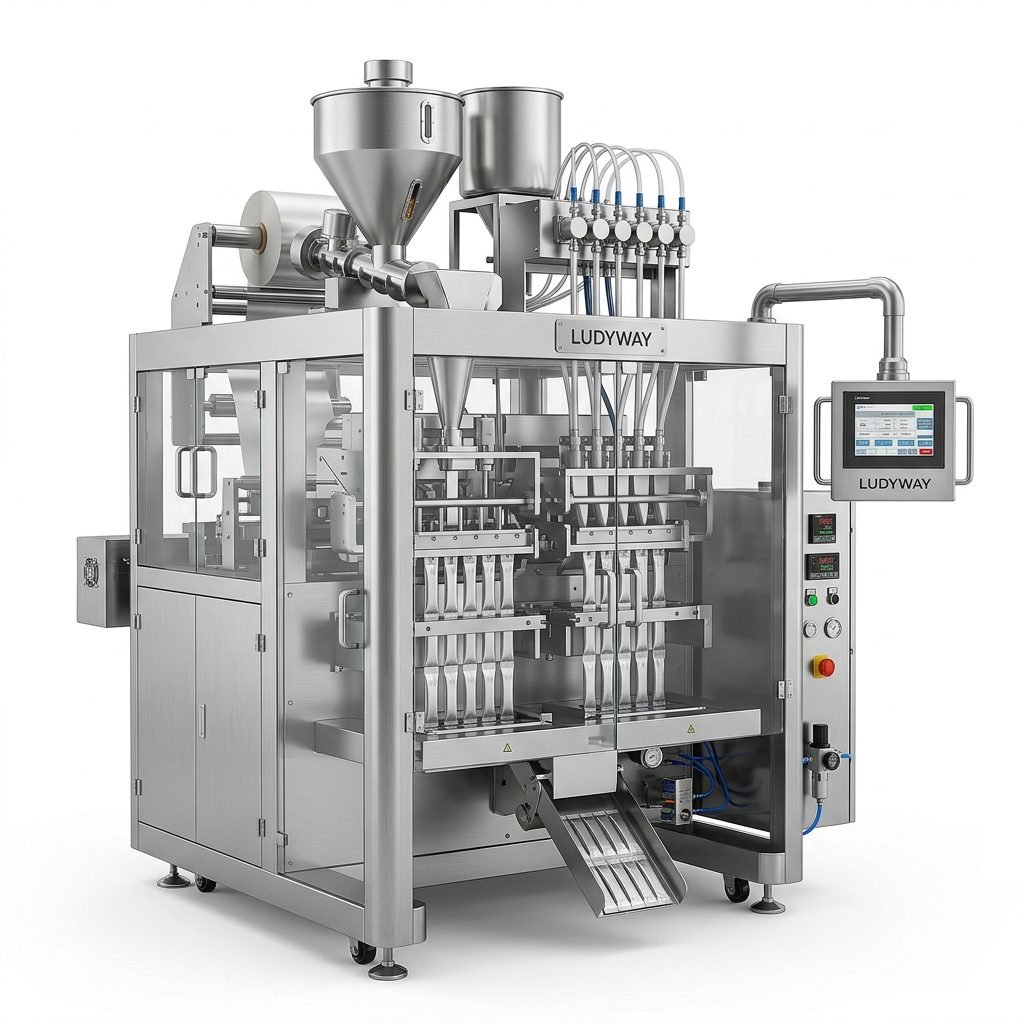
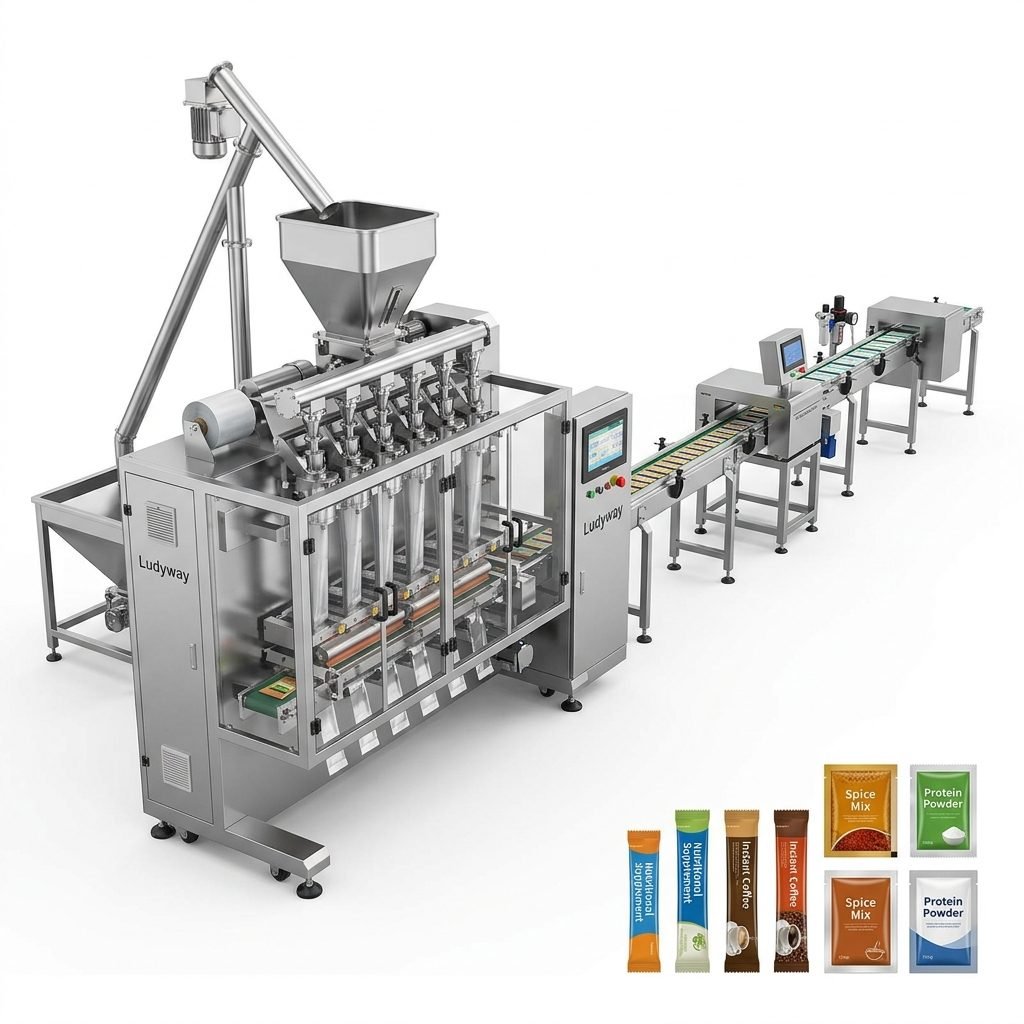
VFFS machines are among the most widely used packaging systems for paper-based and flexible packaging. They form a bag from a roll of packaging material, fill it with product, and seal it — all in a continuous vertical motion. These machines are ideal for powders, granules, and free-flowing solids such as flour, sugar, spices, coffee, and nutritional supplements. Modern VFFS systems can achieve high speeds and support multiple bag formats including pillow bags, gusseted bags, and quad-seal packs.
Horizontal Form Fill Seal (HFFS) Machines
HFFS machines operate horizontally and are better suited for products that require gentle handling or precise placement. They are commonly used for paper-based sachets, stick packs, and flat pouches. Industries such as pharmaceuticals, cosmetics, and food often prefer HFFS systems when packaging fragile or irregularly shaped items.
Multi-Lane Packaging Machines
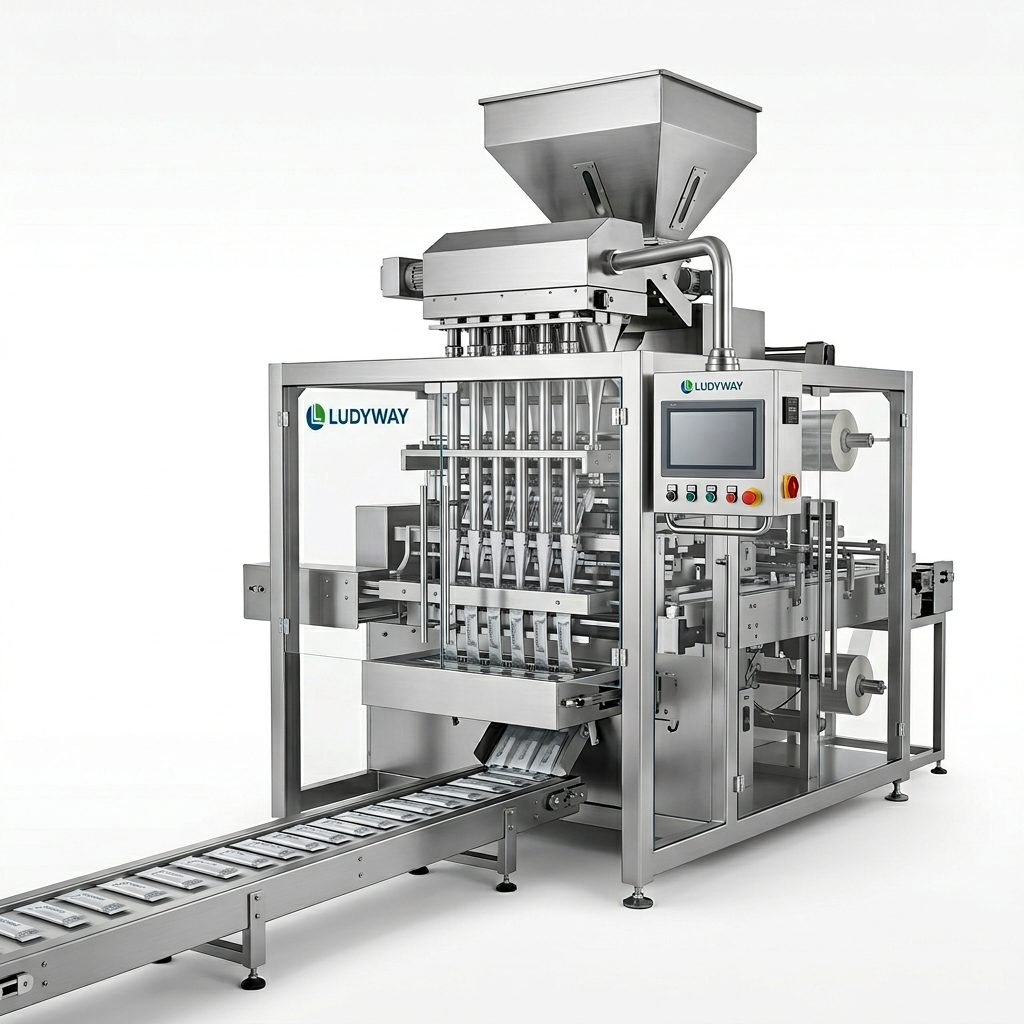
For high-volume production, multi-lane packaging machines offer significant throughput advantages. These systems run multiple lanes simultaneously, dramatically increasing output without proportionally increasing floor space or labor requirements. According to industry data from PMMI packaging machinery market research, multi-lane configurations are increasingly adopted by manufacturers seeking to optimize production efficiency.
Pouch and Sachet Packaging Machines
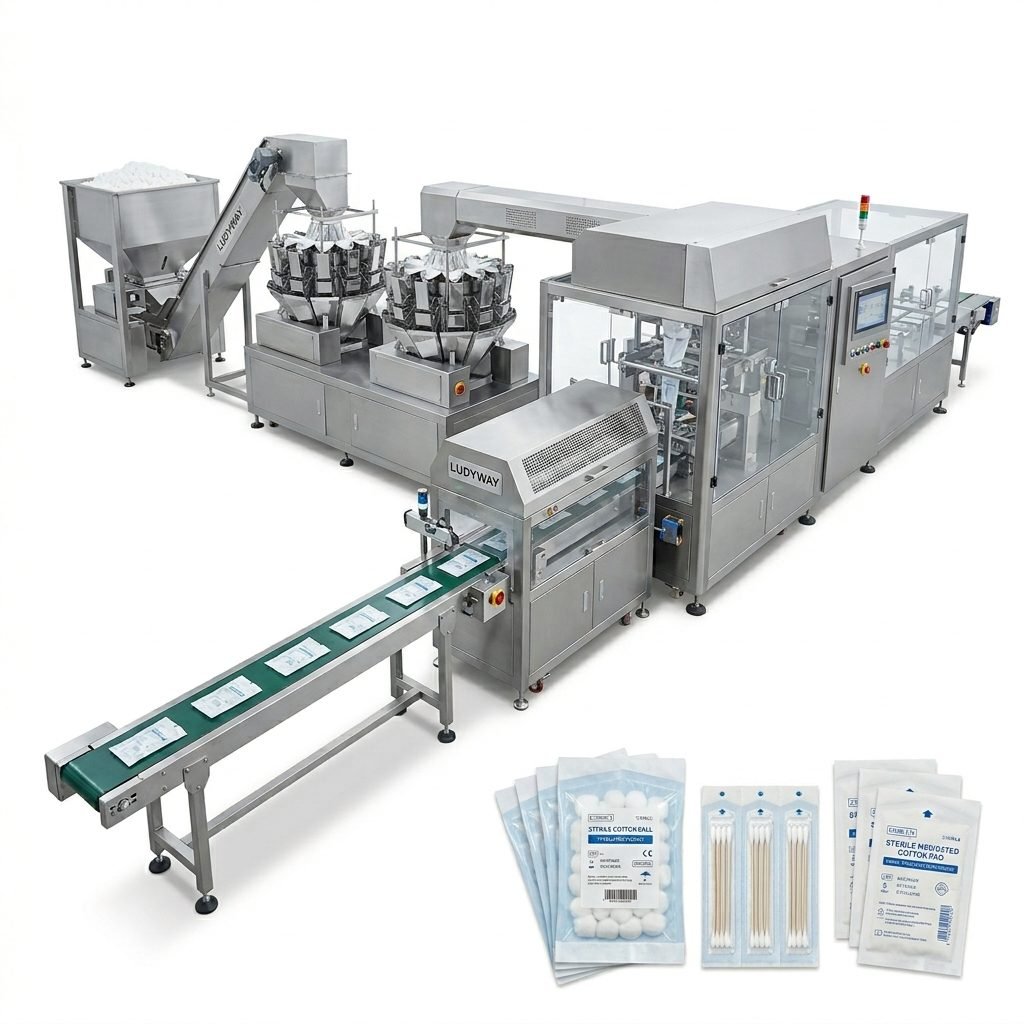
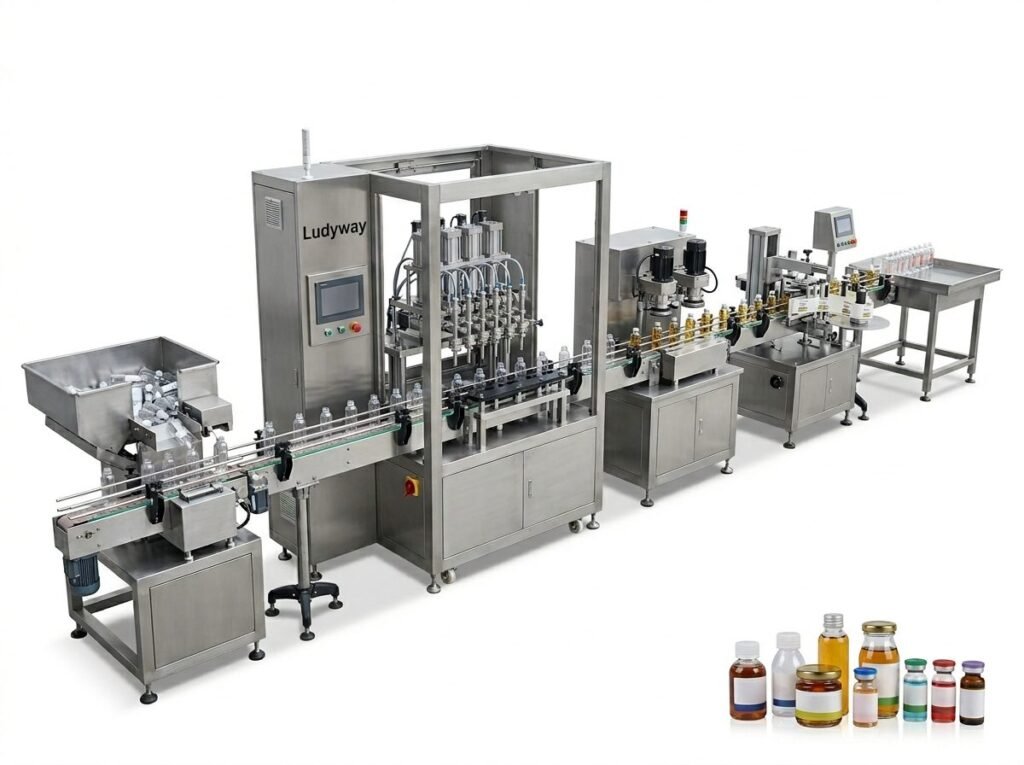
Dedicated pouch machines handle pre-made pouches or form-fill-seal operations for small-format packaging. These are popular in the food, personal care, and pharmaceutical sectors for single-serve and sample-size products. They accommodate paper-based laminates and composite materials that combine paper with barrier films for enhanced product protection.
Key Factors to Evaluate Before Buying
Once you have identified the machine type that matches your product, the next step is to evaluate technical and operational factors that will determine the machine’s suitability for your production environment.
Product Characteristics
The physical properties of your product directly influence machine selection. Consider the following attributes carefully:
- Flowability: Free-flowing powders require different dosing systems compared to cohesive or sticky materials.
- Particle size and distribution: Granules, fine powders, and irregular particles each demand specific filling mechanisms.
- Density: Bulk density variations affect filling accuracy and machine speed settings.
- Moisture sensitivity: Hygroscopic products may require additional environmental controls during packaging.
- Fragility: Products prone to breakage need gentle handling and appropriate feeding systems.
Packaging Material Compatibility
Paper packaging machines must be compatible with your chosen packaging materials. Paper-based substrates vary widely in thickness, coating, and barrier properties. Ensure the machine can handle heat-sealable papers, wax-coated papers, paper-aluminum laminates, and paper-plastic composites. The Flexible Packaging Association provides extensive resources on material selection and industry standards that can guide your decision-making process.
Production Speed and Capacity
Throughput requirements should be defined early in the selection process. Consider both your current production volume and projected growth over the next 3-5 years. A machine operating at 80% of its maximum rated speed typically offers the best balance of output and reliability. For reference, small-scale operations may require 30-60 packs per minute, while high-speed industrial lines can exceed 300 packs per minute with multi-lane configurations.
Bag and Pouch Size Flexibility
If your product line includes multiple SKUs with different packaging sizes, look for machines with quick-changeover capabilities. Adjustable forming tubes, modular sealing jaws, and programmable recipes can reduce downtime between production runs. Evaluate the machine’s minimum and maximum bag dimensions to ensure they cover your entire product range.
Technical Specifications That Matter
Beyond basic machine type and capacity, several technical specifications significantly impact long-term performance and operational costs. Use the comparison table below to evaluate key parameters across different machine options.
| Specification | Why It Matters | What to Look For |
|---|---|---|
| Filling Accuracy | Affects product give-away and regulatory compliance | ±0.5% to ±1% for powders; ±0.3% for granules |
| Sealing Temperature Control | Critical for seal integrity and material compatibility | PID-controlled heating with digital display and multi-zone management |
| Changeover Time | Impacts overall equipment effectiveness (OEE) | Tool-free changeover in under 15 minutes for routine size changes |
| Automation Level | Determines labor requirements and consistency | Servo-driven systems with PLC control and HMI touchscreen interface |
| Material Waste Rate | Affects consumable costs over the machine lifetime | Less than 2% waste during startup and normal operation |
| Power Consumption | Contributes to ongoing operational expenses | Energy-efficient servo motors and standby mode functionality |
Regulatory Compliance and Quality Standards
Packaging machinery used in food, pharmaceutical, and medical applications must meet stringent regulatory requirements. Depending on your target market, you may need to comply with standards from multiple governing bodies.
Food Safety Standards
For food packaging applications, machine design must support sanitary operations. Look for stainless steel construction in product contact areas, washdown-ready designs, and compliance with GMP (Good Manufacturing Practices). The FDA food packaging and food contact substances guidelines provide essential regulatory references for manufacturers targeting the U.S. market.
Pharmaceutical Packaging Requirements
Pharmaceutical packaging demands higher levels of precision, documentation, and validation. Machines should comply with ISO packaging standards and support 21 CFR Part 11 compliance for electronic records where applicable. Serialization capabilities, tamper-evident sealing, and batch traceability features are increasingly important for pharmaceutical manufacturers.
CE Marking and International Certifications
For manufacturers exporting to the European Union, CE marking is mandatory. Machines should also meet relevant ISO, IEC, and EN standards for safety and performance. Verify that your supplier can provide compliance documentation and certification for the specific markets you serve.
Supplier Evaluation Criteria
Choosing the right supplier is as important as selecting the right machine. A reliable partner provides not only equipment but also technical support, spare parts availability, and long-term service throughout the machine’s lifecycle.
Manufacturing Experience and Track Record
Evaluate how long the supplier has been manufacturing packaging machinery and their experience in your specific industry. Review case studies, client references, and the supplier’s installed base. Companies with decades of engineering experience and a global customer base typically offer more mature and reliable equipment designs.
After-Sales Support and Spare Parts
Machine downtime directly impacts your bottom line. Before purchasing, understand the supplier’s warranty terms, technical support availability, spare parts inventory, and response times. Remote diagnostic capabilities and local service representatives can significantly reduce downtime during critical production periods.
Customization and Integration Capabilities
Off-the-shelf machines may not meet all your requirements. A supplier with in-house engineering and customization capabilities can adapt machine configurations to your specific products, facility layout, and automation needs. This is particularly valuable when integrating packaging equipment into existing production lines or when developing turnkey packaging systems.
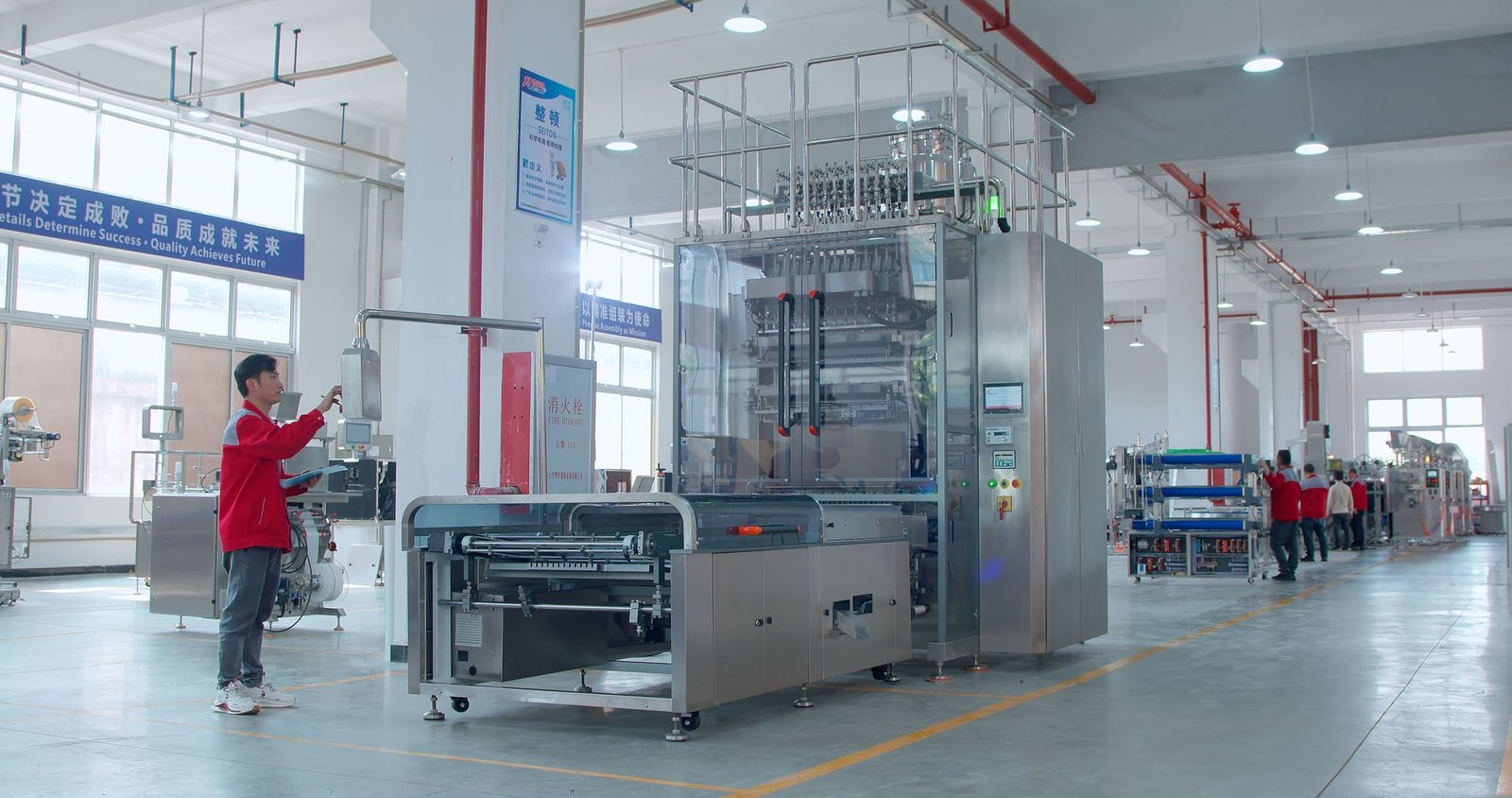
As a leading packaging machinery manufacturer with more than 30 years of industry experience, Ludyway Machinery provides automated packaging equipment and integrated solutions across a broad range of industries including food and beverage, pharmaceuticals, cosmetics, and chemicals. With over 50 machine models and a 20,000-square-meter manufacturing facility, the company combines engineering expertise with customization capabilities to help manufacturers achieve their production goals.
Cost Considerations and ROI Analysis
The purchase price of a paper packaging machine is only one component of the total cost of ownership (TCO). A comprehensive ROI analysis should account for several factors over the expected service life of the equipment.
Initial Investment Components
- Machine purchase price — varies by configuration, automation level, and optional features
- Shipping and logistics — international freight, customs duties, and local transportation
- Installation and commissioning — on-site setup, calibration, and initial testing
- Operator training — comprehensive training ensures efficient and safe machine operation
- Facility modifications — electrical, compressed air, and layout adjustments if required
Ongoing Operational Costs
- Packaging material consumption — influenced by machine efficiency and waste rates
- Energy costs — electricity and compressed air consumption during operation
- Maintenance and spare parts — routine servicing and replacement of wear components
- Labor requirements — number of operators needed per shift
- Downtime costs — lost production capacity during unscheduled stops
ROI Calculation Factors
To accurately calculate ROI, compare your current packaging costs with projected costs using the new equipment. Consider labor savings from automation, reduced material waste, increased production capacity, and improved product quality. Many manufacturers achieve full ROI within 12-24 months when upgrading from manual or semi-automatic packaging to fully automated systems. Industry reports from PMMI’s State of the Industry provide valuable benchmark data for evaluating packaging equipment investments.
Testing and Validation Before Purchase
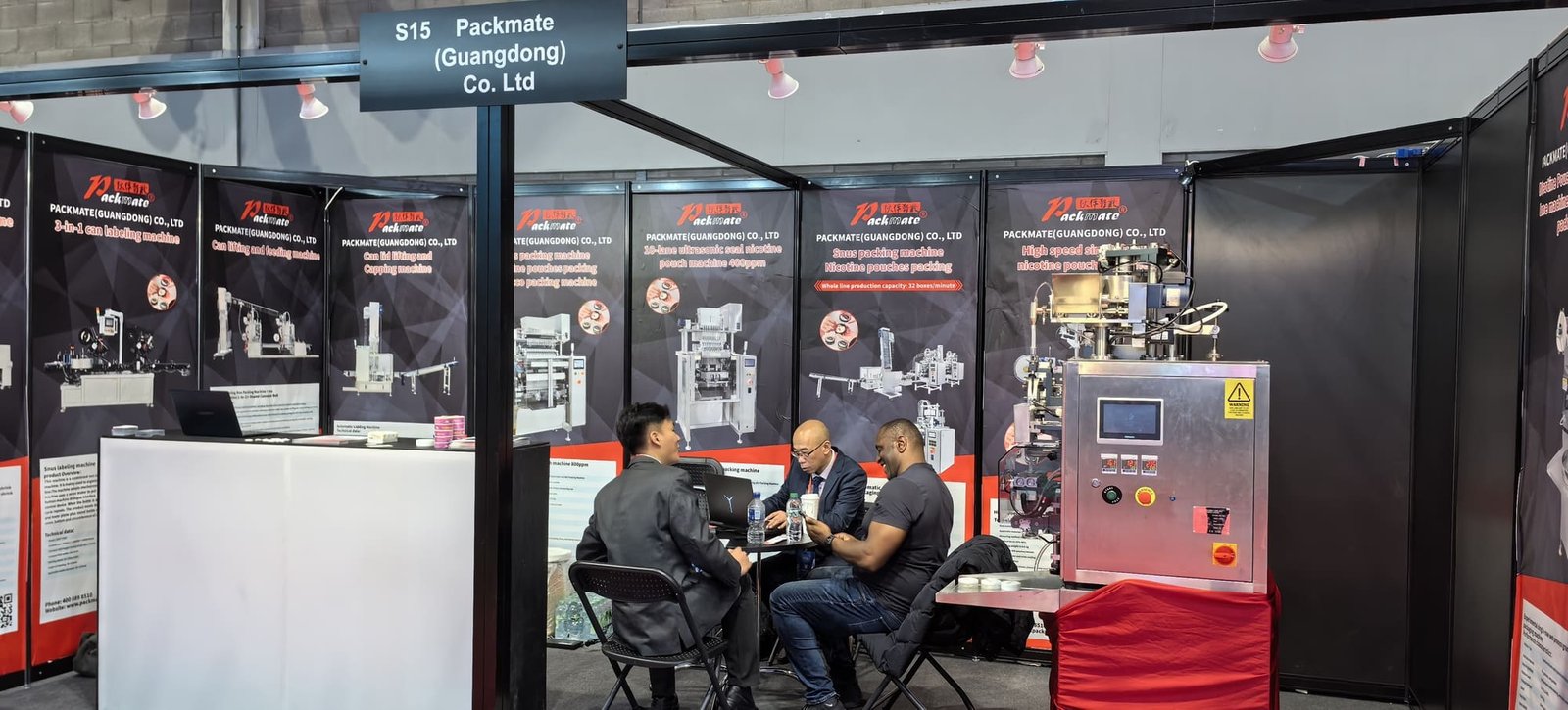
Before finalizing your decision, conduct thorough testing with your actual products and packaging materials. Factory acceptance testing (FAT) at the supplier’s facility allows you to verify machine performance under controlled conditions. Request detailed test reports including speed, accuracy, seal integrity, and material consumption data. Whenever possible, visit the supplier’s manufacturing facility to assess their quality control processes and engineering capabilities firsthand.
Key Testing Parameters
- Speed trials — verify the machine can consistently achieve the rated output with your product
- Filling accuracy tests — measure weight variation across multiple production runs
- Seal integrity testing — conduct burst tests, vacuum leak tests, and visual inspections
- Material compatibility trials — run your specific packaging materials through the machine
- Durability assessment — evaluate build quality, component specifications, and expected service life
Future-Proofing Your Investment
Packaging requirements evolve over time. Your machine investment should accommodate future changes in packaging formats, materials, and production volumes. Consider machines with modular designs that allow for field upgrades, additional lanes, coding and marking systems, automated feeding solutions, and integration with downstream equipment such as cartoners, case packers, and palletizers.
Technology Trends to Watch
- Smart factory integration — machines with IoT connectivity for real-time monitoring and predictive maintenance
- Sustainable packaging support — compatibility with recyclable papers, bio-based coatings, and reduced material thickness
- Servo-driven precision — improved accuracy and reduced mechanical complexity compared to pneumatic systems
- Digital twin capabilities — virtual commissioning and simulation for faster new product introductions
Common Mistakes to Avoid
Manufacturers often make preventable errors during the machine selection process. Being aware of these common pitfalls can save you significant time and resources.
| Mistake | Potential Consequence | How to Avoid |
|---|---|---|
| Focusing only on purchase price | Higher long-term costs from maintenance, downtime, and material waste | Evaluate total cost of ownership over 5-7 years |
| Ignoring material compatibility | Poor seal quality, increased waste, and production delays | Test with your actual packaging materials before purchase |
| Underestimating training needs | Operator errors, reduced efficiency, and safety risks | Budget for comprehensive operator and maintenance training |
| Overlooking regulatory requirements | Non-compliance penalties and market access restrictions | Verify certifications and compliance documentation upfront |
| Not planning for growth | Outgrowing the machine’s capacity within 2-3 years | Select equipment with upgradeable and expandable configurations |
Making the Final Decision
After evaluating machine types, technical specifications, supplier capabilities, and total cost of ownership, create a weighted decision matrix to compare your top options objectively. Assign importance weights to factors such as price, speed, accuracy, supplier support, and customization flexibility based on your specific business priorities. Visit the PACK EXPO International or similar industry trade shows to see multiple machines in operation and discuss your requirements directly with manufacturers before making your final selection.
Selecting the right paper packaging machine is a significant investment that impacts your production capabilities for years to come. By systematically evaluating your product requirements, production goals, technical specifications, supplier qualifications, and total cost of ownership, you can make an informed decision that supports your manufacturing objectives and delivers long-term value for your business.