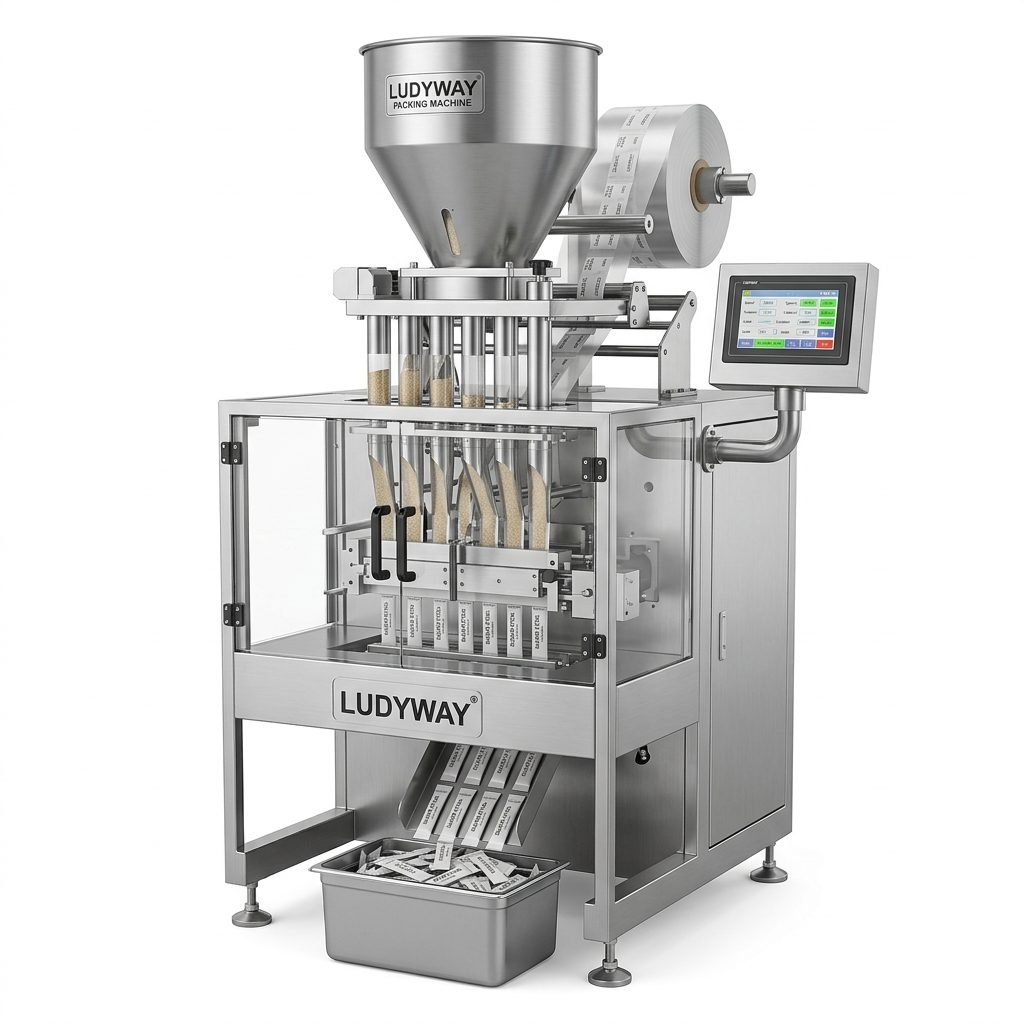
Setting up a pet food packaging machine production line in Europe requires careful planning, a clear understanding of regulatory frameworks, and the right equipment configuration. Whether you are expanding an existing manufacturing facility or launching a new brand, the efficiency and compliance of your packaging process will directly impact your market competitiveness. This guide walks you through every critical stage of the setup process.
Understanding the European Pet Food Packaging Landscape
The European pet food market is one of the most regulated and dynamic sectors in the world. Packaging machinery must not only handle a wide variety of product formats but also comply with stringent EU directives. Understanding the market drivers is the first step toward making informed investment decisions.
- Market Size: The European pet food industry is a multi-billion-euro market, with steady annual growth driven by premiumization and pet humanization trends.
- Product Diversity: Production lines must handle dry kibble, wet chunks in gravy, semi-moist treats, freeze-dried raw foods, and powdered supplements.
- Sustainability Mandates: The European Packaging and Packaging Waste Regulation pushes manufacturers toward recyclable mono-materials and reduced packaging volume.
Step 1: Pre-Project Planning and Regulatory Compliance
Before procuring any machinery, your project must align with the European regulatory environment. This is non-negotiable for market access. Overlooking this step can lead to costly delays or rejection at customs.
Core Regulatory Requirements
| Regulation / Standard | Scope of Application | Key Impact on Packaging Line |
|---|---|---|
| EC 1935/2004 | Food Contact Materials | Requires that packaging materials do not transfer constituents into pet food in unacceptable quantities. |
| EU 2023/2006 | Good Manufacturing Practice (GMP) | Mandates documented quality assurance and control systems for materials and articles intended to come into contact with food. |
| Machinery Directive 2006/42/EC | Machine Safety | All packaging equipment must carry CE marking and meet essential health and safety requirements. |
| EN 415 Series | Packaging Machine Safety | Defines specific safety requirements for form, fill, and seal machines, and other packaging equipment. |
Additionally, if your production line incorporates weighing and labeling for commercial transactions, the equipment must comply with the Measuring Instruments Directive (MID) 2014/32/EU. Working with a supplier that provides compliance documentation, including CE declarations and material certifications, streamlines the entire import and installation process.
Step 2: Defining Your Product and Packaging Format Matrix
A successful production line begins with a precise definition of your product range. The physical characteristics of your pet food determine the dosing technology, sealing parameters, and material handling systems required.
Key Product Variables to Document
- Physical State: Dry granules, powder, paste, liquid, or chunks in gravy.
- Flow Characteristics: Free-flowing, cohesive, sticky, or dusty. Dusty powders may require dust extraction systems to maintain a clean room environment.
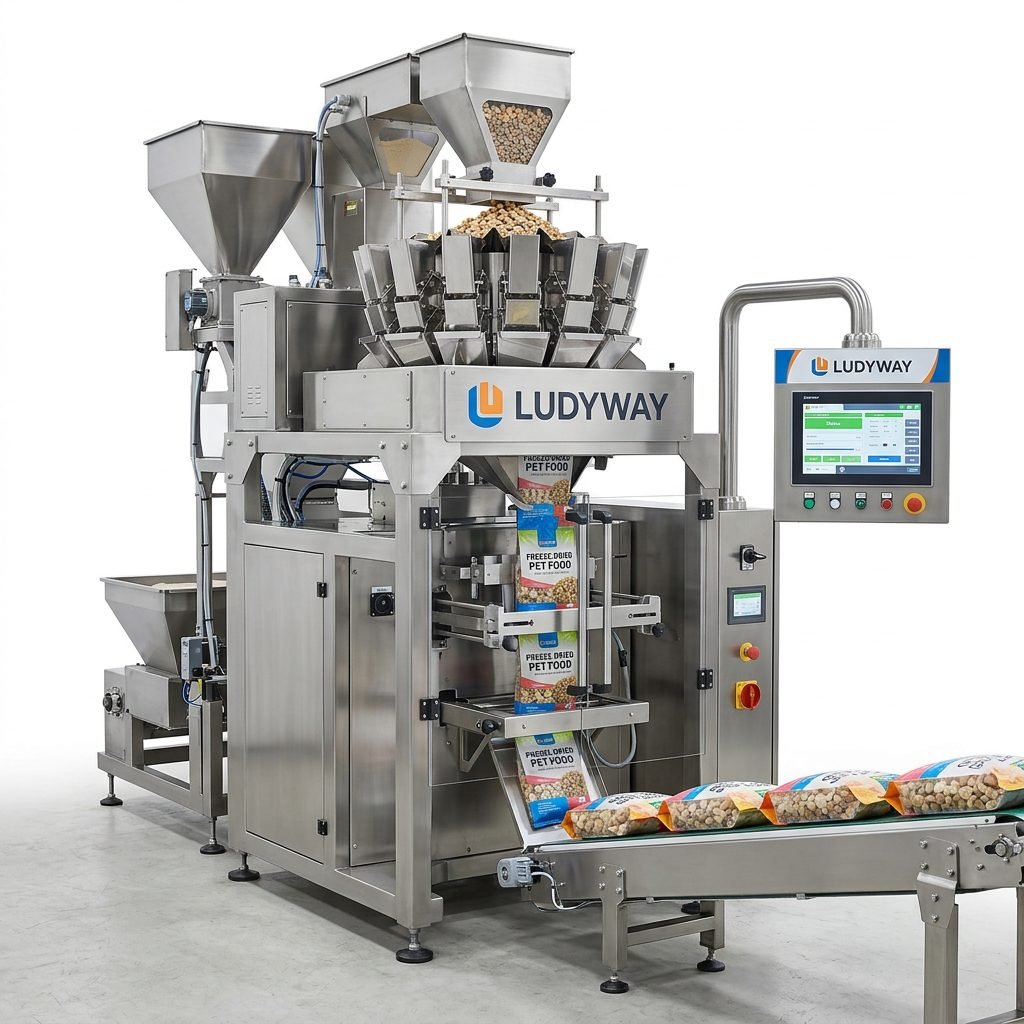
- Particle Size and Density: Directly affects the selection of filling systems, such as auger fillers for powders or multi-head weighers for free-flowing kibble.
- Fragility: Freeze-dried treats and extruded kibble with coatings require gentle handling to minimize breakage and fines.
Packaging Format Selection
European consumers expect convenience and portion control. The format you choose will dictate the type of packaging machine required:
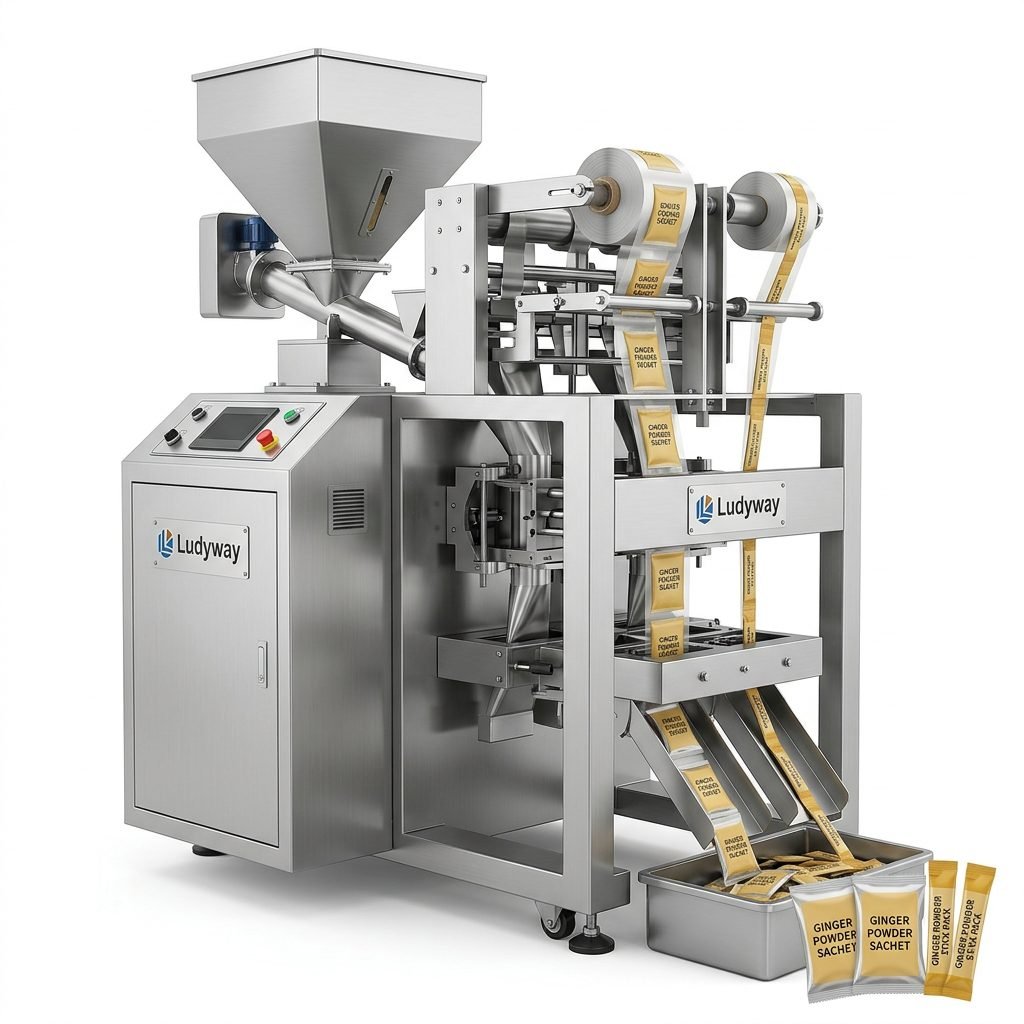
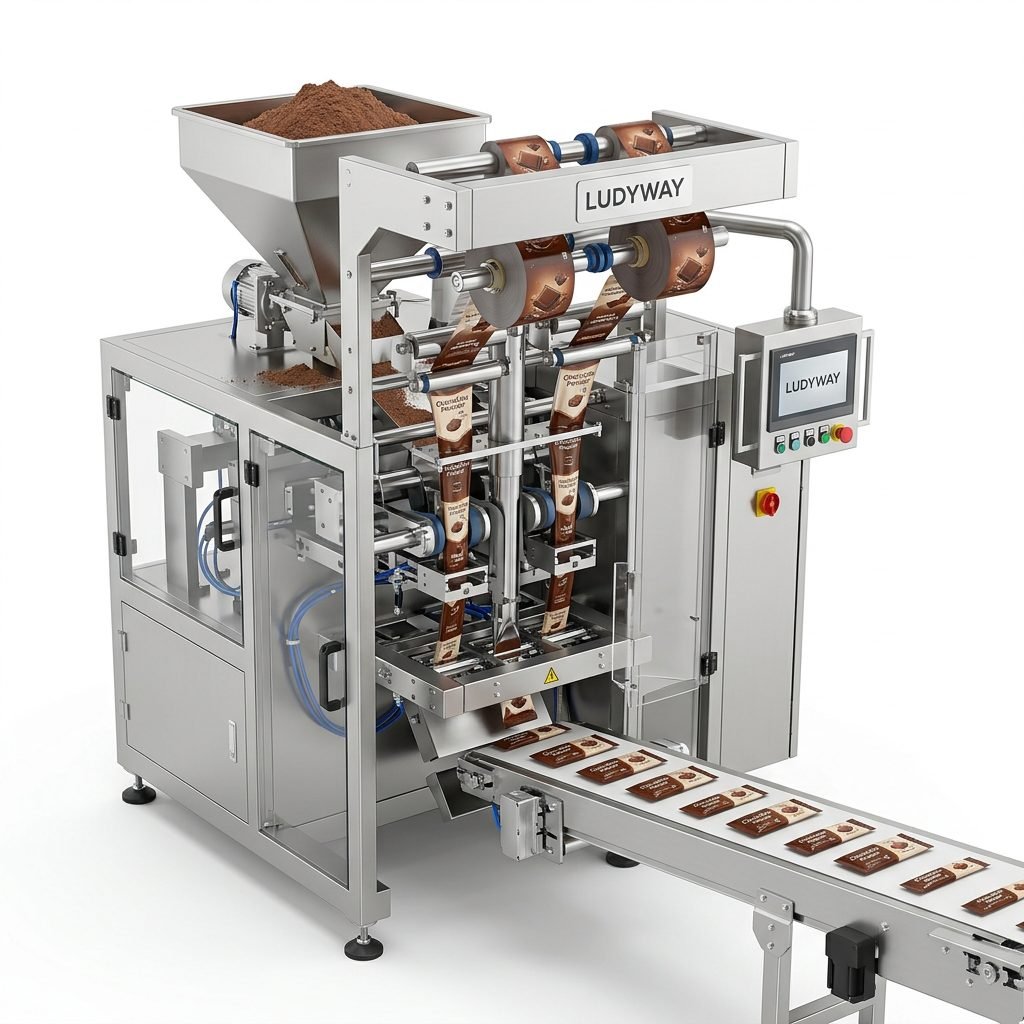
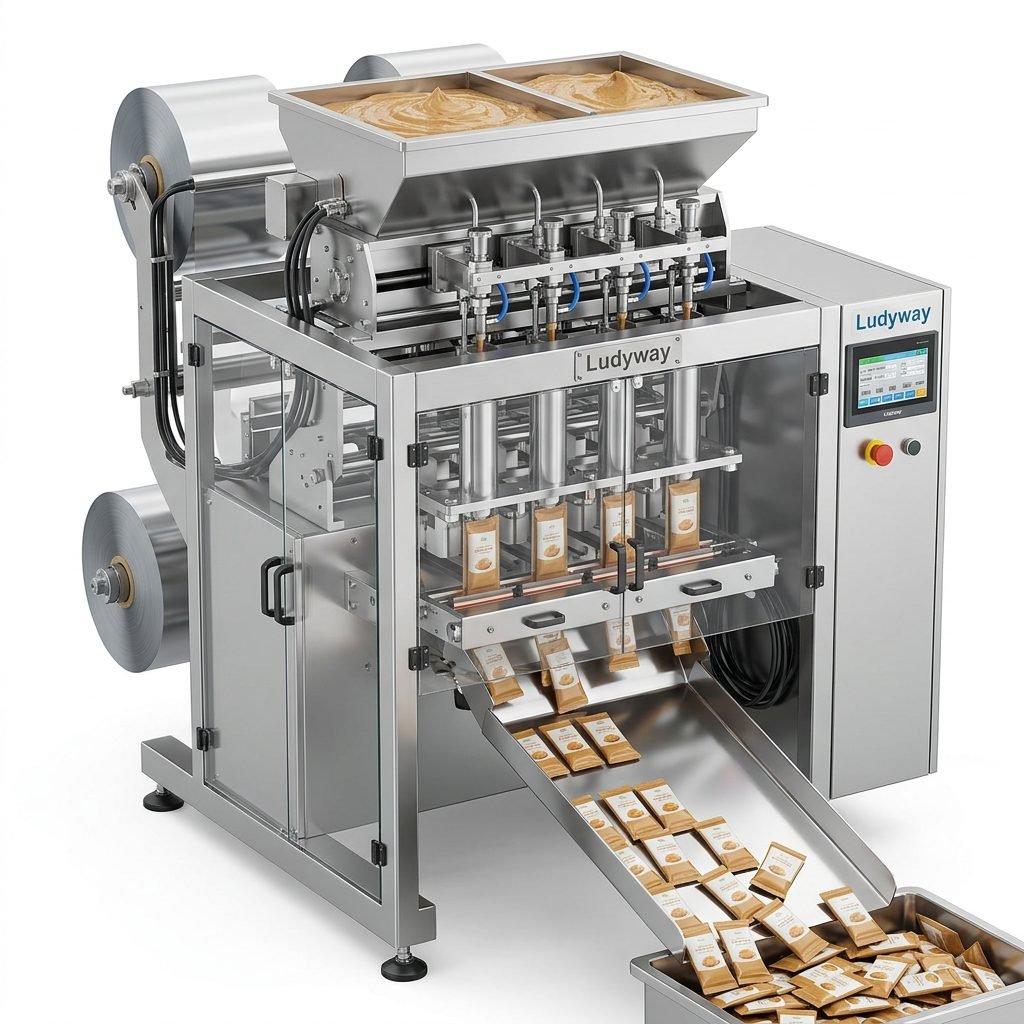
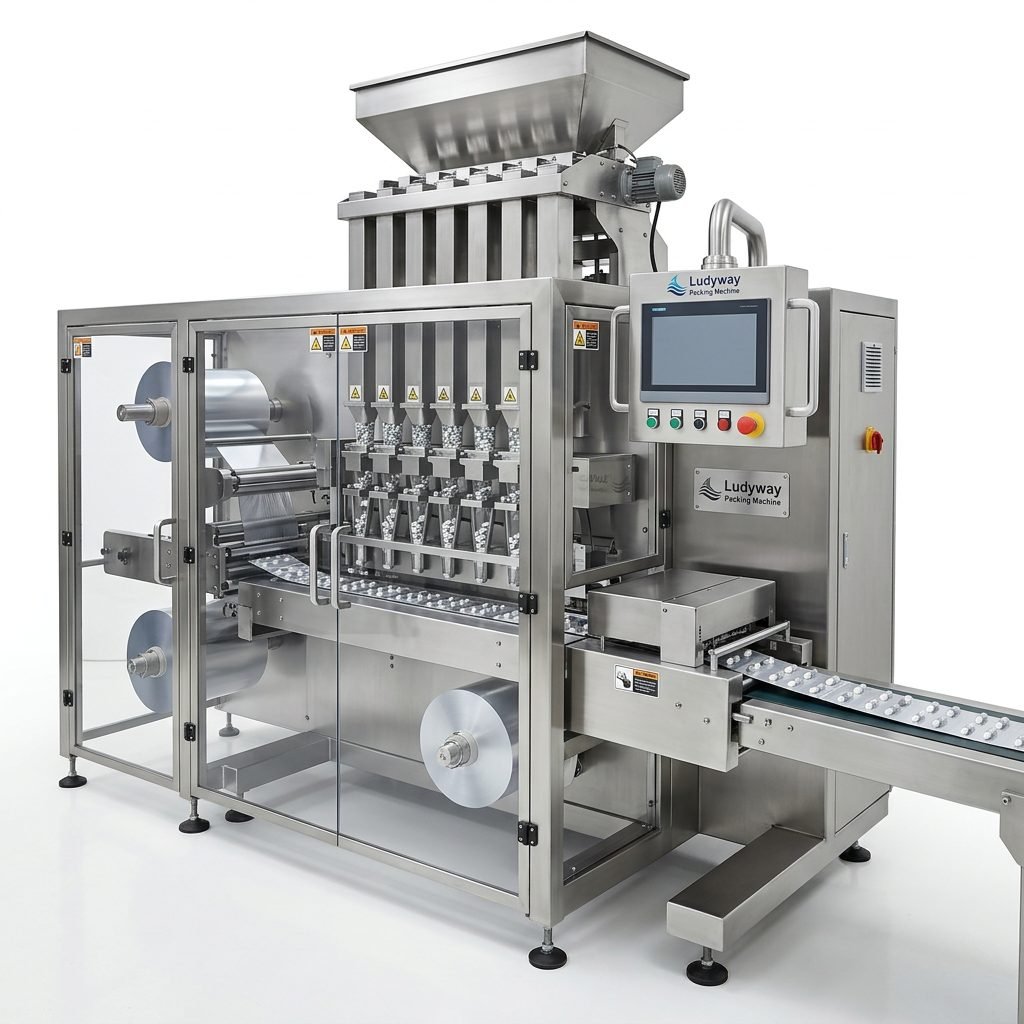
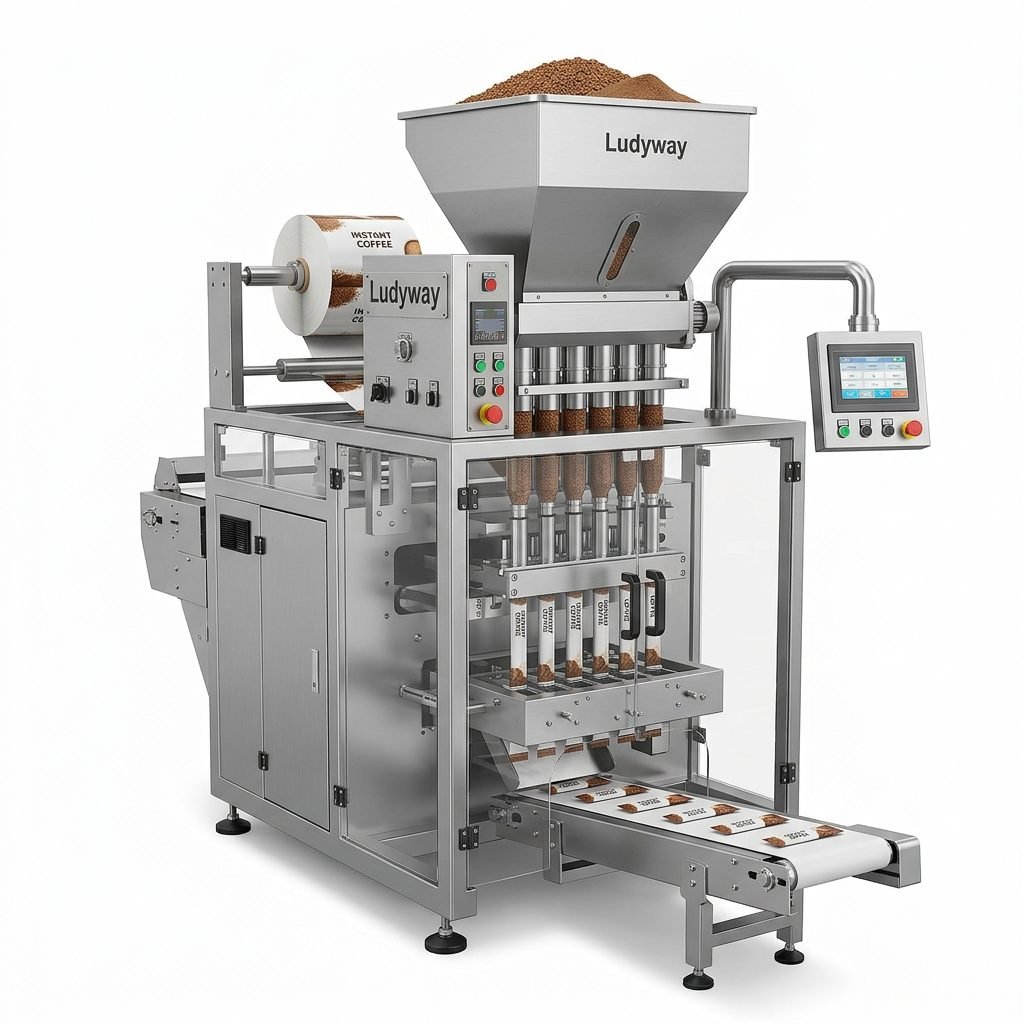
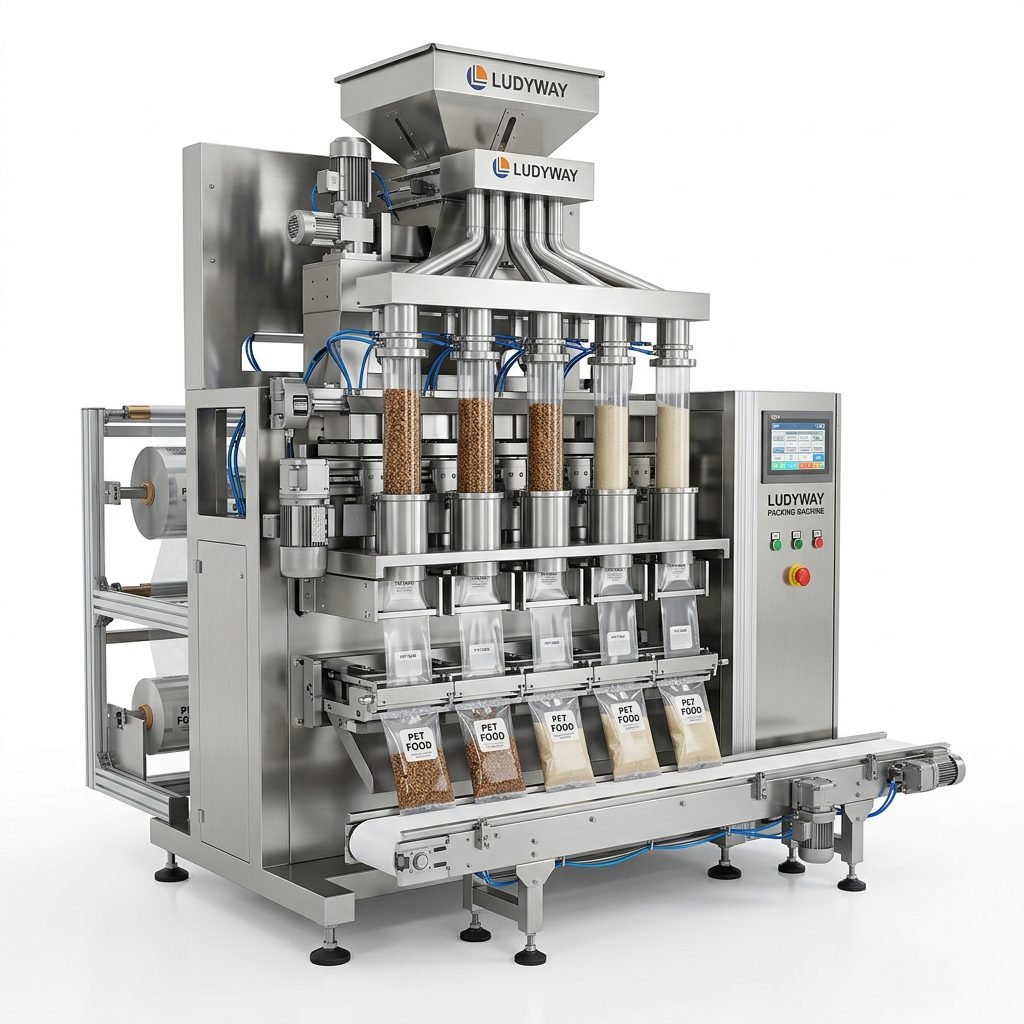
- Stick Packs: Ideal for single-serve wet food toppers, supplements, and liquid treats. These require multi-lane stick pack machines for high throughput.
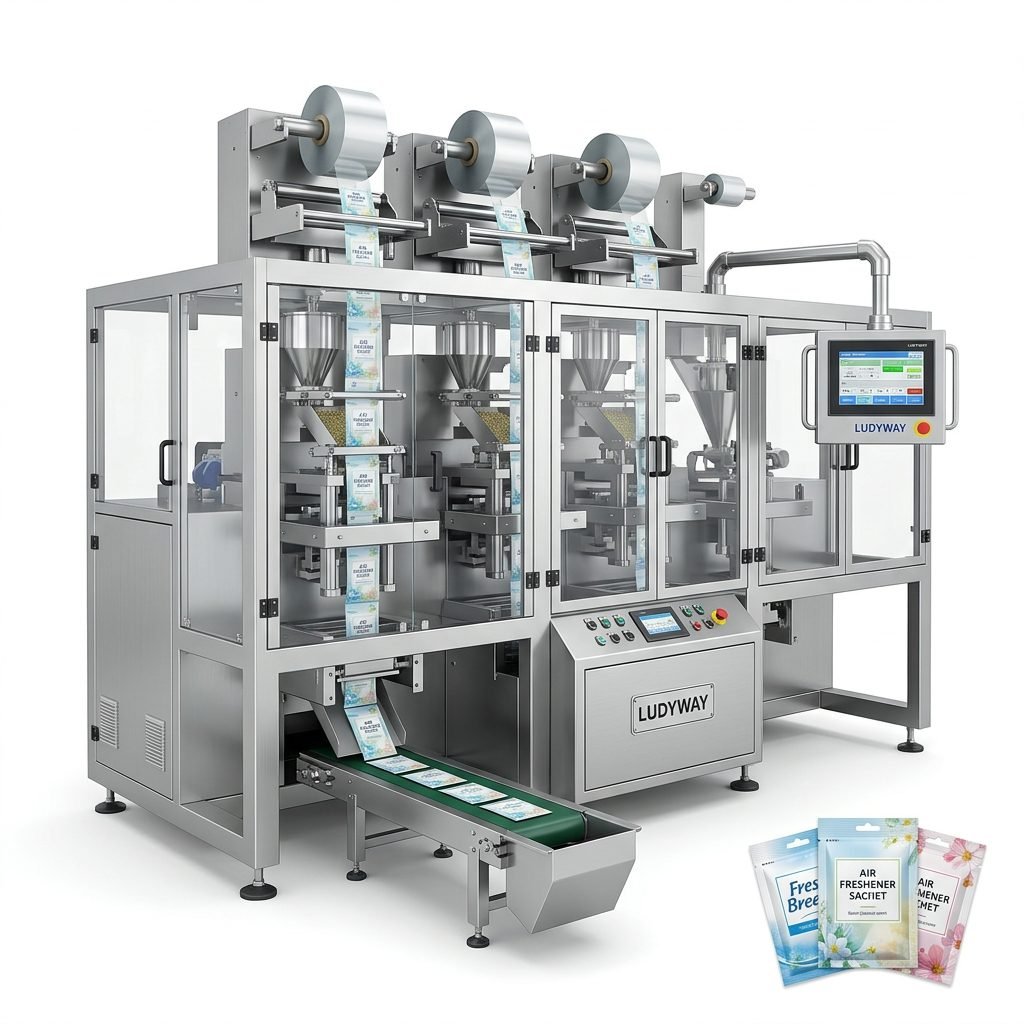
- Sachets and Flat Pouches: Widely used for wet food portions and treats. Provides excellent shelf presence and material efficiency.
- Stand-Up Pouches (Doypacks): The preferred format for premium dry food, freeze-dried raw products, and larger treat quantities. Often equipped with resealable zippers.
- Premade Pouches: Suitable for large-format or heavy bags of dry kibble, using rotary premade pouch fillers.
Step 3: Selecting Core Equipment for the Production Line
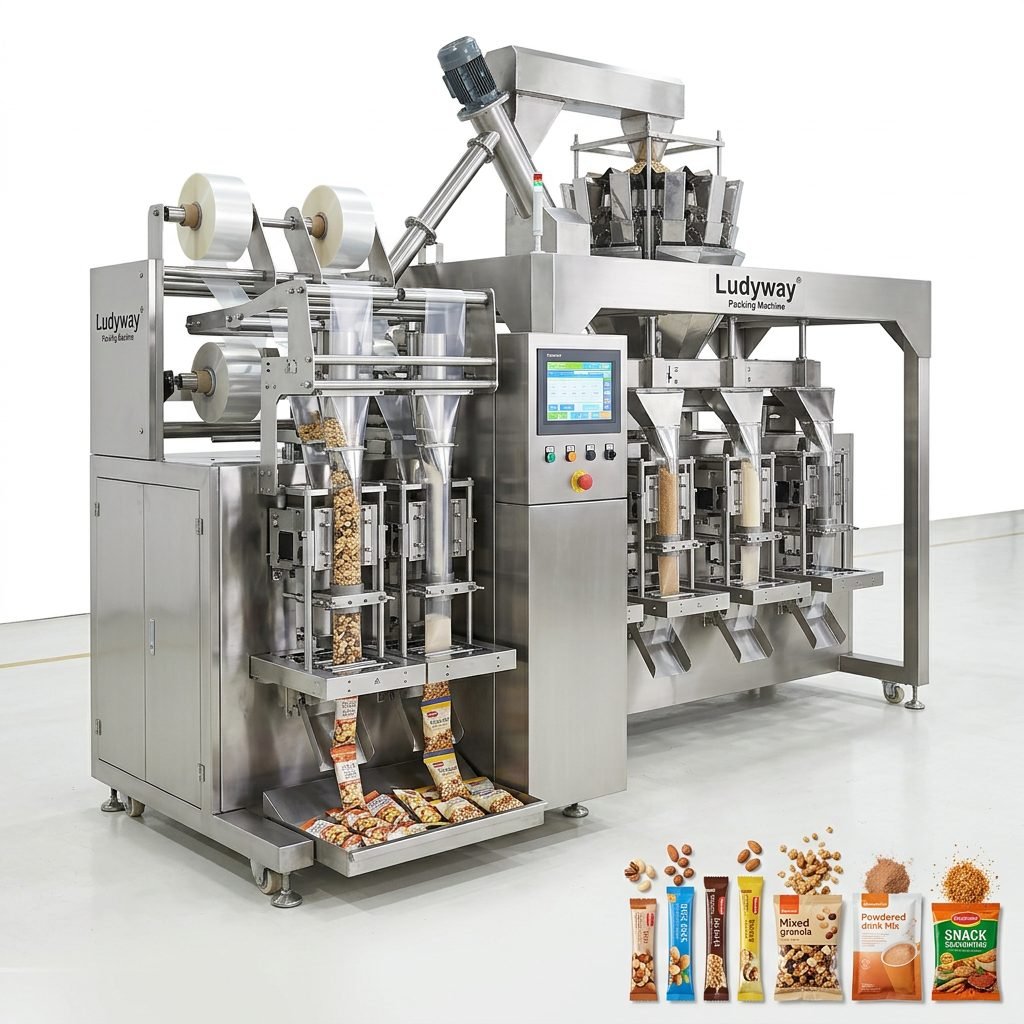
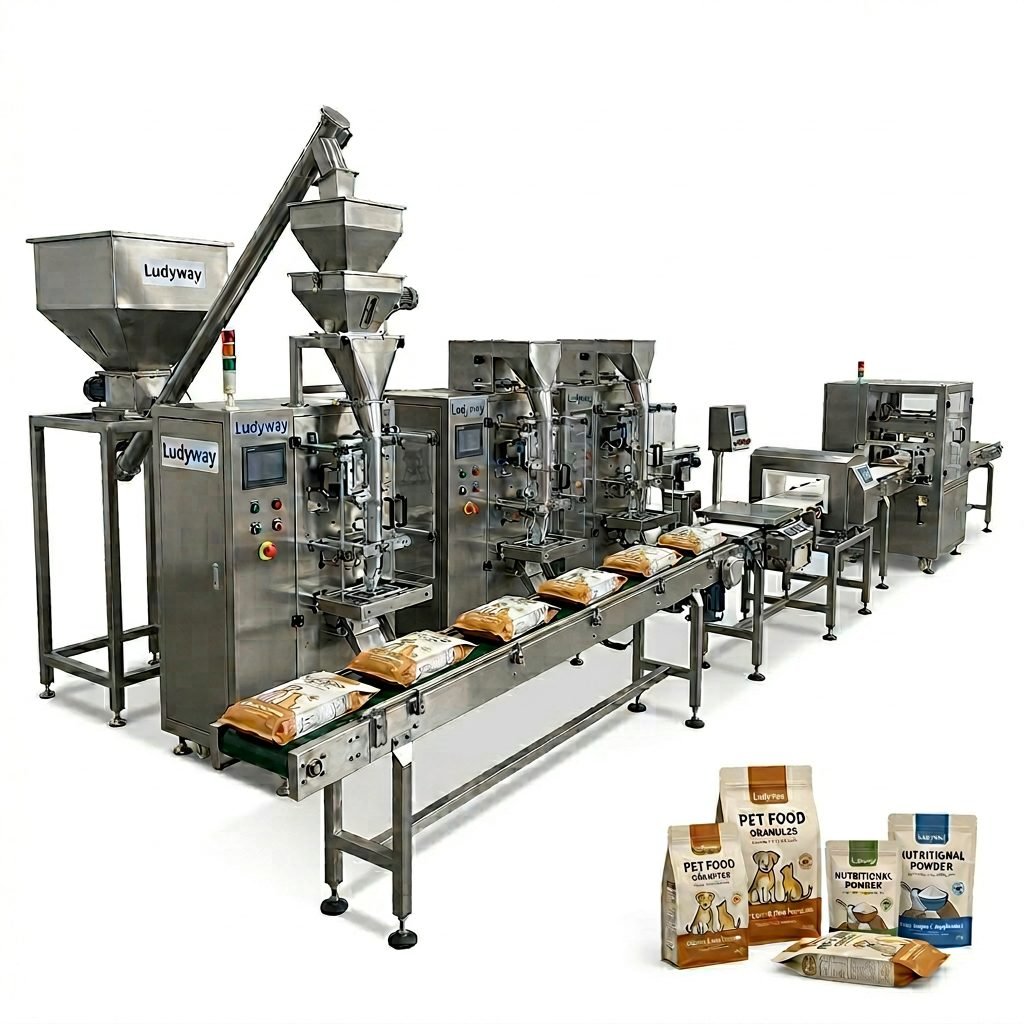
Once your product and format matrix is defined, you can select the core machinery. The goal is to create a balanced line where no single piece of equipment bottlenecks the entire process. A typical automated line consists of several interconnected modules.
Typical Line Configuration
| Station | Equipment Type | Key Considerations for Pet Food |
|---|---|---|
| 1. Product Feeding | Z-type bucket elevators, inclined conveyors, or vacuum feeders | Must be gentle on fragile products and easy to clean between production runs of different recipes. Hygienic design with minimal residue traps is critical. |
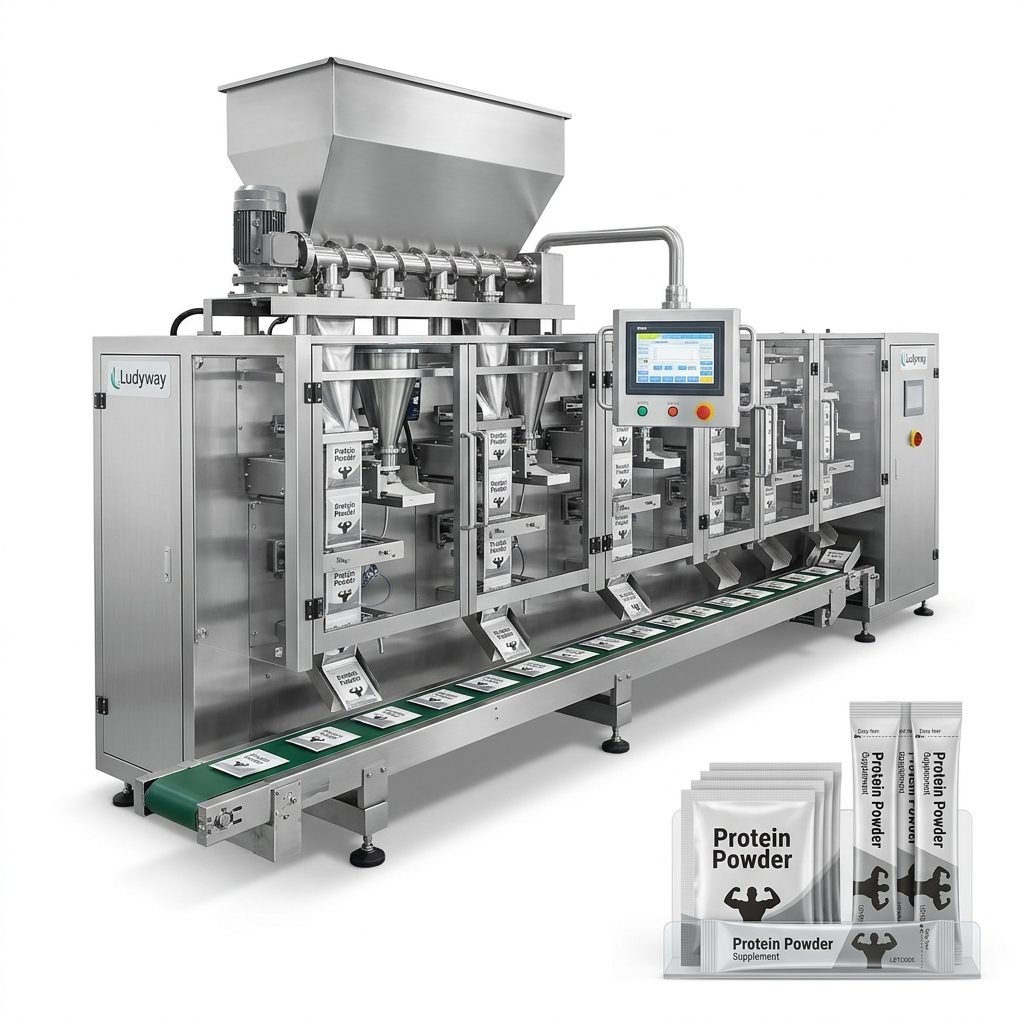
| 2. Dosing and Weighing | Multi-head weighers, auger fillers, liquid piston fillers | Precision is key. Multi-head weighers offer speed and accuracy for dry kibble, while auger fillers handle sticky or powdered supplements. |
| 3. Packaging Machine | Vertical Form Fill Seal (VFFS), Rotary Premade Pouch, or Multi-lane Stick Pack | The central unit. For wet food, a machine capable of handling hot filling or retortable materials is essential. Look for models with quick changeover features. |
| 4. Inspection and Quality Control | Checkweighers, metal detectors, X-ray systems, vision inspection | Compliance with food safety standards requires inline rejection of non-conforming packages. Metal detection is mandatory for final product integrity. |
| 5. End-of-Line Automation | Case packers, cartoners, palletizers | Automating case packing and palletizing reduces labor costs and improves throughput consistency for high-volume pet food production. |
Step 4: Utility and Facility Requirements
Your facility must be prepared to support the new production line. Retrofitting utilities after equipment installation is significantly more expensive than planning them upfront. Electrical supply, compressed air, and extraction systems are the three primary utility considerations.
- Power Supply: Confirm voltage, phase, and frequency compatibility with your local grid before shipping machinery.
- Compressed Air: Pneumatic components on packaging machines require clean, dry, oil-free compressed air to function reliably and avoid product contamination.
- Dust Management: For dry pet food and powder supplement lines, a central dust collection system or individual machine extraction is vital for both operator safety and ATEX compliance if fine combustible dusts are present.
- Floor Space and Layout: Allow adequate clearance for operator movement, maintenance access, and forklift transit for raw material and finished goods handling.
Step 5: The Critical Role of Packaging Materials
Machine performance is inseparable from packaging material quality. In Europe, the push toward the Circular Economy Action Plan is accelerating the shift to recyclable structures. Your chosen material must be compatible with the machine’s forming, filling, and sealing specifications.
- Mono-Material PP or PE: Increasingly specified to replace multi-layer laminates. These require precise temperature control on sealing jaws to avoid wrinkling or poor seal integrity.
- Barrier Properties: Pet food requires protection against oxygen, moisture, and light. Evaluate whether a mono-material with a barrier coating meets your shelf-life targets.
- Material Gauge and Stiffness: Affects bag forming and standing stability on shelf. Work with material suppliers and your machine provider to validate the suitable film specification for your packaging format.
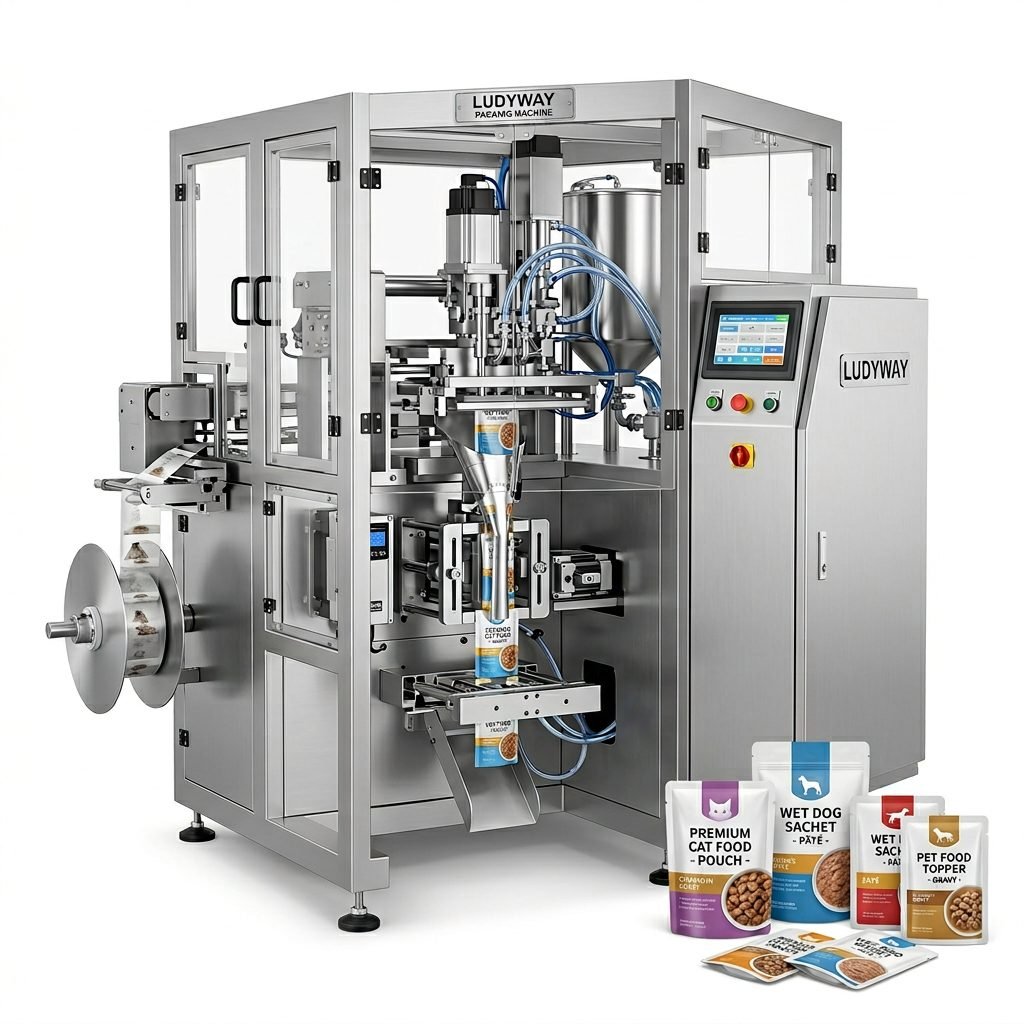
Step 6: Automation, Integration, and Smart Manufacturing
Modern pet food packaging lines in Europe are increasingly connected. Integration between upstream processing and downstream packaging converts the entire operation into a cohesive automated system. This includes SCADA systems, OEE tracking, and remote diagnostics.
- Line Integration: Centralized control systems allow operators to manage the entire line from a single HMI, synchronizing filling speeds and reducing changeover times.
- Data Logging: Digital batch records and traceability data support compliance with EU food law and retailer audit requirements.
- Predictive Maintenance: Sensors on critical components like motors and sealing jaws can alert technicians to potential failures before they cause unplanned downtime.
Step 7: Installation, Validation, and Training
Commissioning a line in a European facility typically requires FAT (Factory Acceptance Testing) before shipment and SAT (Site Acceptance Testing) after installation. A structured validation protocol confirms the line meets the defined OEE and quality targets.
- Machine Calibration: Dosing units are calibrated with your specific products to achieve the target weight accuracy.
- Seal Integrity Testing: Visual inspection and burst testing are performed to validate sealing parameters on your chosen film structure.
- Operator and Maintenance Training: Comprehensive, hands-on training ensures your team can operate, clean, and perform routine maintenance independently.
Cost Considerations and ROI Projections
The investment in a turnkey pet food packaging production line varies considerably based on speed, format, and automation level. A multi-lane stick pack line for supplements will differ in cost from a high-capacity premade pouch line for dry kibble. Key factors influencing the budget include the number of lanes, inclusion of secondary packaging automation, and the level of quality control integration. Accurate costing requires detailed discussions with machinery providers based on a detailed product specification.
Working with an Experienced Packaging Partner
For manufacturers seeking to establish or upgrade their packaging capability in Europe, selecting a partner with a proven track record in complex turnkey projects is essential. Ludyway Machinery is a China-based packaging machinery manufacturer and turnkey solution provider with over 30 years of experience. The company focuses on developing automated packaging equipment and integrated lines for a broad range of industries including pet food. With a 20,000-square-meter facility, over 50 machine models, and service in more than 100 countries, Ludyway supports customers from machine selection and configuration through to installation, commissioning, and technical support. The company expects to achieve export revenue of more than RMB 500 million (approximately US$69 million) in 2025 and plans to surpass RMB 1 billion (approximately US$138 million) in 2026. Its approach helps manufacturers work with a single point of contact for a complete, customized packaging line. For more information, you can reach out at info@ludyway.com or via WhatsApp at +8613129592456.
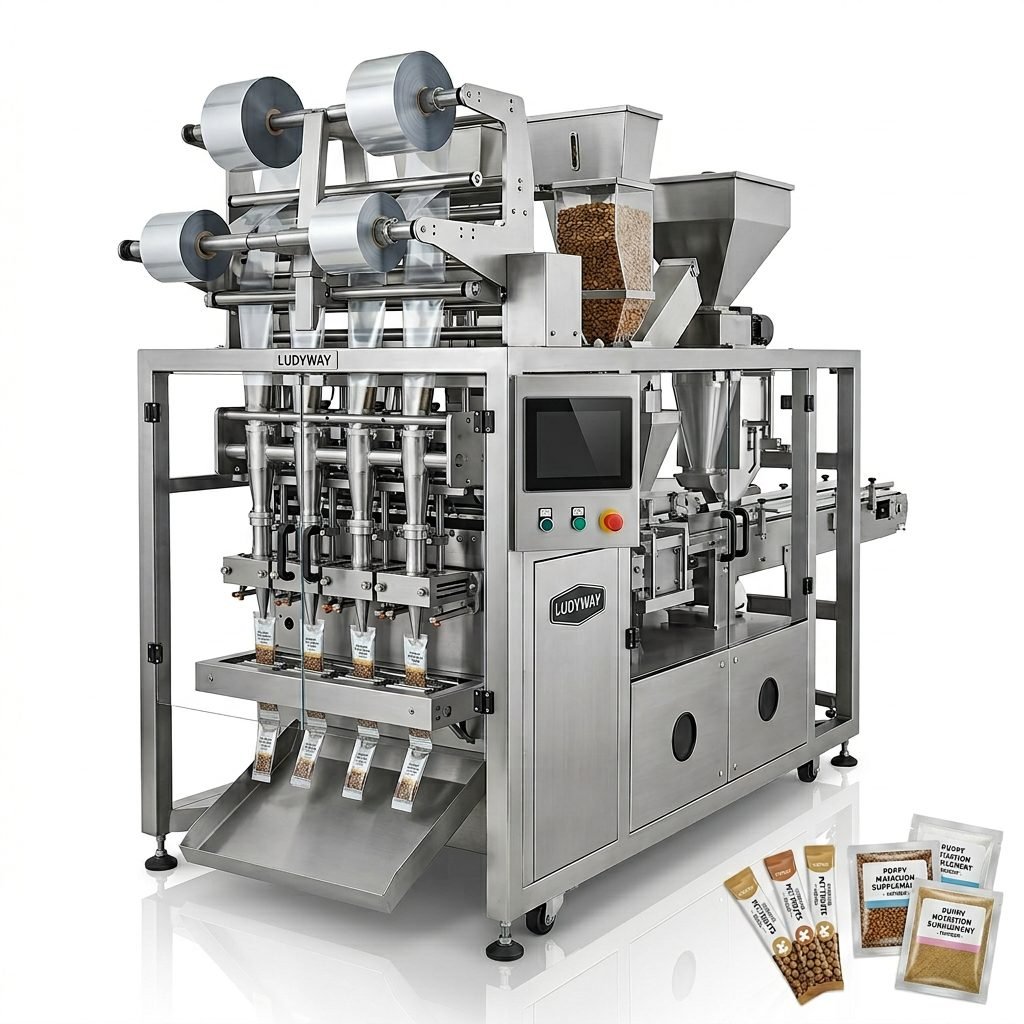
Future-Proofing Your Packaging Line
As the European pet food market continues to evolve, packaging machinery must adapt. Trends such as personalized nutrition, connected packaging, and stricter environmental legislation will shape future requirements. Investing in equipment with a modular, upgradeable design ensures your production line can accommodate new packaging formats, materials, and digital integration demands without requiring a complete reinvestment. A well-planned, compliant, and automated packaging line is a long-term asset for any pet food manufacturer targeting the European market.
For further technical resources, consult the PMMI Business Intelligence Library for packaging machinery market reports and the Flexible Packaging Association Industry Resources for material compliance information.