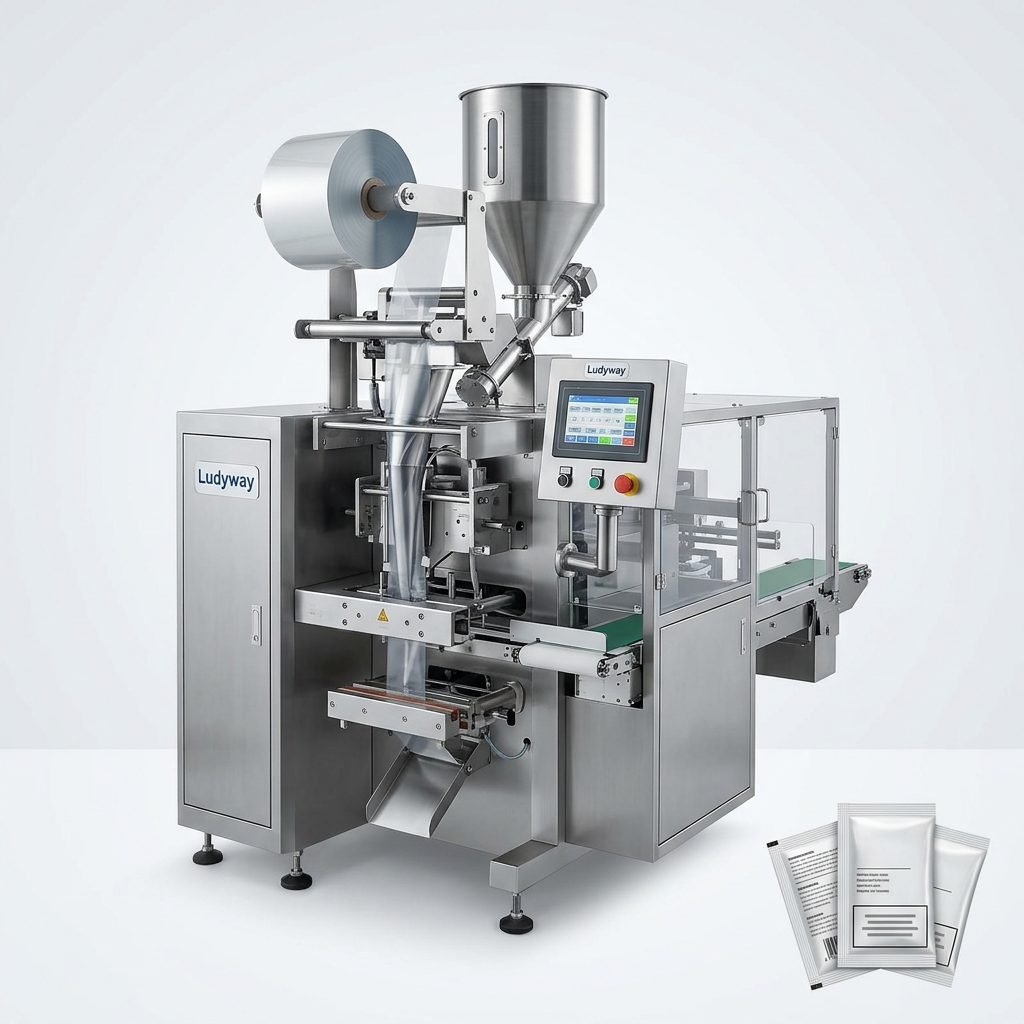
Selecting the right pharmaceutical blister packaging machine is a critical decision that directly impacts product protection, regulatory compliance, and production efficiency. Whether you are packaging tablets, capsules, ampoules, or medical devices, the blister packaging process must meet stringent quality standards while maintaining cost-effectiveness. This guide walks you through the essential factors to consider when evaluating blister packaging equipment for pharmaceutical applications.
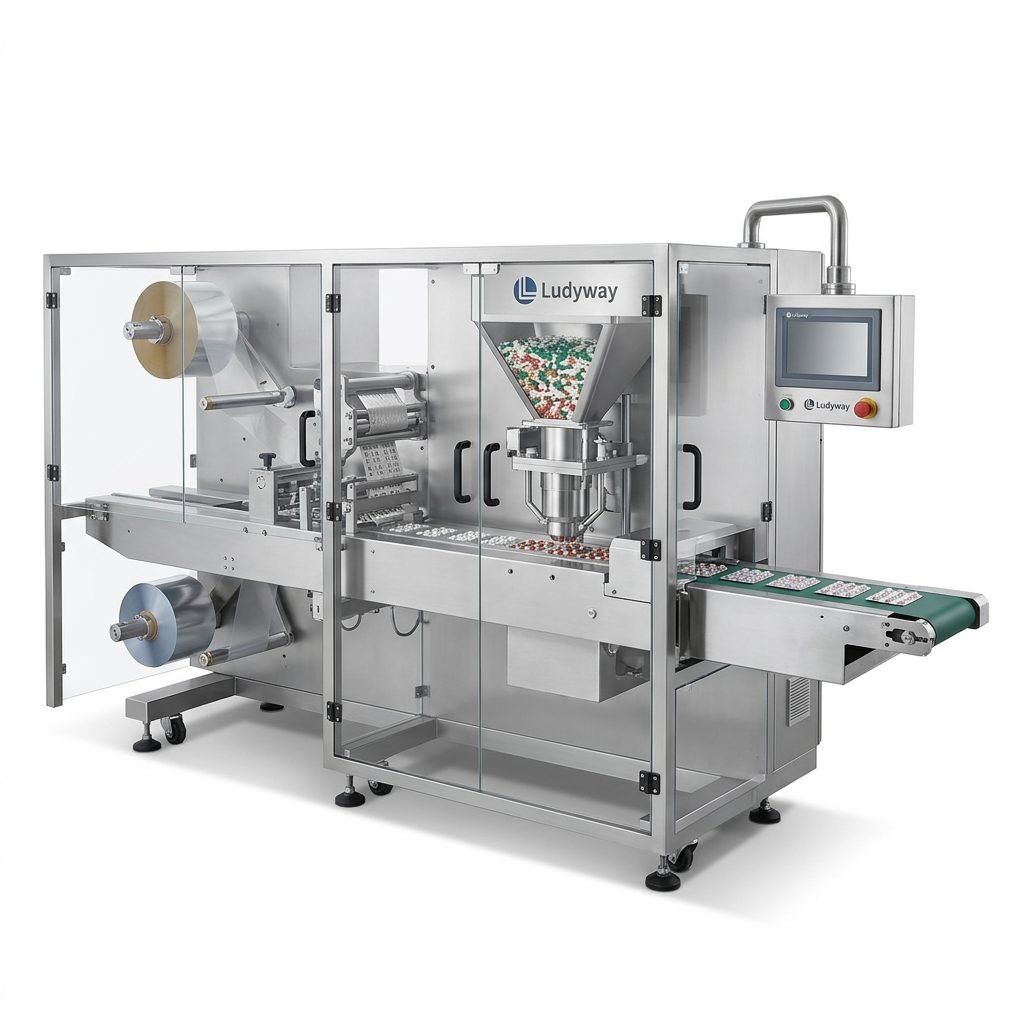
Understanding Pharmaceutical Blister Packaging Requirements
Pharmaceutical blister packaging serves multiple functions beyond simple containment. It must provide moisture barrier protection, light shielding, tamper evidence, and child-resistant features where required. The blister package is often the primary packaging for solid-dose pharmaceuticals, making machine selection integral to product shelf life and patient safety.
According to industry data from PMMI – The Association for Packaging and Processing Technologies, pharmaceutical packaging remains one of the fastest-growing segments in the packaging machinery market, driven by increasing demand for unit-dose packaging and stricter regulatory requirements worldwide.
Key Factors to Evaluate Before Purchasing
Before investing in a blister packaging machine, manufacturers should assess several operational and product-specific variables. Making the wrong choice can lead to costly downtime, regulatory non-compliance, or inadequate product protection.
Product Characteristics and Packaging Format
The physical properties of your pharmaceutical product directly determine the appropriate machine configuration. Consider the following:
- Product type: Tablets, capsules, ampoules, vials, syringes, or medical devices each require different forming and sealing parameters.
- Product size and shape: Irregular shapes may need specialized tooling and cavity designs.
- Sensitivity factors: Hygroscopic products demand superior barrier materials and sealing integrity to prevent moisture ingress.
- Batch sizes: Frequent product changeovers may require machines with quick-change tooling capabilities.
Production Speed and Output Requirements
Blister packaging machines range from low-speed manual units producing 30-60 blisters per minute to high-speed fully automated lines capable of 600+ blisters per minute. Aligning machine speed with your current and projected production volumes prevents either under-capacity or unnecessary capital expenditure. For contract packaging operations serving multiple pharmaceutical clients, flexibility across different blister formats often outweighs pure speed considerations.
Types of Blister Packaging Machines
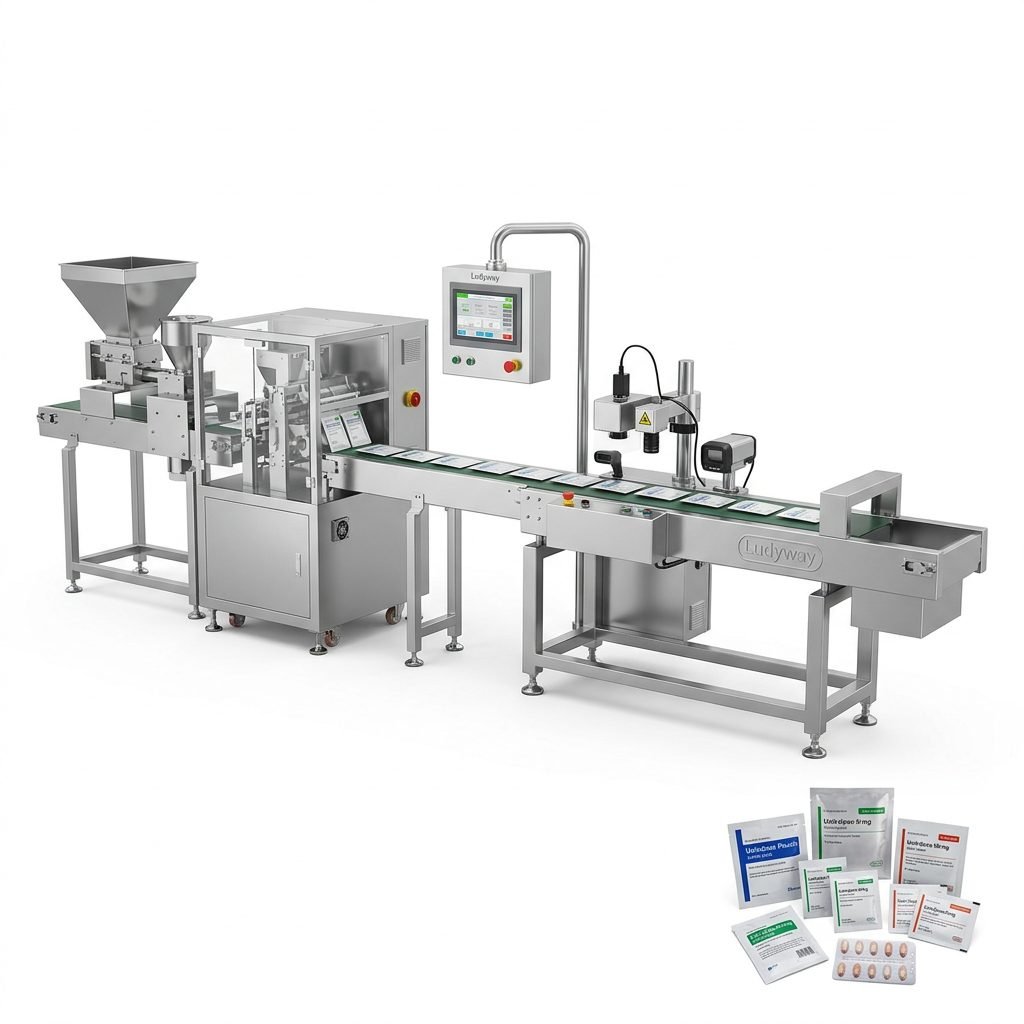
Understanding the different machine configurations available in the market helps narrow down the options that best fit your production environment. The main categories include:
| Machine Type | Best Suited For | Typical Output Range |
|---|---|---|
| Flat-Plate Thermoforming | Tablets, capsules, standard blister formats | 60-300 blisters/min |
| Rotary Thermoforming | High-volume tablet and capsule packaging | 300-600+ blisters/min |
| Cold-Form (Alu-Alu) | Highly moisture-sensitive or light-sensitive products | 40-150 blisters/min |
| Continuous-Motion | Ultra-high-speed dedicated production lines | 400-800+ blisters/min |
Cold-form aluminum blisters, also known as Alu-Alu packaging, provide the highest barrier protection and are increasingly specified for generic pharmaceuticals destined for tropical climates or markets with stringent stability requirements per ISO packaging standards.
Regulatory Compliance and Quality Standards
Pharmaceutical packaging machinery must comply with a complex landscape of regulations that vary by target market. Non-compliance can result in rejected shipments, regulatory warning letters, or product recalls.
Key Regulatory Frameworks
- FDA 21 CFR Part 211: Current Good Manufacturing Practice (cGMP) for finished pharmaceuticals in the United States, covering equipment design, cleaning, and maintenance requirements.
- EU GMP Annex 1: For sterile medicinal products, with specific requirements for barrier systems and environmental control during packaging.
- ISO 11607: International standards for packaging terminally sterilized medical devices, often referenced in pharmaceutical packaging validation.
- 21 CFR Part 4: cGMP requirements for combination products that include both drug and device components.
Validation and Documentation
A reputable blister packaging machine should be supplied with comprehensive documentation supporting Installation Qualification (IQ), Operational Qualification (OQ), and Performance Qualification (PQ). Equipment designed without validation considerations can significantly extend project timelines and increase regulatory submission costs. The FDA’s guidance on packaging and food contact substances also provides useful reference points for material selection in pharmaceutical applications.

Material Compatibility and Tooling Considerations
The forming film and lidding material specifications directly influence machine selection. Common forming materials include PVC, PVDC-coated PVC, ACLAR laminates, and cold-form aluminum. Each material requires specific temperature controls, forming pressures, and tooling designs. Key considerations include:
- Material thickness range: Machines should accommodate the gauge variations within your material specifications without compromising blister quality.
- Tooling changeover time: For multi-product facilities, quick-change tooling systems can reduce downtime from hours to minutes.
- Sealing technology: Flat-plate sealing versus roller sealing affects seal integrity and visual appearance of finished blisters.
- Perforation and scoring: Push-through lidding requires precise perforation alignment for patient-friendly opening.
Evaluating Machine Suppliers and After-Sales Support
The relationship with your equipment supplier extends well beyond the initial purchase. When evaluating potential suppliers, assess the following criteria:
Technical Expertise and Industry Experience
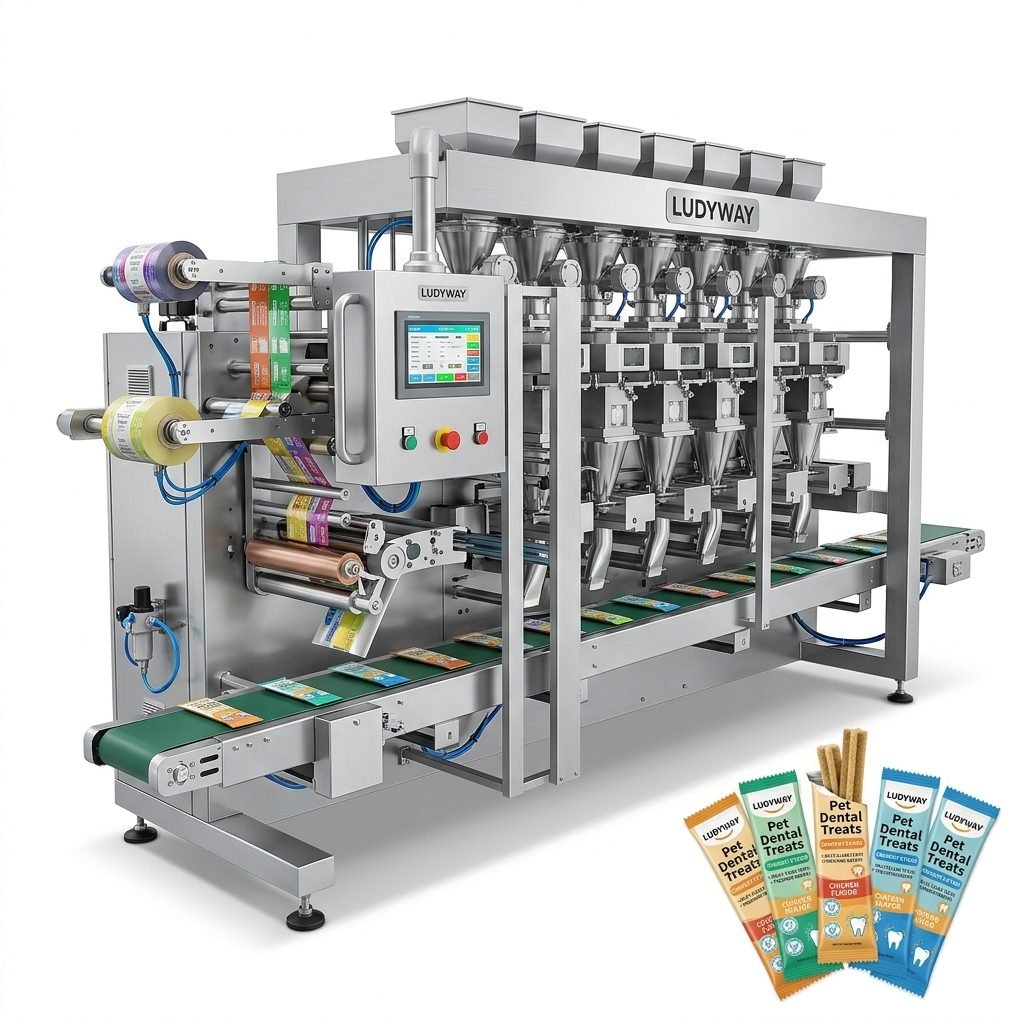
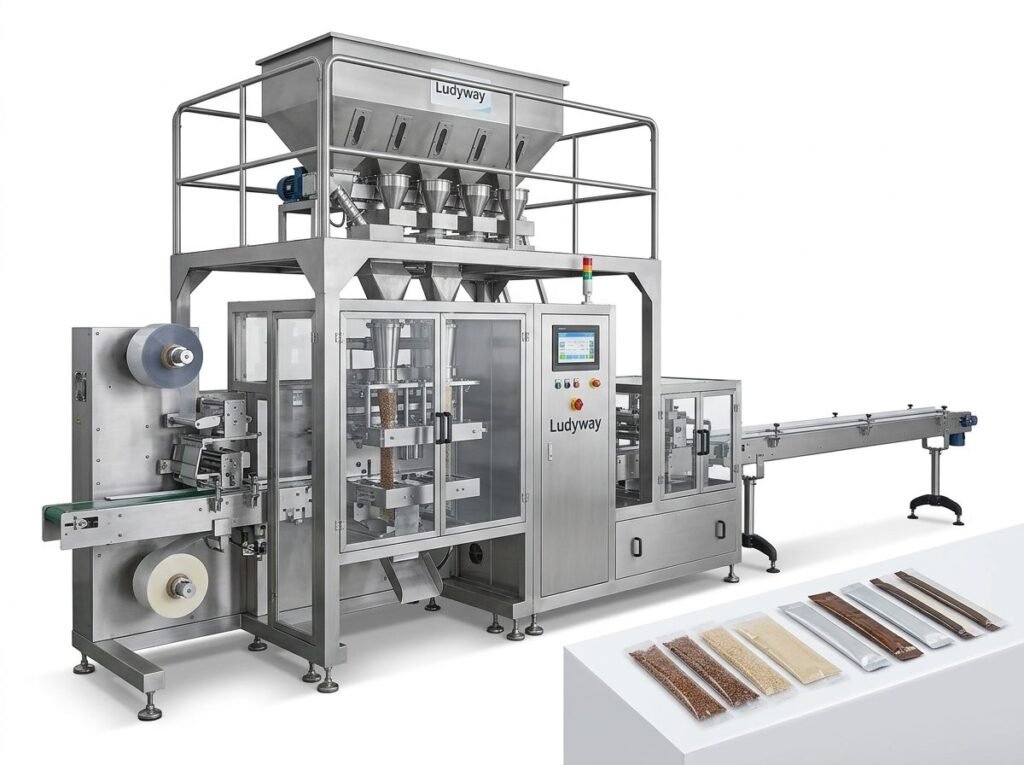
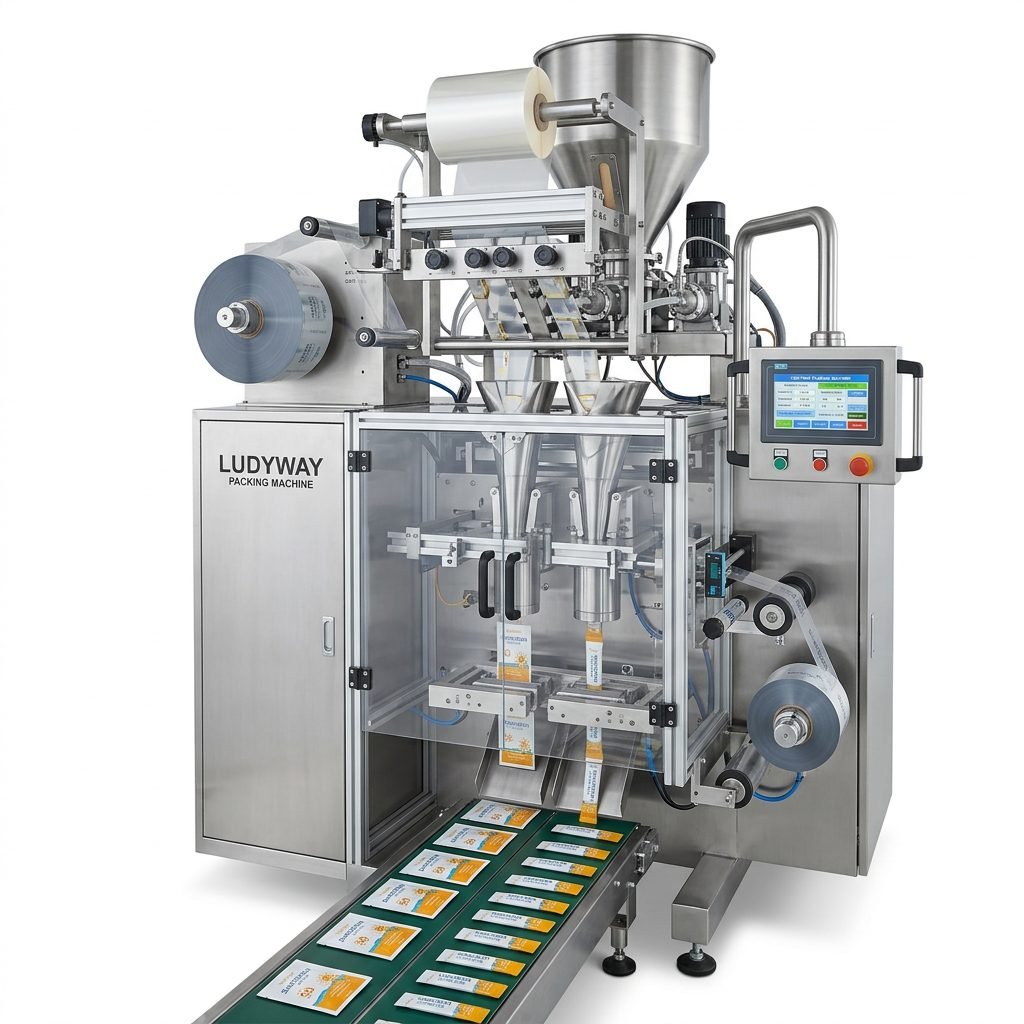
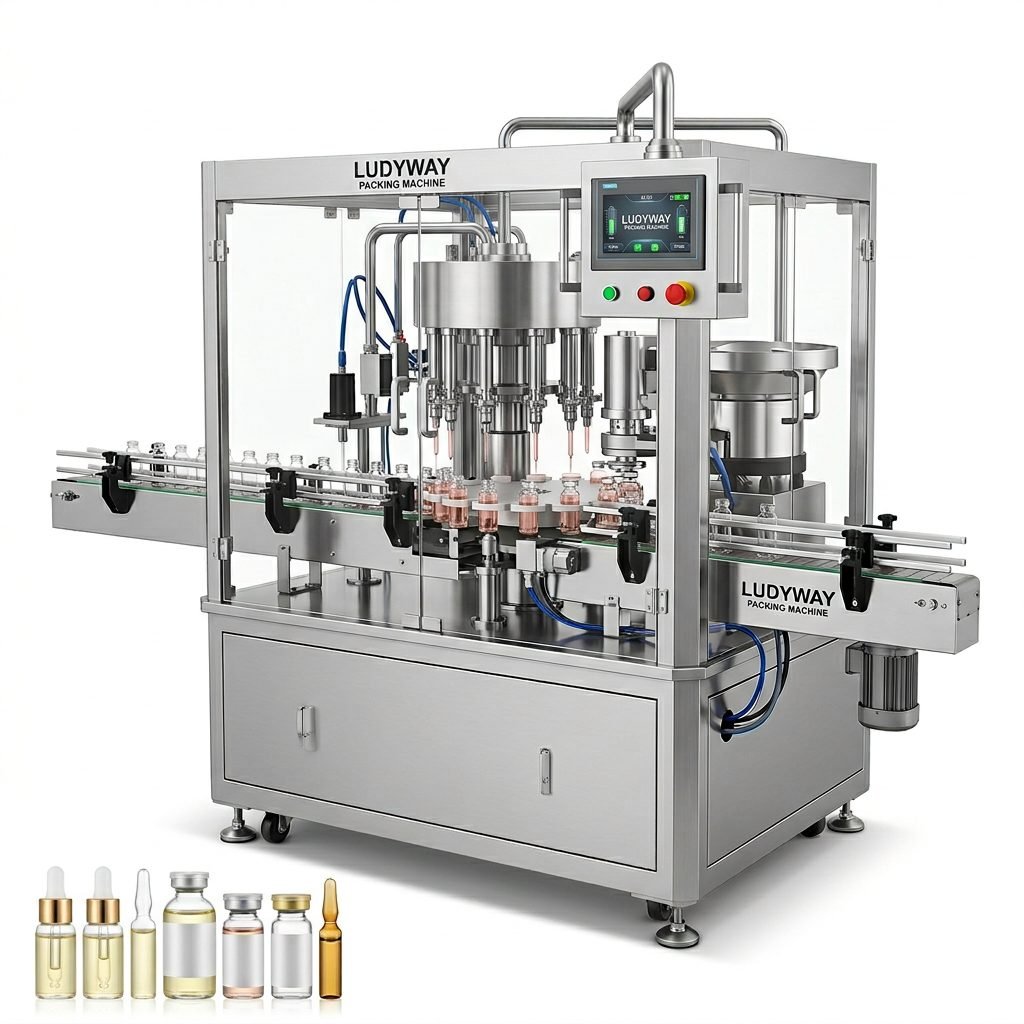
Suppliers with demonstrated experience in pharmaceutical packaging understand the unique demands of cGMP environments, including cleanroom compatibility, material traceability, and validation support. Companies like Ludyway Machinery, with over 30 years of packaging industry experience and a 20,000-square-meter manufacturing facility, offer integrated blister packaging solutions configured for different production speeds, filling volumes, and packaging materials. Their equipment can be designed to meet applicable international standards with certifications and compliance documentation available for relevant markets.
Service and Spare Parts Availability
Pharmaceutical production downtime carries significant costs. Evaluate the supplier’s ability to provide remote technical assistance, on-site service, and readily available spare parts. The PMMI packaging industry resources note that after-sales support quality often differentiates leading packaging machinery suppliers from commodity equipment vendors. Confirm that critical wear parts and sealing components can be shipped quickly to minimize production interruptions.
Total Cost of Ownership Analysis
While the initial purchase price is an obvious consideration, a thorough evaluation should account for the total cost of ownership over the machine’s expected service life. This includes:
- Tooling costs: Format-specific tooling for each blister size and configuration can represent a significant ongoing investment.
- Energy efficiency: Heating systems, compressed air consumption, and cooling requirements all contribute to operating costs.
- Material waste rates: Machines with precise forming and sealing controls generate less material scrap during startup and changeovers.
- Maintenance intervals: Predictive maintenance capabilities and modular designs can reduce routine service costs and extend component life.
- Operator training requirements: Intuitive HMI interfaces and automated parameter controls reduce dependency on specialized operators.
Integration with Downstream Packaging Operations
A blister packaging machine rarely operates in isolation. Consider how the equipment will integrate with cartoning machines, case packers, serialization systems, and track-and-trace solutions. Machines designed with open communication protocols and standardized interfaces simplify line integration and future automation upgrades. For pharmaceutical manufacturers subject to the FDA’s Drug Supply Chain Security Act (DSCSA) requirements, serialization compatibility is now a mandatory consideration rather than an optional feature.
Making the Final Decision
Choosing the right pharmaceutical blister packaging machine requires balancing technical specifications, regulatory requirements, production economics, and supplier capabilities. Start by clearly defining your product requirements and production goals, then evaluate machines against objective criteria rather than price alone. Request factory acceptance testing (FAT) with your actual products and materials whenever possible, and verify the supplier’s track record in pharmaceutical applications through customer references and industry reputation.
The right investment in blister packaging technology protects not only your pharmaceutical products but also your regulatory standing and market reputation. Taking a methodical approach to machine selection ensures that your packaging operations remain efficient, compliant, and scalable for years to come. Industry data from the PMMI Business Intelligence Library consistently shows that pharmaceutical manufacturers who conduct thorough pre-purchase evaluations experience fewer post-installation issues and achieve faster time-to-market for new products.