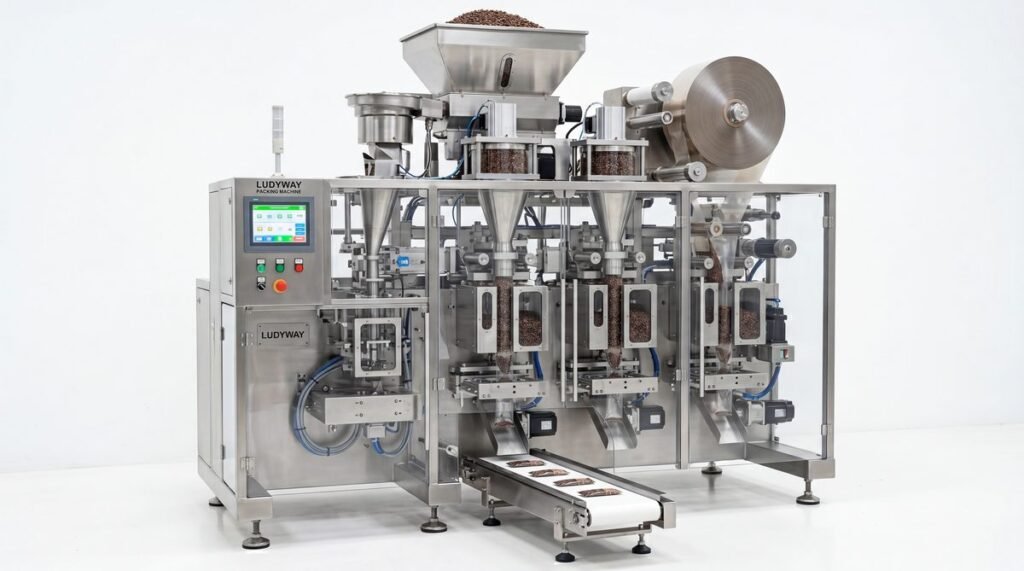
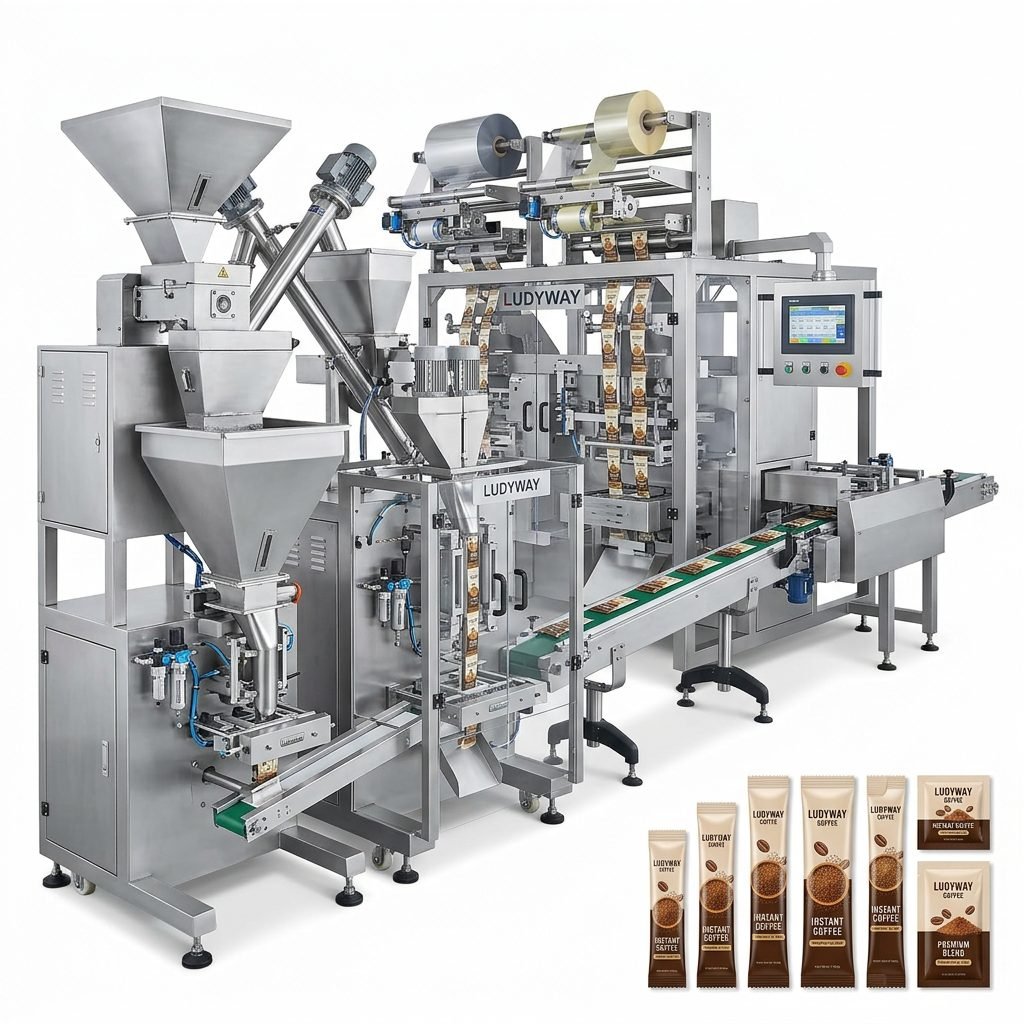
Establishing a vacuum packaging machine production line in China is a strategic move for food, pharmaceutical, and industrial manufacturers aiming to enhance product shelf life, maintain hygiene standards, and optimize operational efficiency. Whether you’re expanding an existing facility or launching a greenfield project, understanding the complete workflow—from initial planning to full-scale operation—is essential for success.

1. Defining Your Production Requirements
Before sourcing equipment, you must clearly define your production goals. Start by identifying the types of products you intend to package. Vacuum packaging is widely used for granules, powders, solid foods, electronic components, and medical devices. The physical characteristics of your product—such as density, flowability, and sensitivity to oxygen—directly influence machine configuration.
Key parameters to document include:
- Target output speed: Measured in packs per minute (ppm), this determines whether you need a single-lane or multi-lane packaging machine.
- Bag dimensions and styles: Flat pouches, gusseted bags, or shaped sachets require different forming and sealing tools.
- Packaging material: Multi-layer composite films with high barrier properties are standard for vacuum applications.
- Degree of automation: Decide between semi-automatic machines and fully automated turnkey systems with robotic handling.
2. Selecting the Right Vacuum Packaging Equipment
The Chinese market offers a vast spectrum of vacuum packaging machinery, ranging from standard models to highly customized solutions. Selecting a supplier with deep engineering expertise is critical, especially when dealing with complex production line integration. Look for manufacturers that offer in-house R&D, a proven track record, and the ability to tailor equipment to your specific product characteristics.

Essential machines in a typical vacuum packaging production line include:
| Machine Type | Primary Function | Key Feature |
|---|---|---|
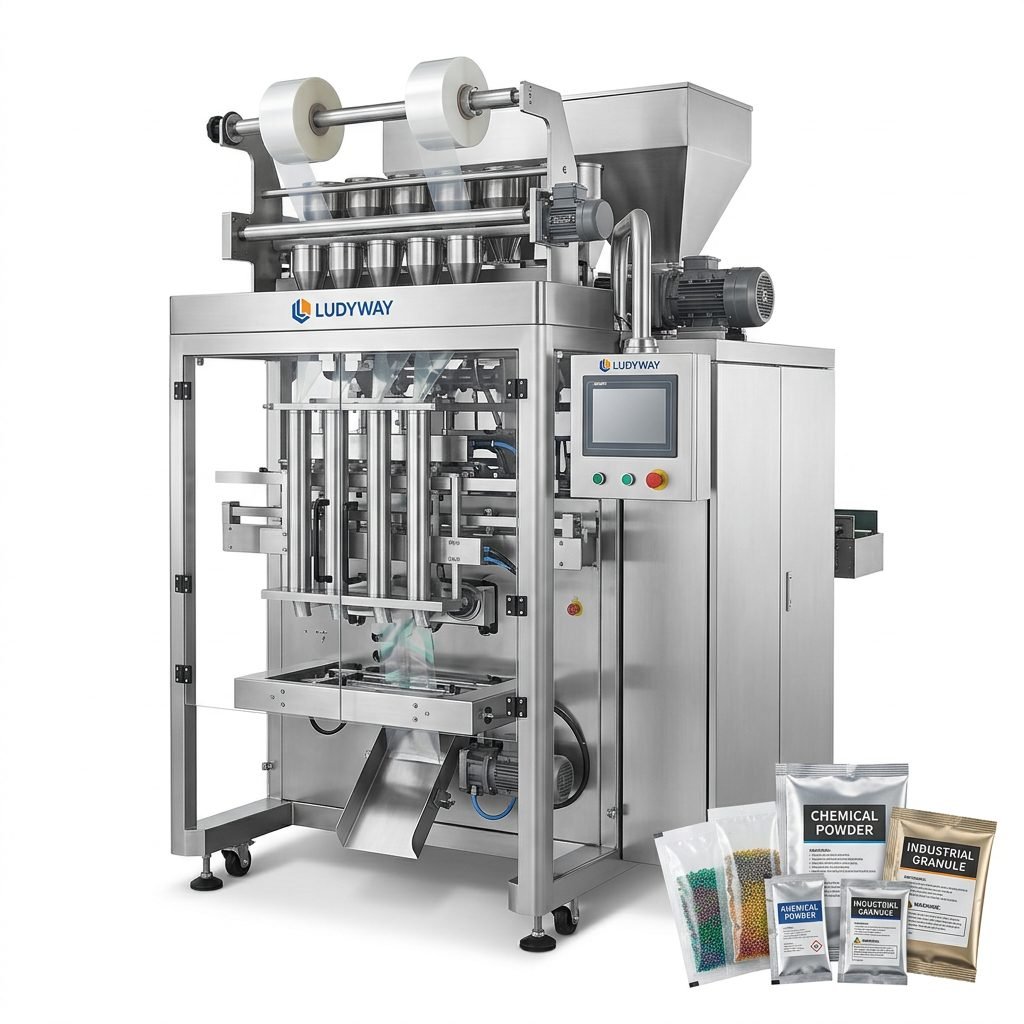
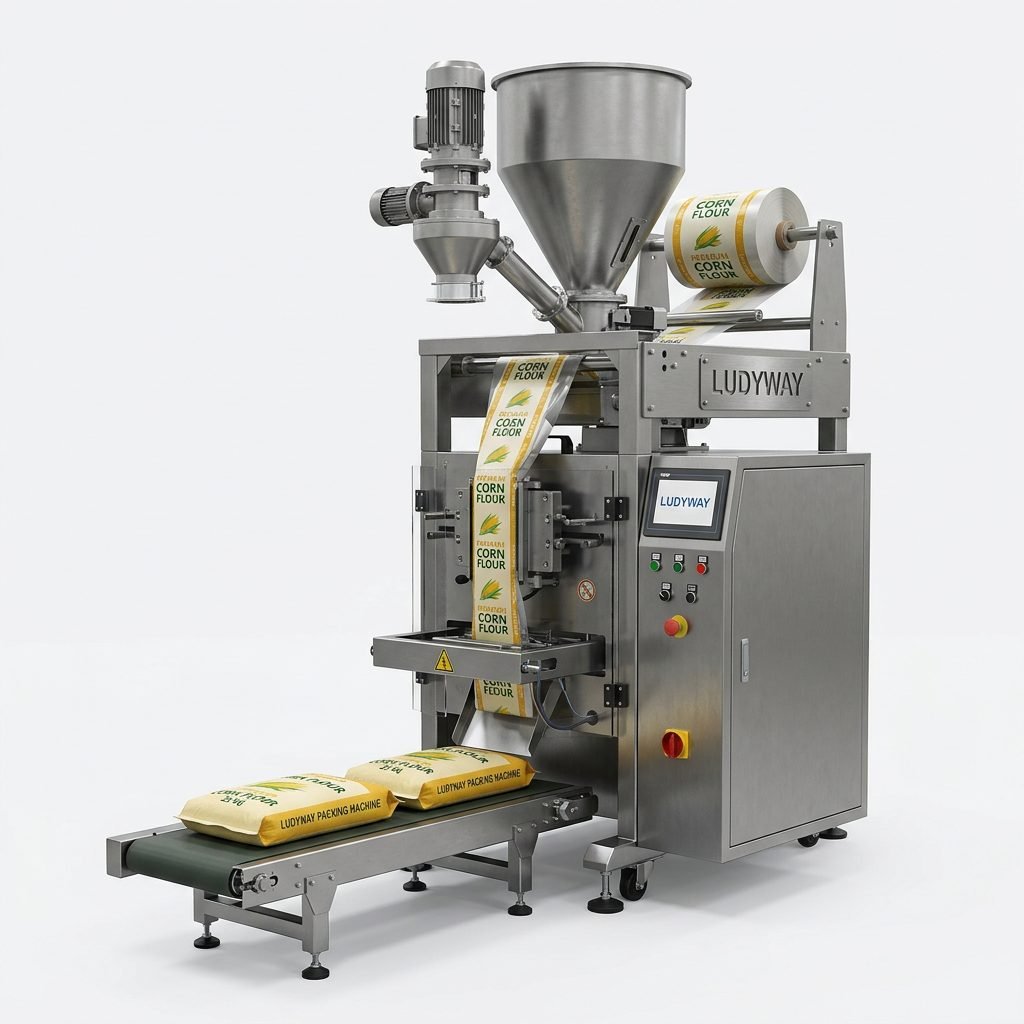
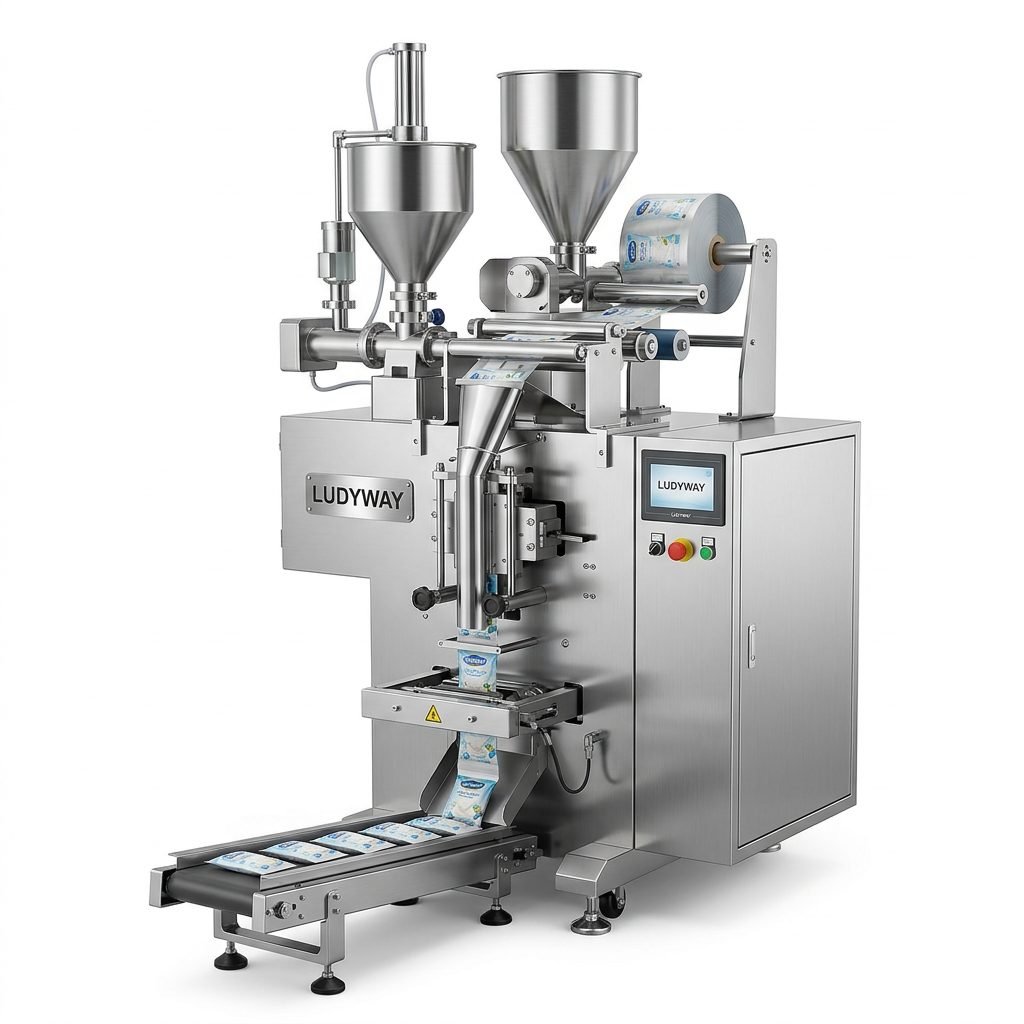
| Vacuum Form-Fill-Seal Machine | Creates pouches from roll stock, fills product, vacuumizes, and seals | High-speed, compact footprint |
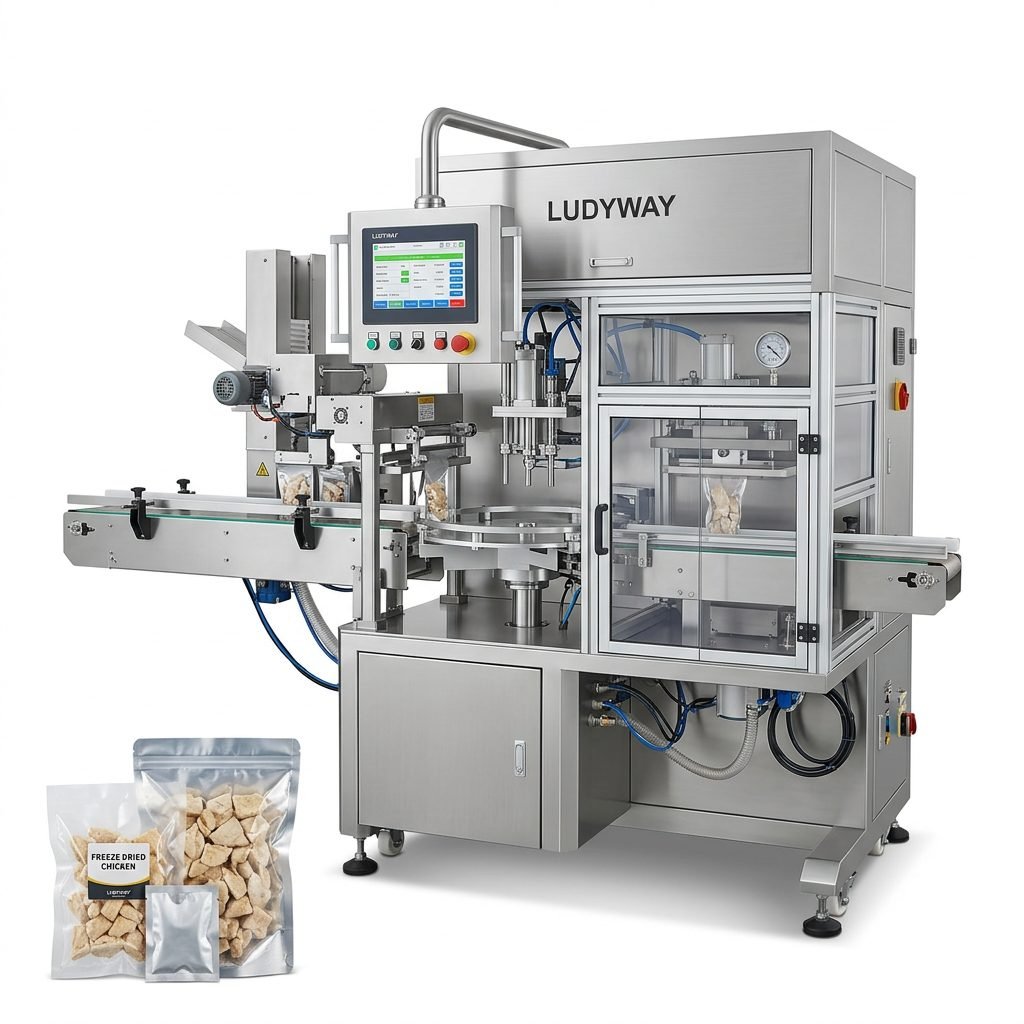
| Rotary Vacuum Chamber Machine | Ideal for solid products requiring deep vacuum levels | Suitable for irregular shapes |
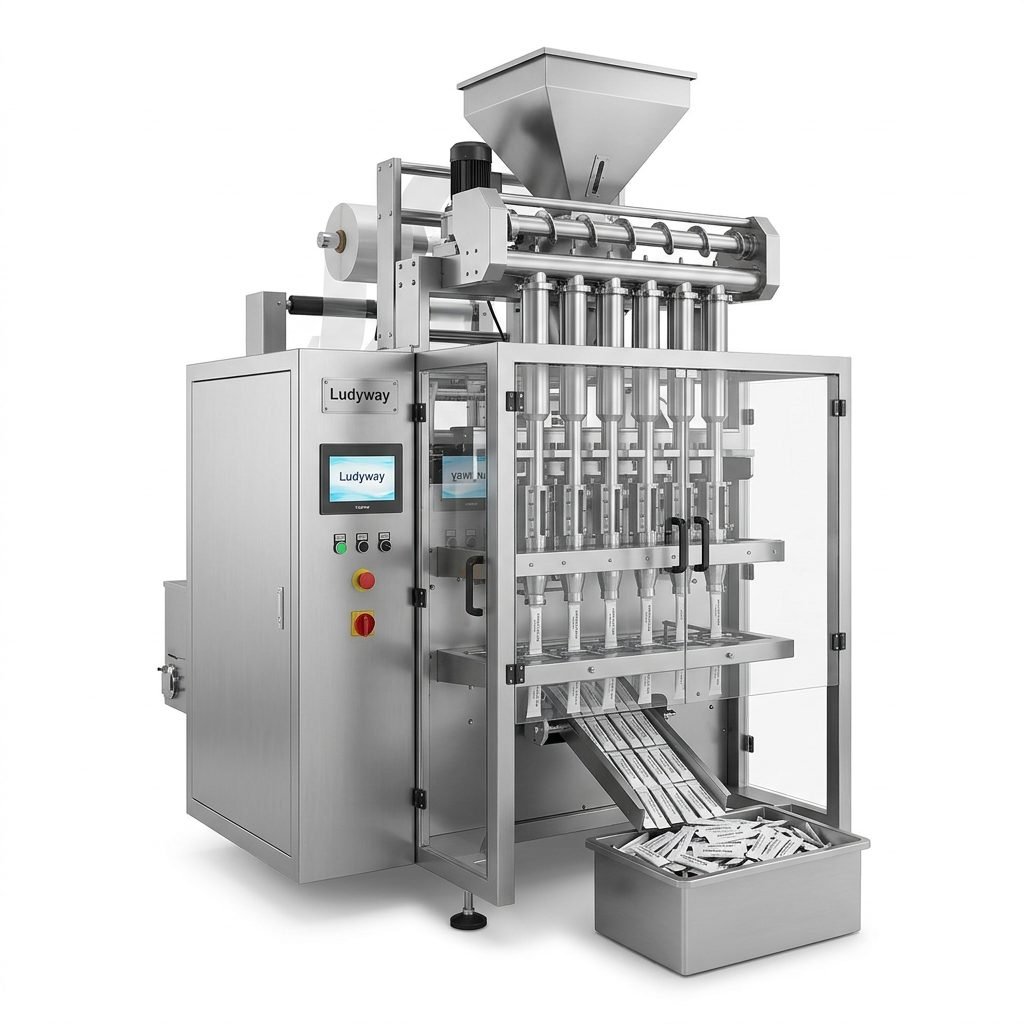
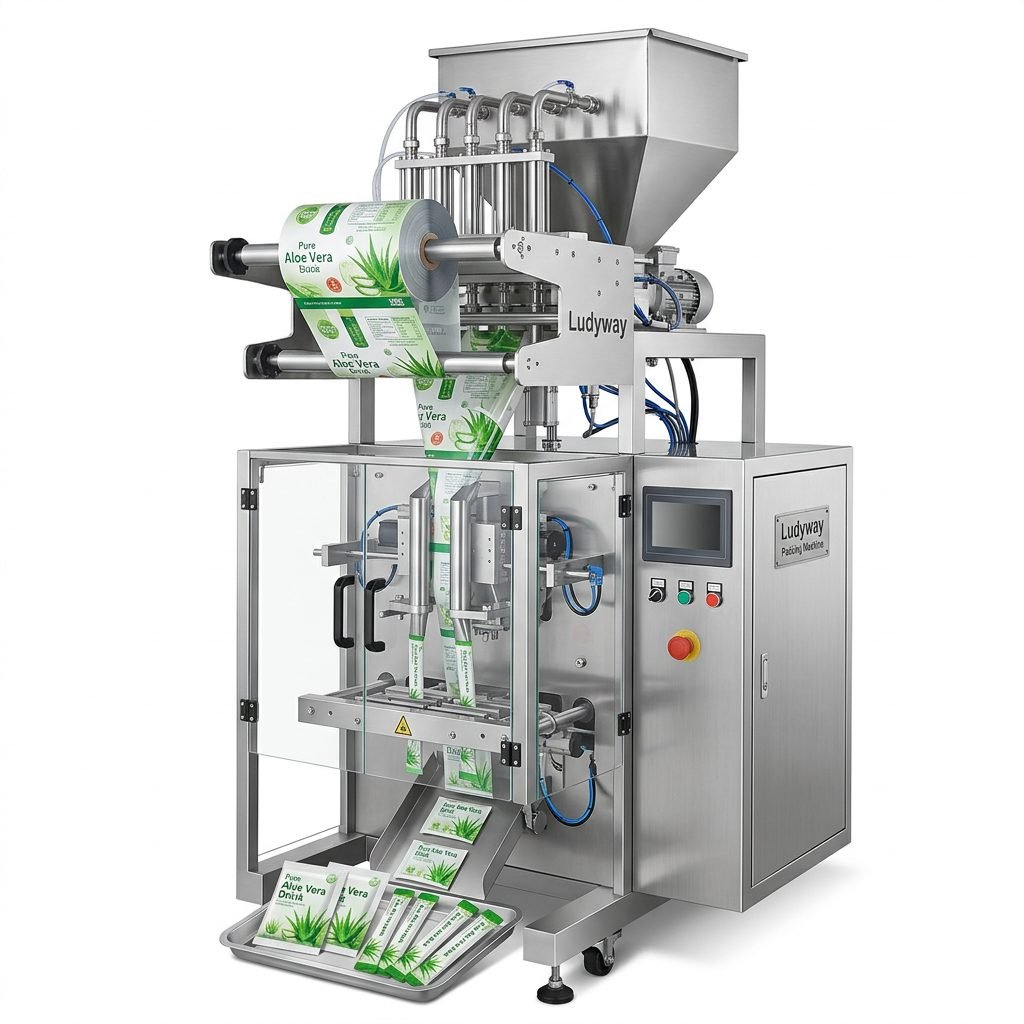
| Multi-Lane Stick Pack System | High-volume production of narrow stick packs with vacuum sealing | Achieves 400+ ppm |
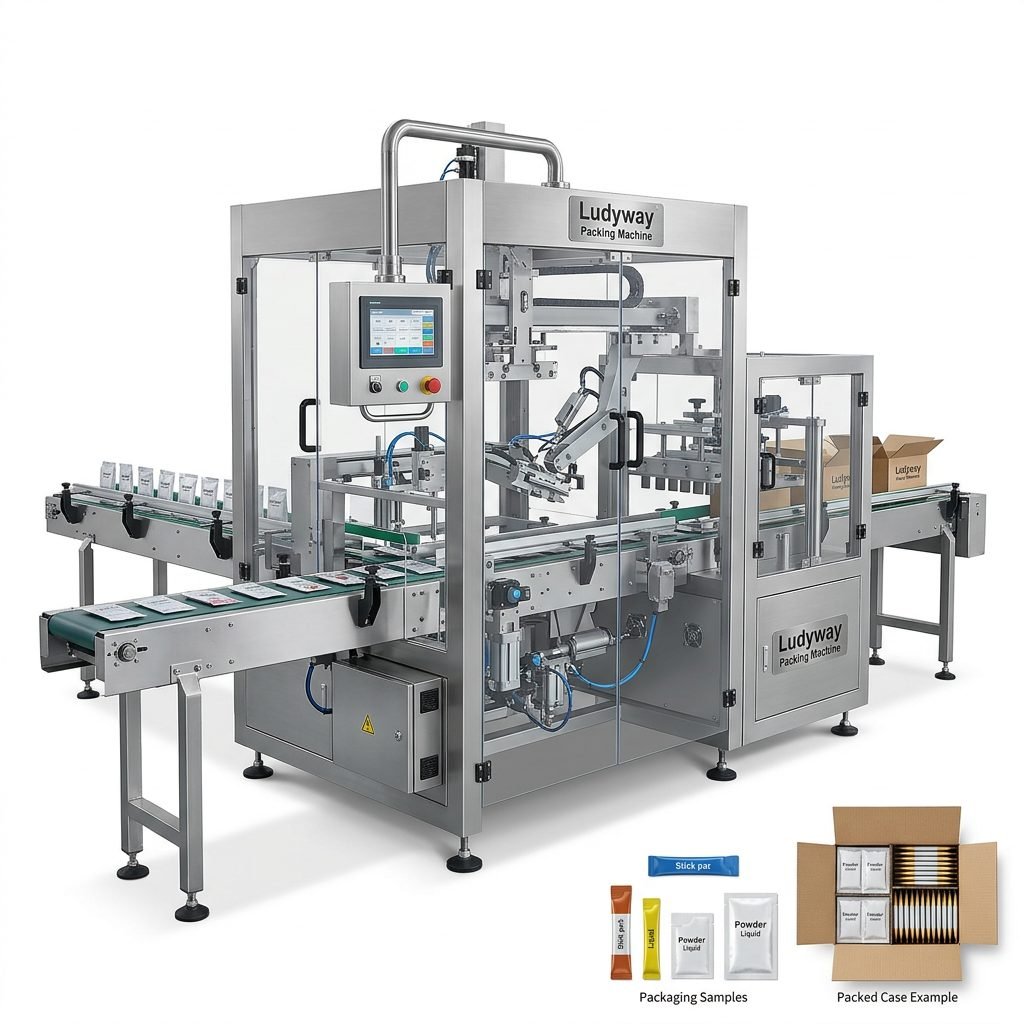
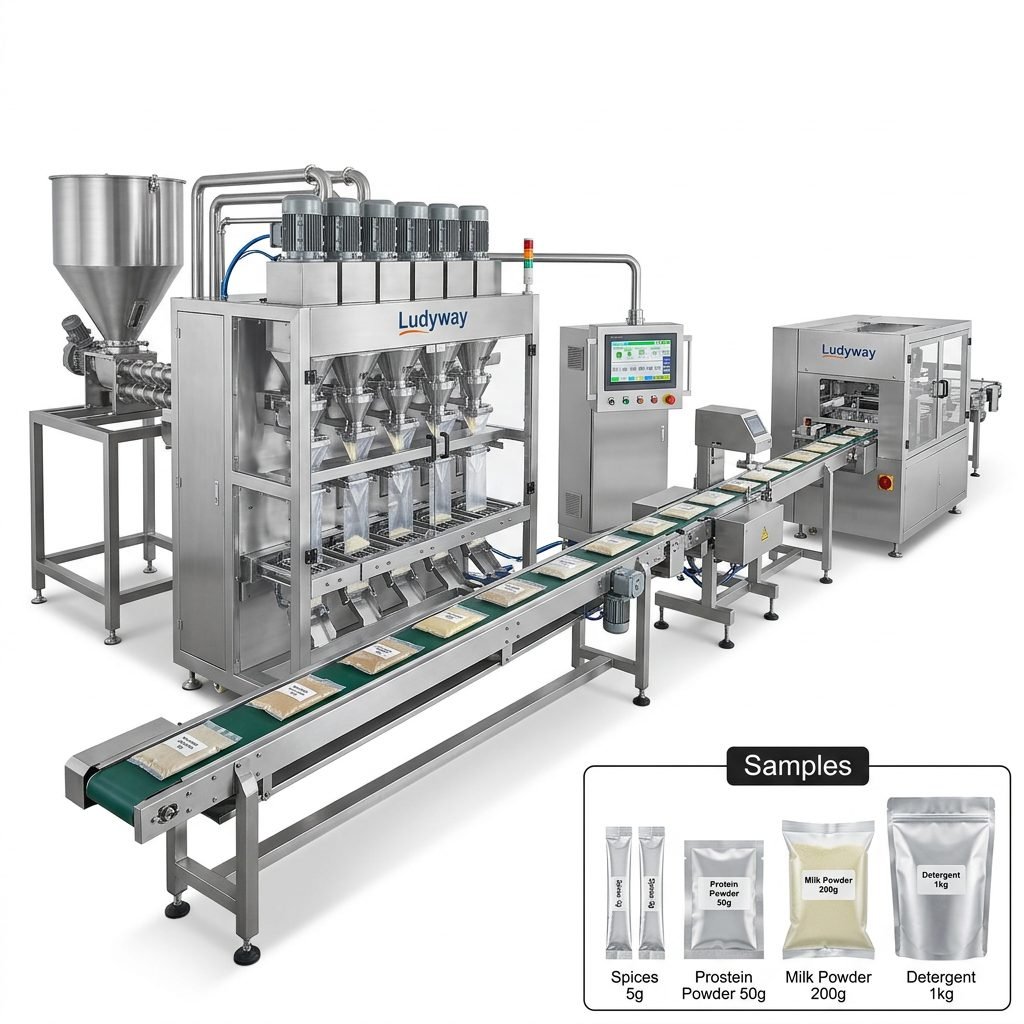
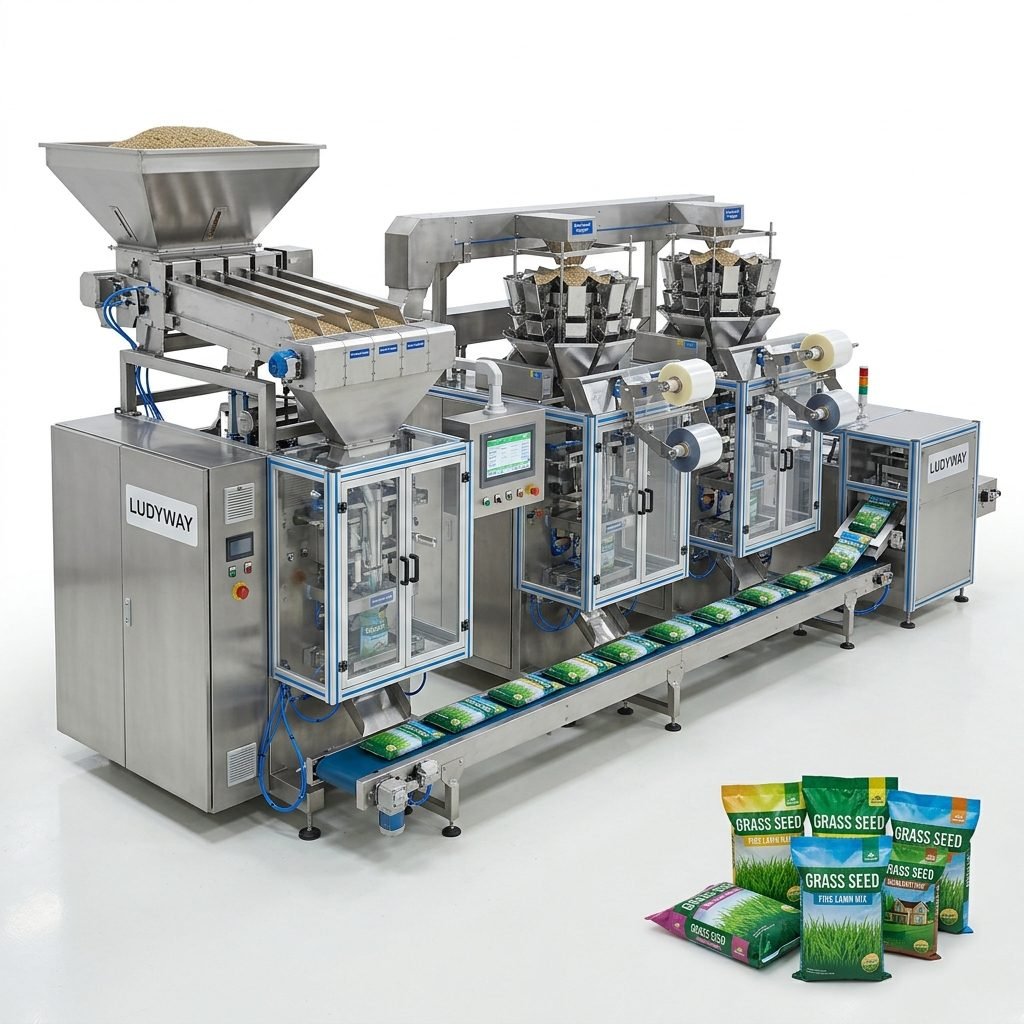
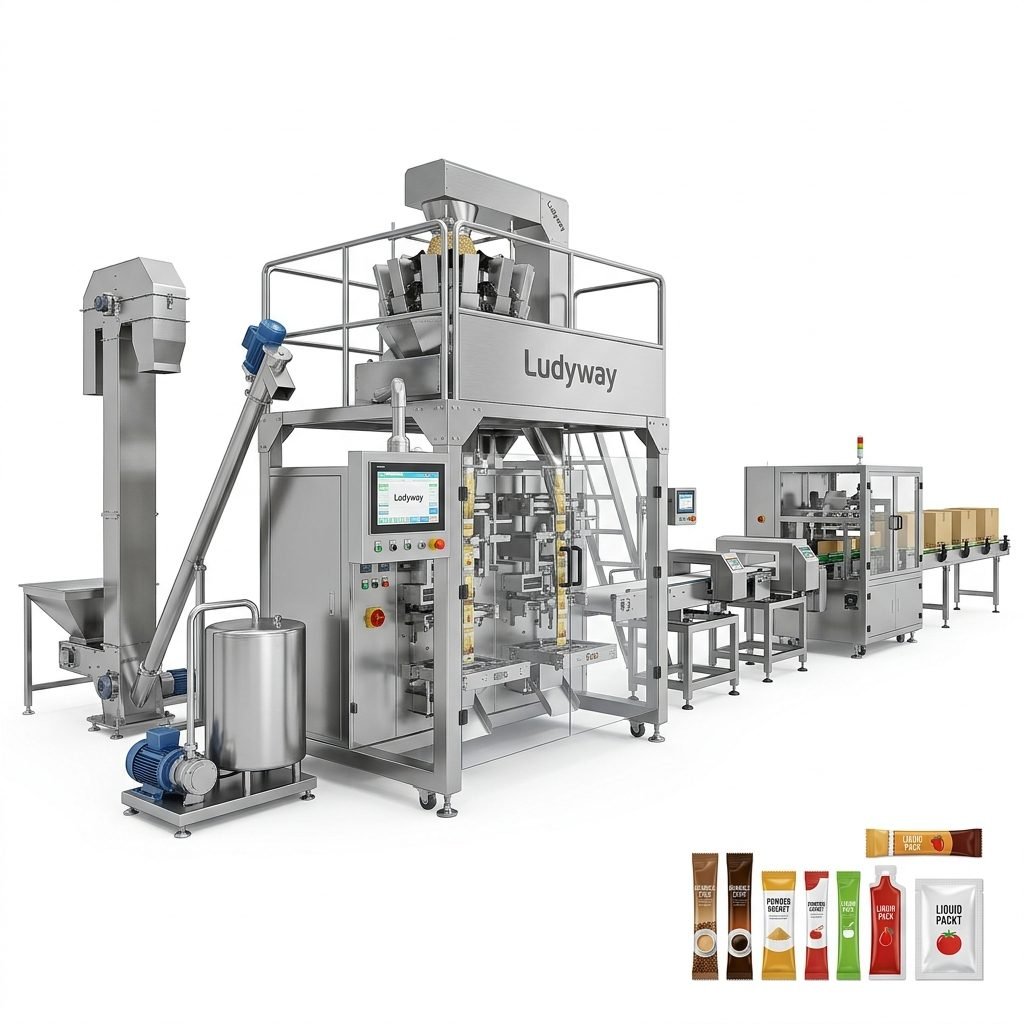
| Auxiliary Equipment | Includes conveyors, checkweighers, metal detectors, and cartoning machines | Ensures line integrity and compliance |
Customization and Turnkey Solutions
Many international buyers partner with experienced packaging machine manufacturers in China to develop custom turnkey packaging lines. Ludyway, for example, is one of the largest packaging machine manufacturers in China, offering over 50 intelligent packaging machine models from its 20,000㎡ modern production facility. With 30+ years of industry experience, the company provides tailored systems incorporating granule feeding systems, liquid filling stations, and robotic palletizing for complete end-of-line automation.
3. Facility Planning and Infrastructure
Setting up a vacuum packaging line requires careful attention to your facility’s infrastructure. Vacuum machines typically need a stable compressed air supply at 6-8 bar, dedicated electrical connections with voltage stabilization, and in some cases, nitrogen gas flushing systems for modified atmosphere packaging (MAP). Ensure your production floor has adequate space for material infeed, finished product accumulation, and maintenance access.
Consider these environmental factors:
- Cleanroom requirements: For pharmaceutical or food-grade vacuum packaging, ISO 7 or 8 cleanrooms may be necessary.
- Temperature and humidity control: Consistent conditions prevent film warping and ensure seal integrity.
- Waste management: Plan for trim removal systems and rejected product handling.
4. Navigating Regulatory Compliance and Standards
China’s regulatory landscape for packaging machinery has matured significantly. Depending on your target market, your vacuum packaging production line must comply with various international standards. For food contact applications, compliance with FDA food packaging regulations is mandatory for exports to the U.S. Similarly, European markets require adherence to EU packaging and packaging waste directives. Medical device packaging often follows ISO 11607 standards for terminally sterilized devices.
Work with your equipment supplier to ensure machines are built with validation protocols in mind, including IQ/OQ/PQ documentation if needed. Many Chinese manufacturers now offer CE-certified machines and can support GMP compliance requirements.
5. Installation, Commissioning, and Training
A smooth installation phase is crucial for minimizing downtime. Reputable Chinese packaging machine suppliers typically dispatch experienced field service engineers to oversee the mechanical installation, electrical connections, and software configuration. The commissioning process should include:
- Dry run testing: Verifying all mechanical movements without product.
- Wet run testing: Running actual product to fine-tune filling accuracy, vacuum levels, and seal integrity.
- Performance qualification: Confirming the line meets agreed-upon speed and efficiency metrics.
Operator training is equally important. Comprehensive training programs should cover machine operation, daily maintenance, troubleshooting common issues, and safety protocols. Many companies also provide remote diagnostic support via secure connectivity, enabling rapid issue resolution without waiting for on-site visits.
6. Maintenance, Spare Parts, and After-Sales Support
Long-term performance of your vacuum packaging line depends heavily on proactive maintenance and reliable spare parts availability. Establish a preventive maintenance schedule covering critical wear components such as sealing bars, Teflon tapes, cutting knives, and vacuum pump oil. Most Chinese manufacturers maintain extensive spare parts inventories and offer express international shipping through partnerships with major logistics providers.
When evaluating potential partners, consider their global service network. The best suppliers have established relationships with international distributors, offer remote video support, and can deliver critical spare parts within days rather than weeks. Check references from clients in your industry who have similar production setups.
Key Performance Indicators to Monitor
| KPI | Target Range | Importance |
|---|---|---|
| Overall Equipment Effectiveness (OEE) | 75% – 85% | Measures availability, performance, and quality |
| Seal Integrity Rate | > 99.5% | Critical for product safety and shelf life |
| Changeover Time | < 15 minutes | Improves flexibility for multiple SKUs |
7. Scaling and Future-Proofing Your Investment
The beauty of modular Chinese packaging equipment is its scalability. You can start with a single vacuum packaging machine and gradually add upstream and downstream modules as demand grows. Many processors begin with manual infeed and later integrate automatic feeding systems, checkweighers, metal detection units, and robotic case packing. This phased approach conserves capital while building a fully automated line over time.
Look for machines with open architecture control systems that support Industry 4.0 connectivity. Ethernet/IP, Profinet, and OPC-UA protocols enable integration with plant-wide SCADA or MES systems, providing real-time production data and traceability. Industry reports from PMMI consistently highlight the importance of digital connectivity in modern packaging operations.
For those seeking deeper market intelligence, resources like the Flexible Packaging Association and regular state of the industry reports provide valuable benchmarks and trend analysis.

Setting up a vacuum packaging machine production line in China is a multi-faceted project that rewards thorough planning and strong partnerships. By carefully defining your requirements, selecting the right equipment, ensuring regulatory compliance, and investing in proper training and maintenance, you can build a highly efficient, reliable packaging operation. For personalized guidance and custom line design, contact a trusted manufacturer with demonstrated expertise in your specific application area.