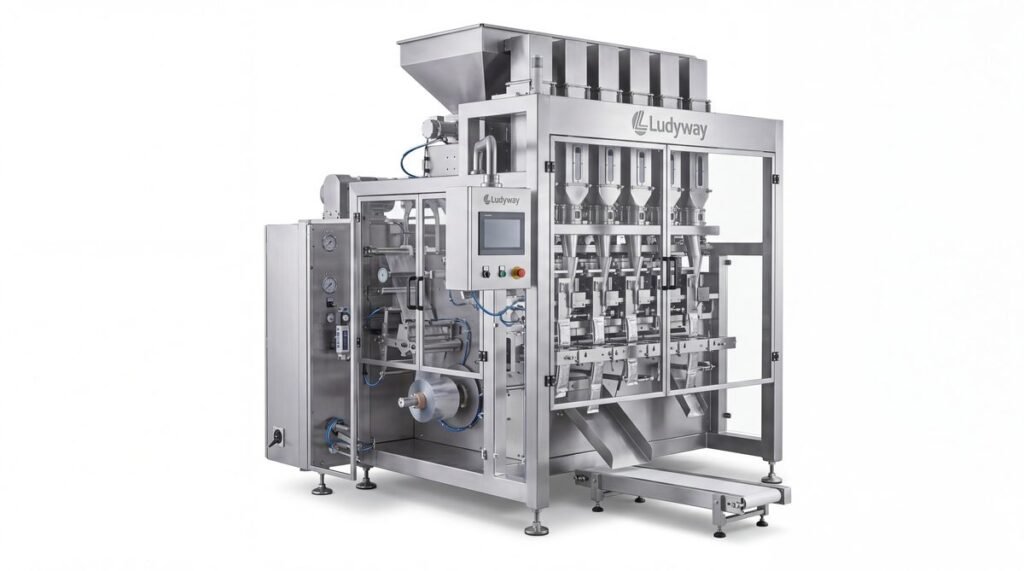
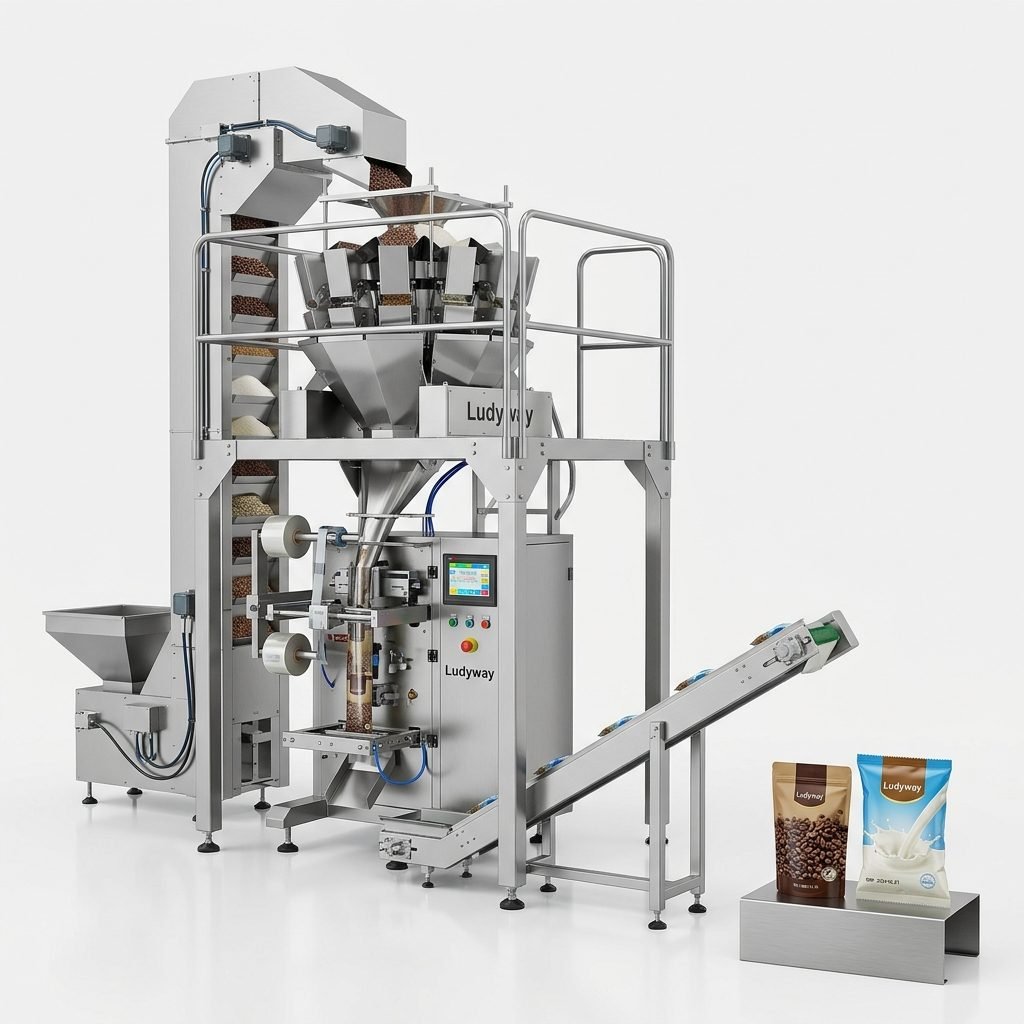
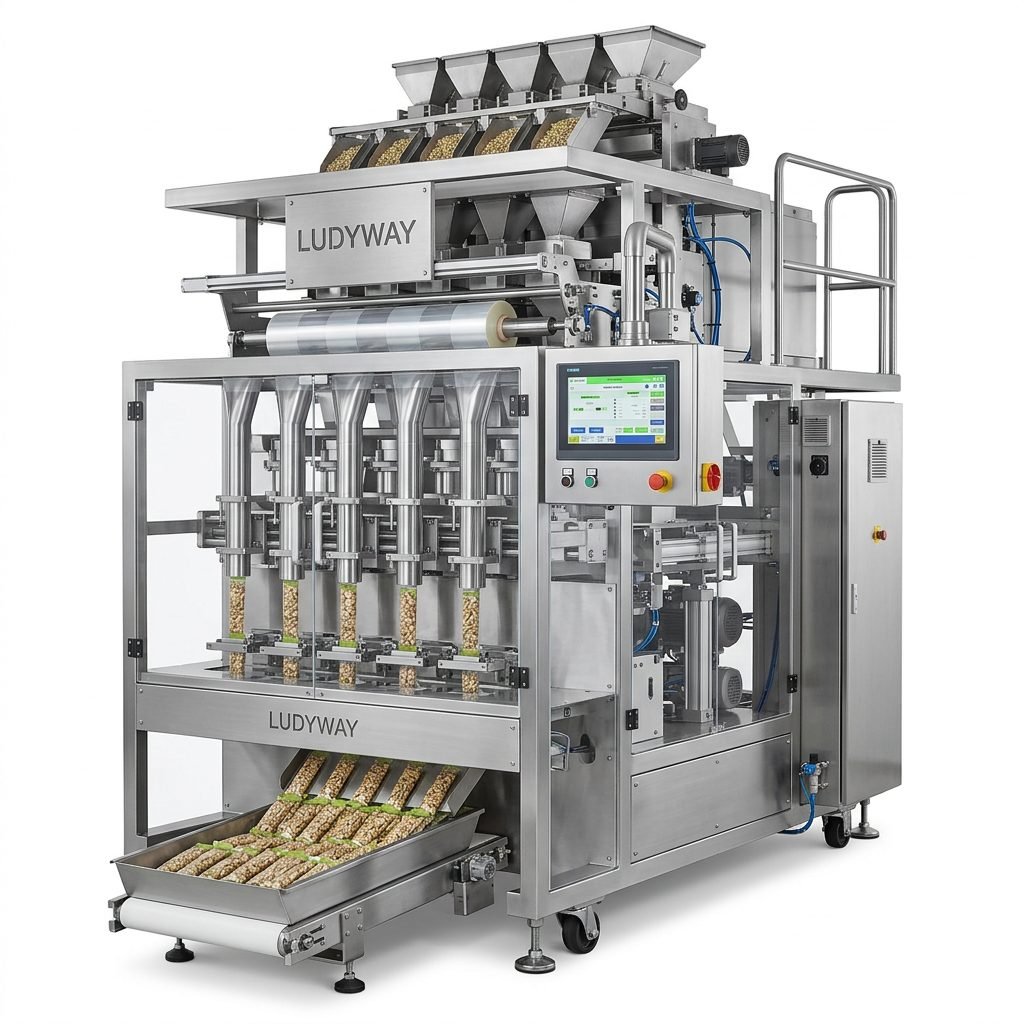
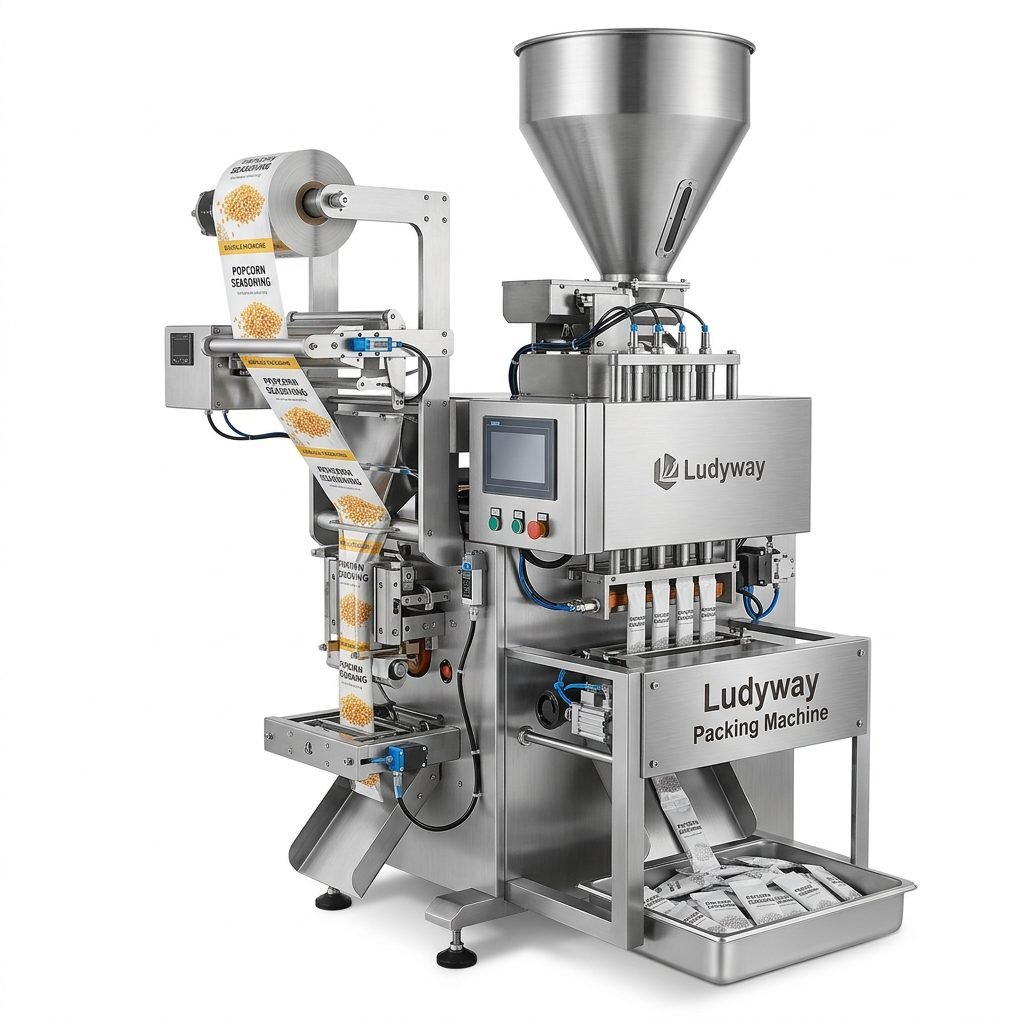
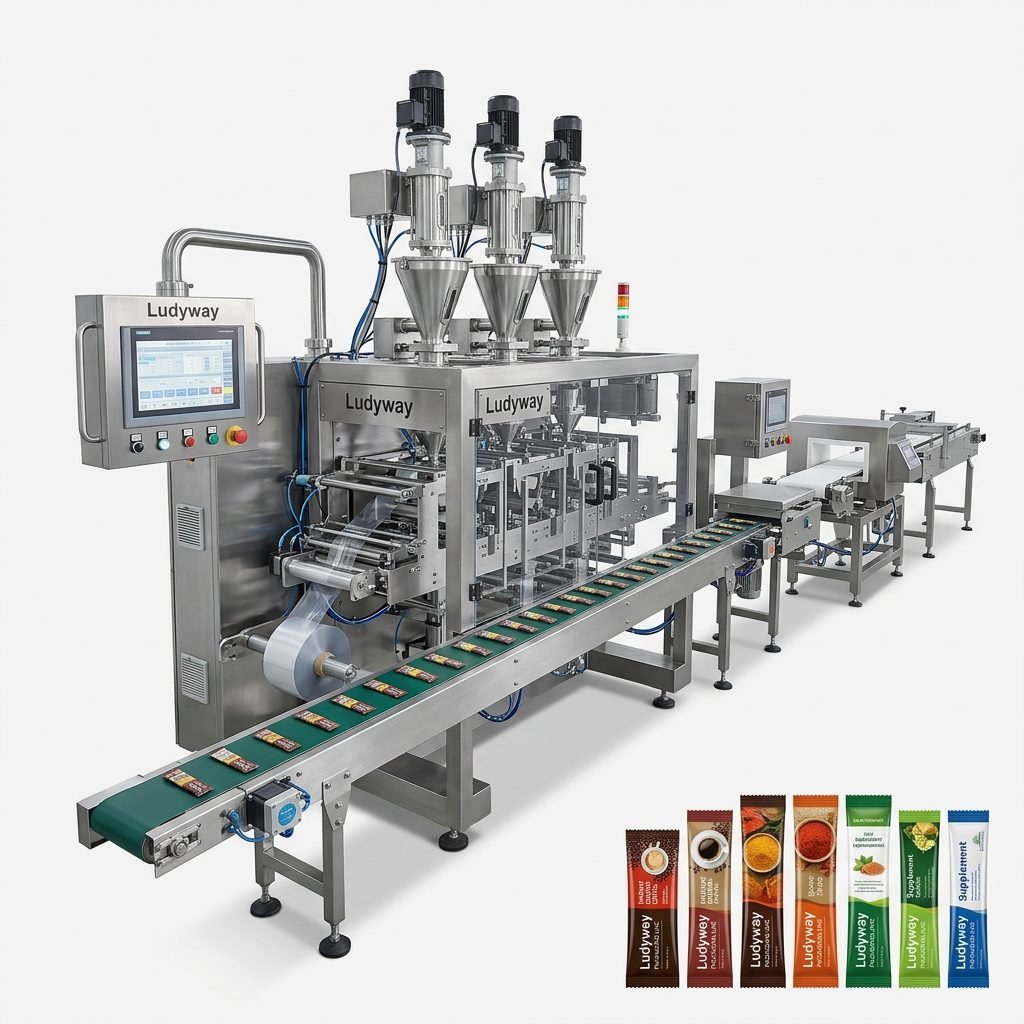
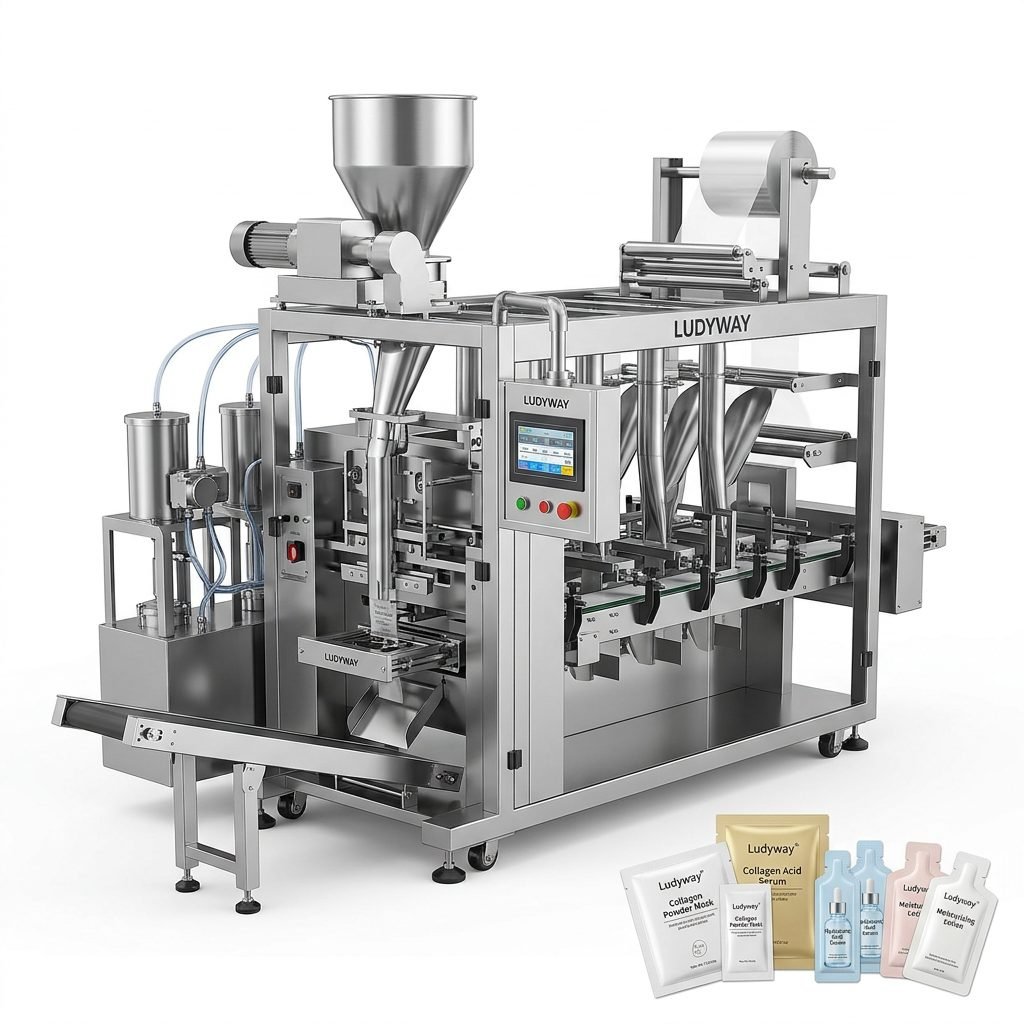
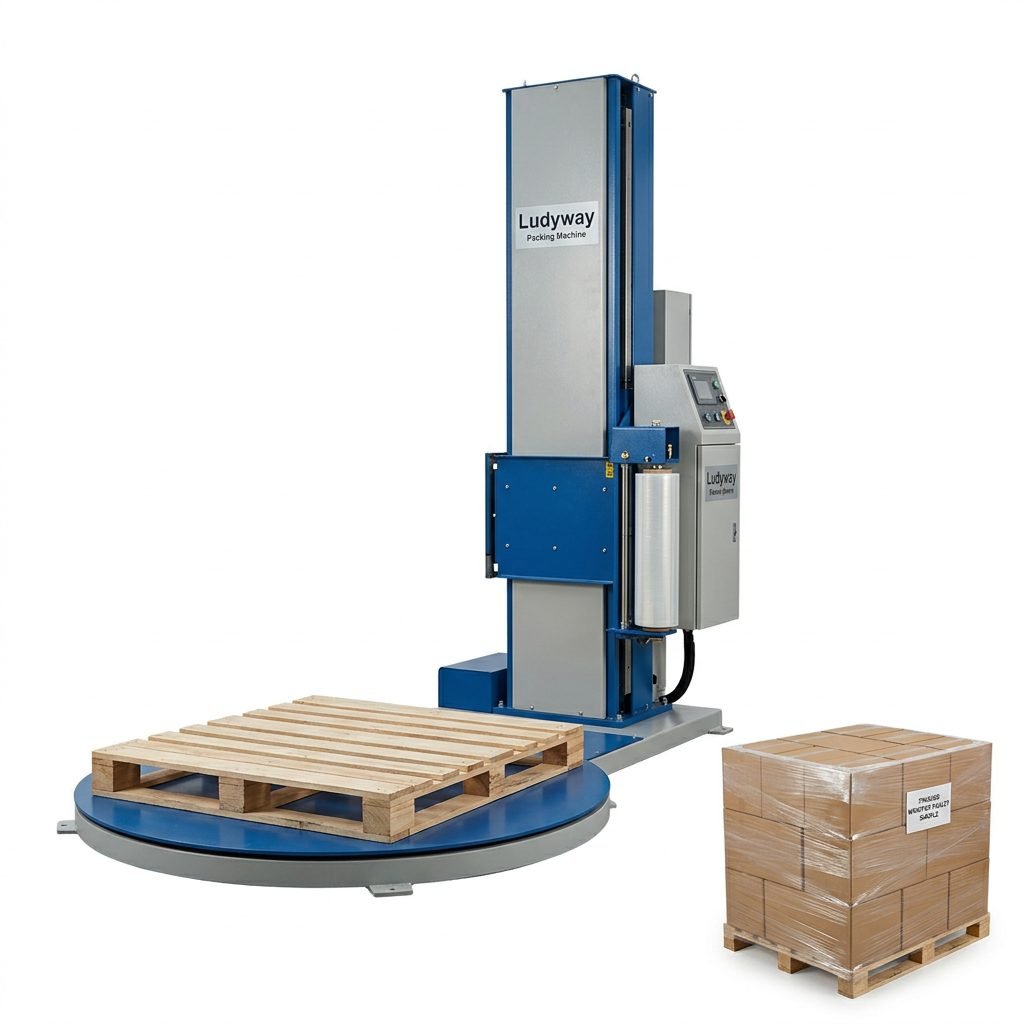
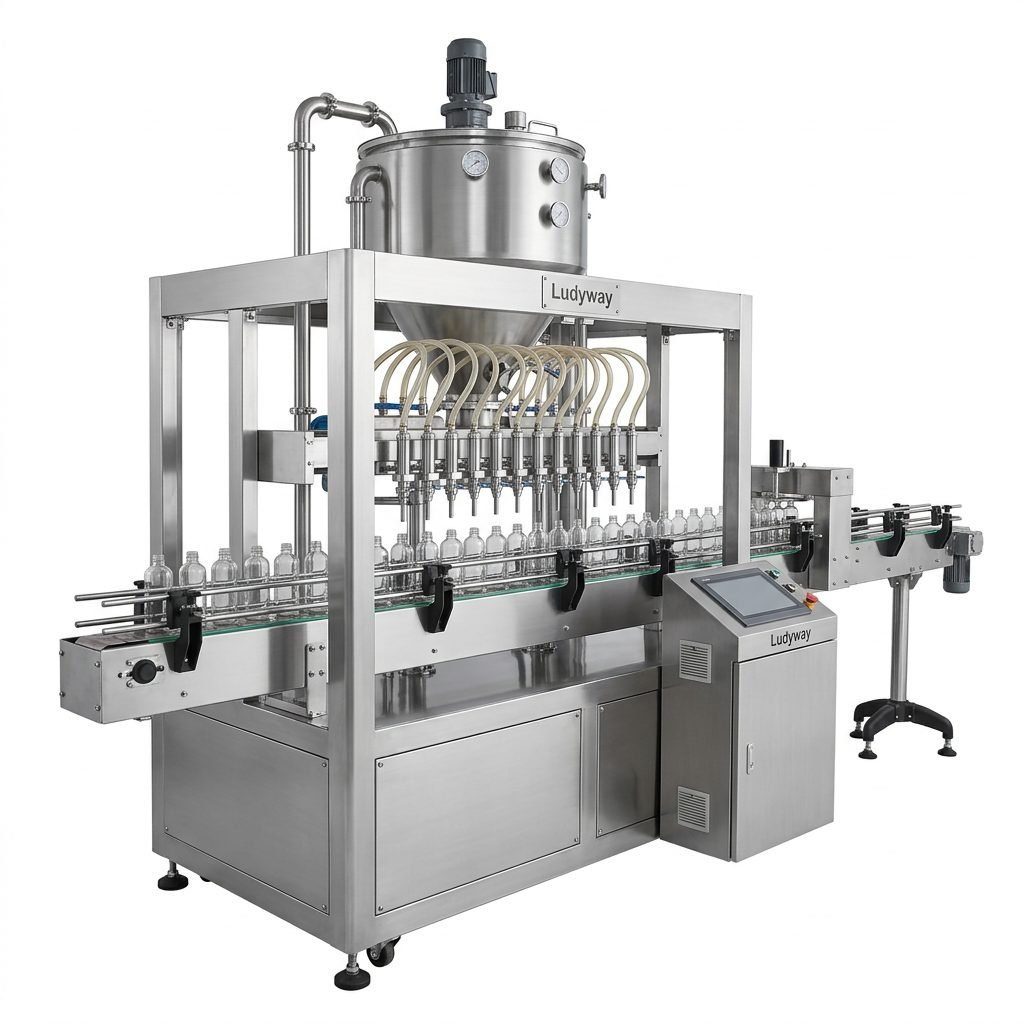
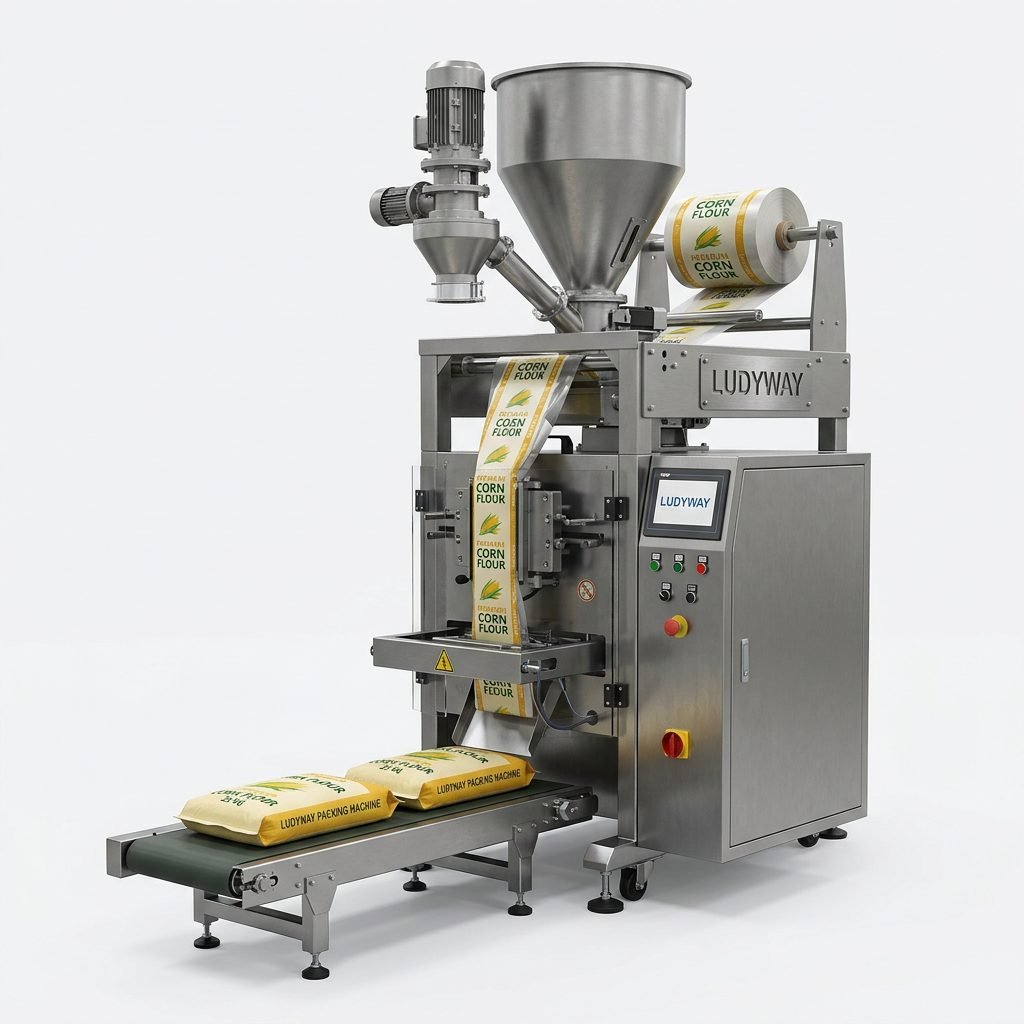
Investing in a pharmacy packaging machine is a critical decision that directly impacts your production efficiency, product integrity, and regulatory compliance. Whether you are packaging tablets, capsules, powders, or liquid pharmaceuticals, choosing the wrong equipment can lead to costly downtime, inconsistent seal quality, and even compliance risks. This comprehensive buyer’s guide walks you through the essential factors to evaluate before making your purchase, helping you select a machine that aligns with your operational goals and industry standards.
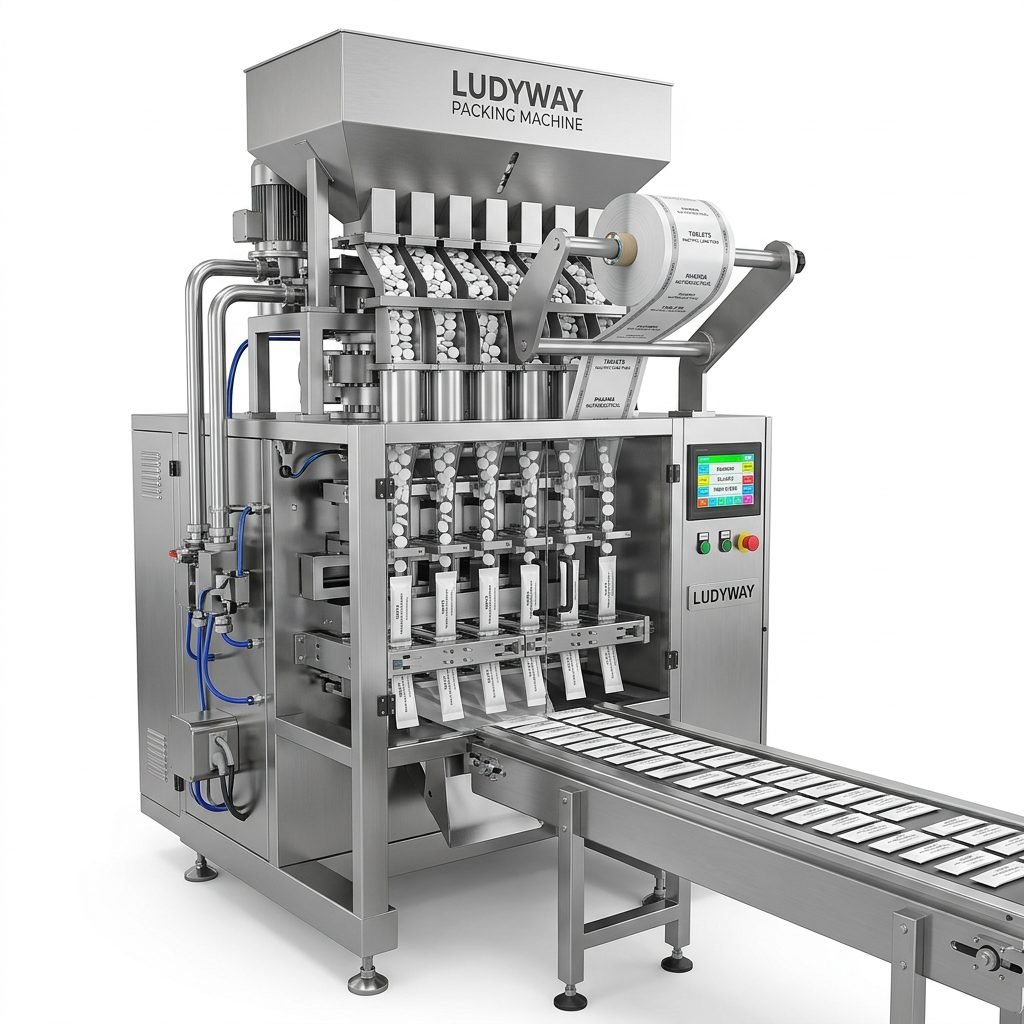
Understanding Your Product Characteristics
Before evaluating different packaging machinery, you must thoroughly analyze the physical and chemical properties of your pharmaceutical products. The dosing mechanism, filling accuracy, and overall machine configuration depend heavily on what you are packaging.
Key Product Attributes to Evaluate
- Product form: Tablets, capsules, granules, powders, liquids, gels, or creams each require distinctly different filling systems. A volumetric filler works well for free-flowing granules, while an auger filler is better suited for cohesive powders.
- Flow characteristics: Free-flowing, semi-free-flowing, or cohesive materials behave differently in hoppers and feeding systems. Poor flow can cause bridging, inconsistent fills, and production stoppages.
- Hygroscopicity and sensitivity: Products that absorb moisture or are sensitive to light, oxygen, or temperature require specialized packaging environments. Consider machines with nitrogen flushing capabilities or desiccant insertion systems.
- Particle size distribution: Wide variations in particle size can affect dosing accuracy. Multi-head weighers or combination weighers may be necessary for products with inconsistent granule sizes.
Packaging Format and Material Compatibility
The choice of packaging format significantly influences machine selection. Modern pharmacy packaging machines support a wide range of formats, each suited to different product types, dosage requirements, and market preferences. Understanding the flexible packaging landscape is essential for making an informed decision.
| Packaging Format | Best For | Key Consideration |
|---|---|---|
| Stick Packs | Single-dose powders and granules | High-speed multi-lane configurations available |
| Sachets | Liquids, gels, and larger powder doses | Versatile format for OTC and prescription products |
| Blister Packs | Tablets and capsules | ISO 11607 compliance required for sterile applications |
| Bottles and Jars | High-volume tablet and capsule packaging | Requires integrated counting and capping systems |
| Pre-made Pouches | Medical devices and combination products | Compatible with various sterilization methods |
Beyond format, you must verify that the machine is compatible with your chosen packaging materials. Pharmaceutical-grade films, foils, and laminates require precise temperature control and seal pressure to ensure hermetic seals. Machines equipped with servo-driven sealing jaws offer superior control over dwell time and pressure compared to pneumatic alternatives.
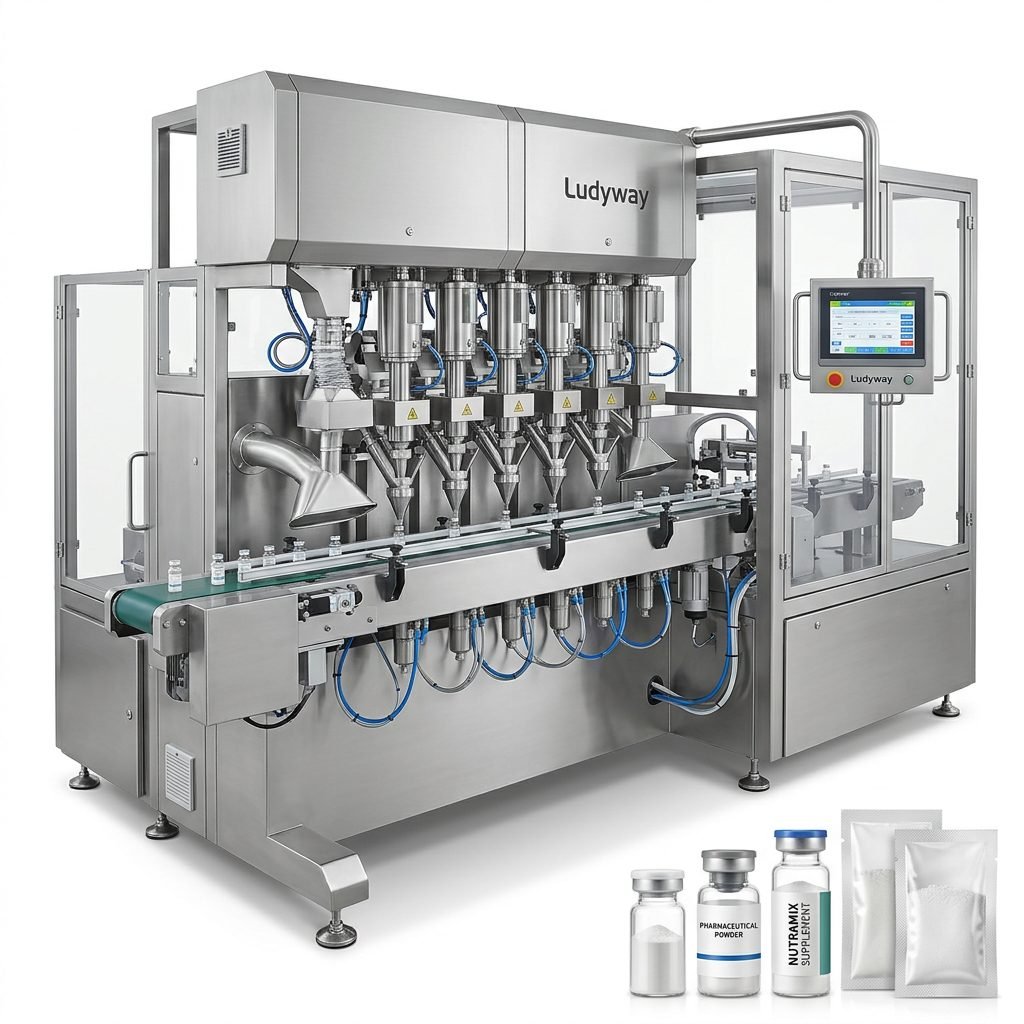
Production Speed and Throughput Requirements
Your current and projected production volumes should guide the selection of machine speed capabilities. Underestimating throughput needs leads to bottlenecks, while overestimating results in unnecessary capital expenditure. Consider the following factors when evaluating production speed:
- Pouches per minute (PPM): Single-lane machines typically achieve 40-80 PPM, while multi-lane systems can exceed 400 PPM. Match the lane configuration to your volume requirements.
- Changeover time: Frequent product or format changes demand quick-change features. Look for machines with tool-less changeover and recipe-based setup to minimize downtime.
- OEE (Overall Equipment Effectiveness): Beyond rated speed, evaluate real-world performance. A machine running at 85% OEE at 300 PPM outperforms one at 60% OEE at 400 PPM.
- Buffer and accumulation zones: Integrated buffer systems allow continuous operation during downstream interruptions, maintaining consistent throughput.
Regulatory Compliance and Quality Standards
Pharmaceutical packaging is among the most heavily regulated manufacturing activities. Your chosen equipment must support compliance with applicable regulations in your target markets. This is not merely about documentation—the machine’s design and construction directly affect your ability to maintain current Good Manufacturing Practices (cGMP).
Critical Compliance Considerations
- 21 CFR Part 11 compliance: Electronic records and signatures from the machine’s control system must meet FDA requirements for data integrity, audit trails, and access controls.
- Material traceability: Stainless steel contact parts should have full material certification. Pharmaceutical-grade 316L stainless steel is preferred for product contact surfaces.
- Clean-in-place (CIP) and sterilize-in-place (SIP): For liquid and semi-solid products, integrated cleaning systems reduce downtime between batches and minimize cross-contamination risks.
- Documentation package: Comprehensive IQ/OQ/PQ documentation, along with FAT and SAT protocols, accelerates validation and regulatory inspections.
- ISO 11607 compliance: For terminally sterilized medical devices, packaging must maintain sterility throughout the labeled shelf life. Seal strength, integrity, and material compatibility testing are essential.
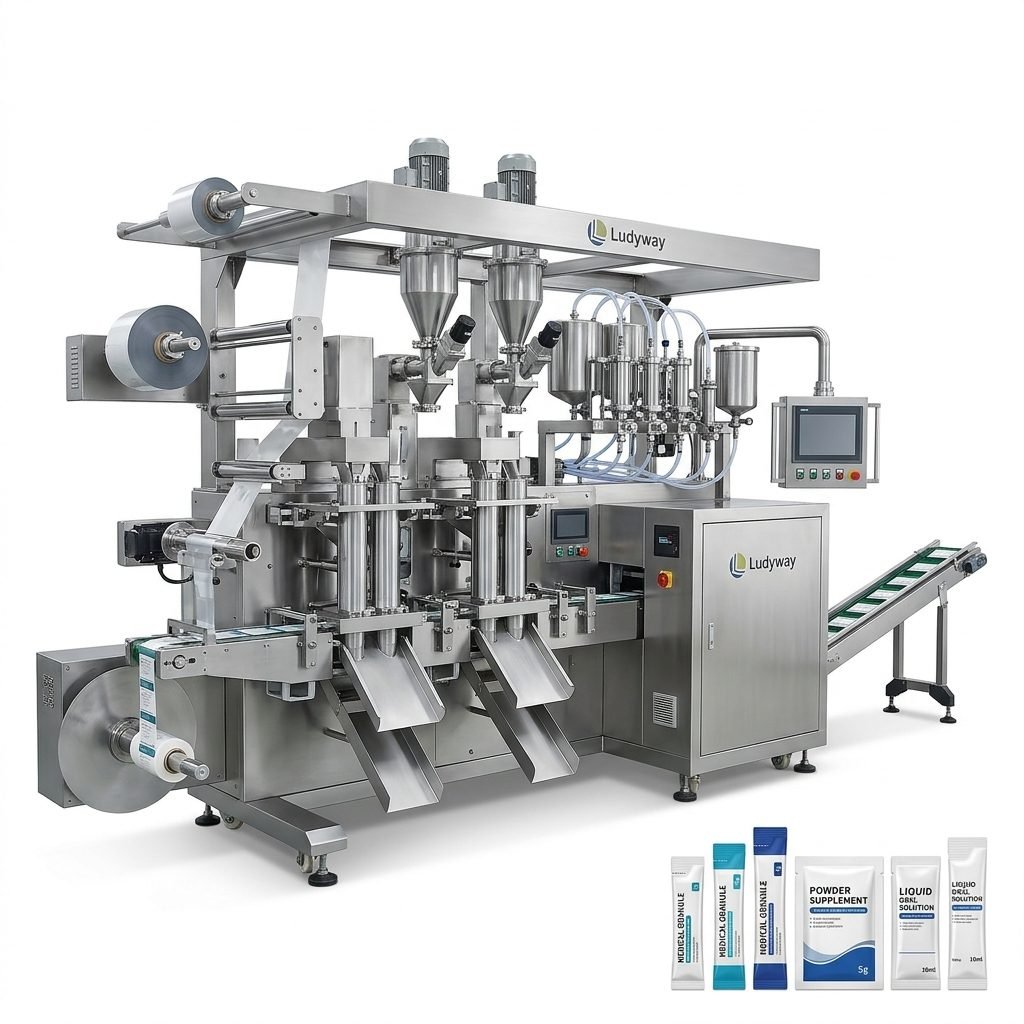
Automation and Integration Capabilities
Modern pharmaceutical packaging lines rarely operate in isolation. They must integrate seamlessly with upstream processing equipment and downstream secondary packaging systems. Evaluating the automation architecture early prevents costly integration challenges later.
Automation Features to Prioritize
- PLC and HMI systems: Look for industry-standard controllers from established automation suppliers. A user-friendly HMI with multi-language support simplifies operator training and reduces errors.
- Vision inspection systems: Integrated machine vision can verify print quality, presence of lot codes and expiry dates, seal integrity, and product presence. Reject systems automatically remove non-conforming packages.
- Serialization and track-and-trace: Many markets now require unique serial numbers at the unit, case, and pallet levels. Ensure the machine can integrate with serialization software and regulatory reporting systems.
- Data logging and connectivity: OEE monitoring, predictive maintenance alerts, and remote diagnostics all depend on robust data collection and IIoT connectivity. OPC UA compatibility is increasingly important.
Evaluating Packaging Machinery Suppliers
Choosing the right supplier is as important as choosing the right machine. A reliable packaging machinery manufacturer provides more than equipment—they offer engineering expertise, application experience, and long-term technical support. Companies like Ludyway Machinery, with more than 30 years of experience and a 20,000-square-meter manufacturing facility, combine in-house engineering with turnkey packaging solution capabilities across multiple pharmaceutical and nutraceutical applications. When evaluating suppliers, consider their track record in pharmaceutical packaging specifically, not just general packaging experience.
Due Diligence Checklist for Suppliers
- Pharmaceutical-specific experience: Has the supplier successfully delivered machines for pharmaceutical applications with similar products and packaging formats?
- Factory acceptance testing (FAT): Does the supplier offer comprehensive FAT protocols using your actual products and materials?
- Reference visits: Can they arrange visits to existing installations where you can observe machines running in production conditions?
- Spare parts availability: What is the lead time for critical spare parts? Do they maintain regional parts inventories?
- Technical documentation: Are manuals, electrical schematics, and maintenance guides available in your preferred language?
Total Cost of Ownership and ROI Analysis
The purchase price of a pharmacy packaging machine represents only a fraction of its total cost over the equipment’s lifecycle. A thorough total cost of ownership (TCO) analysis should include both direct and indirect costs to accurately project return on investment.
| Cost Category | Typical Share of TCO | Key Variables |
|---|---|---|
| Equipment purchase | 40-50% | Machine configuration, customization, tooling |
| Installation and validation | 10-15% | Site preparation, IQ/OQ/PQ execution, operator training |
| Packaging materials | 20-25% | Film yield, waste rates, material specifications |
| Maintenance and spare parts | 8-12% | Preventive maintenance frequency, parts lifespan |
| Downtime and lost production | 5-8% | Machine reliability, changeover efficiency, technical support responsiveness |
| Energy and utilities | 3-5% | Power consumption, compressed air requirements |
When calculating ROI, factor in labor savings from automation, reduced material waste through precise dosing and sealing, and lower rejection rates from integrated quality inspection. A machine that costs more initially but delivers higher OEE and lower material waste often achieves faster payback than a lower-cost alternative.

After-Sales Service and Technical Support
Packaging machinery is a long-term investment, and the quality of after-sales support significantly impacts your operational uptime and equipment lifespan. Before finalizing a purchase, clarify the following support elements with your supplier:
- Warranty terms: Understand what is covered, for how long, and any conditions that could void coverage. Extended warranties on critical components provide additional peace of mind.
- Technical support response: What are the guaranteed response times for different issue severities? Is remote diagnostic support available to minimize travel delays?
- Operator and maintenance training: Comprehensive initial training should be supplemented with ongoing refresher courses and documentation updates.
- Spare parts strategy: A recommended spare parts list for the first 1-2 years of operation helps you avoid extended downtime waiting for component deliveries.
- Software and firmware updates: Continuous improvement programs that provide updates addressing bugs, improving functionality, and adapting to regulatory changes add long-term value.
Final Selection: Balancing All Factors
Choosing the right pharmacy packaging machine requires balancing multiple competing priorities. A systematic evaluation framework helps you objectively compare different options and select the equipment that best supports your business objectives. Consider creating a weighted scoring matrix that reflects your specific priorities across machine performance, regulatory compliance, supplier capability, and total cost of ownership.
Remember that the lowest-priced machine rarely provides the best value over a 10-15 year equipment lifecycle. Invest time in thorough evaluation, insist on factory testing with your actual products, and prioritize suppliers who demonstrate deep experience in pharmaceutical packaging industry applications. The right decision today will support efficient, compliant production for years to come.

A well-chosen packaging machine becomes a cornerstone of your pharmaceutical production operations, supporting quality, compliance, and efficiency goals.