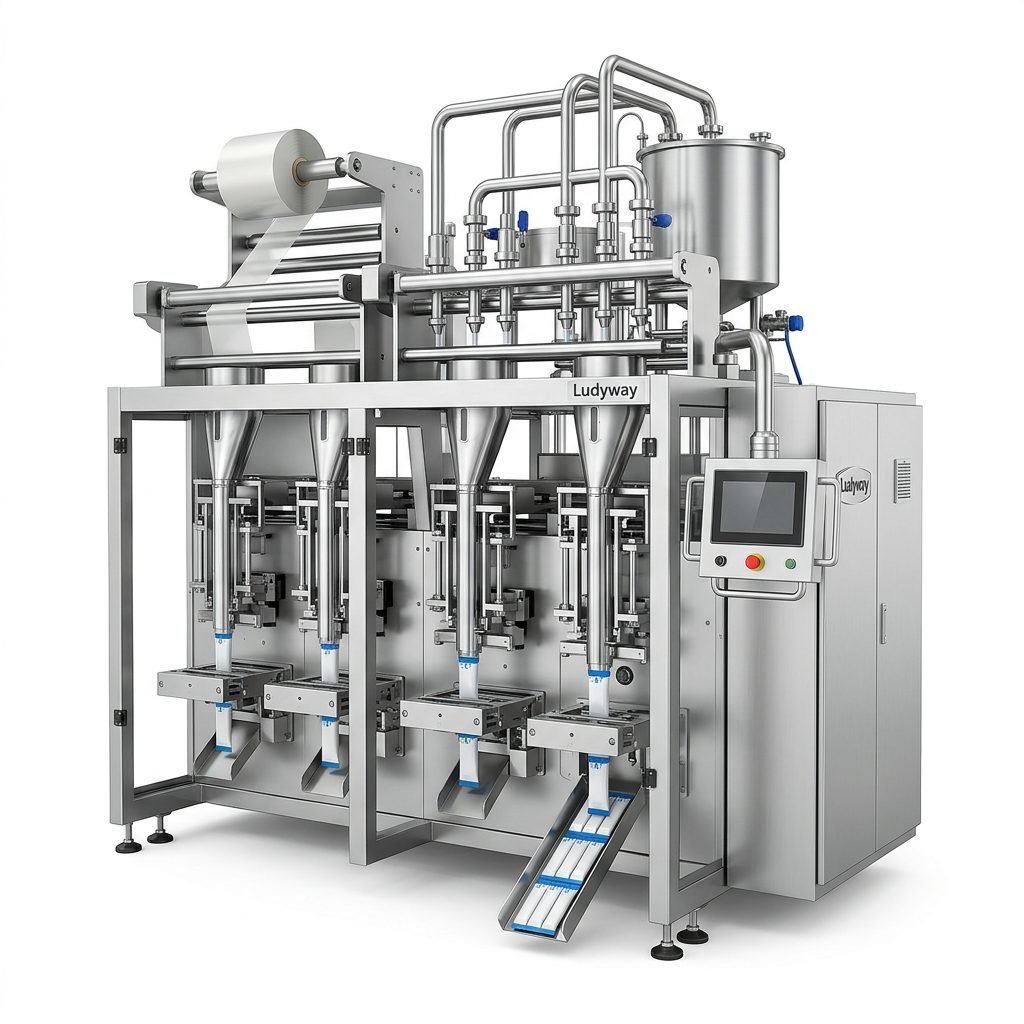
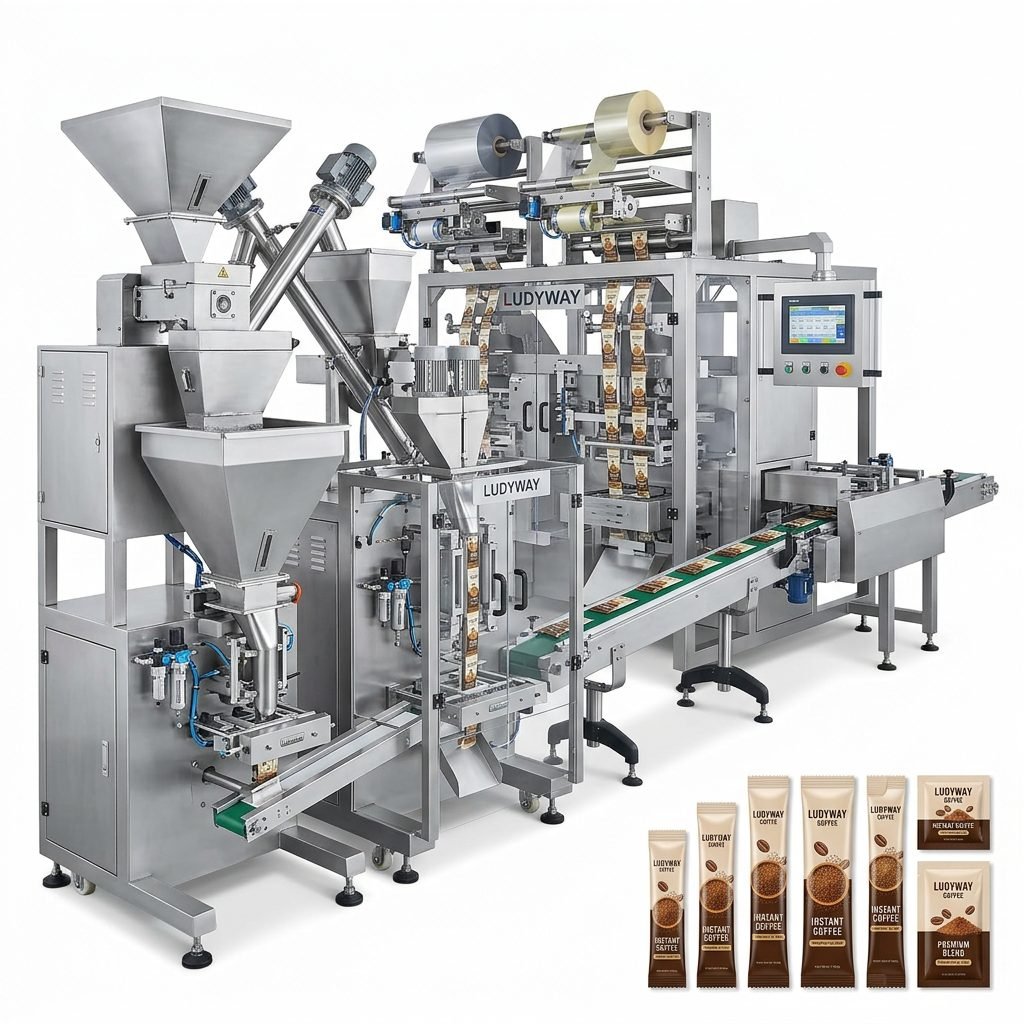
Investing in a plastic bag packing machine is a critical decision for manufacturers across food, pharmaceutical, chemical, and consumer goods industries. The right equipment can dramatically improve production efficiency, reduce labor costs, and ensure consistent packaging quality. However, with dozens of machine types, configurations, and suppliers available globally, making the right choice requires careful evaluation of your product characteristics, production goals, and operational requirements.
This complete buyer’s guide walks you through every essential factor to consider when selecting a plastic bag packing machine — from understanding different machine types to evaluating suppliers and planning for long-term ROI.

Understand Your Packaging Requirements First
Before comparing machine models, you need to clearly define your packaging needs. Consider these foundational questions:
- What product are you packaging? — Powder, granule, liquid, paste, or solid pieces each require different filling systems
- What is your target production speed? — Measured in bags per minute (BPM), this directly impacts machine configuration
- What bag format do you need? — Pillow bags, gusseted bags, stand-up pouches, stick packs, or sachets
- What are your bag dimensions? — Width, length, and fill volume determine the compatible machine model
- What packaging material will you use? — Laminated films, polyethylene, polypropylene, or biodegradable materials
Types of Plastic Bag Packing Machines
The market offers several distinct categories of bag packing machines, each suited to different applications. According to PMMI – The Association for Packaging and Processing Technologies, understanding equipment categories is the first step toward informed procurement.
| Machine Type | Best For | Typical Speed Range | Common Bag Formats |
|---|---|---|---|
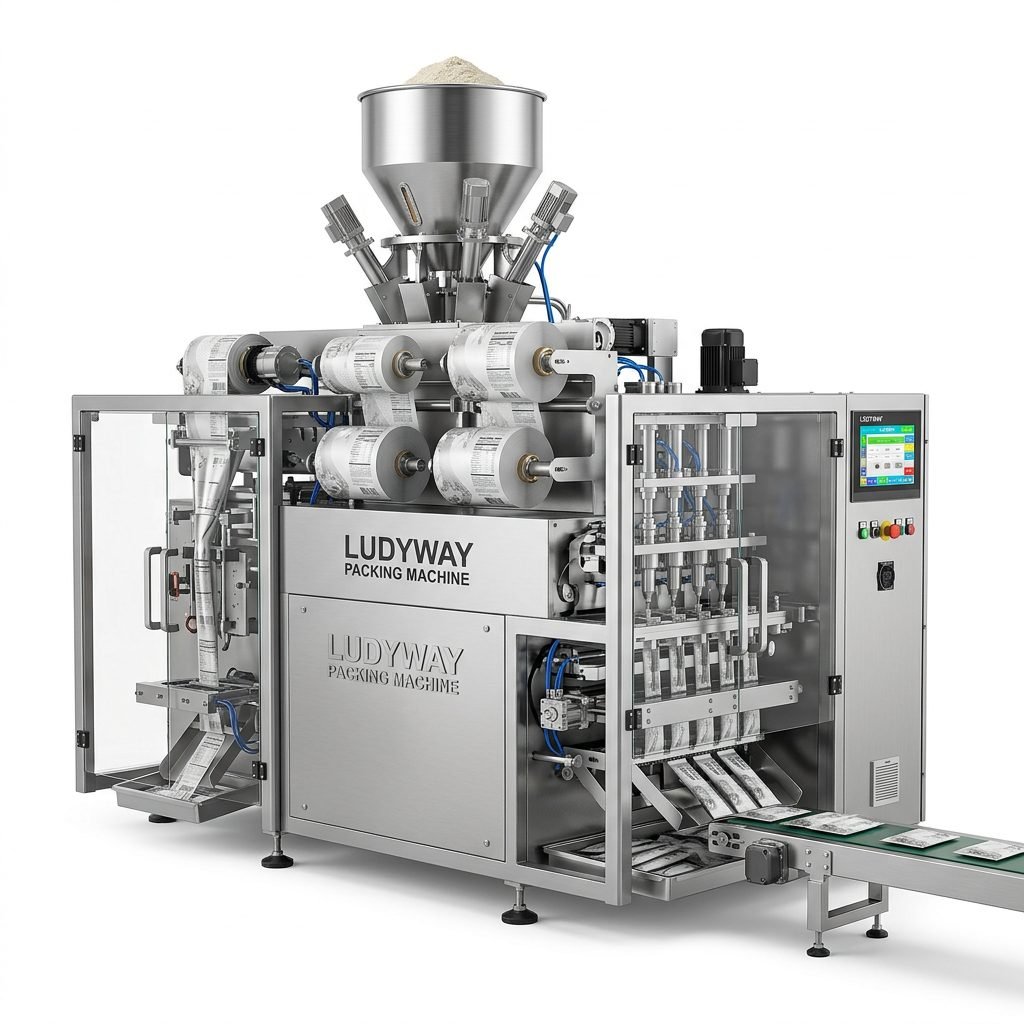
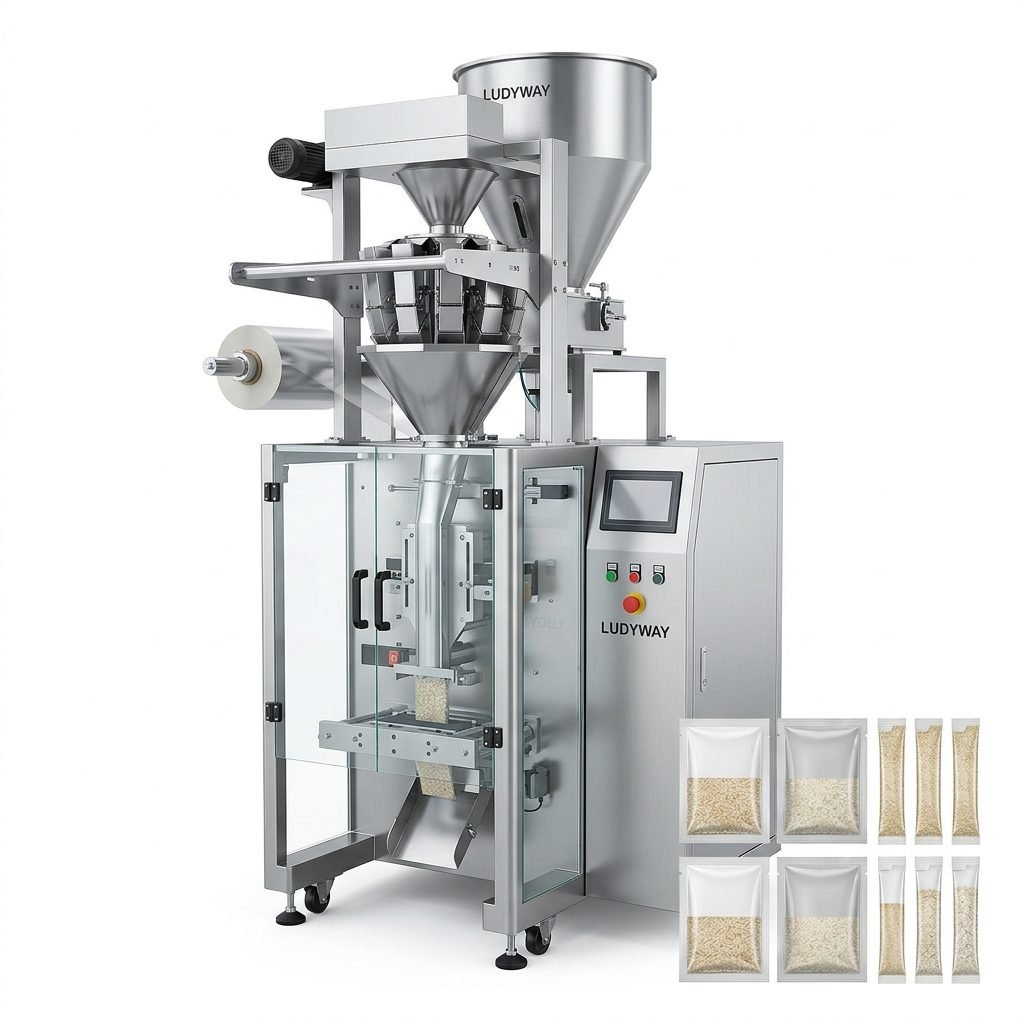
| Vertical Form Fill Seal (VFFS) | Granules, powders, snacks, small solids | 30–120 BPM | Pillow bags, gusseted bags |
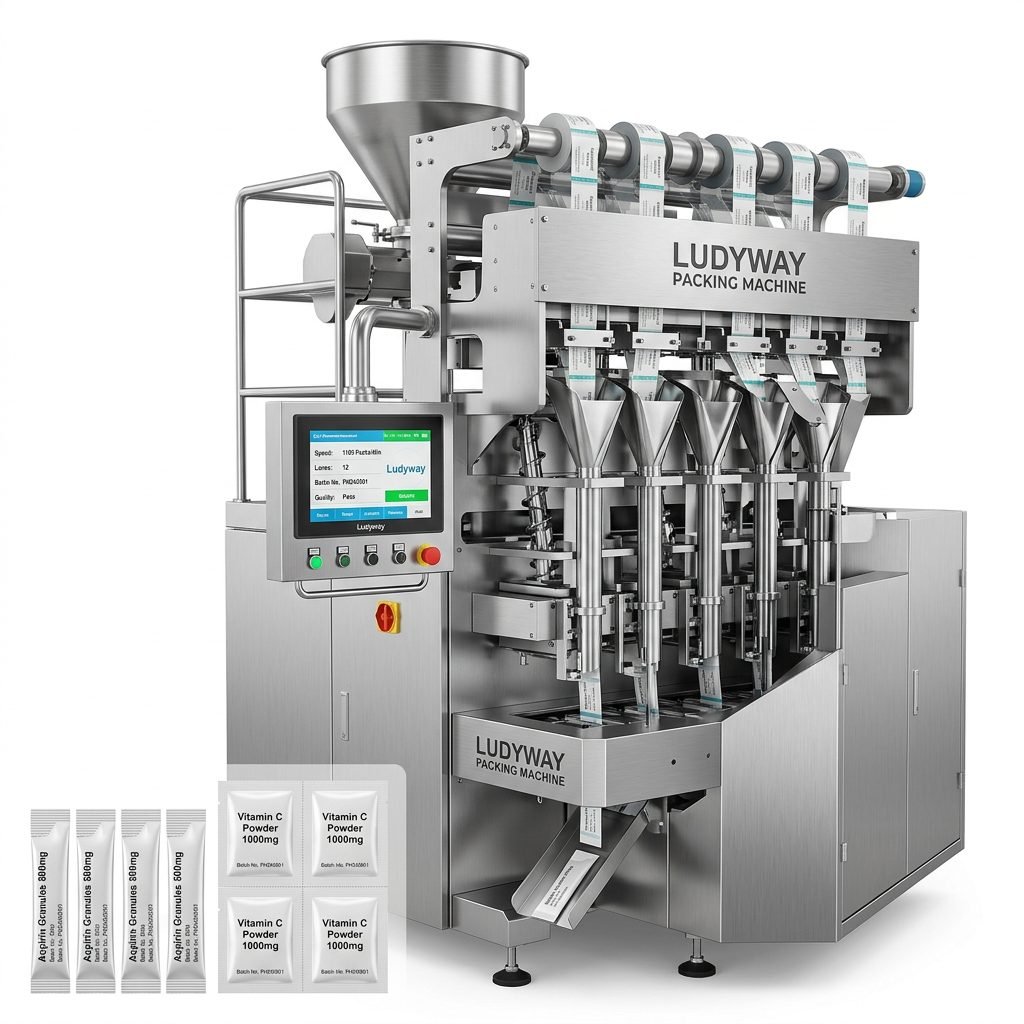
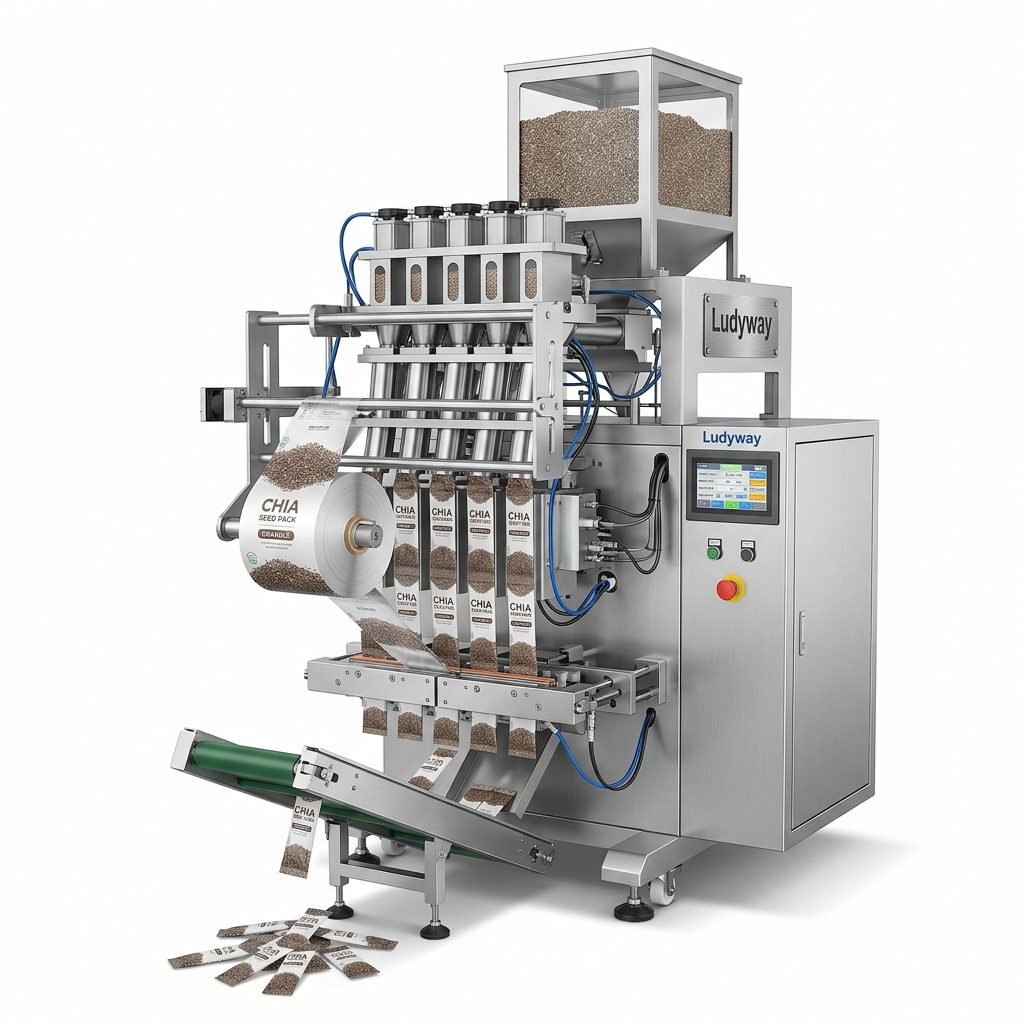
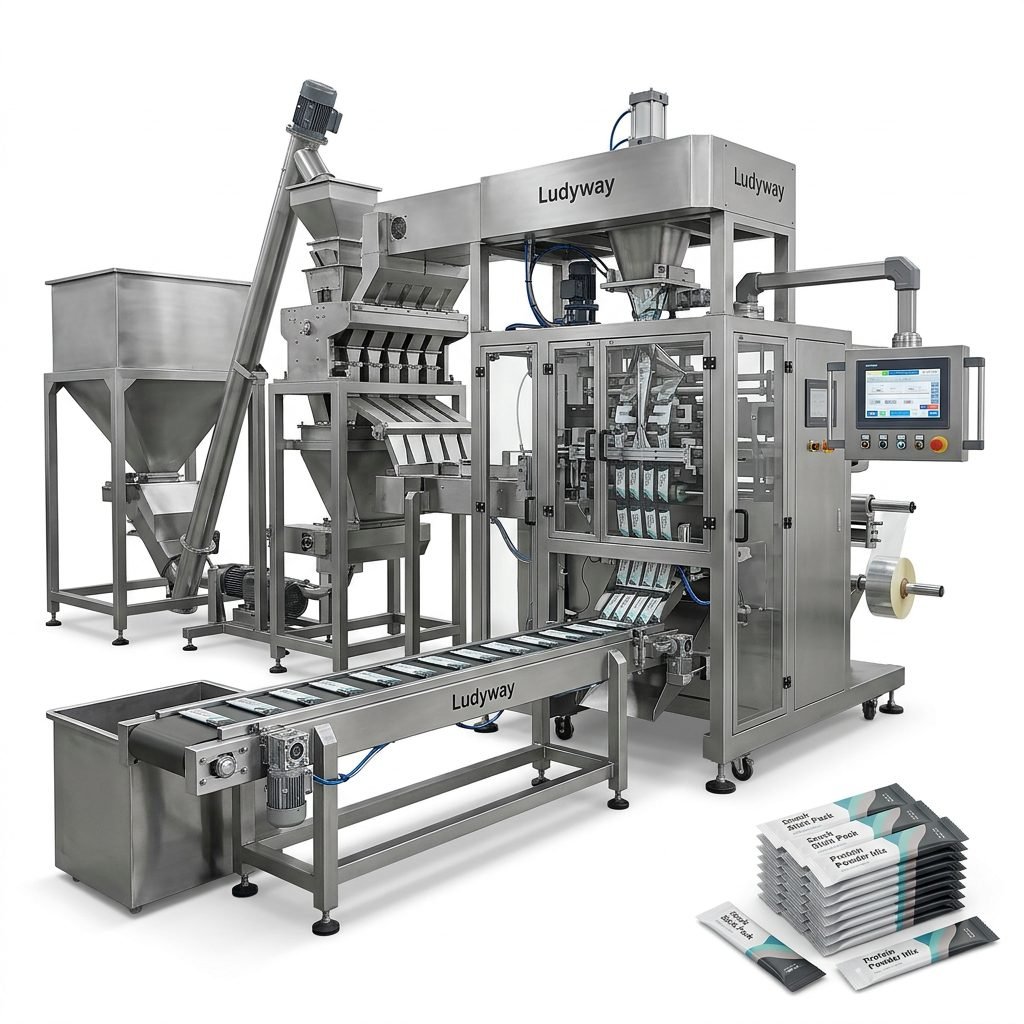
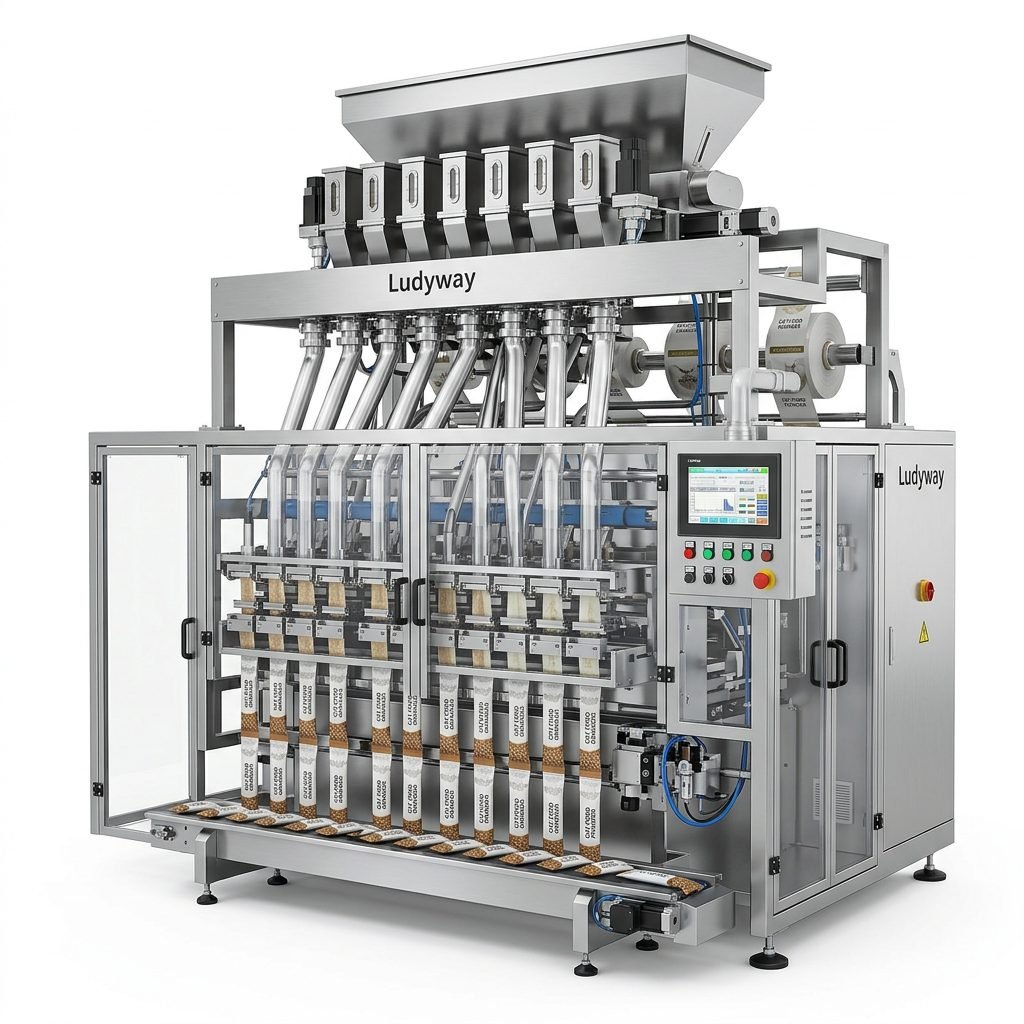
| Multi-Lane Stick Pack Machine | Powders, granules, liquids in single-serve | 200–800+ packs/min | Stick packs, sachets |
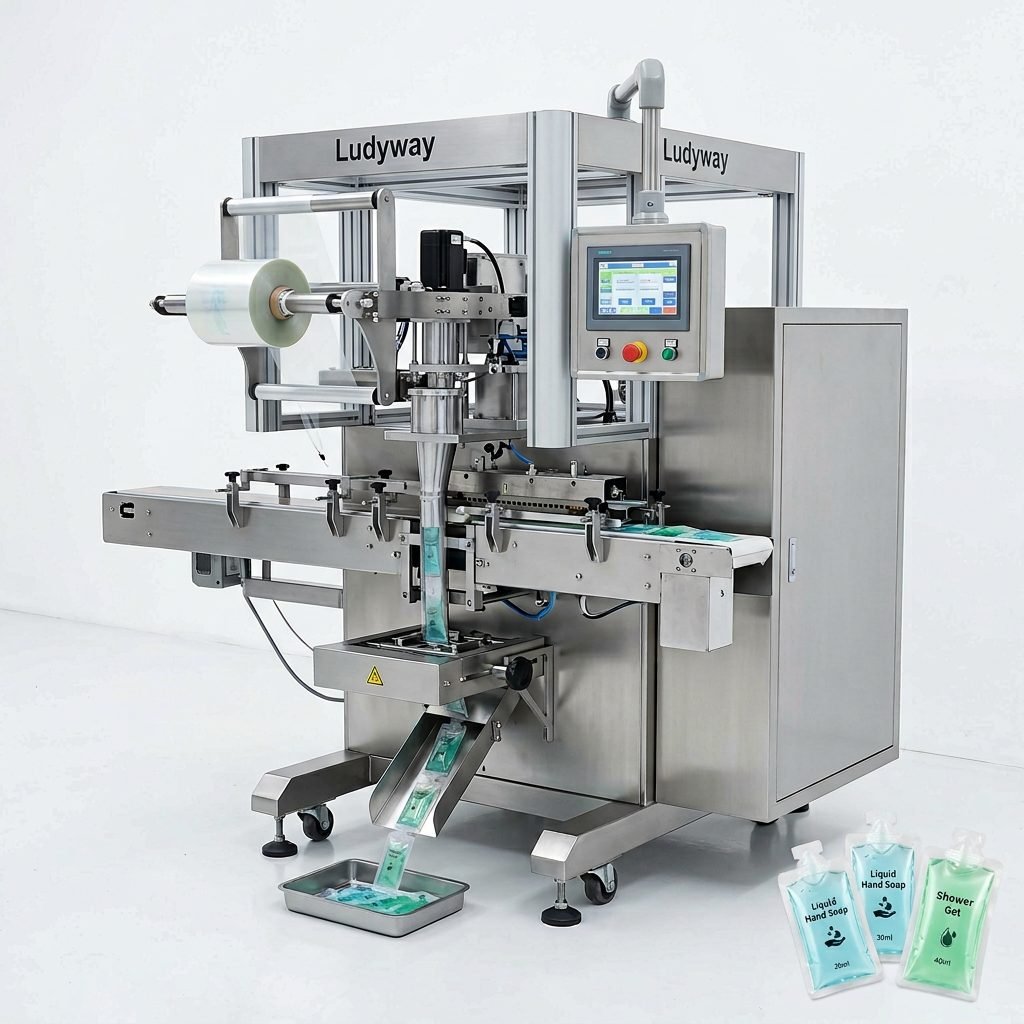
| Premade Pouch Filling Machine | Stand-up pouches, zipper bags | 30–80 BPM | Doypack, spout pouches |
| Horizontal Form Fill Seal (HFFS) | Solid products, baked goods, hardware | 40–150 BPM | Flat bags, flow wrap |

Key Factors to Evaluate When Choosing a Machine
Filling and Dosing Accuracy
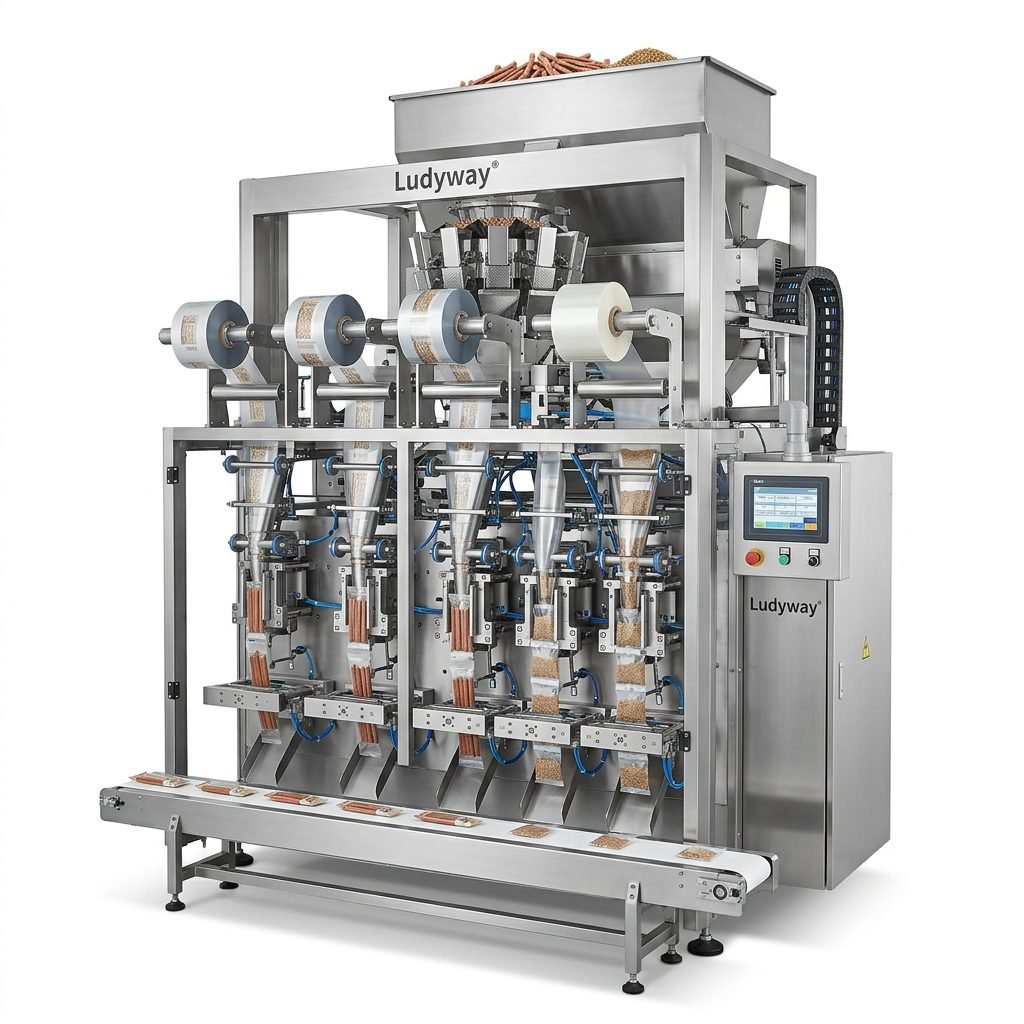
Precision in filling is non-negotiable, especially for pharmaceutical and high-value food products. Look for machines with servo-driven auger fillers, volumetric cup fillers, or multi-head weighers depending on your product type. The FDA food packaging guidelines emphasize consistent fill accuracy as a quality requirement.
Production Speed and Scalability
Your current production volume matters, but so does your growth trajectory. A machine that meets today’s demand may become a bottleneck in two years. Multi-lane systems offer significantly higher throughput than single-lane alternatives, making them ideal for manufacturers planning to scale.
Material Compatibility
Not every machine handles every film type equally well. If you plan to use recyclable or biodegradable films, confirm that the sealing temperature, dwell time, and jaw design are compatible. The Flexible Packaging Association provides valuable resources on evolving film technologies and sustainability trends.
Automation and Integration Capabilities
Modern packaging lines often include upstream feeding systems, checkweighers, metal detectors, coding printers, and downstream cartoning or palletizing equipment. Choosing a machine that supports seamless integration can save significant engineering costs later.
Evaluating Machine Build Quality and Compliance
Packaging machinery represents a long-term capital investment. Key quality indicators include:
- Frame construction material — Stainless steel (304 or 316 grade) for food and pharma applications
- Electrical and pneumatic components — Brands like Siemens, Schneider, Festo, or SMC indicate reliability
- Certifications — CE, UL, ISO 9001, and industry-specific compliance such as GMP for pharmaceuticals
- Washdown capability — IP65 or higher rating for wet cleaning environments

Total Cost of Ownership Considerations
The purchase price is only one component of the total investment. A comprehensive cost analysis should factor in:
- Initial capital expenditure — Machine cost plus shipping, duties, and installation
- Operating costs — Energy consumption, compressed air requirements, and film waste rates
- Maintenance and spare parts — Availability, cost, and lead time for critical components
- Labor requirements — Number of operators needed and training complexity
- Changeover time — Downtime between product or bag format changes
| Cost Factor | Low-Range Machines | Mid-Range Machines | High-End Automated Lines |
|---|---|---|---|
| Initial Cost | $15,000–$50,000 | $50,000–$150,000 | $150,000–$500,000+ |
| Film Waste | 3–6% | 1.5–3% | Below 1.5% |
| Service Life | 5–8 years | 8–15 years | 15–20+ years |
| Typical ROI Period | 1–2 years | 2–4 years | 3–5 years |
Questions to Ask Potential Suppliers
Before finalizing your purchase, engage suppliers with detailed technical and commercial questions:
- Can the machine handle my specific product characteristics — bulk density, flowability, dust generation, and moisture content?
- What film specifications are compatible, and can you provide material samples for testing?
- Do you offer factory acceptance testing (FAT) and site acceptance testing (SAT)?
- What is the standard warranty period, and what does it cover?
- How quickly can you supply spare parts to my location?
- Do you provide installation, commissioning, and operator training support?
- Can the machine be upgraded or retrofitted later for higher capacity or new bag formats?
The Importance of After-Sales Support
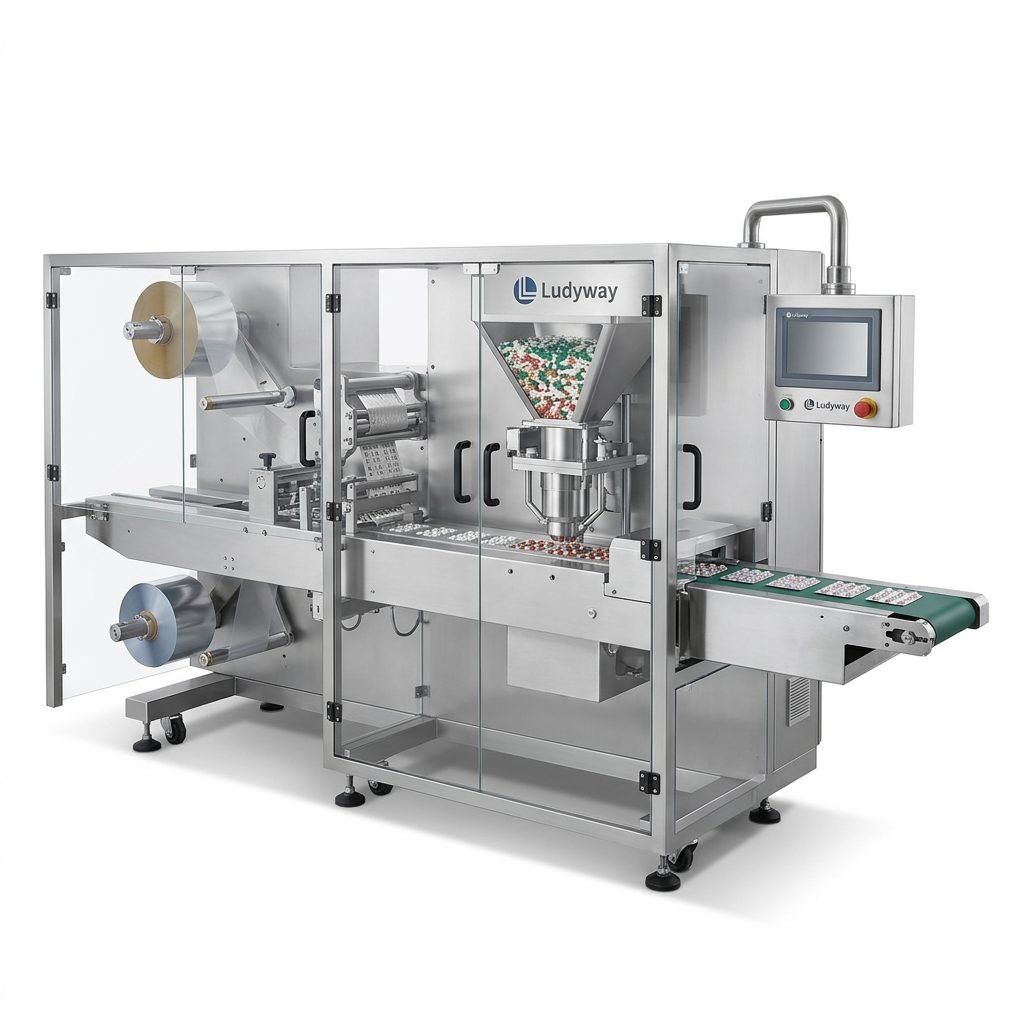
A packaging machine is only as good as the support behind it. After-sales service — including technical support, spare parts availability, and troubleshooting — can make the difference between minimal downtime and costly production halts. When evaluating manufacturers, look for those with established global service networks, remote diagnostic capabilities, and documented response times. Industry research from PMMI’s State of the Industry reports consistently highlights service quality as a top purchasing criterion among packaging machinery buyers.
Customization vs. Standardized Models
While standardized machines offer faster delivery and lower initial cost, customized packaging solutions often deliver better long-term value for manufacturers with unique requirements. A customized approach allows you to specify filling systems, sealing methods, bag formats, automation features, and integration points that match your exact production environment — rather than adapting your processes to fit a standard machine.
Making the Final Decision
Selecting the right plastic bag packing machine requires balancing technical requirements, budget constraints, and long-term operational goals. Start by clearly documenting your product specifications and production targets, then methodically evaluate machine types, suppliers, and total cost of ownership. Request sample runs with your actual product and packaging materials whenever possible — this provides the most reliable indication of real-world performance.
As a point of reference, Ludyway Machinery is one example of a China-based packaging machinery manufacturer with over 30 years of experience, offering a broad portfolio of automatic packaging equipment across multiple industries and providing integrated packaging systems with comprehensive technical support. Regardless of which supplier you choose, prioritize those who demonstrate engineering capability, industry experience, and a commitment to long-term partnership rather than just equipment sales.
Final Checklist
- Document your product specifications and packaging requirements in detail
- Compare at least three suppliers and request references from customers in your industry
- Evaluate build quality, component brands, and certifications
- Calculate total cost of ownership — not just purchase price
- Confirm after-sales support infrastructure in your region
- Request sample testing with your actual product and film materials
A well-chosen plastic bag packing machine can serve as a cornerstone of your production line for a decade or more. Taking the time to make an informed decision pays dividends in productivity, quality, and operational peace of mind.