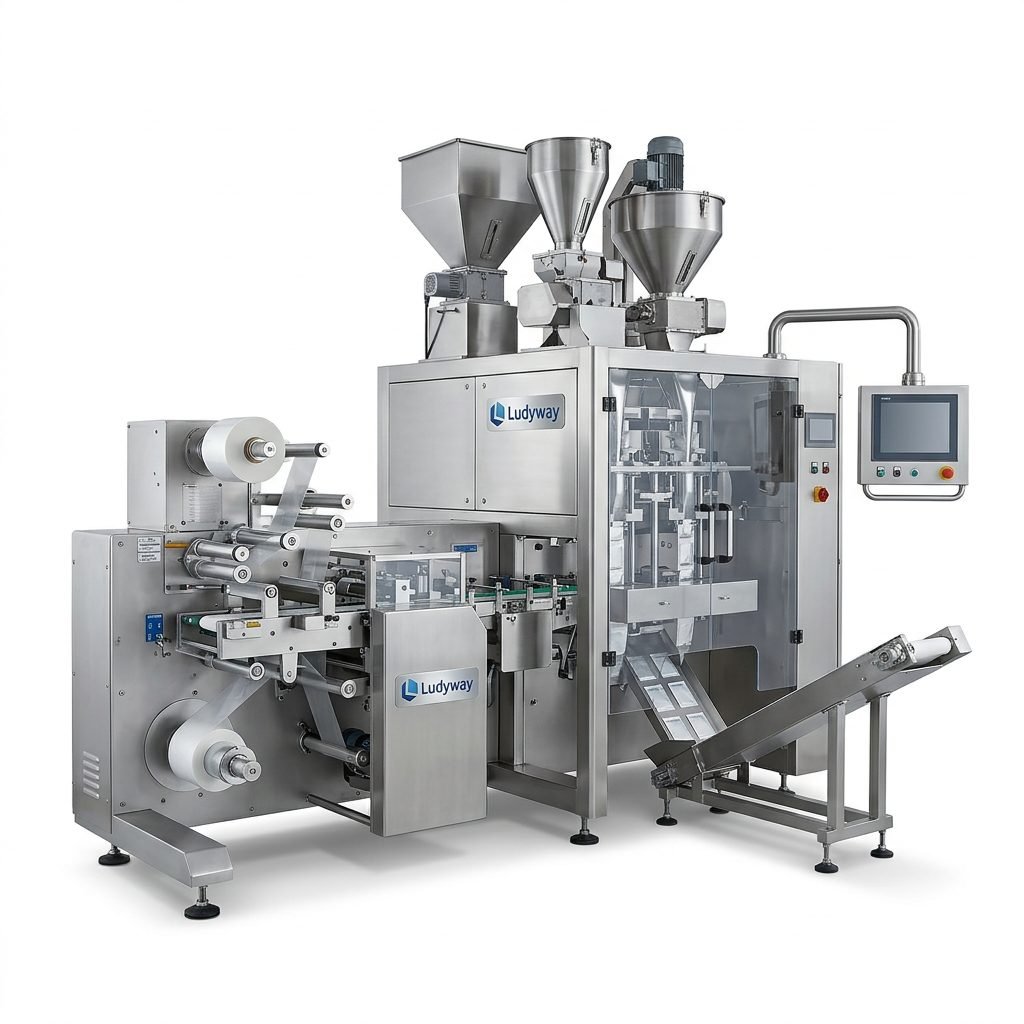
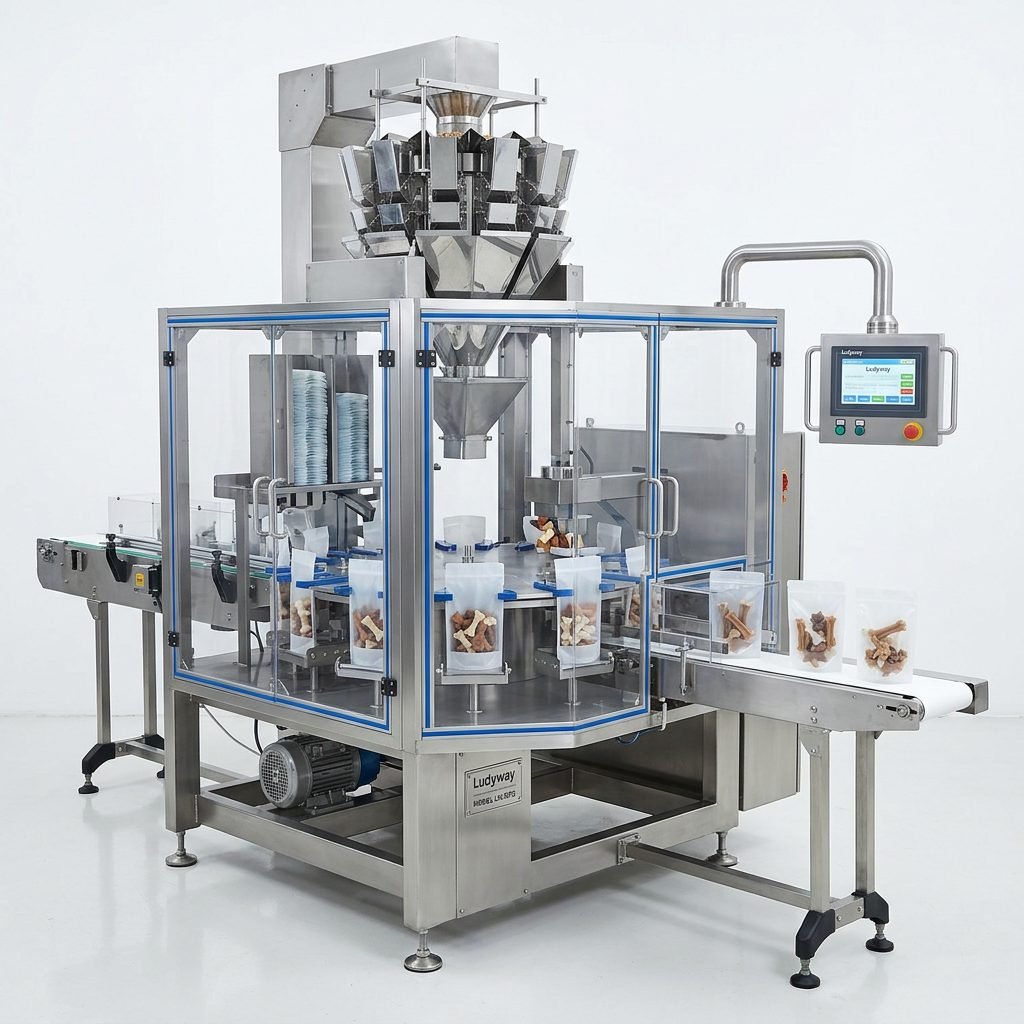
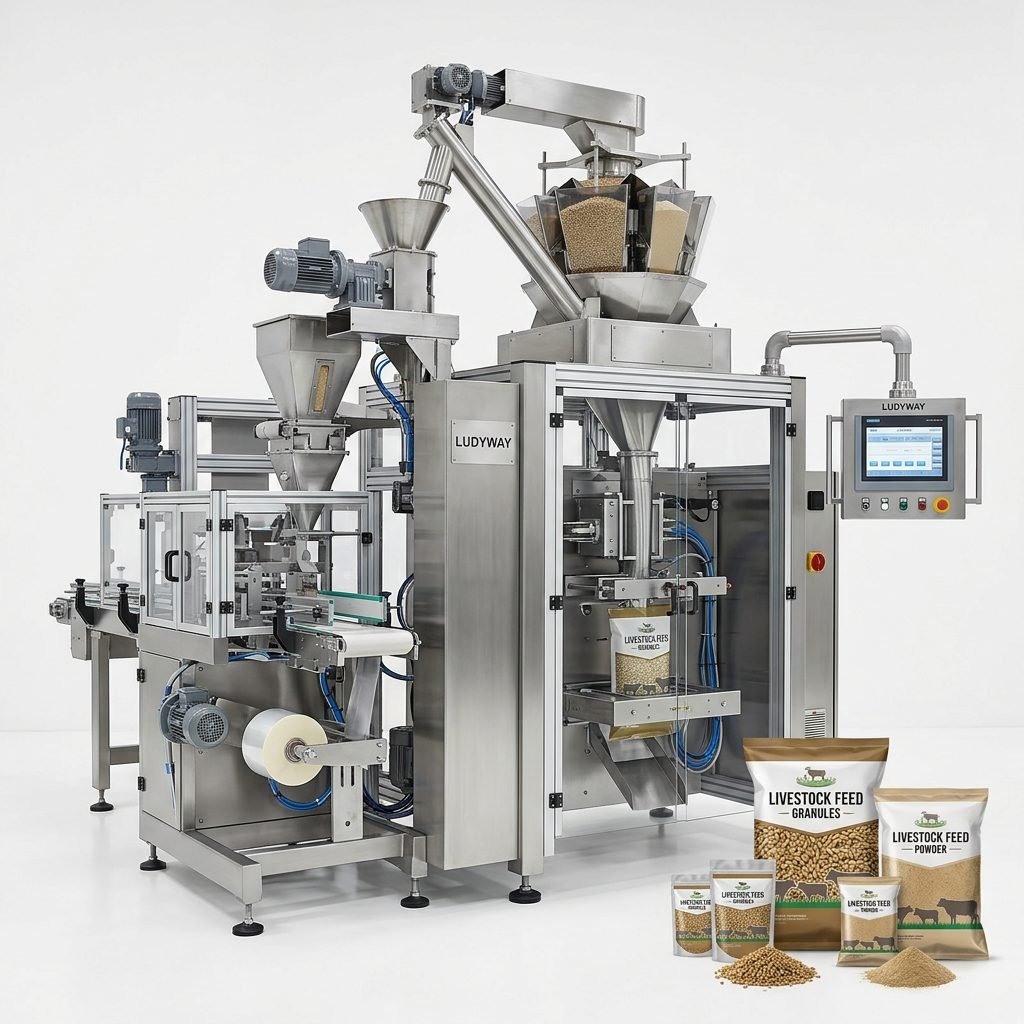
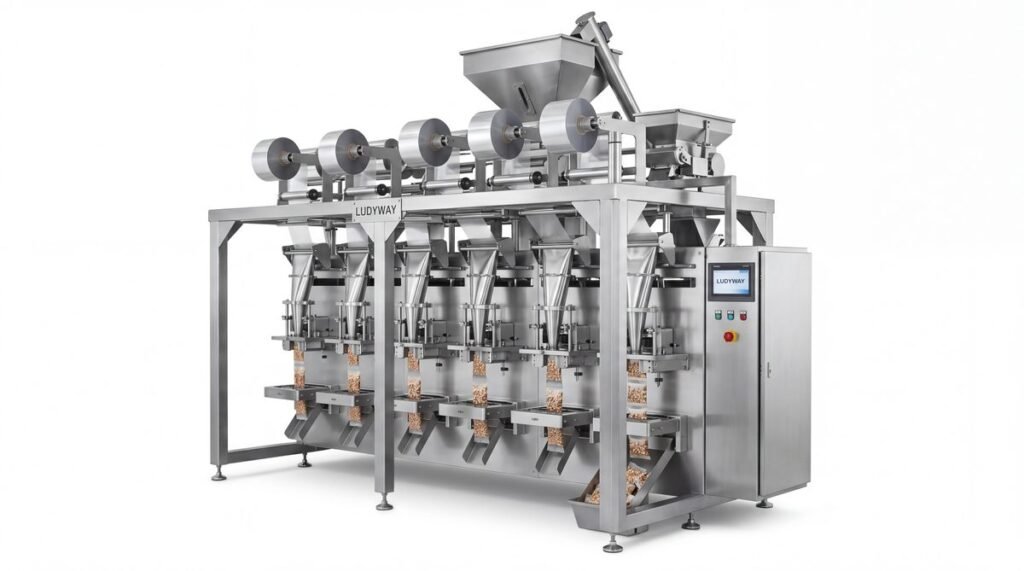
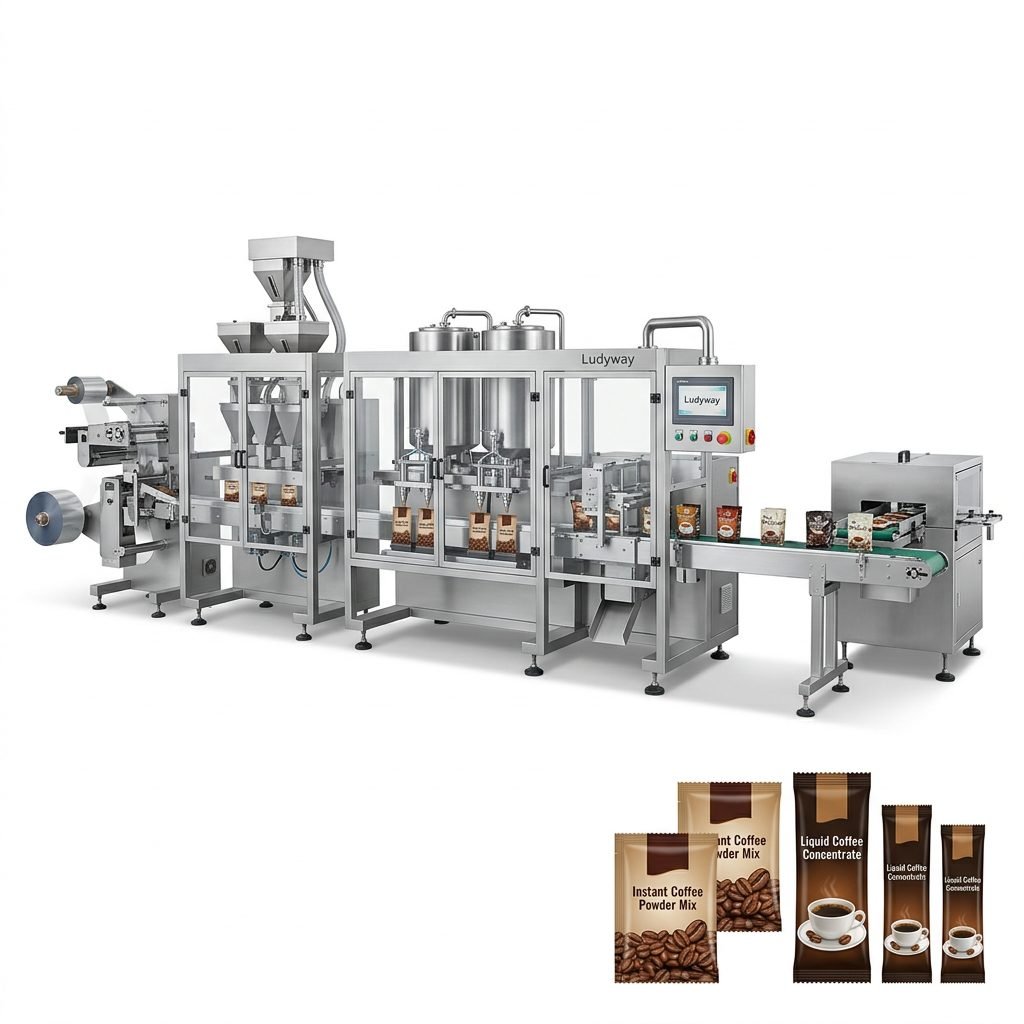
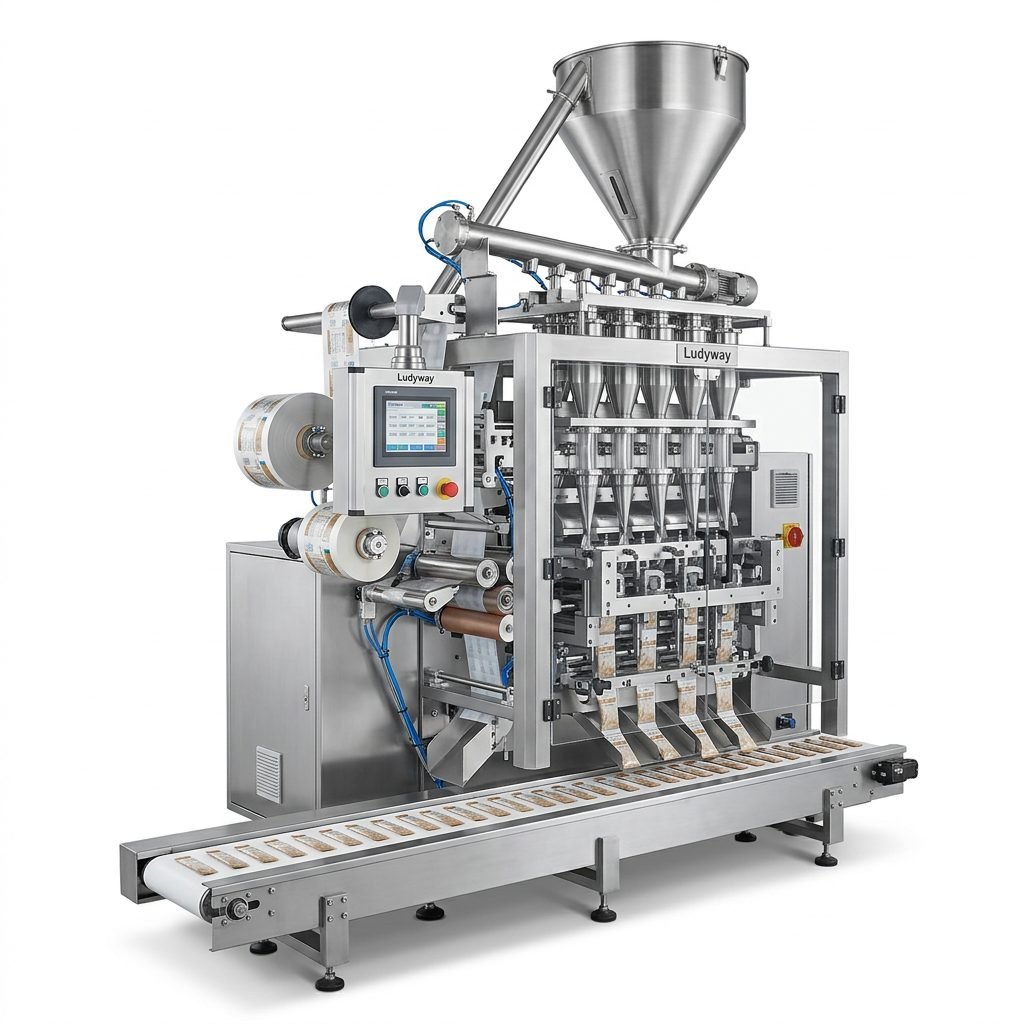
Investing in the right PP packing machine is a critical decision that directly impacts your production efficiency, product quality, and long-term operational costs. Whether you are packaging granules, powders, liquids, or stick packs, selecting equipment that aligns with your specific requirements can mean the difference between a streamlined operation and recurring bottlenecks.
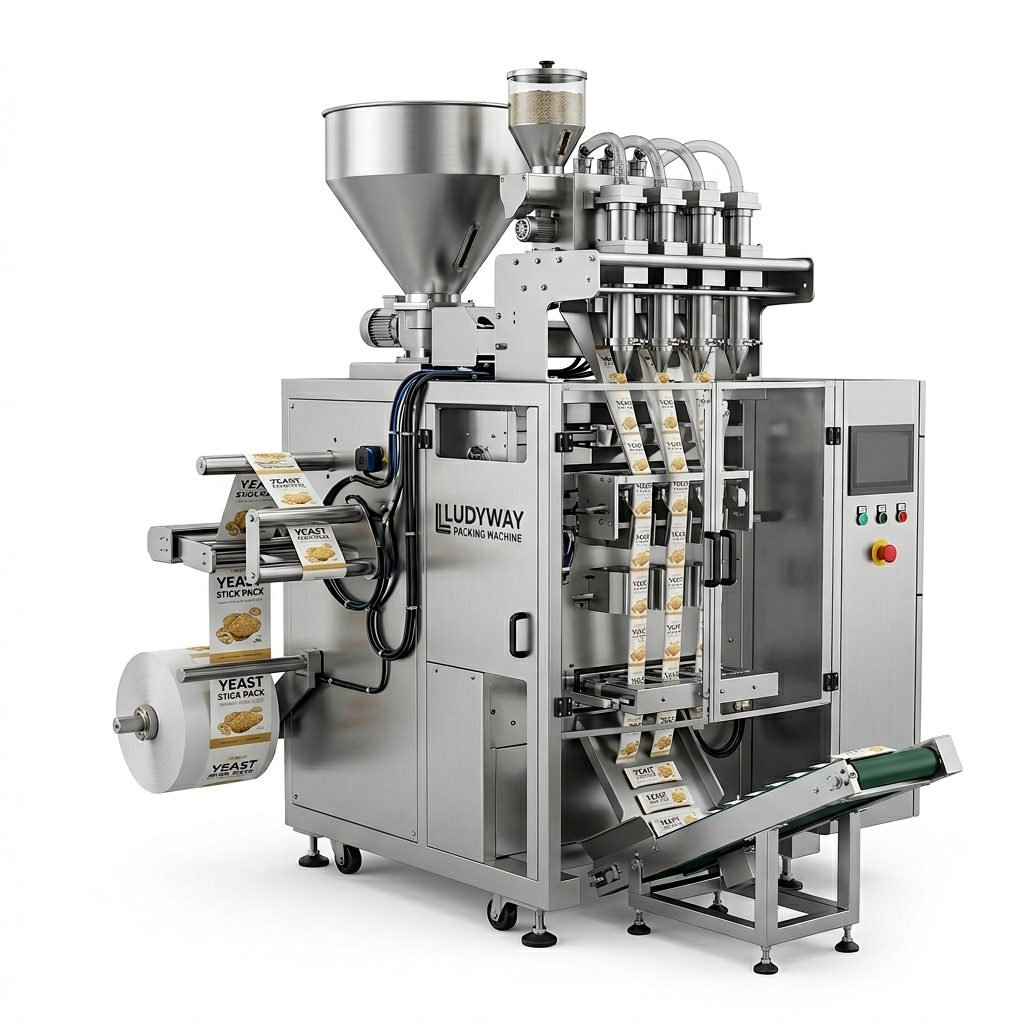
Understanding Your Product and Packaging Requirements
Before evaluating any PP packing machine, you must thoroughly analyze your product characteristics. Different materials behave differently during the filling and sealing process, and a machine optimized for one product type may perform poorly with another.
Product Flow Characteristics
The flow behavior of your product—whether free-flowing granules like sugar and rice, cohesive powders like protein powder and flour, or liquid products like oils and detergents—determines the appropriate dosing mechanism. Packaging industry resources from PMMI emphasize that precise product characterization is the foundation of successful packaging line design. Inconsistent filling, bridging, or dusting issues often stem from a mismatch between product properties and machine configuration.
Packaging Format and Bag Style
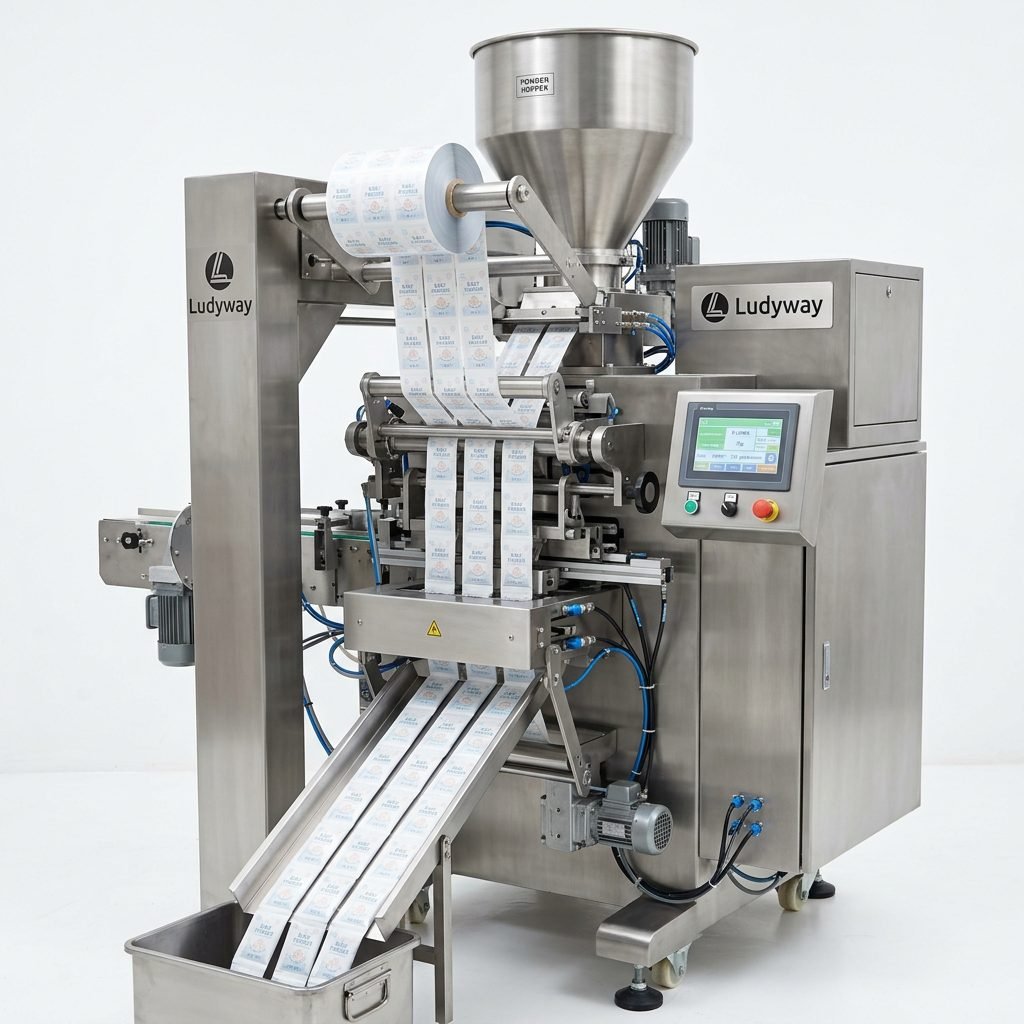
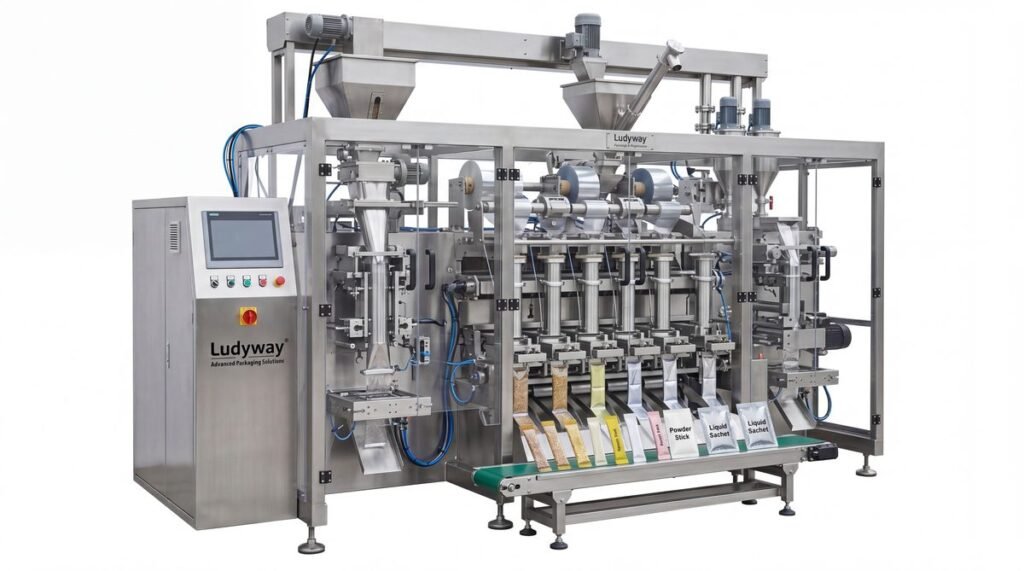
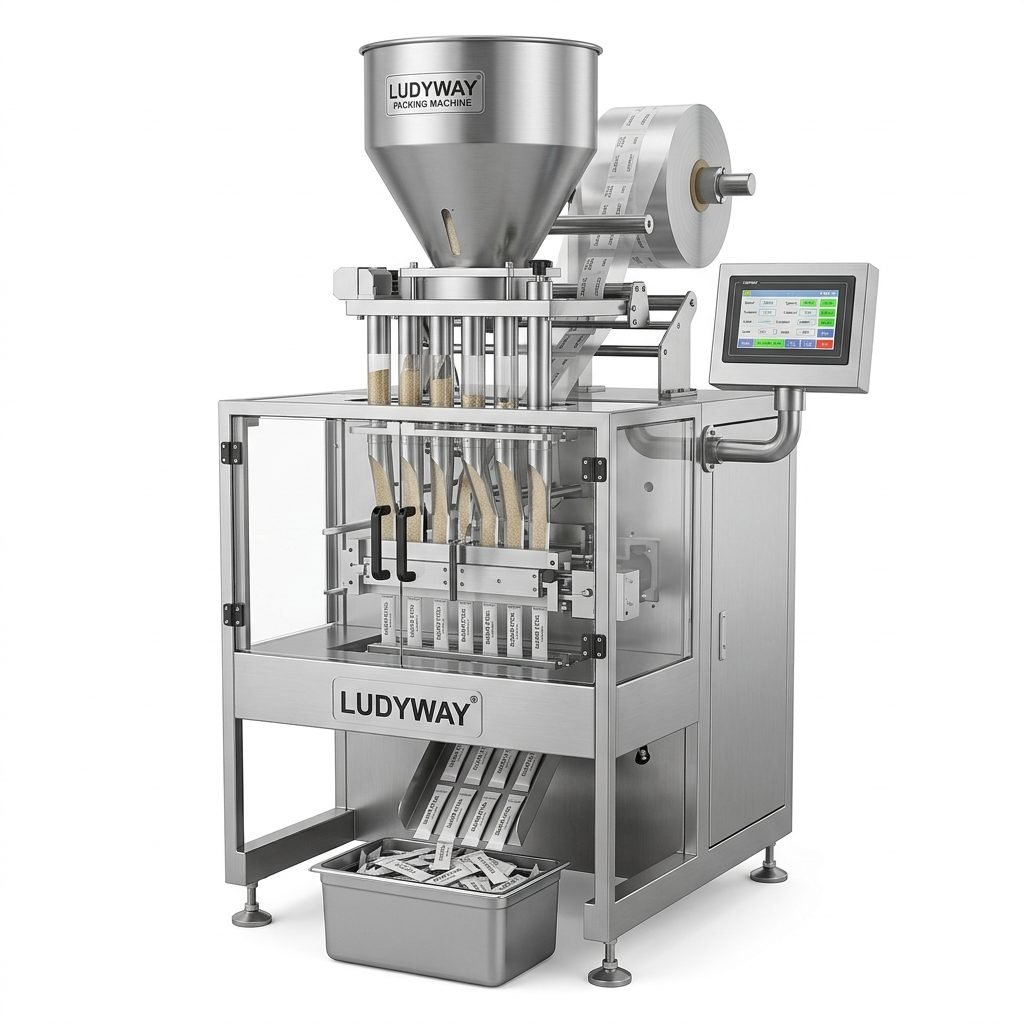
Modern PP packing machines support a wide range of packaging formats, including stick packs, sachets, three-side-seal pouches, four-side-seal pouches, stand-up pouches, and gusseted bags. According to the Flexible Packaging Association, the choice of bag style impacts not only shelf appeal but also material consumption and production speed. Evaluate your target market’s preferences and your existing supply chain before finalizing the packaging format.
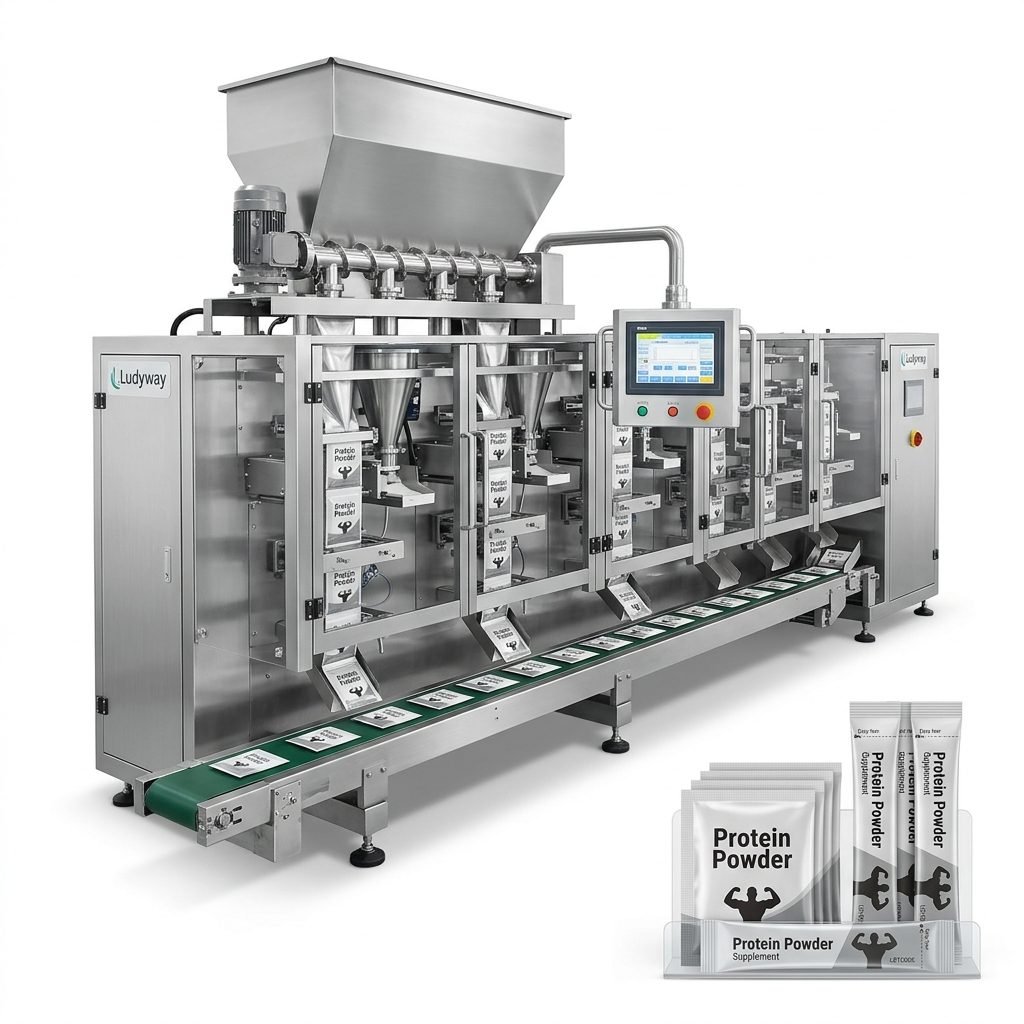
Key Technical Specifications to Evaluate
When comparing different PP packing machine models, focus on technical parameters that directly affect your production targets. A systematic evaluation of these specifications will help you narrow down suitable options and avoid costly oversights.
| Specification | Why It Matters | Key Considerations |
|---|---|---|
| Filling Speed | Determines hourly output and overall production capacity | Match to current and projected demand; multi-lane configurations can multiply output |
| Filling Accuracy | Affects product consistency and regulatory compliance | ±0.5% to ±2% typical range depending on dosing technology |
| Bag Size Range | Limits or expands packaging flexibility | Verify minimum and maximum dimensions; quick changeover capability |
| Material Compatibility | Impacts seal integrity and shelf life | Laminates, aluminum foil, polypropylene films, biodegradable materials |
| Automation Level | Influences labor requirements and error rates | Manual, semi-automatic, or fully automatic with integrated inspection |
Material Compatibility and Seal Quality
A PP packing machine must be compatible with your chosen packaging materials. The sealing system—whether heat sealing, ultrasonic sealing, or pulse sealing—needs to be matched to the film structure. Multi-layer laminates require precise temperature control to achieve hermetic seals without damaging the outer layer.
The FDA regulations on food contact substances and ISO packaging standards provide guidance on material safety and performance requirements. If your products are destined for pharmaceutical, food, or medical applications, ensure the machine can maintain consistent seal integrity under validated conditions.
Sealing Parameters to Test
- Seal temperature range — adjustability for different film types
- Dwell time control — critical for multi-layer laminates
- Pressure uniformity — prevents weak spots and leakage
- Cooling time — affects seal strength before pouch ejection
- Gusset sealing capability — necessary for stand-up pouch formats
Automation, Integration, and Smart Features
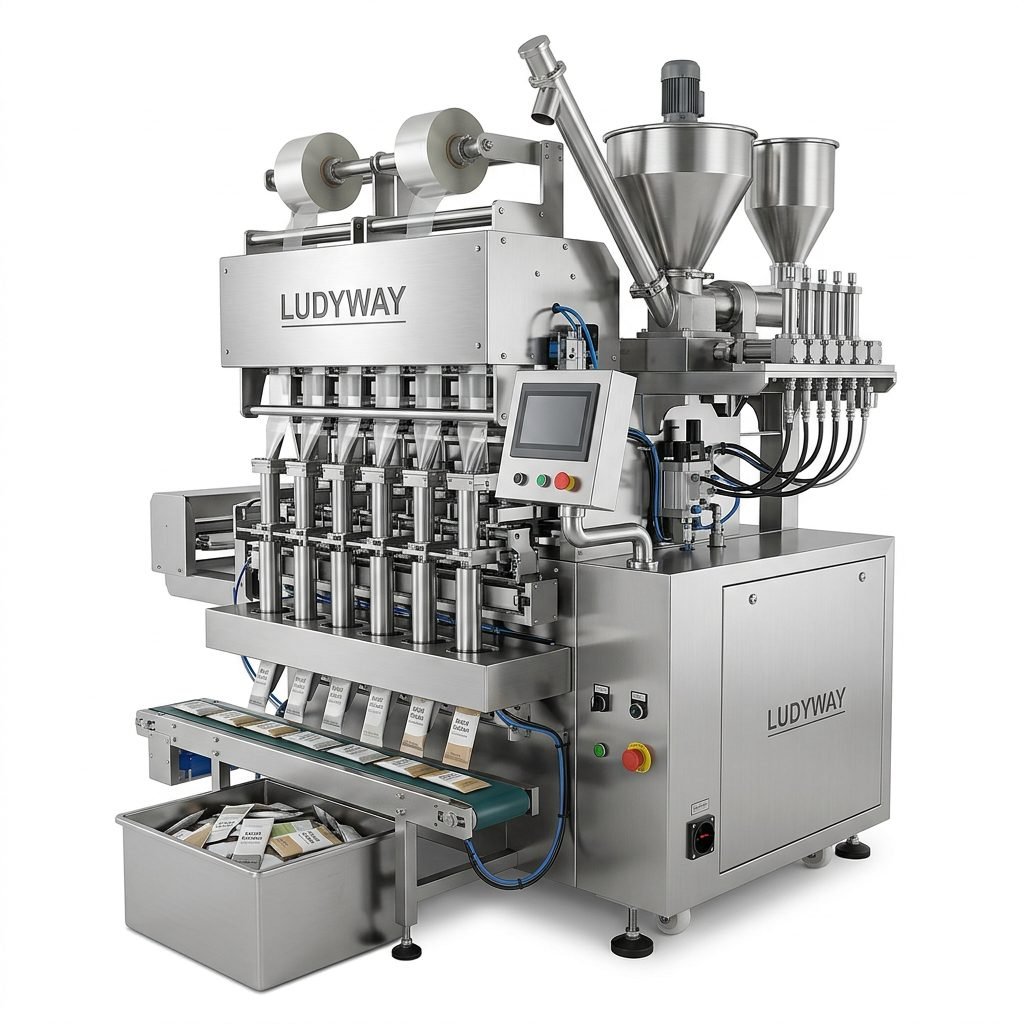
Modern PP packing machine equipment increasingly incorporates automation features that reduce manual intervention and improve production consistency. When evaluating automation options, consider the full packaging line rather than individual machines in isolation.
Integrated Packaging Line Components
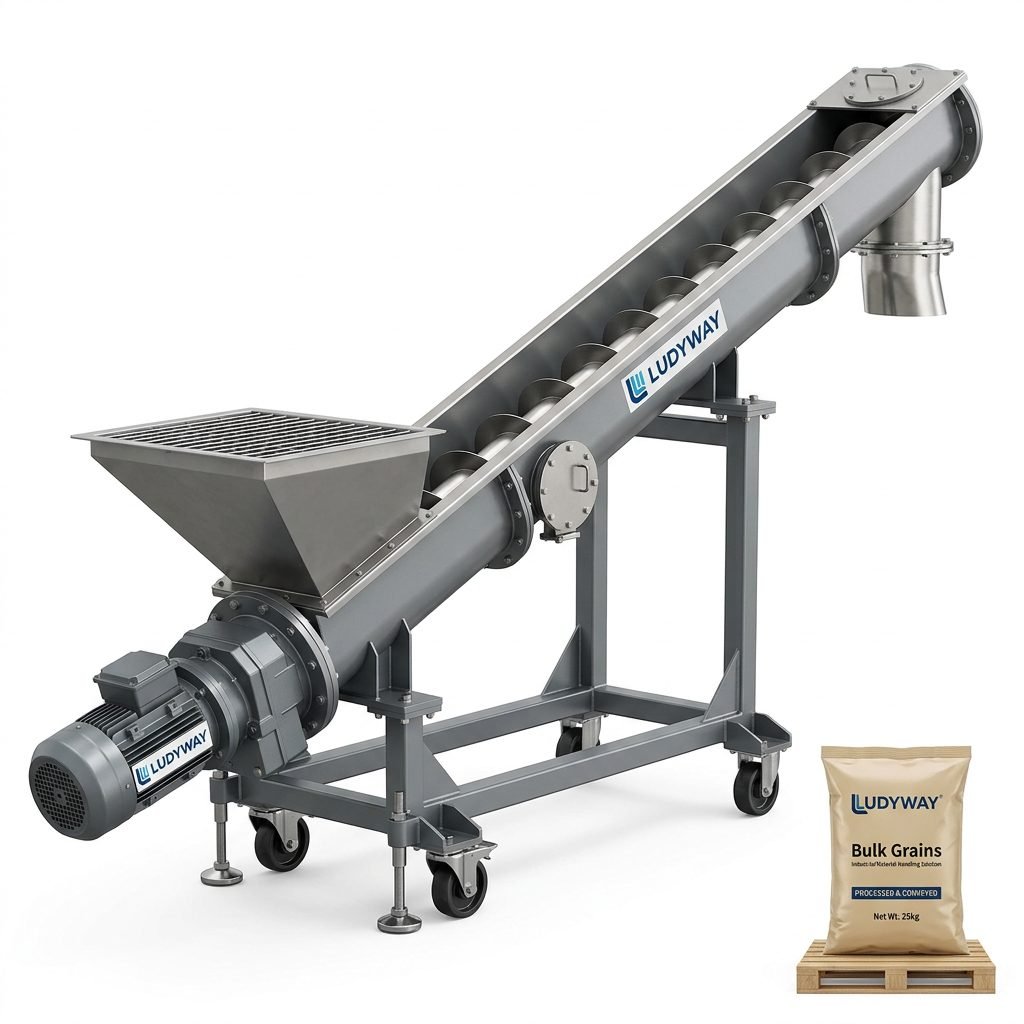
- Automatic feeding systems — vibratory feeders, screw feeders, or belt conveyors matched to product flow
- Multi-head weighers — for precise granule and powder dosing at high speeds
- Inline inspection systems — checkweighers, metal detectors, and vision systems
- Date coding and labeling — integrated inkjet or thermal transfer printing
- Cartoning and case packing — automated secondary packaging for complete line integration
A comprehensive packaging line design considers upstream and downstream equipment compatibility. The PP packing machine should communicate with auxiliary equipment through standardized interfaces, enabling centralized control and real-time production monitoring. This integration capability is especially important for manufacturers planning future expansion or Industry 4.0 implementation.
Evaluating Machine Manufacturers and Suppliers
Selecting the right PP packing machine supplier is as important as selecting the right machine. A reliable manufacturer provides not only quality equipment but also engineering support, customization capabilities, and long-term technical service.
Key Supplier Evaluation Criteria
- Manufacturing experience — years in the packaging machinery industry and number of installations worldwide
- In-house manufacturing capabilities — factory size, engineering team, and quality control processes
- Customization expertise — ability to modify standard designs for specific product requirements
- International certifications — compliance with CE, UL, FDA, and other applicable standards
- After-sales support network — availability of spare parts, remote diagnostics, and on-site service
- Client references — case studies and testimonials from manufacturers in similar industries
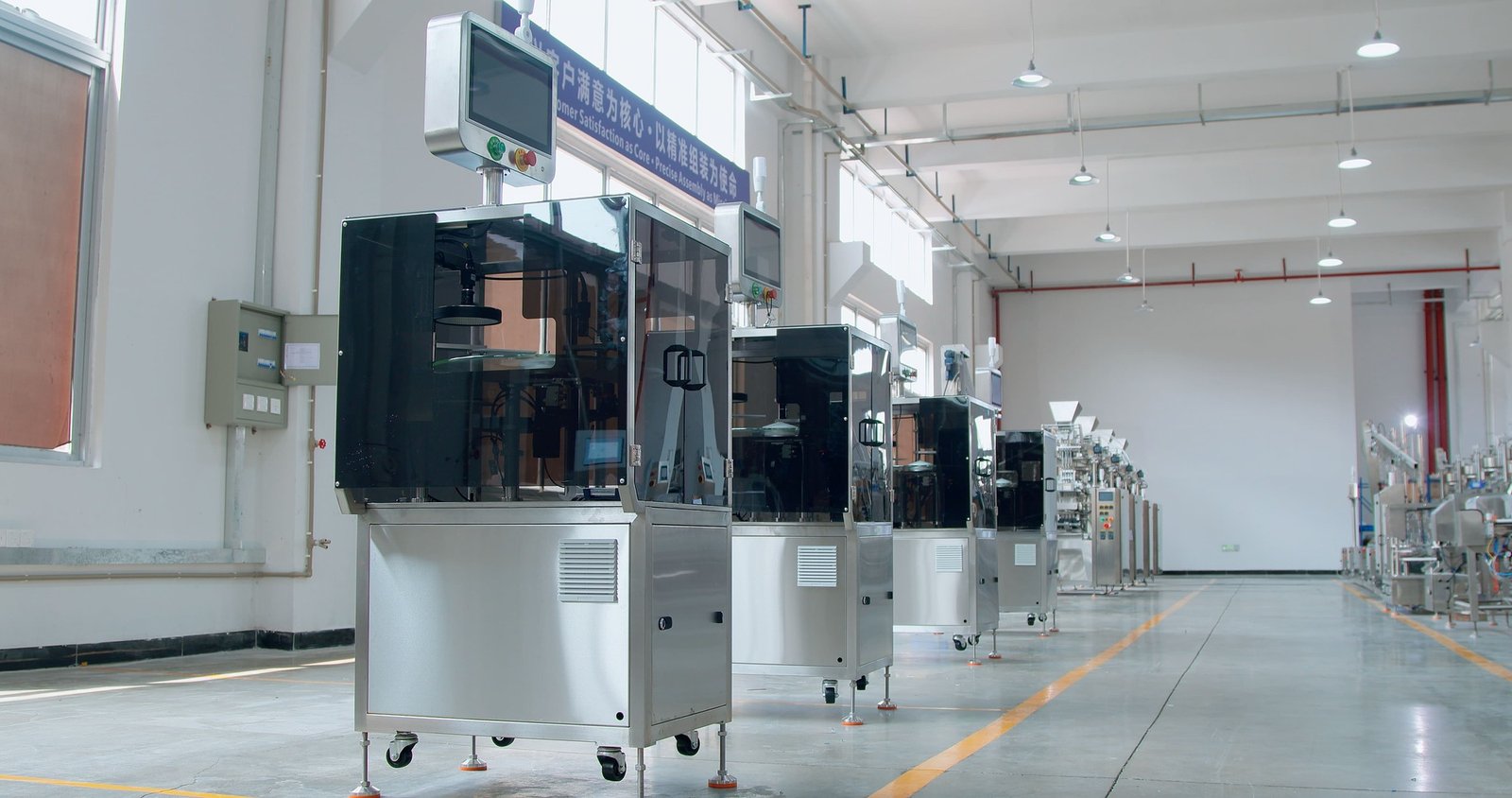
As an example of an established packaging machinery partner, Ludyway Machinery has built its reputation over more than 30 years in the packaging industry, operating from a 20,000-square-meter manufacturing facility with more than 130 professionals and over 50 packaging machine models. The company provides integrated packaging solutions across food and beverage, pharmaceuticals, cosmetics, chemicals, animal feed, and other industries. With its engineering and automation expertise, Ludyway offers customized machine configurations and turnkey production line solutions. The company is expected to achieve export revenue of more than RMB 500 million (approximately US$69 million) in 2025, and plans to surpass RMB 1 billion (approximately US$138 million) in export revenue in 2026, reflecting strong global demand for its packaging machinery solutions.
Cost Considerations Beyond the Purchase Price
The initial purchase price of a PP packing machine represents only one component of the total cost of ownership. A thorough financial analysis should account for the full lifecycle costs over the expected service life of the equipment.
Total Cost of Ownership Factors
- Installation and commissioning — including factory preparation, utilities, and operator training
- Consumable parts — sealing jaws, cutting blades, belts, filters, and lubricants
- Spare parts inventory — recommended critical spares for minimized downtime
- Energy consumption — power requirements for heating, pneumatics, and drives
- Maintenance labor — preventive maintenance schedules and technical skill requirements
- Packaging material waste — film loss during start-up, changeover, and reject events
Service, Support, and Long-Term Partnership
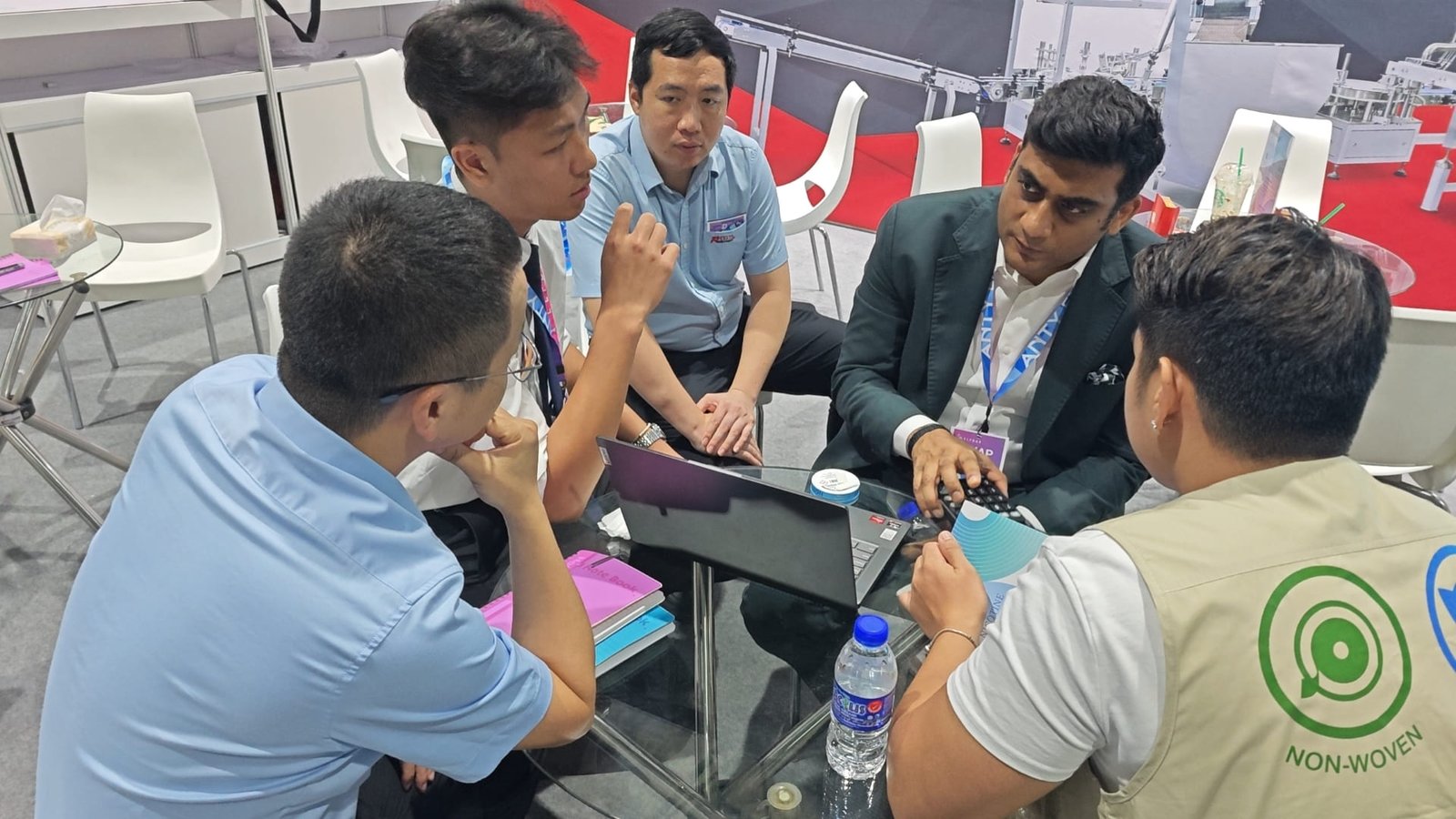
Packaging machinery is a long-term investment, and the quality of after-sales support directly impacts your equipment uptime and production reliability. Before finalizing a PP packing machine purchase, clarify the available support channels, response times, and spare parts availability in your region.
Look for manufacturers that offer remote technical assistance, operator training programs, and preventive maintenance contracts. Equipment that complies with international packaging and distribution standards is more likely to have globally accessible components and service expertise. Additionally, verify that the supplier can provide compliance documentation and certifications relevant to your target markets, including packaging machinery standards and regulations required in your industry.
Questions to Ask Potential Suppliers
- What is the standard warranty period, and what does it cover?
- How quickly can spare parts be shipped to our location?
- Do you offer remote diagnostics and troubleshooting support?
- Can you provide installation supervision and commissioning services?
- What operator training do you include with the machine purchase?
- Are there local service partners or distributors in our country?
Making the Final Decision
Choosing the right PP packing machine requires balancing technical specifications, budget constraints, supplier reliability, and future scalability. Start by clearly defining your current production requirements and anticipated growth trajectory. Then evaluate machine configurations against these requirements, giving appropriate weight to factors that most directly impact your operation.
Visit manufacturer facilities when possible, request factory acceptance tests with your actual products and packaging materials, and speak with existing customers about their real-world experience. A thorough understanding of industry trends and technology developments will help you make a decision that remains sound for years to come.
Remember that the lowest-priced machine rarely delivers the lowest total cost of ownership. Prioritize equipment reliability, manufacturer support, and packaging quality to build a production line that consistently meets your operational and commercial objectives. With careful evaluation and the right partnership, your PP packing machine investment will deliver dependable performance and strong returns throughout its service life.