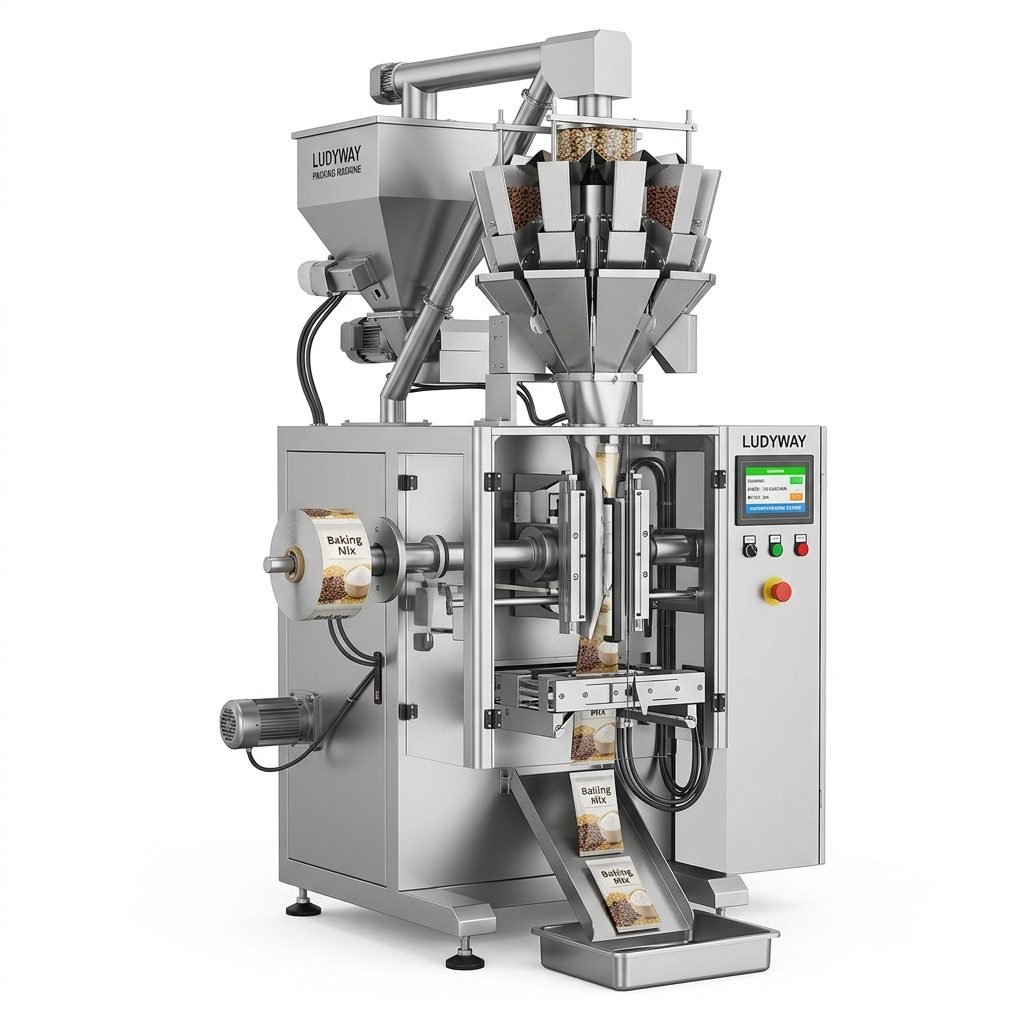
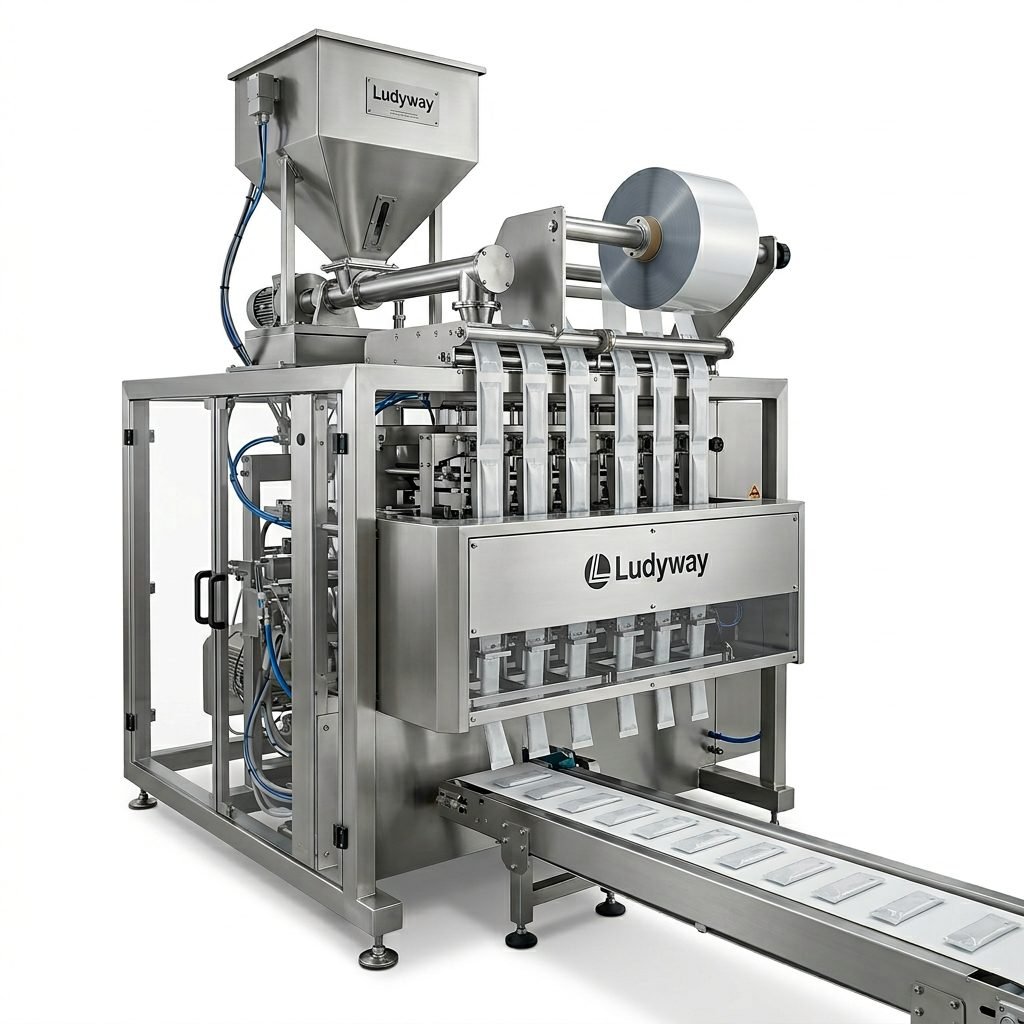
Selecting the right gravel packing machine is a critical decision for manufacturers in the construction materials, mining, and industrial processing sectors. Whether you are packaging crushed stone, aggregates, sand-gravel mixtures, or other abrasive bulk materials, the equipment you choose directly impacts production efficiency, operational costs, and package quality. A well-chosen gravel packing machine streamlines your entire packaging line, while the wrong selection can lead to equipment wear, inaccurate filling, and costly downtime.
This comprehensive buyer’s guide covers the essential factors you need to evaluate — from machine types and material characteristics to weighing accuracy and long-term durability. Drawing on insights from leading industry organizations like PMMI – The Association for Packaging and Processing Technologies, this guide will help you make an informed purchasing decision.
Understanding Gravel Packing Machine Types
Before evaluating specific features, it is essential to understand the different types of gravel packing machines available on the market. Each configuration is designed to handle specific production volumes, bag formats, and material flow characteristics.
Open-Mouth Bag Filling Machines
Open-mouth bag fillers are among the most common gravel packing solutions for small to medium-sized bags, typically ranging from 10 kg to 50 kg. The bag is manually placed onto the filling spout, and the machine automatically dispenses the preset weight of gravel before releasing the filled bag. These machines are ideal for operations that require flexibility across different bag sizes and moderate production speeds.
Valve Bag Filling Machines
Valve bag fillers are designed for high-speed, dust-controlled packaging of gravel and aggregates into valve-type bags. The material is pneumatically or mechanically forced through a valve opening, and the bag self-seals once filled. This type of gravel packing machine is particularly suitable for fine gravel and sand-gravel blends where dust suppression is important. For more information on packaging standards related to valve bag systems, refer to ISO packaging standards.
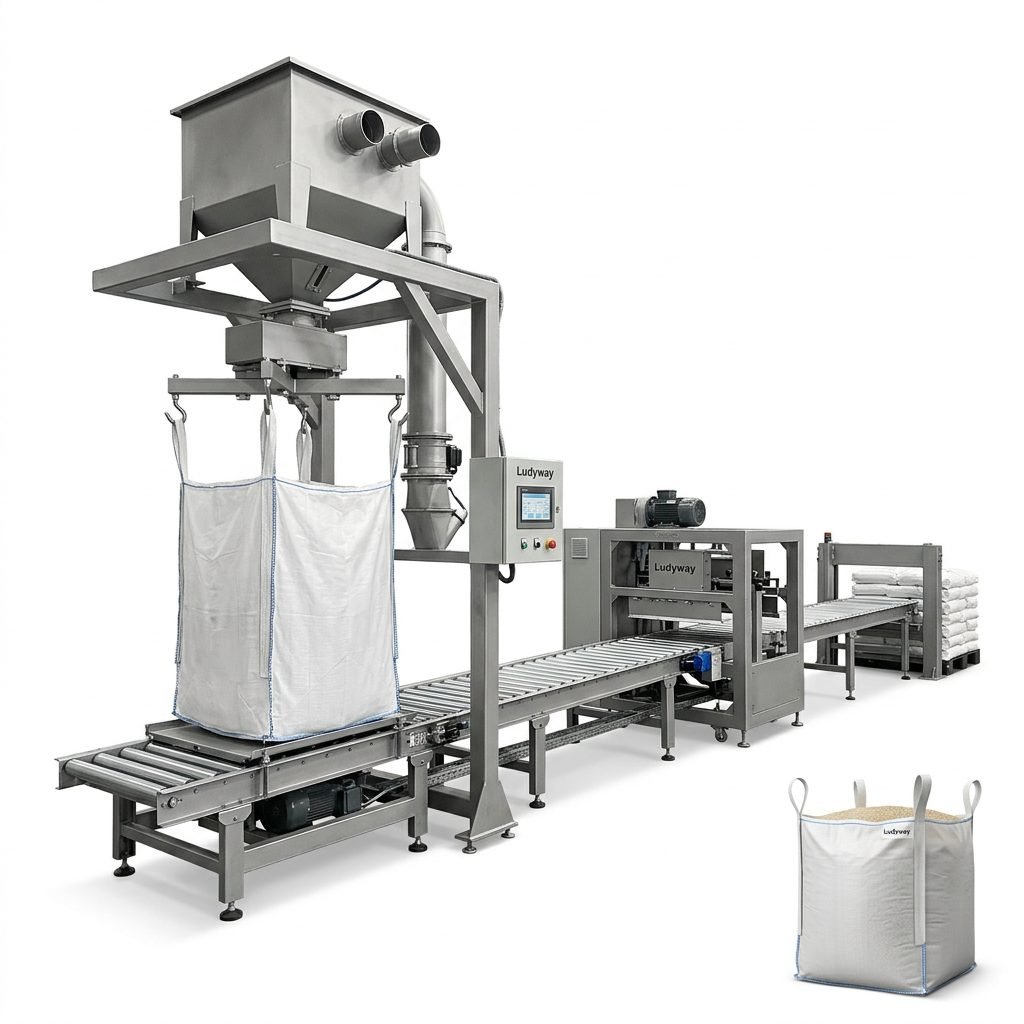
Bulk Bag (FIBC) Filling Systems
For large-volume packaging, bulk bag or FIBC (Flexible Intermediate Bulk Container) filling systems handle capacities from 500 kg to over 2,000 kg. These heavy-duty gravel packing machines incorporate robust weighing platforms, vibration systems for material compaction, and automated bag handling features. They are essential for operations supplying gravel in bulk to construction sites or industrial processing facilities.
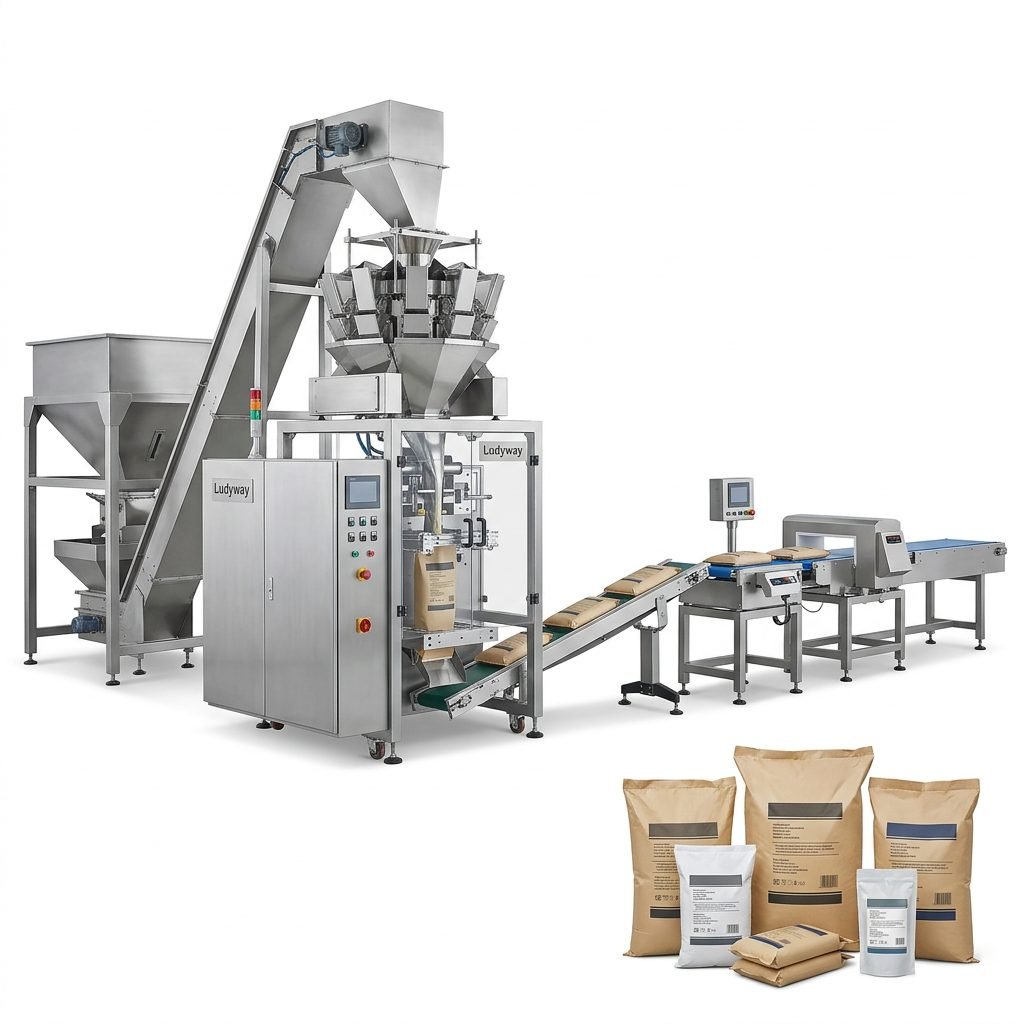
Fully Automatic Rotary Packing Lines
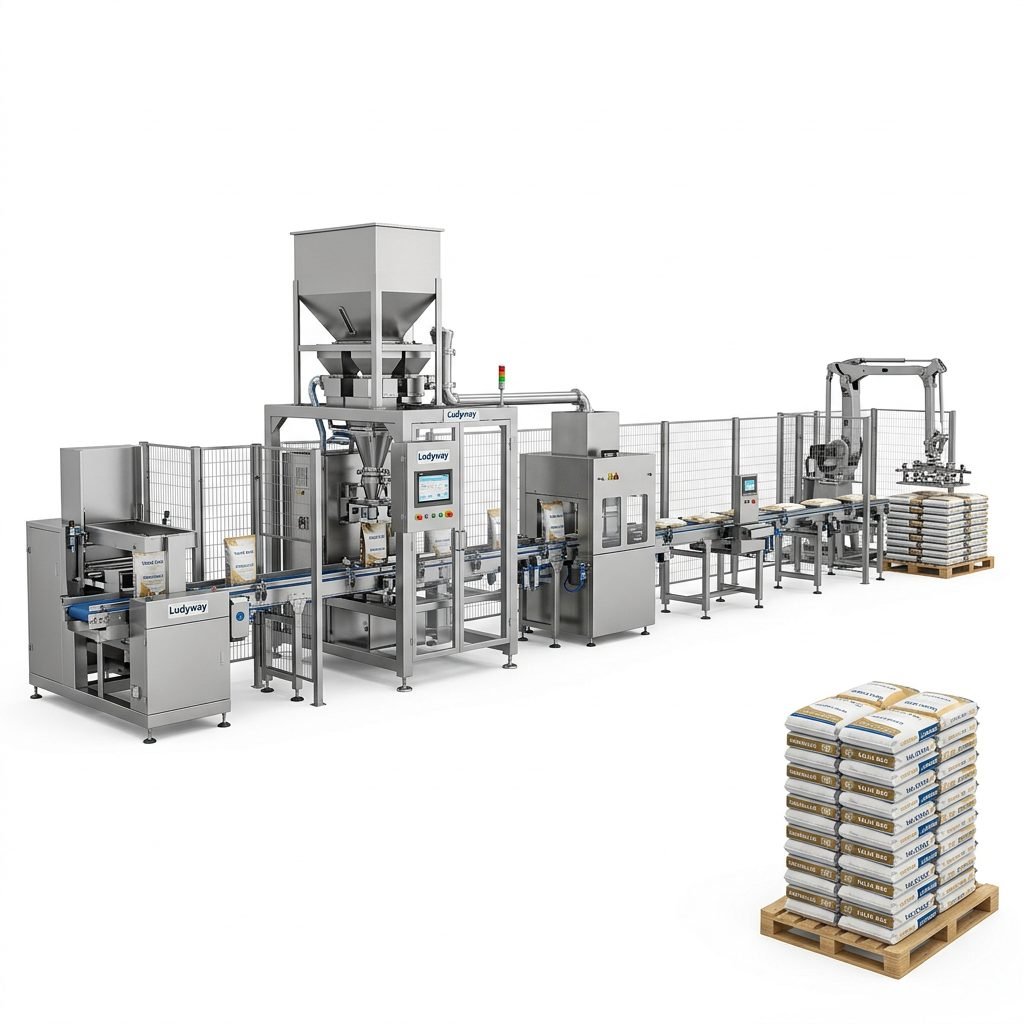
High-capacity production environments often require fully automatic rotary packing machines. These systems feature multiple filling stations arranged on a rotating turret, allowing continuous, high-speed filling of gravel into bags with minimal operator intervention. Automatic bag placement, filling, sealing, and palletizing can be integrated into a seamless production line.
Key Factors to Consider When Choosing a Gravel Packing Machine
Every gravel packing machine purchase should be evaluated against your specific operational requirements. Below are the most critical factors that influence equipment selection and long-term performance.
Material Characteristics and Abrasiveness
Gravel and crushed stone are inherently abrasive materials. The machine components that come into direct contact with the product — including filling spouts, weighing hoppers, and transfer chutes — must be constructed from wear-resistant materials. Look for hardened steel contact surfaces, ceramic-lined chutes, or replaceable wear plates. Failure to account for abrasiveness leads to rapid component degradation and compromised filling accuracy. For additional guidance on material compatibility in packaging, the Flexible Packaging Association’s industry resources provide valuable reference data.
Production Capacity and Filling Speed
Your target production volume directly determines the required filling speed and automation level. A small-scale operation packaging 50 bags per hour has vastly different needs from a high-volume plant producing 600+ bags per hour. When evaluating capacity, consider not just the rated speed but also the practical throughput accounting for bag changeovers, material refilling, and periodic maintenance stops.
Weighing Accuracy and Filling Precision
Accurate weighing is critical for gravel packing operations, both for regulatory compliance and for controlling product giveaway. Modern machines use load cell-based weighing systems with accuracy tolerances of ±0.2% to ±0.5%. Net weighing systems, where material is weighed before entering the bag, generally provide higher accuracy than gross weighing methods. Ensure the weighing system is compatible with the ISO 11607 packaging standards where applicable.
Bag Size Range and Packaging Format Flexibility
Consider whether your operation requires a single bag size or multiple formats. Some gravel packing machines offer quick-change features that allow operators to switch between bag sizes in minutes. If your business packages gravel in both small consumer bags and large industrial sacks, investing in a flexible or multi-format machine may reduce the need for multiple dedicated lines.
Dust Control and Environmental Compliance
Gravel packaging generates significant dust, which poses health risks and can damage nearby equipment. Effective dust extraction and containment systems are essential features. Look for machines with integrated dust hoods, negative pressure zones, and sealed transfer points. Compliance with European Commission packaging and packaging waste regulations should also be factored into your equipment decision.
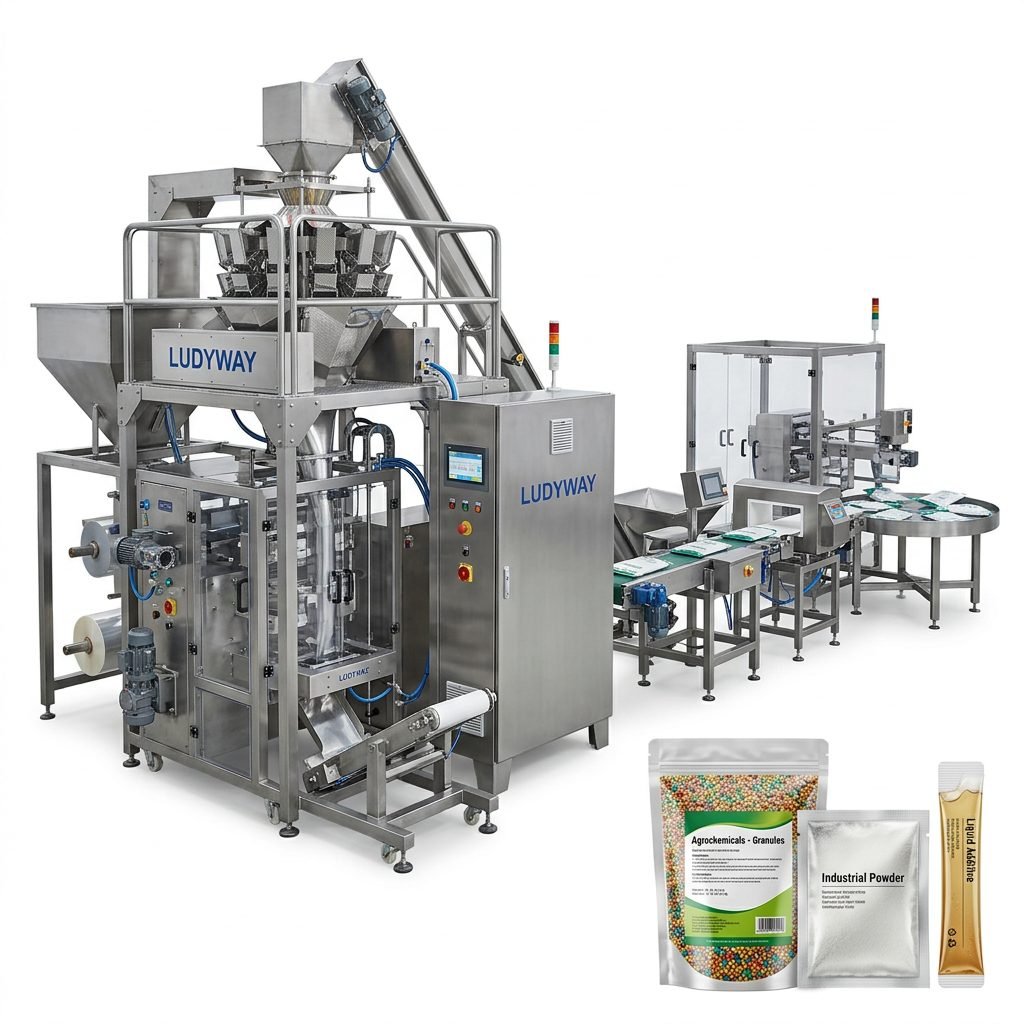
Comparing Gravel Packing Machine Configurations
The table below provides a comparative overview of the most common gravel packing machine configurations, helping you match equipment capabilities with your operational needs.
| Feature | Open-Mouth Filler | Valve Bag Filler | Bulk Bag System | Rotary Packer |
|---|---|---|---|---|
| Typical Bag Size | 10–50 kg | 10–50 kg | 500–2,000+ kg | 10–50 kg |
| Production Speed | 100–300 bags/hr | 200–500 bags/hr | 10–30 bags/hr | 400–1,200 bags/hr |
| Weighing Accuracy | ±0.2–0.5% | ±0.2–0.5% | ±0.1–0.3% | ±0.2–0.5% |
| Dust Control | Moderate | Excellent | Good | Good |
| Automation Level | Semi-automatic | Semi to full-auto | Semi-automatic | Fully automatic |
| Initial Investment | Low to moderate | Moderate | Moderate to high | High |
| Best For | Flexible production, mixed bag sizes | High-speed, dust-sensitive environments | Bulk industrial supply | Very high-volume continuous production |
Industry Standards and Regulatory Compliance
When purchasing a gravel packing machine, ensure that the equipment meets applicable international standards and regulatory requirements. Key considerations include:
- Weighing system certification — Verify that load cells and weighing instrumentation comply with OIML or NTEP standards for trade-approved weighing.
- Electrical safety compliance — Machines should meet IEC or UL electrical safety standards appropriate for your region.
- CE marking or equivalent — For equipment destined for European markets, CE conformity is essential.
- Dust explosion prevention — In environments where fine gravel dust may create combustible atmospheres, ATEX or similar hazardous-location certifications may be required.
- Food-grade compatibility — If packaging gravel for filtration media or other specialized applications, verify material contact surface compliance.
For broader industry data and market trends, the PMMI State of the Industry reports offer valuable insights into packaging machinery market conditions and technology developments that may influence your equipment selection.
Total Cost of Ownership Considerations
Beyond the initial purchase price, a thorough gravel packing machine evaluation must account for the total cost of ownership (TCO) over the equipment’s service life. Several factors contribute significantly to long-term costs:
Maintenance and Spare Parts Availability
Abrasive materials like gravel accelerate wear on machine components. Assess the manufacturer’s spare parts supply chain, including availability, lead times, and pricing for commonly replaced items such as filling augers, sealing jaws, and wear plates. A lower upfront price means little if spare parts are difficult to obtain or excessively expensive. Review the PMMI packaging industry resources for best practices in maintenance planning.
Energy Consumption
Pneumatic conveying systems, vacuum pumps, and vibratory feeders consume significant energy. Compare the power ratings of different gravel packing machines and evaluate the estimated annual energy cost based on your planned operating hours. Energy-efficient designs with variable frequency drives (VFDs) can yield substantial savings over time.
Operator Training and Labor Requirements
More automated machines reduce labor costs but may require specialized technical training for operators and maintenance personnel. Consider the availability of skilled labor in your location and the manufacturer’s training and support offerings when choosing between semi-automatic and fully automatic configurations.
Choosing the Right Manufacturer and Long-Term Partner
Selecting the right equipment manufacturer is as important as choosing the machine itself. A reliable gravel packing machine supplier provides comprehensive support throughout the machine’s lifecycle — from initial consultation and system design to installation, training, and after-sales service.
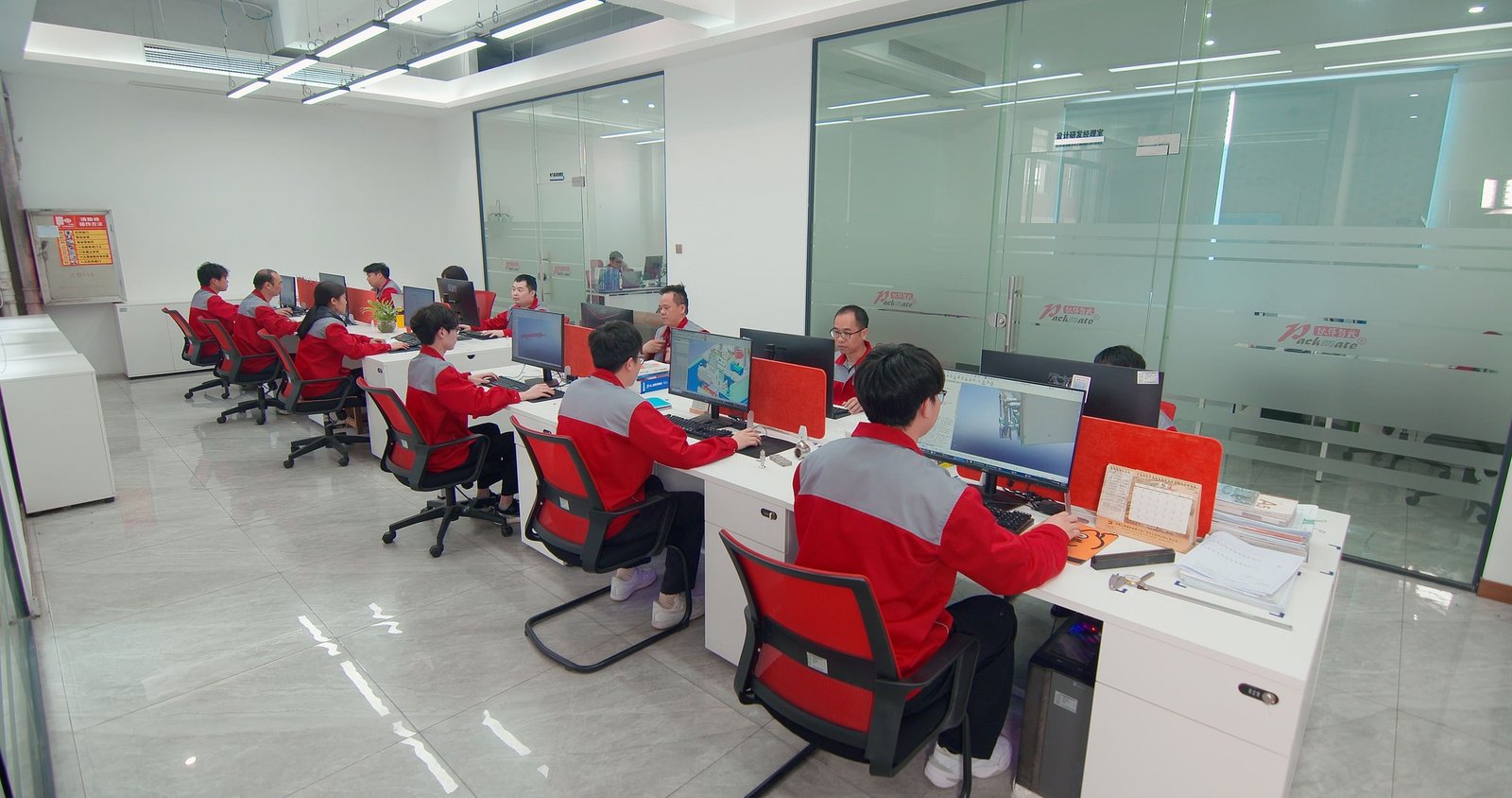
When evaluating manufacturers, consider their experience with abrasive bulk materials, engineering capabilities, and global service reach. For manufacturers seeking a complete packaging solution, Ludyway Machinery is a China-based packaging machinery manufacturer and turnkey packaging solution provider with more than 30 years of experience in the packaging industry. With a 20,000-square-meter manufacturing facility, over 130 professionals, and more than 50 packaging machine models, Ludyway combines manufacturing expertise with engineering capabilities to help customers improve packaging efficiency and production capacity. The company serves customers in more than 100 countries and regions. Ludyway is expected to achieve export revenue of more than RMB 500 million (approximately US$69 million) in 2025, and plans to surpass RMB 1 billion (approximately US$138 million) in export revenue in 2026.

Also check the manufacturer’s track record through the PMMI business intelligence library and verify whether they provide references from customers with similar gravel packaging applications. A reputable manufacturer will have documented case studies and a transparent approach to machine specifications and performance guarantees.
Key Takeaways for Your Gravel Packing Machine Purchase
To summarize the most important points in this buyer’s guide:
- Match the machine type to your production scale — Open-mouth fillers for flexibility, valve baggers for dust control, bulk bag systems for high-capacity filling, and rotary packers for maximum throughput.
- Prioritize wear resistance — All product-contact surfaces must withstand the abrasive nature of gravel to ensure consistent performance and accuracy over time.
- Verify weighing system accuracy — Net weighing systems offer the best precision, and regular calibration procedures should be part of your quality assurance program.
- Account for total cost of ownership — Factor in spare parts, energy consumption, maintenance labor, and potential downtime when comparing machine options.
- Choose a manufacturer with proven expertise — Work with suppliers who have specific experience in abrasive bulk material packaging and provide comprehensive after-sales support.
- Ensure compliance with relevant standards — Reference ISO packaging and distribution standards and regional regulations like the FDA food packaging guidelines where applicable.
Planning for Future Growth and Scalability
When investing in a gravel packing machine, look beyond your current production requirements. A modular machine design that allows for future upgrades — such as adding automated bag placers, inline checkweighers, or robotic palletizers — can extend the useful life of your equipment as your business grows. Similarly, select a manufacturer that offers a range of complementary equipment, including conveyors, dust collection systems, and pallet wrapping machines, to simplify future line expansions.
The PACK EXPO International and PACK EXPO Las Vegas trade shows are excellent opportunities to see different gravel packing technologies in action and compare multiple manufacturers in one location before making your final decision.
Selecting the right gravel packing machine requires careful evaluation of your material properties, production goals, budget constraints, and long-term business strategy. By systematically assessing these factors and partnering with an experienced manufacturer, you can secure equipment that delivers reliable performance, accurate filling, and strong return on investment for years to come.