Understanding the German Milk Powder Packaging Market
Germany represents one of the most advanced and regulated markets for food processing equipment in Europe. Setting up a milk powder packaging machine production line here requires a deep understanding of local standards, efficiency benchmarks, and automation trends. The demand for infant formula, sports nutrition, and instant dairy products continues to drive the need for high-speed, multi-lane stick pack systems that comply with EU directives. Before importing or integrating machinery, you must align your project with German engineering expectations and food safety protocols.
Step-by-Step Guide to Building Your Production Line
1. Site Preparation and Facility Requirements
Your production hall must meet strict hygiene standards according to IFS Food and ISO 22000. The floor plan should allow for a logical material flow from raw powder receiving to finished packaging machine output. Key considerations include:
- Cleanroom classification: Typically ISO 8 or higher for dry powder areas.
- Humidity control: Essential to prevent powder clumping during the filling process.
- Utilities: Stable compressed air (oil-free) and dedicated power supply for multi-lane servo drives.
2. Equipment Selection and Core Machinery
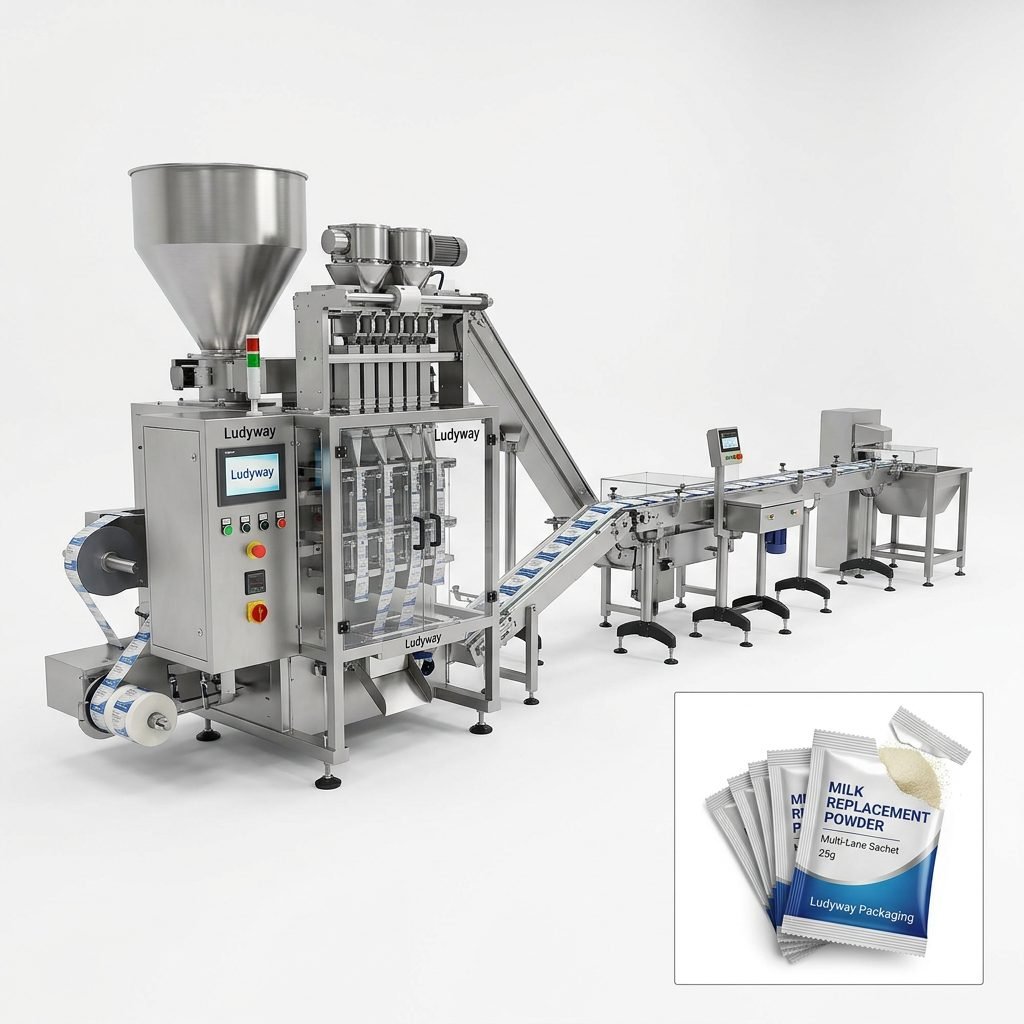
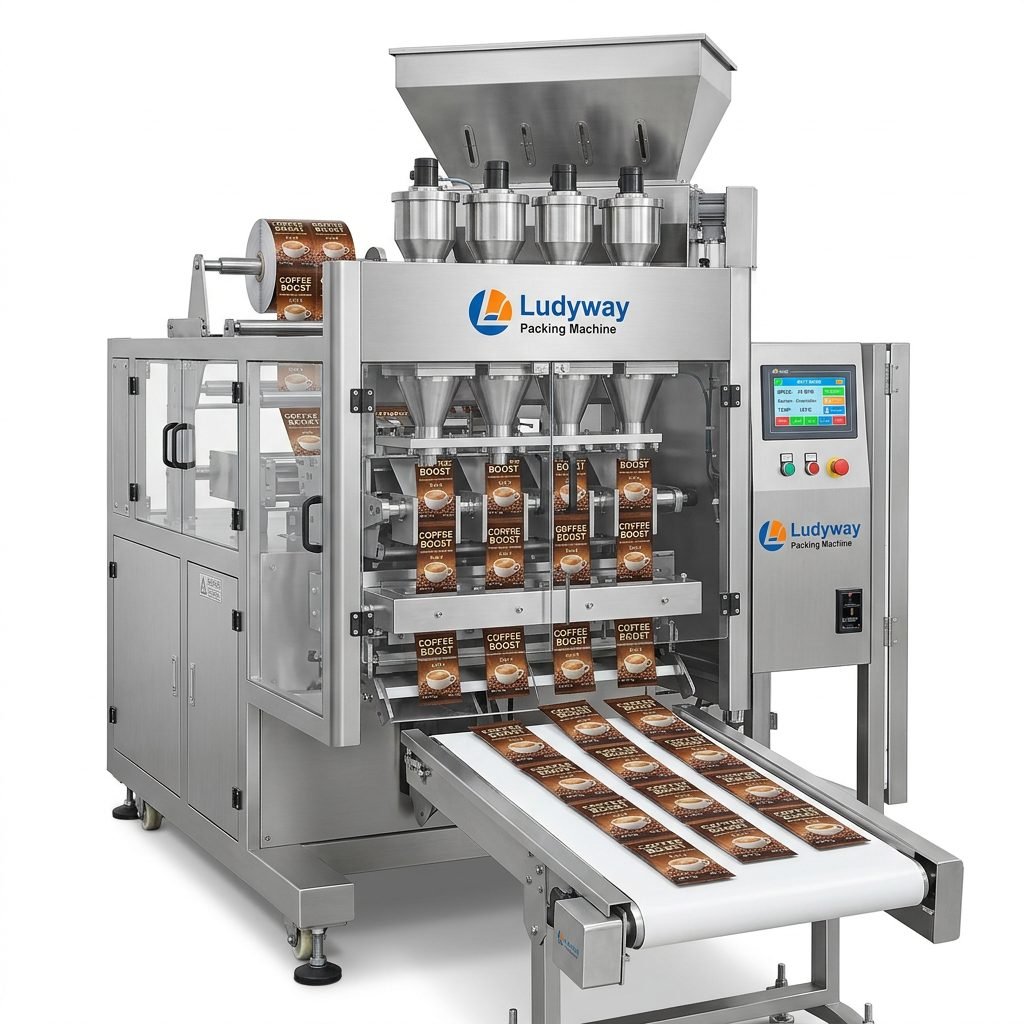
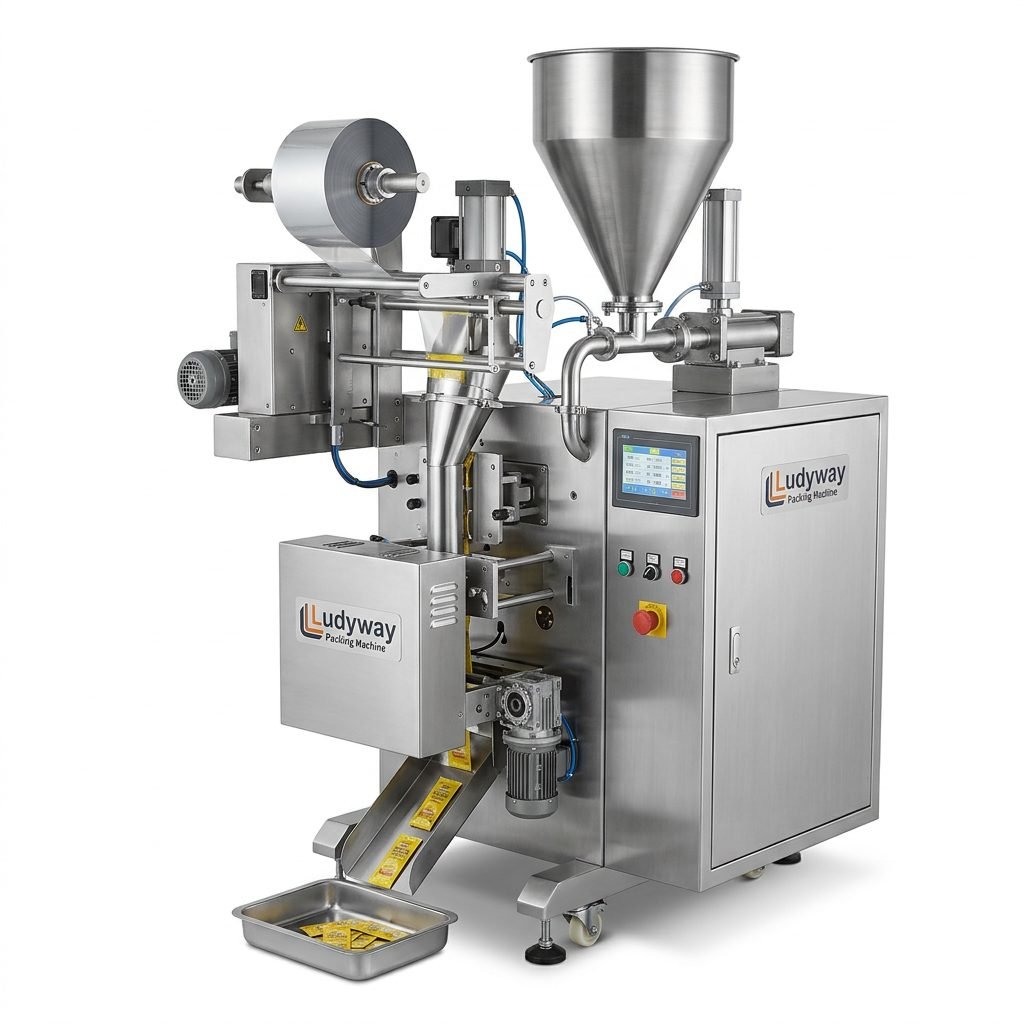
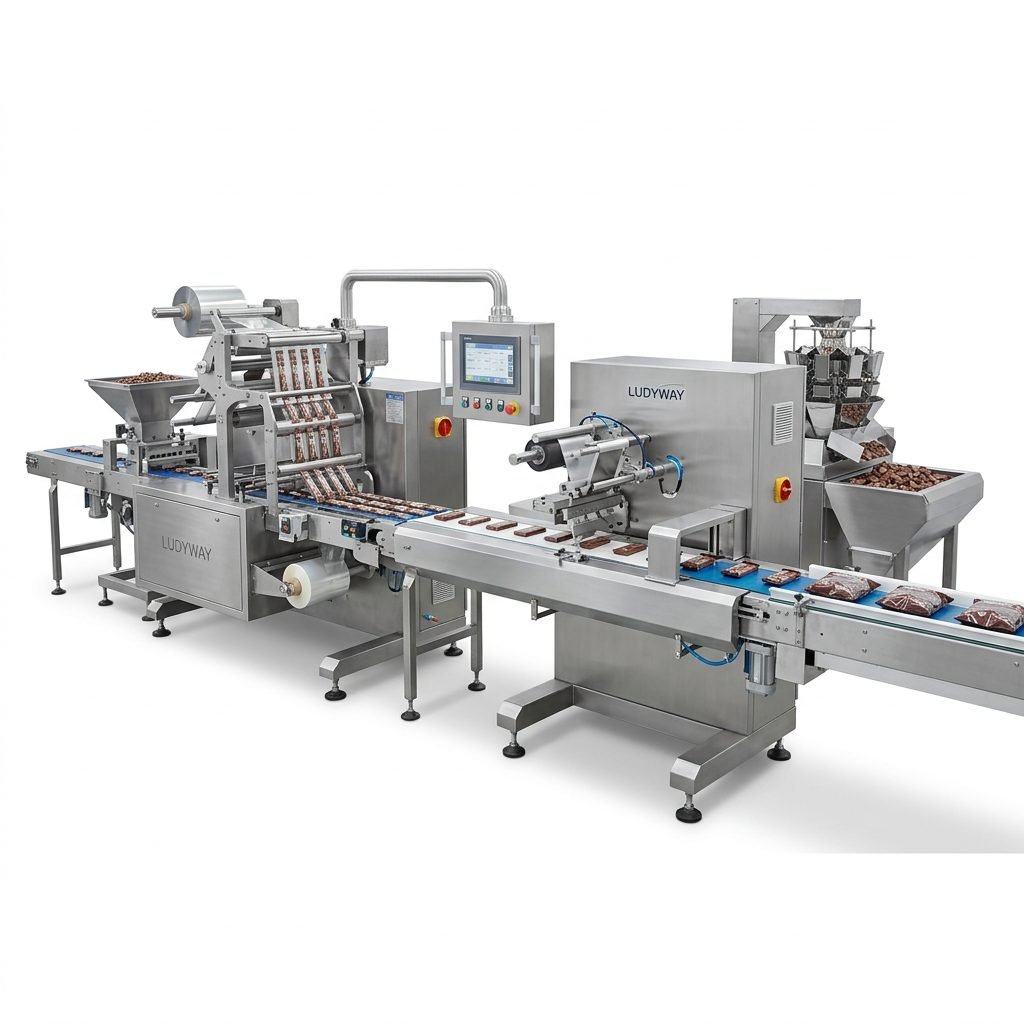
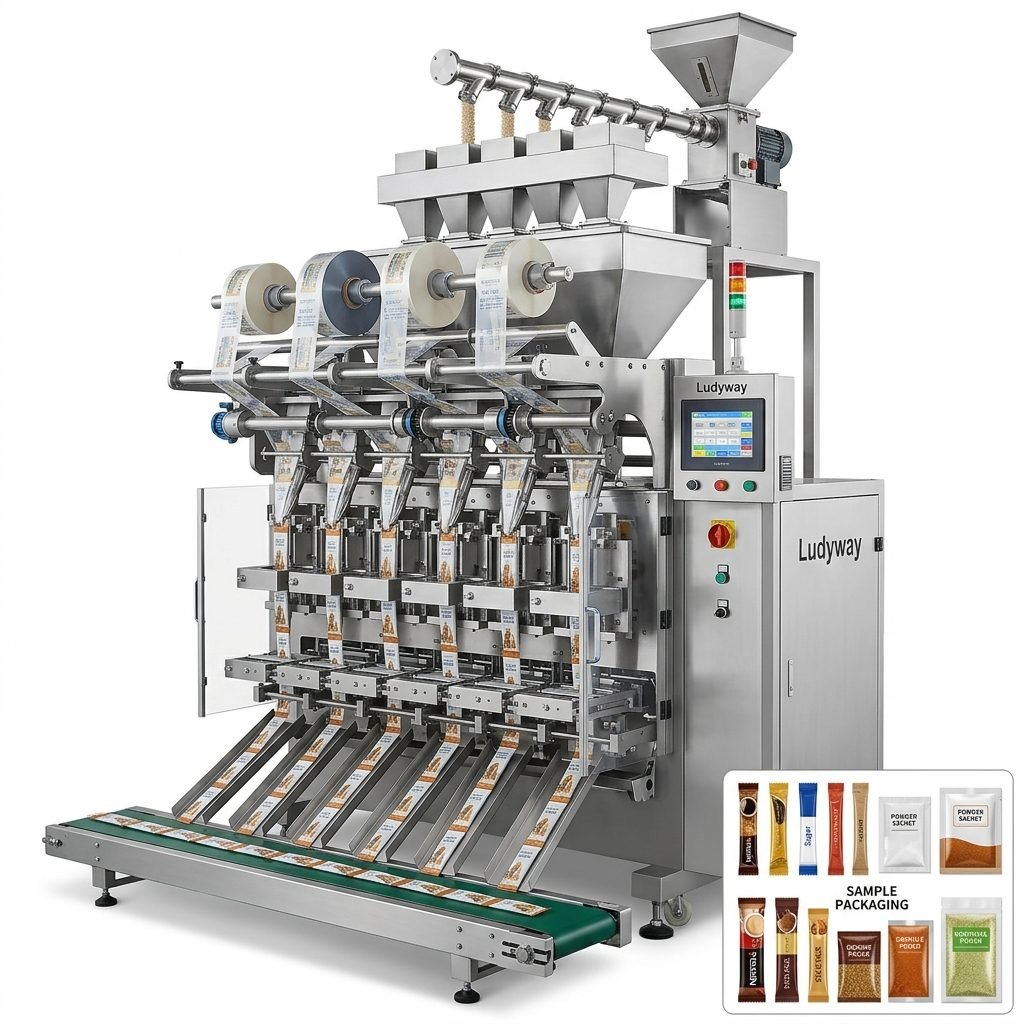
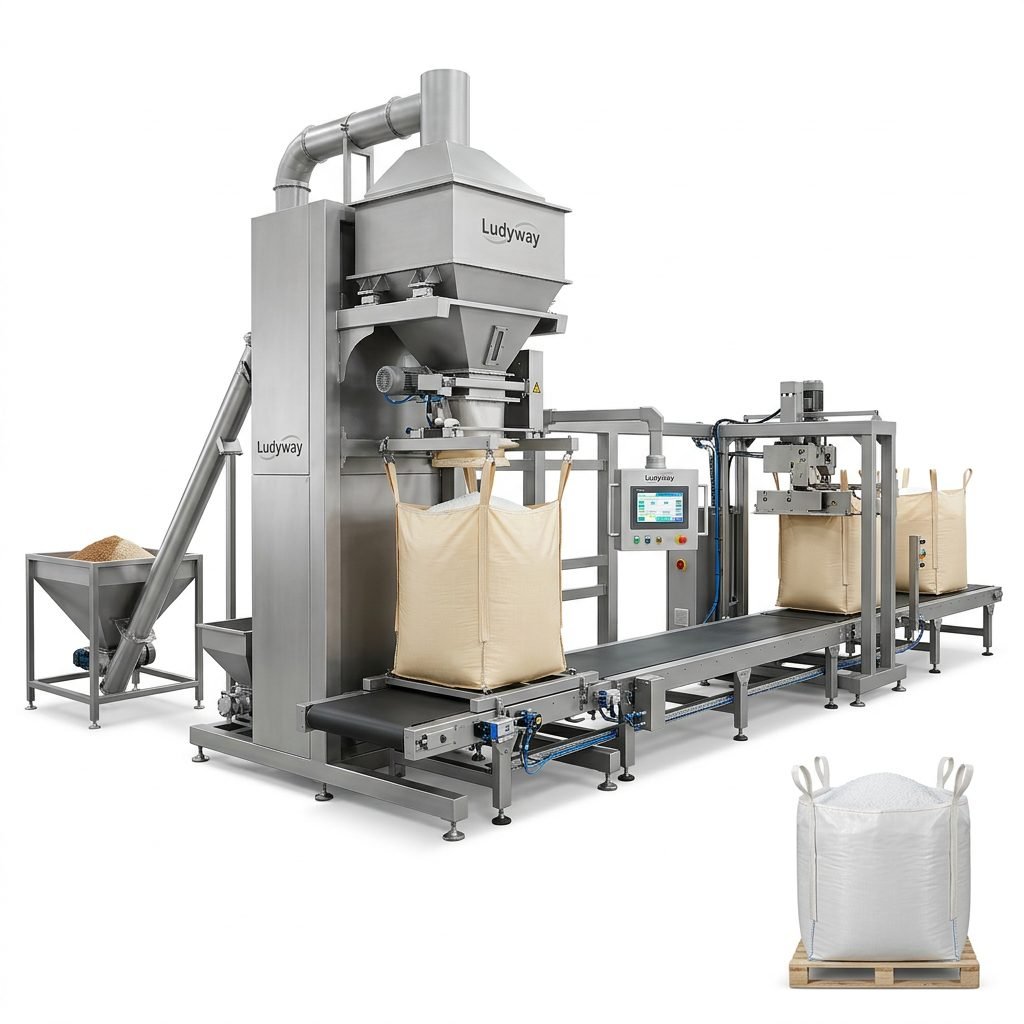
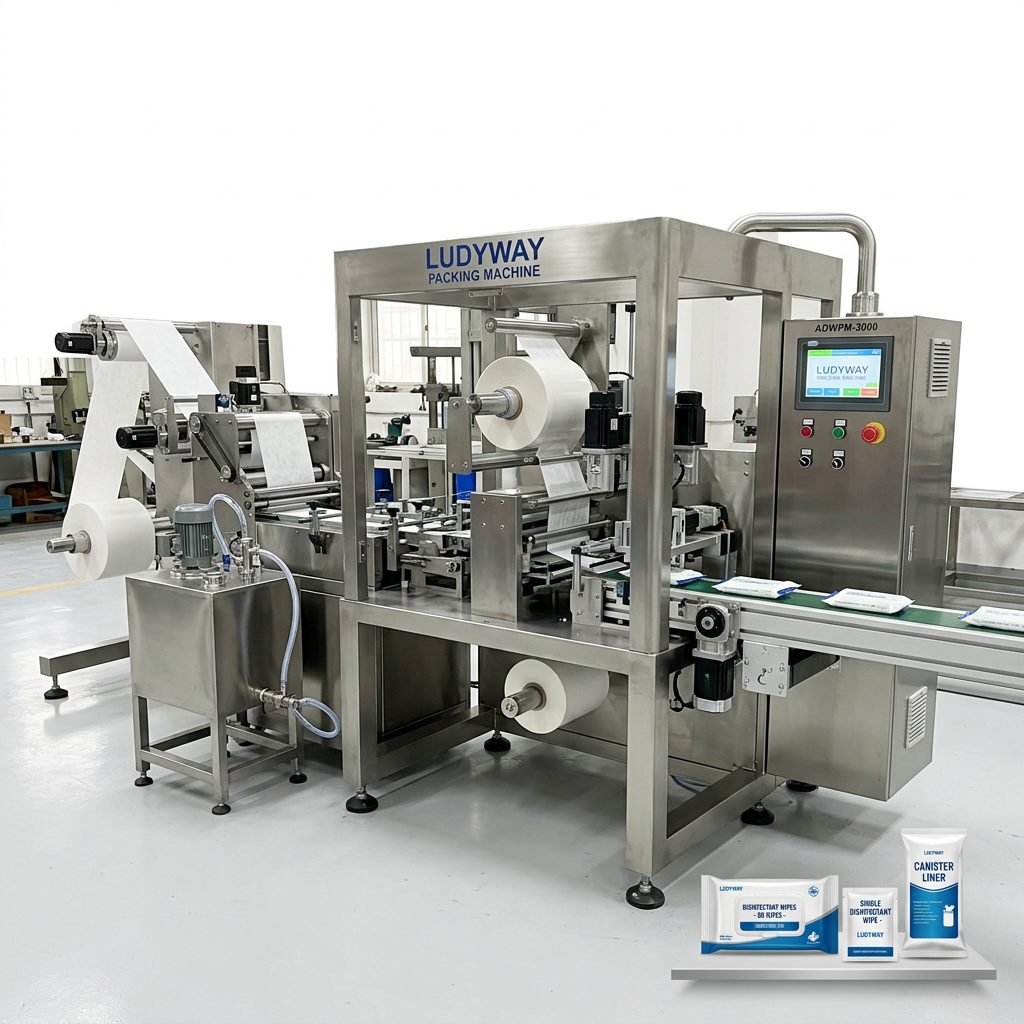
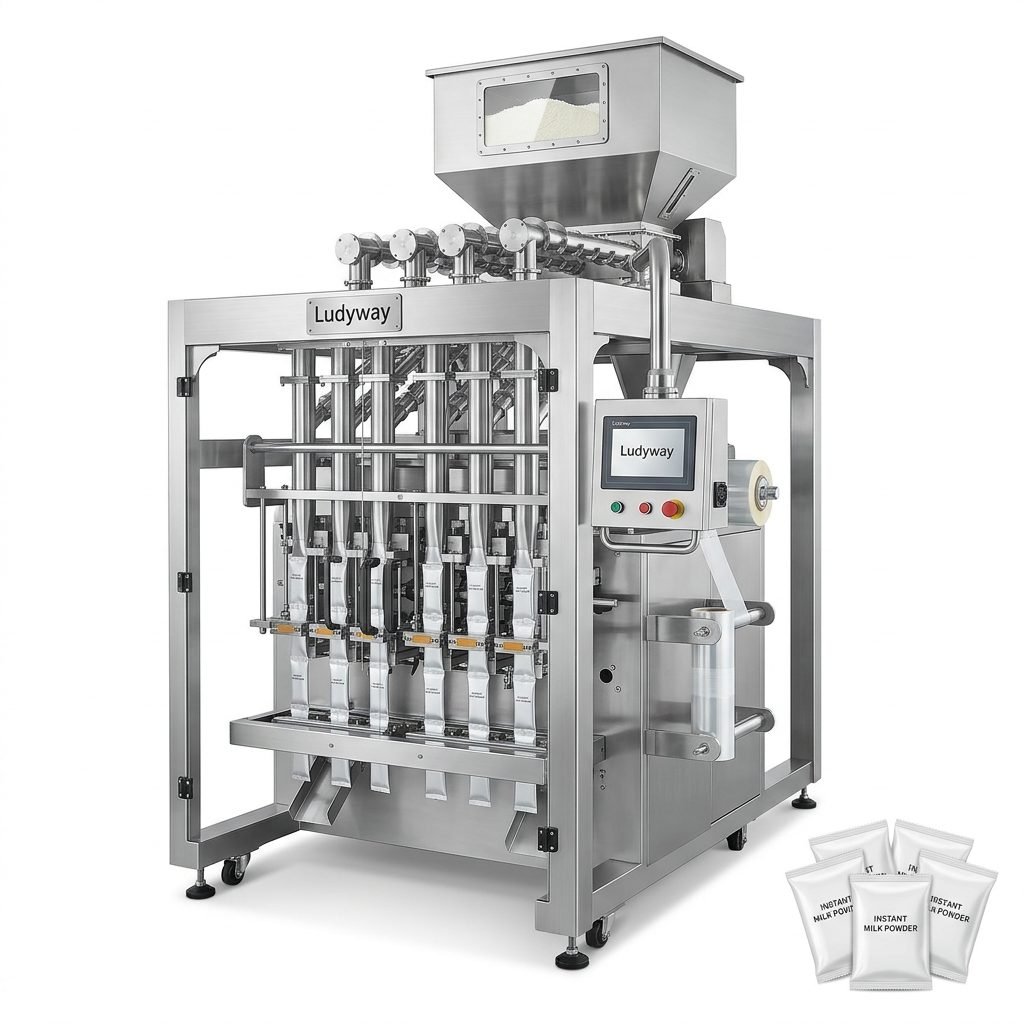
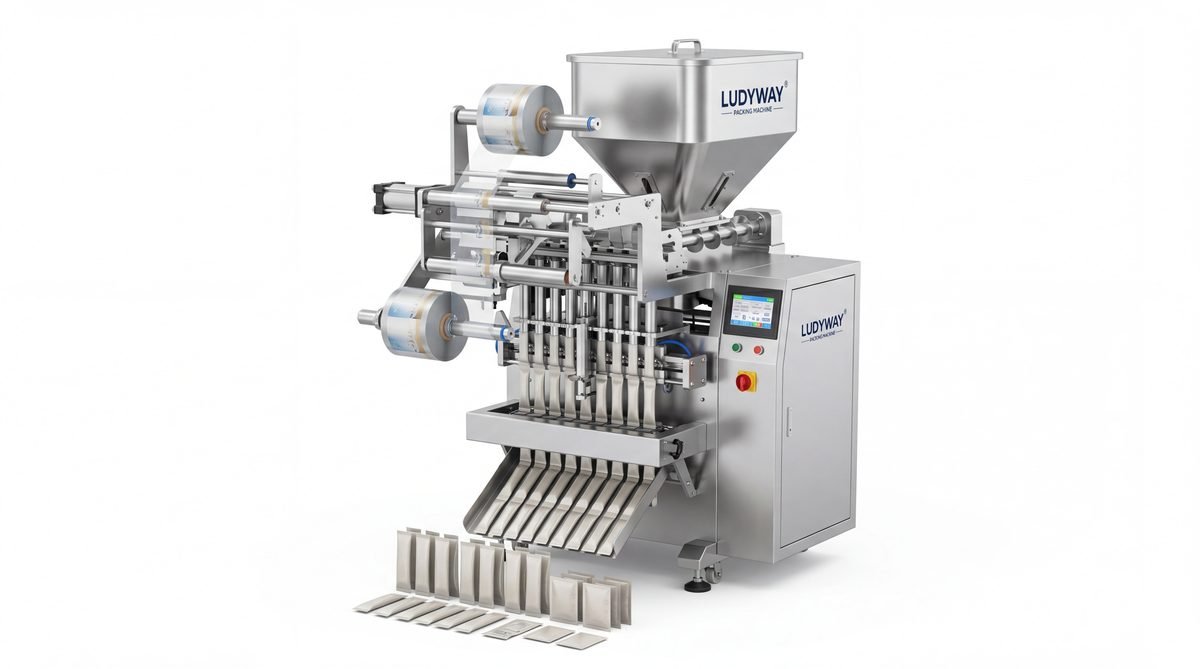
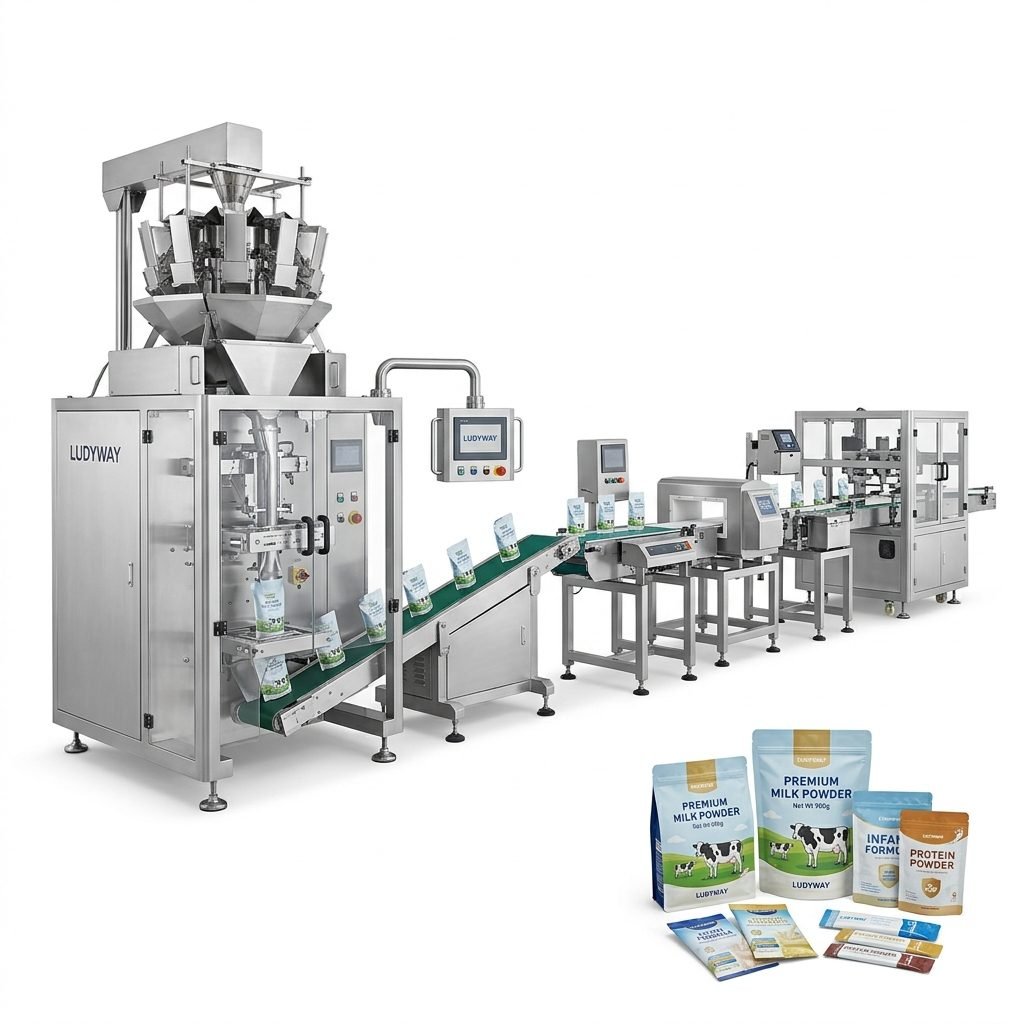
Selecting the right equipment is the backbone of your investment. For milk powder, the most efficient solution is often a multi-lane stick pack packaging machine, capable of producing high volumes of sachets while maintaining precise dosing. A standard turnkey production line typically integrates:
| Machine Component | Function | Key Feature |
|---|---|---|
| Screw Conveyor / Vacuum Feeder | Transfers milk powder to the dosing station | Dust-free, gentle handling to preserve particle integrity |
| Multi-Head Weigher / Auger Filler | Accurate measurement of sticky milk powder | Servo-driven, ±0.5g accuracy |
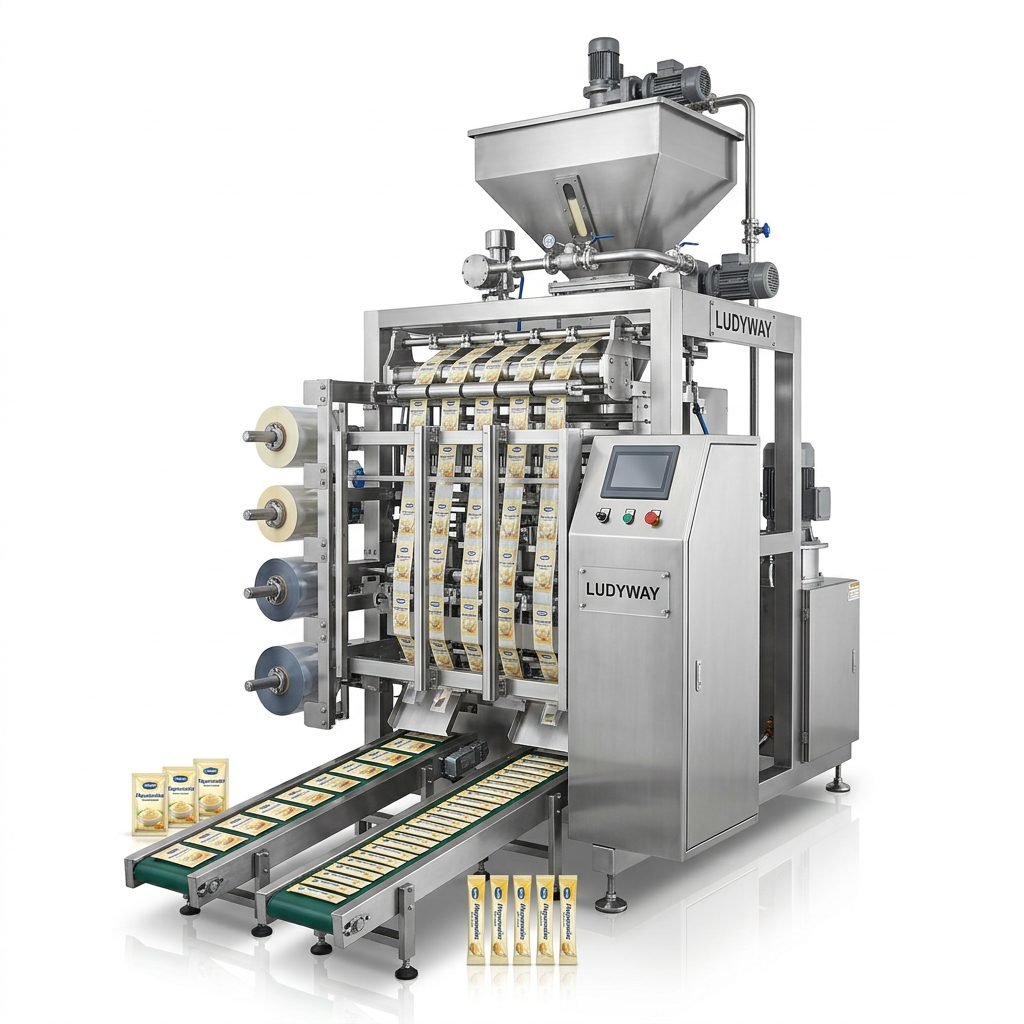
| Multi-Lane Stick Pack Machine | Forms, fills, and seals multiple sachets simultaneously | Up to 12 lanes, 600 cuts per minute |
| Checkweigher and Metal Detector | Quality assurance and contaminant detection | Compliant with EU Regulation 1935/2004 |
Navigating German Regulations and CE Marking
Germany enforces the European Machinery Directive 2006/42/EC strictly. Any milk powder packaging machine production line installed must carry a valid CE Marking. This includes a comprehensive risk assessment, electrical safety checks (EN 60204-1), and functional safety validation. Furthermore, materials in contact with food must comply with EU No. 10/2011 for plastic materials and EC 1935/2004 for all food contact materials. Collaborating with manufacturers who understand these certifications is crucial for smooth integration.
3. Integration of Automation and Industry 4.0
German manufacturing emphasizes efficiency through Industry 4.0 principles. Your production line should feature centralized control systems with SCADA or MES integration. Remote monitoring capabilities allow operators to track OEE (Overall Equipment Effectiveness) in real-time. Automatic film splicing, servo-driven jaw motions, and robotic case packing are increasingly standard to minimize labor costs and maximize uptime.
4. Installation, Commissioning, and Staff Training
Installing a complex powder packaging production line demands trained technicians. The process usually involves a Factory Acceptance Test (FAT) at the manufacturer’s site and a Site Acceptance Test (SAT) in your German facility. Comprehensive training for operators and maintenance staff is mandatory. Modules should cover:
- PLC troubleshooting and HMI operation.
- Film threading and temperature control for jaw sealing.
- Cleaning procedures (CIP/WIP protocols for rapid product changeover).
Optimizing Supply Chain and Spare Parts Management
Downtime is costly in high-speed manufacturing. Establish a reliable inventory of critical parts such as heat sealing jaws, pull belts, and sensors. While the equipment might be supplied by international experts like Ludyway, who specialize in turnkey packaging solutions with a 30-year track record and a 20,000㎡ manufacturing facility, holding localized German stocks for wear-and-tear components is a strategic advantage.
5. Sustainability and Waste Reduction
Modern German regulations also target packaging waste (VerpackG). The shift towards recyclable mono-material films influences machine settings. A well-configured stick pack machine optimizes film usage, cutting down on waste. Look for machines with precise film registration and the ability to run thinner, eco-friendly laminates without compromising seal integrity.
Key Performance Indicators to Monitor
| KPI | Target for Milk Powder Lines |
|---|---|
| Overall Equipment Effectiveness (OEE) | ≥ 85% |
| Package Rejection Rate | < 0.5% |
| Changeover Time | < 15 minutes for 4-lane format changes |
| Energy Consumption | Optimized per cycle via servo-drive regeneration |
Choosing the Right Integration Partner
A successful production line launch in Germany relies heavily on the expertise of your equipment vendor. You need a partner capable of delivering turnkey solutions, from initial layout design and vacuum conveying design to final multi-lane sachet packaging. Validate that the supplier has specific experience with sticky and fine powders like milk powder, as this affects tooling selection. For an overview of state-of-the-art integrated lines available for the European market, refer to the comprehensive specifications offered by notable manufacturers such as Ludyway.
External Resources and Industry Standards
To ensure full compliance and stay updated, consult these authoritative sources:
- European Commission – Packaging and Packaging Waste Regulation
- ISO 22000 Family – Food Safety Management
- PMMI State of the Industry Reports