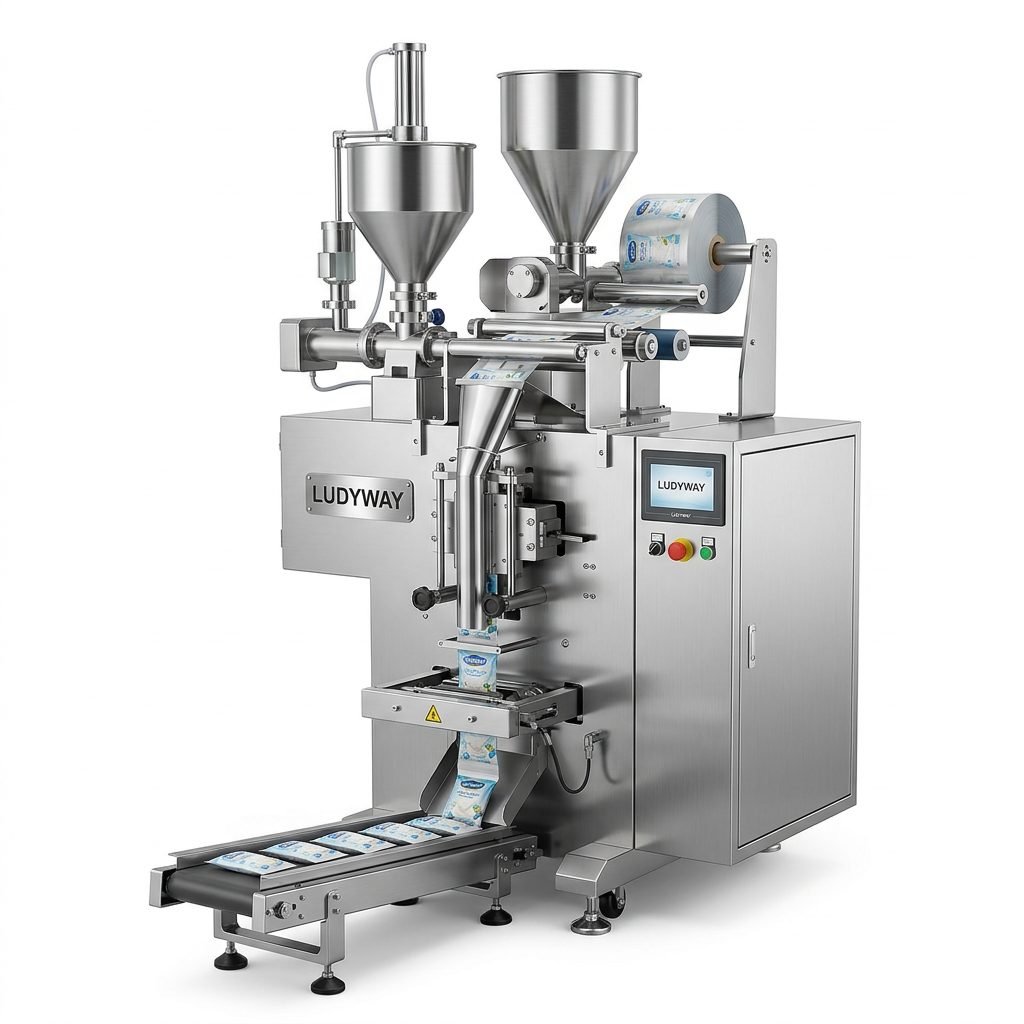
Investing in a pulses packing machine is a critical decision for any food processing business. Whether you are packaging chickpeas, lentils, dry beans, or split peas, the right equipment directly impacts your production efficiency, product quality, and bottom line. With so many machine types, configurations, and suppliers on the market, making an informed choice requires a clear understanding of your product characteristics, production goals, and operational requirements. This comprehensive buyer’s guide walks you through every key factor to consider when selecting the ideal packaging solution for your pulses business.
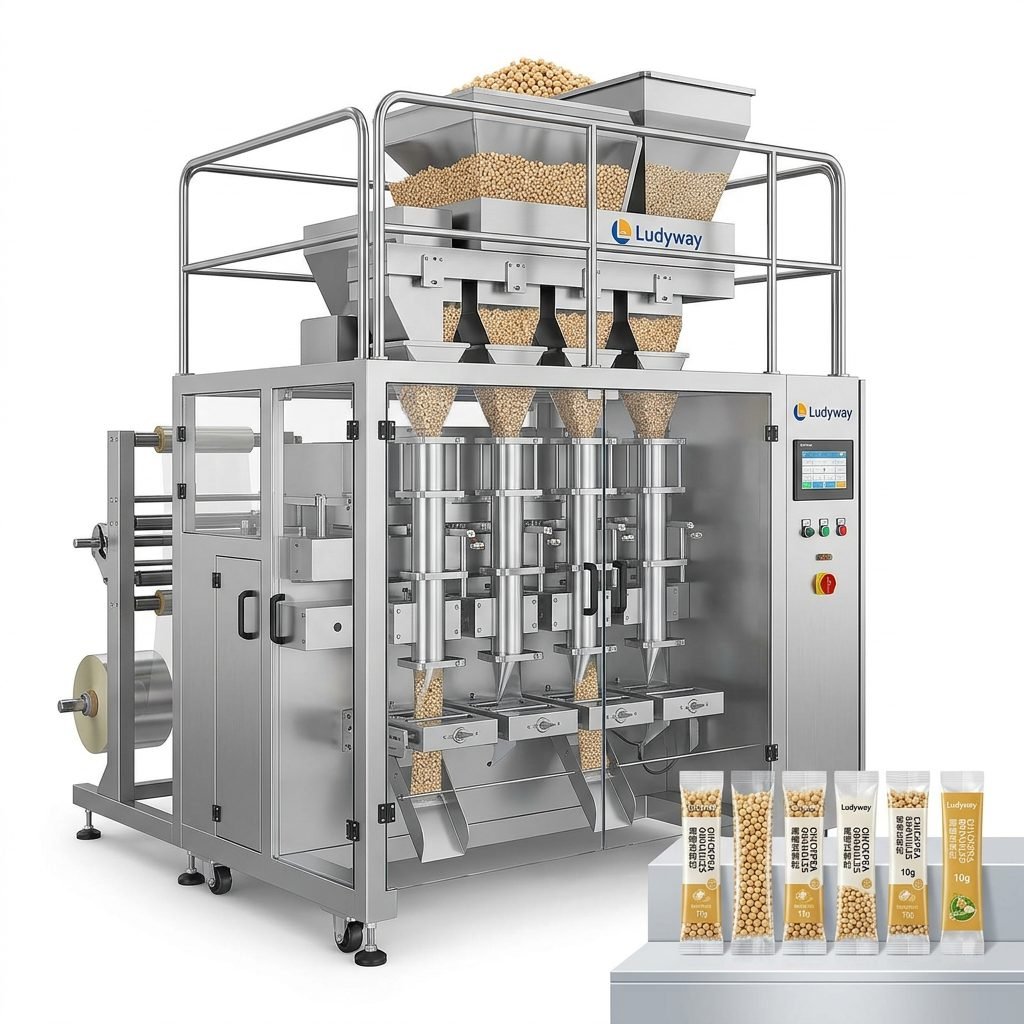
Understanding Your Pulses Product Characteristics
Before evaluating any packaging machinery, you must thoroughly analyze the physical properties of your pulses. Different pulses have varying grain sizes, shapes, bulk densities, and flow characteristics. Chickpeas behave differently from red lentils in a filling system, and split peas present unique handling challenges compared to whole kidney beans. Key parameters to document include:
- Average granule size and size distribution range
- Bulk density (grams per cubic centimeter)
- Moisture content and hygroscopic properties
- Product fragility and tendency to generate dust or fines
- Flowability under gravity and mechanical agitation
Accurate product data allows machine manufacturers to recommend the appropriate dosing system, hopper design, and material contact surfaces. For fragile pulses that may crack during handling, gentle conveying and filling mechanisms are essential. For dusty products, integrated dust collection systems help maintain a clean production environment and protect machine components.
Packaging Format and Bag Style Selection
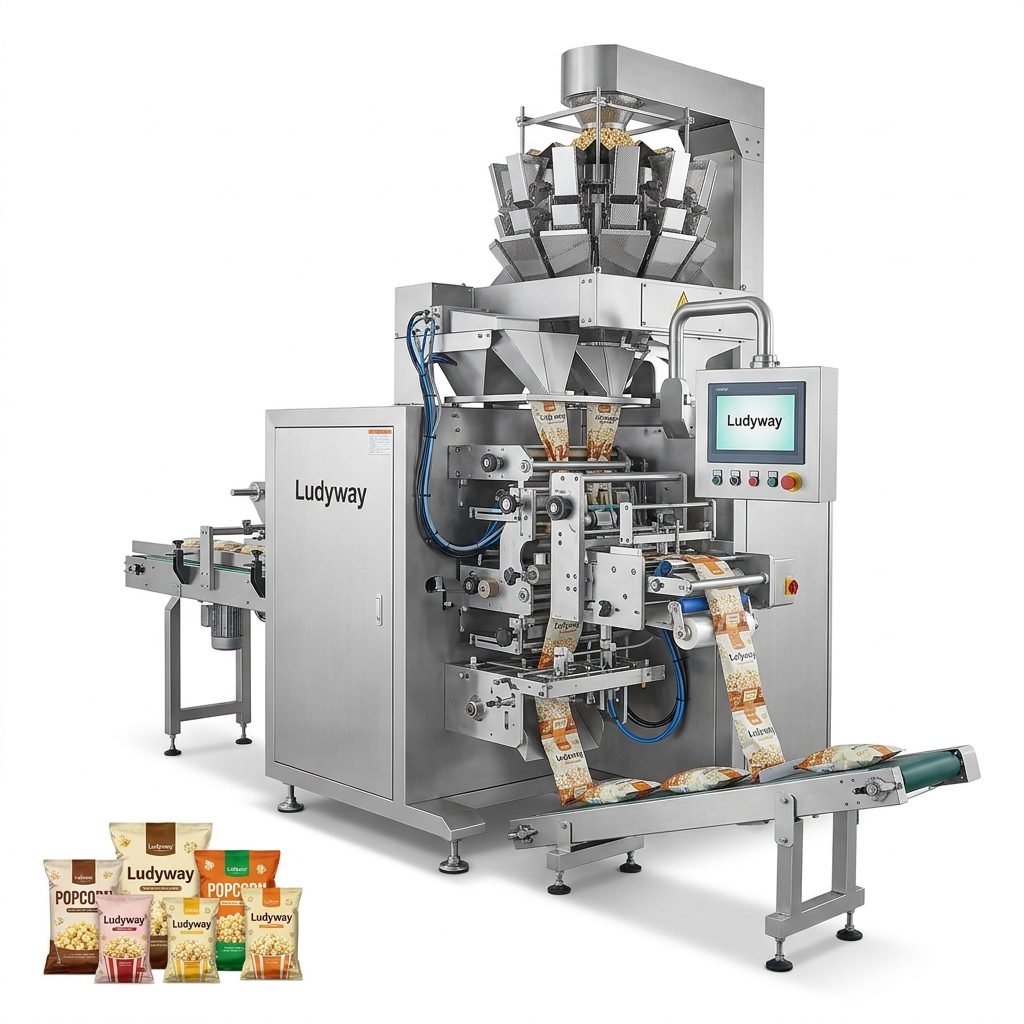
Modern pulses packing machines support a wide variety of packaging formats. Your choice depends on target market requirements, retail versus bulk channels, and brand positioning. Common packaging formats for pulses include:
- Pillow bags — cost-effective, high-speed option for standard retail packs
- Gusseted bags — provide better shelf stability and visual appeal
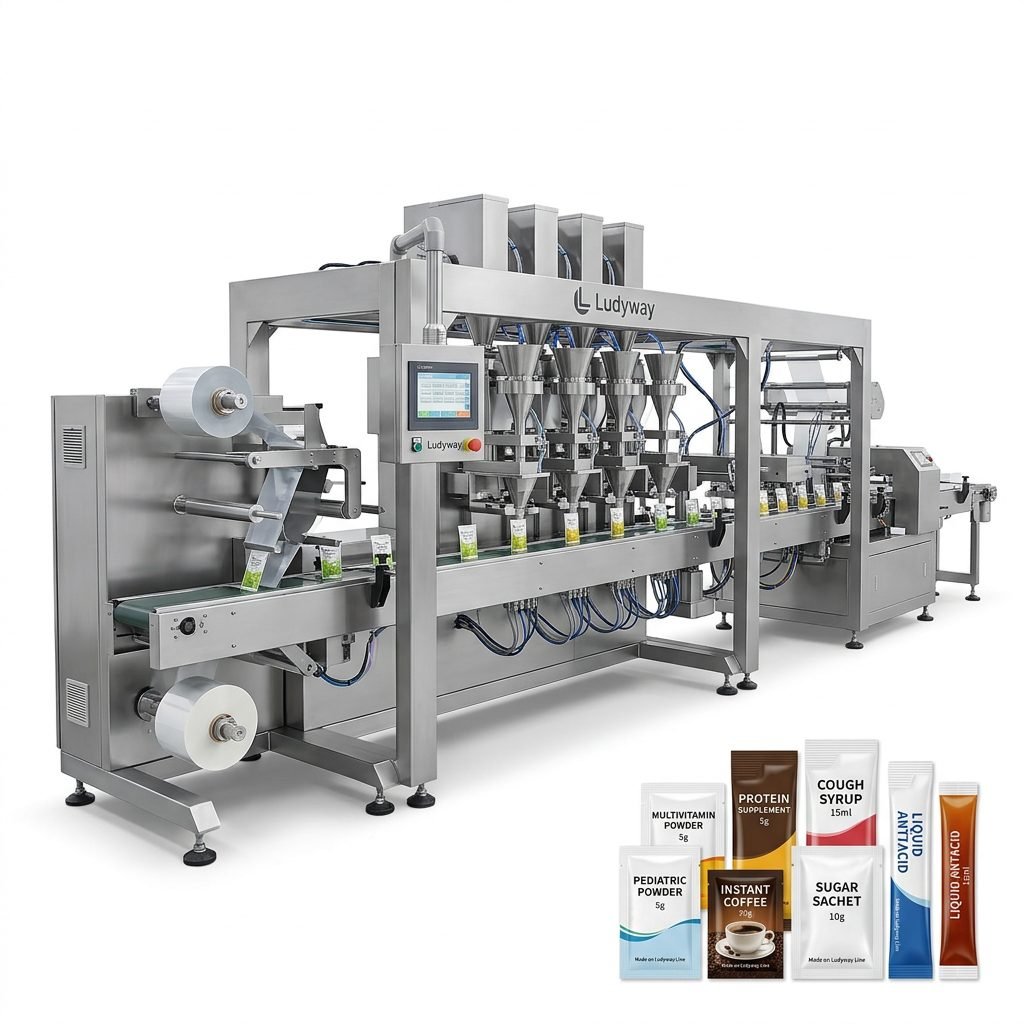
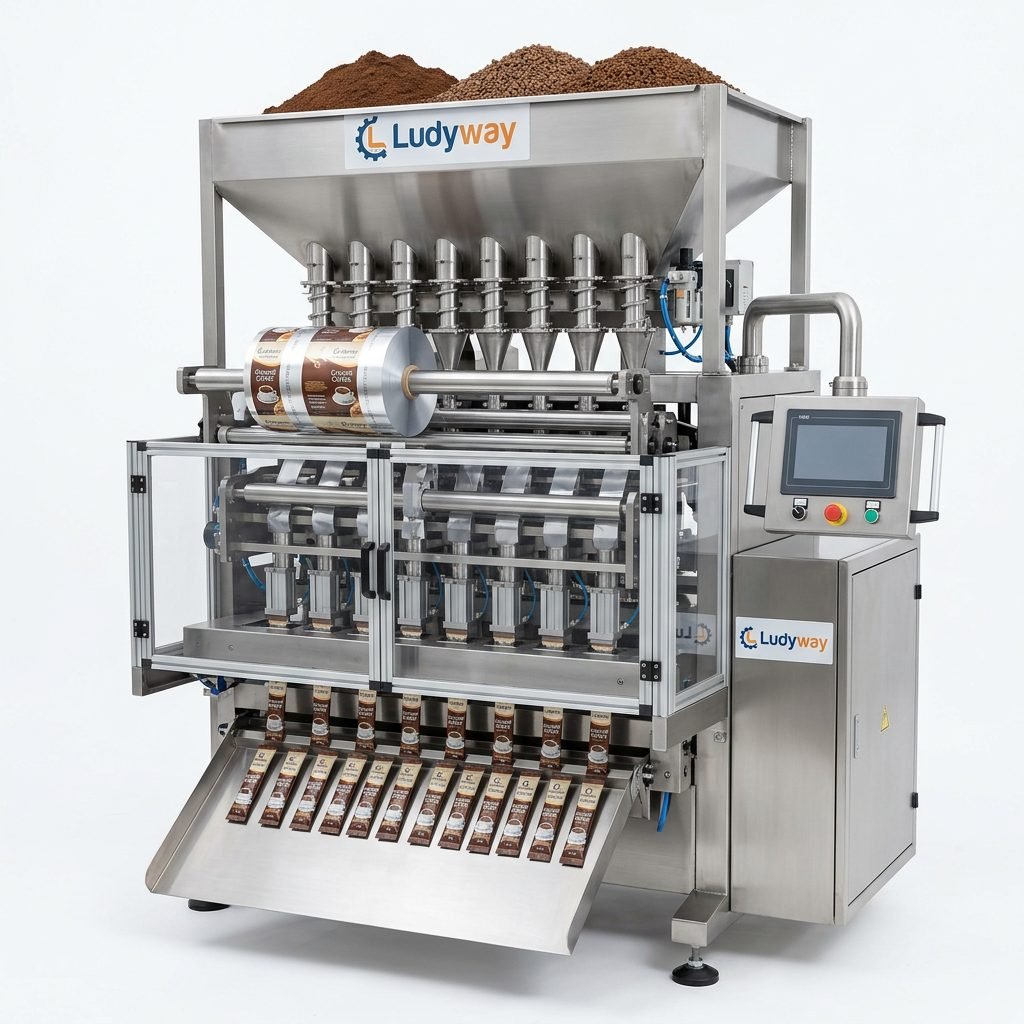
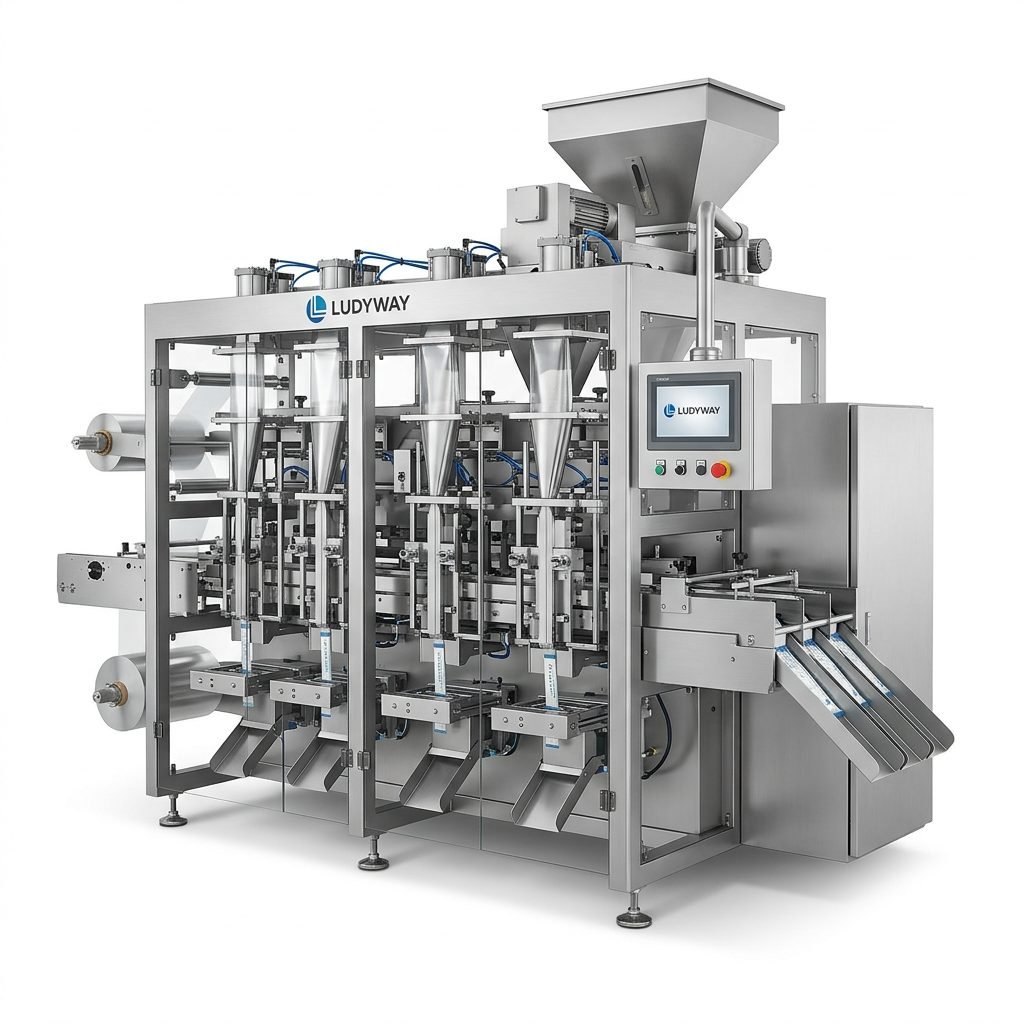
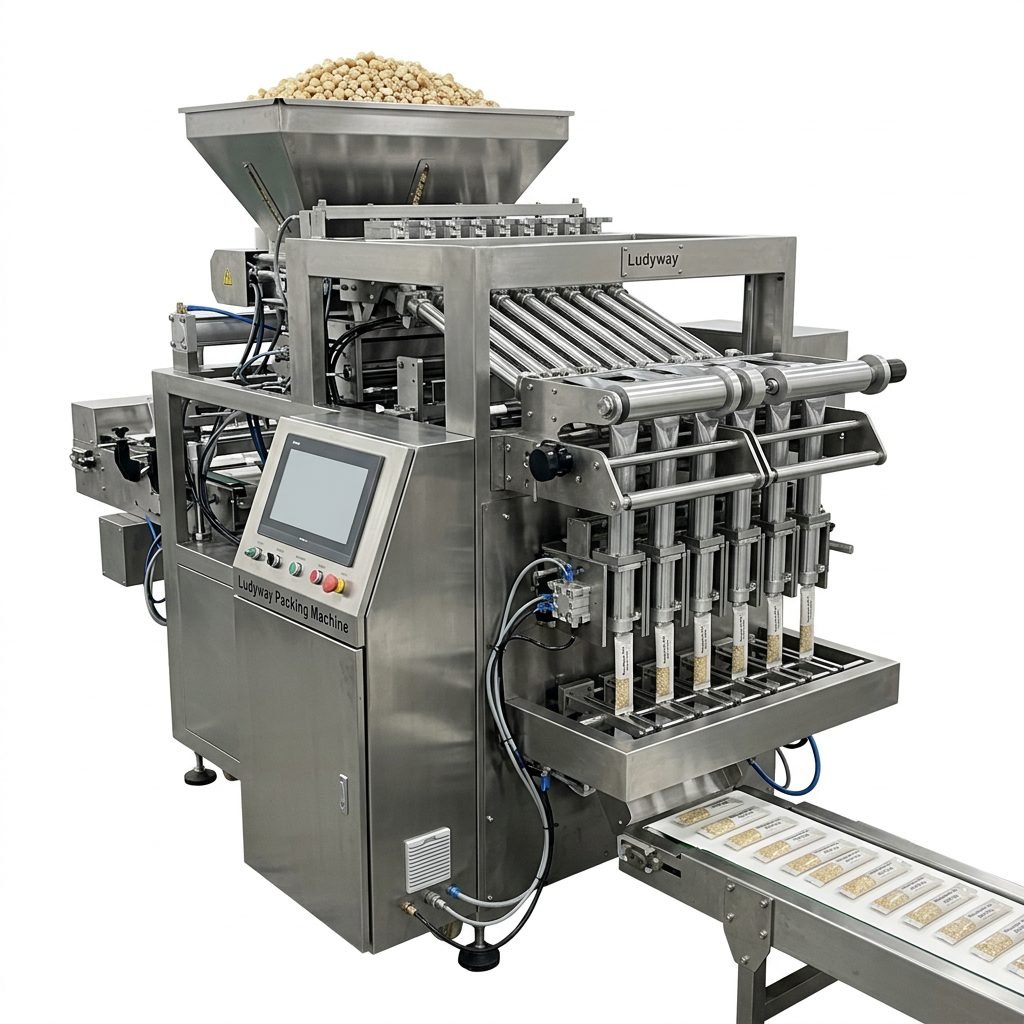
- Stick packs and sachets — ideal for single-serve and portion-control applications
- Stand-up pouches — premium format with resealable zipper options
- Pre-made pouches — allow complex shapes and high-barrier material structures
- Open-mouth bags — suitable for bulk industrial and wholesale packaging
Each format requires specific bag forming, filling, and sealing mechanisms. A machine configured for pillow bags may not easily convert to stand-up pouch production. Multi-lane packaging systems can significantly increase output by running multiple filling lanes simultaneously, which is particularly advantageous for small-format stick packs and sachets. When evaluating equipment, confirm whether the machine supports your current and anticipated future packaging formats to maximize long-term flexibility.
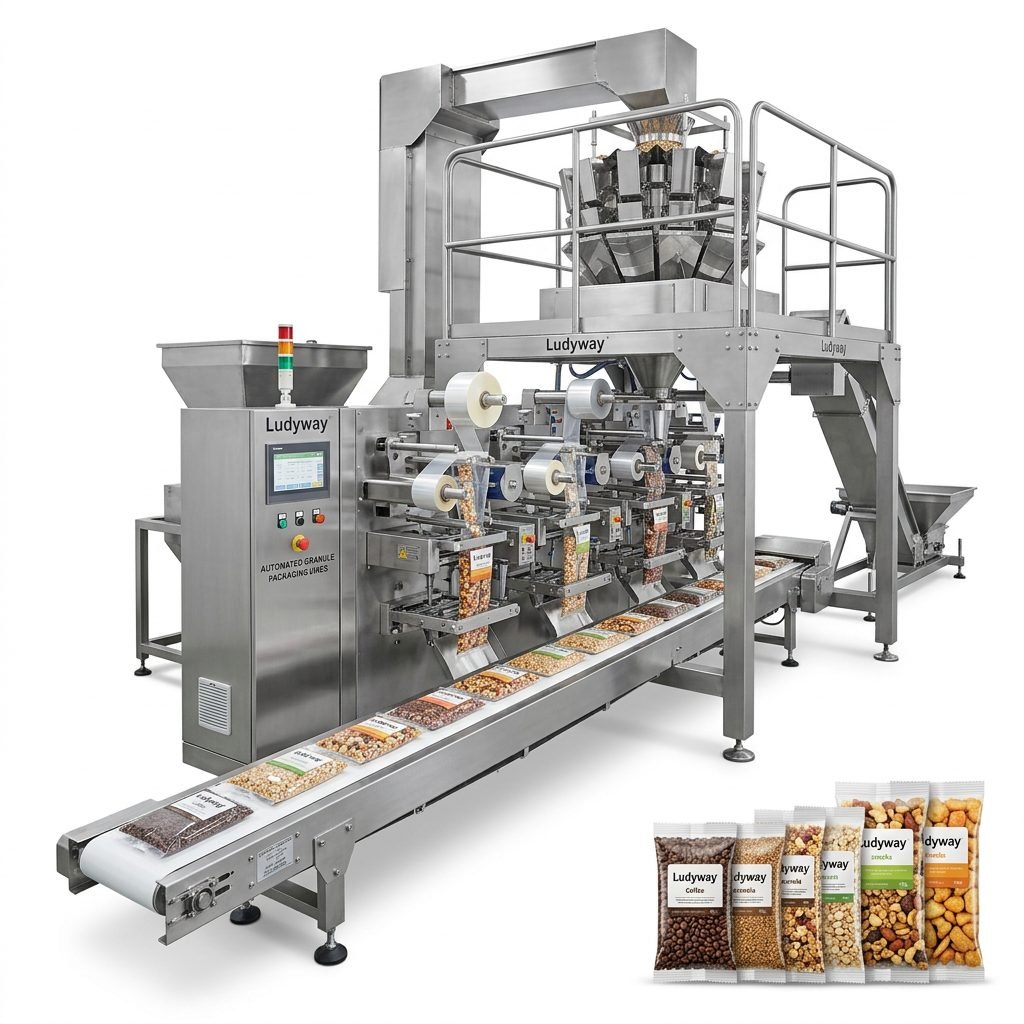
Weighing and Filling Technology Options
The filling and dosing system is the heart of any pulses packaging operation. Accuracy directly affects product giveaway, regulatory compliance, and profitability. Several weighing technologies are available, each with distinct advantages for pulses applications:
| Filling Technology | Best For | Accuracy | Speed |
|---|---|---|---|
| Multi-head weigher | High-speed retail packs, free-flowing pulses | ±0.5–1.0 gram | Up to 120 packs/min |
| Linear weigher | Medium-speed applications, budget-sensitive projects | ±1.0–2.0 grams | Up to 60 packs/min |
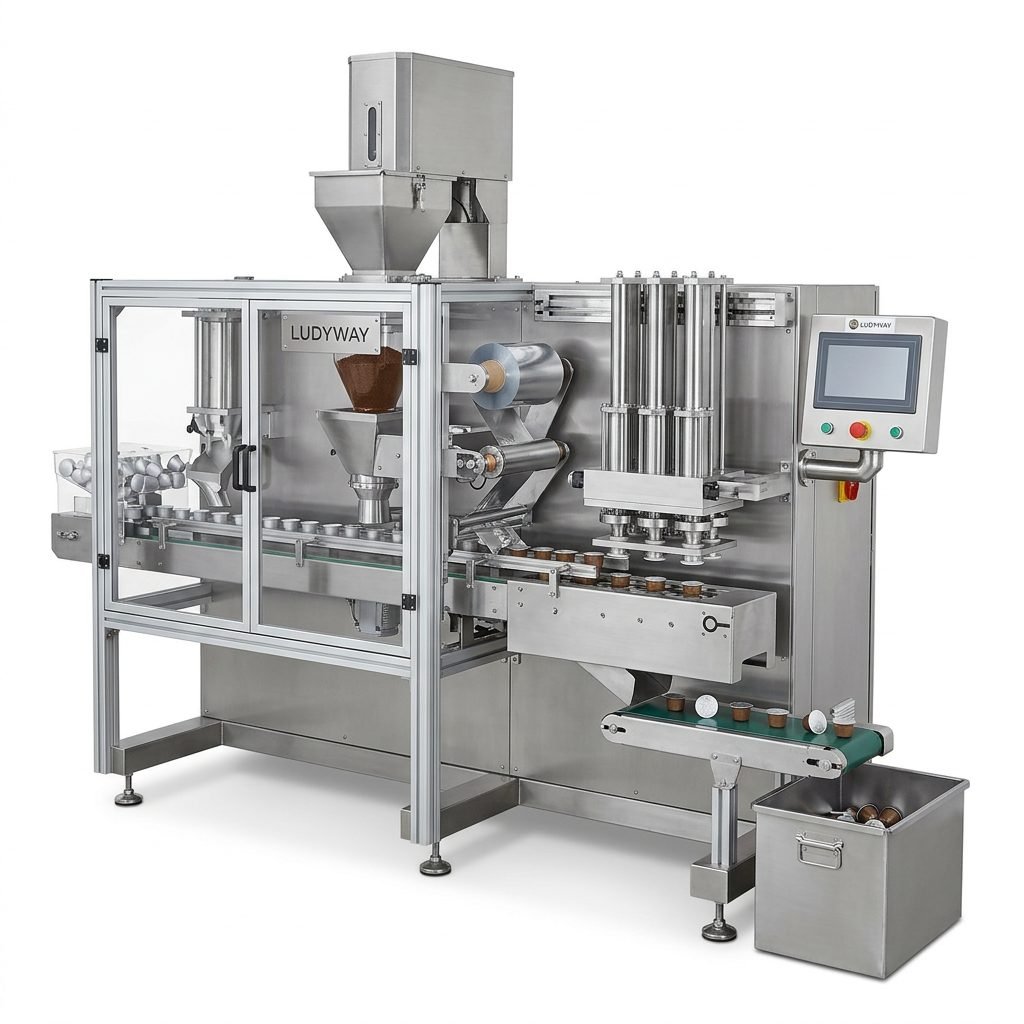
| Volumetric cup filler | Uniform granule size, simple operations | ±2.0–5.0 grams | Up to 80 packs/min |
| Net weigh scale | Bulk bags, large-format packaging | ±5.0–20.0 grams | Up to 15 bags/min |
For most commercial pulses packaging lines, multi-head weighers offer the best combination of speed, accuracy, and versatility. They work exceptionally well with free-flowing granular products and can be fine-tuned for specific pulse varieties. When processing mixed pulses or products with irregular shapes, ensure the weigher has the appropriate feed tray configuration and discharge timing control to maintain consistent fill weights.
Production Speed and Automation Level
Your required production capacity fundamentally shapes machine selection. Small-scale producers may operate efficiently with semi-automatic equipment running at 20–30 packs per minute, while large industrial operations demand fully automated lines capable of high-speed multi-lane filling at 100+ packs per minute. Beyond the filling speed, consider the entire line’s automation level:
- Semi-automatic — operator-assisted bag feeding, manual product loading
- Fully automatic — integrated feeding, forming, filling, sealing, and discharge
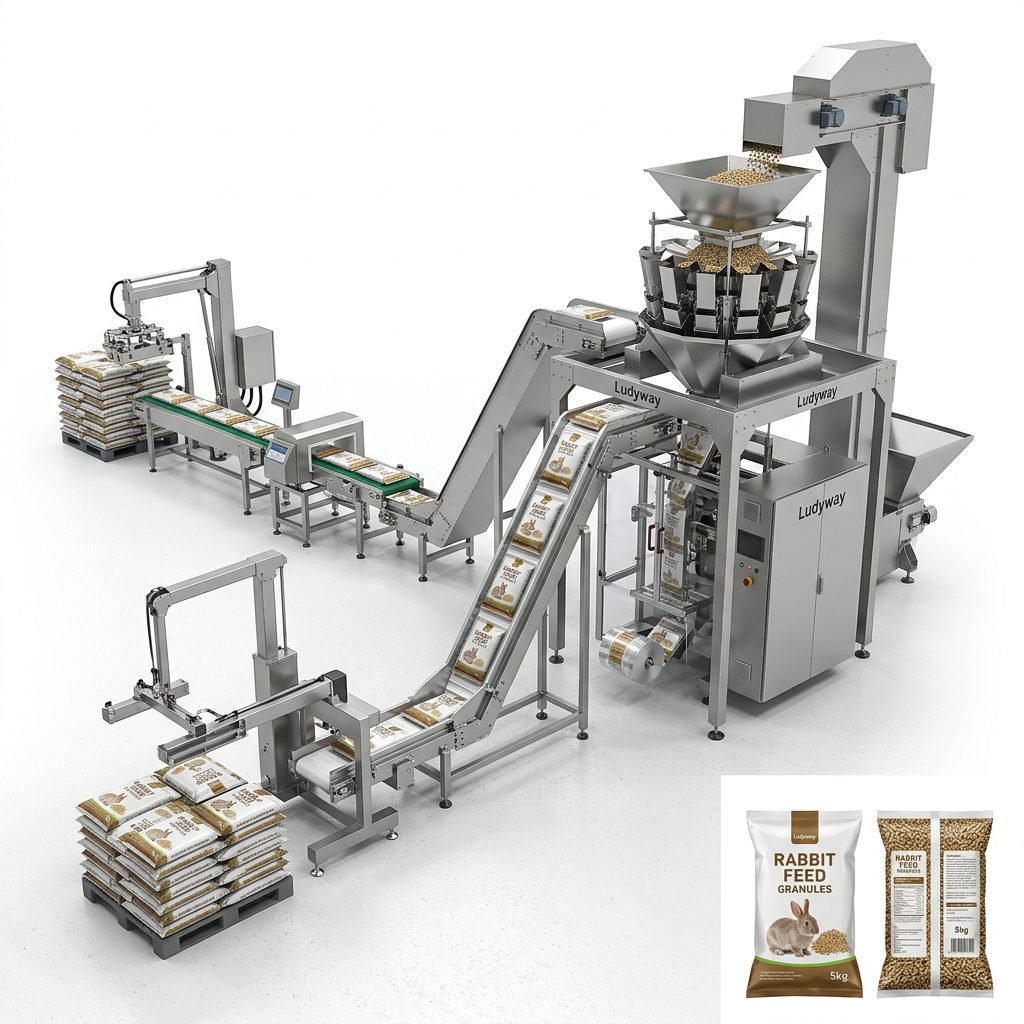
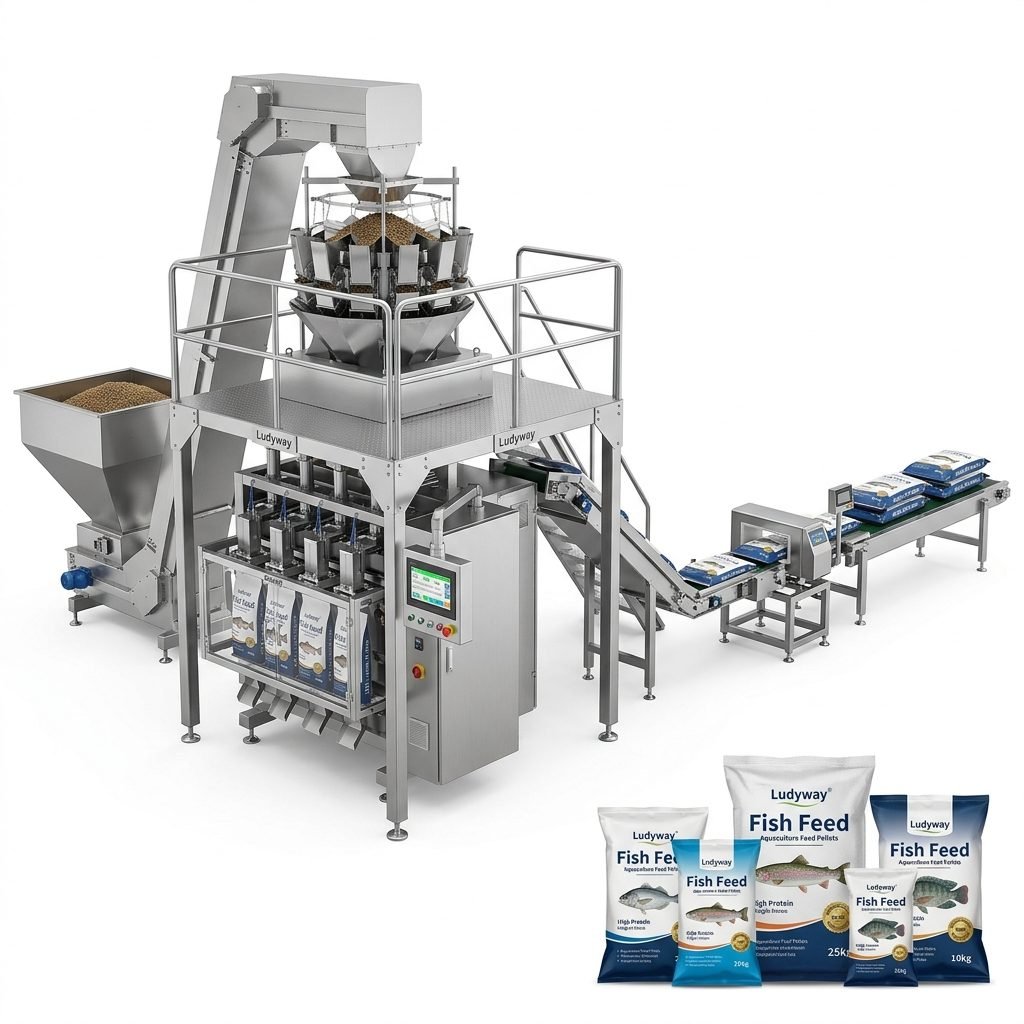
- Complete turnkey systems — includes upstream product handling, multi-head weighing, packaging, checkweighing, metal detection, coding, cartoning, and palletizing
Higher automation levels reduce labor dependency, improve production consistency, and minimize human error. However, they require larger capital investment and more sophisticated maintenance capabilities. Assess your current labor costs, available technical staff, and growth projections to determine the appropriate automation tier. Many manufacturers adopt a phased approach, starting with a core filling and sealing machine, then adding automated weighing and bagging systems as volumes increase.
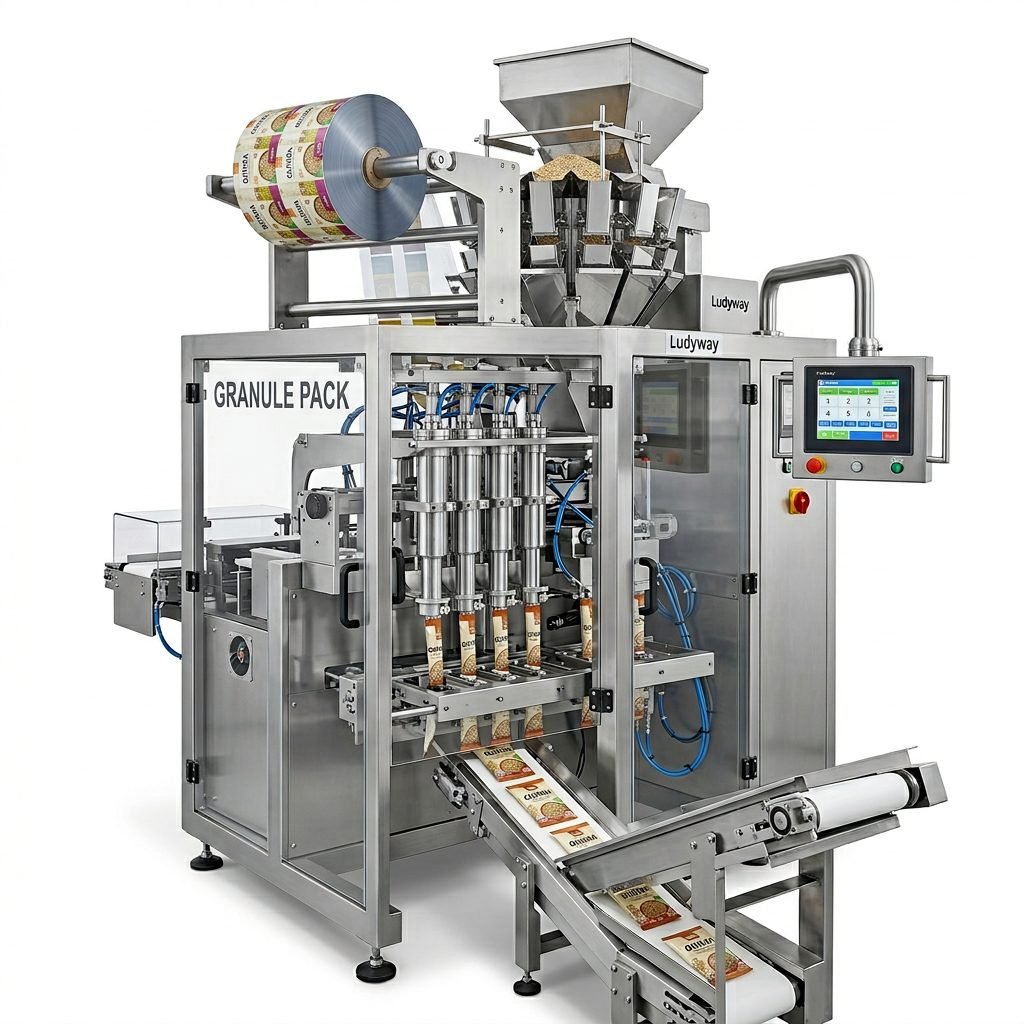
Machine Construction Materials and Hygiene Compliance
For food-grade pulses packaging, stainless steel construction is the industry standard. Product contact surfaces should be manufactured from SUS304 or SUS316L stainless steel to prevent corrosion, facilitate cleaning, and comply with FDA food packaging regulations. Key design considerations include:
- Tool-free disassembly for rapid cleaning and product changeover
- Sloped surfaces to prevent product accumulation and pest harborage
- Sealed electrical enclosures rated for washdown environments
- Continuous welding with smooth, crevice-free joints
- Food-grade lubricants on all moving parts in product zones
If your facility operates under HACCP, BRC, or FSSC 22000 certification, verify that the machine design supports your food safety protocols. Machines intended for export markets may also need to meet ISO packaging standards and relevant European Union machinery directives. Documentation such as material certificates, surface finish reports, and compliance declarations should be available from the manufacturer before purchase.
Customization and Integration Capabilities
No two pulses processing operations are identical. Product variety, bag sizes, factory layouts, and existing production infrastructure all influence the appropriate machine configuration. Leading packaging machinery providers offer customized engineering rather than only off-the-shelf standard models. Customization options typically include:
- Multi-lane configurations for high-speed stick pack and sachet production
- Integrated nitrogen flushing for extended shelf life
- Modified atmosphere packaging (MAP) capabilities
- Compatible upstream feeding systems including bucket elevators and vibratory conveyors
- Downstream integration with checkweighers, metal detectors, and X-ray inspection
- Automated cartoning, case packing, and palletizing modules
When evaluating suppliers, prioritize those with demonstrated engineering and manufacturing expertise who can assess your product and packaging requirements and recommend a suitable configuration. A manufacturer with in-house mechanical design, automation engineering, and system integration teams can deliver a more cohesive solution than one relying on third-party subcontractors.
Evaluating Total Cost of Ownership and ROI
The purchase price represents only one component of total cost of ownership. A comprehensive financial analysis should account for:
- Capital expenditure — machine cost, shipping, installation, and commissioning
- Operational costs — energy consumption, compressed air usage, and consumable packaging materials
- Maintenance costs — spare parts, preventive maintenance schedules, and service contracts
- Labor costs — operators required per shift, technical skill requirements
- Downtime costs — production losses during changeovers, repairs, and maintenance
- Product giveaway — excess product dispensed due to filling inaccuracy over thousands of cycles
A machine with a lower sticker price that consistently overfills by 2–3 grams per pack can cost significantly more over a year of high-volume production than a more accurate system with a higher initial investment. Calculate the payback period based on labor savings, reduced giveaway, and increased throughput to make a data-driven decision. Many food processors find that automated packaging lines achieve full return on investment within 18–36 months.

Supplier Selection and After-Sales Support
Choosing the right packaging machinery partner is as important as selecting the right machine. A reliable supplier provides more than equipment — they deliver technical expertise, project management, and ongoing support throughout the machine’s lifecycle. Key evaluation criteria include:
- Years of industry experience and track record in pulses packaging
- Manufacturing facility size and in-house engineering capabilities
- Range of machine models and ability to configure for specific applications
- Installation, commissioning, and operator training services
- Spare parts availability and delivery lead times
- Remote and on-site technical support responsiveness
- Warranty terms and post-warranty service options
- References from customers in similar applications
Established suppliers with global service networks can provide faster response times and better long-term support. Ludyway Machinery, a China-based packaging machinery manufacturer with more than 30 years of experience, offers a comprehensive portfolio of automated packaging equipment and turnkey packaging solutions for pulses and granular food products. With a 20,000-square-meter manufacturing facility, over 130 professionals, and customers in more than 100 countries, the company provides engineering expertise across machine selection, system integration, customization, installation, and after-sales technical support. For businesses seeking a single partner for their entire packaging line, working with an experienced manufacturer that combines in-house manufacturing with system integration capabilities can streamline project execution and reduce coordination complexity.
Regulatory Compliance and Packaging Material Compatibility
Pulses packaging machines must be compatible with the packaging materials specified for your products. Common flexible packaging materials for pulses include laminated films with structures such as PET/PE, PET/AL/PE, and BOPP/CPP. The machine’s sealing system — whether heat sealing, ultrasonic sealing, or impulse sealing — must be matched to the film’s heat-seal layer properties. Additionally, consider:
- Material thickness range the machine can handle (typically 30–120 microns)
- Compatibility with recyclable mono-material films for sustainability initiatives
- Print registration accuracy for pre-printed films
- Integration of coding and marking systems for batch numbers and date codes
Regulatory considerations vary by destination market. Machines destined for food packaging applications in the United States should comply with relevant FDA food contact substance regulations. Equipment exported to the European Union must meet applicable EU packaging and packaging waste directives. Always confirm that the manufacturer can provide the necessary compliance documentation and certifications for your target markets.
Testing and Validation Before Purchase
Before finalizing any pulses packing machine purchase, insist on conducting product trials with your actual materials. Factory acceptance testing (FAT) allows you to evaluate machine performance under conditions that simulate your production environment. During trials, assess:
- Filling accuracy across multiple production cycles
- Seal integrity and peel strength on your specified packaging film
- Machine speed achievable with your specific pulses variety
- Changeover time between different bag sizes or product types
- Ease of cleaning and accessibility of product contact zones
- Noise levels and operator ergonomics
Document all performance metrics during trials and include them as acceptance criteria in the purchase agreement. This data-driven approach reduces commissioning risks and ensures the delivered machine meets your expectations. Reputable manufacturers welcome product testing and often have dedicated trial facilities or can arrange remote video demonstrations for international buyers.

Industry Resources and Further Reading
Staying informed about packaging industry trends, standards, and innovations helps you make better procurement decisions. The following resources provide valuable insights for pulses packaging professionals:
- PMMI – The Association for Packaging and Processing Technologies — industry reports, market data, and educational resources
- PMMI State of the Industry Reports — annual packaging machinery market analysis
- Flexible Packaging Association — flexible packaging industry data and regulatory updates
- ISO Packaging Standards — international standards for packaging machinery and materials
- PACK EXPO International — leading trade show for packaging technology and innovation
- Ludyway Packaging Machinery Global Growth Trend Report — market analysis and export projections
Making the Final Decision
Selecting the right pulses packing machine requires balancing multiple factors: product characteristics, packaging format requirements, production capacity goals, budget constraints, and long-term operational needs. The most successful procurement decisions result from a structured evaluation process that includes detailed product analysis, clear specification documentation, thorough supplier assessment, hands-on product trials, and comprehensive total cost of ownership calculations. By investing time in the selection process upfront, you can secure packaging equipment that delivers reliable performance, consistent product quality, and strong return on investment for years to come. Whether you are upgrading an existing line or building a new production facility, partnering with an experienced packaging machinery manufacturer that understands the unique requirements of pulses processing will help ensure your project’s success from concept through commissioning and beyond.