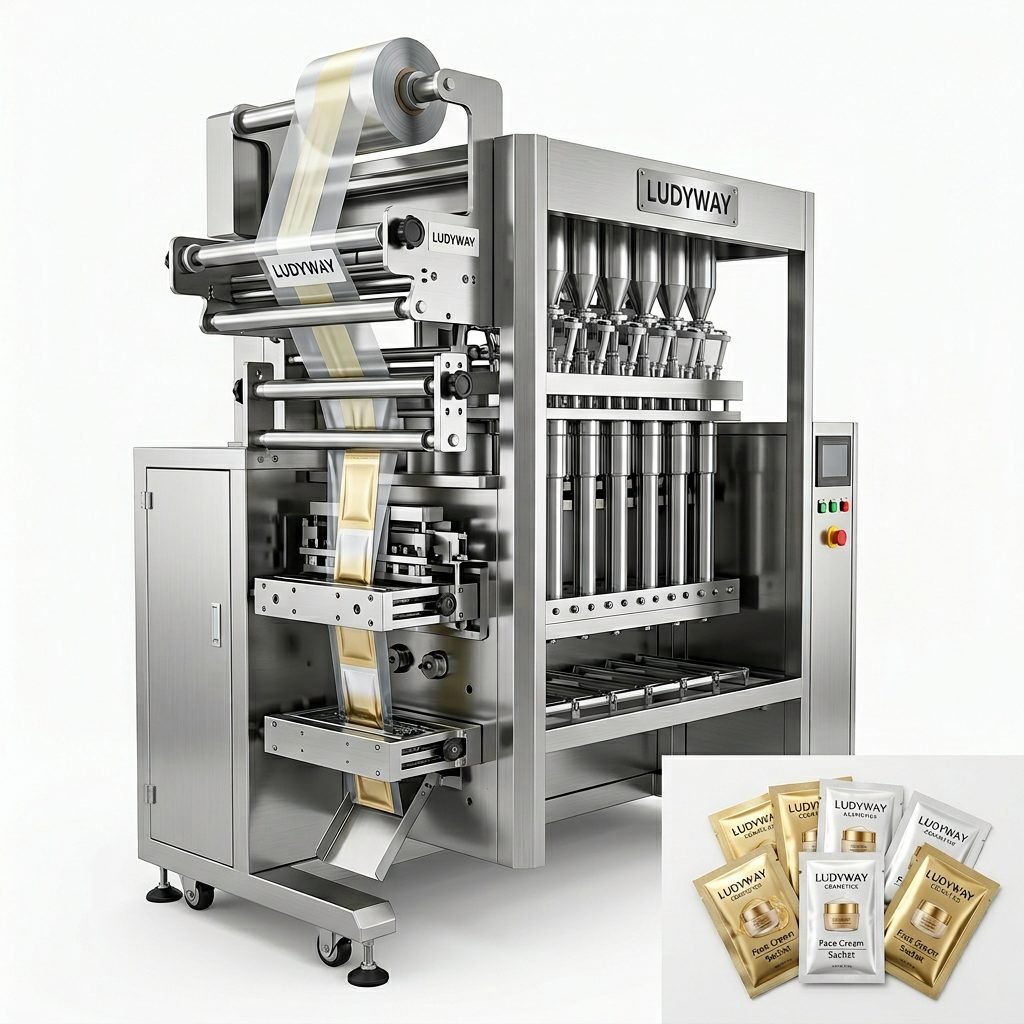
India’s meat processing sector is experiencing unprecedented growth. With rising disposable incomes, urbanization, and changing dietary preferences, the demand for hygienically packaged ground meat has surged across retail chains, e-commerce platforms, and export channels. Selecting the best ground meat packaging machine in India is no longer just about equipment procurement — it is a strategic decision that directly impacts product shelf life, food safety compliance, and operational profitability.
According to the PMMI State of the Industry Report, the global market for protein packaging equipment continues to expand, driven by automation trends and stricter food packaging regulations. Indian meat processors, in particular, are seeking advanced solutions that can handle the unique characteristics of ground meat — its moisture content, fat levels, and susceptibility to bacterial contamination.
Why Ground Meat Packaging Requires Specialized Machinery
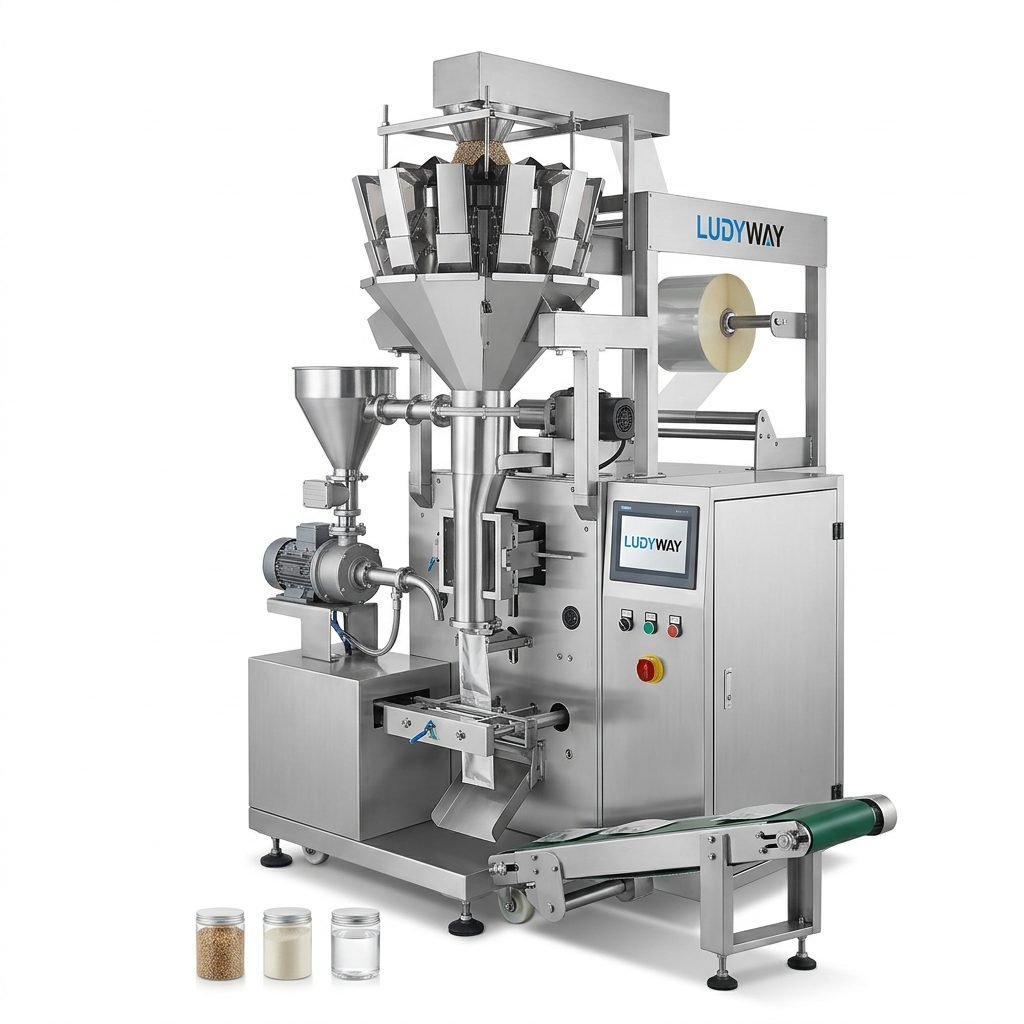
Ground meat presents distinct packaging challenges compared to whole cuts or dry products. The high moisture and fat content create an environment where oxidation and microbial growth can occur rapidly. Packaging equipment must integrate seamlessly with modified atmosphere packaging (MAP) or vacuum systems to extend shelf life while maintaining product integrity. Furthermore, the ISO packaging standards mandate strict hygiene protocols for meat contact surfaces, making stainless steel construction and CIP (Clean-in-Place) compatibility essential features.
Key functional requirements for any ground meat packaging solution include:
- Precision portioning — accurate weight control for minced meat products to meet regulatory and customer expectations
- Leak-proof sealing — hermetic seal integrity to prevent contamination and preserve freshness
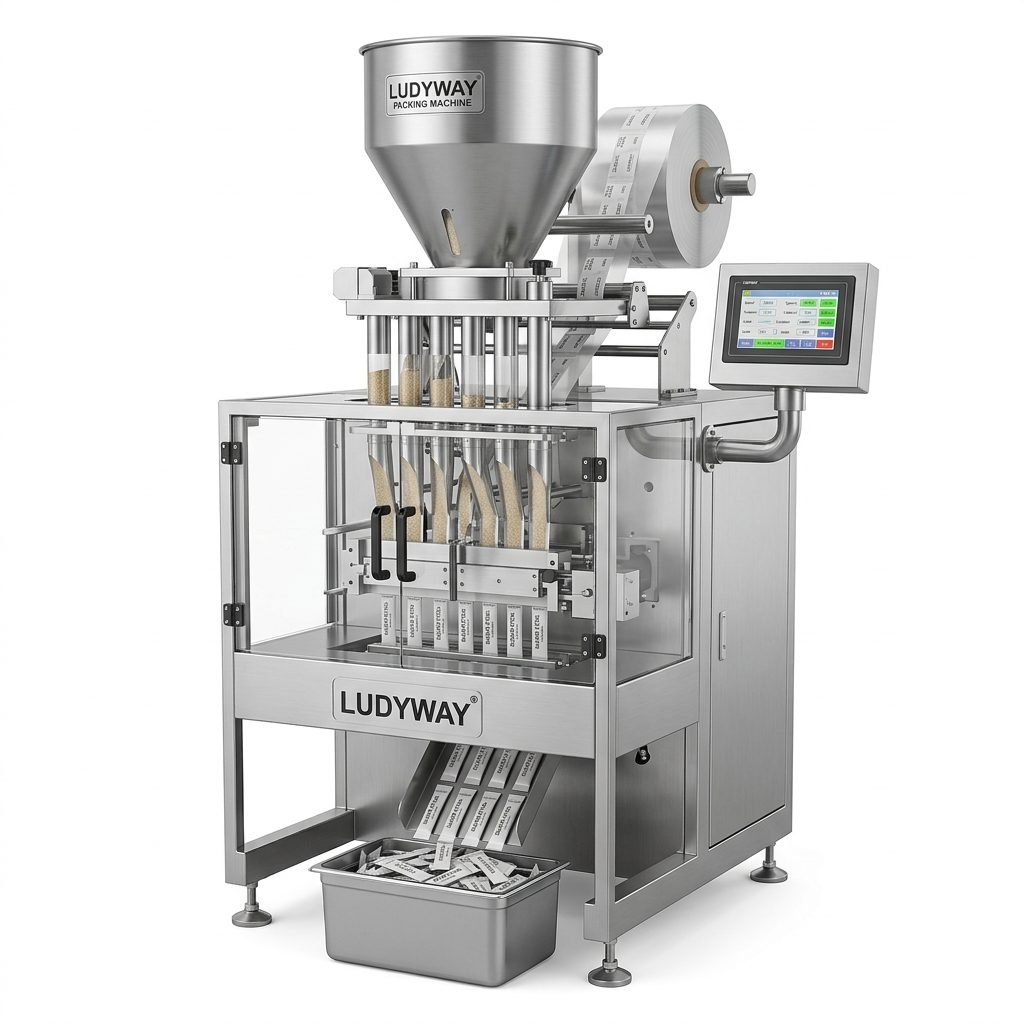
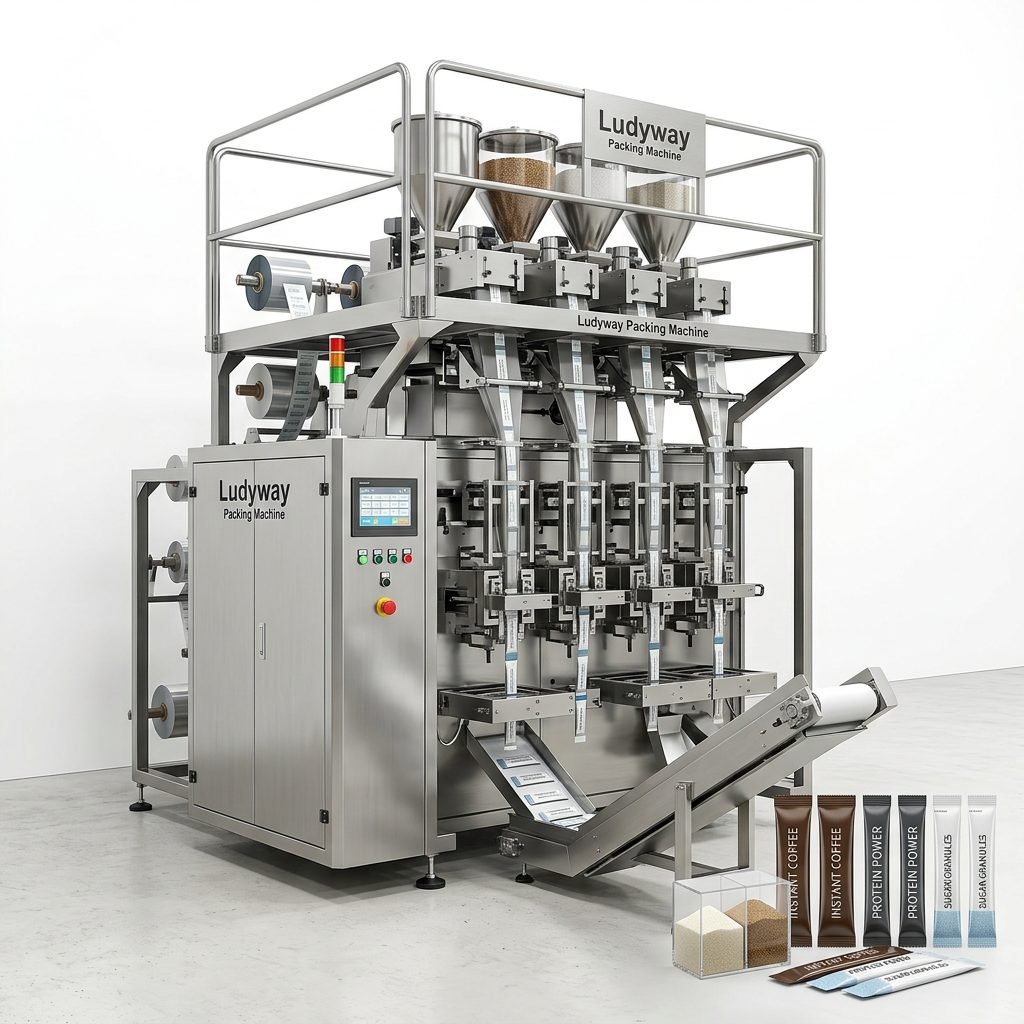
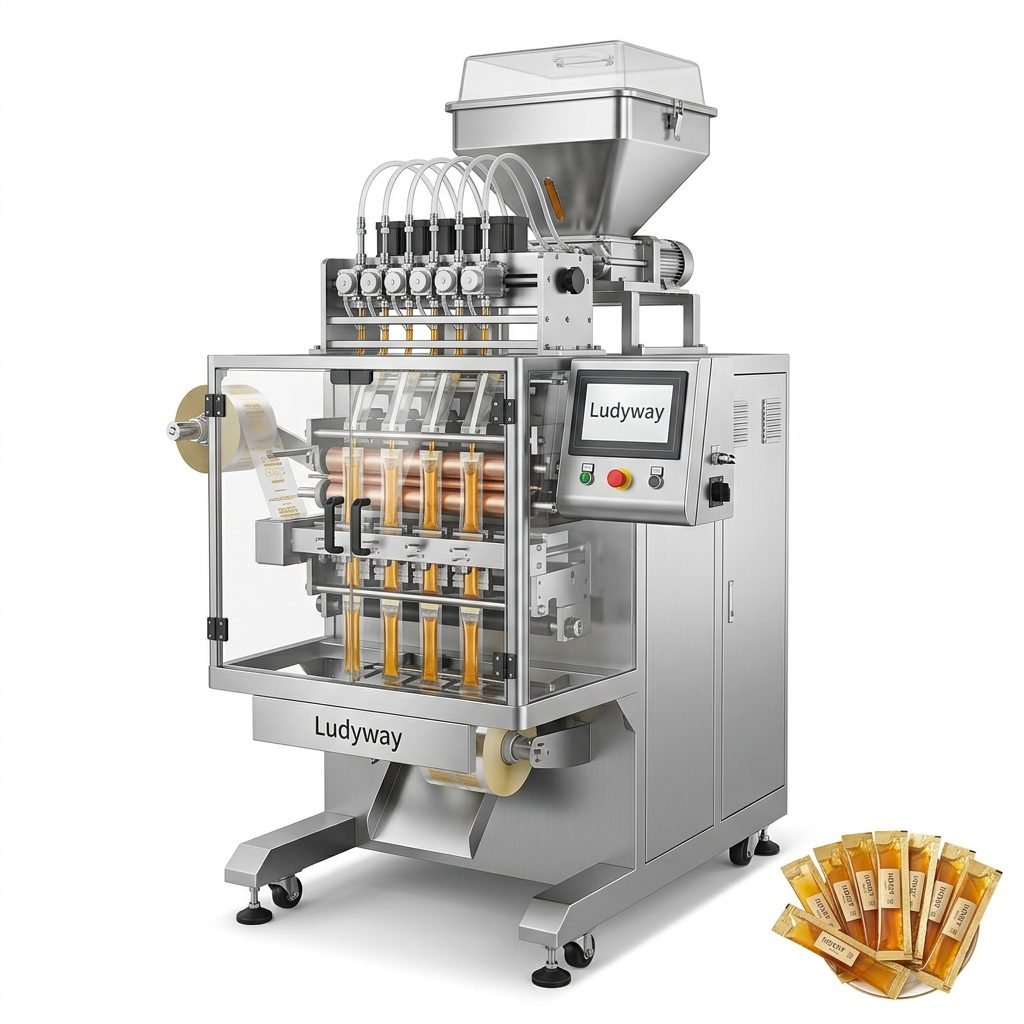
- Multi-format flexibility — compatibility with tray, pouch, sachet, and stick pack formats
- High throughput capacity — maintaining production efficiency without compromising packaging quality
- Temperature-controlled handling — keeping ground meat within safe temperature ranges during the packaging cycle
Key Features to Evaluate in a Ground Meat Packaging Machine
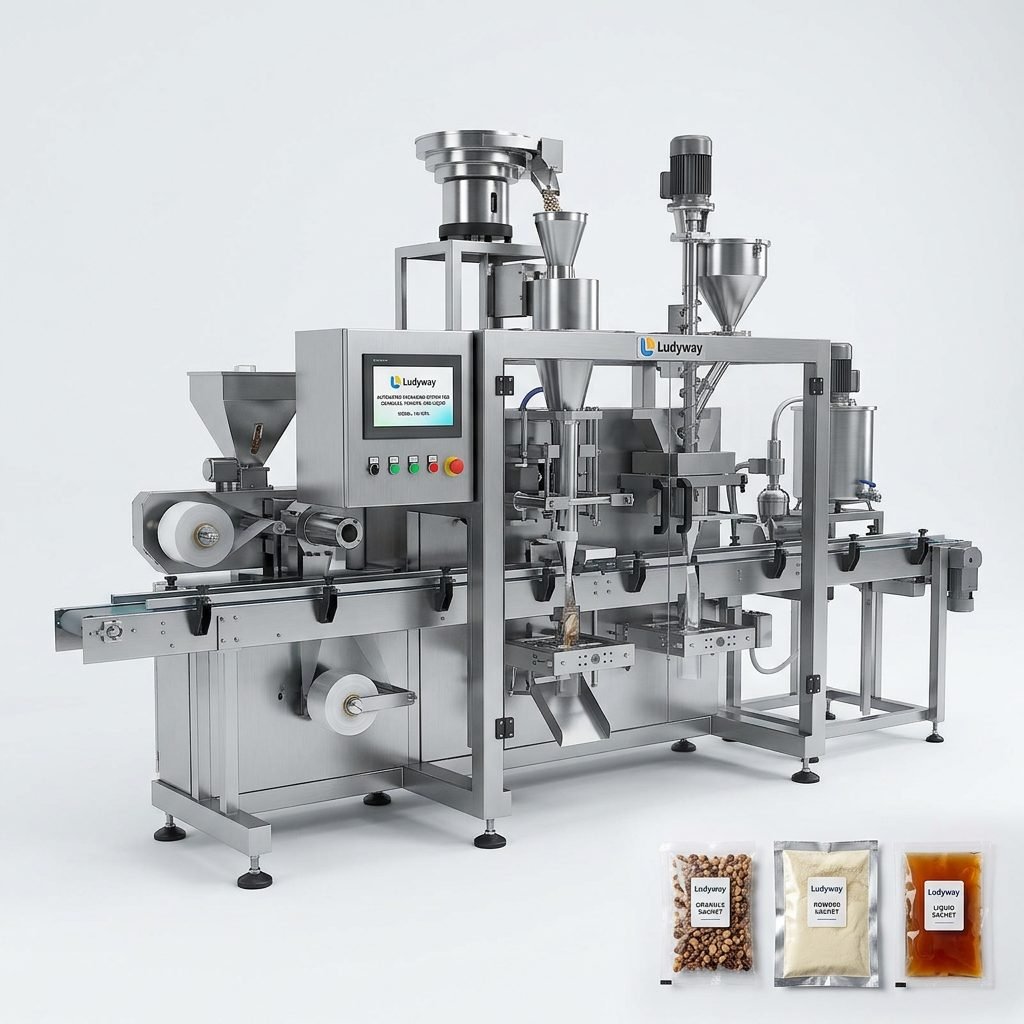
When assessing packaging machinery for ground meat applications in the Indian market, several technical and operational factors deserve careful consideration. The Flexible Packaging Association’s industry data emphasizes that equipment selection should align with both current production needs and future scalability requirements.
Hygiene and Sanitary Design
Food-grade stainless steel construction is non-negotiable for ground meat applications. Equipment should feature sloped surfaces, minimal crevices, and easy disassembly for thorough sanitation. Compliance with FDA food contact substance requirements ensures that materials used in the packaging process do not compromise product safety.
Sealing Technology
The sealing mechanism must deliver consistent, robust seals regardless of product residue or moisture presence. Advanced heat-sealing systems with adjustable temperature and pressure controls are critical for preventing package failure during distribution and retail display. Vacuum and gas-flushing capabilities further enhance preservation for ground meat products destined for extended shelf life applications.
Automation and Integration
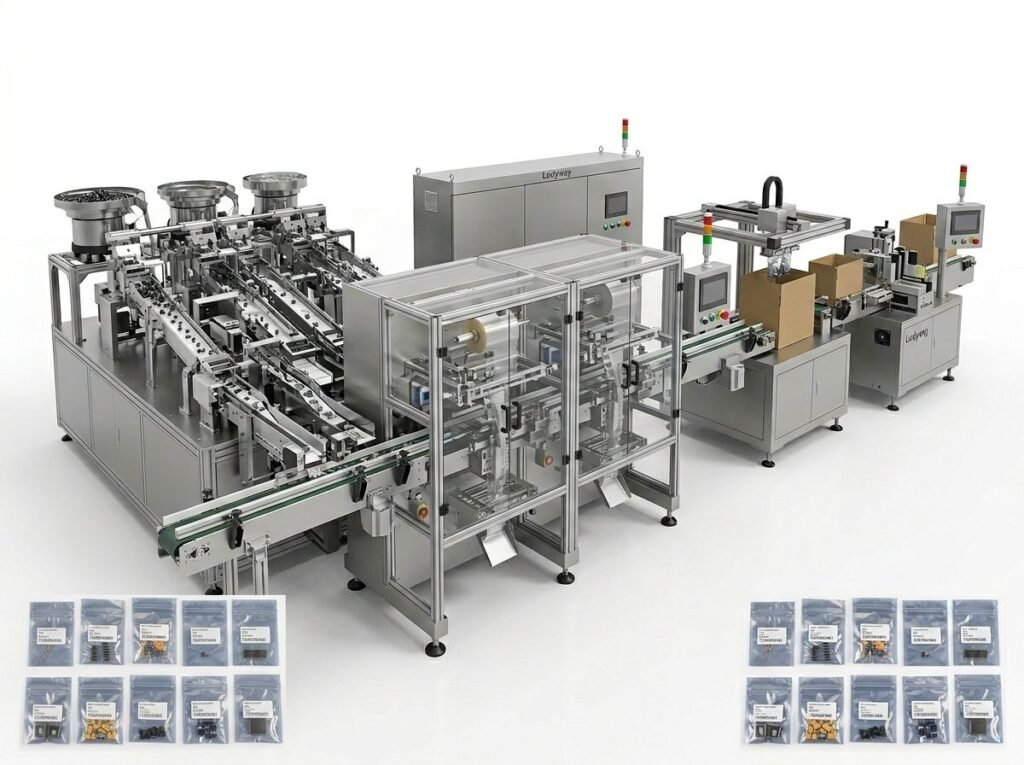
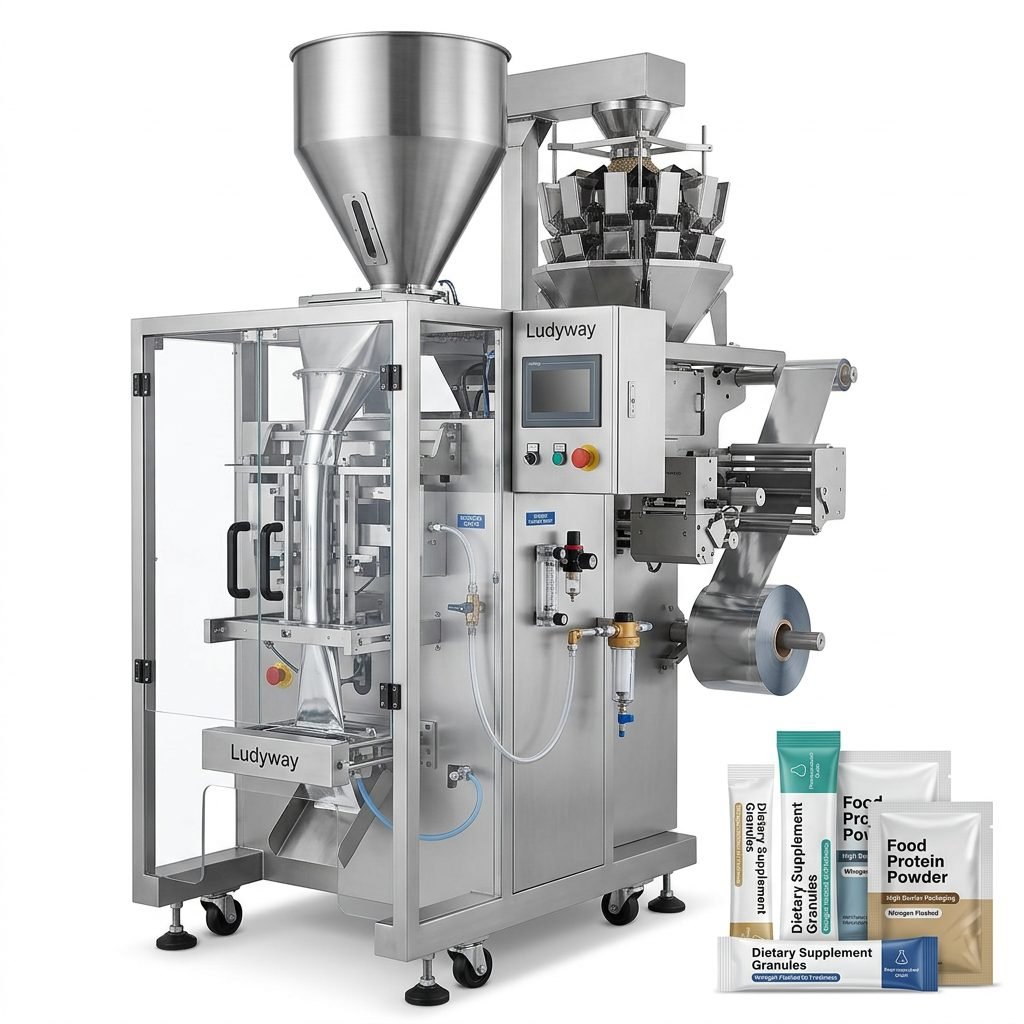
Modern ground meat packaging lines benefit immensely from fully automated weighing, filling, and sealing operations. Integration with upstream grinding equipment and downstream cartoning or palletizing systems creates a seamless production flow. The PMMI packaging industry resources highlight that automation reduces labor dependency while improving consistency — a crucial advantage in India’s competitive meat processing landscape.
Packaging Formats for Ground Meat Products in India
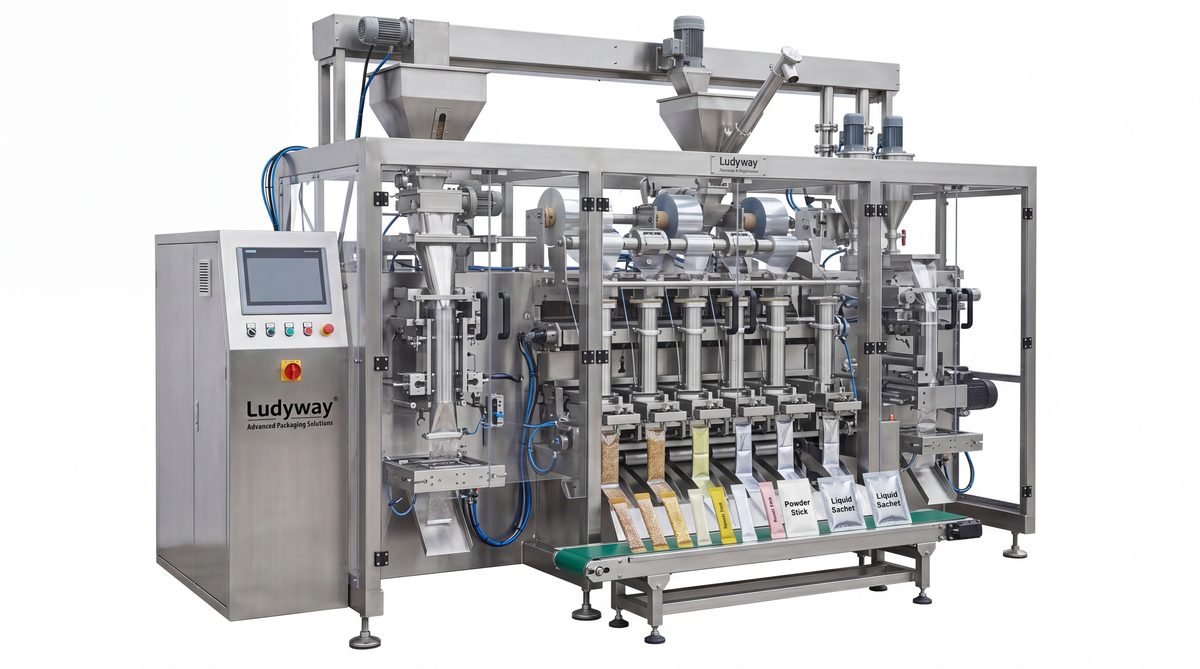
Indian consumers interact with ground meat through various retail and institutional channels, each requiring specific packaging formats. The right machinery should accommodate multiple configurations to serve diverse market segments effectively.
| Packaging Format | Typical Application | Shelf Life Extension | Recommended Technology |
|---|---|---|---|
| Vacuum Pouches | Retail frozen ground meat | 6-12 months frozen | Vacuum chamber + heat seal |
| MAP Trays | Chilled retail display | 7-14 days chilled | Gas flush + tray sealing |
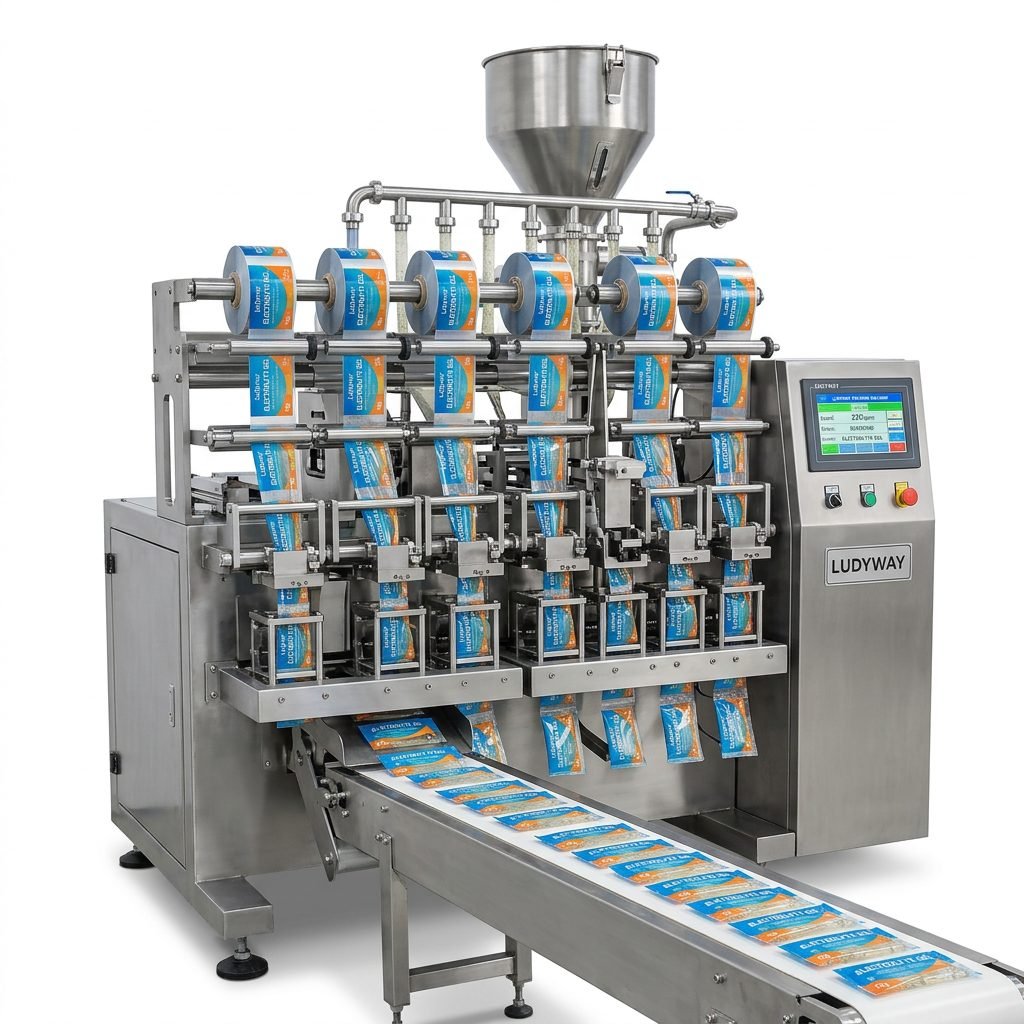
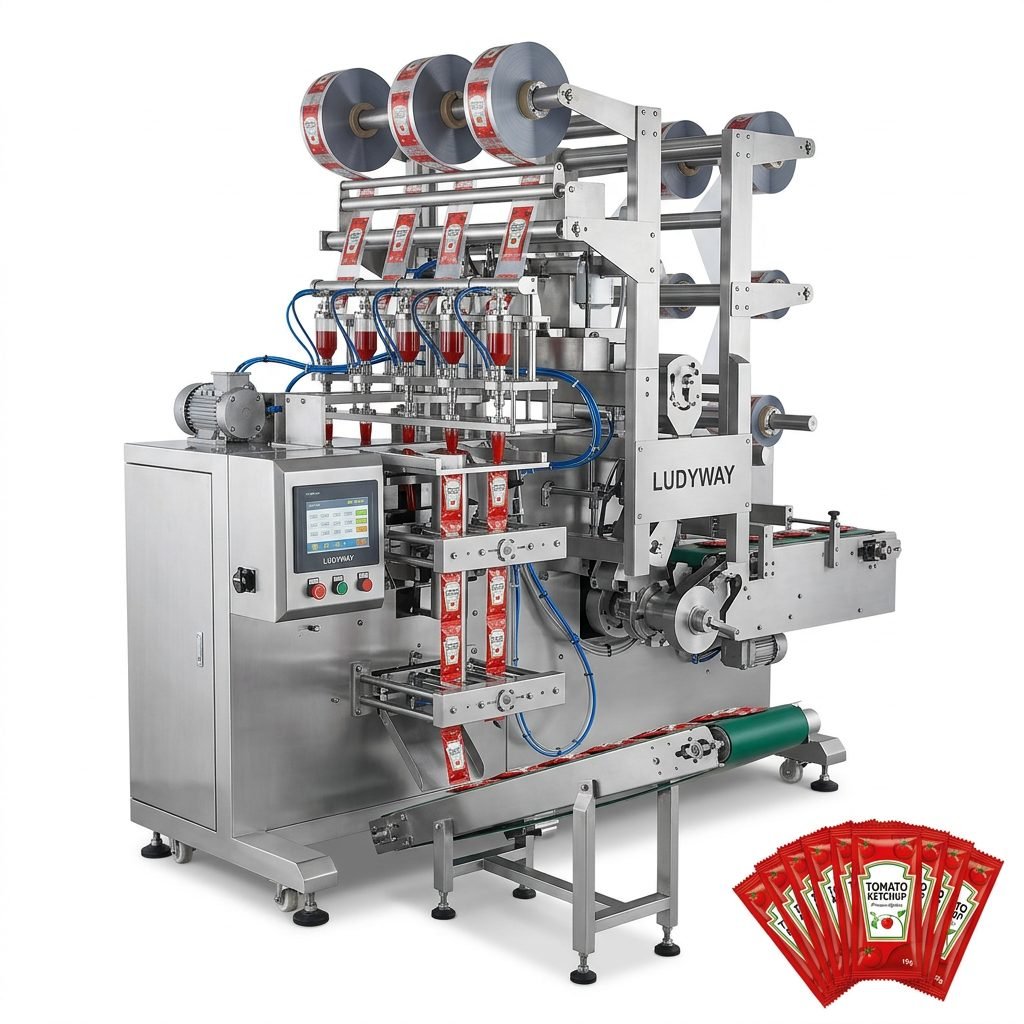
| Stick Packs | Single-serve seasoning mixes | 12-18 months ambient | Multi-lane form-fill-seal |
| Bulk Bags | Food service / institutional | 3-6 months frozen | Automatic bagging + sealing |
Why Ludyway Stands Out for Ground Meat Packaging Solutions
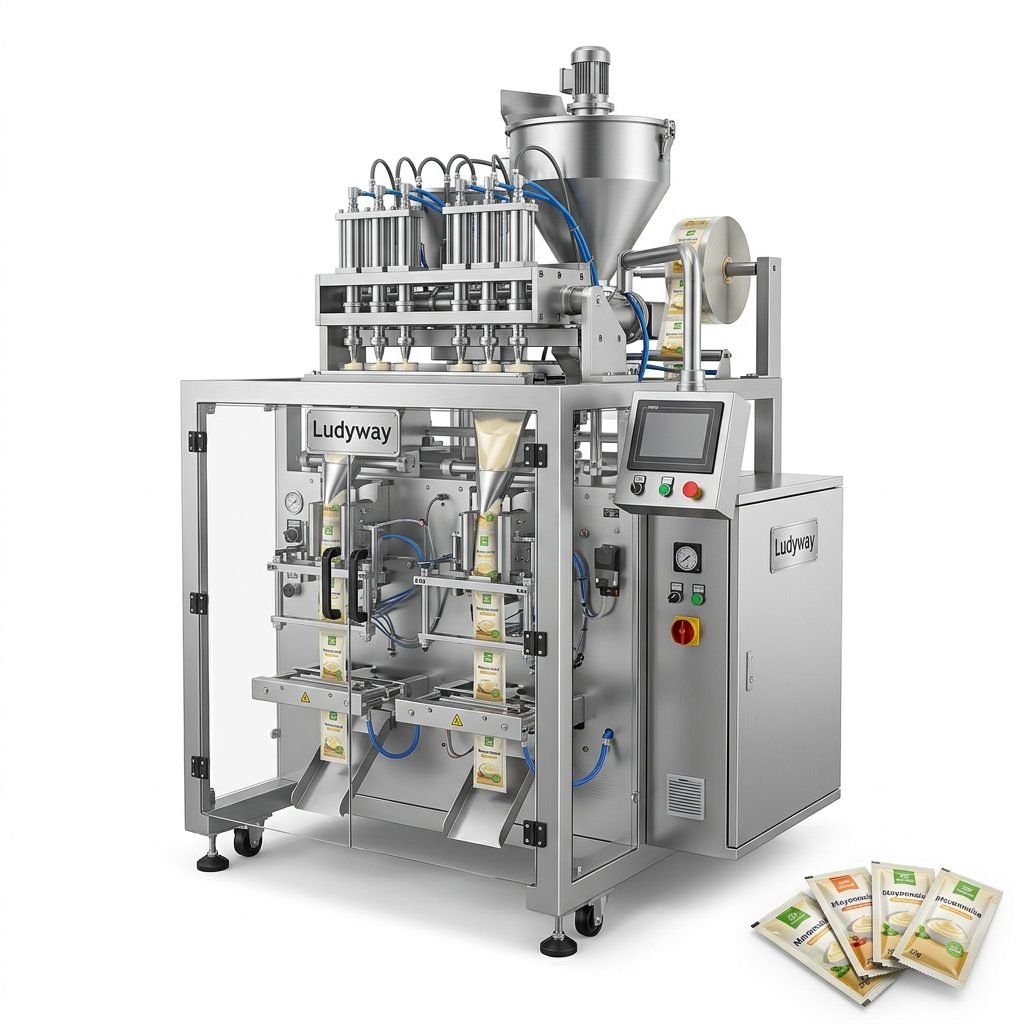
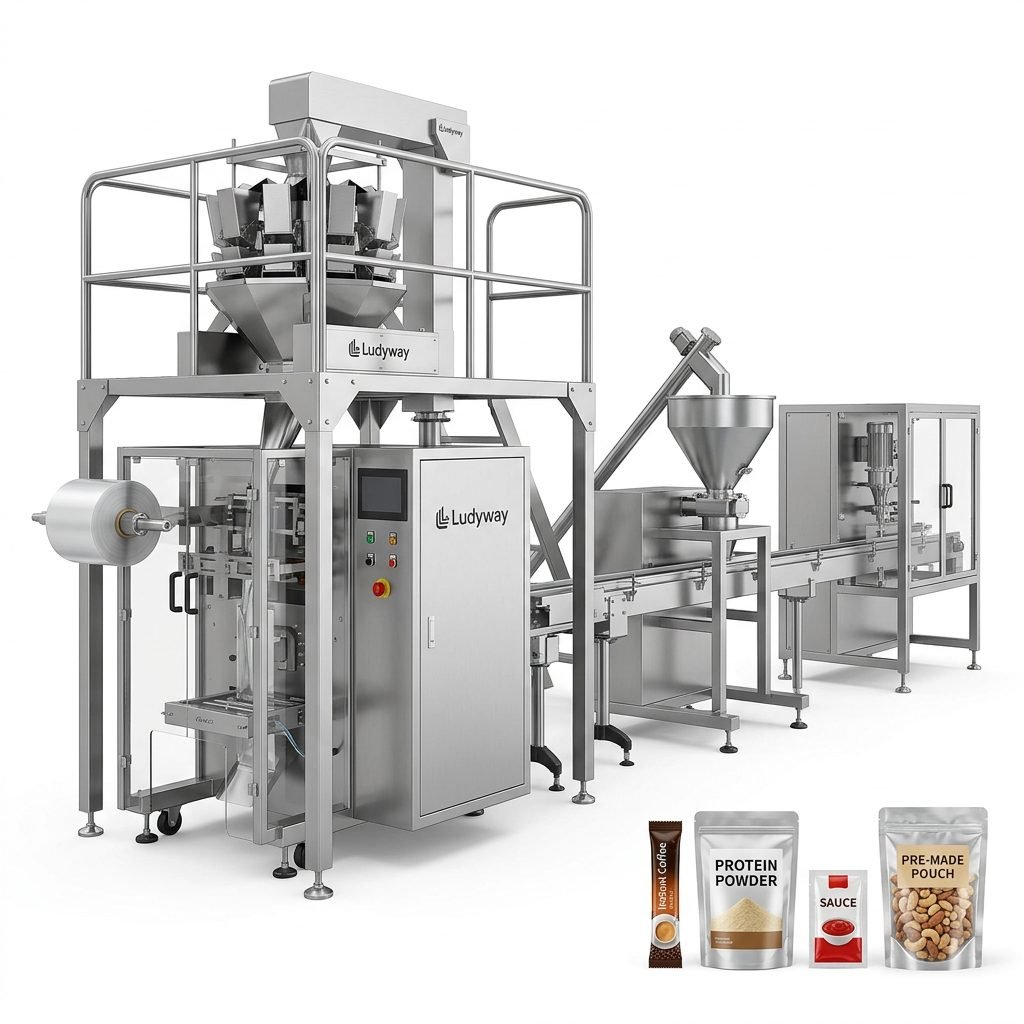
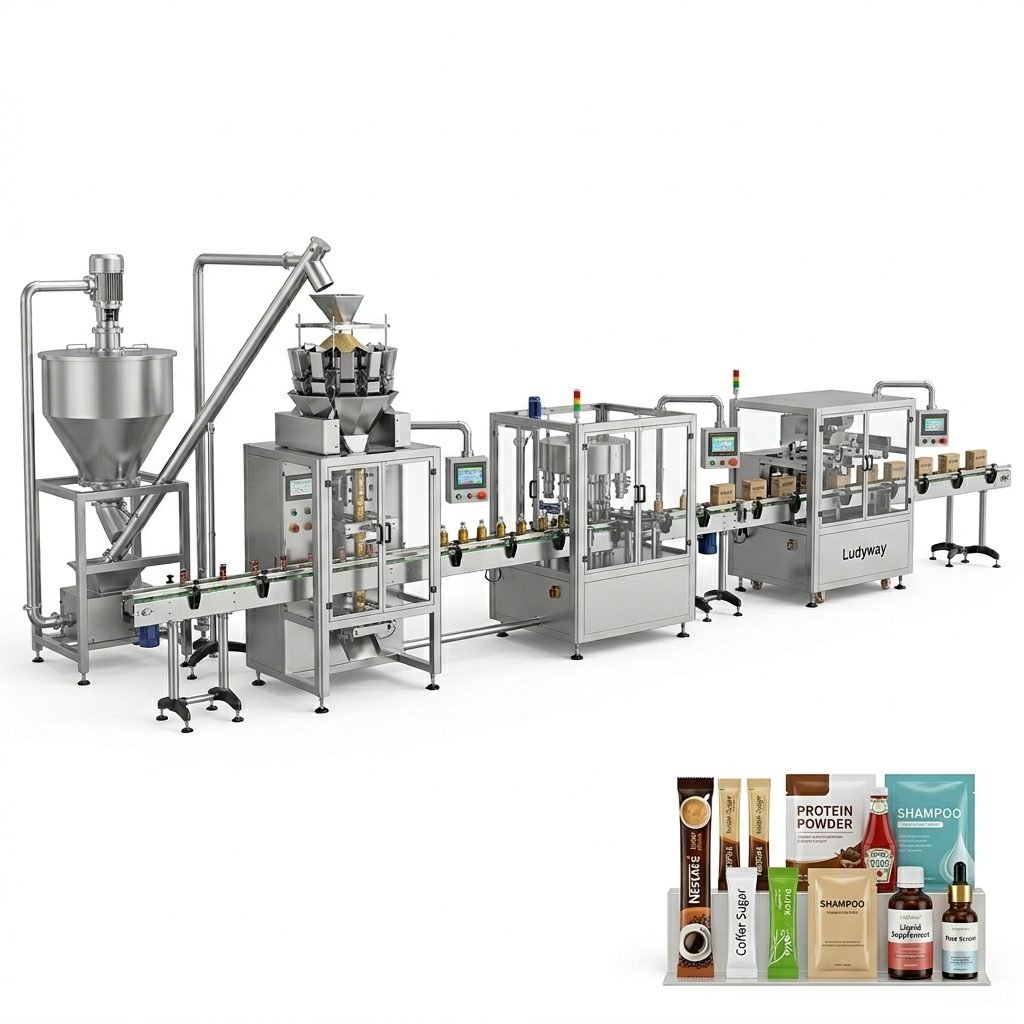
Ludyway has established itself as a trusted provider of advanced packaging machinery with over 30 years of industry expertise and a presence in more than 100 countries. The company’s modern 20,000㎡ manufacturing facility produces over 50 intelligent packaging machine models, including multi-lane stick pack, sachet, and fully automated packaging systems. For Indian ground meat processors, Ludyway offers customizable, high-performance equipment designed to meet the rigorous demands of meat packaging — from precision filling to reliable sealing and extended production durability.
Technical Specifications That Matter for Indian Processors
Ground meat packaging machinery must deliver measurable performance across key operational parameters. Below are critical technical considerations that influence equipment selection:
| Specification | Importance for Ground Meat | Target Benchmark |
|---|---|---|
| Filling Accuracy | Minimizes product giveaway | ±0.5% to ±1% |
| Seal Strength | Prevents leakage and contamination | ≥ 30 N/15mm |
| Production Speed | Meets volume demands | 40-120 packs/min |
| Changeover Time | Supports format flexibility | < 15 minutes |
| IP Rating | Washdown capability | IP65 or higher |
Regulatory Compliance and Food Safety Standards
Indian meat exporters targeting markets in Europe, North America, and the Middle East must comply with stringent international standards. The European Commission’s Packaging and Packaging Waste Regulation and U.S. EPA sustainable materials management guidelines influence packaging material choices and equipment design. Machinery that facilitates compliance — through traceable batch coding, tamper-evident sealing, and material compatibility — provides Indian processors with a competitive advantage in global markets.
Cost-Benefit Analysis: Investing in Quality Packaging Machinery
While initial capital expenditure for advanced ground meat packaging equipment may appear substantial, the long-term operational benefits significantly outweigh the investment. Consider the following economic factors:
- Reduced product waste — precise filling and reliable sealing minimize rejected packages and product loss
- Lower labor costs — automation reduces manual handling requirements across the packaging line
- Extended market reach — superior packaging enables longer distribution channels and export opportunities
- Brand protection — consistent package quality builds consumer trust and retailer confidence
- Regulatory readiness — compliant equipment reduces the risk of costly recalls or market access denials
After-Sales Support: A Critical Decision Factor
In the Indian context, where meat processing facilities may be located in tier-2 and tier-3 cities, responsive after-sales service becomes a pivotal consideration. Packaging machinery downtime directly impacts perishable product throughput. Equipment suppliers offering remote diagnostics, readily available spare parts, and trained local service teams provide significant operational advantages. The PMMI packaging machinery standards emphasize the importance of comprehensive technical documentation and operator training as part of the equipment procurement process.
Frequently Asked Questions About Ground Meat Packaging Machines
What is the optimal packaging method for fresh ground meat?
Modified atmosphere packaging (MAP) using a gas mixture of approximately 70-80% oxygen and 20-30% carbon dioxide is widely recommended for fresh ground meat sold in retail chillers. This combination maintains the bright red color while inhibiting microbial growth. Vacuum packaging is preferred for frozen ground meat products destined for longer storage periods.
How do I ensure my packaging machine meets export requirements?
Verify that the equipment manufacturer provides documentation demonstrating compliance with relevant ISO 11607 packaging standards and FDA regulations. Additionally, confirm that the machine can accommodate packaging materials certified for international markets. Third-party validation reports and installation qualification (IQ) and operational qualification (OQ) documentation strengthen your compliance position.
Can one machine handle multiple ground meat packaging formats?
Yes, modern multi-lane and modular packaging systems can be configured to switch between vacuum pouches, MAP trays, and sachet formats with minimal changeover time. This flexibility is particularly valuable for contract packers and processors serving diverse customer segments.
Industry Resources and Further Reading
For meat processing professionals researching packaging solutions, the following authoritative resources provide valuable insights into industry trends, standards, and best practices:
- PMMI Business Intelligence Library — comprehensive packaging industry data and market analysis
- Flexible Packaging Association — resources on flexible packaging technologies and sustainability
- PACK EXPO International — global packaging exhibition showcasing the latest machinery innovations
- ISO Packaging and Distribution Standards — international standards governing packaging quality and safety
- FPA Knowledge Hub — technical resources and regulatory updates for flexible packaging
Investing in the right ground meat packaging machine today positions your operation for growth in India’s dynamic protein market — delivering quality, compliance, and profitability from the production floor to the retail shelf.