Selecting the right packaging machinery is one of the most critical decisions for manufacturers in the food, pharmaceutical, cosmetic, and chemical industries. Whether you are evaluating a Shri Vinayak packaging machine or comparing other global manufacturers, understanding your production requirements, material compatibility, and long-term operational goals is essential. A poorly matched machine can lead to inefficiencies, excessive downtime, and inconsistent product quality. This comprehensive guide walks you through the key factors to consider before making your investment, ensuring you select equipment that aligns with your production volumes, packaging formats, and future growth plans.
Understanding Your Product and Packaging Requirements
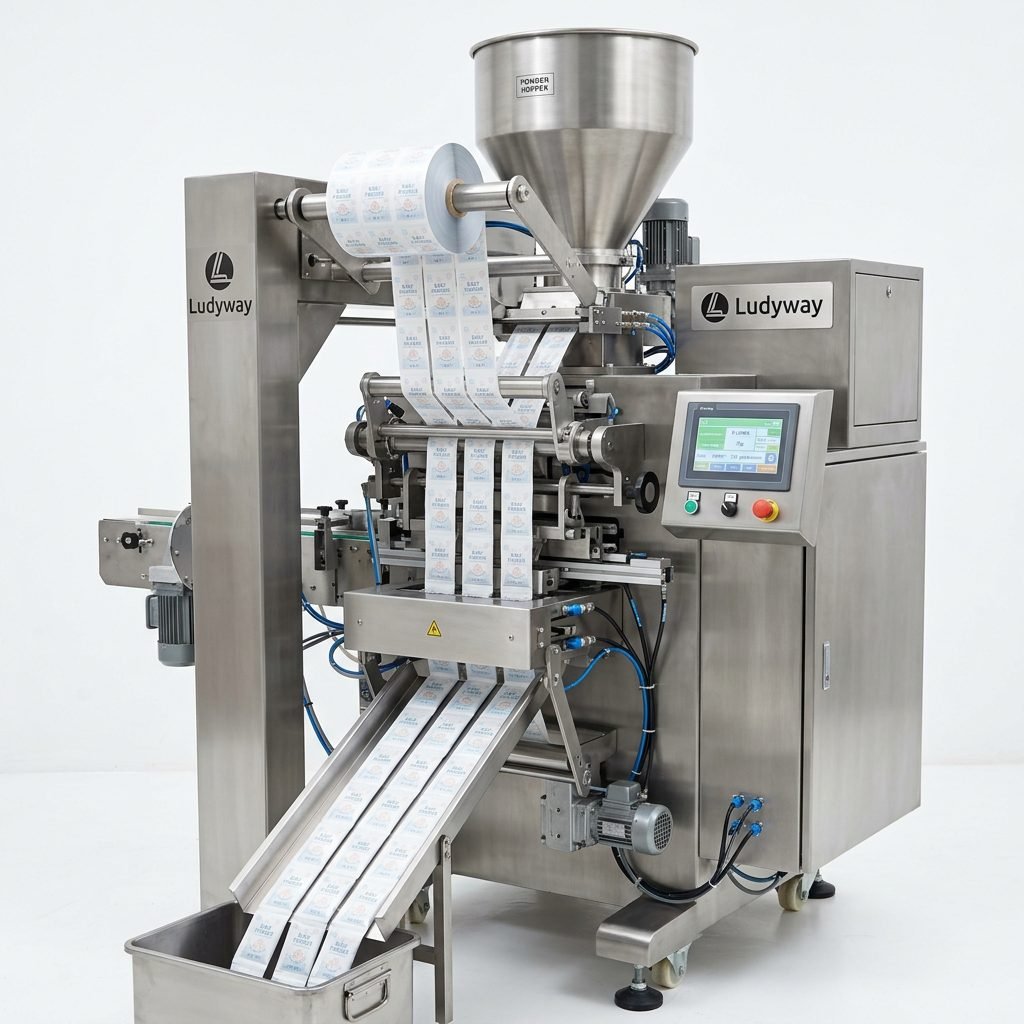
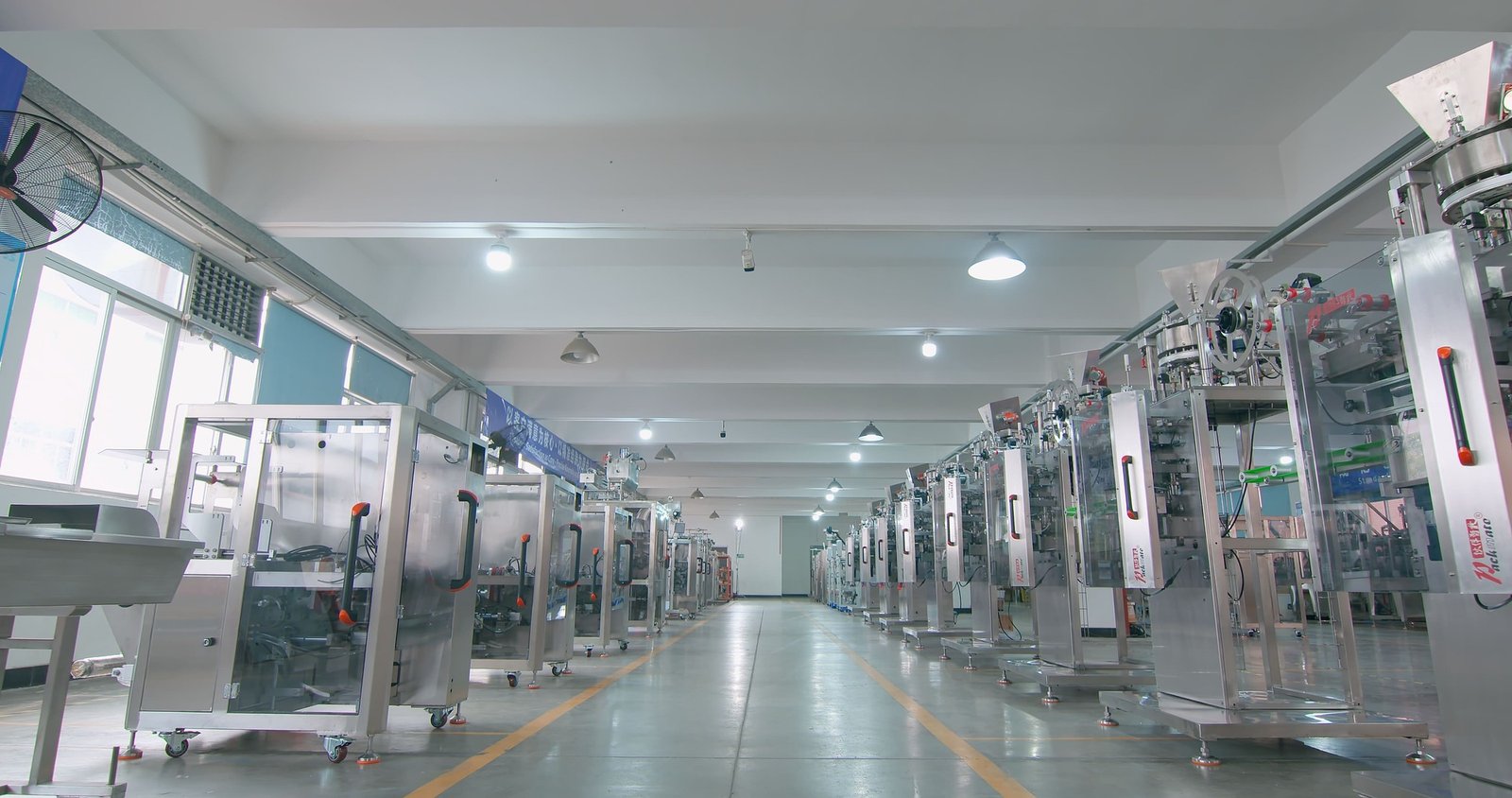
Before evaluating any packaging machinery, you must clearly define what you are packaging and how you want it presented. The physical characteristics of your product — whether it is a free-flowing powder, sticky granule, viscous liquid, or fragile solid — will directly determine the type of dosing and filling system required. Packaging format is equally important: are you looking for stick packs, sachets, pouches, or larger bag formats? Each format demands different machine configurations, sealing technologies, and material handling systems.
Key Product Characteristics to Evaluate
- Flow properties — Free-flowing vs. cohesive vs. sticky materials
- Particle size distribution — Fine powders require different handling than large granules
- Bulk density — Affects filling volume and machine throughput calculations
- Hygroscopicity — Moisture-sensitive products need humidity-controlled environments
- Temperature sensitivity — Heat-labile products require gentle sealing methods
- Chemical compatibility — Corrosive or reactive products need specialized materials of construction
Packaging Formats and Machine Types
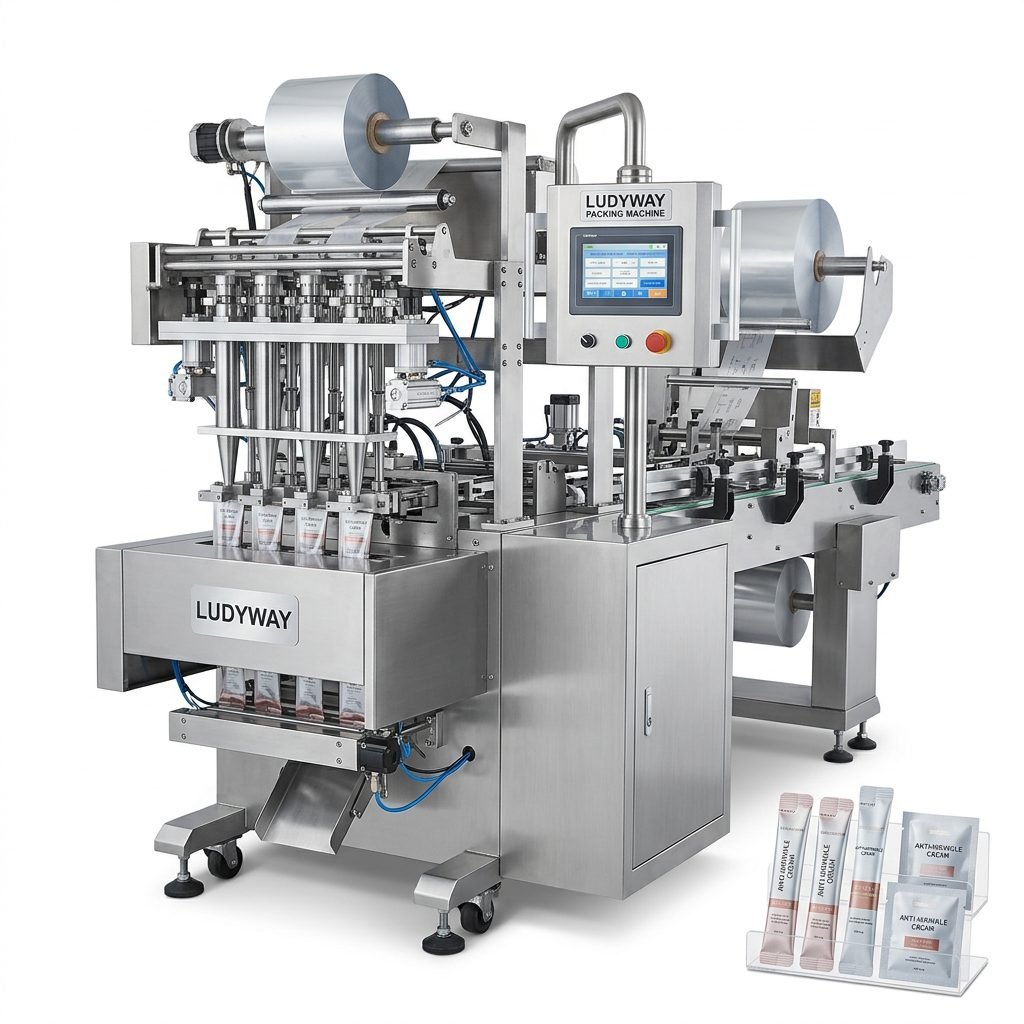
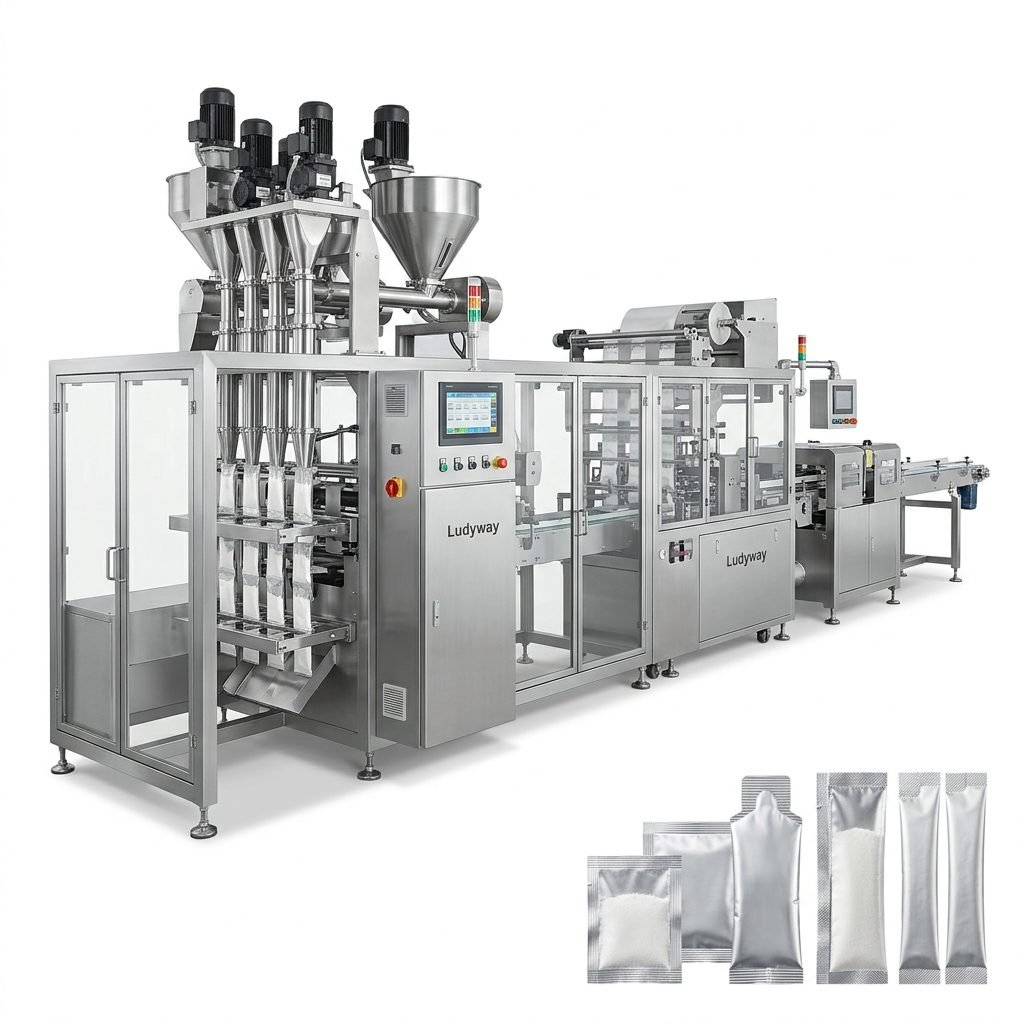
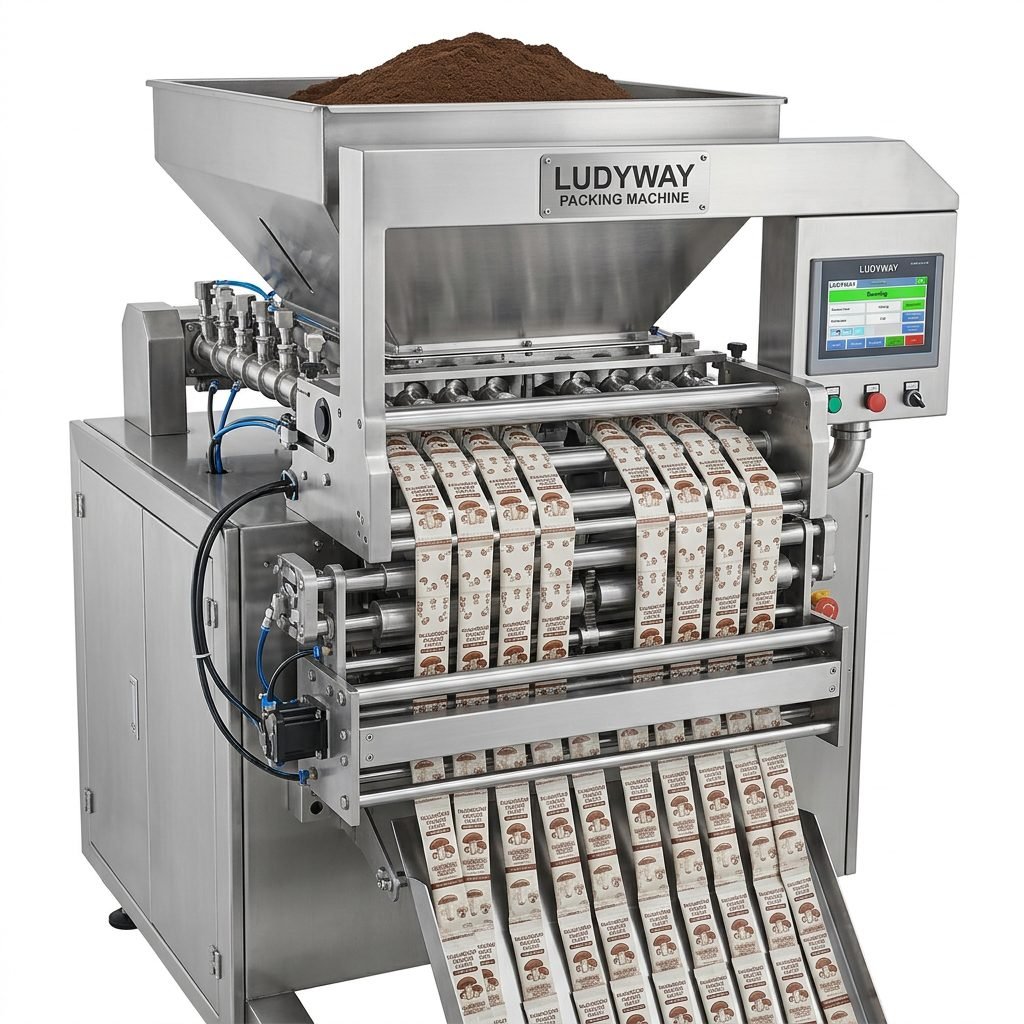
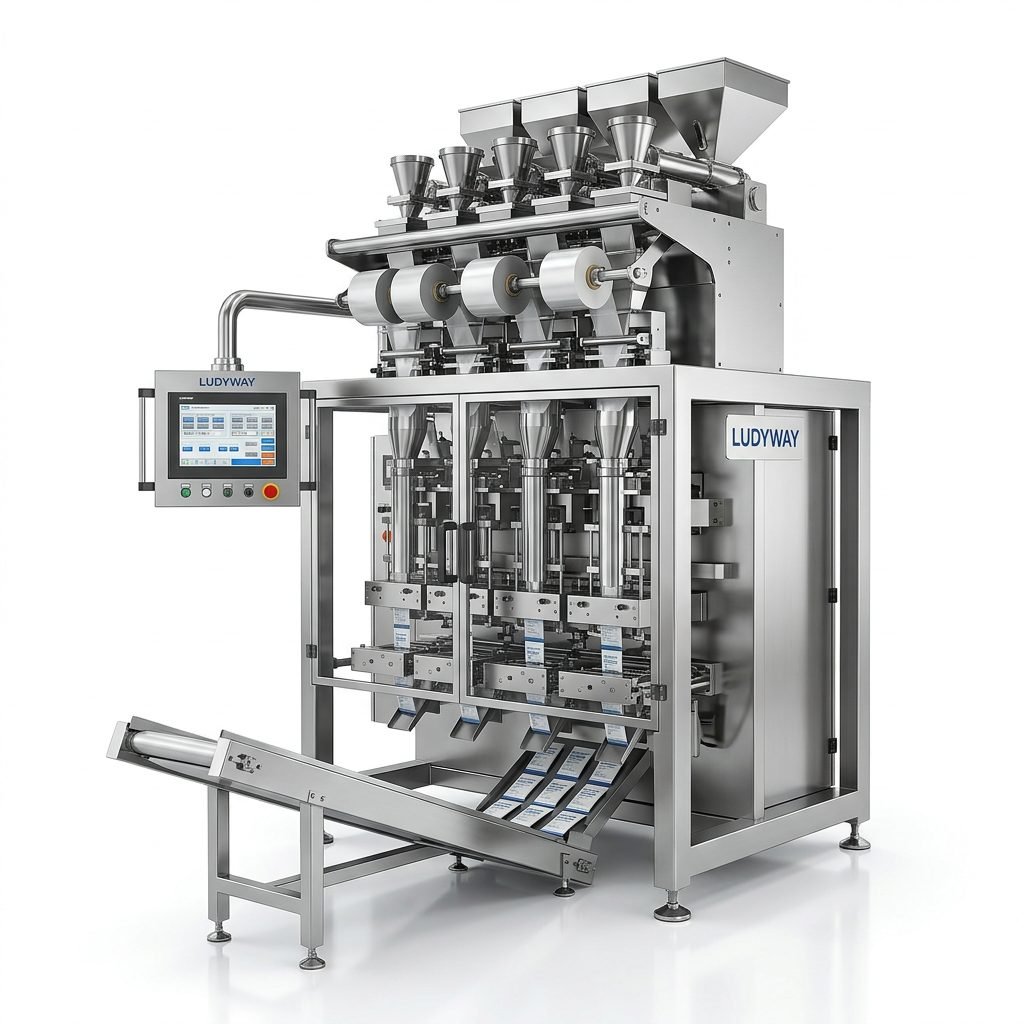
The packaging format you choose impacts not only your machine selection but also your supply chain, retail shelf presence, and consumer convenience. Multi-lane stick pack machines offer extremely high throughput for single-serve products, while sachet packaging systems provide flexibility for sample-sized and travel-friendly formats. PMMI industry data consistently shows growing demand for single-serve and portion-controlled packaging across multiple sectors.
Common Packaging Format Comparison
| Packaging Format | Typical Applications | Speed Range | Best For |
|---|---|---|---|
| Stick Pack | Instant coffee, sugar, supplements, energy powders | 200-600 packs/min/lane | High-volume single-serve |
| 3-Side Seal Sachet | Shampoo, ketchup, pharmaceutical powders, cosmetics | 40-120 packs/min | Versatile small-format packaging |
| 4-Side Seal Sachet | Medical devices, premium cosmetics, food samples | 30-100 packs/min | High-barrier and sterile applications |
| Stand-Up Pouch | Pet food, detergents, bulk ingredients, snacks | 20-60 packs/min | Retail shelf appeal and larger volumes |
| Gusseted Bag | Coffee beans, grains, industrial powders | 10-30 packs/min | Bulk packaging with high capacity |
Technical Specifications That Matter Most
When comparing packaging machines, technical specifications go far beyond simple speed ratings. A machine rated at 400 packs per minute may not deliver that throughput consistently with your specific product and film material. You need to evaluate the entire system holistically, considering how each component — from the feeding system to the sealing mechanism — will perform under real production conditions. Industry intelligence reports emphasize that overall equipment effectiveness (OEE) is a more meaningful metric than maximum rated speed alone.
Critical Machine Specifications
- Filling accuracy and dosing precision — Critical for pharmaceutical and high-value products where overfilling directly impacts profitability
- Sealing integrity and quality — Affects product shelf life, contamination risk, and consumer safety
- Changeover time between formats — Shorter changeovers mean higher overall line utilization
- Film material compatibility — Not all machines handle all laminate structures effectively
- Automation and control system sophistication — PLC-based systems with recipe management reduce operator dependency
- Hygiene and cleanability design — Essential for food and pharmaceutical GMP compliance

Evaluating Supplier Capabilities and Support
Purchasing a packaging machine is not a one-time transaction — it is the beginning of a long-term relationship with your equipment supplier. After-sales support, spare parts availability, technical training, and remote troubleshooting capabilities can make the difference between sustained high performance and costly production interruptions. According to Flexible Packaging Association resources, manufacturers who prioritize supplier technical support report significantly lower unplanned downtime.
Supplier Evaluation Checklist
- Manufacturing experience — How many years has the supplier been building packaging machinery?
- Industry-specific expertise — Do they understand the regulatory requirements of your sector (FDA, GMP, ISO)?
- Customization capability — Can they adapt standard machines to your unique product and process needs?
- Service network coverage — Is there local technical support available in your region?
- Spare parts inventory — Are critical components readily available or subject to long lead times?
- Installation and commissioning support — Does the supplier provide on-site setup and operator training?
- Remote diagnostic capability — Can technical issues be resolved quickly via remote access?
- Certification and compliance documentation — Are CE, UL, or other required certifications available?
Production Volume and Scalability Considerations
Your current production volumes matter, but your projected growth matters even more. Investing in a packaging machine that barely meets today’s demand may force you into another capital expenditure in just two or three years. Modular and scalable machine architectures allow you to start with a configuration that matches current needs while preserving the ability to add lanes, upgrade automation modules, or integrate additional line functions later. PMMI’s 2025 State of the Industry report highlights scalability as one of the top selection criteria for packaging equipment buyers.
Capacity Planning Guidelines
| Production Level | Annual Output | Recommended Machine Type | Automation Level |
|---|---|---|---|
| Entry / Pilot | Up to 1 million packs | Single-lane intermittent | Semi-automatic |
| Growing / Mid-Scale | 1-10 million packs | Multi-lane continuous motion | Fully automatic with basic integration |
| High-Volume Industrial | 10-100+ million packs | Multi-lane high-speed with servo drives | Fully integrated with upstream and downstream automation |
| Enterprise / Turnkey | 100+ million packs | Complete packaging line with multiple integrated machines | Fully automated with central control, robotics, and palletizing |
Total Cost of Ownership Beyond the Purchase Price
The initial purchase price of a packaging machine is only one component of its total cost of ownership (TCO). Savvy buyers evaluate the complete lifecycle costs, including energy consumption, consumable parts, maintenance labor, film material waste rates, and expected service life. A machine with a lower upfront cost but higher ongoing operating expenses may prove far more expensive over a 5-10 year period than a premium machine with superior efficiency and reliability.
TCO Components to Calculate
- Capital expenditure — Machine purchase, shipping, installation, and initial training
- Energy costs — Electrical consumption, compressed air usage, and facility modifications
- Consumables — Replacement sealing jaws, cutting blades, belts, filters, and lubricants
- Film material waste — Percentage of packaging film lost during startup, splices, and rejects
- Maintenance labor — Routine preventive maintenance and unexpected repair time
- Downtime cost — Lost production revenue during unplanned stoppages
- Operator training — Initial and ongoing training for new operators and format changes
Regulatory Compliance and Quality Standards
For manufacturers in regulated industries such as pharmaceuticals, medical devices, and food production, packaging machinery must comply with applicable standards and regulations. Equipment should be designed and configured to meet relevant requirements from organizations such as the FDA for food contact substances and packaging, ISO packaging standards, and regional regulatory frameworks. Machines used in pharmaceutical packaging often require validation documentation, including IQ/OQ/PQ protocols, while food-grade equipment must use appropriate materials and surface finishes.
Partnering with the Right Packaging Machinery Manufacturer
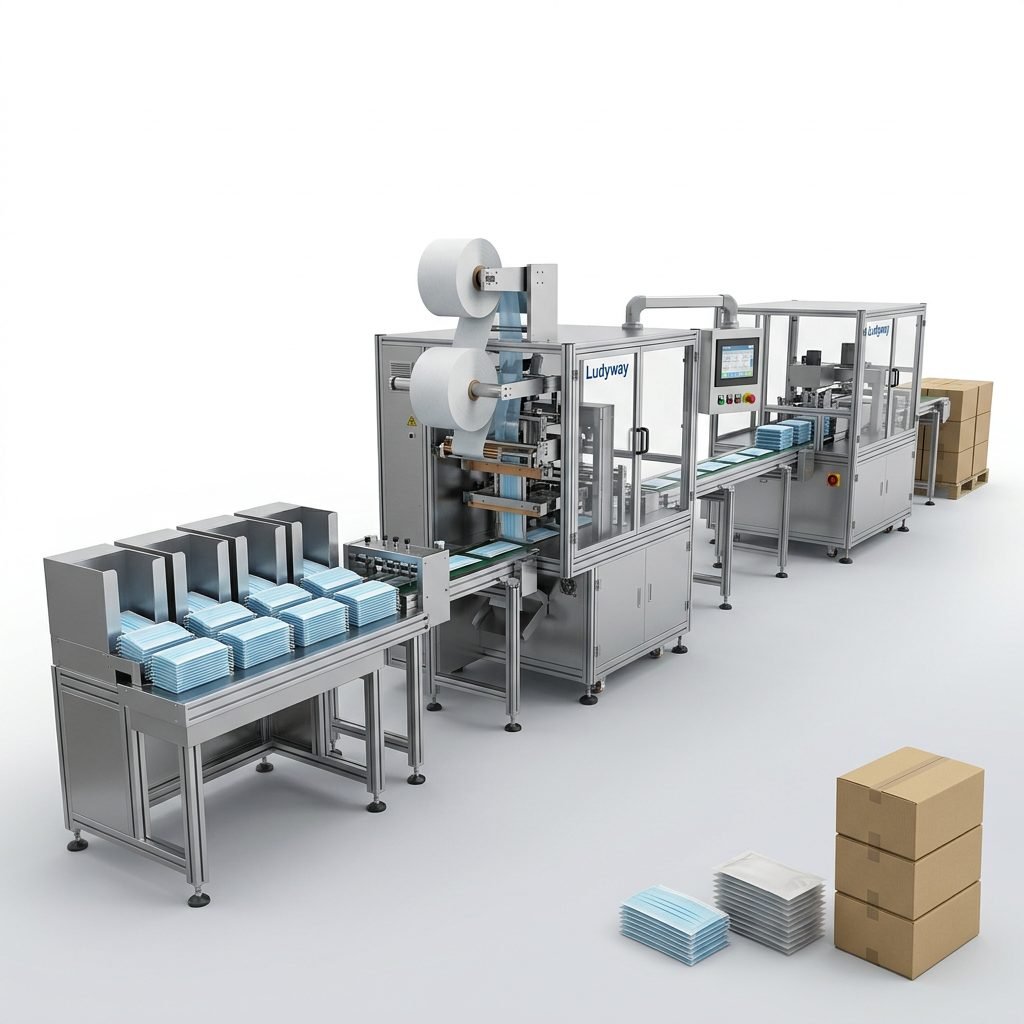
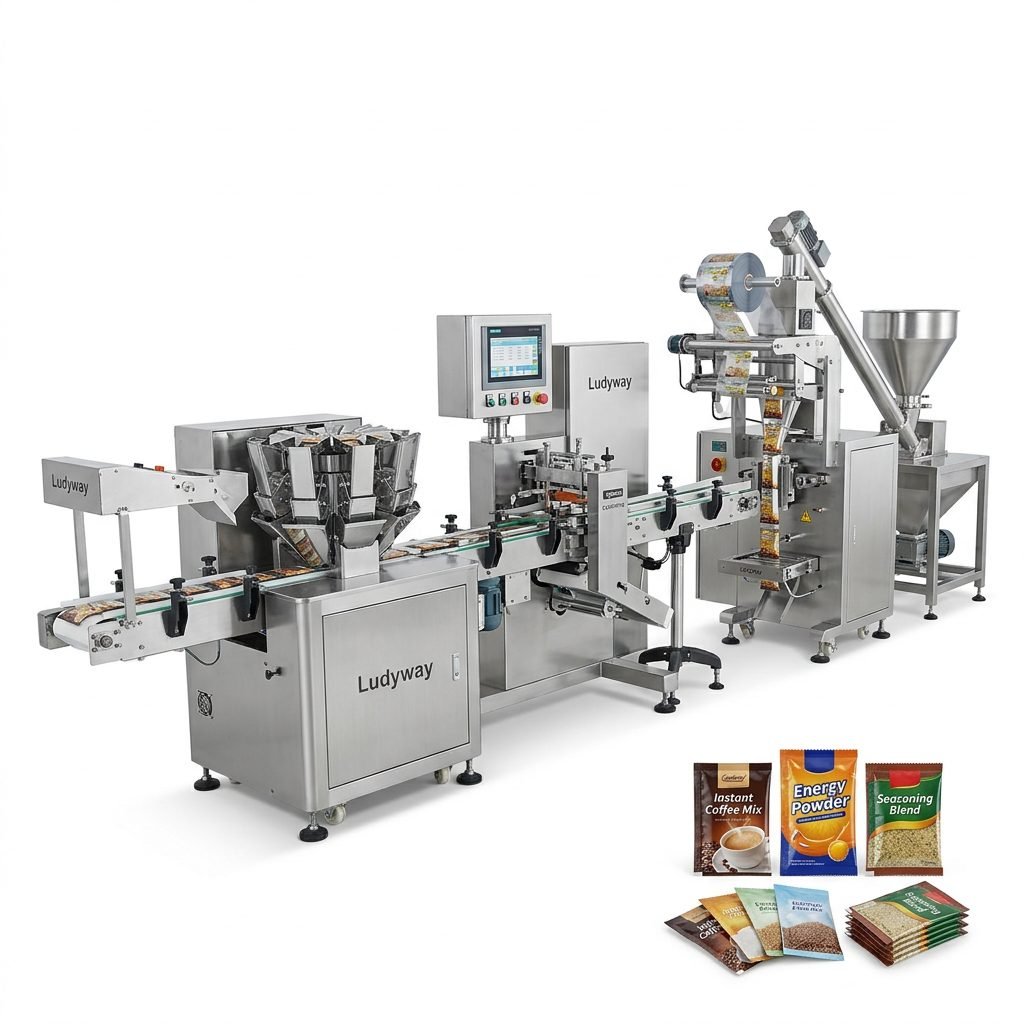
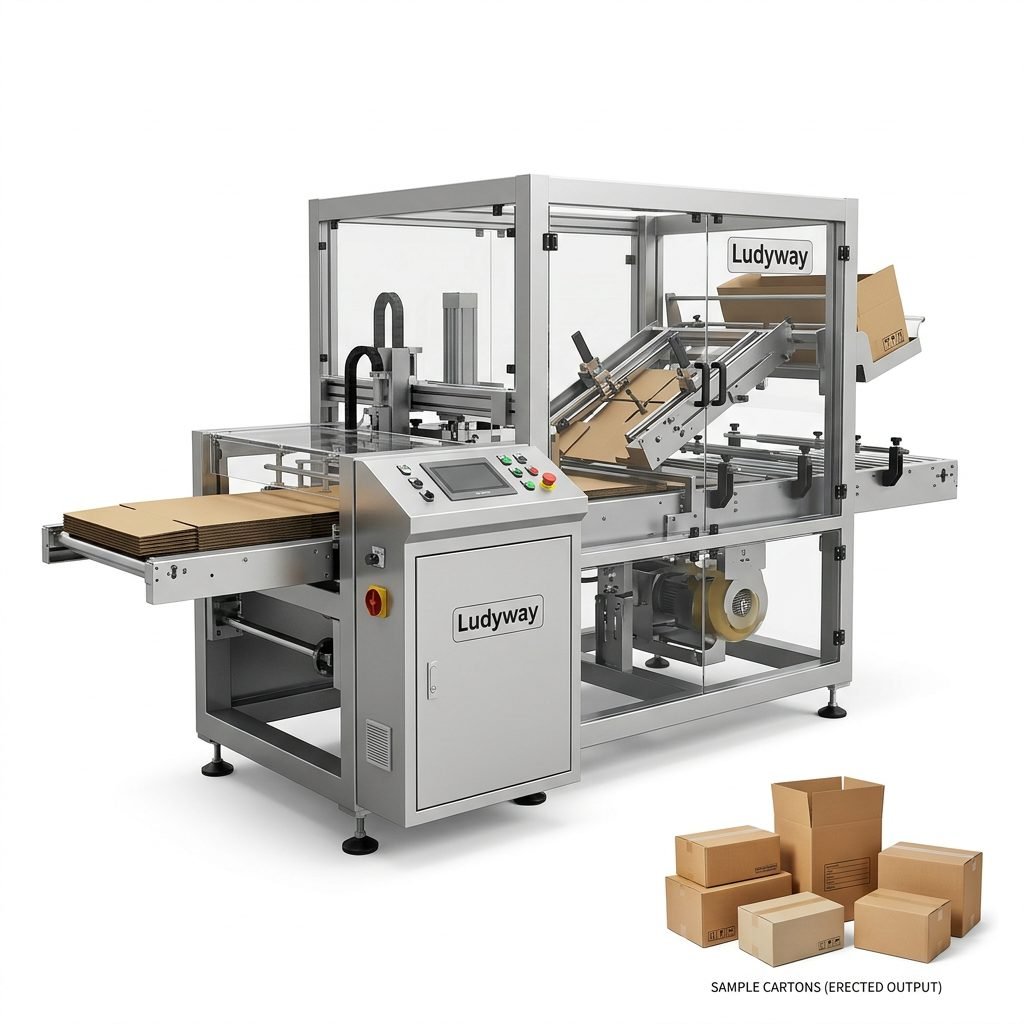
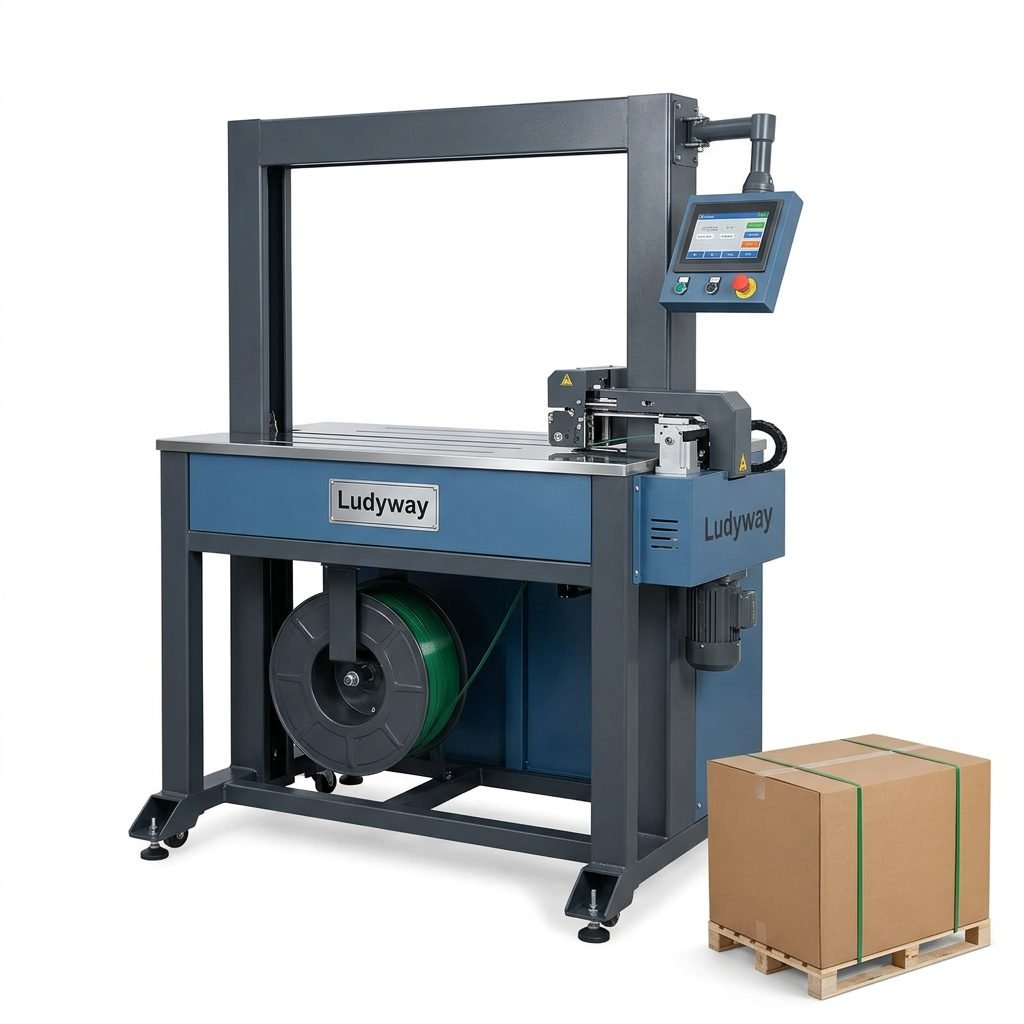
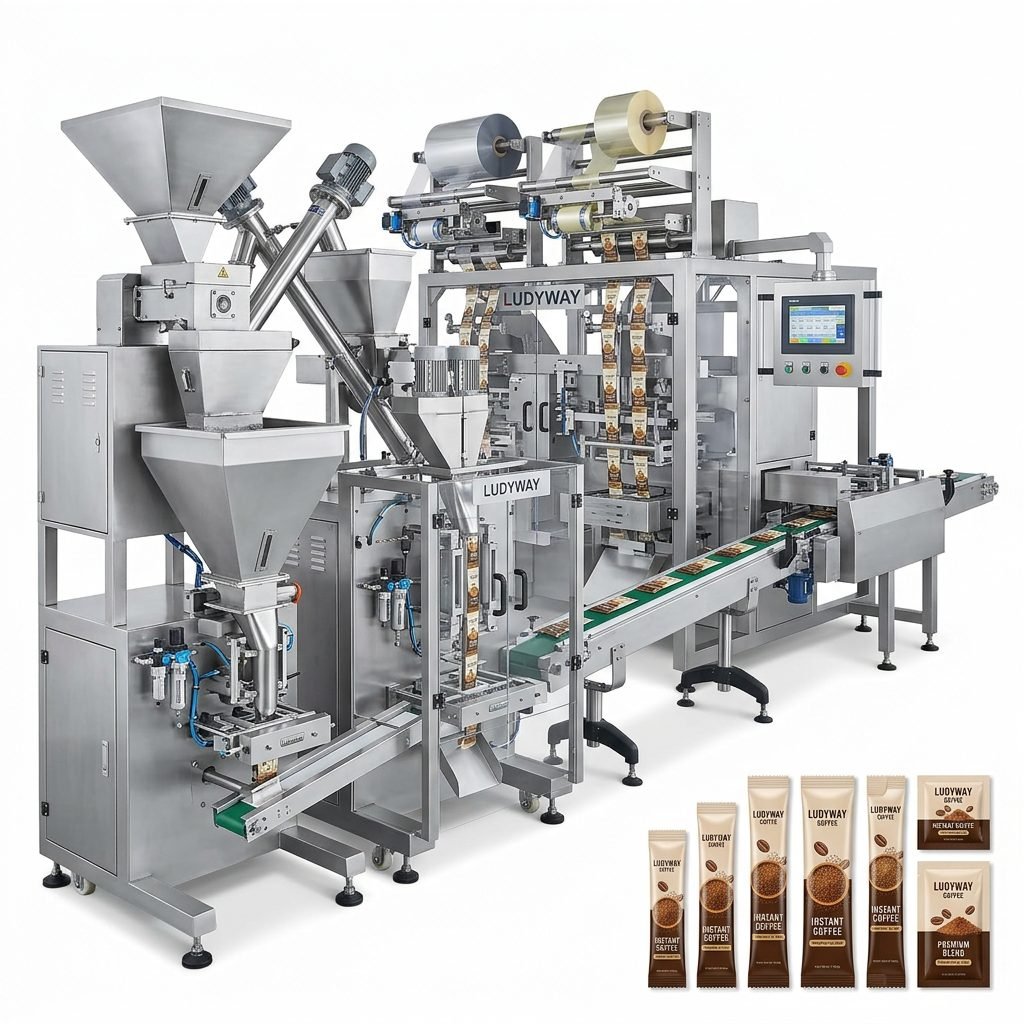
Selecting a packaging machine is ultimately about selecting the right partner. Beyond specifications and price, you need a manufacturer with deep industry experience, engineering capability, and a commitment to supporting your success over the long term. A comprehensive packaging machinery partner should be able to offer not just individual machines but integrated systems and turnkey solutions that connect multiple stages of the packaging process — from feeding and dosing through filling, sealing, coding, inspection, cartoning, and palletizing. This integrated approach reduces the complexity of managing multiple vendors and ensures seamless compatibility across your packaging line.
Ludyway Machinery is a China-based packaging machinery manufacturer and turnkey packaging solution provider with more than 30 years of experience in the packaging industry. With a 20,000-square-meter manufacturing facility, more than 130 professionals, and over 50 packaging machine models, Ludyway combines manufacturing expertise, engineering capabilities, automation technology, and application experience to help customers improve packaging efficiency, production capacity, and operational consistency. Ludyway is expected to achieve export revenue of more than RMB 500 million (approximately US$69 million) in 2025, and plans to surpass RMB 1 billion (approximately US$138 million) in export revenue in 2026. The company provides customized packaging machinery and engineering solutions for manufacturers across food and beverage, pharmaceuticals, health and nutraceutical products, cosmetics, chemicals, animal feed, and other industries, serving customers in more than 100 countries and regions worldwide.
Making Your Final Decision
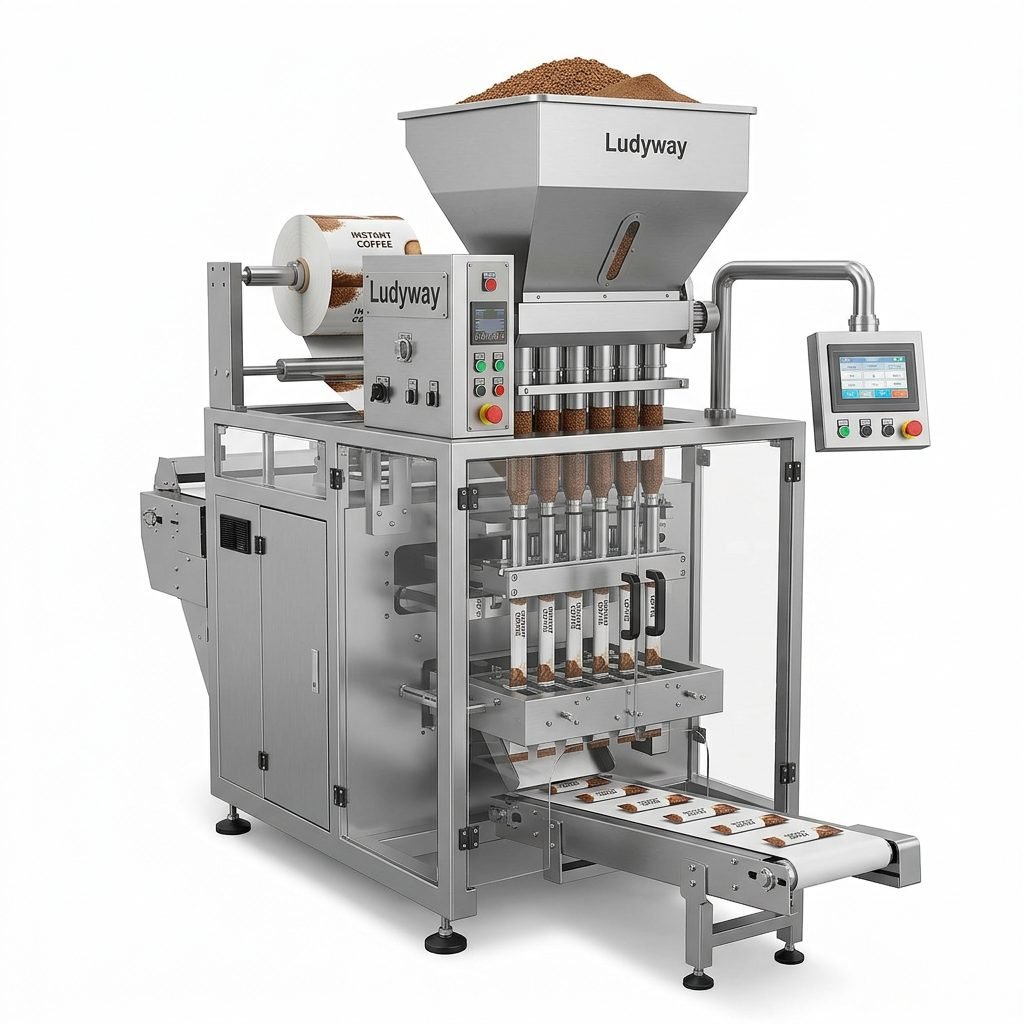
Choosing the right Shri Vinayak packaging machine — or any packaging machinery — requires a methodical evaluation of your product characteristics, packaging format requirements, production volumes, regulatory obligations, and long-term business goals. By thoroughly assessing these factors and carefully evaluating potential suppliers on their technical capabilities, industry experience, customization ability, and after-sales support infrastructure, you can make a confident investment that delivers reliable performance and supports your growth for years to come. A well-chosen packaging machine is not just a piece of equipment — it is a strategic asset that enhances your production efficiency, product quality, and competitive position in the marketplace.
Related Resources: