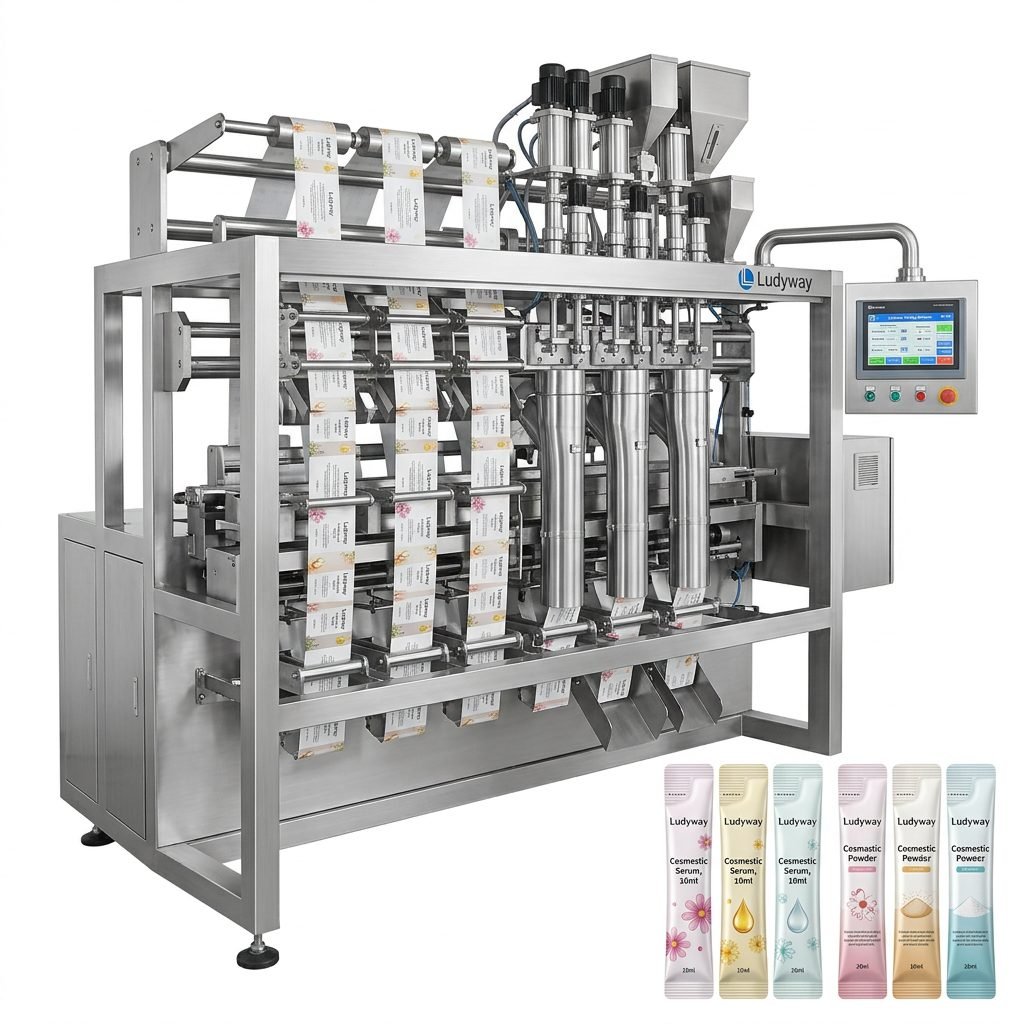
Investing in a napkin packing machine is a significant decision for any tissue converting business or paper product manufacturer. The right equipment can dramatically improve production efficiency, reduce labor costs, and ensure consistent product quality. However, with dozens of machine configurations, automation levels, and technical specifications to evaluate, the selection process can be overwhelming. This buyer’s guide walks you through every critical factor to consider before purchasing a napkin packaging system.
1. Understanding Your Production Requirements
Before comparing machine models, clearly define what you need the machine to do. This starts with answering a few foundational questions about your operation.
- Napkin type: Are you packaging cocktail napkins, luncheon napkins, dinner napkins, or folded paper hand towels? Each requires specific handling mechanisms.
- Pack format: Do you need single-napkin wrapping, multi-piece packs, or family-size bundles? The packaging format directly determines the machine configuration.
- Production speed: How many packs per minute do you need to produce? Entry-level machines may run at 30–60 packs per minute, while high-speed lines can exceed 120 packs per minute.
- Film material: Are you using polyethylene (PE), polypropylene (PP), biodegradable films, or paper overwrap? Different films require different sealing technologies.
- Pack size range: What are the minimum and maximum pack dimensions you expect to run? Quick-change flexibility may be essential if you produce multiple SKUs.
Documenting these requirements early helps you avoid purchasing a machine that is either underpowered for your needs or over-engineered for your budget. Industry data from the PMMI Business Intelligence Library consistently shows that the most successful packaging investments start with a thorough needs assessment.
2. Types of Napkin Packing Machines
Not all napkin packaging equipment is built the same way. Understanding the main categories helps narrow your search to the right technology for your application.
2.1 Semi-Automatic vs. Fully Automatic Machines
| Feature | Semi-Automatic | Fully Automatic |
|---|---|---|
| Operator involvement | Manual loading of napkins required | Automatic feeding from infeed conveyor |
| Speed range | 20–50 packs/min | 60–150+ packs/min |
| Initial investment | Lower upfront cost | Higher capital investment |
| Labor requirements | 2–4 operators typical | 1 operator can manage multiple lines |
| Best for | Small to medium production volumes | High-volume continuous production |
2.2 Flow Wrapping vs. Envelope-Style Wrapping
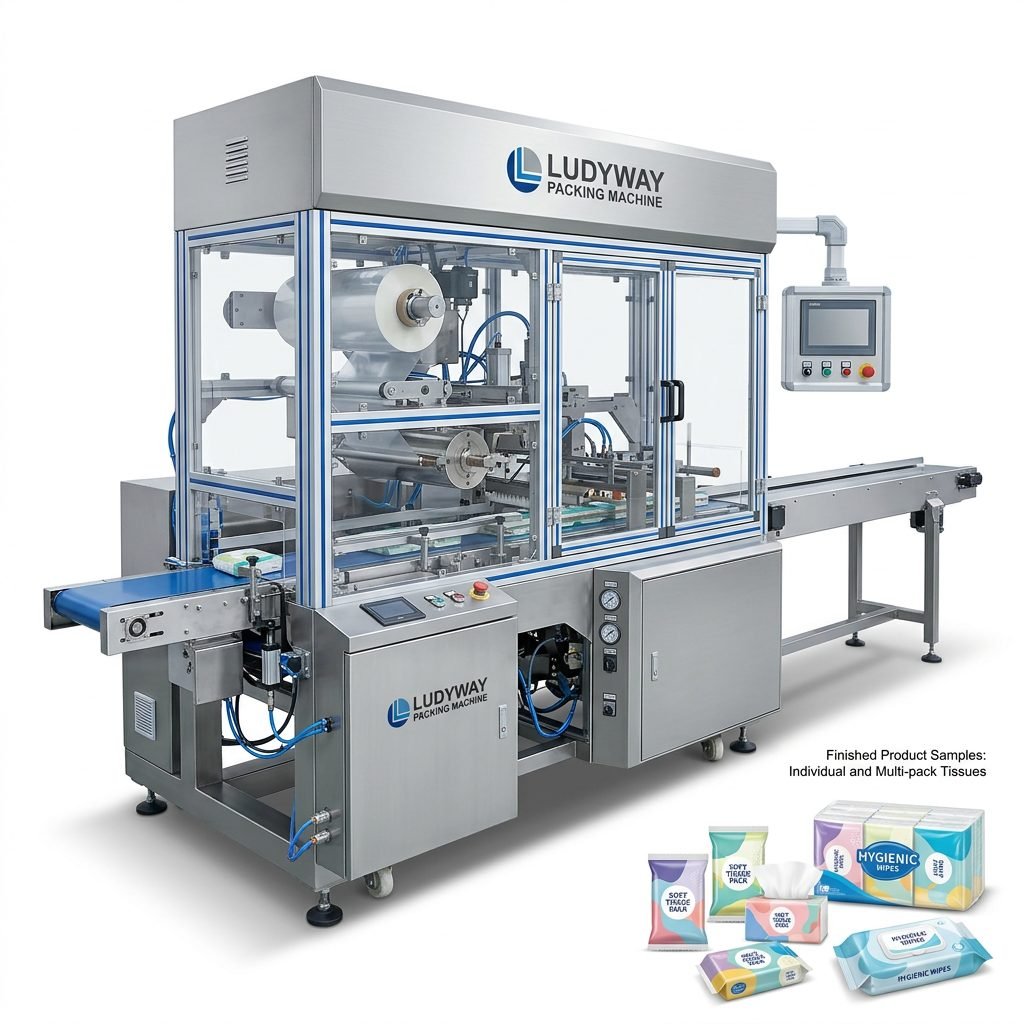
Flow wrapping machines create a sealed package by wrapping film around the napkin stack and sealing on three sides, resulting in a pillow-style pack. These are the most common in the napkin industry due to their speed and versatility. Envelope-style machines fold the film around the product and seal with a flap, often preferred for premium brands or specific retail presentations. Your choice should be driven by the desired final pack appearance and the film type you plan to use.

3. Key Technical Specifications to Evaluate
Once you have identified the machine type, dive into the technical specifications that separate capable machines from ones that will cause ongoing headaches.
3.1 Sealing Technology
The sealing system is the heart of any napkin packing machine. Heat sealing is the most common method, using heated jaws or belts to fuse film layers together. Look for machines with precise temperature control and uniform heating to avoid weak seals or film burn-through. Some advanced machines feature ultrasonic sealing, which is particularly effective for heat-sensitive films or high-speed applications. Cold seal options are available for certain pressure-sensitive films, though less common in napkin packaging.
3.2 Film Registration and Tension Control
Printed packaging film requires accurate registration to ensure branding, barcodes, and text appear correctly on every pack. Servo-driven film feeding systems with automatic registration sensors can significantly reduce film waste and rejected packs. Consistent tension control prevents film stretching or wrinkling during high-speed operation.
3.3 Quick Changeover Capabilities
If you produce multiple napkin sizes or pack counts, changeover time directly impacts your Overall Equipment Effectiveness (OEE). Look for machines with:
- Digital recipe management for storing pack size parameters
- Tool-less adjustment mechanisms for common changeover points
- Motorized size adjustments rather than manual mechanical changes
- Clear operator interfaces that guide the changeover process
Best-in-class machines can complete a full size changeover in under 10 minutes, while older designs may require 30–45 minutes of mechanical adjustment.
4. Automation and Integration Features
Modern napkin packing machines can be integrated into complete production lines that connect napkin folding, counting, stacking, wrapping, and case packing into one continuous process.
4.1 Infeed Systems
How napkins enter the packaging machine significantly affects line efficiency. Common configurations include:
- Direct connection to napkin folders for in-line production
- Belt conveyor infeeds for manual or semi-automatic operation
- Multi-lane feeding for high-speed applications where multiple stacks are packaged simultaneously
4.2 Counting and Stacking
Accurate napkin counting before packaging is essential for both customer satisfaction and regulatory compliance. Servo-driven counting systems can achieve ±1 napkin accuracy at high speeds, while older mechanical counters may have wider tolerances. Some integrated systems combine counting, stacking, and transfer into a single automated module.
4.3 End-of-Line Integration
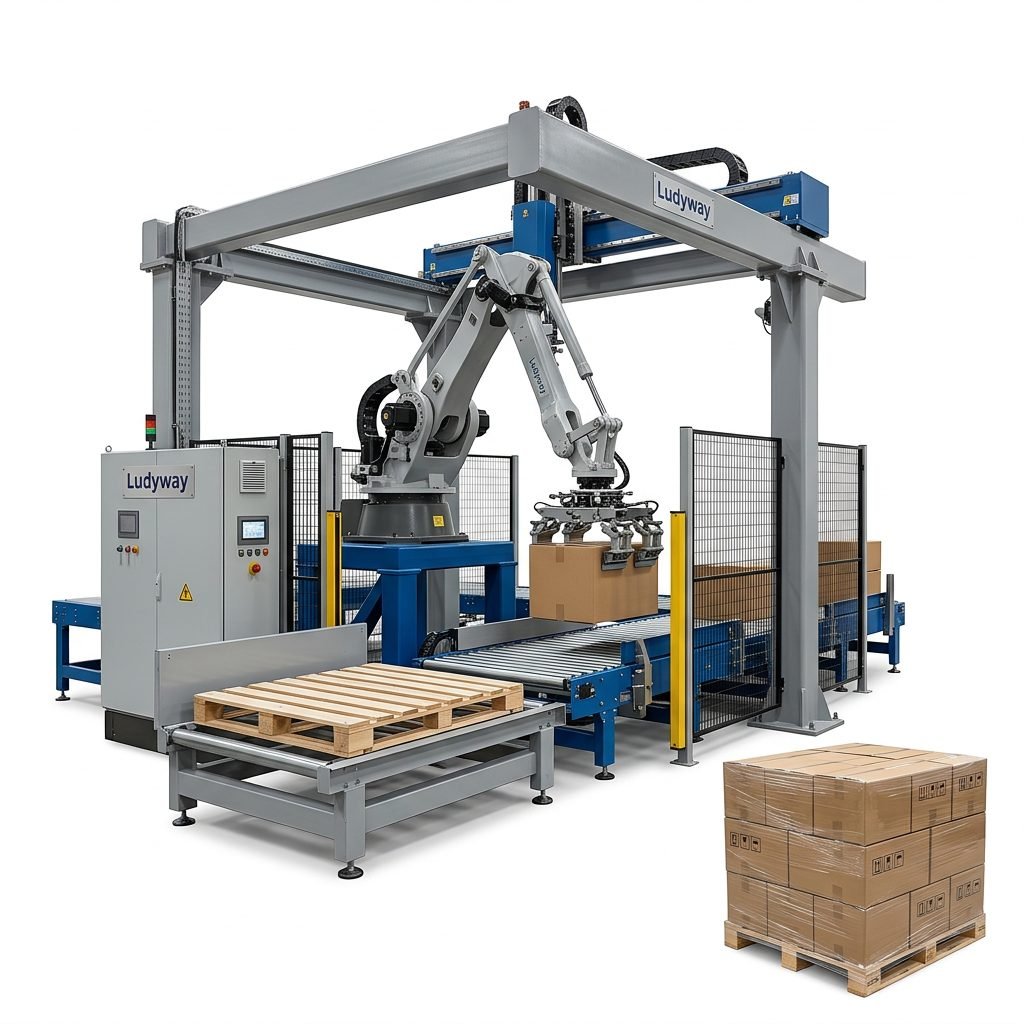
For manufacturers pursuing full automation, the packaging machine should be compatible with downstream equipment such as automatic case packers, palletizers, and stretch wrapping systems. Standardized communication protocols and mechanical interfaces simplify integration.
5. Film and Material Considerations
Packaging film represents a significant ongoing operational cost. The machine you select should be optimized for the film types you intend to use.
| Film Type | Advantages | Considerations |
|---|---|---|
| Polyethylene (PE) | Cost-effective, good clarity, good seal strength | Lower stiffness may affect machine handling |
| Polypropylene (PP) | High clarity, excellent stiffness, good moisture barrier | Higher sealing temperature required |
| Biodegradable films | Environmentally friendly, market differentiation | Often require specific sealing parameters, higher cost |
| Paper overwrap | Natural appearance, recyclable, premium feel | Different sealing technology needed, slower speeds |
For detailed information on packaging film regulations and sustainability, the Flexible Packaging Association provides comprehensive industry resources and data.
6. Machine Construction and Durability
A napkin packing machine is a long-term capital investment. Build quality directly affects machine longevity, maintenance costs, and production uptime.
- Frame construction: Look for heavy-duty steel frames with precision machining. Vibration at high speeds can cause misalignment and premature wear.
- Sealing components: Sealing jaws and belts should be made from durable materials with easy access for cleaning and replacement.
- Electrical components: Prefer machines using internationally recognized brands for PLCs, servo motors, sensors, and HMIs. This ensures spare parts availability worldwide.
- Safety features: CE or equivalent safety certifications, emergency stops, safety interlocks on guarding, and compliance with applicable machinery directives are non-negotiable for any modern production environment.
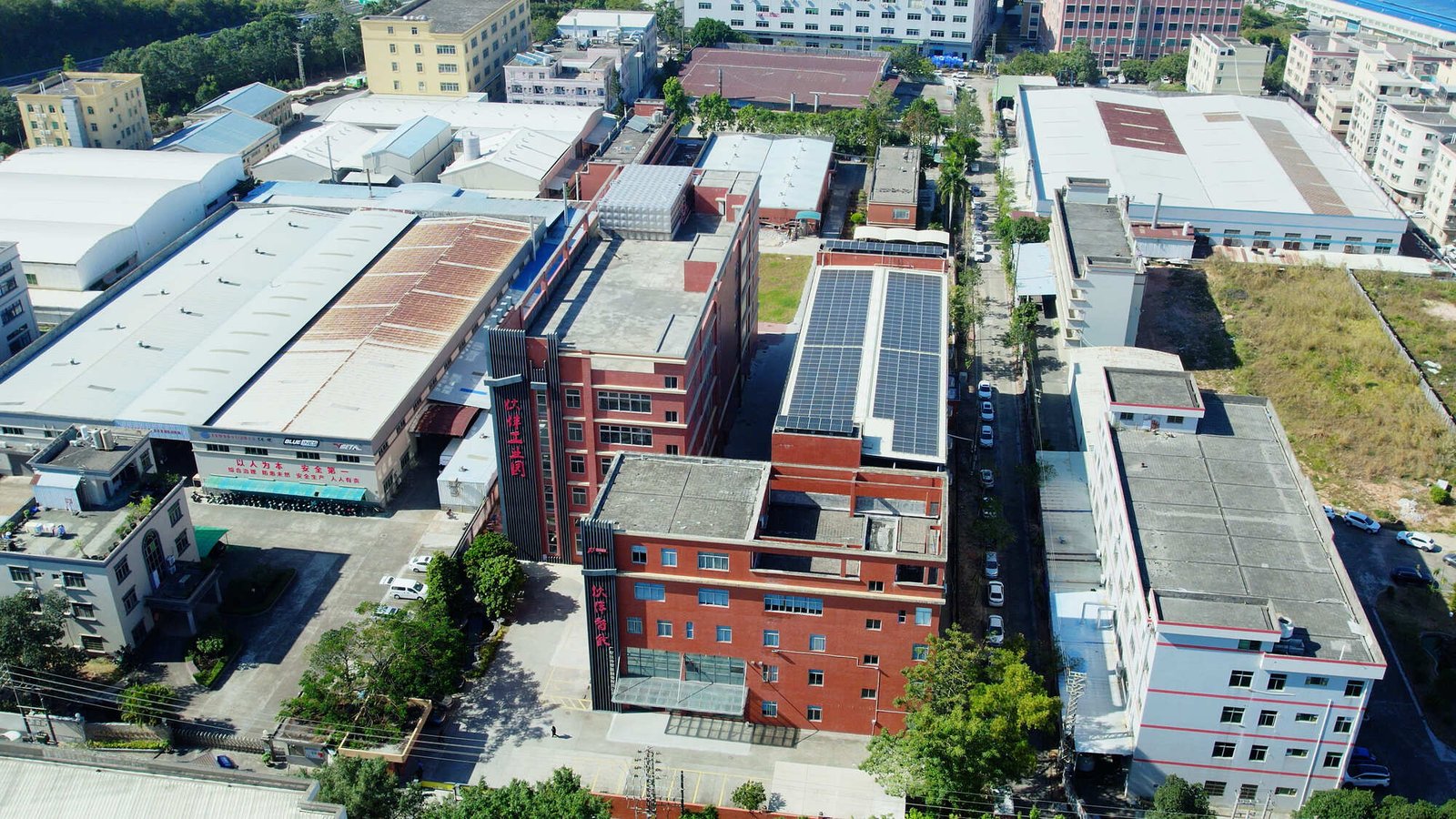
For manufacturers seeking durability, Ludyway Machinery combines in-house manufacturing with engineering expertise to deliver robust packaging equipment designed for continuous industrial operation. With a 20,000-square-meter manufacturing facility and over 30 years of industry experience, the company builds machines that meet international quality and safety standards.
7. Service, Support, and Spare Parts
Even the most reliable machine requires ongoing support and occasional maintenance. Before purchasing, evaluate the manufacturer’s service infrastructure:
- Installation and commissioning – Does the supplier offer on-site setup and training?
- Technical support – Is remote assistance available? What are the response times?
- Spare parts availability – Are critical wear parts stocked regionally, or do they ship from overseas?
- Operator training – Comprehensive training reduces operator error and improves machine utilization.
- Warranty terms – Understand exactly what is covered and for how long.
Established manufacturers with a global service presence can provide peace of mind and minimize production disruptions. The PMMI packaging industry resources offer additional guidance on evaluating equipment suppliers and understanding service expectations.
8. Total Cost of Ownership Analysis
The purchase price is just one component of the total cost of ownership (TCO). A cheaper machine can cost far more over its lifetime if it is less efficient or requires frequent repairs.
Factors to include in TCO calculations:
- Initial capital cost including freight, duties, and installation
- Energy consumption – efficient motors and drives reduce electricity costs
- Film waste percentage – poor registration control wastes expensive packaging material
- Labor cost – automation reduces direct labor requirements
- Maintenance and spare parts – estimate annual costs based on manufacturer recommendations
- Downtime cost – production losses from unplanned stoppages
For a deeper understanding of how packaging machinery investments affect overall operational costs, the PMMI 2025 State of the Industry report provides valuable market data and trends.
9. Compliance and Industry Standards
Packaging machines must comply with applicable safety, electrical, and machinery standards in your country or region. For international markets, look for machines that can be configured to meet:
- CE marking requirements (European market)
- UL/CSA certification (North American market)
- ISO packaging standards as referenced in ISO packaging standards documentation
- FDA requirements for food contact packaging materials when applicable
If your napkins are used in foodservice environments, ensure the packaging materials and processes comply with relevant FDA food packaging regulations.
10. Making the Final Decision
After narrowing your options, create a structured comparison matrix that weights the factors most important to your operation. Consider requesting:
- Factory acceptance testing – observe the machine running your actual napkin products before shipment
- Reference visits – speak with existing customers about their real-world experience
- Sample production – evaluate the packaging quality on your intended film and napkin type
Remember that the cheapest option rarely delivers the lowest total cost. Investing in a well-designed, durably constructed machine from a reputable packaging machinery manufacturer typically yields higher uptime, better pack quality, and lower long-term costs.
Key Takeaways
- Define your napkin type, pack format, speed requirements, and film material before comparing machines.
- Choose between semi-automatic and fully automatic systems based on volume and labor strategy.
- Evaluate sealing technology, changeover flexibility, and build quality as primary selection criteria.
- Consider total cost of ownership, not just purchase price.
- Verify the manufacturer’s service capabilities, spare parts availability, and compliance certifications.
- Request live demonstrations and customer references before making the final commitment.
The right napkin packing machine becomes a competitive advantage that increases throughput, improves product presentation, and reduces operating costs. Taking a methodical approach to equipment selection ensures your investment delivers value for years to come.