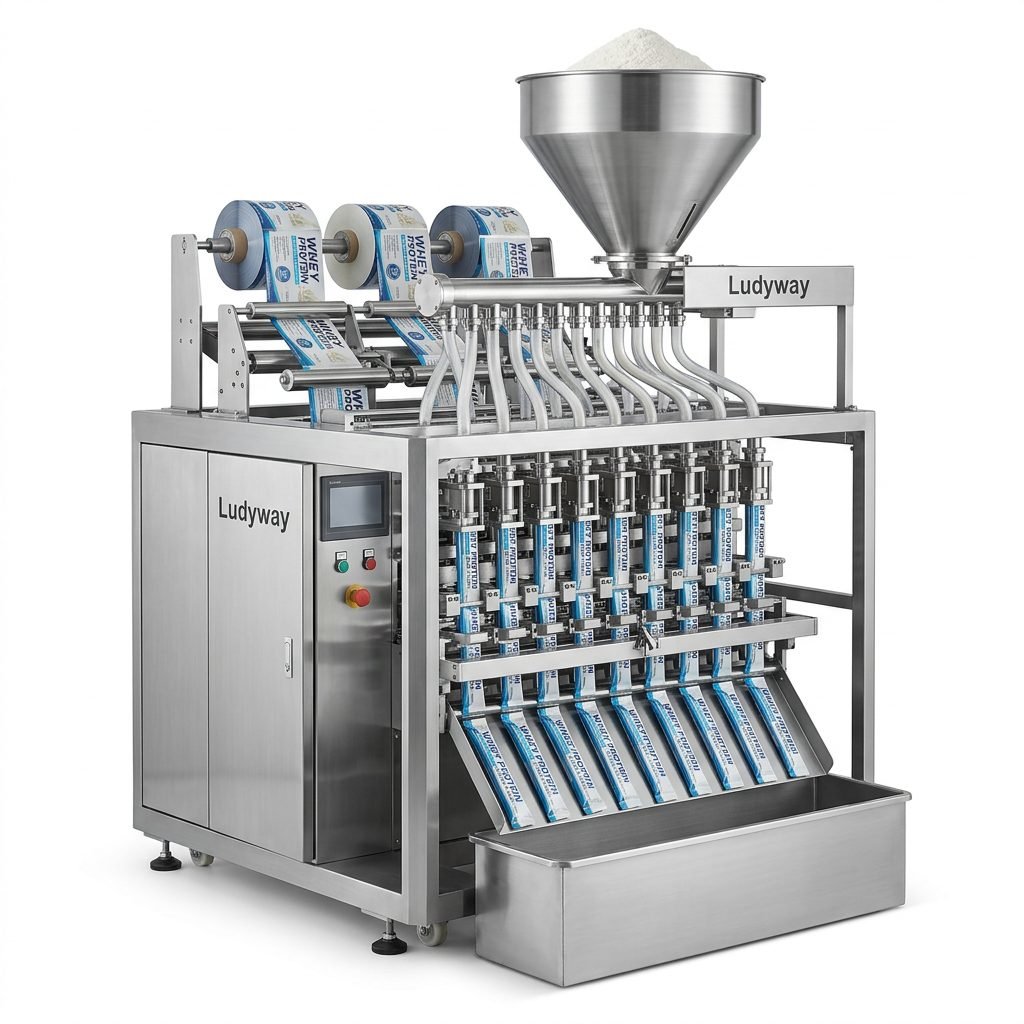
Investing in a shrink tunnel packaging machine is a strategic decision that directly impacts your production throughput, packaging quality, and long-term operational costs. Whether you are wrapping bottles, cans, cartons, or multi-packs, selecting the right heat shrink tunnel requires a clear understanding of your product specifications, film materials, and line integration needs. A poorly matched machine can lead to inconsistent shrink results, film waste, and unnecessary downtime. This guide walks you through every critical factor to evaluate before making your purchase, helping you choose equipment that aligns with both your current production goals and future scalability.
Understanding How Shrink Tunnel Machines Work
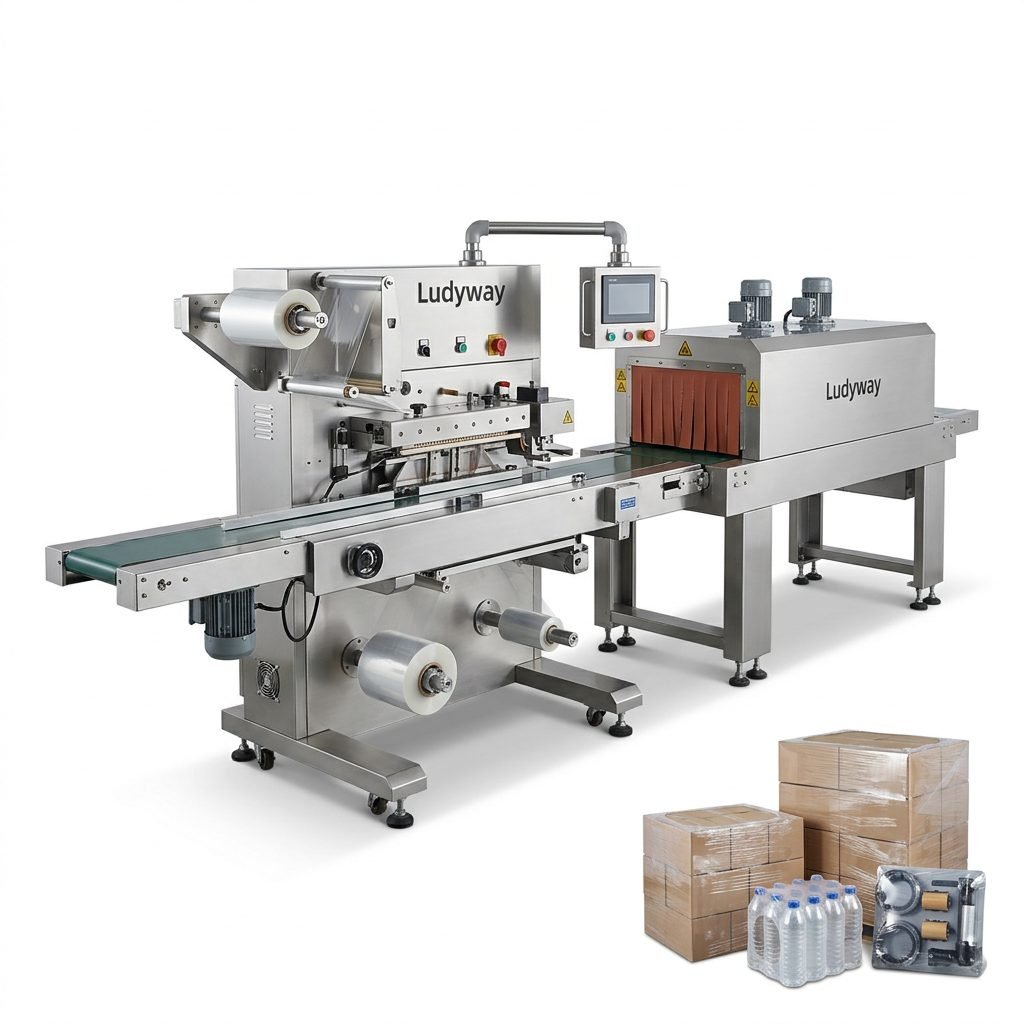
A shrink tunnel uses controlled heat to uniformly shrink a loose film sleeve or wrap tightly around a product or group of products. The process typically follows a shrink wrap machine or sleeve applicator that places the film around the item. Inside the tunnel, recirculating air or radiant heat raises the film to its shrink temperature, causing it to contract and conform precisely to the product’s contours. The result is a tight, protective, and visually appealing package. The key variables are temperature control, air velocity, conveyor speed, and tunnel chamber design—all of which must work together for consistent output.
Key Factors to Evaluate Before Buying
Not all shrink tunnels are built for the same applications. Before comparing models, define your operational parameters across these essential dimensions:
- Product size and shape — irregular shapes, tall profiles, or heavy items require specific tunnel configurations
- Production speed requirements — measured in packs per minute, directly affecting conveyor length and heat output
- Film type and thickness — PVC, polyolefin, and polyethylene each have different shrink temperature ranges
- Line integration — compatibility with upstream wrappers, conveyors, and downstream cooling or labeling stations
- Facility constraints — available floor space, power supply, and ventilation requirements
Types of Shrink Tunnel Machines
Understanding the different configurations available helps narrow your selection to the most suitable technology for your product and packaging environment. The following table compares the main shrink tunnel categories:
| Tunnel Type | Heat Method | Best For | Key Advantage |
|---|---|---|---|
| Recirculating Hot Air | Electric forced air | General-purpose, polyolefin film | Uniform heat distribution, energy efficient |
| Radiant/Infrared | IR emitters | Thin films, high-speed lines | Fast heat-up, targeted shrinking |
| Steam Tunnel | Steam injection | Full-body sleeve labels, PET bottles | Superior clarity, no film distortion |
| Dual-Zone Tunnel | Combined heating | Complex shapes, variable products | Independent zone control for precision |
Heat Source Selection: Electric, Steam, or Infrared
The heat source significantly influences operating cost, shrink quality, and equipment footprint. Electric recirculating tunnels remain the most common choice for their versatility and consistent temperature control across a wide range of film materials. Steam tunnels deliver exceptional clarity on full-body shrink labels, making them popular in the beverage and personal care sectors. Infrared tunnels offer rapid heat-up times and excel in high-speed applications where dwell time is limited. Your choice should align with the shrink film specifications and the level of optical finish required for your packaged products. For detailed industry guidance on film compatibility and packaging standards, refer to resources from the Flexible Packaging Association.
Conveyor Speed and Production Capacity Planning
Conveyor speed dictates how many products pass through the tunnel per minute and must be synchronized with your upstream shrink wrap machine or sleeve applicator. Calculate your target throughput in packs per minute and choose a tunnel with a speed range that accommodates peak production demands without exceeding the film’s required dwell time. Variable speed drives allow fine-tuning for different product sizes and film types. When planning for future growth, select a machine rated at least 20-30% above your current maximum throughput to avoid bottlenecks as production scales.
Tunnel Chamber Dimensions and Product Clearance
The tunnel opening must provide adequate clearance for your largest product passing through, including any fixturing or tray carriers. Height and width dimensions should account for product variability across your entire SKU range. Insufficient clearance leads to film burn, jams, and inconsistent shrink. Conversely, an oversized tunnel wastes energy and may create uneven heat distribution. Measure your maximum product dimensions—including any overhang from the shrink film—and add a minimum clearance buffer of 1-2 inches on all sides when evaluating tunnel specifications.
Film Compatibility and Shrink Control
Different films shrink at different temperatures and rates. PVC film typically shrinks at 100-140°C and is cost-effective for non-food applications. Polyolefin film requires higher temperatures (120-180°C) but offers superior clarity, strength, and food-contact compliance. Polyethylene film demands even higher heat and is common in bundling applications. The tunnel must provide precise temperature regulation and consistent airflow to prevent hot spots that cause burn-through or cold spots that result in incomplete shrinkage. Multi-zone tunnels allow operators to program different temperature profiles for different sections of the product, ensuring even shrinkage on complex geometries.
Integration with Existing and Future Packaging Lines
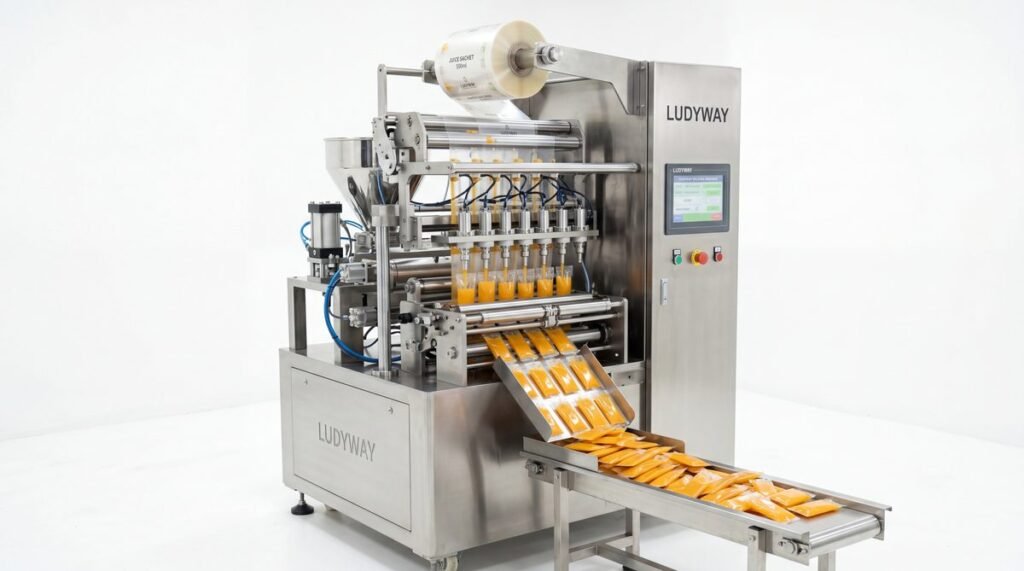
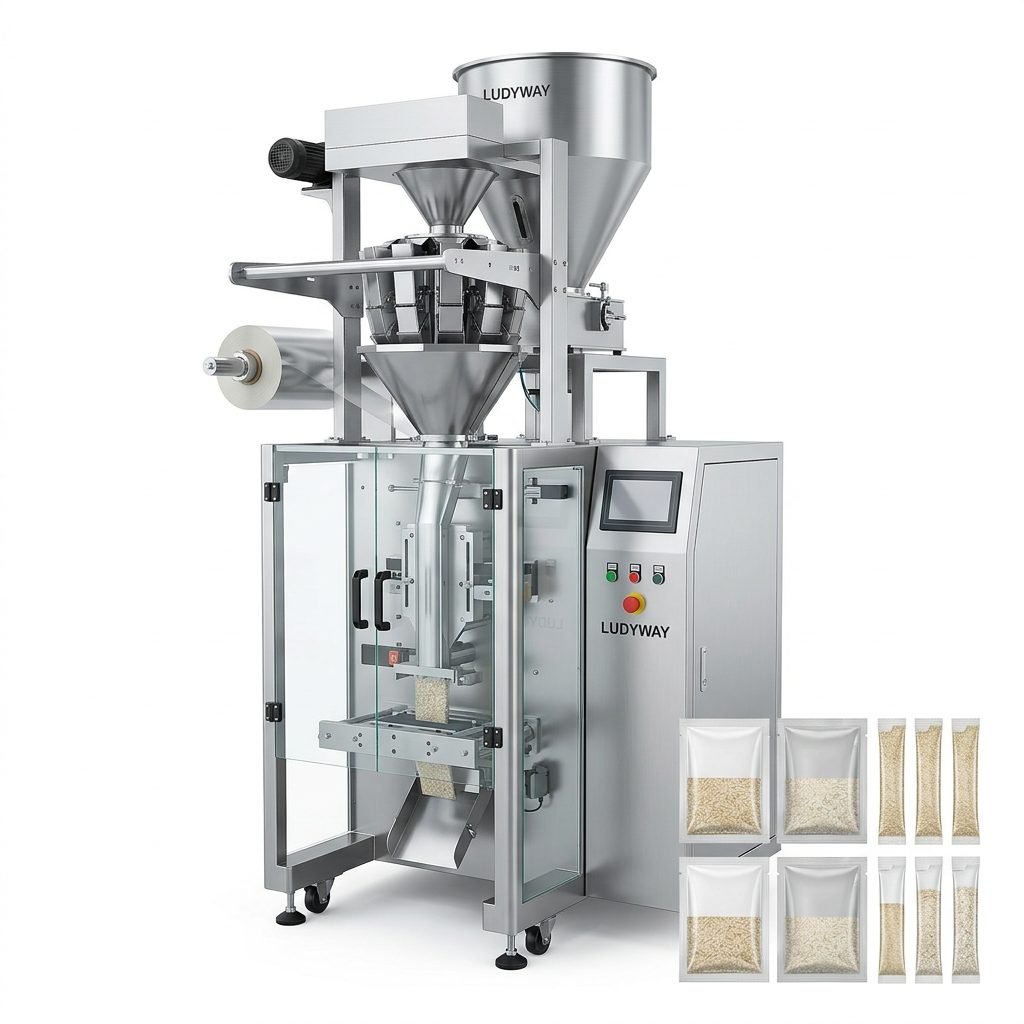
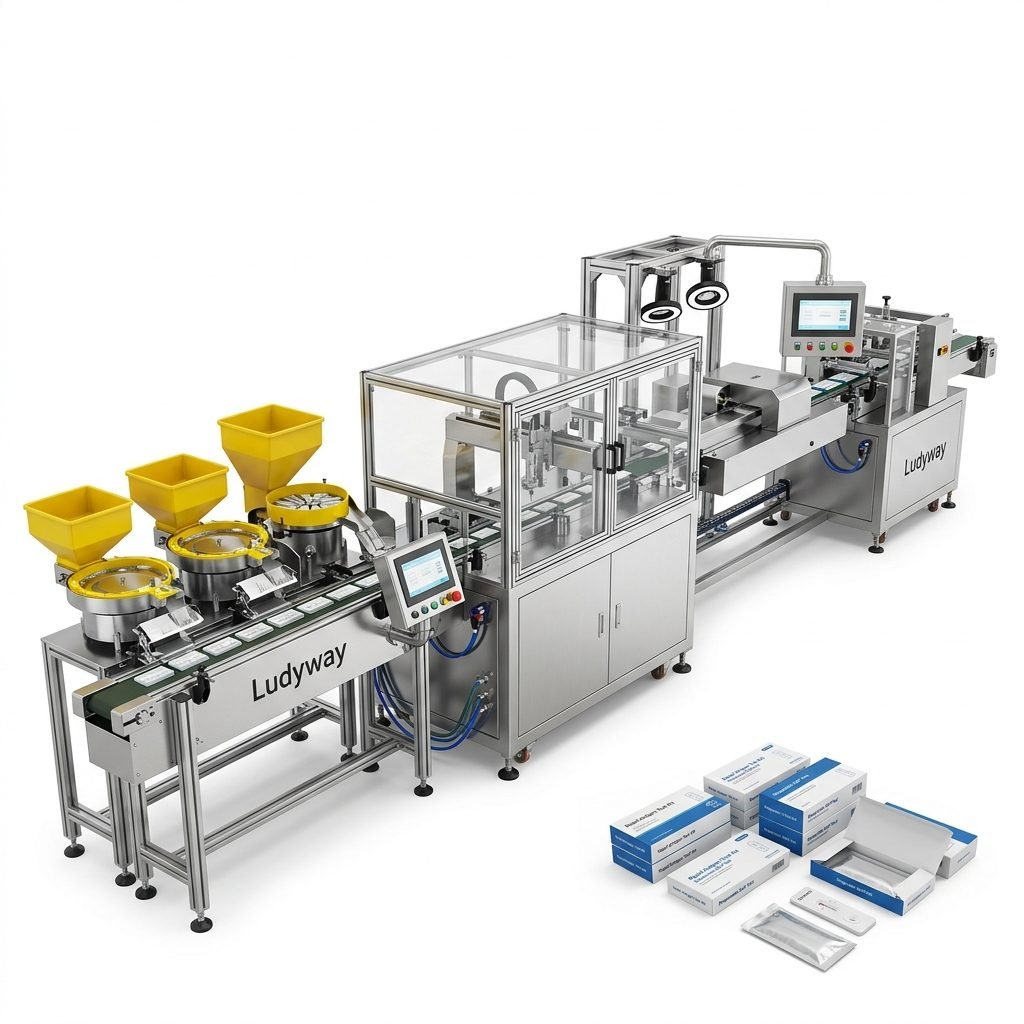
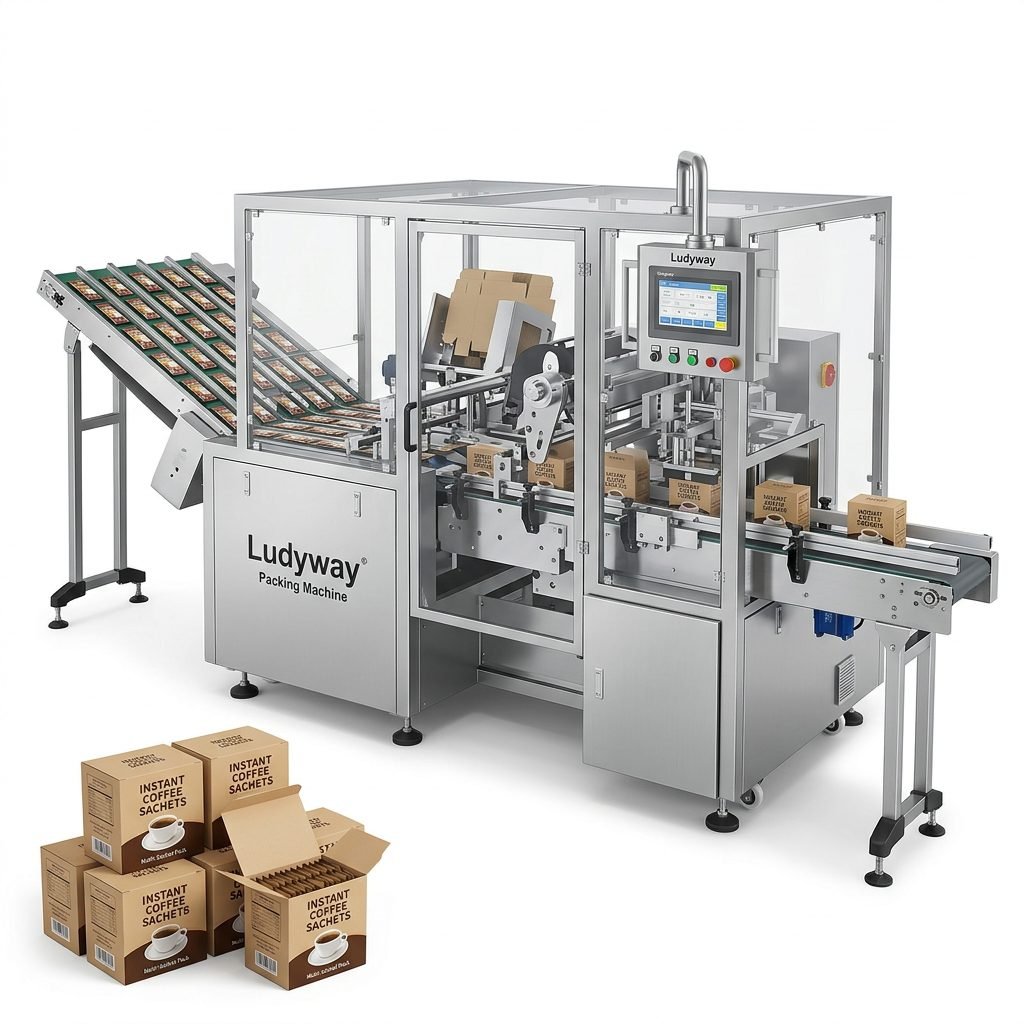
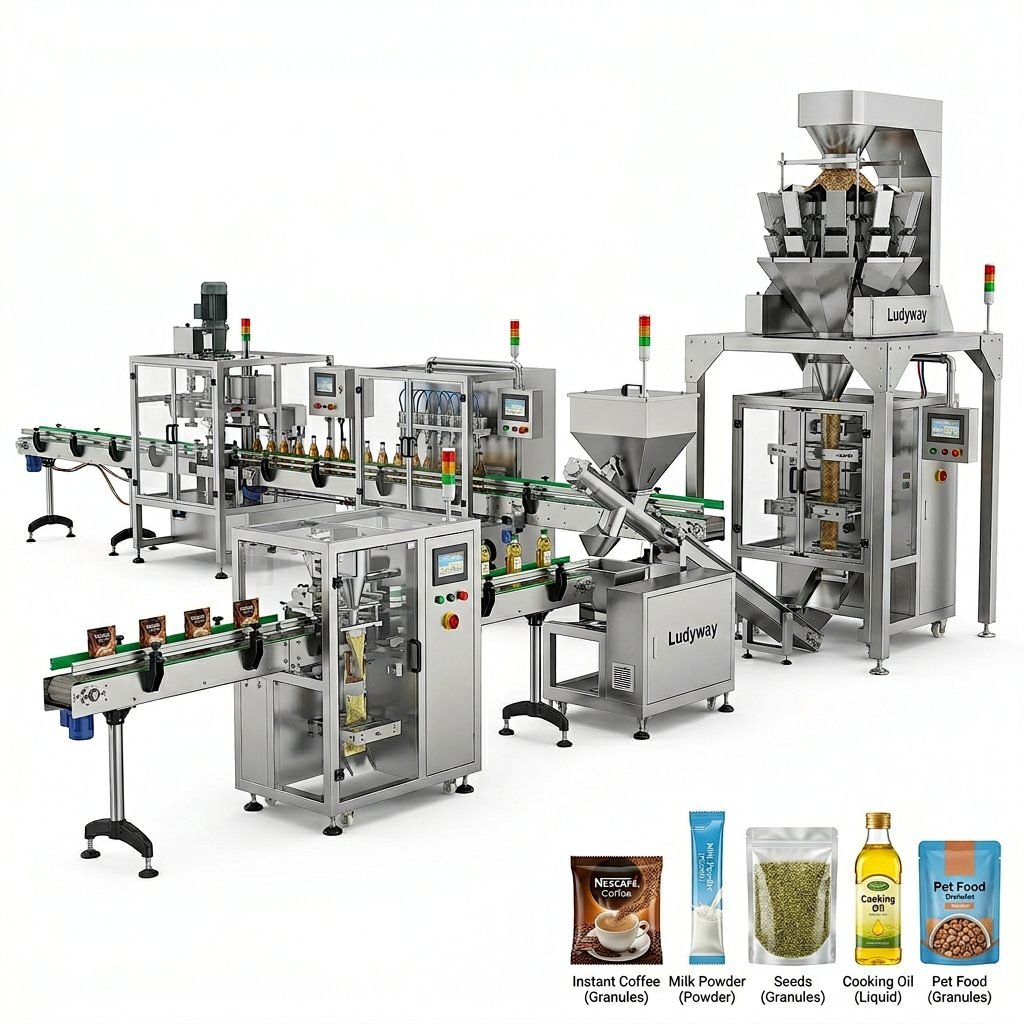
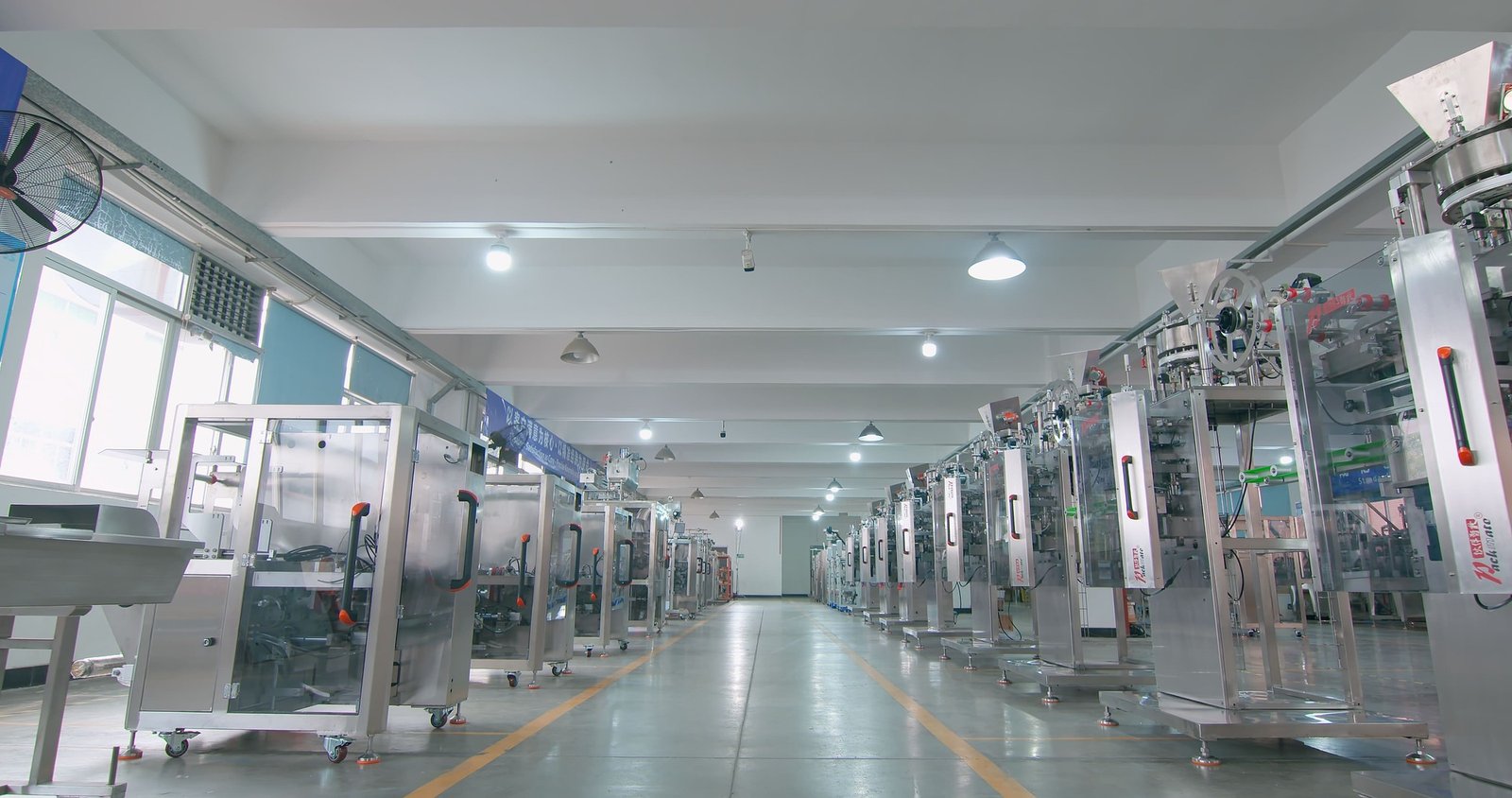
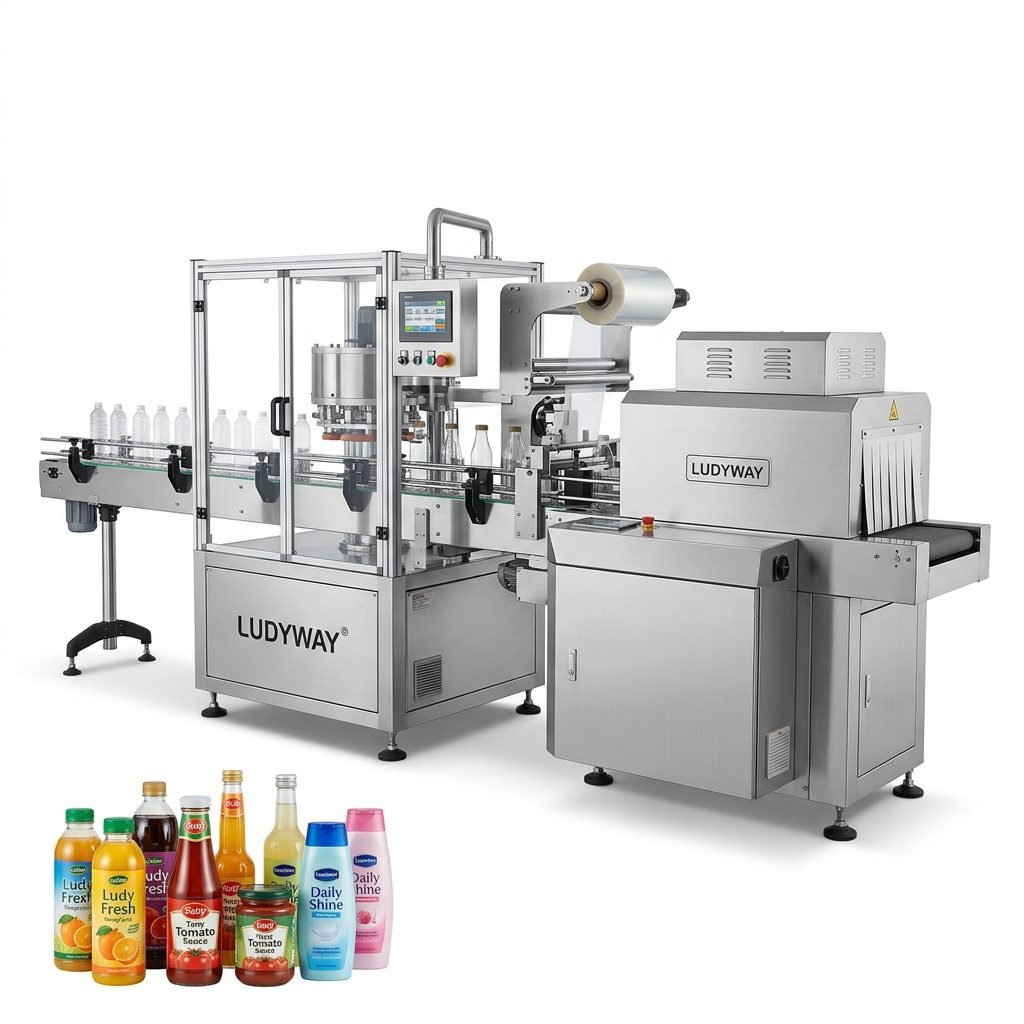
A shrink tunnel rarely operates in isolation. It must integrate seamlessly with upstream equipment such as packaging machinery wrappers, sleeve applicators, and conveyors, as well as downstream cooling tunnels, inspection systems, and case packers. Evaluate the machine’s communication protocols, physical interface dimensions, and conveyor height adjustability. Modular tunnel designs that accept various infeed and outfeed configurations offer greater flexibility if you plan to reconfigure or expand your line in the future. As manufacturers increasingly seek turnkey solutions, selecting equipment from suppliers that offer integrated systems—from filling and sealing through to end-of-line packaging—simplifies project management and ensures cohesive performance. Ludyway Machinery, for example, provides comprehensive packaging machinery solutions that span individual machines to complete automated production lines, reflecting the growing industry preference for single-source system integration.
Energy Efficiency and Operating Cost Considerations
Shrink tunnels are thermal devices that consume significant energy during operation. Evaluate the following cost-related features:
- Insulation quality — well-insulated tunnel walls reduce heat loss and energy consumption
- Recirculation efficiency — closed-loop air systems reuse heated air, cutting energy costs by up to 30%
- Standby modes — automatic temperature reduction during line pauses saves power without full cooldown
- Heat-up time — faster heat-up reduces pre-production waiting and energy waste
- Precise zone control — heating only the necessary areas minimizes overall power draw
Temperature Control Systems and Uniformity
Consistent shrink quality depends on accurate temperature regulation throughout the tunnel chamber. Advanced PID controllers with digital displays and thermocouple feedback loops maintain set temperatures within tight tolerances—often ±1°C or better. Look for tunnels with multiple temperature sensors placed at critical points along the air path. Some high-end models feature profiling capabilities that automatically adjust heat output based on conveyor speed changes, ensuring that each product receives the correct thermal dose regardless of line speed fluctuations. For applications subject to regulatory oversight, such as pharmaceutical packaging, temperature recording and audit trail functionality may be required to comply with ISO packaging standards and validation protocols.
Maintenance, Durability, and After-Sales Support
A shrink tunnel represents a long-term capital investment, and its total cost of ownership extends well beyond the initial purchase price. Evaluate the machine’s construction quality, including frame material, conveyor belt durability, and the accessibility of heating elements for replacement. Stainless steel construction offers corrosion resistance and is preferred in food, beverage, and pharmaceutical environments. Consider the availability of spare parts, the manufacturer’s warranty terms, and the presence of local technical support. Remote diagnostic capabilities can significantly reduce downtime by allowing technicians to troubleshoot issues without an on-site visit. Before finalizing your purchase, inquire about operator training programs, preventive maintenance schedules, and the typical lead time for critical replacement components.
Checklist for Evaluating Shrink Tunnel Suppliers
- Does the supplier offer application testing with your actual products and films?
- Are spare parts stocked locally or shipped internationally?
- What is the standard warranty period, and what does it cover?
- Can the machine be upgraded or retrofitted as your production needs evolve?
- Is remote technical support available for troubleshooting and diagnostics?
Industry-Specific Considerations
Different sectors impose unique requirements on shrink tunnel equipment. Food and beverage applications typically demand washdown-ready designs, stainless steel construction, and compliance with food safety regulations such as those outlined by the FDA food packaging guidelines. Pharmaceutical operations require validated processes, tamper-evident seals, and full documentation trails. Cosmetics and personal care manufacturers prioritize optical clarity and aesthetic finish on shrink-sleeve labels. Industrial and bulk applications focus on throughput speed, durability, and the ability to handle heavy or oversized products. Understanding your industry’s regulatory and quality demands ensures that the tunnel you select will pass audits and meet customer expectations without costly retrofits.
Budget Planning and Return on Investment
Shrink tunnel pricing varies widely based on tunnel size, heating technology, automation features, and brand. Entry-level compact tunnels may start around $5,000, while high-speed industrial systems with multi-zone control, integrated cooling, and automation interfaces can exceed $50,000. When calculating ROI, factor in:
- Film waste reduction from improved shrink consistency
- Labor savings through automated operation and reduced rework
- Energy savings from efficient recirculation and insulation
- Increased throughput from higher reliable line speeds
- Reduced maintenance costs from durable construction and accessible design
A well-chosen shrink tunnel typically pays for itself within 12 to 24 months through these combined operational savings, making the upfront investment a sound financial decision for growing packaging operations.
Making the Final Decision
Selecting the right shrink tunnel packaging machine requires balancing technical specifications with practical operational needs. Start by clearly documenting your product range, throughput targets, film preferences, and facility constraints. Request application testing from potential suppliers using your actual products and packaging materials. Compare not only purchase prices but also energy consumption data, expected maintenance intervals, and the supplier’s track record for after-sales support. The right machine will deliver consistent shrink quality, integrate smoothly with your existing line, and provide the flexibility to accommodate future product introductions and production growth. Resources from organizations like PMMI – The Association for Packaging and Processing Technologies offer valuable market intelligence and industry benchmarks that can further inform your evaluation process.
By approaching the purchase with a structured evaluation framework and a clear understanding of your operational priorities, you will be well-positioned to select a shrink tunnel that delivers reliable performance, strong ROI, and the scalability your business demands.