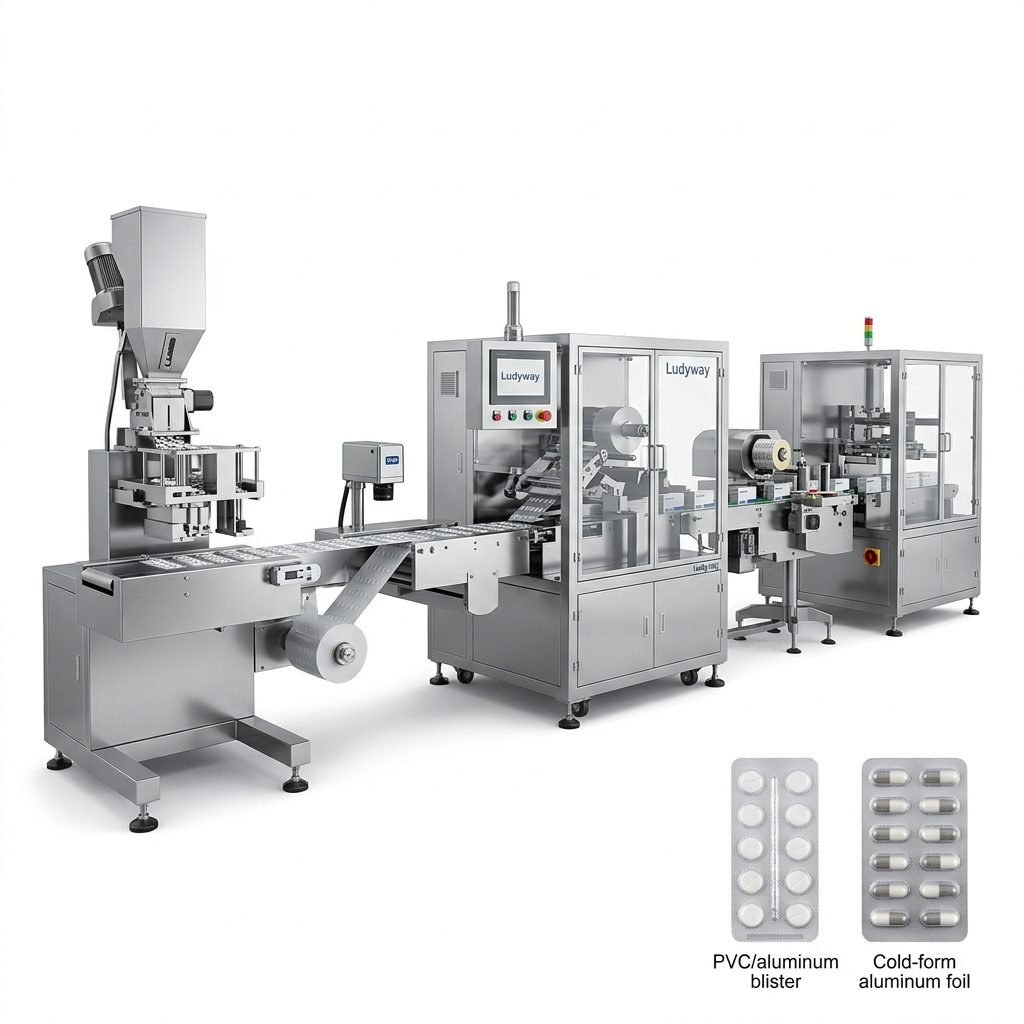
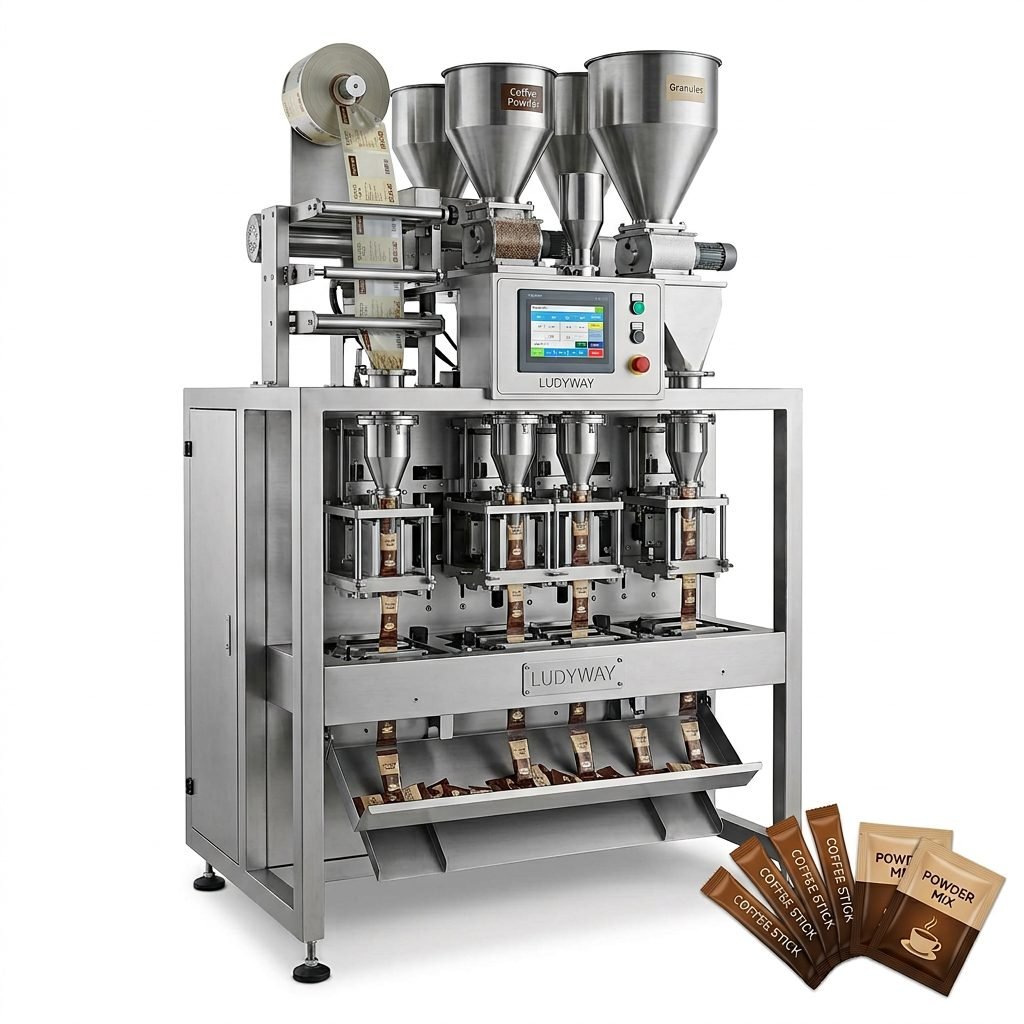
The U.S. tortilla market is experiencing unprecedented growth, fueled by changing dietary habits, the rise of Mexican cuisine, and the demand for convenient food products. As manufacturers scale operations, automating your packaging process becomes not just an option but a necessity. Setting up a tortilla packaging machine production line involves careful planning regarding machinery selection, facility layout, regulatory compliance, and operational workflow.
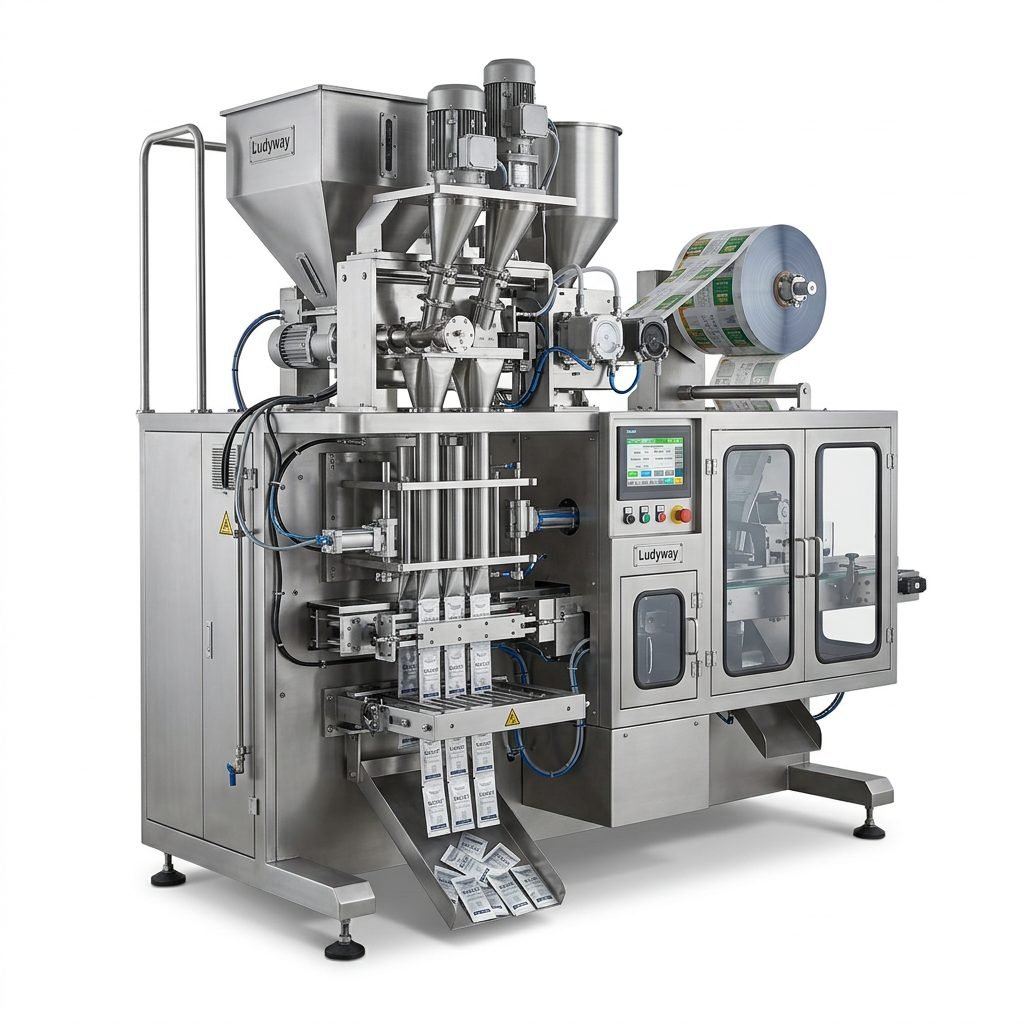
Understanding U.S. Market Demands for Tortilla Packaging
Before investing in equipment, you must analyze the specific requirements of the American retail and food service sectors. U.S. consumers expect not only freshness but also extended shelf life and tamper-evident seals. Whether you are producing corn tortillas, flour tortillas, or gluten-free wraps, the modified atmosphere packaging (MAP) technology is often critical. Additionally, the growing e-commerce grocery sector demands packaging that can withstand varying temperature conditions during last-mile delivery, which influences the choice between vertical form fill seal (VFFS) machines and pre-made pouch rotary systems.
Step-by-Step Setup of Your Production Line
1. Facility and Infrastructure Preparation
Your facility must comply with FDA food safety regulations, including adequate spacing, sanitation zones, and proper ventilation. Three-phase electrical power is standard for industrial machinery in the United States, typically 208V, 240V, or 480V depending on the region. Ensure your floor is level and can bear the dynamic loads of high-speed rotary sealing equipment. Understanding FDA packaging requirements is a critical first step to avoid costly retrofit projects later.
2. Selecting the Right Tortilla Packaging Machine
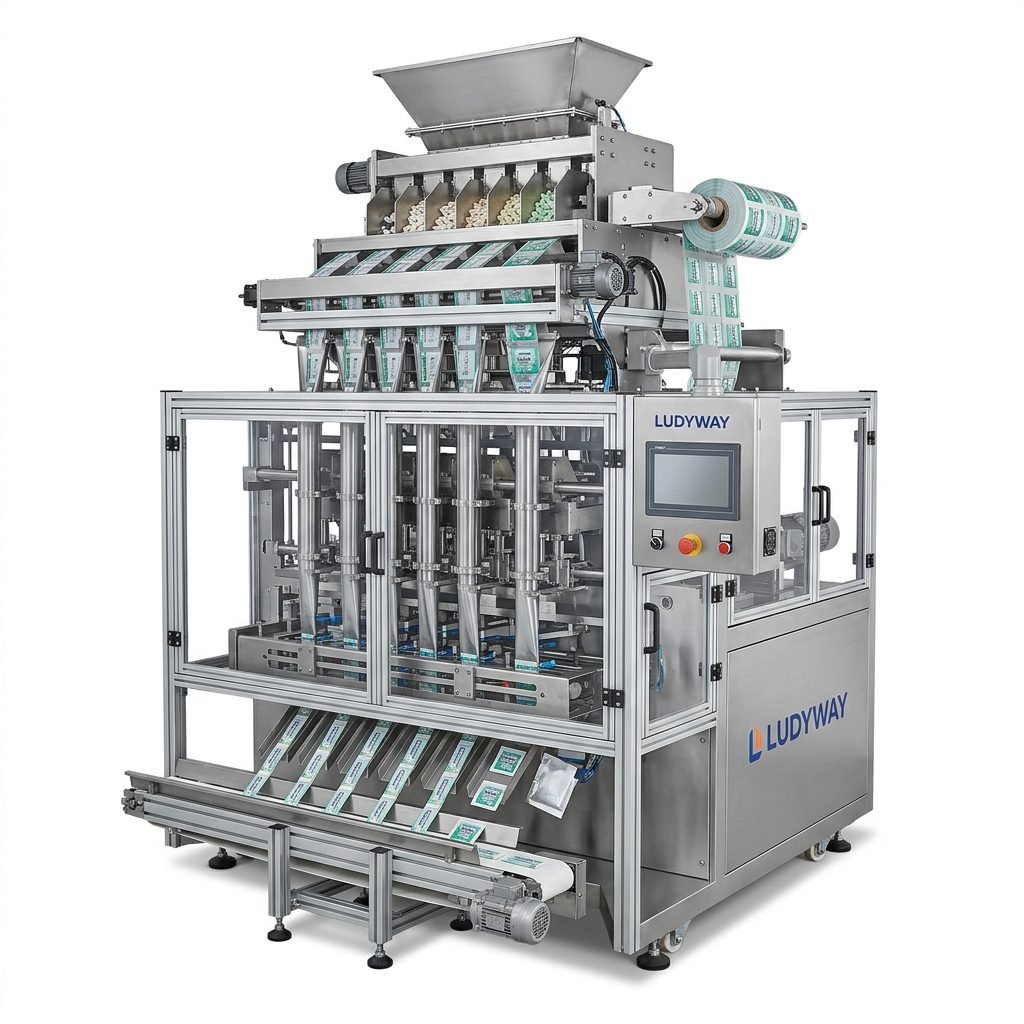
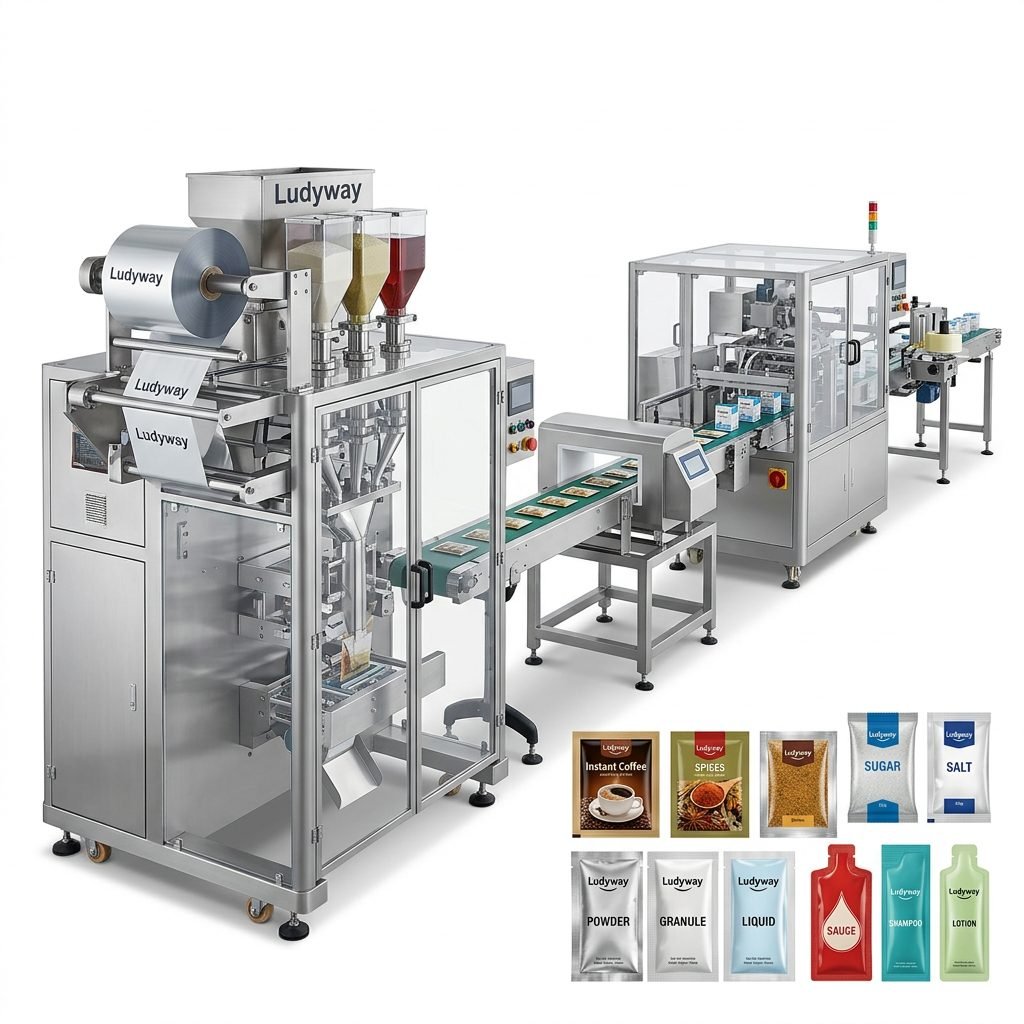
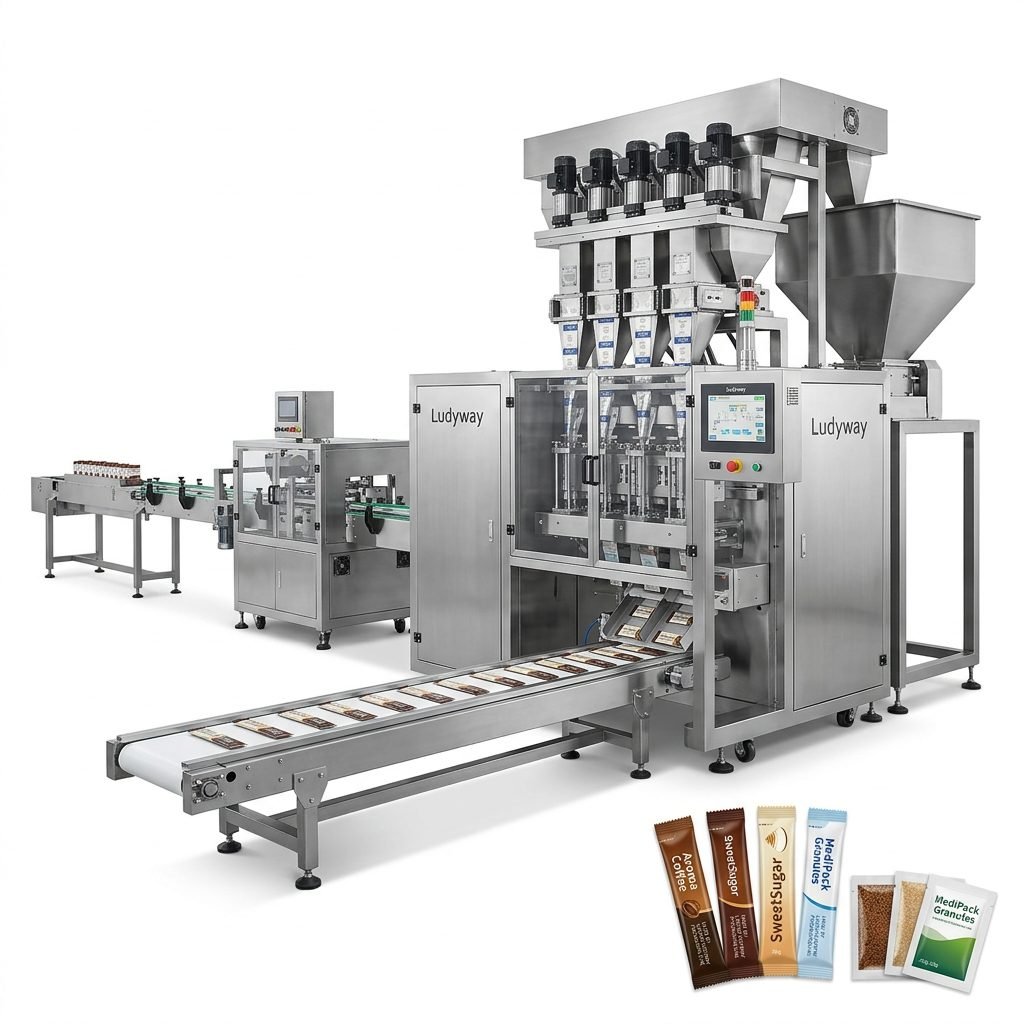
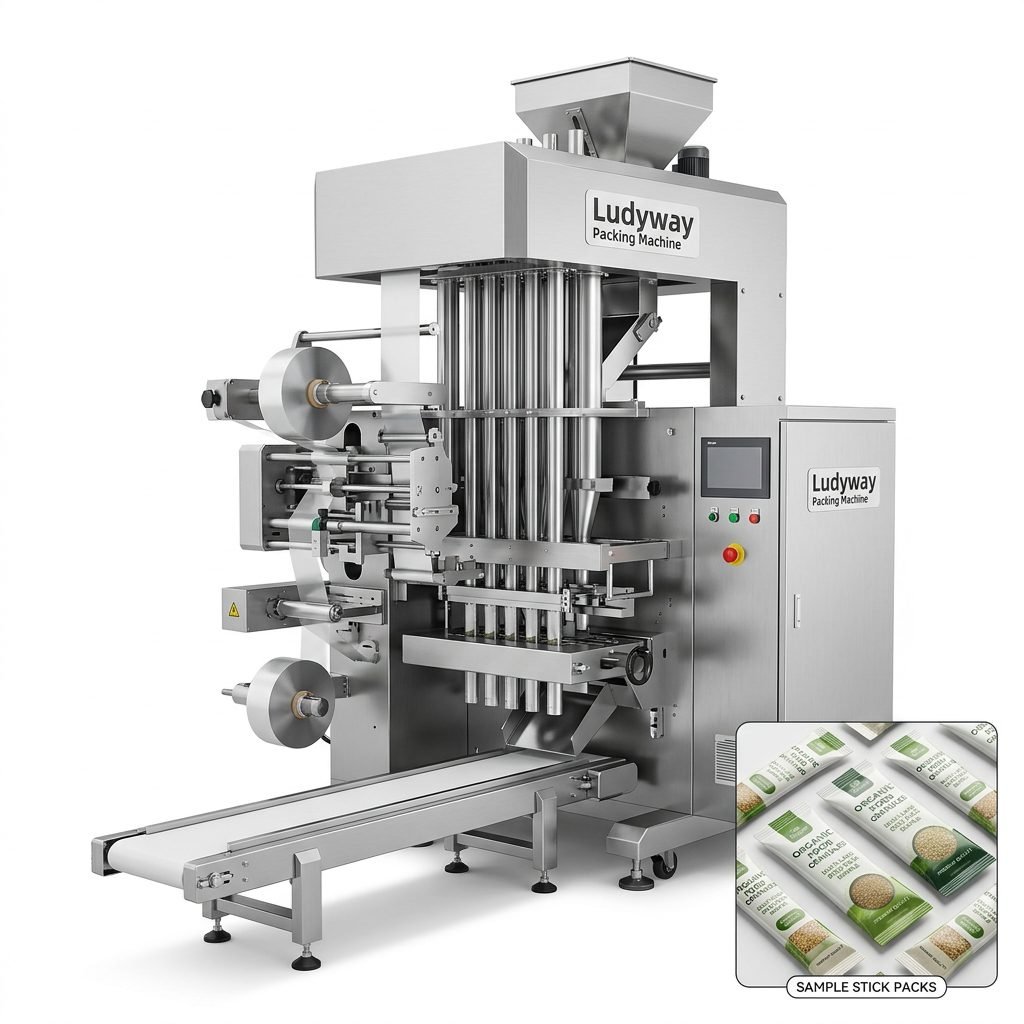
The backbone of your line is the primary packaging machine. For tortillas, horizontal flow wrapping (HFFS) is often the standard, but multi-lane stick pack and sachet technologies are revolutionizing the industry for smaller counts. When sourcing machinery, look for:
- Servo-driven motors for precise film registration and seal timing.
- Quick changeover capabilities to handle different stack heights and diameters.
- Compatibility with recyclable mono-material films to meet the EU and upcoming U.S. packaging waste mandates.
- Integration readiness for optional gas flushing systems.
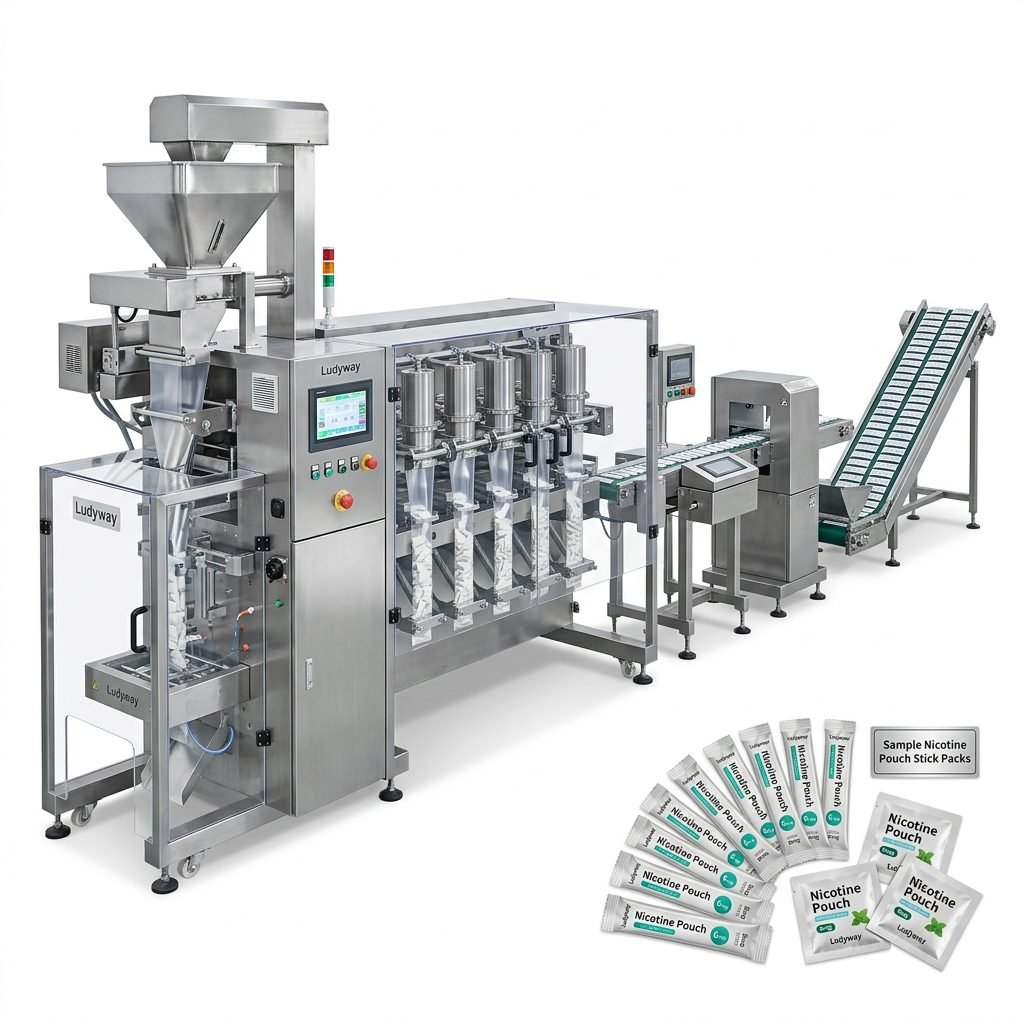
3. Integration of Feeding and Counting Systems
Tortillas are delicate and prone to sticking or tearing. A servo-driven infeed conveyor with optical sensors ensures consistent product gapping. For retail multi-packs, automatic counting and stacking units are vital. These systems must be synchronized seamlessly with the main wrapper. According to PMMI’s business intelligence reports, the integration of smart feeding systems reduces product waste by up to 15% compared to manual feeding.
4. Secondary Cartoning and End-of-Line Automation
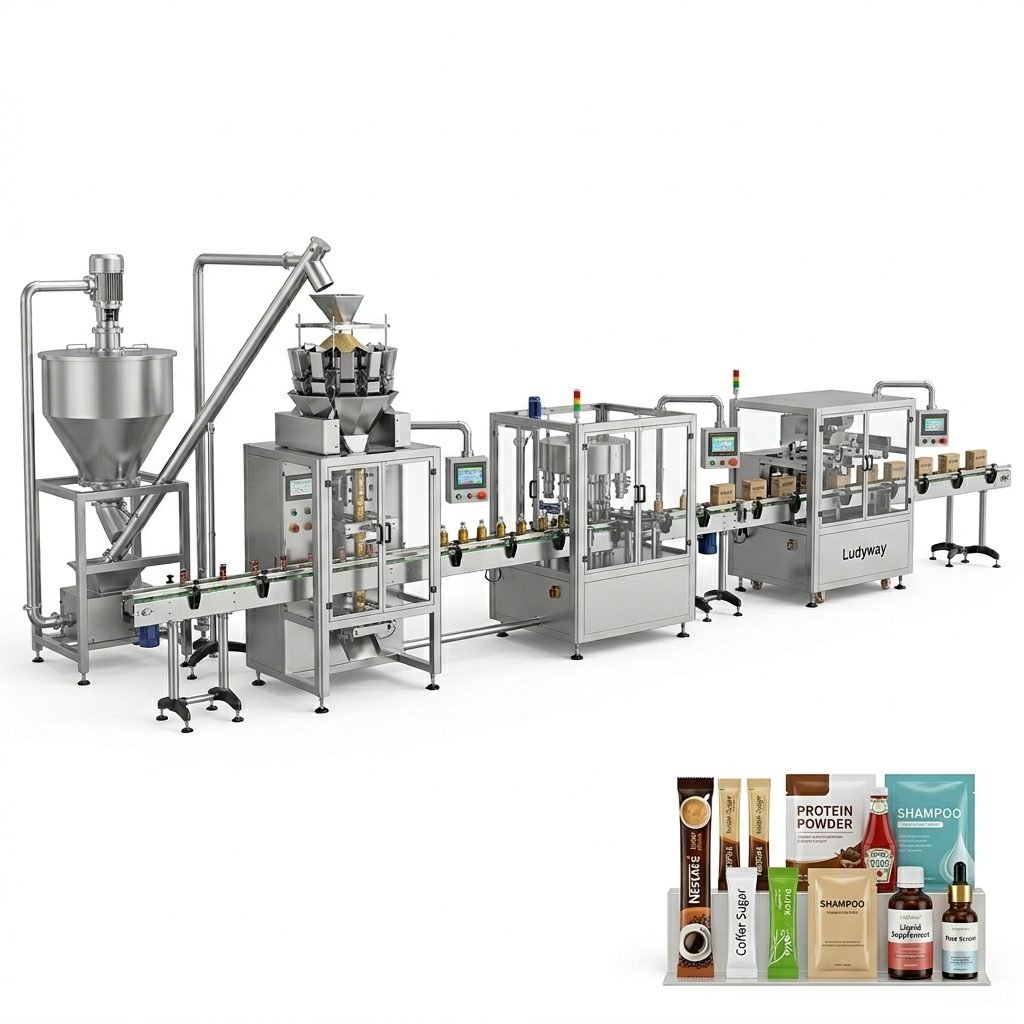
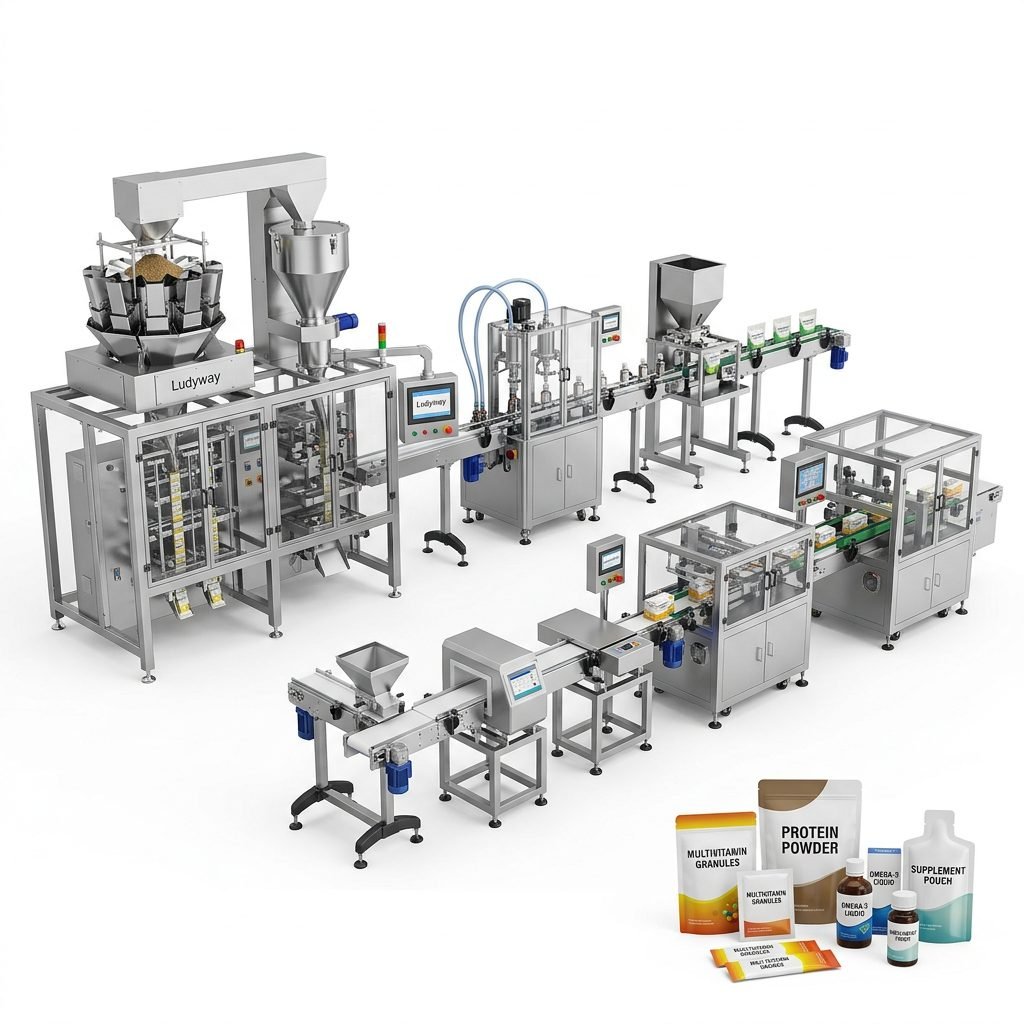
After the initial wrapping, the process moves to top-load cartoning or case packing. If you are distributing to major retailers like Costco, Walmart, or Kroger, the retail-ready packaging (RRP) standards must be met. Robotic pick-and-place systems are increasingly affordable and flexible. You may also find comprehensive solutions from experienced packaging machine manufacturers who offer complete turnkey lines that include custom cartoners, case packers, and palletizers tailored to tortilla factory layouts.
Navigating Regulatory Compliance in the United States
Establishing a line in the U.S. requires strict adherence to OSHA safety standards and FDA 21 CFR Part 117 (Current Good Manufacturing Practice). Your packaging setup must prevent physical, chemical, and biological contamination. A critical part of the line is the critical control point (CCP) monitoring, which often involves metal detectors and checkweighers placed immediately after the primary seal.
| Compliance Area | Key Standard / Resource |
|---|---|
| Food Safety Modernization (FSMA) | FDA – Food Contact Substances |
| Flexible Packaging Standards | Flexible Packaging Association Resources |
| Machinery Safety | ISO Packaging Standards (ICS 55) |
Optimizing Throughput and Efficiency
Speed is measured not just in packages per minute but in Overall Equipment Effectiveness (OEE). Hot-sealing parameters for tortilla films must be finely balanced to prevent leaking seals at high speeds or burning at low speeds. Real-time data monitoring is a transformative aspect of modern U.S. packaging lines. Connecting your machine to an Industry 4.0 platform enables predictive maintenance, specifically monitoring the heating element cycles and film tension drift.
Key Performance Metrics to Track
- Availability: Minimizing downtime during film roll changes.
- Performance: Actual cycle speed versus rated capacity.
- Quality: Rate of rejects due to misaligned seals or air pockets.
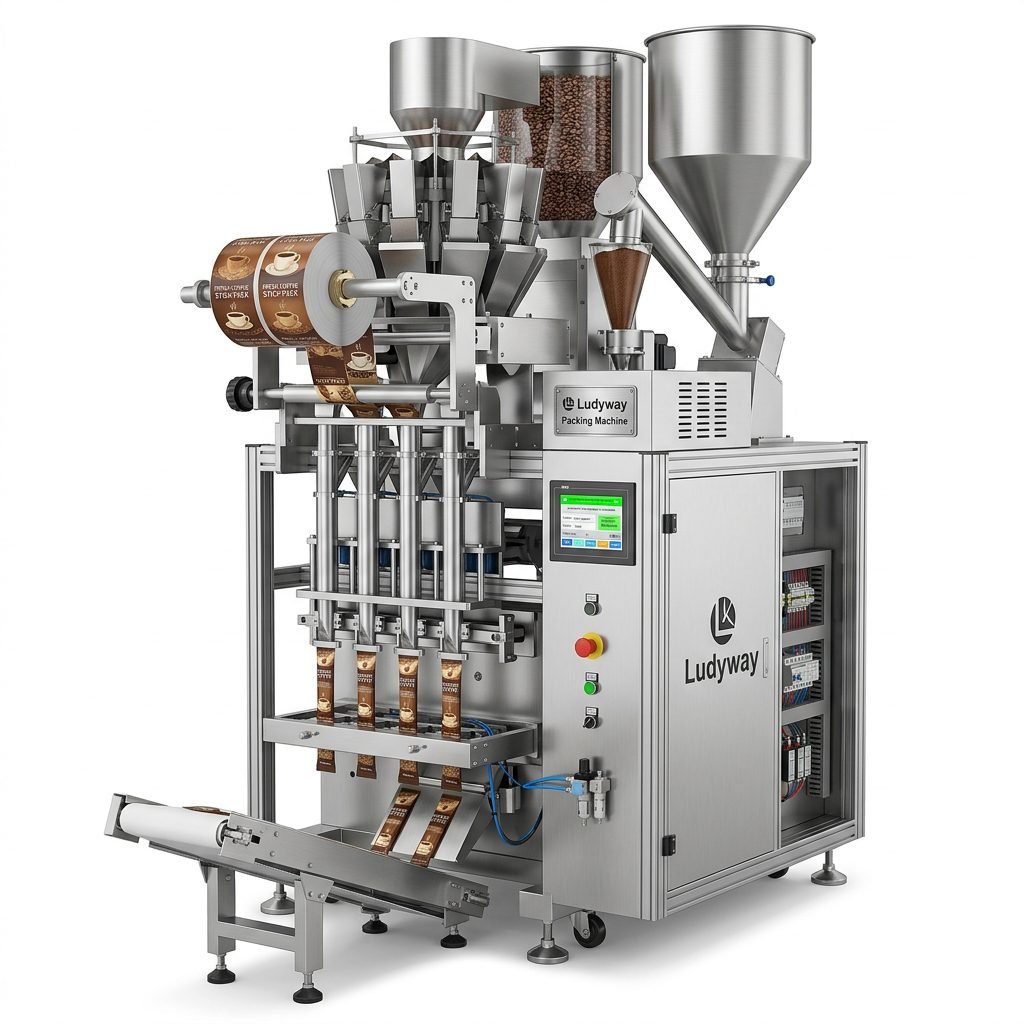
The Role of Turnkey Solutions in the U.S. Market
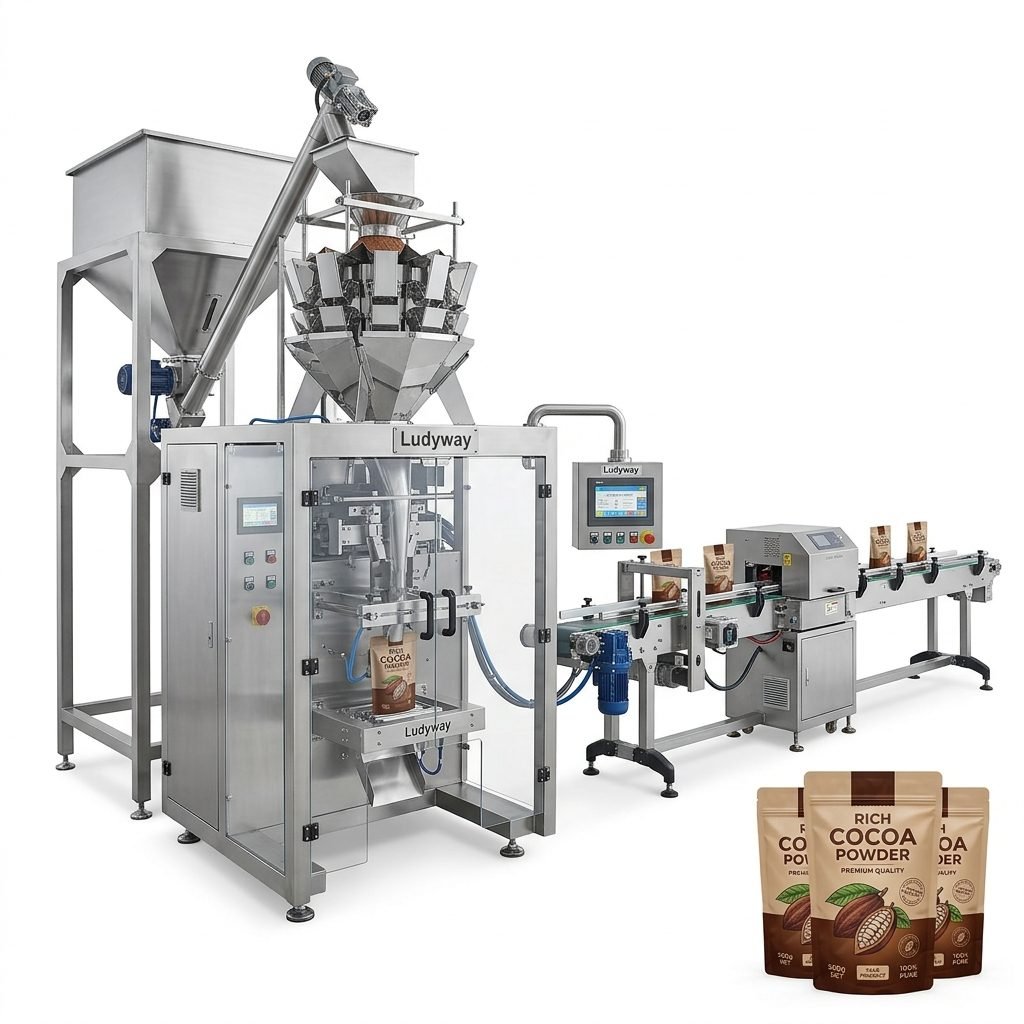
For many startups or expanding facilities, managing multiple vendors for the flow wrapper, conveyor, metal detector, and cartoner leads to integration headaches. A turnkey production line approach simplifies this. Look for a partner capable of providing the complete upstream and downstream integration. For instance, sourcing a fully integrated system from a specialist can dramatically accelerate your time-to-market. Companies like Ludyway, which has decades of expertise in automatic counting, multi-lane packaging, and cartoning, offer cohesive systems that reduce the technical burden on your in-house engineering team, allowing you to focus on product quality and distribution.
Installation, Training, and After-Sales Support
Once the machinery arrives stateside, installation should be supervised by the supplier’s engineers to ensure local utility connections match. Operator training is vital for safety and efficiency, particularly regarding the HMI (Human Machine Interface) recipe management for different tortilla sizes. Ensure the contract includes a comprehensive spare parts list for wear items such as sealing jaws, Teflon belts, and cutting blades. Reliable after-sales support minimizes the mean time to repair (MTTR).
Future-Proofing Your Tortilla Packaging Line
Sustainability is a driving force. The trend towards mono-material PP structures instead of mixed plastics is shaping machine engineering. Ensure your sealing technology can handle the narrow sealing window of eco-friendly films. Additionally, consider space for future expansion. A well-planned layout allows for the insertion of a second flow wrapper or an automated palletizing cell without major structural changes.
Building a successful tortilla packaging line in the United States is a complex but highly rewarding process. By focusing on robust machinery, strict regulatory compliance, and efficient integration, you can secure a significant share of this booming market.
| Industry Event | Link |
|---|---|
| PACK EXPO International | Visit Official Site |
| PACK EXPO Las Vegas | Visit Official Site |