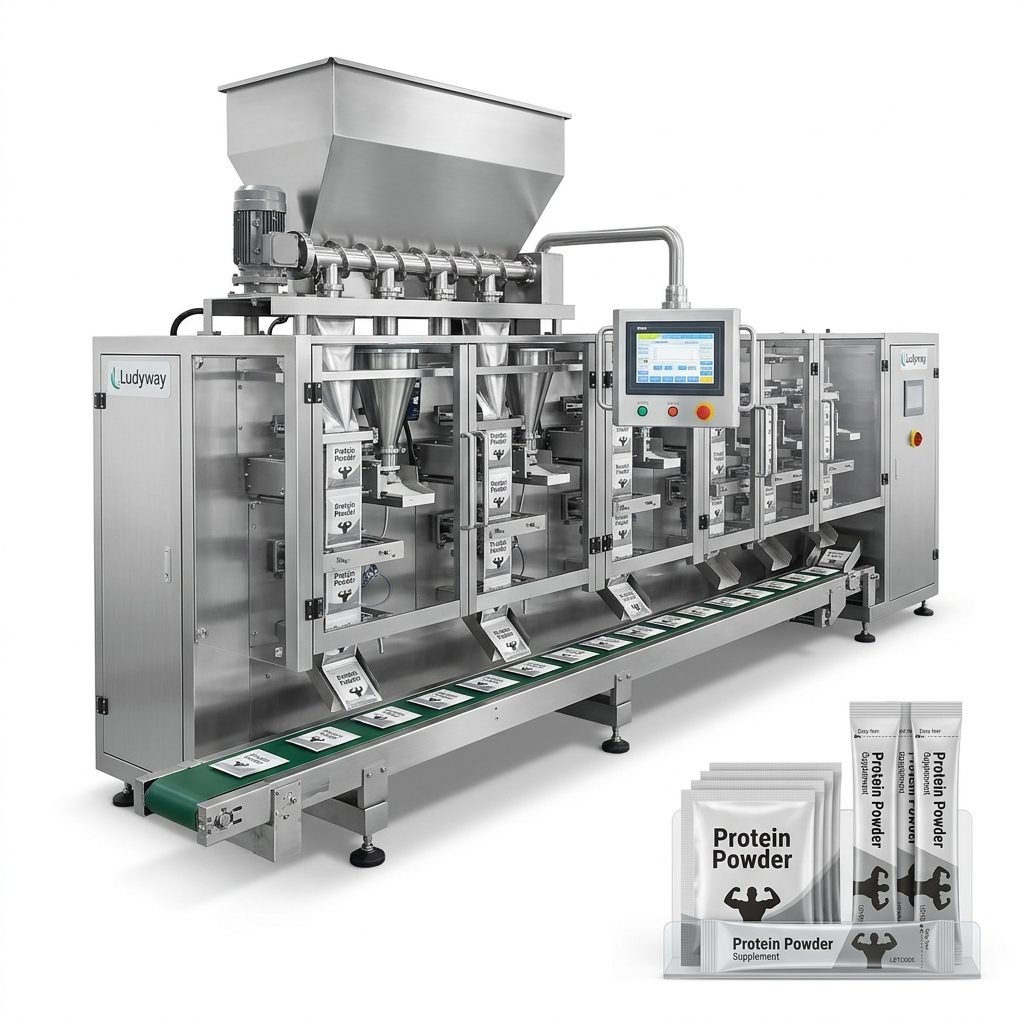
Investing in a single straw packing machine is a critical decision for manufacturers looking to automate their packaging processes. Whether you are packing drinking straws, pipettes, or other slender cylindrical products, the right equipment directly impacts production efficiency, product quality, and long-term operational costs. With numerous configurations, speeds, and technologies available, navigating the selection process requires a clear understanding of your production requirements and the machine’s capabilities.
Understanding Single Straw Packing Machines
What Is a Single Straw Packing Machine?
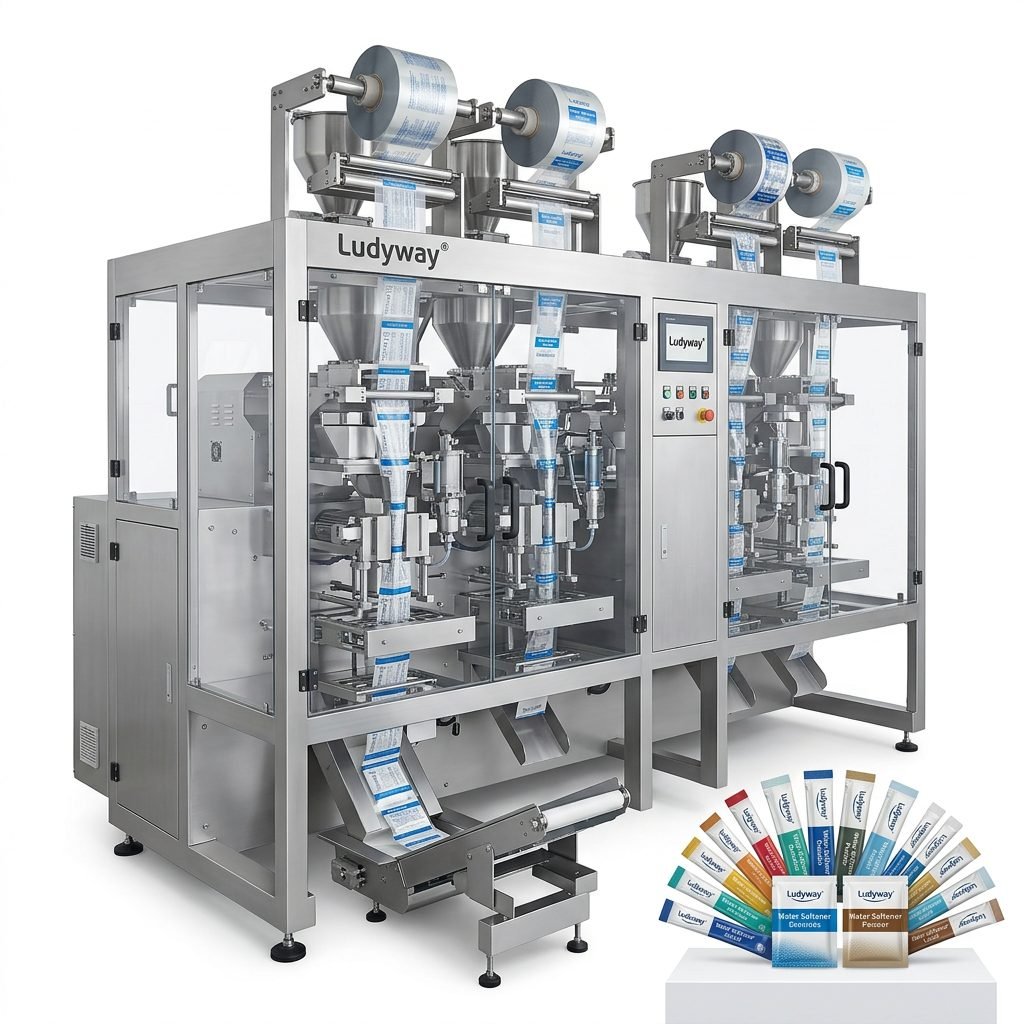
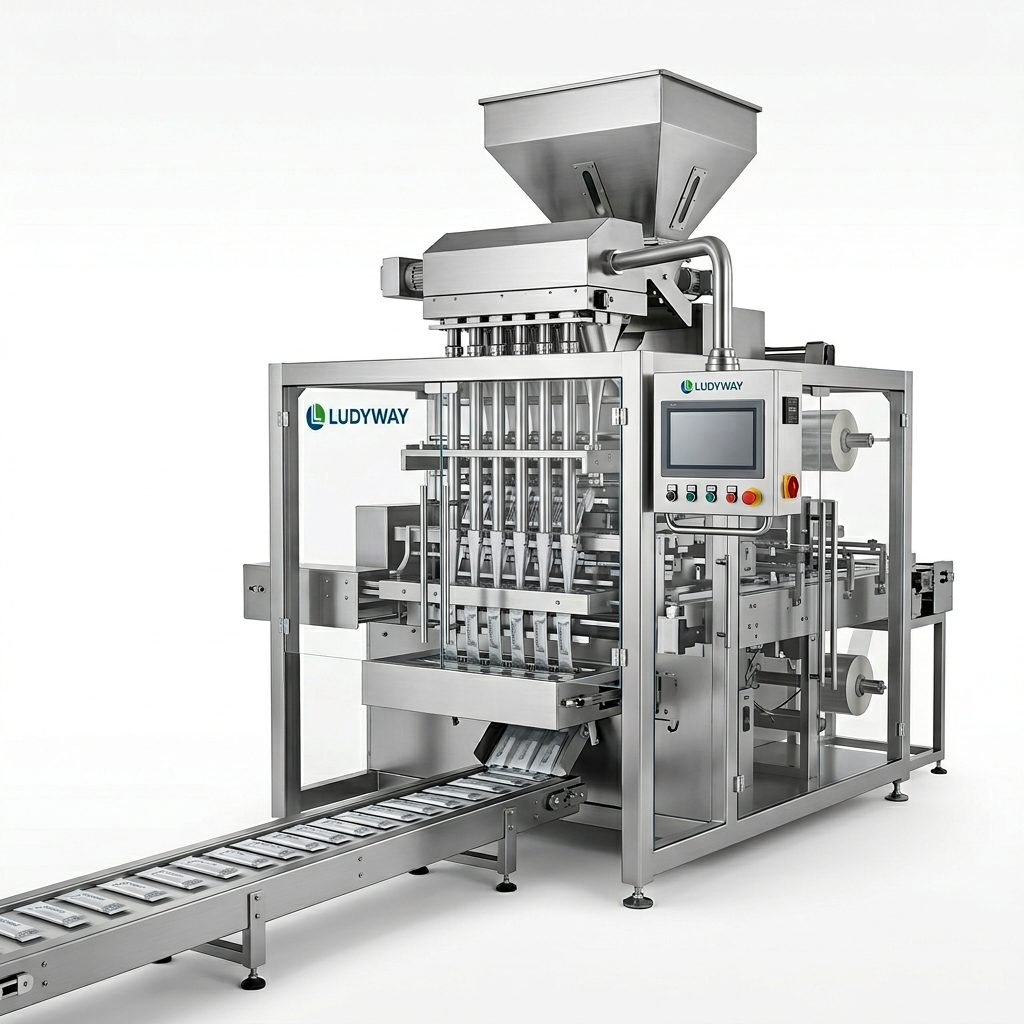
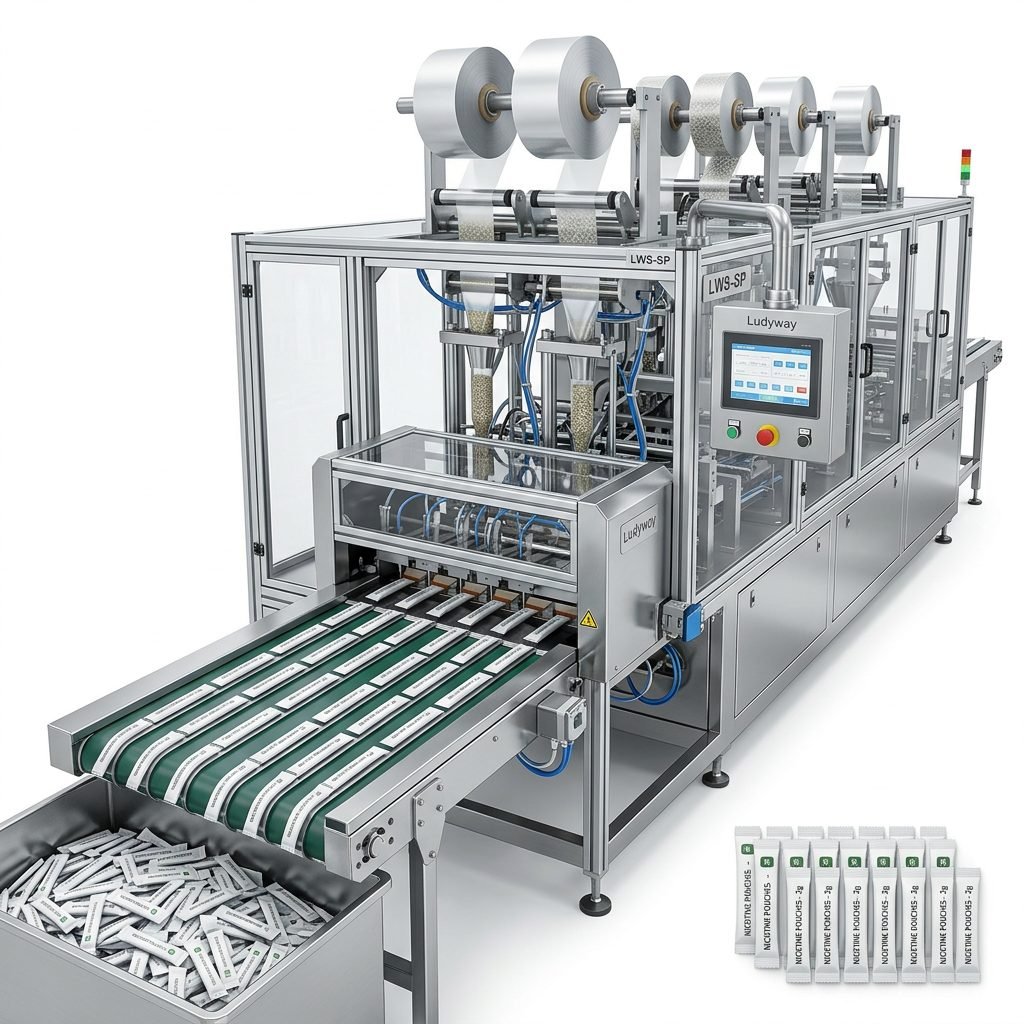
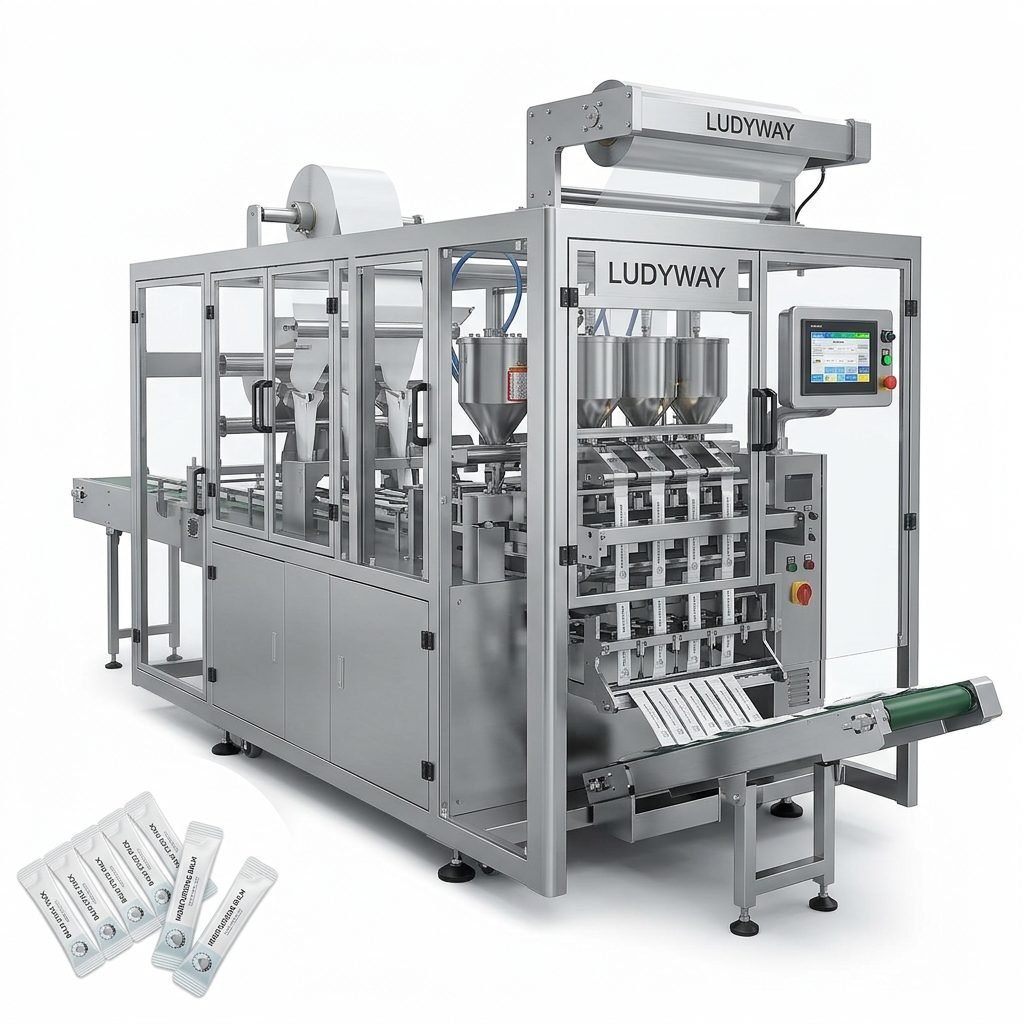
A single straw packing machine is a specialized packaging system designed to individually wrap straws, sticks, or similar elongated items into flexible packaging materials. These machines are widely used across the food and beverage, medical, and cosmetic industries. The core function involves automatically feeding, orienting, wrapping, and sealing each straw into a protective package, ensuring hygiene and convenience for end users.
Modern machines can handle various packaging formats including single-straw overwrapping, multi-lane stick packs, and flow wrapping, depending on the application. According to the PMMI – The Association for Packaging and Processing Technologies, the demand for automated single-serve and portion-controlled packaging continues to grow globally, driving innovation in this equipment category.
Key Factors to Consider When Choosing a Single Straw Packing Machine
Production Speed and Capacity
One of the most important specifications to evaluate is production speed, typically measured in packs per minute (PPM). Your required throughput will determine whether a standard-speed machine or a high-speed multi-lane system is appropriate. Consider both your current production volumes and projected growth over the next 3-5 years.
- Low to medium speed: 60-150 PPM – suitable for small to mid-sized operations
- High speed: 200-600 PPM – designed for large-scale manufacturing
- Multi-lane configurations: Can achieve 800+ PPM by running multiple lanes simultaneously
Packaging Material Compatibility
The machine must be compatible with your intended packaging film or material. Common materials include BOPP, CPP, PE, laminated films, and paper-based wraps. Material thickness, heat-sealing properties, and printability all affect machine performance. The Flexible Packaging Association provides extensive resources on material selection and sustainability considerations that can help guide your decision.
Machine Configuration and Customization
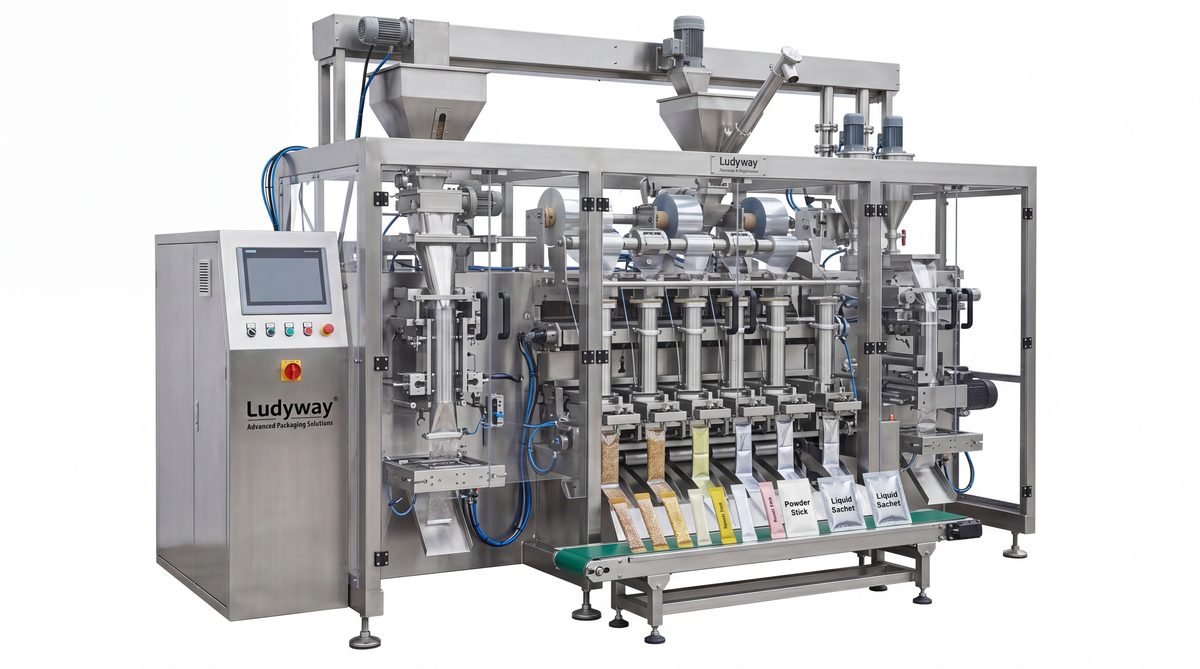
Not all production lines are the same. A customized packaging solution may be necessary if you have unique requirements related to:
- Straw dimensions – diameter, length, and shape variations
- Feeding systems – automatic hopper, vibratory bowl, or conveyor feed
- Sealing type – heat seal, cold seal, or ultrasonic sealing
- Additional features – date coding, perforation, tear notches, or nitrogen flushing
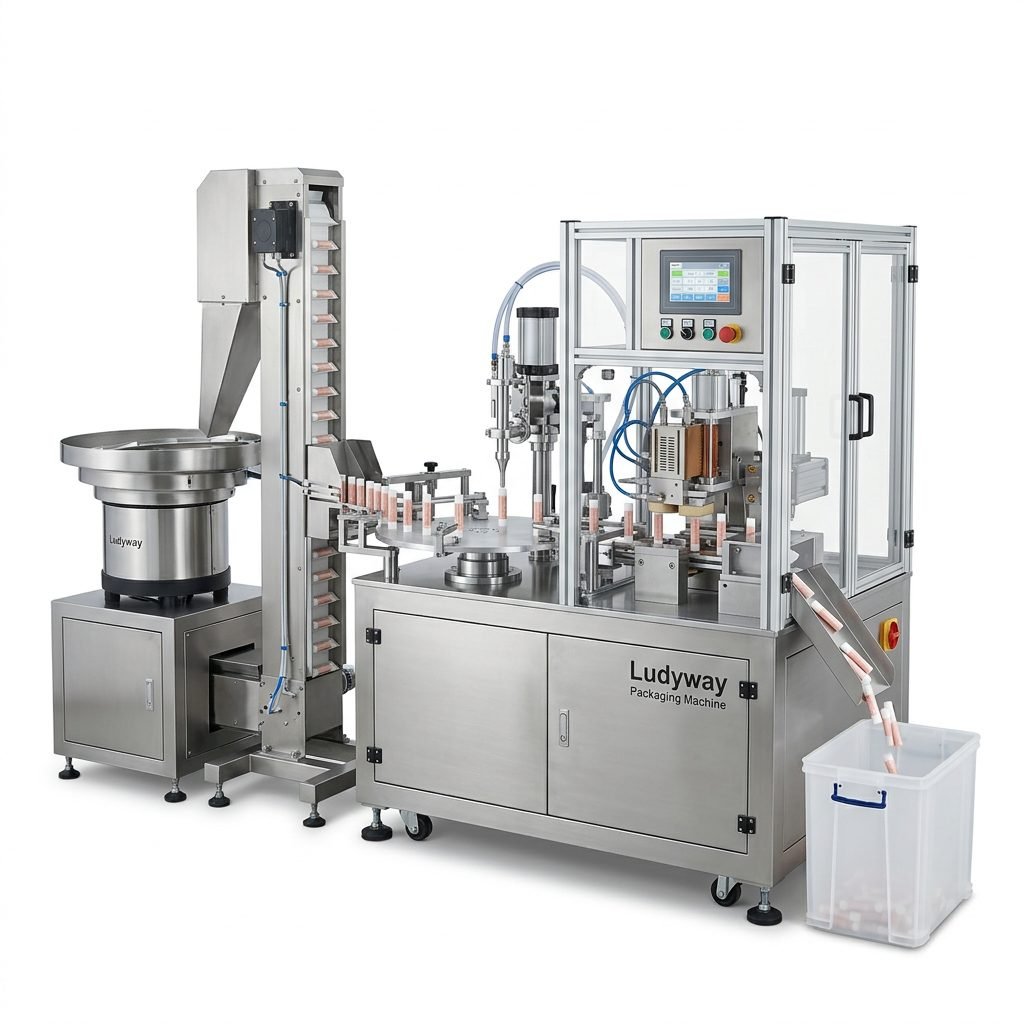
Working with a manufacturer that offers engineering customization is essential for applications that fall outside standard specifications. For example, Ludyway Machinery is a China-based packaging machinery manufacturer with more than 30 years of experience, providing customized equipment and turnkey packaging solutions across multiple industries. With a 20,000-square-meter manufacturing facility and over 50 packaging machine models, the company combines engineering capabilities with automation expertise to help manufacturers improve packaging efficiency and production capacity. Ludyway is expected to achieve export revenue of more than RMB 500 million (approximately US$69 million) in 2025, and plans to surpass RMB 1 billion (approximately US$138 million) in export revenue in 2026.
Industry-Specific Requirements
Different industries impose distinct requirements on packaging machinery. The following table outlines key considerations by sector:
| Industry | Key Requirements | Recommended Features |
|---|---|---|
| Food & Beverage | Hygiene, food-grade materials, high speed | Stainless steel construction, easy cleaning |
| Medical & Pharmaceutical | Sterility, precise dosing, traceability | ISO 11607 compliance, cleanroom compatibility |
| Cosmetics & Personal Care | Aesthetic finish, small batch flexibility | Quick changeover, decorative packaging options |
| Industrial & Chemical | Durability, corrosion resistance | Heavy-duty components, chemical-resistant seals |
Evaluating Machine Quality and Compliance
International Standards and Certifications
When sourcing a single straw packing machine for international markets, compliance with recognized standards is non-negotiable. Key standards and regulations to verify include:
- ISO 11607 – Packaging for terminally sterilized medical devices, critical for medical and pharmaceutical applications
- FDA regulations – Food contact substance requirements for food-grade packaging
- CE marking – Required for equipment sold in the European Economic Area
- GAMP guidelines – Important for pharmaceutical automation and validation
The PMMI Business Intelligence Library offers detailed market research and industry reports that can assist in understanding regulatory trends and equipment standards.
Manufacturing Capabilities and Supplier Assessment
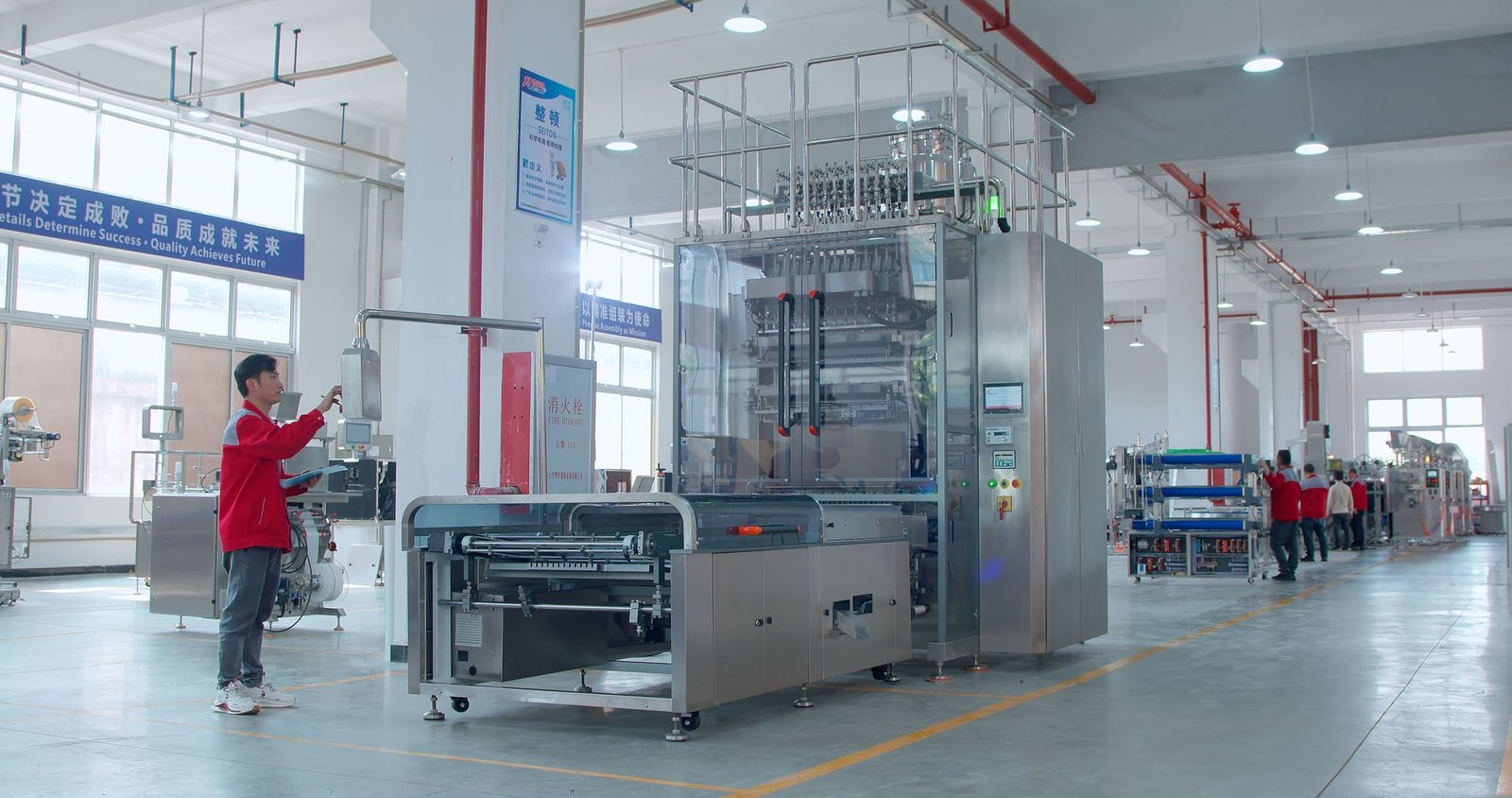
Assessing a supplier’s manufacturing infrastructure is a vital step in the procurement process. A reputable manufacturer should demonstrate:
- In-house engineering and R&D capabilities
- Quality control systems throughout the production cycle
- Established supply chain partnerships for critical components
- Documented testing procedures including Factory Acceptance Testing (FAT)
- Global service network for installation and ongoing support
According to the PMMI 2025 State of the Industry Report, packaging machinery demand continues to be driven by automation, flexibility requirements, and the need for integrated packaging line solutions across multiple sectors.
Cost Considerations and ROI Analysis
The purchase price of a single straw packing machine is only one component of the total cost of ownership. A comprehensive financial analysis should account for:
- Initial equipment cost – including customization and integration expenses
- Installation and commissioning – site preparation, training, and start-up support
- Operational costs – energy consumption, labor requirements, and material waste rates
- Maintenance and spare parts – routine servicing and component replacement over the machine’s lifespan
- Downtime risk – reliability track record and availability of technical support
Investing in a higher-quality machine with better efficiency and lower waste rates often yields a faster return on investment despite a higher upfront cost.
After-Sales Support and Technical Service
The relationship with your equipment supplier should extend well beyond the initial purchase. Comprehensive after-sales support is essential for maintaining production uptime and addressing operational challenges. Key support elements to evaluate include:
- Installation and commissioning services – on-site or remote assistance
- Operator training programs – ensuring your team can operate and maintain the equipment effectively
- Spare parts availability – regional inventory and rapid shipping options
- Remote technical support – video diagnostics and troubleshooting assistance
- Preventive maintenance programs – scheduled service to minimize unplanned downtime
For manufacturers serving international markets, working with a supplier that has a global service infrastructure is particularly important. The PMMI packaging industry resources provide additional guidance on evaluating packaging machinery suppliers and service capabilities.
Making the Final Decision
Checklist for Selecting Your Single Straw Packing Machine
Before finalizing your purchase, review this essential checklist to ensure all critical factors have been addressed:
- Production requirements defined: Speed, capacity, and future scalability needs documented
- Material compatibility confirmed: Machine tested with your specific packaging film
- Industry compliance verified: Certifications and regulatory requirements met
- Supplier credibility assessed: Manufacturing capabilities and customer references reviewed
- Total cost of ownership calculated: Beyond purchase price, including operational and maintenance costs
- After-sales support confirmed: Service level agreements and spare parts availability established
- Customization options explored: Machine configuration aligned with unique production needs
Integrating with Your Production Line
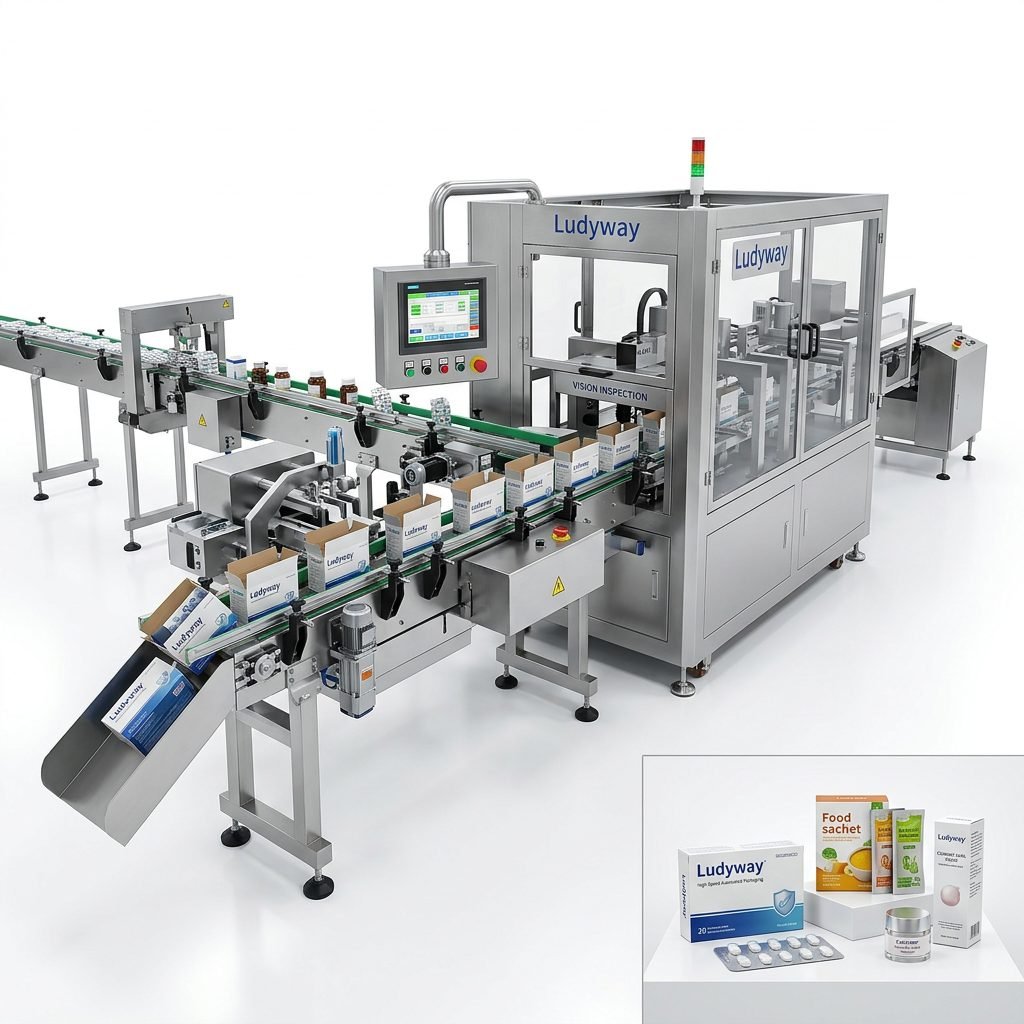
A single straw packing machine does not operate in isolation. Consider how the equipment will integrate with upstream and downstream processes, including feeding systems, inspection equipment, cartoning machines, and palletizing systems. PACK EXPO International showcases the latest packaging line integration technologies and can be a valuable resource for understanding how individual machines fit within complete packaging systems.
Choosing the right machine is an investment in your production future. By carefully evaluating these factors and partnering with an experienced manufacturer, you can select equipment that delivers consistent performance, scalable capacity, and long-term operational value.