Selecting the right syringe packing machine represents a critical investment for pharmaceutical, medical device, and healthcare manufacturers. A poorly chosen system can lead to production bottlenecks, regulatory non-compliance, and increased operational costs. This comprehensive buyer’s guide walks you through the essential factors, technical specifications, and strategic considerations to help you make an informed decision that aligns with your production goals and quality standards.
Understanding Syringe Packaging Requirements
Before evaluating specific machine models, manufacturers must clearly define their product characteristics and production objectives. Syringe packaging differs significantly from standard pouch or sachet packaging because of the unique requirements for sterility, barrier protection, and precise handling of pre-filled or empty syringes. Key product variables include syringe size (from 0.5ml to 60ml), whether the syringe is pre-filled with medication or empty, whether a needle is attached, and the required packaging format such as blister packs, peelable pouches, or rigid trays.
Regulatory compliance stands as a non-negotiable factor in this sector. Packaging machinery for syringes must meet applicable standards including ISO 11607 for terminally sterilized medical devices and relevant FDA packaging and food contact substances requirements. The machine must maintain sterility throughout the packaging process, a requirement that significantly influences equipment design, material selection, and validation protocols.
Key Machine Configurations and Technologies
Syringe packing machines typically fall into several distinct categories based on the packaging format and automation level. Understanding these configurations helps narrow down equipment options according to your specific production needs.
Blister Packaging Systems
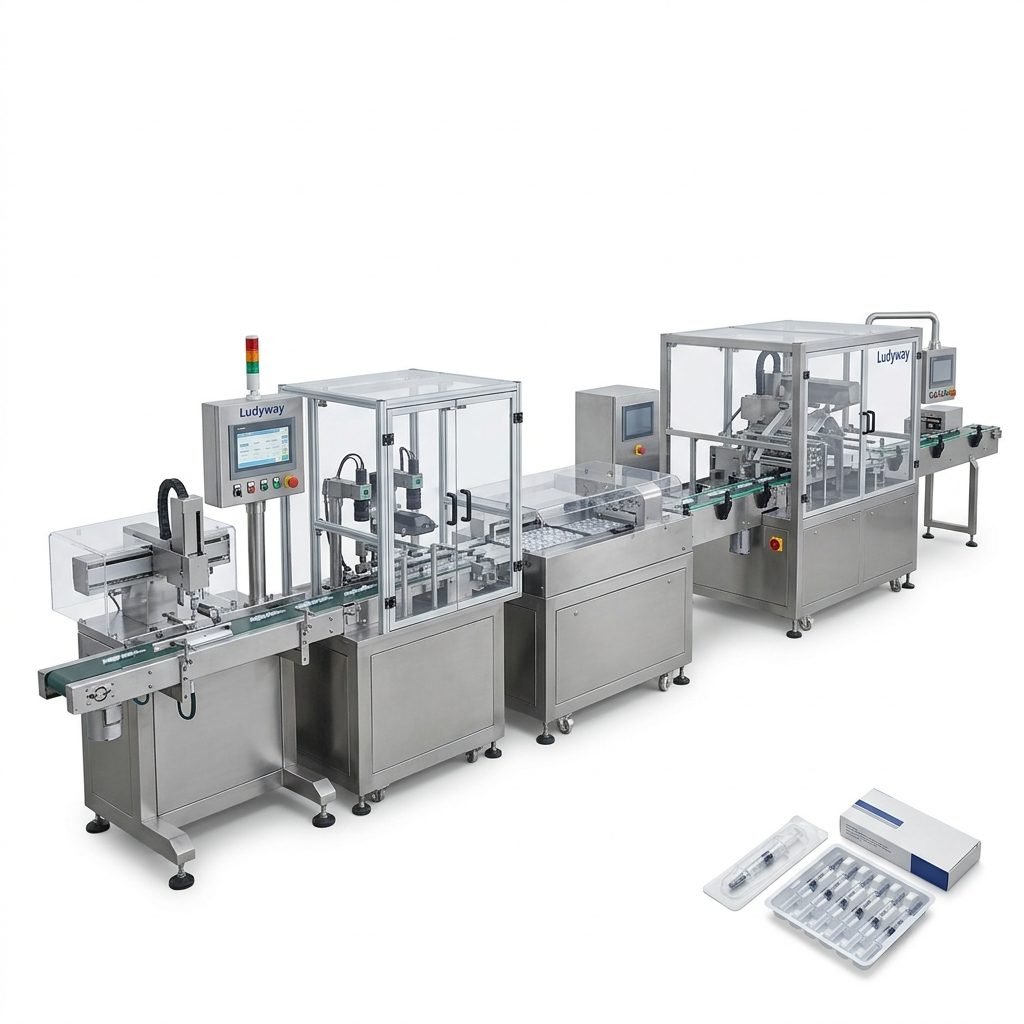
Blister packaging remains one of the most common formats for syringe packaging, especially for pre-filled syringes used in pharmaceutical applications. These systems form a cavity in a film that holds the syringe, then seal it with a lidding material. The blister provides excellent visibility, tamper evidence, and protection against contamination. When evaluating blister machines, look for forming depth capacity, sealing temperature control precision, and the ability to handle multiple syringe sizes with quick changeover.
Pouch and Sachet Packaging Machines
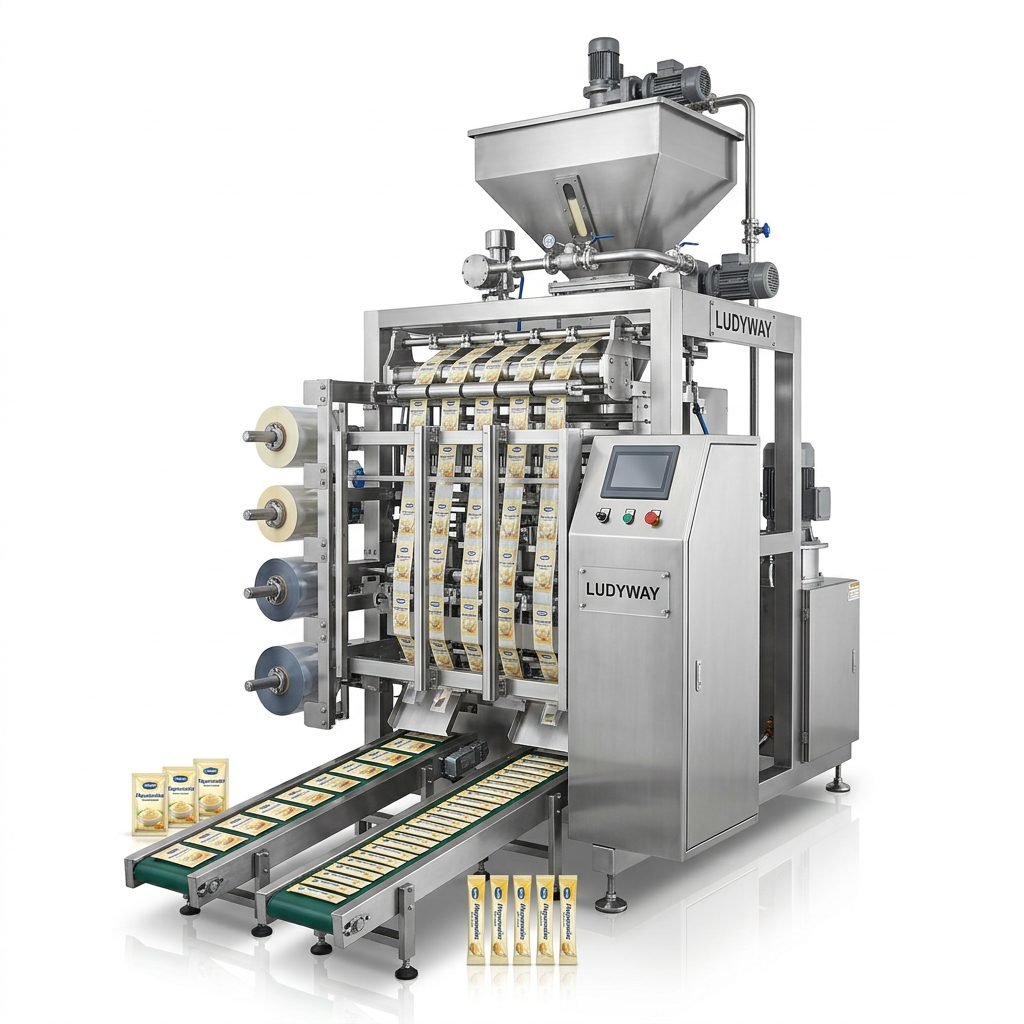
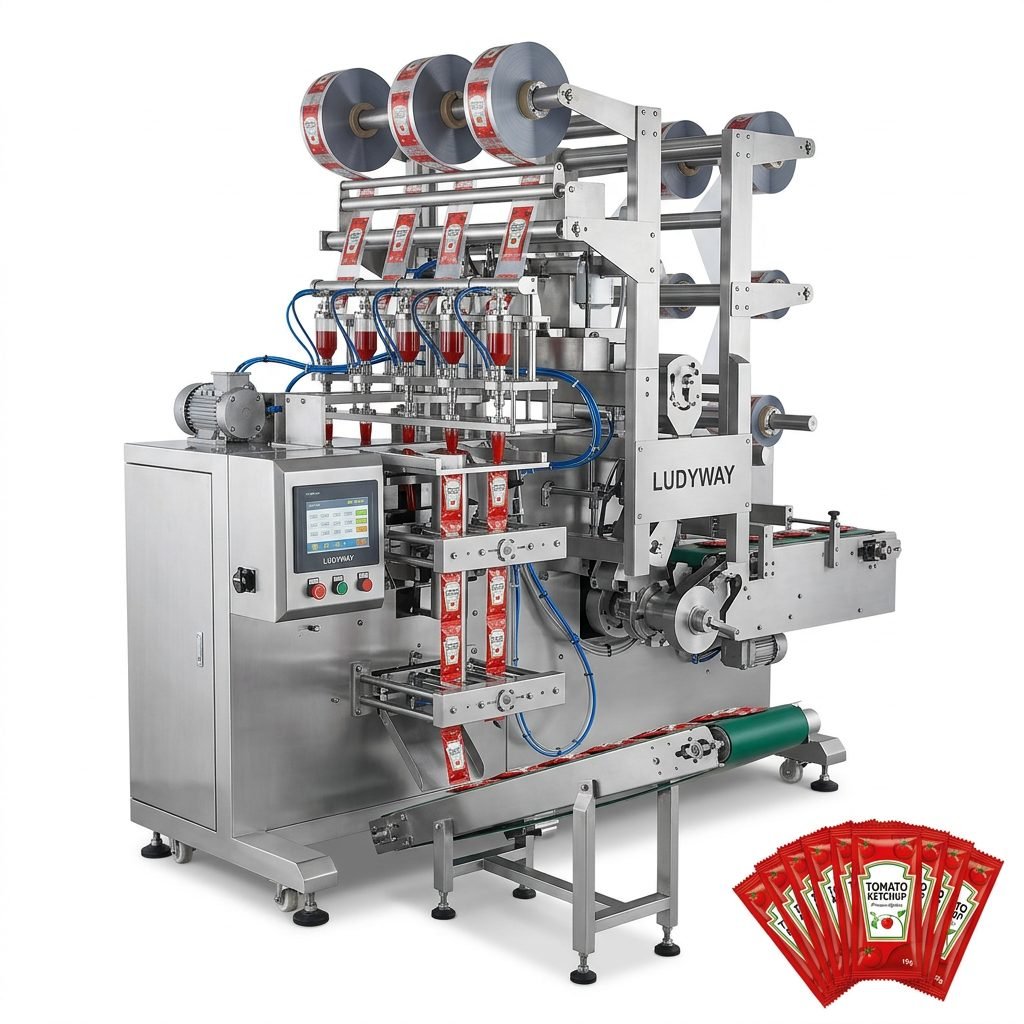
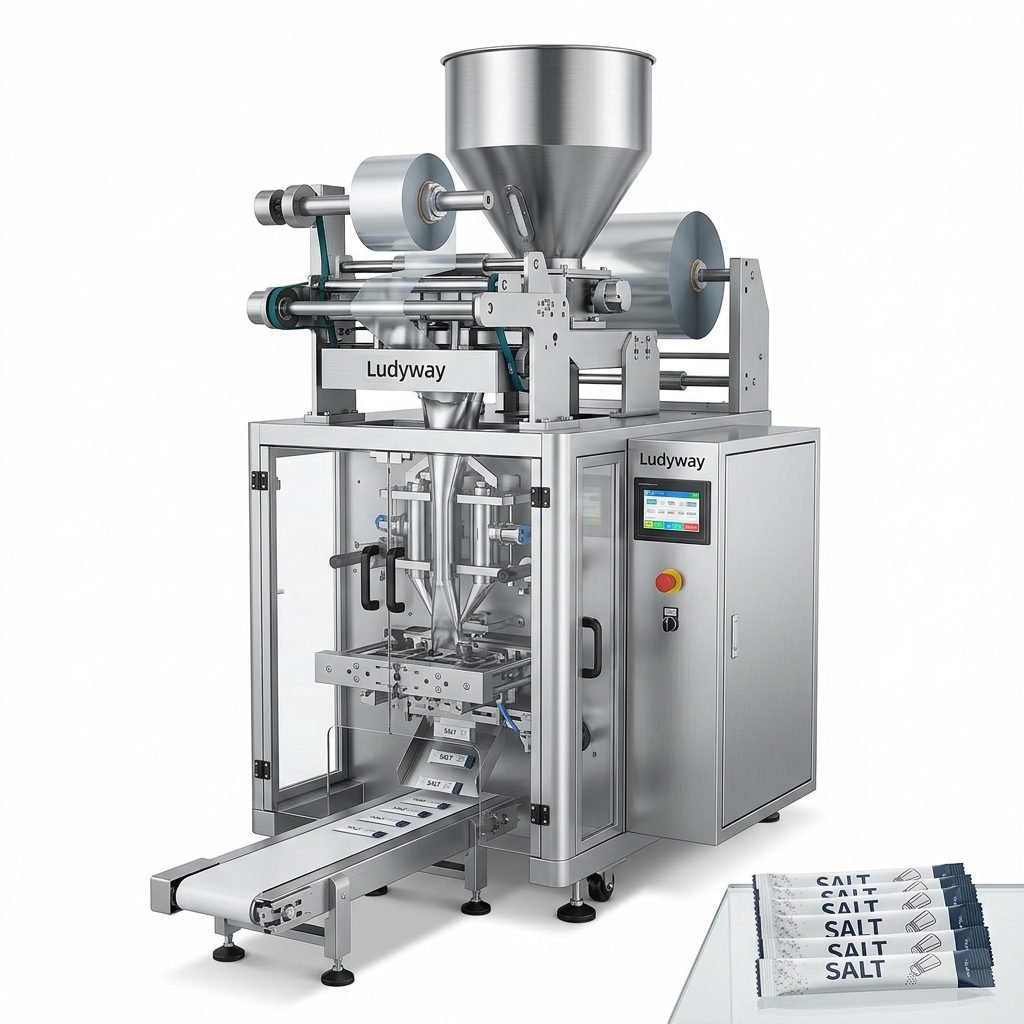
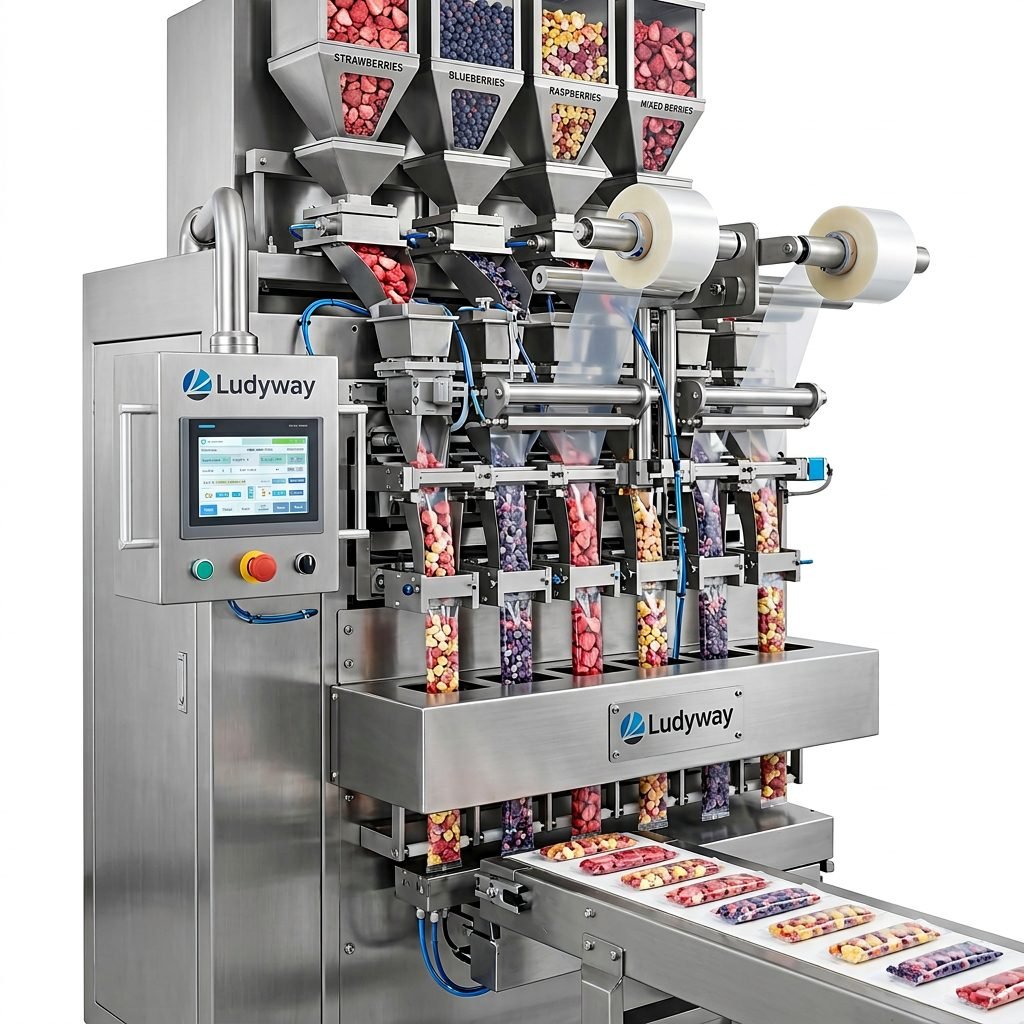
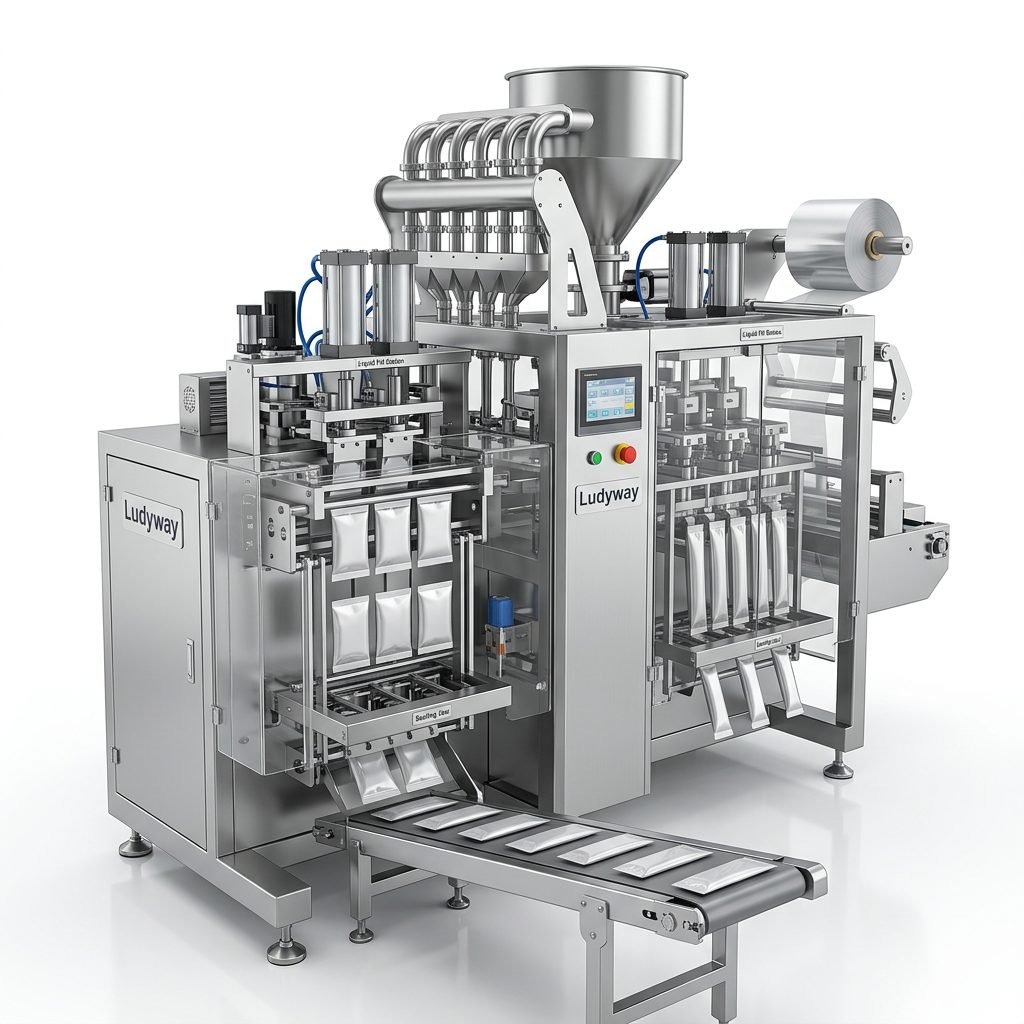
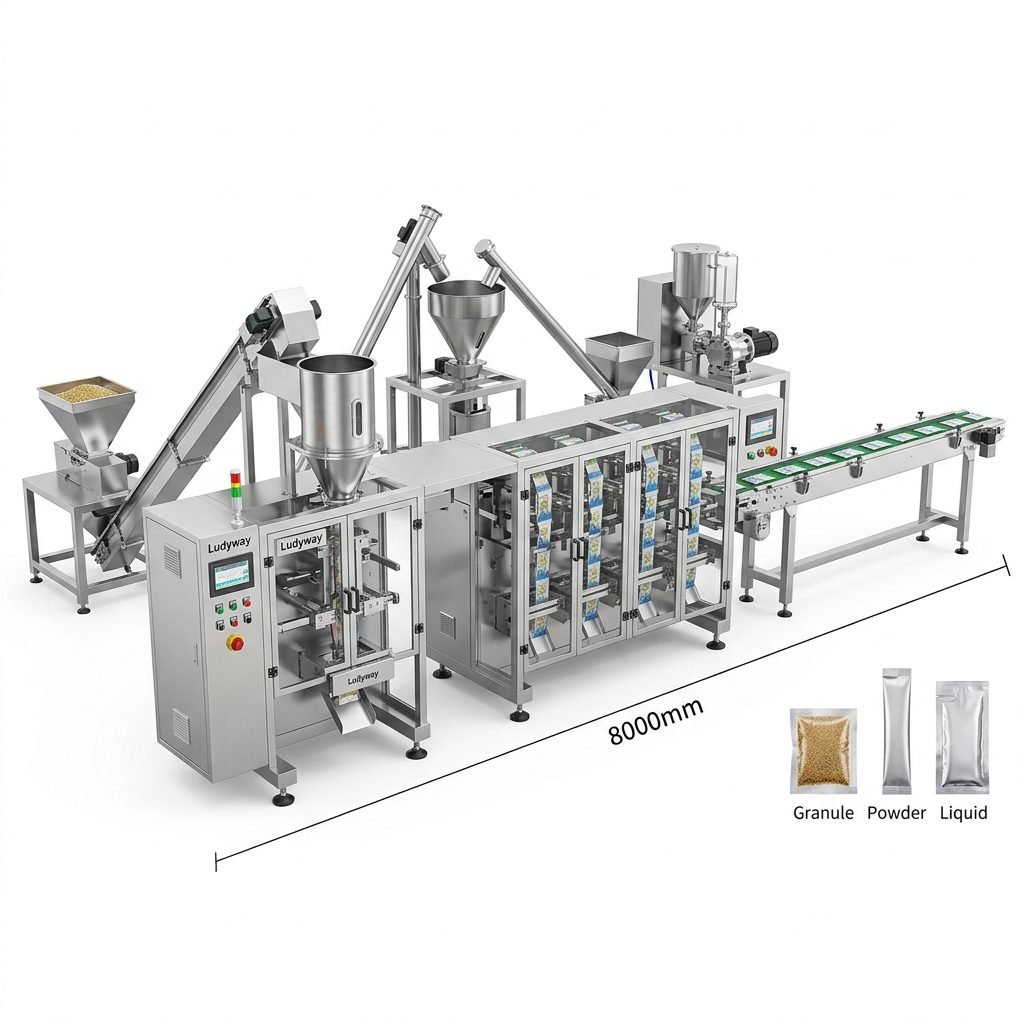
For many medical device manufacturers, flexible pouch packaging systems offer a versatile alternative to rigid blister packs. Multi-lane stick pack and sachet formats can accommodate various syringe dimensions while providing excellent barrier properties. These machines often deliver higher throughput compared to blister systems and can be configured for different production speeds. The key advantage lies in the compact footprint and the ability to integrate with automated feeding, coding, and inspection systems.
Rigid Tray and Clamshell Packaging
For applications requiring maximum protection during shipping and handling, rigid tray packaging with Tyvek or medical-grade paper lids provides superior structural integrity. These systems often incorporate automated denesting, precise syringe placement, and heat-sealing capabilities. The tray design can be customized to hold single syringes or multiple units, making this format particularly suitable for surgical kits and procedure packs.
Critical Technical Specifications to Evaluate
When comparing different syringe packing machine models, several technical parameters directly impact performance, reliability, and long-term operating costs. The following table summarizes the critical specifications manufacturers should assess during the equipment selection process.
| Specification Parameter | Typical Range / Options | Impact on Production |
|---|---|---|
| Production Speed | 30-300 units per minute per lane | Directly affects throughput and overall capacity |
| Syringe Size Range | 0.5ml to 60ml | Determines versatility for handling product portfolio |
| Packaging Material Compatibility | Medical-grade films, Tyvek, foil laminates | Influences barrier properties and sterilization methods |
| Sealing Technology | Heat seal, ultrasonic, or impulse | Affects seal integrity and validation requirements |
| Automation Integration | Feeding, inspection, coding, cartoning | Enables full line connectivity and Industry 4.0 readiness |
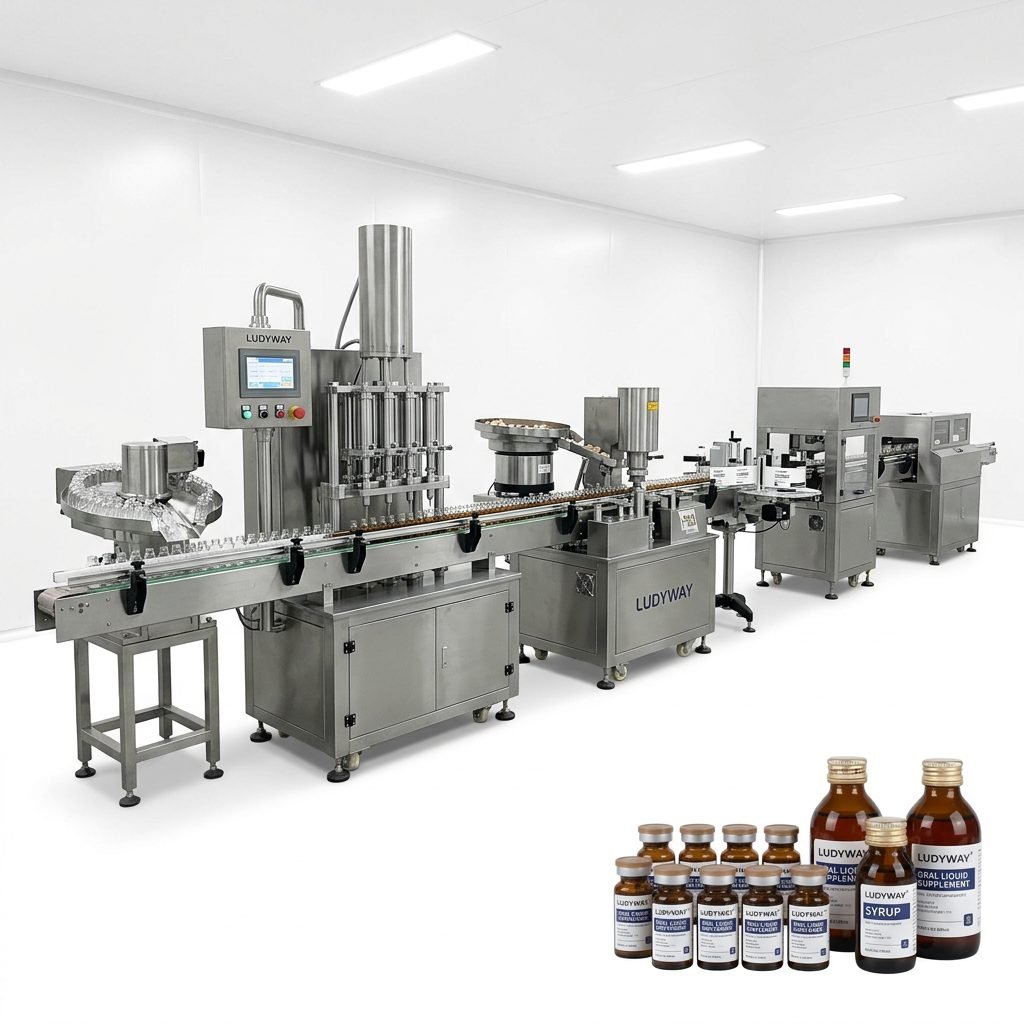
| Cleanroom Compatibility | ISO 5 to ISO 8 classification | Essential for aseptic and sterile manufacturing environments |
Validation and Regulatory Compliance Considerations
The pharmaceutical and medical device industries operate under strict regulatory oversight, and packaging equipment must support comprehensive validation efforts. When selecting a syringe packing machine, manufacturers should prioritize equipment that facilitates Installation Qualification (IQ), Operational Qualification (OQ), and Performance Qualification (PQ) processes. Machines with built-in data logging capabilities, automated quality inspection integration, and traceable component materials significantly reduce validation burdens.
Key compliance features to look for include:
- 21 CFR Part 11 compliant software for electronic records and signatures
- HMI with audit trail functionality to track operator interventions and parameter changes
- Materials and surface finishes certified for cleanroom and pharmaceutical use
- Vision inspection system integration for automated defect detection and rejection
- Supporting documentation packages for regulatory submissions
Industry resources from PMMI packaging industry standards and organizations like the Flexible Packaging Association provide valuable guidance on evolving regulatory requirements. Manufacturers should also consider the European packaging and packaging waste regulation requirements if exporting products to EU markets.

Evaluating Total Cost of Ownership
The purchase price of a syringe packing machine represents only a fraction of its total lifecycle cost. A comprehensive cost analysis should account for installation, validation, operator training, maintenance, spare parts, and potential production downtime. While lower upfront costs may seem attractive, they often translate to higher long-term expenses through increased maintenance requirements, reduced efficiency, and shorter equipment lifespan.
When calculating total cost of ownership, consider these often-overlooked factors:
- Changeover time between different syringe sizes — faster changeovers mean higher overall equipment effectiveness
- Energy consumption and utility requirements specific to sealing and forming technologies
- Availability of local technical support and spare parts inventory from the manufacturer
- Material waste rates during machine startup, operation, and changeover periods
- Operator training requirements and the learning curve for new equipment
Customization and Scalability Requirements
Every pharmaceutical manufacturer has unique production requirements influenced by product portfolio, facility layout, and growth projections. Rather than forcing a standard machine into a non-standard application, working with a manufacturer that offers customization engineering ensures the selected equipment fits seamlessly into existing operations. Customization can range from modified infeed systems and specialized tooling to complete turnkey packaging line integration.
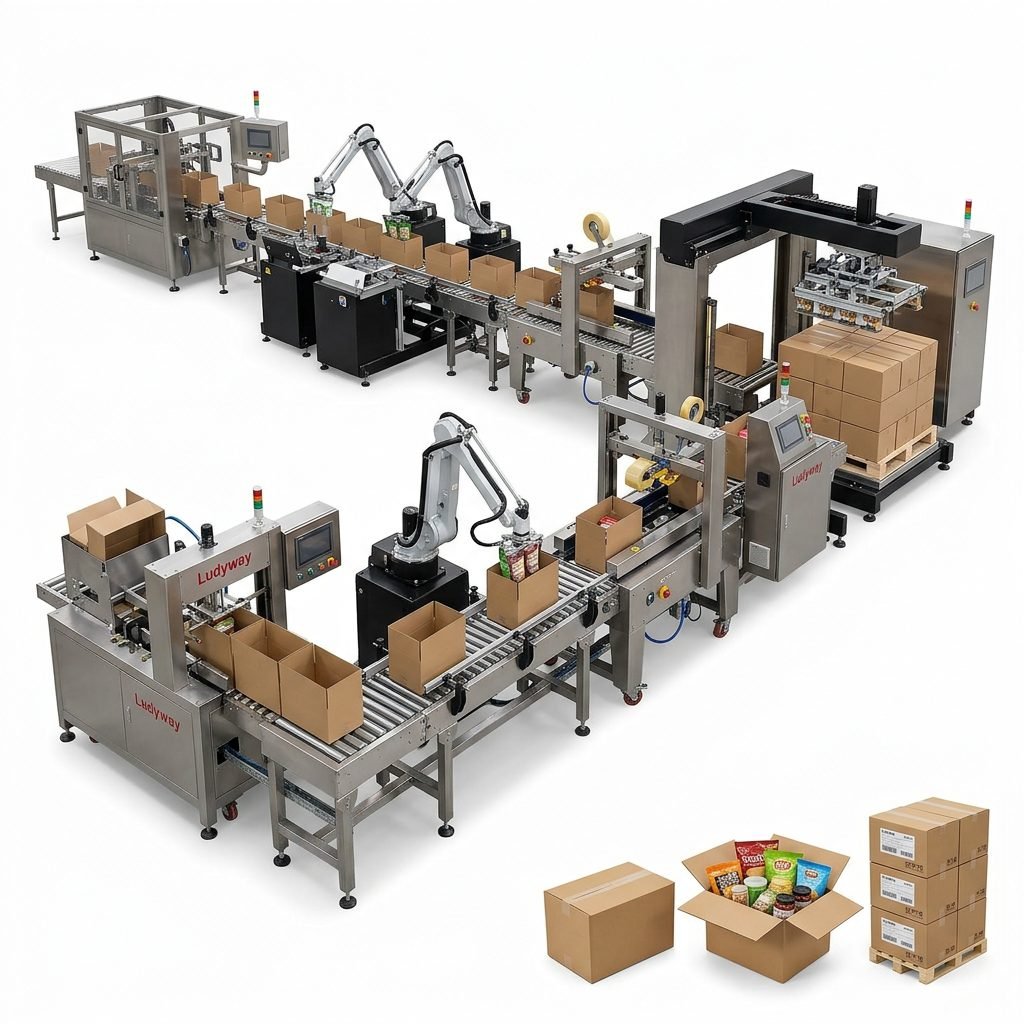
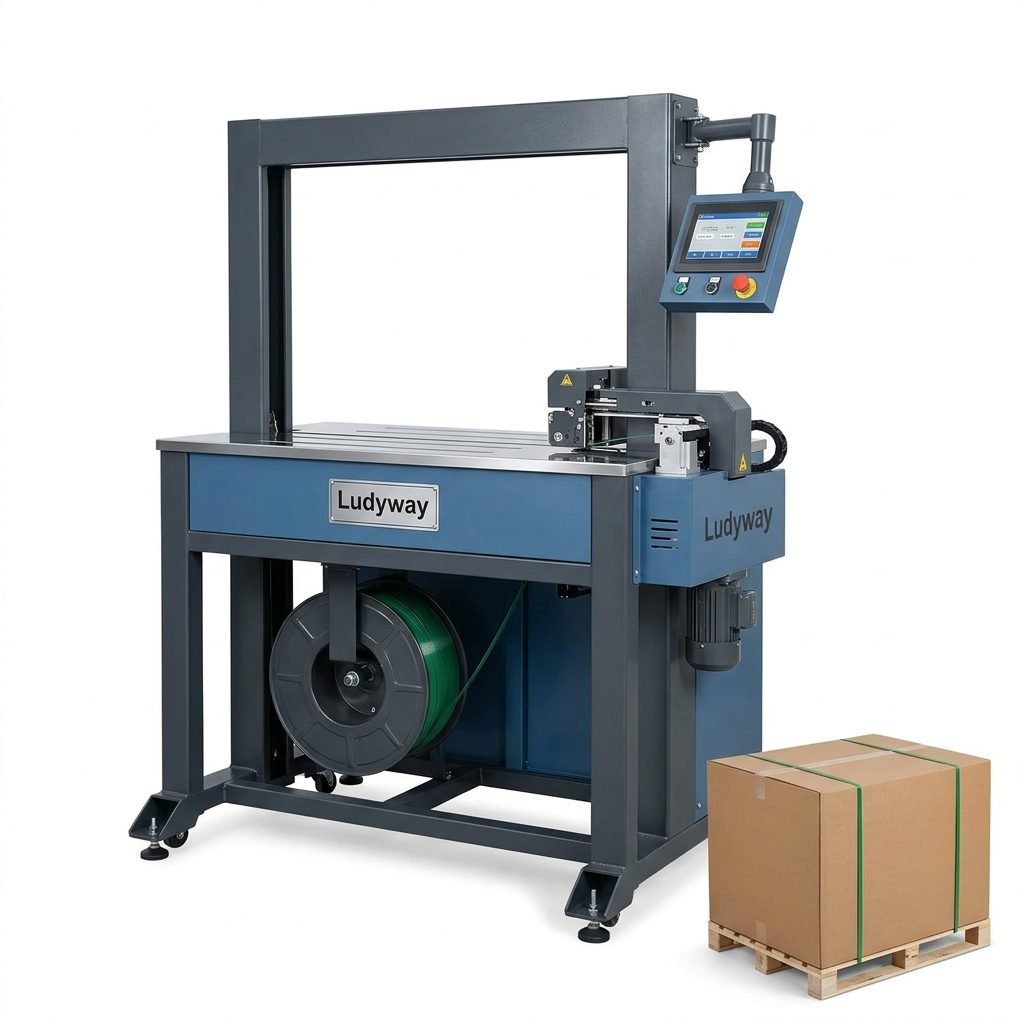
Scalability deserves equal attention during the evaluation process. A machine that perfectly meets current production volumes may become a constraint if demand increases. Look for equipment with modular design architecture that allows adding lanes, upgrading automation components, or integrating with downstream equipment such as cartoners, case packers, and palletizing systems. This approach protects the initial investment while providing a clear path for capacity expansion.
Supplier Qualification and Partnership Potential
Selecting a syringe packing machine supplier goes beyond comparing technical specifications — it involves evaluating the manufacturer’s engineering expertise, industry experience, quality systems, and after-sales support capabilities. A supplier with proven experience in medical device packaging brings invaluable insights into best practices, common pitfalls, and innovative solutions that can accelerate your project timeline and improve outcomes.
Key questions to ask during supplier evaluation include:
- Does the manufacturer have documented experience with projects of similar scale and complexity?
- What quality certifications does the supplier hold, and how do they align with your industry requirements?
- Is the supplier capable of providing integrated packaging lines, not just individual machines?
- What is the supplier’s installed base and can they provide references from comparable applications?
- How does the supplier handle after-sales support, including remote troubleshooting and on-site service?
Integration with Downstream and Upstream Processes
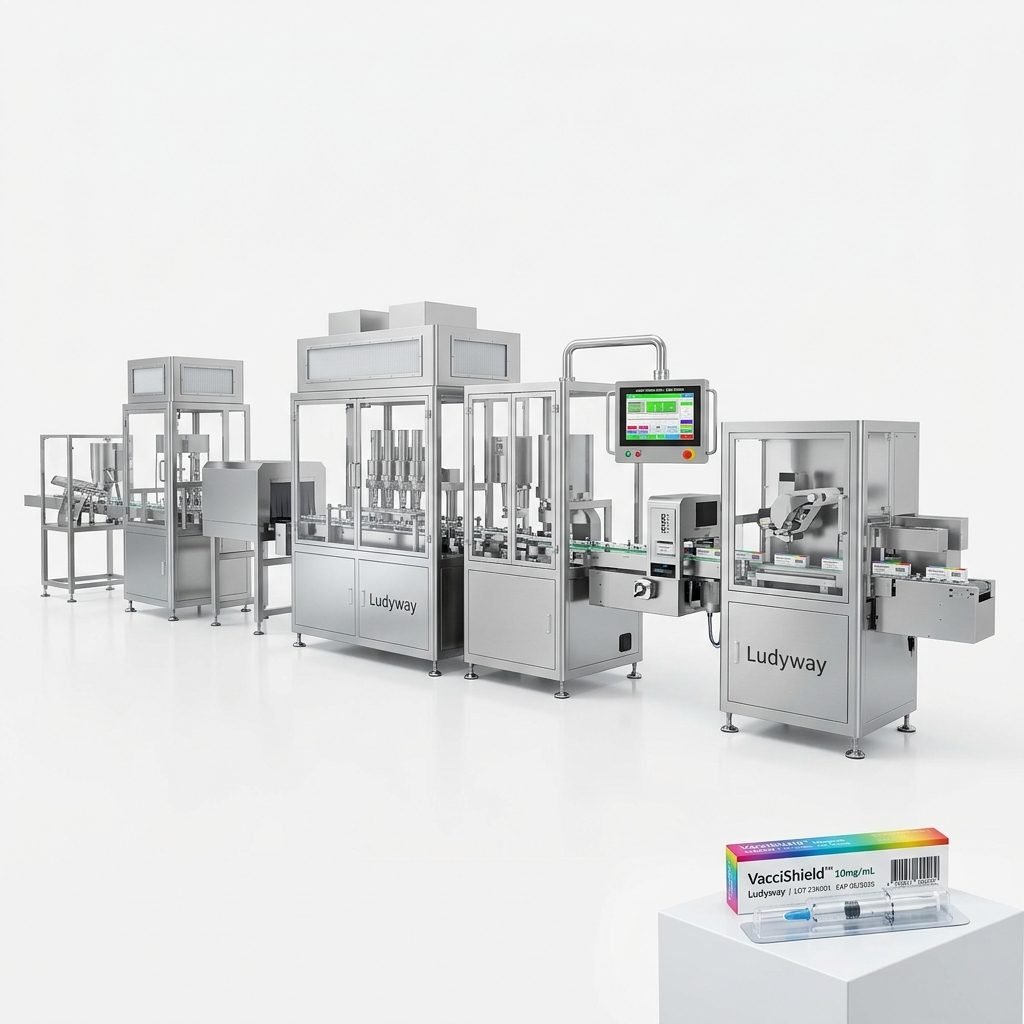
A syringe packing machine rarely operates in isolation. It must integrate smoothly with upstream processes such as syringe filling, sterilization, and inspection, as well as downstream operations including labeling, cartoning, case packing, and palletizing. When evaluating equipment, consider the physical interface points, communication protocols, and line balancing requirements that determine overall packaging line efficiency.
Modern packaging lines increasingly rely on digital connectivity and data exchange between equipment from different manufacturers. Look for machines that support standard industrial communication protocols and can transmit production data, quality metrics, and maintenance alerts to centralized monitoring systems. This capability becomes particularly valuable for manufacturers implementing packaging industry intelligence and analytics to optimize overall equipment effectiveness.
Making the Final Decision
Choosing the right syringe packing machine requires balancing multiple technical, regulatory, operational, and financial factors. Once you have defined your requirements and evaluated potential suppliers, consider requesting factory acceptance testing (FAT) with your actual products and packaging materials. This hands-on evaluation provides confidence that the selected equipment will perform as expected under real production conditions.
Engaging with a packaging machinery partner that offers comprehensive support — from initial consultation and machine customization through installation, validation, training, and long-term technical service — can significantly reduce project risk. Companies like Ludyway Machinery, with over three decades of experience in packaging machinery manufacturing and a 20,000-square-meter facility housing more than 130 professionals, provide integrated packaging solutions tailored to pharmaceutical and medical device applications. Their approach to customized engineering and turnkey system integration helps manufacturers improve efficiency while meeting stringent regulatory requirements. For more on global packaging machinery market dynamics, refer to resources from leading industry associations such as PMMI’s State of the Industry reports and industry growth trend analyses.
Emerging Trends in Syringe Packaging Technology
As the pharmaceutical packaging landscape evolves, several technology trends are reshaping syringe packing machine design and capabilities. Aseptic packaging solutions with integrated sterilization tunnels, advanced vision systems using artificial intelligence for defect detection, and robotics integration for flexible handling of multiple formats represent significant advances. Track-and-trace serialization capabilities mandated by regulations such as the Drug Supply Chain Security Act are also driving the adoption of connected packaging equipment with built-in serialization functionality.
Sustainability considerations are increasingly influencing packaging machinery design, with growing demand for reduced material consumption, recyclable packaging formats, and equipment optimized for mono-material films that facilitate recycling. Manufacturers who invest in flexible, future-ready packaging equipment position themselves to respond to evolving market demands while maintaining competitive advantage.