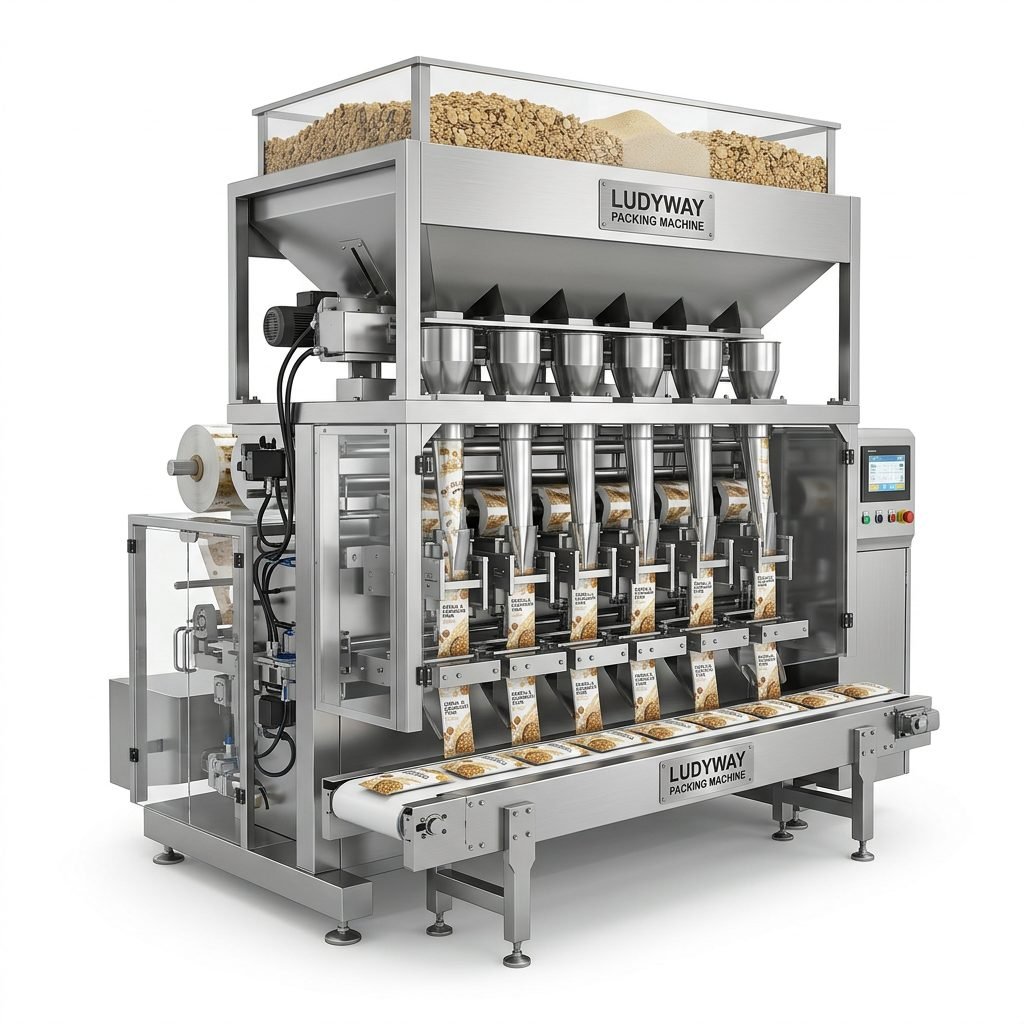
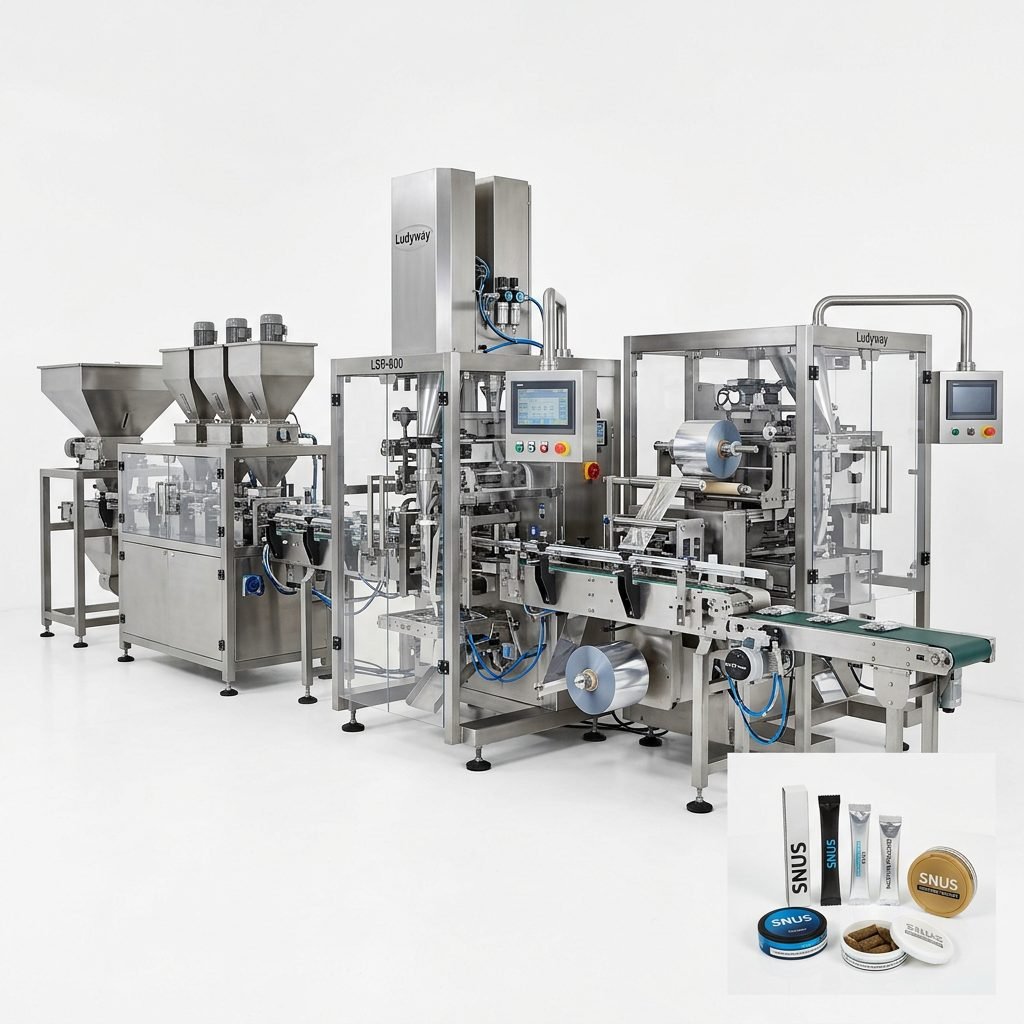
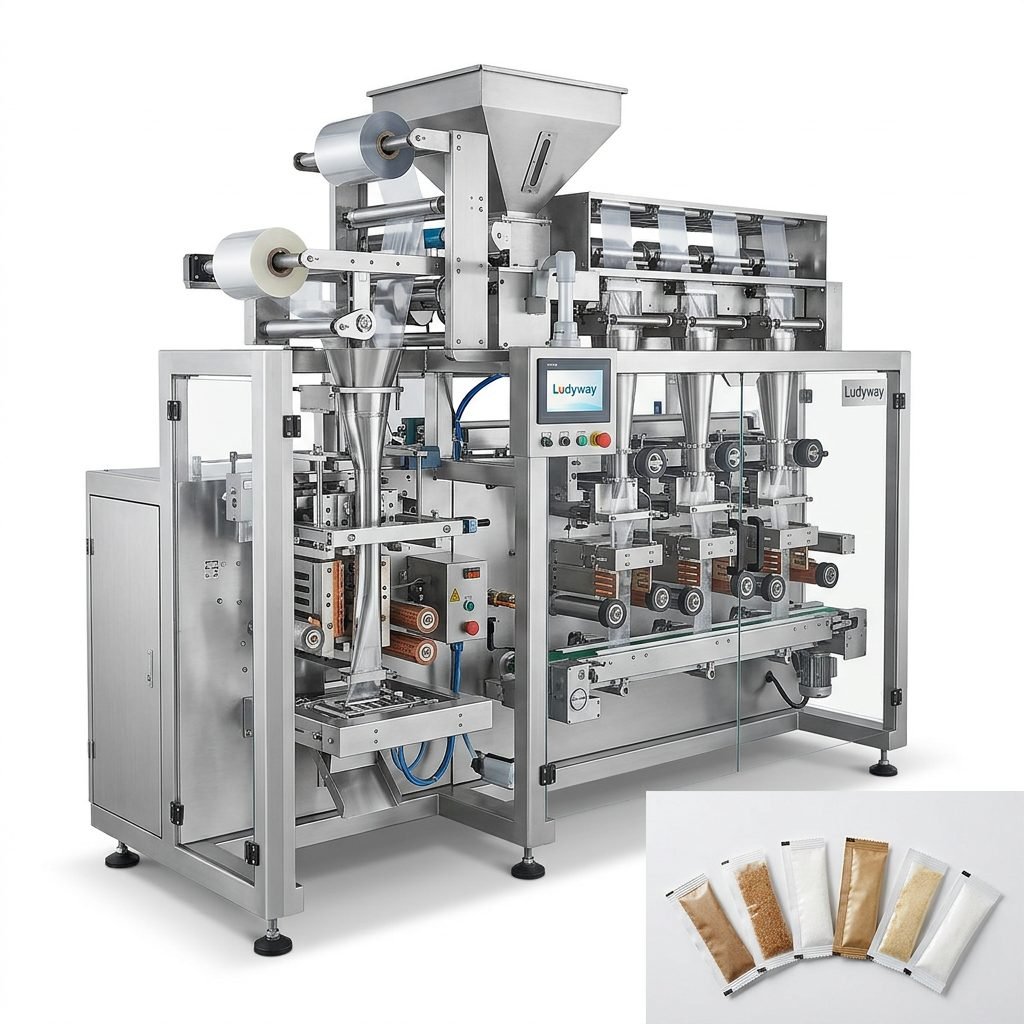
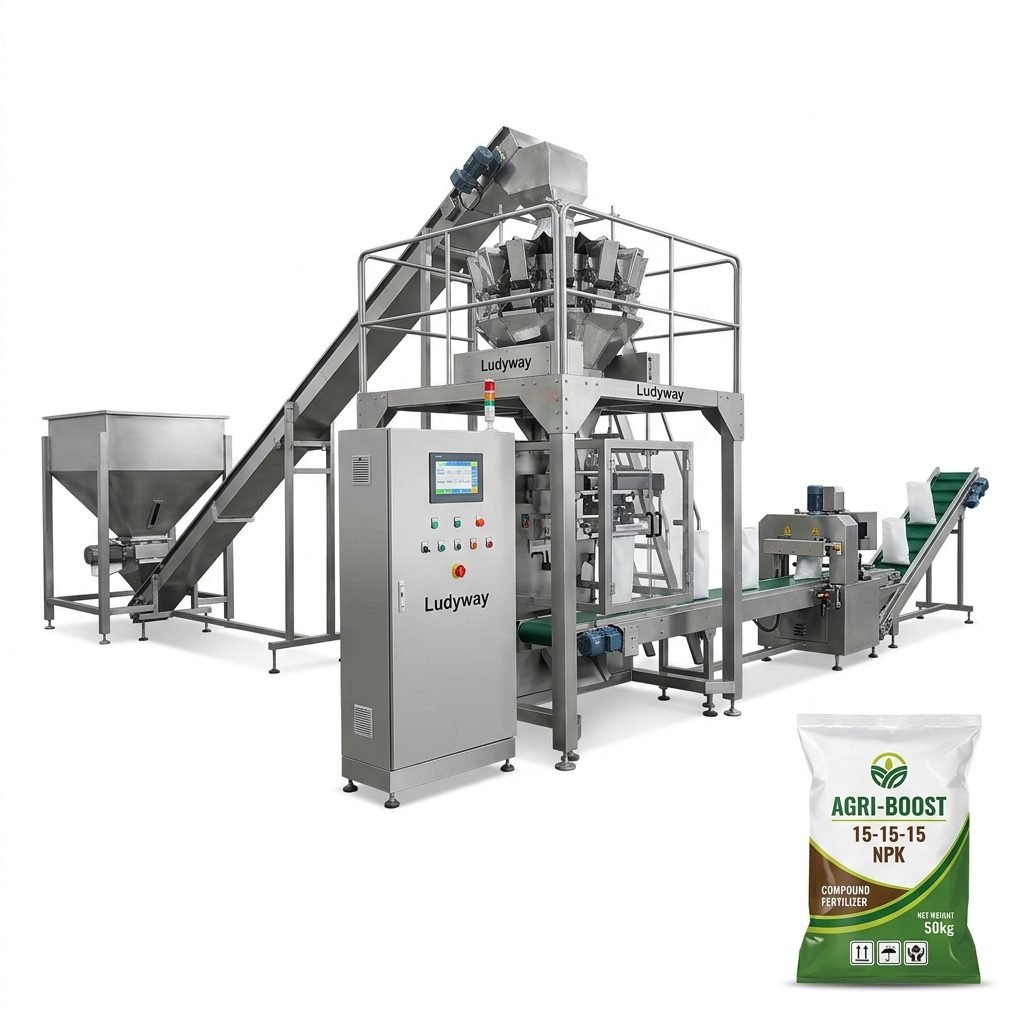
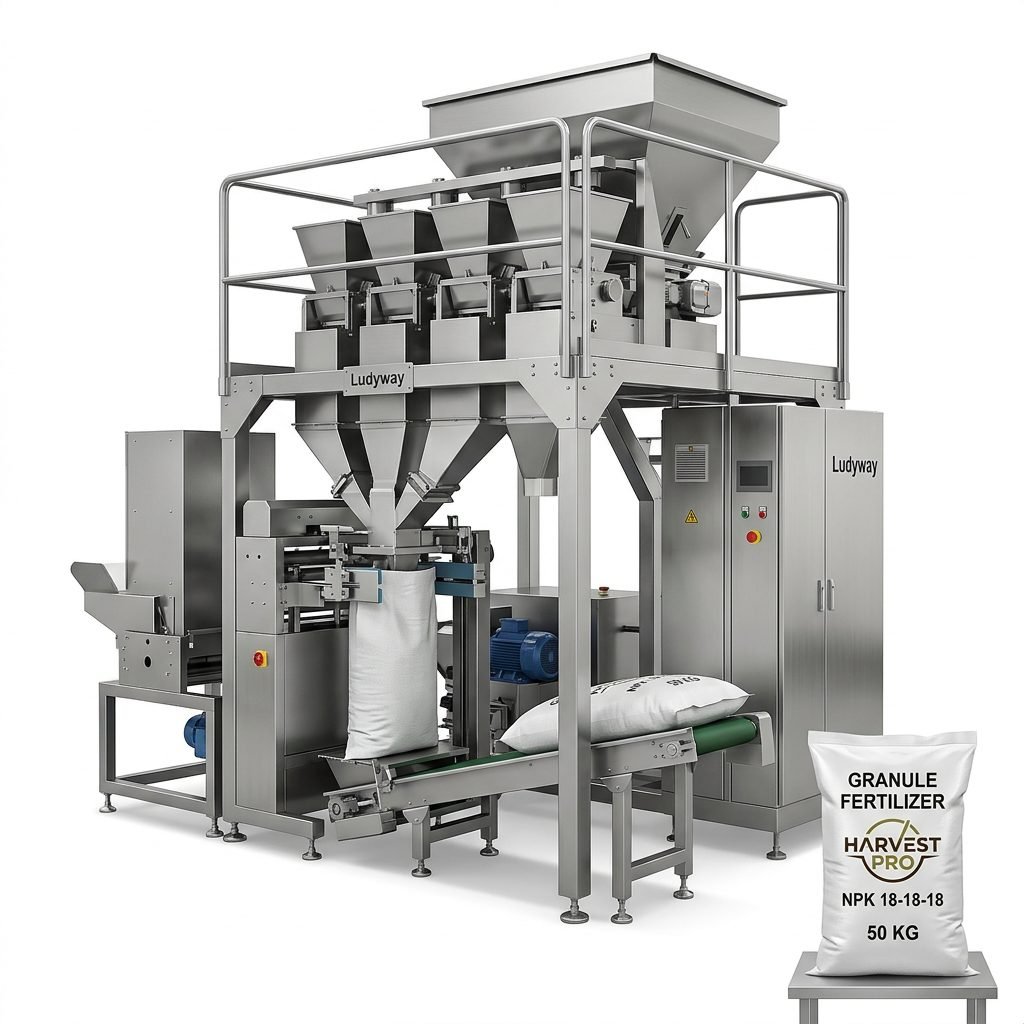
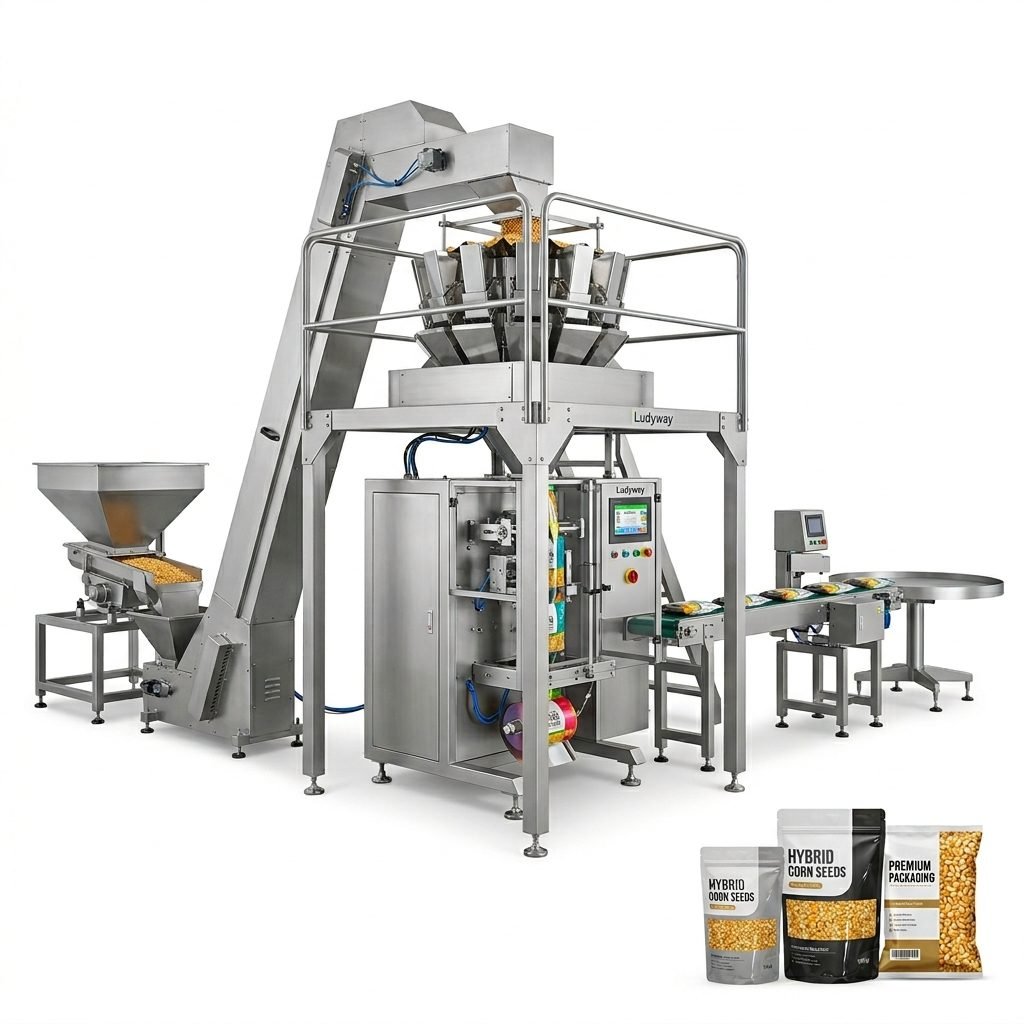
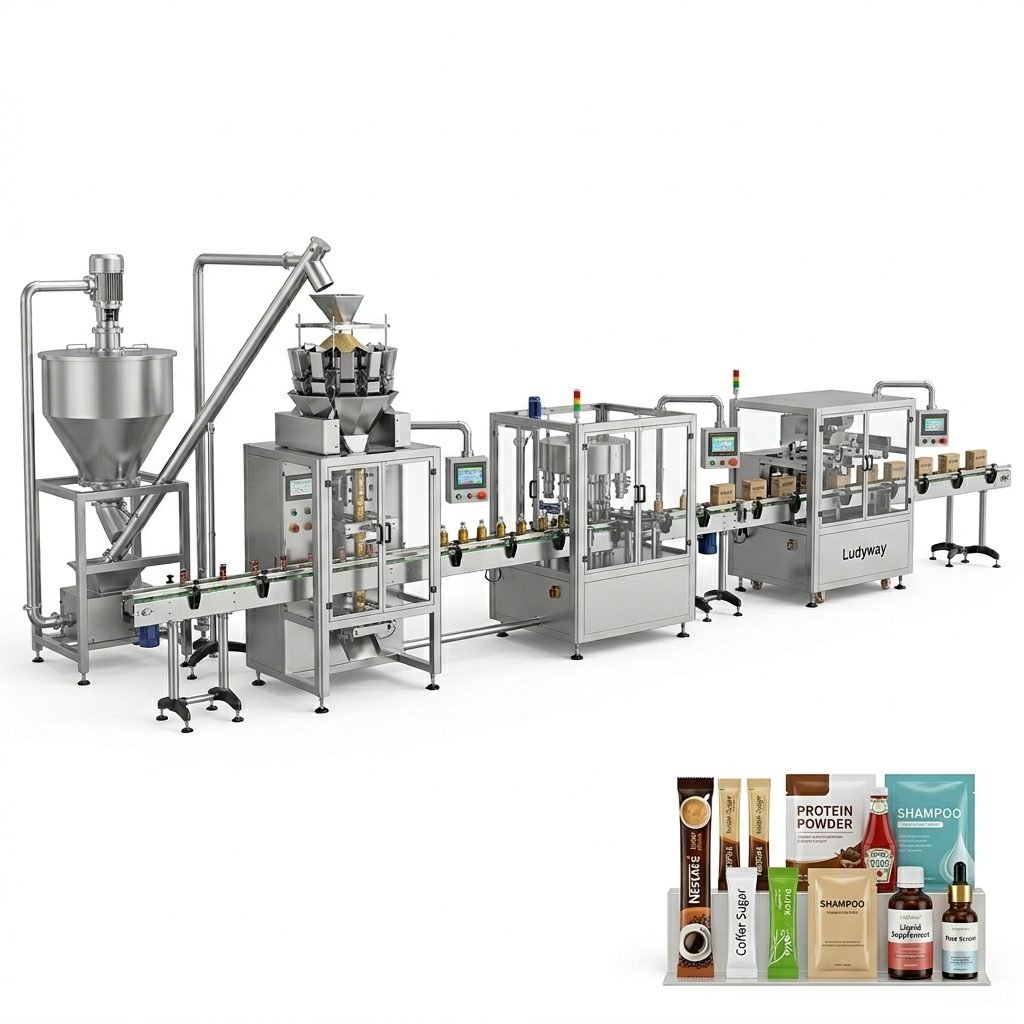
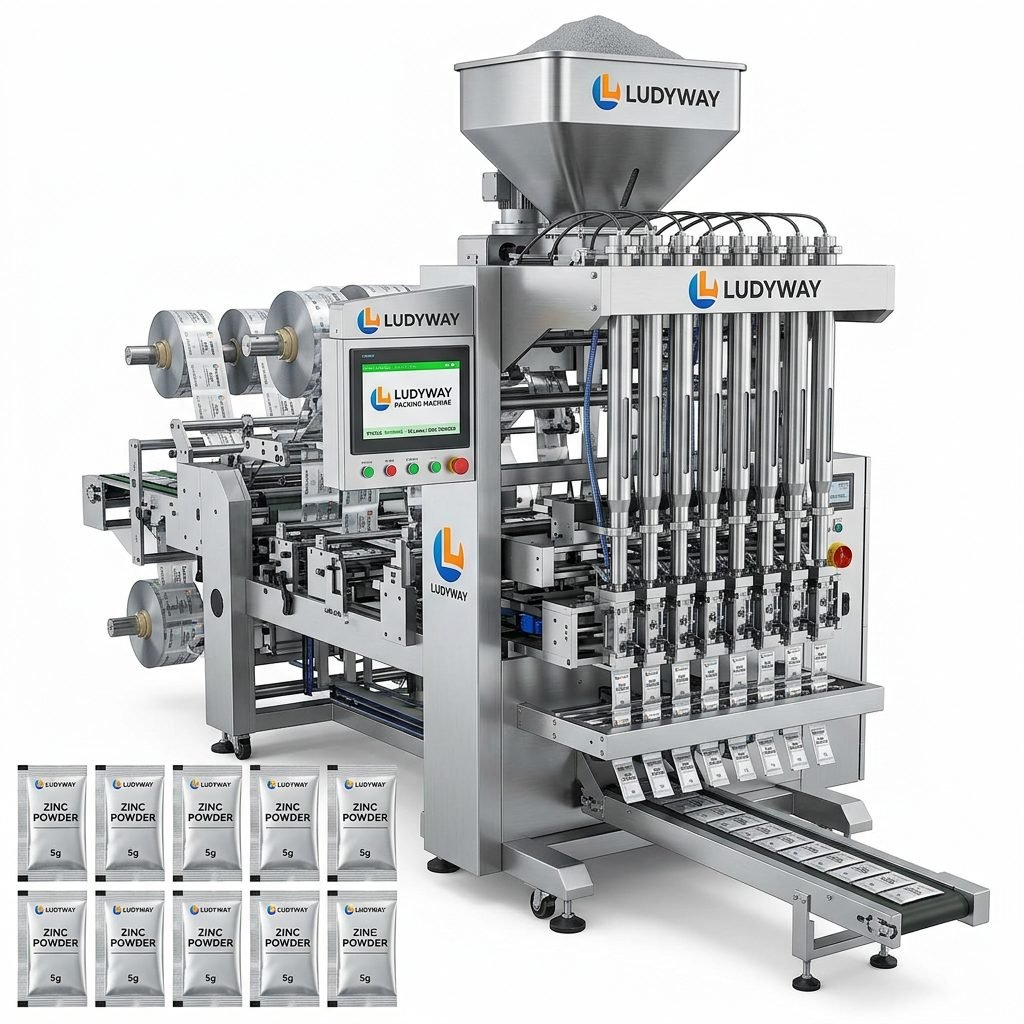
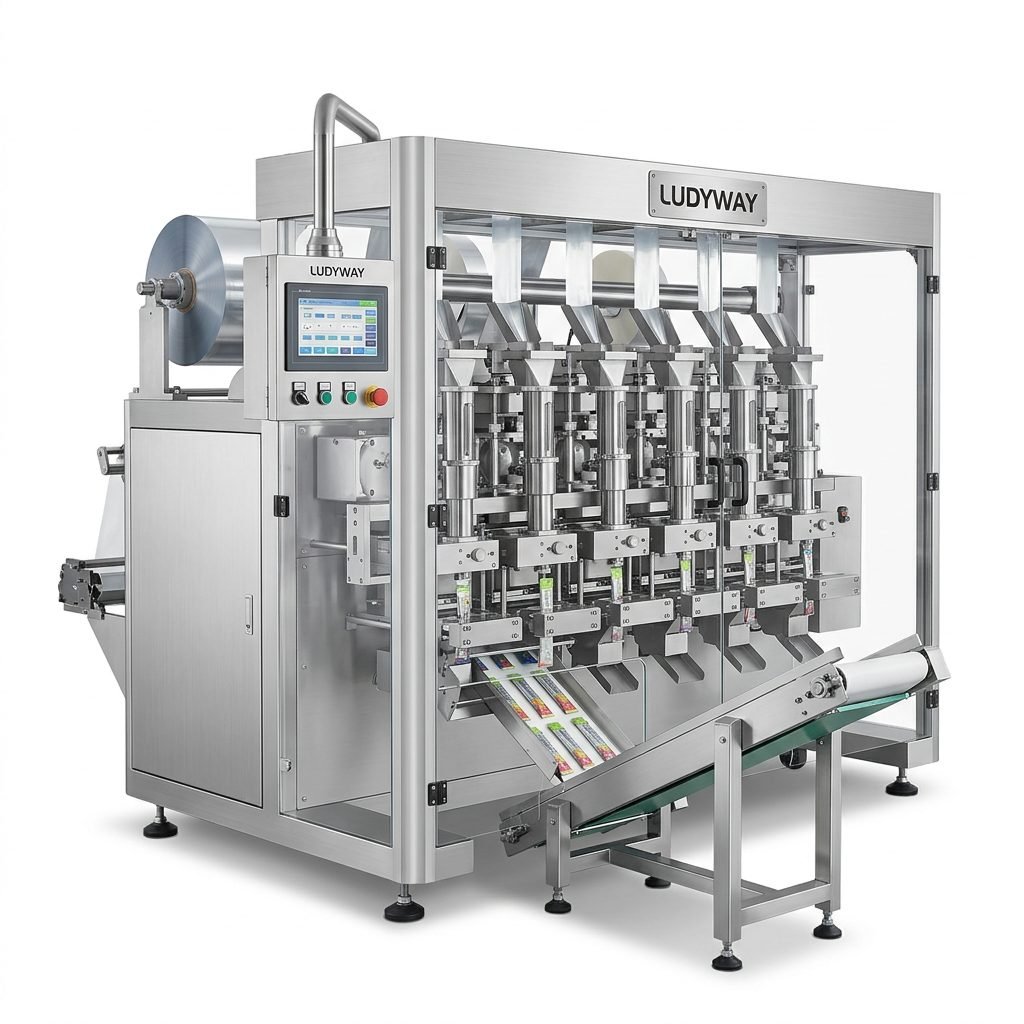
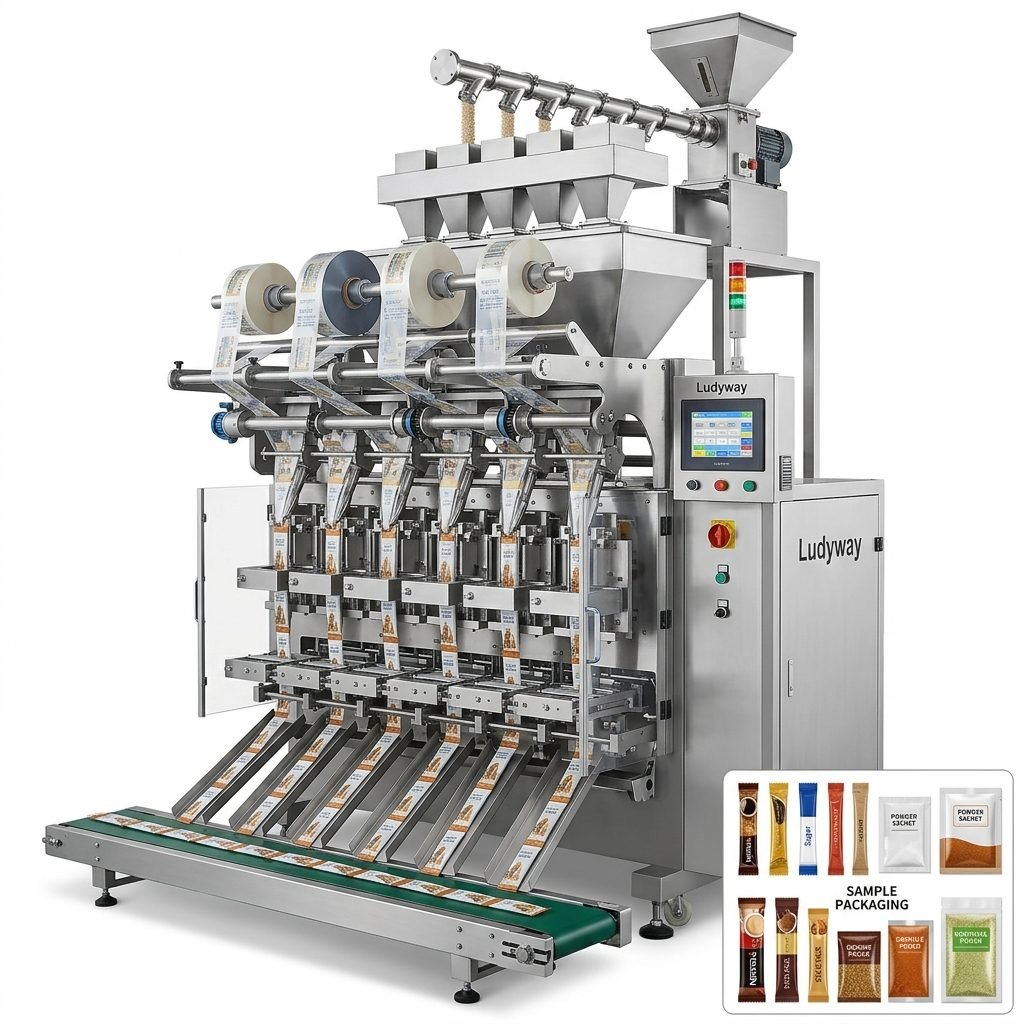
A small bag sealing machine is one of the most practical packaging solutions for businesses that need fast, clean, and consistent sealing for food, snacks, powders, granules, small hardware, personal care products, and many other compact items. Whether you run a startup brand, a contract packing facility, or a growing factory, choosing the right sealing equipment can directly improve productivity, reduce waste, and protect product quality.
In modern packaging operations, buyers usually look for three things: speed, seal reliability, and flexibility. A well-designed machine helps achieve all three while supporting better shelf appeal and safer transportation.
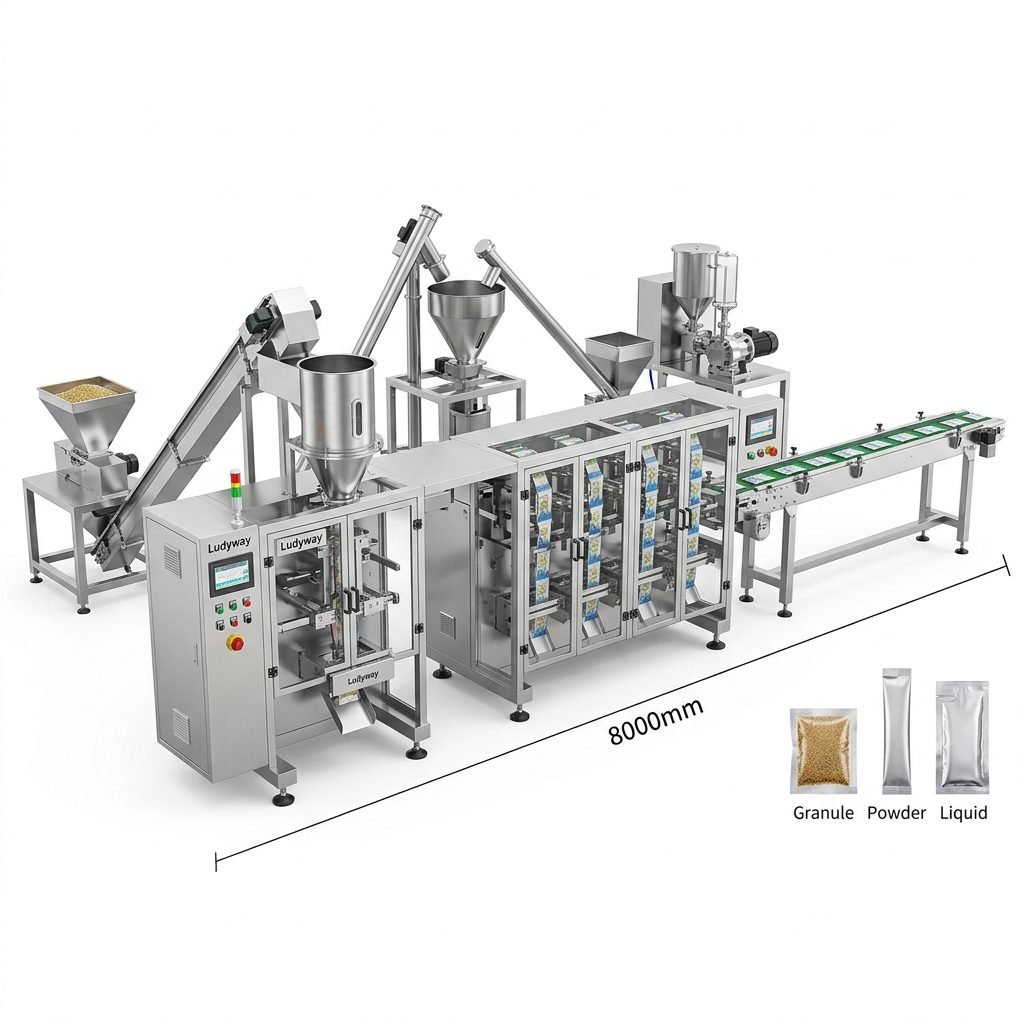
Why Small Bag Sealing Machines Matter in Modern Packaging
Small bags are widely used because they are convenient, portable, cost-efficient, and highly suitable for retail and e-commerce. Consumers prefer easy-to-carry package sizes for single-use, trial packs, portion control, and travel-friendly products. For manufacturers, that means sealing quality becomes critical. A weak or uneven seal can lead to leakage, moisture ingress, contamination, or product loss.
A dependable small bag sealing machine helps manufacturers:
- Maintain a consistent sealing temperature and pressure
- Reduce manual packaging errors
- Improve production efficiency
- Extend product shelf life
- Support cleaner and more professional package appearance
- Adapt to different bag materials and product formats
Common Products Packed with Small Bag Sealing Machines
These machines are used across many industries. While food and snacks are major applications, they are also valuable for pharmaceutical, nutraceutical, cosmetic, and industrial packaging.
| Industry | Typical Products | Packaging Benefit |
|---|---|---|
| Food & Snacks | Nuts, candy, spices, coffee, sugar, chips seasoning, sauces | Freshness protection and neat retail appearance |
| Health Supplements | Protein powder, collagen, vitamins, electrolyte powder | Accurate portion packaging and moisture resistance |
| Pharmaceutical | Granules, powders, oral sachets | Safer sealing and hygiene-oriented production |
| Cosmetics & Personal Care | Creams, lotions, gels, serum samples | Leak prevention and attractive single-dose packaging |
| Small Industrial Parts | Screws, connectors, fasteners, accessories | Organized counting, sealing, and easier handling |
Key Features to Look For
Not all sealing machines perform the same way. If your business handles a variety of small products, it is important to select equipment with flexible functions and stable long-term performance.
1. Strong Sealing Consistency
The best machines deliver even heat distribution and stable sealing pressure. This is essential for preventing weak seal lines, product leakage, and package deformation.
2. Compatibility with Different Bag Materials
Many factories use PE, laminated film, aluminum foil structures, composite materials, or customized pouch films. A reliable machine should support a wide range of packaging materials.
3. Adjustable Settings
Temperature, speed, sealing length, and dwell time should be easy to adjust. This allows smooth changeovers when packing different products or bag sizes.
4. Compact and Efficient Design
A compact machine is especially valuable for workshops with limited floor space. It should still provide high output with low manual intervention.
5. Easy Cleaning and Maintenance
For food, supplement, and pharmaceutical applications, cleaning efficiency matters. Stainless steel contact parts and accessible machine structure can reduce downtime and support better hygiene.
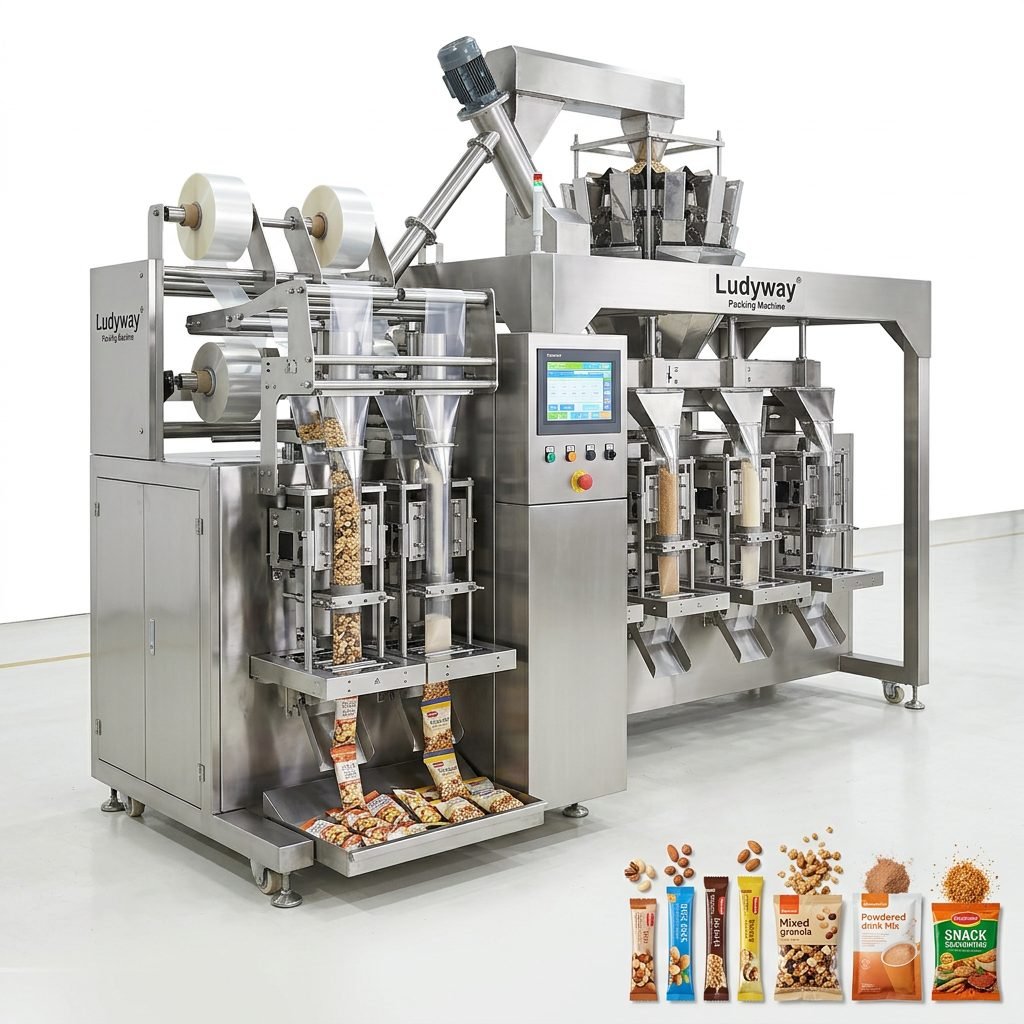
Benefits for Food and Snack Packaging
For food producers, sealing quality has a direct effect on freshness, appearance, and customer satisfaction. Small bags are commonly used for snack portions, seasoning sachets, powder drinks, instant coffee, candy, nuts, dried fruit, and sauce packs.
A modern small bag sealing machine helps food businesses by:
- Reducing spoilage caused by air or humidity exposure
- Improving production rhythm during peak output periods
- Creating uniform retail-ready packages
- Supporting automated filling and sealing integration
- Improving traceability when paired with coding and inspection systems
For brands selling snacks online or through supermarkets, package presentation can influence buying decisions. A neat, wrinkle-free, and secure seal improves both product protection and shelf appeal.
Suitable Packaging Formats
Depending on the product and output target, a small bag sealing machine can be integrated into different packaging styles. Common formats include:
- Pillow bags
- Sachets
- Stick packs
- Three-side seal bags
- Four-side seal bags
- Premade pouches for small-dose products
This flexibility makes the equipment suitable not only for large food plants but also for companies launching new SKUs, promotional packs, or private-label products.
How to Choose the Right Machine for Your Production Line
Before buying, it is important to match machine capability with your real production needs. Choosing only by price can lead to lower efficiency and future replacement costs.
| Selection Factor | What to Consider |
|---|---|
| Product Type | Powder, granule, liquid, paste, or small parts |
| Bag Size | Width, length, seal width, and final pack appearance |
| Output Requirement | Required packs per minute and shift productivity goals |
| Automation Level | Standalone sealing or full filling-sealing-packaging integration |
| Material Compatibility | Film structure, thickness, barrier requirements |
| Maintenance Needs | Ease of cleaning, spare parts support, operator training |
Manual, Semi-Automatic, or Fully Automatic?
Different business stages require different sealing solutions.
Manual or Entry-Level Sealing
Suitable for low-volume operations, product testing, or startup packaging. It offers lower upfront cost but higher labor dependence.
Semi-Automatic Sealing
A practical option for growing businesses. It improves consistency while keeping investment moderate.
Fully Automatic Small Bag Packaging and Sealing
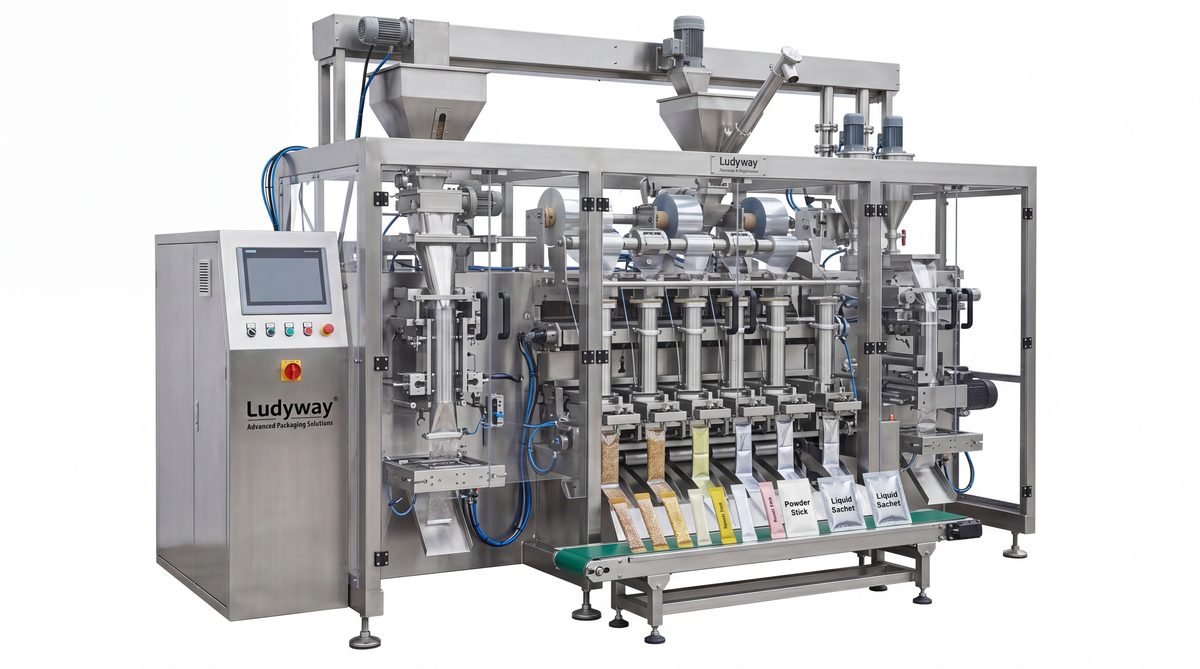
Best for medium to large production lines. These systems can integrate dosing, filling, sealing, coding, inspection, conveying, cartoning, and palletizing for a more complete packaging workflow.
For businesses planning long-term expansion, a scalable automatic solution often delivers better return on investment.
Applications Beyond Food
Although food and snack packaging are major use cases, many manufacturers also use small bag sealing equipment for:
- Pharmaceutical sachets and medical granules
- Nutritional and sports supplement packs
- Cosmetic samples and skincare sachets
- Chemical powders and household care products
- Hardware kits and precision components
This broad applicability makes the machine a versatile asset for contract packers and factories producing multiple product categories.
Why Reliability Is More Important Than Maximum Speed Alone
High speed is valuable, but stable and repeatable sealing performance is what truly protects output quality. A machine running fast but producing frequent seal defects can increase rework, waste, labor cost, and customer complaints.
A good packaging line should balance:
- Fast production throughput
- Accurate filling and bag positioning
- Stable seal strength
- Low downtime
- Convenient changeover between products
Working with an Experienced Packaging Machinery Manufacturer
When selecting a supplier, buyers should consider not only the machine itself but also engineering experience, customization ability, after-sales support, and complete line integration capability. Companies that manufacture a wide range of packaging systems are often better positioned to recommend a solution that truly fits production needs.
For businesses looking for scalable small bag packaging solutions, Ludyway packaging machine manufacturer offers broad experience in automatic packaging equipment and turnkey packaging lines for food, pharmaceutical, health supplement, cosmetic, chemical, and related industries.
Final Buying Tips
Before making a final decision, it is wise to prepare product samples, target bag dimensions, expected speed, packaging material details, and workshop requirements. This helps suppliers recommend a more precise machine configuration.
- Ask for sealing tests with your own bag material
- Confirm machine compatibility with future product expansion
- Check if coding, weighing, or inspection modules can be integrated
- Review support for installation, training, and spare parts
- Evaluate total long-term value, not only initial machine price
A high-quality small bag sealing machine can become a key part of an efficient packaging process. For food, snacks, and small products, the right system delivers faster output, stronger seals, lower waste, and a better finished package that supports brand growth.