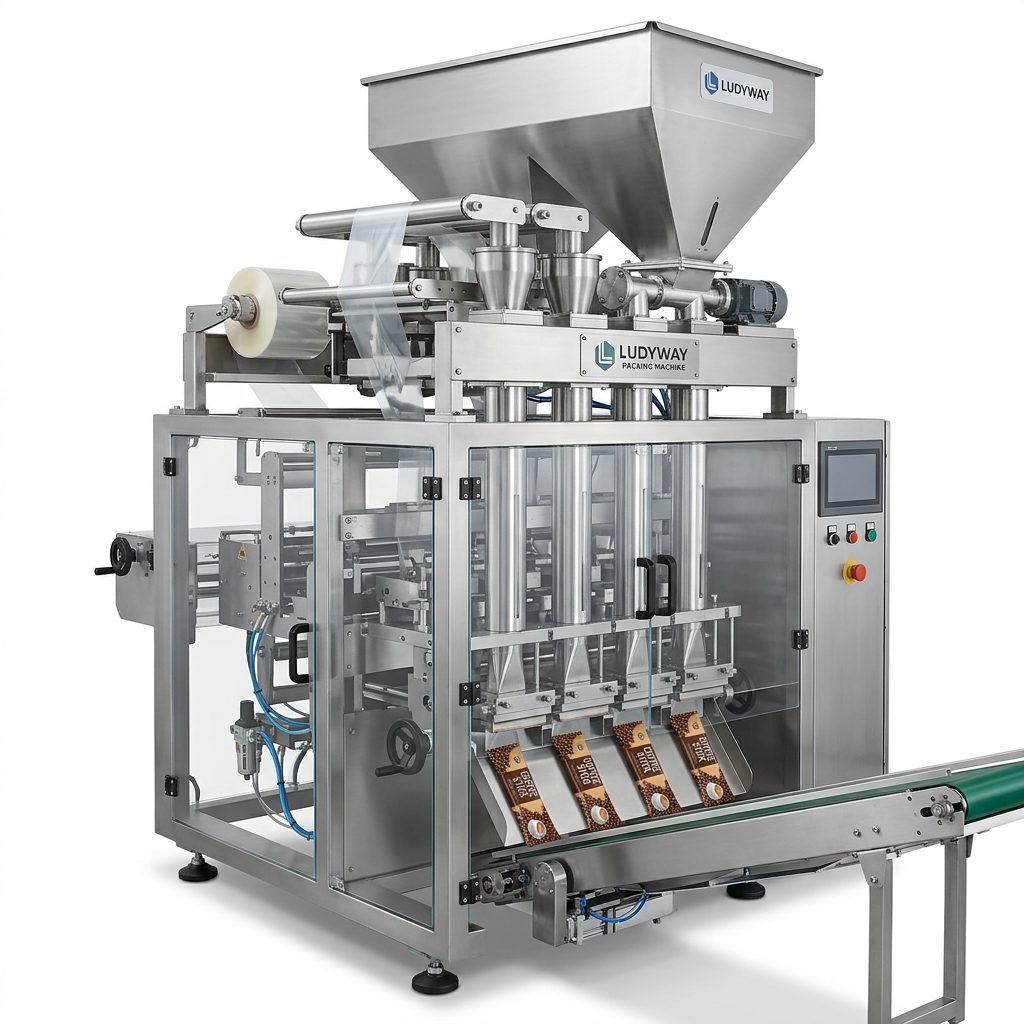
Selecting the right tablet pouch packing machine is a strategic decision that directly impacts your production efficiency, product quality, and long-term operational costs. Whether you are packaging effervescent tablets, pharmaceutical pills, or nutraceutical supplements, the machinery must match your specific product characteristics, packaging format, and factory environment. This guide breaks down the essential factors to evaluate, helping you make an informed investment.
Understanding Tablet Pouch Packaging Requirements
Tablets present unique challenges compared to powders or liquids. They are often fragile, require precise counting, and need protective barrier packaging to maintain shelf life. A tablet pouch packing machine must handle these requirements without causing product damage. Key considerations include the tablet’s shape, coating, friability, and sensitivity to moisture or oxygen.
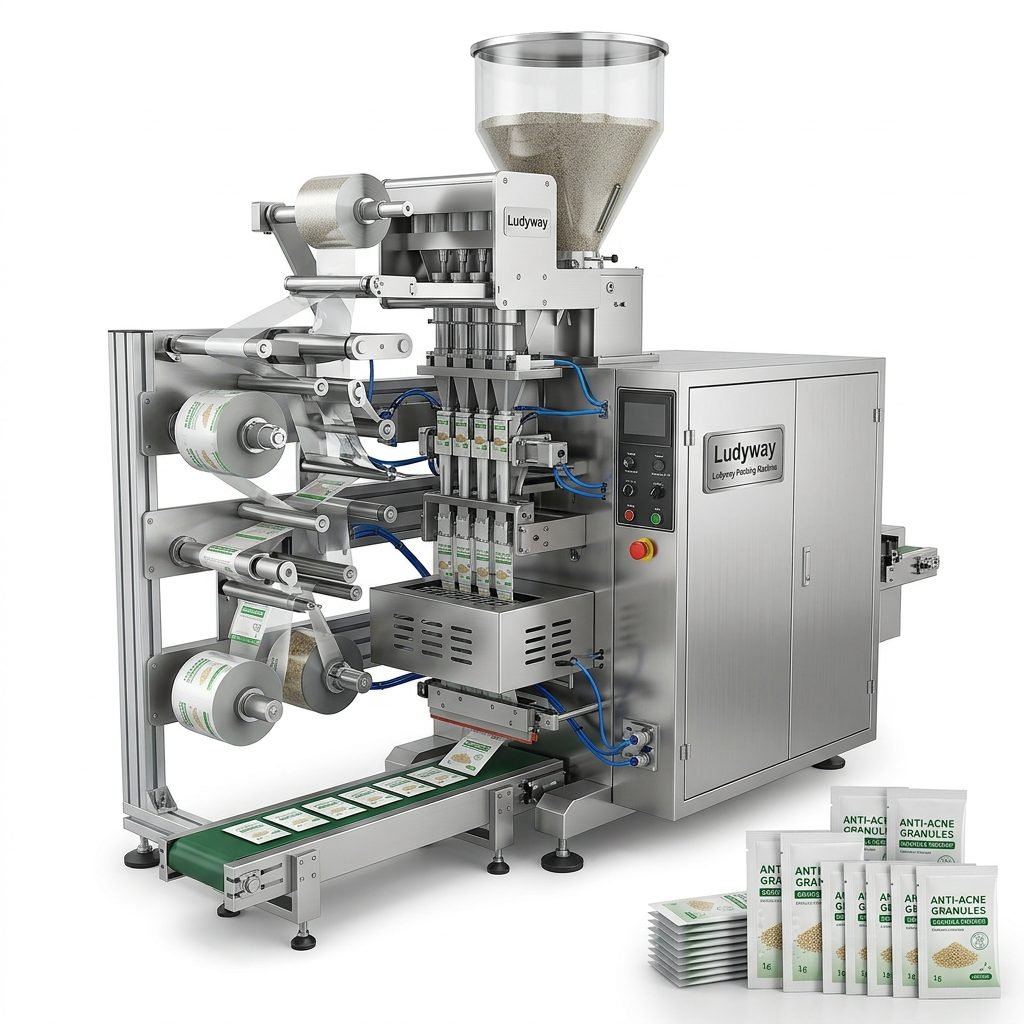
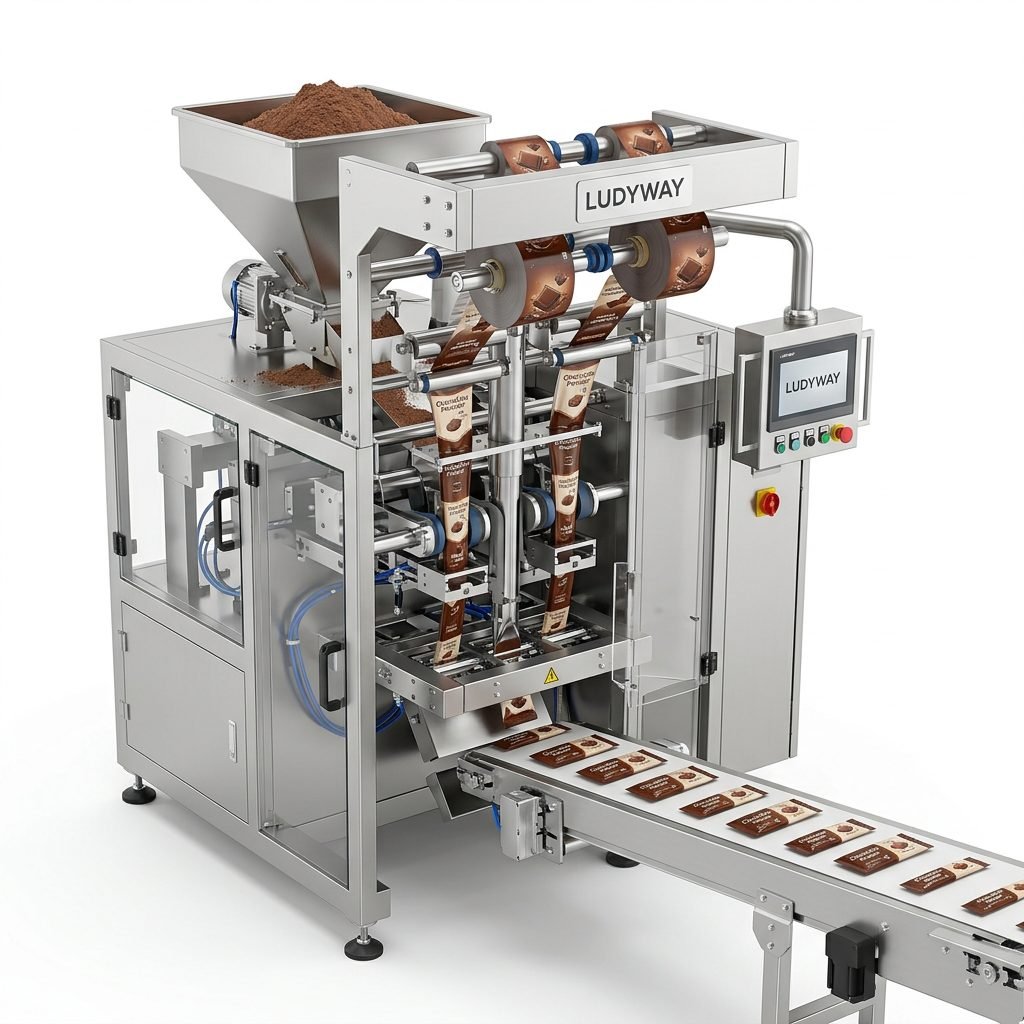
Modern flexible packaging lines can integrate multi-lane stick pack systems, automated feeding, and nitrogen flushing to preserve product integrity. According to PMMI’s State of the Industry Report, the demand for flexible packaging machinery continues to grow as manufacturers seek faster, more hygienic, and resource-efficient solutions.
Key Machine Specifications to Evaluate
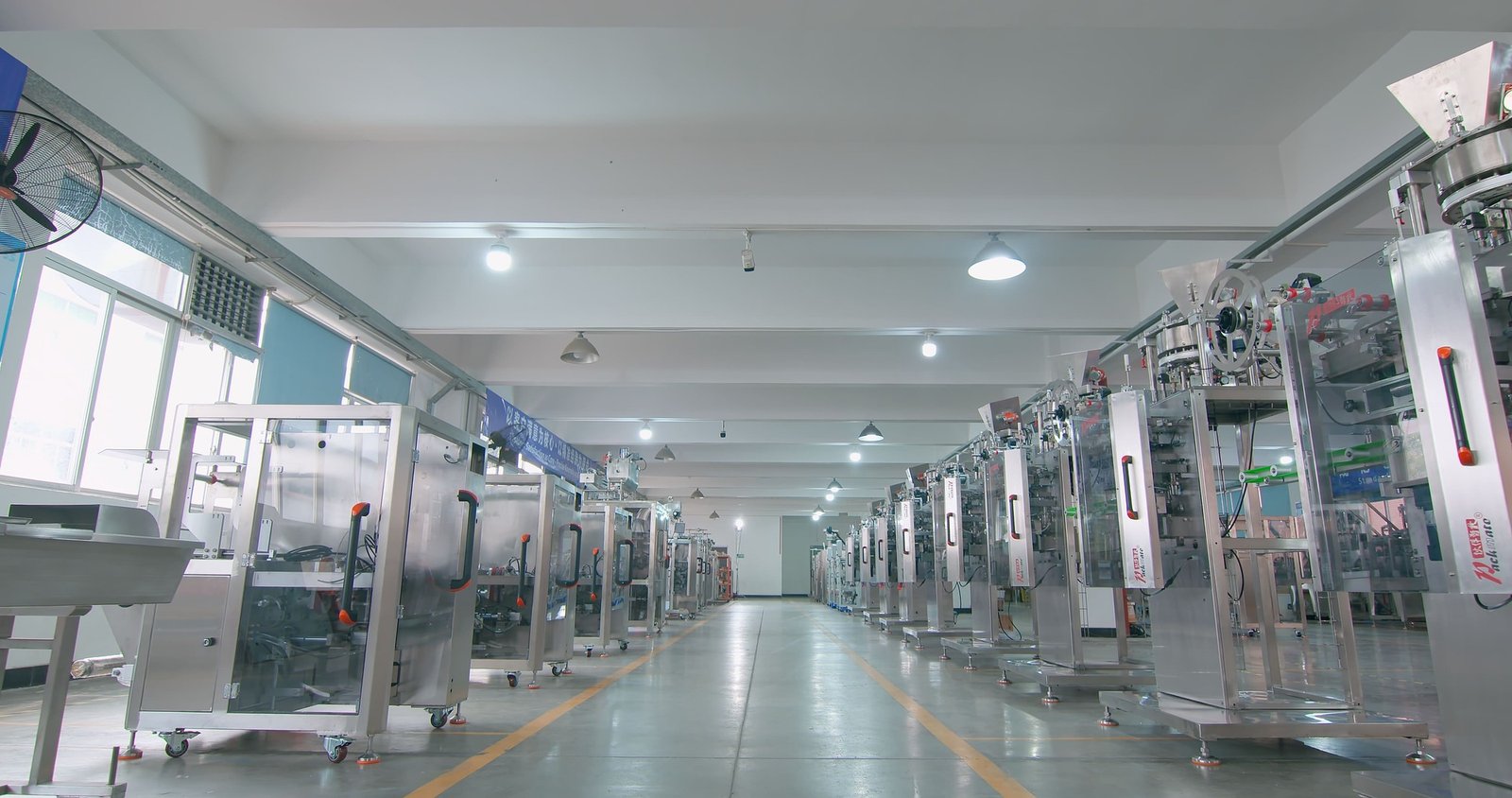
Before contacting suppliers, define your technical requirements. The following table highlights critical specifications you should clarify during the equipment selection process.
| Specification | Why It Matters | Typical Options |
|---|---|---|
| Packaging Speed | Determines output capacity and line efficiency | 30–120 packs/min per lane |
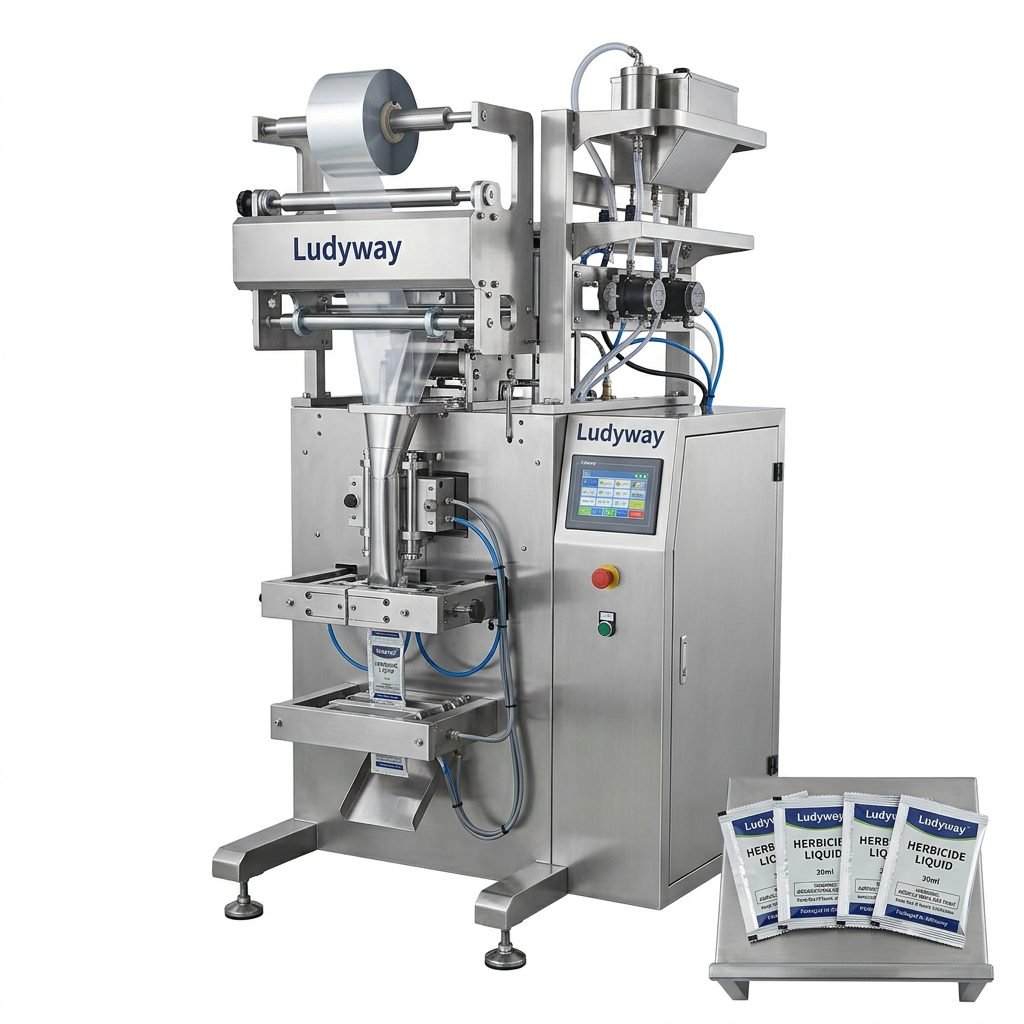
| Bag Format | Must match your branding and consumer usage | Stick pack, sachet, 3-side seal, 4-side seal |
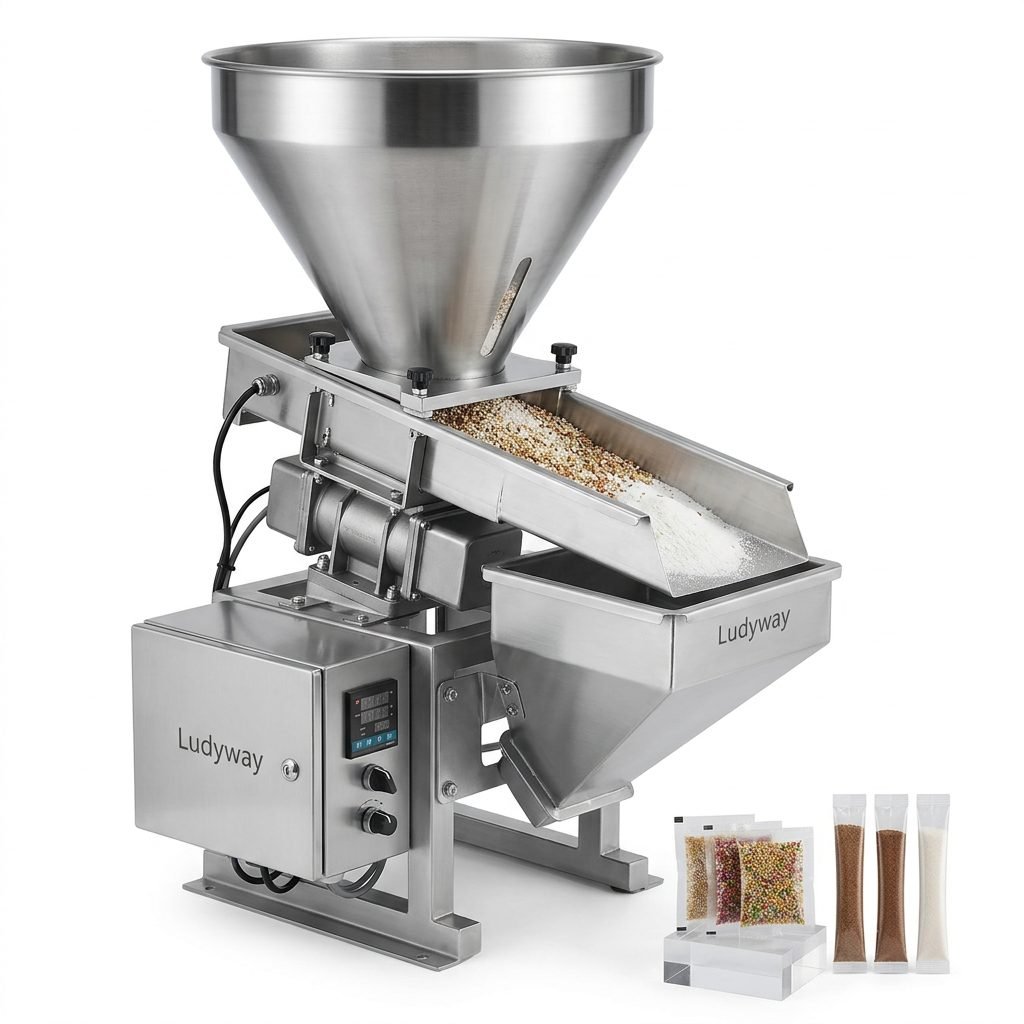
| Filling System | Affects accuracy and product waste | Multi-head weigher, volumetric cup, counting system |
| Sealing Technology | Ensures package integrity and barrier protection | Heat seal, ultrasonic seal, nitrogen flush |
Packaging Materials and Compatibility
The interaction between your tablet formulation and the packaging film is critical. Moisture-sensitive or oxygen-sensitive tablets require high-barrier laminates such as aluminum foil composites or metallized PET films. Your machine should be compatible with the specific film structure you intend to use, including heat-sealable coatings and cold-seal options.
Refer to the Flexible Packaging Association’s industry resources for guidance on material selection and sustainability trends. The right material-machine combination prevents seal failures and extends product shelf life.
Automation and Integration Capabilities
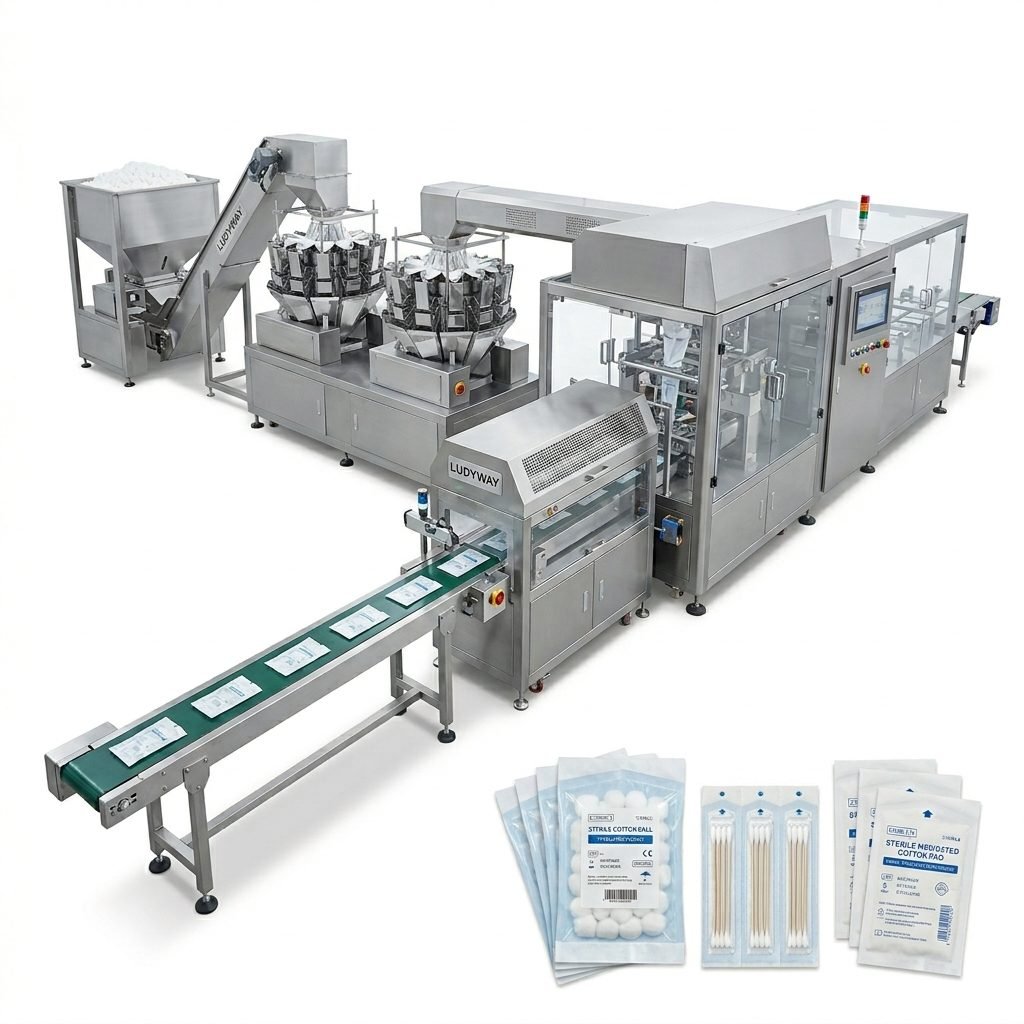
Beyond the primary pouch forming and filling, consider how the equipment fits into your overall production line. Advanced systems offer integrated automated feeding, counting, coding, and inspection modules. For pharmaceutical applications, compliance with ISO 11607 packaging standards and FDA regulations for food contact substances is non-negotiable.
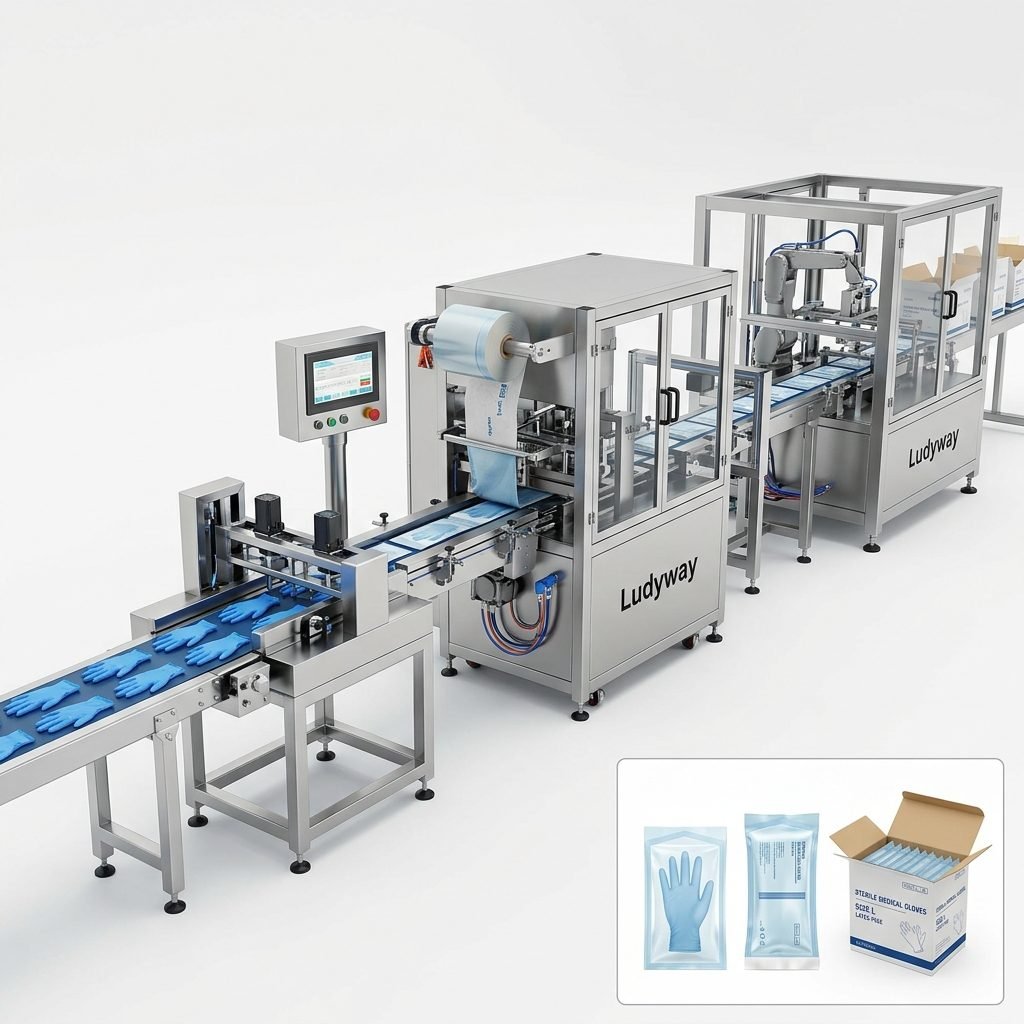
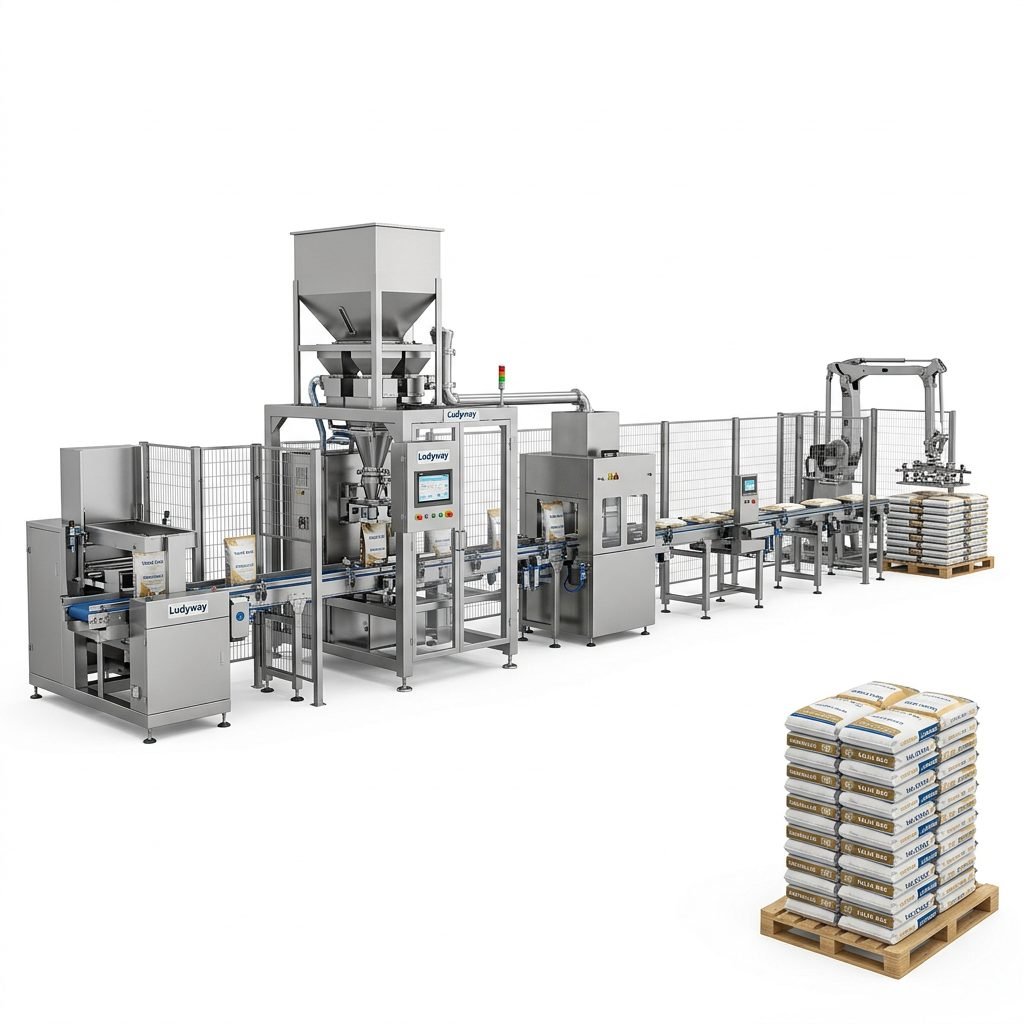
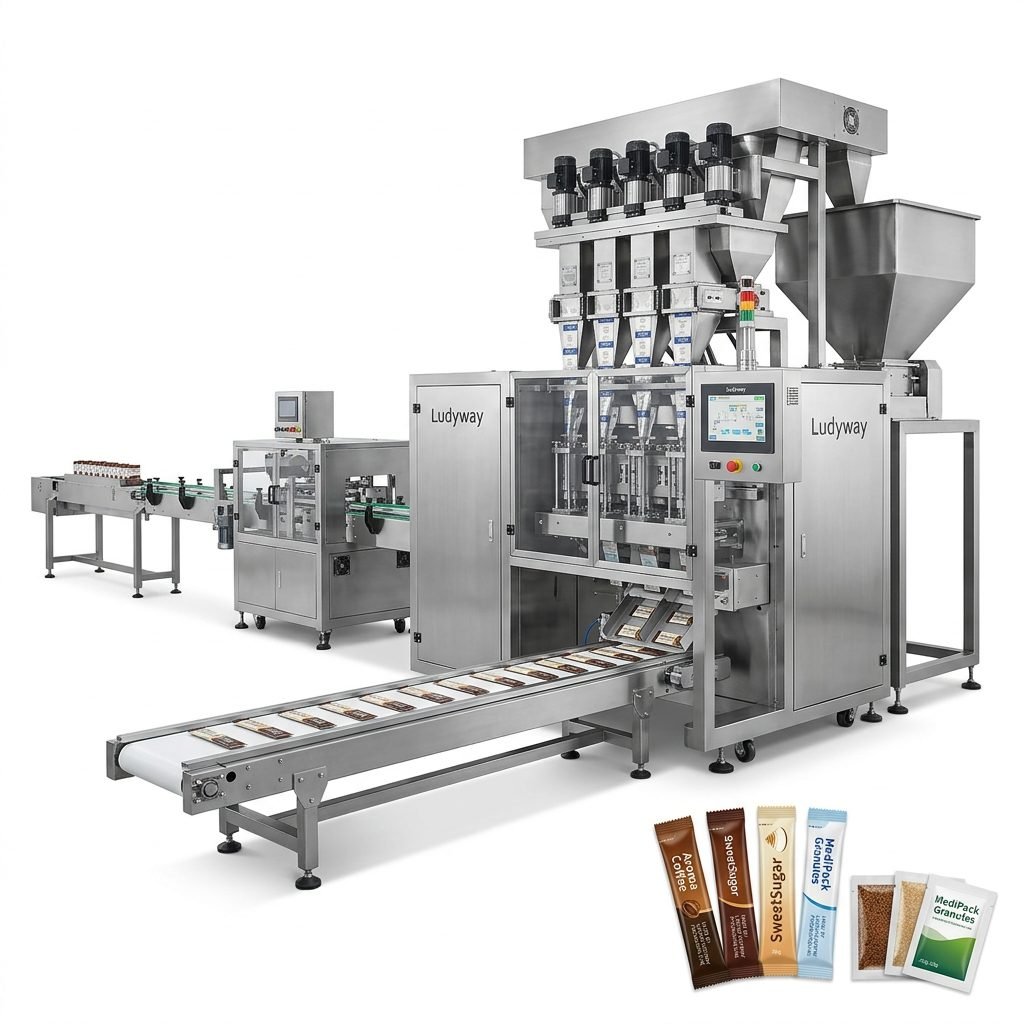
Turnkey packaging solutions can connect multiple stages—from tablet feeding to cartoning and palletizing—reducing manual handling and contamination risks. This approach allows manufacturers to work with a single partner for equipment selection, system integration, and after-sales support.
Evaluating Total Cost of Ownership
Purchase price is only one component. Evaluate long-term costs including spare parts availability, film waste rates, energy consumption, and maintenance requirements. A machine with higher initial investment but lower operational waste and downtime often delivers better ROI over its lifecycle.
Consider the following when calculating total cost:
- Expected machine lifespan and warranty terms
- Availability and cost of wear parts and consumables
- Changeover time between different tablet sizes and bag formats
- Technical support responsiveness and remote assistance capabilities
Choosing the Right Packaging Partner
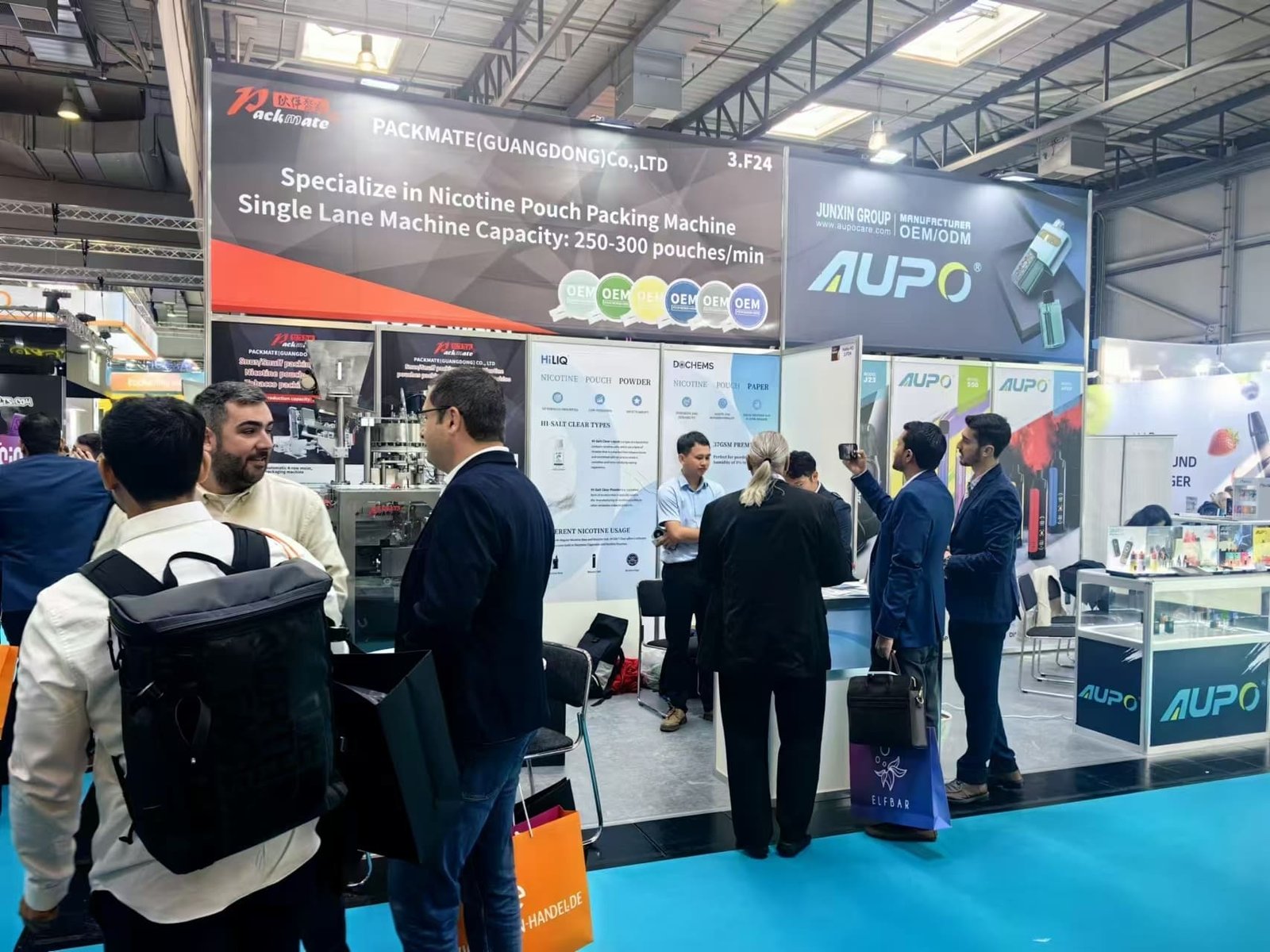
Working with an experienced manufacturer simplifies the selection process. Ludyway Machinery is a China-based packaging machinery manufacturer with more than 30 years of industry experience, offering automated packaging equipment and integrated solutions. The company operates a 20,000-square-meter manufacturing facility with over 130 professionals and more than 50 packaging machine models, serving customers in over 100 countries. With expected export revenue exceeding RMB 500 million (approximately US$69 million) in 2025 and plans to surpass RMB 1 billion (approximately US$138 million) in 2026, Ludyway combines manufacturing expertise with engineering capabilities for customized packaging systems.
When evaluating suppliers, verify their track record in your specific industry, their approach to customization, and their ability to support international standards. Review PMMI’s business intelligence and industry data to benchmark potential partners.
Industry Trends and Innovations
The tablet packaging machinery market is evolving rapidly. Key trends include the adoption of sustainable packaging materials, increased automation through robotics and smart sensors, and the integration of digital traceability systems. Equipment that supports easy film changes, remote diagnostics, and data-driven maintenance can future-proof your investment.
Regulatory developments also shape equipment requirements. The European Commission’s Packaging and Packaging Waste Regulation and FDA guidelines for food and pharmaceutical packaging continue to influence material choices and machine design for global markets.
Frequently Asked Questions
How do I determine the right production speed for my business?
Calculate your current daily output requirements and project growth over the next 3–5 years. Choose a machine that operates comfortably at 70–80% of its maximum rated speed to allow for peak demand without overstressing the equipment.
Can one machine handle multiple tablet sizes and shapes?
Yes, many tablet pouch packing machines are designed with quick-change tooling and adjustable forming tubes to accommodate different tablet dimensions and bag formats. Confirm changeover time and complexity with the manufacturer before purchasing.
What certifications should I look for in a supplier?
Look for CE certification, ISO compliance, and familiarity with GMP requirements. For pharmaceutical applications, equipment should meet relevant FDA and international standards for product contact and validation documentation.
Making the Final Decision
Request detailed proposals from shortlisted suppliers, including machine specifications, delivery timelines, installation support, and training programs. Whenever possible, conduct factory acceptance testing (FAT) with your actual tablet samples to verify machine performance before shipment.
Explore additional resources from the Flexible Packaging Association and PMMI to stay informed about the latest packaging technologies and standards that affect your equipment selection decisions.