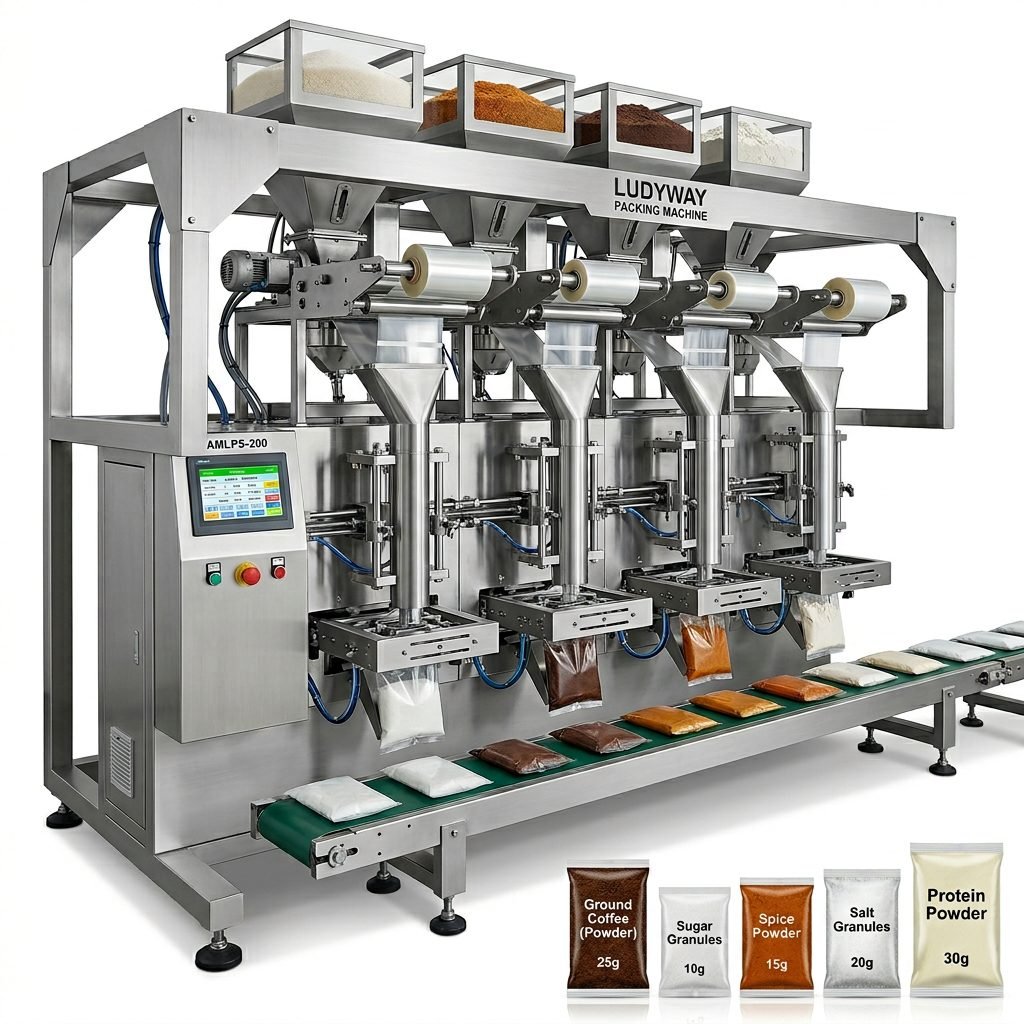
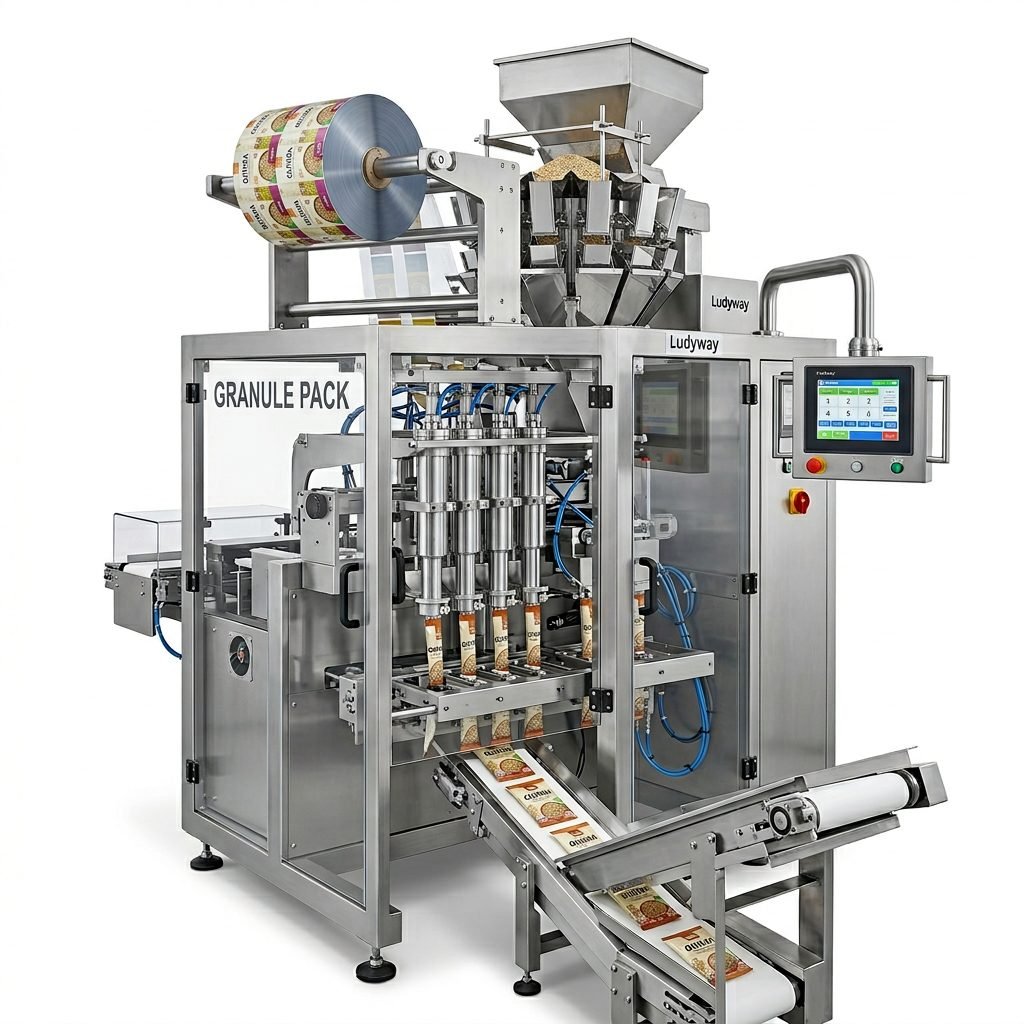
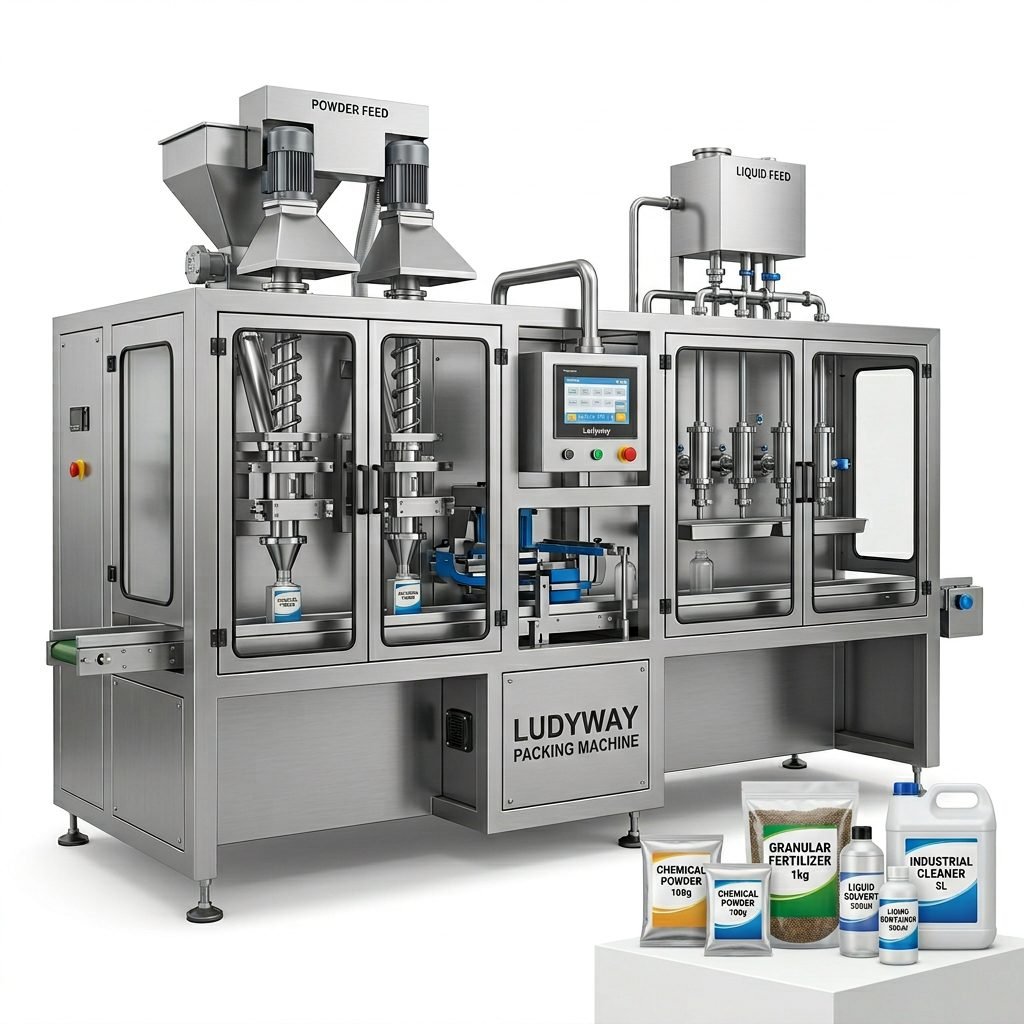
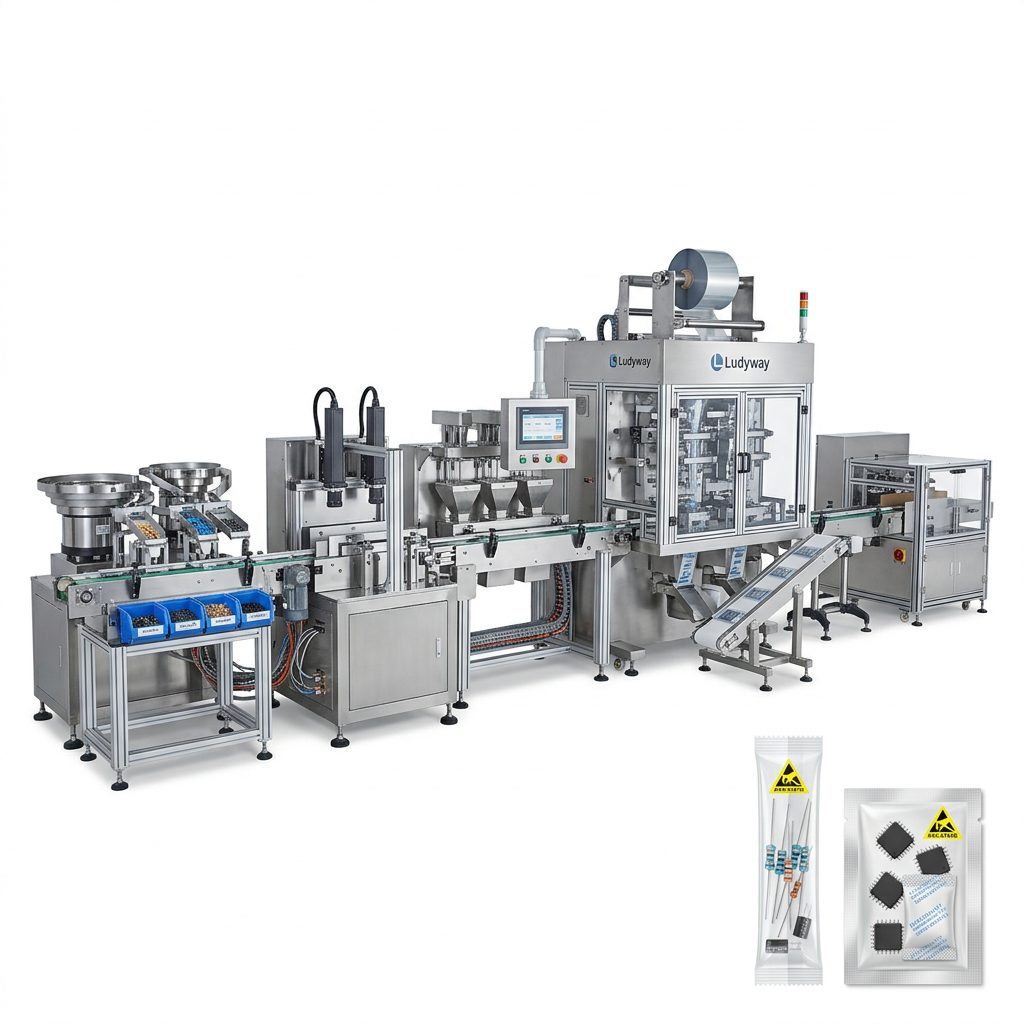
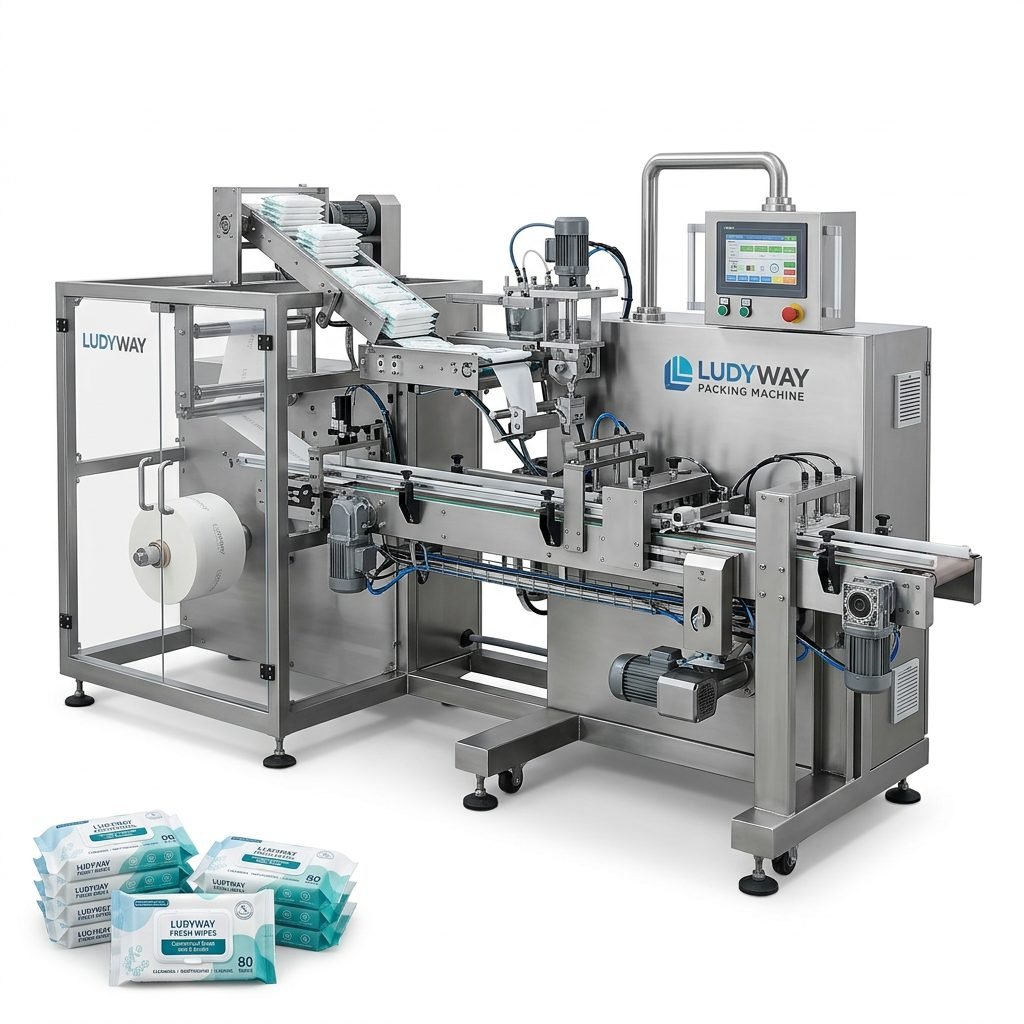
The demand for packaged food, pharmaceuticals, and consumer goods across Africa is growing rapidly, driven by urbanization, a rising middle class, and expanding retail networks. For manufacturers and entrepreneurs looking to capitalize on this trend, setting up a tray sealer packaging machine production line is a strategic investment. Tray sealing technology offers extended shelf life, tamper-evident packaging, and attractive product presentation — all critical factors for success in competitive African markets.
This guide walks you through the essential equipment, realistic cost estimates, and step-by-step implementation process for building a tray sealing production line in Africa, whether you are packaging fresh produce, ready-to-eat meals, meat, seafood, or medical devices.

Understanding Tray Sealer Packaging Machines
A tray sealer packaging machine is designed to seal pre-formed trays with a flexible lidding film, creating an airtight and often modified-atmosphere package. These machines are widely used in the food, pharmaceutical, and medical industries. Depending on your production volume and product type, you can choose from manual, semi-automatic, or fully automatic tray sealing systems.
Core Equipment for a Complete Tray Sealing Line
Building a functional and efficient tray sealer production line requires more than just the sealing unit. Below are the key components you need to integrate:
- Tray Sealing Machine — The core unit that seals trays with film. Options include MAP (Modified Atmosphere Packaging) capable models for extended shelf life.
- Tray Denester/Feeder — Automatically separates and feeds empty trays onto the conveyor line.
- Filling/Dosing System — For precise product portioning, available in volumetric, gravimetric, or multi-head weigher configurations.
- Conveyor Belt System — Transports trays through the filling, sealing, and labeling stages.
- Lidding Film — Compatible film rolls that match your tray material and sealing requirements.
- Labeling Machine — Applies product labels, date codes, and barcodes onto sealed trays.
- Checkweigher & Metal Detector — Quality control equipment ensuring product weight accuracy and contamination detection.
- Cartoning or Case Packing Machine — Groups sealed trays into cartons or cases for distribution.
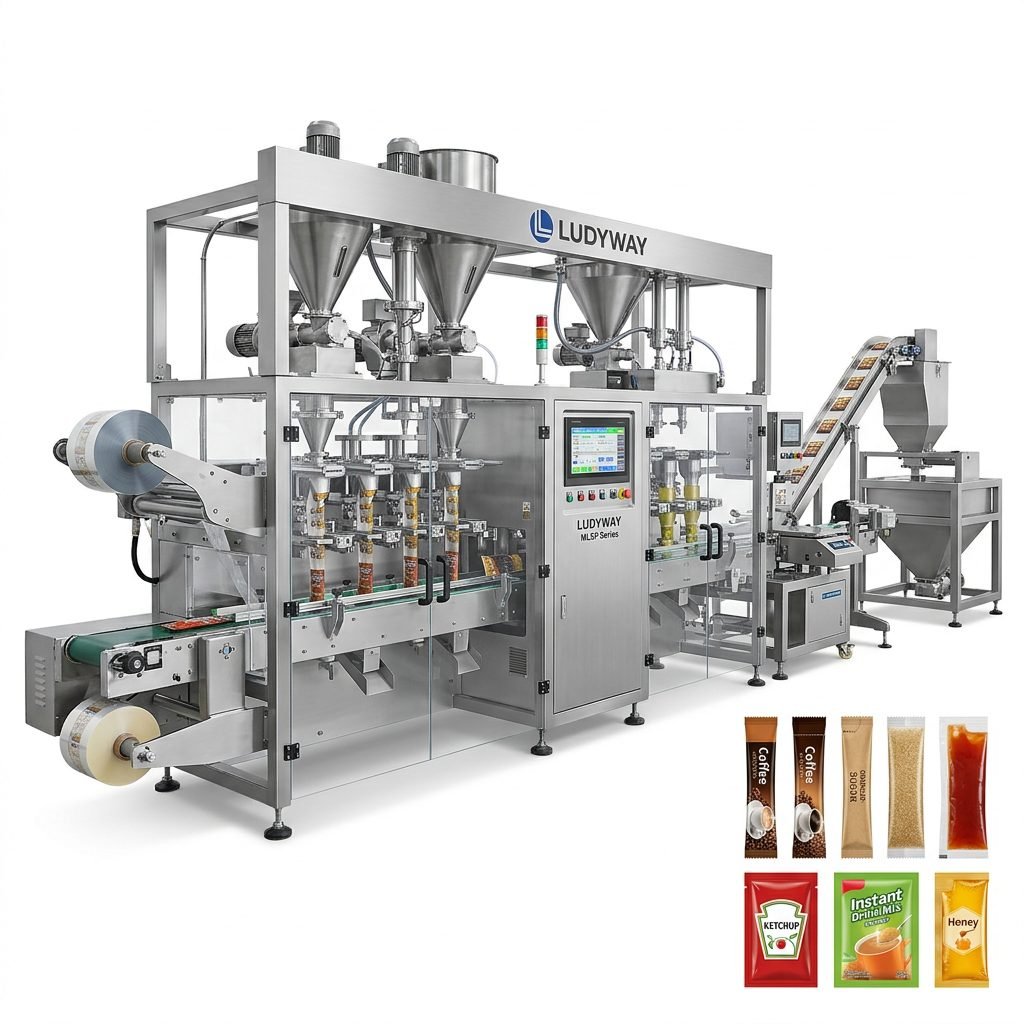
Estimated Costs for a Tray Sealer Production Line in Africa
Costs vary significantly based on automation level, production capacity, and equipment origin. The table below provides a realistic breakdown for setting up a medium-capacity tray sealing line in Africa:
| Equipment / Expense Category | Estimated Cost Range (USD) | Notes |
|---|---|---|
| Semi-Automatic Tray Sealer | $8,000 – $25,000 | Suitable for startups; 300–800 trays/hour |
| Fully Automatic Tray Sealer (MAP) | $35,000 – $120,000 | High-volume; includes gas flushing system |
| Tray Denester & Conveyor System | $5,000 – $20,000 | Depends on line length and speed |
| Filling/Dosing Machine | $4,000 – $30,000 | Varies by product type and accuracy |
| Labeling Machine | $3,000 – $12,000 | Top and bottom labeling options |
| Checkweigher & Metal Detector | $6,000 – $18,000 | Essential for food and pharma sectors |
| Shipping & logistics (to Africa) | $3,000 – $15,000 | Depends on port and equipment size |
| Installation & training | $2,000 – $8,000 | On-site support or remote guidance |
| Total Estimated Investment | $66,000 – $248,000 | For a complete medium-capacity line |
Note that these figures are indicative and may vary based on local import duties, currency fluctuations, and vendor selection. Many African countries offer investment incentives for food processing and packaging industries, which can reduce your upfront costs.

Key Steps to Set Up Your Tray Sealing Production Line
Following a structured approach minimizes delays and ensures your production line meets local regulatory standards and market expectations. Here are the seven critical steps:
1. Market Research and Product Definition
Before purchasing any equipment, define your product range, target shelf life, packaging format, and daily production volume. Research local competitors and understand distribution channel requirements across your target African markets.
2. Facility Preparation and Layout Planning
Your production facility must meet hygiene and safety standards appropriate for your industry. Plan the floor layout to optimize workflow — from raw material intake through processing, tray filling, sealing, labeling, and cold storage. Ensure adequate electrical supply, compressed air, and water connections.
3. Equipment Selection and Supplier Vetting
Choose equipment that balances cost, reliability, and after-sales support. Verify that suppliers have experience exporting to Africa and can provide documentation, spare parts, and remote or on-site technical assistance. For businesses seeking turnkey packaging solutions, working with an integrated equipment manufacturer simplifies procurement and compatibility.
4. Importation, Customs Clearance, and Logistics
Navigating customs in African countries can be complex. Partner with an experienced freight forwarder familiar with packaging machinery imports. Prepare all documentation including certificates of origin, equipment specifications, and compliance certificates well in advance.
5. Installation, Commissioning, and Staff Training
Professional installation ensures your tray sealer operates at peak efficiency from day one. Invest in thorough operator training covering machine operation, troubleshooting, cleaning procedures, and safety protocols. Well-trained staff significantly reduce downtime and waste.
6. Quality Control and Regulatory Compliance
African markets increasingly enforce packaging and labeling standards. Implement robust quality control procedures including seal integrity testing, weight verification, and shelf-life validation. Obtain necessary certifications such as HACCP, ISO, or local regulatory approvals relevant to your product category.
7. Ongoing Maintenance and Spare Parts Management
Establish a preventive maintenance schedule and keep critical spare parts in inventory. Since shipping parts to Africa can take weeks, having locally stocked consumables and components minimizes costly production interruptions.
Common Challenges and Practical Solutions
- Power Supply Instability: Invest in voltage stabilizers and backup generators. Confirm equipment voltage compatibility before ordering.
- Spare Parts Availability: Order a comprehensive spare parts kit with your initial machine purchase.
- Technical Support Gaps: Choose suppliers offering remote diagnostic capabilities and local distributor networks.
- Skilled Labor Shortages: Prioritize machines with intuitive touchscreen interfaces and simplified maintenance procedures.
- Packaging Material Sourcing: Establish relationships with multiple film and tray suppliers to avoid single-source dependency.
Choosing the Right Packaging Partner
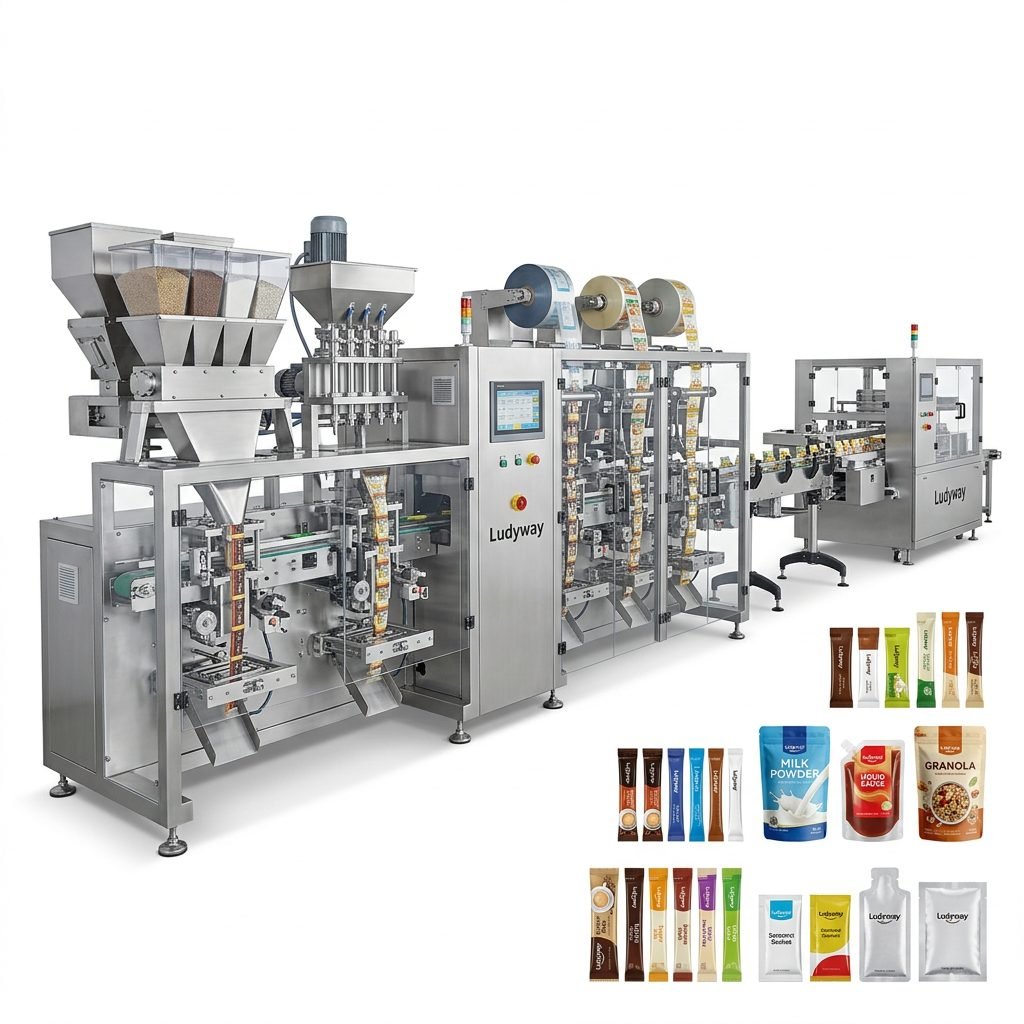
Selecting a reliable equipment supplier is one of the most critical decisions when setting up a tray sealing production line in Africa. Ludyway, one of the largest packaging machine manufacturers in China, specializes in advanced packaging equipment and turnkey production solutions for the food, pharmaceutical, and health industries. With over 30 years of industry experience and a modern 20,000㎡ manufacturing facility, Ludyway offers more than 50 intelligent packaging machine models, including fully automatic tray sealing systems. The company serves customers in over 100 countries and regions, providing comprehensive technical support, on-site installation, and customized solutions that help businesses improve productivity and operational efficiency. For more information, explore the complete range of packaging machinery and production line solutions suitable for the African market.
Final Recommendations
Setting up a tray sealer packaging machine production line in Africa is a highly viable business opportunity, provided you approach it with thorough planning, the right equipment configuration, and reliable supplier partnerships. Start with a realistic assessment of your production needs, budget for both initial investment and ongoing operational costs, and prioritize quality and after-sales support over the lowest upfront price.
For businesses ready to take the next step, connecting with industry resources such as PMMI’s packaging industry intelligence and Flexible Packaging Association resources can provide valuable market data and regulatory guidance tailored to your target region.