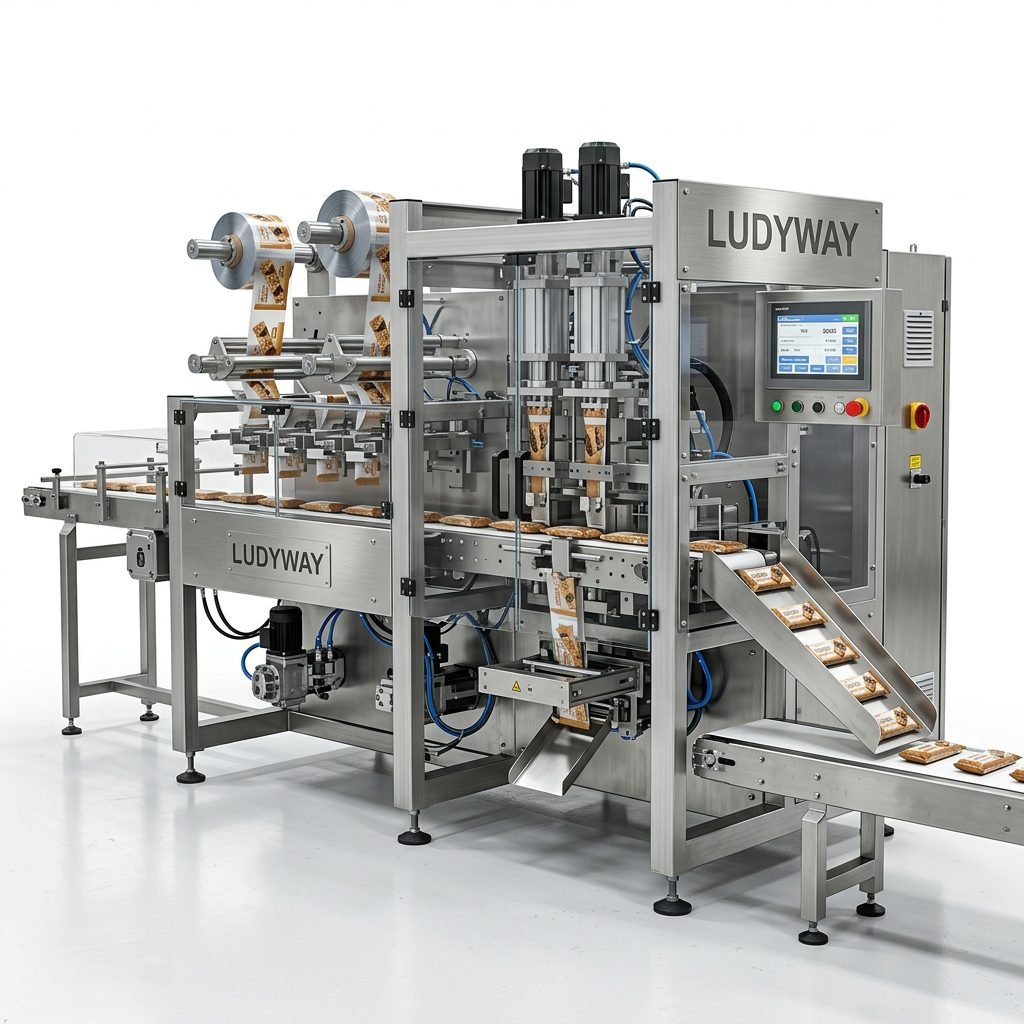
Investing in a tea packing machine is a significant decision that directly impacts your production efficiency, product quality, and long-term profitability. Whether you are packaging loose-leaf tea, herbal blends, matcha powder, or instant tea granules, the right equipment must align with your product characteristics, packaging format, production volume, and budget. This guide walks you through the essential factors to evaluate before making a purchase.
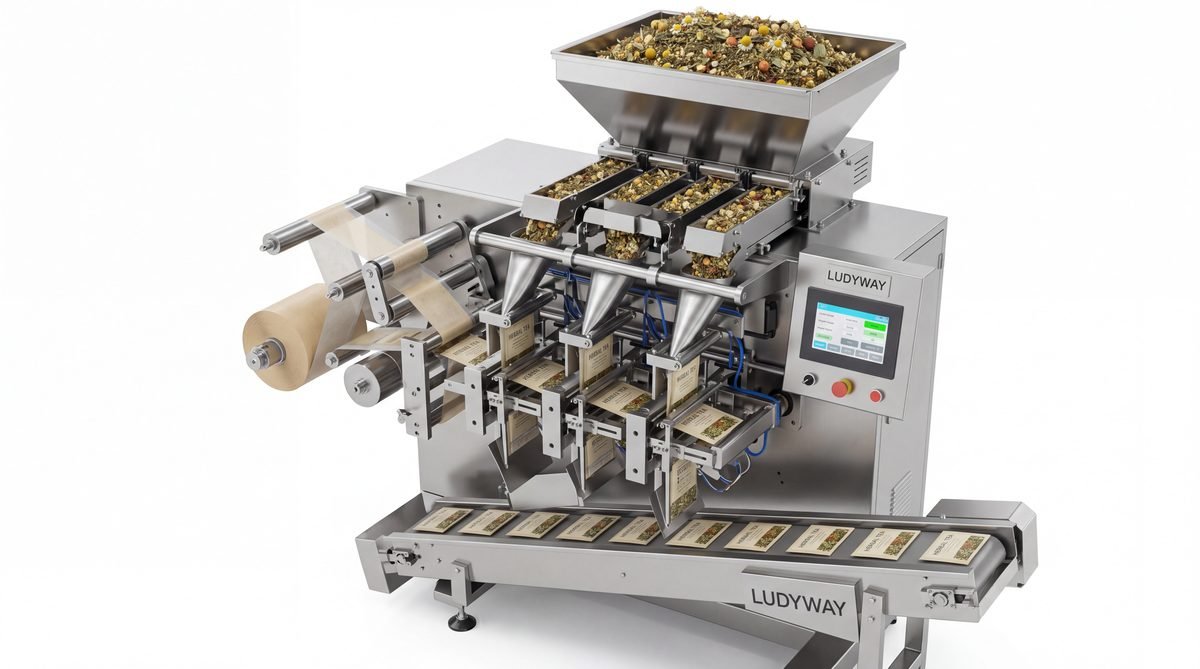
1. Understand Your Tea Product Characteristics
The first step in selecting the right tea packing machine is a thorough understanding of your product. Tea comes in various forms — whole leaves, broken leaves, fine powders, granules, and even liquid concentrates. Each form requires a different handling and filling mechanism. For instance, matcha powder is ultra-fine and prone to dusting, requiring specialized auger fillers with dust-control systems. Whole-leaf teas demand gentle handling to prevent breakage, while granulated instant tea flows freely and can be packaged with volumetric cup fillers. According to industry resources from the Flexible Packaging Association, product density, flowability, and particle size distribution are critical parameters that influence machine configuration.
2. Packaging Format and Bag Type Selection
Tea packaging formats vary widely depending on target market and distribution channel. Common formats include:
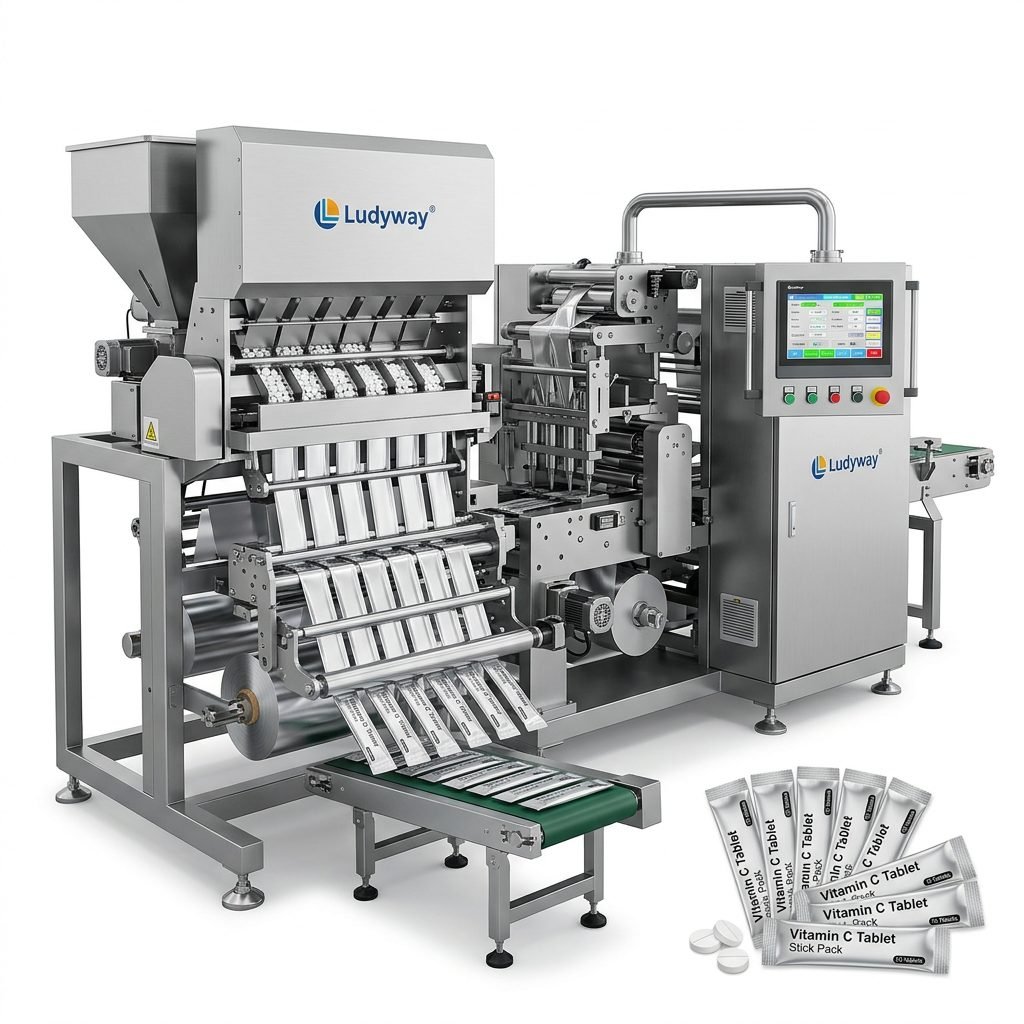
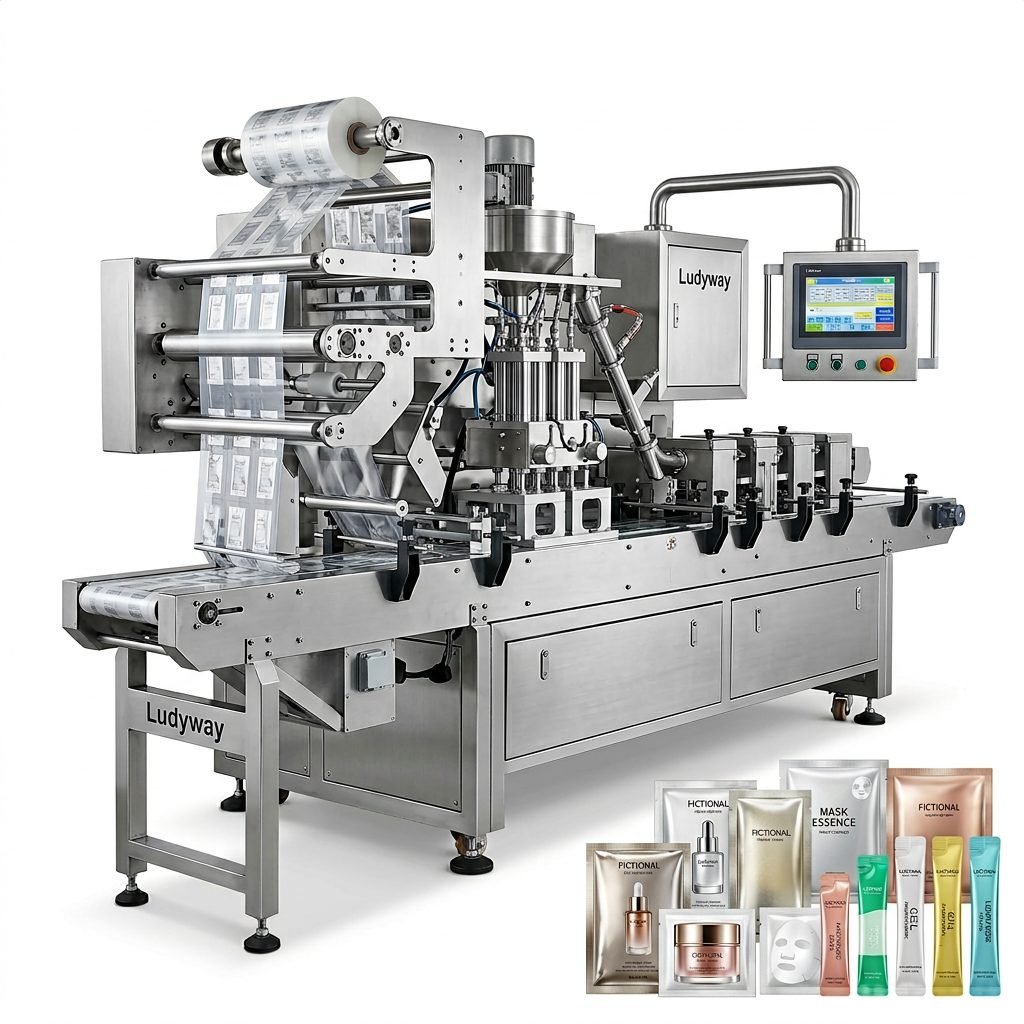
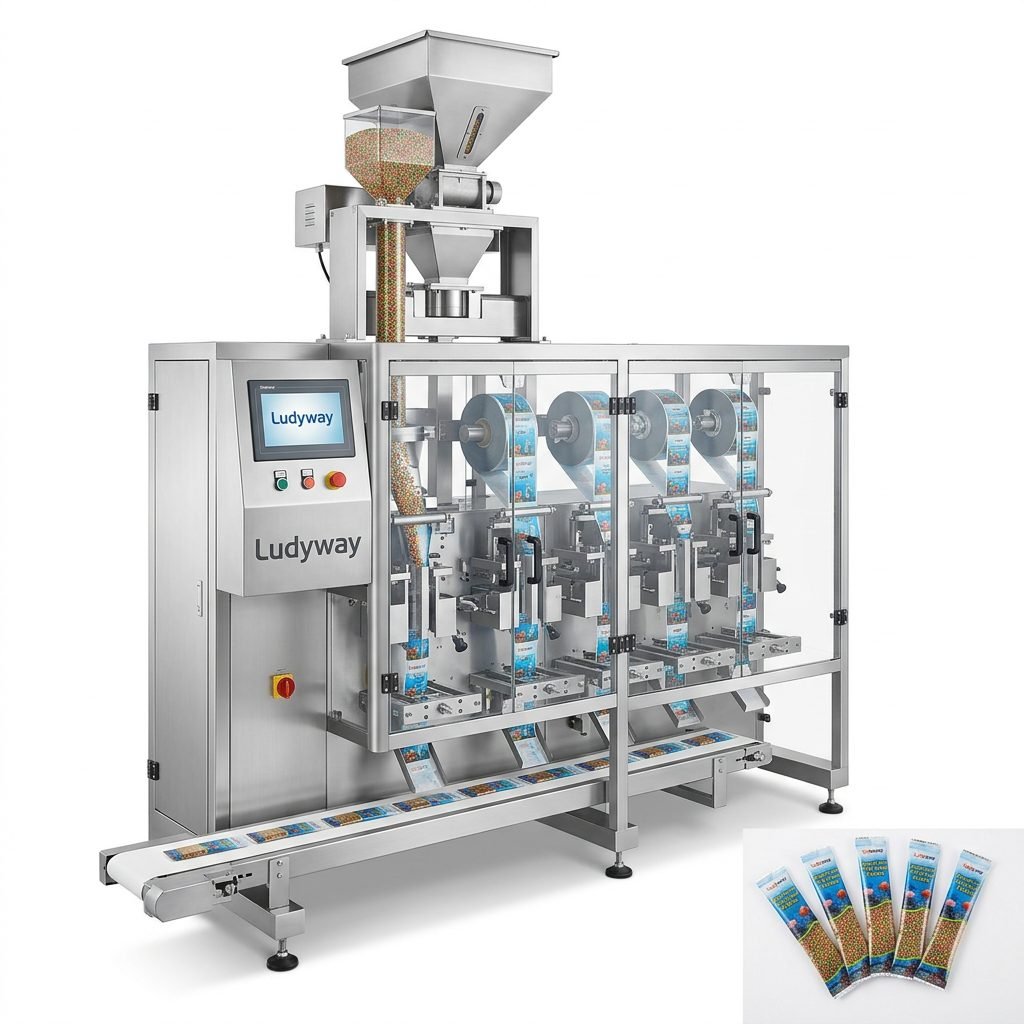
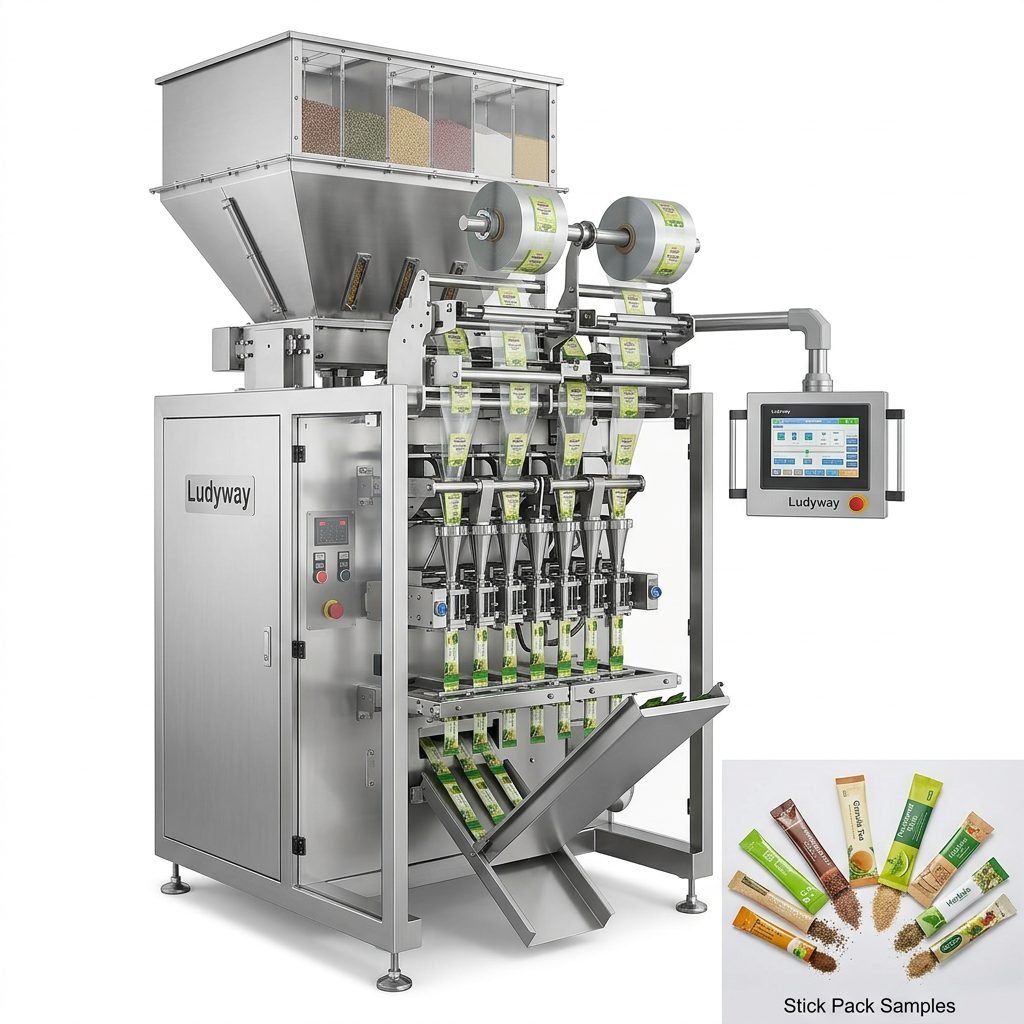
- Stick packs — ideal for single-serve instant tea powders and functional beverage mixes
- Sachets — popular for herbal tea blends, single-use portions in food service
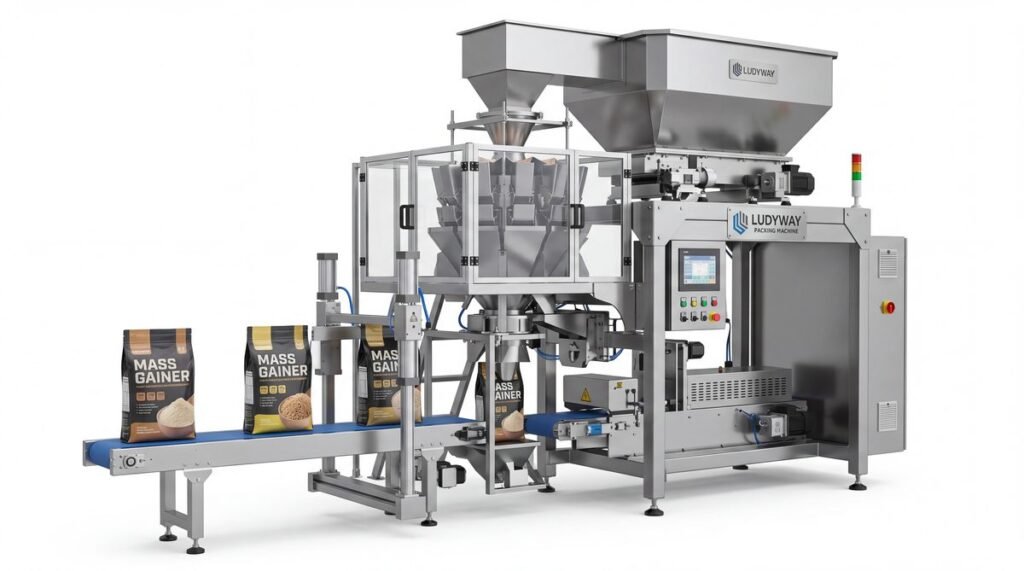
- Flat pouches and stand-up pouches — suitable for larger retail quantities of loose-leaf tea
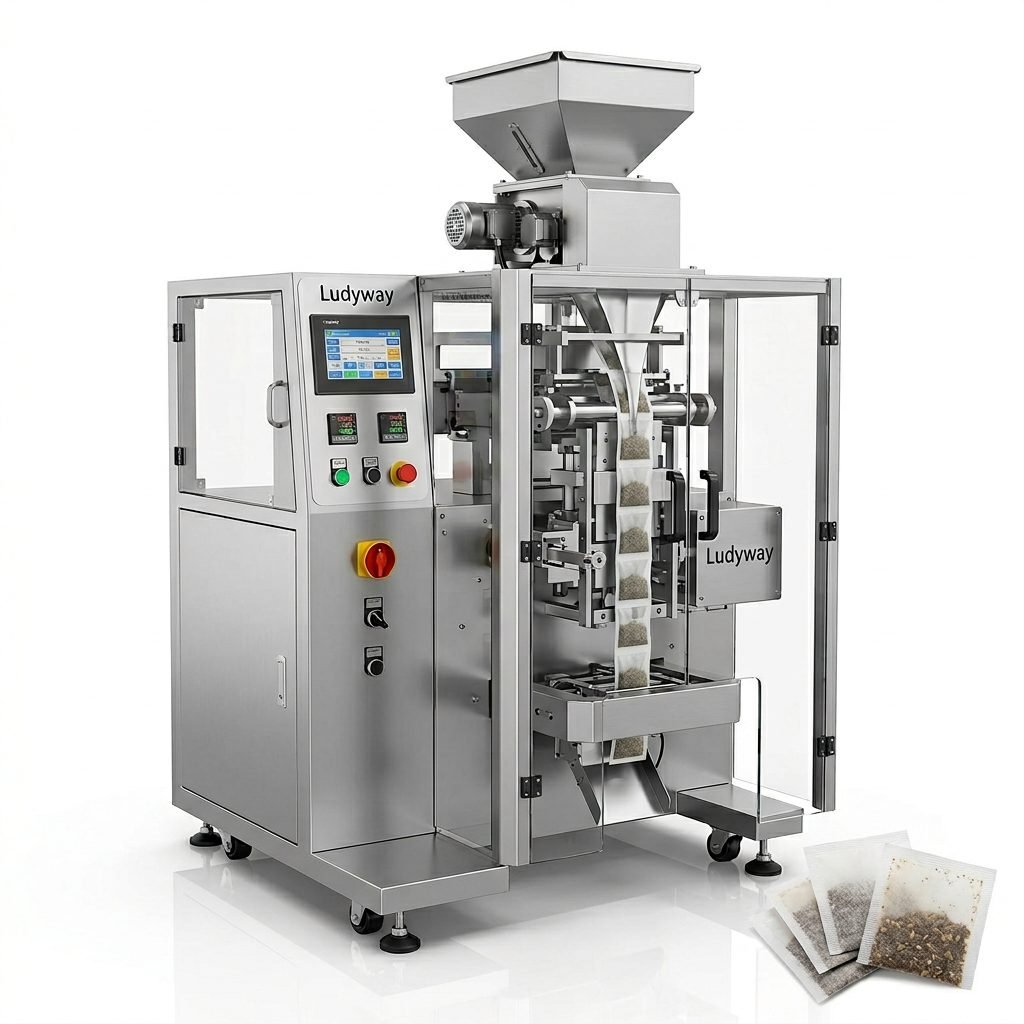
- Tea bag envelopes — traditional string-and-tag or pyramid tea bags require specialized machinery
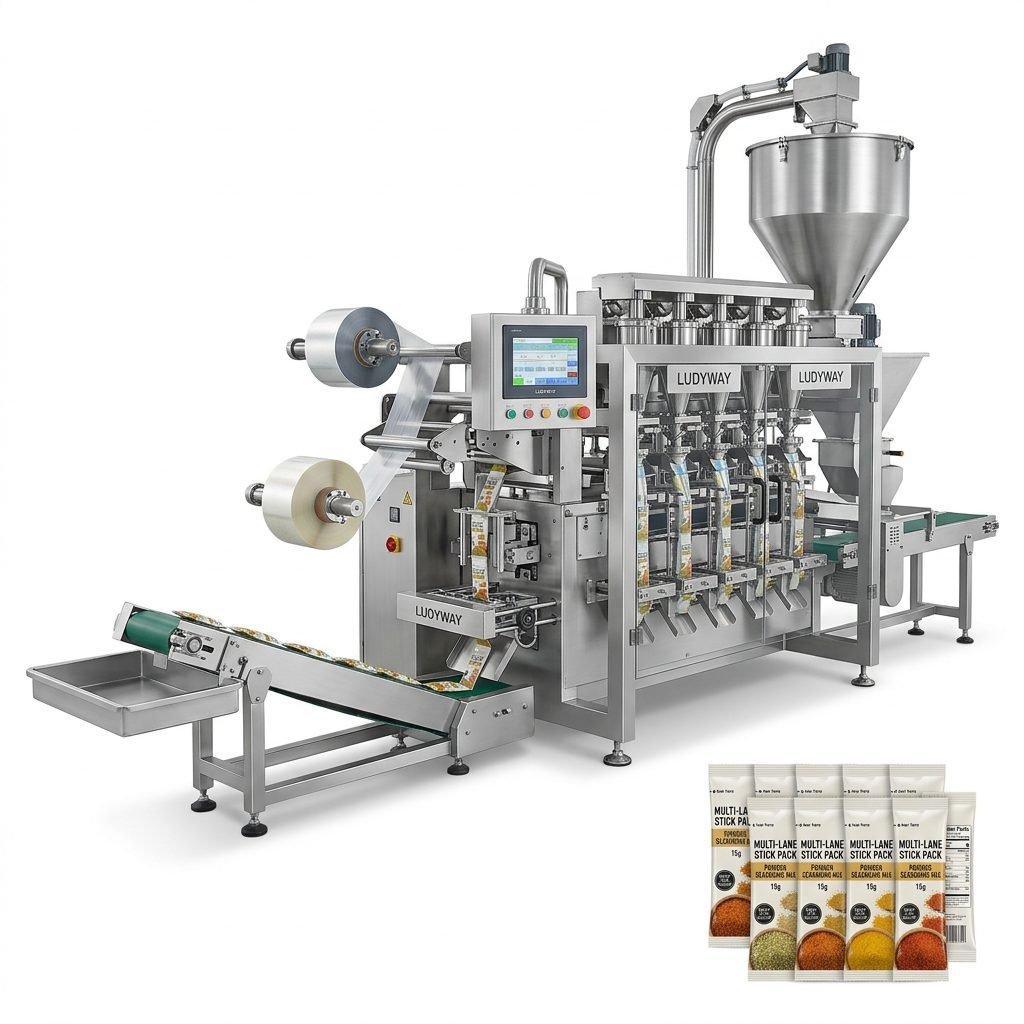
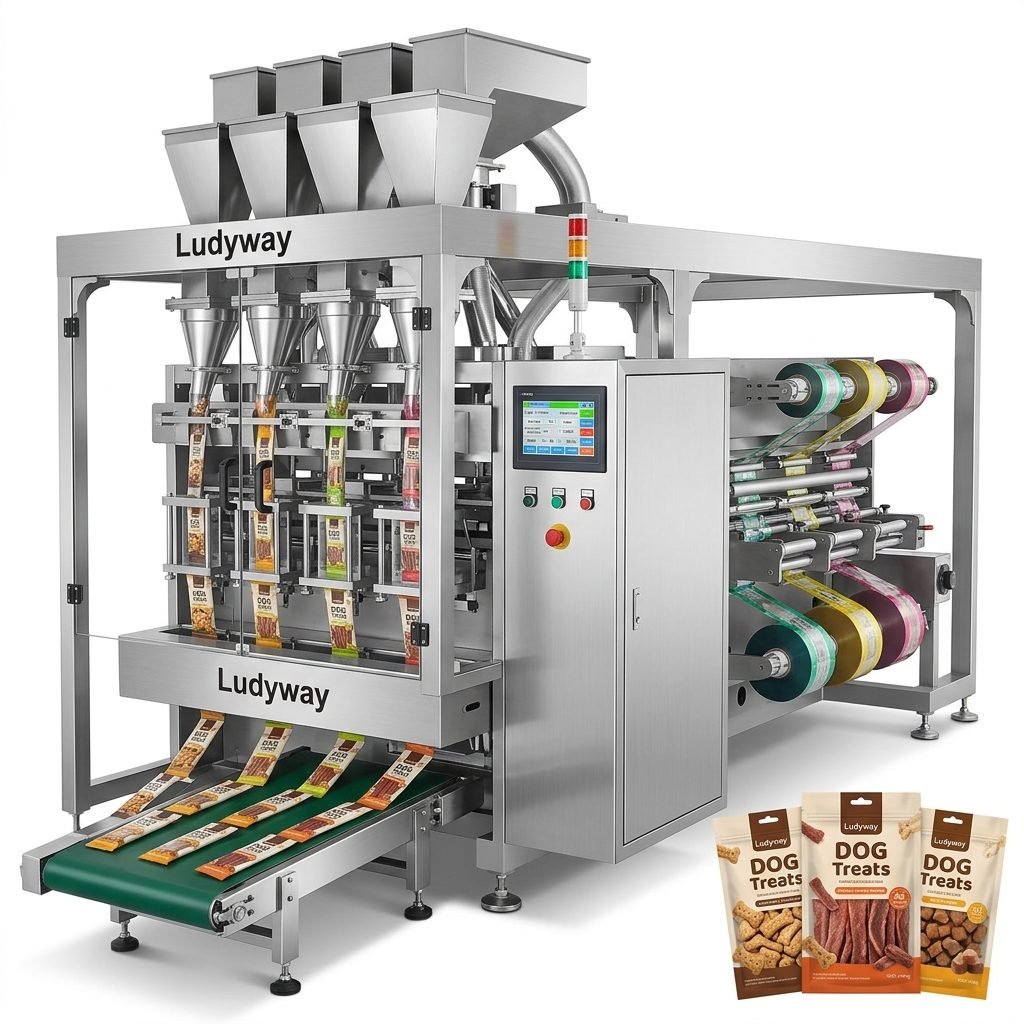
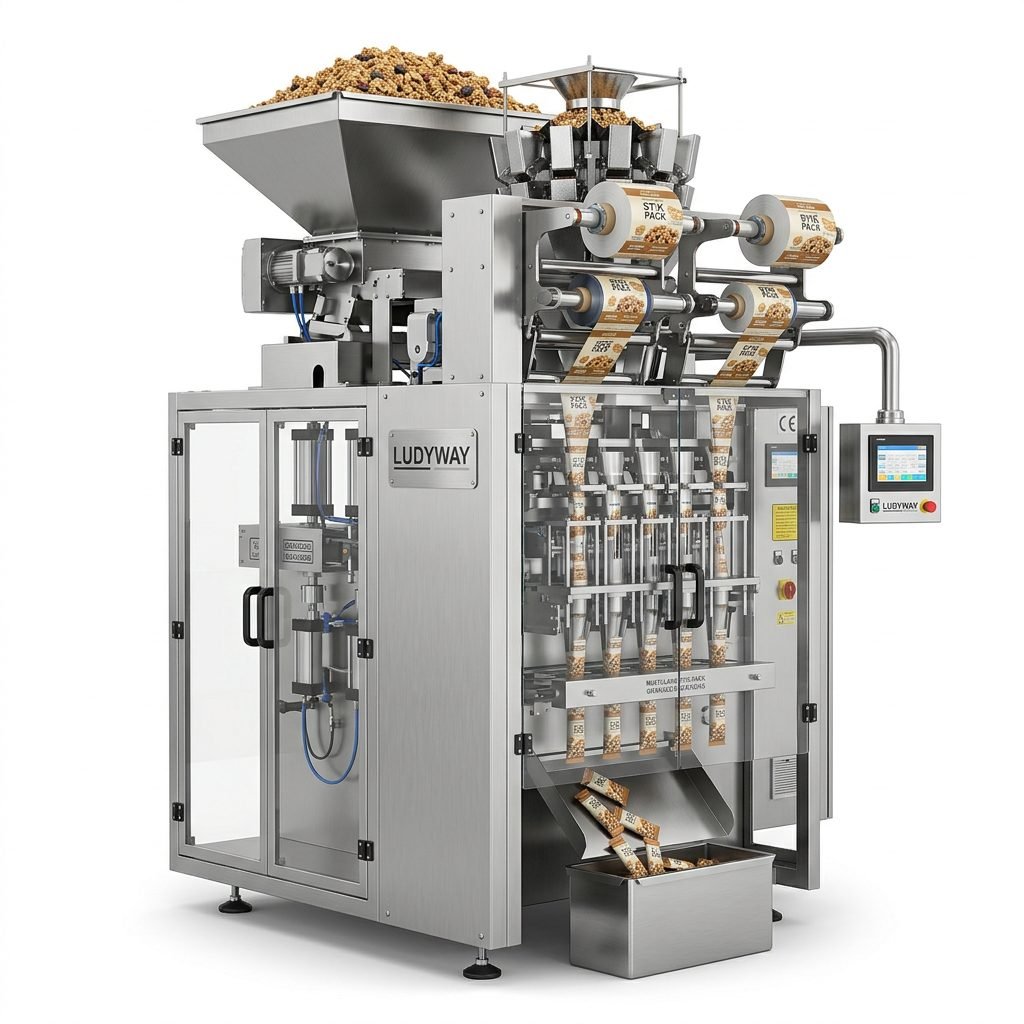
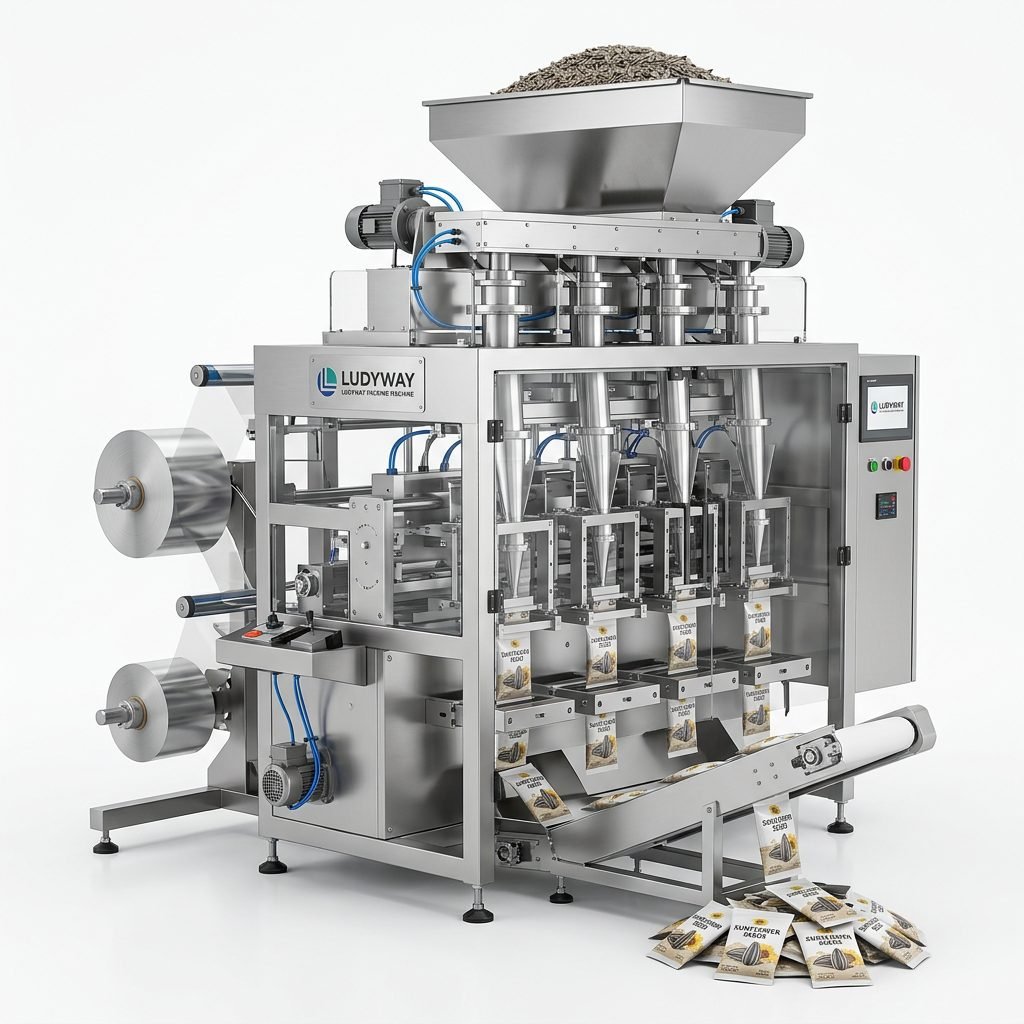
- Multi-lane stick pack systems — high-output solutions for high-volume producers
Your choice of packaging format determines the type of forming, filling, and sealing technology required. Multi-lane configurations can significantly boost output but require a higher initial investment.
3. Production Speed and Capacity Requirements
Defining your target output — measured in packs per minute (PPM) — is essential before evaluating specific models. A small-scale specialty tea brand may only need 30-60 PPM, while a large contract packager supplying global markets may require 200-400 PPM or more. Multi-lane machines can run 4, 6, 8, or even more lanes simultaneously, multiplying throughput without proportionally increasing floor space. The following table provides a general speed reference for different tea packaging machine types:
| Machine Type | Typical PPM Range | Best For |
|---|---|---|
| Single-Lane Stick Pack | 30-80 PPM | Small to medium tea producers |
| 4-Lane Stick Pack | 120-320 PPM | Mid-volume contract packagers |
| 8-Lane Stick Pack | 240-640 PPM | High-volume industrial production |
| Tea Bag Envelope Machine | 100-400 bags/min | Traditional tea bag markets |
| Premade Pouch Filler | 20-60 PPM | Premium loose-leaf retail packaging |
4. Filling and Dosing Technology
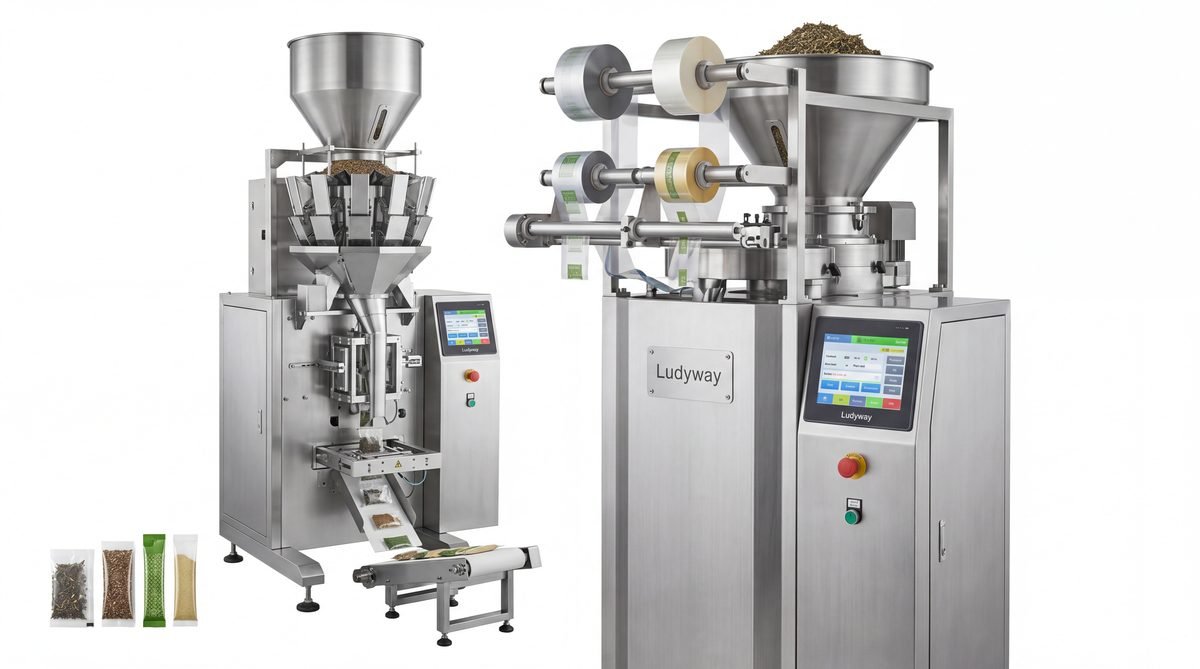
The dosing system is one of the most critical components of any tea packing machine. The right technology depends on your product’s physical properties and the required fill accuracy. Common dosing methods include:
- Auger fillers — highly accurate for fine powders like matcha and spice-infused tea blends
- Volumetric cup fillers — cost-effective for free-flowing granular teas
- Multi-head weighers — ideal for whole-leaf and broken-leaf teas where weight consistency is paramount
- Liquid piston fillers — required for tea concentrates, liquid extracts, and ready-to-drink tea syrups
For products that bridge categories — such as a granulated tea with fine powder content — combination dosing systems may be recommended. Adherence to applicable ISO packaging standards helps ensure fill accuracy and consistency across production batches.
5. Automation Level and Line Integration
Modern tea packaging operations often extend beyond the primary filling machine. Consider whether you need a standalone machine or a fully integrated packaging line that includes automatic feeding systems, checkweighers, coding and marking units, cartoning machines, and palletizing equipment. A turnkey packaging line from a single supplier can simplify project management, reduce compatibility issues, and streamline after-sales support. PMMI – The Association for Packaging and Processing Technologies provides extensive resources on automation trends and packaging line integration strategies that can inform your decision-making.
6. Machine Build Quality and Compliance
For tea products destined for human consumption, hygiene, safety, and regulatory compliance are non-negotiable. Look for machines constructed with food-grade stainless steel (typically SUS304 or SUS316L), easy-to-clean surfaces, and designs that minimize product residue accumulation. Depending on your target market, the machine may need to comply with FDA food contact substance regulations, EU packaging directives, or other regional standards. Ask potential suppliers about available certifications, documentation, and whether their equipment has been deployed in regulated markets similar to yours.

7. Customization, Service, and Long-Term Partnership
No two tea manufacturers have identical requirements. Product characteristics, bag dimensions, fill volumes, production targets, and factory layouts all vary. A supplier that offers customized engineering solutions — rather than only off-the-shelf models — can help you achieve a configuration that genuinely fits your operation. Equally important is evaluating the supplier’s global service capabilities, including installation support, operator training, spare parts availability, and remote technical assistance. For example, Ludyway Machinery, a China-based packaging machinery manufacturer with over 30 years of experience and customers in more than 100 countries, provides customized tea packaging solutions backed by comprehensive technical support throughout the project lifecycle.
8. Total Cost of Ownership and ROI
While the initial purchase price is important, a thorough evaluation should consider total cost of ownership (TCO) over the machine’s expected lifespan. Key factors influencing TCO include:
- Energy consumption and utility requirements
- Spare parts pricing and lead times
- Expected maintenance intervals and downtime
- Operator training requirements
- Packaging material waste rates during setup and changeovers
- Production flexibility — can the machine handle multiple bag sizes and tea varieties?
A slightly higher upfront investment in a reliable, high-efficiency machine often yields significantly lower operating costs and higher long-term returns. The PMMI Business Intelligence Library offers valuable market data and economic reports that can help you benchmark packaging machinery investments against industry averages.

Making the Final Decision
Choosing the right tea packing machine requires balancing multiple priorities: product compatibility, packaging format, output requirements, dosing accuracy, automation level, regulatory compliance, and long-term service support. Start by clearly documenting your current and anticipated production needs, then engage with experienced packaging machinery suppliers who can provide technical assessments, sample testing, and tailored recommendations. Request references from similar tea producers and, where possible, arrange factory acceptance testing or equipment demonstrations. A methodical approach to machine selection — informed by industry data and technical resources — will position your business for efficient, consistent, and scalable tea packaging operations well into the future.