In the dynamic world of food processing and distribution, the packaging of staple goods like rice is a critical operation that demands precision, efficiency, and hygiene. Selecting the right rice packaging machine is not just an investment in equipment; it’s a strategic decision that impacts productivity, product presentation, and ultimately, your bottom line. This guide delves into the essential aspects of rice packaging machinery, helping you navigate the options and make an informed choice.
Understanding the Core Types of Rice Packaging Machines
The market offers a variety of machines tailored to different production scales, packaging styles, and automation levels. Understanding these types is the first step toward finding your ideal solution.
Volumetric Cup Filling Machines
These are among the most common and cost-effective solutions for packaging free-flowing granules like rice. They operate by using adjustable cups to measure a specific volume of product before dispensing it into the bag. Their simplicity, ease of cleaning, and relatively low maintenance make them a popular choice for small to medium-sized operations. However, their accuracy is based on volume, not weight, which can lead to slight variations if the product’s density changes.
Weighing Scale (Net Weight) Machines
For operations where precise weight control is paramount—whether for regulatory compliance, cost control, or customer trust—net weight machines are the gold standard. They use highly accurate load cells to weigh each portion of rice before it is released into the packaging bag. This method ensures every bag meets the exact declared weight, minimizing giveaway and ensuring consistency. These systems are typically more sophisticated and represent a higher initial investment.
Key Benefit: Weighing scale machines provide unparalleled accuracy, crucial for branded products and compliance with strict trade regulations. They are the preferred choice for large-scale producers and exporters who cannot afford weight discrepancies.
Form-Fill-Seal (FFS) Machines
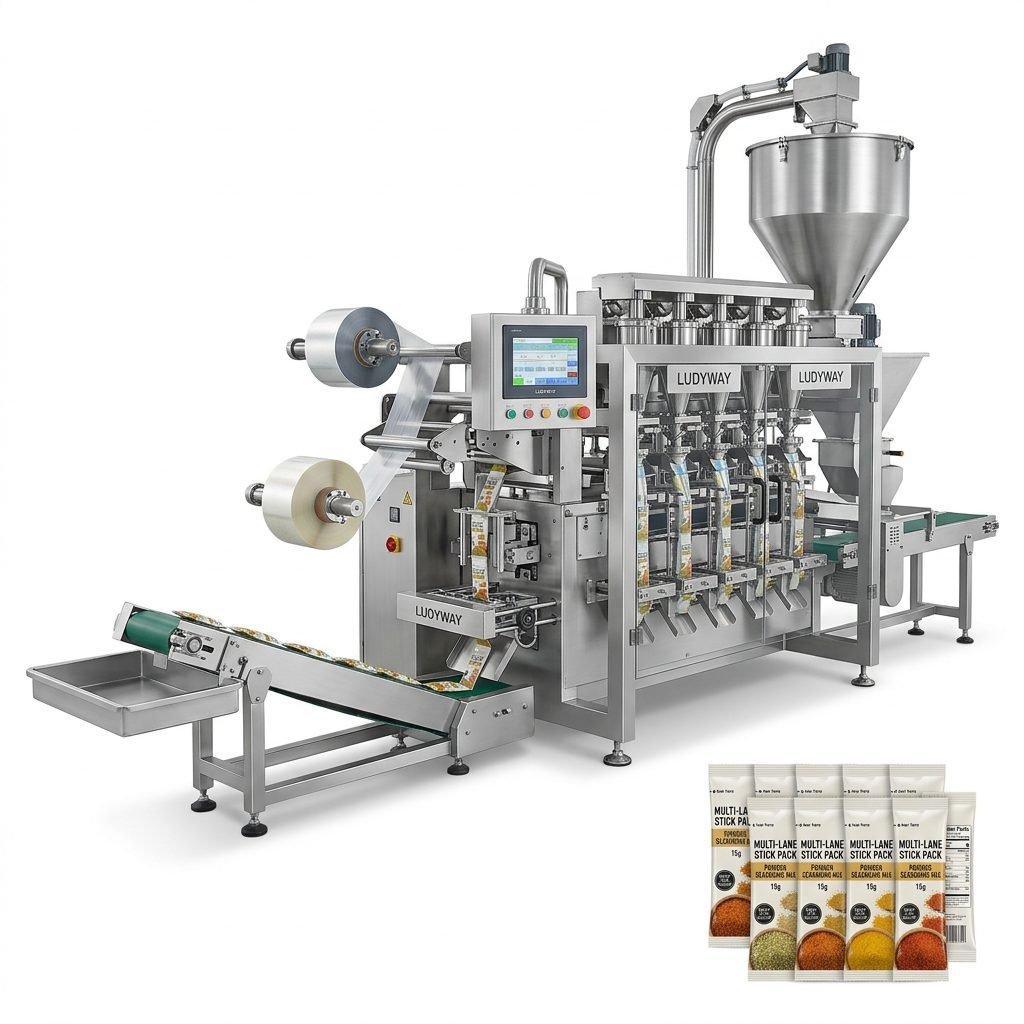
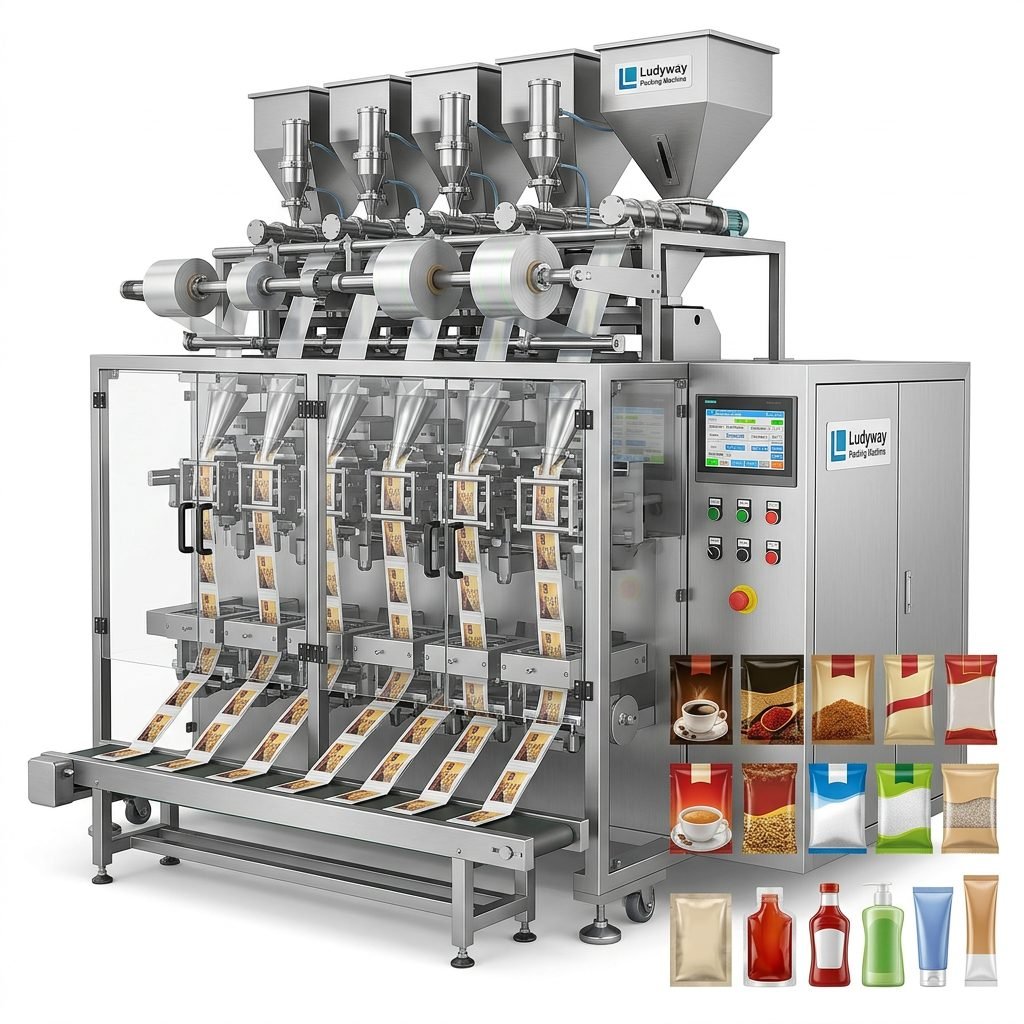
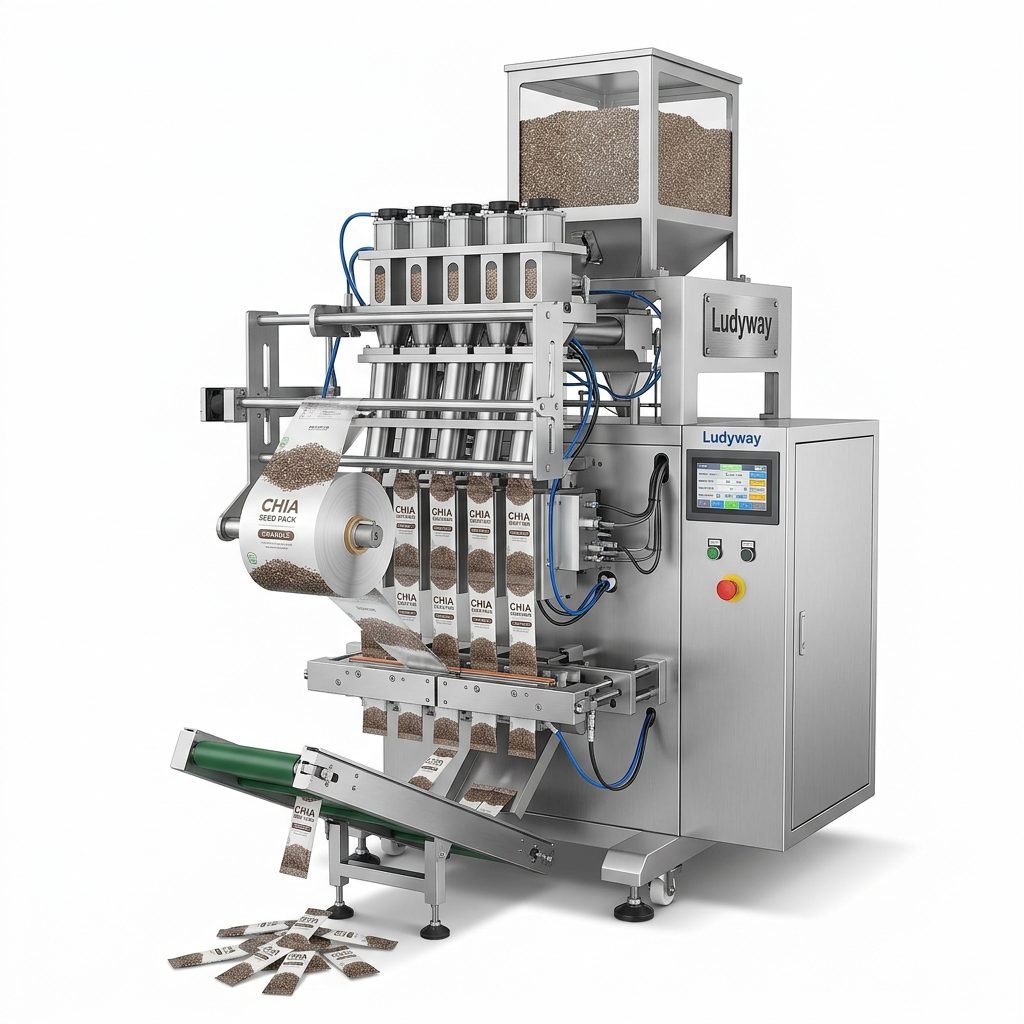
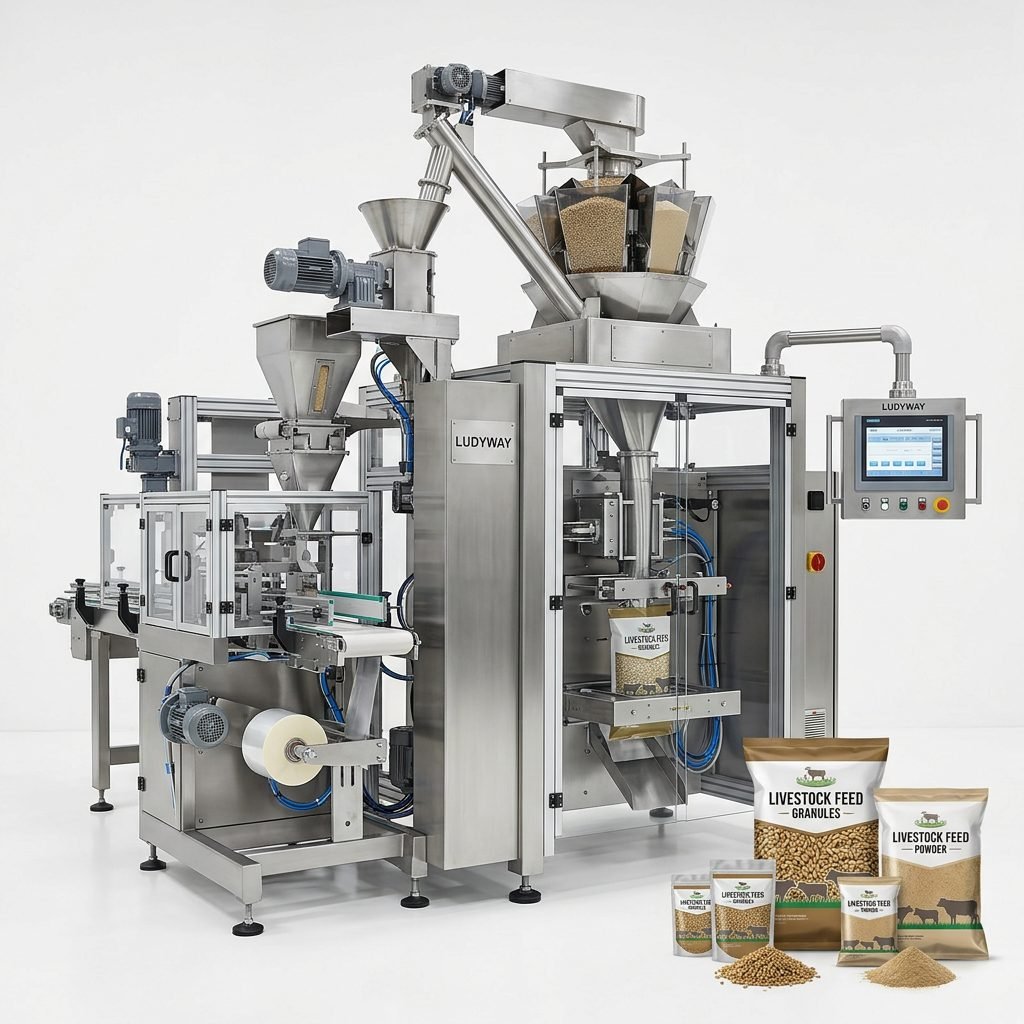
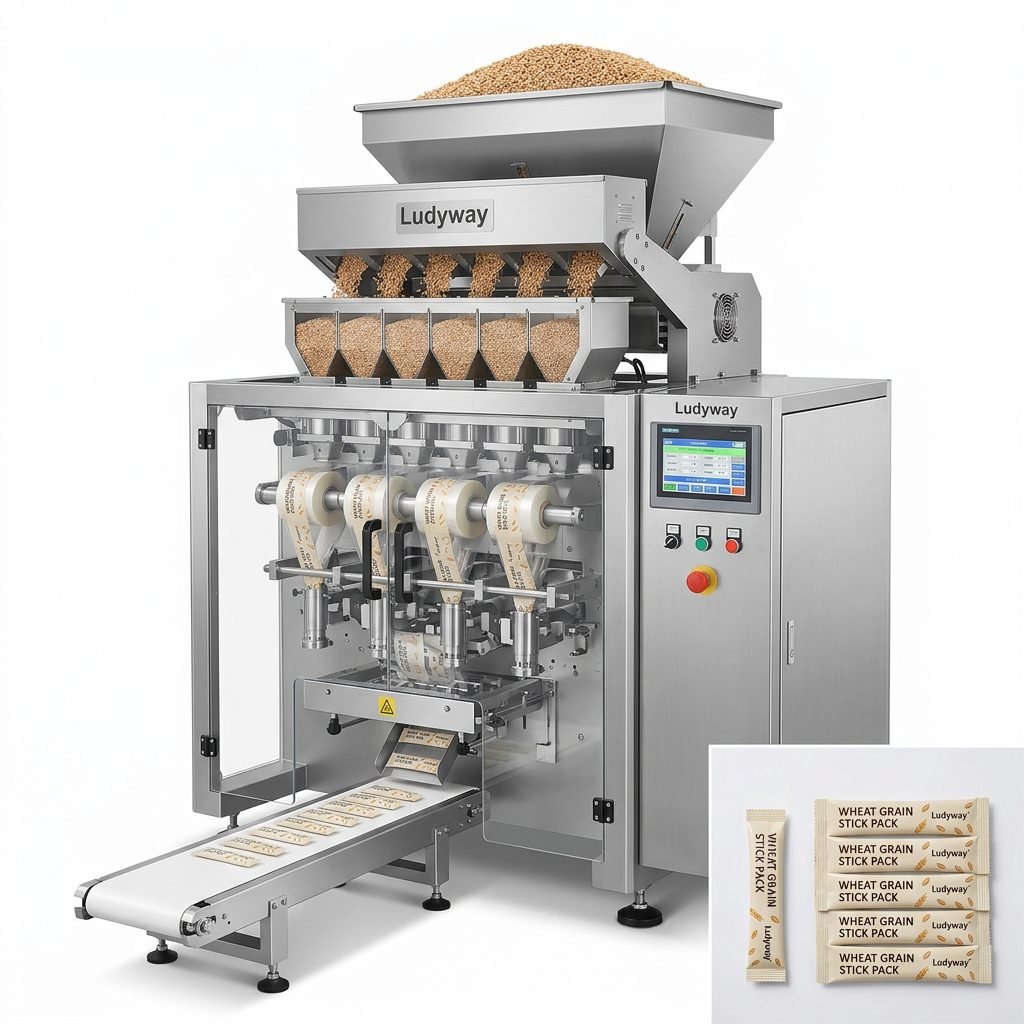
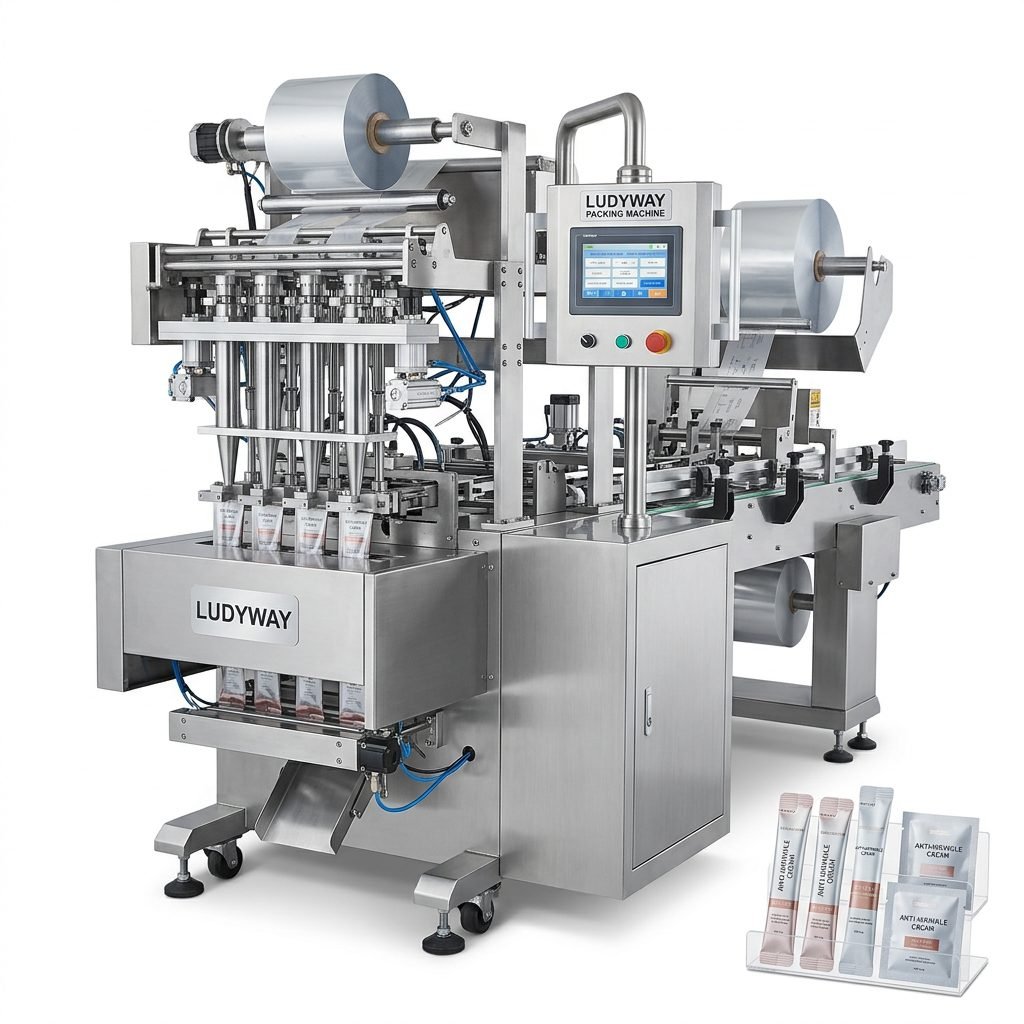
Form-Fill-Seal machines represent a high level of automation. They start from a roll of packaging film, form it into a bag (or pouch), precisely fill it with the measured rice, and then seal it—all in one continuous, integrated process. FFS machines are incredibly efficient, reduce packaging material handling, and ensure excellent seal integrity and hygiene. They can be paired with either volumetric or weighing filling systems.
Pre-Made Bag Machines
These machines are designed to work with bags that are already manufactured and supplied on rolls (e.g., pillow bags with gussets). The machine’s function is to open, fill, and seal these pre-formed bags. This can be an excellent option for businesses that require specific, complex bag designs or materials that are difficult to form from a roll. They offer great flexibility in bag presentation.
Tangible Benefits of Automating Your Rice Packaging
Moving from manual or semi-automatic packaging to a fully automated system unlocks a multitude of advantages that extend across your entire operation.
→ Dramatically Increased Production Speed: Automated machines can package hundreds, even thousands, of bags per hour, a rate impossible to achieve manually. This allows you to scale production to meet demand efficiently.
→ Unmatched Consistency and Accuracy: Every bag is filled, sealed, and labeled identically. This eliminates human error in weight and creates a uniform, professional product appearance that builds brand credibility.
→ Significant Labor and Cost Savings: Automation reduces reliance on large manual labor teams for repetitive tasks, lowering long-term operational costs and minimizing risks associated with labor shortages.
→ Enhanced Hygiene and Product Safety: Closed automated systems minimize human contact with the product, reducing the risk of contamination. This is critical for food safety standards like HACCP, GMP, and FDA regulations.
→ Reduced Material Waste: Precise filling controls minimize product “giveaway,” and advanced sealing technologies ensure strong seals that reduce the risk of leaky bags and returns.
A Step-by-Step Guide to Choosing the Right Machine
Selecting a machine requires a careful assessment of your current and future needs. Follow this framework to guide your decision.
1. Assess Your Production Requirements
- Output Speed: How many bags (e.g., 1kg, 5kg, 25kg) do you need to produce per minute or per hour? This is your primary driver for machine capacity.
- Bag Size and Type: Define your range of bag sizes and styles (pillow bag, gusseted bag, stand-up pouch). Ensure the machine can handle the minimum and maximum dimensions.
- Product Characteristics: Consider the grain size, shape, and flowability of your specific rice variety, as this can affect the choice of filling mechanism.
2. Evaluate Key Machine Features
Critical Features Checklist:
Filling Accuracy: Is volumetric filling sufficient, or do you need a precision weigher?
Sealing Technology: Look for robust heat sealing systems with consistent temperature control for reliable, leak-proof seals.
Construction & Hygiene: The machine should be built from food-grade stainless steel (especially contact parts) for durability and easy cleaning.
Changeover Ease: How quickly and easily can you switch between different bag sizes? Quick-change features drastically reduce downtime.
Control System: A user-friendly PLC-based touchscreen interface allows for easy operation, recipe storage, and diagnostics.
3. Consider Supplier Reliability and Support
The machine is only as good as the company behind it. Partner with a supplier known for quality and support. Ludyway Machinery, for instance, brings over a decade of focused experience in providing packaging solutions. A reliable partner will offer comprehensive after-sales service, readily available spare parts, and thorough operator training to ensure your line runs smoothly for years. Review their company profile and client testimonials to gauge their expertise and commitment.
4. Plan for Integration and Future Growth
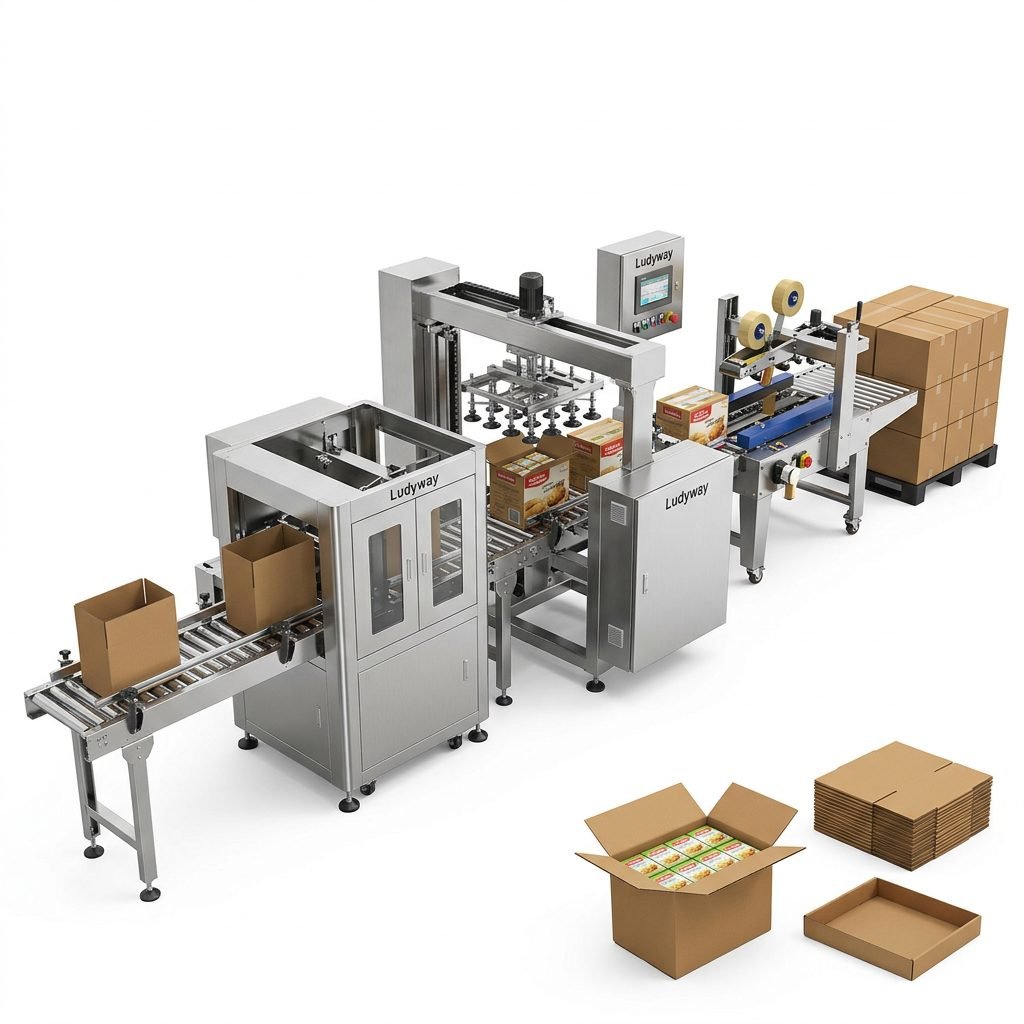
Think beyond the single machine. Can it be integrated with upstream equipment (like elevators) or downstream systems (like checkweighers, metal detectors, or case packers)? Furthermore, choose a machine with some capacity headroom to accommodate future increases in demand without requiring another major capital purchase.
Conclusion: Packaging as a Strategic Advantage
Investing in a modern rice packaging machine is a decisive step toward operational excellence. It streamlines your process, safeguards your product quality, and presents your brand in the best possible light. By thoroughly understanding the different machine types, clearly defining your requirements, and partnering with a credible supplier like Ludyway Machinery, you can implement a solution that delivers reliability, efficiency, and a strong return on investment. The right packaging system doesn’t just pack rice; it protects your reputation and fuels your growth.
Frequently Asked Questions (FAQs)
What is the main difference between volumetric and weighing machines for rice?
Volumetric machines fill by a set volume (using cups), which is faster and more economical but slightly less precise. Weighing machines fill by exact weight (using scales), offering superior accuracy essential for compliance and cost control but at a higher investment.
Can one machine handle different bag sizes, like 1kg and 5kg bags?
Yes, many modern machines are designed for quick changeover. Look for models with adjustable forming tubes, seal jaws, and bag conveyors that can be altered without extensive tooling or downtime.
How important is the construction material of the machine?
Extremely important. For food contact, stainless steel (especially grades like 304 or 316) is mandatory for hygiene, corrosion resistance, and ease of cleaning. It ensures compliance with food safety standards and long-term durability.
What kind of maintenance does an automated rice packer require?
Regular maintenance includes daily cleaning, lubrication of moving parts as per the manual, inspection of seals and wear parts, and calibration of weighing systems (if applicable). A good supplier will provide a clear maintenance schedule and training.
Should I choose a Form-Fill-Seal machine or a Pre-Made Bag machine?
FFS machines are generally more efficient and cost-effective on packaging material for standard bag designs. Pre-made bag machines offer greater flexibility for complex, pre-printed bag designs. Your choice depends on your desired bag aesthetics, material costs, and production volume.