Investing in a tea pouch packing machine is a significant decision for any tea manufacturer or co-packer. Whether you are launching a new herbal blend, scaling up production of traditional loose-leaf teas, or entering the lucrative single-serve market, the right equipment dictates your product quality, throughput, and ultimately, your bottom line. With a dizzying array of technologies available—from simple vertical form fill seal (VFFS) machines to sophisticated multi-lane stick pack systems—the selection process can feel overwhelming. This guide breaks down the essential factors to evaluate, ensuring you choose machinery that aligns perfectly with your production goals, packaging materials, and industry benchmarks.
Understanding Your Tea Product and Packaging Format
Before comparing machine specifications, you must define your product’s physical characteristics and your desired packaging style. This is the single most critical step. A machine designed for free-flowing granules will not handle fine dust or large leaf fragments efficiently.
- Product Flow Characteristics: Is your tea free-flowing (like standard cut black tea), semi-free-flowing, or non-free-flowing (like fine matcha powder or sticky herbal mixes)? This determines the type of dosing mechanism you need—volumetric cups, auger fillers, or multi-head weighers.
- Particle Size and Density: Large, whole-leaf teas require gentle handling and wider forming tubes, whereas powdered teas demand tight sealing to prevent dust contamination.
- Packaging Format: Are you producing traditional tea bags with strings and tags, pillow pouches, gusseted stand-up pouches, or stick packs? The sealing configuration and film handling differ drastically for each. Check the Flexible Packaging Association’s resources for sustainable material compatibility.
- Bag Size and Fill Weight: Multi-lane machines can produce numerous small sachets per cycle, boosting speed, while single-lane robust machines might be better for larger, family-sized pouches.
Key Machine Types: VFFS vs. Multi-Lane vs. Pre-Made Pouch
The core engine of your line is the packaging machine itself. Most tea operations fall into three categories, each with distinct advantages.
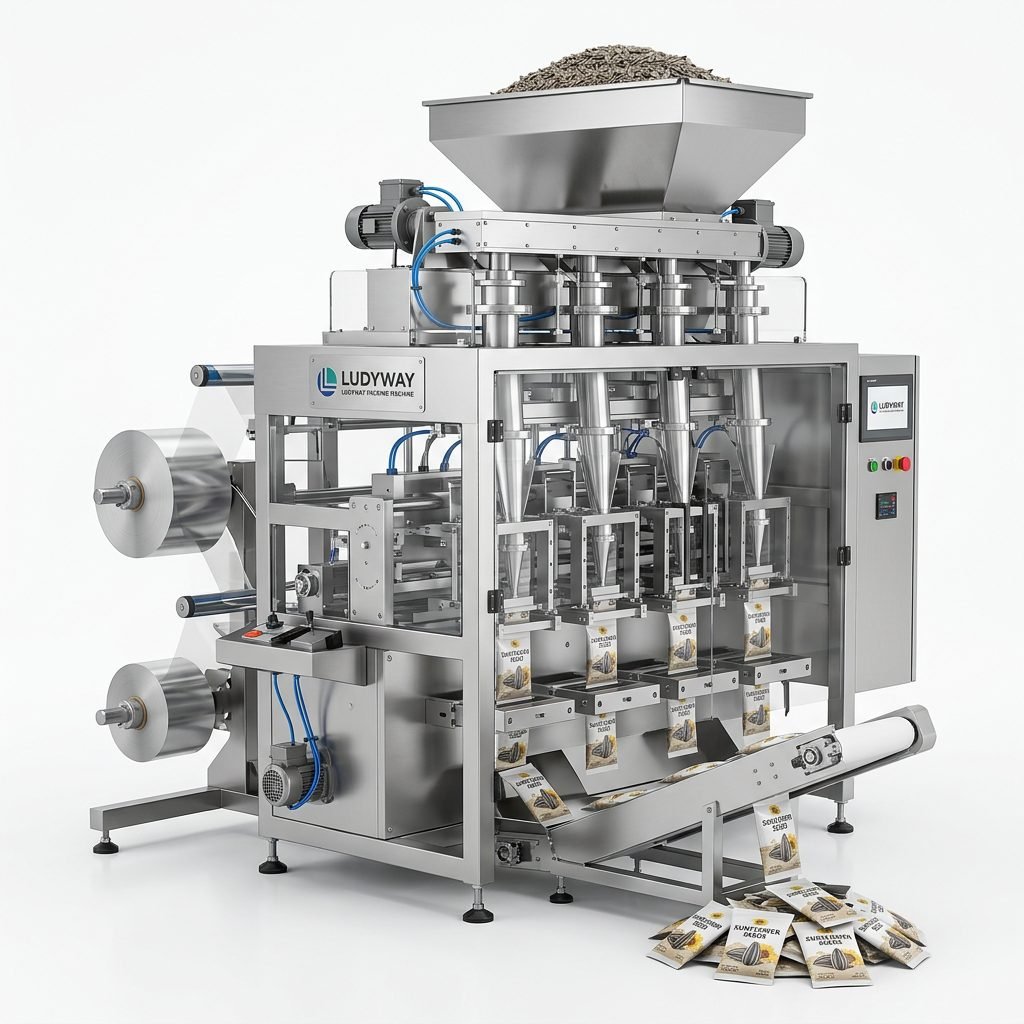
1. Vertical Form Fill Seal (VFFS) Machines
These are the workhorses of the industry. Film is pulled from a roll, formed into a tube, filled, and sealed vertically. For high-volume tea pouches, VFFS machines offer simplicity and cost-effectiveness. They are ideal for a wide range of bag styles but typically operate with fewer lanes than dedicated stick pack systems.
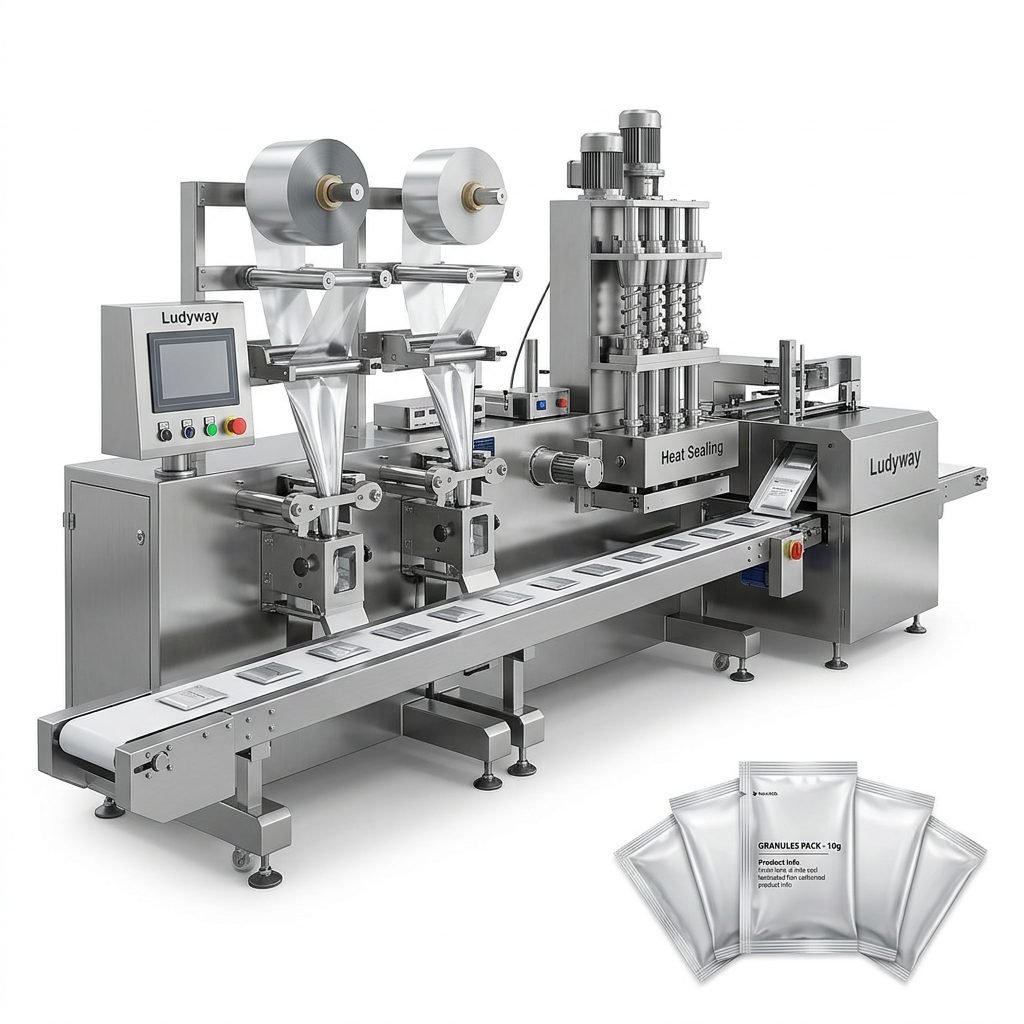
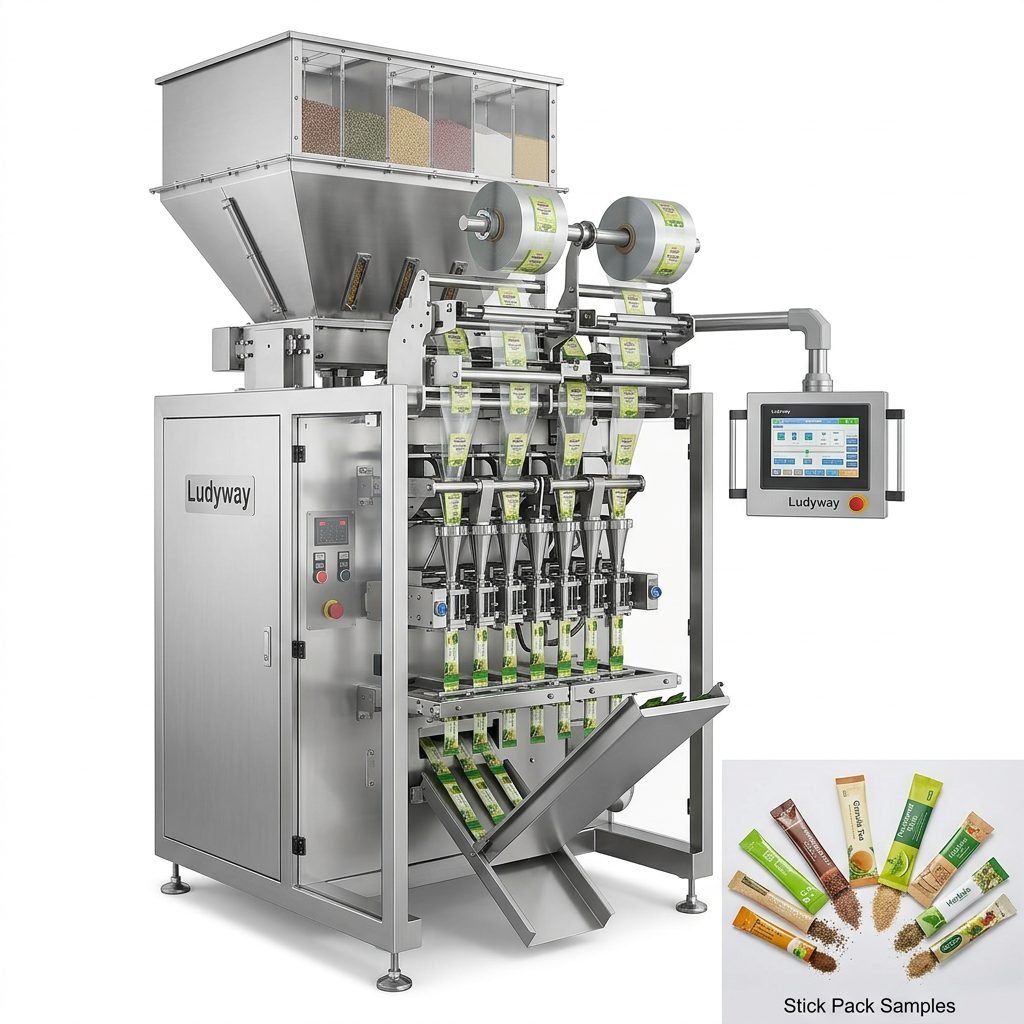
2. Multi-Lane Stick Pack and Sachet Machines
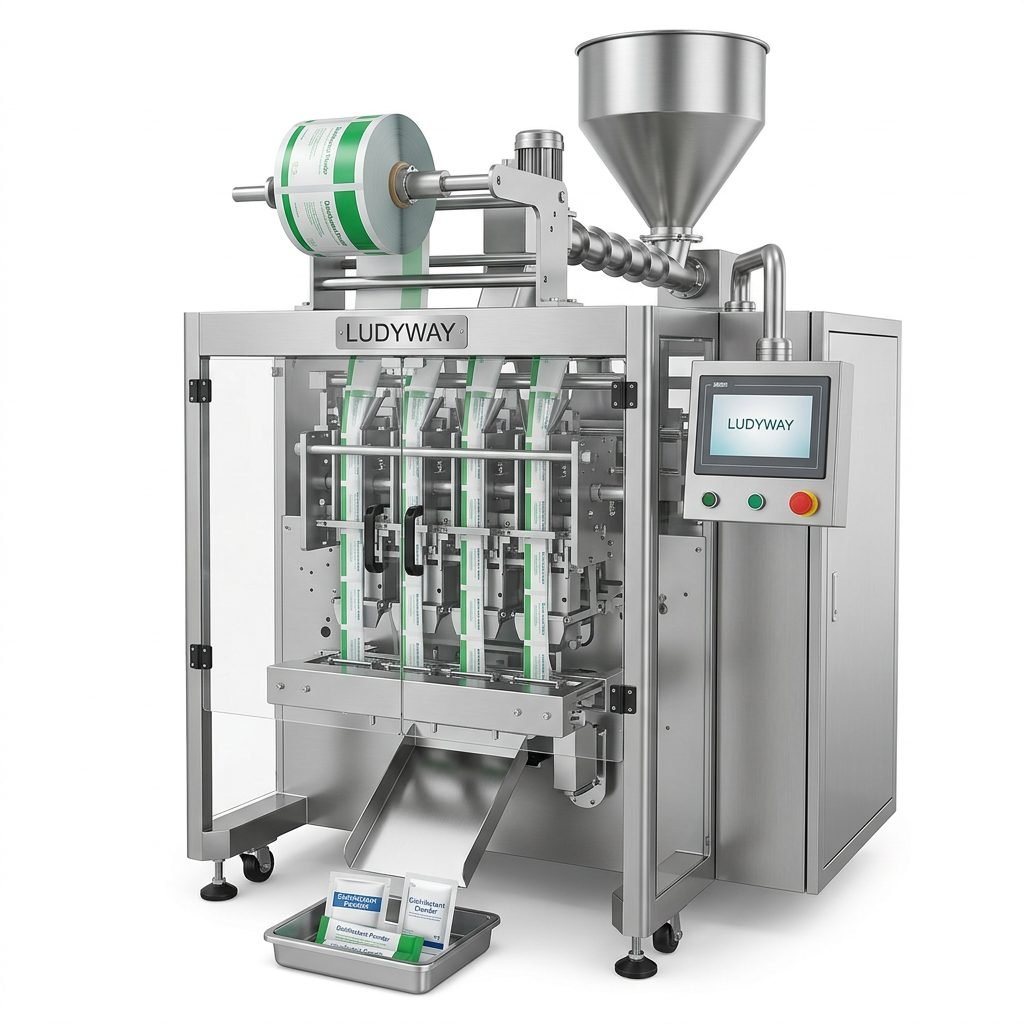
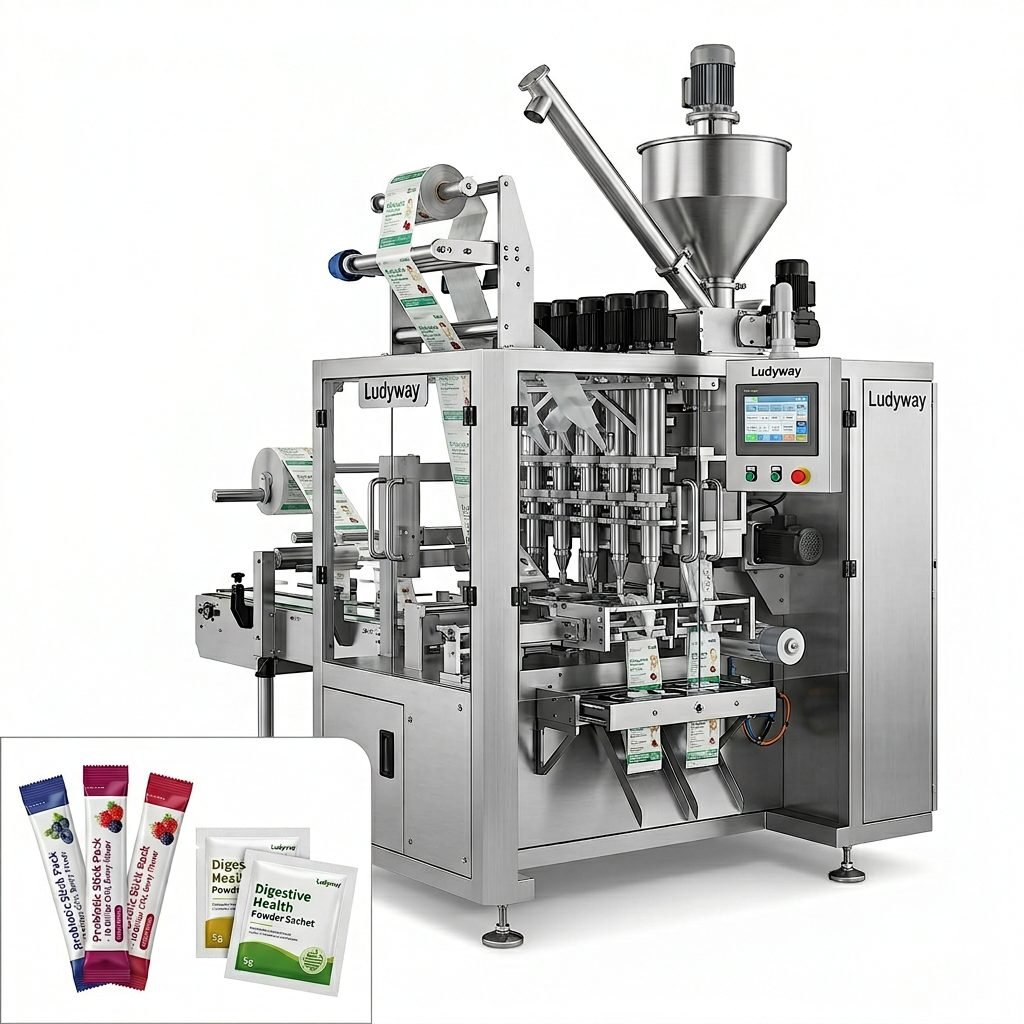
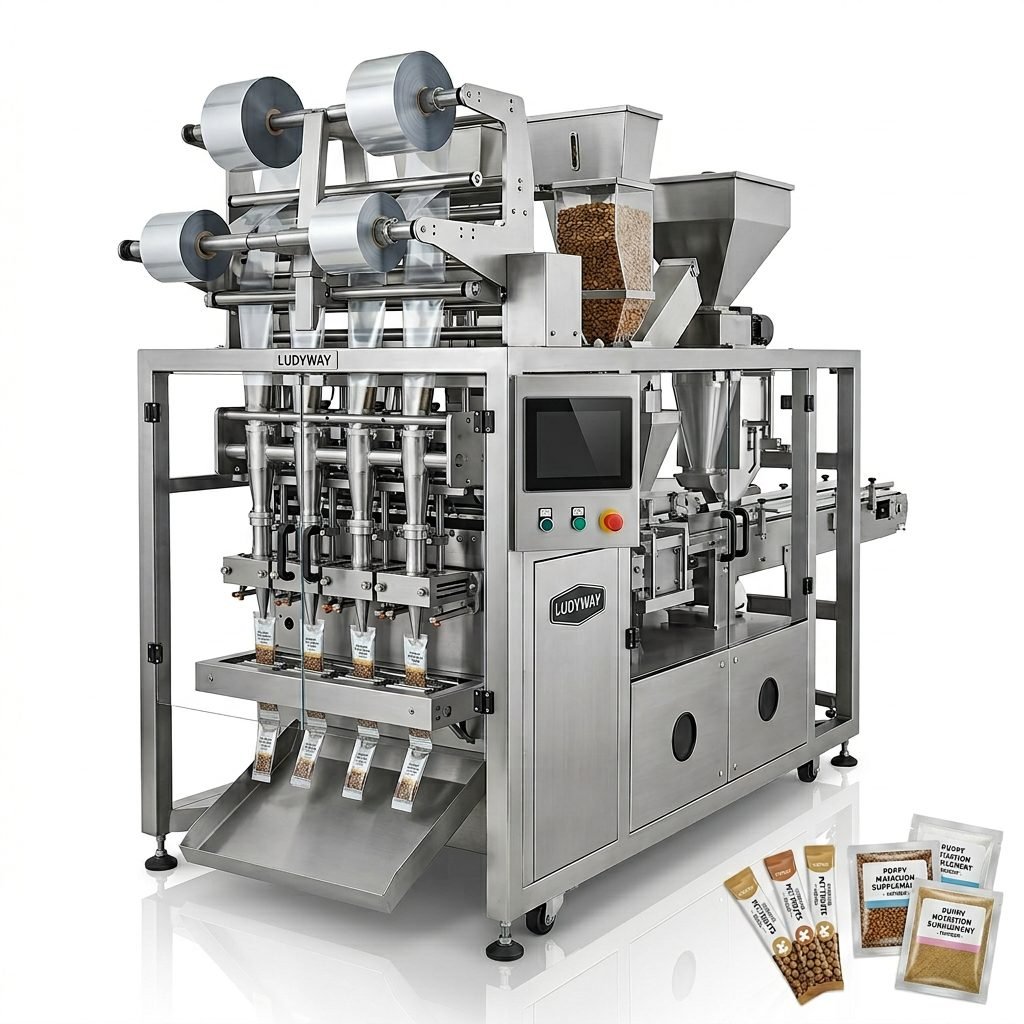
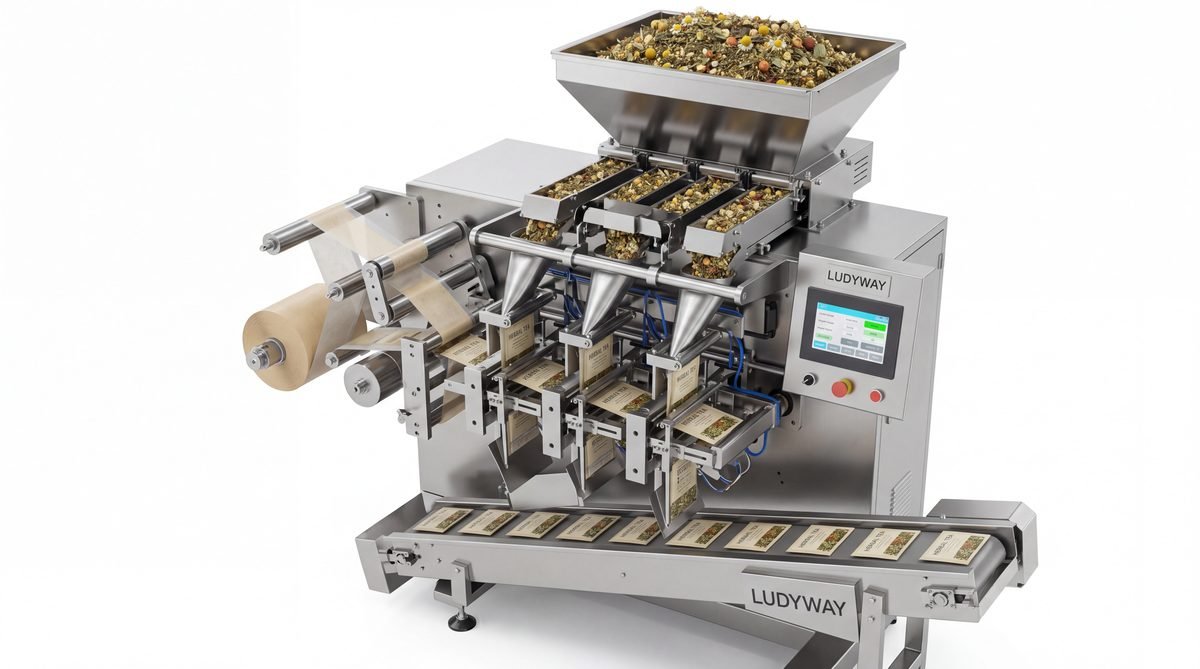
If your goal is high-speed production of single-serve sachets, a multi-lane tea pouch packing machine is the go-to solution. These machines run parallel lanes simultaneously, dramatically increasing output. They are perfect for the booming on-the-go tea market but require precise film tracking and tension control. Modern models integrate seamlessly with ISO packaging standards for safety and efficiency.
3. Rotary Pre-Made Pouch Machines
For premium products requiring stand-up pouches with zippers, spouts, or unique shapes, rotary pick-and-place systems are superior. They handle complex bag structures and offer premium shelf appeal, though typically at lower speeds than multi-lane VFFS lines.
Critical Filling and Dosing Technology
Accuracy in measuring your tea blend directly impacts your profit margin. Overfilling gives away product, and underfilling risks regulatory penalties.
- Auger Fillers: Best for fine powders like matcha or latte mixes. They use a rotating screw to consistently dispense the product, containing dust effectively.
- Volumetric Cups: Suitable for uniform, free-flowing granules. While fast, they require consistent product density to maintain accuracy.
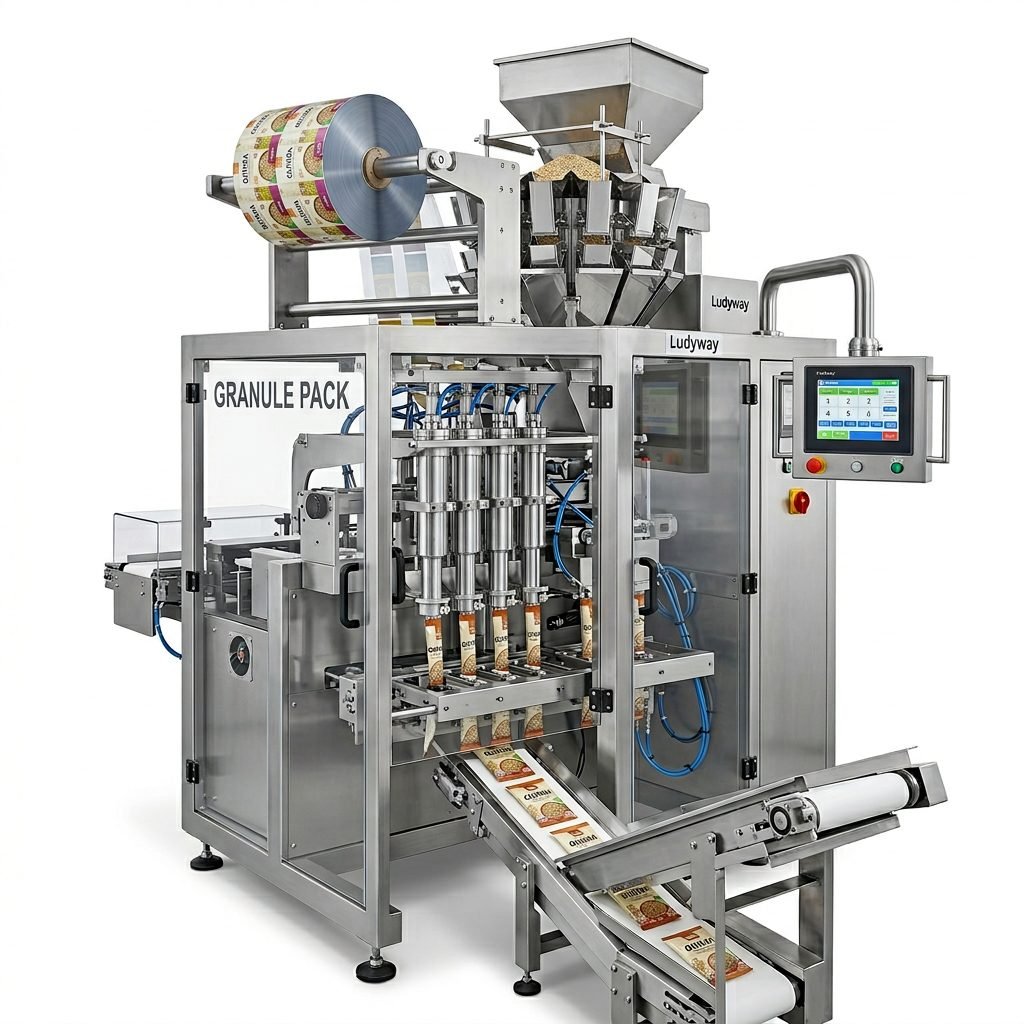
- Multi-Head Weighers: The gold standard for accuracy and speed. Computerized combinations weigh different portions and combine them for the final target weight. Essential for mixes with large leaf fragments or uneven densities.
- Liquid Pumps: Necessary if you are packaging tea concentrates or ready-to-drink liquid shots into pouches.
Comparing Machine Configurations by Feature
Identifying the right specifications requires a structured comparison. The table below outlines basic evaluation tiers for a standard tea operation.
| Feature | Entry-Level / Manual | Mid-Range Automated | High-Speed Fully Integrated |
|---|---|---|---|
| Operation Type | Semi-automatic, single lane | Automatic, up to 4 lanes | Fully automatic, 8+ lanes with turnkey integration |
| Suitable Products | Uniform granules, whole leaf | Standard teas, some dust | Fine powders, complex blends, multi-format |
| Changeover Time | Long, manual adjustments | Moderate, servo-driven | Very short, recipe-based automatic setup |
| Key Compliance | Basic CE / basic safety | Full CE, GMP-ready design | Stainless steel IP65 construction, global certs |
| Typical Output | 20–40 pouches/min | 60–120 pouches/min | 200–600+ pouches/min |
Sealing Technology and Material Compatibility
The seal is the most critical point of the finished tea pouch. A poor seal leads to staleness, spillage, and returns. Ensure your selected machine can effectively seal the exact film structure you plan to use.
Tea packaging is moving toward eco-conscious structures, including PLA-based biofilms and paper-based laminates with a thin sealant layer. These materials require precise heat control and often specialized ultrasonic sealing technology to avoid burning or leaking. Thermal resistivity and seal pressure must be tuned for films that might be affected by oily tea blends, such as Earl Grey or chai. The FDA’s guidelines on food contact substances provide essential data for material safety and compliance.
Automation and Integration: Building a Complete Line
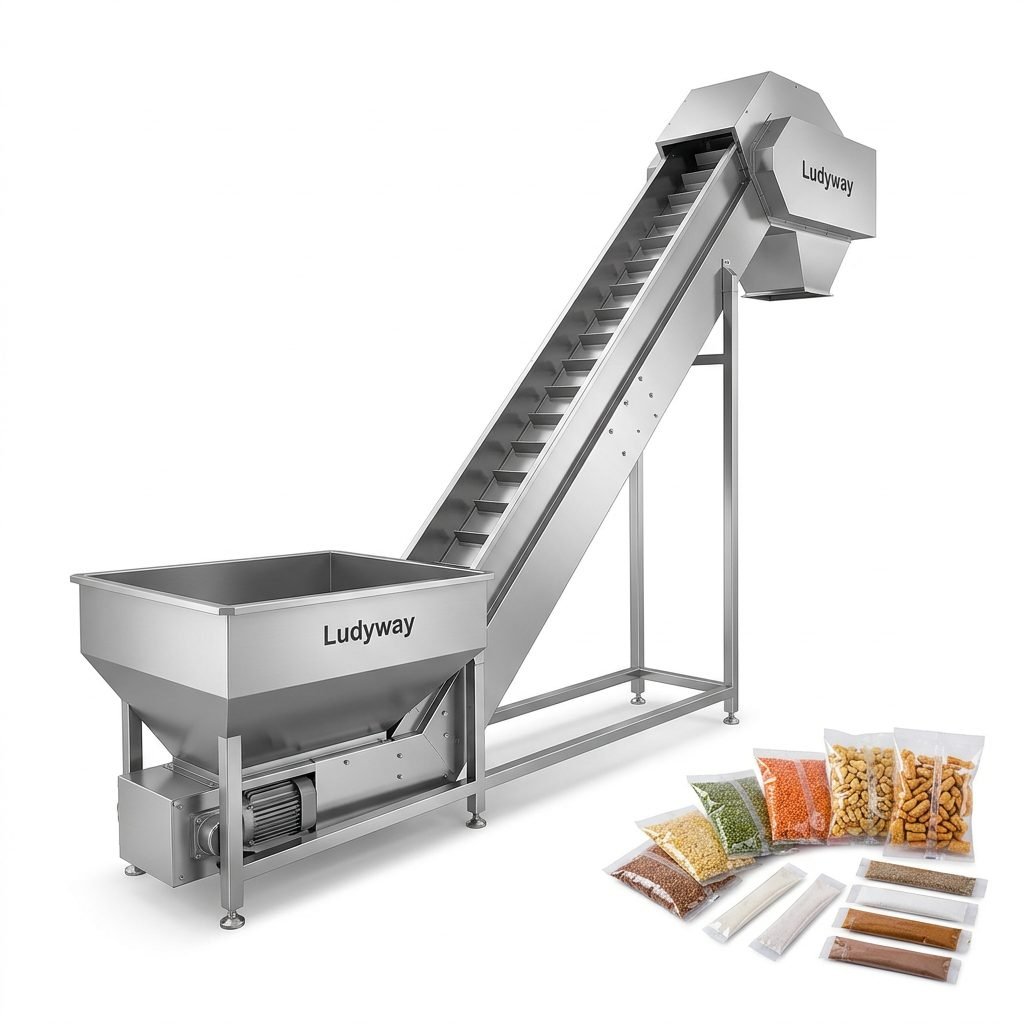
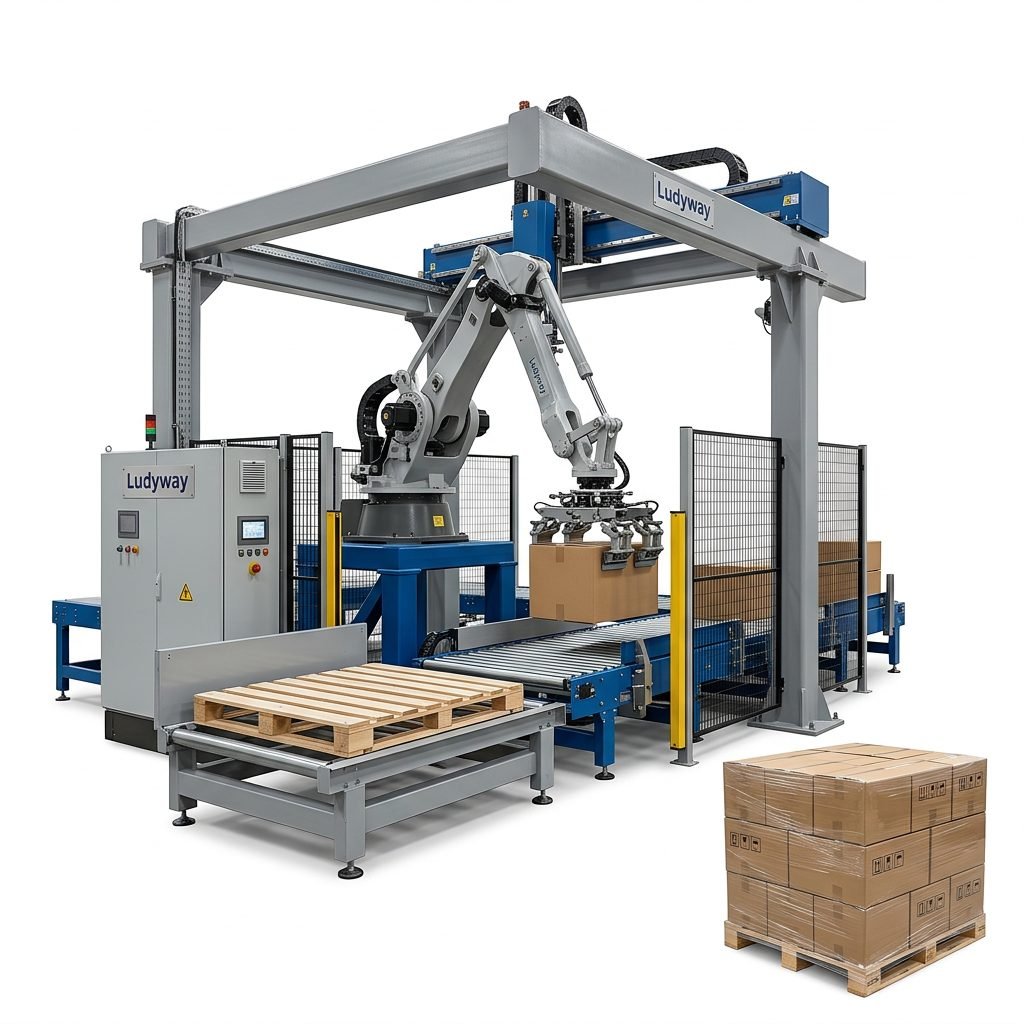
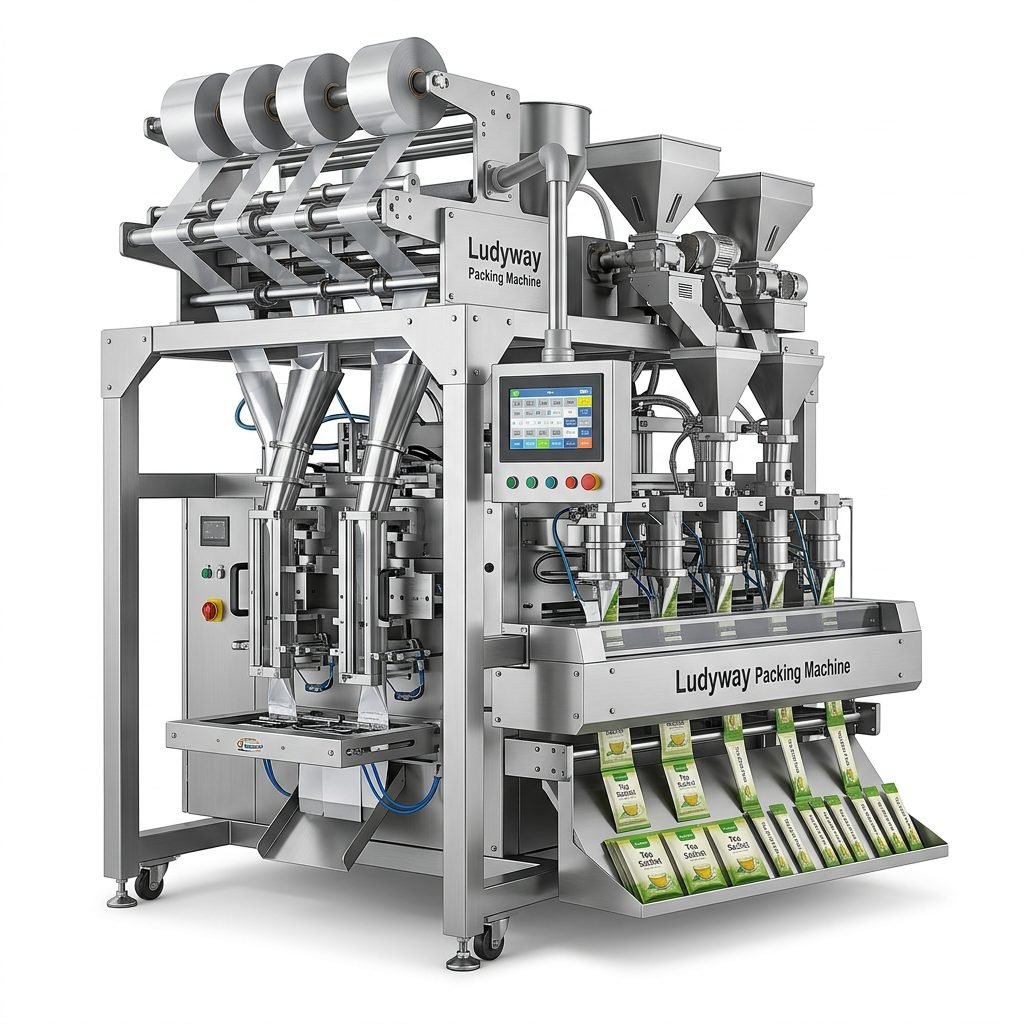
A solitary machine packs tea, but an integrated line builds a business. When sourcing a tea pouch packing machine, consider how it fits with ancillary equipment. Options range from basic conveyor outfeed to fully automated, turnkey lines that include cartoning, case packing, and palletizing. Robotic pick-and-place systems can dramatically reduce manual labor for secondary packaging. Checkweighers and inline vision inspection systems are non-negotiable for quality assurance, automatically rejecting pouches with faulty seals or incorrect weights. A major manufacturer in this space, Ludyway Machinery, combines extensive manufacturing expertise with engineering capabilities to configure integrated systems that connect multiple stages of the packaging process without sacrificing floor space.
Sanitation and Design for Tea Dust
Tea dust, particularly fine matcha or powdered supplements, is highly invasive. Over time, it can damage bearings, sensors, and sealing jaws. Construction matters. Look for machines with fully welded stainless steel frames, IP65-rated electrical enclosures, and sloping surfaces that prevent product accumulation. Tool-free disassembly for cleaning dramatically reduces downtime between batches, which is critical if you run multiple flavors on a single line. Compliance with ISO 11607 for hygienic packaging is increasingly becoming a baseline requirement.
Choosing a Reliable Partner for Support and Scalability
Purchasing a machine is just the beginning. A reliable support infrastructure ensures you can resolve technical issues quickly, anywhere in the world. Before committing, confirm your supplier’s approach to installation and commissioning, remote technical assistance, and local spare parts availability. The machine should also be scalable; a modular design lets you add more lanes or upgrade dosing technology as demand grows without buying entirely new equipment. Verify that the OEM can provide documented design history and compliance documentation matching your regional requirements, from electrical schematics to PMMI packaging machinery technical resources.
Return on Investment and Total Cost of Ownership
While the upfront price is a key figure, a low purchase price often hides a high total cost of ownership. Accurate dosing and minimal product giveaway often provide the fastest return on investment for premium tea products. Additionally, a machine with efficient film handling minimizes waste during roll changes, directly lowering your consumable costs. Evaluate energy efficiency and the availability of remote technical assistance, which can minimize the need for costly emergency on-site repairs.
Selecting the optimal tea pouch packing machine ultimately hinges on a perfect alignment between your product’s delicate nature and the machine’s mechanical precision. By focusing on dosing accuracy, seal integrity, and long-term service support rather than just initial cost, you secure a packaging asset that preserves the sensory experience of your tea for years to come.