Investing in a tin packaging machine is a significant decision for manufacturers handling metal containers, canned products, or rigid packaging formats. Whether you’re sealing canned foods, beverages, aerosols, or industrial products, the right equipment directly impacts your production efficiency, product integrity, and long-term operational costs. This comprehensive buyer’s guide walks you through the essential factors to evaluate before making your purchase.
1. Understand Your Product and Packaging Requirements First
Before comparing machine specifications, you need a clear picture of what you’re packaging. Product characteristics drive nearly every equipment decision. Consider these critical questions:
- What is the product form? Are you filling powders, granules, liquids, pastes, or solid items into tin containers? Each form requires a different dosing and filling mechanism.
- What are the container dimensions? Tin packaging comes in various shapes and sizes — round cans, rectangular tins, aerosol containers, and specialty formats. Your machine must accommodate your specific container range.
- What is your target fill volume? Whether you’re packing 50g of tea leaves or 5kg of industrial chemicals, the filling accuracy and speed depend on matching the machine to your volume requirements.
- Does the product require special handling? Oxygen-sensitive, hygroscopic, or sterile products may need modified atmosphere packaging (MAP), nitrogen flushing, or vacuum sealing capabilities integrated into your tin packaging line.
2. Key Factors to Evaluate When Choosing a Tin Packaging Machine
The table below summarizes the primary selection criteria you should assess when comparing different tin packaging equipment options:
| Selection Factor | What to Look For | Why It Matters |
|---|---|---|
| Production Speed | Cans per minute (CPM) rating, continuous vs. intermittent motion | Must match your current and anticipated throughput demands |
| Filling Accuracy | Dosing precision, tolerance range, servo-driven vs. volumetric systems | Minimizes product giveaway and ensures regulatory compliance |
| Container Compatibility | Adjustable guides, quick-change tooling, format flexibility | Critical if you run multiple SKUs or plan future product line expansions |
| Sealing Technology | Double-seam, induction seal, crimp seal, or vacuum closure | Determines shelf life, tamper evidence, and product protection |
| Automation Level | Manual, semi-automatic, fully automatic with inline integration | Affects labor requirements, consistency, and overall line efficiency |
| Material & Build Quality | Stainless steel construction, food-grade components, IP rating | Impacts durability, cleanability, and compliance with industry standards |
3. Packaging Format and Material Considerations
Your choice of packaging format significantly influences the machine configuration. While traditional tin packaging focuses on rigid metal containers, many manufacturers now explore flexible packaging alternatives for certain applications. Evaluate whether your product line requires:
- Rigid tin cans with traditional double-seam closures for maximum durability and shelf presence
- Composite containers combining metal ends with paperboard bodies for cost-sensitive applications
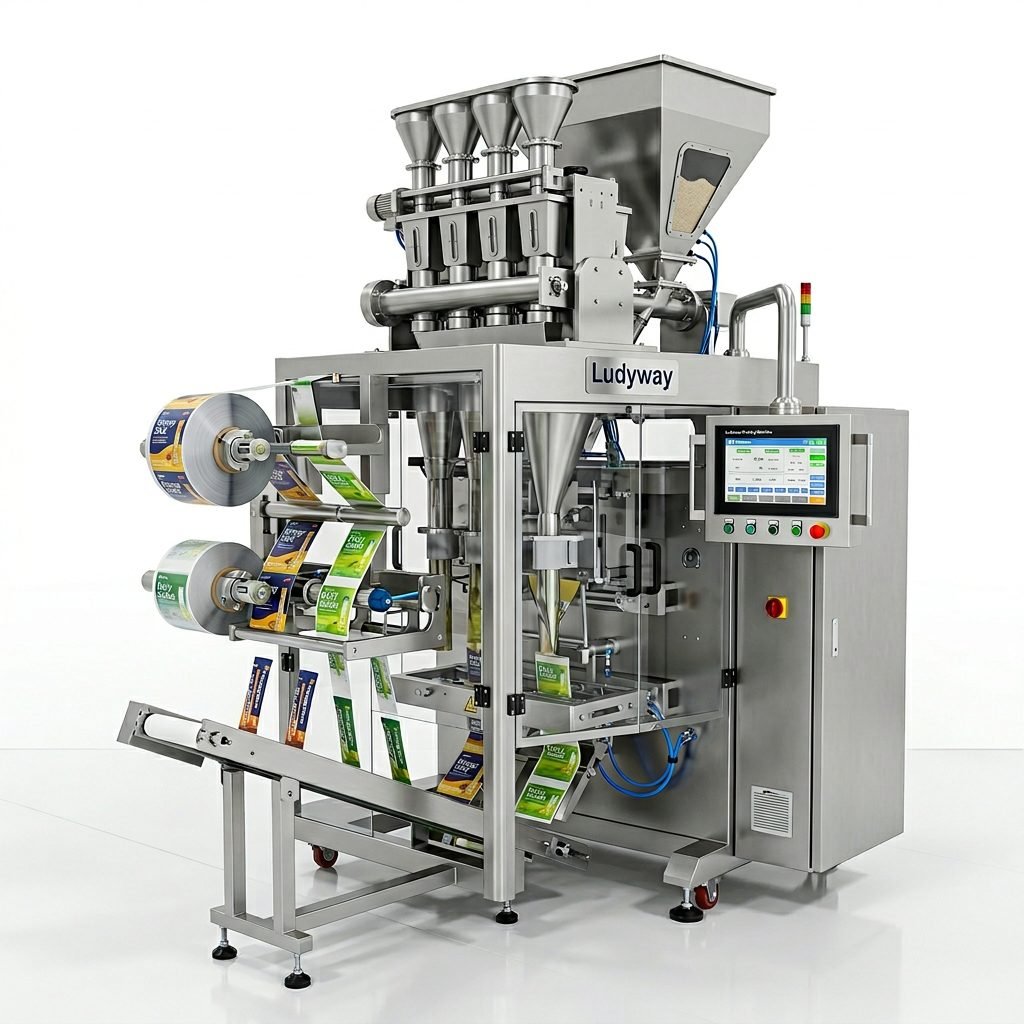
- Hybrid packaging strategies where some products transition to stick packs, sachets, or pouches for portion control and reduced material costs
According to PMMI packaging machinery market research, manufacturers increasingly adopt versatile packaging lines capable of handling multiple container types and formats to stay agile in changing markets.
4. Industry-Specific Requirements and Compliance
Different industries impose unique demands on tin packaging equipment. The machine you select must align with the regulatory framework of your sector:
Food and Beverage Industry
Food-grade tin packaging machines must comply with FDA food packaging regulations. Look for equipment with sanitary design features, easy-clean surfaces, and compatibility with food-safe lubricants. Hygiene and contamination prevention are paramount.
Pharmaceutical and Health Products
Pharmaceutical packaging demands precision dosing, tamper-evident sealing, and often cleanroom compatibility. Equipment should meet ISO 11607 standards for terminally sterilized medical devices when applicable. Serialization and track-and-trace capabilities are increasingly required.
Chemical and Industrial Products
For solvents, paints, adhesives, and industrial chemicals, tin packaging machines need corrosion-resistant components and often require explosion-proof configurations. Precise filling prevents hazardous spills and ensures worker safety.
5. Evaluating Automation and Integration Capabilities
A tin packaging machine rarely operates in isolation. Consider how the equipment will integrate into your broader production ecosystem:
- Upstream connectivity: Can the machine interface with your existing conveyors, feeding systems, and product handling equipment?
- Downstream integration: Does it connect seamlessly with labeling, coding, cartoning, case packing, and palletizing systems?
- Control system compatibility: Look for PLC-based controls with industry-standard communication protocols that enable centralized line monitoring and data collection.
- Future scalability: A modular machine design allows you to add capabilities — such as multi-lane configurations or automated inspection systems — as your production needs grow.
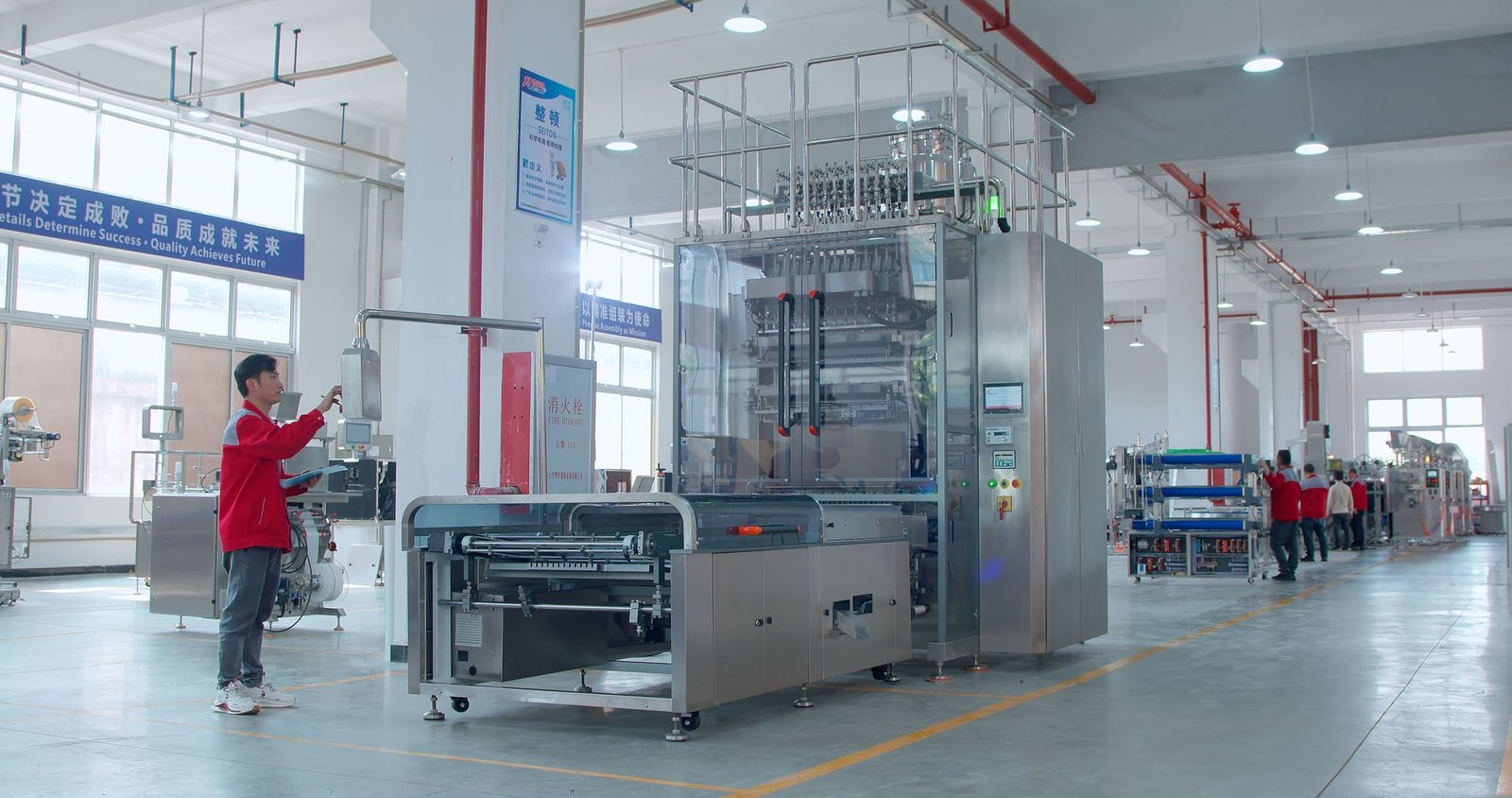
Leading packaging machinery manufacturers increasingly offer turnkey packaging solutions that encompass the entire line from filling to final palletizing, reducing integration risks and simplifying project management.
6. Supplier Evaluation: What to Look for Beyond the Machine
Choosing the right equipment goes hand in hand with choosing the right packaging machinery partner. Evaluate potential suppliers on these critical factors:
Manufacturing Experience and Track Record
Look for manufacturers with proven experience in your industry segment. A supplier with decades of engineering expertise can anticipate challenges and recommend configurations you might not have considered. Review their installation base, client testimonials, and case studies relevant to your product category.
Customization and Engineering Capabilities
Standard machines rarely fit every application perfectly. The best suppliers offer customized engineering solutions tailored to your specific product characteristics, container formats, and production goals. This is particularly important for manufacturers introducing new packaging formats or scaling up from manual to automated operations.
After-Sales Support and Service Network
Equipment downtime directly impacts your bottom line. Assess the supplier’s global service capabilities, including installation support, operator training, remote technical assistance, spare parts availability, and responsive troubleshooting. A supplier serving customers in more than 100 countries demonstrates the logistical infrastructure to support international operations.
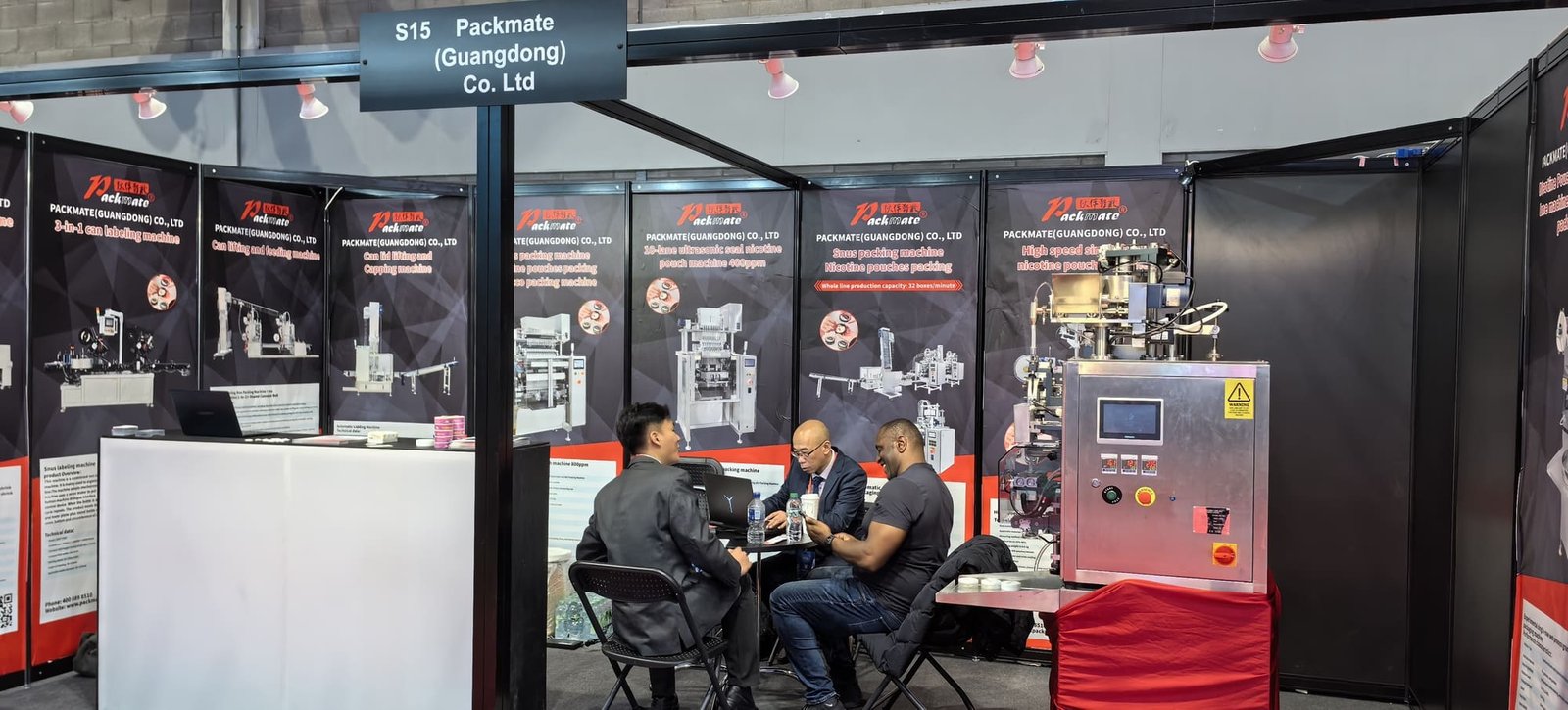
Quality Certifications and Standards Compliance
Verify that the manufacturer’s equipment can be configured to meet applicable international standards and regulatory requirements for your target markets. Certifications and compliance documentation should be readily available for relevant equipment configurations.
7. Total Cost of Ownership and ROI Analysis
Beyond the initial purchase price, calculate the total cost of ownership over the machine’s expected lifespan:
- Energy consumption and utility requirements
- Consumable parts and recommended spare parts inventory
- Preventive maintenance schedules and service contract costs
- Operator training and labor requirements
- Expected machine lifespan and depreciation
- Downtime risk and production loss potential
A slightly higher upfront investment in a reliable, well-engineered machine often yields significantly lower long-term costs through reduced maintenance, higher uptime, and consistent output quality.
8. Choosing a Trusted Packaging Machinery Partner
When selecting equipment for your tin packaging or broader packaging operations, working with an experienced manufacturer can streamline the entire process — from equipment selection through installation, commissioning, and ongoing technical support.
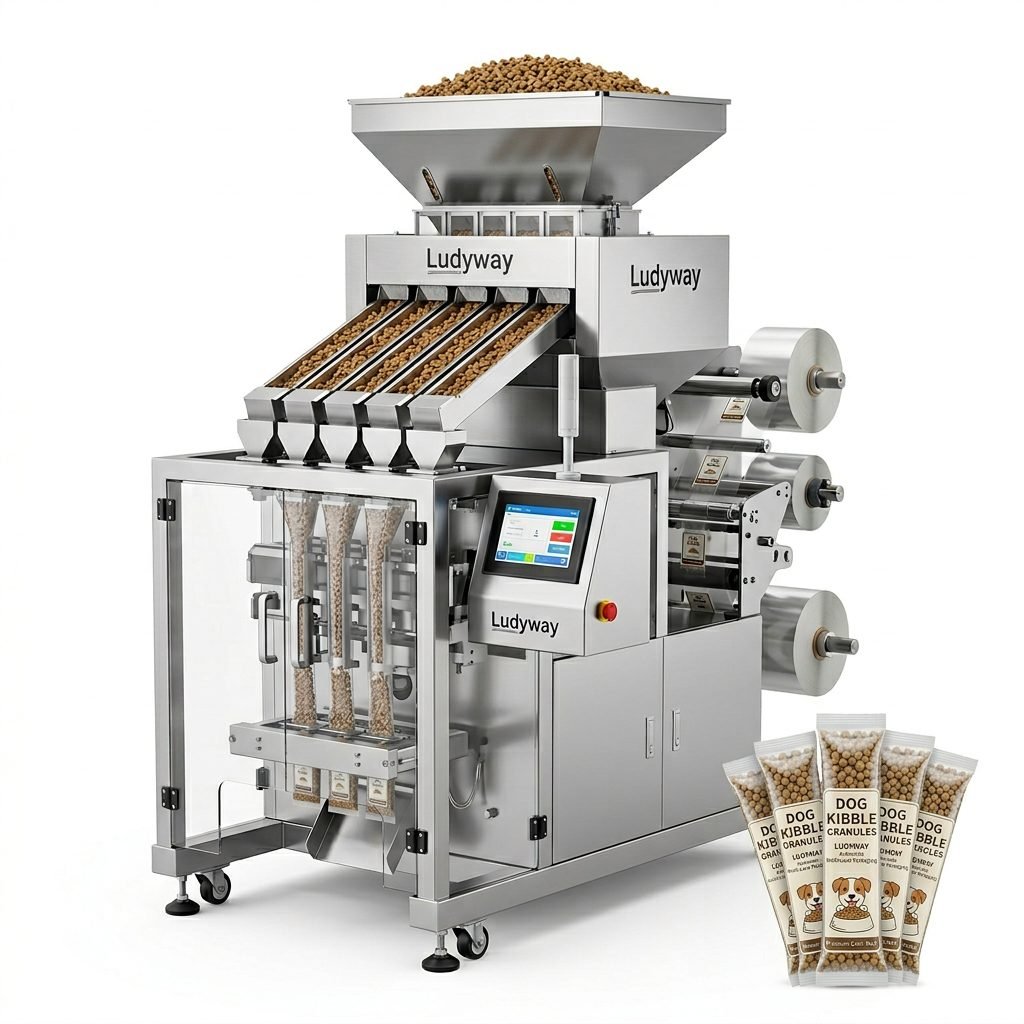
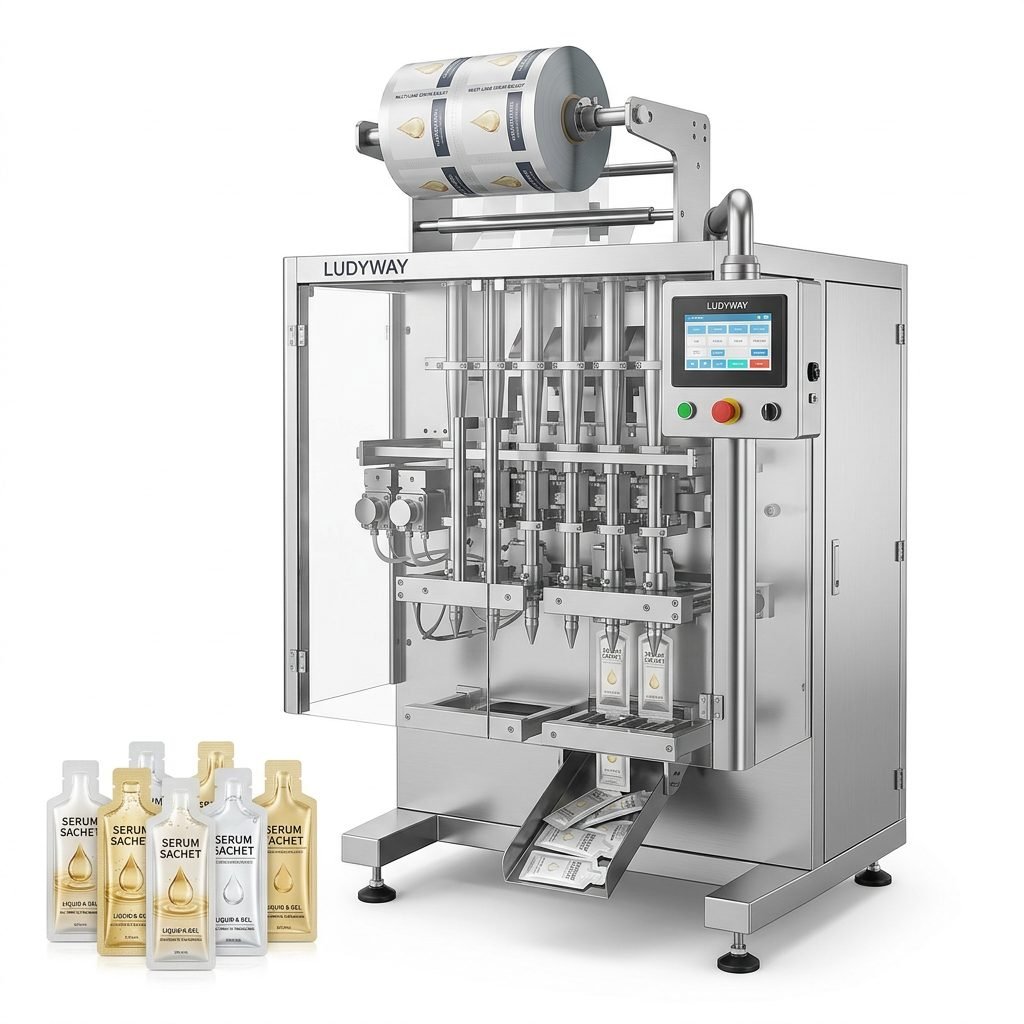
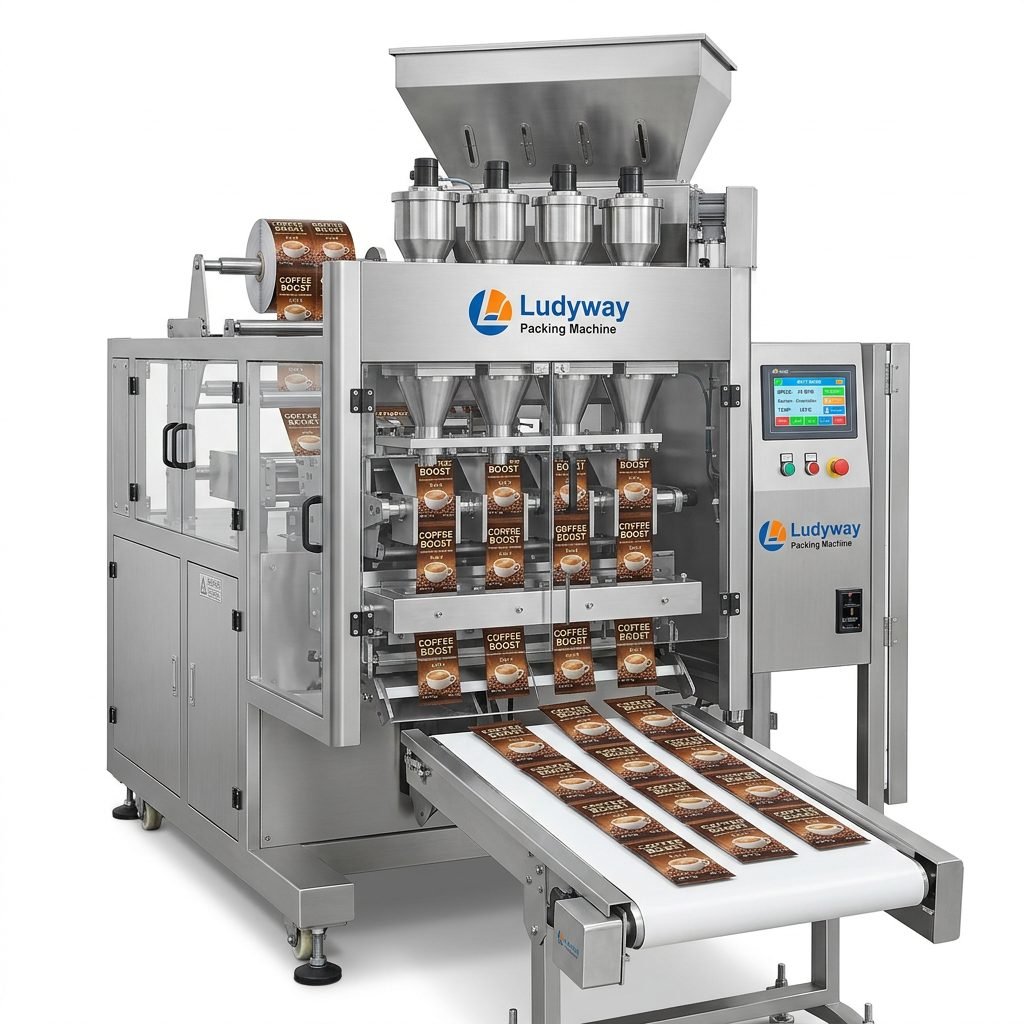
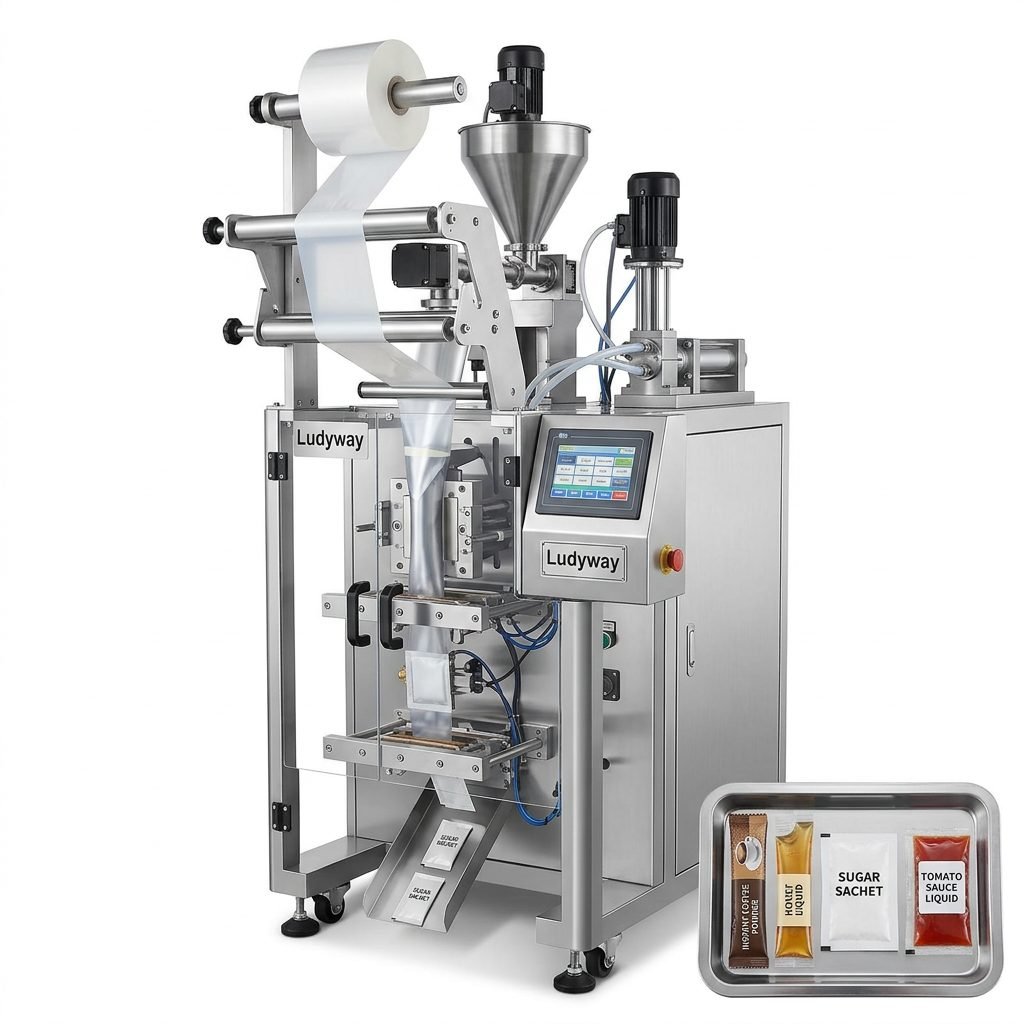
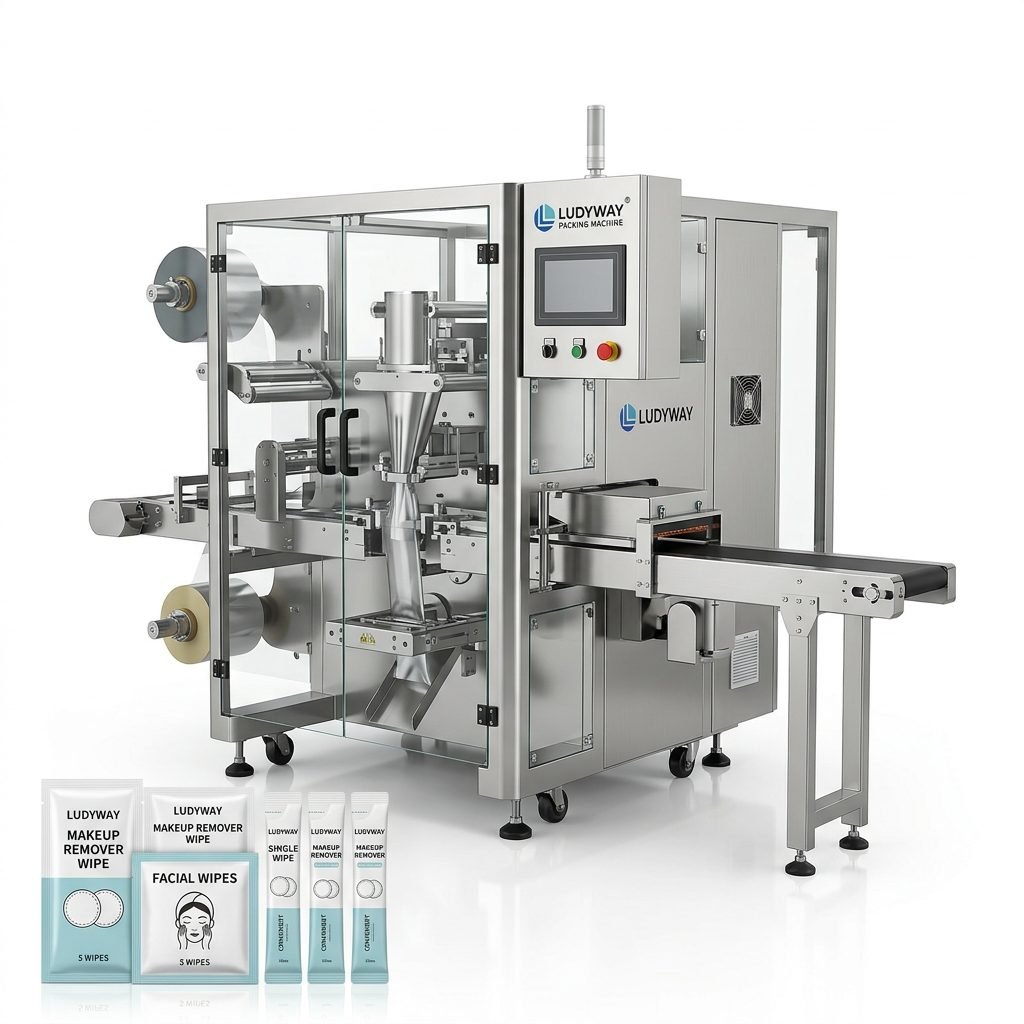
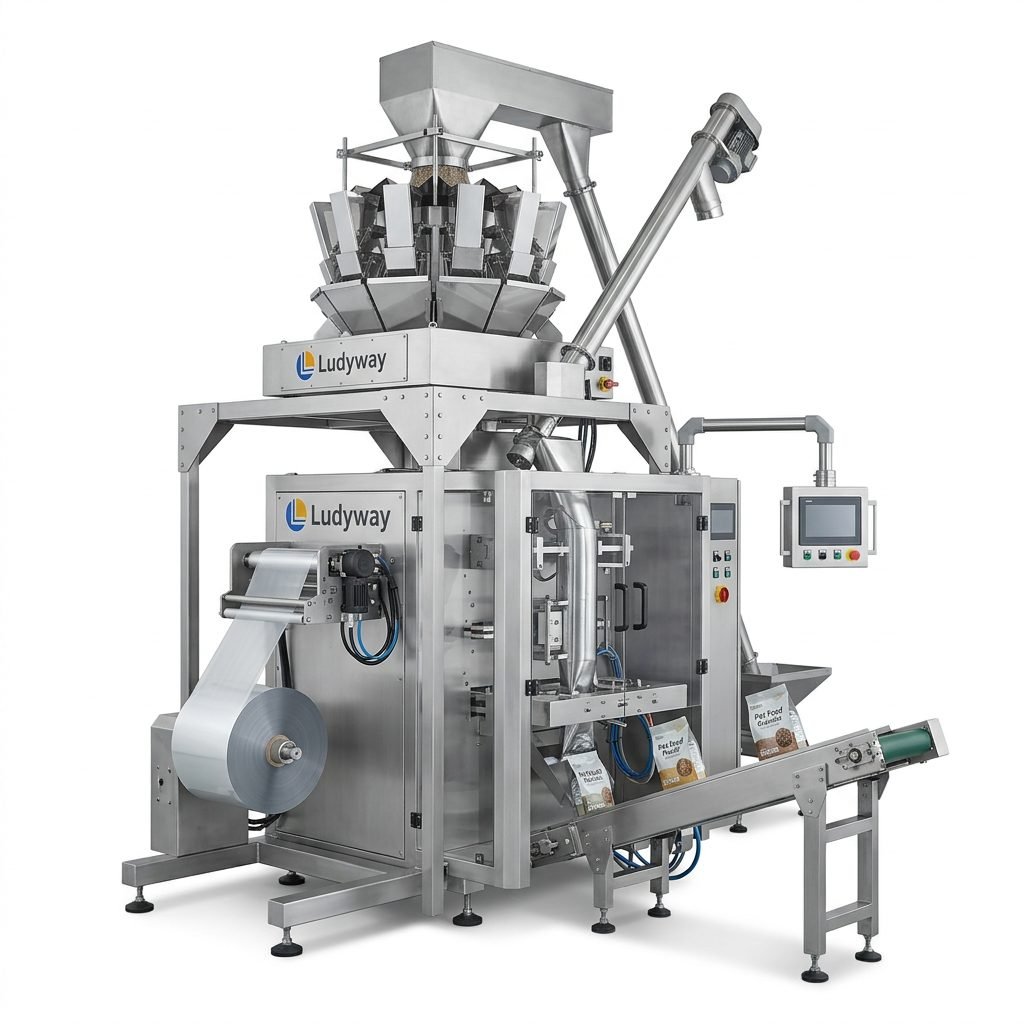
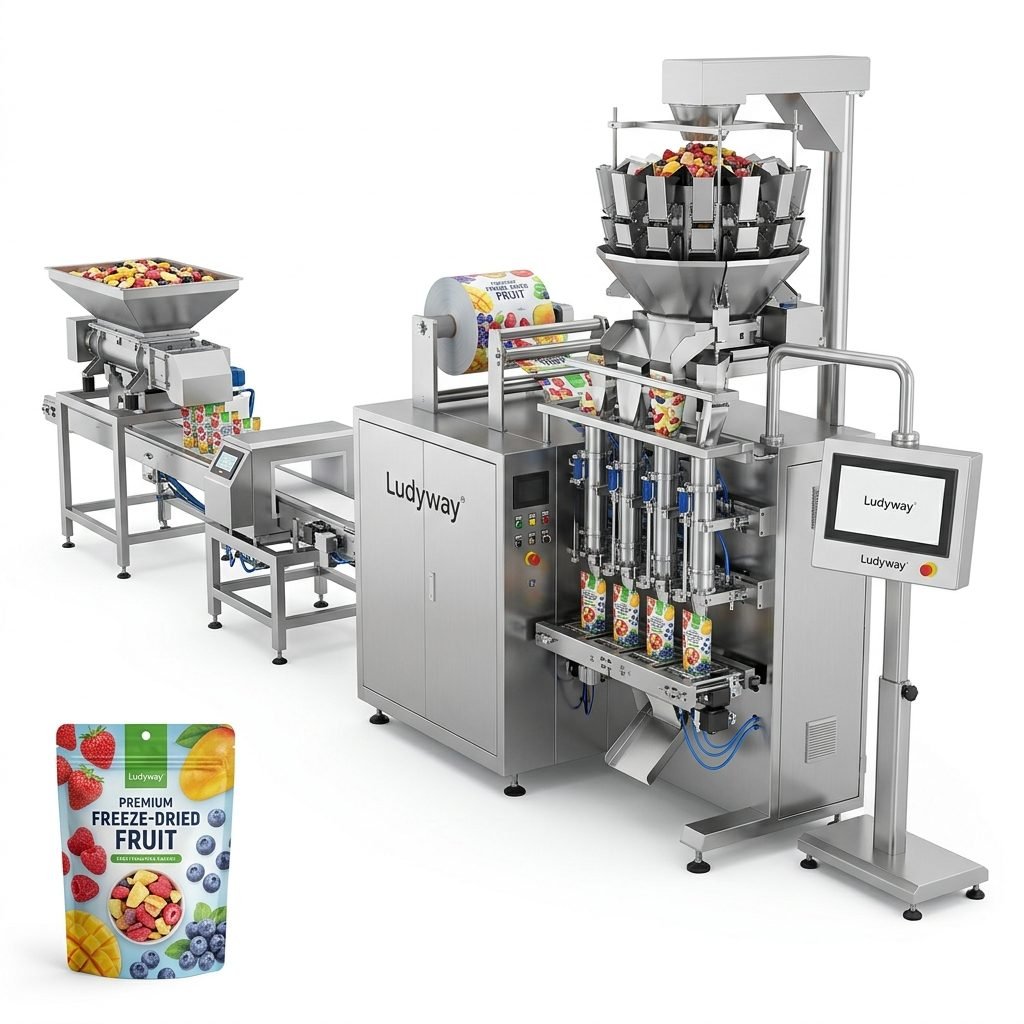
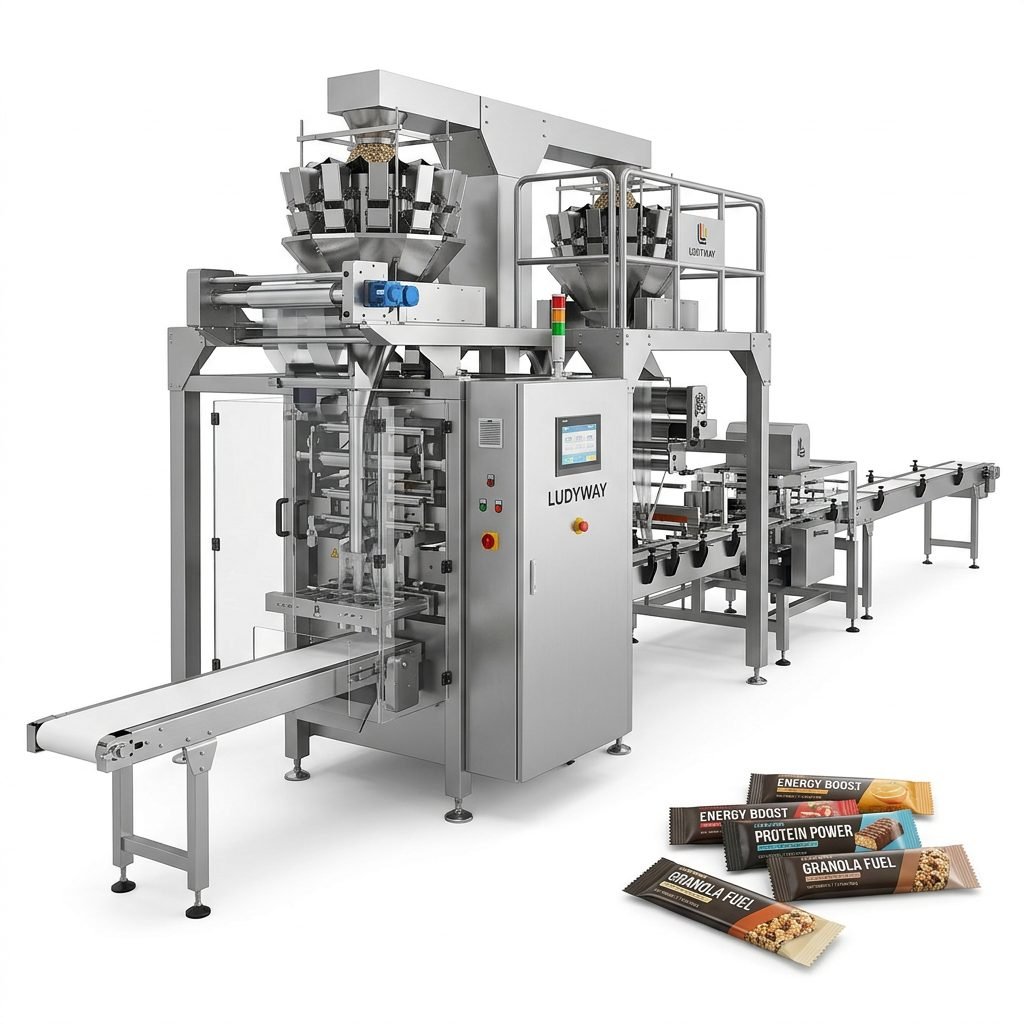
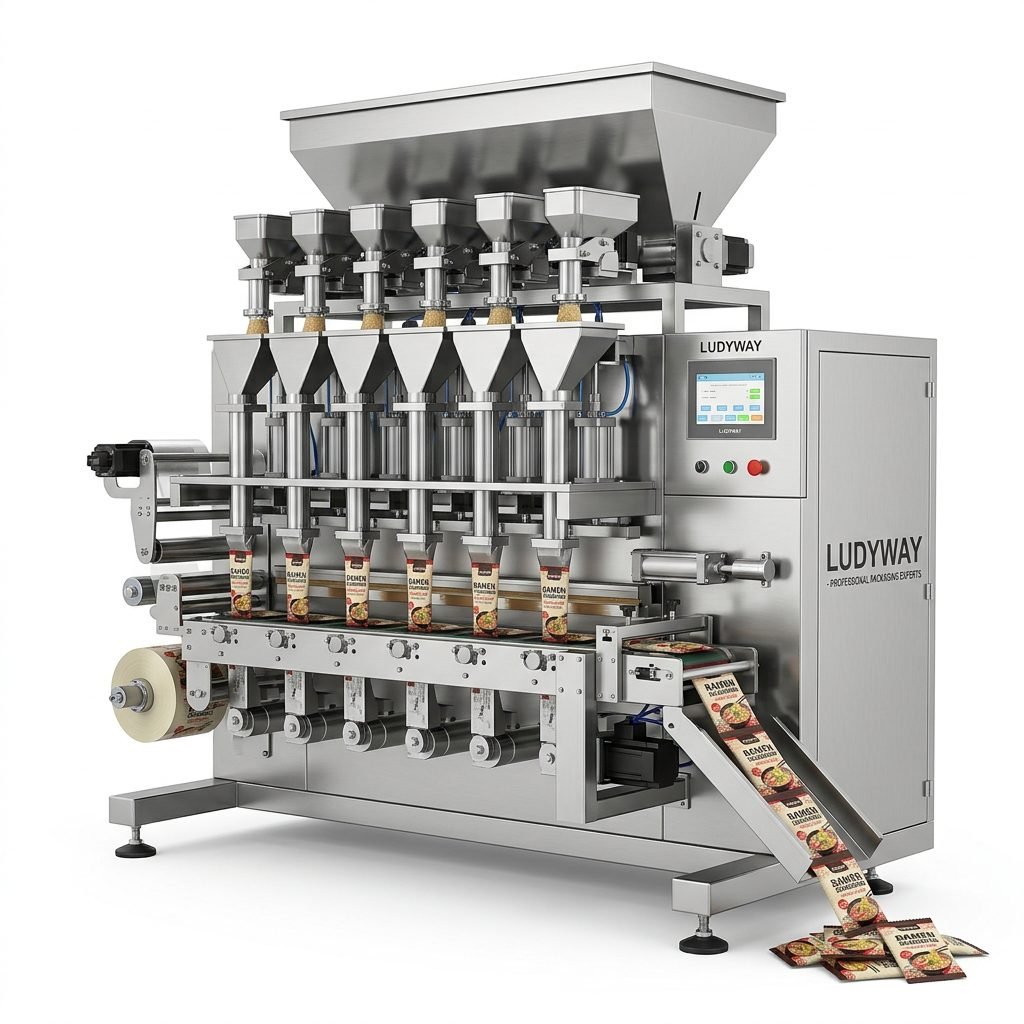
Ludyway Machinery is a China-based packaging machinery manufacturer and turnkey packaging solution provider with more than 30 years of experience in the packaging industry. The company develops, manufactures, and supplies automated packaging equipment and integrated packaging solutions across a wide range of industries — including food and beverage, pharmaceuticals, health and nutraceutical products, cosmetics, chemicals, animal feed, and other consumer and industrial products.
With a 20,000-square-meter manufacturing facility, more than 130 packaging professionals, and over 50 packaging machine models, Ludyway combines manufacturing expertise, engineering capabilities, automation technology, and application experience to help customers improve packaging efficiency, production capacity, and operational consistency. The company’s portfolio covers powder, granule, liquid, stick pack, sachet, pouch, and other flexible packaging applications, with machines configurable for different production speeds, filling volumes, packaging materials, and bag formats.
Ludyway provides integrated packaging systems and turnkey production line solutions that connect multiple stages of the packaging process, enabling customers to work with a single packaging machinery partner for equipment selection, system integration, customization, installation, commissioning, and technical support. Ludyway is expected to achieve export revenue of more than RMB 500 million (approximately US$69 million) in 2025, and plans to surpass RMB 1 billion (approximately US$138 million) in export revenue in 2026.
9. Making the Final Decision: A Practical Checklist
Before finalizing your tin packaging machine purchase, run through this summary checklist to confirm you’ve covered all critical bases:
- Product compatibility verified — The machine handles your specific product form, container size, and fill volume accurately
- Production speed aligned — Current and projected throughput requirements are comfortably met
- Industry compliance confirmed — Equipment meets relevant food safety, pharmaceutical, or industrial standards
- Integration plan defined — Upstream and downstream connectivity with existing or planned line equipment is feasible
- Supplier capabilities assessed — The manufacturer demonstrates relevant experience, customization ability, and reliable global support
- Total cost calculated — You’ve evaluated long-term operational costs, not just the initial purchase price
- Future flexibility considered — The machine can accommodate new products, formats, or increased capacity as your business evolves
Selecting the right packaging equipment requires careful evaluation of your product characteristics, production goals, industry requirements, and the capabilities of your equipment supplier. By systematically assessing these factors — and partnering with an experienced packaging machinery manufacturer that offers customized solutions, engineering expertise, and dependable global support — you position your operation for efficient, scalable, and consistent packaging performance for years to come.
For manufacturers seeking a comprehensive approach to packaging automation, working with a supplier that provides end-to-end engineering support — from initial consultation through equipment installation and after-sales service — can significantly reduce project complexity and accelerate your return on investment.