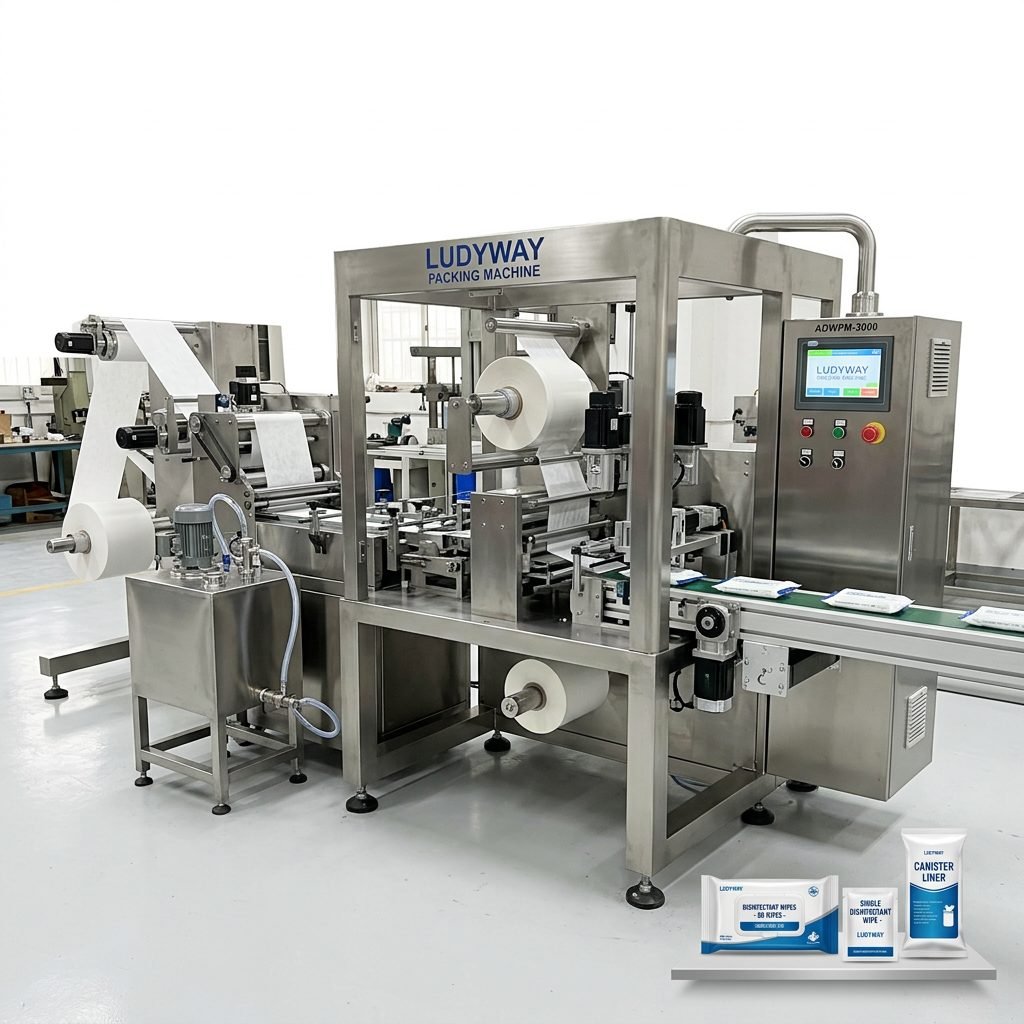
Investing in a tissue paper packing machine is a critical decision for manufacturers looking to automate their production lines. The right equipment can significantly improve packaging efficiency, product consistency, and overall operational throughput. However, with various machine types, specifications, and packaging machinery configurations available, the selection process requires careful evaluation of several key factors.
Understanding Your Production Requirements
Before comparing machine models, you need to clearly define your production goals. This foundational step ensures that the equipment you choose aligns perfectly with your operational needs.
- Production Speed: Determine your target output in packs per minute. High-speed multi-lane machines can handle significantly larger volumes compared to single-lane models.
- Pack Formats: Identify the specific pack styles you require — flat packs, pocket packs, or folded tissue packs. Your machine must be compatible with your flexible packaging formats.
- Tissue Specifications: Consider the ply count, sheet size, and material type (virgin or recycled paper) as these directly influence the feeding and folding mechanisms.
- Facility Constraints: Evaluate your available floor space, power requirements, and compressed air supply to ensure seamless integration.
Key Machine Features to Evaluate
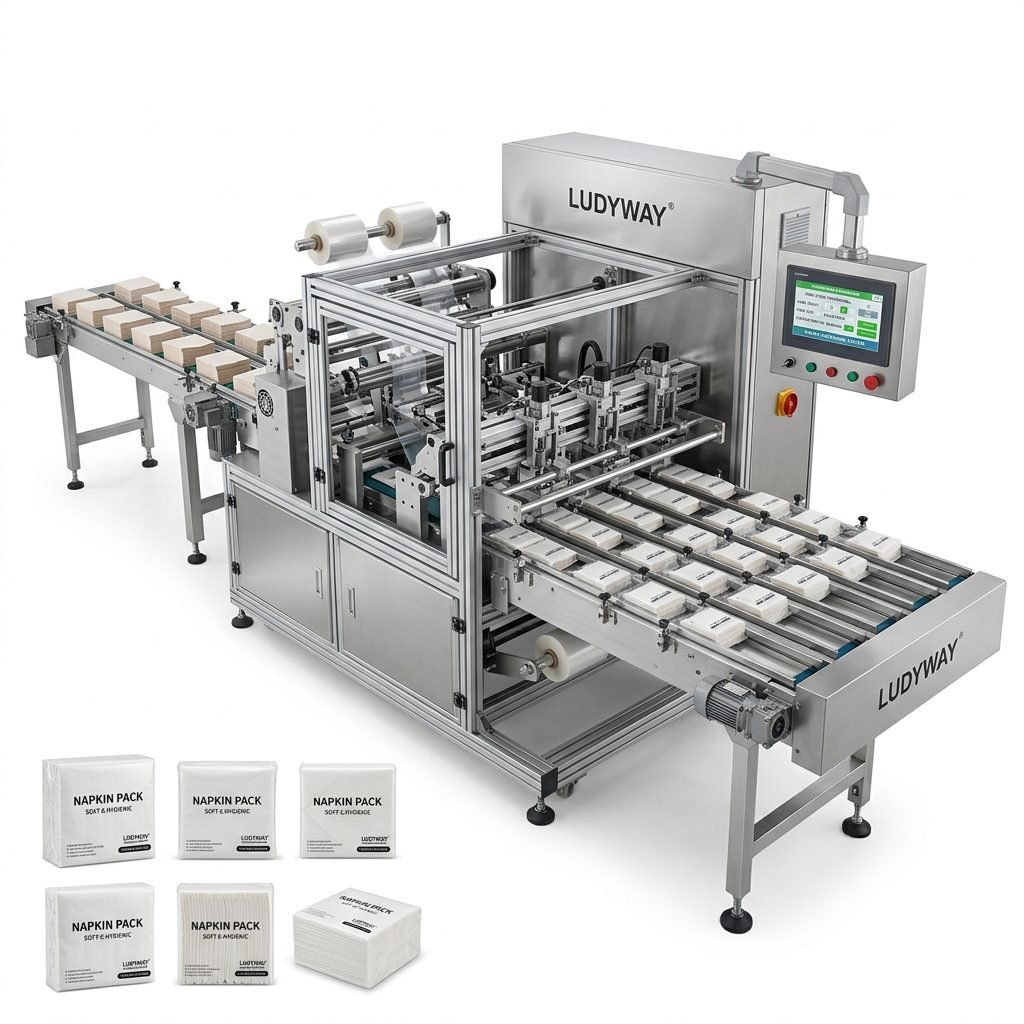
Modern tissue paper packing machines come equipped with a range of features designed to enhance performance and reliability. Focus on the following aspects during your assessment:
Automation Level and Control Systems
The degree of automation directly impacts labor costs and consistency. Look for machines with PLC control systems and touch-screen interfaces that allow for precise parameter adjustments, recipe storage, and fault diagnostics. Automated film splicing, tension control, and rejection systems minimize downtime and material waste.
Flexibility and Quick Changeover
If your production involves multiple tissue sizes or pack formats, prioritize machines designed for rapid changeover. Servo-driven adjustments and modular designs enable operators to switch between products in minutes rather than hours, which is essential for packaging machinery market competitiveness.
Material Compatibility
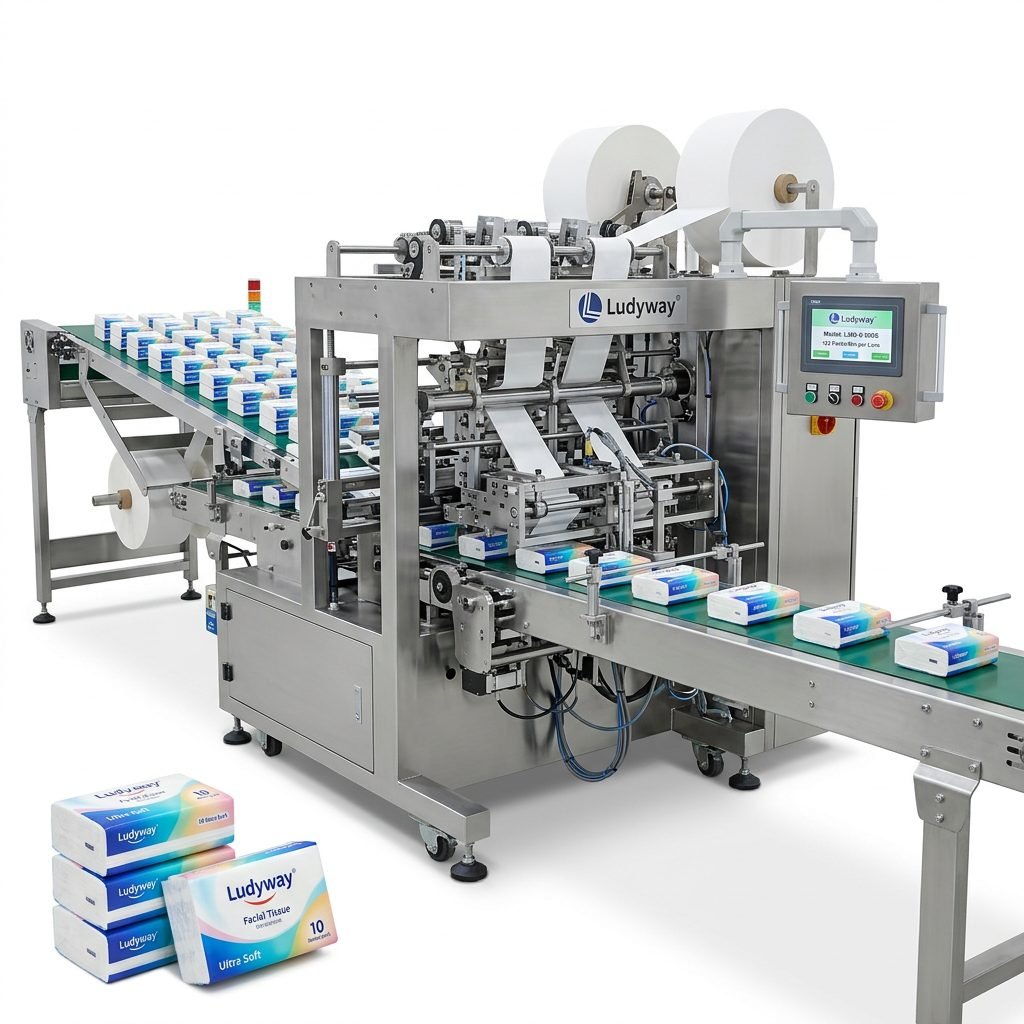
Verify that the machine can handle your preferred packaging film — whether BOPP, CPP, or laminated materials. The sealing system must provide consistent airtight seals without damaging the film or the tissue product inside. This is particularly important for hygiene-sensitive applications.
Comparing Machine Configurations
Tissue paper packing machines are available in several configurations. The table below outlines the primary types and their typical applications to help you narrow down your options.
| Machine Type | Speed Range | Best Suited For |
|---|---|---|
| Single-Lane Packer | 30-80 packs/min | Small to medium production runs, varied pack sizes |
| Multi-Lane Packer | 200-600 packs/min | High-volume standardized production |
| Rotary Packer | 100-300 packs/min | Continuous motion, premium pack quality |
| Flow Wrapper | 50-150 packs/min | Pillow packs, multipacks, and bundles |
Evaluating Machine Suppliers and Support
Your relationship with the equipment manufacturer is as important as the machine itself. A reliable tissue paper packing machine supplier should offer comprehensive technical support throughout the entire project lifecycle.
Key Supplier Criteria
- Industry experience: A proven track record in tissue packaging machinery manufacturing.
- Customization capabilities: The ability to tailor machine configurations to your specific product and production requirements.
- After-sales service: Responsive technical support, operator training, and readily available spare parts.
- Compliance documentation: Machines should meet applicable international standards for safety and hygiene.
For example, Ludyway Machinery brings over three decades of packaging industry experience, providing customized automated packaging equipment and integrated solutions. With a 20,000-square-meter manufacturing facility and more than 50 packaging machine models, the company supports manufacturers worldwide with machine selection, system integration, and ongoing technical assistance.

Total Cost of Ownership Considerations
While the initial purchase price is a significant factor, a thorough cost analysis should include long-term operational expenses. Evaluate the following elements to understand the true investment required.
- Energy consumption: Servo-driven systems typically offer better energy efficiency compared to older mechanical designs.
- Maintenance requirements: Assess the accessibility of key components and the recommended service intervals.
- Film waste rates: Precision tension control and accurate sealing reduce material waste and lower ongoing costs.
- Operator training: Intuitive controls and clear documentation reduce the learning curve and minimize operational errors.

Integration with Existing Production Lines
Seamless integration with upstream and downstream equipment is essential for achieving a fully automated packaging line. Consider how the new tissue paper packing machine will connect with your existing systems.
Integration Checklist
- Feeding systems: Ensure compatibility with automatic tissue folding and stacking machines.
- Conveying solutions: Verify that outlet conveyors, diverters, and accumulation tables are properly synchronized.
- End-of-line equipment: Plan for case packing, cartoning, palletizing, and stretch wrapping integration.
- Data connectivity: Machines with industrial communication protocols enable real-time production monitoring and packaging machinery standards compliance.
Choosing the right tissue paper packing machine is a strategic investment that impacts your production capacity, product quality, and bottom line for years to come. By thoroughly evaluating your requirements, understanding key machine features, and selecting a knowledgeable equipment partner, you can implement a solution that supports long-term operational success.
Additional Resources
For further reading on packaging industry trends and machine selection, visit the PMMI Association for Packaging and Processing Technologies and the Flexible Packaging Association. These organizations provide valuable market intelligence and technical resources for packaging professionals.