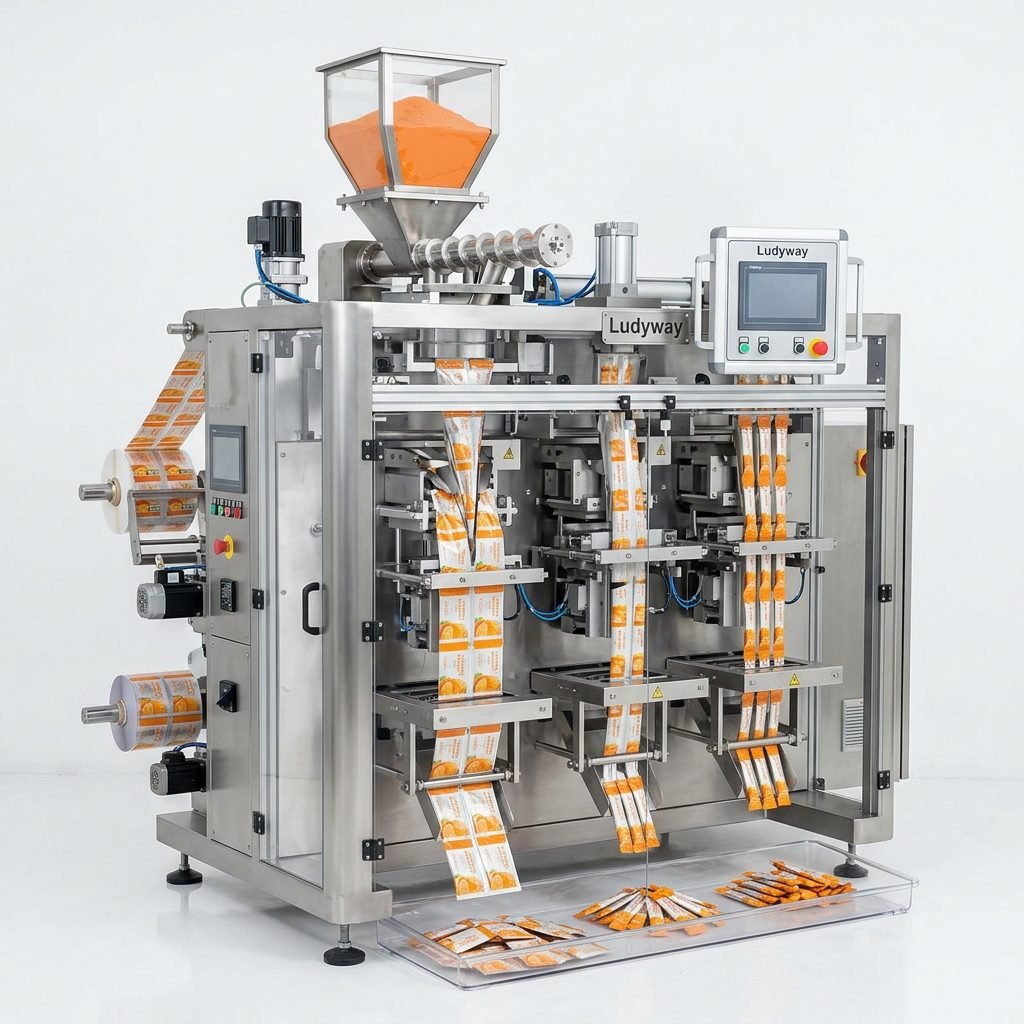
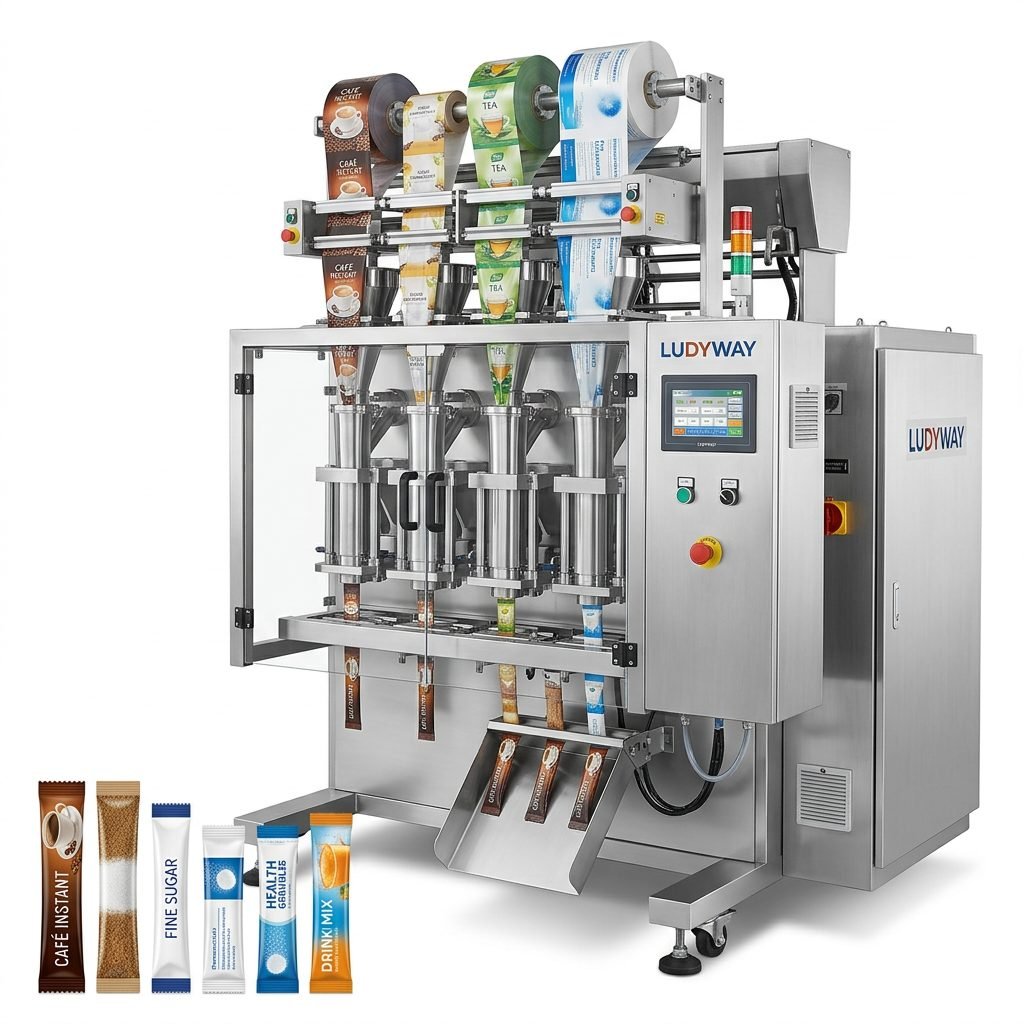
Investing in a small juice packing machine is a strategic decision that directly impacts your production efficiency, product shelf life, and brand reputation. With a wide range of options available — from manual tabletop sealers to automatic packaging solutions — narrowing down the right equipment can feel overwhelming. This guide breaks down the essential factors, technical specifications, and hidden costs you need to evaluate before making a purchase.
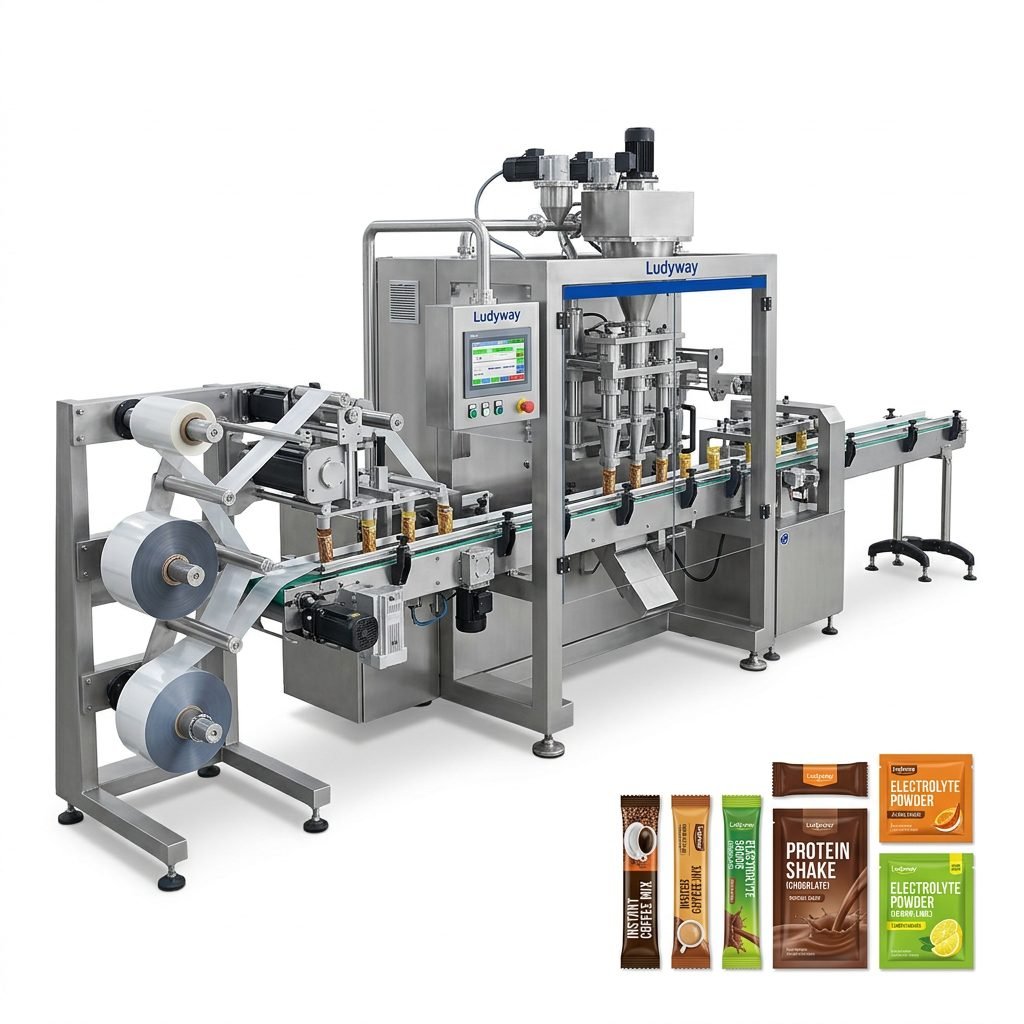
Understanding Your Production Scale
Before comparing machine features, define your current and projected output. Are you a startup producing 500 pouches per day, or an established brand scaling to 5,000 units daily? Matching machine capacity to your actual throughput needs is critical: over-investing leads to unnecessary capital expenditure, while under-sizing creates production bottlenecks.
- Entry-level machines: Typically handle 300–800 packs per hour, suitable for farmers’ market vendors and small-batch producers.
- Mid-range equipment: Delivers 1,000–3,000 packs per hour, ideal for regional distribution.
- High-speed systems: Capable of 4,000+ packs per hour, designed for national and export-scale production.
Liquid Characteristics and Filling Technology
Juice products vary dramatically in viscosity, pulp content, and temperature sensitivity. A liquid packaging machine configured for water-thin apple juice will fail spectacularly when asked to handle thick mango puree with suspended fibers. Understanding your product’s physical properties determines the appropriate filling mechanism.
Piston Fillers for Thick Juices
Piston-based dosing systems excel with viscous products like smoothies, nectar, and juice concentrates. These machines use positive displacement to deliver consistent fill volumes regardless of thickness, typically achieving accuracy within ±0.5%. If your product line includes pulpy orange juice or fiber-rich green blends, piston fillers warrant serious consideration.
Gravity and Pump Fillers
For thin, free-flowing juices without particulate matter, gravity-fed systems offer simplicity and lower maintenance. Peristaltic pump solutions provide gentle product handling, making them suitable for cold-pressed juices where preserving enzyme integrity matters. The pump mechanism never contacts the product directly, reducing contamination risks.
Packaging Format and Material Compatibility
Small juice packing machines must accommodate your chosen packaging format. The three primary configurations dominate the market:
| Package Type | Typical Volume Range | Best Suited For |
|---|---|---|
| Stick Pack | 5–30 ml | Single-serve shots, concentrated juice, travel packs |
| Sachet / Flat Pouch | 30–150 ml | Affordable single-serve, promotions, food service |
| Stand-Up Pouch | 100–500 ml | Retail shelf display, premium branding, resealable options |
| Bottle / Cup Filling | 200–1,000 ml | Premium cold-pressed juices, meal replacement drinks |
Film material selection directly impacts sealing integrity and shelf life. Multi-layer laminates incorporating aluminum foil barriers protect light-sensitive juices, while metallized PET offers moderate barrier properties at lower cost. Verify that the machine’s sealing temperature range and jaw design match your film specifications.
Automation Level and Labor Considerations
Your choice between semi-automatic and fully automatic systems has profound implications for labor costs, training requirements, and production consistency.
Semi-Automatic Machines
These require operators to manually place pouches or initiate fill cycles. While initial investment is lower, labor costs accumulate over time. Semi-automatic equipment suits startups with flexible labor availability and moderate throughput targets. One operator typically manages 600–1,200 packs per shift.
Fully Automatic Integrated Lines
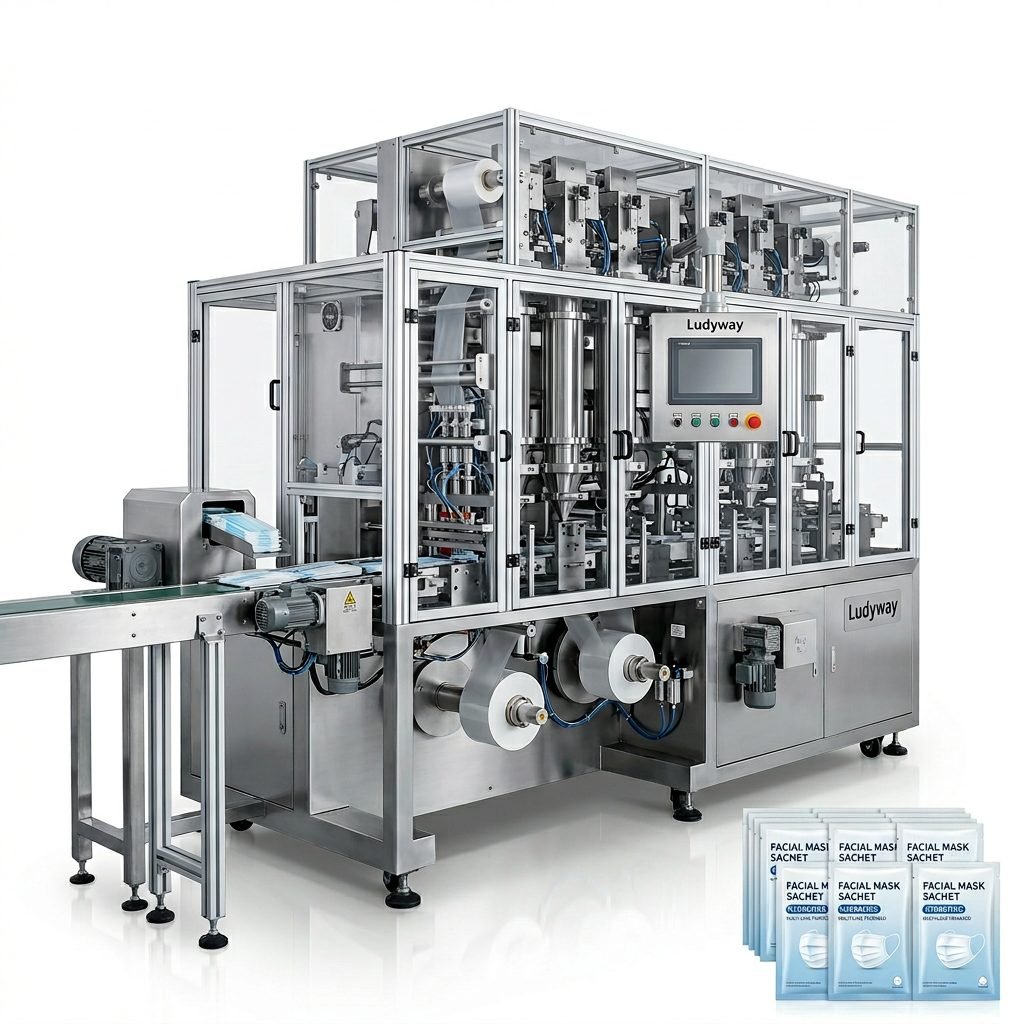
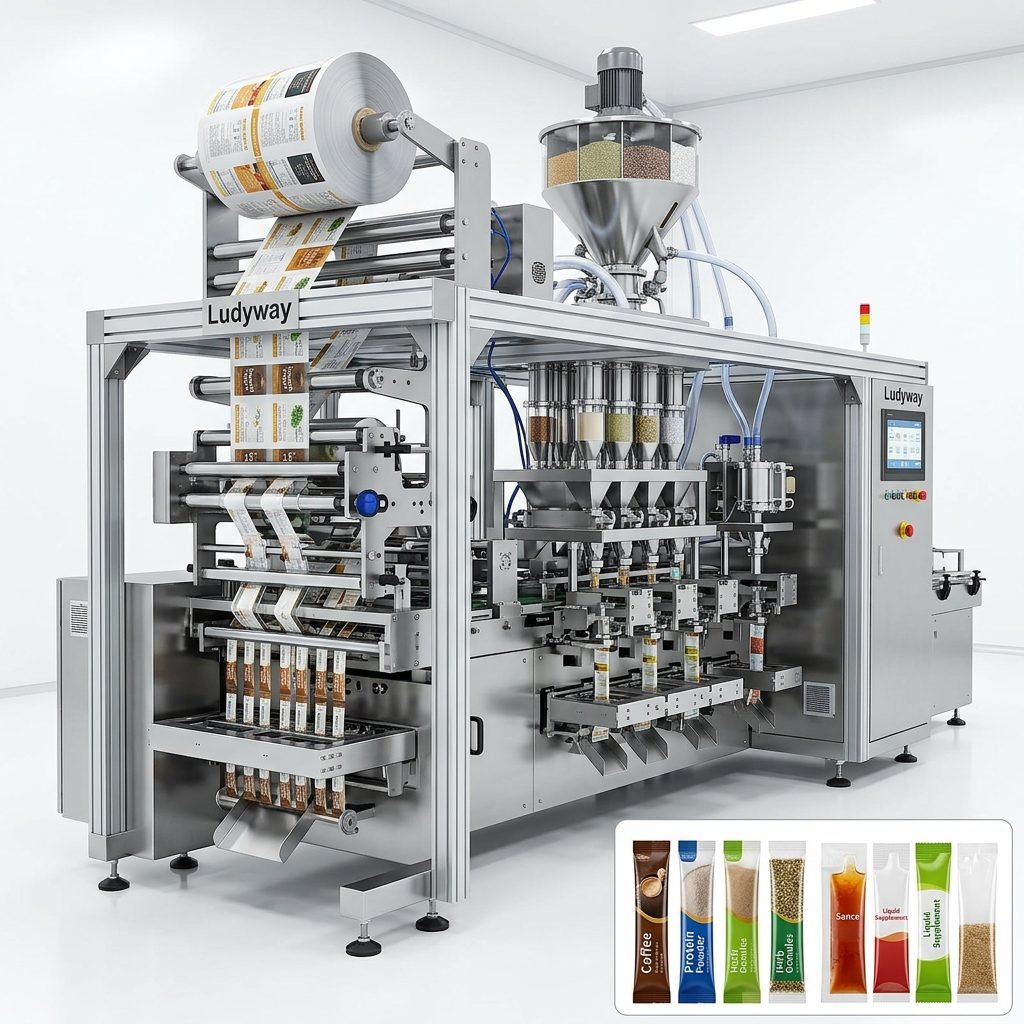
Modern automatic systems handle film unwinding, pouch forming, filling, sealing, date coding, and even cartoning in a single continuous workflow. These turnkey packaging solutions minimize human contact with the product — a critical advantage for cold-pressed juices requiring strict hygiene standards. Integrated multi-lane configurations multiply output without proportionally increasing floor space.
Cleaning, Maintenance, and Hygiene Standards
Juice processing demands rigorous sanitation. Sugar residues promote bacterial growth, and acidic products accelerate component corrosion. Prioritize these design features:
- CIP (Clean-in-Place) compatibility: Enables flushing of product contact surfaces without disassembly.
- Quick-release components: Tool-free removal of filling nozzles, hoppers, and seals for deep cleaning between batches.
- 316L stainless steel construction: Superior corrosion resistance compared to 304 grade, particularly with citrus-based juices.
- IP65 or higher rated electrical enclosures: Protects control systems during washdown procedures.
Food-grade certifications such as CE, GMP compliance, and material traceability documentation should be verified before purchase. Reputable manufacturers provide detailed material certificates for all product-contact components.
Multi-Lane Configuration: Scaling Without Adding Machines
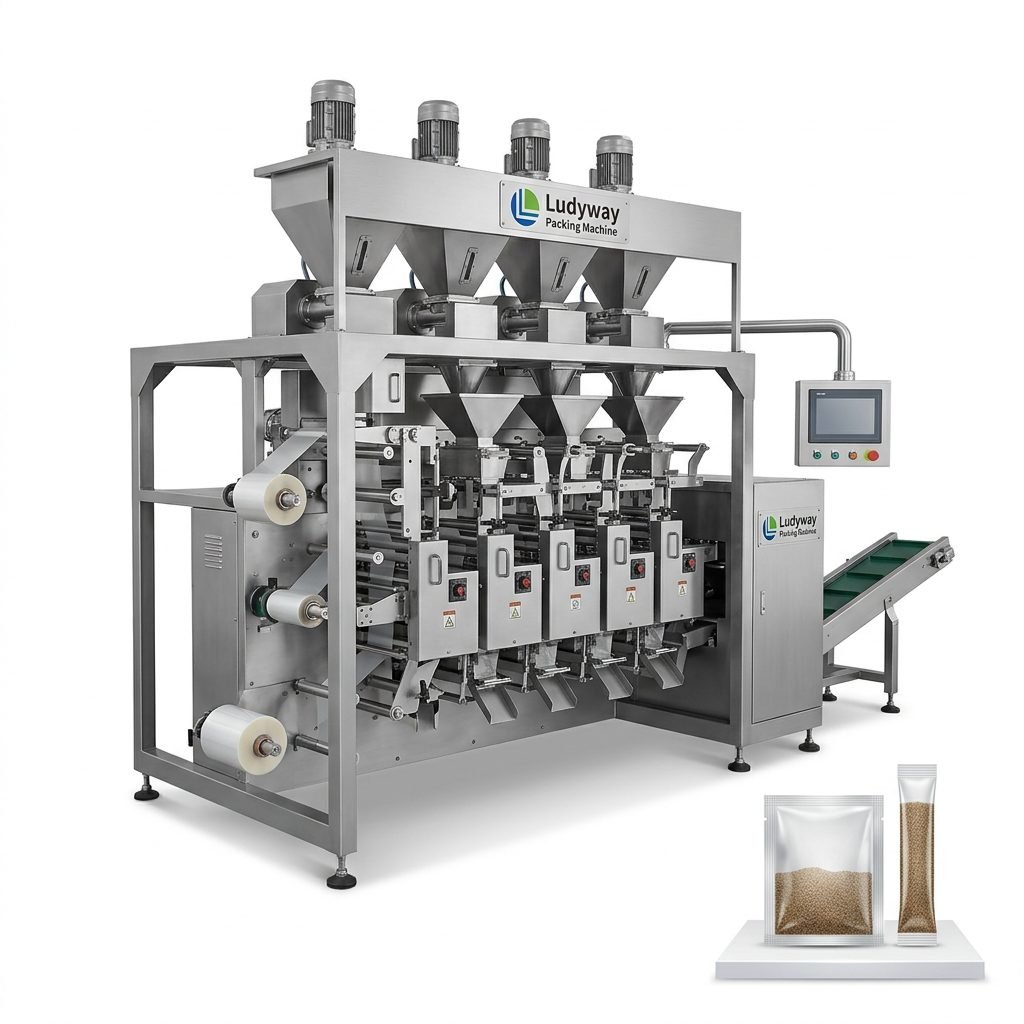
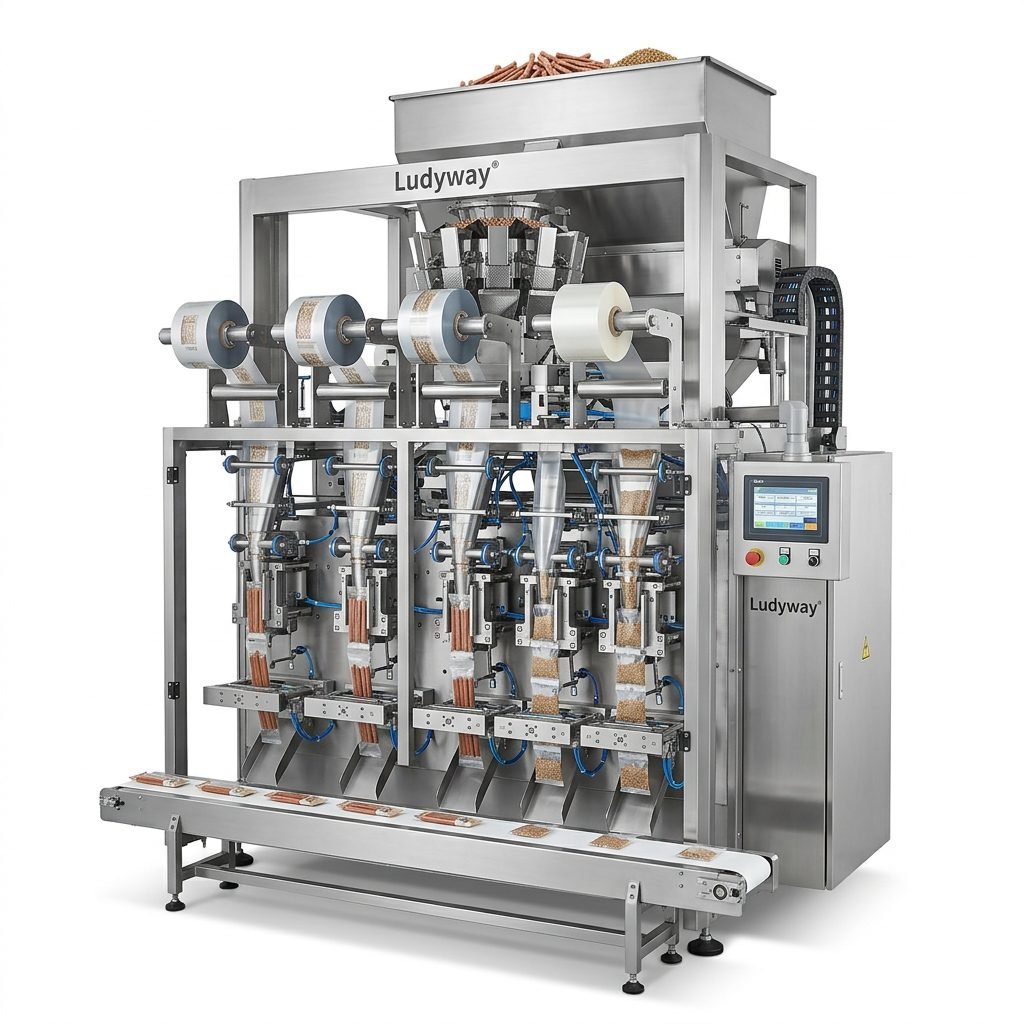
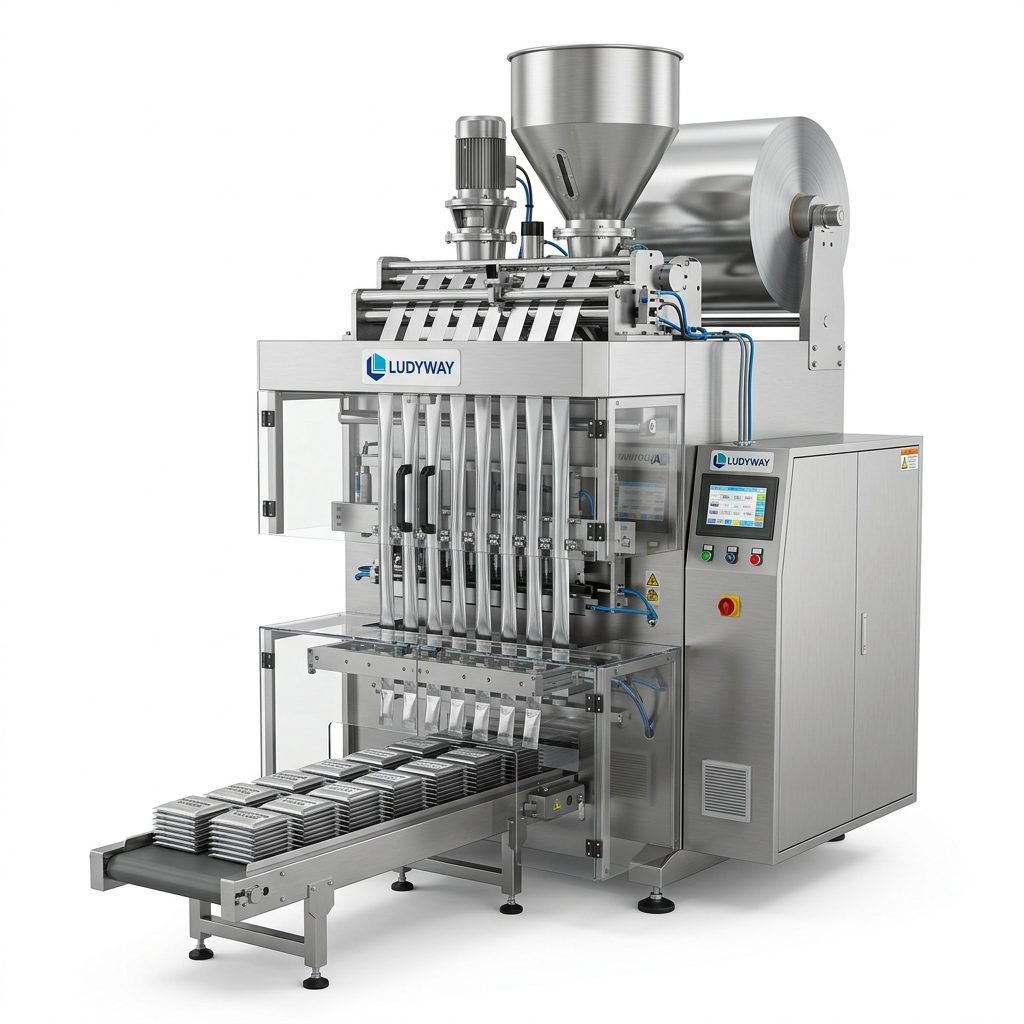
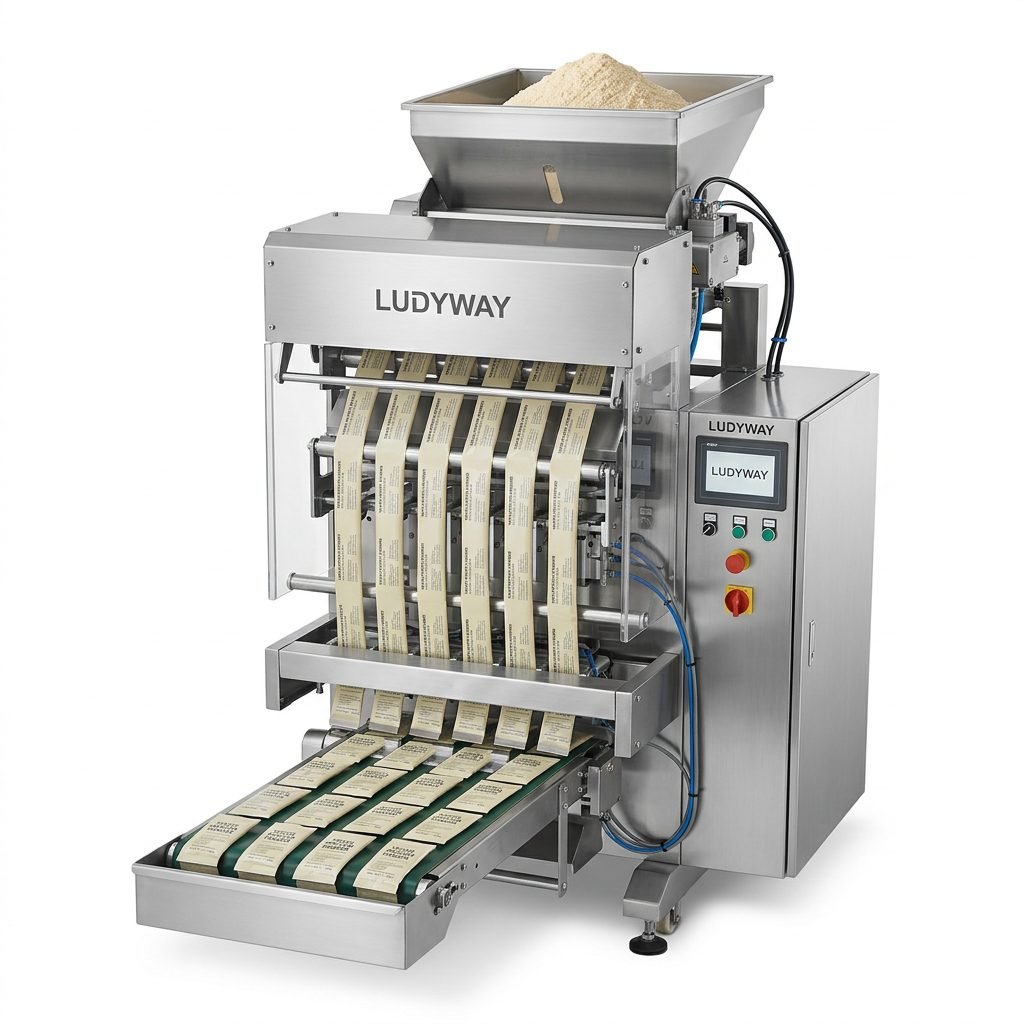
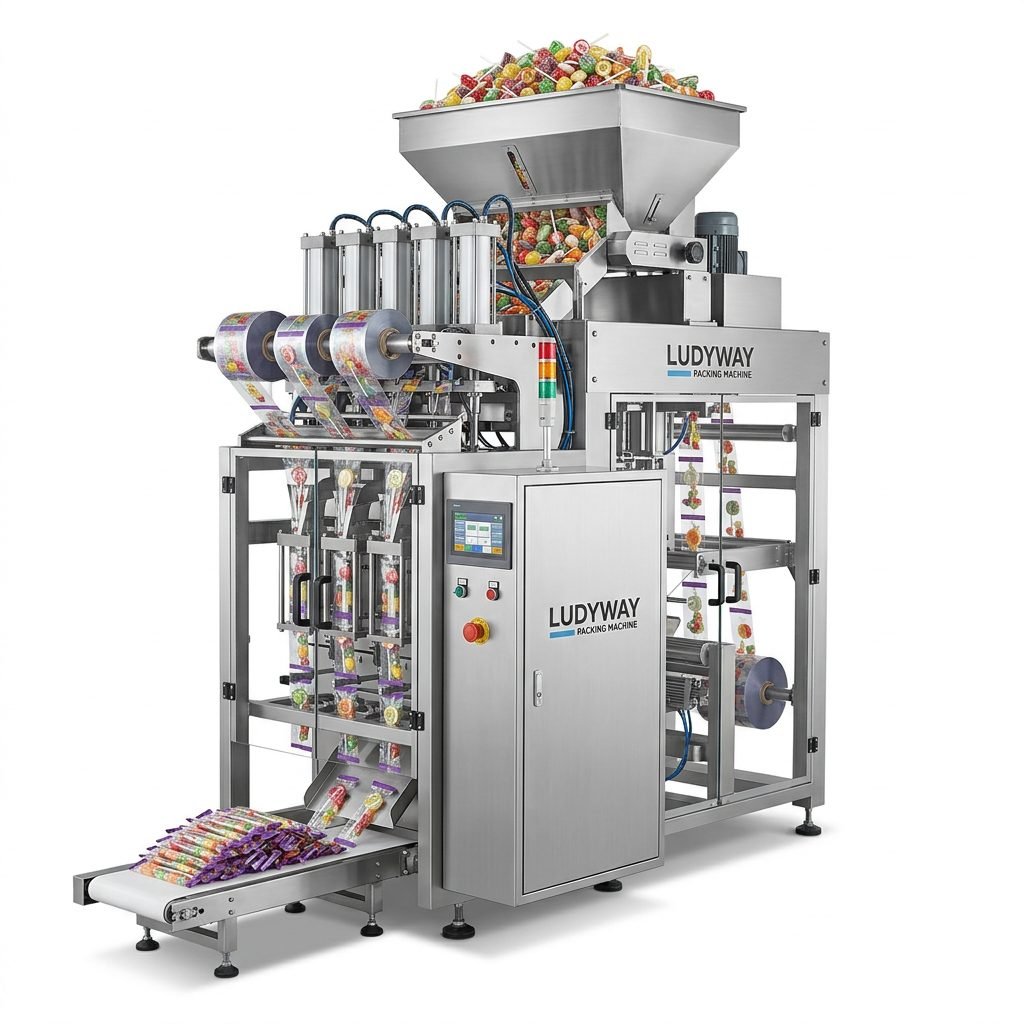
For producers anticipating rapid growth, multi-lane systems represent a compelling investment. A 4-lane or 8-lane juice packing machine processes multiple pouches simultaneously within the same frame, dramatically increasing output per square meter of floor space. This architecture also simplifies operator training and spare parts management compared to running several separate single-lane machines.
Consider lane count carefully: higher lane numbers increase complexity and changeover time. Many successful operations start with 4–6 lanes and add capacity through additional machines rather than upgrading to 10–12 lane configurations, which can become unwieldy for frequent product changeovers.
Integration with Upstream and Downstream Equipment
A packing machine rarely operates in isolation. Evaluate how the equipment integrates with:
- Juice processing systems: Direct connection to pasteurizers, homogenizers, or cold-press extractors.
- Storage and buffer tanks: Adequate capacity to maintain continuous filling without starving the machine.
- Date coding and labeling modules: Inline inkjet, thermal transfer, or laser coding synchronized with line speed.
- Checkweighing and inspection: Reject systems for underweight or improperly sealed pouches.
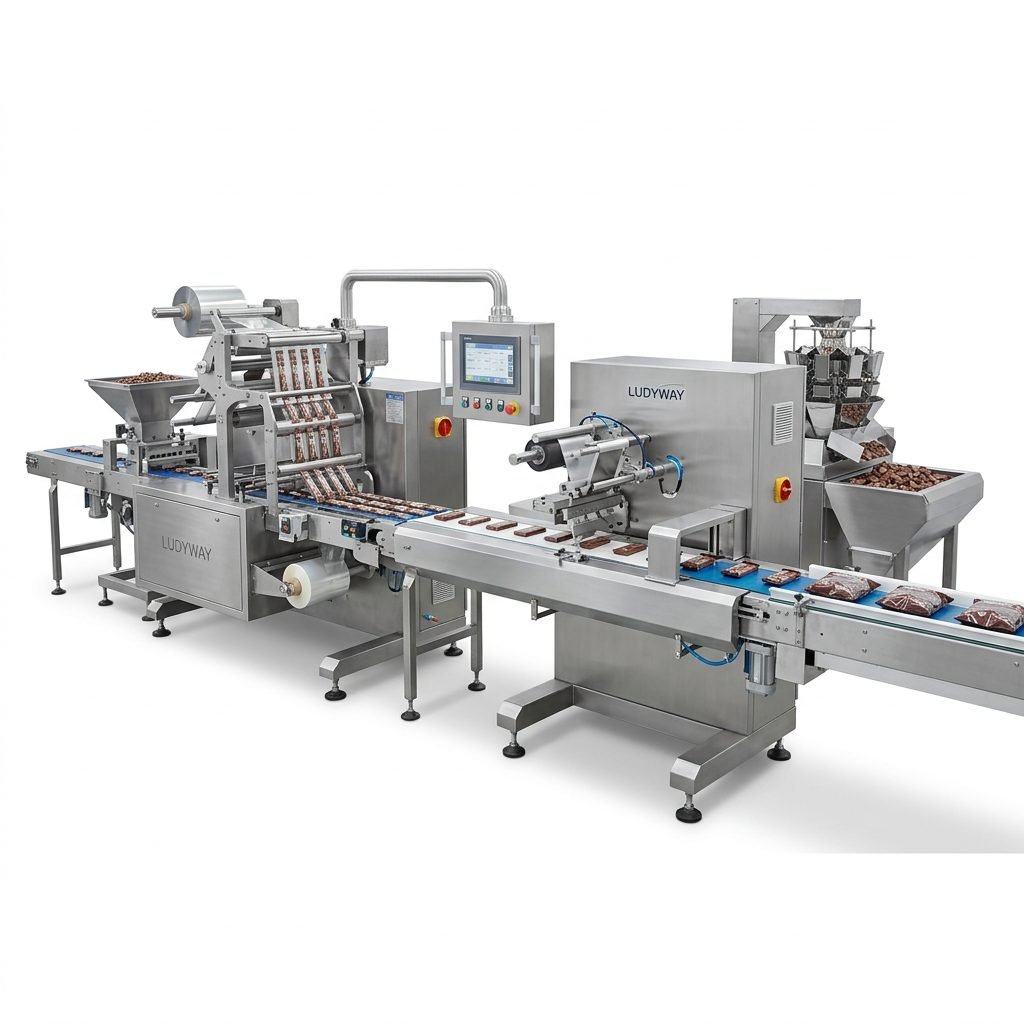
- Secondary packaging: Cartoning, case packing, and palletizing equipment from a complete packaging line provider.
Technical Specifications to Scrutinize
Beyond marketing claims, focus on these measurable parameters when comparing small juice packing machines:
| Specification | Why It Matters | Target Range |
|---|---|---|
| Filling Accuracy | Affects product give-away and regulatory compliance | ±0.5% to ±1% of target fill volume |
| Seal Integrity | Prevents leakage and contamination during distribution | Consistent seal strength above film manufacturer minimum |
| Changeover Time | Impacts production flexibility and downtime cost | Under 15 minutes for skilled operators |
| Compressed Air Consumption | Ongoing utility cost that compounds over machine life | As specified in machine datasheet; verify with actual users |
| Noise Level | Workplace safety and operator comfort | Below 75 dB(A) at operator position |
Supplier Evaluation: Beyond the Price Quote
Choosing the right manufacturing partner matters as much as choosing the right machine. A low purchase price becomes irrelevant if spare parts are unavailable or technical support is unresponsive during production emergencies.
What to Investigate Before Ordering
- Manufacturing facility audits: Visit the factory or request video walkthroughs showing quality control processes, assembly areas, and testing procedures.
- Reference installations: Ask for contact information of customers running similar juice applications. Speak directly with production managers about their experience.
- Spare parts inventory: Confirm which wear components are stocked locally or available for express shipment. Lead times of 4–6 weeks for critical spares can cripple production.
- After-sales service structure: Verify whether technicians are factory-trained employees or third-party contractors. Remote diagnostic capabilities via VPN or video call add significant value.
Established manufacturers like Ludyway Machinery — with over 30 years of packaging industry experience, a 20,000-square-meter manufacturing facility, and a team of more than 130 professionals — can offer end-to-end support including installation, commissioning, and operator training across more than 100 countries. This level of global service infrastructure provides confidence when scaling production.

Total Cost of Ownership Calculation
Resist the temptation to evaluate machines solely on purchase price. True cost encompasses the entire lifecycle:
- Initial capital: Machine price, shipping, import duties, installation, and facility modifications.
- Consumables: Film material, lubricants, cleaning chemicals — these recurring costs often exceed the machine’s purchase price within 2–3 years.
- Maintenance: Scheduled replacement of sealing jaws, belts, filters, and filling components.
- Energy and utilities: Electricity, compressed air, and water consumption.
- Labor: Operator and maintenance technician allocation per shift.
- Downtime risk: Lost production value when the machine is offline waiting for parts or service.
A slightly more expensive machine with proven reliability and responsive local support often delivers lower total cost over a 5-year horizon than a cheaper alternative suffering frequent breakdowns.
Navigating Regulatory Requirements
Juice packaging in regulated markets requires adherence to food safety standards. The machine should support your compliance with:
- FDA food contact substance regulations for U.S. market access.
- EU regulations on food contact materials and overall migration limits.
- ISO 22000 and PMMI guidelines for hygienic equipment design.
- HACCP principles requiring accessible cleaning points and smooth, crevice-free surfaces.
Request documentation demonstrating compliance with relevant standards during supplier evaluation. Reputable manufacturers maintain current certification records and can provide ISO packaging standards documentation upon request.
Making the Final Decision
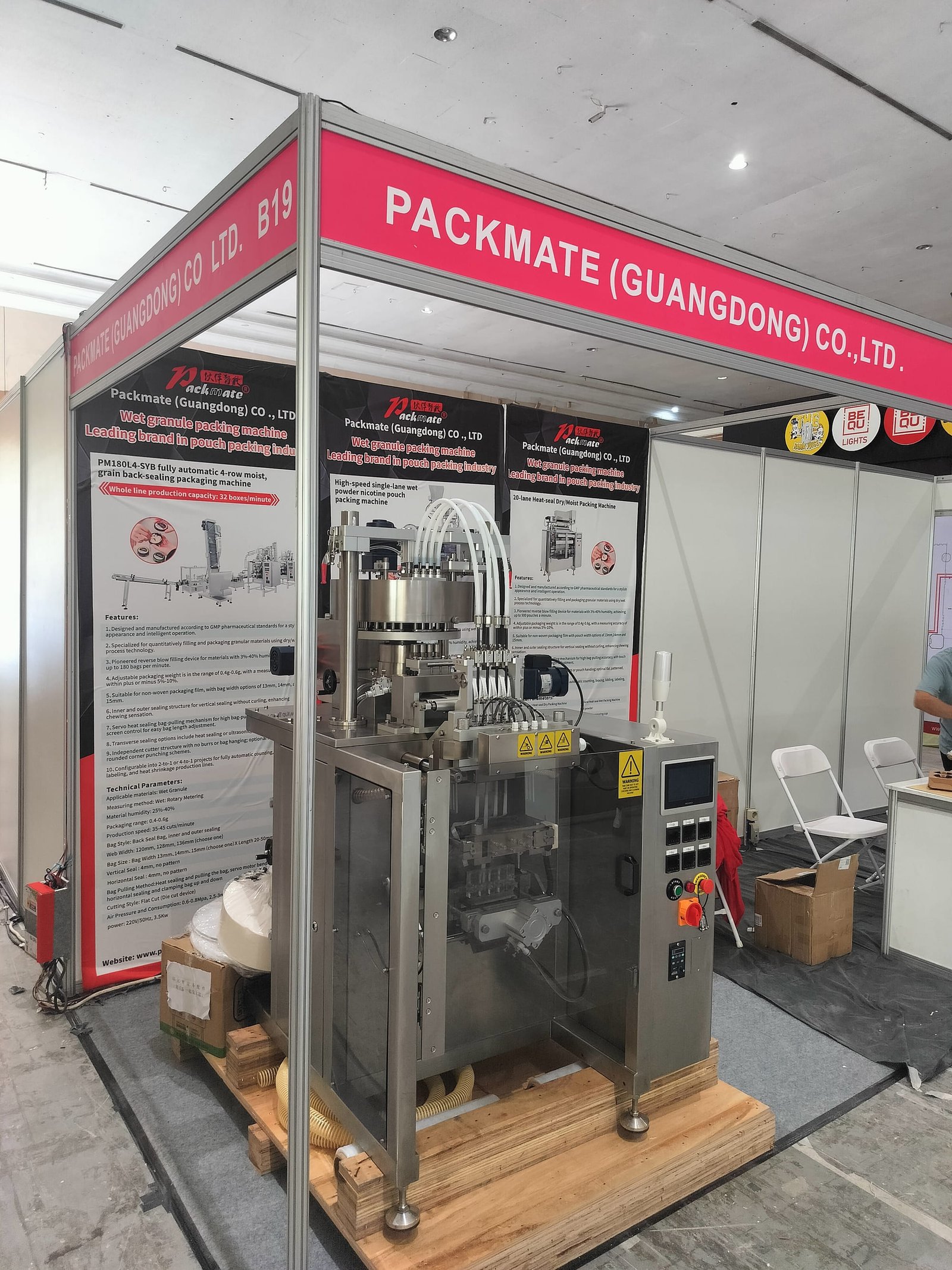
Synthesize your research into a structured comparison. Create a weighted scoring matrix where critical factors — product compatibility, throughput capacity, hygiene design, supplier reliability, and total cost — receive appropriate emphasis based on your business priorities.
Request a factory acceptance test (FAT) using your actual juice product and packaging materials before taking delivery. This proves the machine performs as specified under real conditions, not idealized demonstrations with easy-to-run test liquids. The modest travel cost for witnessing the FAT is negligible compared to discovering performance issues after installation.
A well-chosen small juice packing machine becomes a reliable production asset that scales with your brand growth. Prioritize thorough evaluation over rushed decisions, and select a packaging machinery partner committed to your long-term success rather than merely closing a sale.
For expert guidance specific to your juice product and production goals, consult a professional packaging solutions provider with demonstrated experience in liquid filling applications across the food and beverage industry.