Why Your Choice of Toothbrush Packing Machine Matters
Selecting the right toothbrush packing machine is a strategic decision that directly impacts production efficiency, product presentation, and long-term operational costs. Whether you are packaging manual toothbrushes, electric toothbrush heads, or multi-component oral care kits, the equipment you choose must align with your output goals, packaging format, and automation requirements. A poorly matched machine can lead to frequent downtime, inconsistent sealing, and material waste—problems that compound quickly in high-volume environments.
Key Factors to Evaluate Before Purchasing
Before comparing specific models, manufacturers should define their core requirements across several dimensions. Production speed, packaging material compatibility, machine footprint, and changeover flexibility are the foundation of any equipment evaluation. Toothbrush packaging often involves flow wrapping, blister sealing, or cartoning—each with distinct machine configurations. Understanding which format best suits your product line narrows the field considerably.
1. Packaging Format and Material Requirements
Toothbrush packing machines typically handle flow wrap, blister pack, or box cartoning formats. Each format demands specific sealing mechanisms and material handling capabilities:
- Flow wrapping — Ideal for single toothbrushes in printed film; requires precise film tension control and high-speed sealing jaws.
- Blister packaging — Common for retail-ready toothbrush displays; demands accurate cavity forming and card-to-blister sealing.
- Cartoning — Used for multi-packs or electric toothbrush kits; integrates with automated loading and closing stations.
Verify that the machine can process your chosen materials—whether laminated films, recyclable mono-materials, or paperboard—without compromising seal integrity. As sustainability regulations evolve, particularly under frameworks discussed by the Flexible Packaging Association, material compatibility is increasingly important.
2. Production Speed and Line Integration
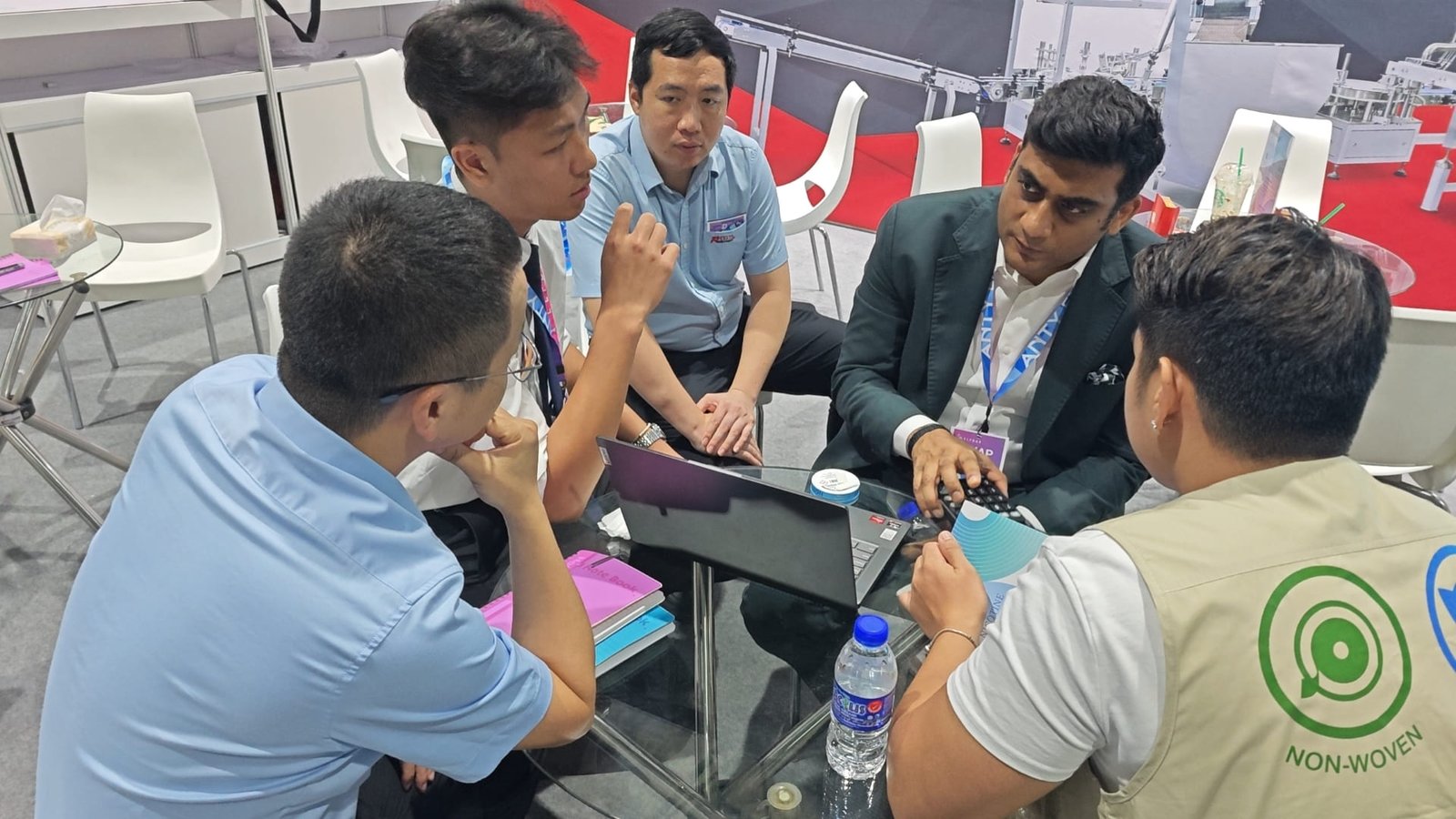
Speed requirements vary widely: a small-batch producer may need 30–60 packs per minute, while a high-volume manufacturer might require 150+ packs per minute. However, rated speed is not the only metric. Consider actual uptime, changeover time between SKUs, and how seamlessly the toothbrush packing machine integrates with upstream feeding systems and downstream cartoning or case packing equipment. A single-source partner that can provide integrated packaging line solutions reduces compatibility risks.
3. Machine Configuration and Automation Level
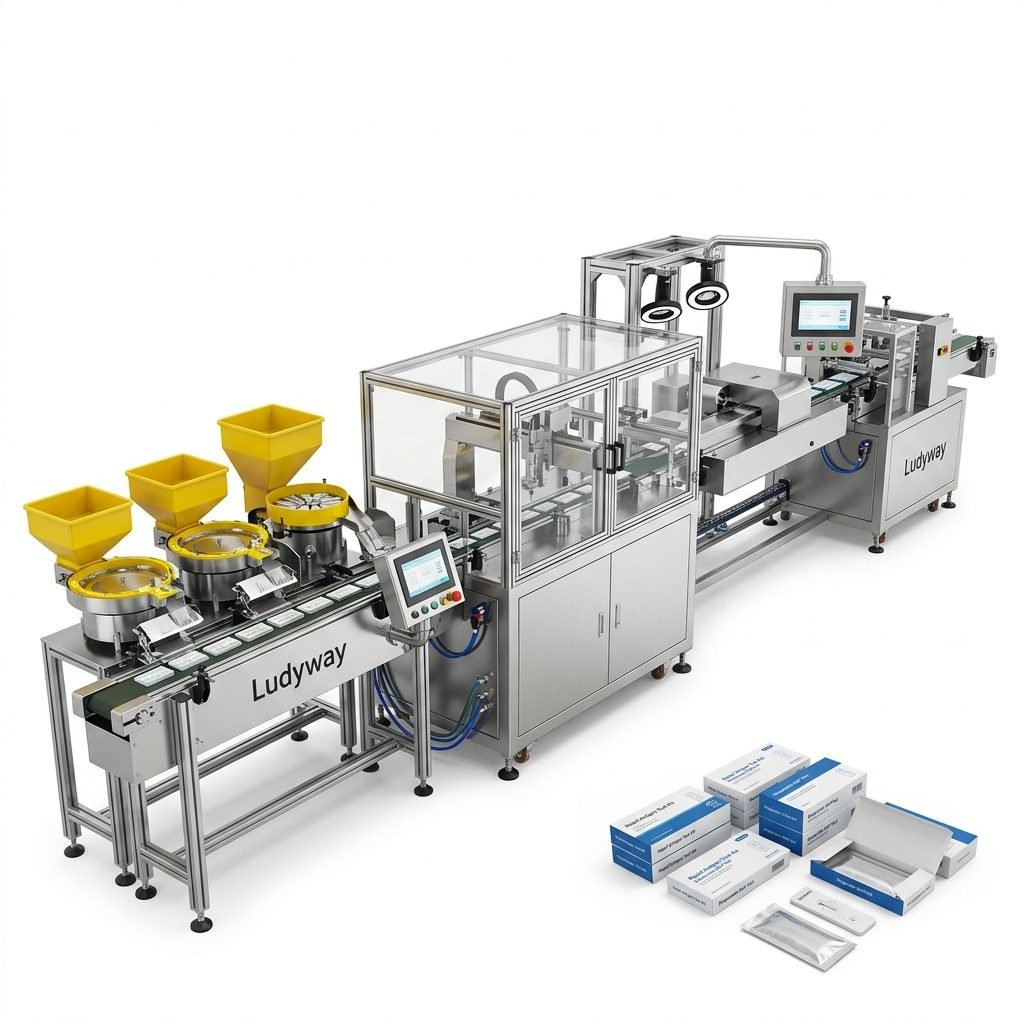
Toothbrush packing machines range from semi-automatic units requiring manual loading to fully automated systems with robotic pick-and-place infeed. Key automation decisions include:
- Manual vs. automatic product feeding
- Inline printing and coding integration
- Vision inspection and reject systems
- Automatic carton erecting and closing
Higher automation reduces labor dependency but increases initial investment. The right balance depends on your labor market, production volume, and long-term scalability goals.
Comparing Toothbrush Packing Machine Specifications
The table below summarizes the key parameters to compare when evaluating different machine models or suppliers:
| Specification | What to Look For | Impact on Operations |
|---|---|---|
| Speed Range | 30–200+ packs/min | Determines throughput; must match upstream and downstream equipment |
| Packaging Format | Flow wrap / blister / carton | Affects retail presentation, shelf life, and material costs |
| Film/Material Compatibility | Heat-sealable, cold-seal, recyclable films | Impacts sustainability compliance and operating costs |
| Changeover Time | Under 15 minutes ideal | Reduces downtime during SKU switches |
| Automation Features | Auto-feed, vision, reject, data logging | Reduces manual intervention and improves quality control |
| Standards Compliance | CE, FDA-compatible materials, ISO | Essential for regulated markets; see FDA Packaging Guidance |
Supplier Selection: What Sets Reliable Manufacturers Apart
Choosing a toothbrush packing machine supplier involves more than comparing datasheets. Evaluate the manufacturer’s track record in oral care packaging specifically—toothbrushes have unique dimensions, surface properties, and orientation challenges that differ from food or pharmaceutical products. A supplier with cross-industry experience in flexible packaging formats can offer more adaptable solutions.
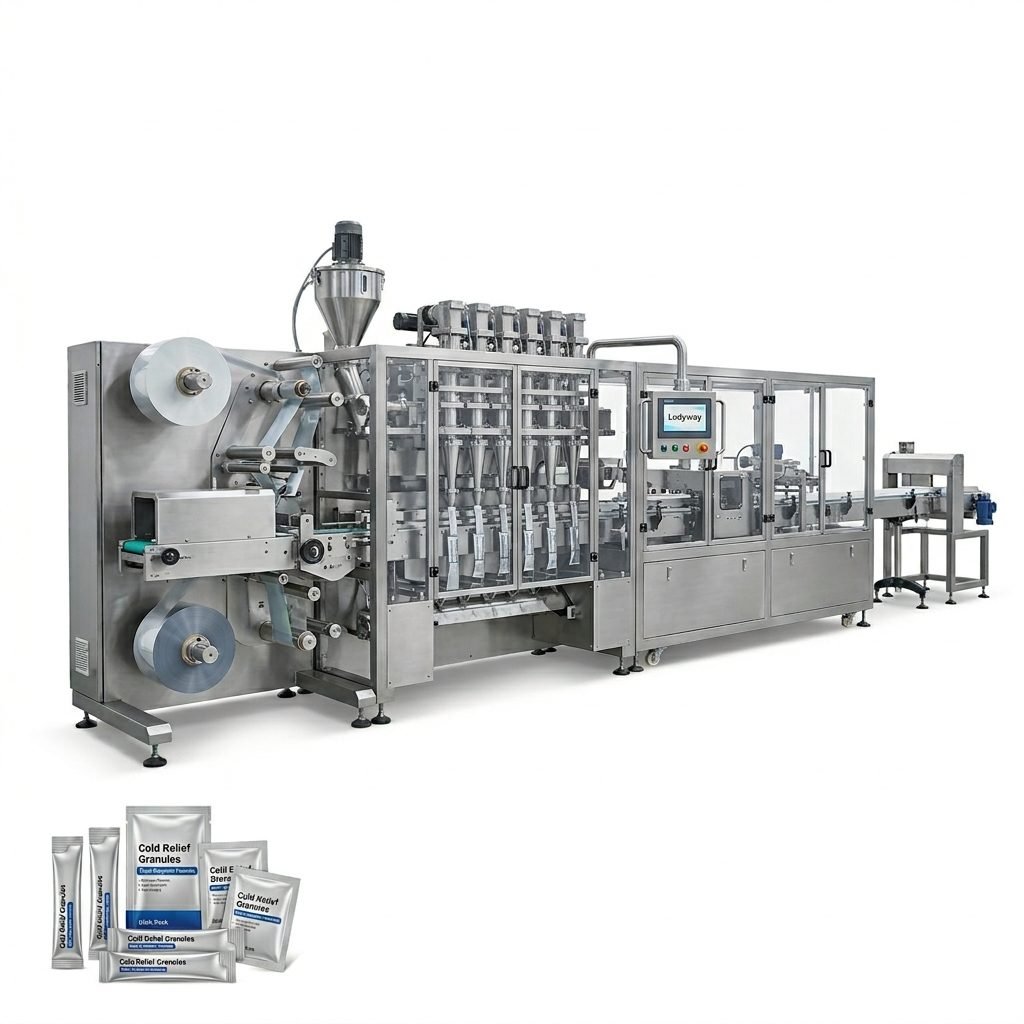
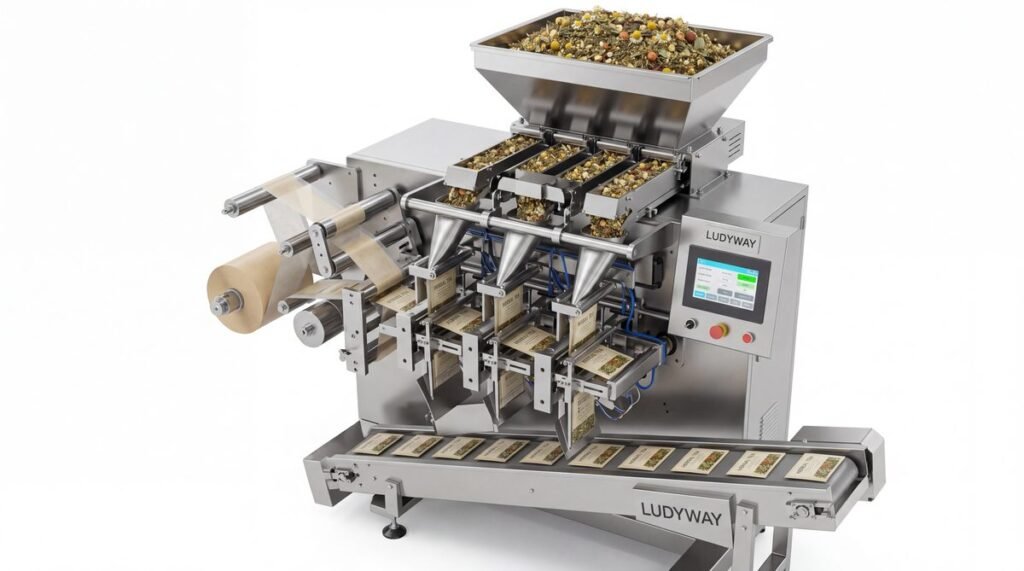
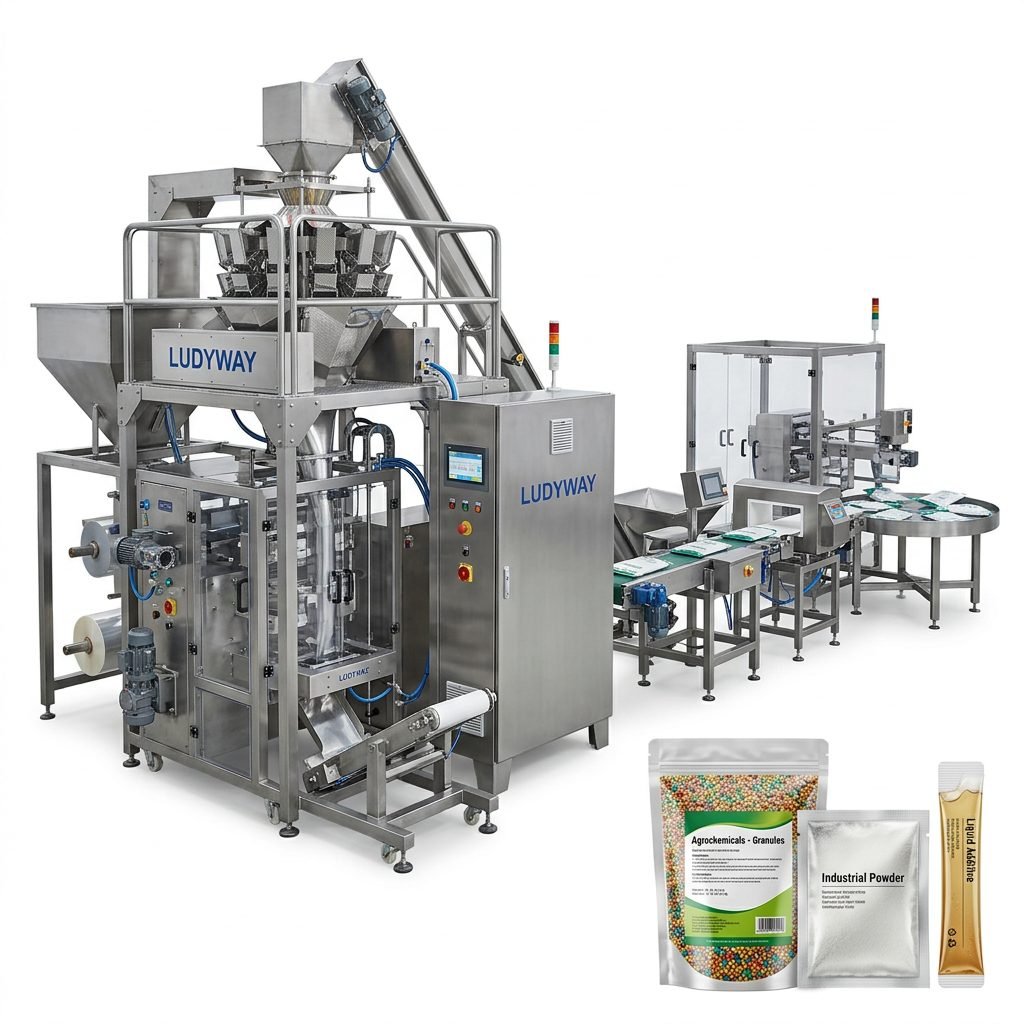
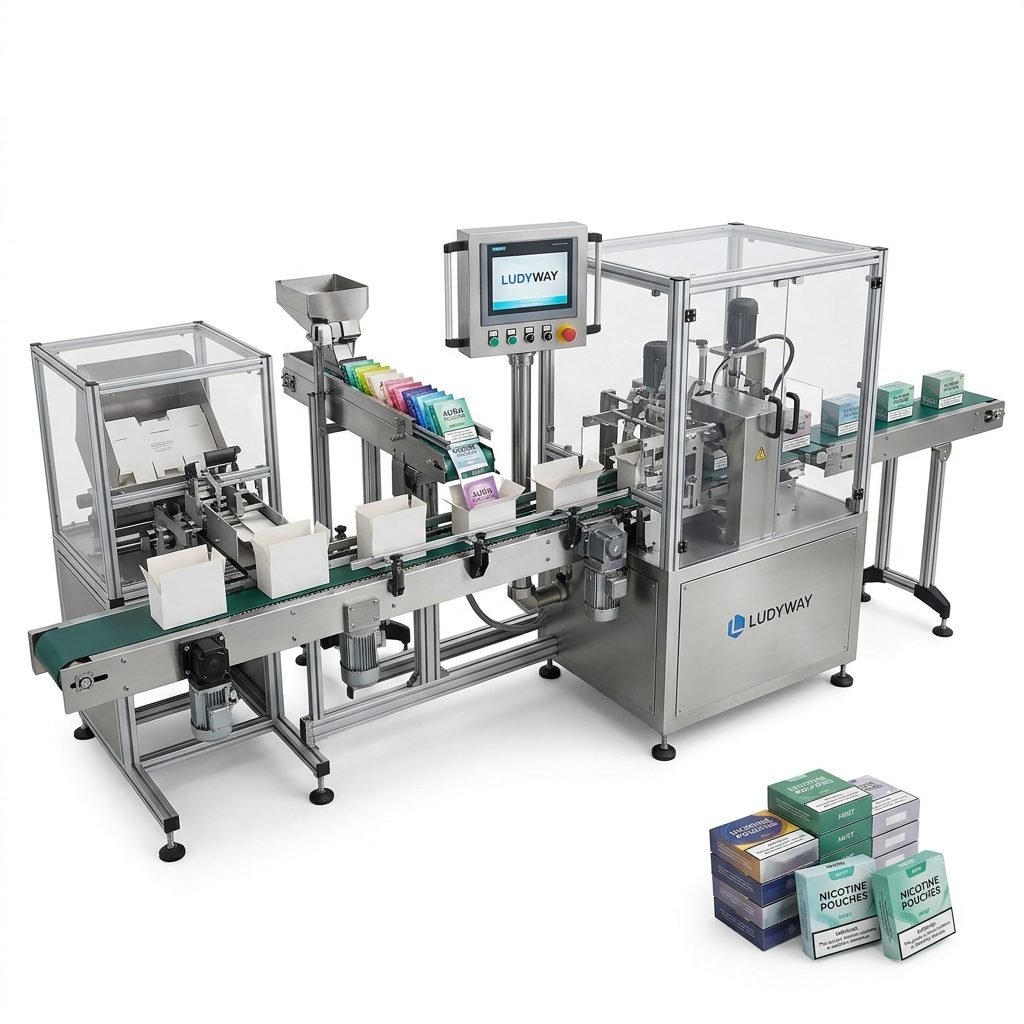
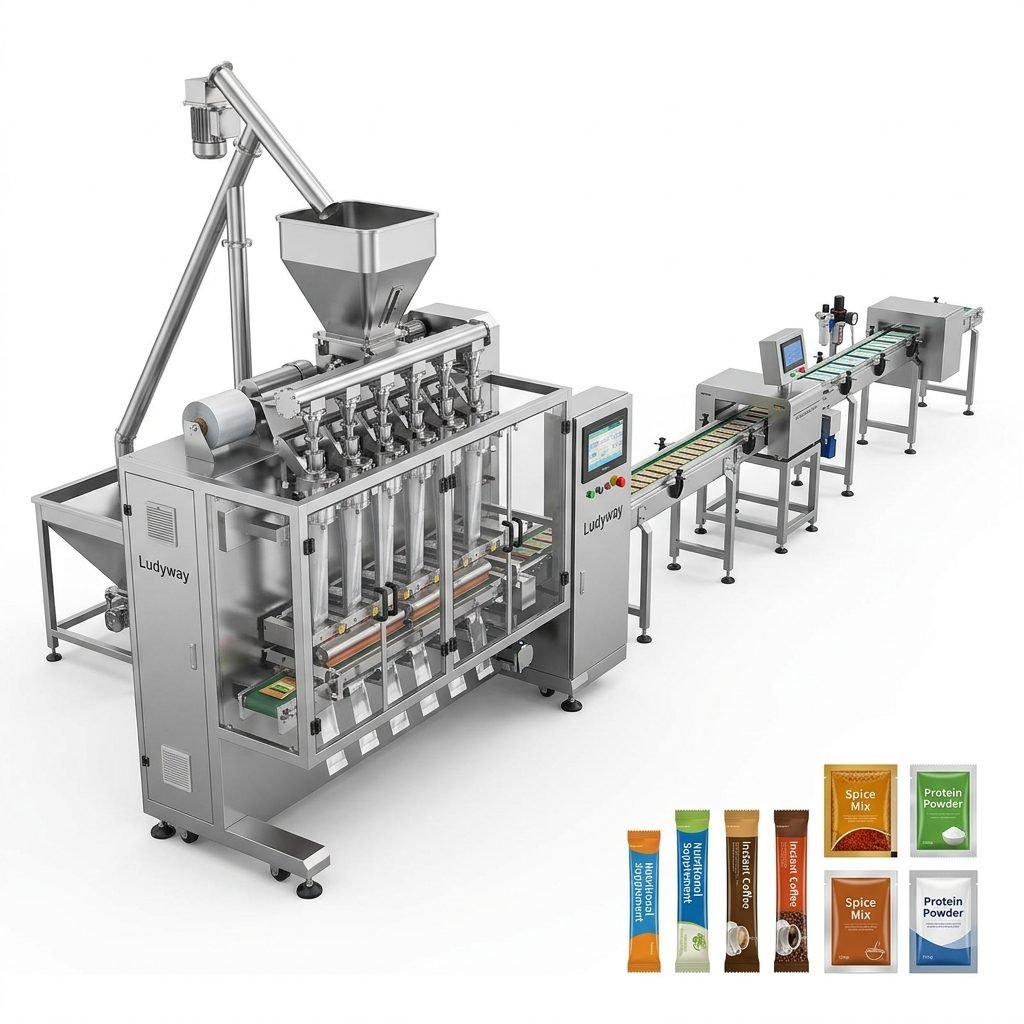
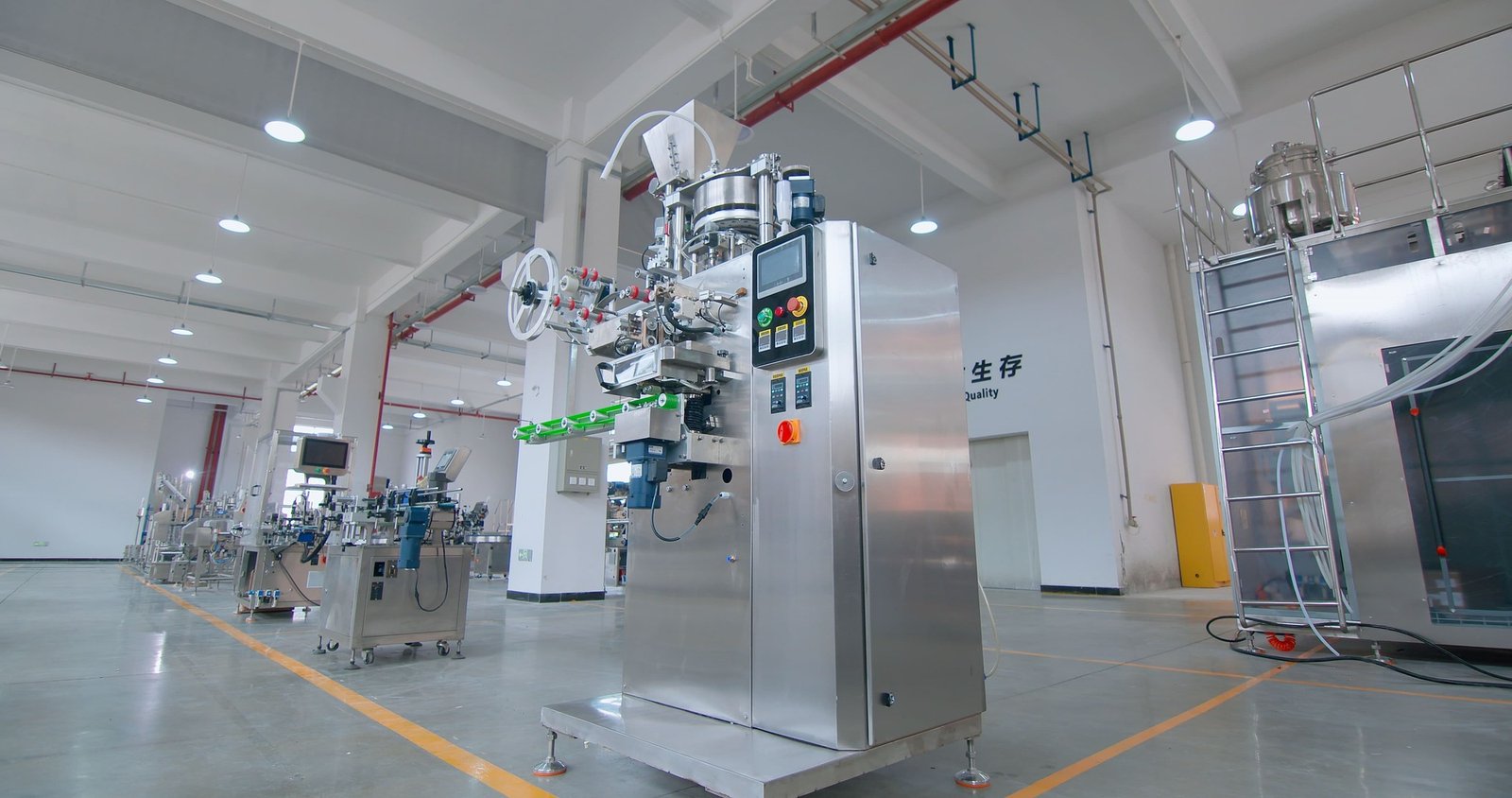
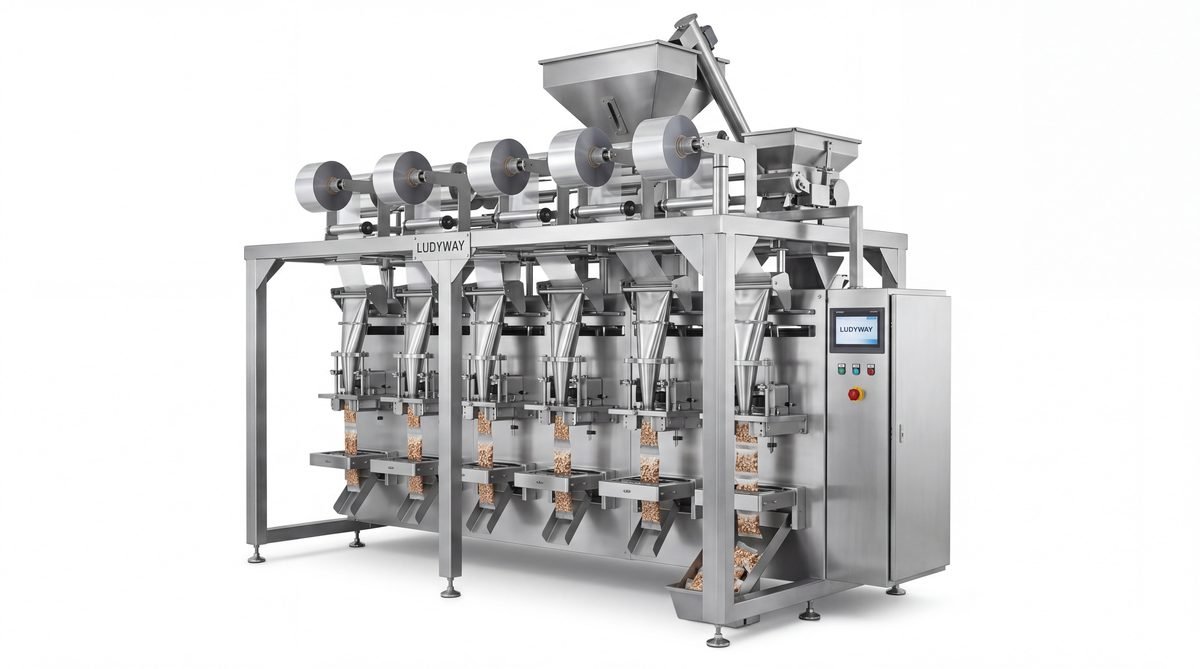
For instance, Ludyway Machinery has been developing automated packaging equipment for over 30 years, serving manufacturers in more than 100 countries. With a 20,000-square-meter facility, over 130 professionals, and more than 50 machine models covering powder, granule, liquid, sachet, and pouch applications, the company combines engineering depth with application flexibility. Ludyway is expected to achieve export revenue of more than RMB 500 million (approximately US$69 million) in 2025, and plans to surpass RMB 1 billion (approximately US$138 million) in 2026—reflecting growing global demand for its integrated packaging systems.
4. Technical Support and After-Sales Service
Packaging machinery is a long-term investment. Before finalizing a purchase, clarify the scope of installation support, operator training, spare parts availability, and remote troubleshooting. Suppliers that offer comprehensive lifecycle support help maintain consistent output and reduce the total cost of ownership. Access to certified ISO packaging standards documentation and compliance guidance is an additional advantage, particularly for exporters targeting regulated markets.
5. Total Cost of Ownership vs. Purchase Price
While initial equipment cost matters, operational costs over 5–10 years often exceed the purchase price. Factor in energy consumption, film waste rates, spare parts frequency, and labor requirements. A slightly higher upfront investment in a more efficient, reliable toothbrush packing machine frequently pays back through reduced downtime and lower material waste. Review industry benchmarks through resources like the PMMI Business Intelligence reports to contextualize performance expectations.
Customization and Future-Proofing Your Investment
Standard machines may not accommodate unique toothbrush shapes, multi-component kits, or emerging packaging trends. Leading manufacturers offer customized engineering—from modified infeed systems to tailored sealing station designs. As consumer preferences shift toward sustainable packaging and compact formats, a toothbrush packing machine that can be reconfigured or upgraded provides strategic flexibility. For additional market data, the PMMI 2026 State of the Industry report offers valuable insights into packaging machinery trends.
Final Checklist Before Ordering
- Define your target packaging format and material specifications.
- Confirm speed requirements with realistic uptime expectations.
- Verify machine compatibility with existing line equipment.
- Request sample runs with your actual product and film.
- Evaluate the supplier’s spare parts inventory and service network.
- Review applicable certifications and standards documentation.
- Compare total cost of ownership projections, not just purchase price.
Investing in the right toothbrush packing machine involves balancing technical capability, supplier reliability, and long-term operational costs. By systematically evaluating these factors, manufacturers can select equipment that supports both current production demands and future growth objectives.