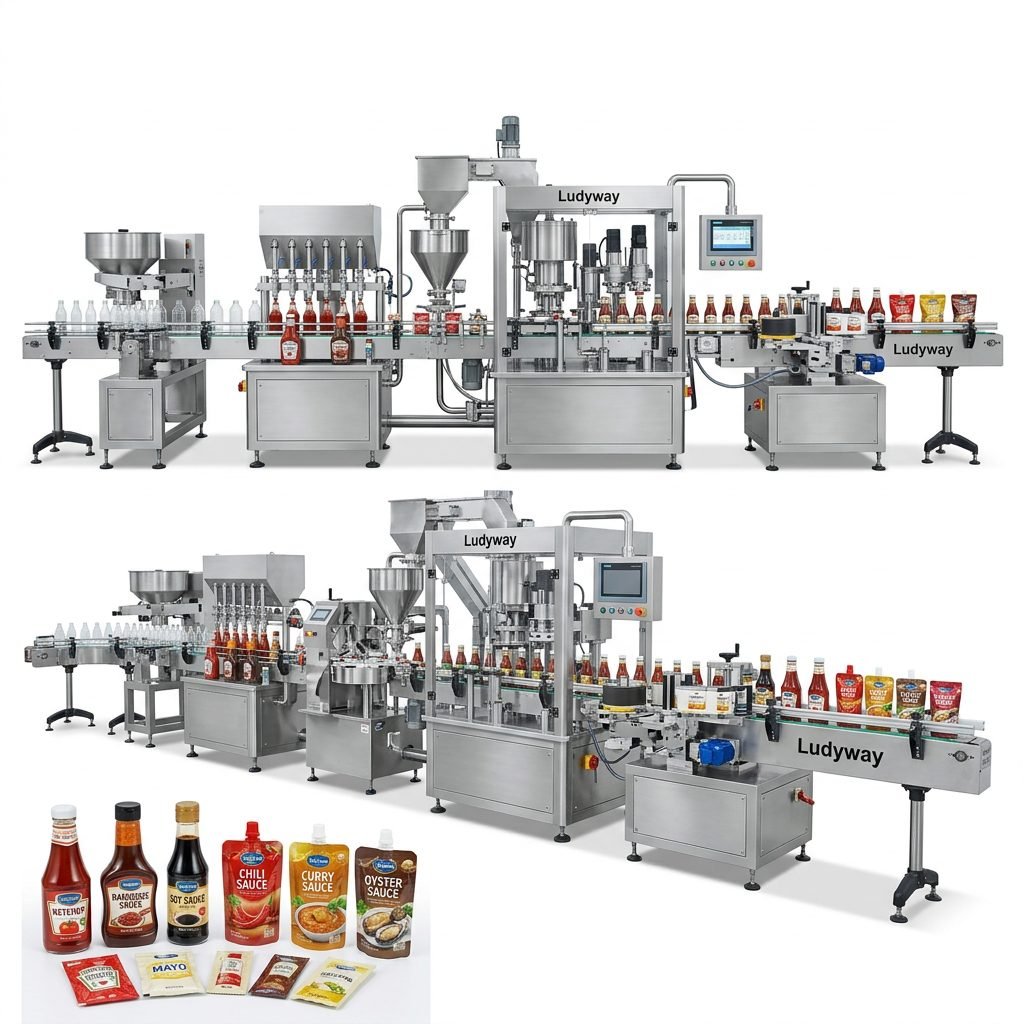
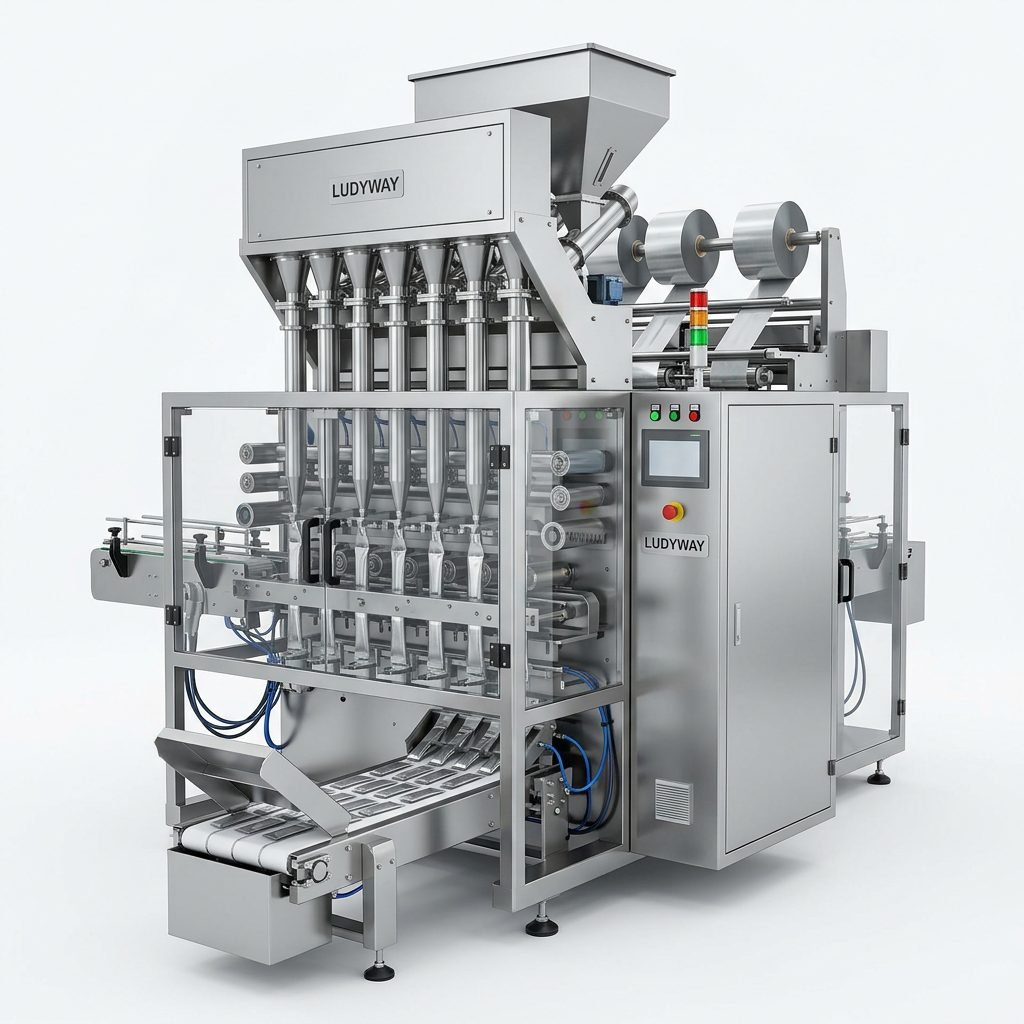
Navigating the world of packaging machinery in the Pacific region requires a deep understanding of both the technology and the unique market dynamics. From the bustling ports of Los Angeles to the innovative manufacturing hubs of Singapore and the growing industrial sectors in Australia, businesses seek solutions that are not only efficient but also culturally and operationally compatible. This guide provides a comprehensive overview of the types of machinery available, their key features, and actionable strategies for cost-saving, tailored for the diverse Pacific market.
Understanding the Pacific Packaging Landscape
The Pacific region encompasses a vast array of industries, from high-volume food production in North America to specialized pharmaceutical manufacturing in East Asia and burgeoning organic product sectors in Oceania. This diversity demands packaging machinery that is versatile, reliable, and adaptable to different scales of operation. Understanding local regulations, consumer preferences for sustainability, and supply chain logistics is the first step toward selecting the right equipment.
Key Consideration:
In many Pacific cultures, particularly in East and Southeast Asia, the presentation and perfection of the package is deeply tied to brand perception and respect for the consumer. Machinery that ensures consistent, high-quality seals and prints is not just a technical requirement but a cultural one.
Primary Types of Packaging Machinery
Selecting the correct type of machine is fundamental to operational success. The main categories are defined by the form of the final package and the product type.
1. Vertical Form-Fill-Seal (VFFS) Machines
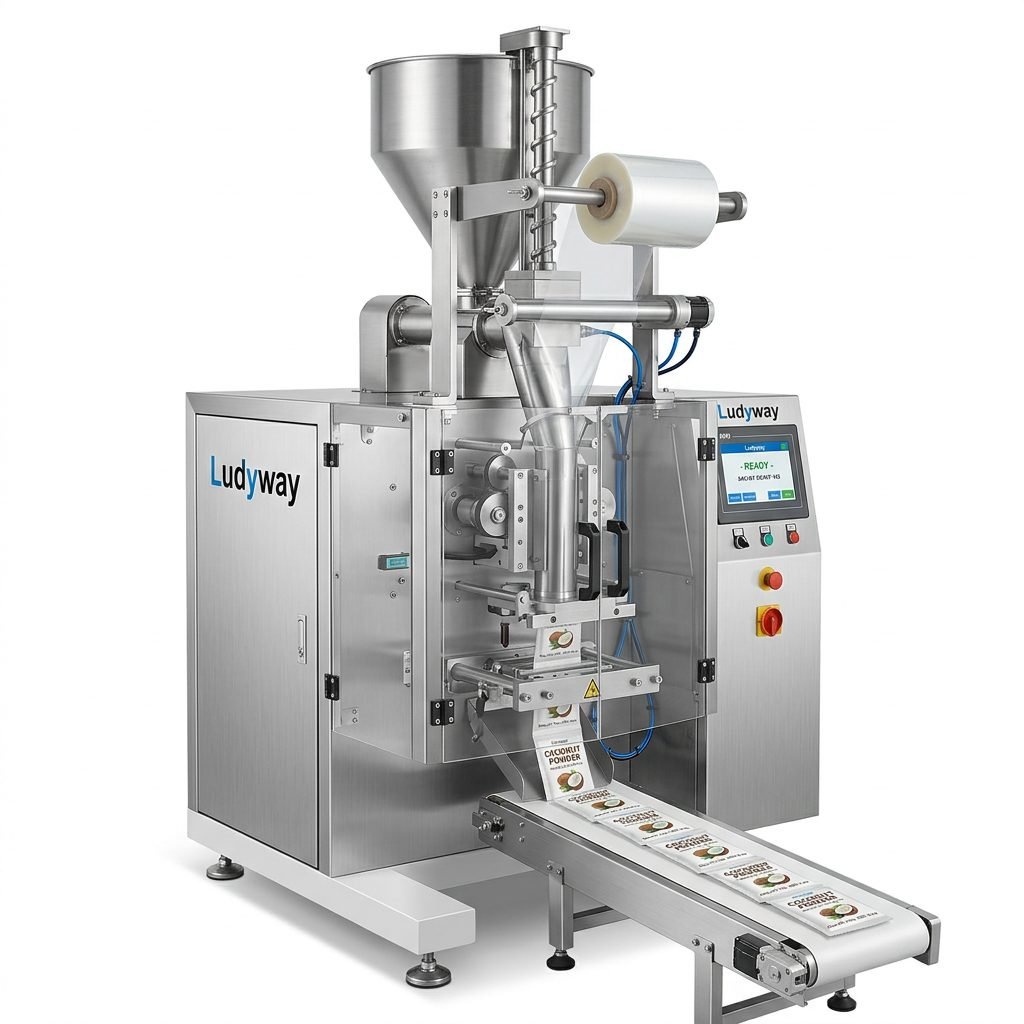
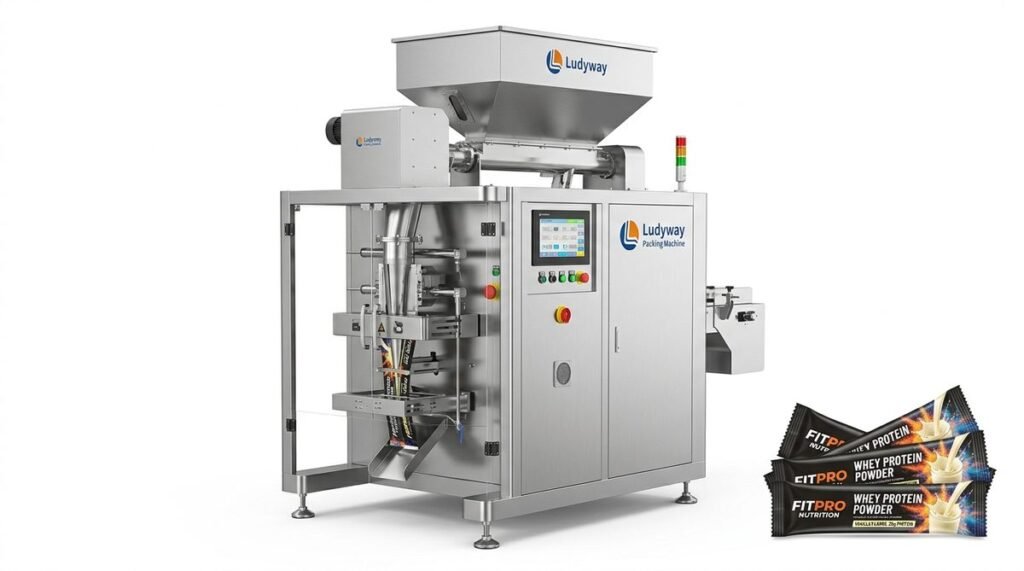
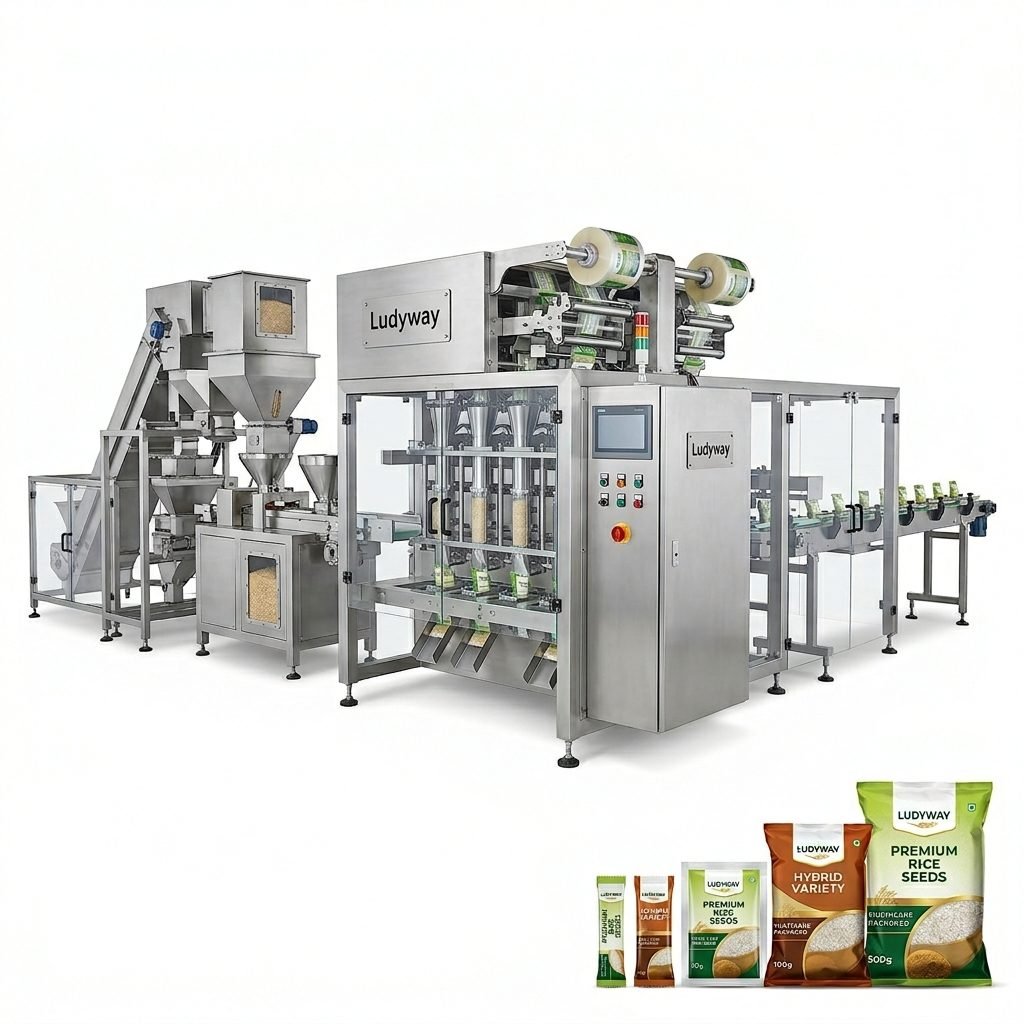
These are the workhorses of the packaging industry, ideal for granule, powder, and liquid products. They form bags from a roll of film, fill them with product, and seal them in a continuous operation. They are highly efficient for medium to high-volume production of items like snacks, coffee, and detergent powders.
2. Horizontal Form-Fill-Seal (HFFS) Machines
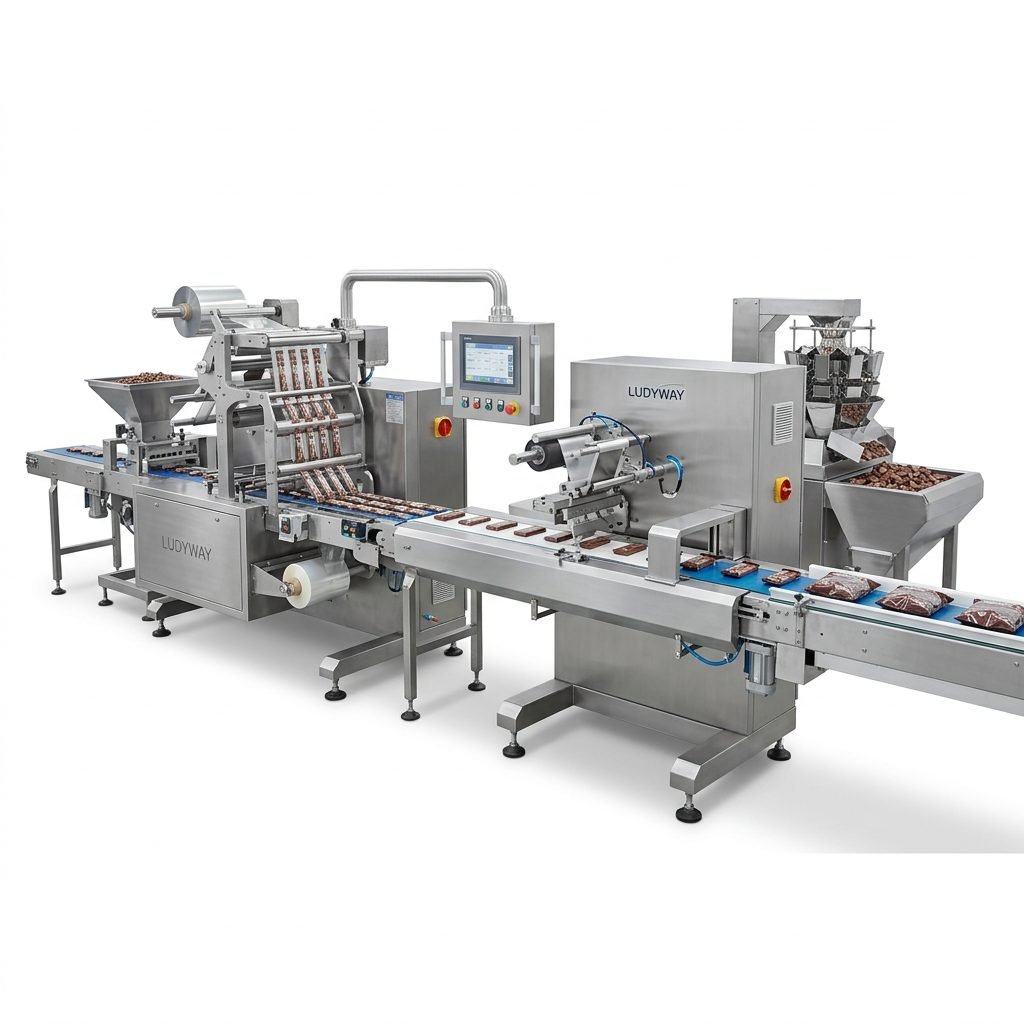
Best suited for wrapping solid products like candy bars, cookies, or medical devices. The product is placed on a web of film, which is then formed around it and sealed. This type is prevalent in confectionery and baked goods sectors across the Pacific.
3. Stick Pack & Sachet Packaging Machines
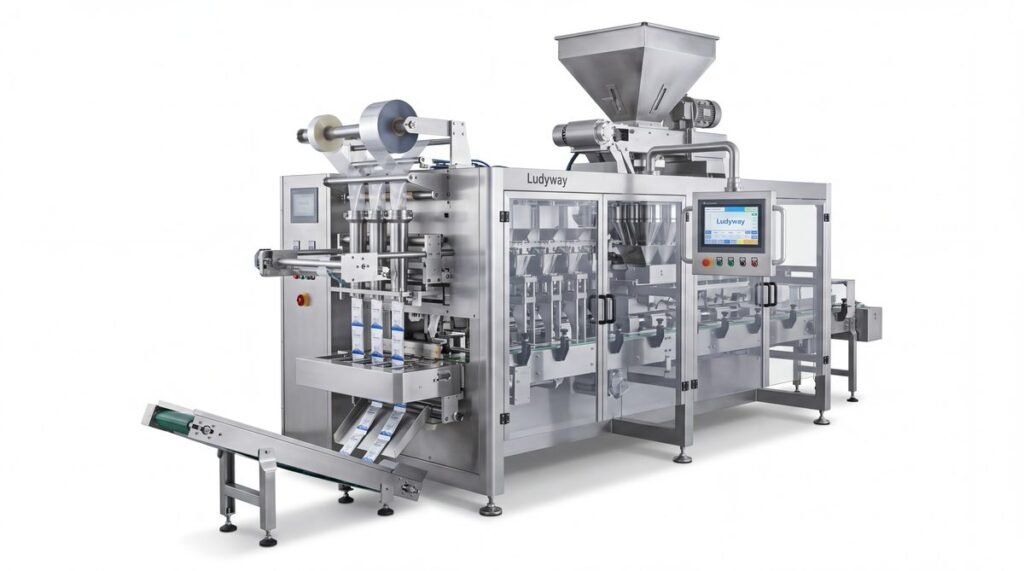
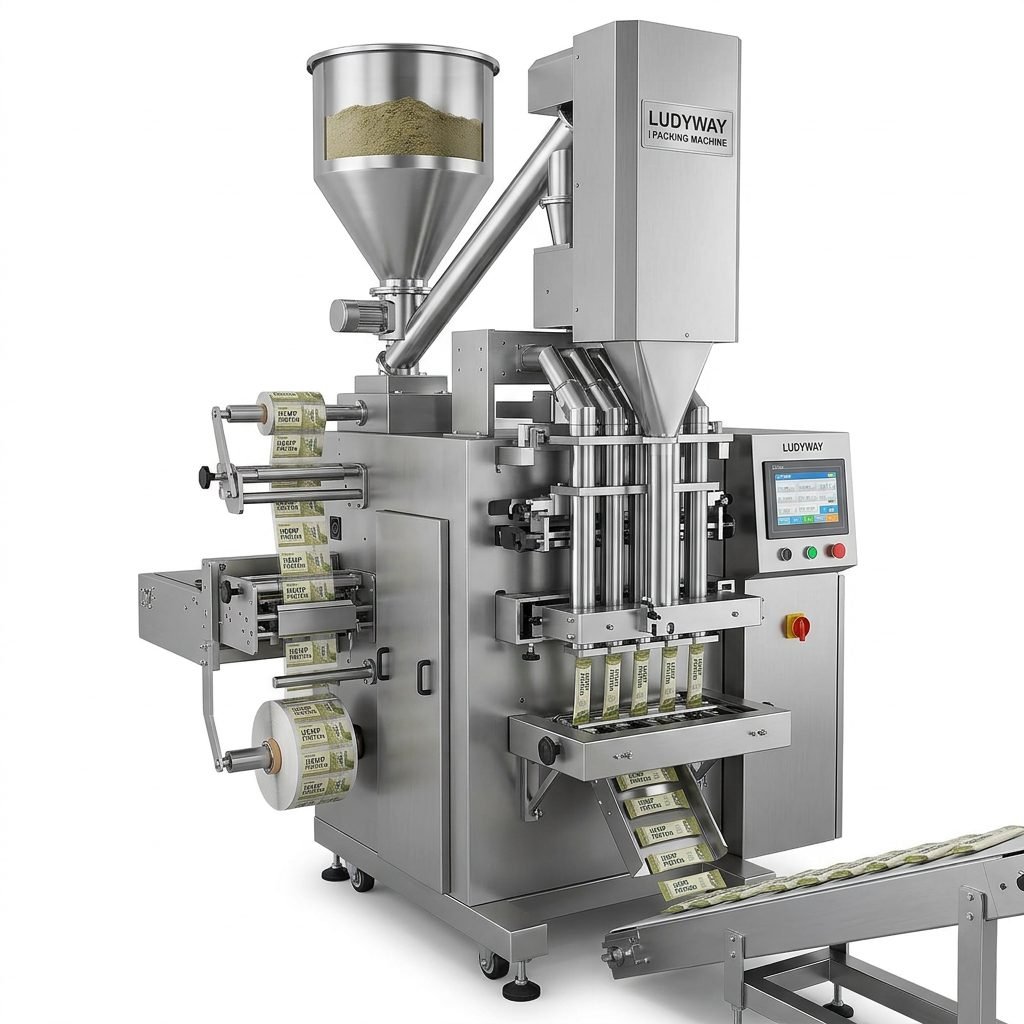
Extremely popular for single-serve portions of products like instant beverages, condiments, pharmaceuticals, and cosmetics. Their compact size and consumer convenience drive demand, especially in on-the-go cultures prevalent in urban centers from Tokyo to Sydney. Modern multi-lane systems offer remarkable output speeds.
4. Liquid & Pouch Filling Machines
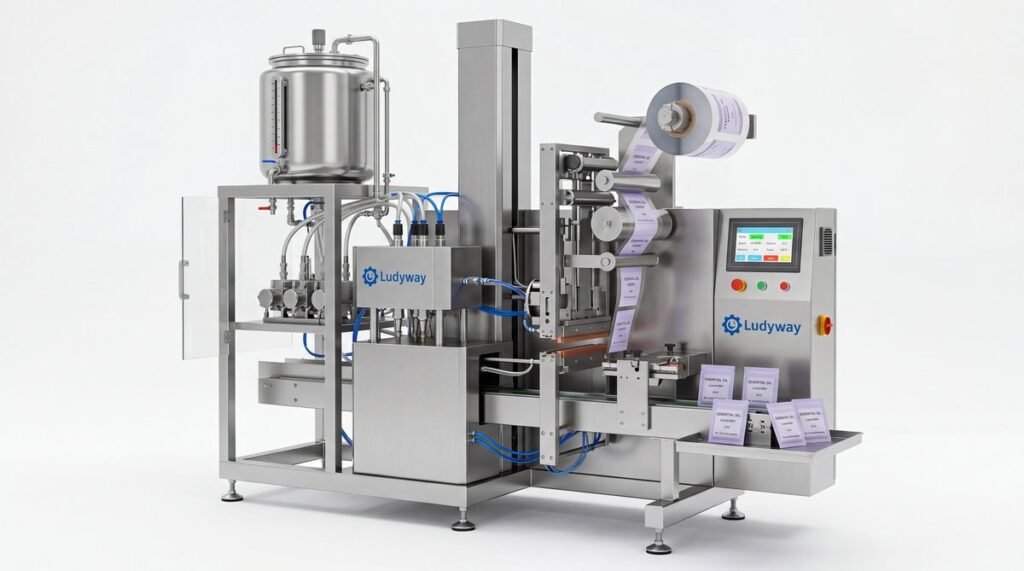
Designed for filling liquids, pastes, or creams into pre-made pouches or bottles. These machines are critical for the food, beverage, and personal care industries, requiring high precision to avoid waste and ensure consistent fill volumes.
Essential Features for Modern Operations
Beyond basic functionality, today’s competitive market demands machinery with advanced features that enhance efficiency, control, and flexibility.
- ✓ PLC Touchscreen Control: Intuitive user interface for easy operation, recipe storage, and quick changeovers.
- ✓ Servo-Driven Motors: Provide superior precision, energy efficiency, and quieter operation compared to traditional mechanical systems.
- ✓ Quick-Change Parts & Tooling: Minimizes downtime when switching between different package sizes or products, a vital feature for contract packagers.
- ✓ Integrated Checkweighers & Metal Detectors: Ensures product quality and safety compliance directly on the production line.
- ✓ Data Tracking & Connectivity (Industry 4.0): Allows for monitoring of OEE (Overall Equipment Effectiveness), production counts, and predictive maintenance alerts.
Strategic Cost-Saving Solutions
Investing in packaging machinery is significant, but long-term savings often outweigh the initial cost. Here are strategic ways to optimize your investment.
A. Focus on Total Cost of Ownership (TCO)
Look beyond the purchase price. Consider energy consumption (servo motors save significantly), maintenance costs (availability of spare parts in the Pacific region), and expected machine lifespan. A slightly higher initial investment in a robust, energy-efficient machine from a reputable supplier like Ludyway Packing Machine can lead to much lower TCO.
B. Optimize Packaging Materials
The machine and the film must work in harmony. Consult with your machinery supplier to select the most cost-effective film structure that still provides the necessary barrier protection and machinability. Reducing film waste by even 1-2% through precise tension control translates to substantial annual savings.
Pro Tip for Pacific Markets:
In regions with high humidity (e.g., Southeast Asia, Pacific Islands), ensure your machine has robust sealing systems and possibly integrated desiccant feeders. This prevents costly product spoilage and maintains package integrity, protecting your brand reputation.
C. Embrace Automation & Reduced Labor
Automated packaging lines reduce reliance on manual labor, which is a growing challenge and cost factor in many Pacific economies. Automated cartoning, case packing, and palletizing integrated with your primary packaging machine streamline the entire process. Explore turnkey production solutions that offer seamless integration.
D. Leverage Supplier Expertise & Support
Partnering with a supplier that has deep regional experience is invaluable. They understand local voltage standards, common technical issues, and can provide faster service and spare parts. A partner with over 30 years of industry experience can help you avoid costly mistakes in machine selection and setup.
Choosing the Right Partner in the Pacific
Your machinery supplier should be a strategic partner. Look for a provider with a proven track record, a modern manufacturing facility ensuring quality control, and a comprehensive range of over 50 intelligent models to meet your specific needs. A partner committed to innovation and long-term cooperation will help you adapt to future market changes. For insights into a partner focused on these values, you can review their company history and journey.
Ultimately, the right Pacific packaging machinery is an engine for growth. It enhances your product’s market appeal, ensures consistent quality that builds consumer trust, and drives down operational costs through efficiency and smart automation. By carefully considering the types, features, and cost-saving strategies outlined here, you can make an informed investment that strengthens your competitive position across the diverse and dynamic Pacific region.
Frequently Asked Questions (FAQs)
1. What type of packaging machine is best for starting a small business in the Pacific?
For small-scale or start-up operations, a versatile single-lane stick pack or sachet machine is often ideal. It has a lower initial investment, is relatively easy to operate, and can package a wide range of dry products like herbs, tea, or single-serve supplements, which have strong markets across the Pacific.
2. How can I ensure the machine I buy will comply with local food safety regulations?
Always specify the requirement for food-grade or pharmaceutical-grade construction (e.g., 304 or 316 stainless steel contact parts) to your supplier. Reputable suppliers design machines to meet international standards like CE or FDA guidelines, which form the basis for many local regulations in Pacific countries.
3. Are servo-driven machines worth the extra cost?
Absolutely, especially for long-term operation. Servo motors provide greater precision, faster changeover times, significant energy savings (often 20-30%), and reduced mechanical wear. The energy savings alone can justify the higher upfront cost within a few years of operation.
4. What is the typical lead time for receiving a packaging machine in the Pacific region?
Lead times vary based on machine complexity and customization. For standard models from an established supplier with regional logistics, expect 8 to 14 weeks including manufacturing, testing, and shipping. Always confirm this timeline and the support plan for installation and commissioning with your supplier.
5. Can one machine handle different package sizes and products?
Yes, most modern machines are designed for quick changeover. The key is to discuss your full range of intended products and package sizes with the supplier upfront. They can recommend the appropriate machine model and provide quick-change tooling kits, allowing you to switch production in minutes rather than hours.