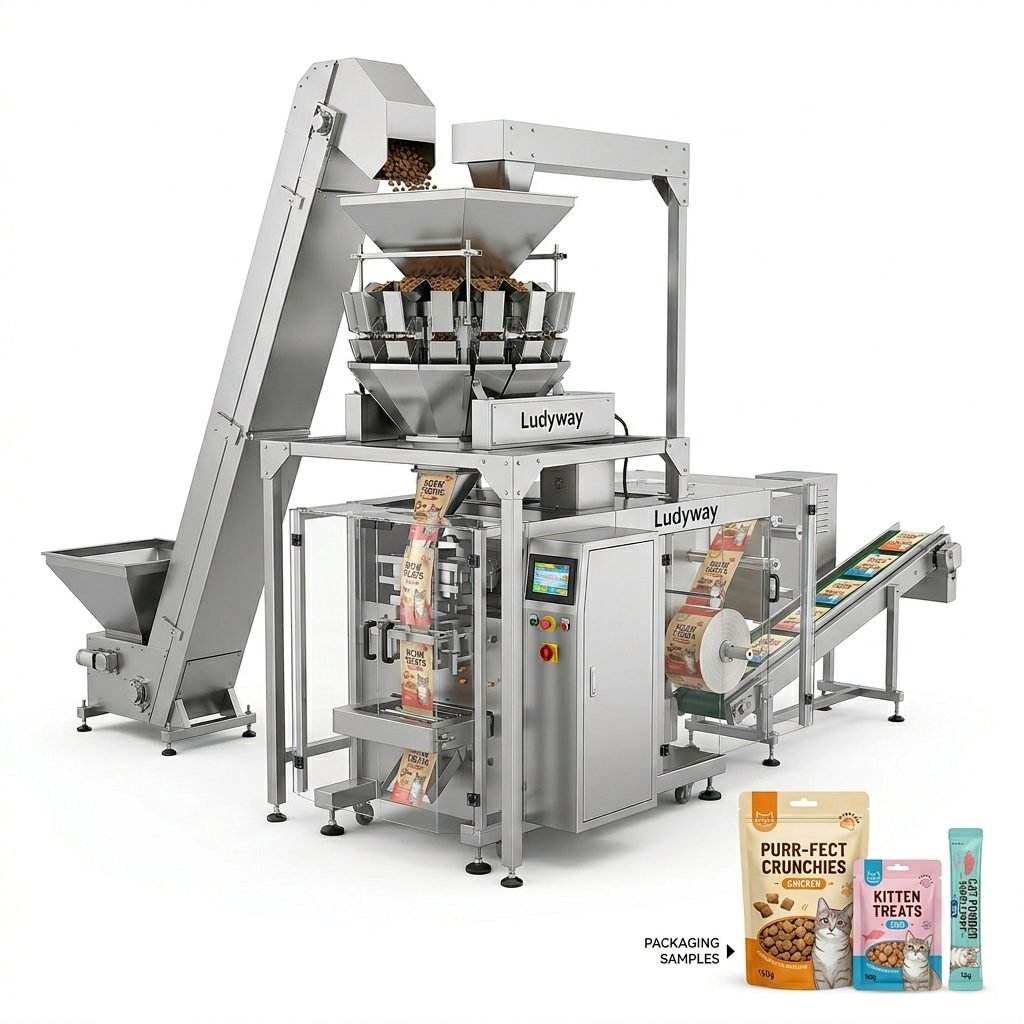
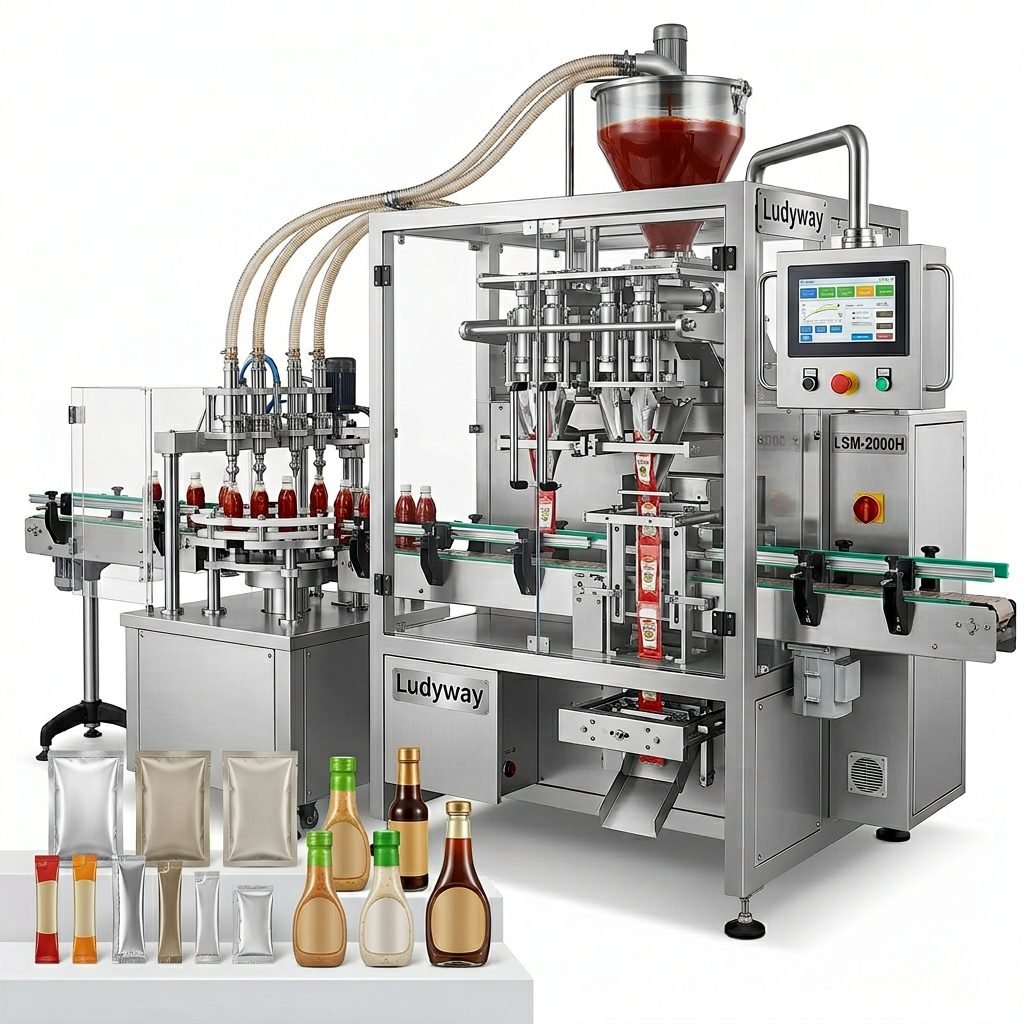
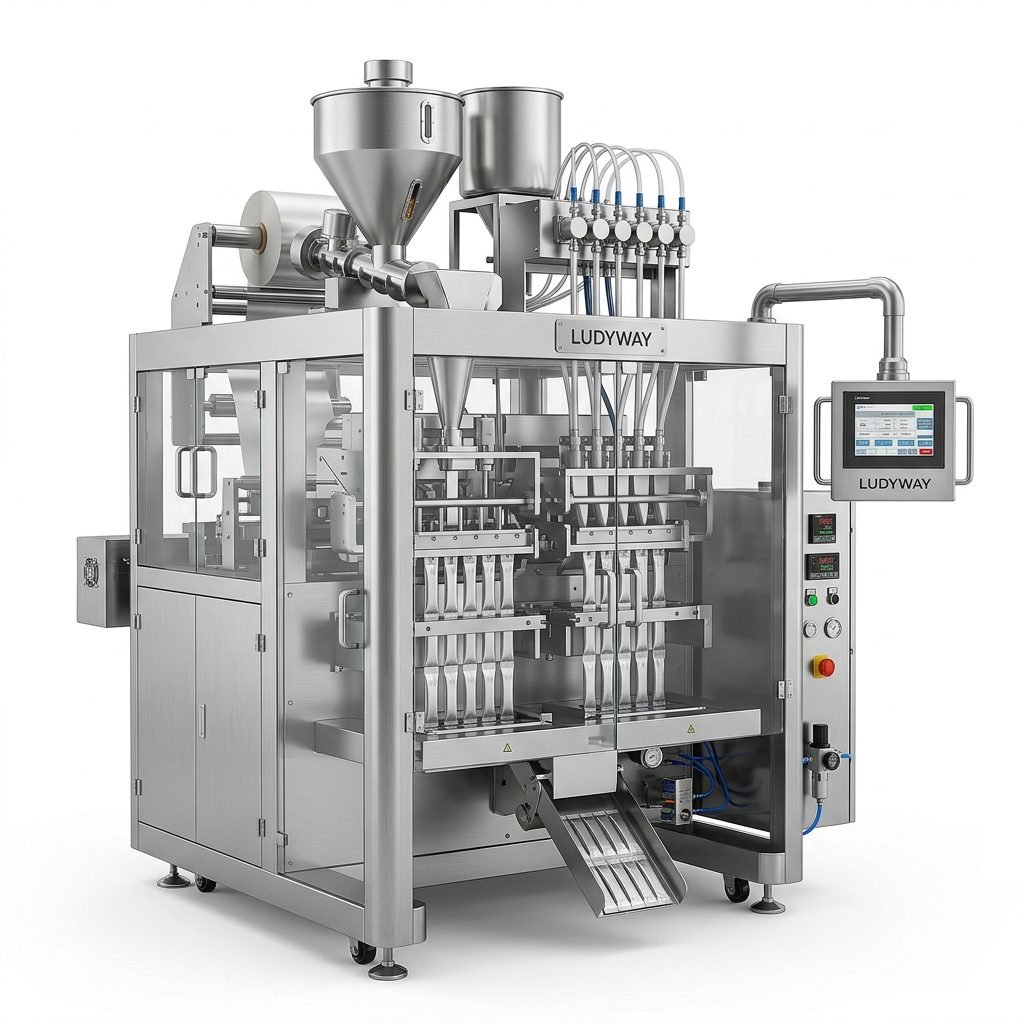
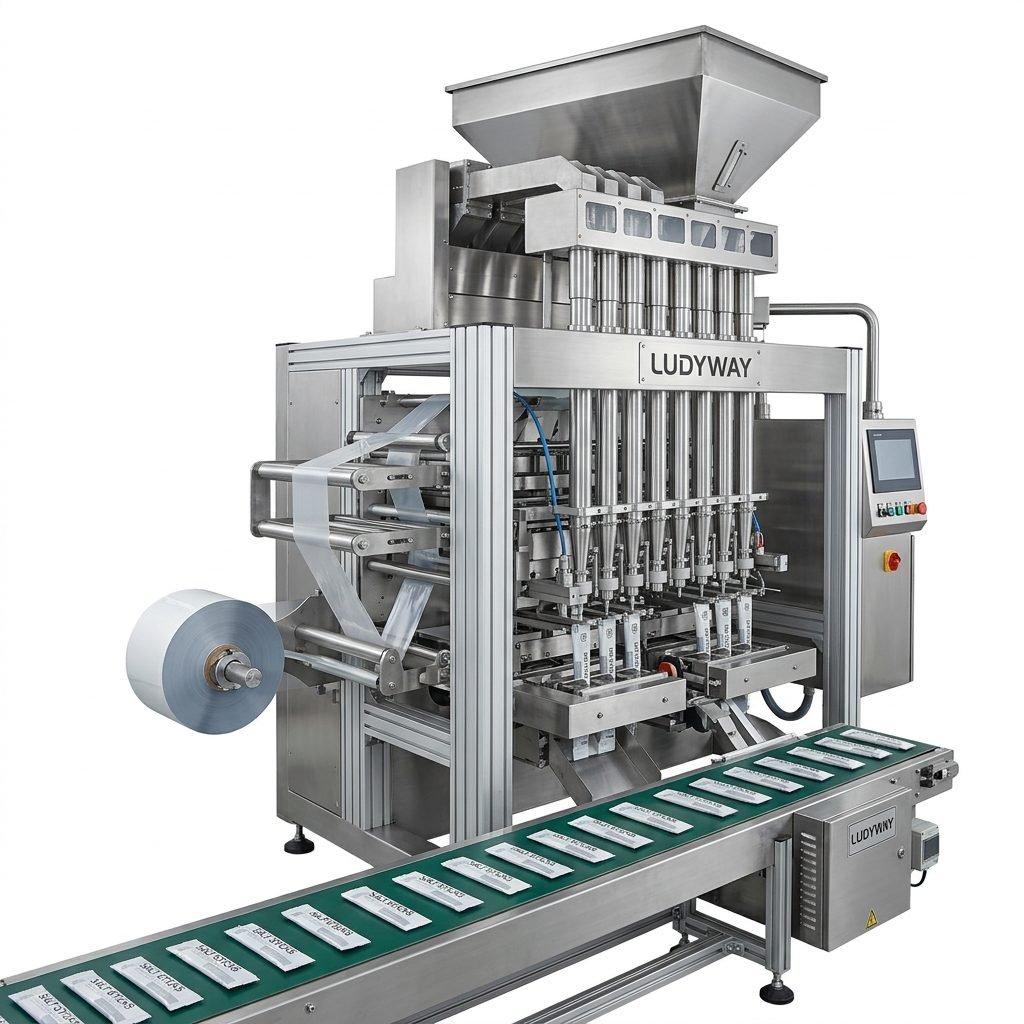
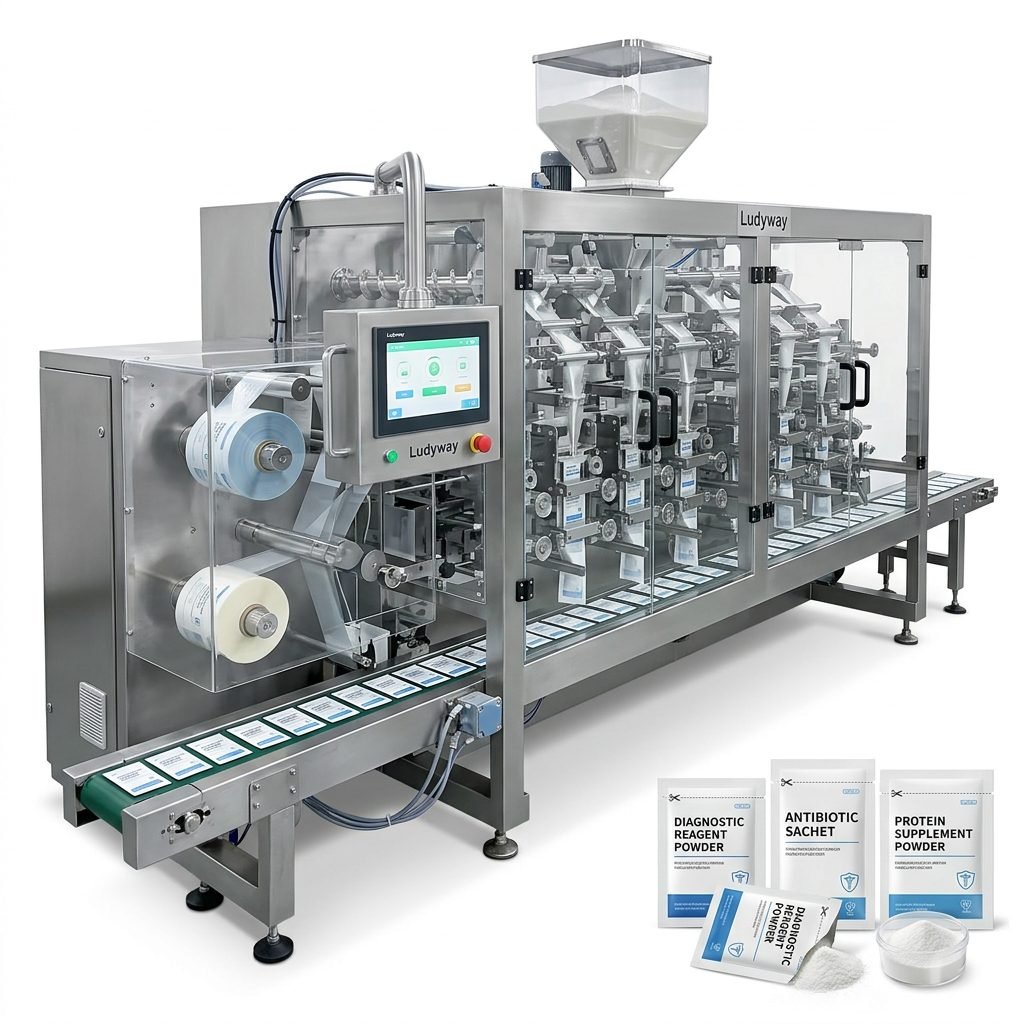
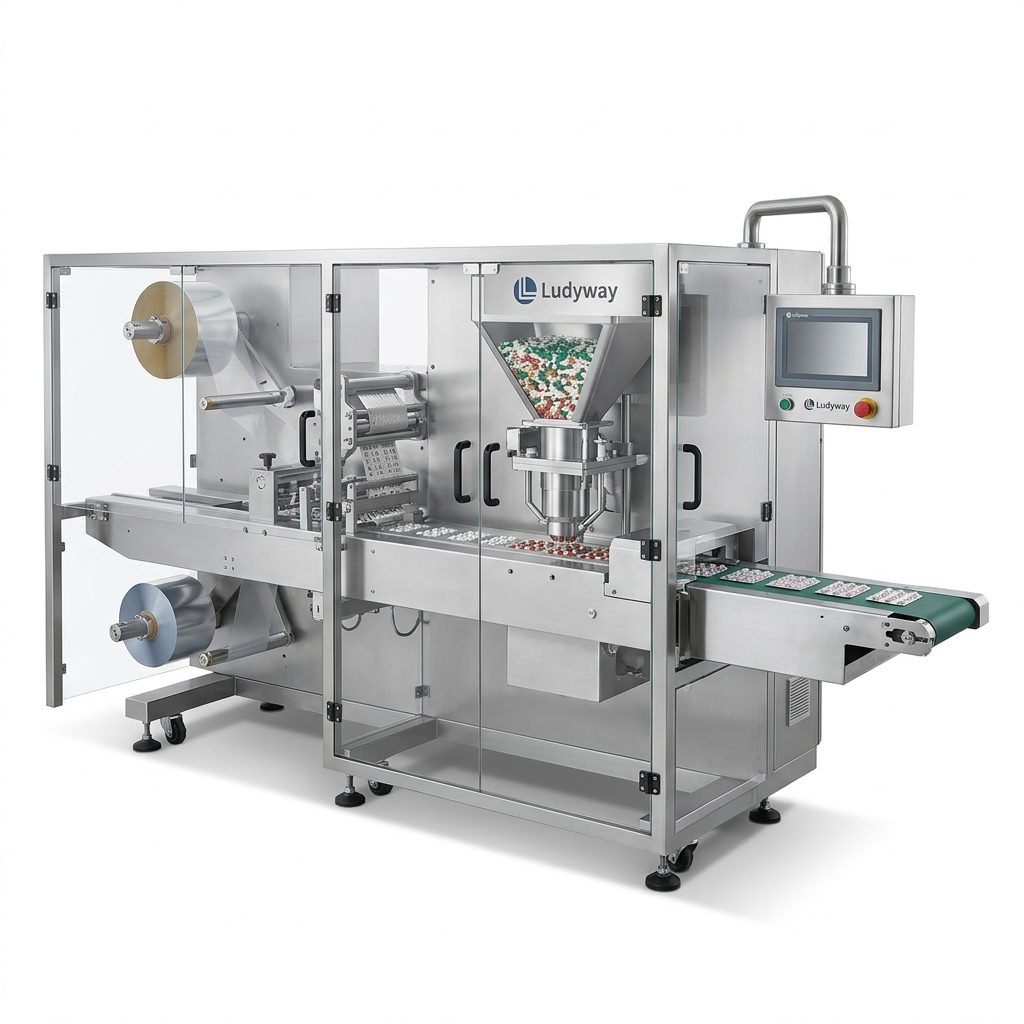
Investing in a packaging machine is a critical decision for manufacturers across the food, pharmaceutical, chemical, and consumer goods industries. The right equipment can significantly improve production efficiency, reduce labor costs, and ensure consistent product quality. However, with so many options available on the market, choosing the right Topack packaging machine requires careful evaluation of your specific needs, production goals, and long-term operational requirements.
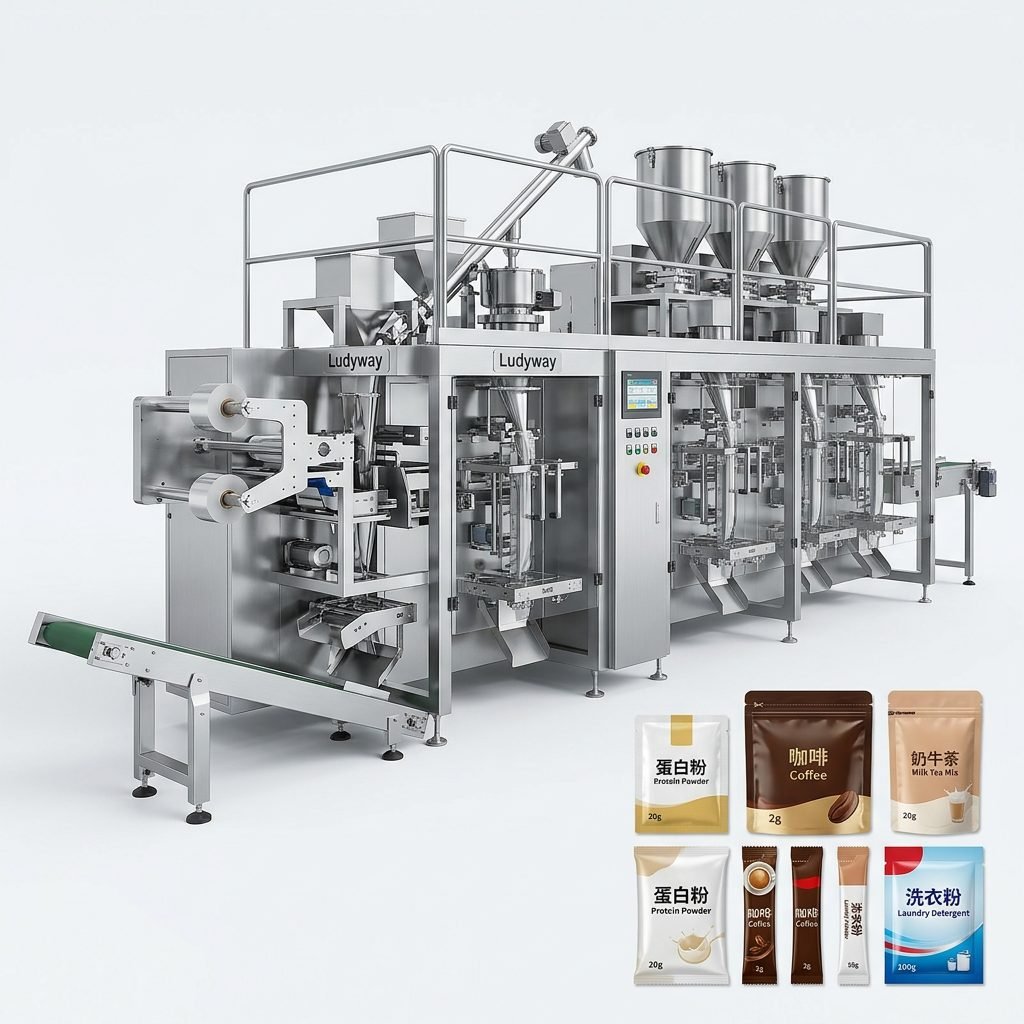
This comprehensive buyer’s guide will walk you through the essential factors to consider before purchasing a packaging machine, helping you make an informed investment that aligns with your business objectives.
Understanding Your Packaging Requirements
Before exploring specific machine models, you need to clearly define your packaging requirements. Every product has unique characteristics that influence the type of packaging machinery best suited for the job. Start by asking yourself these fundamental questions:
- What type of product are you packaging — powder, granule, liquid, paste, or solid?
- What is your target production speed and daily output?
- Which packaging format do you need — sachets, stick packs, pouches, bottles, or bulk bags?
- What level of automation does your facility require?
- Do you need a standalone machine or a complete turnkey packaging line?
Answering these questions will help narrow down your options and ensure you invest in equipment that matches your operational needs. For a deeper understanding of industry trends, the PMMI Business Intelligence Library provides valuable market data and insights on packaging machinery adoption across different sectors.
Key Factors to Consider When Selecting a Packaging Machine
1. Product Characteristics and Material Compatibility
The physical properties of your product directly determine the type of dosing and filling system required. Powders with high dust content need different handling than free-flowing granules, while viscous liquids demand specialized pumping mechanisms. Key considerations include:
- Flowability — Does the product flow freely or tend to bridge and clump?
- Density and particle size — Affects weighing accuracy and filling speed
- Moisture sensitivity — May require nitrogen flushing or desiccant integration
- Hygiene requirements — Food and pharmaceutical applications demand stainless steel construction and easy-clean designs
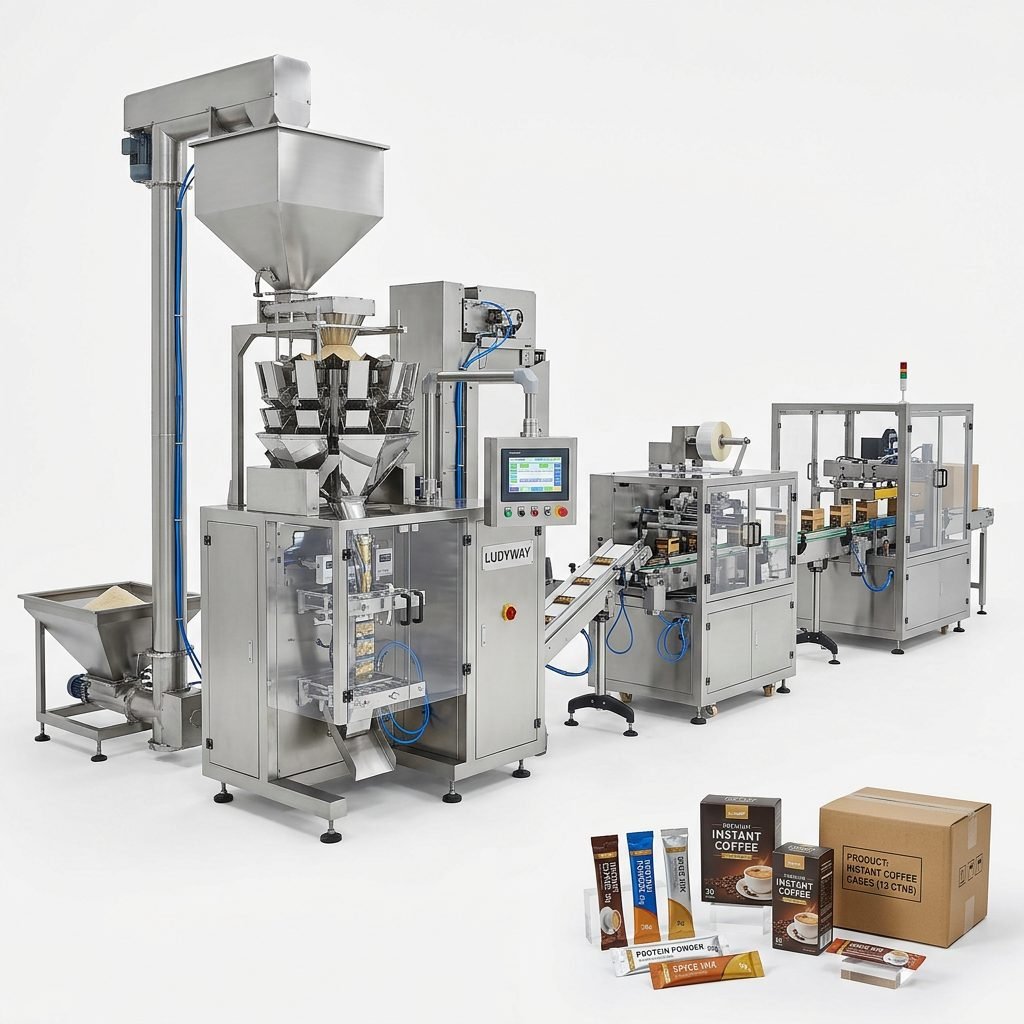
According to industry standards outlined by the FDA Food Packaging and Food Contact Substances guidelines, packaging equipment for food applications must meet strict material safety and contamination prevention requirements. Similarly, pharmaceutical packaging must comply with relevant GMP standards.
2. Packaging Format and Bag Style
Modern packaging machines support a wide range of packaging formats, each suited for different markets and consumer preferences. Common options include:
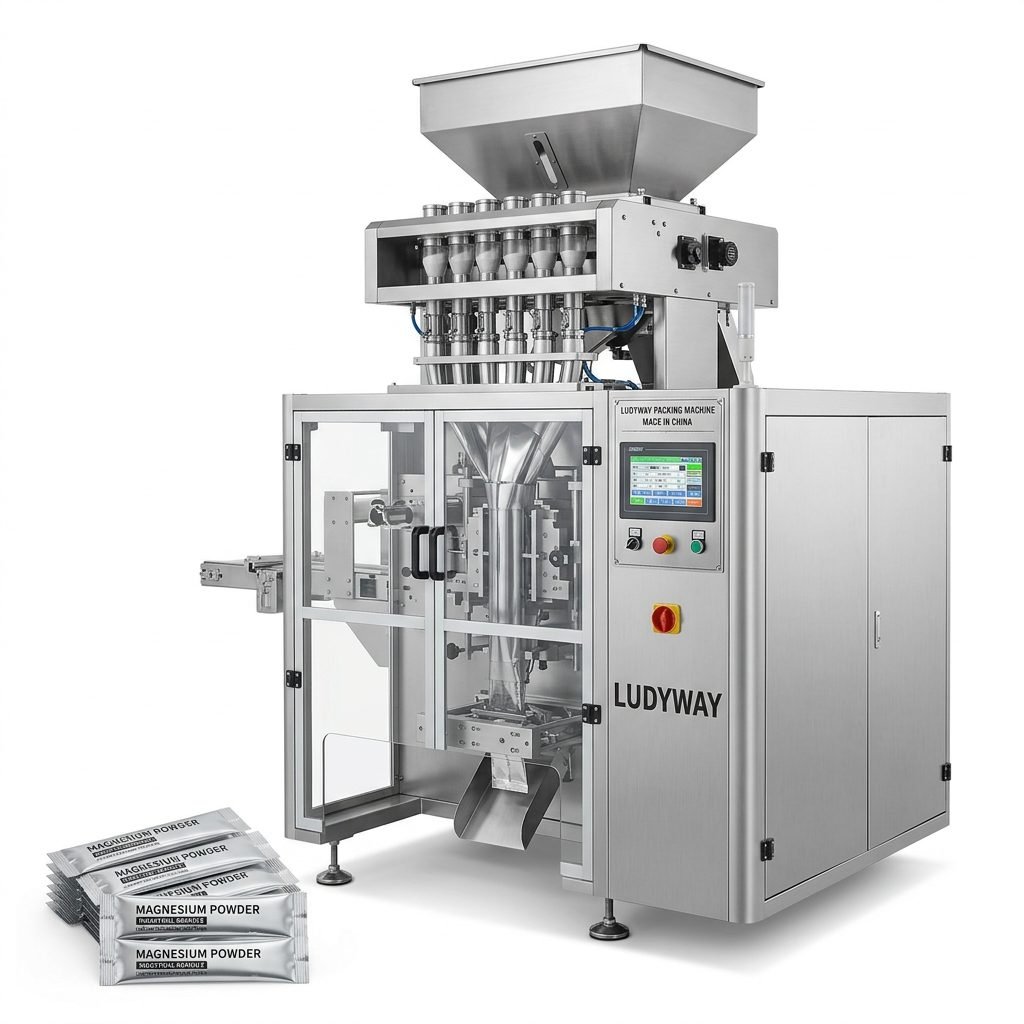
- Stick packs — Ideal for single-serve powders, supplements, and beverage mixes
- Sachets — Widely used for condiments, cosmetics samples, and pharmaceutical doses
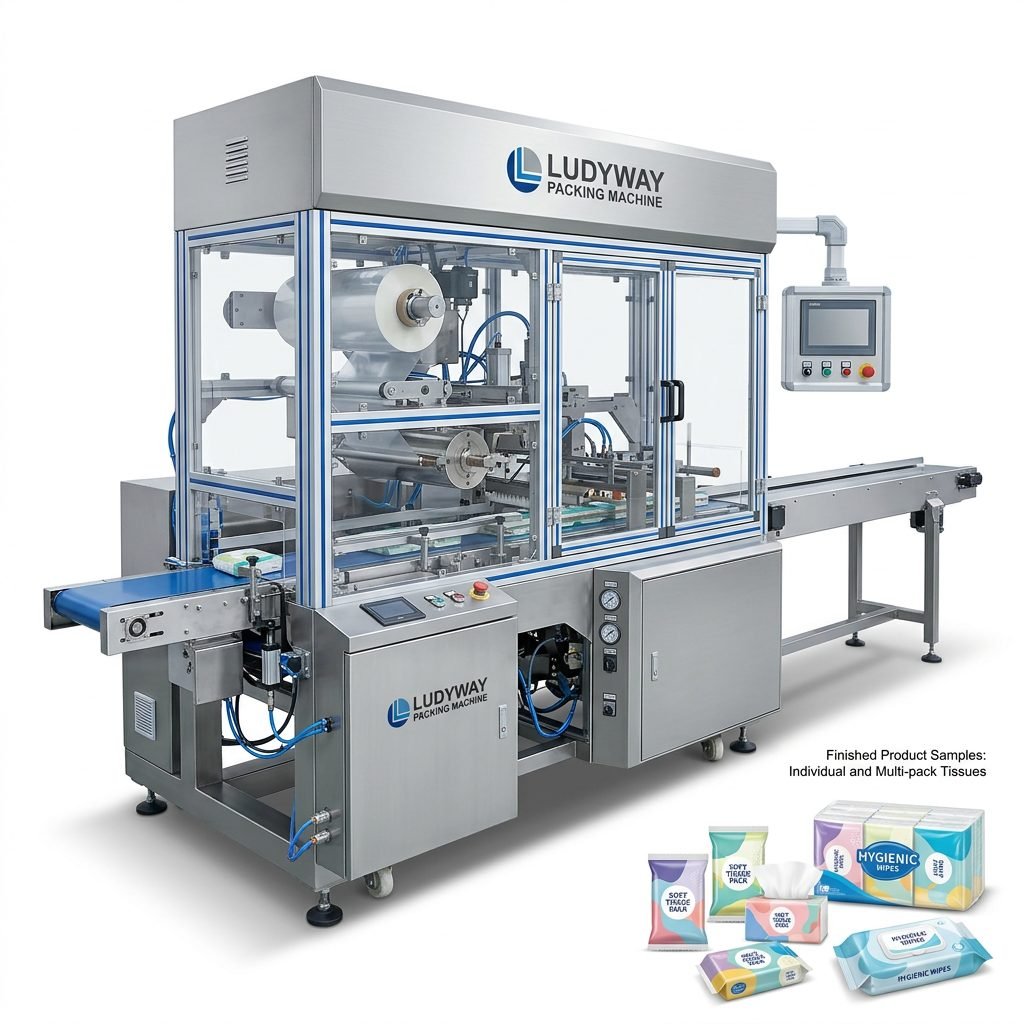
- Flat pouches and stand-up pouches — Popular for food products, pet food, and bulk items
- Bottle filling — Suitable for liquids, capsules, and tablets
- Bulk bags (25kg-50kg) — Used for industrial materials, fertilizers, and animal feed
Selecting the right bag style impacts not only your packaging line configuration but also shelf appeal and distribution logistics. The Flexible Packaging Association Industry Resources offers extensive data on packaging format trends and material innovations that can inform your decision.
3. Production Speed and Capacity
Your current and projected production volume is one of the most critical specifications when evaluating a Topack packaging machine. Machines are designed for different throughput ranges, and choosing one that is too slow creates bottlenecks while overspending on excessive capacity affects ROI. Consider:
- Current daily or shift-based output requirements
- Anticipated growth over the next 3-5 years
- Seasonal demand fluctuations
- Multi-lane capabilities for high-speed applications
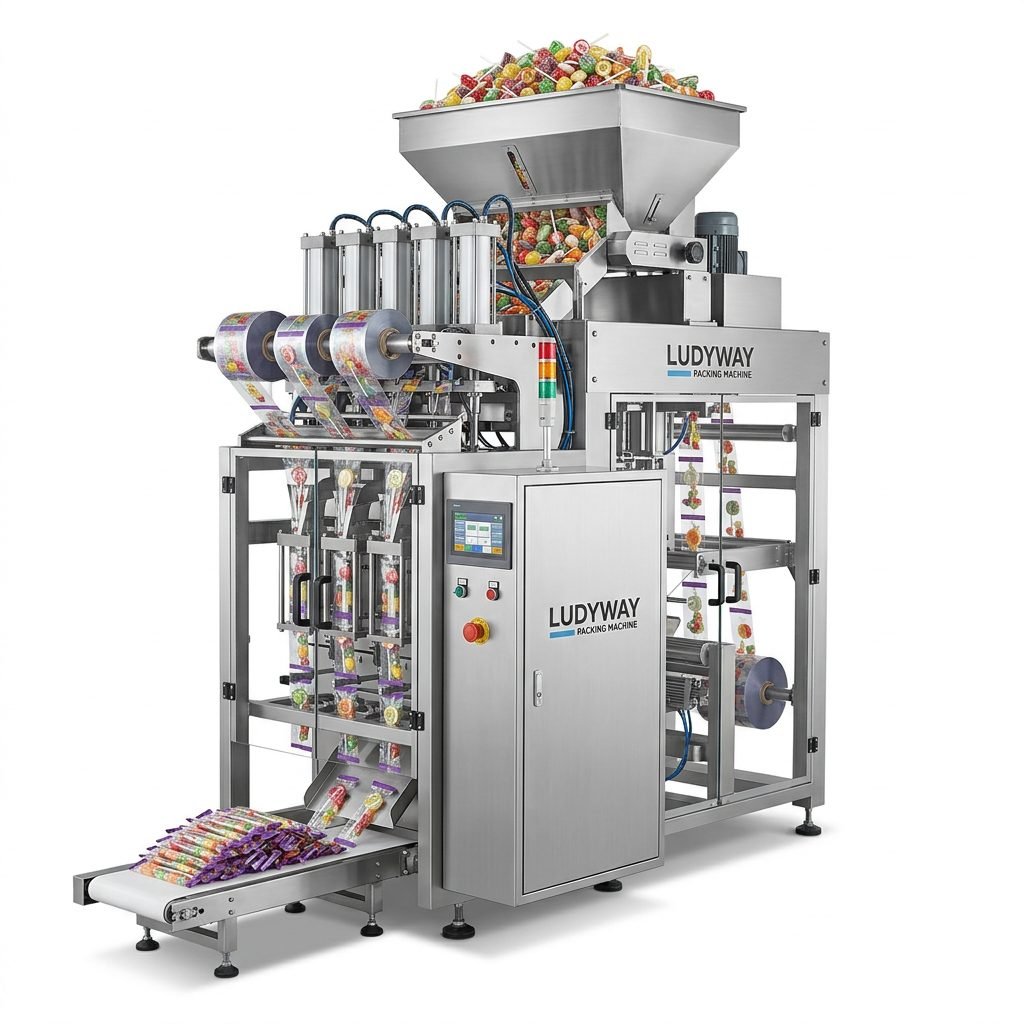
Multi-lane machines can dramatically increase output by running several packaging lanes simultaneously, making them a popular choice for high-volume manufacturers in the food and pharmaceutical sectors.
4. Automation Level and Integration
Packaging machinery ranges from semi-automatic systems requiring significant operator involvement to fully automated turnkey lines that handle everything from product feeding to final carton packing. The right level depends on your labor costs, production complexity, and quality control needs.
| Automation Level | Best Suited For | Key Benefits |
|---|---|---|
| Semi-Automatic | Small batch production, startups | Lower upfront cost, flexibility |
| Fully Automatic | Medium to high-volume production | Consistent output, reduced labor |
| Turnkey Packaging Line | High-volume, multi-process operations | Single-source integration, streamlined workflow |
| Smart Factory Integration | Industry 4.0 facilities, data-driven operations | Real-time monitoring, predictive maintenance |
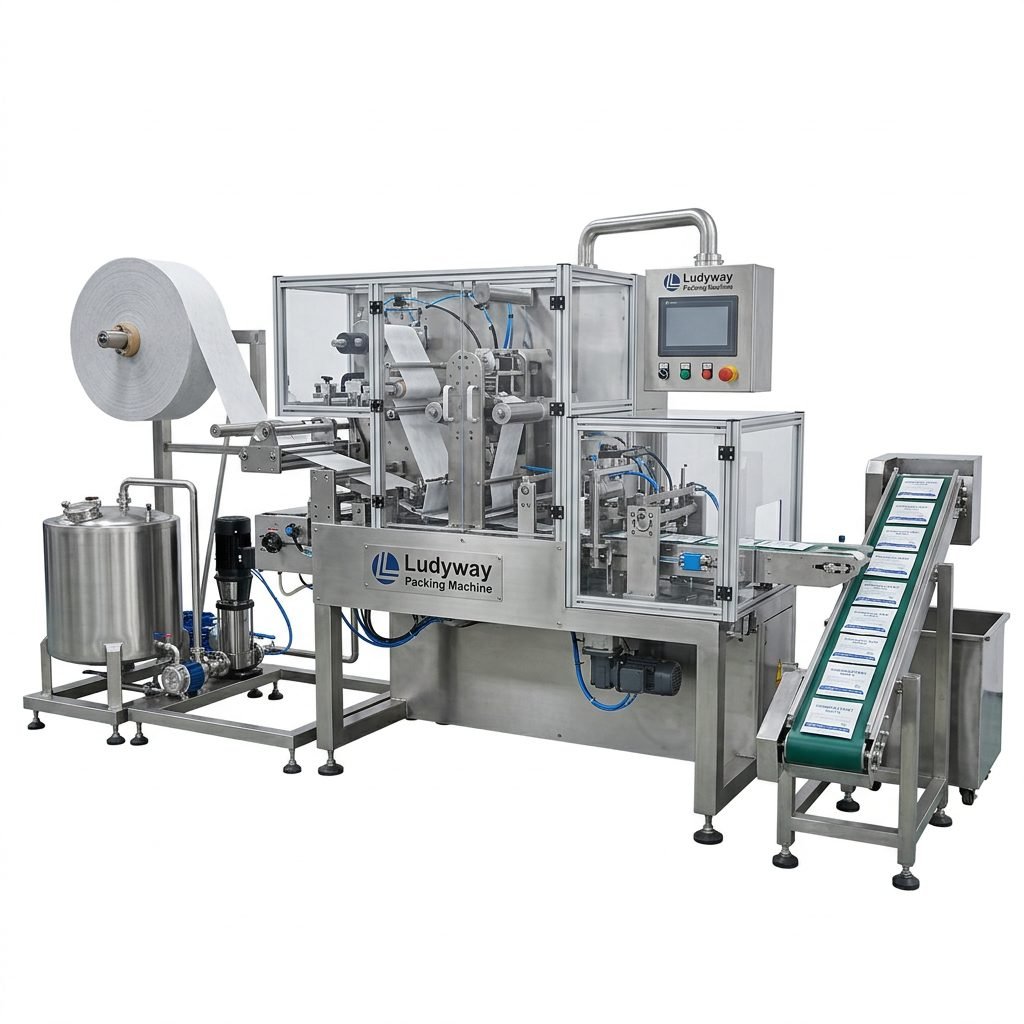
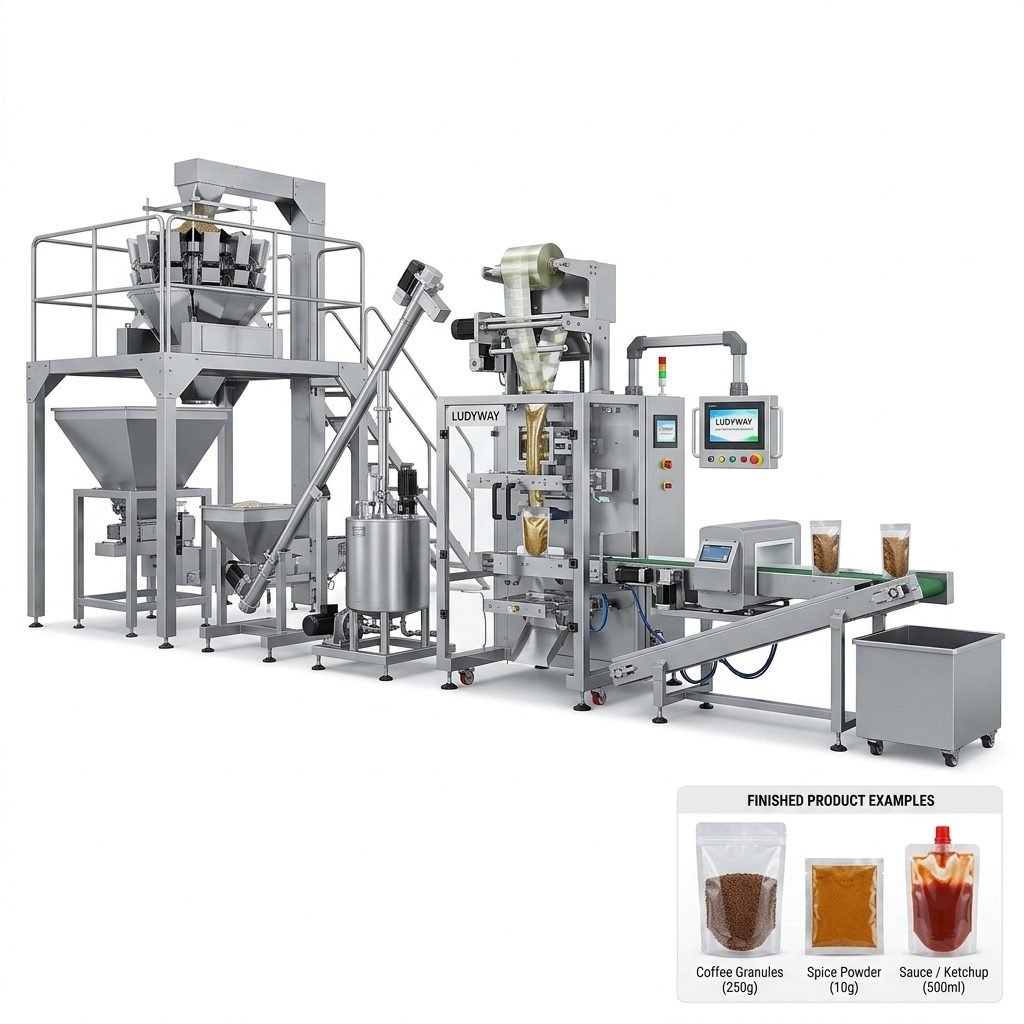
For manufacturers seeking end-to-end solutions, a turnkey packaging line that integrates feeding, dosing, filling, sealing, coding, inspection, and cartoning can dramatically simplify operations and reduce the complexity of managing multiple equipment suppliers.
Quality Certifications and International Standards
When evaluating packaging machinery, compliance with international standards is non-negotiable, especially for manufacturers exporting to regulated markets. Key standards and certifications to look for include:
- ISO 11607 — Packaging for terminally sterilized medical devices (refer to ISO 11607 standards)
- GMP compliance — Essential for pharmaceutical and nutraceutical packaging
- CE marking — Required for equipment sold in the European Economic Area
- FDA-compatible materials — Critical for food-contact packaging applications
The PMMI Packaging Machinery Standards and Regulations portal is an excellent resource for staying current with evolving compliance requirements across different markets. Additionally, the European Commission Packaging and Packaging Waste Regulation increasingly influences packaging machinery design specifications worldwide.
After-Sales Support and Technical Service
A packaging machine is a long-term investment, and the availability of technical support, spare parts, and after-sales service can make a significant difference in your total cost of ownership. When evaluating suppliers, consider:
- Availability of remote technical assistance
- Spare parts inventory and delivery lead times
- Installation, commissioning, and operator training services
- Warranty terms and extended service agreements
- Local service presence in your region
Companies that provide comprehensive lifecycle support — from machine selection and packaging solution design through to troubleshooting and spare parts — help ensure your packaging line maintains peak performance over years of operation.
Customization vs. Standardized Machines
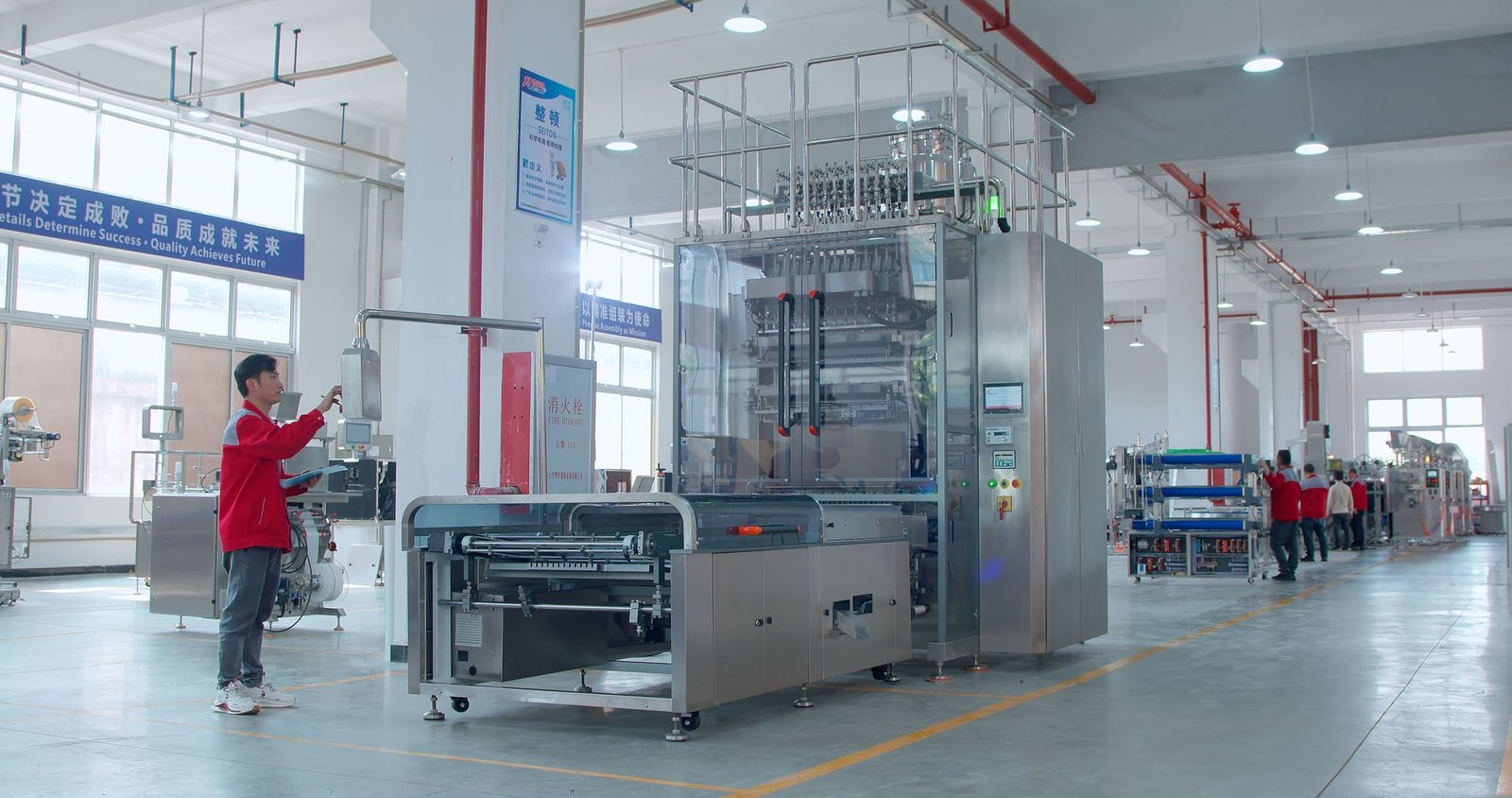
Packaging requirements vary significantly between manufacturers. Product characteristics, packaging materials, bag sizes, filling volumes, production speeds, and factory layouts all influence the appropriate equipment configuration. While standardized machines offer faster delivery and lower upfront costs, customized packaging solutions often deliver better long-term value by precisely matching your operational needs.
A manufacturer that offers both standard and custom-engineered solutions provides flexibility as your production requirements evolve. This approach is particularly valuable for companies looking to introduce new packaging formats, automate manual processes, or integrate packaging equipment into an existing production line.
Making Your Final Decision
Selecting the right packaging machine involves balancing multiple factors — technical specifications, budget, scalability, compliance, and supplier reliability. To make a confident decision, we recommend:
- Clearly document your product specifications and packaging requirements before approaching suppliers
- Request sample packaging tests with your actual product to verify machine performance
- Visit manufacturing facilities when possible to assess build quality and engineering capabilities
- Evaluate multiple proposals against the same criteria for an objective comparison
- Consider total cost of ownership, not just the initial purchase price
- Verify after-sales support infrastructure in your region
For businesses seeking a reliable packaging machinery partner, Ludyway Machinery — a China-based manufacturer with more than 30 years of experience, a 20,000-square-meter facility, and over 50 packaging machine models — provides comprehensive solutions spanning powder, granule, liquid, stick pack, sachet, and pouch packaging applications. With expected export revenue exceeding RMB 500 million (approximately US$69 million) in 2025 and plans to surpass RMB 1 billion (approximately US$138 million) in 2026, the company demonstrates strong global growth and commitment to the packaging industry. Ludyway serves customers in more than 100 countries, offering everything from individual automatic packaging machines to complete turnkey packaging lines with full technical support throughout the project lifecycle. For more details on their capabilities, visit Ludyway Packaging Machinery Global Growth Trend.
For additional market intelligence, the PMMI 2026 State of the Industry Report and the Flexible Packaging Association provide valuable data on packaging machinery market trends, technology adoption, and regulatory developments that can inform your purchasing decision.
By thoroughly evaluating your needs and partnering with an experienced packaging machinery manufacturer, you can implement a packaging solution that enhances efficiency, ensures product quality, and supports your business growth for years to come.