Turmeric powder presents unique challenges for packaging operations. Its fine particle size, tendency to generate dust, sensitivity to moisture, and bright staining color mean that selecting the right packing machine is critical for maintaining product quality, production efficiency, and a clean working environment. This guide walks you through every essential factor to evaluate before investing in a turmeric powder packaging solution.
Understanding Turmeric Powder Characteristics
Before comparing machine specifications, you need to understand how turmeric powder behaves during the packaging process. Turmeric powder is typically fine, cohesive, and prone to dusting. These characteristics directly impact machine selection in several ways. The powder’s cohesiveness can cause bridging or rat-holing in hoppers if the feeding system is not properly designed. Its dusting tendency requires effective dust containment systems to maintain a clean production environment and protect operator health. Additionally, turmeric’s sensitivity to moisture and its staining properties demand careful material selection for machine contact parts.
Key Powder Properties That Affect Packaging
- Particle size distribution – Fine particles (typically 60-100 mesh) require precise auger or volumetric filling systems
- Bulk density variation – Can range from 0.35 to 0.65 g/cm³ depending on grinding method and moisture content
- Flowability index – Generally classified as cohesive to very cohesive, requiring agitation or mechanical assistance
- Moisture sensitivity – Hygroscopic nature demands sealed packaging with moisture barrier films
- Dust generation – Requires integrated dust extraction or containment at filling stations
Machine Types for Turmeric Powder Packaging
Different machine configurations suit different production scales and packaging formats. The packaging machinery industry offers several proven technologies for powder products. Understanding the strengths and limitations of each type will help you narrow down your options.
Vertical Form Fill Seal (VFFS) Machines
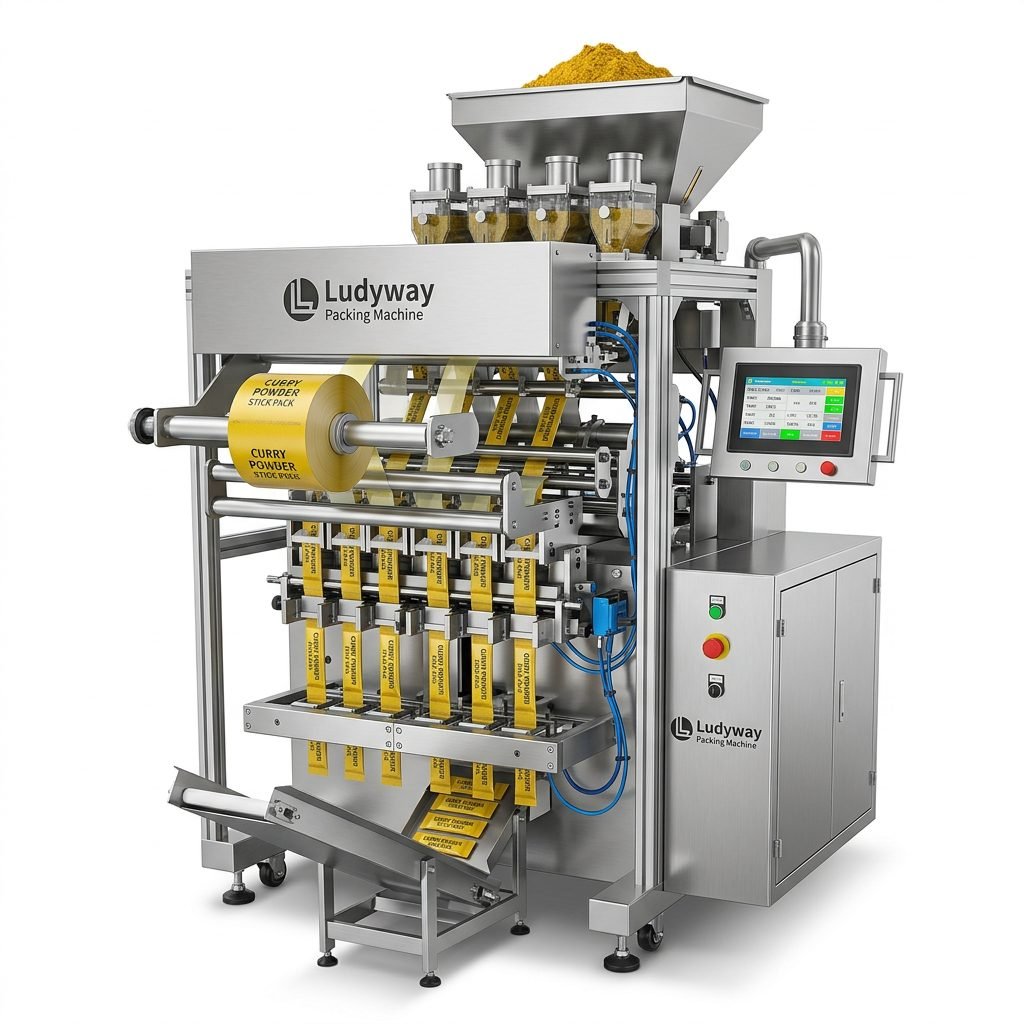
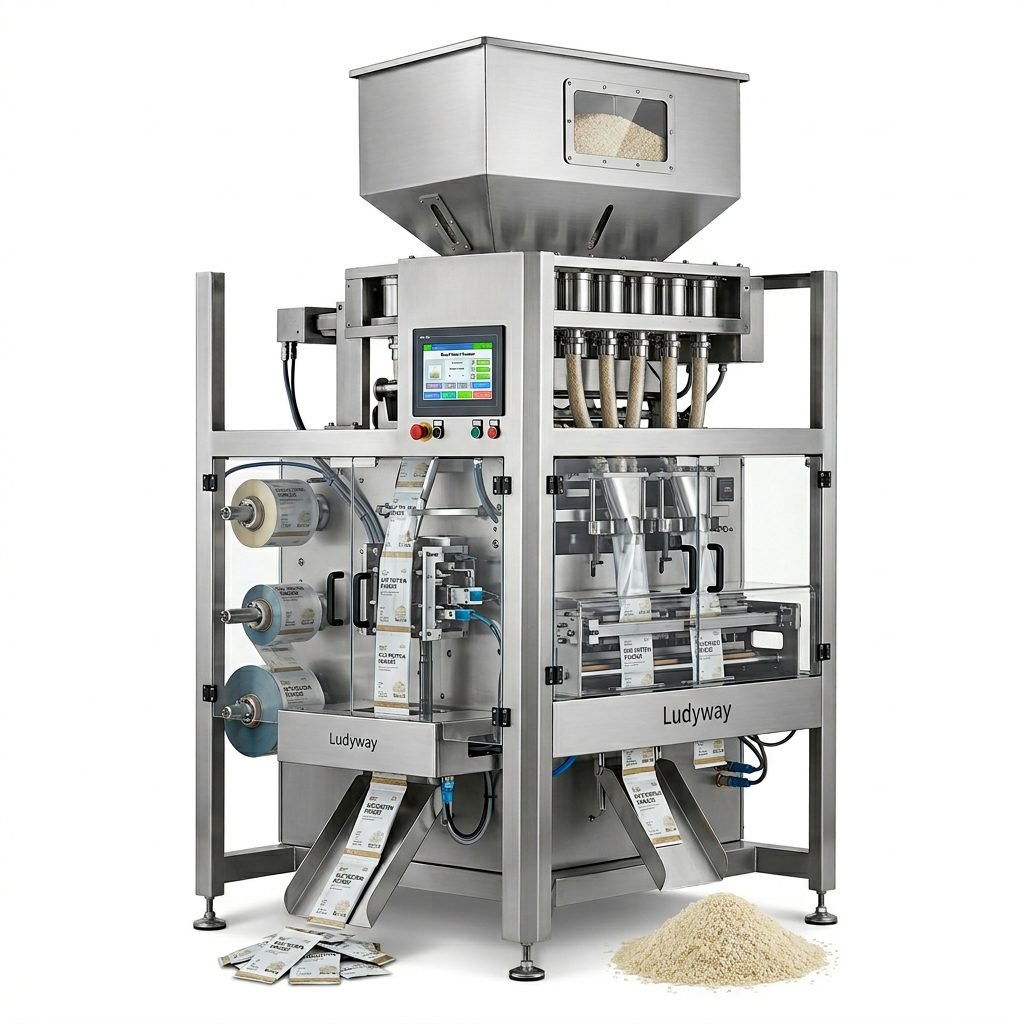
VFFS machines are among the most common choices for turmeric powder. The film is formed into a tube, filled with product, and sealed vertically. For turmeric, auger filling systems paired with VFFS technology deliver reliable dosing accuracy. Multi-lane configurations can significantly increase output for sachet and stick pack formats.
Premade Pouch Filling Machines
Rotary or inline premade pouch machines offer flexibility for stand-up pouches, zipper bags, and gusseted formats. These systems are ideal when your brand requires premium packaging presentation with features like resealable zippers or shaped pouches. The separate filling stations allow for more controlled dust management.
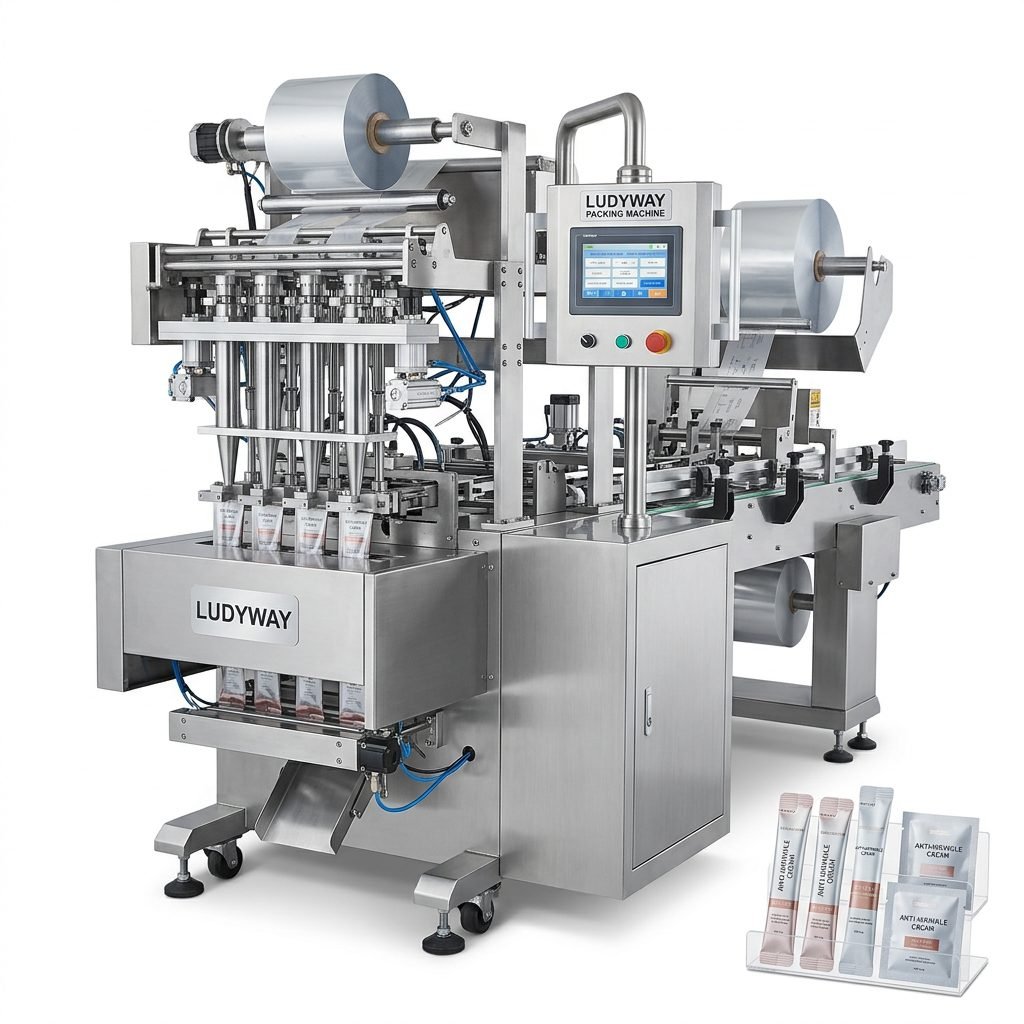
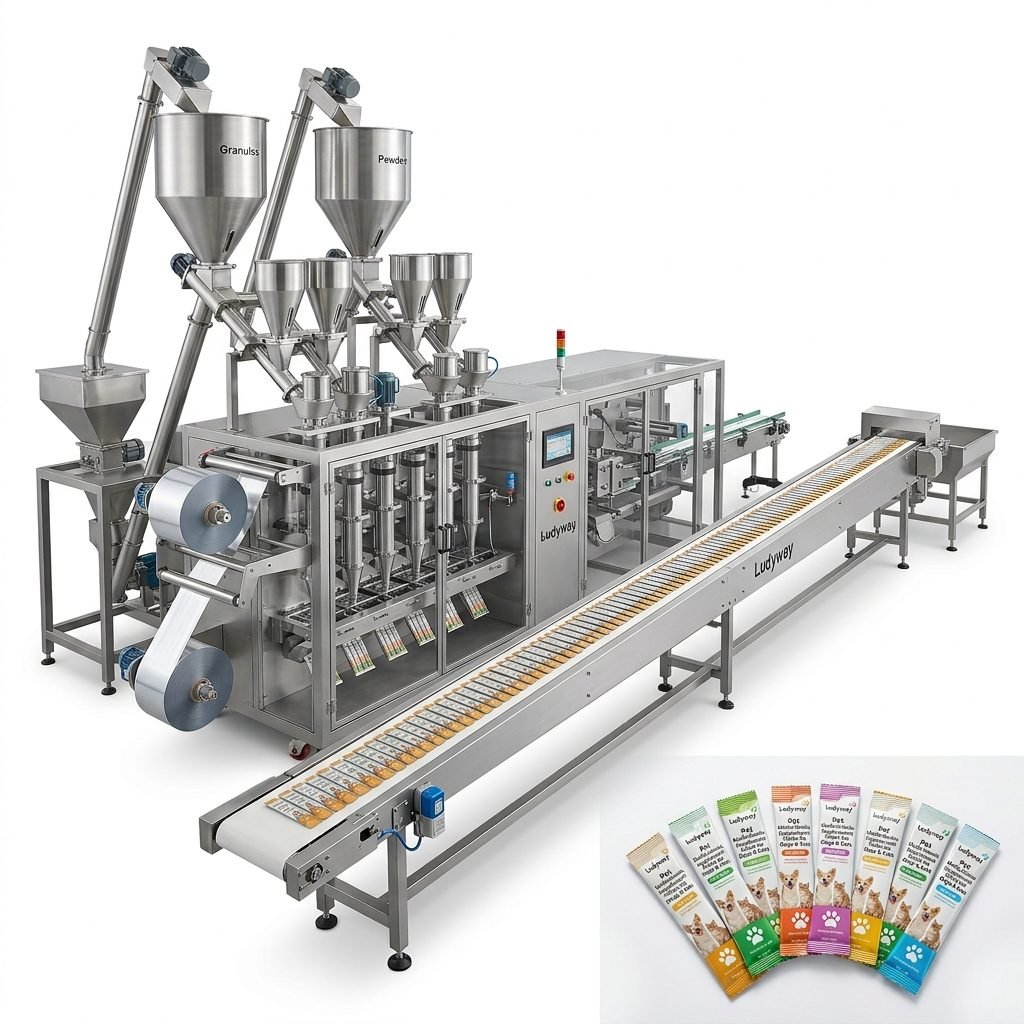
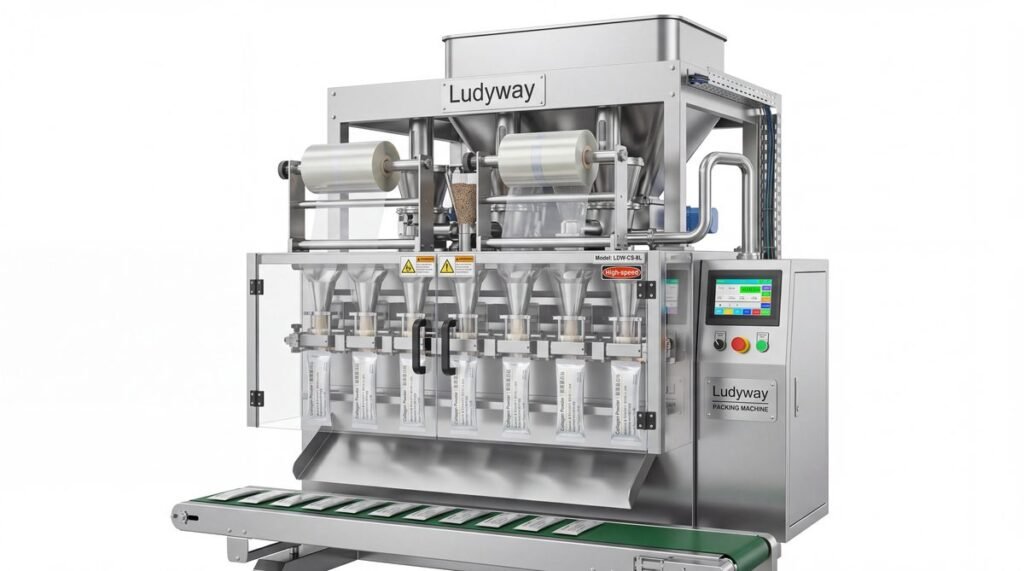
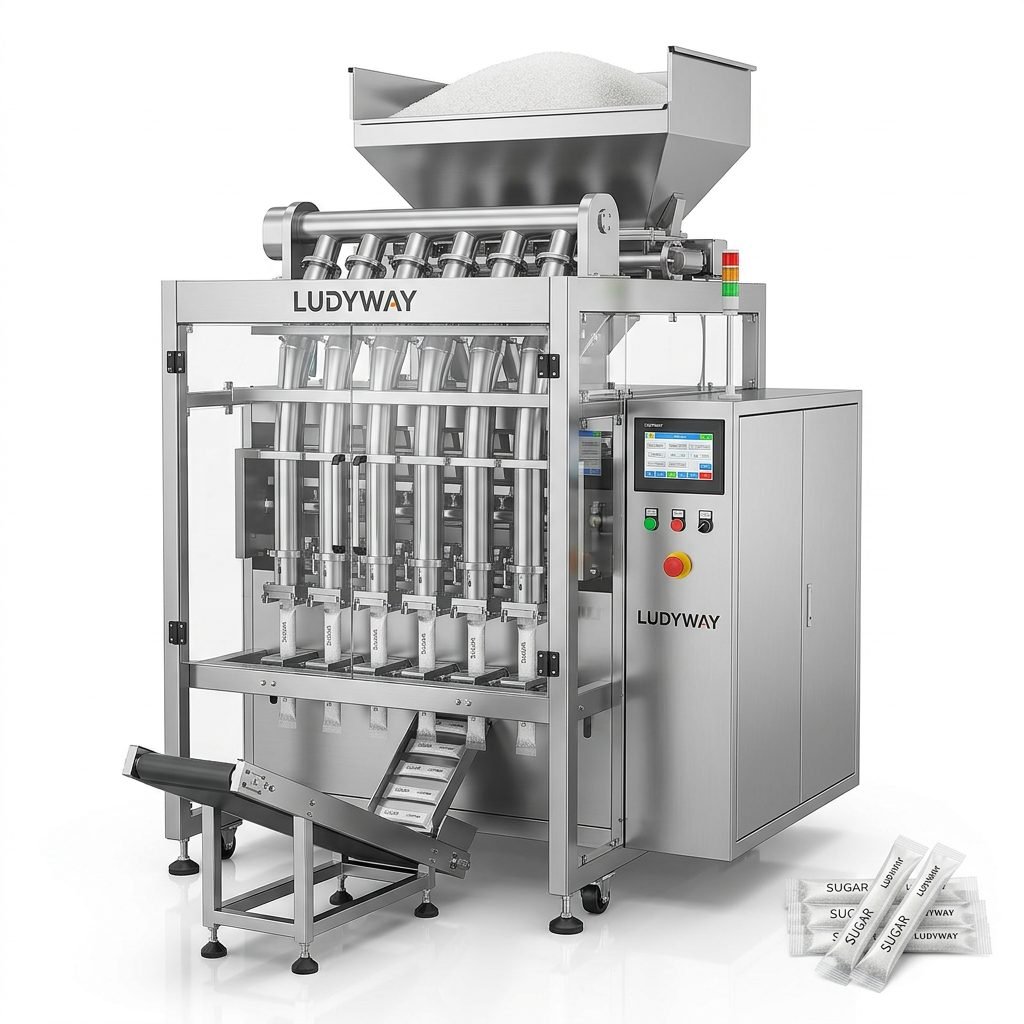
Multi-Lane Stick Pack and Sachet Machines
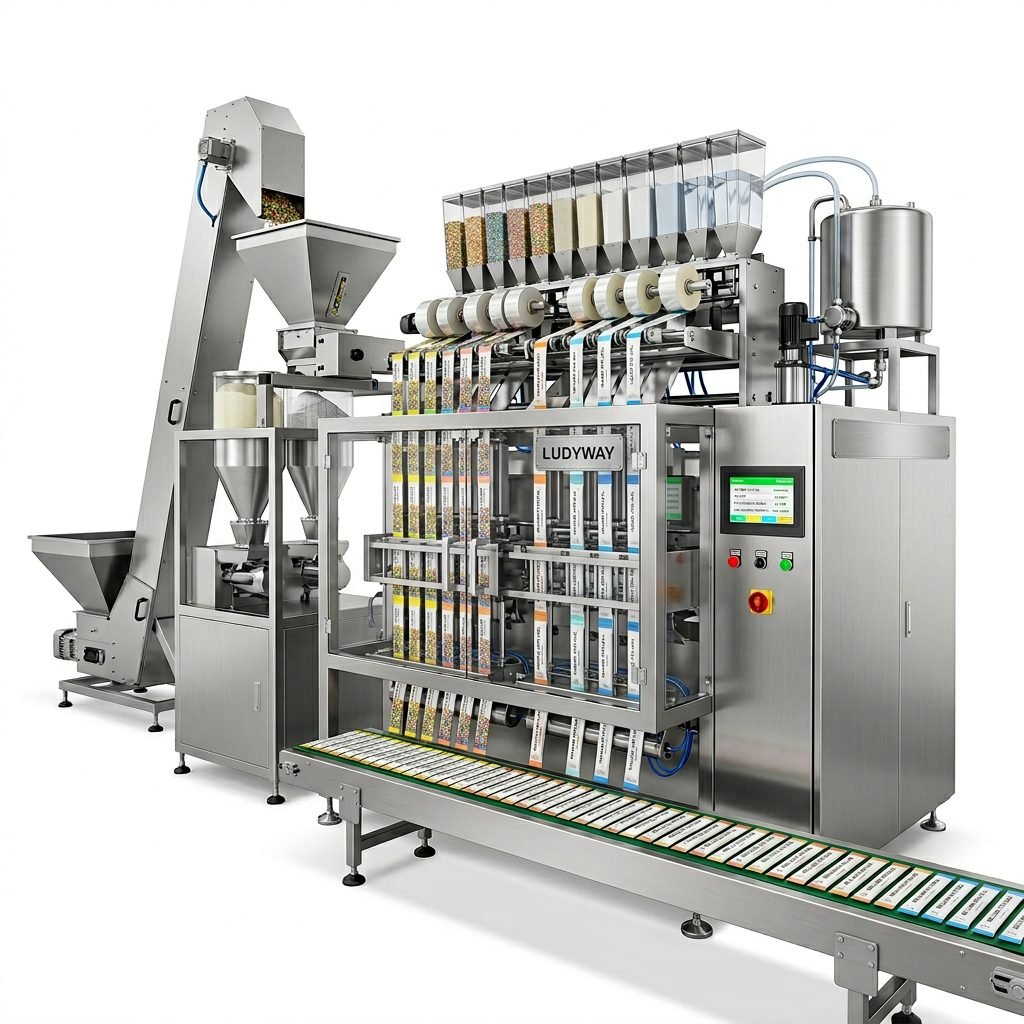
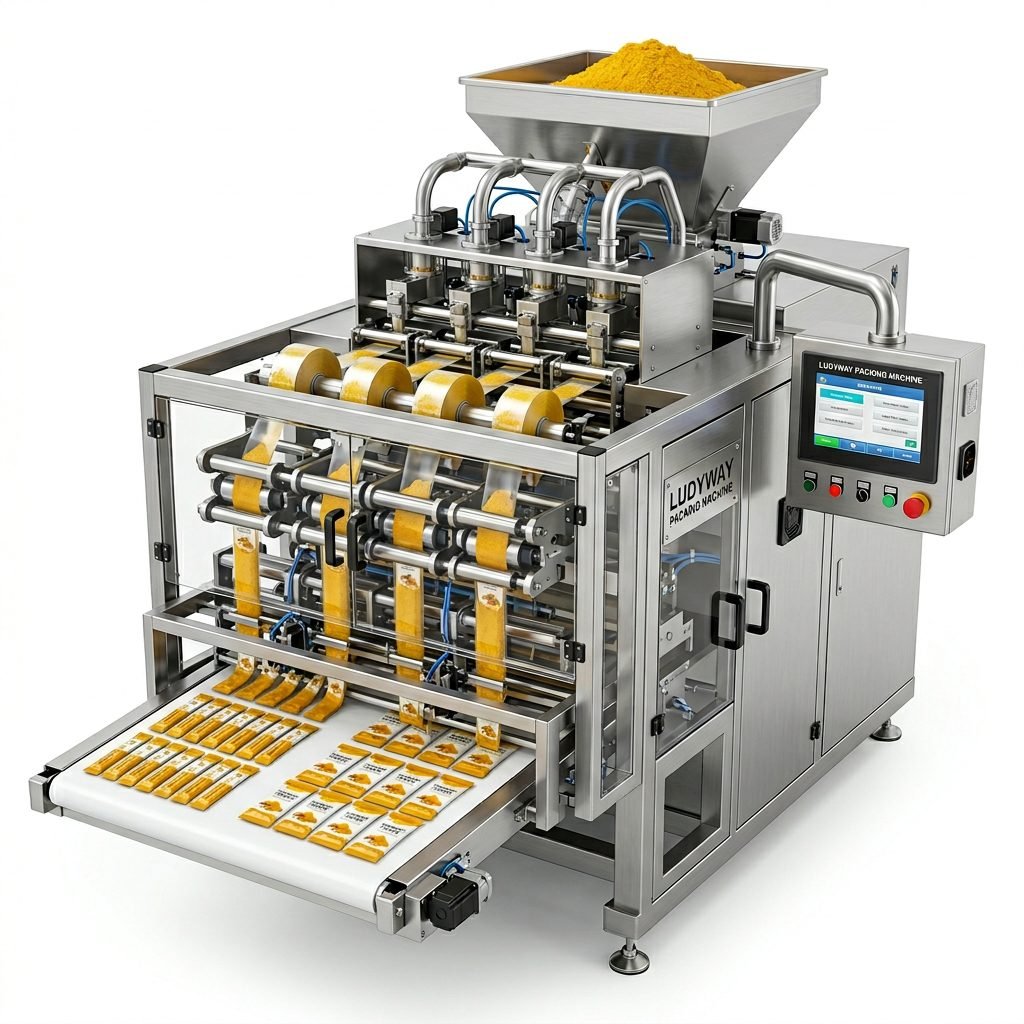
For high-volume production of single-serve turmeric sachets or stick packs, multi-lane machines running 4 to 20 lanes simultaneously can achieve outputs exceeding 400 packs per minute. These systems require precise synchronization of film feed, filling, and sealing across all lanes.
| Machine Type | Best For | Typical Speed Range | Pack Formats | Investment Level |
|---|---|---|---|---|
| Single-Lane VFFS | Small to medium production | 30-80 packs/min | Sachets, pillow bags | Entry to mid-range |
| Multi-Lane VFFS (4-20 lanes) | High-volume stick packs & sachets | 200-600 packs/min | Stick packs, sachets | Mid to high-range |
| Premade Pouch Rotary | Premium stand-up pouches | 40-120 packs/min | Stand-up, zipper, gusseted | Mid to high-range |
| Auger Filling System (Standalone) | Integration with existing lines | Variable | All formats | Entry to mid-range |
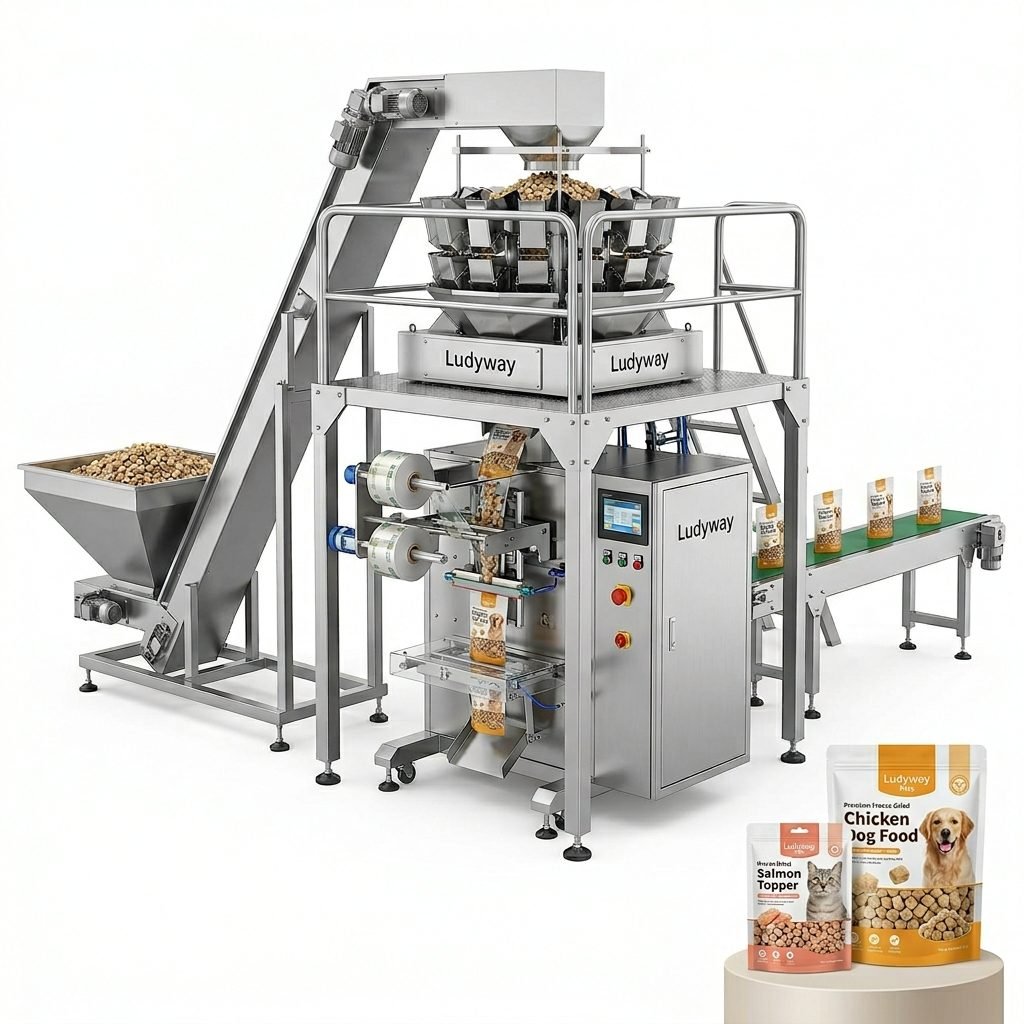
| Bucket Elevator + Weighing + VFFS | Fully automated bulk-to-pouch | 30-60 packs/min | Large pouches, bulk bags | Mid to high-range |
Filling Accuracy and Dosing Technology
Turmeric powder’s variable bulk density makes filling accuracy a top priority. Auger fillers are the industry standard for turmeric powder because they provide volumetric dosing with consistent accuracy. For applications requiring weight-based filling, combination weighers or multi-head weighers with dust-resistant enclosures can achieve higher precision, though they require a larger initial investment. When evaluating dosing systems, consider the target fill weight range, acceptable tolerance, and whether your product density fluctuates between batches.
Recommended Dosing Configurations
- Servo-driven auger fillers – Best accuracy for fine powders with electronic feedback control
- Multi-head weighers – Ideal for larger pouch formats where weight precision is critical
- Volumetric cup fillers – Cost-effective for consistent-density turmeric powder in sachet applications
- Combination net weigh + auger systems – High accuracy for premium product lines
Packaging Material and Format Selection
The choice of packaging material directly influences machine configuration. Turmeric powder requires high-barrier films to protect against moisture ingress and preserve curcumin content. According to the Flexible Packaging Association, multi-layer laminates combining materials like PET, aluminum foil, and polyethylene offer excellent moisture and oxygen barrier properties. Your selected machine must be compatible with the film structure you plan to use, including sealability through dust-prone areas.
Common Packaging Formats for Turmeric
- Stick packs – Single-serve portions popular in food service and retail
- Three-side-seal sachets – Cost-effective format widely used across markets
- Stand-up pouches – Premium retail presentation with optional zipper closure
- Pillow bags – High-speed format for bulk and wholesale packaging
- Gusseted bags – Larger volume packaging for B2B applications
Production Speed and Automation Level
Matching machine speed to your current and projected production volumes prevents costly bottlenecks or underutilized capacity. Start by defining your daily output target, then factor in changeover time, cleaning cycles, and planned growth over the next 3-5 years. The automation level you choose affects not only throughput but also labor requirements and operational consistency.
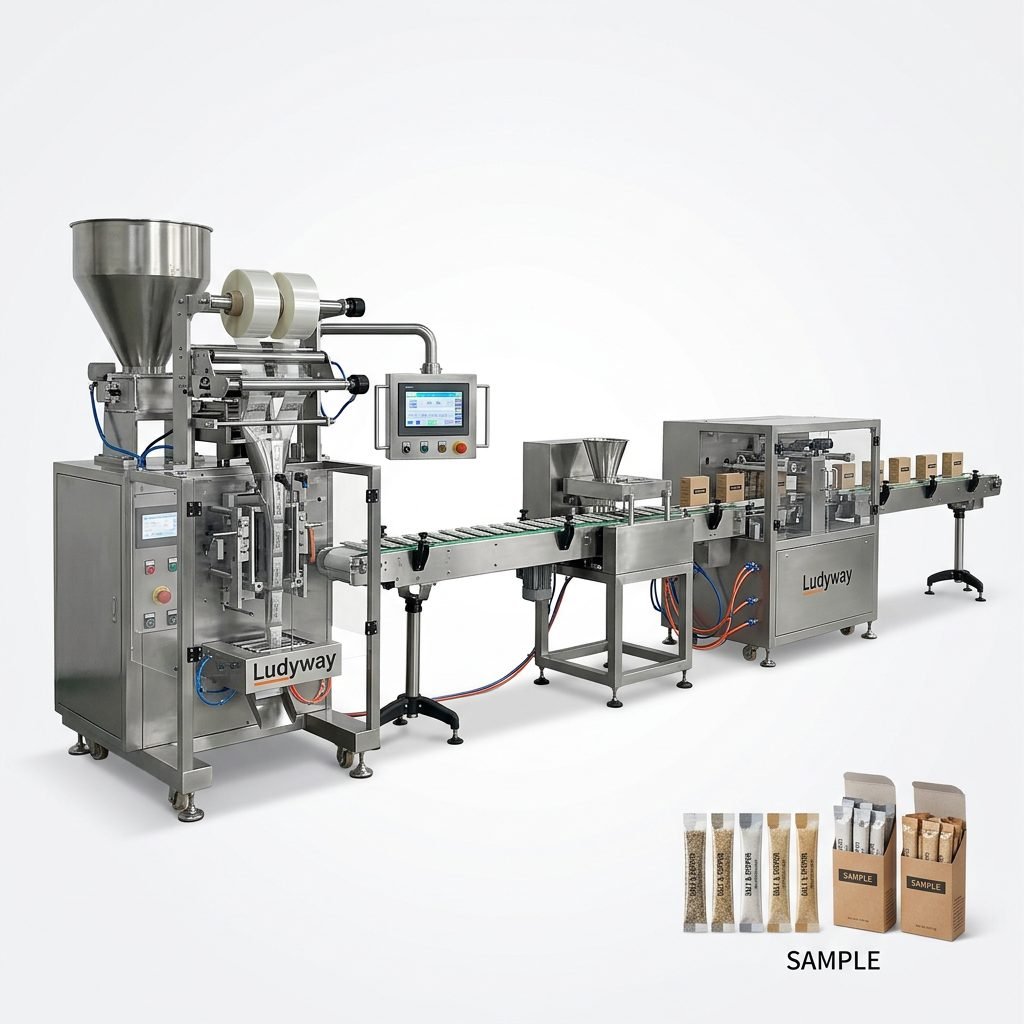
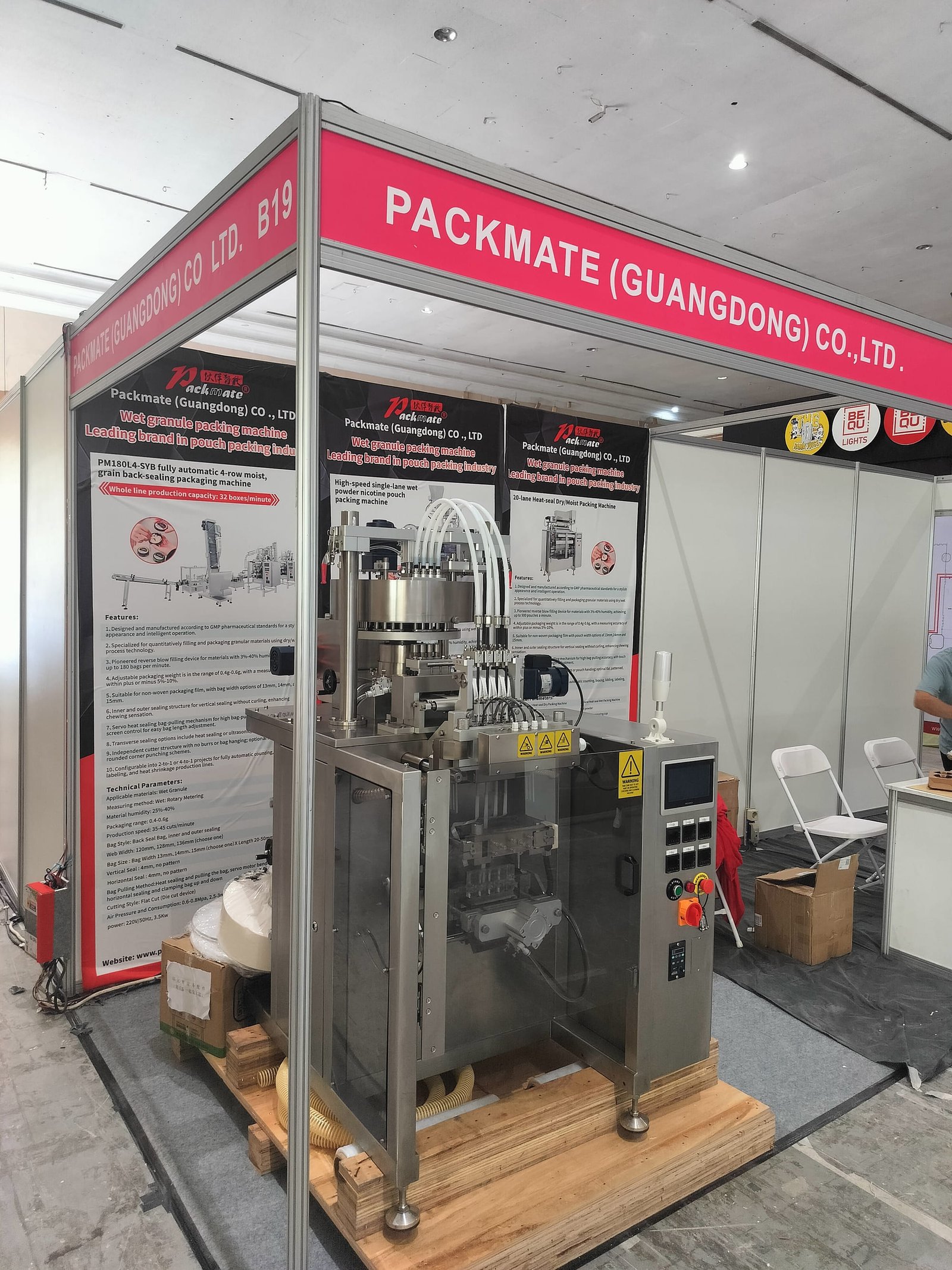
Fully automatic lines integrated with auto-feeding systems, dust extraction, metal detection, and checkweighing minimize manual handling and reduce contamination risks. Semi-automatic options may suit smaller operations with lower capital budgets. For manufacturers scaling up production, investing in automated packaging systems can significantly improve throughput while maintaining consistent quality standards.
Hygiene, Dust Control, and Compliance
Turmeric’s intense yellow pigment makes cleanliness a practical as well as regulatory concern. Stainless steel contact surfaces (typically SUS304 or SUS316L) resist staining and facilitate cleaning. Machines designed for powder products should feature sealed bearings, smooth surfaces without crevices, and accessible design for thorough washdown between batches. Dust extraction hoods positioned at filling stations prevent cross-contamination and protect operators from airborne particles.
Certifications and Standards to Look For
- CE marking – Required for machines sold in the European Economic Area
- GMP-compliant design – Essential for food-grade and pharmaceutical turmeric packaging
- ISO 9001 manufacturing – Indicates quality management system certification
- FDA-compatible materials – For machines destined for the U.S. market
- ATEX compliance – Relevant if turmeric dust concentrations pose explosion risks
Partnering with an Experienced Packaging Machinery Manufacturer
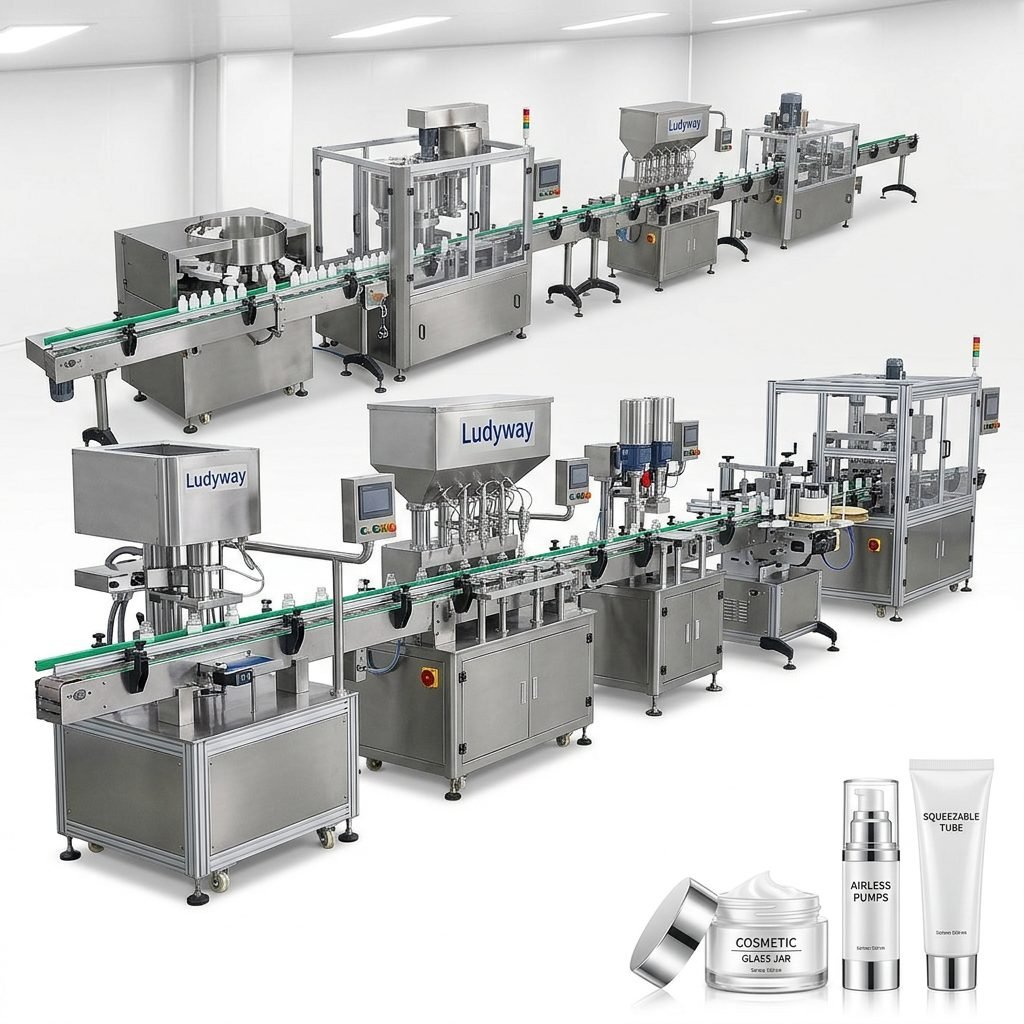
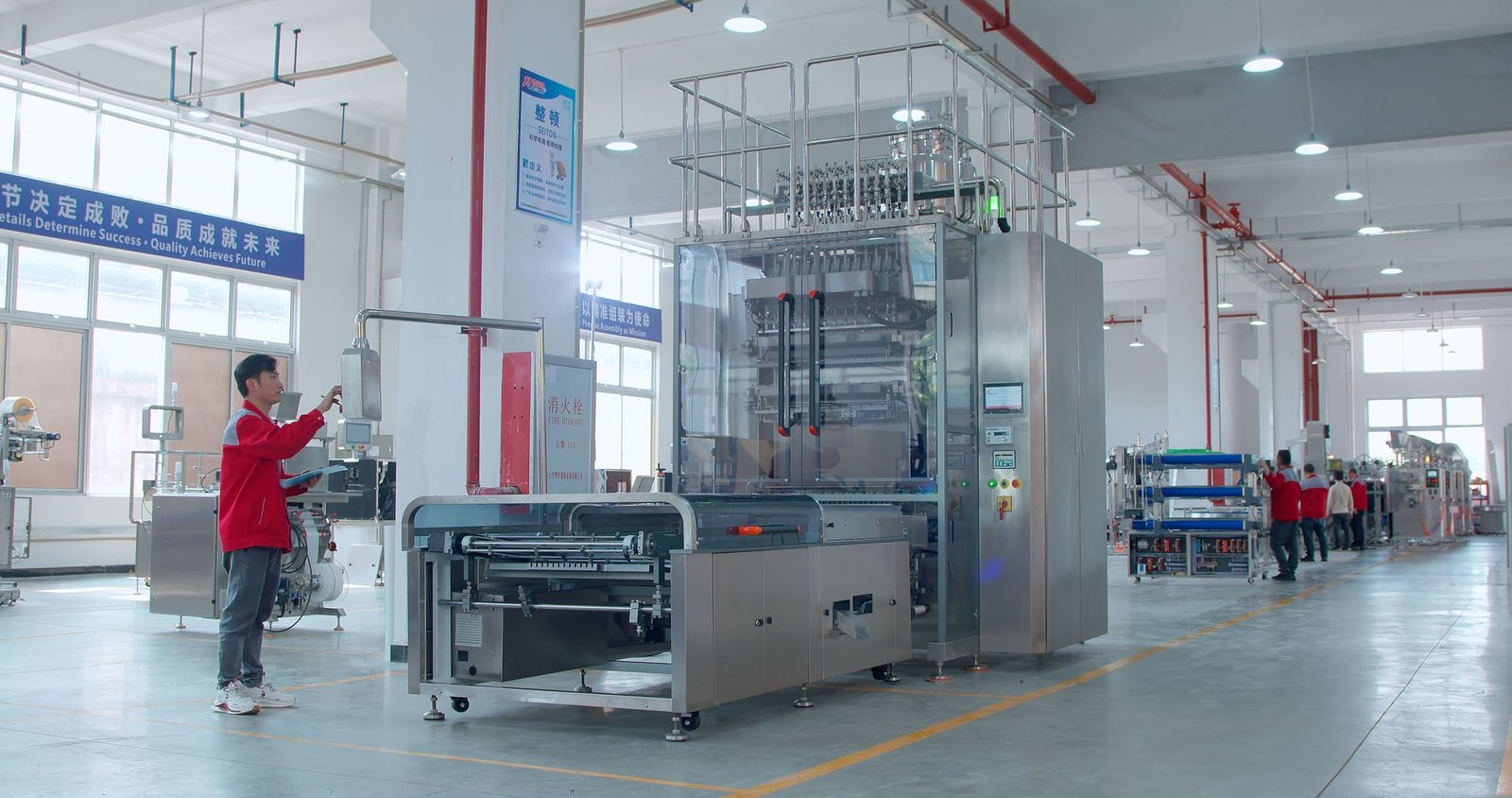
Choosing the right machine goes beyond technical specifications. Working with a manufacturer that understands powder packaging challenges can make the difference between a smooth installation and ongoing production headaches. Ludyway Machinery is a China-based packaging machinery manufacturer with more than 30 years of experience, operating from a 20,000-square-meter manufacturing facility with over 130 professionals and more than 50 packaging machine models. The company provides automatic packaging equipment and integrated solutions for powders, granules, liquids, and flexible packaging applications across food, pharmaceutical, chemical, and cosmetic industries. With export revenue projected to exceed RMB 500 million (approximately US$69 million) in 2025 and plans to surpass RMB 1 billion (approximately US$138 million) in 2026, Ludyway serves customers in more than 100 countries, offering customized machine configurations, turnkey packaging lines, installation support, and after-sales technical service.
Evaluating Total Cost of Ownership
The purchase price is only one component of long-term costs. A comprehensive evaluation should include:
- Initial investment – Machine cost including customization and installation
- Spare parts availability – Lead times and costs for wear components like augers, sealing jaws, and belts
- Energy consumption – Particularly relevant for high-speed multi-lane systems
- Maintenance requirements – Frequency of scheduled service and ease of operator-level maintenance
- Film waste rates – Efficient machines minimize film waste during start-up and changeover
- Labor costs – Automated systems reduce operator requirements per shift
After-Sales Support and Technical Service
Reliable after-sales support is essential for minimizing downtime. Before finalizing your purchase, clarify the warranty terms, remote technical assistance availability, spare parts supply chain, and whether the manufacturer offers on-site installation and operator training. Manufacturers with established global service networks can provide faster response times when issues arise. The packaging industry’s best practices emphasize that responsive technical support directly impacts overall equipment effectiveness over the machine’s lifespan.
Making the Final Decision
Selecting the right turmeric powder packing machine requires balancing multiple factors: powder characteristics, production volume, packaging format, accuracy requirements, hygiene standards, budget, and long-term service support. Start by clearly defining your specifications, test your product on candidate machines whenever possible, and choose a manufacturer with demonstrated expertise in powder packaging applications. A well-chosen machine will deliver consistent performance, protect product quality, and support your production goals for years to come.