Selecting the right packaging machinery is a critical decision that directly affects your production efficiency, product quality, and long-term operational costs. While ULMA packaging machines have established a strong reputation in the global market, understanding exactly what to look for in a packaging system ensures you make an informed investment. This guide walks you through the essential factors to consider when evaluating packaging equipment, whether you are upgrading an existing line or building a new production facility.

Understanding ULMA Packaging Machines and Their Applications
ULMA Packaging is a well-known name in the packaging industry, offering a comprehensive range of equipment including tray sealers, thermoformers, vertical form-fill-seal (VFFS) machines, horizontal flow wrappers, and stretch film systems. These machines serve diverse industries such as food and beverage, pharmaceuticals, medical devices, and industrial products. Before diving into specifications, you need a clear picture of your own production requirements, because even the most advanced machine becomes a liability if it does not align with your operational goals.

Key Factors to Evaluate Before Choosing a Packaging Machine
Product Characteristics and Packaging Format
Your product’s physical properties determine which packaging technology is suitable. Consider the following parameters carefully:
- Product type: Is it a solid, powder, granule, liquid, paste, or semi-solid? Each category requires specific dosing and filling mechanisms.
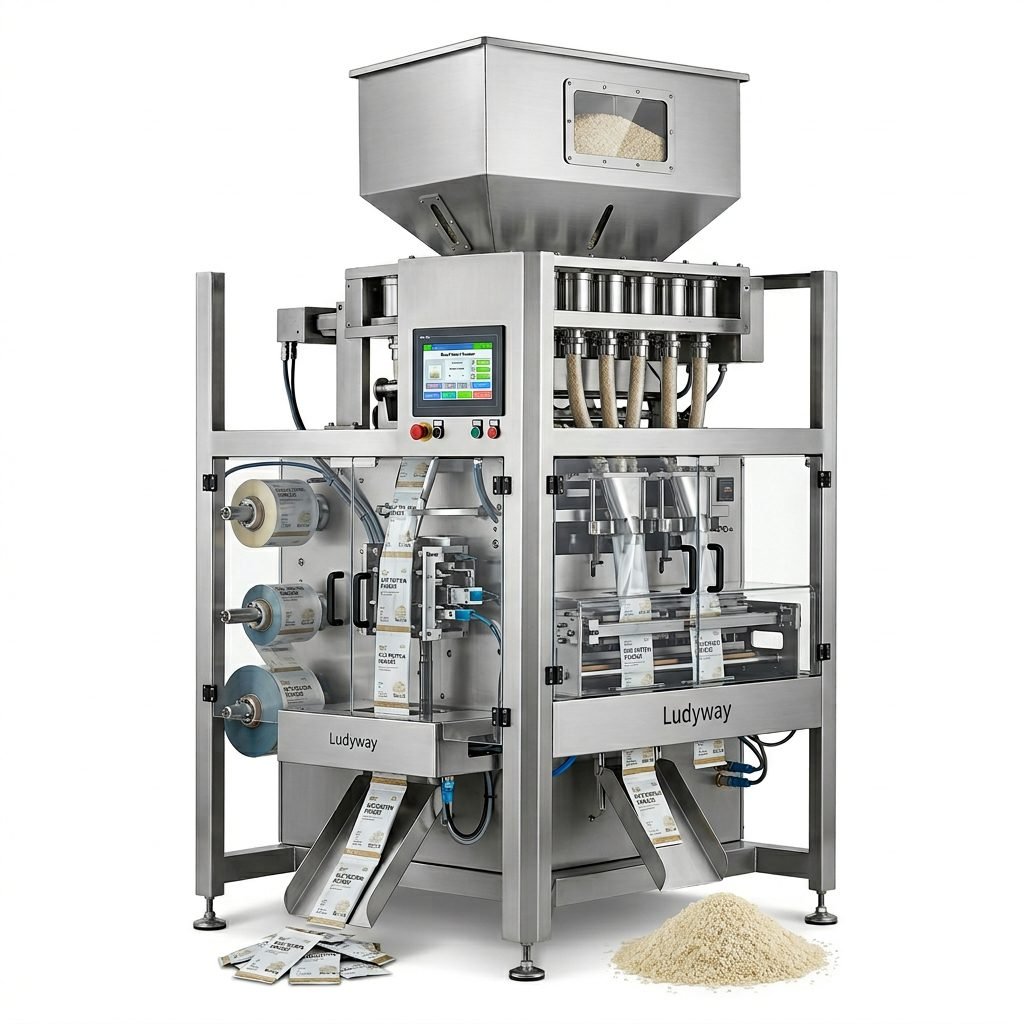
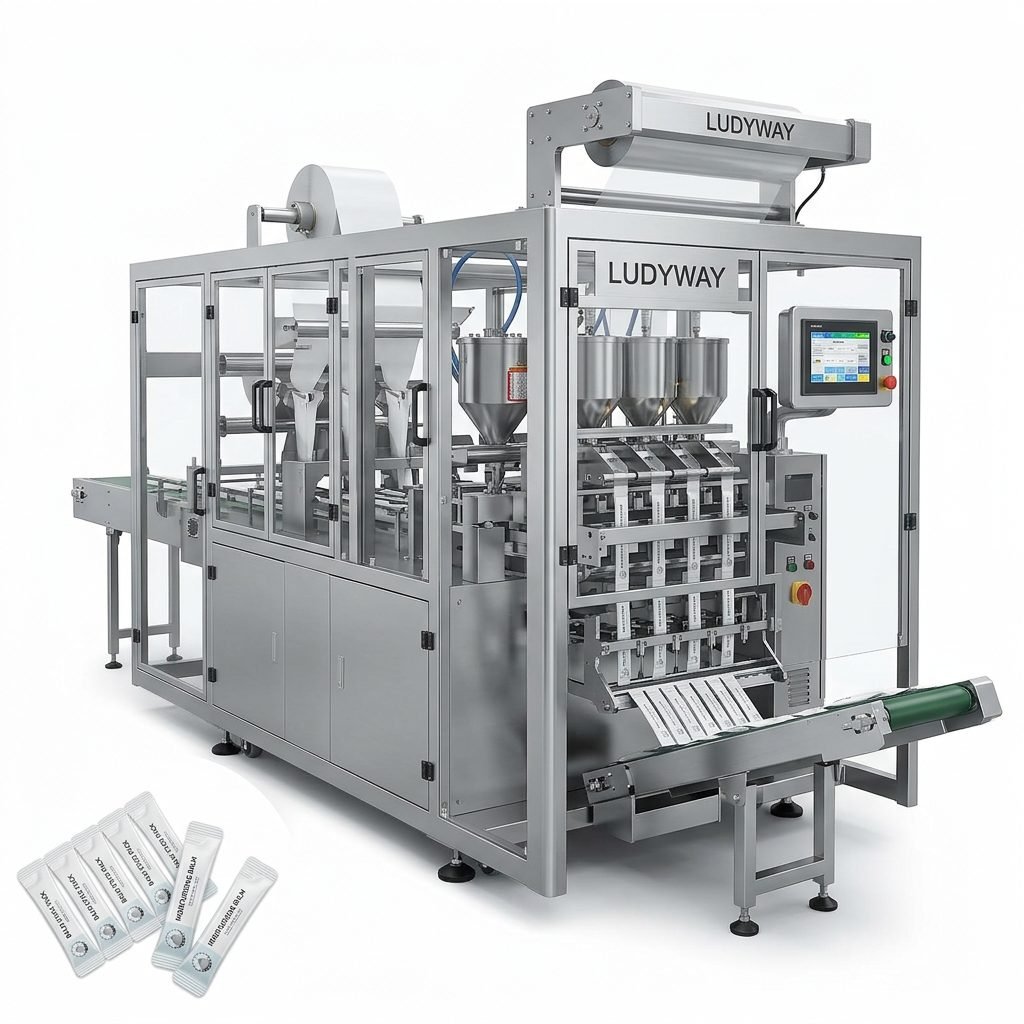
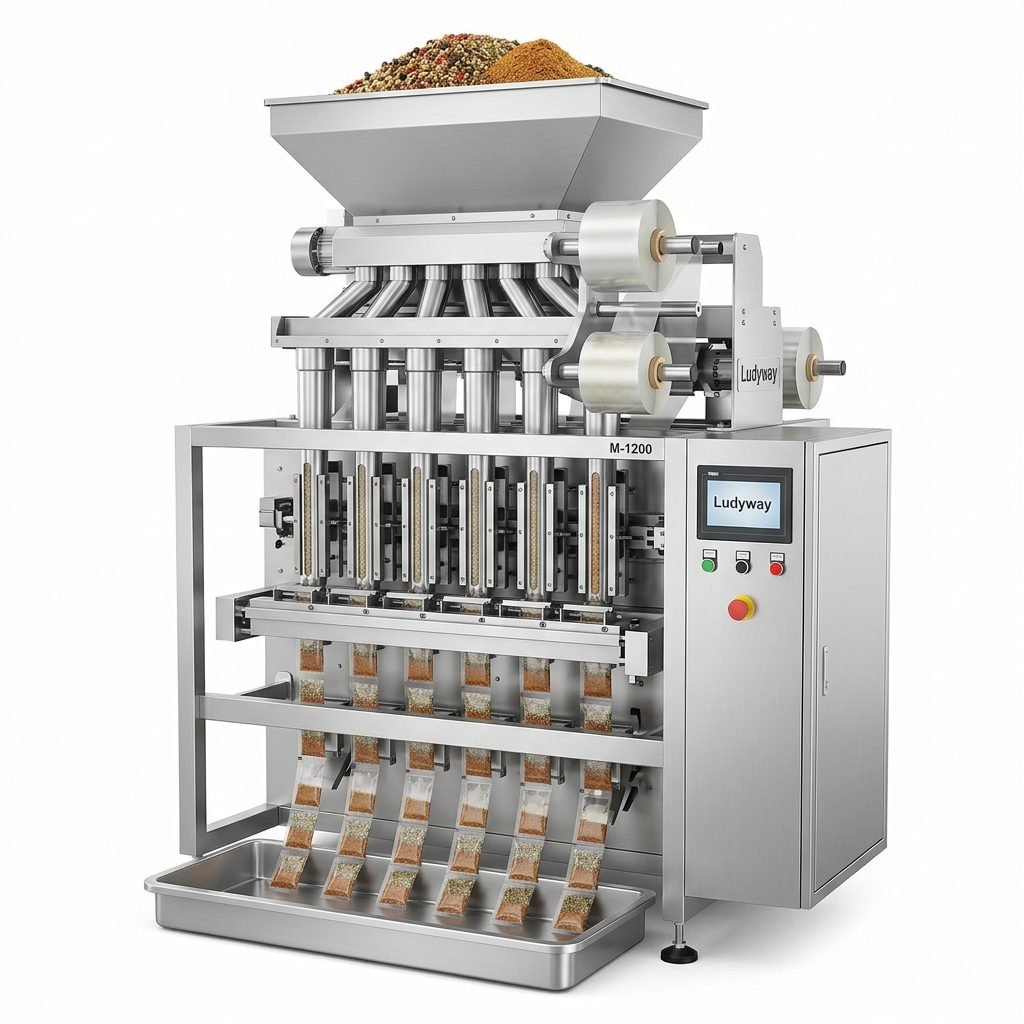
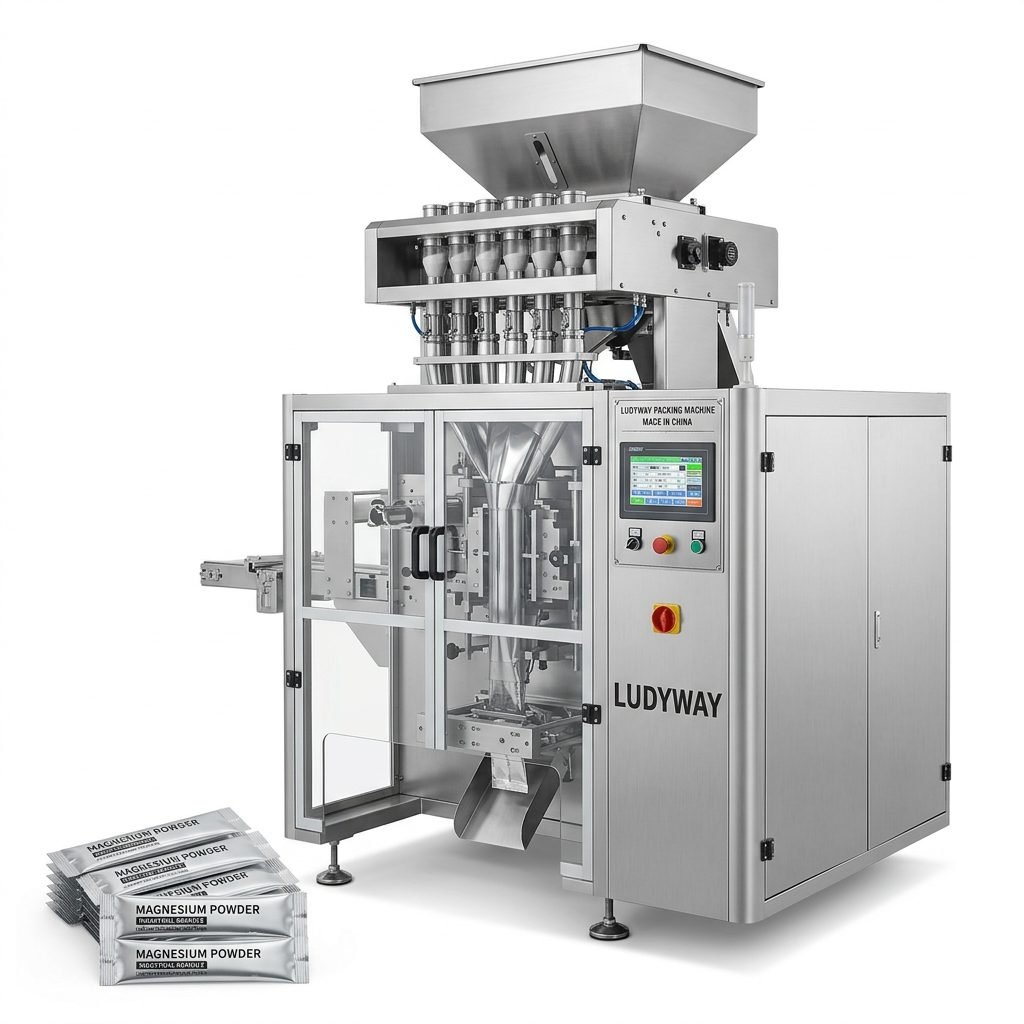
- Packaging format: Do you need stick packs, sachets, pouches, trays, flow-wrapped packs, or vacuum-sealed formats? ULMA’s VFFS machines excel at pillow bags and sachets, while thermoformers handle rigid or semi-rigid tray packaging.
- Shelf-life requirements: Modified atmosphere packaging (MAP) or vacuum sealing extends product freshness. If this matters for your product, ensure the machine supports gas flushing and hermetic sealing.
- Bag sizes and styles: Machines must accommodate your desired dimensions, from small single-serve sachets to large family-size pouches.
Production Speed and Capacity Requirements
Matching machine output to your current and projected production volumes prevents costly bottlenecks. A machine that runs at 40 packs per minute may be sufficient for a small business, but a large-scale operation might need 200+ packs per minute across multiple lanes. Important considerations include:
- Current daily or hourly output targets
- Projected growth over the next 3–5 years
- Single-lane versus multi-lane configurations
- Changeover time between different product sizes or packaging formats
According to PMMI’s State of the Industry reports, automation trends continue to drive demand for higher-speed, flexible packaging equipment across food and pharmaceutical sectors. Investing in scalable capacity now reduces the need for premature replacement later.

Automation Level and Workforce Integration
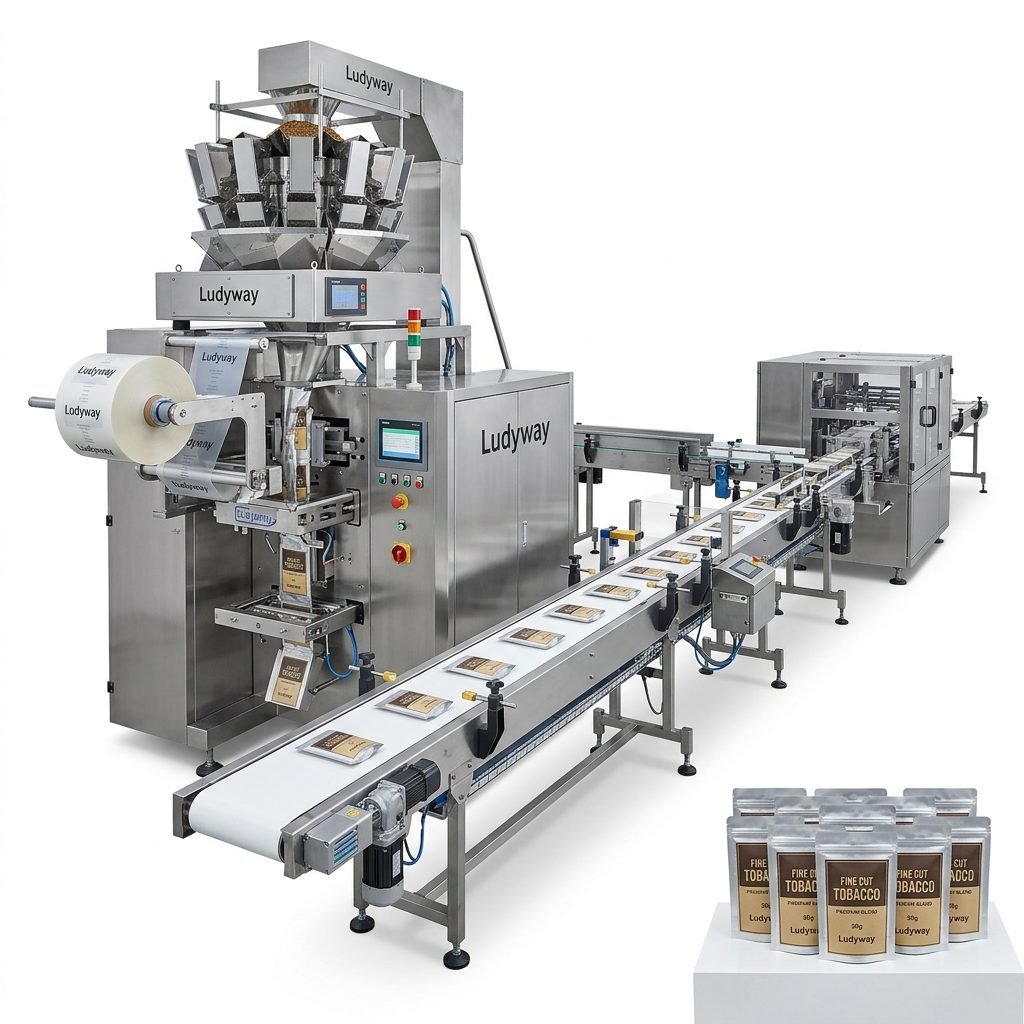
Modern packaging machines range from semi-automatic systems requiring significant operator involvement to fully automated turnkey packaging lines that integrate filling, sealing, coding, inspection, and cartoning. Evaluate your current workforce capabilities and decide how much automation is practical. Key automation features to consider include:
- Automatic feeding and dosing systems
- Servo-driven film tension control
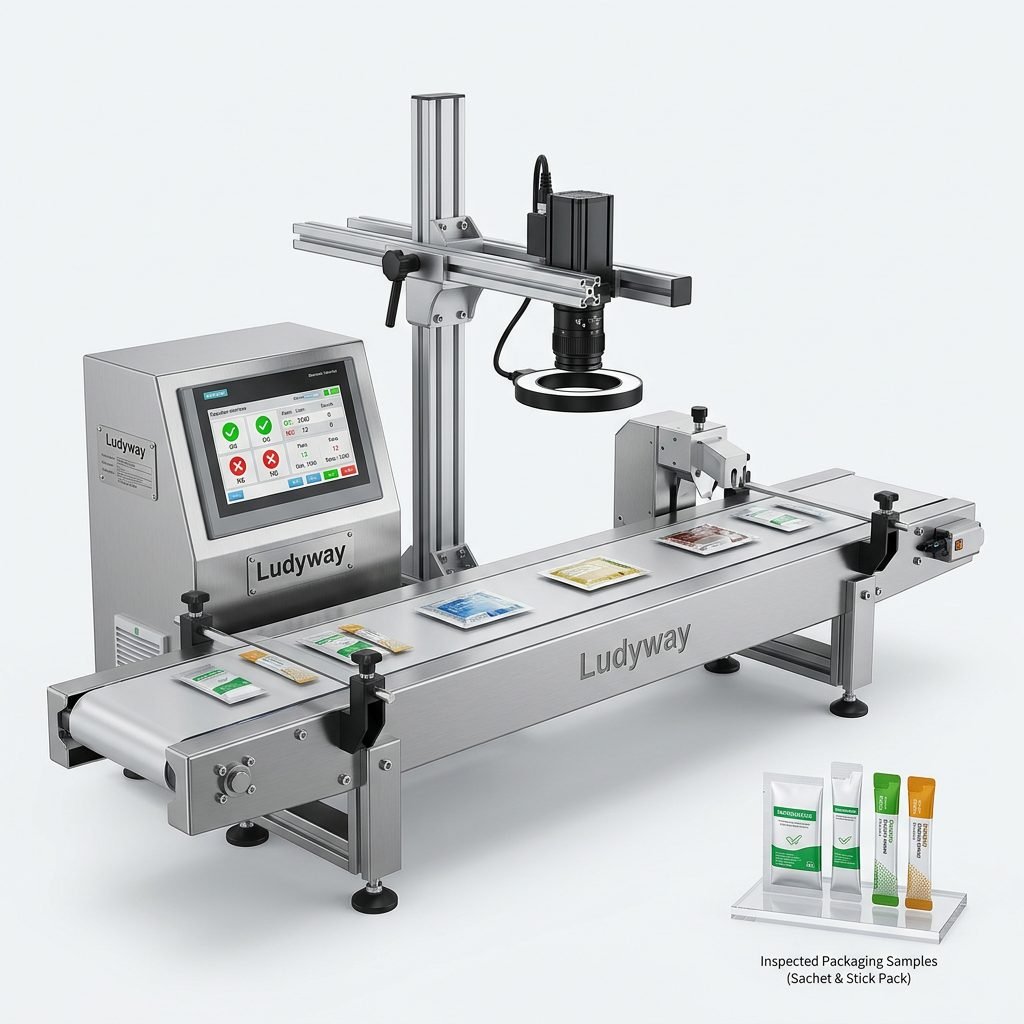
- Integrated checkweighers and metal detectors
- Automatic reject stations for non-conforming packs
- Vision inspection and batch coding systems
- Robotic pick-and-place and palletizing integration
Material Compatibility and Film Requirements
Not all packaging machines handle every film type equally well. ULMA machines are commonly designed for flexible packaging materials including polyethylene (PE), polypropylene (PP), laminates, and biodegradable films. Verify that your chosen machine supports:
- The specific sealing layer of your preferred packaging film
- Gusseted, stand-up, or resealable pouch formats if needed
- Print-registered film for branded packaging
- Recyclable and mono-material films for sustainability goals
The Flexible Packaging Association provides valuable resources on material trends and regulatory requirements that can inform your packaging material strategy.
Industry Compliance and Certifications
Depending on your sector, your packaging equipment may need to comply with specific standards:
- Food industry: FDA-compliant food contact materials, hygienic design principles, washdown-capable construction (IP65 or higher).
- Pharmaceutical and medical: ISO 11607 for sterile barrier packaging, GMP compliance, validation documentation, and cleanroom compatibility.
- European markets: CE marking and adherence to EU packaging directives.
Comparing ULMA Packaging Machine Categories
The following table provides a structured overview of common ULMA packaging equipment categories and their typical applications:
| Machine Category | Best Suited For | Typical Packaging Format | Key Advantage |
|---|---|---|---|
| Vertical Form-Fill-Seal (VFFS) | Granules, powders, snacks, coffee | Pillow bags, gusseted bags, stick packs | High-speed continuous operation |
| Horizontal Flow Wrapper (HFFS) | Bakery, confectionery, bars, medical devices | Flow packs, fin-seal or lap-seal wraps | Gentle product handling |
| Thermoforming Machines | Meat, cheese, fresh produce, medical devices | Rigid or flexible trays with top film | MAP and vacuum packaging capability |
| Tray Sealers | Fresh food, ready meals, portion packs | Preformed trays with sealed lid film | Excellent presentation, leak-proof seals |
| Stretch Film Equipment | Logistics, pallet stabilization | Pallet wrapping, end-of-line packaging | Load security, reduced film consumption |
Steps to Choose the Right Packaging Machine for Your Business
Step 1: Define Your Packaging Objectives Clearly
Ask your team these fundamental questions: What packaging format does your target market expect? What shelf life is required? What is your target production output per shift? What are your labor cost targets? Document these answers before contacting equipment suppliers.
Step 2: Conduct a Thorough Product and Material Assessment
Test your actual product with the packaging material you intend to use. Machine demonstrations with real products—not just standard samples—reveal important performance characteristics such as fill accuracy, seal integrity, and dust generation for powder products.
Step 3: Evaluate Total Cost of Ownership (TCO)
Beyond the purchase price, calculate the full cost picture including installation, operator training, energy consumption, spare parts availability, routine maintenance, film waste rates, and expected component wear. A slightly more expensive machine with lower operating costs frequently delivers better long-term value.
Step 4: Verify Technical Support and After-Sales Service
Downtime costs far exceed the initial savings from buying a cheaper machine without reliable support. Confirm that your supplier provides remote technical assistance, readily available spare parts, operator training materials, and responsive field service. A manufacturer with dedicated support infrastructure helps maintain consistent production.
Step 5: Plan for Integration and Scalability
Consider how the new machine will integrate with existing upstream and downstream equipment. Does it connect to your current conveyors, checkweighers, coders, and cartoning systems? If you anticipate expanding production capacity, choose a machine platform that supports multi-lane configurations or modular upgrades.
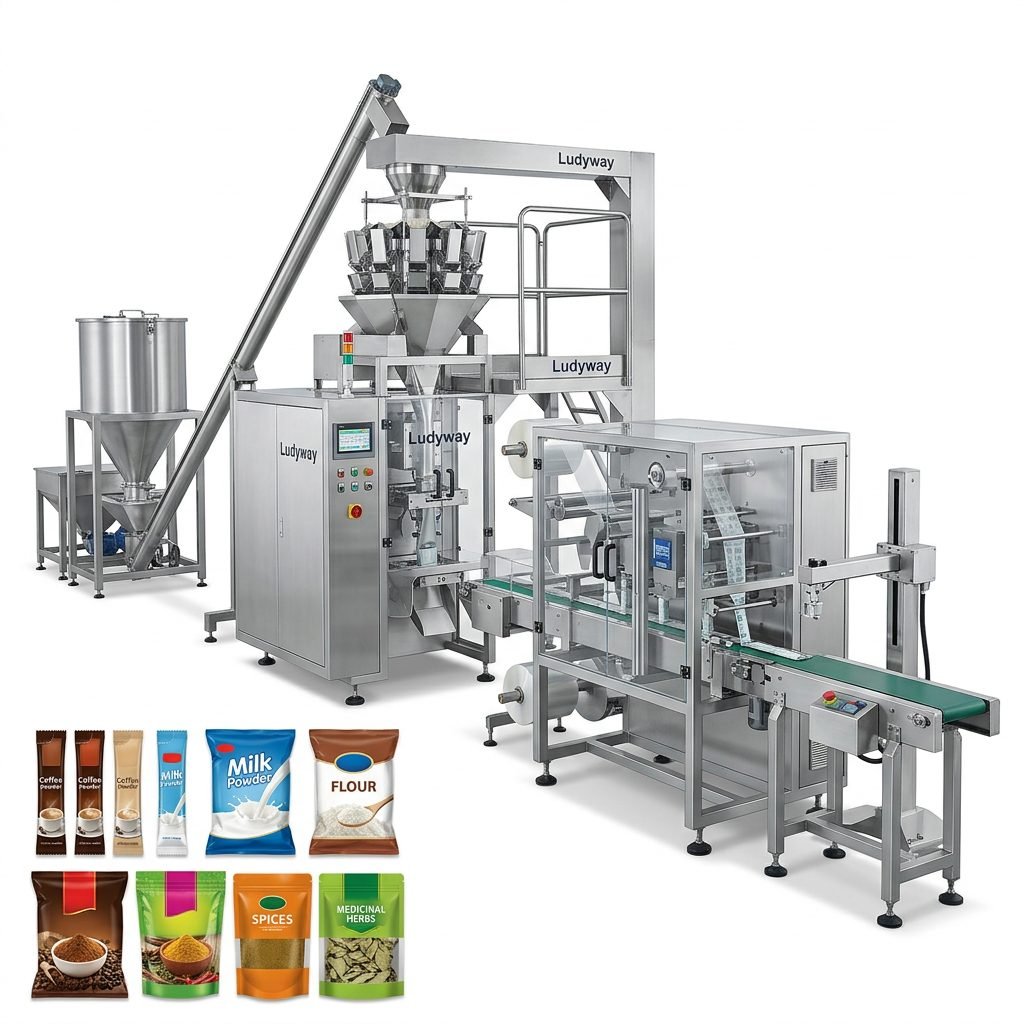
Customization: When Standard Machines Are Not Enough
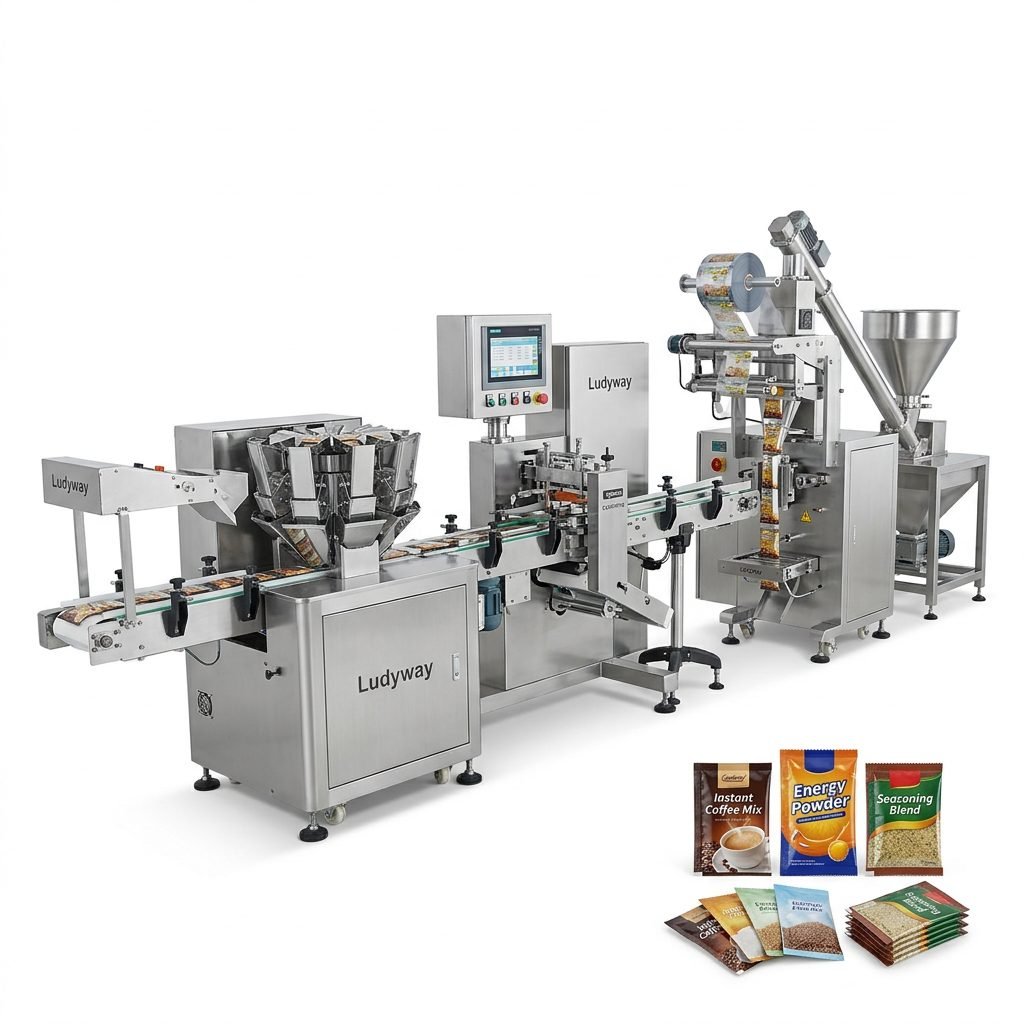
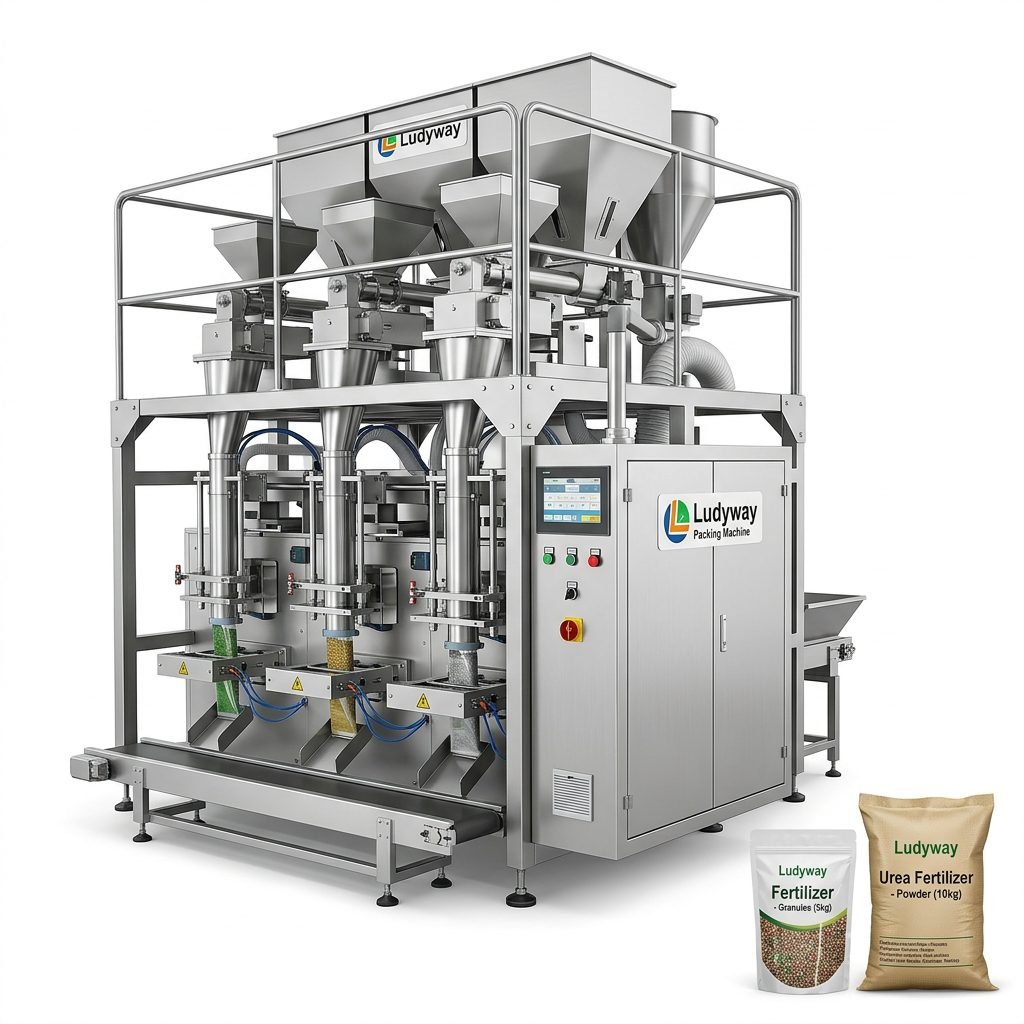
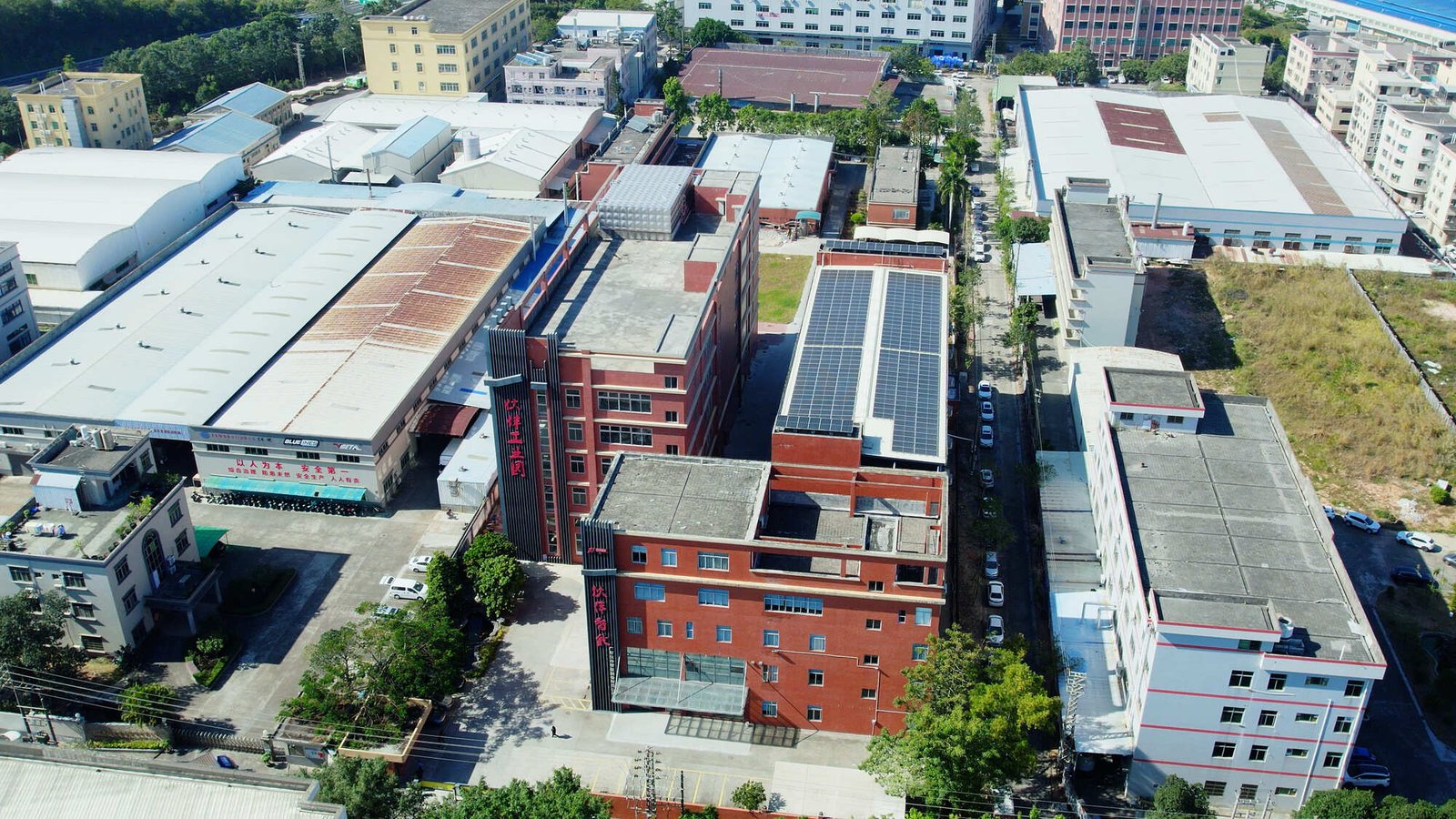
Many manufacturers discover that standardized packaging equipment does not perfectly match their unique product characteristics or production environment. In these situations, a supplier capable of customized machine configurations and turnkey packaging solutions adds significant value. Working with an experienced packaging machinery partner like Ludyway Machinery—a China-based manufacturer with more than 30 years of experience, a 20,000-square-meter facility, and over 50 packaging machine models—can provide tailored solutions that align with specific production requirements, from individual automatic packaging machines to complete integrated packaging lines.
Industry Resources for Informed Decision-Making
Making a well-informed equipment purchase requires reliable, up-to-date industry data. The following resources provide valuable market intelligence, technical standards, and regulatory guidance:
- PMMI Business Intelligence Library – Market research and packaging industry insights
- PACK EXPO International – Leading industry trade show for live equipment demonstrations
- Flexible Packaging Association – Material innovation and sustainability standards
- FDA Food Packaging and Food Contact Substances – U.S. regulatory requirements
- ISO Packaging Standards – International packaging system specifications
- U.S. EPA Sustainable Materials Management – Packaging sustainability and waste reduction
Frequently Asked Questions About ULMA Packaging Machines
What is the typical lead time for a ULMA packaging machine?
Standard ULMA machine lead times generally range from 8 to 16 weeks, depending on the model, level of customization, and current production schedules. Highly customized configurations or integrated lines may require longer delivery periods. Always confirm lead times directly with your supplier early in the procurement process.
Can ULMA machines handle multiple packaging formats?
Many ULMA models offer format flexibility, but changeover complexity varies significantly. Horizontal flow wrappers can often switch between product sizes with minimal adjustment, while thermoformers may require tooling changes for different tray dimensions. Discuss your range of packaging formats with the supplier during evaluation.
What after-sales support should I expect?
Comprehensive after-sales support should include installation supervision, operator training, preventive maintenance programs, readily available spare parts, and responsive technical support. Remote diagnostic capabilities are increasingly common and help resolve issues quickly without requiring an on-site visit.
How do I determine the right level of automation?
Evaluate your current production volumes, labor costs, product consistency requirements, and quality control needs. High-volume production with strict quality standards benefits most from full automation including automated feeding, inspection, and end-of-line integration. Smaller batch operations may find semi-automatic equipment more cost-effective.
Key Takeaways for Choosing Your Packaging Machine
Selecting the right packaging machine requires a systematic evaluation of your product properties, production volume requirements, automation needs, material compatibility, and long-term operational costs. ULMA packaging machines offer reliable performance across multiple industries, but the best choice for your business is the one that aligns precisely with your specific production environment and growth goals. Invest time in testing, research, and supplier discussions before making your final decision, and prioritize suppliers who offer comprehensive technical support alongside quality equipment. A well-chosen packaging machine becomes a productive, long-term asset that supports your manufacturing success for years to come.