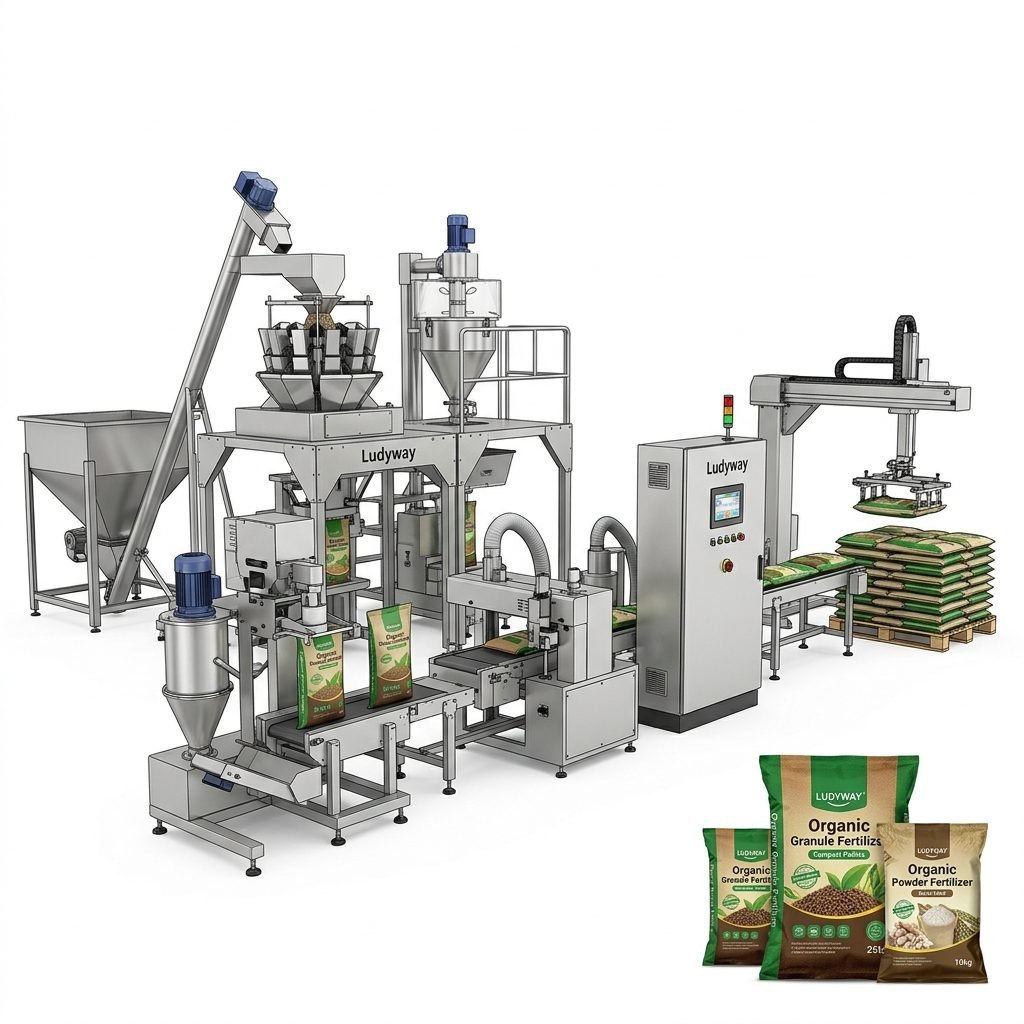
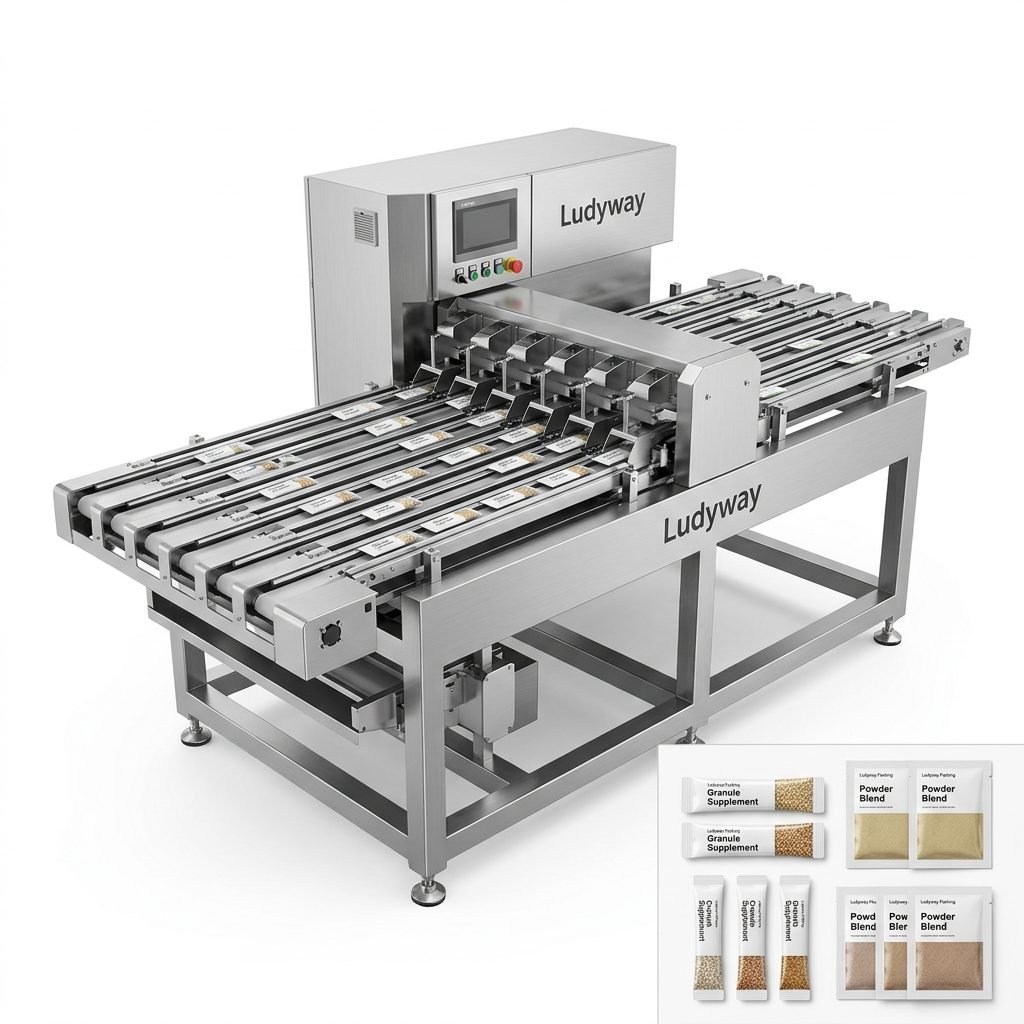
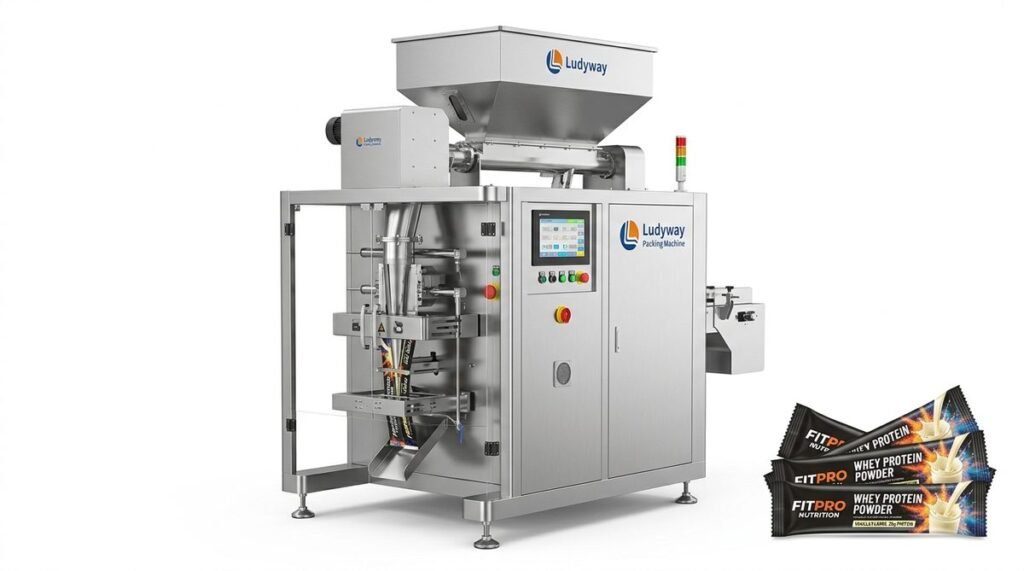
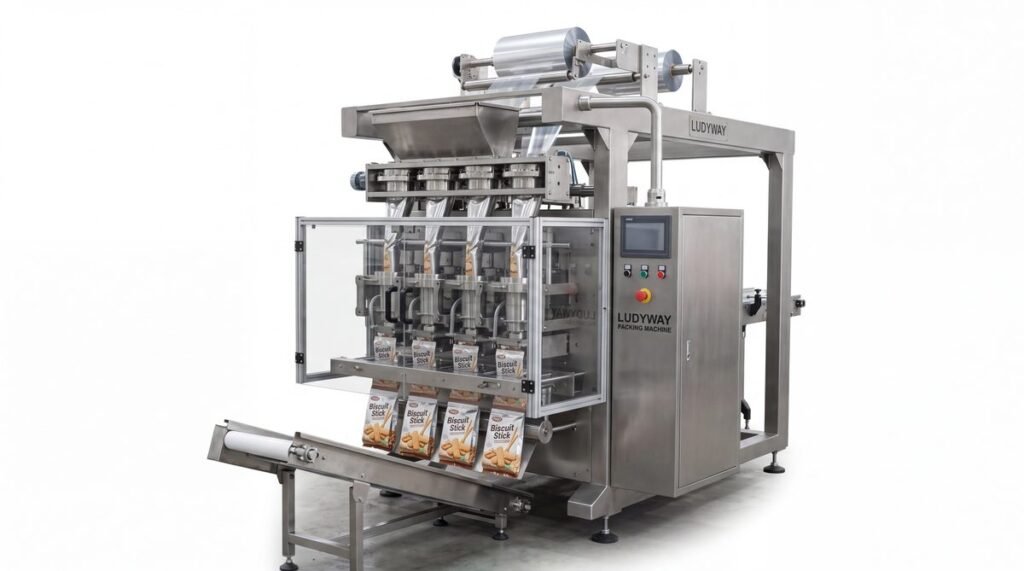
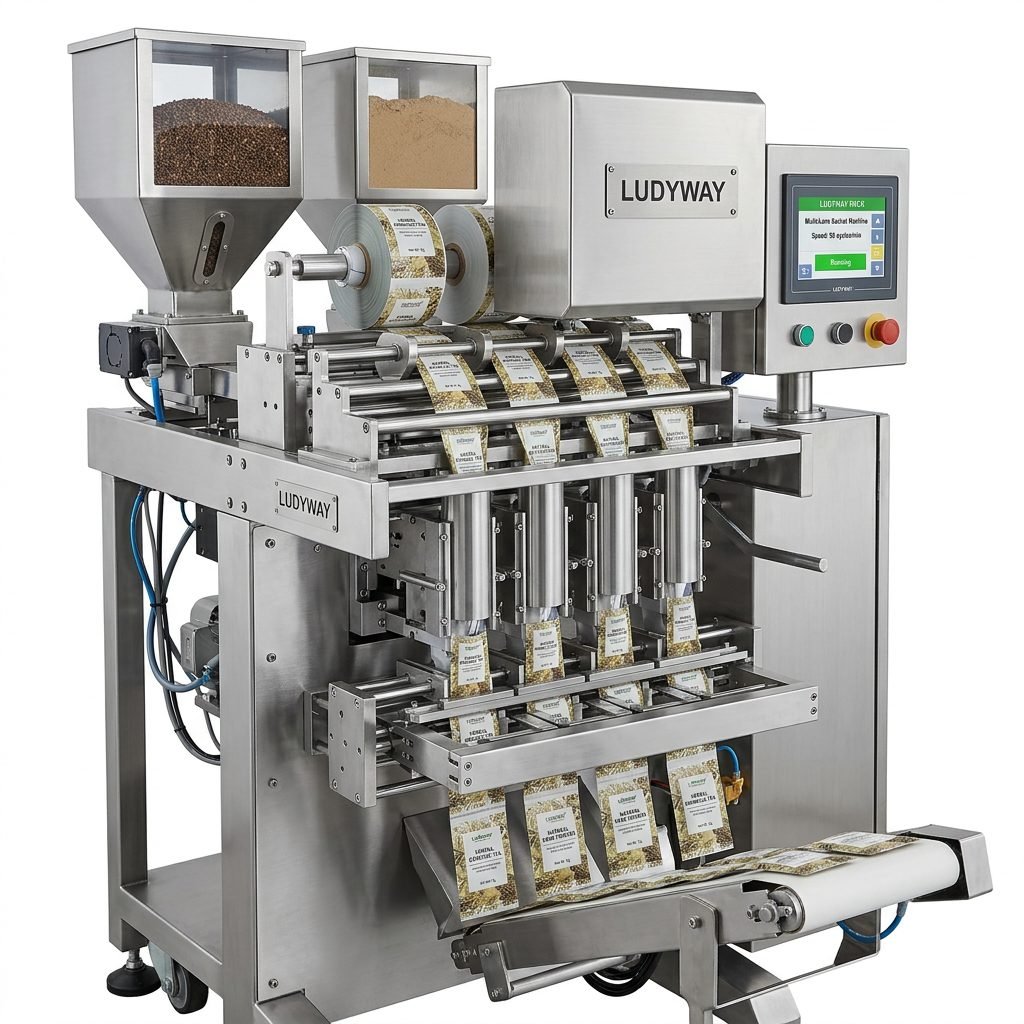
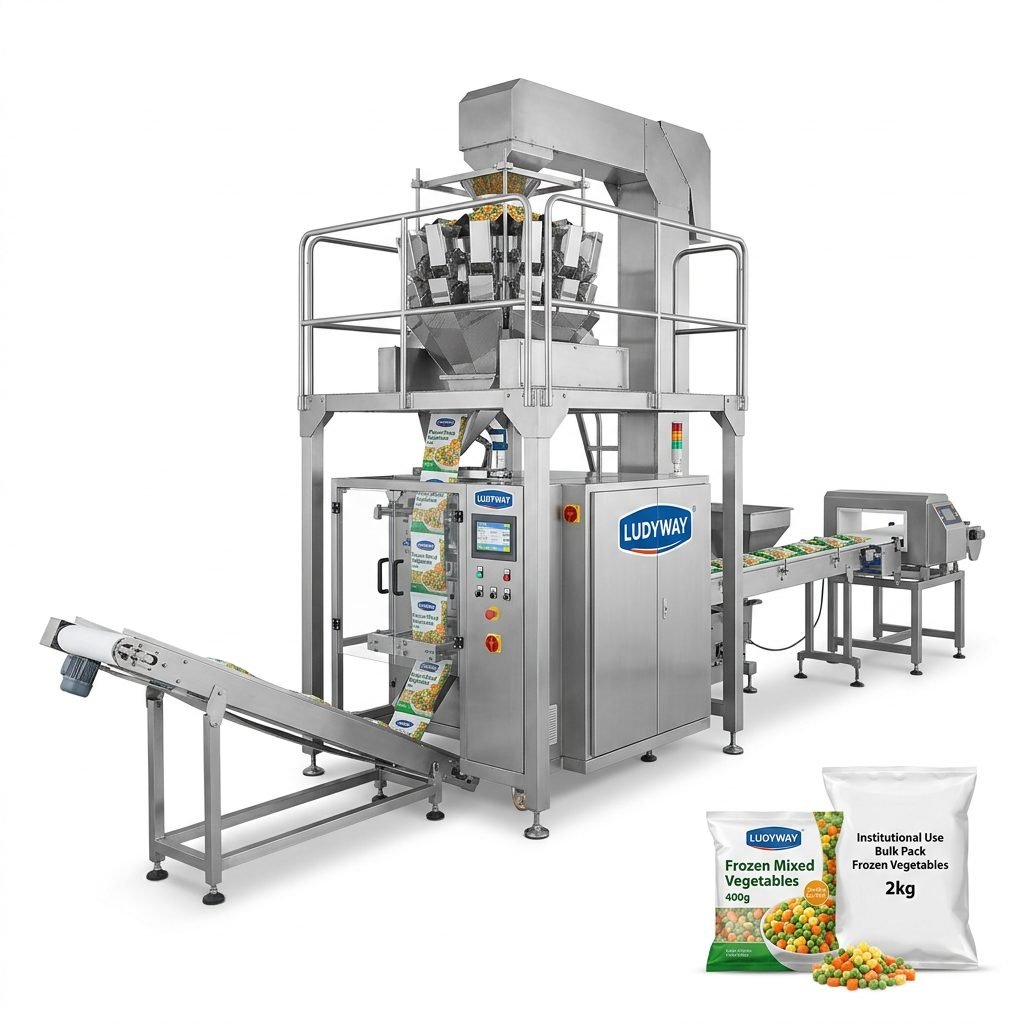
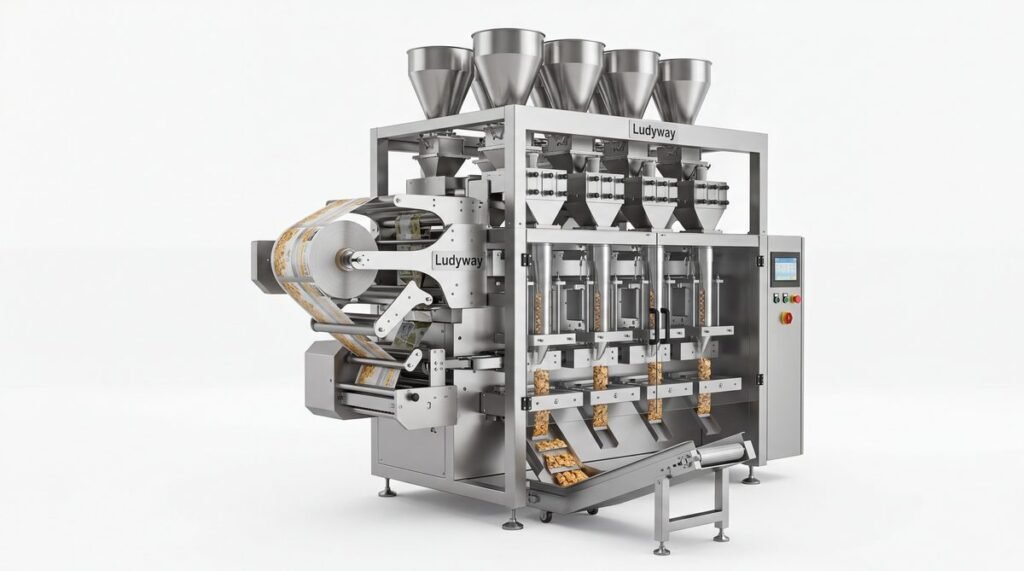
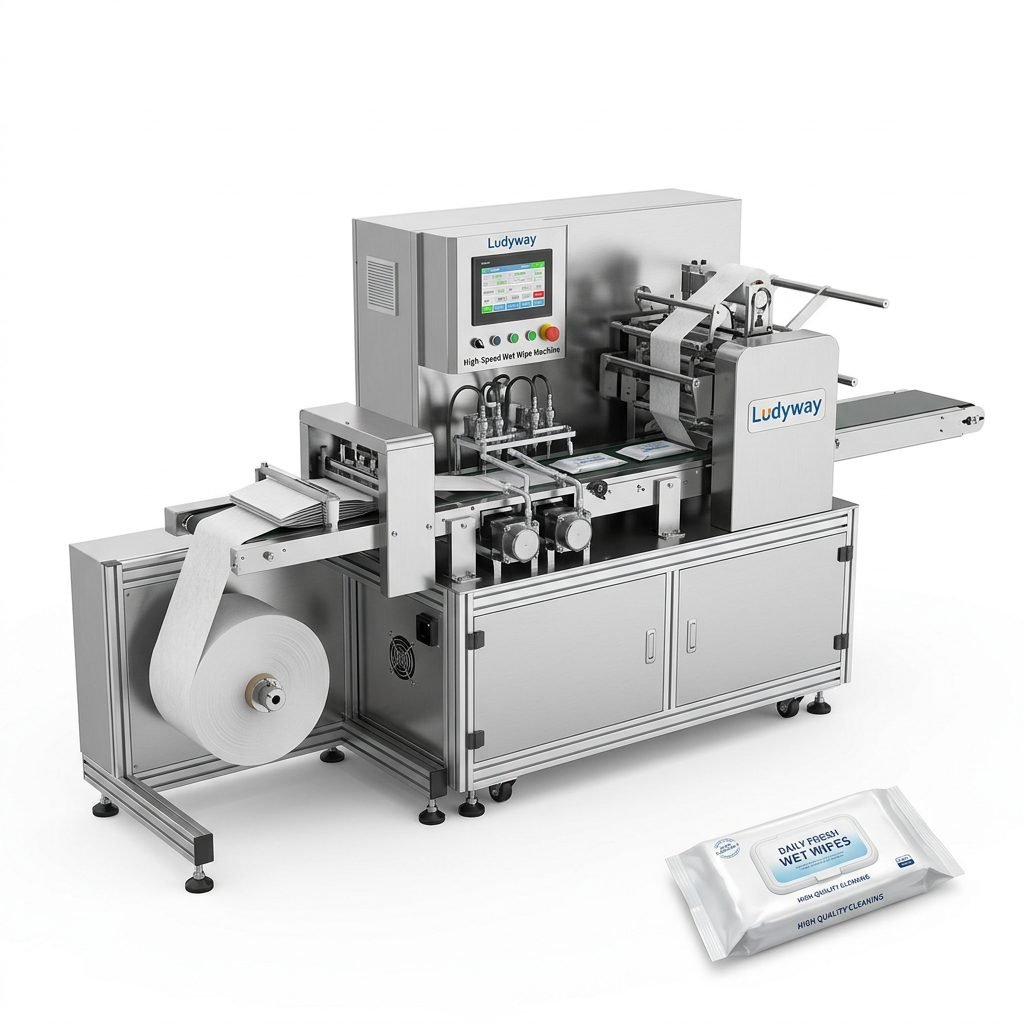
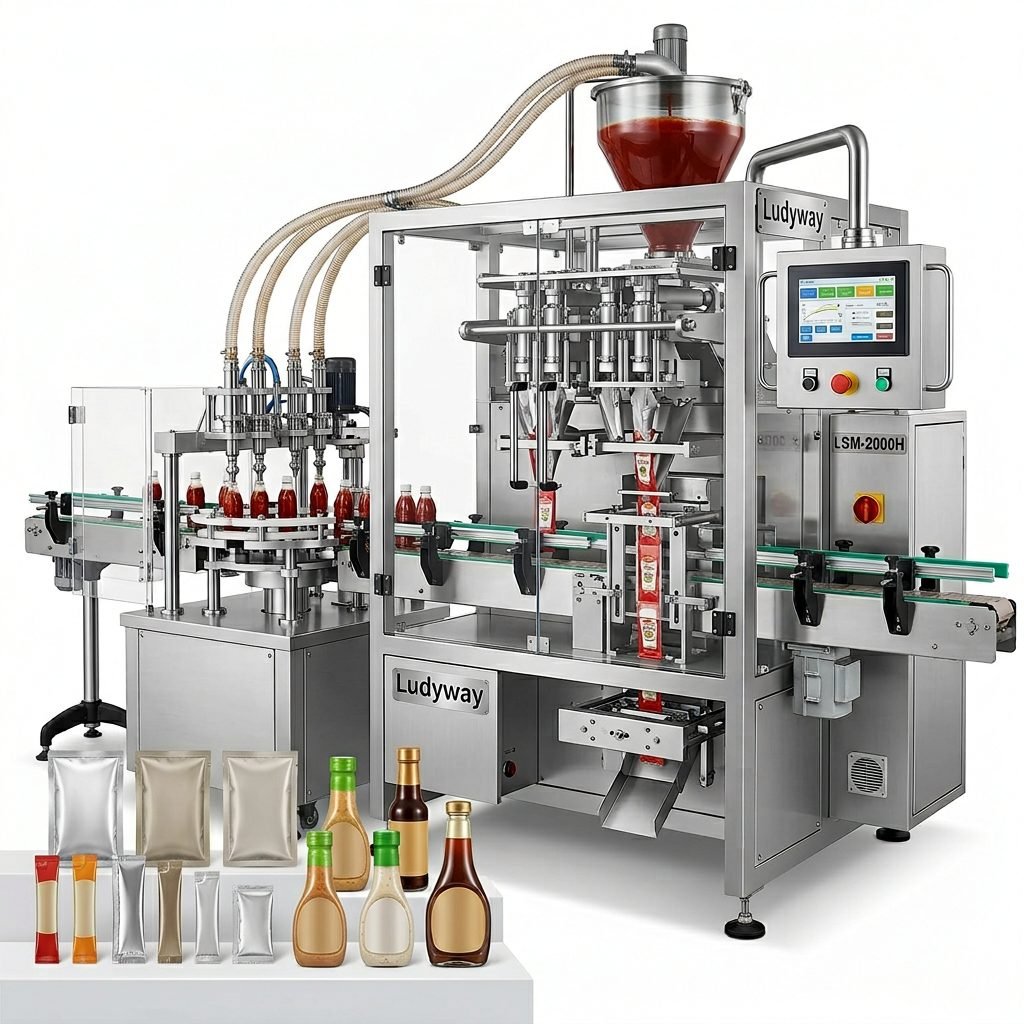
Investing in a vacuum packing machine is a critical decision for manufacturers looking to extend product shelf life, improve hygiene, and optimize packaging workflows. Whether you are packaging food, pharmaceuticals, electronics, or industrial components, selecting the right equipment directly impacts product quality, operational efficiency, and long-term profitability. This guide walks you through the essential factors to consider before making your purchase.

1. Understanding the Types of Vacuum Packing Machines
Before evaluating technical specifications, it is essential to understand the main categories of vacuum packing machines available on the market. Each type serves different production environments and product requirements.
| Machine Type | Best For | Key Advantage |
|---|---|---|
| Single Chamber Vacuum Machine | Small to medium batches, solids, and dry products | Cost-effective, simple operation, flexible packaging |
| Double Chamber Vacuum Machine | Continuous production with higher output needs | Increased throughput, alternating chamber cycles |
| External Vacuum Sealer | Occasional use, retail, or light commercial applications | Compact footprint, lower upfront investment |
| Continuous Band Vacuum Machine | Automatic high-speed production lines | Integration-friendly, minimizes manual handling |
| Thermoforming Vacuum Packaging Machine | Large-scale food processing, modified atmosphere packaging | Customizable tray sizes, high sealing integrity |
2. Define Your Product and Packaging Requirements
The product you are packaging dictates the machine configuration. Not all vacuum machines handle liquids, powders, or sharp-edged products effectively. Evaluate the following aspects before shortlisting equipment.
2.1 Product Characteristics
- Product form: Is it solid, granular, powdered, or liquid? Products with high liquid content may require specialized sealing systems to prevent contamination.
- Product sensitivity: Fragile items like baked goods or medical devices need gentle handling and adjustable vacuum pressure.
- Product dimensions and weight: The chamber size must accommodate your largest product format comfortably.
- Hygiene requirements: Food and pharmaceutical applications demand stainless steel construction and easy-to-clean surfaces.
2.2 Packaging Material Compatibility
Vacuum packing machines work with a range of vacuum pouches, bags, and barrier films. Common materials include PA/PE, PET/PE, and aluminum-laminated films. Verify that the machine’s sealing system is compatible with your preferred packaging material specifications, including film thickness, heat-seal properties, and gas barrier requirements. For applications requiring modified atmosphere packaging (MAP), you need a machine capable of gas flushing to extend shelf life further.

3. Production Capacity and Speed Requirements
Matching the machine’s throughput to your current and future production volume is essential. Underestimating capacity leads to bottlenecks, while overestimating results in unnecessary capital expenditure.
| Production Scale | Recommended Machine Type | Typical Throughput Range |
|---|---|---|
| Startup / Small Batch | Single chamber or external vacuum sealer | 1-4 cycles per minute |
| Medium Production | Double chamber or semi-automatic belt machine | 5-10 cycles per minute |
| High-Volume Industrial | Continuous band or thermoforming machine | 10+ cycles per minute, multi-lane options |
4. Key Technical Specifications to Evaluate
When comparing different models, focus on the technical parameters that directly impact performance and reliability. Vacuum pump quality, sealing bar dimensions, and control systems are among the most critical components.
4.1 Vacuum Pump Performance
The vacuum pump is the heart of the machine. Consider the pump capacity (measured in m³/h), ultimate vacuum level (mbar), and pump type. Common options include dry rotary vane pumps, oil-lubricated pumps, and Busch or Becker brand pumps for industrial reliability. For food packaging standards, oil-free or dry pumps reduce contamination risks and maintenance complexity.
4.2 Sealing System Quality
- Seal bar length and width: Must match your bag sizes; wider seals provide better integrity for heavy products.
- Sealing temperature control: Precise digital temperature adjustment ensures consistent seals across different film types.
- Cooling time adjustment: Proper cooling prevents seal damage and improves output quality.
4.3 Control and Automation Features
Modern vacuum packing machines offer programmable logic controllers (PLC) with touchscreen interfaces. These systems allow operators to store recipe-based settings for different products, adjust vacuum and gas flush times precisely, and monitor machine diagnostics. Automation reduces operator error and ensures packaging consistency across production runs.
5. Build Quality, Materials, and Hygiene Standards
The machine’s construction materials significantly affect its longevity and suitability for your application. For food, pharmaceutical, and medical device packaging, the equipment must comply with stringent hygiene regulations.
- Stainless steel construction: AISI 304 or AISI 316 stainless steel is the industry standard for corrosion resistance and cleanability. Check if the chamber, frame, and external panels are all stainless steel or if some components use painted mild steel.
- IP rating: For wet cleaning environments, look for appropriate ingress protection ratings to safeguard electrical components.
- Validated design: For pharmaceutical packaging, equipment should be designed to support ISO 11607 compliance and validation protocols.
6. Cost Considerations Beyond the Initial Purchase
The sticker price is only part of the total cost of ownership. A thorough cost analysis includes installation, training, maintenance, spare parts, and operational expenses.
| Cost Category | What to Consider |
|---|---|
| Initial Machine Price | Varies by type, brand, and configuration; get detailed quotations with all included accessories |
| Installation and Commissioning | On-site setup, utility connections, and initial calibration may incur separate charges |
| Training Costs | Operator and maintenance training is essential for maximizing machine uptime |
| Spare Parts Availability | Seal bars, vacuum pump oil, heating elements, and gaskets require periodic replacement |
| Energy Consumption | Vacuum pumps can be significant energy consumers; check motor efficiency ratings |
7. Choosing a Reliable Packaging Machinery Partner
Selecting the right supplier is as important as the machine itself. A dependable partner provides technical guidance, customization capabilities, and ongoing after-sales support. Look for manufacturers with a proven track record, strong engineering expertise, and a commitment to quality standards.
Manufacturers like Ludyway Machinery, with more than three decades of experience in the packaging industry, combine manufacturing expertise, automation technology, and customized engineering solutions to help customers improve packaging efficiency and operational consistency. A reliable partner evaluates your product characteristics, production requirements, and factory layout before recommending an appropriate machine configuration.
7.1 Questions to Ask Potential Suppliers
- What is your experience with products similar to mine?
- Can you provide references or case studies from customers in my industry?
- What warranty terms and after-sales service do you offer?
- How quickly can you supply spare parts and technical support?
- Do you offer installation, commissioning, and operator training on-site?
- Is the machine design compatible with relevant international standards and certifications?
8. Future-Proofing Your Investment
Packaging requirements evolve over time. A machine that meets today’s needs may not accommodate future product lines, packaging formats, or production volumes. Consider these factors when making your decision.
- Modular design: Machines that support add-on modules, such as gas flushing systems, additional sealing bars, or integration with automated packaging lines, provide flexibility for growth.
- Software upgradability: Digital control systems with firmware update capabilities ensure your machine stays current with technological advancements.
- Production scalability: If you anticipate increasing your output, a machine with higher baseline capacity may be a wiser investment than a unit that operates at maximum capacity from the start.
9. Compliance and Certification Requirements
Depending on your industry and target markets, your vacuum packing machine may need to comply with specific regulations. Food contact regulations, electrical safety standards, and hygiene certifications are common requirements.
- CE marking: Required for machinery sold in the European Economic Area, indicating conformity with health, safety, and environmental standards.
- FDA compliance: For food contact materials and packaging equipment used in the U.S. market.
- ISO standards: Packaging machinery may be designed and validated according to relevant ISO packaging standards.
- GMP compatibility: Good Manufacturing Practice requirements are essential for pharmaceutical, nutraceutical, and medical device packaging.
10. Maintenance, Serviceability, and Long-Term Support
Downtime directly impacts your production output. An easy-to-maintain machine with accessible components minimizes service interruptions. Evaluate the following before purchasing.
| Support Feature | Why It Matters |
|---|---|
| Local Technical Support | Reduces response time for troubleshooting and emergency repairs |
| Comprehensive Documentation | Detailed manuals, wiring diagrams, and maintenance schedules simplify in-house servicing |
| Spare Parts Inventory | Supplier-maintained spare parts programs ensure critical components are always available |
| Remote Diagnostics | Some modern machines support remote troubleshooting, reducing the need for on-site visits |
11. Making the Final Decision
After evaluating all the factors above, create a shortlist of potential machines and suppliers. Request detailed quotations, product demonstrations, and if possible, visit manufacturing facilities or reference sites. Comparing multiple options side by side helps you assess value comprehensively rather than focusing solely on price.
11.1 Decision Checklist
- Confirmed machine type matches product and production volume
- Verified vacuum pump specifications meet application requirements
- Assessed sealing system quality and material compatibility
- Checked construction materials and hygiene compliance
- Evaluated total cost of ownership, not just initial price
- Confirmed supplier experience, support capabilities, and references
- Reviewed flexible packaging industry data for benchmarking purposes
- Ensured compliance with relevant regulations and standards
Choosing the right vacuum packing machine is a strategic investment that affects your product quality, operational efficiency, and market competitiveness. By systematically evaluating your requirements, understanding machine specifications, and partnering with an experienced supplier, you can select equipment that delivers reliable performance and long-term value for your packaging operations.