Setting up a flour packaging machine production line in Italy requires careful planning, an understanding of local regulations, and selecting the right equipment to match production goals. Italy is one of Europe’s largest food processing hubs, and its packaging industry operates under strict EU packaging and waste regulations that directly influence how flour milling and packaging businesses configure their operations. Whether you are expanding an artisanal mill or launching a large-scale industrial facility, the decisions you make during the planning phase will determine your line’s efficiency, compliance, and long-term profitability. This guide walks you through every critical step—from site assessment and machine selection to installation, training, and ongoing maintenance—so you can build a production line that meets global packaging standards and Italian market expectations.
Understanding the Italian Flour Packaging Market
Italy’s flour market is diverse, ranging from traditional stone-ground flours used by artisan bakeries to high-volume industrial flours destined for pasta factories and export. Before purchasing equipment, you need to define your target product categories: soft wheat flour (type 00, 0), durum wheat semolina, whole wheat flour, specialty gluten-free blends, or organic certified flours. Each product type may require different packaging formats—such as paper bags, multi-layer pouches, stick packs, or bulk sacks—and this directly influences machine configuration. Italian consumers are increasingly demanding sustainable packaging, so lines designed with recyclable materials and reduced plastic usage have a competitive advantage. Additionally, the packaging line must comply with food contact substance regulations if you plan to export to markets outside the EU.
Step 1: Site Assessment and Infrastructure Planning
Your facility must be properly prepared before any machinery arrives. This involves evaluating floor space, electrical supply, compressed air availability, dust extraction systems, and ambient conditions. Flour is a combustible dust, so Italian safety regulations require explosion-proof electrical components and adequate ventilation. Below are the key infrastructure checkpoints:
- Floor load capacity – Multi-lane packaging machines and bulk filling systems can weigh several tons when fully loaded with product.
- Electrical supply – Confirm voltage, phase, and frequency compatibility with European standards (typically 400V/50Hz three-phase).
- Compressed air system – Most automated packaging lines require a stable supply of clean, dry compressed air for pneumatic actuators and sealing mechanisms.
- Dust control – Install dust collection hoods and explosion suppression systems to meet ISO packaging safety standards and Italian workplace safety laws.
- Temperature and humidity – Flour is hygroscopic; maintain controlled ambient conditions to prevent clumping and ensure accurate filling.
Step 2: Selecting the Right Flour Packaging Machine Configuration
The core of your production line is the packaging machine itself. Flour packaging lines are not one-size-fits-all—they must be configured based on your target bag size, throughput requirements, and filling technology. The table below compares common machine types used in flour packaging applications:
| Machine Type | Bag Format | Typical Speed | Best For |
|---|---|---|---|
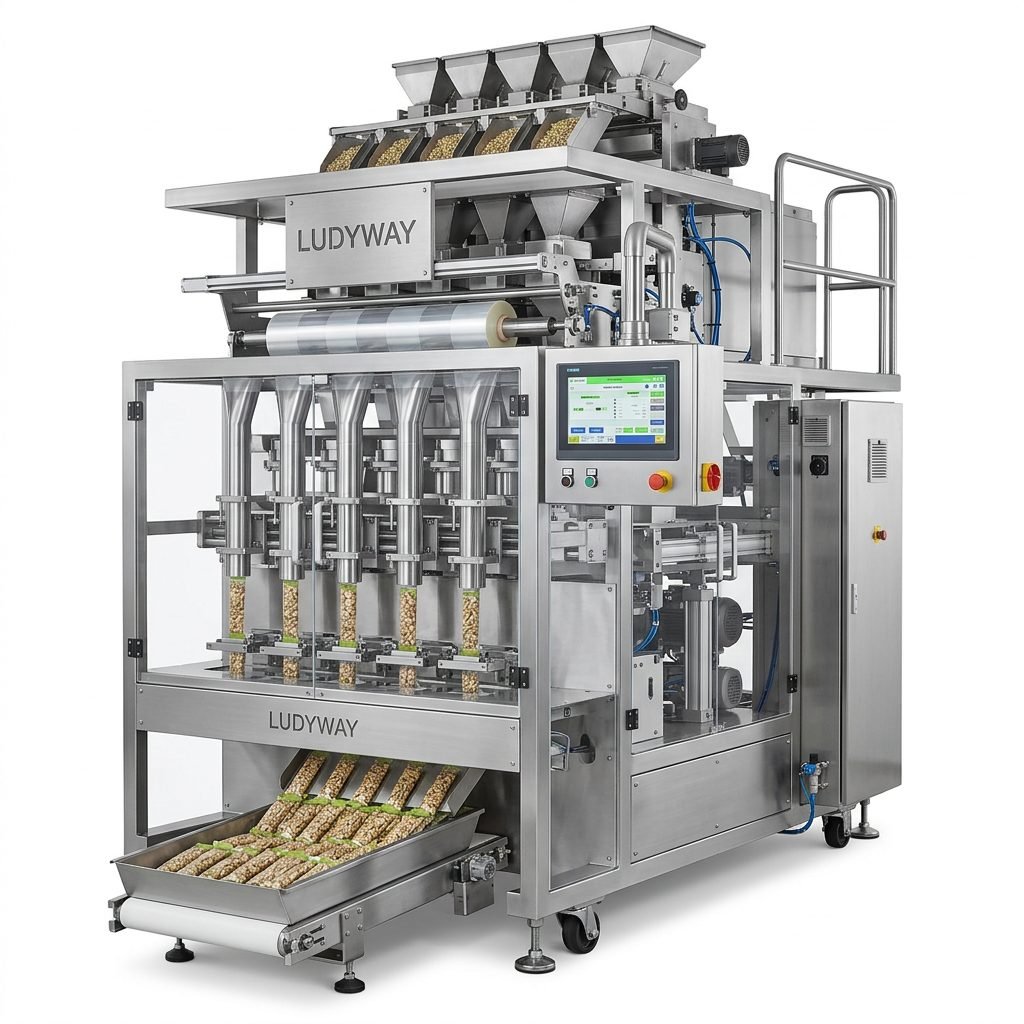
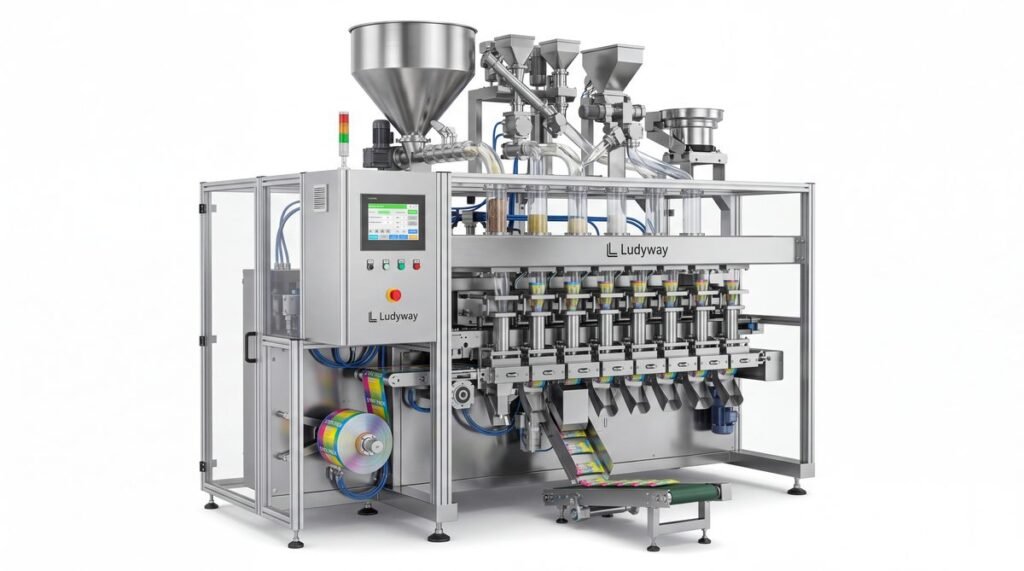
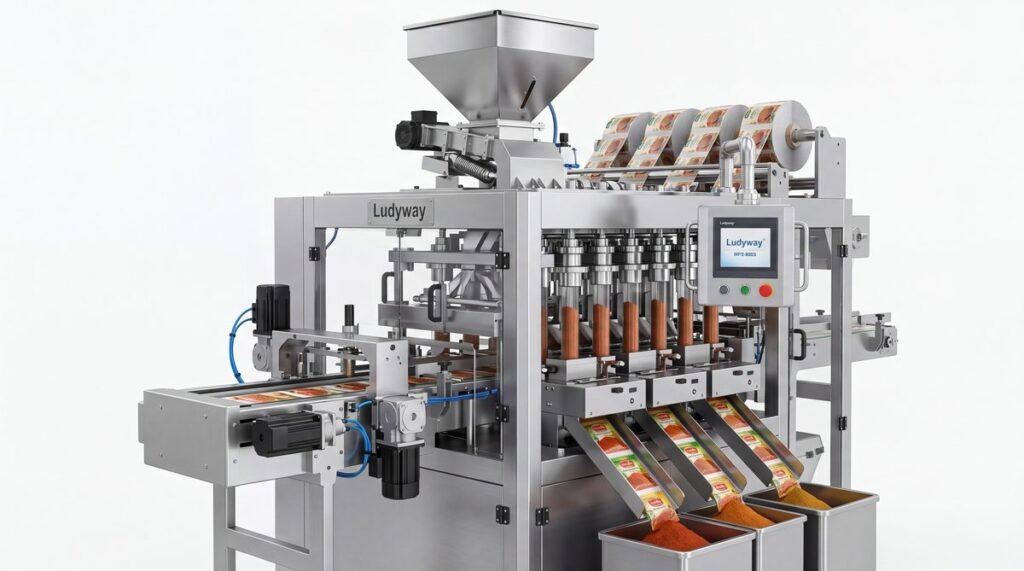
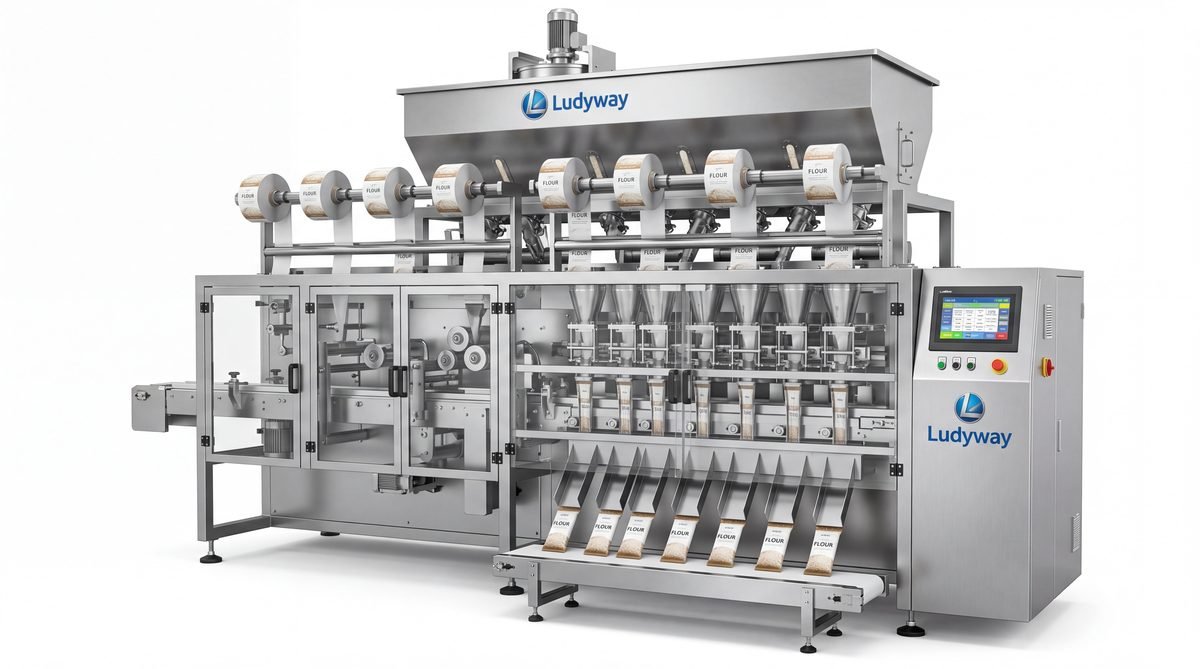
| Multi-Lane Stick Pack Machine | Stick packs (1-50g) | 40-120 packs/min per lane | Single-serve flour portions, instant mixes |
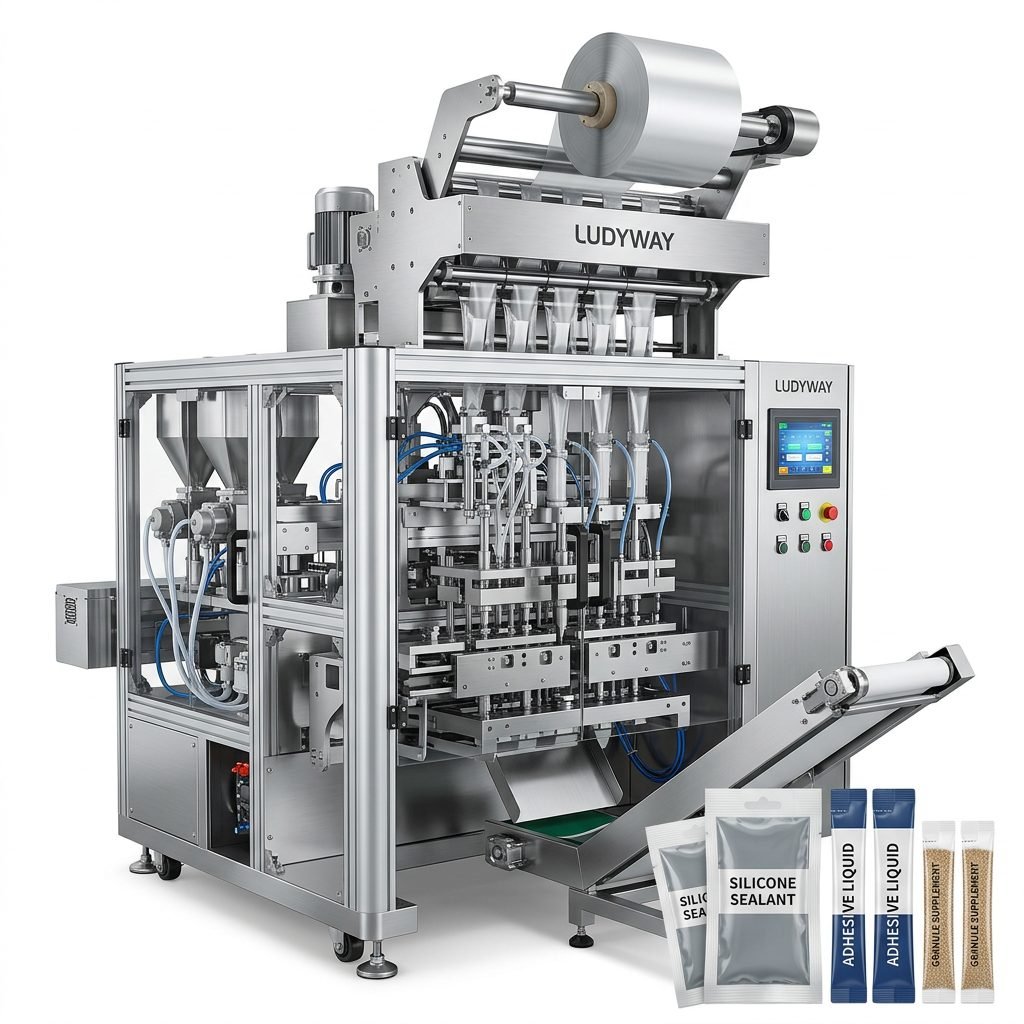
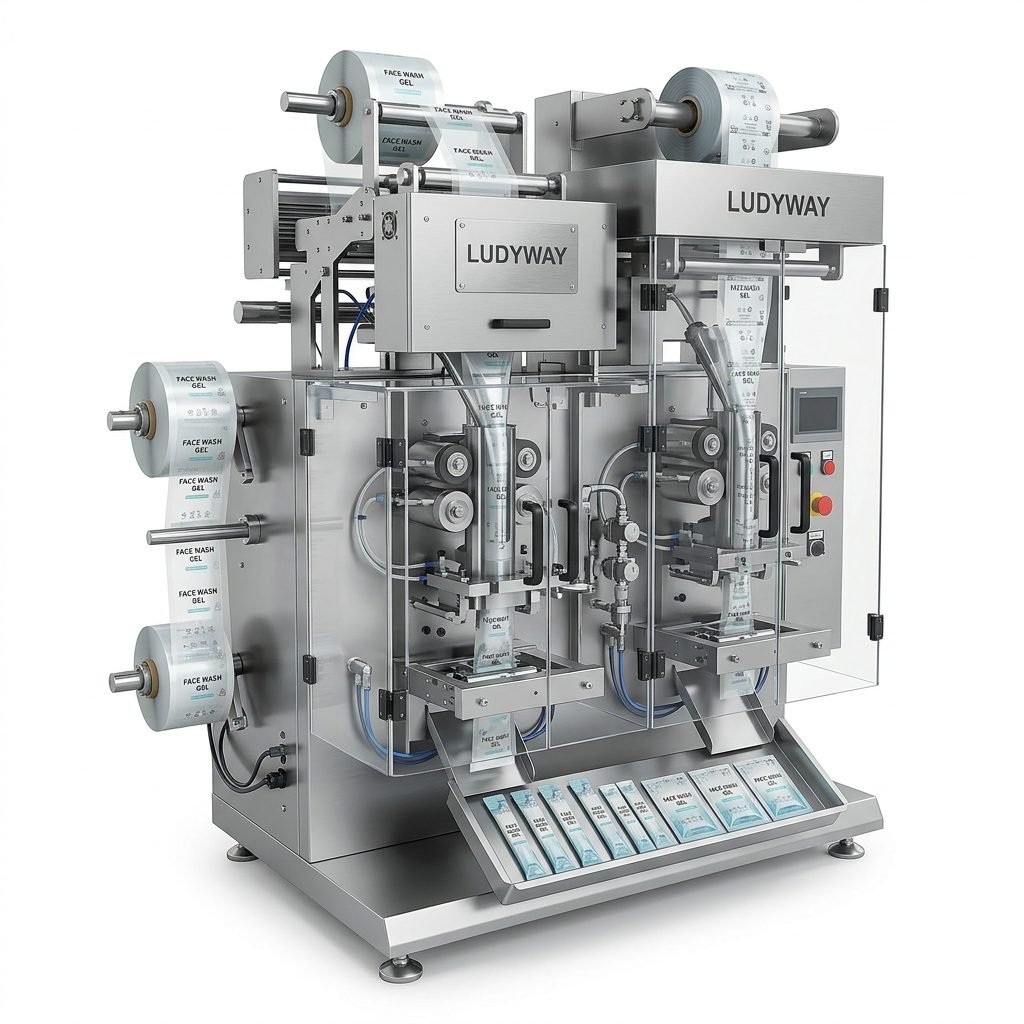
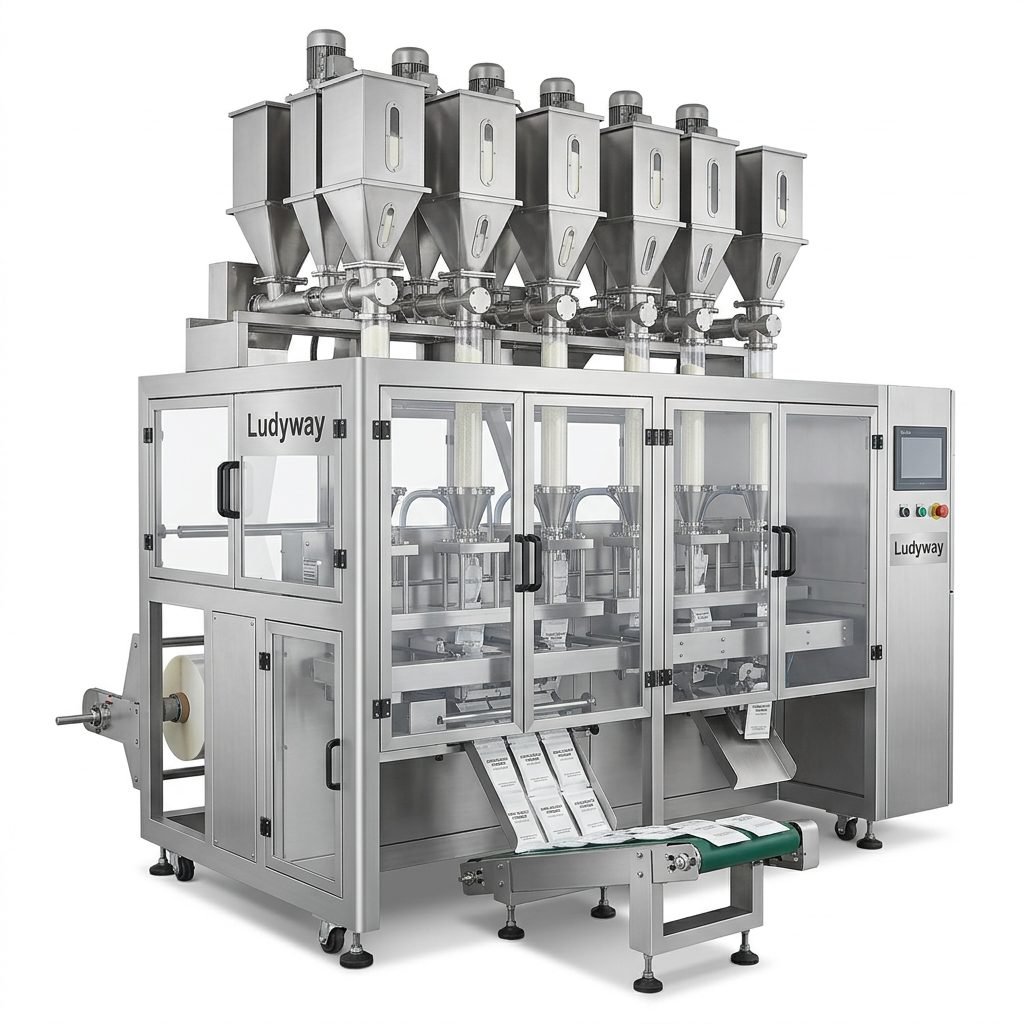
| Multi-Lane Sachet Machine | Sachets (10-200g) | 30-80 sachets/min per lane | Retail flour sachets, gluten-free blends |
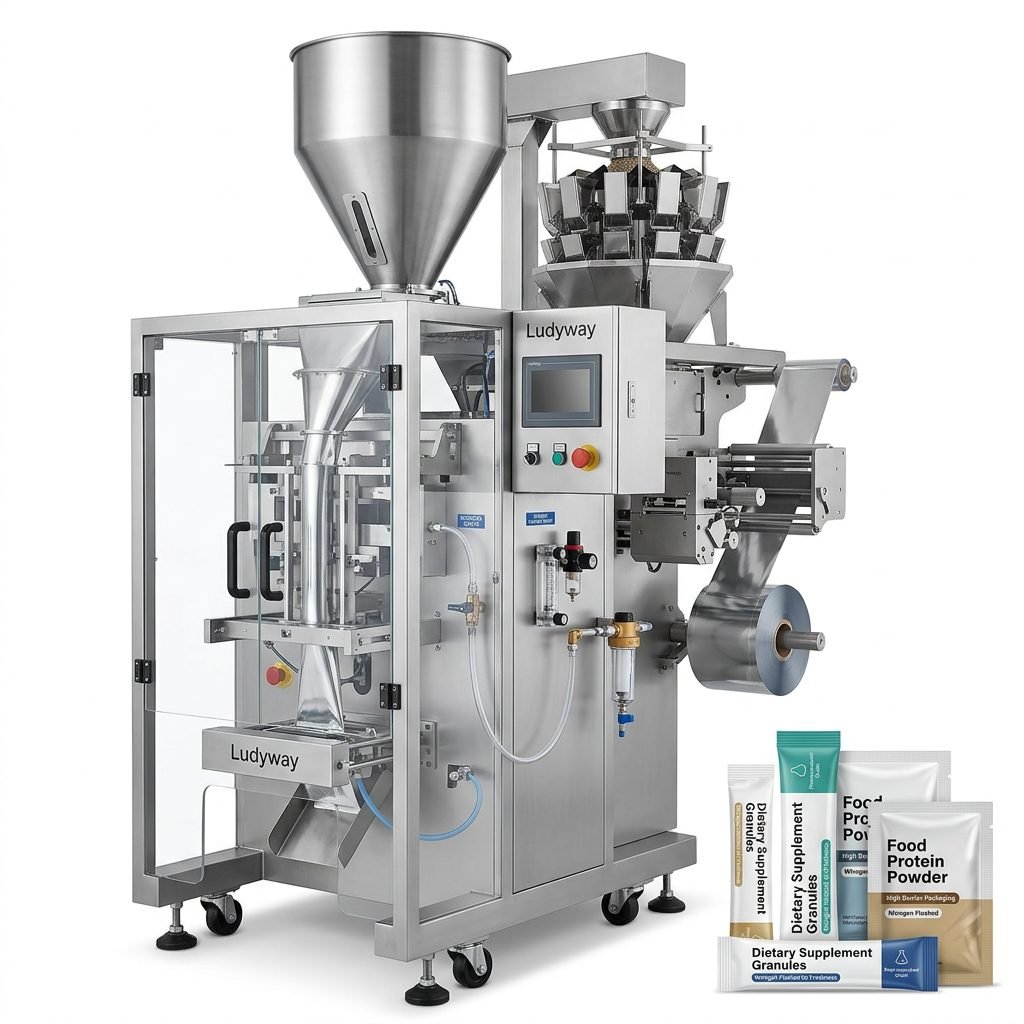
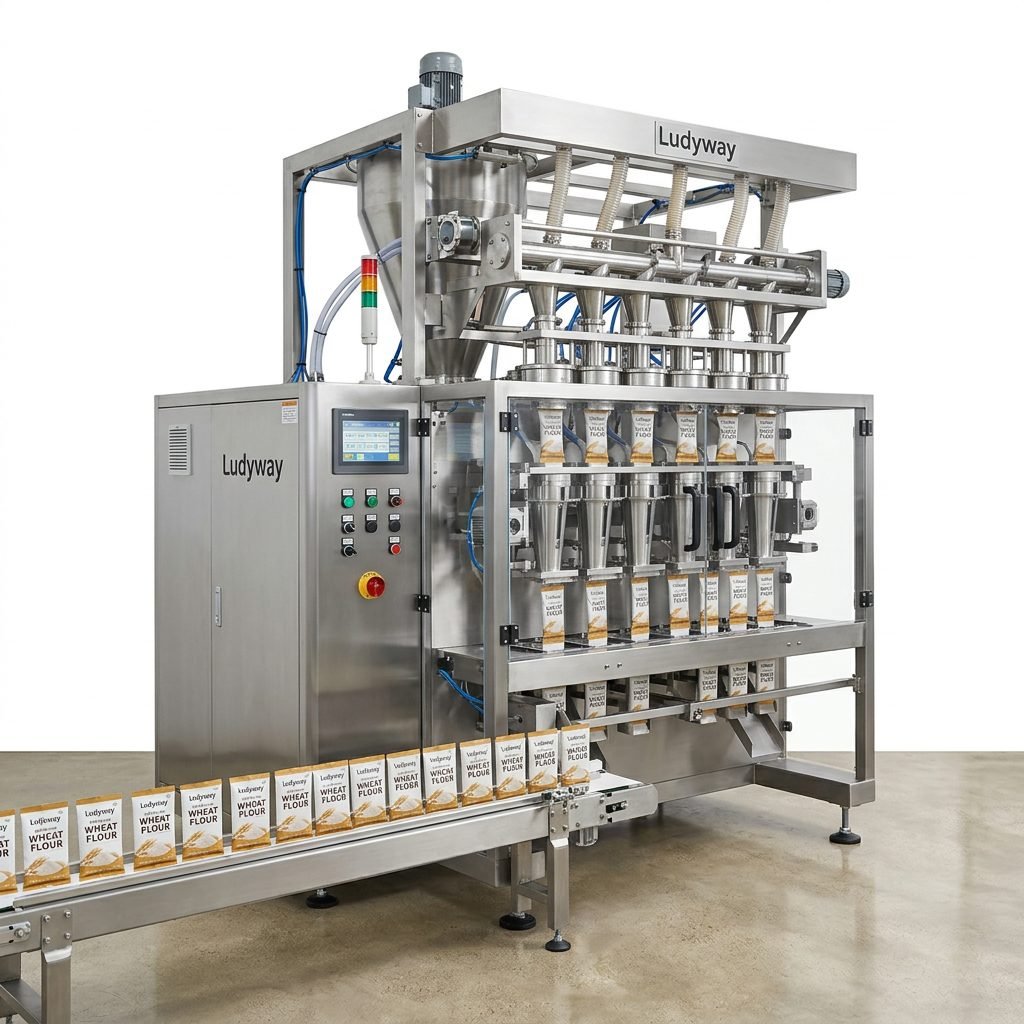
| Vertical Form Fill Seal (VFFS) | Pillow bags (500g-5kg) | 15-40 bags/min | Standard retail flour bags |
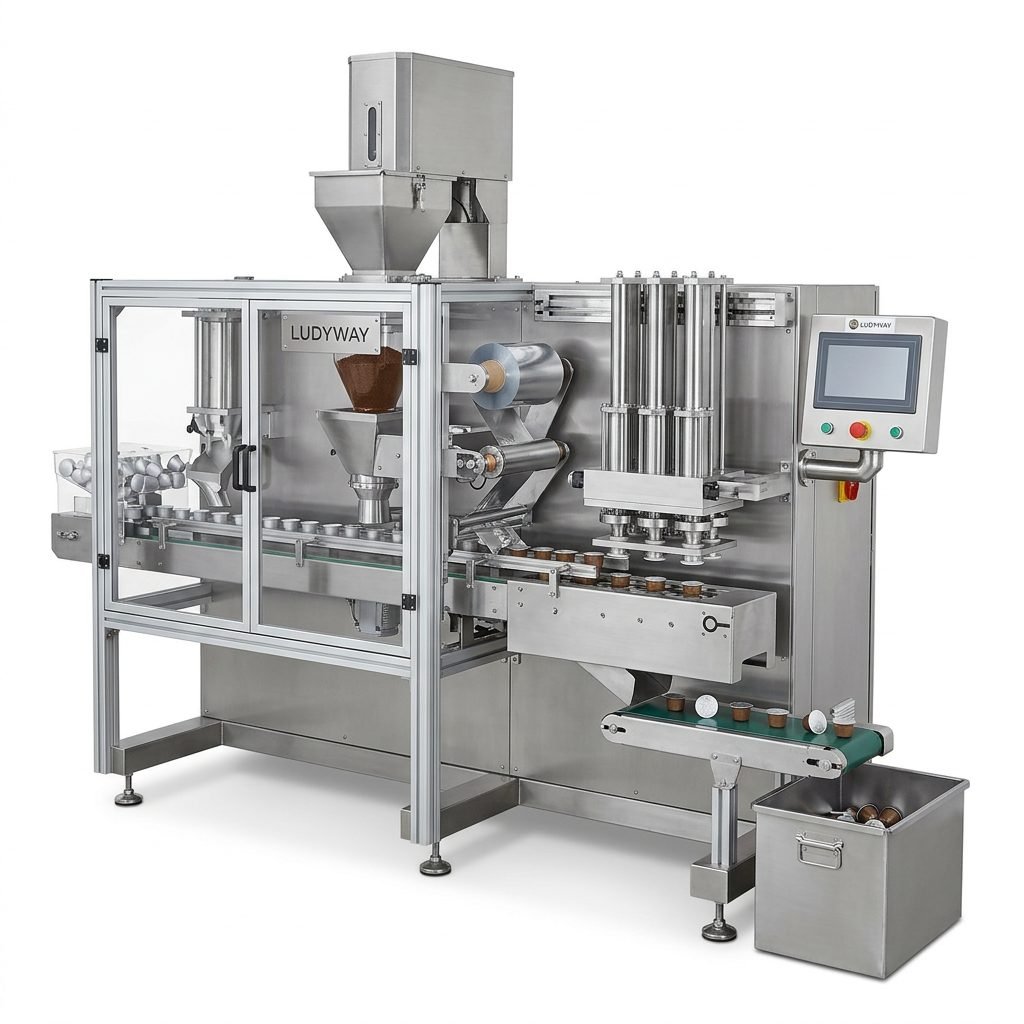
| Pre-Made Pouch Rotary Machine | Stand-up pouches, zipper bags | 20-50 pouches/min | Premium organic flour packaging |
| Open-Mouth Bagging System | Bags (5-50kg) | 4-10 bags/min | Bulk industrial flour, B2B supply |
| Valve Bag Filler | Valve bags (10-25kg) | 3-8 bags/min | Dust-free bulk packaging |
Step 3: Integrating Auxiliary Equipment for a Complete Line
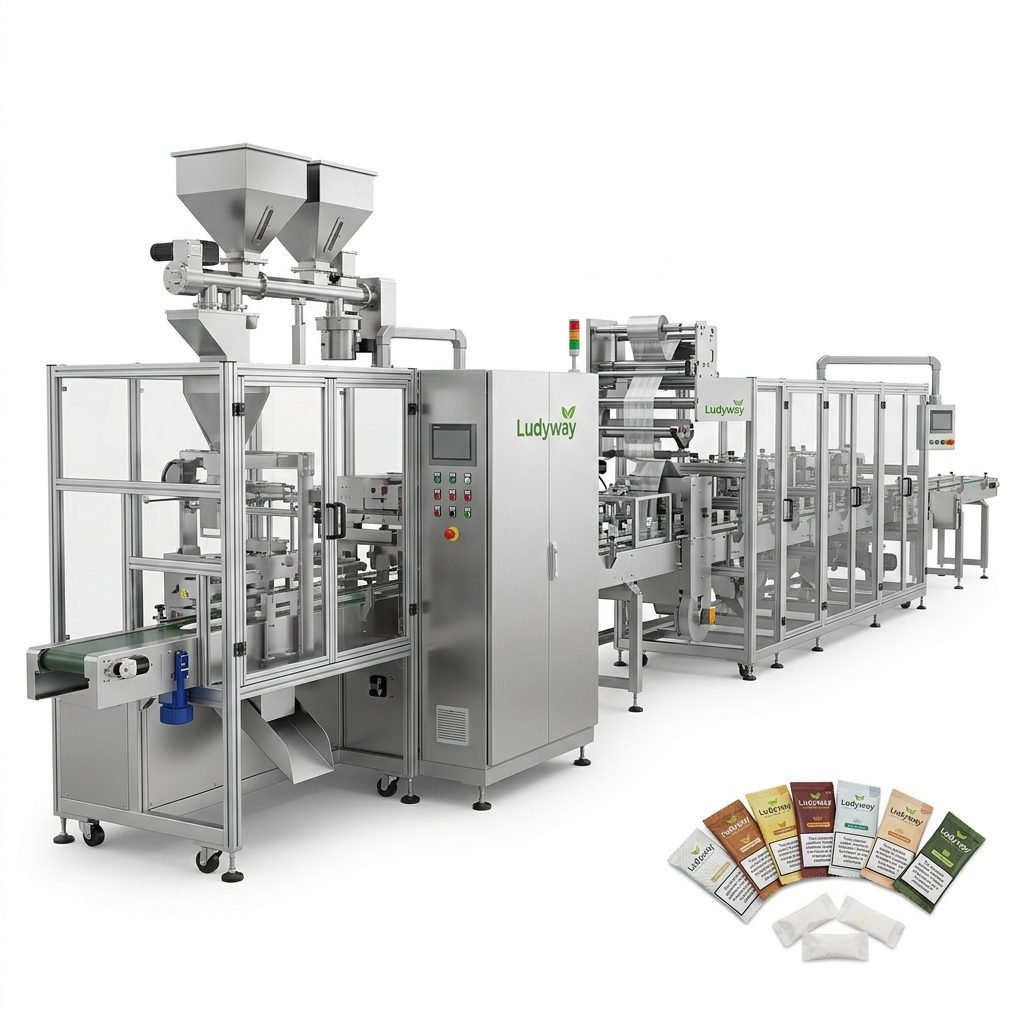
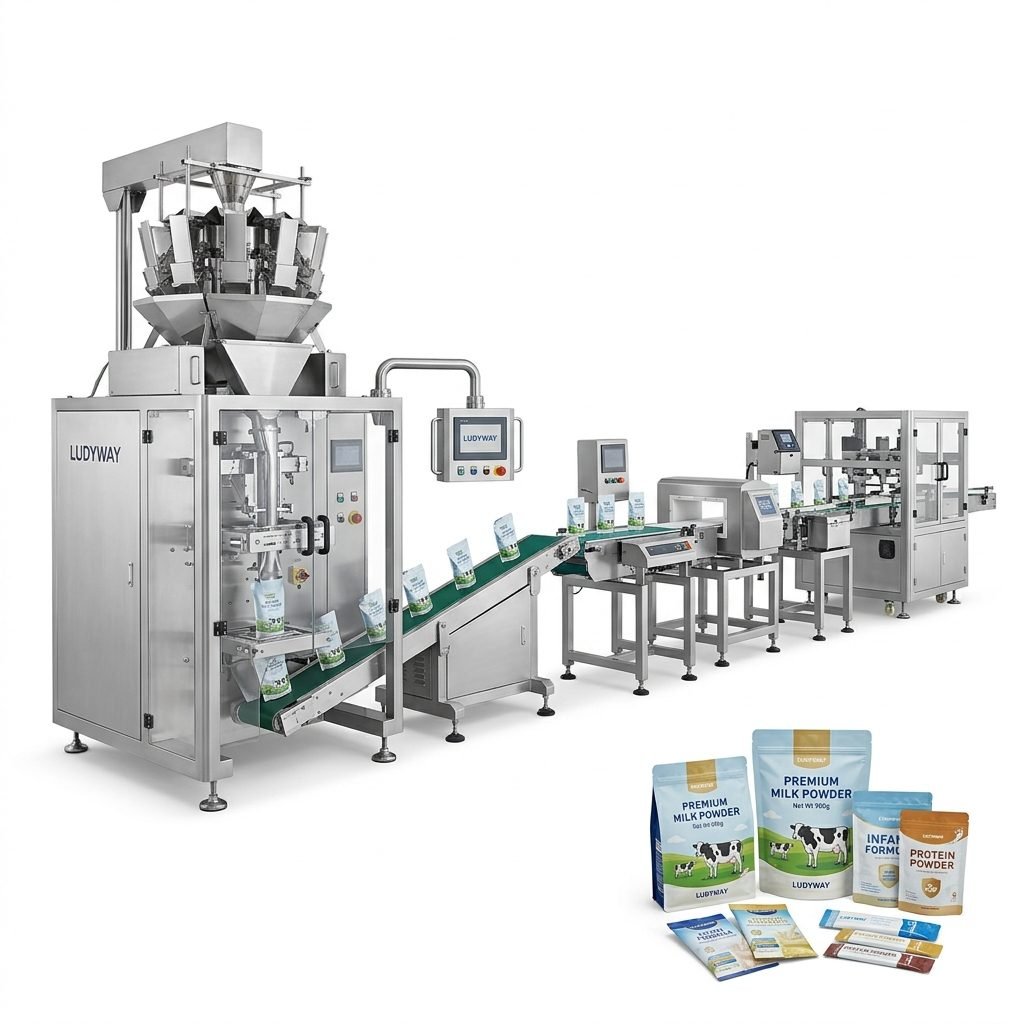
A fully functional flour packaging line extends beyond the primary filling machine. The following auxiliary systems must be integrated to create a seamless, automated workflow:
- Feeding and Conveying Systems – Z-type bucket elevators, inclined conveyors, or vacuum feeders transport flour from storage silos or mixers to the packaging machine hopper. Choose food-grade stainless steel construction to comply with flexible packaging industry best practices.
- Checkweigher – An in-line dynamic checkweigher verifies each package meets weight specifications and automatically rejects non-conforming units. This is essential for legal metrology compliance in Italy and across the EU.
- Metal Detector or X-Ray Inspection – Critical control point equipment to detect physical contaminants before products reach consumers.
- Date Coding and Labeling – Thermal transfer printers or laser marking systems apply batch codes, production dates, and traceability information as required by EU food labeling regulations.
- Cartoning and Case Packing – Automated cartoners group individual sachets or stick packs into retail cartons, while case packers prepare shipping units for distribution.
- Palletizing – Robotic or conventional palletizers stack finished cases onto pallets for warehouse storage and logistics.
Step 4: Ensuring Regulatory Compliance in Italy
Italy enforces EU-wide food safety and packaging regulations, and your production line must be designed to meet them from day one. Key regulatory frameworks include:
- EU Regulation 1935/2004 – Governs food contact materials; all machine surfaces that touch flour must use approved food-grade materials.
- EU Machinery Directive 2006/42/EC – Requires CE marking for all packaging equipment installed in Italian facilities.
- ATEX Directive 2014/34/EU – Mandates explosion-proof design for equipment handling combustible dust like flour.
- Italian Legislative Decree 231/2001 – Establishes corporate liability for workplace safety violations; dust control and machine guarding are critical.
Working with a supplier that provides CE-certified equipment and understands ISO 11607 packaging validation requirements will significantly simplify the compliance process. Documentation such as technical files, risk assessments, and operator manuals in Italian are mandatory upon inspection by local authorities.
Step 5: Installation, Commissioning, and Testing
Once equipment arrives at your Italian facility, a structured installation and commissioning process ensures that every component functions correctly within the integrated line:
- Mechanical Installation – Position all machines according to the pre-approved layout, ensuring proper clearances for operation and maintenance access.
- Electrical and Pneumatic Connections – Certified technicians connect power, compressed air, and data communication lines between machines and central control systems.
- Dry Run Testing – Run the line without product to verify mechanical movements, sensor alignment, and safety interlocks.
- Product Testing – Introduce flour to calibrate filling accuracy, sealing temperature, gas flushing (if applicable), and checkweigher thresholds.
- Performance Validation – Conduct sustained production runs to confirm throughput rates, package integrity, and overall line efficiency.
Italian regulations may require a notified body inspection for certain high-risk installations. Plan this into your timeline to avoid delays in obtaining operational permits.
Step 6: Operator Training and Workforce Development
Even the most advanced packaging line will underperform without properly trained operators and maintenance staff. A comprehensive training program should cover:
- Machine operation – Daily startup, shutdown, recipe changeover, and parameter adjustment procedures.
- Troubleshooting – Common fault diagnosis, error code interpretation, and quick resolution techniques.
- Cleaning and sanitation – Proper disassembly and cleaning procedures for food-contact parts, critical for allergen management when switching between flour types.
- Preventive maintenance – Scheduled lubrication, wear part inspection, and calibration checks to minimize unplanned downtime.
- Safety protocols – Emergency stop procedures, lockout/tagout practices, and dust explosion prevention awareness.
Many equipment manufacturers, including Ludyway, offer on-site and remote training programs to help Italian customers build local technical expertise. Investing in thorough training during the commissioning phase reduces reliance on external support and improves long-term operational stability.
Step 7: Maintenance Planning and Spare Parts Strategy
Flour packaging lines operate in a high-dust environment that accelerates wear on seals, bearings, and pneumatic components. A proactive maintenance strategy is essential to sustain performance over years of continuous operation. Establish a preventive maintenance schedule that includes:
- Weekly inspection of sealing jaws and Teflon tape condition
- Monthly cleaning of dust accumulation on sensors and electrical cabinets
- Quarterly replacement of air filters and lubrication of mechanical drives
- Annual comprehensive overhaul with full calibration and safety system verification
Maintain a local inventory of critical spare parts—such as heating elements, thermocouples, forming tubes, and drive belts—to reduce lead times when components need replacement. Consult packaging industry business intelligence resources for benchmarks on spare parts investment as a percentage of equipment value.
Key Considerations for Italian Flour Exporters
If your Italian production line will serve export markets, additional packaging requirements apply. Countries outside the EU may mandate specific bag materials, labeling in local languages, and different weight tolerances. The flexible packaging industry offers extensive guidance on export-ready packaging formats. Key export considerations include:
- Barrier properties – Multi-layer films with aluminum foil or EVOH layers extend shelf life for overseas shipments.
- Labeling compliance – Nutritional panels, ingredient lists, and country-of-origin statements must meet destination country requirements.
- Palletization standards – Export pallets may require heat treatment (ISPM 15) and specific stacking patterns for container optimization.
- Serialization and traceability – Some markets require unique package-level codes for supply chain tracking.
Common Mistakes to Avoid When Setting Up Your Line
Learning from the experiences of others can save significant time and capital. Here are frequent pitfalls encountered during flour packaging line installations in Italy:
- Underestimating dust control needs – Flour dust accumulation leads to equipment malfunction and safety hazards if not properly managed.
- Choosing the wrong filling technology – Auger fillers work well for free-flowing flour, but cohesive or high-fat flours may require different dosing mechanisms.
- Ignoring future scalability – Select machines with modular designs that allow adding lanes or upgrading speeds as production demand grows.
- Overlooking local utility costs – Energy-efficient servo drives and heat-sealing systems can significantly reduce operating expenses over the machine’s lifespan.
- Skipping factory acceptance testing (FAT) – Always test the complete line at the manufacturer’s facility before shipping to Italy to identify issues early.
Conclusion
Setting up a flour packaging machine production line in Italy is a multi-disciplinary project that spans regulatory compliance, equipment engineering, facility preparation, and workforce training. By following a structured approach—starting with market analysis, progressing through careful machine selection, and ending with thorough commissioning and training—you can build a production line that delivers consistent quality, meets all Italian and EU requirements, and positions your business for growth in both domestic and international flour markets. For more detailed guidance on packaging machinery selection and turnkey line integration, industry resources from PMMI and the Flexible Packaging Association provide valuable reference materials to support your project planning.