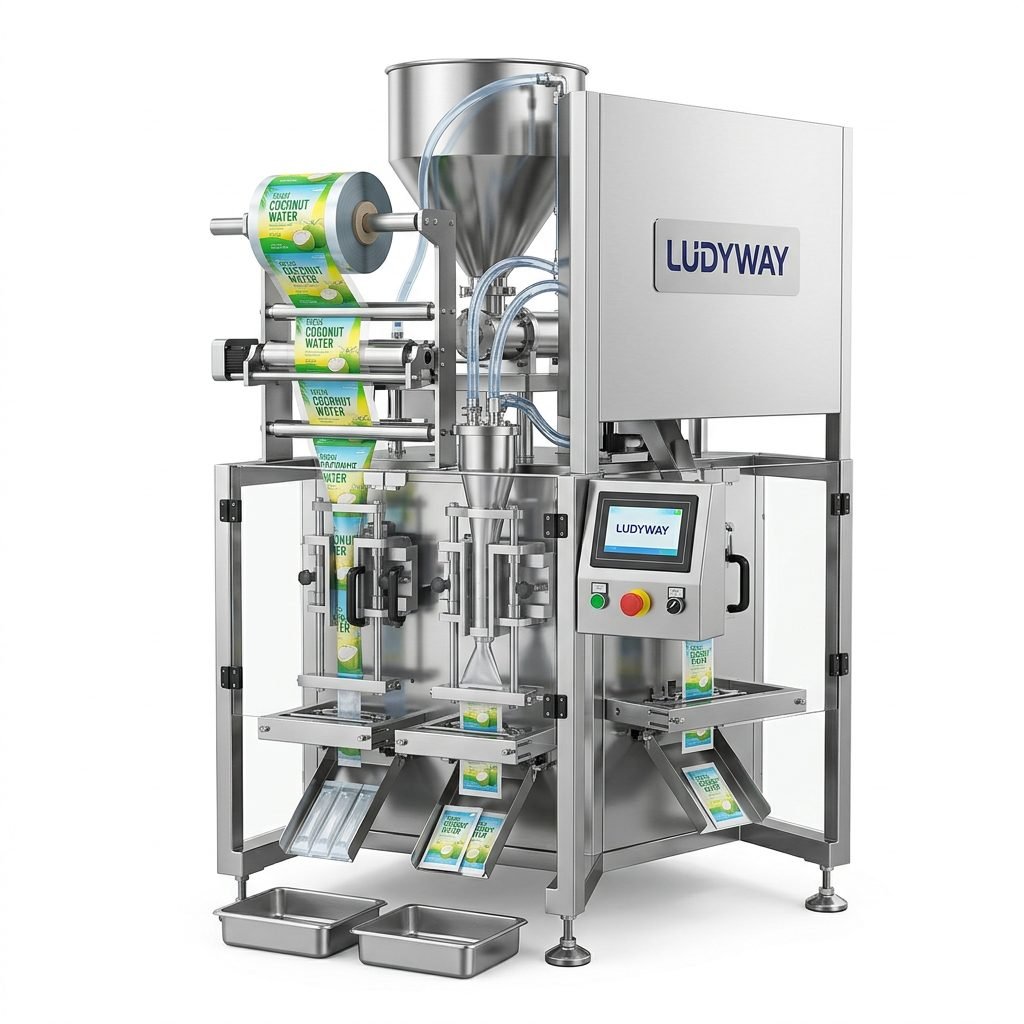
Investing in a vacuum sealer packaging machine is a critical decision for manufacturers across food, pharmaceutical, chemical, and industrial sectors. The right equipment can dramatically extend product shelf life, reduce waste, improve operational efficiency, and protect product integrity throughout the supply chain. However, with dozens of machine types, configurations, and technical specifications available, the selection process can feel overwhelming. This complete buyer’s guide walks you through every factor you need to evaluate—from machine types and sealing technologies to production capacity and industry-specific requirements—so you can choose with confidence.

Understanding Vacuum Sealer Packaging Machine Types
Before diving into specifications, it’s essential to understand the different categories of vacuum packaging equipment. Each type serves distinct production environments and product requirements.
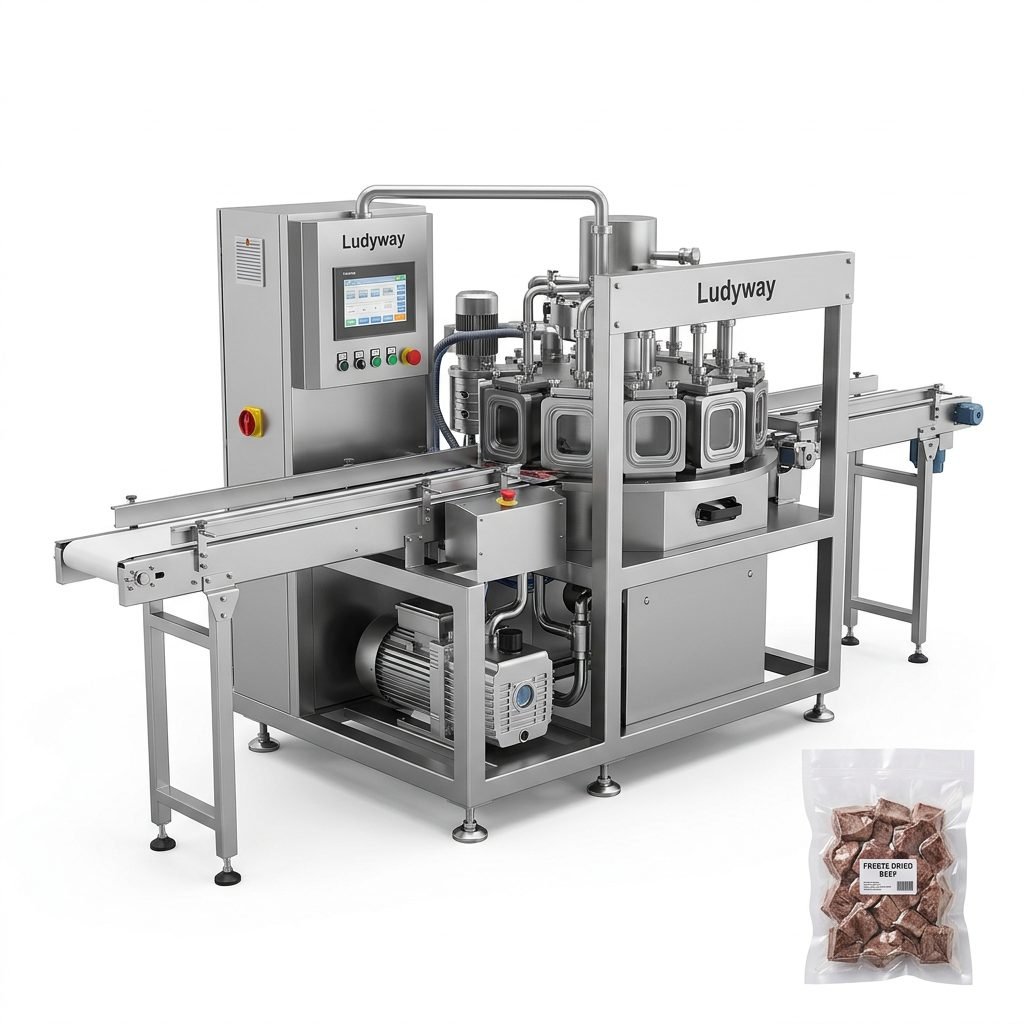
Chamber Vacuum Sealers
Chamber machines place the entire product—bag and all—inside a sealed chamber. Air is evacuated from the chamber and the bag simultaneously, creating a perfect pressure equilibrium. This design is ideal for liquid-rich products, sauces, soups, and marinated items because it prevents liquid from being drawn out during the sealing process. Chamber sealers are widely used in food processing facilities, commercial kitchens, and packaging operations where reliability and consistency are paramount.
External Vacuum Sealers (Nozzle Type)
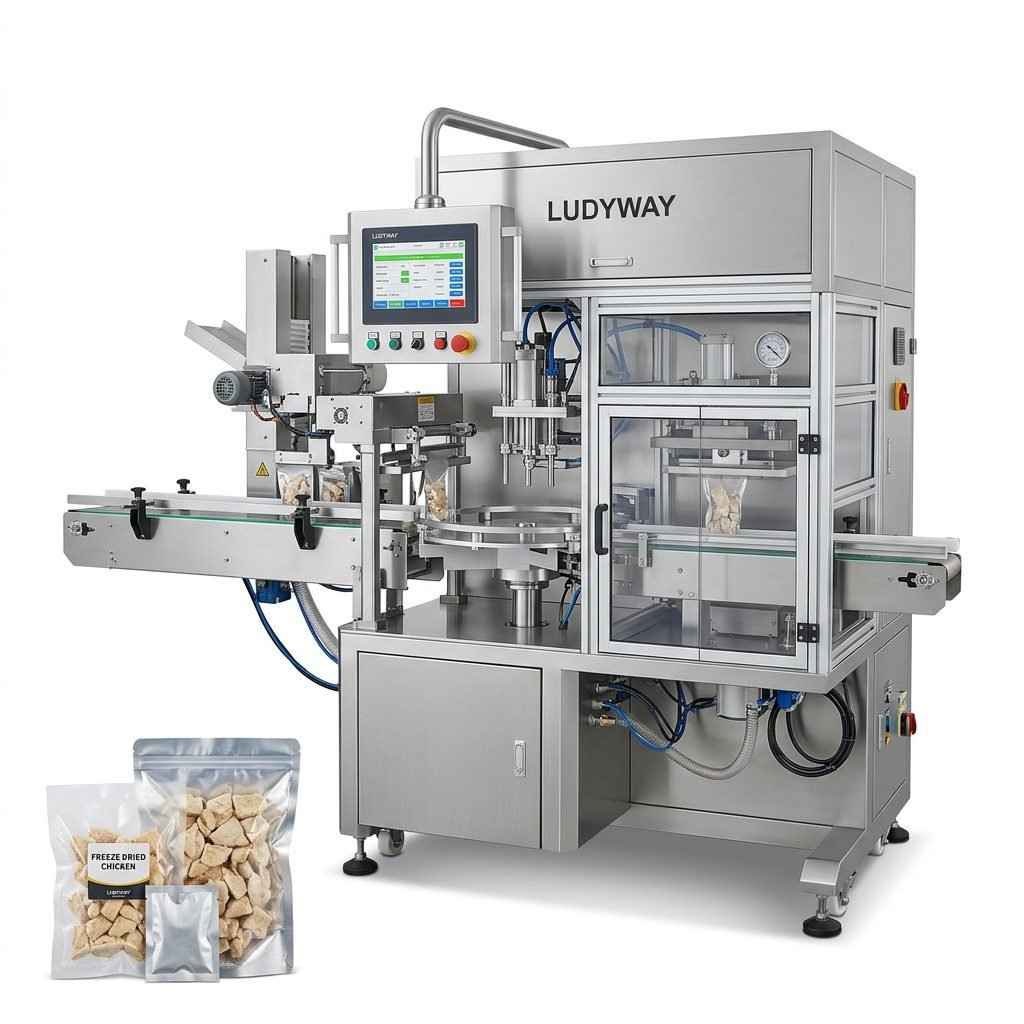
External or nozzle-type sealers work by inserting a vacuum nozzle into the open end of the bag, extracting air, and then heat-sealing the bag closed. These machines are generally more compact and affordable, making them popular for small to medium-scale operations. They work best with dry or semi-dry products. Modern external sealers often include adjustable vacuum pressure, seal time, and compatible bag-width settings for operational flexibility.
Continuous Band Sealers with Vacuum
For high-volume production lines, continuous band vacuum sealers offer unmatched throughput. Products are placed on a conveyor belt that feeds continuously through the vacuum and sealing station. This configuration is common in large-scale food processing, pharmaceutical packaging, and industrial chemical operations. When evaluating continuous systems, consider conveyor speed range, seal width capabilities, and integration potential with upstream filling and downstream labeling equipment.
Double-Chamber and Multi-Chamber Machines
Double-chamber vacuum sealers feature two alternating chambers, allowing operators to load one chamber while the other is completing its cycle. This design significantly increases productivity without requiring a larger footprint. Multi-chamber configurations are particularly valuable in flexible packaging environments where labor efficiency and output consistency directly impact profitability.
Key Factors to Evaluate When Choosing a Vacuum Sealer
Selecting the right machine involves balancing technical capabilities with your specific production requirements. Below are the critical evaluation criteria organized by priority.
1. Production Volume and Speed Requirements
Your daily or hourly output target is the single most important factor in machine selection. A small artisan food producer packaging 100 units per day has fundamentally different needs than a pharmaceutical manufacturer requiring 5,000 sealed pouches per hour. Calculate your current and projected throughput before comparing machine specifications. Key metrics to examine include:
- Cycle time per seal (seconds per unit)
- Maximum packages per hour at optimal conditions
- Chamber or sealing bar dimensions affecting batch capacity
- Operator loading and unloading time
- Shift-based production schedules
2. Product Characteristics and Compatibility
The physical properties of your product directly influence which vacuum sealer technology will work best. Consider these product-specific factors:
- Moisture content: High-moisture products require chamber sealers to prevent liquid migration during evacuation
- Product shape and size: Irregularly shaped items may need larger chambers or specialized bag configurations
- Fragility: Delicate products like freeze-dried fruits or baked goods require adjustable vacuum pressure to prevent crushing
- Powder and granule content: Fine particles can interfere with seal integrity if not properly managed
- Sharp edges: Products like hardware components or bone-in meats may require thicker bag materials and reinforced seals
3. Packaging Material Compatibility
Not all vacuum sealers work with all packaging materials. Verify that your chosen machine supports the bag types and film specifications you intend to use. Key material considerations include:
- Bag thickness range (typically measured in microns or mils)
- Material structure: PA/PE, EVOH barrier films, aluminum laminates, or biodegradable options
- Pre-made pouch vs. roll-stock film compatibility
- Embossed vs. smooth film requirements for external sealers
- High-barrier material performance for oxygen-sensitive products
Refer to ISO packaging standards and FDA food contact substance regulations when selecting packaging materials for regulated industries.
4. Vacuum Pump Performance and Technology
The vacuum pump is the heart of any sealing system. Pump quality directly affects evacuation speed, ultimate vacuum level, and long-term reliability. Understanding pump technologies helps you match equipment to your application:
| Pump Type | Vacuum Level | Best For | Maintenance | Cost Profile |
|---|---|---|---|---|
| Oil Rotary Vane Pump | Very High (≤1 mbar) | Heavy-duty industrial, continuous operation, high-barrier packaging | Regular oil changes, filter replacements | Higher upfront; durable long-term |
| Dry Rotary Vane Pump | Medium-High (5-10 mbar) | Food packaging, medium-volume operations, oil-free environments | Low; no oil to change, vane inspection periodic | Moderate; lower operating costs |
| Venturi (Pneumatic) Pump | Medium (50-100 mbar) | Quick cycles, liquid products, explosive environments | Very low; no moving parts | Lower initial cost; requires compressed air |
| Scroll Pump | High (≤1 mbar) | Oil-free clean applications, pharmaceutical, electronics | Low; periodic tip seal replacement | Higher; oil-free operation benefit |
| Claw Pump | Medium-High (2-5 mbar) | High-volume industrial, 24/7 operations | Very low; non-contacting design | Higher upfront; excellent TCO |
5. Seal Bar Configuration and Quality
The sealing mechanism determines package integrity and finished appearance. Evaluate these seal-bar characteristics when comparing machines:
- Seal width: Wider seals (8-12mm) provide stronger, more reliable closure
- Single vs. double seal bars: Double bars create redundant seals for critical applications
- Seal bar length: Must accommodate your largest bag width with adequate margin
- Temperature control: Precise digital temperature adjustment prevents over-sealing or under-sealing
- Cooling time: Sufficient cooling prevents seal delamination and ensures integrity
6. Control System and Automation Features
Modern vacuum sealers offer varying levels of control sophistication. The right choice depends on your operator skill level and production complexity:
- Basic manual controls: Simple timer-based vacuum and seal settings; best for consistent, repetitive tasks
- Programmable digital controllers: Store multiple recipes with precise vacuum, gas flush, seal, and cooling parameters
- Sensor-based controls: Automatically adjust vacuum levels based on real-time pressure readings
- IoT-enabled systems: Remote monitoring, predictive maintenance alerts, and production data logging
- HMI touchscreen interfaces: Intuitive operation with visual process indicators and multi-language support
Technical Specifications Comparison for Different Production Scales
The table below provides a practical reference for matching machine specifications to your production scale. Use this as a starting point for evaluating equipment across different manufacturers.
| Specification | Small-Scale / Entry Level | Medium Production | High-Volume Industrial |
|---|---|---|---|
| Output (packages/hr) | 50–300 | 300–1,500 | 1,500–10,000+ |
| Chamber / Seal Bar Size | 300–420 mm seal bar | 420–600 mm seal bar | 600–1,200+ mm or continuous band |
| Vacuum Pump Type | Dry rotary vane or Venturi | Oil rotary vane or dry scroll | Oil rotary vane, claw, or multi-pump systems |
| Control System | Manual timer-based | Digital programmable (10-50 recipes) | PLC with HMI, IoT-ready, 100+ recipes |
| Gas Flush (MAP) | Optional add-on | Integrated single-gas | Multi-gas precision mixing system |
| Construction Material | Powder-coated steel | Stainless steel 304 | Stainless steel 316L, washdown-ready |
| Typical Investment Range | Economic entry point | Moderate; good ROI within 12-24 months | Significant capital; justified by throughput gains |
Industry-Specific Application Considerations
Different industries impose unique requirements on vacuum packaging equipment. Understanding these sector-specific needs helps narrow your options significantly.
Food and Beverage Processing
Food-grade vacuum sealers must meet hygienic design standards with easy-clean surfaces, minimal crevices where food particles can accumulate, and compatibility with washdown procedures. Recent packaging industry data shows growing demand for extended-shelf-life solutions in fresh proteins, dairy, ready-to-eat meals, and snack categories. Key food-industry requirements include:
- Stainless steel construction (304 or 316L grade)
- IP65 or higher ingress protection for wet environments
- HACCP-compliant design features
- Compatibility with food-grade lubricants
- Support for Modified Atmosphere Packaging (MAP) with nitrogen or CO₂ flushing
Pharmaceutical and Medical Device Packaging
Pharmaceutical vacuum packaging demands validated processes and documented compliance with regulatory frameworks. Equipment must support sterile barrier systems, tamper-evident seals, and often integrate with serialization and track-and-trace systems. Critical pharmaceutical requirements include:
- Cleanroom-compatible construction (ISO 14644)
- Validatable sealing parameters with data logging
- Compliance with ISO 11607 for terminally sterilized medical devices
- 21 CFR Part 11-compliant electronic records for FDA-regulated markets
- Integration with sterilization processes (EtO, gamma, steam)
Industrial Chemicals and Bulk Solids
Chemical packaging applications prioritize material compatibility, safety, and robust construction. Vacuum sealers in this sector often handle aggressive substances, requiring specialized seals and corrosion-resistant components. Considerations include:
- Chemical-resistant seal materials and gaskets
- ATEX or explosion-proof configurations for volatile substances
- Heavy-duty bag handling for 25kg+ bulk packaging
- Dust-extraction integration for powder products
- Corrosion-resistant pump components
Evaluating Total Cost of Ownership
The purchase price of a vacuum sealer represents only a fraction of its lifetime cost. A thorough total cost of ownership (TCO) analysis includes:
Direct Operating Costs
- Consumables: Vacuum bags, pump oil, seal bars, gaskets, and filters
- Energy consumption: Pump motor efficiency and peak power draw
- Labor: Operator time per cycle, training requirements, and ergonomic considerations
- Maintenance: Scheduled service intervals, spare parts availability, and technician costs
Indirect Cost Factors
- Downtime impact: Lost production capacity during repairs or maintenance
- Quality failures: Cost of rejected product due to seal failures or vacuum loss
- Scalability: Ability to increase throughput without replacing equipment
- Integration costs: Modifications needed to connect with existing production lines
Questions to Ask Before Making Your Purchase
Use this checklist when evaluating vacuum sealer suppliers to ensure you gather all necessary information:
- What is the guaranteed vacuum level and cycle time for my specific product and bag size?
- Does the machine support gas flushing if modified atmosphere packaging is part of my process?
- What spare parts are recommended for the first 12-24 months of operation?
- Is remote technical support available, and what are the response times?
- Can the machine be upgraded or reconfigured if my production needs change?
- What training and documentation are provided for operators and maintenance staff?
- Are there references or case studies from similar applications in my industry?
- What warranty coverage is included, and what extended options are available?
Integration with Broader Packaging Operations
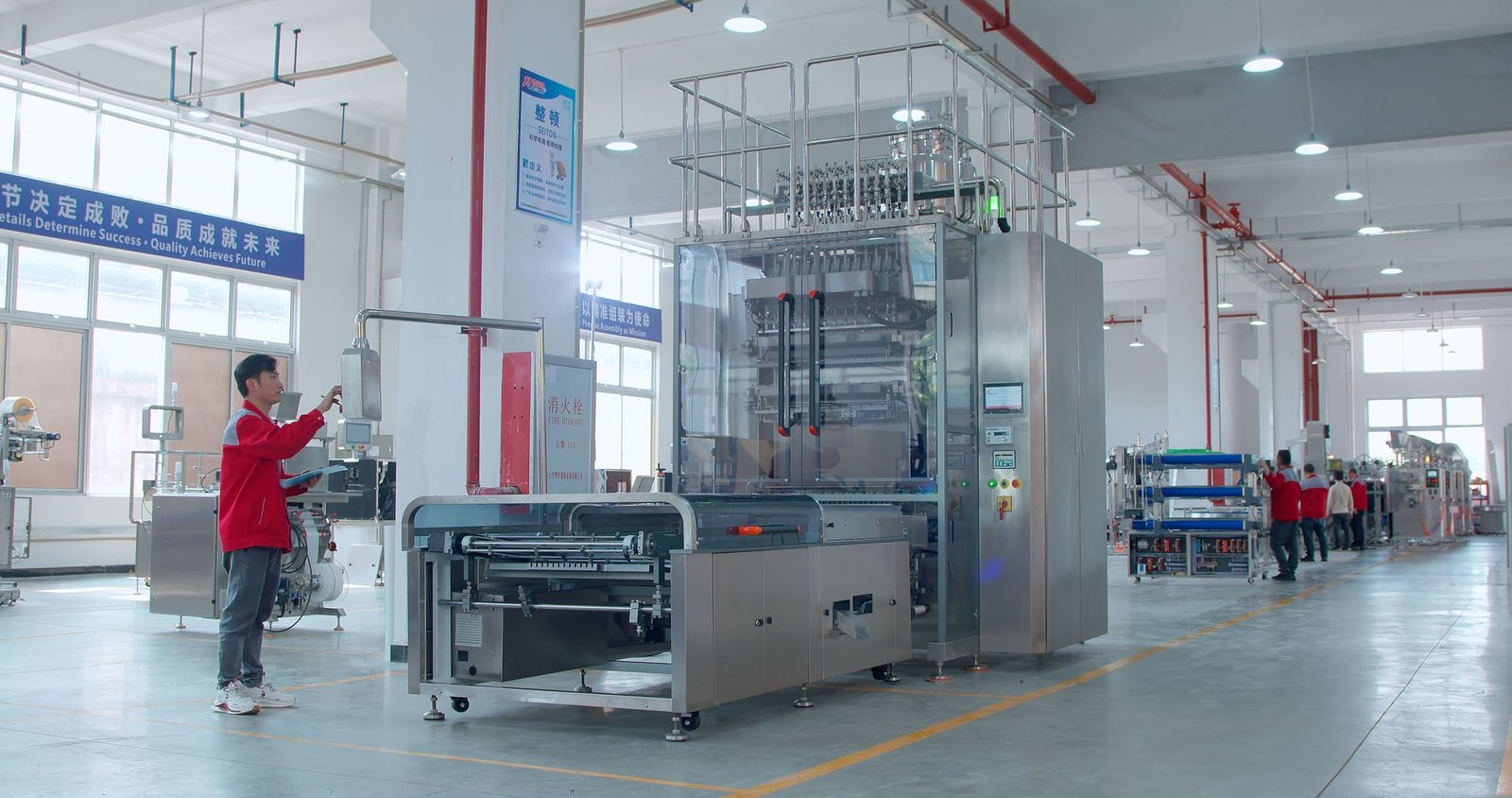
A vacuum sealer rarely operates in isolation. For manufacturers looking to build or upgrade complete packaging lines, the ability to integrate the vacuum sealing station with upstream and downstream equipment is essential. Consider how your vacuum sealer connects with:
- Filling and dosing systems: Synchronized product delivery matching sealing cycle times
- Labeling and coding equipment: Inline date coding, batch numbering, and barcode printing
- Checkweighing and inspection: Quality control stations for seal integrity and weight verification
- Cartoning and case packing: Automated transfer of sealed packages to secondary packaging
- Palletizing systems: End-of-line automation for efficient logistics handling
For comprehensive guidance on packaging line integration, resources from PMMI’s business intelligence library and Flexible Packaging Association industry data provide valuable benchmarks and technical references. The 2026 State of the Industry report offers the latest market projections and technology trends shaping packaging machinery investments.
Making the Final Decision
Choosing the right vacuum sealer packaging machine is a strategic investment that affects product quality, operational efficiency, and long-term competitiveness. By systematically evaluating machine types, pump technology, sealing performance, control features, material compatibility, and total cost of ownership against your specific production requirements, you can make a confident, data-driven decision.
For manufacturers requiring customized vacuum packaging solutions—whether for food, pharmaceutical, chemical, or industrial applications—working with an experienced equipment provider can streamline the entire selection and implementation process. Ludyway Machinery, with over 30 years of packaging industry experience and a comprehensive portfolio of automated packaging equipment, provides customized engineering solutions and turnkey packaging systems designed to meet specific product and production requirements across more than 100 countries. Taking the time to thoroughly assess your needs and compare qualified suppliers will pay dividends in reliable performance and consistent packaging quality for years to come.
Frequently Asked Questions About Vacuum Sealer Packaging Machines
What is the difference between a chamber vacuum sealer and an external vacuum sealer?
A chamber vacuum sealer places the entire bagged product inside a sealed chamber where air is evacuated uniformly from both inside and outside the bag, making it ideal for liquids and moist products. An external vacuum sealer inserts a nozzle into the bag opening to extract air before sealing, which works best with dry products and is typically more compact and affordable.
How do I determine the right vacuum pump size for my operation?
Pump sizing depends on your required cycle time, chamber volume, target vacuum level, and daily throughput. Calculate the total volume to be evacuated per cycle and match it to pump displacement specifications (measured in m³/h or CFM). For high-volume operations, a larger pump or multi-pump configuration reduces cycle times and increases overall output.
Can vacuum sealers handle both food and non-food products?
Yes, but the machine construction and material compatibility must match the application. Food-grade machines typically feature stainless steel construction and food-safe components, while industrial chemical applications may require specialized corrosion-resistant materials and safety certifications. Always verify that the equipment is rated for your specific product category.
What maintenance does a vacuum sealer require?
Routine maintenance includes cleaning seal bars and chamber surfaces, inspecting and replacing gaskets and seals, changing pump oil (for oil-lubricated pumps), checking vacuum hoses and connections, and calibrating temperature and pressure sensors. Following manufacturer-recommended service intervals is essential for maintaining consistent performance and extending equipment life.