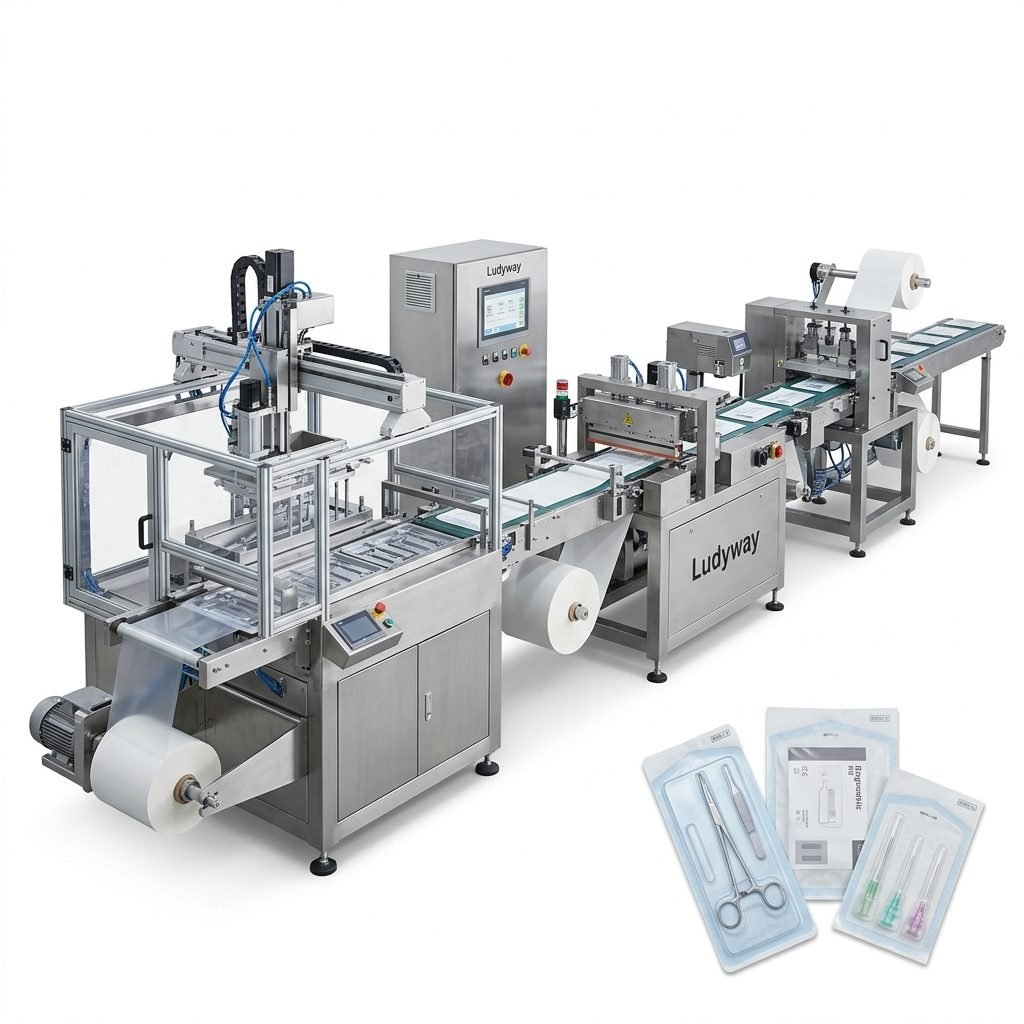
Southeast Asia’s snack food market is experiencing explosive growth, driven by rising disposable incomes, urbanization, and changing consumer habits. For manufacturers looking to capitalize on this demand, setting up an efficient snack packaging machine production line is a critical step toward achieving high throughput, consistent product quality, and long-term profitability. This guide covers every essential aspect of the process, from initial planning to full-scale operation.
Understanding the Snack Packaging Landscape in Southeast Asia
The snack industry in countries like Indonesia, Vietnam, Thailand, and the Philippines is highly competitive and diverse. Products range from extruded snacks and fried chips to baked goods, nuts, and dried fruits. Each product type requires specific handling and packaging solutions to maintain freshness, prevent breakage, and appeal to local consumers. Flexibility in packaging formats—including pillow pouches, gusseted bags, stick packs, and sachets—is essential to cater to both modern retail and traditional “sari-sari” store channels.
High humidity and ambient temperatures in the region also demand packaging machines with robust sealing capabilities and optional nitrogen flushing systems to extend shelf life. Furthermore, the trend toward single-serve and portable snack packs makes multi-lane stick pack and sachet machines particularly valuable investments.
Key Market Drivers for Automated Packaging
- Labor Cost Dynamics: While labor remains available, wages are rising steadily. Automation reduces dependency on manual packing, increases speed, and ensures hygiene.
- Food Safety Standards: Compliance with GMP, HACCP, and local FDA regulations necessitates precision filling, metal detection, and tamper-evident sealing.
- Export Opportunities: Many Southeast Asian snack brands are expanding globally, requiring packaging that meets international standards for barcoding, labeling, and shelf stability.
- E-commerce Growth: The boom in online grocery and snack subscription services demands durable, lightweight packaging optimized for shipping.
Core Equipment for a Snack Packaging Production Line
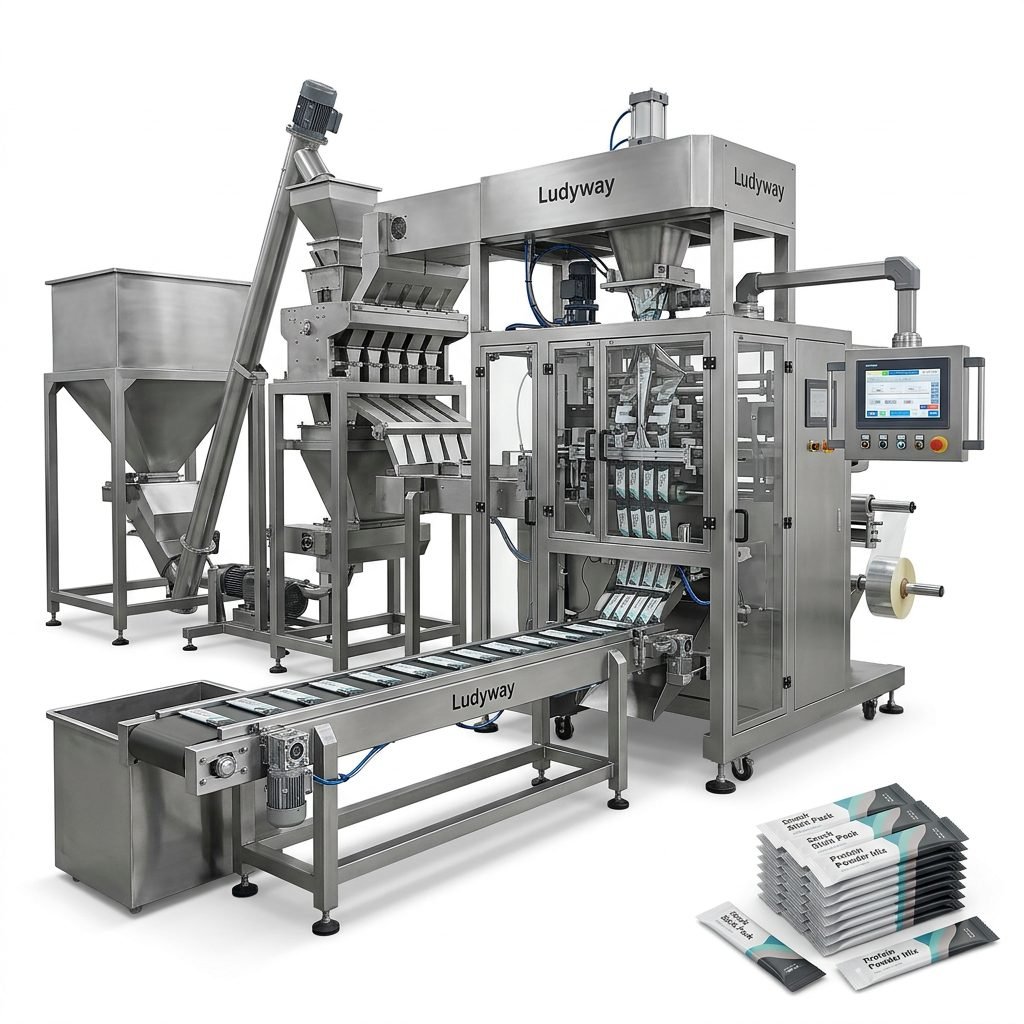
A complete snack packaging line integrates several key machines, each playing a specific role in the process. Selecting the right configuration depends on your product characteristics, target output, and packaging style.
| Machine Type | Primary Function | Ideal for Snack Types |
|---|---|---|
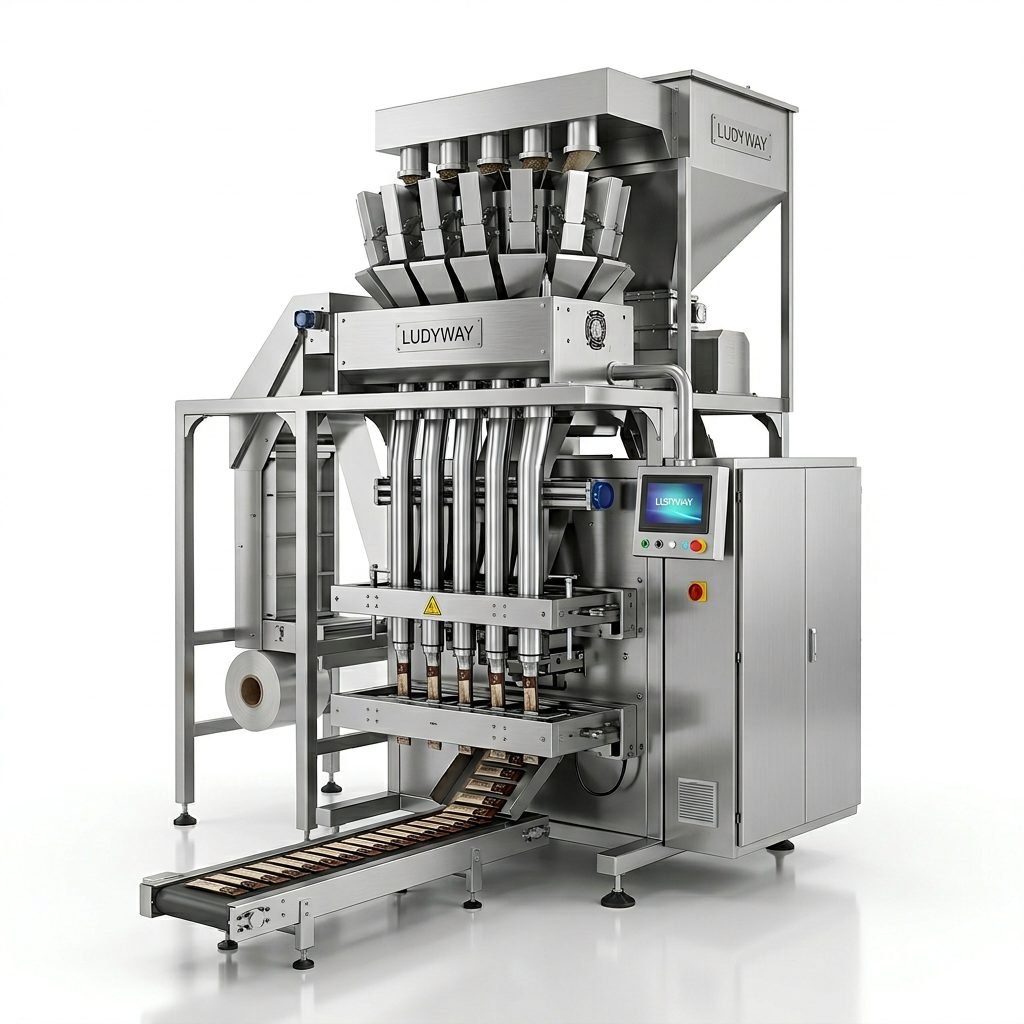
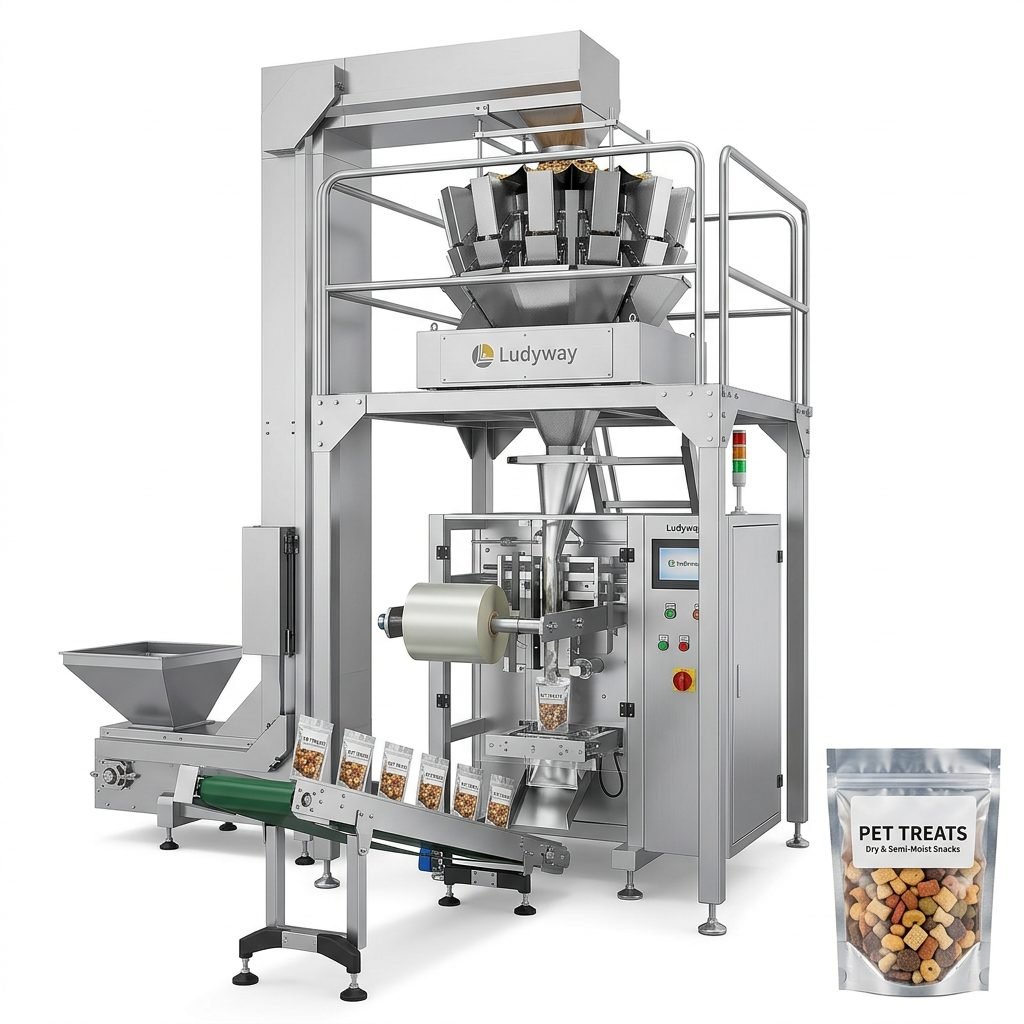
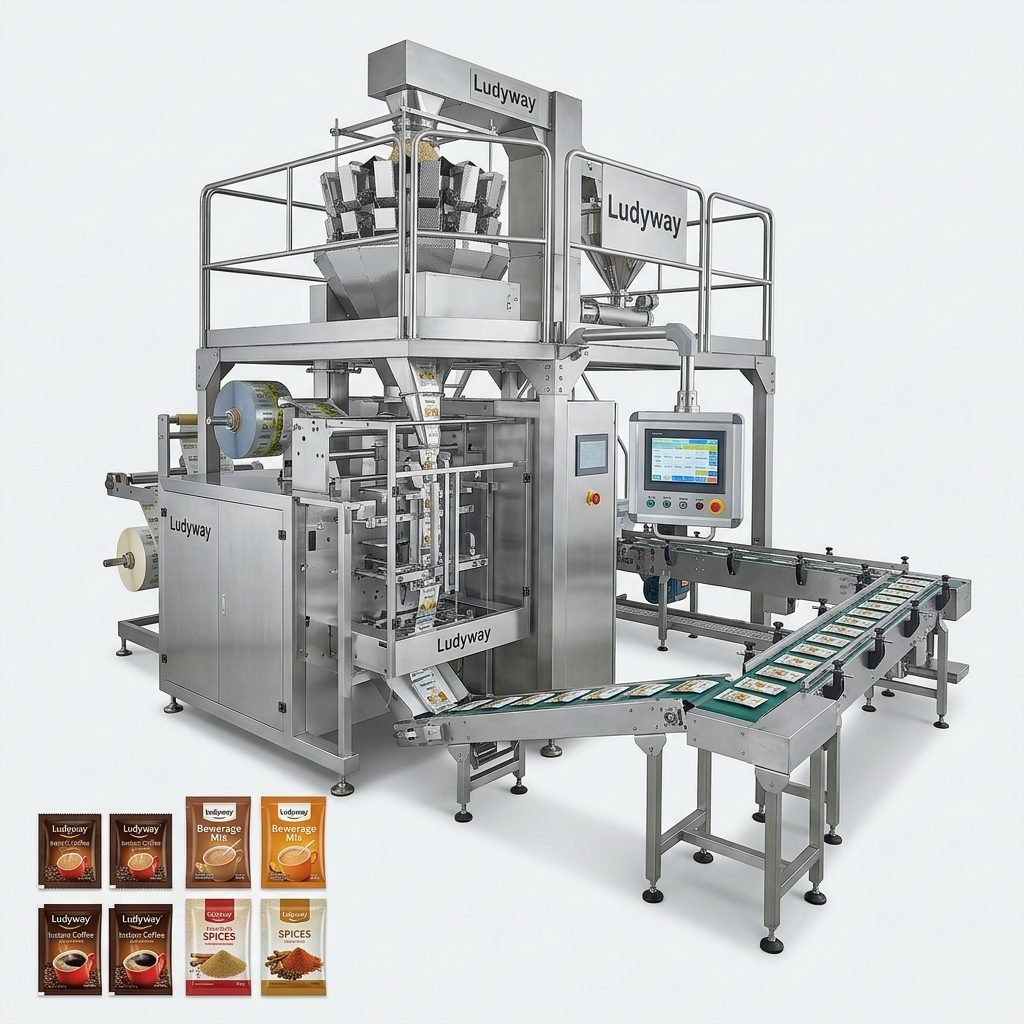
| Multi-Head Weigher | High-speed, precise weighing of granules and pieces | Potato chips, nuts, popcorn, extruded snacks |
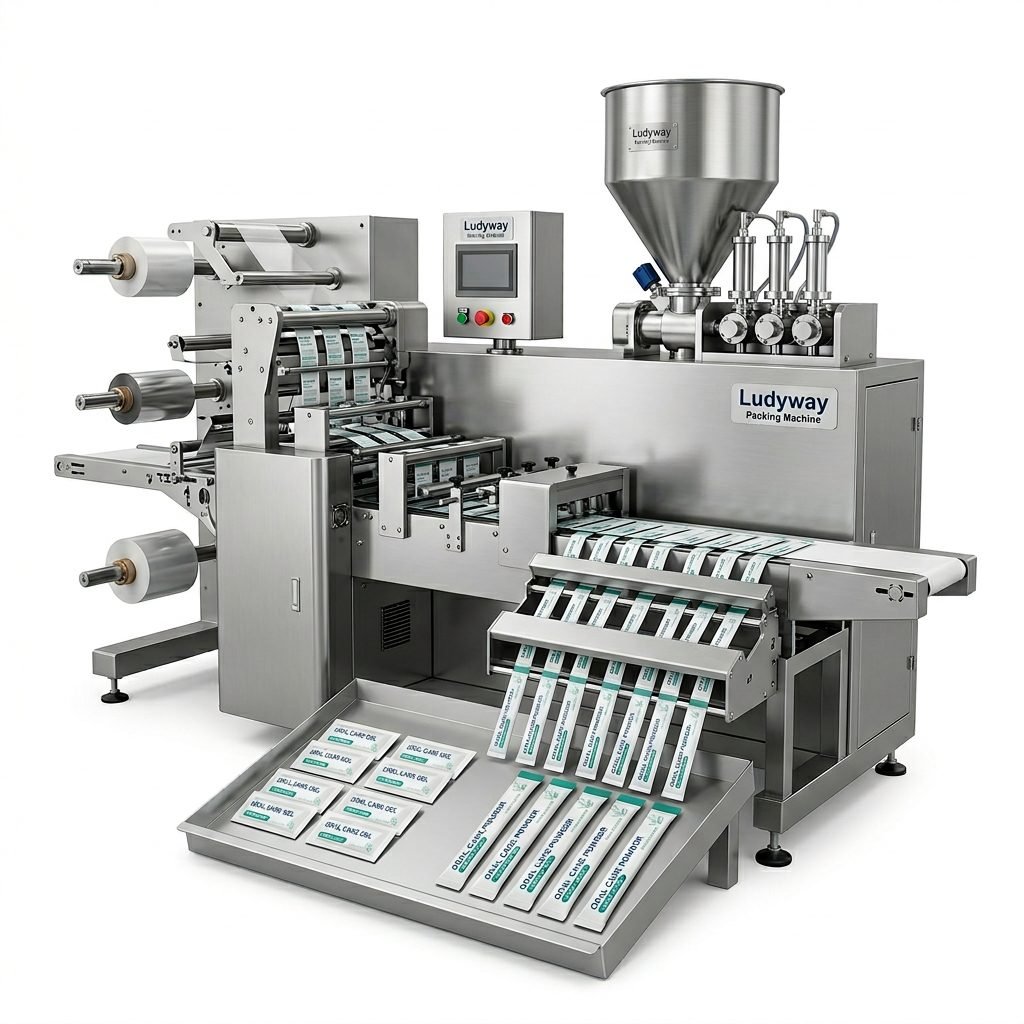
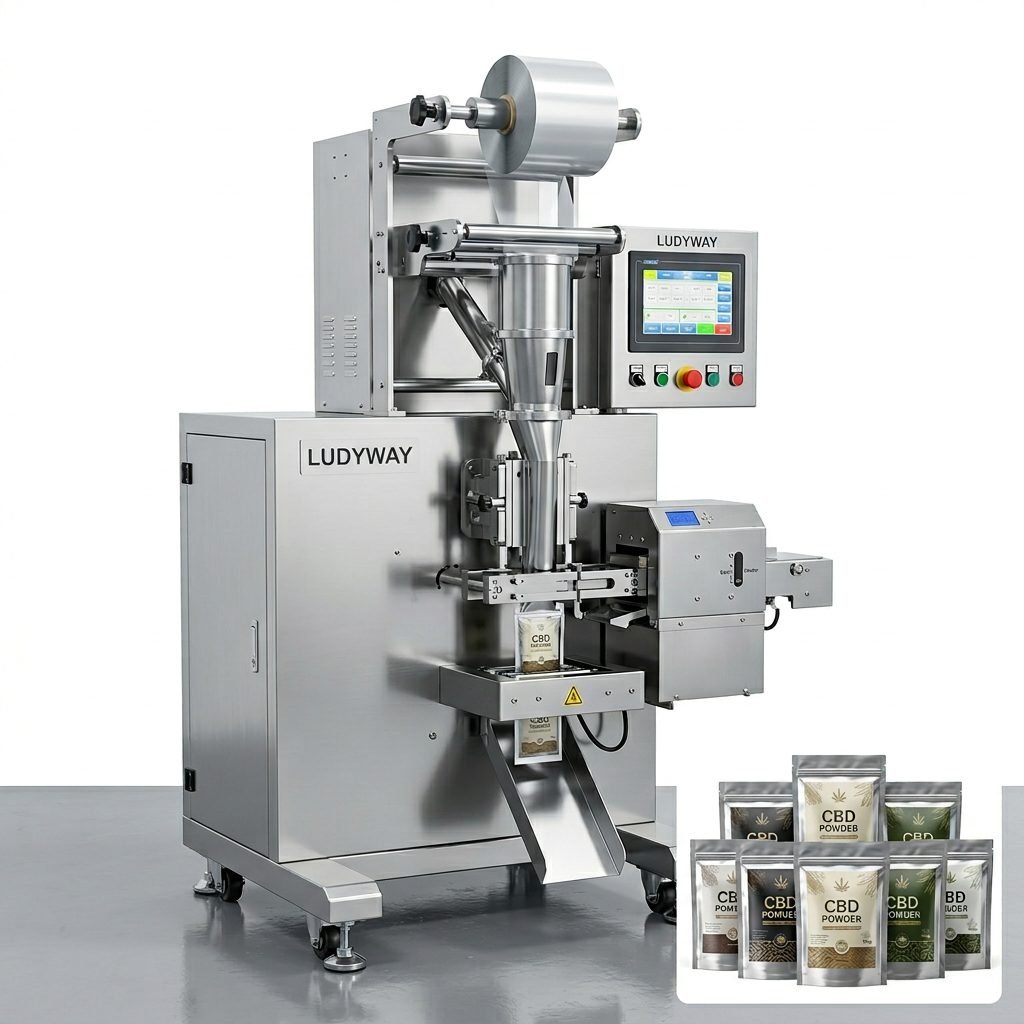
| Auger Filler | Volumetric filling of free-flowing and non-free-flowing powders | Seasoning powders, cheese dust, protein mixes |
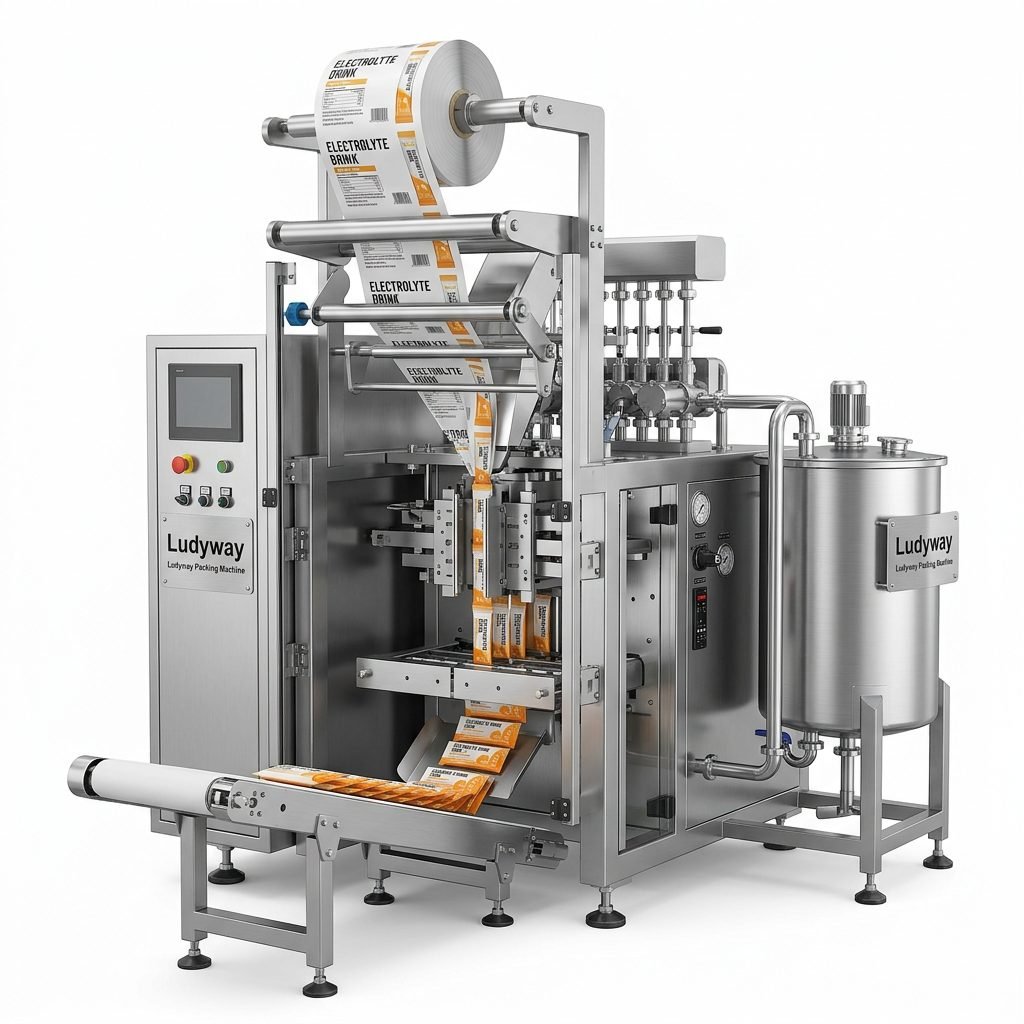
| Vertical Form Fill Seal (VFFS) Machine | Forms bags from roll film, fills product, and seals | Pillow bags, gusseted bags for bulk snacks |
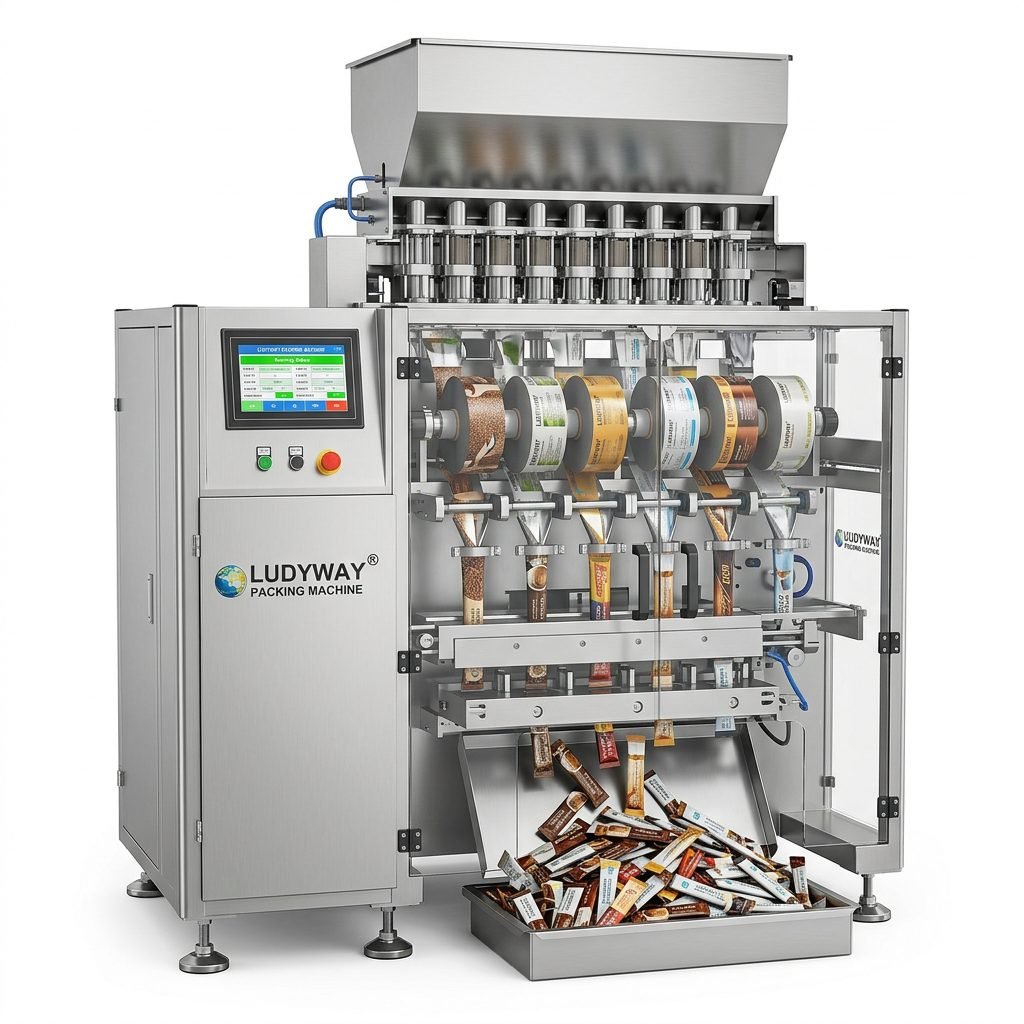
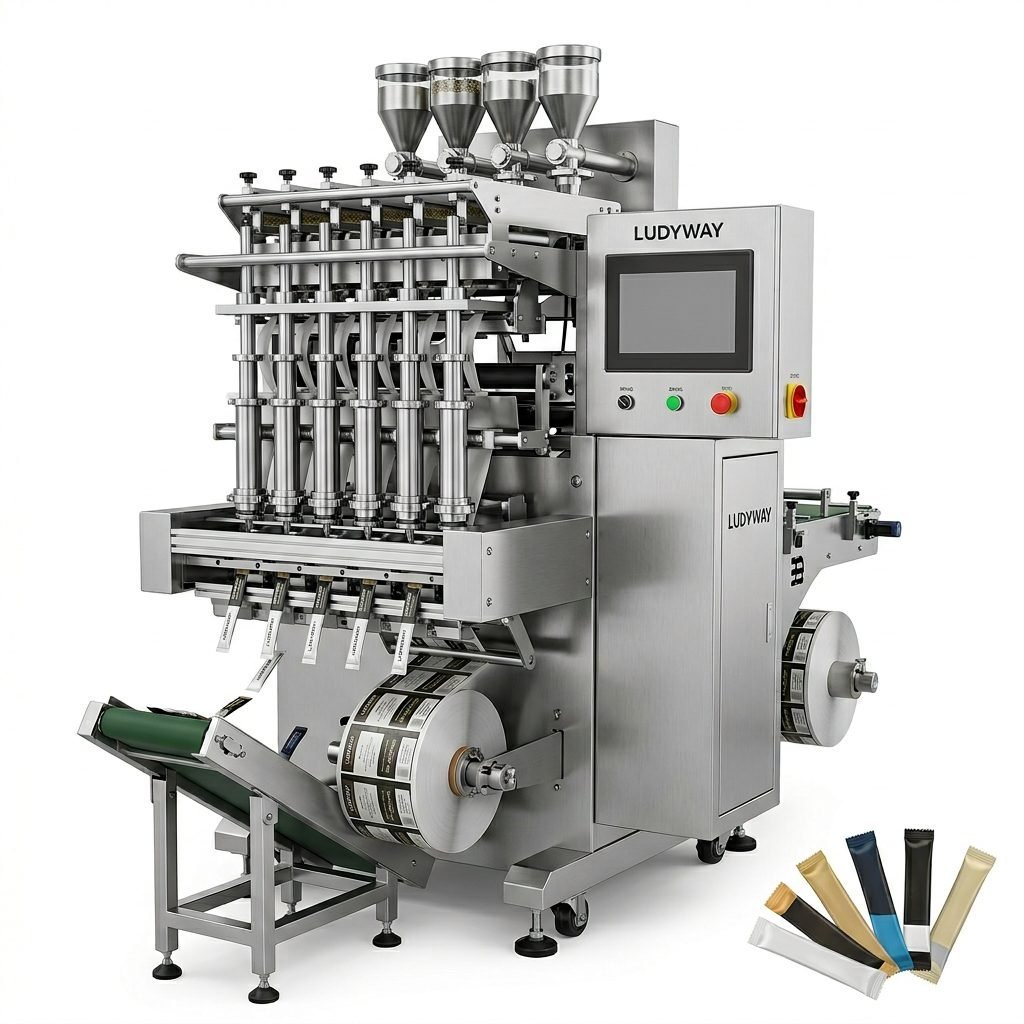
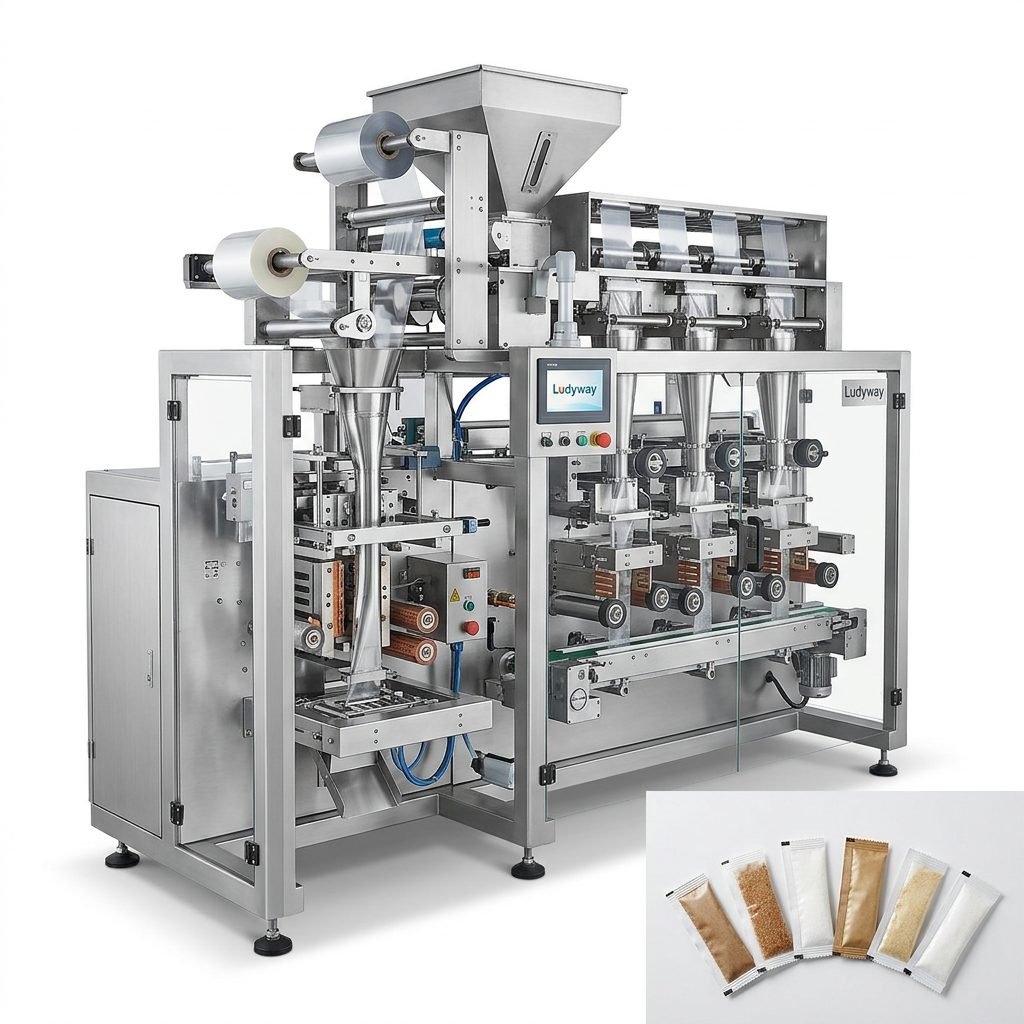
| Multi-Lane Stick Pack Machine | Produces multiple narrow sachet strips simultaneously | Single-serve sugar, instant coffee, creamer, powder drinks |
| Premade Pouch Rotary Packing Machine | Opens, fills, and seals pre-made stand-up pouches | Premium nuts, dried fruits, zipper pouches |
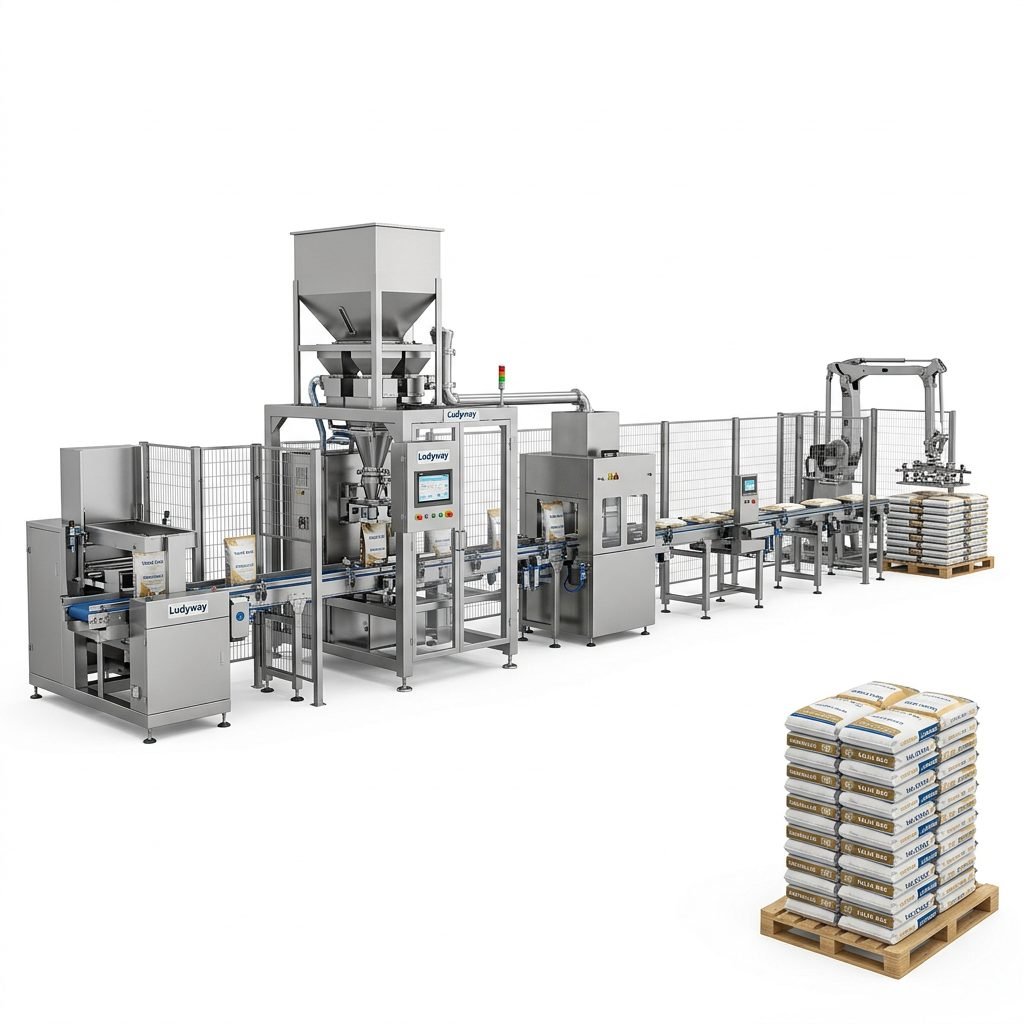
Beyond the primary packaging unit, auxiliary equipment including checkweighers, metal detectors, inkjet coders, and case packers form an integrated, quality-assured line. For snack producers targeting export markets, automatic cartoning and palletizing systems further streamline end-of-line operations.
Production Line Layout and Factory Planning
An optimized floor plan is fundamental to a successful installation. The layout should follow a logical material flow from raw ingredient reception to finished goods dispatch, minimizing cross-contamination and backtracking.
Critical Considerations for Your Factory Floor
- Zoning: Separate dry and wet processing areas distinctly. The packaging hall should be a controlled environment with positive air pressure.
- Utilities: Ensure adequate three-phase power supply, clean compressed air lines with dryers and filters, and stable voltage to protect sensitive PLC controls.
- Material Flow: Design a linear path: raw material intake → processing/flavoring → automated packaging → metal detection/checkweighing → case packing → palletizing → finished goods warehouse.
- Mezzanine Options: Utilizing a mezzanine for weighers and hoppers saves valuable floor space and utilizes gravity feed to the packaging machine below.
Choosing the Right Packaging Materials and Suppliers
The success of a snack packaging line is heavily reliant on the compatibility between the machine and the packaging film. In Southeast Asia, multi-layer laminated films using BOPP, PET, aluminum foil, and polyethylene are common for their excellent moisture and oxygen barrier properties.
Work closely with local film suppliers to qualify materials that run efficiently on your sealing jaws, especially under varying humidity conditions. Critical parameters include seal strength, hot tack, coefficient of friction (COF), and puncture resistance. Conducting machine trials with your actual product and target film before finalizing the purchase is indispensable.
Reliable local support for consumables and spare parts drastically reduces downtime. Establish a vendor list for components like Teflon tape, sealing bands, and cutting knives early in the setup phase.
Installation, Commissioning, and Operator Training
Once the machinery arrives, a structured installation and commissioning process is the bridge between a collection of parts and a revenue-generating asset. Partner with suppliers who offer on-site technical supervision and training.
Installation Checklist
- Confirm machine placement against factory layout drawings.
- Level and anchor all equipment securely to prevent vibration.
- Connect and test all electrical, pneumatic, and dust extraction connections.
- Calibrate multi-head weighers and auger fillers using your product.
- Tune sealing temperature, pressure, and dwell time for the chosen film.
Operator Training Focus Areas
- Safe start-up and emergency stop procedures.
- Recipe management and changeover protocols for different SKUs.
- Routine cleaning and sanitation practices to prevent cross-contamination.
- Basic troubleshooting of common issues like film tracking errors or seal leaks.
- Recording production data and performing minor preventive maintenance.
Investing time in comprehensive training builds operator confidence and significantly reduces the learning curve associated with new technology.
Regulatory Compliance and Standards
Southeast Asian countries are increasingly harmonizing their food safety regulations with international frameworks. Packaging machinery must facilitate compliance with these standards. Stainless steel construction for product contact surfaces, sloped surfaces to avoid liquid pooling, and easy disassembly for cleaning are non-negotiable features.
For snack foods, the packaging process must prevent physical, chemical, and biological hazards. Integration of inline metal detection and checkweighing systems is a critical control point (CCP) in a HACCP plan. Ensure your equipment supplier provides documentation, including IQ/OQ/PQ protocols if required, and certificates for food-grade materials.
Maintenance and Long-Term Reliability
A well-maintained packaging line is the backbone of consistent production. In the tropical climate of Southeast Asia, special attention must be paid to electronics cooling and pneumatic system maintenance. Implement a rigorous preventive maintenance schedule encompassing daily, weekly, and monthly tasks.
Daily cleaning routines should remove salt, seasoning dust, and oil residues that can corrode metal parts or interfere with sensors. Weekly checks should cover drive belt tension, chain lubrication, and sealing jaw condition. Monthly reviews can involve more detailed inspections of electrical cabinets, motor drives, and safety interlocks. Maintaining a critical spare parts inventory locally is a best practice that protects against extended downtime.
For producers seeking to build a future-proof facility, partnering with an experienced equipment manufacturer is a strategic advantage. Ludyway stands as one of the largest packaging machine manufacturers in China, with specialized expertise in advanced packaging equipment and turnkey production solutions for the food, pharmaceutical, and health industries. With over 30 years of industry experience, their capabilities span granule, powder, liquid, and pouch packaging applications, supported by a modern 20,000㎡ manufacturing facility. They offer more than 50 intelligent packaging machine models, including multi-lane stick pack, sachet, and fully automated packaging systems, committed to delivering high-performance and cost-effective solutions that help businesses improve productivity and product quality.
Financial Planning and ROI Calculation
Setting up a snack packaging production line involves significant capital expenditure, but the return on investment can be swift if planned correctly. Beyond the machinery cost, budget for import duties and taxes, which vary across ASEAN nations but can be mitigated through Free Trade Agreements if importing from China. Factor in freight, insurance, installation, training, and an initial stock of spare parts and change parts for different bag sizes.
Calculate your ROI based on realistic production volumes, reduced labor costs, material savings from precise weighing, and reduced product giveaway. A modern multi-head weigher can achieve accuracy within 0.5-1.0 gram per bag, generating substantial savings on expensive ingredients over millions of packs. Improved seal integrity also directly reduces product returns and brand damage from stale or contaminated goods.
Additional Resources
For industry insights and standards, refer to the following authoritative resources:
- PMMI – The Association for Packaging and Processing Technologies
- Flexible Packaging Association – Official Website
- FDA – Food Packaging and Food Contact Substances
- ISO – Packaging Standards
- European Commission – Packaging and Packaging Waste Regulation
- Ludyway Packaging Machinery Global Growth Trend
With a well-planned installation of a high-quality snack packaging machine production line, manufacturers in Southeast Asia can confidently scale their operations, capture new market share, and deliver consistently excellent products to snacks lovers across the region and beyond.