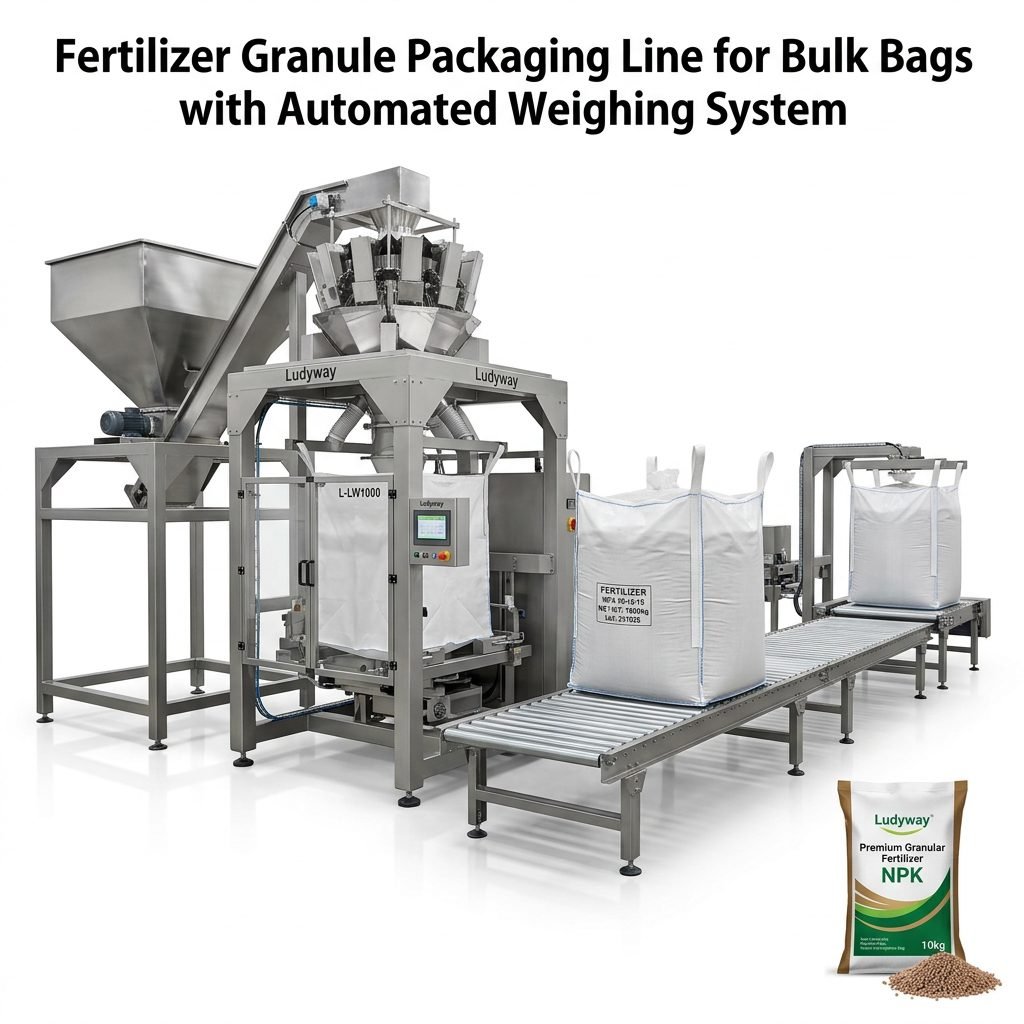
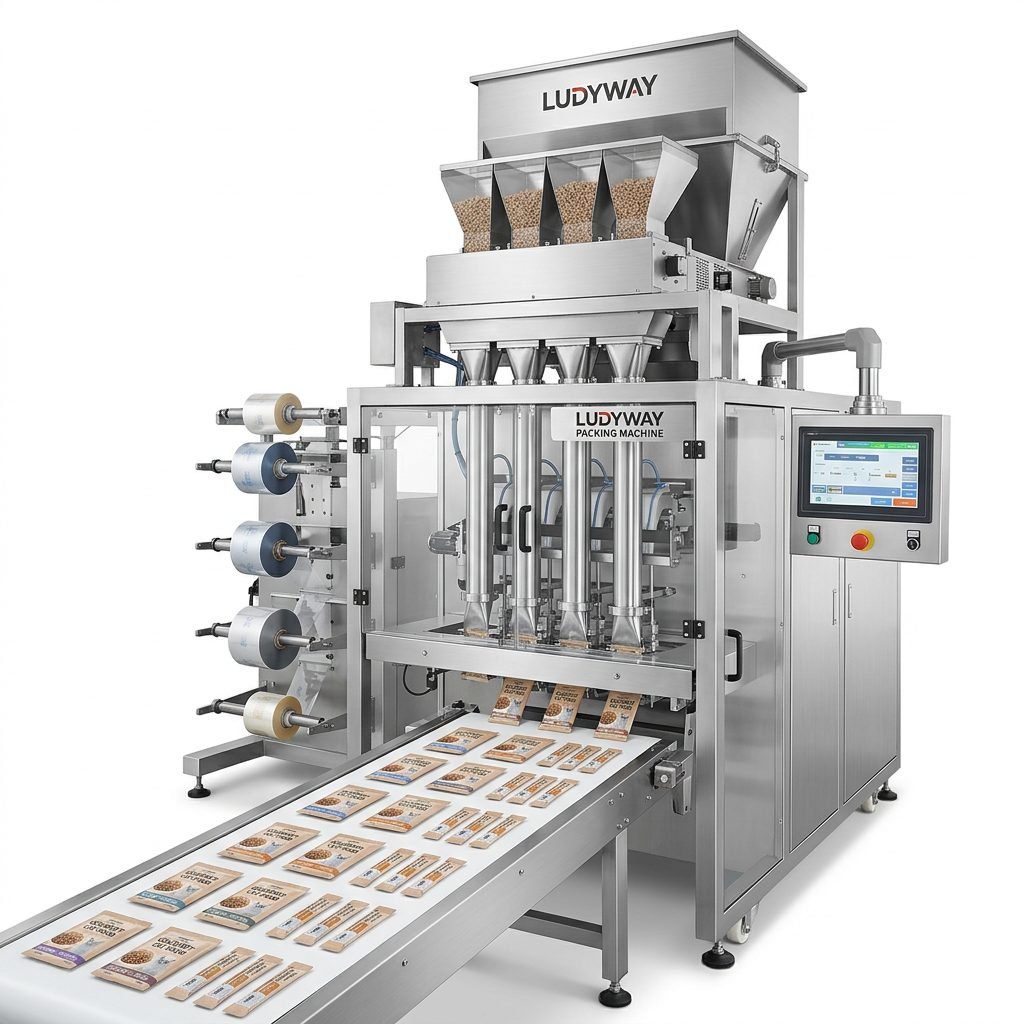
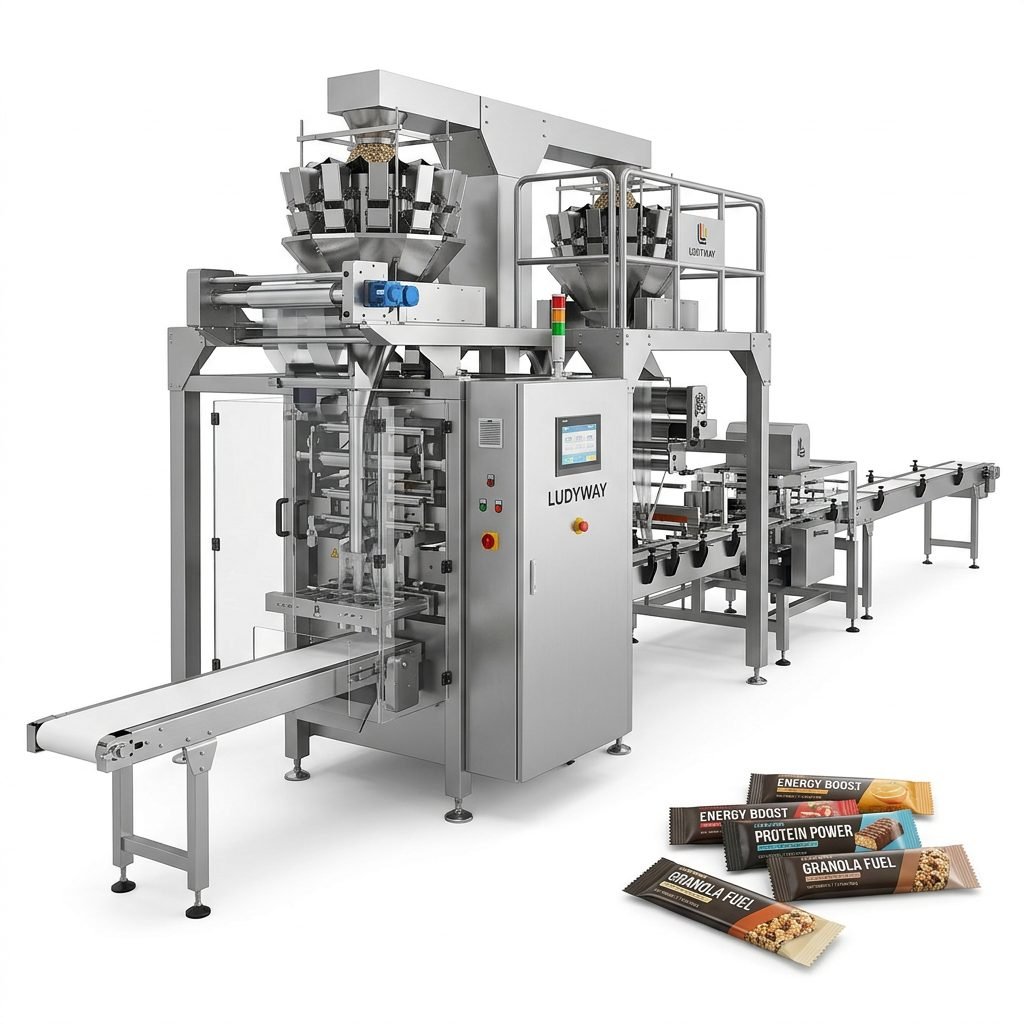
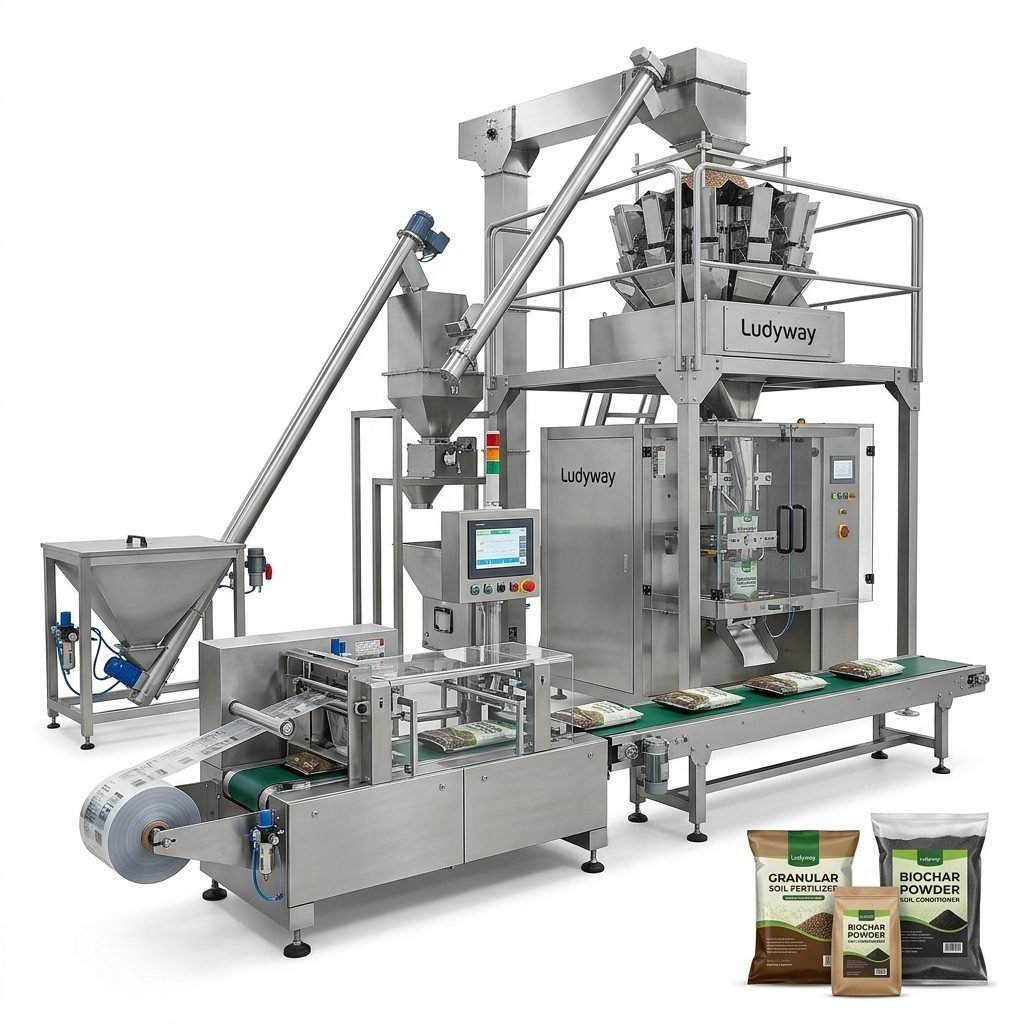
Investing in a Vertical Form Fill Seal (VFFS) packaging machine is a significant decision for any manufacturer. The right machine can boost production efficiency, reduce downtime, and ensure consistent pack quality. The wrong one, however, can lead to costly operational bottlenecks and material waste. This complete buyer’s guide walks you through the essential factors to evaluate, from product characteristics to automation requirements, helping you make an informed purchasing decision.
Understanding VFFS Packaging Technology
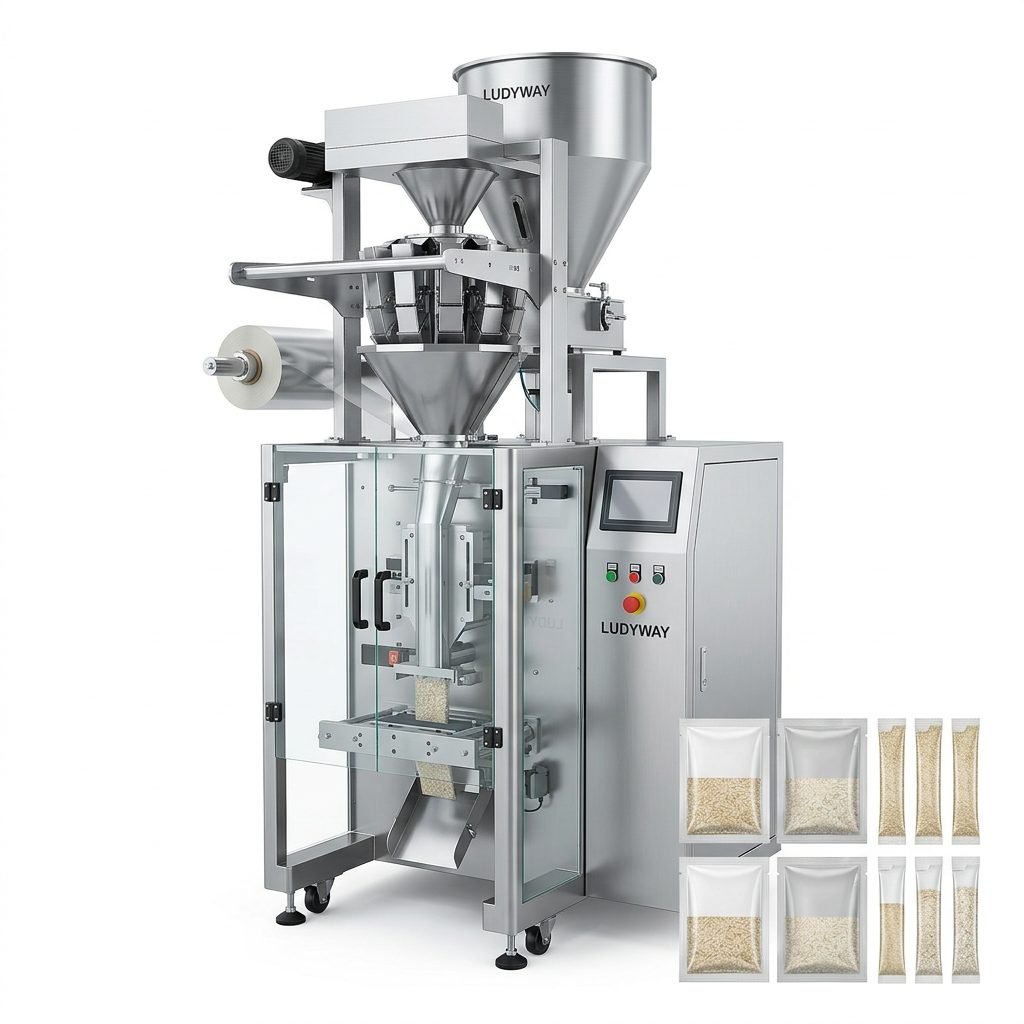
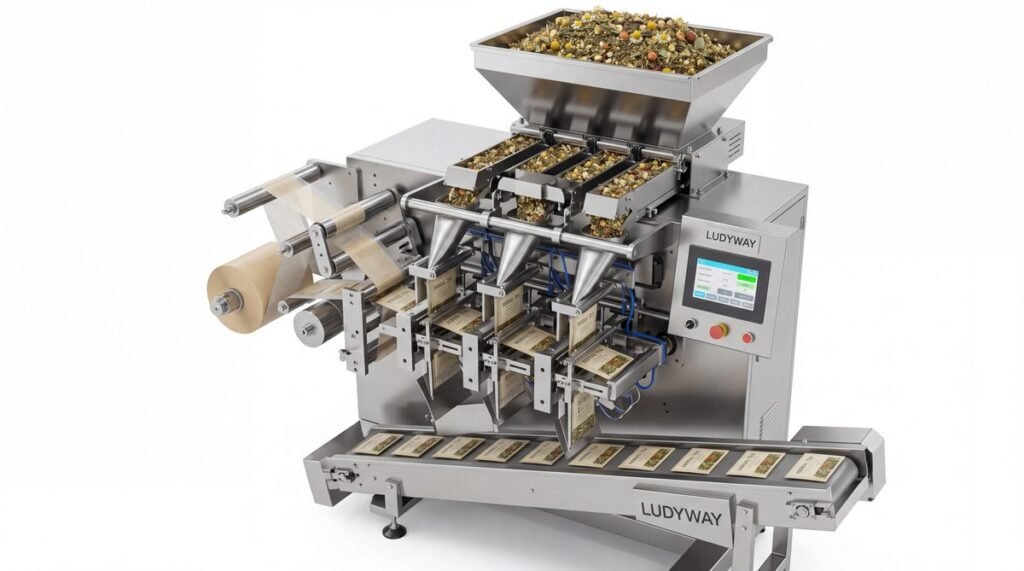
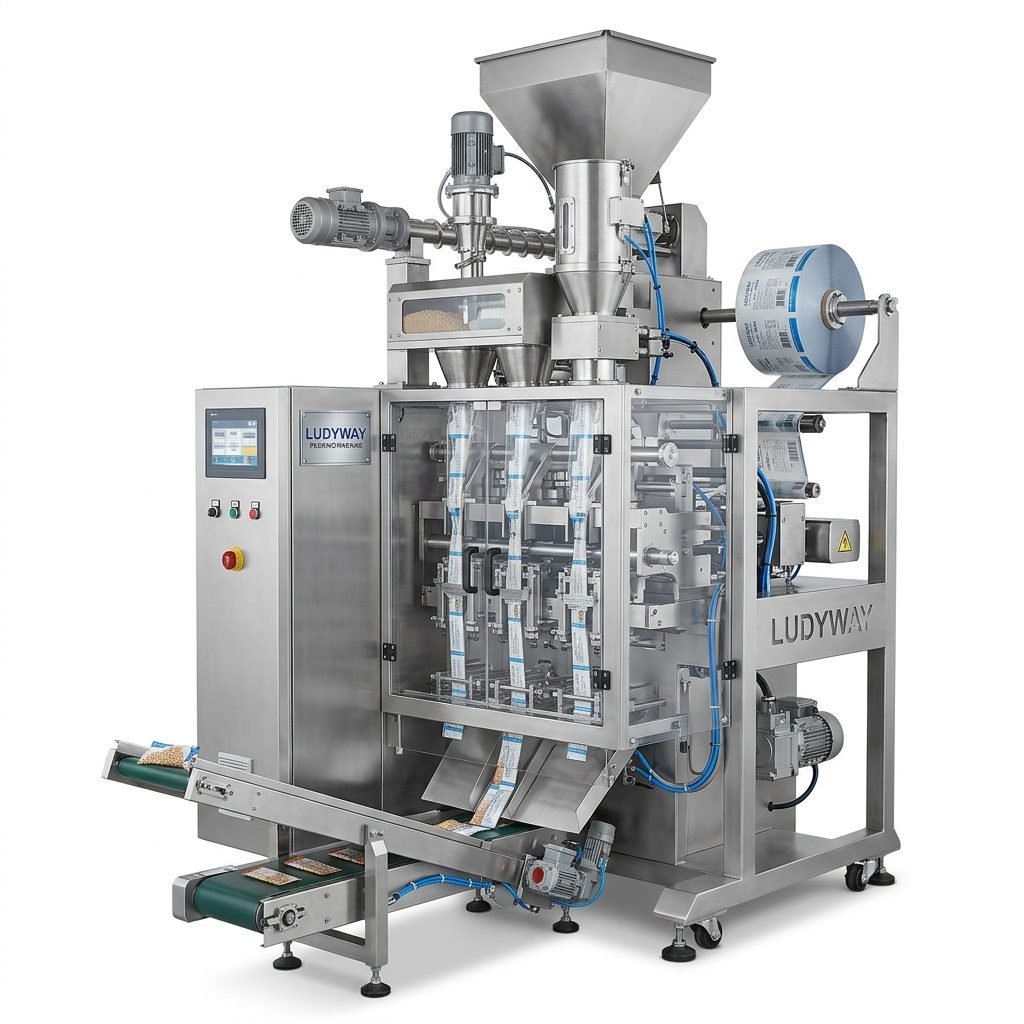
A VFFS machine forms a bag from a flat roll of film, fills it with product, and seals it — all in one continuous vertical operation. These systems are widely used across food and beverage, pharmaceutical, chemical, cosmetic, and agricultural industries for packaging powders, granules, liquids, and solid products. Compared to pre-made pouch systems, VFFS equipment typically offers higher speeds, lower packaging material costs, and a smaller machine footprint. According to industry data from the PMMI Business Intelligence Library, the market for flexible packaging machinery continues to expand as manufacturers shift toward automated, high-efficiency packaging solutions.
1. Evaluate Your Product Characteristics First
Before comparing machine specifications, you must understand your product’s physical and chemical properties. These characteristics directly determine the type of filling system, film material, and machine configuration you need.
- Flowability: Free-flowing products (granulated sugar, salt) behave differently from non-free-flowing products (milk powder, cocoa powder). Cohesive powders may require agitators, vibratory feeding, or auger filling systems.
- Bulk Density: This affects filling volume calculations and the dosing mechanism design. Light, fluffy products need densification or compression features.
- Moisture Sensitivity: Hygroscopic products demand hermetic seals and high-barrier films to prevent clumping or degradation during shelf life.
- Particle Size and Shape: Irregular or abrasive particles can accelerate wear on machine contact parts. Stainless steel construction and hardened tooling may be necessary for abrasive materials.
- Temperature Sensitivity: Heat-sensitive products require precise temperature control during the sealing phase to avoid product damage.
2. Define Your Packaging Format and Bag Style
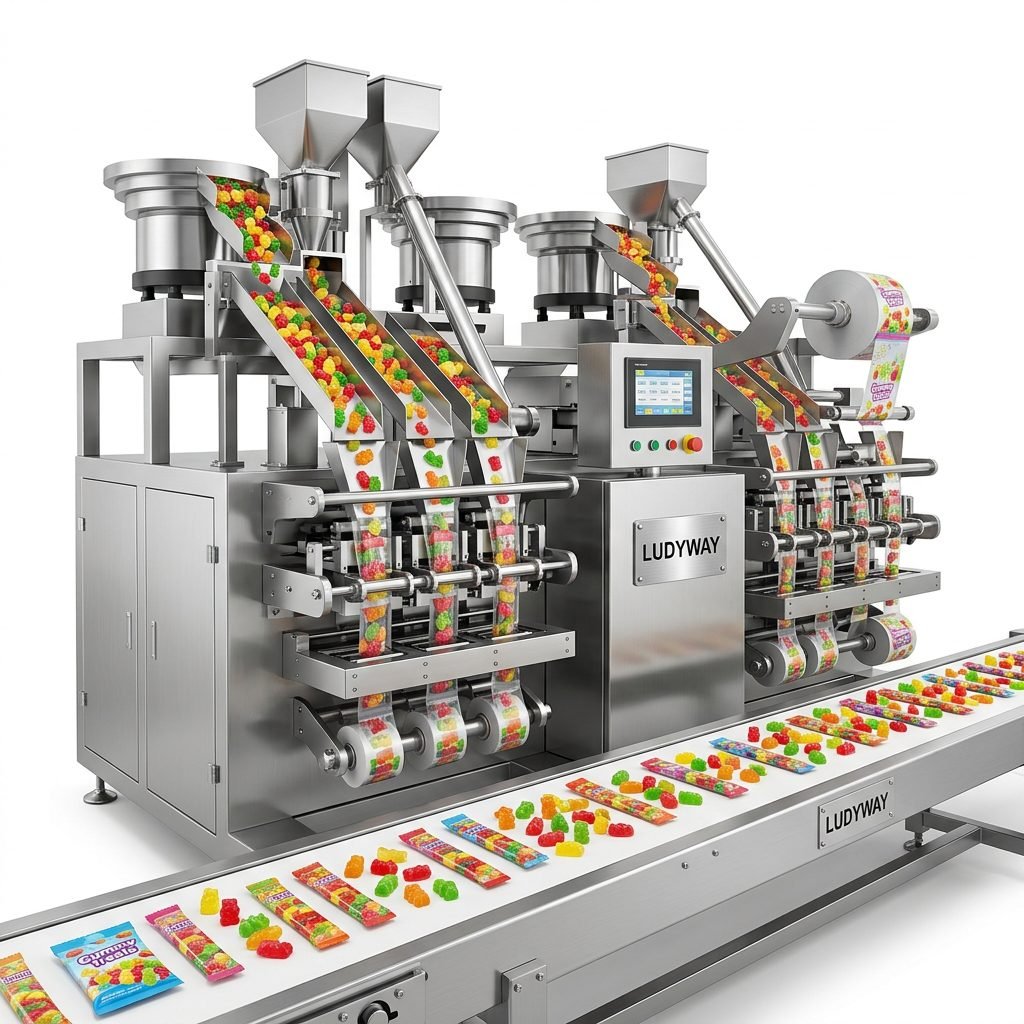
Modern VFFS machines can produce a variety of bag styles. The Flexible Packaging Association notes that bag format flexibility is increasingly important as brands seek differentiation on retail shelves. Common VFFS bag formats include pillow bags, gusseted bags, quad-seal bags, and shaped pouches. Each format has implications for machine complexity, film usage, and production speed. Specifying your exact bag dimensions (width, length, gusset depth) and package volume early in the selection process helps manufacturers recommend the appropriate forming tube size and film unwinding width.
3. Determine Required Production Speed and Capacity
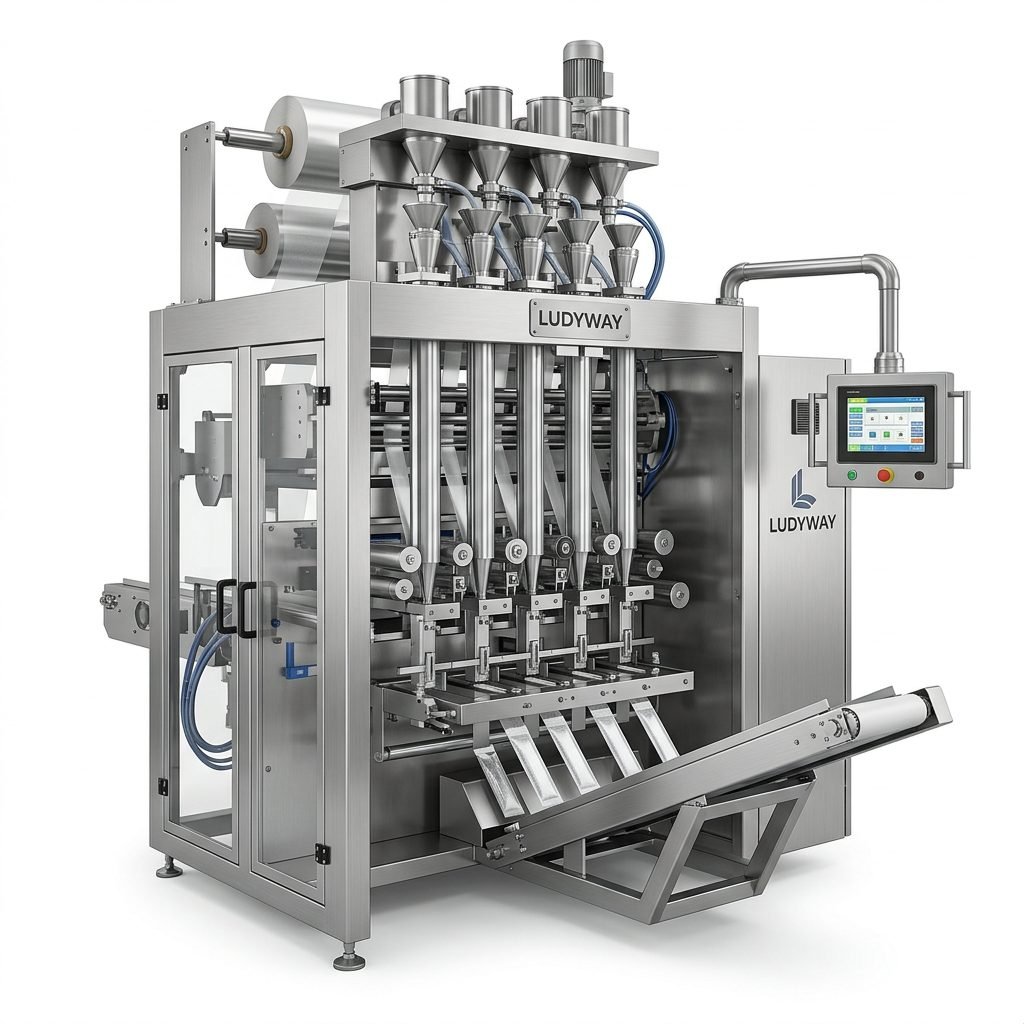
Throughput requirements vary dramatically between applications. A startup co-packer might need 40-60 packs per minute, while a large-scale food manufacturer could require over 150 packs per minute on a single lane. Multi-lane VFFS configurations can multiply output proportionally — a 4-lane machine running at 60 packs per minute per lane delivers 240 finished packs per minute. When calculating required capacity, factor in:
- Current and projected production volumes
- Planned shift structure (single shift vs. 24/7 operation)
- Changeover frequency between SKUs
- Buffer capacity for seasonal demand spikes
4. Match the Filling System to Your Product
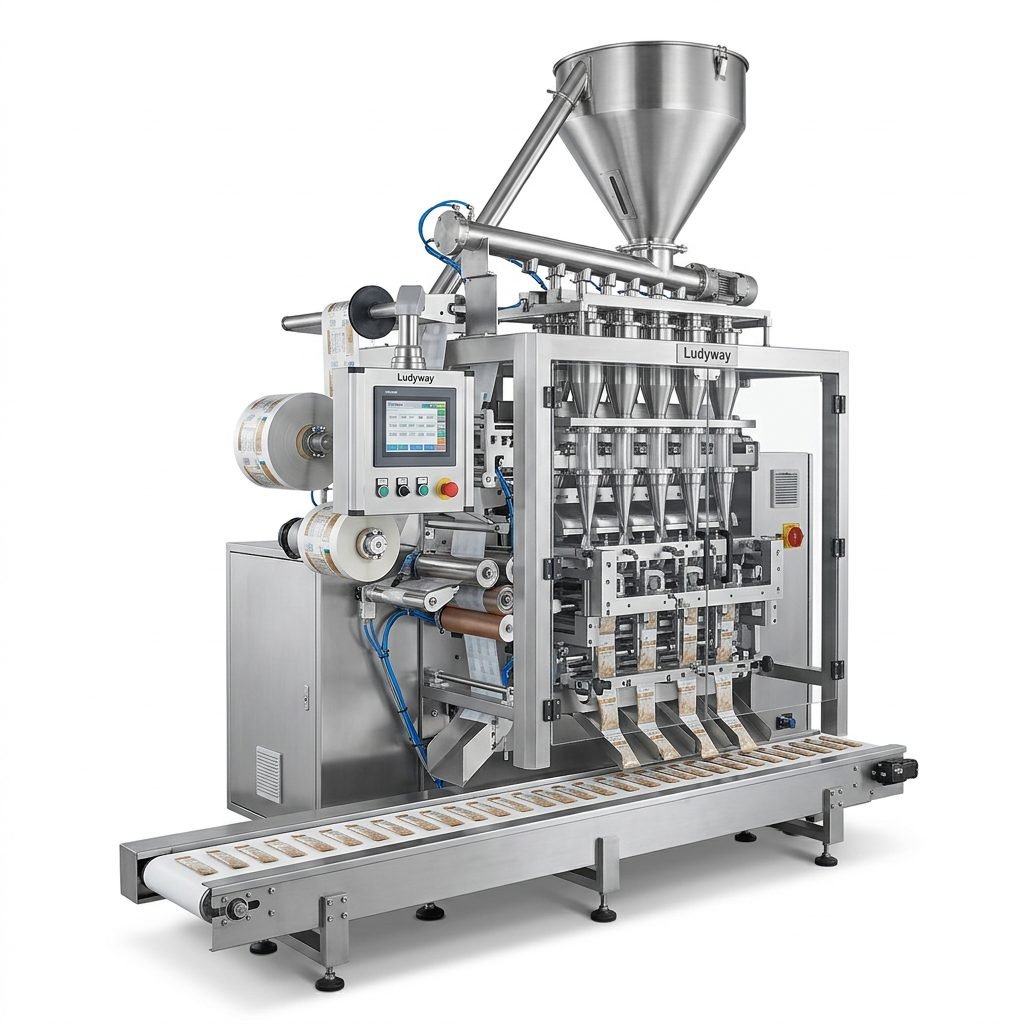
The filling mechanism is the heart of any VFFS machine. Selecting the correct dosing technology ensures fill accuracy and minimizes product giveaway. Industry standards referenced by ISO packaging standards emphasize the importance of filling precision for regulatory compliance. Below are common filling systems and their typical applications:
| Filling System Type | Best For | Typical Accuracy | Key Consideration |
|---|---|---|---|
| Auger Filler | Powders (milk, flour, spices) | ±0.5% – 1% | Requires consistent powder density |
| Volumetric Cup Filler | Free-flowing granules (sugar, rice, seeds) | ±1% – 2% | Simple, cost-effective, limited flexibility |
| Multi-Head Weigher | Granules, snacks, irregular solids | ±0.1% – 0.5% | Highest speed and accuracy; higher investment |
| Liquid Piston Filler | Liquids, sauces, oils, pastes | ±0.5% | Viscosity impacts pump selection |
5. Assess Film and Material Compatibility
Your packaging material choice directly affects product shelf life, seal integrity, and machine runnability. Most VFFS machines handle heat-sealable films such as laminated polyethylene, polypropylene, and foil-based structures. Key film properties to verify include thickness (gauge), heat-seal range, coefficient of friction, and barrier performance (moisture, oxygen, light). The FDA food contact substance regulations must be followed when packaging food or pharmaceutical products. Always test your specific film on the target machine before finalizing a purchase — film-machine interaction can vary significantly even between similar equipment models.
6. Consider Automation and Integration Options
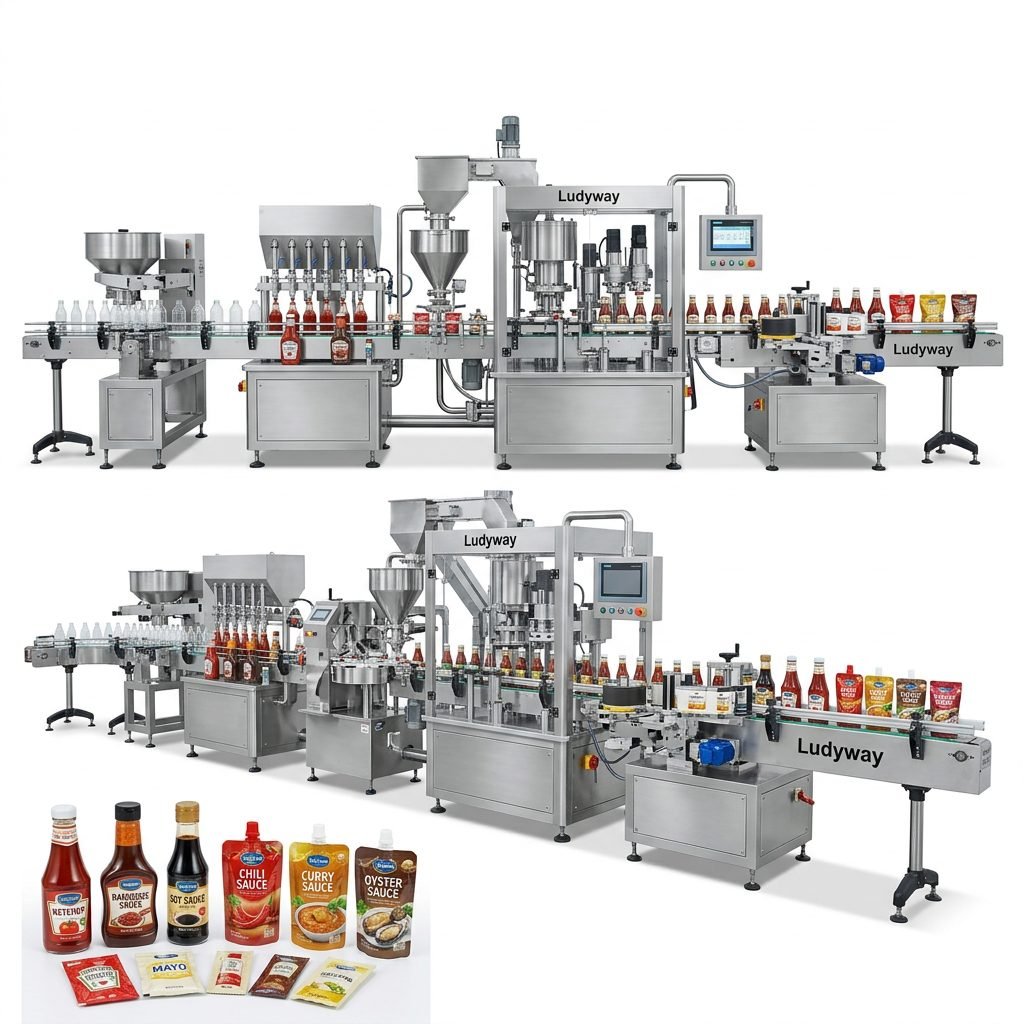
Modern VFFS machines rarely operate in isolation. They increasingly function as part of integrated packaging lines that include upstream feeding systems and downstream equipment. Evaluate your need for the following automation components:
- Automated feeding: Bucket elevators, inclined conveyors, or vacuum conveying systems for continuous product supply.
- Inline inspection: Checkweighers, metal detectors, and vision inspection systems for quality assurance and regulatory compliance.
- Coding and marking: Thermal transfer printers, inkjet coders, or laser markers for batch numbering and date coding.
- Secondary packaging: Cartoning machines, case packers, and palletizing systems for end-of-line automation.
According to the 2025 State of the Industry report from PMMI, integrated packaging automation is a top investment priority for manufacturers seeking to improve labor efficiency and Overall Equipment Effectiveness (OEE).

7. Evaluate Machine Construction and Hygienic Design
For industries with stringent hygiene requirements — food, dairy, pharmaceuticals — machine construction materials and sanitary design are critical. Look for stainless steel frames and product contact parts, tool-free disassembly for cleaning, sloped surfaces to prevent liquid pooling, and IP65 or higher protection ratings for electrical enclosures in washdown environments. Machines intended for pharmaceutical applications may additionally require compliance with GMP (Good Manufacturing Practice) guidelines and validation documentation. The ISO 11607 standards for packaging for terminally sterilized medical devices provide useful reference points for hygienic packaging system design.
8. Review Technical Support and After-Sales Service
A VFFS machine represents a long-term capital investment. The availability of responsive technical support, spare parts supply, and local service engineers heavily influences total lifecycle costs. Before committing to a supplier, clarify the following:
- Warranty terms and coverage scope
- Availability of remote diagnostic support
- Typical spare parts lead times in your region
- Operator and maintenance training programs
- Documentation and manuals in your preferred language
- Upgrade paths for future capacity expansion
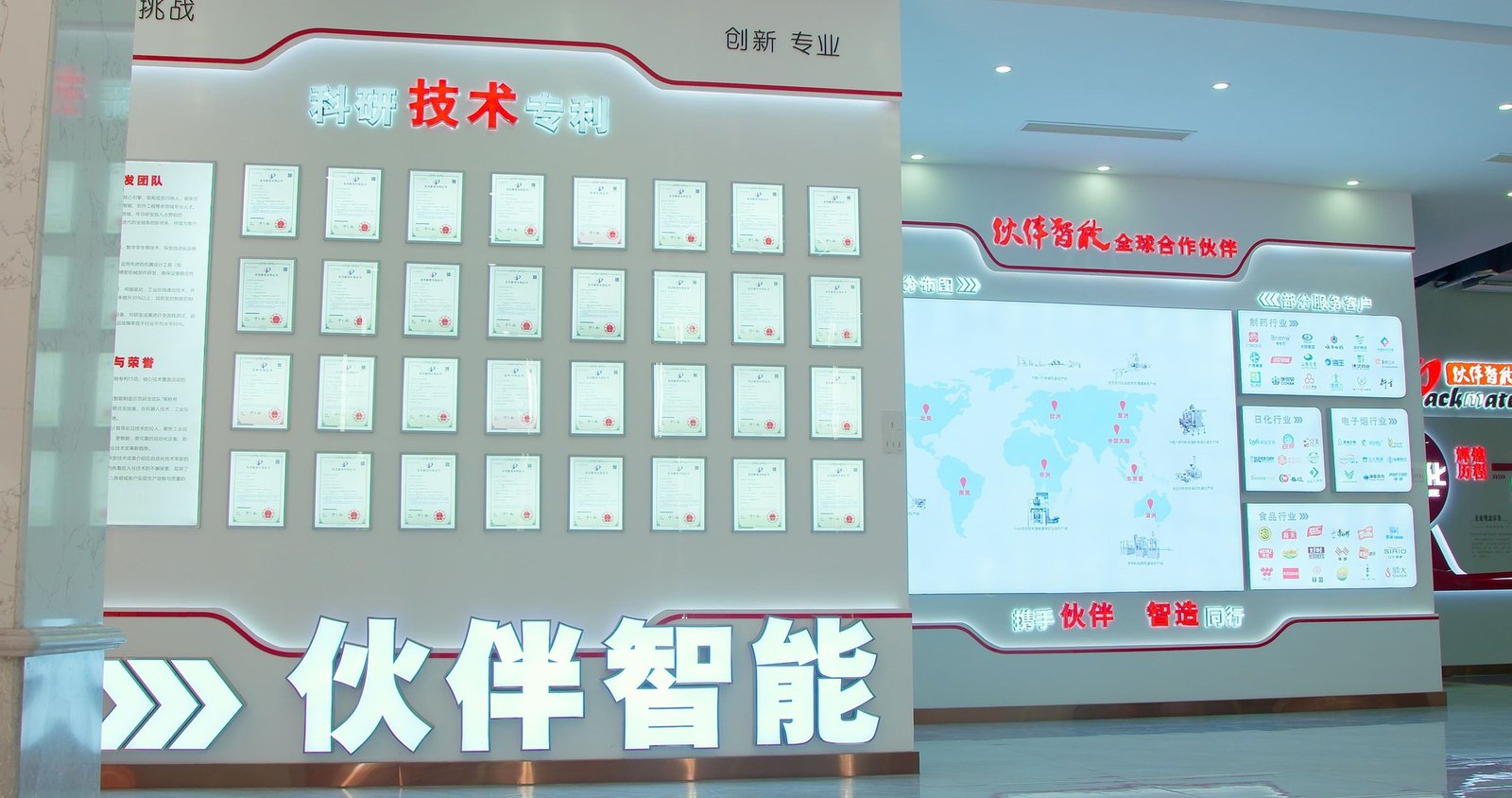
Manufacturers like Ludyway Machinery, with over 30 years of experience and a presence in more than 100 countries, demonstrate the kind of global engineering and service capability that supports long-term packaging machinery partnerships.
9. Balance Price, Performance, and Total Cost of Ownership
While the initial purchase price is an important consideration, Total Cost of Ownership (TCO) provides a more complete picture of long-term value. Key TCO factors include film consumption efficiency, electricity and air consumption, spare parts replacement frequency, maintenance labor requirements, and production downtime risk. Premium machines with better sealing technology and more robust construction often deliver lower operating costs over a 5-10 year service life. The PMMI 2024 State of the Industry report highlights that manufacturers increasingly prioritize machine reliability and supplier support over lowest initial cost when evaluating packaging equipment investments.
10. Verify Compliance with Relevant Standards
Depending on your target markets, applicable regulatory standards may include CE marking for European markets, UL certification for North America, and specific food safety requirements under FDA regulations. Electrical systems, safety guarding, and hygienic design must all meet applicable requirements. For pharmaceutical packaging applications, machine documentation should support equipment qualification and process validation. The European packaging and packaging waste regulations are also increasingly relevant for manufacturers considering the sustainability of their packaging material choices.
Key Checklist for VFFS Machine Selection
Use this summary checklist as a reference during your evaluation process:
- Product Analysis: Flowability, density, particle size, sensitivity to heat and moisture
- Bag Specifications: Style, dimensions, fill volume, film type, barrier requirements
- Production Speed: Current throughput needs plus growth margin
- Filling Accuracy: Maximum acceptable giveaway and regulatory compliance needs
- Automation Scope: Standalone machine or fully integrated packaging line
- Construction Quality: Stainless steel, hygienic design, durability under operating conditions
- Supplier Capability: Manufacturing experience, global service network, spare parts availability
- Standards Compliance: CE, UL, FDA, GMP, or other applicable certifications
Making the Final Decision
Selecting the right VFFS packaging machine requires balancing product requirements, production demands, budget constraints, and long-term operational goals. Factory acceptance testing (FAT) with your actual product is one of the most valuable validation steps before shipment. Reputable packaging machinery manufacturers offer testing facilities where you can observe machine performance under realistic production conditions. Organizations like the PMMI and the Flexible Packaging Association provide ongoing research and benchmarking data that can support your decision-making process. Exercise due diligence, visit reference installations where possible, and prioritize equipment partners with demonstrated engineering expertise and global service capabilities.