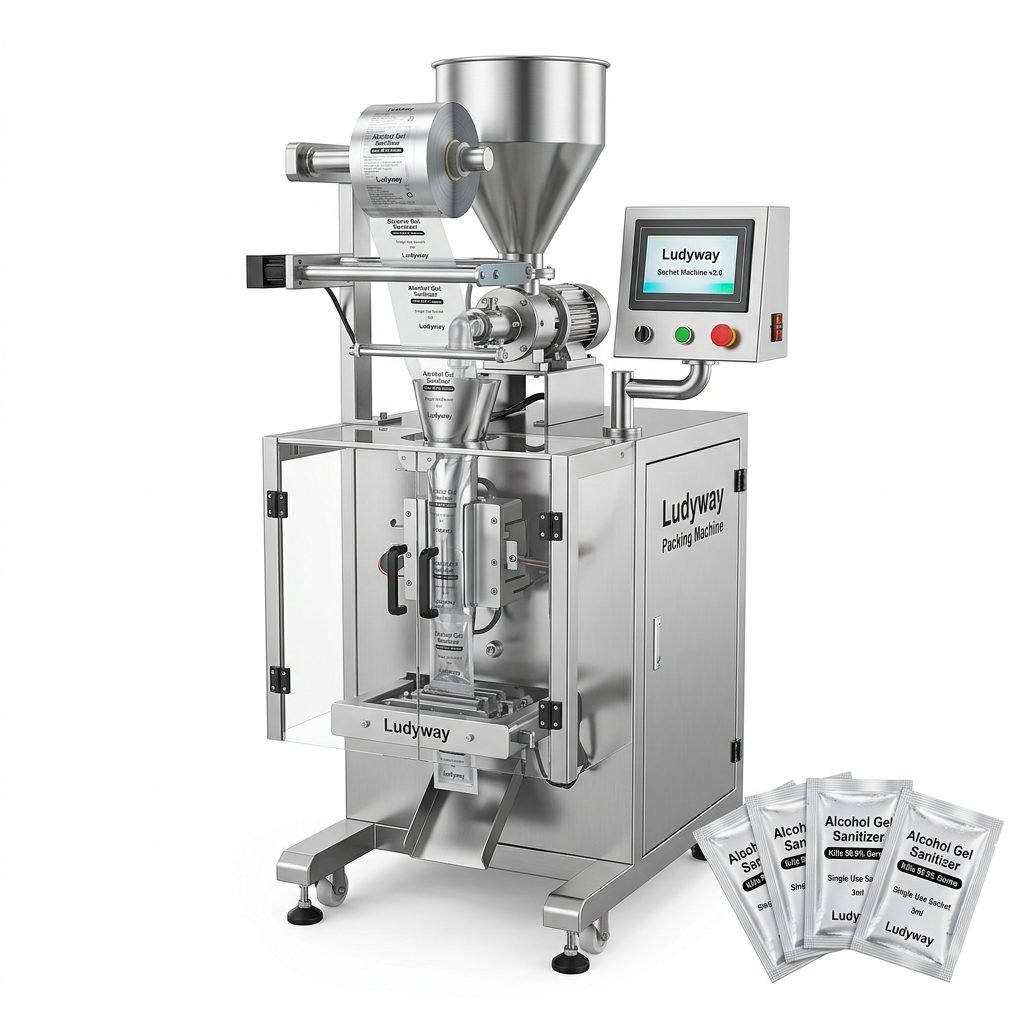
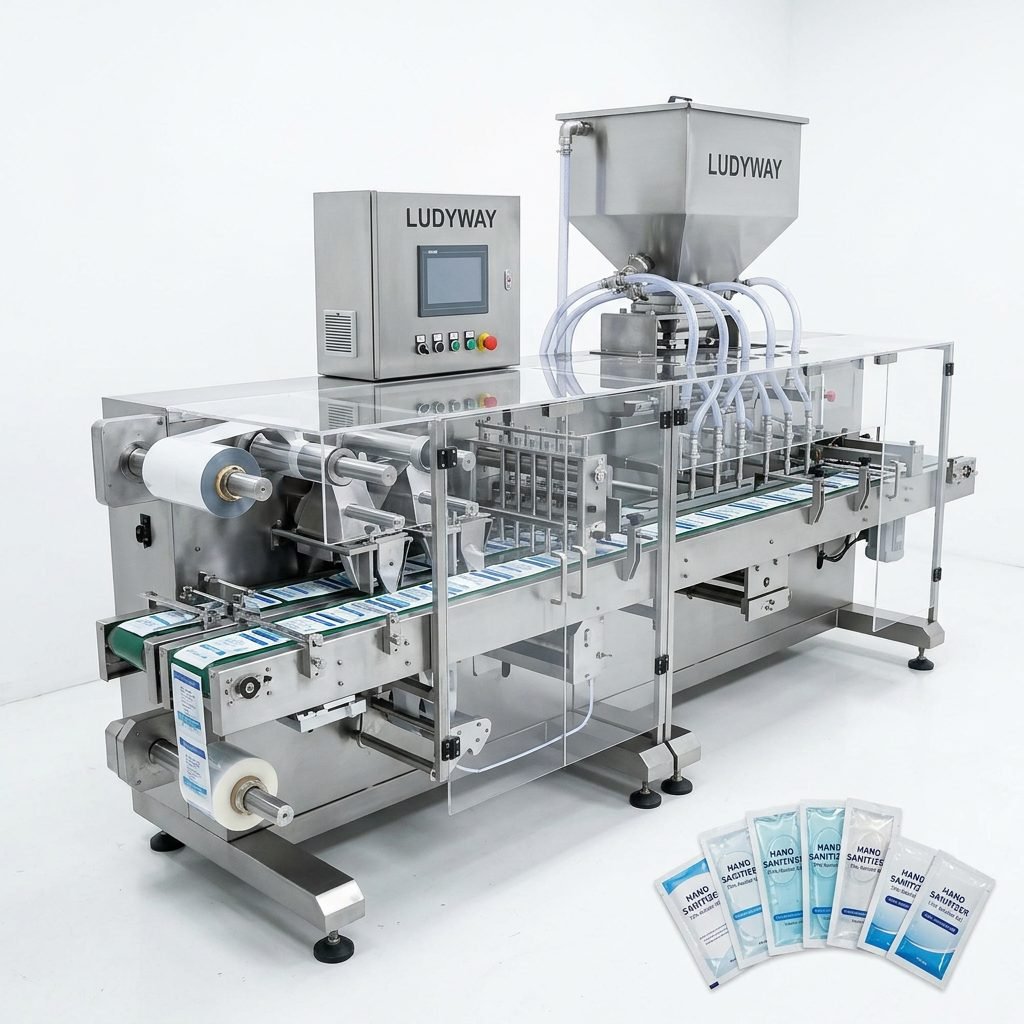
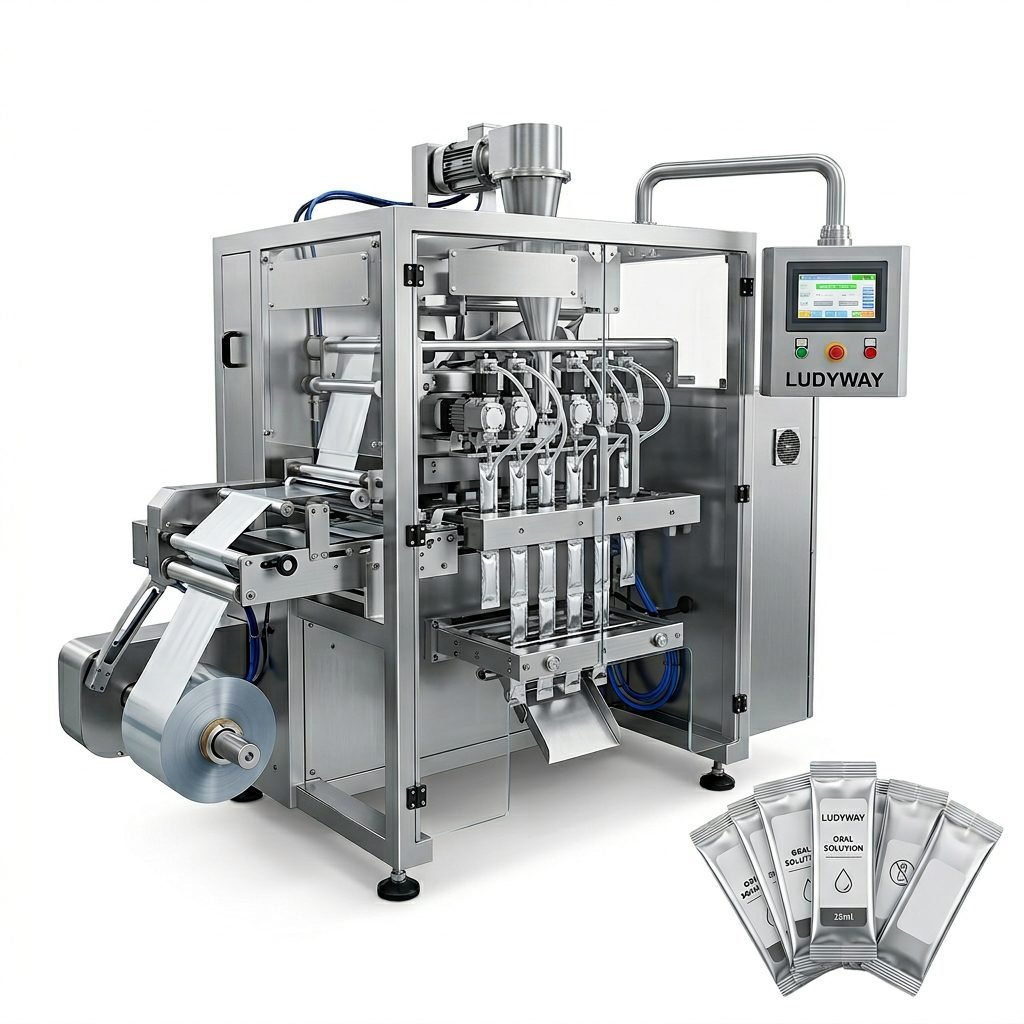
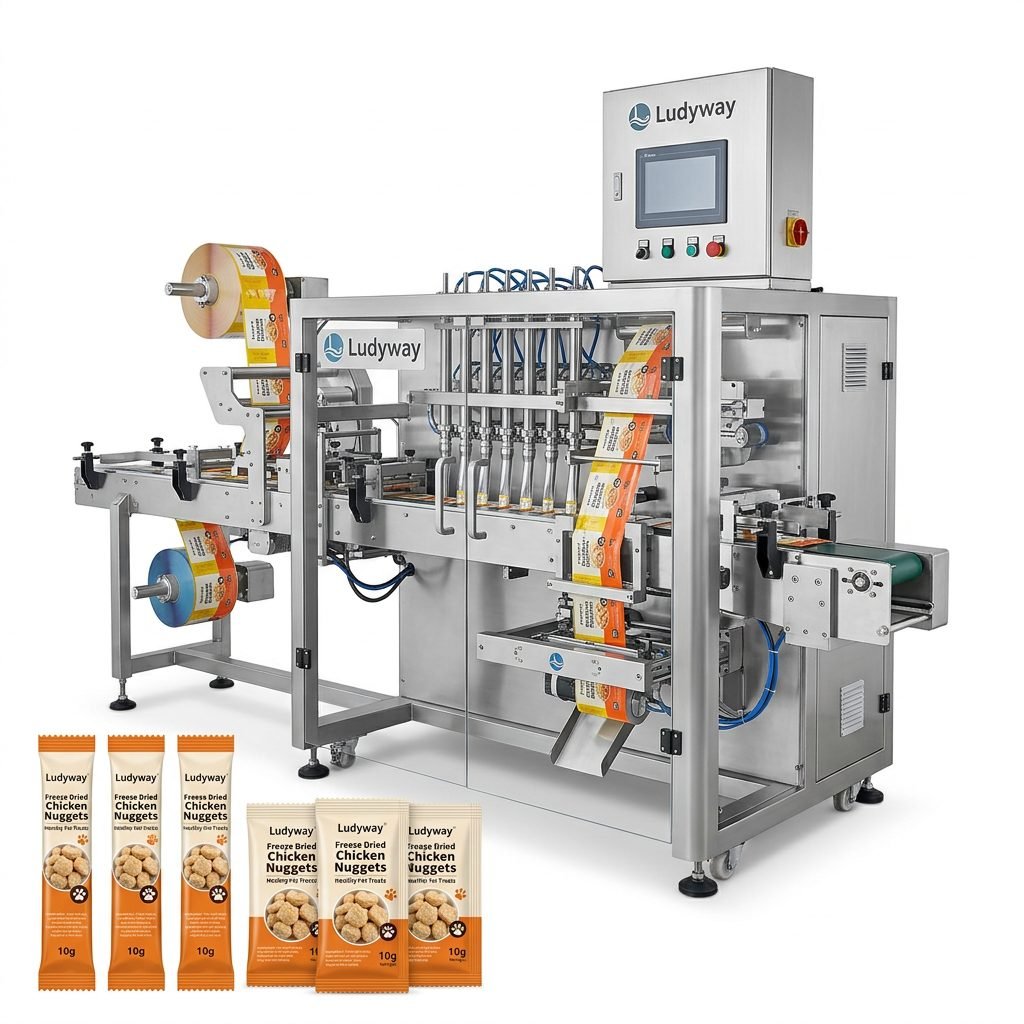
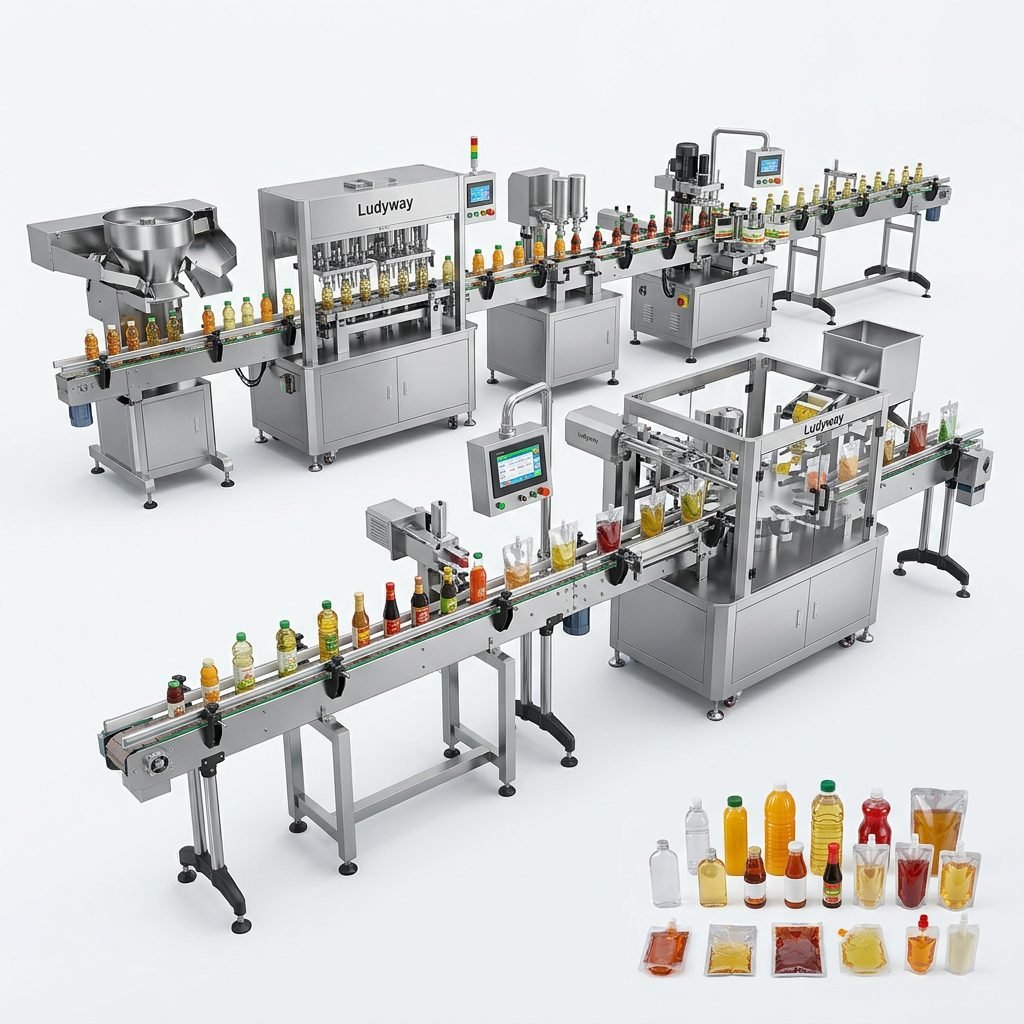
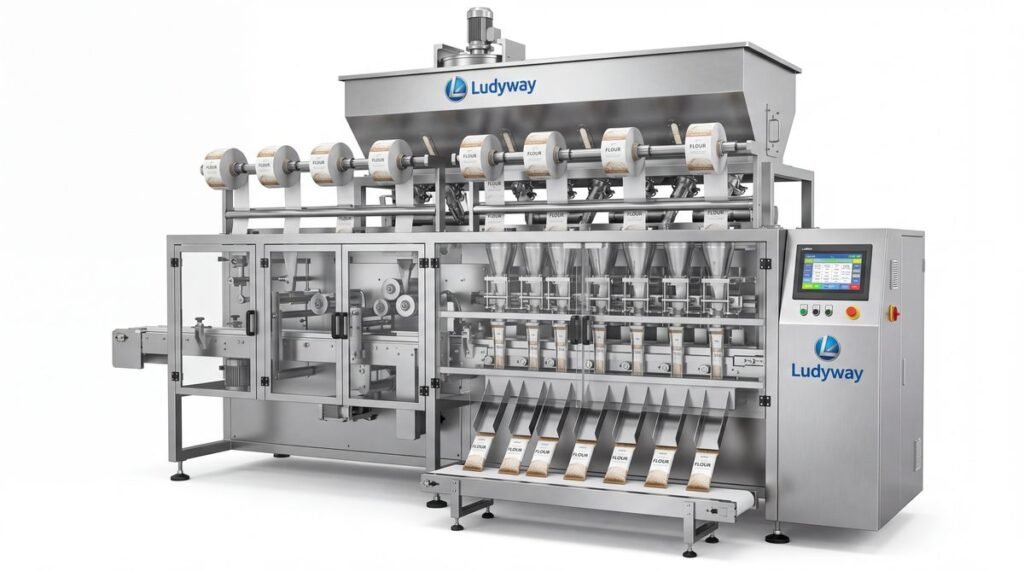
In the fast-paced world of manufacturing, efficiency, precision, and reliability are paramount. For businesses involved in packaging food, pharmaceuticals, health supplements, or daily chemicals, selecting the right packaging machinery is a critical decision that directly impacts productivity, product quality, and operational costs. This is where IMA packaging machinery, and solutions from specialized providers like Ludyway Machinery, come into play.
Understanding IMA Packaging Machinery
The term “IMA packaging machinery” broadly refers to a class of high-performance, automated equipment designed for forming, filling, and sealing various types of packaging. While “IMA” is a globally recognized brand synonymous with premium automation, the principles of advanced packaging machinery it represents are embodied by many industry leaders. These machines are engineered to handle a diverse range of products—from granules and powders to liquids and pastes—with exceptional speed and accuracy.
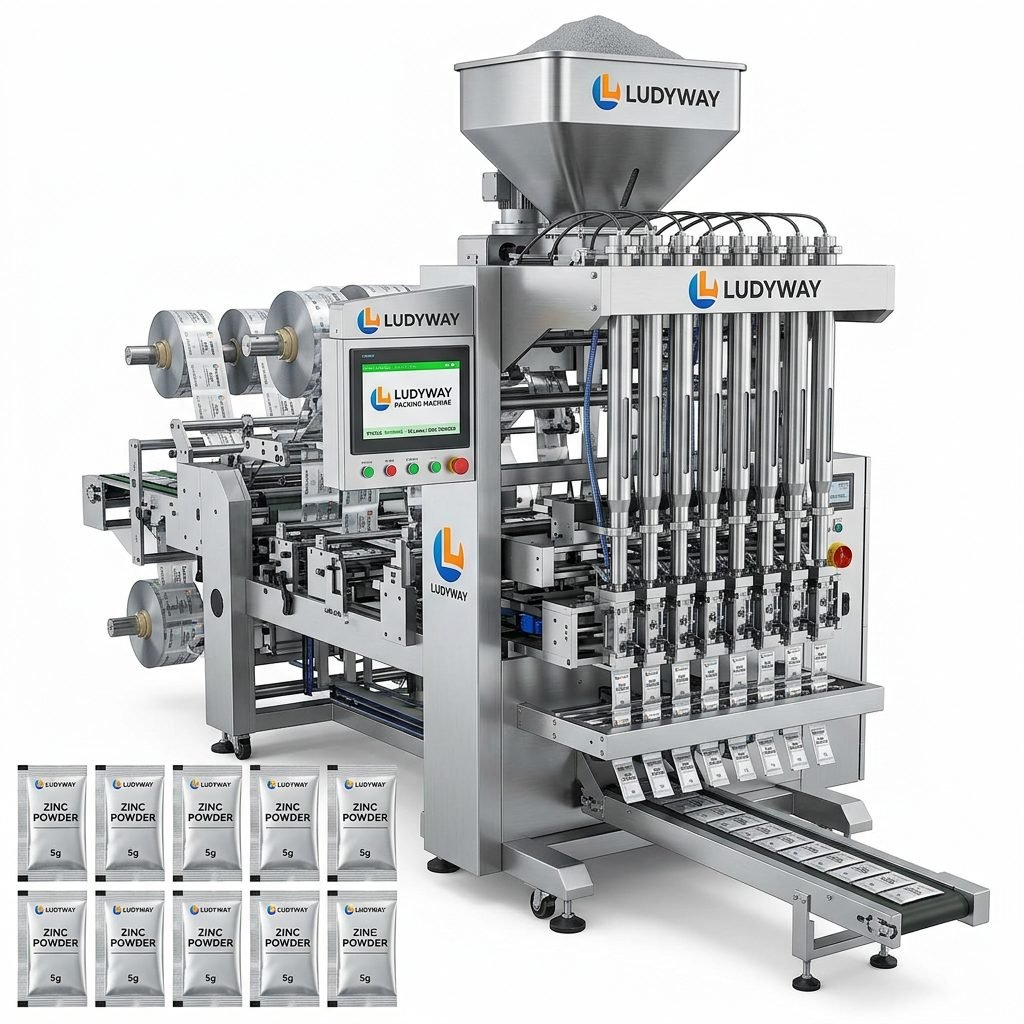
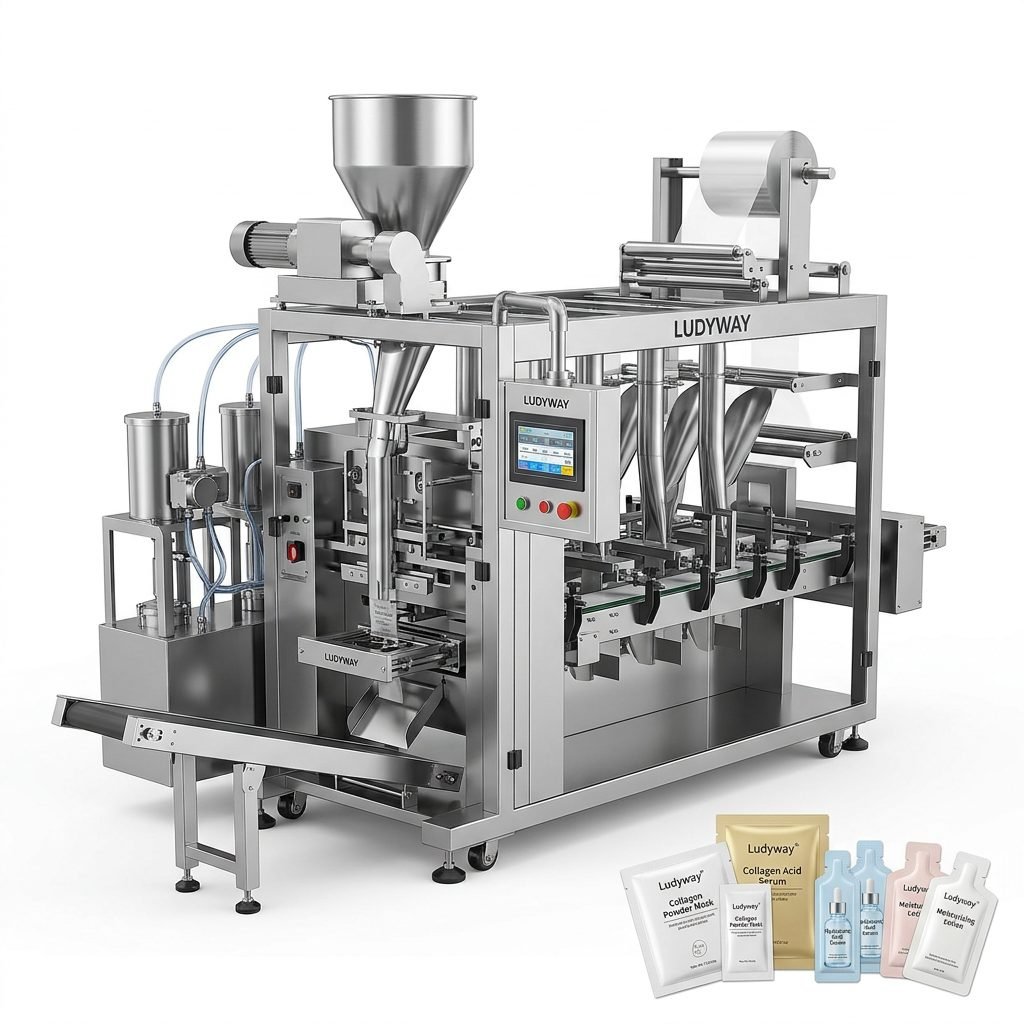
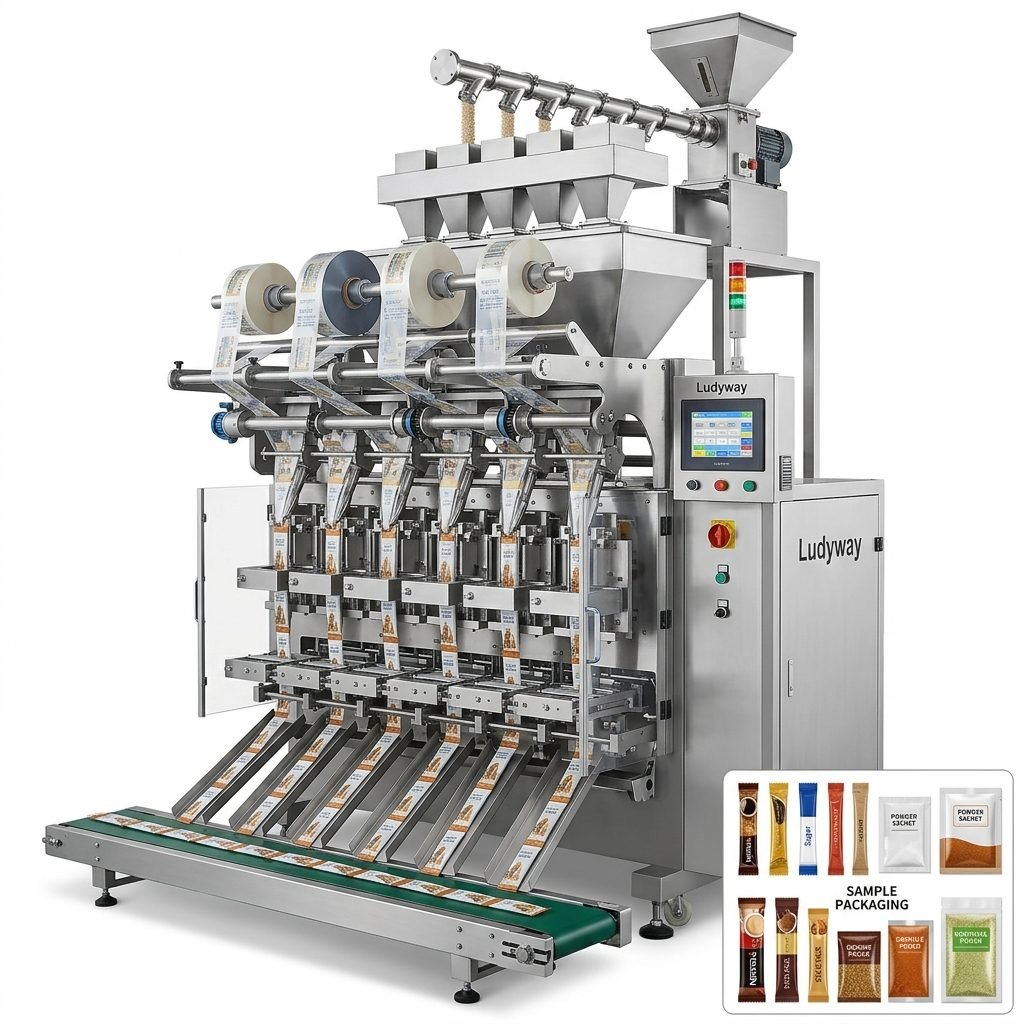
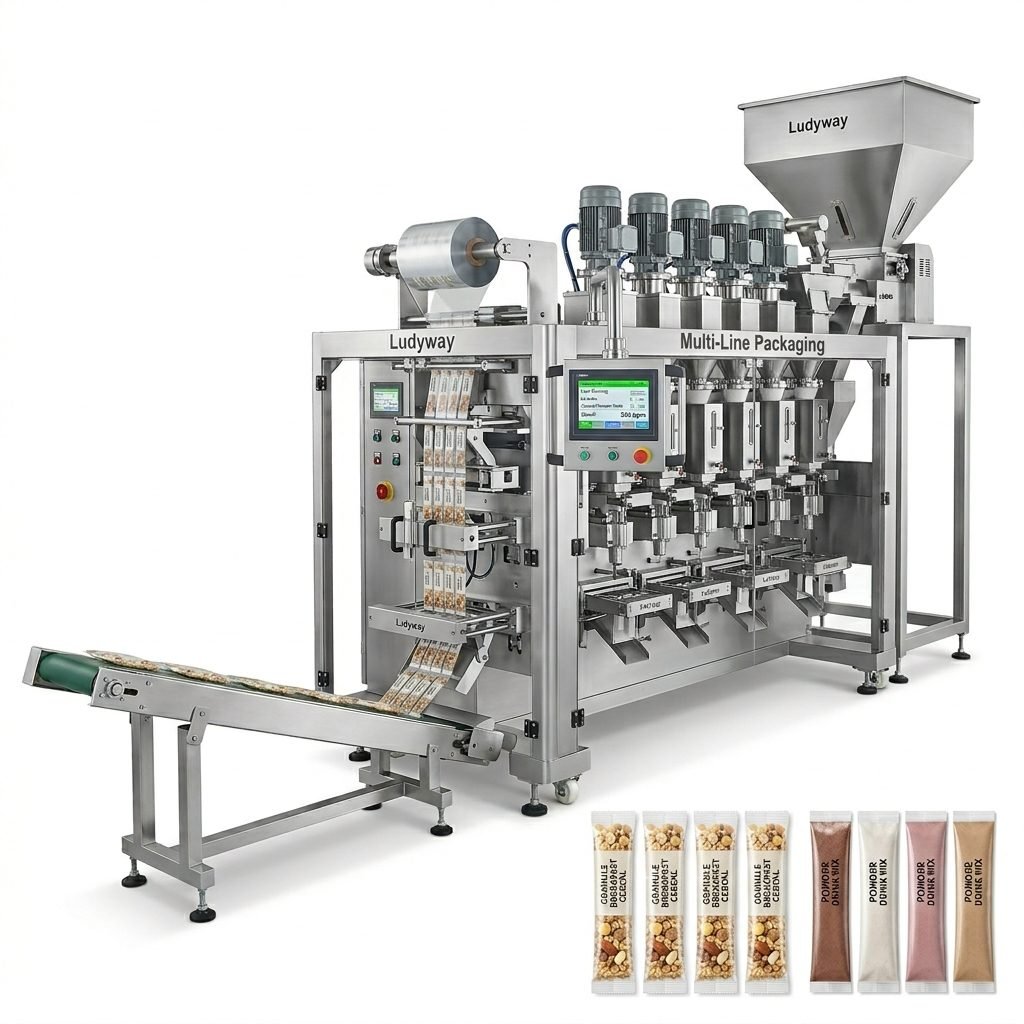
Modern packaging solutions, such as those developed by Ludyway Machinery, go beyond simple bagging. They encompass intelligent systems for creating stick packs, sachets, pouches, and more, often integrated into complete, turnkey production lines. The core goal is to automate the packaging process from start to finish, minimizing human intervention, reducing waste, and ensuring consistent, hygienic packaging for every unit.
Key Characteristics of Advanced Packaging Machinery:
• High-Speed Automation: Capable of producing thousands of packs per hour, significantly boosting output.
• Precision Dosing: Utilizes advanced weigh cells or volumetric fillers for accurate product measurement, crucial for cost control and compliance.
• Flexibility & Changeover: Designed to handle multiple package sizes and materials with quick and easy adjustments.
• Robust Construction: Built with durable materials like stainless steel for longevity and ease of cleaning, especially important for food and pharmaceutical applications.
• Intelligent Control Systems: Feature user-friendly PLC/HMI interfaces for monitoring production data, diagnosing issues, and optimizing performance.
How to Choose the Right Solution for Your Production Line
Selecting packaging equipment is not a one-size-fits-all process. It requires a careful analysis of your specific needs, product characteristics, and business goals. Here is a structured approach to guide your decision-making.
1. Define Your Product and Packaging Requirements
This is the foundational step. You must have a clear understanding of what you are packaging and how you want it presented to the end-user.
- Product Type: Is it a free-flowing granule (like instant coffee), a fine powder (like protein supplement), a viscous liquid (like shampoo), or a paste? Each type requires specific feeding and filling technology.
- Packaging Format: Decide on the final package style: single-serve stick packs, small sachets, stand-up pouches, or pillow bags. Consider your market’s preferences and shelf appeal.
- Production Volume & Speed: Calculate your current and projected output needs (packs per minute/hour). This will determine whether you need a basic single-lane machine or a high-speed multi-lane system.
2. Evaluate Machine Capabilities and Technology
Once your requirements are clear, assess the technical specifications of potential machinery.
Critical questions to ask suppliers: What is the filling accuracy (tolerance)? What is the range of bag sizes it can produce? How long does a format changeover take? What film materials is it compatible with (e.g., laminates, aluminum foil)? Does it include features like date coding, nitrogen flushing for preservation, or check-weighing?
3. Consider Integration and Scalability
Your new machine shouldn’t be an island. Think about how it will fit into your existing workflow. Can it be easily connected to upstream equipment (like mixers) and downstream systems (like cartoners)? Furthermore, consider your future growth. Choosing a modular machine or a supplier like Ludyway Machinery that offers scalable solutions allows you to add lanes or functions later without replacing the entire system.
4. Assess Build Quality and Support
The machine’s construction dictates its lifespan and maintenance costs. Look for robust frames, food-grade or pharmaceutical-grade stainless steel contact parts, and high-quality components from reputable brands (e.g., Siemens PLCs, Mitsubishi servos). Equally important is the supplier’s after-sales support. Do they offer comprehensive training, a clear warranty, readily available spare parts, and responsive technical service? A reliable partner ensures maximum uptime for your investment.
5. Analyze the Total Cost of Ownership (TCO)
Look beyond the initial purchase price. The TCO includes:
→ Energy Consumption: Efficient machines lower utility bills.
→ Material Waste: Precise filling and sealing reduce product and film waste.
→ Maintenance & Downtime: Reliable machines with good support minimize lost production time.
→ Operational Labor: Higher automation reduces the number of operators needed.
A slightly higher initial investment in a more efficient and reliable machine often leads to a lower TCO and higher ROI over time.
The Role of a Trusted Packaging Partner
Navigating these choices is complex. This is where partnering with an experienced packaging machinery provider becomes invaluable. A company like Ludyway Machinery, with over 30 years of industry experience, acts as more than just a vendor. They are a solution partner. They can conduct product tests in their facility, recommend the optimal machine model from their range of 50+ intelligent packaging machines, and design a complete production line tailored to your exact needs. Their expertise in serving global markets means they understand diverse production standards and can provide machinery that meets international quality and safety regulations.
Why Experience Matters: The Ludyway Advantage
Founded in 2010 with a vision for efficient global solutions, Ludyway Machinery has grown into a professional packaging expert. Their journey from a focused engineering team to an international supplier underscores a commitment to practical innovation and long-term cooperation. Operating from a modern 20,000㎡ facility, they combine strong engineering capabilities with hands-on industry knowledge to deliver not just equipment, but reliable, high-quality automated packaging solutions. This depth of experience ensures clients receive guidance that is both technically sound and commercially astute.
Conclusion
Choosing the right packaging machinery is a strategic investment that fuels operational excellence. By thoroughly understanding your product needs, meticulously evaluating machine technology and supplier capabilities, and focusing on the total cost of ownership, you can select a solution that enhances efficiency, ensures quality, and scales with your business. Partnering with an experienced provider who offers robust equipment and comprehensive support is the key to unlocking these benefits and achieving a seamless, productive packaging operation.
Frequently Asked Questions (FAQs)
1. What is the main difference between a stick pack machine and a sachet machine?
While both produce small, sealed packages, the primary difference is the package shape and typical application. Stick pack machines create long, narrow “sticks,” ideal for single-serve powdered drinks, supplements, or condiments that are poured out. Sachet machines typically produce rectangular or square packets, often used for liquids, gels, creams (like shampoo or ketchup), or powders meant to be dissolved in the packet.
2. How do I know if I need a single-lane or a multi-lane packaging machine?
The choice depends entirely on your required output speed (packs per hour). Single-lane machines are suitable for lower to medium production volumes, pilot lines, or products with long filling times. Multi-lane machines (e.g., 4-lane, 8-lane, 16-lane) run multiple packaging lanes simultaneously from a single web of film, dramatically increasing output for high-volume production of items like instant coffee, sugar, or seasoning packets.
3. Can one machine handle different types of products, like powders and granules?
Many versatile packaging machines are designed to handle a range of dry products. However, the feeding system (like a auger filler for powders vs. a cup filler for granules) may need to be changed or adjusted. It’s crucial to discuss your specific product portfolio with the supplier. They can recommend a machine with a flexible filling system or modular components that allow for relatively easy changeovers between different product types.
4. What kind of after-sales support should I expect from a packaging machinery supplier?
Comprehensive support is essential. You should expect:
→ Detailed installation and operational training for your team.
→ A clear warranty covering parts and labor for a defined period.
→ Availability of spare parts and consumables.
→ Access to remote technical support (via phone, video) and, if needed, on-site service visits.
→ Provision of machine manuals and electrical diagrams.
5. How important is it to test my product on the machine before purchasing?
It is highly recommended and often critical. A product test run at the supplier’s facility allows you to verify key performance indicators: filling accuracy, sealing integrity, achievable speed, and overall machine compatibility with your product and packaging film. It de-risks the purchase and provides peace of mind, ensuring the machine will perform as expected in your factory. Reputable suppliers like Ludyway typically offer this service.