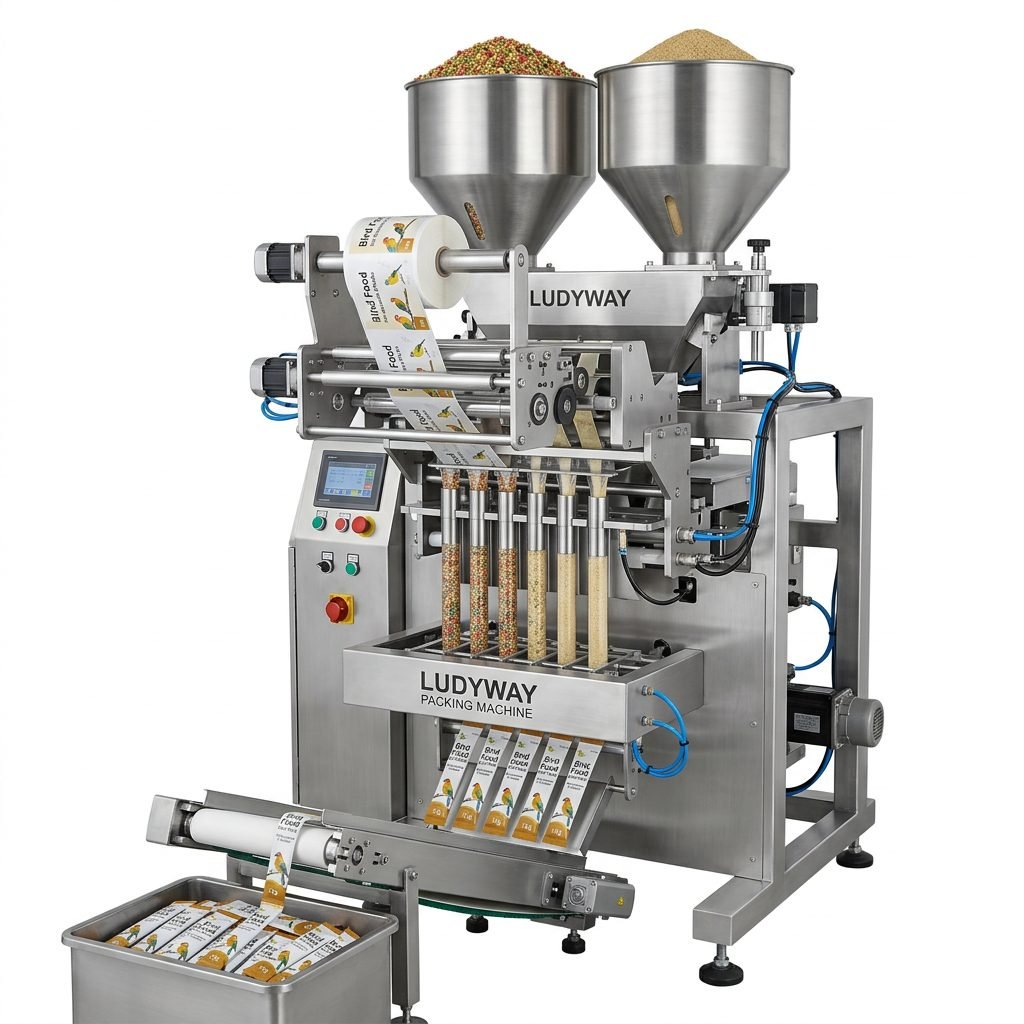
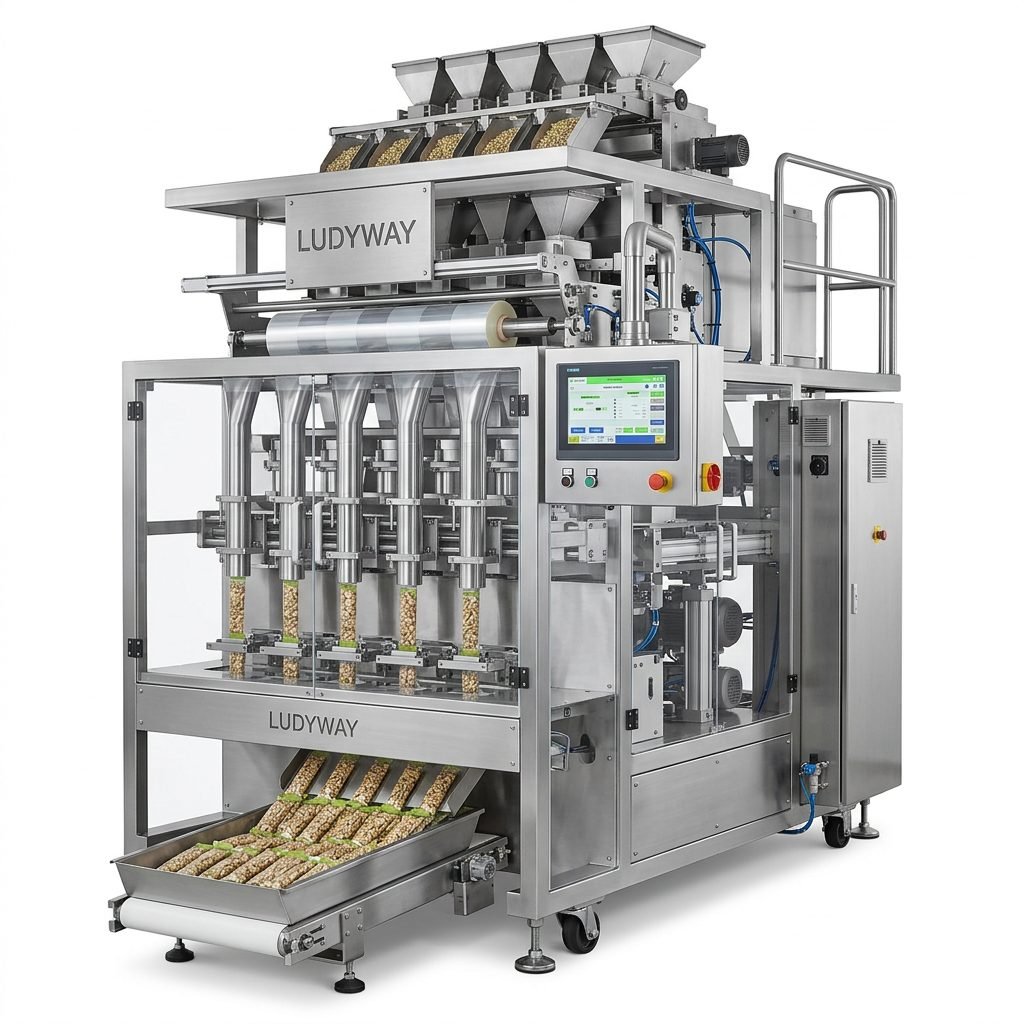
Selecting the right automatic weighing packaging machine is a critical decision that directly impacts your production efficiency, product quality, and overall operational costs. This comprehensive guide will walk you through the key factors to consider when choosing the best automatic solution for your production line.
Core Decision Factors
Before diving into machine specifications, clearly define your requirements. What is your primary product type—granules, powders, or liquids? What are your target packaging speed and accuracy? Understanding your current and future needs is the first step toward a successful investment.
Understanding Your Product and Packaging Requirements
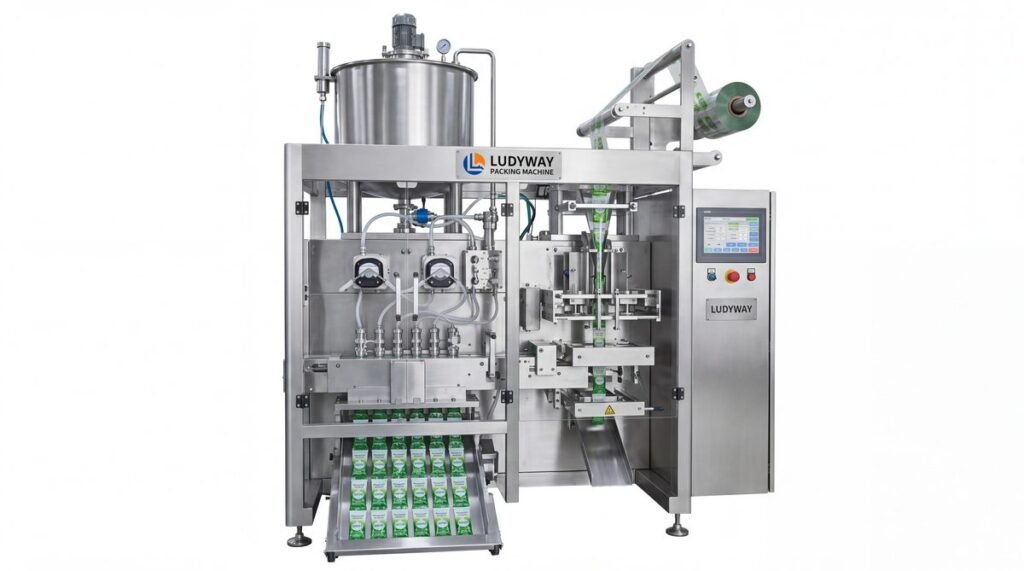
The physical characteristics of your product are paramount. A machine designed for free-flowing granules will struggle with cohesive powders or viscous liquids. Consider factors like particle size, density, flowability, and any special handling requirements (e.g., hygroscopic or abrasive materials).
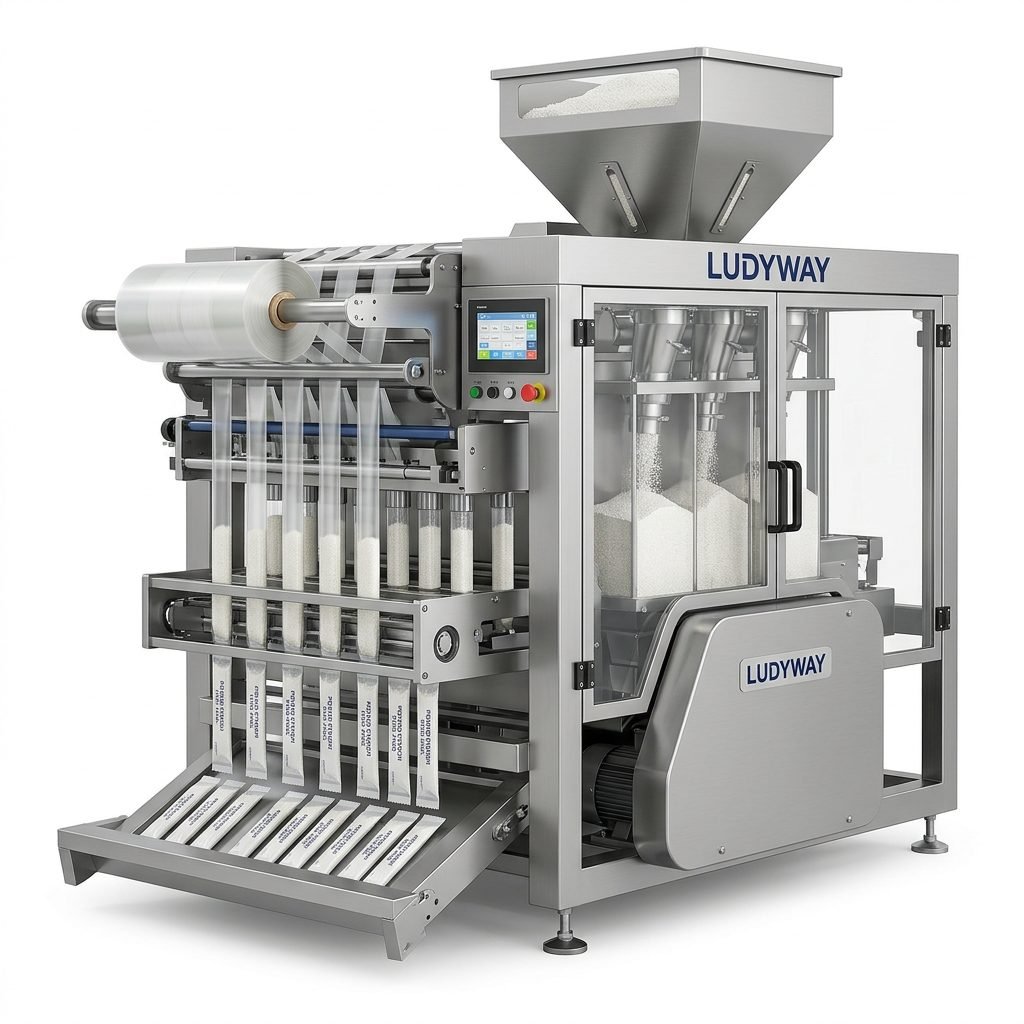
Your packaging format—whether it’s sachets, stick packs, pouches, or bags—also dictates the machine type. Furthermore, the packaging material (film, laminate, paper) must be compatible with the machine’s forming, sealing, and cutting mechanisms.
1. Weighing Technology and Accuracy
The heart of any weighing packaging machine is its weighing system. The two main technologies are:
- Gross Weighing: The product is weighed after it has been dispensed into the container (bag, pouch). This method is often simpler and suitable for larger weight ranges.
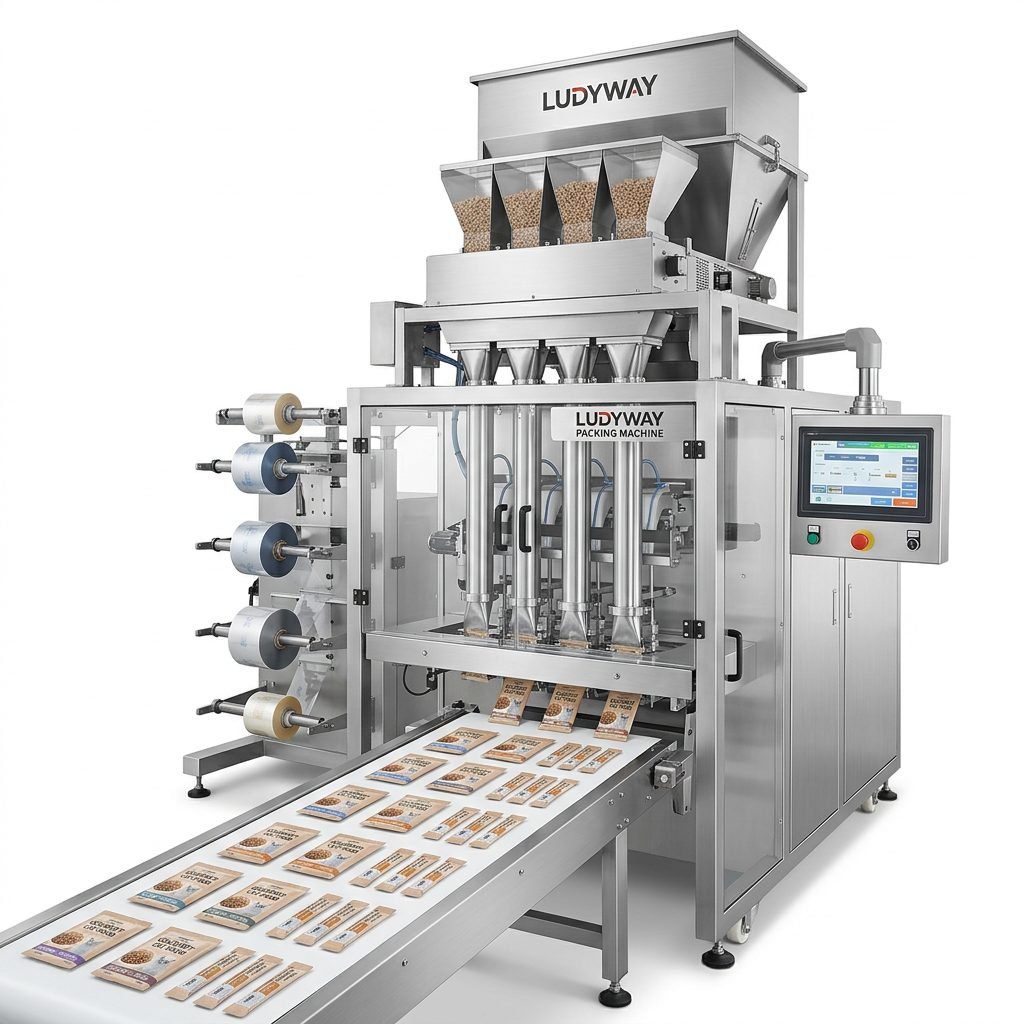
- Net Weighing (Multi-head Weighers): The product is weighed precisely before being discharged into the packaging. This is the industry standard for high-speed, high-accuracy applications, especially for snacks, grains, and powders.
Accuracy is typically expressed as a standard deviation. For high-value products or strict regulatory environments, a machine with ±0.1% to ±1% accuracy may be necessary. Always request performance tests with your actual product.
💡 Pro Tip: Test Before You Invest
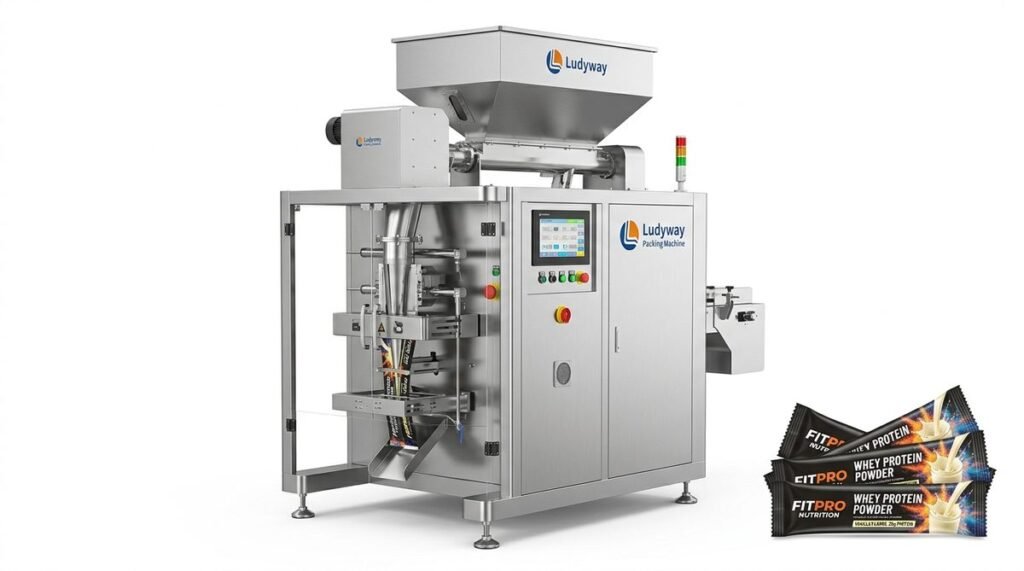
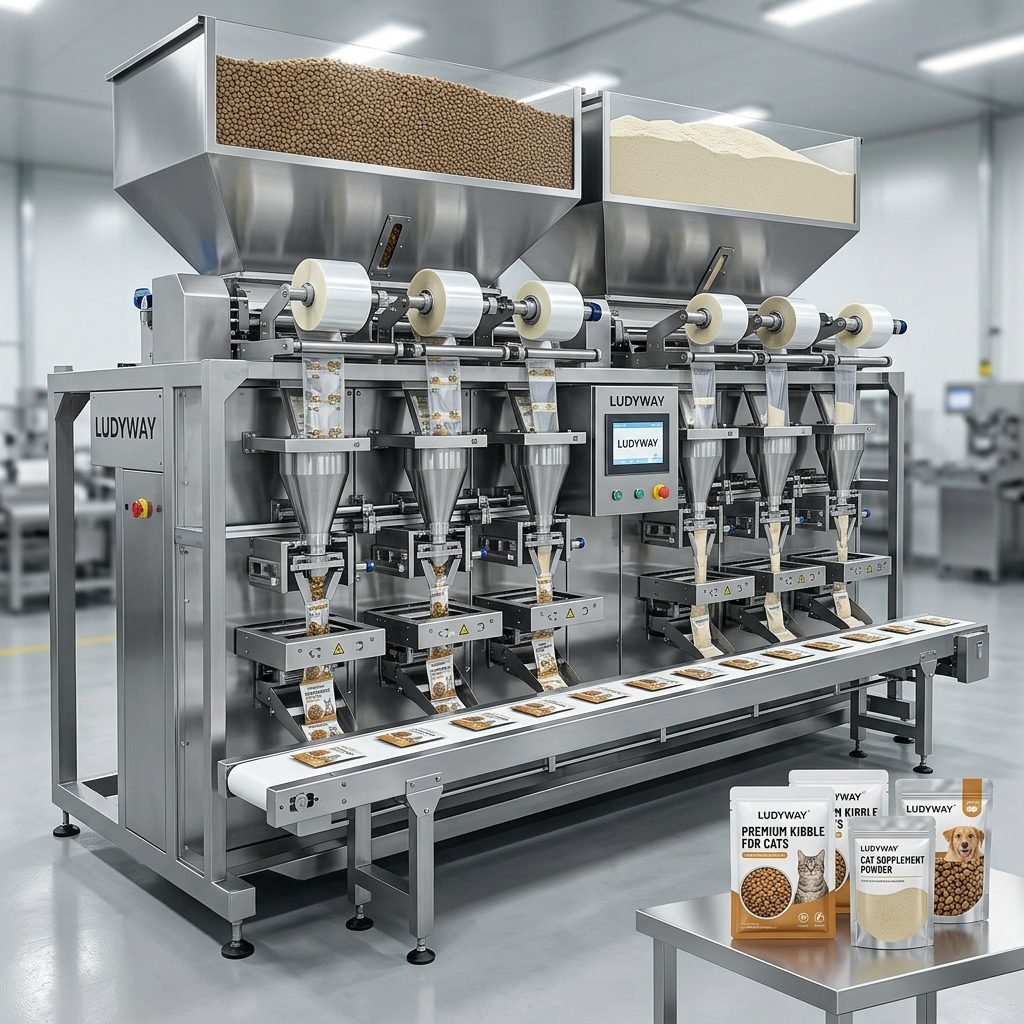
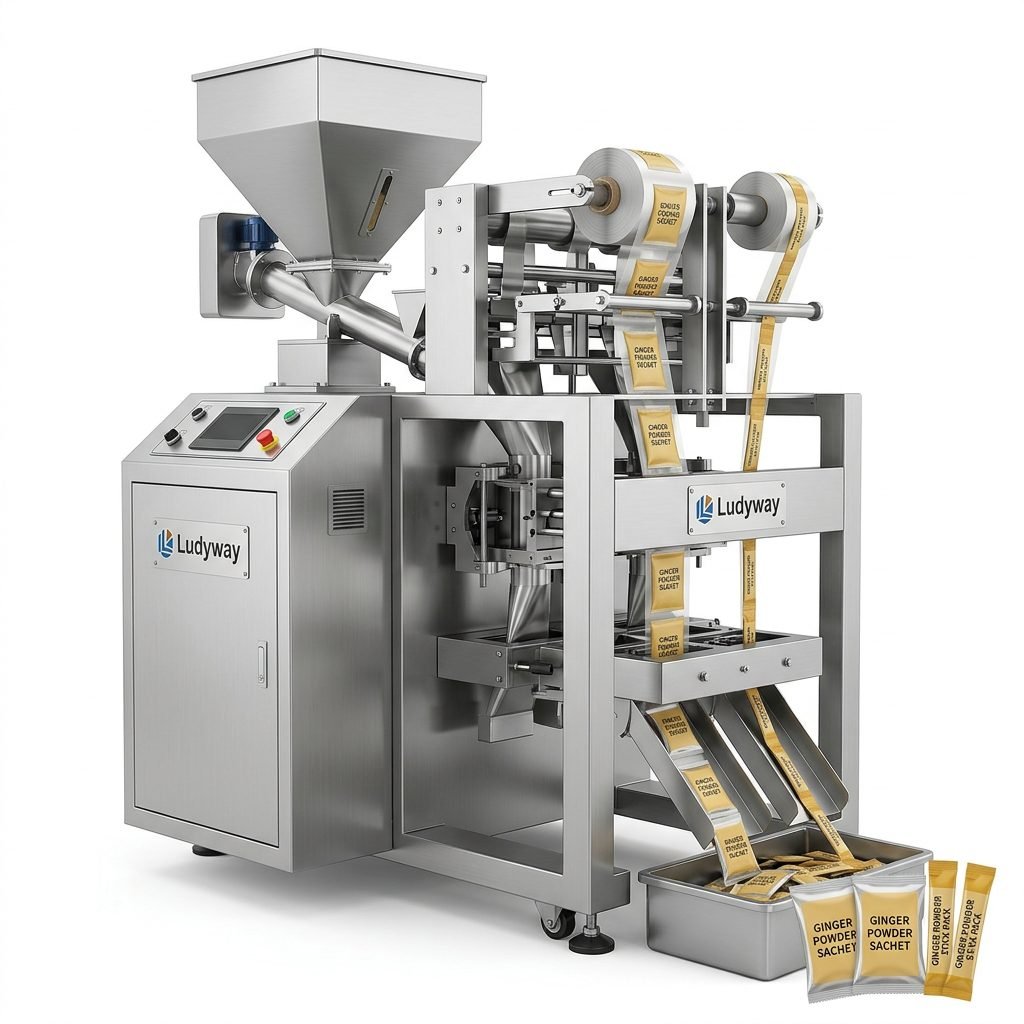
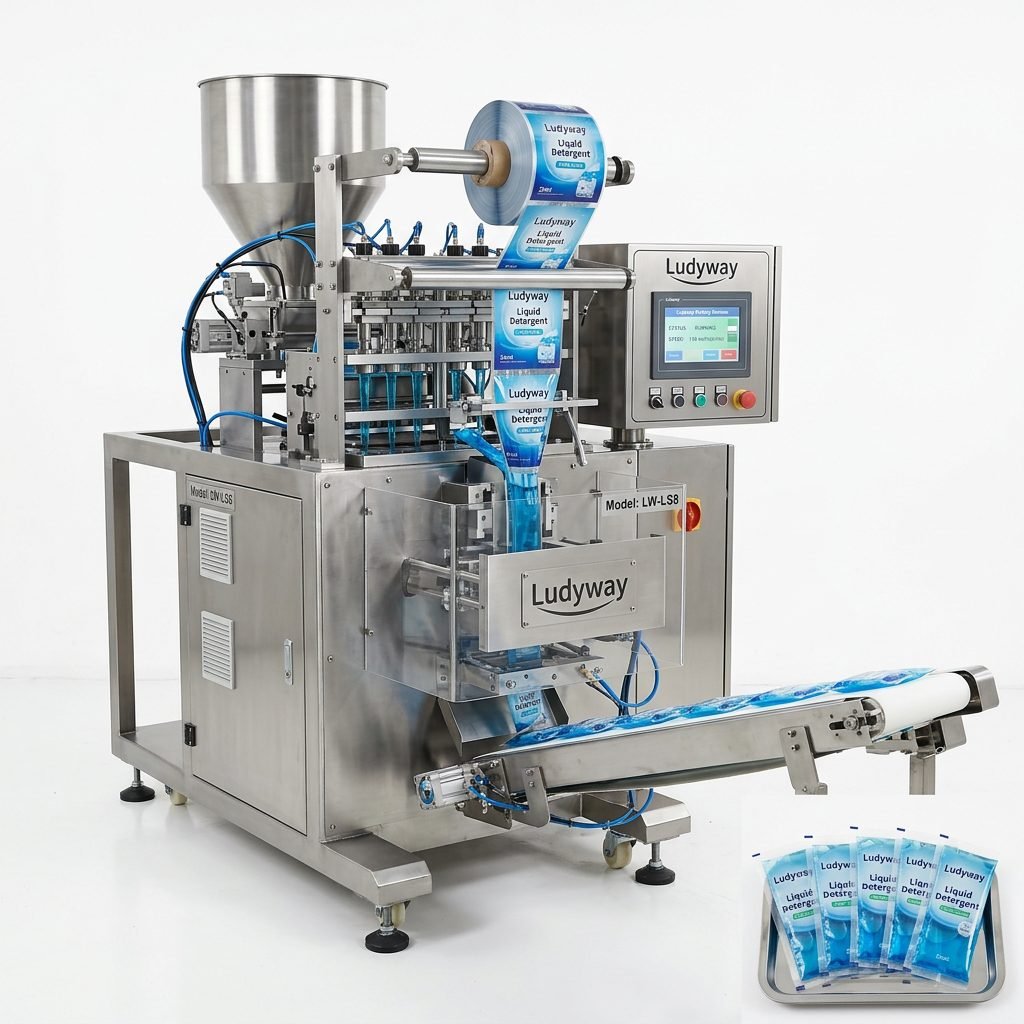
Reputable suppliers like Ludyway Packing Machine often offer product testing services. Sending your sample for a live run on their equipment is the most reliable way to verify speed, accuracy, and compatibility.
2. Production Speed and Line Integration
Speed requirements are measured in bags or pouches per minute (BPM/PPM). Match the machine’s maximum speed to your current output goals with room for future growth. Remember, the actual sustainable speed depends on product characteristics and packaging complexity.
Consider how the weigher will integrate with upstream equipment (like mixers or conveyors) and downstream systems (like cartoners or case packers). Seamless integration is key to a smooth, automated production line. Look for machines with standard communication protocols (PLC, Industry 4.0 readiness) for easy connectivity.
3. Hygiene, Construction, and Durability
For food, pharmaceutical, or health products, hygiene is non-negotiable. Machines should feature easy-clean designs with stainless steel contact parts, minimal crevices, and optionally, CIP (Clean-in-Place) systems. The build quality—frame rigidity, component grade—directly affects long-term reliability and maintenance costs. A robust machine from an experienced manufacturer ensures consistent performance under continuous operation.
Evaluating Suppliers and After-Sales Support
The machine is only part of the solution. The supplier’s expertise and support network are equally critical.
Why Supplier Experience Matters
A supplier with deep industry experience brings invaluable application knowledge. They can anticipate challenges and recommend optimal configurations. For instance, Ludyway Machinery, with over 30 years in the industry, offers more than 50 machine models and understands the nuanced needs of global production lines for granules, powders, and liquids.
Evaluate their project management capability, from initial consultation to installation and training. A strong track record in delivering turnkey production solutions is a significant advantage.
4. Total Cost of Ownership (TCO) and ROI
Look beyond the initial purchase price. Calculate the Total Cost of Ownership, which includes:
- Energy consumption
- Material waste (from weighing inaccuracy or sealing errors)
- Preventive maintenance and spare parts costs
- Potential downtime costs
A slightly higher initial investment in a more efficient, reliable machine often leads to a faster and greater Return on Investment (ROI) through reduced waste, lower labor costs, and higher uptime.
Future-Proofing Your Investment
Choose a machine and supplier that can grow with your business. Consider scalability (can you add lanes or functions later?), flexibility (can it handle multiple products or package sizes with quick changeovers?), and technological adaptability. Investing in a modular or upgradeable system from a forward-thinking partner protects your investment in the long run.
By methodically assessing your product needs, technical specifications, supplier capabilities, and long-term costs, you can confidently select an automatic weighing packaging machine that becomes a reliable, profit-driving asset on your production floor for years to come.
Frequently Asked Questions (FAQs)
1. What is the main difference between gross and net weighing?
Gross weighing measures the product and its container together, which is simpler but can be less accurate if container weight varies. Net weighing measures the product weight alone before it enters the package, offering superior accuracy and is standard for high-speed food and pharmaceutical packaging using multi-head weighers.
2. How do I determine the right speed for my operation?
Calculate your required output in bags per minute (BPM) based on your daily/weekly production targets and shift patterns. Choose a machine with a maximum speed 15-20% higher than your current requirement to account for peak demand, product changeovers, and future growth. Always validate this speed with a product test.
3. What hygiene features are essential for food-grade packaging?
Essential features include food-grade stainless steel (AISI 304 or 316) on all product contact surfaces, a smooth, crevice-free design for easy cleaning, protective covers to prevent contamination, and ideally, compatibility with wet cleaning or steam. Some advanced systems offer CIP functionality.
4. How important is after-sales service and support?
Extremely important. Reliable technical support, readily available spare parts, and comprehensive operator training are crucial for minimizing downtime. A global service network, like that offered by established packaging equipment providers, ensures you can get help quickly, wherever your factory is located.
5. Can one machine handle different types of products?
Many modern machines are designed for flexibility. With quick-change parts (like different funnel types, augers, or weighing buckets) and programmable recipes, a single machine can often handle a range of similar products (e.g., different granule sizes or powder densities). However, switching between vastly different formats (e.g., sticks to sachets) may require a more specialized or modular system.