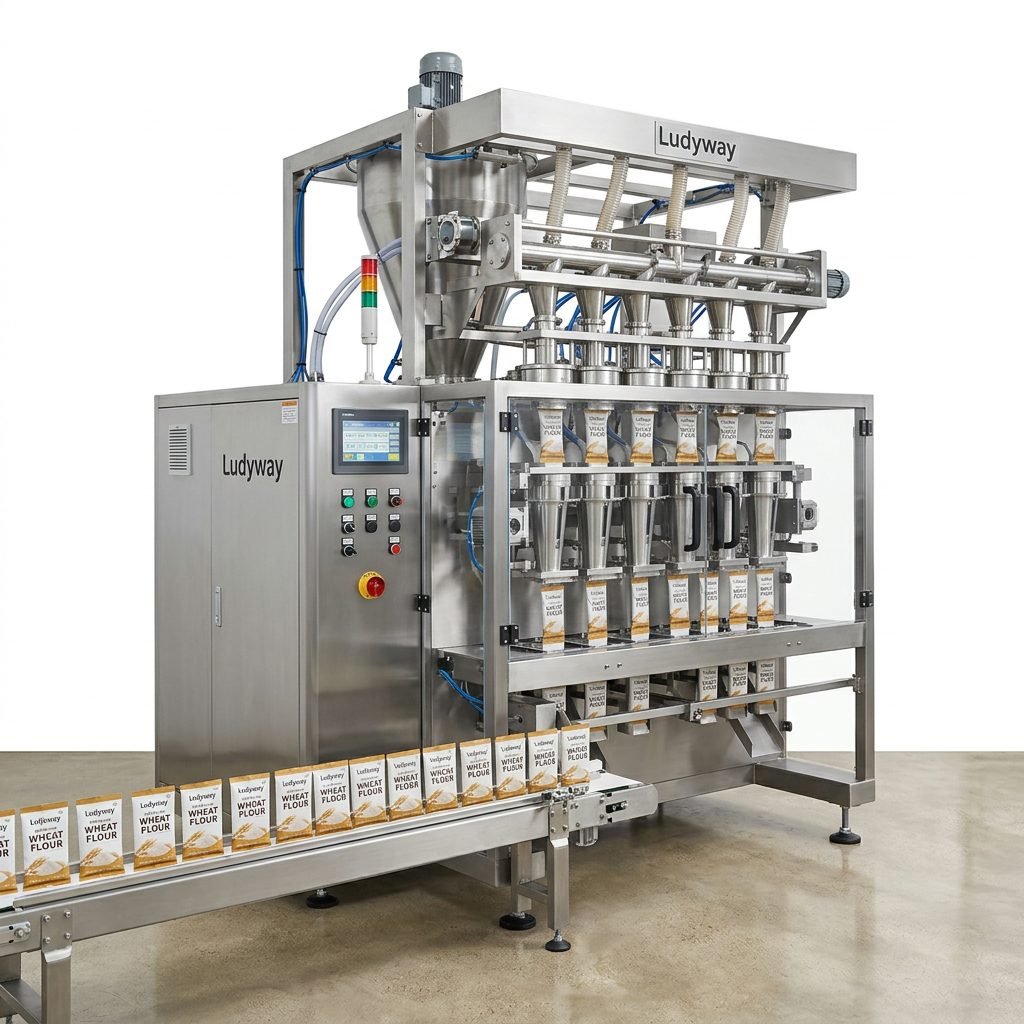
Choosing among different packaging machine types can feel overwhelming when your product, output goals, budget, and packaging format all point in different directions. The right solution is not simply the fastest or most automated machine—it is the one that fits your product characteristics, production targets, compliance needs, and future expansion plans.
This guide explains how to compare packaging machine categories step by step, so manufacturers, brand owners, and procurement teams can make a smarter investment with fewer mistakes.
Start with the Product, Not the Machine
Before comparing machine types, define exactly what you are packing. Different materials flow, settle, seal, and react in very different ways. A machine that works well for sugar or coffee powder may be unsuitable for cream, oil, tablets, or irregular granules.
Key product questions to answer
- Is the product a powder, granule, liquid, paste, tablet, capsule, wipe, or pouch-based item?
- Does it have poor flowability, dusting, stickiness, or foaming?
- Is it sensitive to moisture, oxygen, heat, or contamination?
- Does it require hygienic, pharmaceutical, or food-grade construction?
- What is the required fill accuracy?
- Will the product be sold in sachets, stick packs, pouches, bottles, tubes, cartons, or bulk bags?
When these factors are clear, the packaging machine comparison becomes much easier and more accurate.
Main Packaging Machine Types and What They Are Best For
Most packaging equipment falls into several broad categories. Each serves different packaging formats, speed levels, and industries.
| Machine Type | Best For | Advantages | Limitations |
|---|---|---|---|
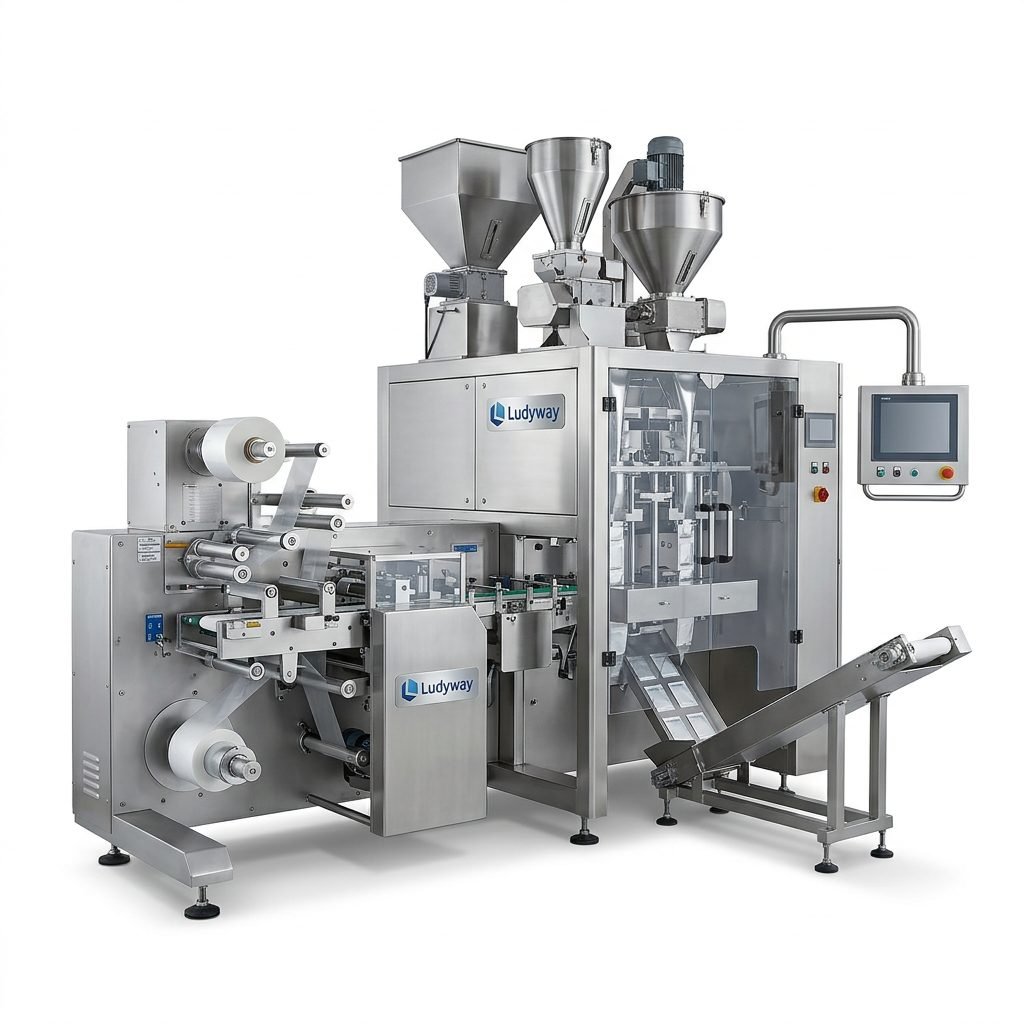
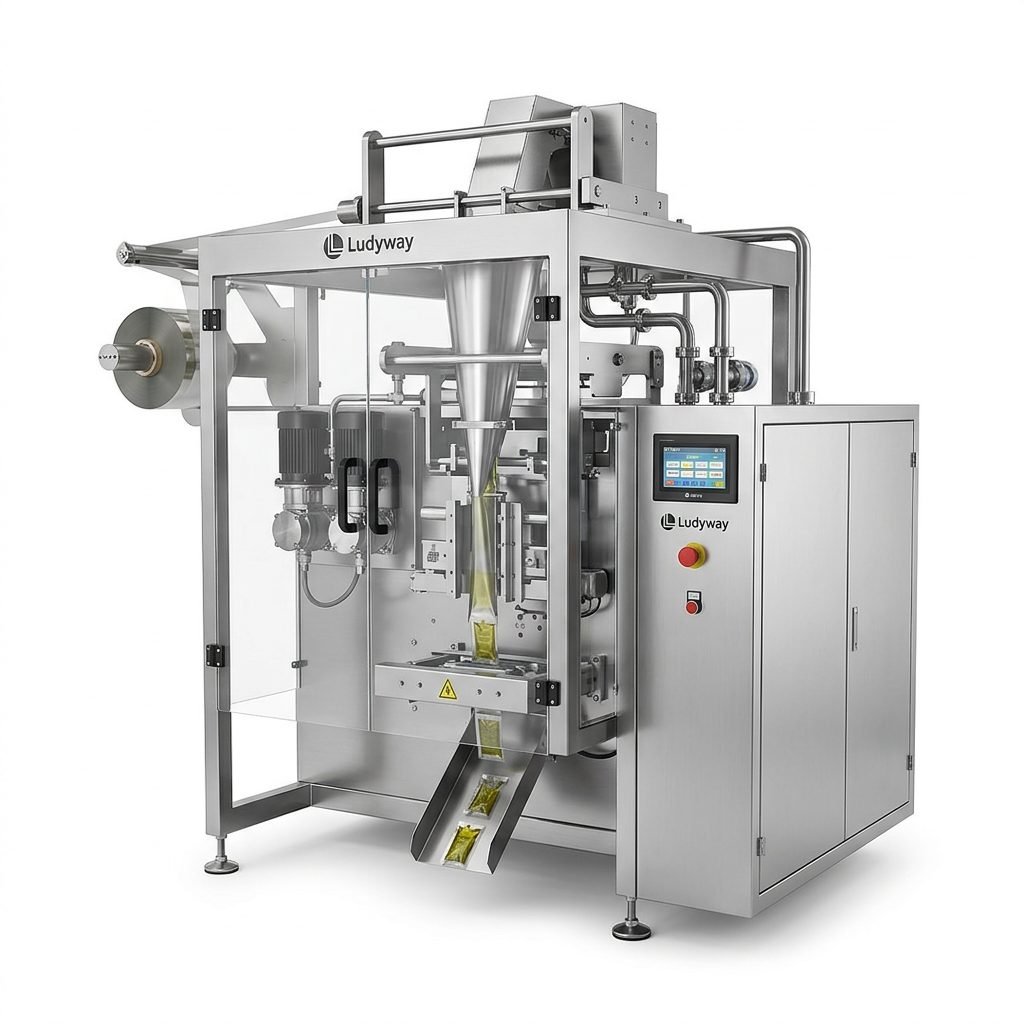
| Vertical Form Fill Seal (VFFS) | Granules, powders, some liquids, pillow bags | Versatile, compact, cost-effective | Less ideal for premium rigid presentation |
| Sachet Packaging Machine | Single-dose powders, granules, creams, liquids | Small-format convenience, efficient material use | Limited pack size range |
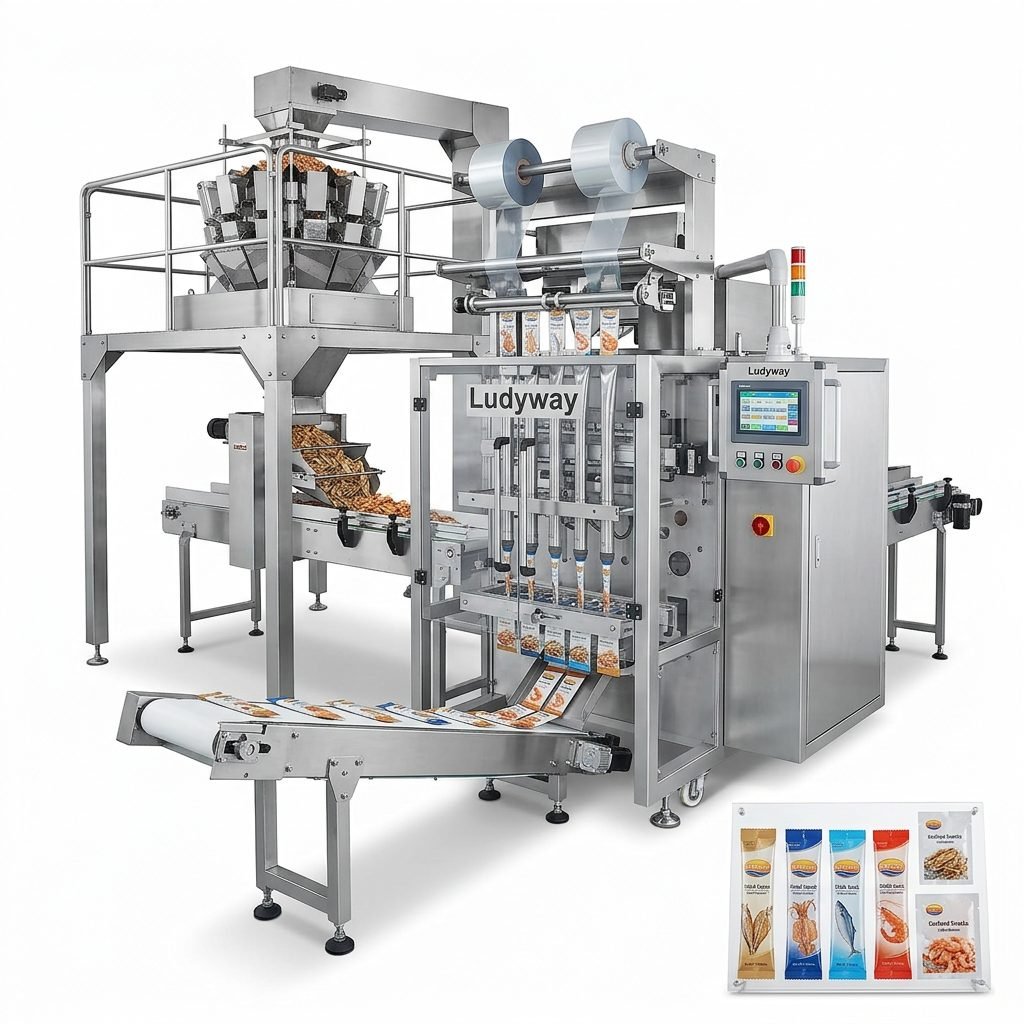
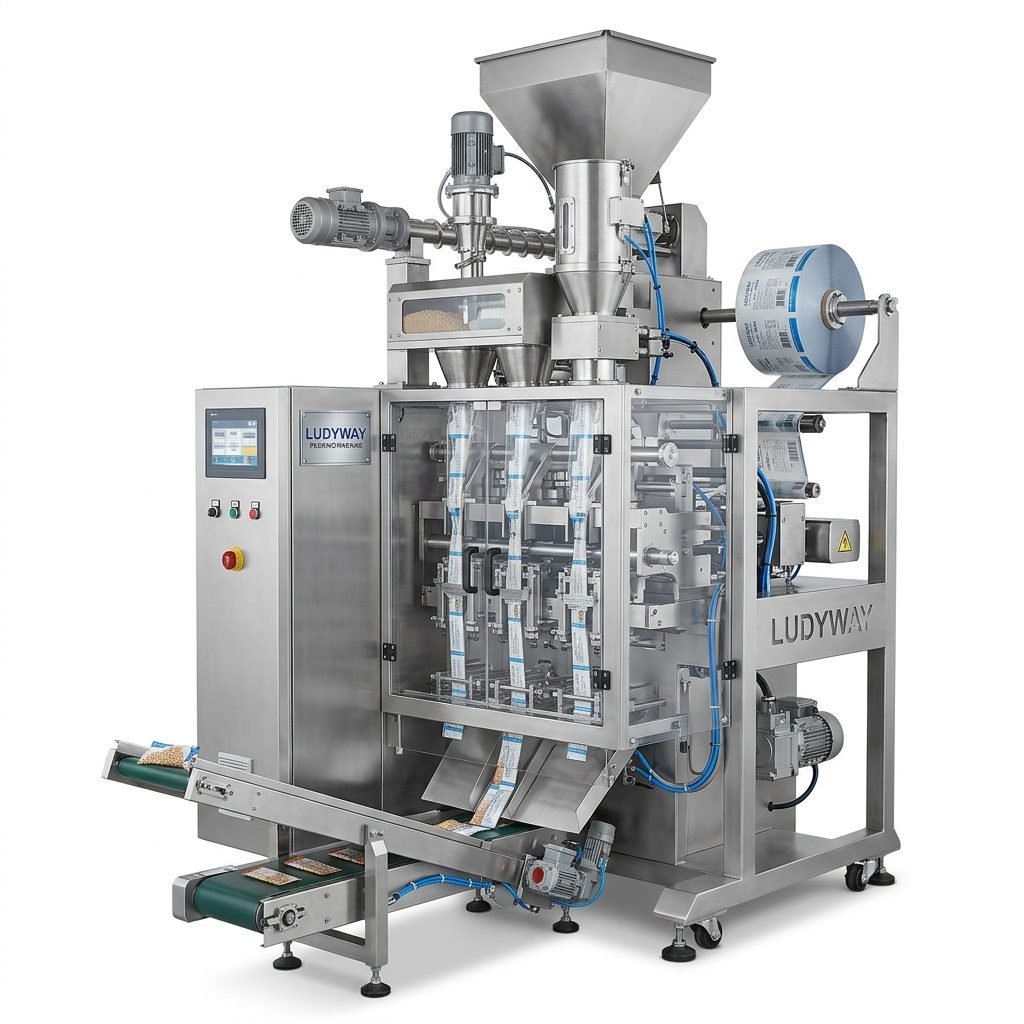
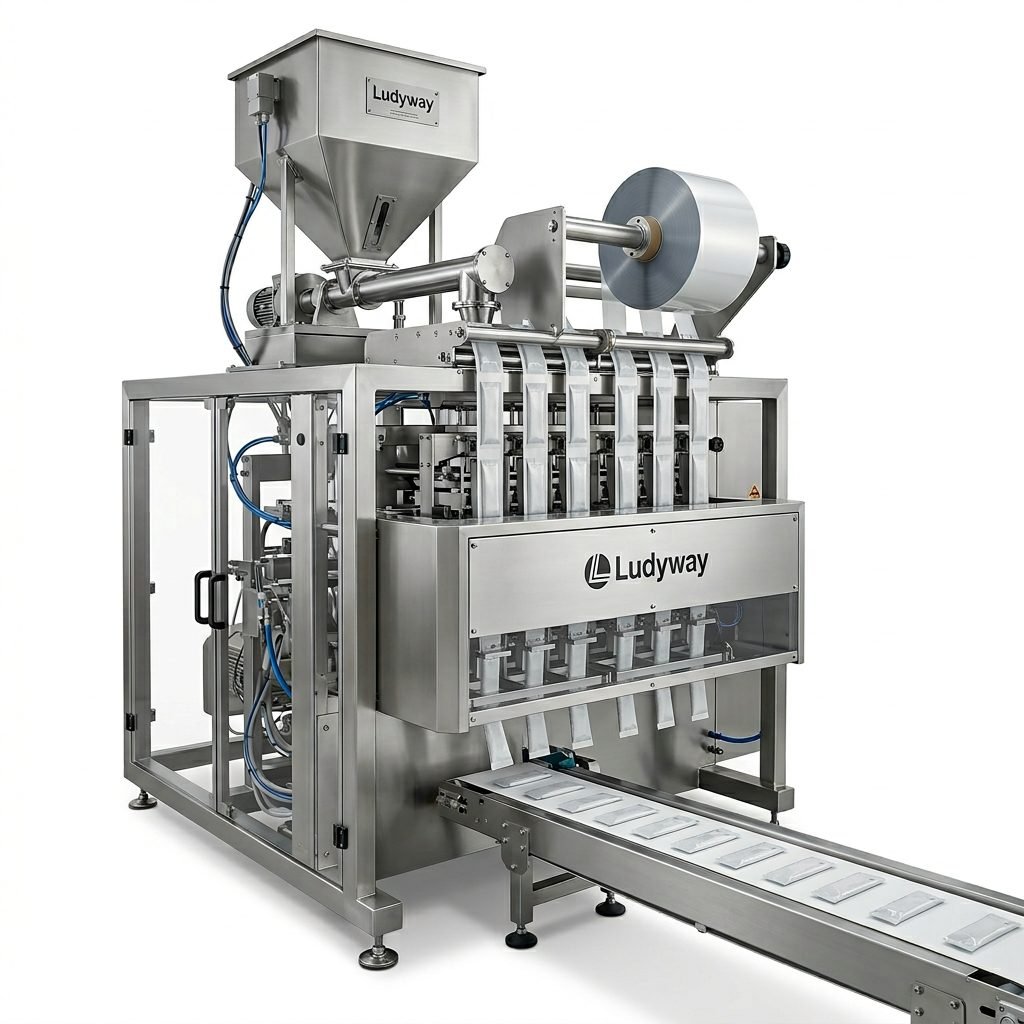
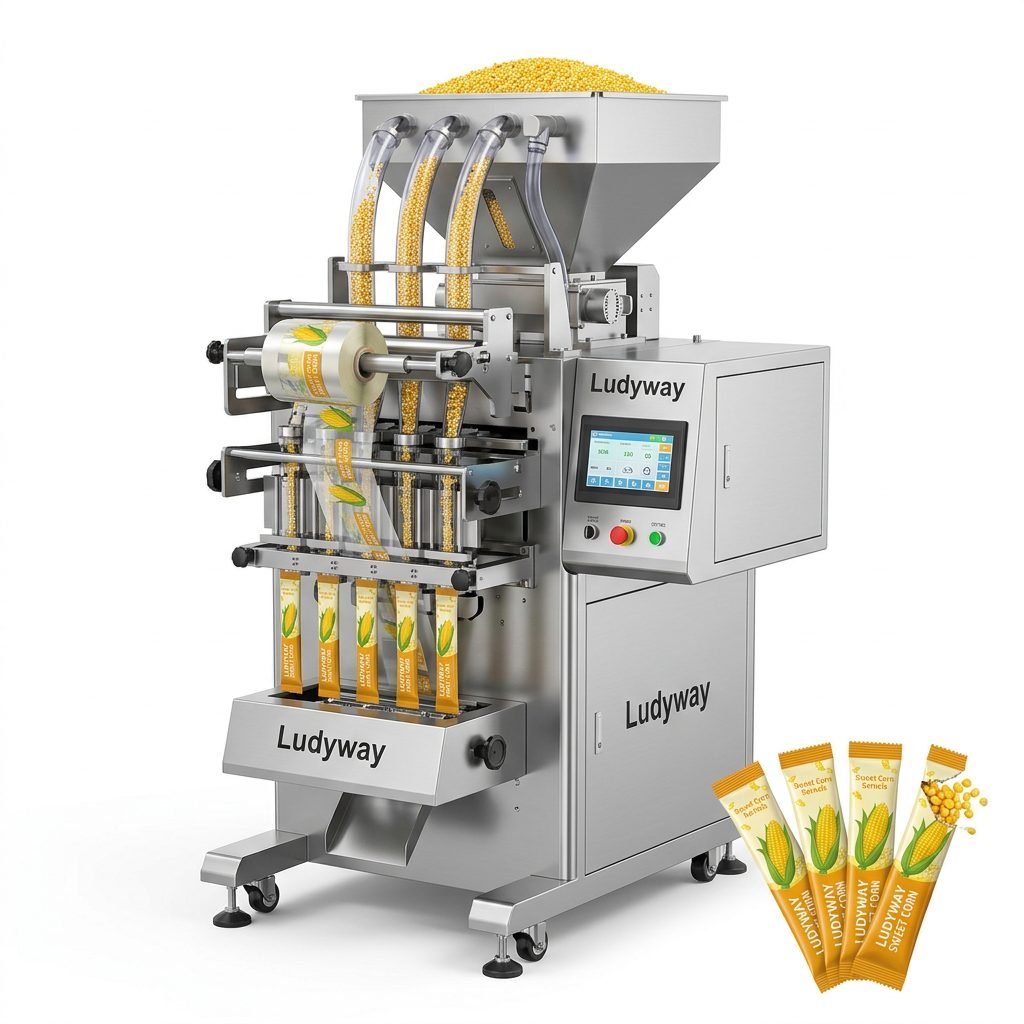
| Stick Pack Machine | Drink powders, supplements, sugar, instant coffee, gels | Slim retail format, high output with multi-lane design | Not suitable for larger pouch presentations |
| Premade Pouch Machine | Stand-up pouches, zipper bags, premium packaging | Strong shelf appeal, flexible pouch styles | Higher pouch material cost |
| Bottle Filling and Capping Line | Liquids, tablets, capsules, powders in bottles | Good for rigid packaging and brand presentation | Requires more floor space |
| Tube Filling and Sealing Machine | Creams, gels, ointments, cosmetic products | Clean dispensing, ideal for semi-viscous products | Application-specific |
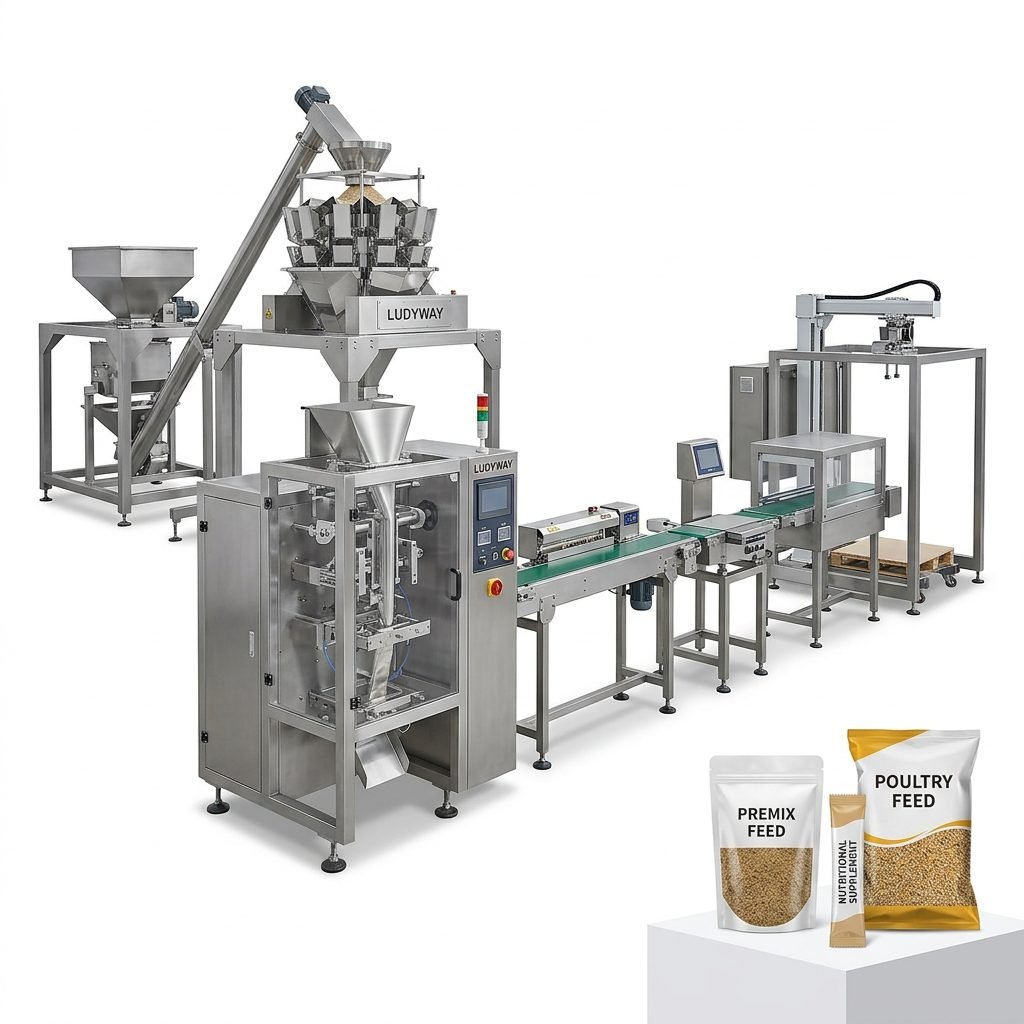
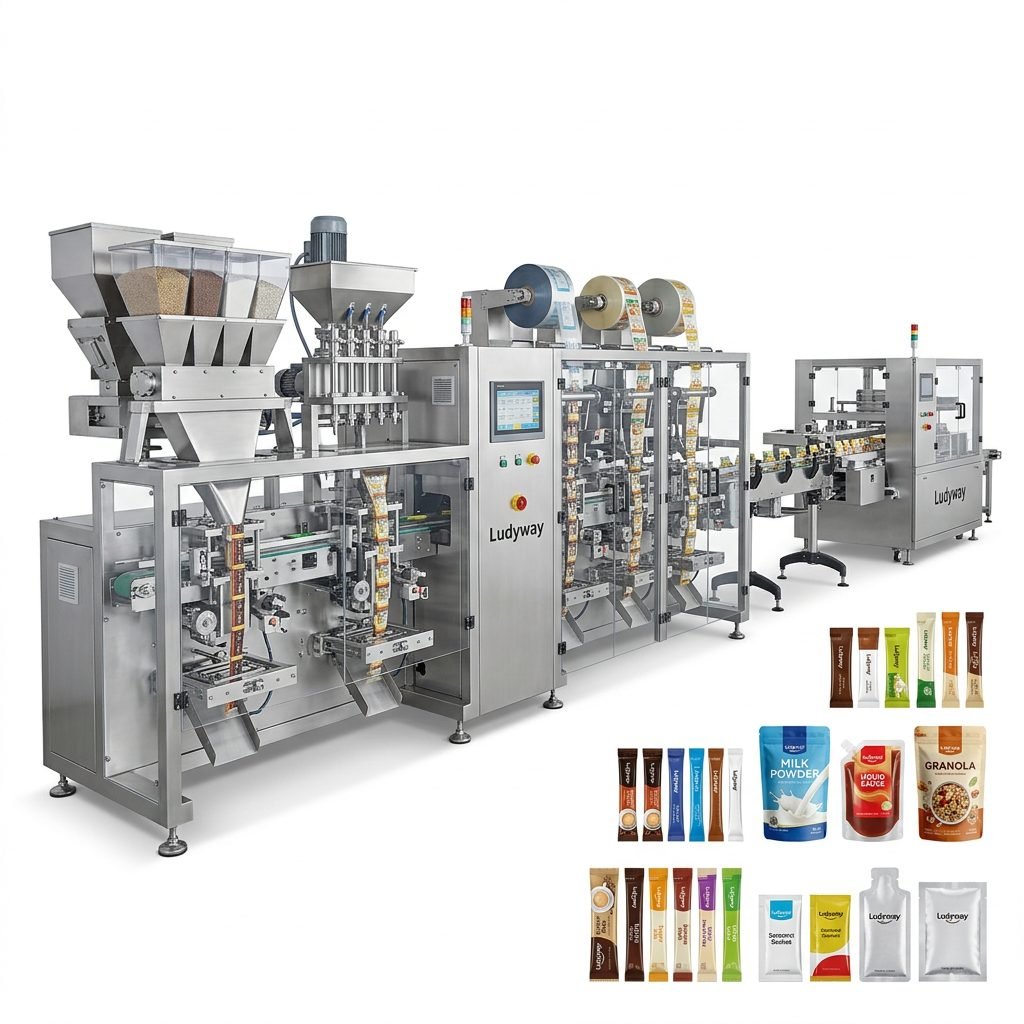
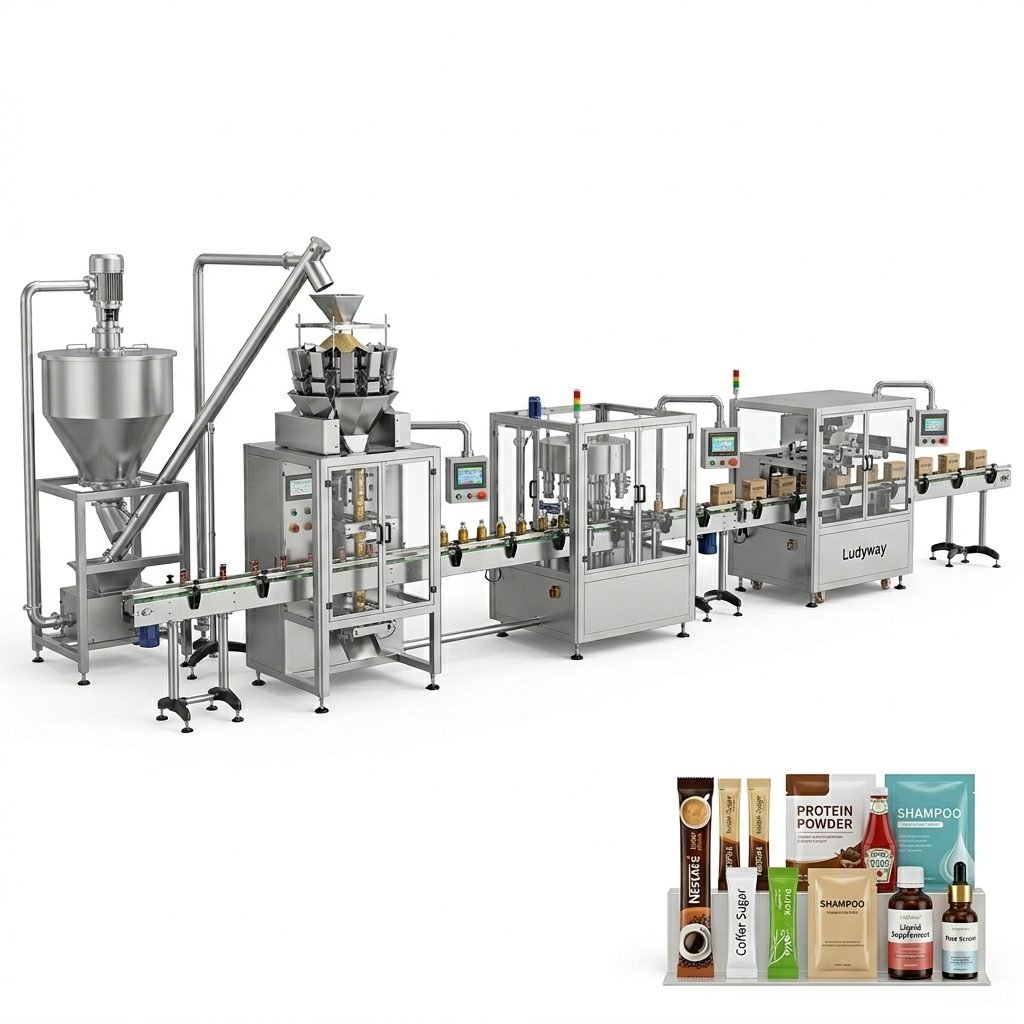
| Turnkey Packaging Line | Integrated feeding, filling, sealing, coding, cartoning | High automation, fewer handling points | Higher upfront investment |
Compare by Product Form
For powders
Powders often need auger fillers, dust control, stable sealing conditions, and precise dosing. If your powder is free-flowing, machine selection is easier. If it is fine, hygroscopic, or dusty, compare the machine’s sealing stability, anti-dust structure, and filling consistency.
- Best options: sachet machines, stick pack machines, VFFS systems, bottle powder filling lines
- Important criteria: dust extraction, servo dosing, sealing quality, changeover ease
For granules
Granules usually work well with weighing systems, cup fillers, or vibratory feeding. The main comparison points are weighing accuracy, speed, and whether the granules are uniform or irregular.
- Best options: VFFS, sachet machines, stick pack machines, premade pouch machines
- Important criteria: multi-head weighing, anti-crush design, sealing strength
For liquids and pastes
Liquids require close attention to viscosity, foaming, leakage prevention, and hygiene. Thin liquids like water-based products need different filling control than thick sauces or creams.
- Best options: liquid sachet machines, stick pack machines, bottle filling lines, tube filling machines
- Important criteria: pump type, anti-drip filling, CIP compatibility, seal integrity
Compare by Packaging Format
A packaging machine should always be evaluated by the final pack style your market needs.
Sachets
Sachets are excellent for sample packs, single-use products, condiments, health supplements, and pharmaceutical doses. They are compact, economical, and suitable for both powders and liquids.
Stick packs
Stick packs are popular for portable nutrition, drink mixes, sugar, instant coffee, oral powders, and sports products. Multi-lane stick pack machines are often chosen when high speed and compact retail presentation are priorities.
Pouches
Premade or formed pouches are ideal when stronger shelf presence matters. They support zippers, shaped designs, and larger filling volumes, making them suitable for premium food, pet products, and household goods.
Bottles and jars
Bottles are often better for capsules, tablets, liquids, syrups, and premium powders. They also simplify branding, reclosure, and tamper-evident presentation.
Tubes
For cosmetics, pharmaceuticals, gels, and creams, tube packaging machines provide controlled filling, neat appearance, and easy consumer use.
Compare by Speed and Output Requirements
One of the biggest buying mistakes is choosing equipment based only on current demand. Your machine should support both present production and near-future growth.
| Production Scenario | Recommended Approach | Why |
|---|---|---|
| Low-volume startup | Compact semi-auto or entry automatic model | Lower investment and easier operation |
| Mid-volume growing brand | Flexible automatic single-lane or small multi-lane system | Balances cost, speed, and scalability |
| High-volume factory | Multi-lane machine or turnkey packaging line | Higher throughput and lower labor dependency |
Ask suppliers for realistic output numbers based on your exact product, not only ideal test conditions.
Compare by Accuracy, Waste, and Product Loss
Faster packaging is not always better if it creates overfill, underfill, rework, or rejects. In many industries, fill accuracy directly affects profitability and compliance.
- Check filler type: auger, piston, pump, linear weigher, multi-head weigher, volumetric cup
- Review actual fill tolerance data
- Ask about reject rates and sealing defect rates
- Evaluate how the machine handles fragile, sticky, or dust-prone products
A machine with slightly lower speed but better fill stability can often deliver stronger long-term ROI.
Compare by Automation Level
Automation should match your labor availability, budget, and technical capability.
Semi-automatic machines
Suitable for smaller operations, testing new products, or facilities with lower output requirements. They cost less but depend more on operators.
Fully automatic standalone machines
A practical option for many manufacturers. They provide stable filling and sealing while keeping installation simpler than a full line.
Turnkey packaging lines
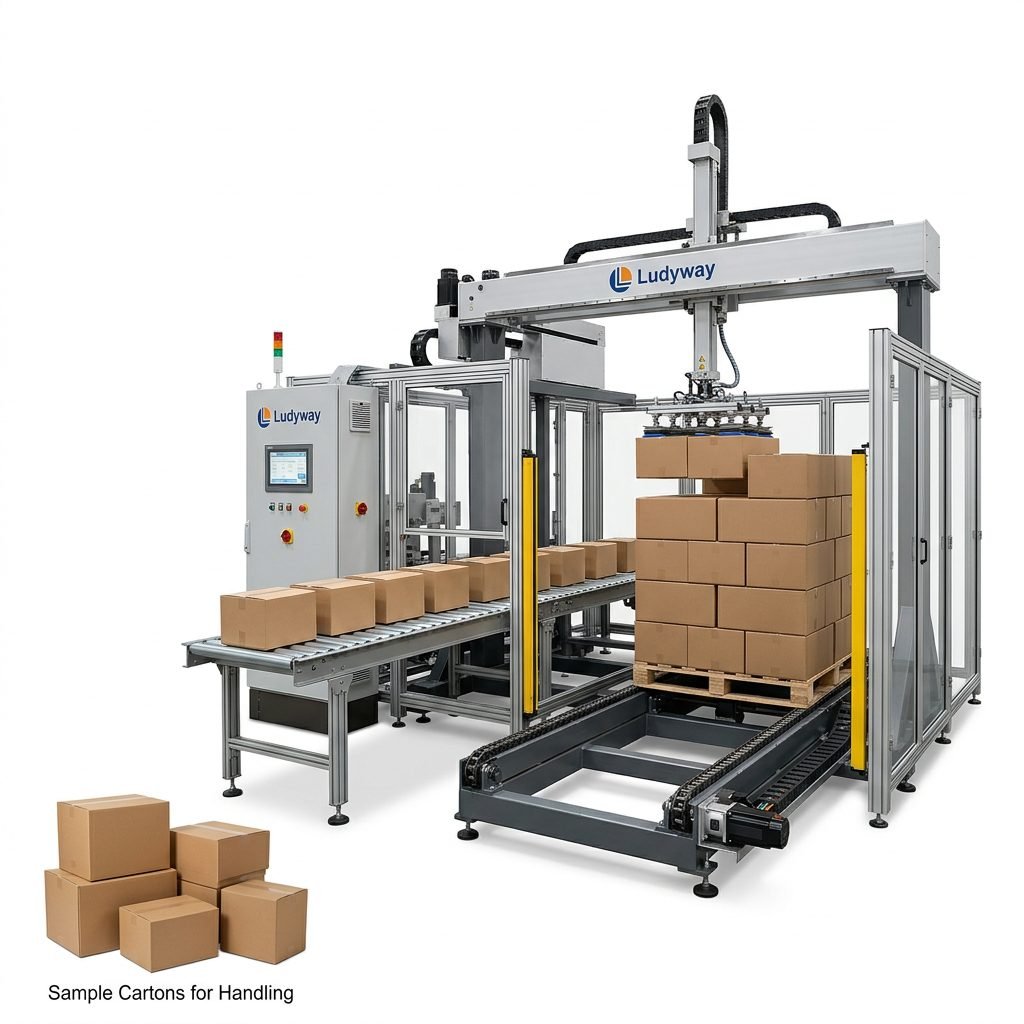
These integrate feeding, dosing, filling, sealing, coding, inspection, cartoning, and end-of-line handling. They are best for large-scale production where consistency and labor reduction matter most.
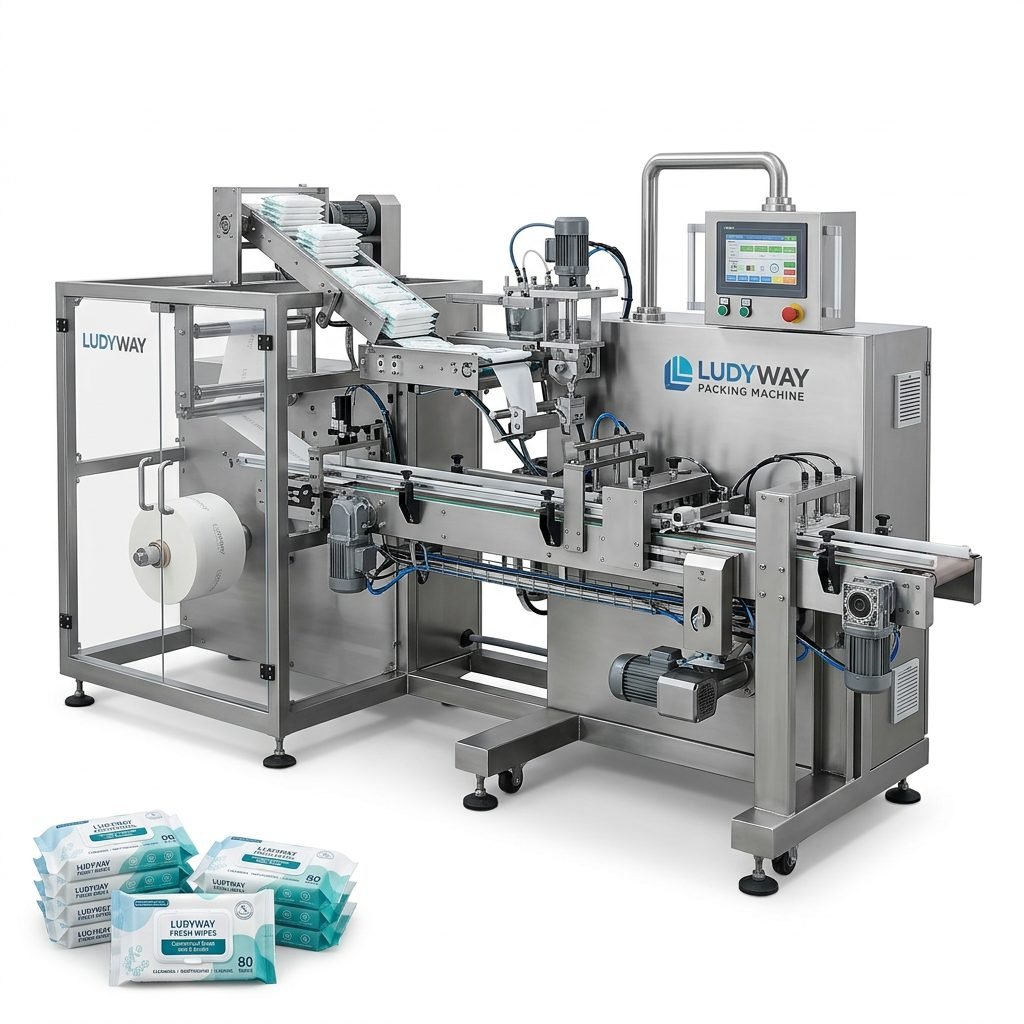
If you are comparing suppliers for a complete solution, Ludyway packaging machine manufacturer is often considered by buyers seeking scalable standalone machines and turnkey packaging lines for food, pharmaceutical, health supplement, cosmetic, chemical, and pouch-based applications.
Compare by Industry Requirements
Industry standards can dramatically affect machine selection.
Food industry
- Stainless steel contact parts
- Easy cleaning design
- Hygienic construction
- Optional nitrogen flushing or inspection systems
Pharmaceutical and nutraceutical industry
- Higher dosing precision
- Validation-friendly controls
- Cleanroom compatibility
- Batch coding and traceability support
Cosmetic industry
- Good performance with creams, lotions, and serums
- Appearance-focused sealing quality
- Flexible format support for sachets, tubes, and bottles
Chemical industry
- Corrosion-resistant materials
- Dust or vapor control
- Enhanced sealing reliability
- Safety-focused electrical and filling design
Compare by Changeover Flexibility
If you package multiple SKUs, frequent format changes can either support your business—or slow it down badly. A flexible machine is especially important for contract packers and brands with seasonal or promotional product lines.
Look for these flexibility features:
- Tool-less or quick-change parts
- Recipe memory in the HMI
- Adjustable filling range
- Multi-format compatibility
- Minimal downtime during cleaning and switching
Compare by Footprint and Plant Layout
A packaging machine may look perfect on paper but still fail in real production if it does not fit your workshop layout. Always review:
- Available floor space
- Ceiling height for feeders or elevators
- Operator access and maintenance clearance
- Material flow from upstream to downstream equipment
- Utility requirements such as air, power, and ventilation
For high-speed lines, plant layout planning is as important as machine selection itself.
Compare by Maintenance and Technical Support
Downtime can cost far more than the initial machine price difference. That is why after-sales support, spare parts availability, and remote troubleshooting should be included in your comparison.
Questions to ask suppliers
- What spare parts are included with delivery?
- What is the lead time for replacement parts?
- Do you provide remote support or onsite commissioning?
- Is operator training included?
- How easy is preventive maintenance?
- Can the machine be upgraded later?
Compare Total Cost, Not Just Purchase Price
The cheapest machine is rarely the best value. Compare the total cost of ownership over several years.
| Cost Factor | Why It Matters |
|---|---|
| Initial machine price | Affects upfront investment only |
| Installation and commissioning | Can add significant project cost |
| Packaging material consumption | Affects long-term operating cost |
| Labor requirement | Impacts daily production expense |
| Downtime risk | Lost production can be very costly |
| Maintenance and spares | Determines serviceability over time |
| Future upgrade capability | Protects long-term investment |
Best Comparison Checklist Before You Buy
- Define product form and packaging style clearly
- Match the filling system to product behavior
- Verify speed using real production assumptions
- Check fill accuracy and sealing performance
- Review machine materials and hygiene level
- Assess flexibility for future SKUs
- Confirm support, spare parts, and training
- Compare total ownership cost instead of price alone
- Ask for videos, case references, or test runs
- Ensure the machine fits your facility and line layout
Common Buying Mistakes to Avoid
Many companies make packaging equipment decisions too quickly. Avoid these frequent mistakes:
- Choosing a machine before fully understanding product characteristics
- Buying only for today’s output and ignoring expansion plans
- Over-focusing on speed while ignoring accuracy and downtime
- Underestimating cleaning, maintenance, and changeover time
- Ignoring the importance of supplier engineering support
- Not validating packaging material compatibility
Final Buying Perspective
The best way to compare different packaging machine types is to evaluate them through a practical business lens: product fit, packaging format, line speed, accuracy, flexibility, maintenance, and long-term return. Once these factors are reviewed together, the right machine type becomes much easier to identify.
Whether you need a compact sachet machine, a high-speed multi-lane stick pack system, a bottle filling line, or a fully integrated turnkey solution, a structured comparison process will help you invest with confidence and build a more efficient packaging operation.