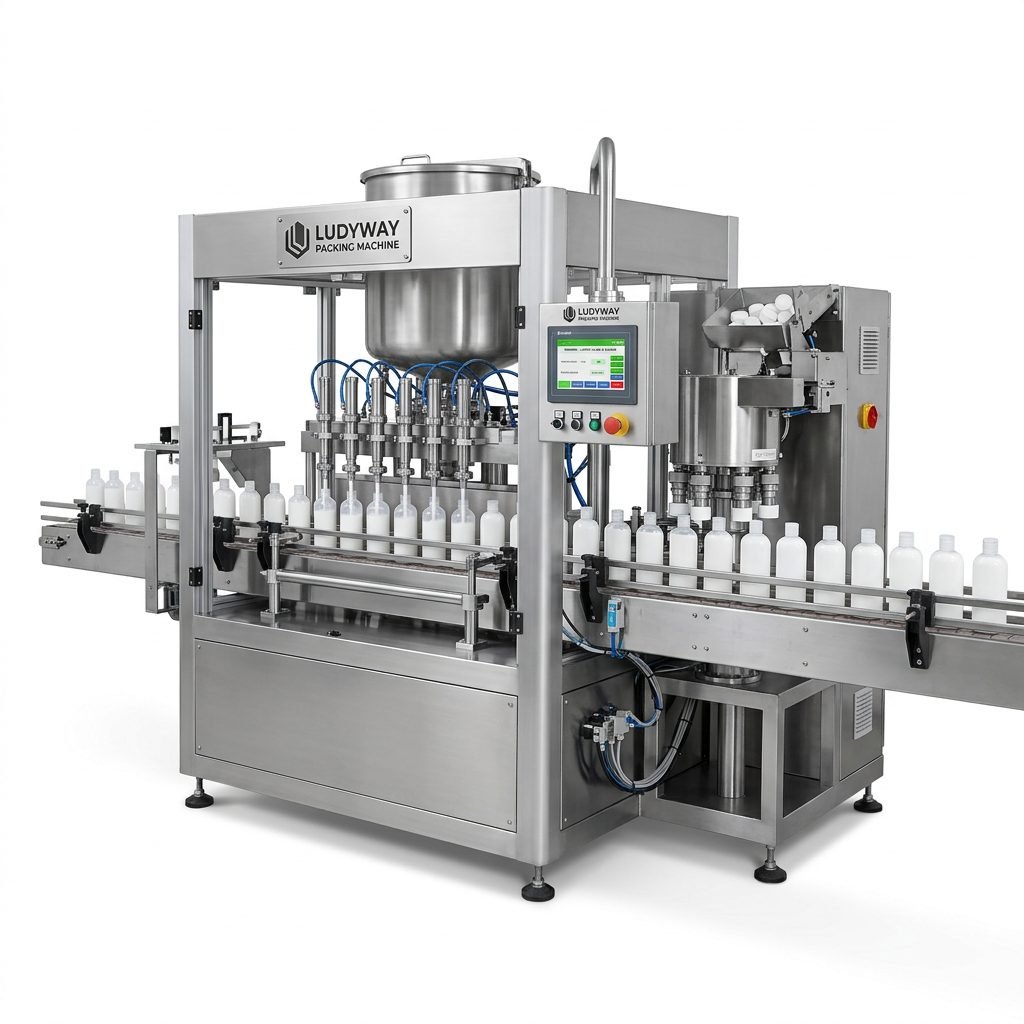
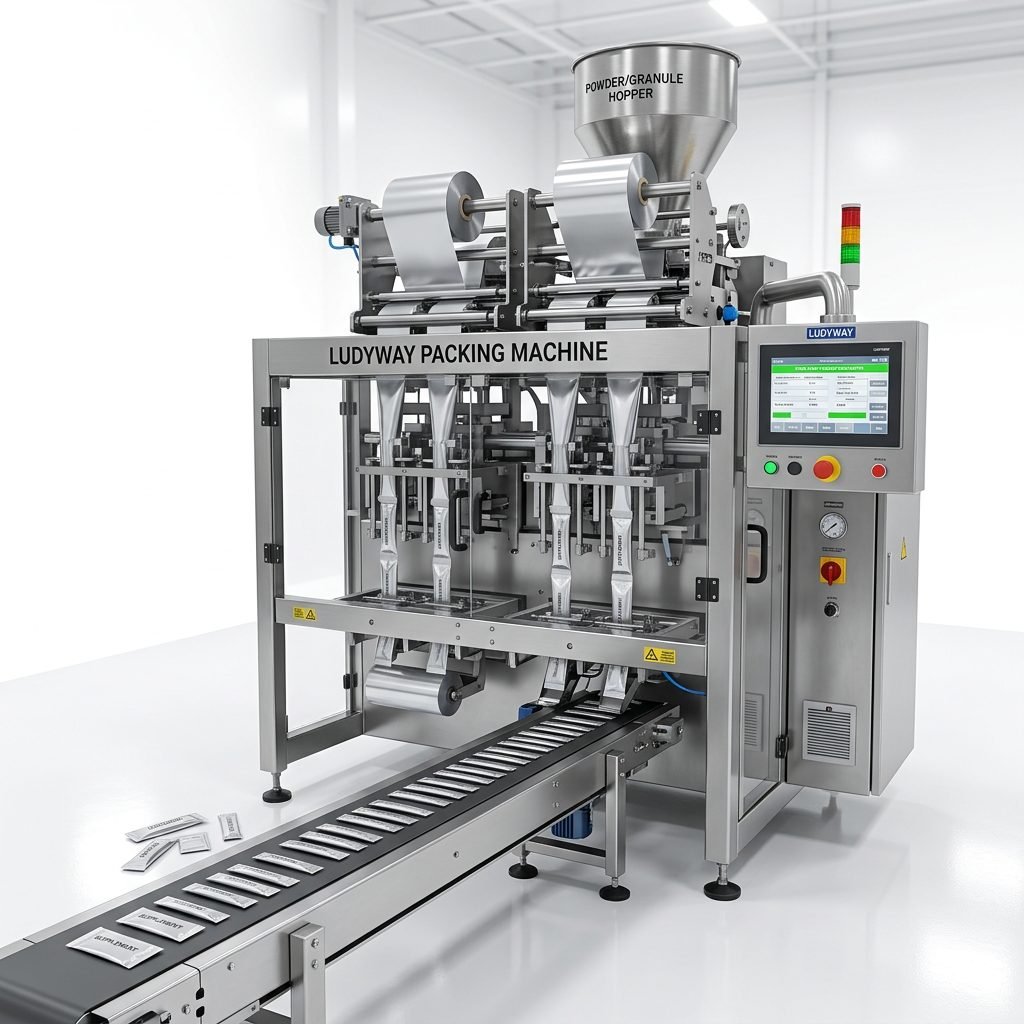
Packaging machinery is the backbone of many production lines in the food, pharmaceutical, and health industries. To ensure your equipment runs at peak efficiency and delivers a long service life, a structured maintenance program is non-negotiable. Neglecting routine care can lead to unplanned downtime, costly repairs, and compromised product quality. This guide outlines essential maintenance tips to keep your packaging machine operating at its best.
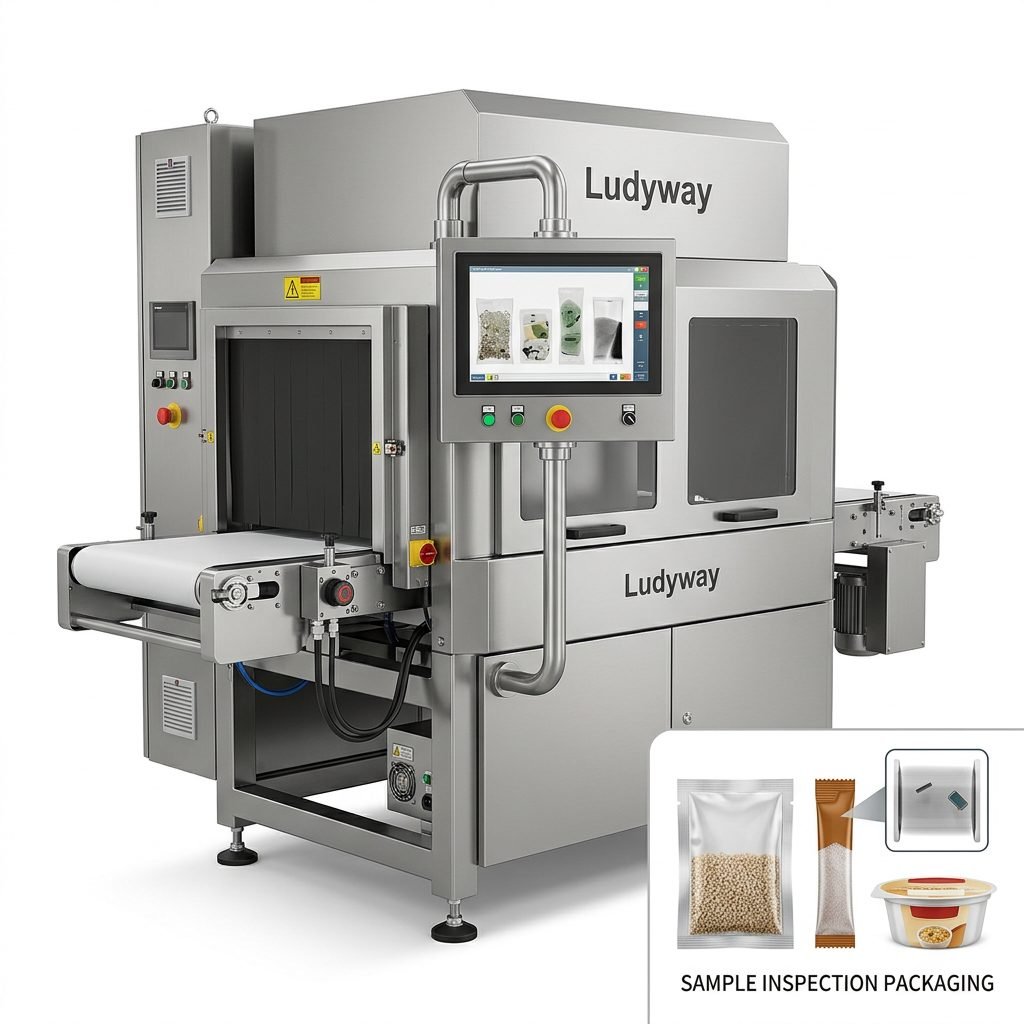
Why a Preventive Maintenance Strategy Matters
Adopting a preventive approach is always more cost-effective than reactive repairs. A well-maintained machine ensures consistent seal integrity, accurate filling weights, and minimal material waste. By detecting minor issues early, you prevent major mechanical failures and extend the lifespan of critical components such as sealing jaws, forming tubes, and servo drives.
Key Benefits of Regular Upkeep
- Maximized Uptime: Reduces unexpected breakdowns in multi-lane stick pack and sachet production lines.
- Consistent Output: Maintains high-speed precision for granule, powder, and liquid packaging applications.
- Cost Savings: Lowers the total cost of ownership by protecting servo motors, pneumatic cylinders, and electronic controls.
- Safety Compliance: Ensures the machine meets operational safety standards for operators.
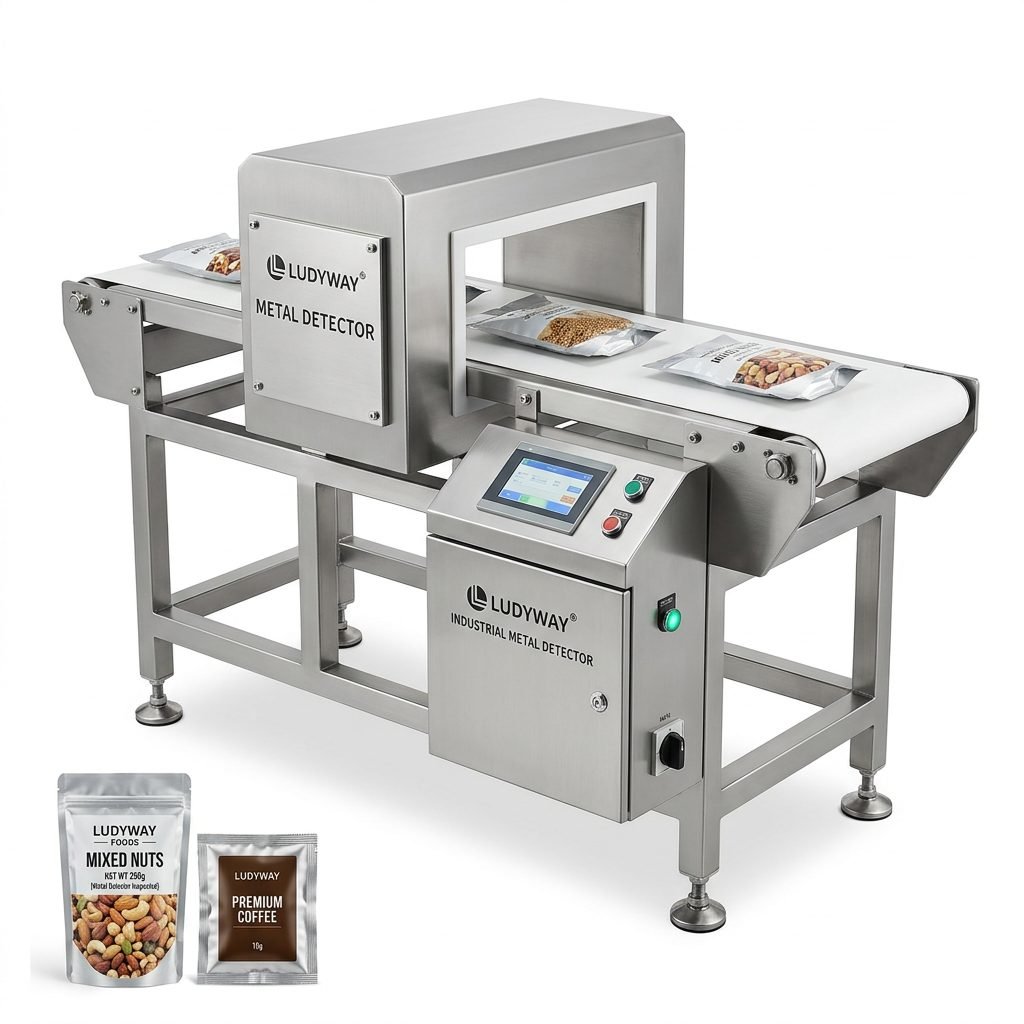
Daily Maintenance Checklist
Daily tasks are quick but vital. Operators should perform visual inspections and basic cleaning at the start and end of every shift. Pay close attention to areas where product residue tends to accumulate, as this can impact optical sensors and moving parts.
Operator-Level Daily Tasks
| Task | Action Required | Impact Area |
|---|---|---|
| Surface Cleaning | Wipe down stainless steel surfaces and remove dust or powder. | Product hygiene & sensor accuracy |
| Sealing Jaw Inspection | Check for melted plastic residue or carbon buildup. | Seal quality & film waste |
| Hopper and Feeder Check | Ensure no blockages in the Z-type bucket elevator or vibratory feeder. | Filling accuracy & flow consistency |
| Emergency Stops | Test all E-stop buttons and safety guards. | Operator safety |
Weekly and Monthly Maintenance Tasks
Deeper maintenance should be scheduled weekly and monthly. These tasks often require a maintenance technician and involve inspecting internal mechanical and pneumatic systems that are critical for high-speed automated systems.
Mechanical and Pneumatic System Care
- Lubrication: Grease bearings, chains, and guide rods according to the manufacturer’s specifications. Over-greasing can be just as harmful as under-greasing.
- Air Filters and Regulators: Drain water from air filters and check pneumatic pressure. Contaminated air is a leading cause of cylinder and valve failure.
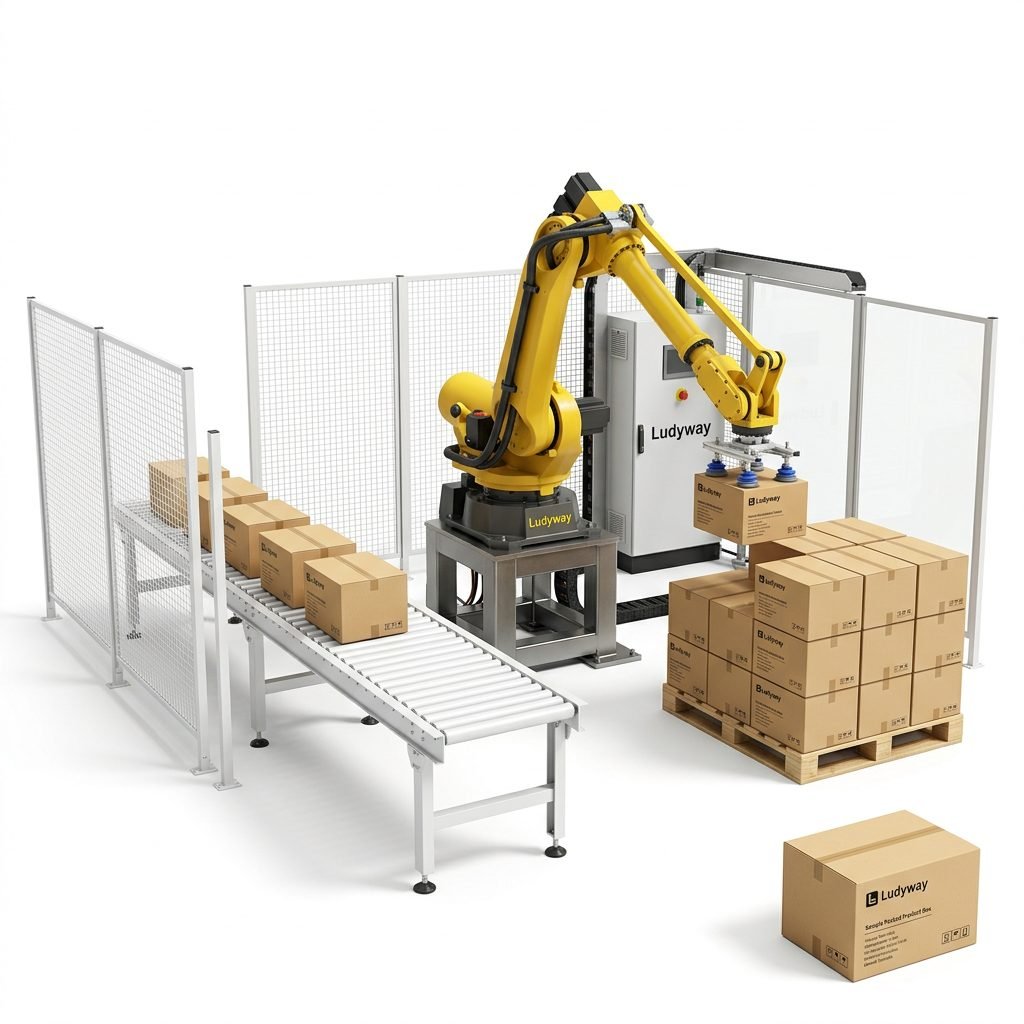
- Belt Tension and Tracking: Inspect the tension of conveyor belts and timing belts. A loose belt on a multi-head weigher or cartoner can cause misalignment.
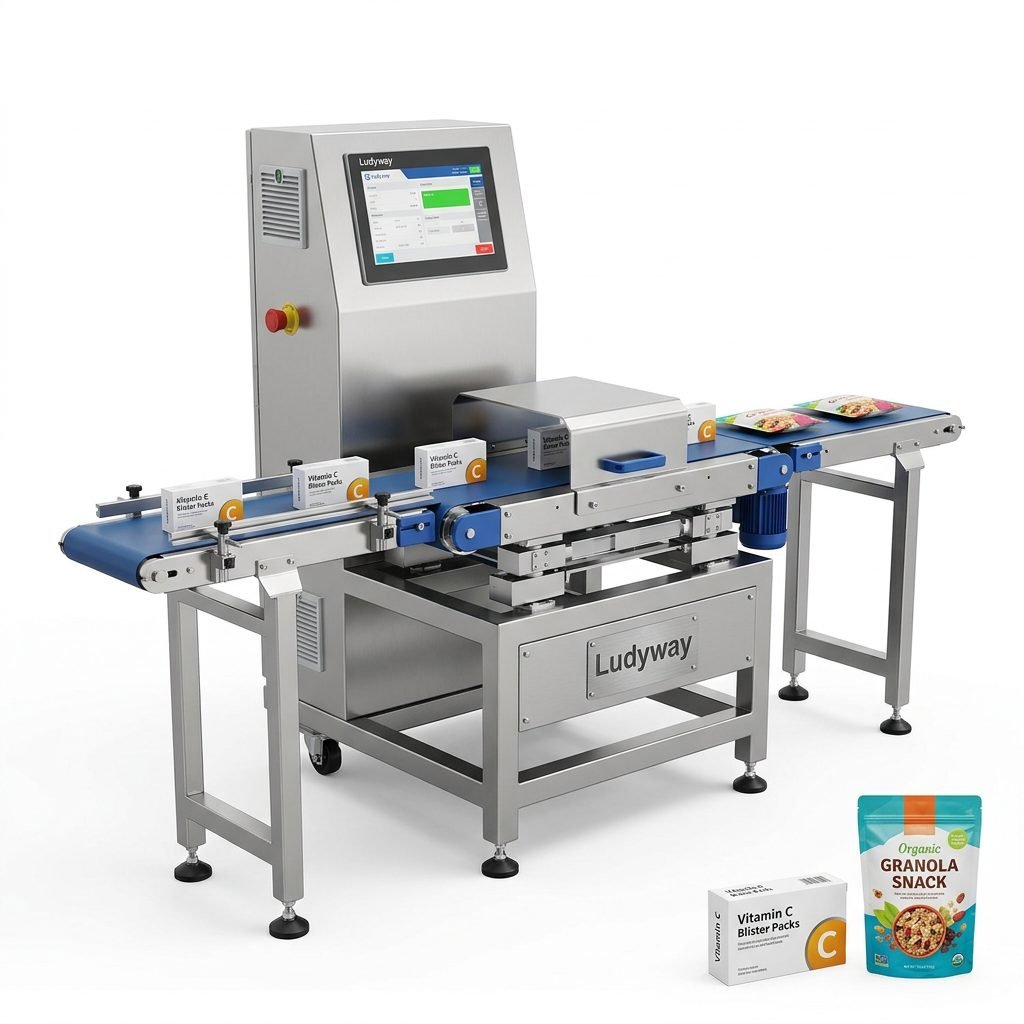
- Sensor Calibration: Clean the lenses of photoelectric sensors and checkweigher load cells to ensure accurate detection and weighing, especially for lightweight stick pack applications.
Scheduled Replacement of Wear Parts
Every packaging machine has components designed to wear out over time. Running a machine with worn parts forces other components to work harder, leading to cascading failures. Keep a stock of critical spare parts to minimize downtime during changeovers.
Common Wear Parts Inventory
| Component | Replacement Frequency | Symptom of Wear |
|---|---|---|
| Sealing Jaws / Heaters | Every 6-12 months | Leaking seals, uneven sealing pressure |
| Cutting Knives | Annually or as needed | Frayed edges, incomplete cuts on sachets |
| O-Rings and Gaskets | Inspected quarterly | Air or fluid leakage in pneumatic systems |
| Vibratory Feeder Coils | As performance declines | Inconsistent product flow, slow feeding |
Maintaining Electrical and Control Systems
Modern packaging equipment relies heavily on sophisticated PLCs and servo drives. Thermal management is critical here. Ensure control cabinets are sealed against dust and moisture, and that cooling fans are operational. Never bypass safety interlocks when troubleshooting electrical faults. Regularly back up machine parameters and PLC programs to prevent data loss during power outages or hardware failures.
Software and Calibration Checks
Verify that the human-machine interface (HMI) displays accurate production data. Recalibrate load cells for multi-head weighers and linear weighers periodically to ensure filling precision. For liquid packaging lines, verify pump flow rates and nozzle anti-drip functions to avoid costly product giveaways.
Industry-Specific Cleaning Protocols
Cleaning protocols vary significantly based on the product being packaged. A line running sticky nutritional supplements requires a different approach than a line handling dry industrial chemicals.
Food and Pharmaceutical Standards
- Washdown Procedures: If the machine is rated for washdown, ensure all waterproof covers are sealed before rinsing.
- Dust Extraction: For powder packaging (like whey protein or collagen), use a dedicated dust collection system to prevent particulate ingress into bearings and electronics.
- Cross-Contamination Prevention: Thoroughly purge auger fillers and hoppers between batch changeovers to prevent flavor or ingredient mixing.
Operator Training: The First Line of Defense
The machine operator is your most valuable diagnostic tool. A well-trained operator can identify unusual vibrations, strange noises, or subtle changes in film tracking before a major fault occurs. Training should not be a one-time event. Regular refresher courses on flexible packaging machinery operation and basic troubleshooting drastically reduce human error-related downtime.
What Operators Should Monitor
- Film Registration: Ensure the packaging film tracks straight without wrinkling.
- Temperature Readouts: Monitor the controller to ensure heating elements are within the optimal range for the film structure.
- Reject Station Functionality: Regularly verify that the reject system for overweight or underweight packs is functioning correctly.
Leveraging Professional Service Support
While internal maintenance handles daily operations, an annual professional service audit is essential. Experts can perform deep diagnostics like thermal imaging of electrical cabinets, dynamic balancing of rotating parts, and laser alignment of critical shafts. As one of the largest packaging machine manufacturers in China, Ludyway offers comprehensive technical support and turnkey solution expertise, helping clients maintain their advanced equipment for food, pharmaceutical, and health industries. Partnering with experienced engineers for scheduled overhauls ensures your automated lines continue to meet global performance benchmarks.
For further insights into packaging standards and safety, visit the PMMI resources page or the FDA Food Packaging guidelines.