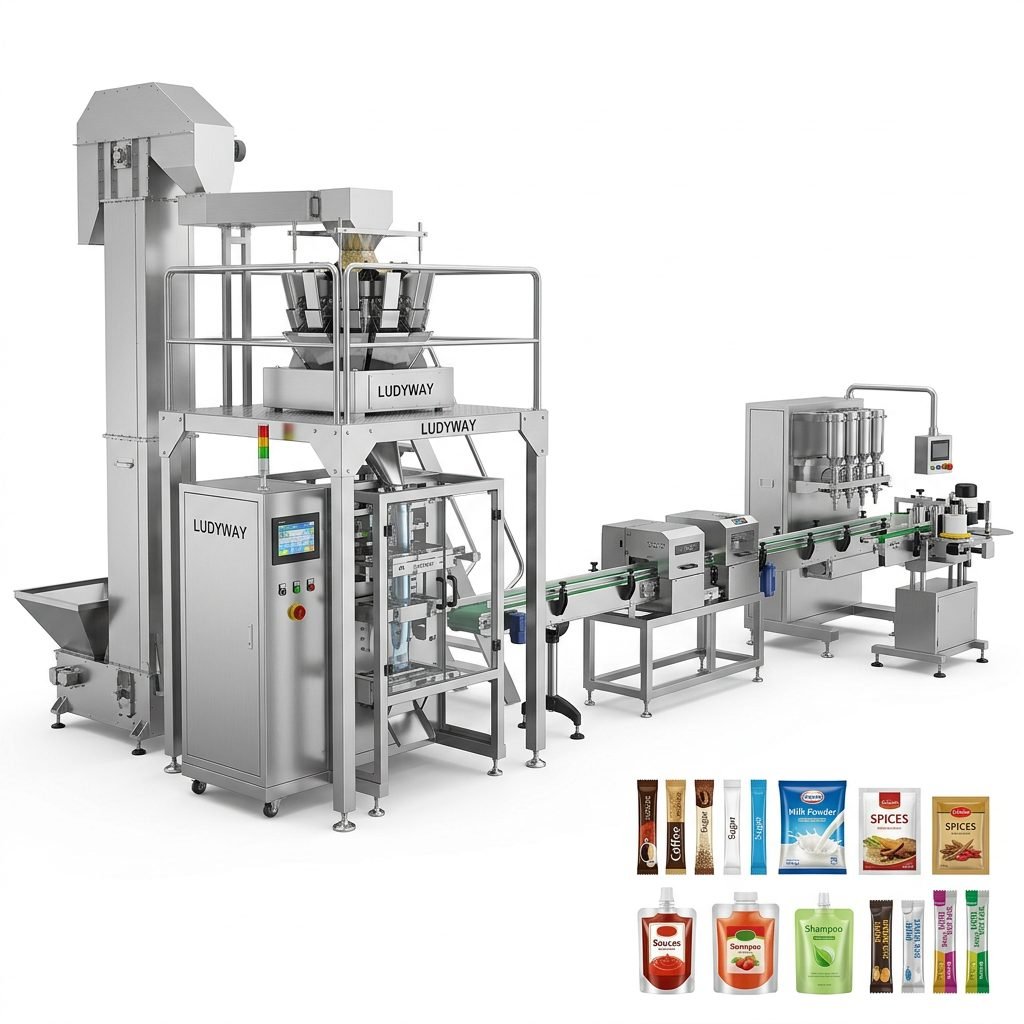
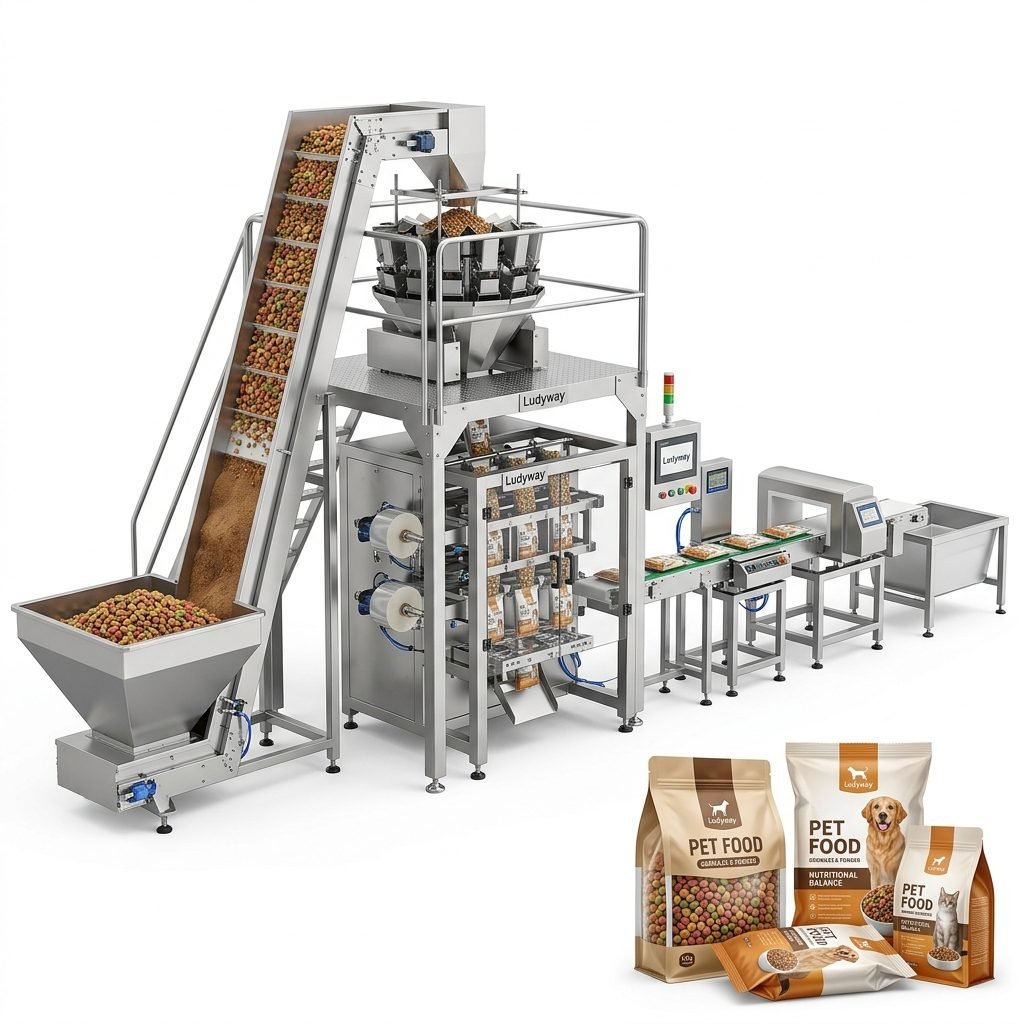
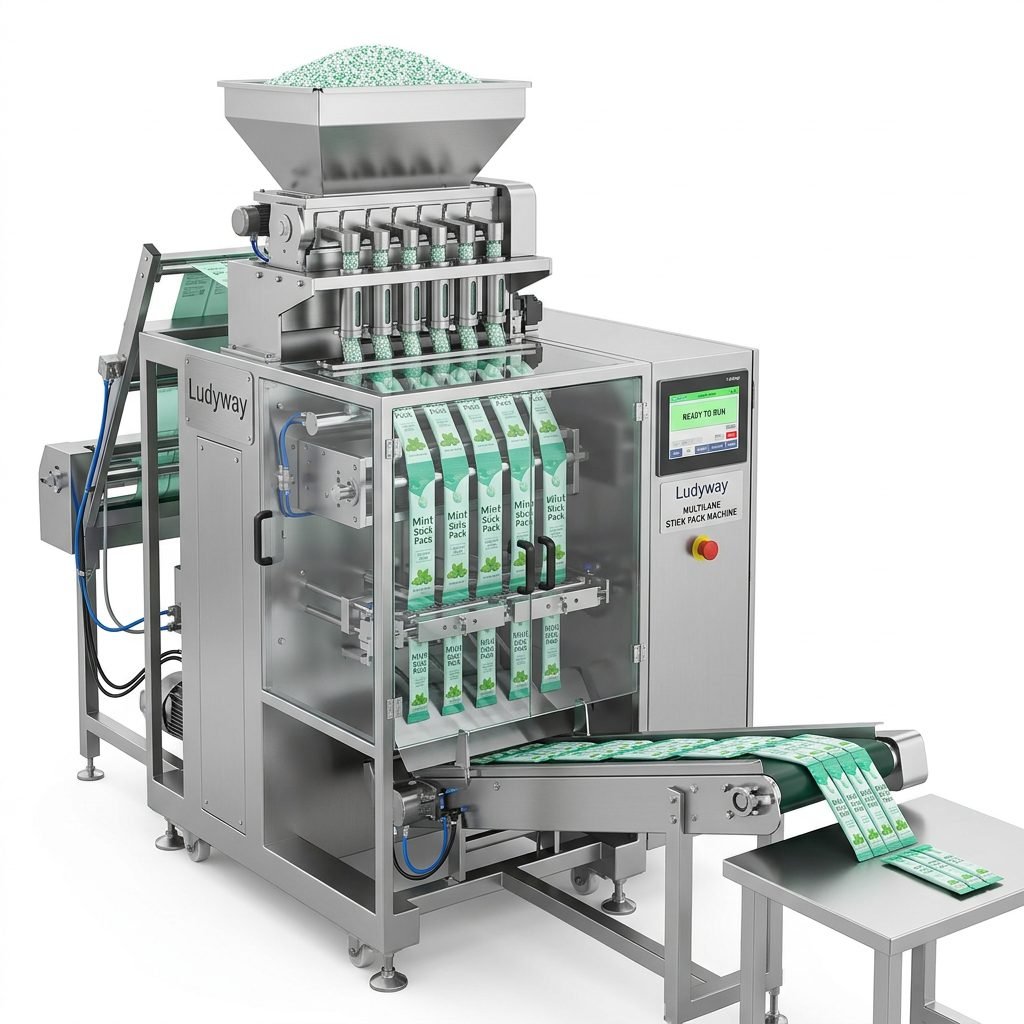
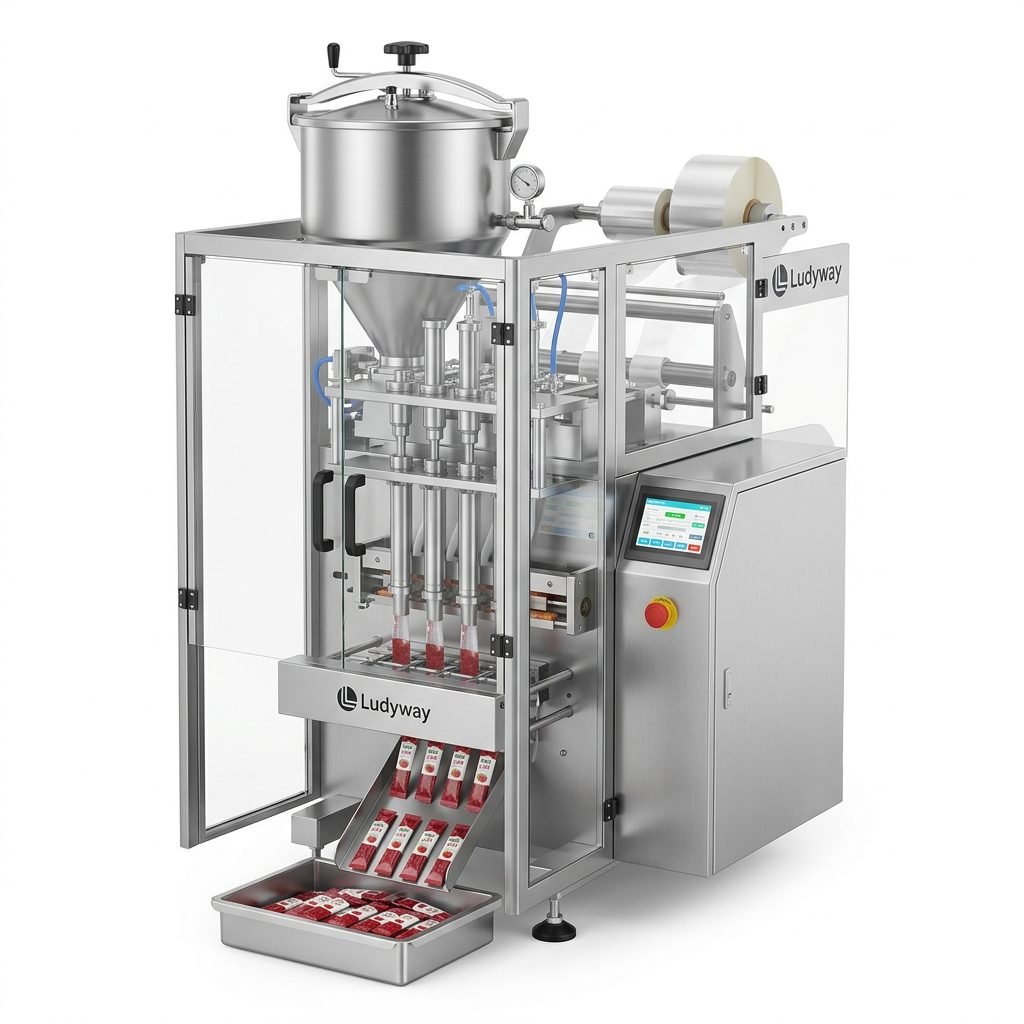
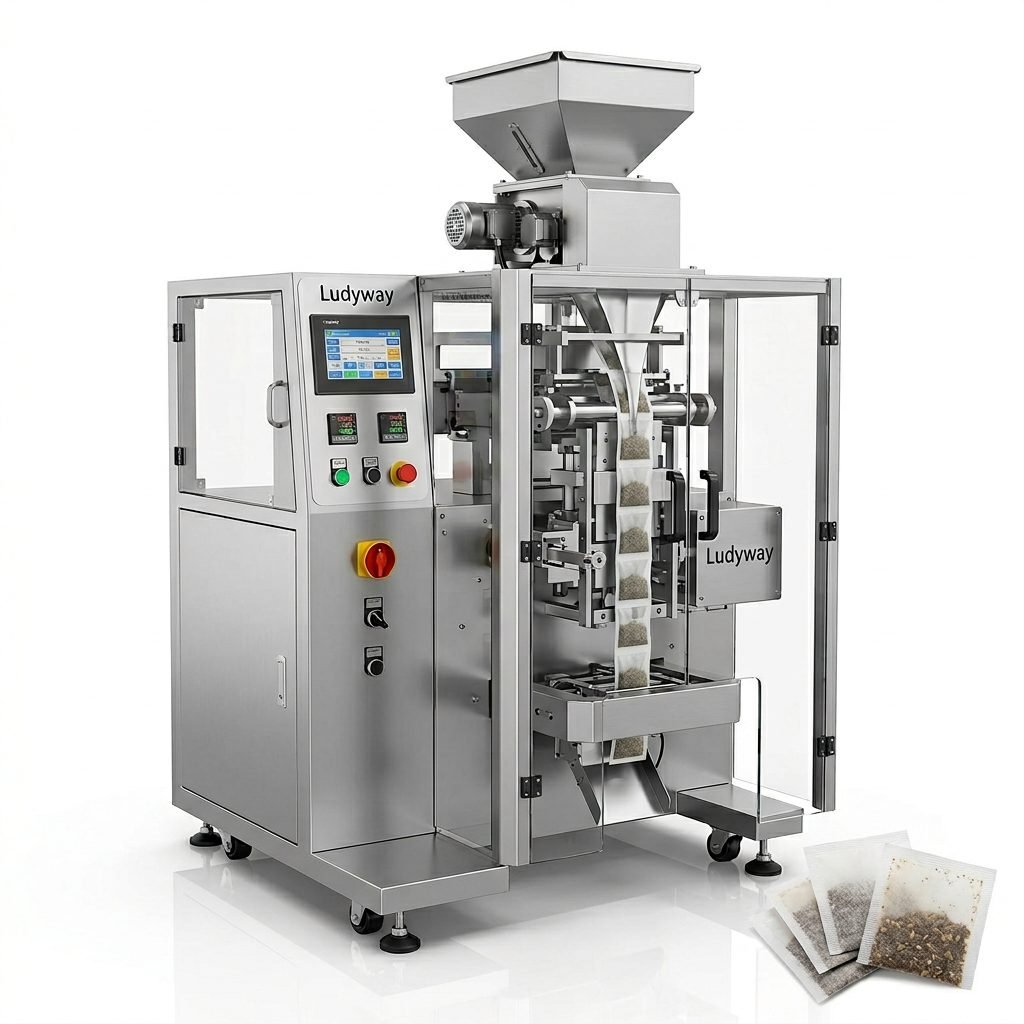
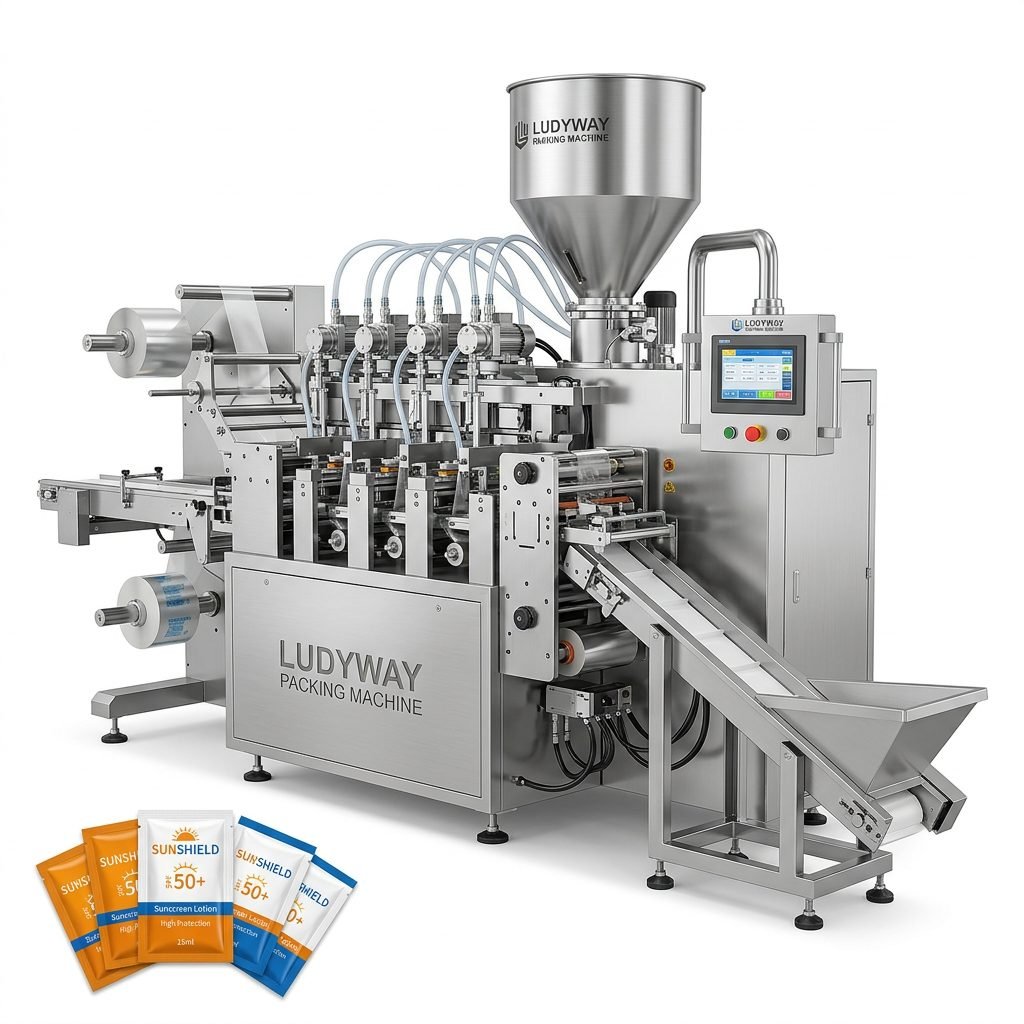
Customizing a packaging production line is one of the most practical ways to improve throughput, reduce waste, and build a more flexible manufacturing operation. Instead of forcing your products to fit a standard machine layout, a customized line is designed around your product characteristics, packaging format, output target, labor model, and future expansion plans.
For manufacturers in food, pharmaceutical, cosmetic, chemical, health supplement, and consumer goods industries, the right customization strategy can deliver higher OEE, lower downtime, better package consistency, and stronger ROI. The key is to optimize the full line—not just one machine.
Why Customization Matters in Modern Packaging
A standard packaging line may work well for simple, fixed-volume production. But many factories today handle multiple SKUs, different bag or bottle formats, strict hygiene requirements, and rising labor costs. In that environment, customization becomes a competitive advantage.
- It aligns machine speed with real production demand.
- It reduces bottlenecks between feeding, filling, sealing, inspection, and secondary packing.
- It improves product handling for powders, granules, liquids, pastes, tablets, or pouches.
- It supports automation upgrades without rebuilding the whole line later.
- It helps maintain quality standards across every package.
When a packaging line is properly customized, every connected step works as a synchronized system rather than as isolated pieces of equipment.
Start With a Clear Production Assessment
Before choosing equipment or automation options, evaluate your current production situation. This stage determines whether the customization will truly improve efficiency or simply add complexity.
Key factors to review
- Product type: powder, granule, liquid, paste, tablet, capsule, or premade pouch product.
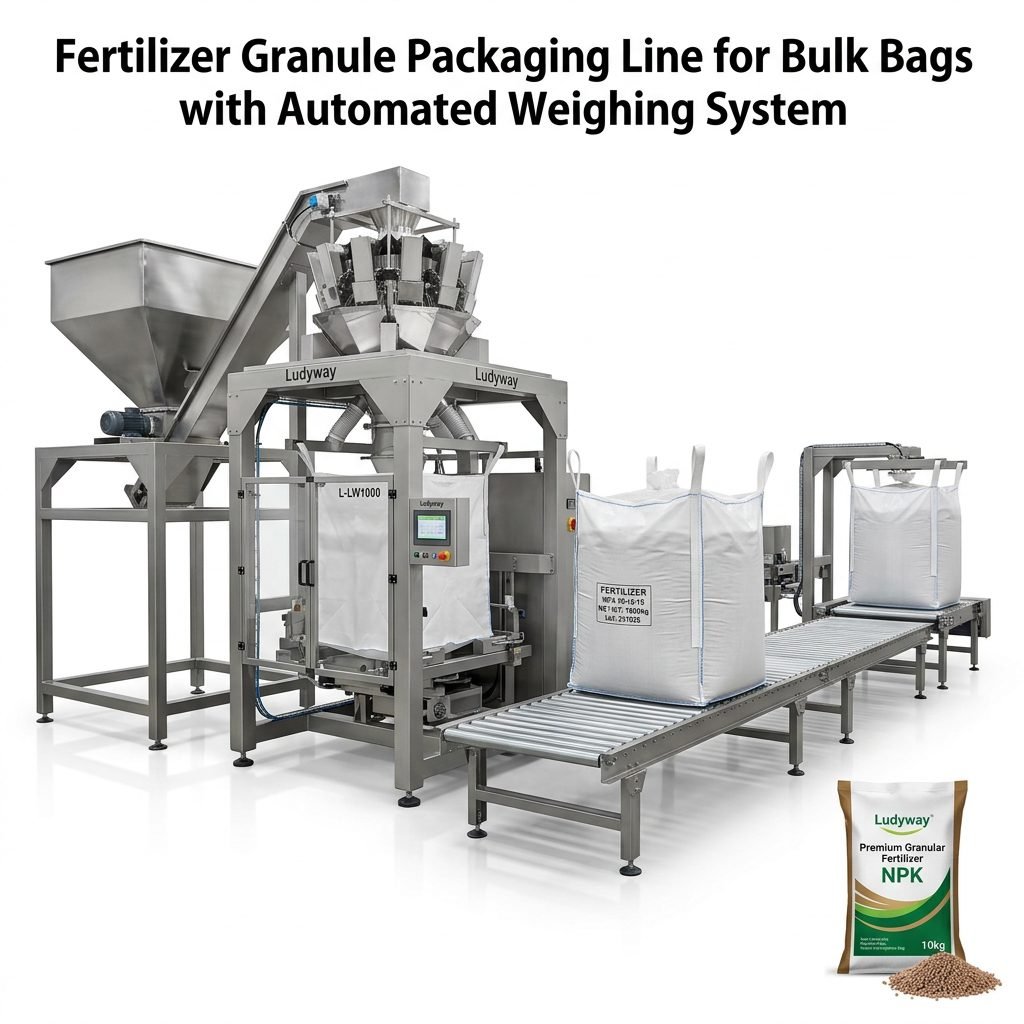
- Packaging format: sachet, stick pack, pouch, bottle, jar, carton, bulk bag, or multi-pack.
- Target output: packs per minute, shift requirement, and seasonal peak demand.
- Changeover frequency: how often you switch SKUs, pack sizes, or film materials.
- Factory conditions: available space, ceiling height, power supply, dust control, and sanitation rules.
- Quality requirements: coding, checkweighing, metal detection, vision inspection, leak testing, or traceability.
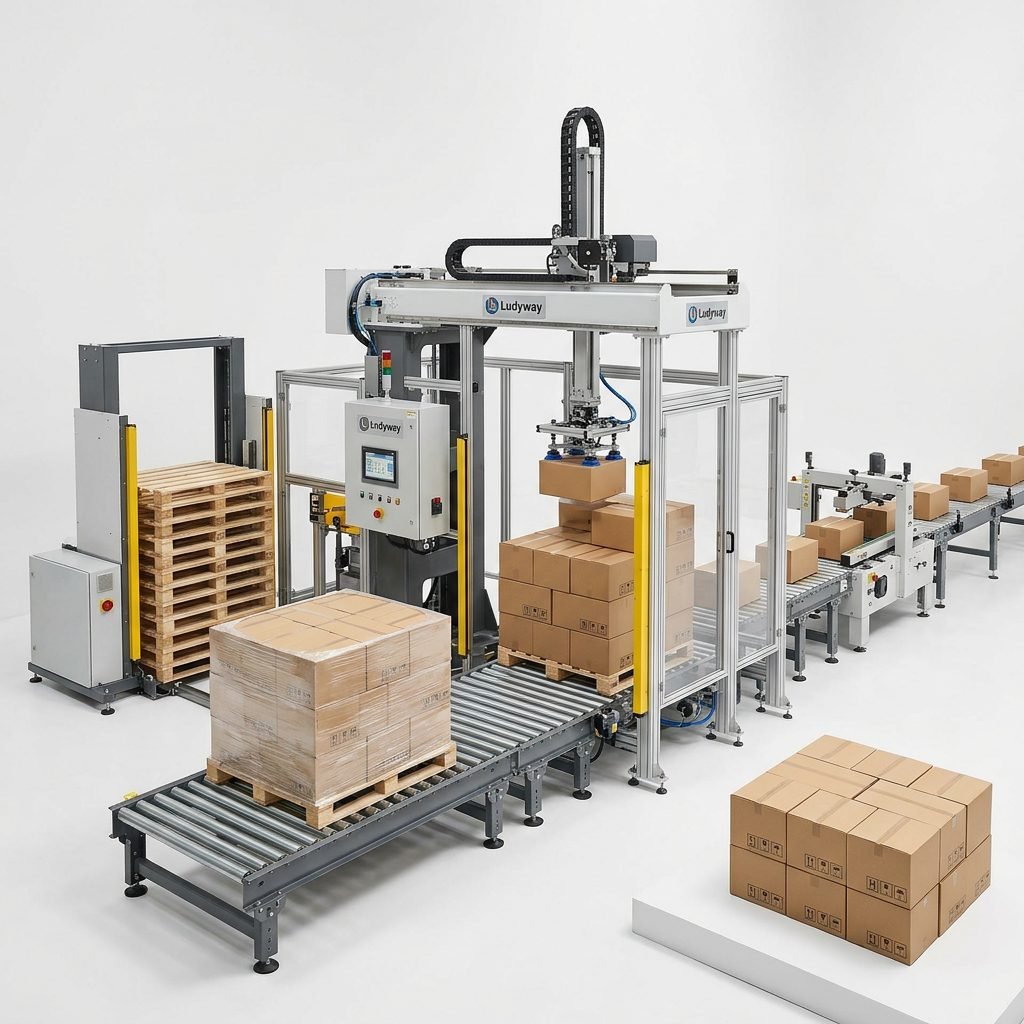
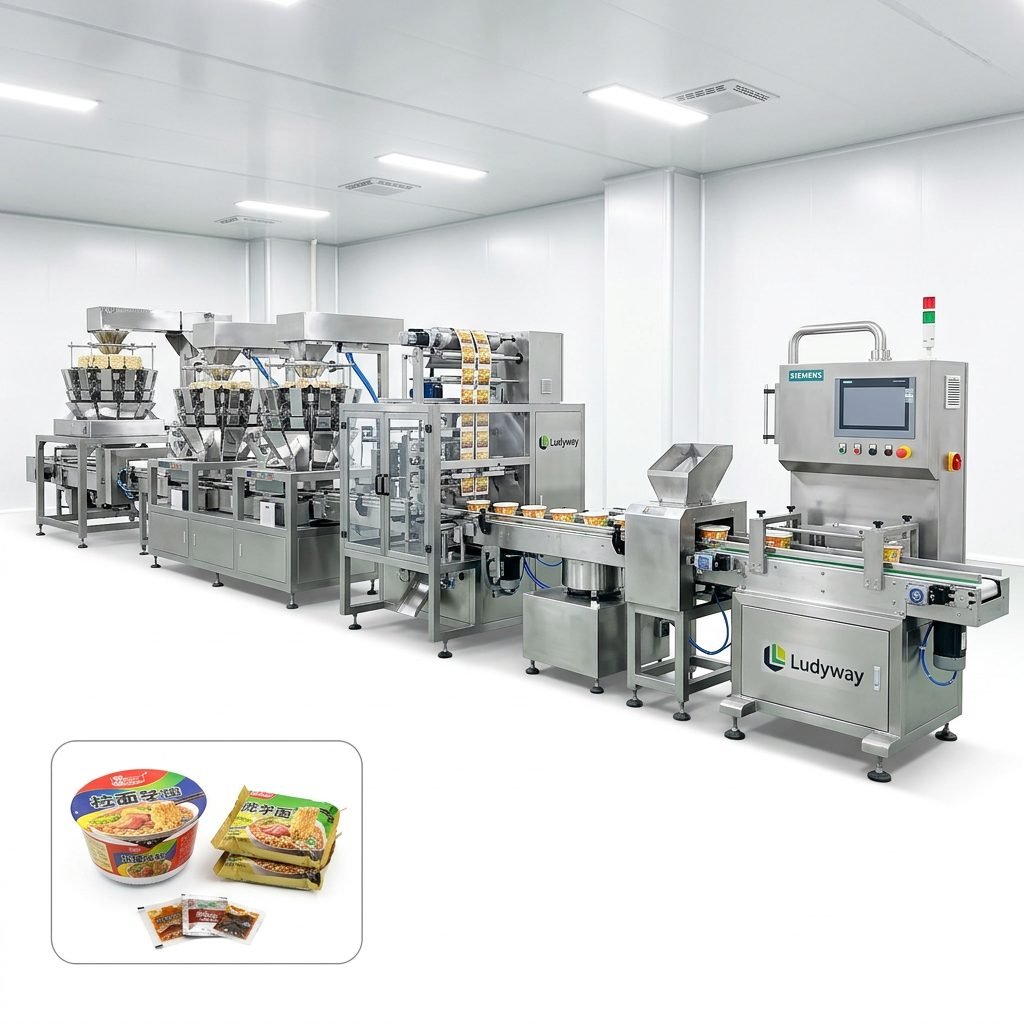
- End-of-line goals: cartoning, case packing, palletizing, and warehouse integration.
A professional supplier should ask detailed technical questions here. For example, Ludyway packaging production line manufacturer typically focuses on application-based customization, which is especially important for companies running multiple product formats or planning future expansion.
Customize the Line Around Bottlenecks, Not Just Speed
A common mistake is selecting the fastest filling machine while ignoring the rest of the line. Real productivity depends on the slowest or least stable process point. That means customization should focus on bottlenecks first.
Common bottlenecks in packaging lines
- Inconsistent product feeding
- Dust buildup in powder filling areas
- Frequent sealing defects
- Manual sorting or counting after primary packaging
- Slow coding or labeling stations
- Unstable transfer between machines
- Labor-heavy cartoning and case packing
The best customization strategy balances line speed, control logic, product flow, operator access, and maintenance efficiency. In many cases, improving one transfer section or adding an automatic feeding system creates more value than simply increasing filler speed.
Core Customization Areas That Improve Efficiency
1. Product feeding and material handling
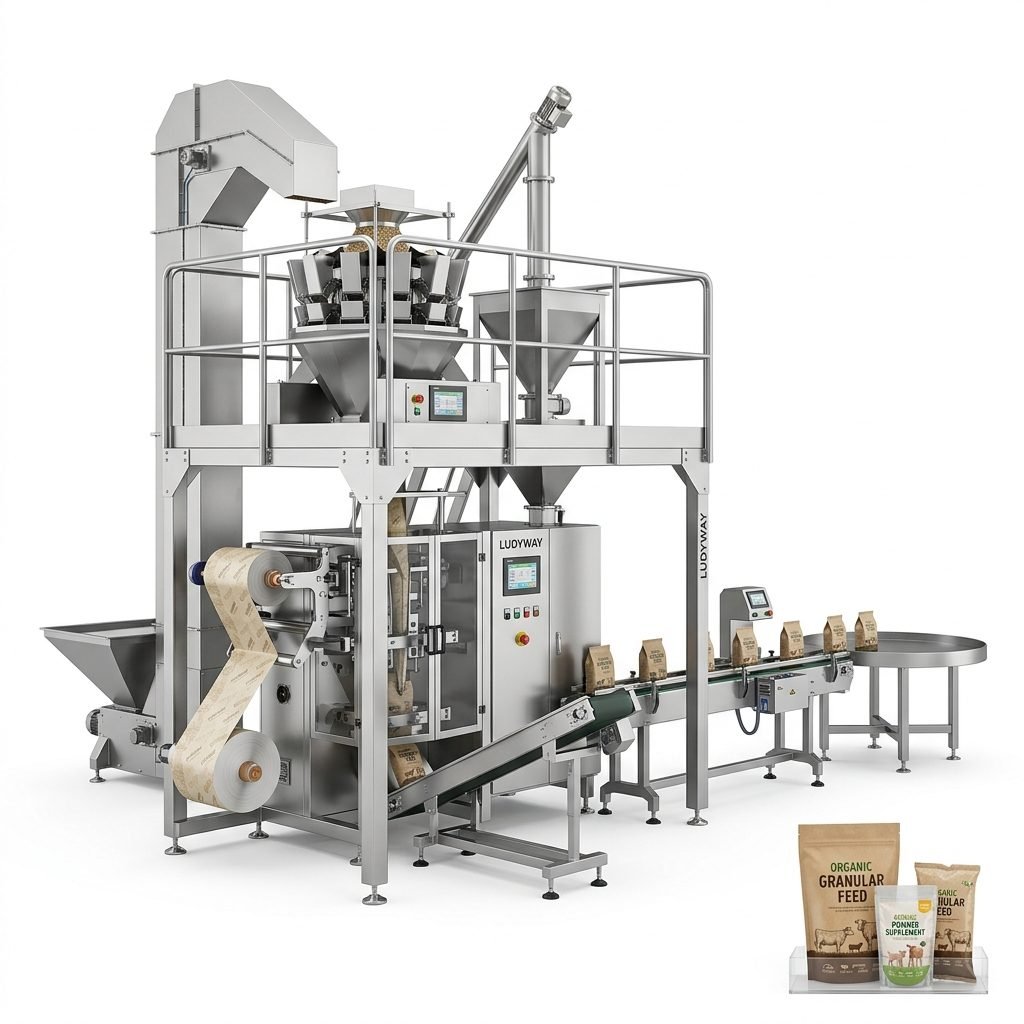
Stable feeding is critical for accurate filling and continuous output. Depending on the product, you may need screw feeders, bucket elevators, vacuum feeders, pumps, or custom hoppers.
- Use dust-controlled feeding for fine powders.
- Use anti-bridging hopper designs for poor-flow materials.
- Use servo-controlled dosing for high-accuracy applications.
- Use buffer storage to prevent machine starvation.
2. Filling system selection
Different products require different filling technologies. A custom line should match filler design to flowability, density, viscosity, fragility, and dose range.
| Product Type | Recommended Filling Method | Efficiency Benefit |
|---|---|---|
| Powders | Auger filling | Higher dosing precision and less dust loss |
| Granules | Cup filler or multi-head weigher | Faster filling and weight consistency |
| Liquids | Piston pump or flow meter filling | Reduced dripping and stable fill volume |
| Pastes / creams | Heated hopper with piston system | Better flow control and cleaner sealing |
| Tablets / capsules | Counting system | Accurate counting and lower rejection rate |
3. Packaging format optimization
The package itself affects speed, sealing performance, shelf appeal, and material cost. A customized line can be engineered for the most practical format instead of the most familiar one.
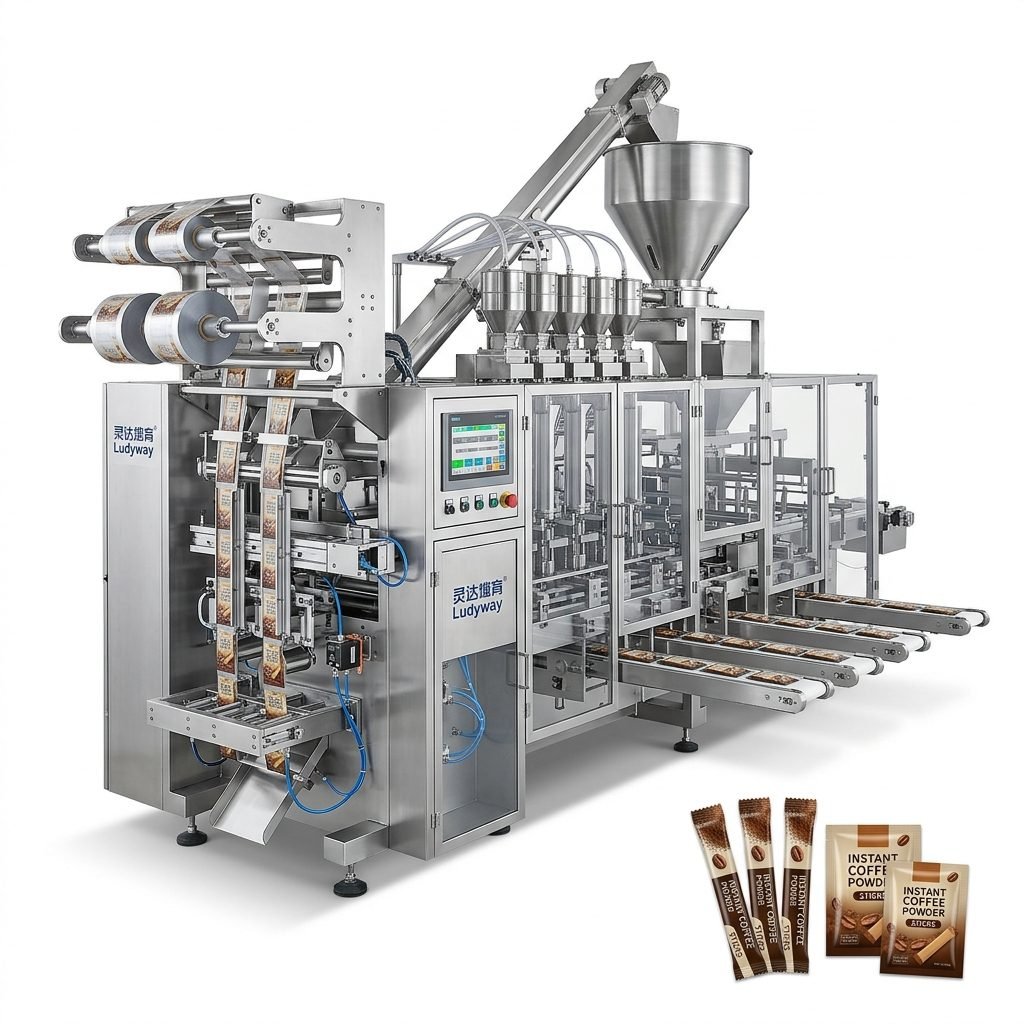
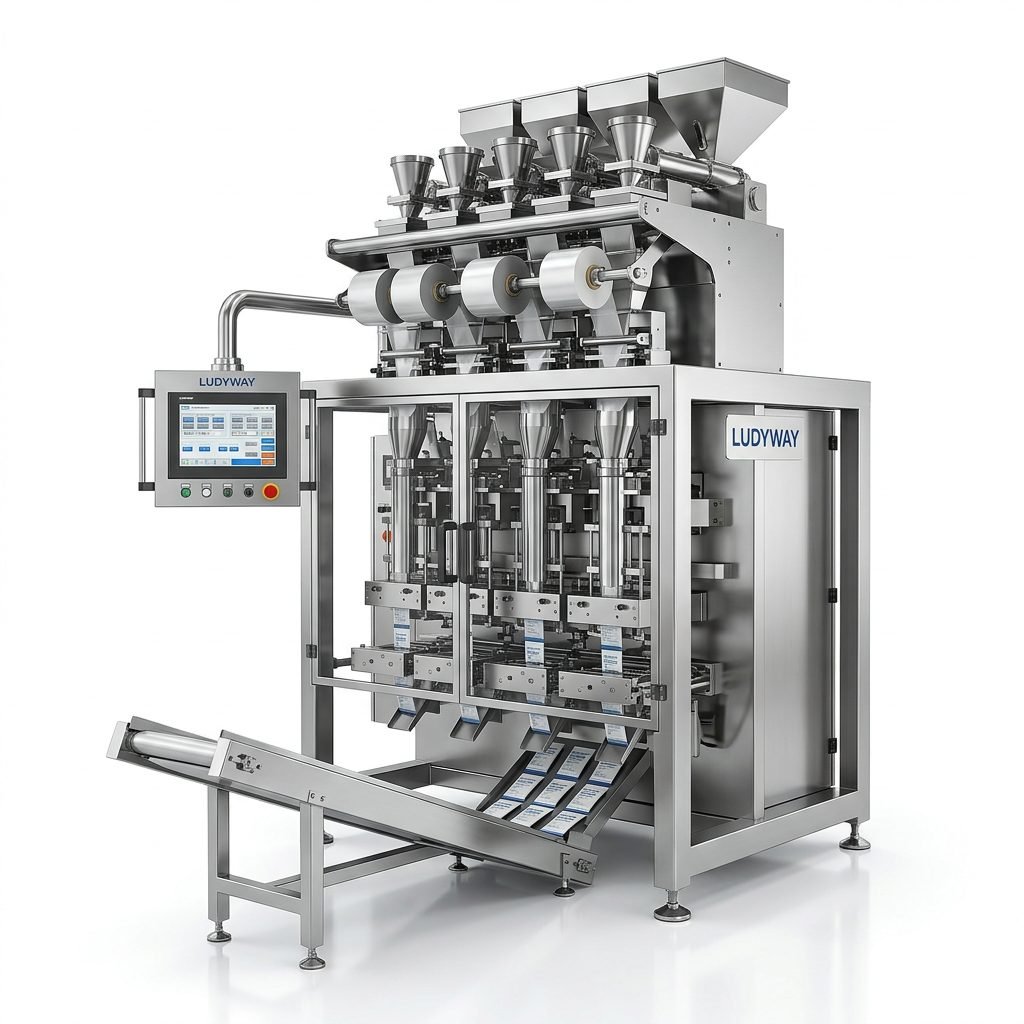
For example, switching from single-lane to multi-lane sachet or stick pack equipment may dramatically increase throughput for high-volume powder or liquid applications. In other cases, moving from manual bottle packing to integrated filling, capping, labeling, and cartoning saves labor and improves consistency.
4. Sealing and package integrity control
Poor sealing leads to leakage, contamination risk, rejects, and customer complaints. Customization here may include:
- Seal jaw design matched to film structure
- Temperature zoning for difficult materials
- Anti-drip nozzles for liquid products
- Nitrogen flushing for oxygen-sensitive products
- Seal inspection systems for critical industries
A small adjustment to sealing design often creates a major reduction in waste and rework.
5. Line automation and synchronization
Automation should be selected based on labor pressure, production volume, and consistency goals. Not every factory needs maximum automation immediately, but every factory benefits from better line synchronization.
- Automatic feeding reduces manual interruptions.
- Smart sensors improve machine coordination.
- Servo systems enable more precise movements.
- Centralized PLC/HMI control simplifies operation.
- Automatic rejection systems improve downstream quality.
- Cartoning and case packing reduce end-of-line labor dependency.
How to Improve Productivity Without Over-Customizing
Customization should solve production problems, not create unnecessary technical complexity. An over-engineered line can become expensive to maintain and difficult to operate. The most effective designs are modular, scalable, and easy for operators to understand.
Best practice principles
- Standardize where possible and customize only where needed.
- Leave space for future upgrades such as coding, inspection, robotics, or cartoning.
- Design for quick cleaning and maintenance to reduce downtime.
- Support rapid changeovers if you run multiple SKUs.
- Focus on total line efficiency, not isolated machine speed claims.
Important Metrics to Track After Customization
To know whether your packaging line customization is working, track measurable performance indicators before and after installation.
| Metric | Why It Matters | Target Impact of Customization |
|---|---|---|
| Output per hour | Shows throughput improvement | Higher sustained production rate |
| Downtime | Reveals line stability | Fewer stoppages and faster recovery |
| Reject rate | Measures packaging quality | Less waste and rework |
| Labor per shift | Reflects automation efficiency | Lower manual handling needs |
| Changeover time | Affects multi-SKU productivity | Faster format and size switching |
| OEE | Combines availability, performance, and quality | Stronger total line performance |
Industry-Specific Customization Examples
Food packaging lines
Food manufacturers often need hygiene-focused designs, gentle product handling, and flexible pack sizes. Custom options may include dust extraction, nitrogen flushing, seasoning dosing, zipper pouch support, and integrated date coding.
Pharmaceutical and health supplement lines
These lines usually require high dosing accuracy, validation support, traceability, and inspection control. Customization may involve enclosed filling, rejection systems, vision inspection, and batch management features.
Cosmetic and personal care lines
For creams, serums, lotions, and sachets, line design should prioritize sealing cleanliness, product appearance, and easy formula changeover. Pumps, heated tanks, and anti-stringing nozzles are often important.
Chemical packaging lines
Chemical applications often need corrosion resistance, safe handling, strong sealing performance, and controlled dosing. Material compatibility and operator protection should be built into the system from the beginning.
Questions to Ask Before Ordering a Custom Packaging Line
- Can the line handle my current products and future SKUs?
- What packaging materials are compatible?
- How easy is cleaning, maintenance, and spare parts replacement?
- Can the line be expanded later with cartoning, labeling, or palletizing?
- What is the expected changeover time between formats?
- What training and technical support are available?
- What real production data supports the speed claim?
- How is line integration managed across all connected equipment?
Common Mistakes That Reduce Efficiency
Even a high-quality machine can underperform if the line is poorly planned. Watch out for these common issues:
- Buying equipment based only on price
- Ignoring upstream and downstream line balance
- Choosing the wrong filler for product behavior
- Leaving too much manual work in the process
- Failing to plan for cleaning, maintenance, or product changeovers
- Not including quality inspection and reject handling
- Underestimating future capacity growth
What an Efficient Customized Line Should Deliver
A successful custom packaging production line should do more than run faster. It should create a stable, repeatable, and scalable production environment.
- Higher throughput with reliable long-shift operation
- Lower material waste from accurate filling and better sealing
- Reduced labor dependence through smart automation
- Better package consistency for stronger brand presentation
- Faster response to market changes through flexible formats and modular expansion
When you customize with a system-level mindset, your packaging line becomes a strategic asset rather than just production equipment. That is how manufacturers improve efficiency today while building capacity for tomorrow.