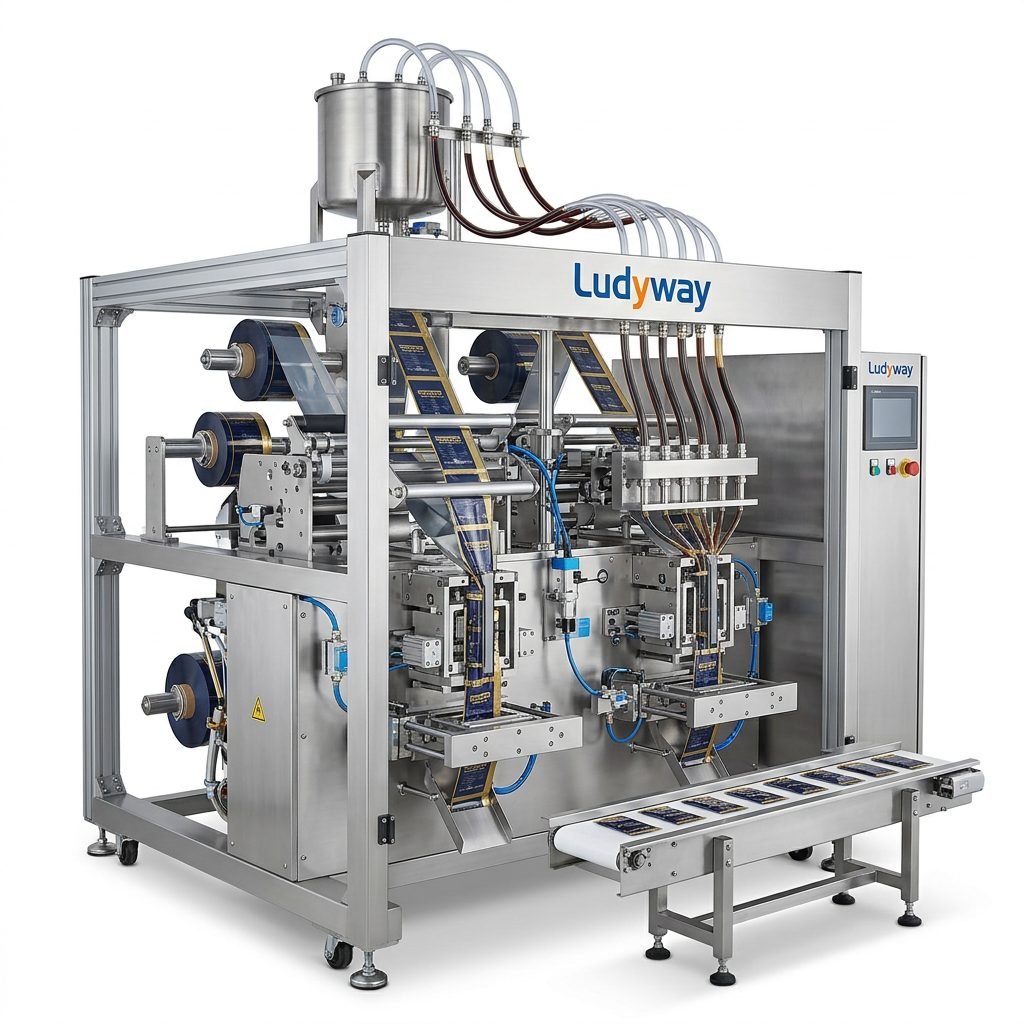
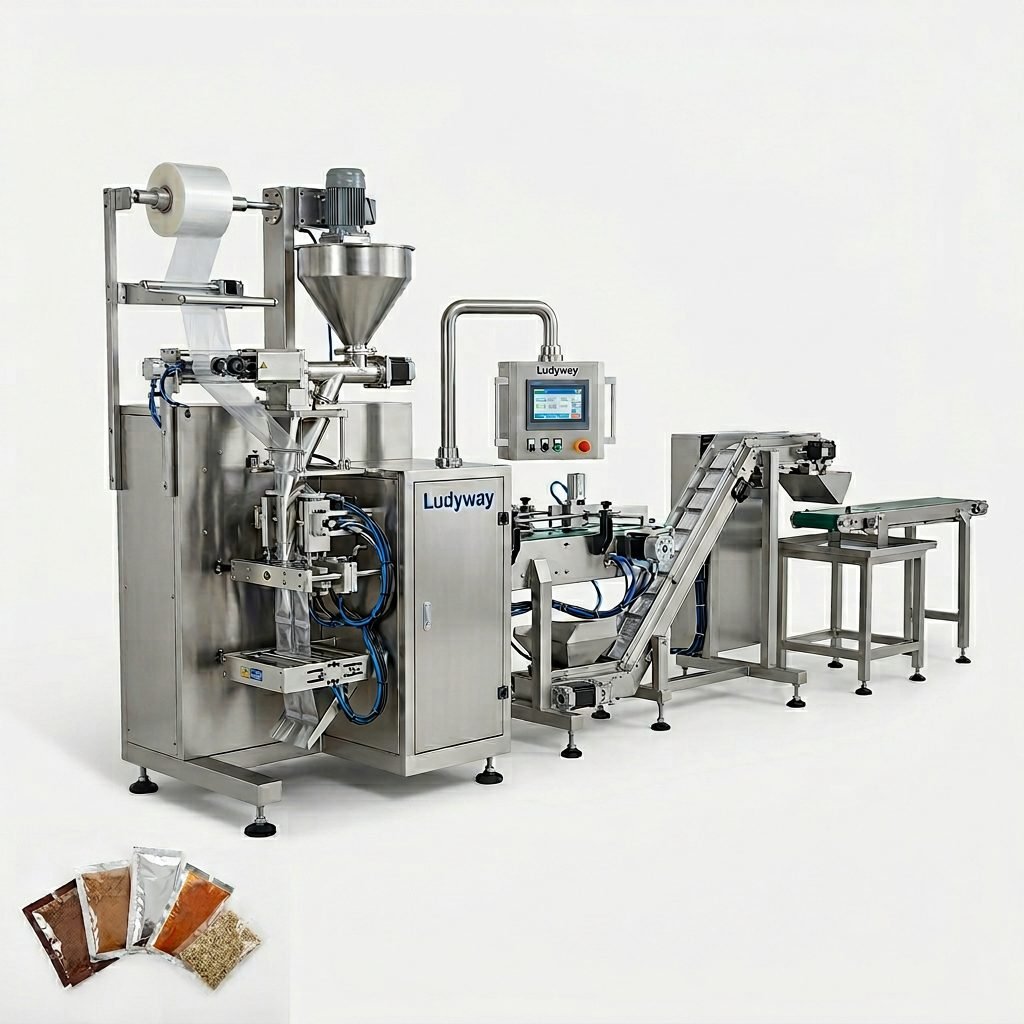
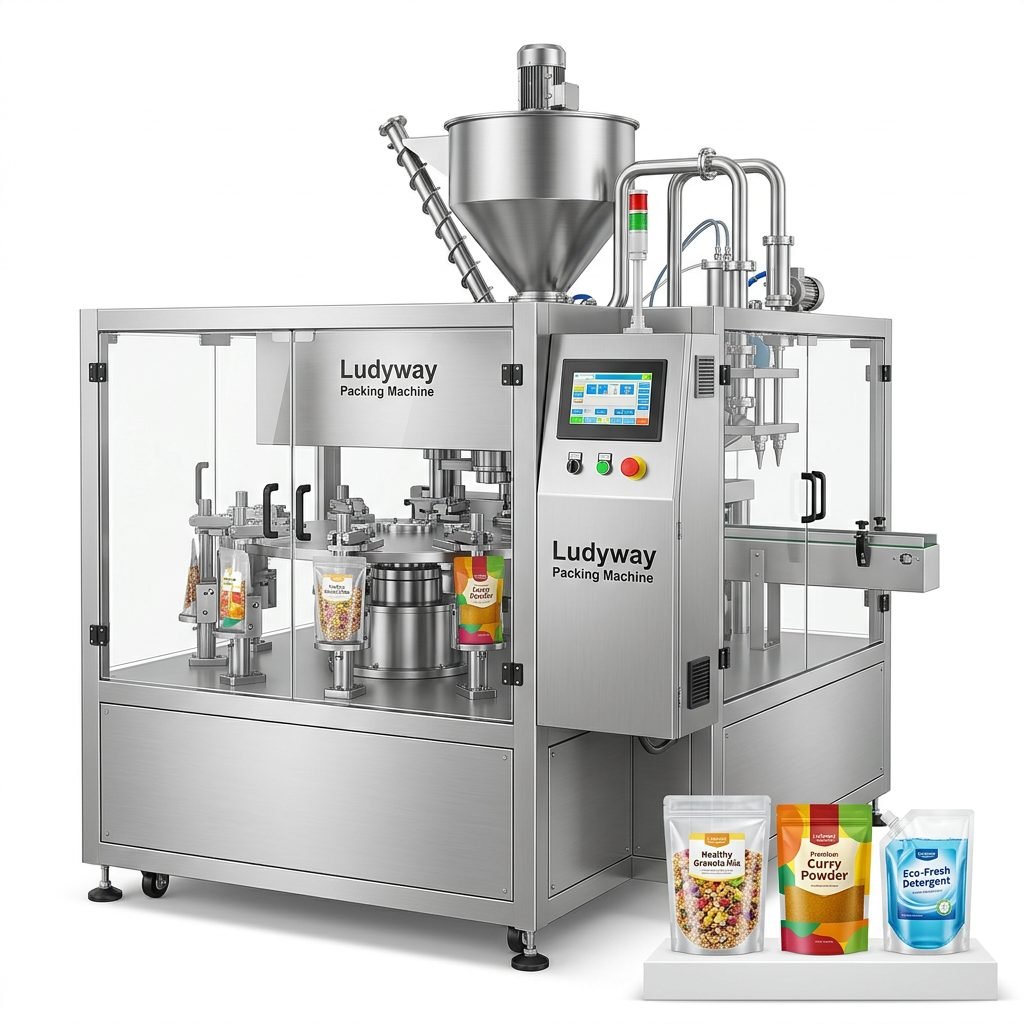
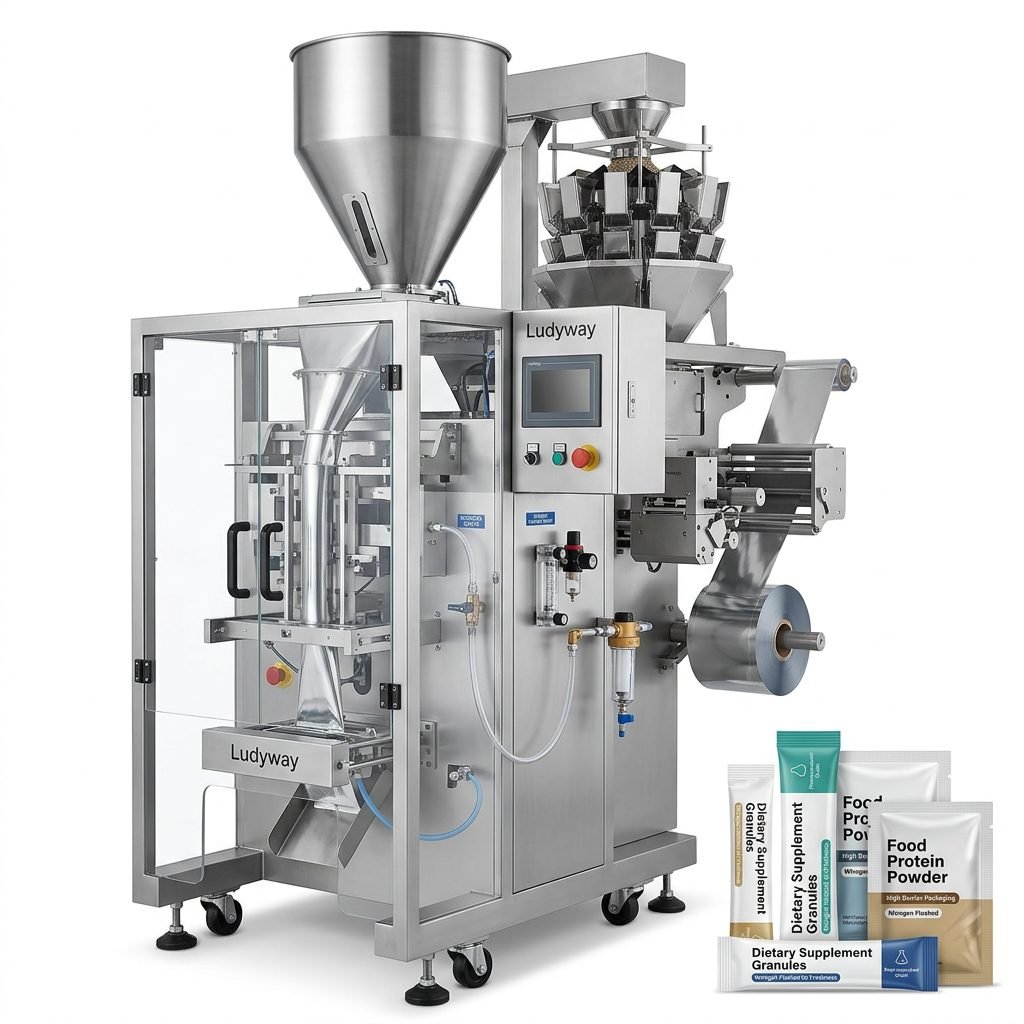
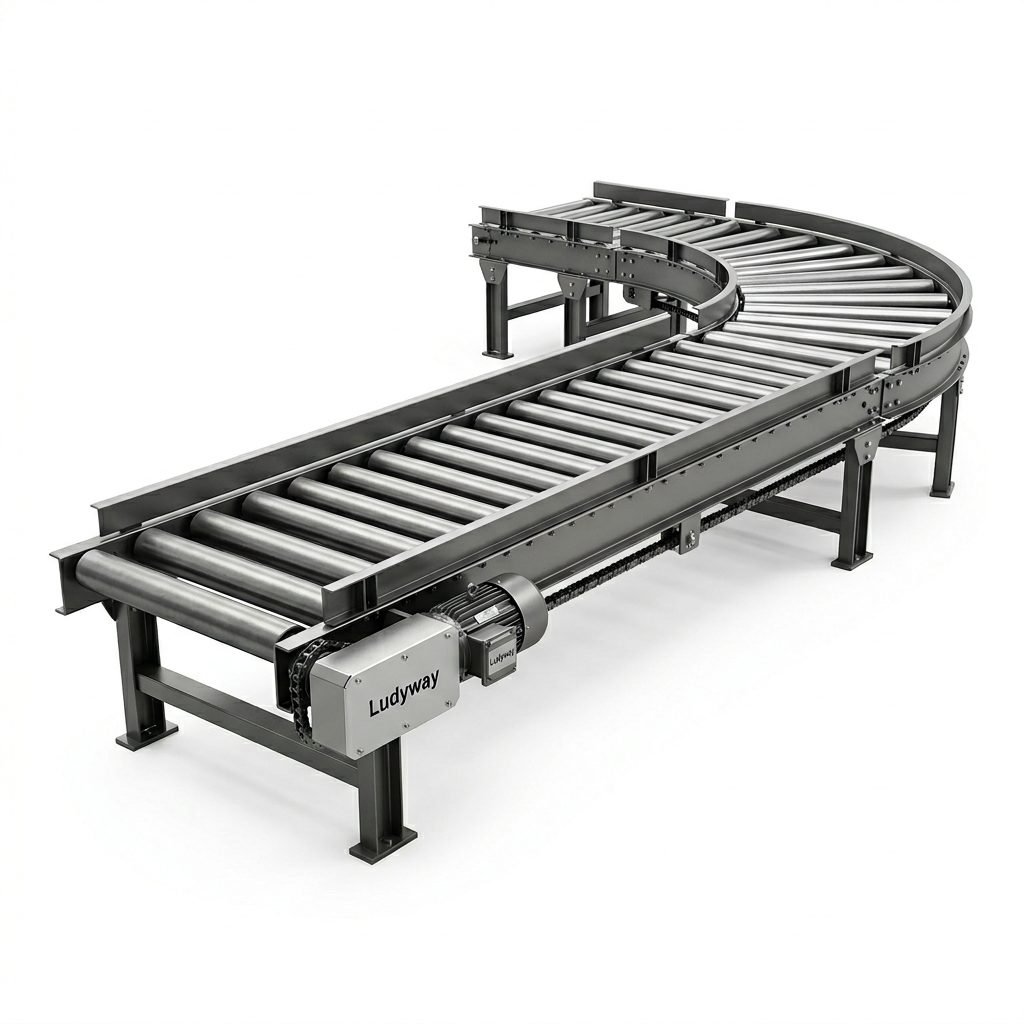
A blister packaging machine is a critical asset in pharmaceutical, food, and consumer goods production lines. Proper maintenance ensures consistent sealing integrity, extends equipment lifespan, and minimizes costly downtime. This guide covers essential cleaning routines, inspection checkpoints, and troubleshooting strategies to keep your blister packaging machine running at peak performance.

The Importance of Routine Blister Machine Maintenance
Neglecting maintenance on a blister pack machine can lead to seal failures, misaligned cavities, and product contamination. A structured maintenance program not only improves packaging quality but also helps you comply with ISO 11607 packaging standards for medical and pharmaceutical products. Establishing daily, weekly, and monthly checklists is the foundation of reliable operation.
Daily Cleaning Procedures
Daily cleaning removes dust, product residue, and film particles that accumulate during production. Follow these steps at the end of each shift:
- Power down and lock out the machine completely before any cleaning activity.
- Use compressed air to blow away loose particles from the forming station, sealing platen, and cutting area.
- Wipe down all contact surfaces with a lint-free cloth and approved cleaning solvent.
- Clean the heating plates and check for any burned-on residue that could affect heat transfer.
- Inspect and clean the film tracking rollers to prevent material drift during operation.
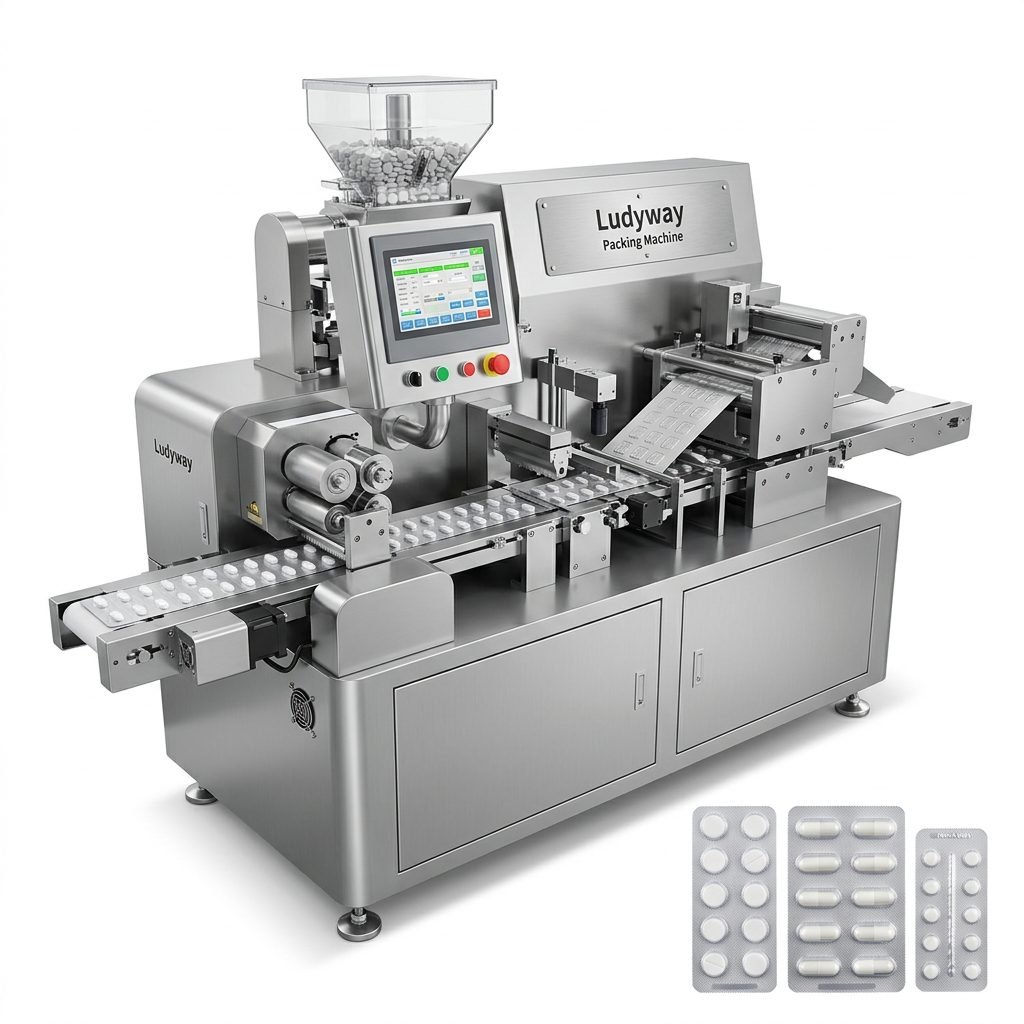
Critical Inspection Points
Regular inspection helps identify wear patterns before they cause breakdowns. Pay close attention to these components:
- Sealing station: Check for even pressure distribution and any signs of wear on the sealing dies.
- Forming molds: Inspect for cracks, deformation, or buildup that could affect blister cavity shape.
- Temperature sensors: Verify that heating zones maintain consistent temperatures within specified tolerances.
- Chain and belt tension: Loose or overly tight drive components can cause indexing errors.
- Pneumatic hoses and fittings: Look for air leaks that may reduce sealing pressure consistency.
Weekly Inspection Checklist
| Component | Inspection Task | Frequency |
|---|---|---|
| Forming Station | Check mold alignment and clean vacuum ports | Weekly |
| Sealing Platen | Inspect for surface damage and even heating | Weekly |
| Cutting Mechanism | Sharpen or replace blades as needed | Weekly |
| Cooling System | Verify water flow and check for blockages | Weekly |
| Lubrication Points | Apply recommended lubricants to all grease fittings | Weekly |
Common Troubleshooting Scenarios
Even with diligent maintenance, issues can arise. Here are frequent problems and their solutions for blister packaging equipment:
Problem 1: Incomplete or Weak Seals
Weak seals are often caused by insufficient heat, inadequate pressure, or contaminated sealing surfaces. Check the temperature controller settings and verify that the sealing platen is clean and free of residue. Examine the compressed air supply for stable pressure, and inspect the sealing gasket for wear. Refer to PMMI packaging resources for industry-standard sealing parameters.
Problem 2: Film Misalignment or Wrinkling
Film tracking issues typically stem from worn rollers, incorrect tension settings, or misaligned guides. Inspect all film path rollers for free rotation and replace any with bearing play. Adjust the tension control system and verify that edge guides are properly positioned.
Problem 3: Inconsistent Forming Depth
Variations in blister cavity depth can result from vacuum fluctuations, worn forming molds, or inconsistent heating. Check the vacuum pump and lines for leaks, clean all vacuum ports thoroughly, and ensure the forming film reaches uniform temperature before the forming cycle.
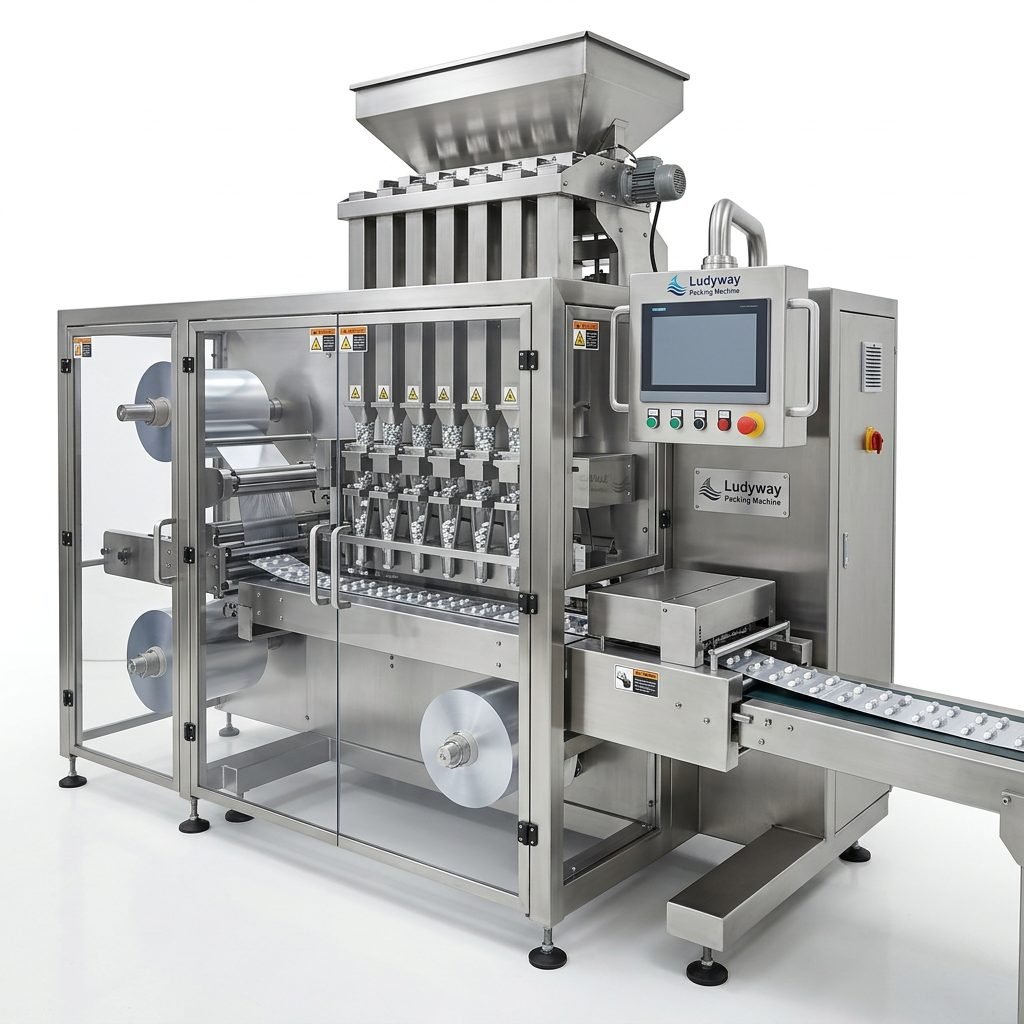
Problem 4: Excessive Scrap or Material Waste
High scrap rates often indicate indexing errors, cutting misalignment, or improper film specifications. Verify that the indexing system is calibrated correctly and that the cutting die alignment matches the blister pattern. Review your film specifications against the machine’s capabilities and consult flexible packaging industry guidelines for material compatibility.
Preventive Maintenance Schedule
A well-organized preventive maintenance schedule keeps your packaging line running efficiently. Below is a recommended timeframe for key tasks:
| Interval | Maintenance Tasks |
|---|---|
| Daily | Clean all stations, check film tracking, verify seal quality samples |
| Weekly | Lubricate moving parts, inspect molds and dies, test safety interlocks |
| Monthly | Calibrate temperature controllers, check pneumatic cylinders, inspect electrical connections |
| Quarterly | Replace wear parts, deep clean vacuum systems, verify machine alignment |
| Annually | Full overhaul, replace all seals and gaskets, comprehensive calibration, gearbox oil change |
Lubrication Best Practices
Proper lubrication is vital for the longevity of your blister machine. Use only manufacturer-recommended lubricants and follow these guidelines:
- Apply food-grade grease to all bearings and sliding surfaces if the machine operates in a cleanroom or food-grade environment.
- Avoid over-lubrication, which can attract dust and cause component buildup.
- Document all lubrication activities in your maintenance log for traceability.
- Check oil levels in gearboxes and vacuum pumps at least monthly.

Documentation and Record Keeping
Maintaining detailed service records helps identify recurring issues and supports regulatory compliance. Your documentation should include:
- Date and description of each maintenance activity performed
- Parts replaced and their serial or batch numbers
- Calibration results and any adjustments made
- Operator observations and shift notes
- Any deviation from standard operating procedures
Thorough record keeping also aligns with FDA packaging and food contact substance regulations, which require traceable maintenance histories for pharmaceutical packaging operations.
Training Your Team for Better Upkeep
Operator training directly impacts maintenance outcomes. Ensure all personnel who interact with the blister packaging system understand:
- Proper start-up and shutdown sequences to prevent unnecessary wear
- How to identify early warning signs of component fatigue or malfunction
- Correct cleaning techniques that avoid damaging sensitive parts
- Emergency stop procedures and safety protocols
- The importance of accurate shift handover notes
When to Call a Professional Service Technician
While routine maintenance can be handled in-house, certain situations warrant professional intervention. Contact a qualified technician if you encounter:
- Persistent sealing defects after troubleshooting all common causes
- Unusual noises, vibrations, or mechanical resistance during operation
- Electrical faults, including tripped breakers or control panel errors
- Significant changes in production output or quality that cannot be resolved internally
- Software or PLC-related issues affecting machine logic
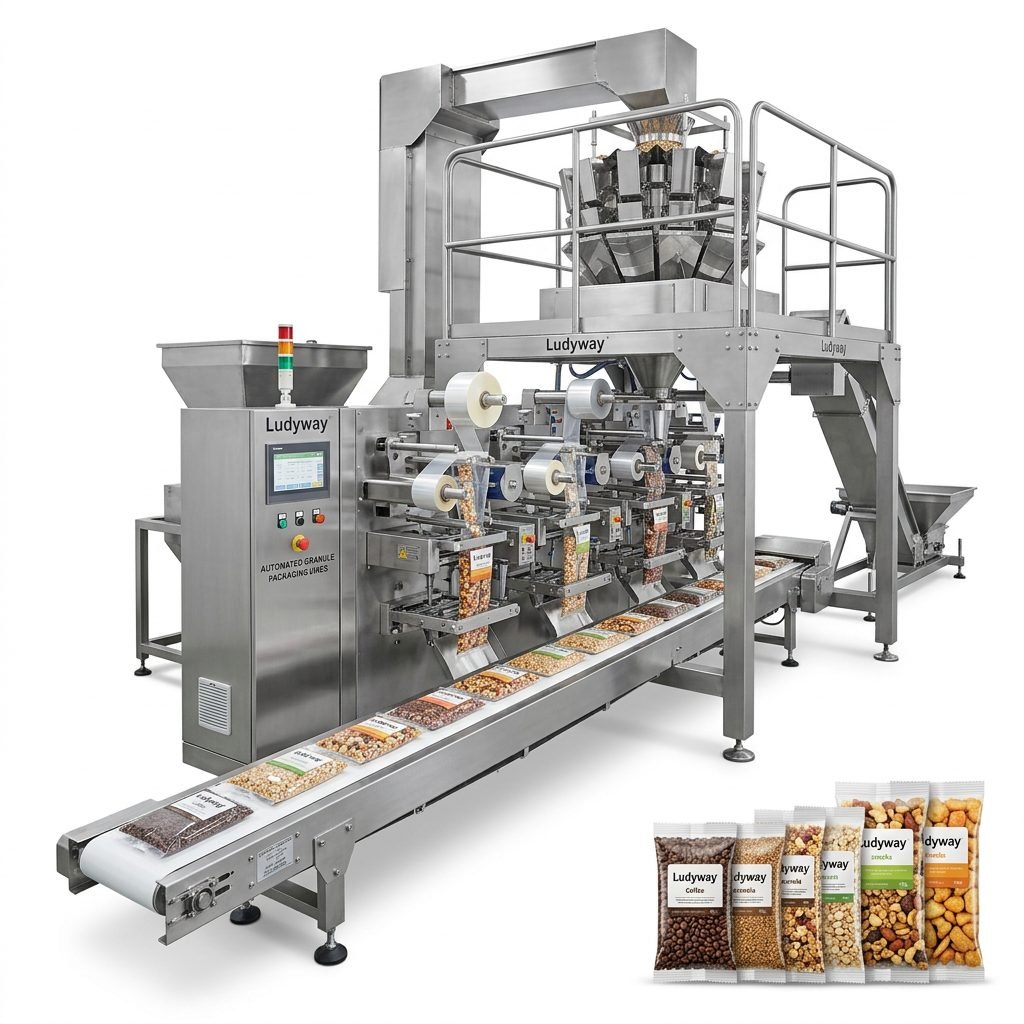
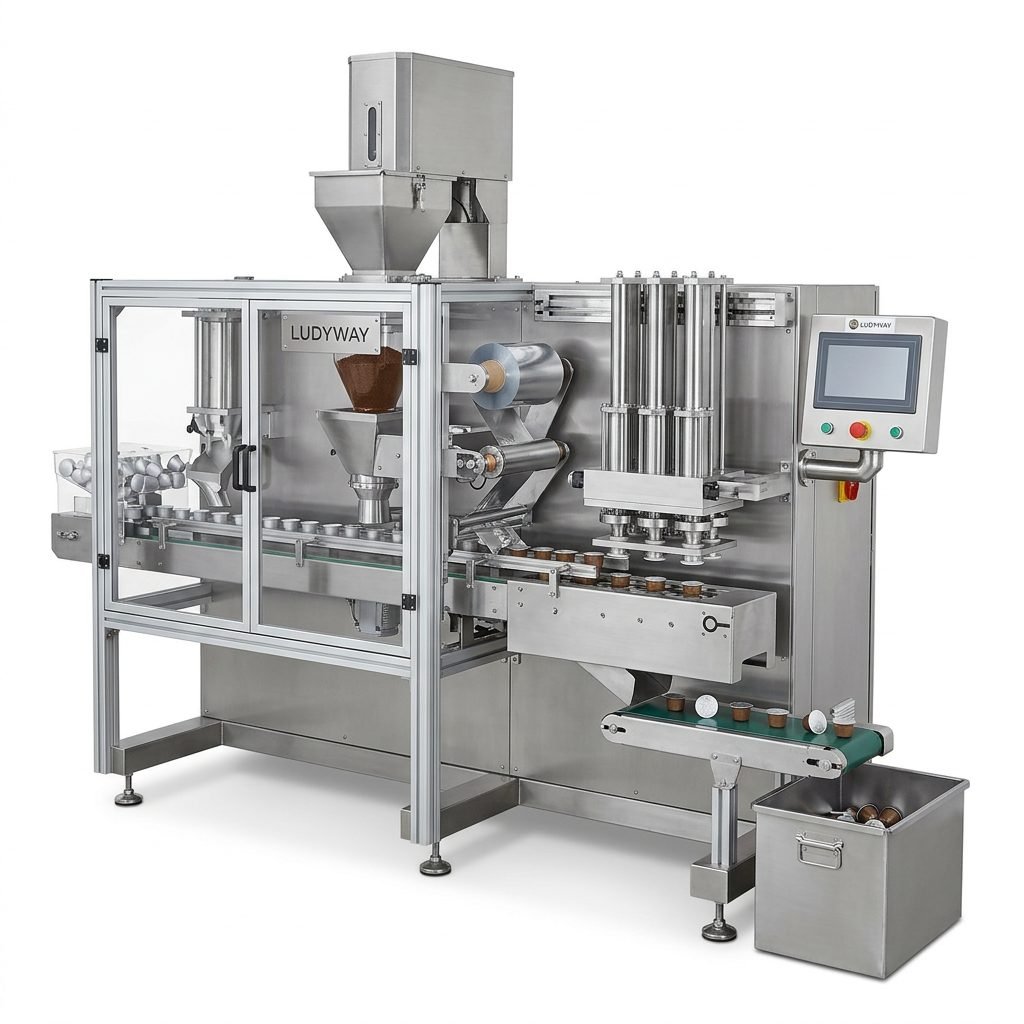
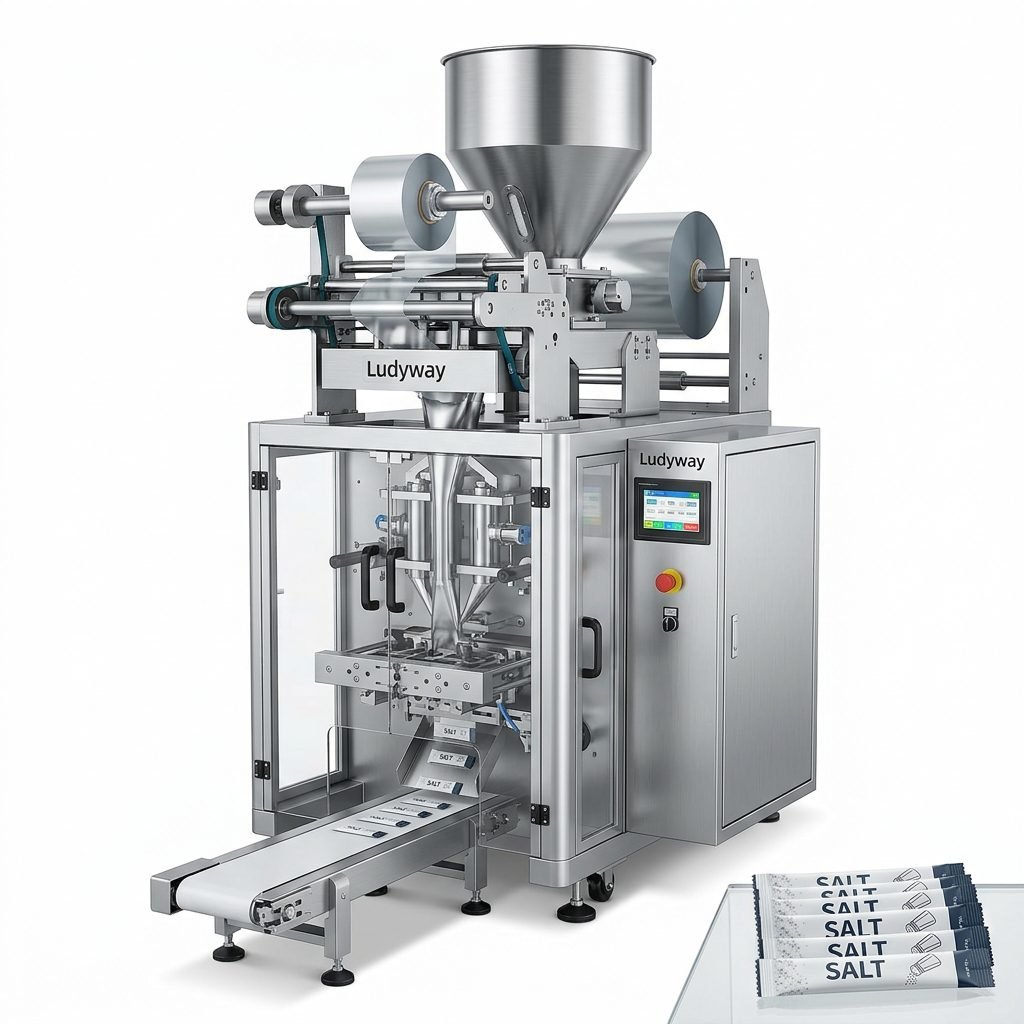
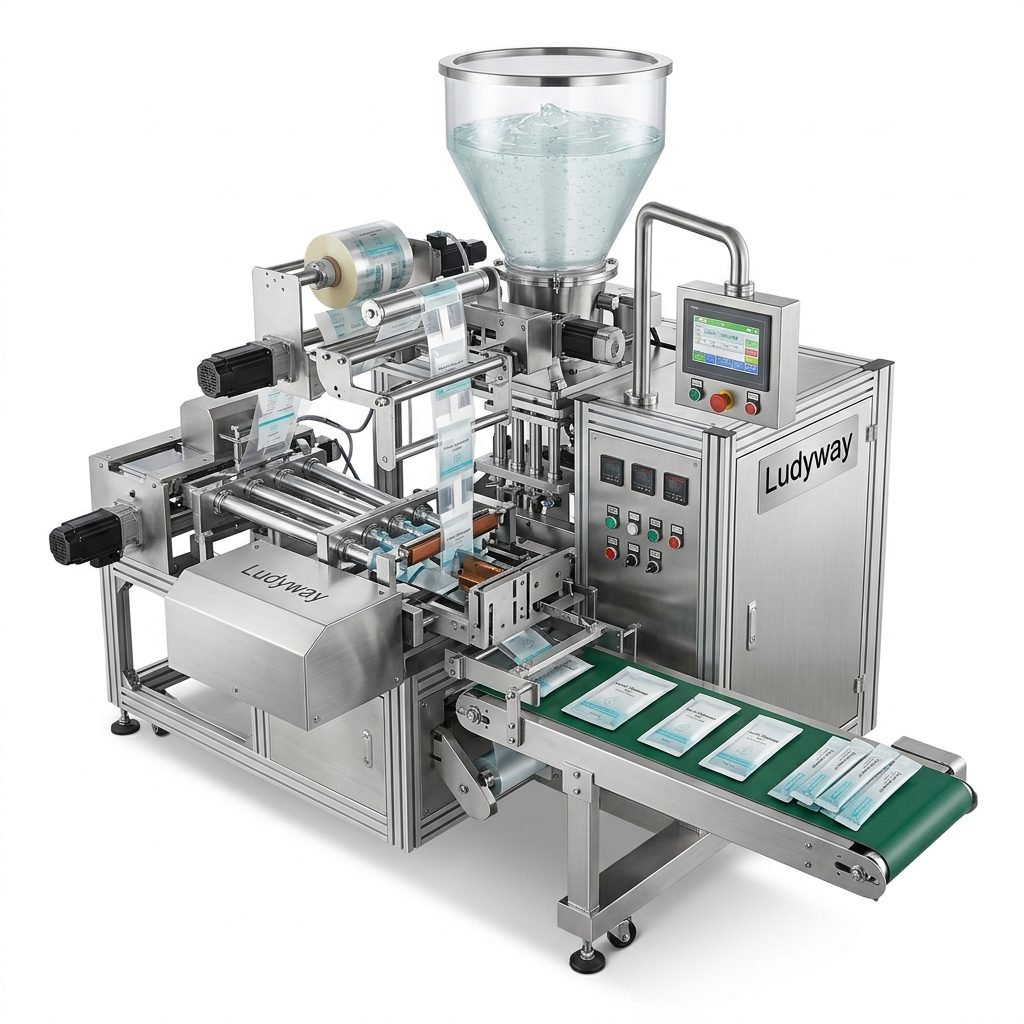
Companies like Ludyway, one of the largest packaging machine manufacturers in China, offer specialized after-sales support and maintenance services for their equipment, helping manufacturers worldwide maintain continuous production with minimal downtime. For more information on advanced packaging equipment and turnkey solutions, visit Ludyway’s official website.
Spare Parts Management
Keeping critical spare parts on hand reduces downtime when components fail. Maintain an inventory of:
- Sealing gaskets and O-rings for the sealing station
- Heating elements and thermocouples for temperature control zones
- Cutting blades and forming punches
- Drive belts and chains specific to your machine model
- Filter elements for vacuum and pneumatic systems
- Sensor assemblies and proximity switches
Conclusion
Effective maintenance of a blister packaging machine is a combination of disciplined daily cleaning, thorough periodic inspections, and prompt troubleshooting. By following the guidelines above, operators can maximize machine uptime, ensure consistent packaging quality, and extend the equipment’s service life. For industry-standard maintenance benchmarks, refer to the PMMI business intelligence library and relevant ISO packaging standards. Investing time in proper care today translates directly into reliable, high-quality production tomorrow.