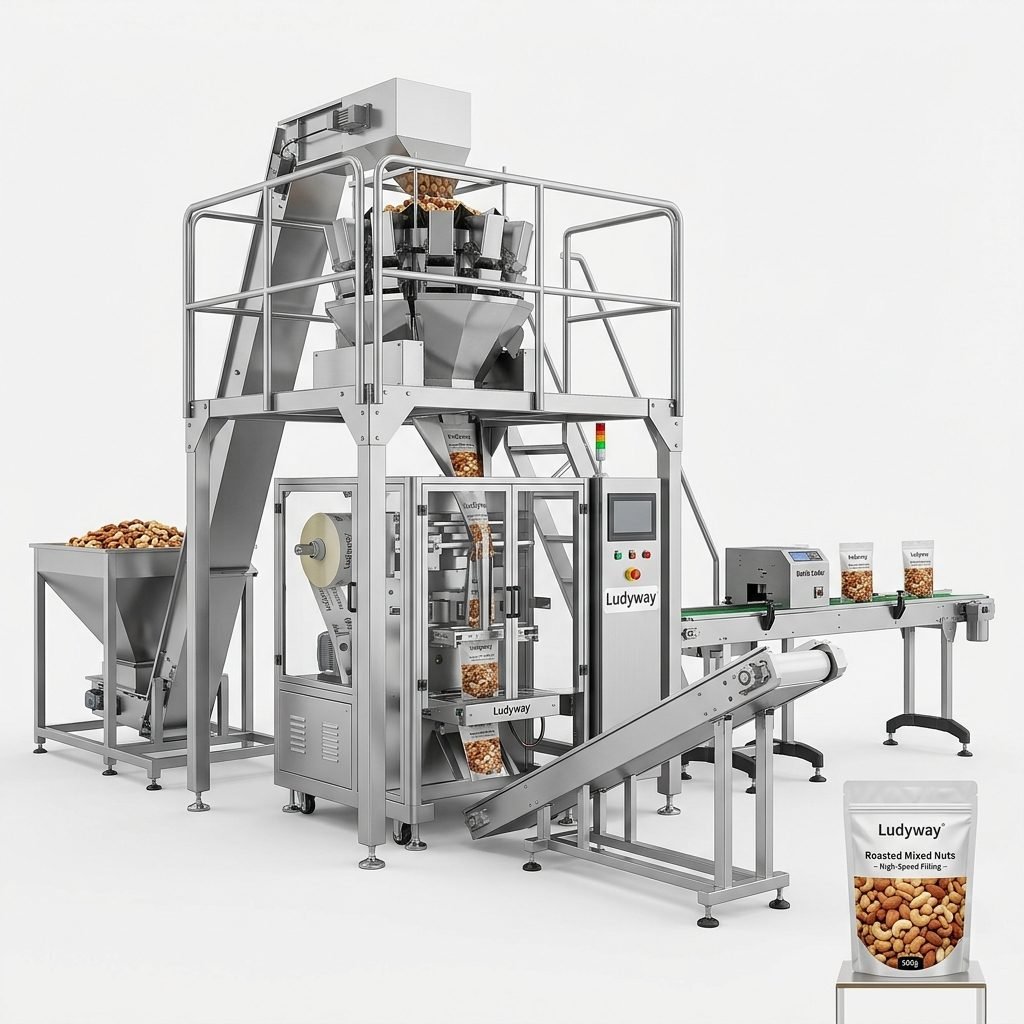
Investing in a PVC packing machine is a critical decision for manufacturers handling heat-sensitive films. Unlike standard packaging equipment, these machines require precise temperature control, specialized sealing mechanisms, and robust material handling capabilities. A wrong choice can lead to film burn-through, inconsistent seals, excessive waste, and production downtime. This guide breaks down the essential factors you need to evaluate before making a purchase, from understanding PVC film characteristics to matching machine specifications with your operational goals.
Understanding PVC Film and Its Packaging Challenges
Polyvinyl chloride (PVC) film remains widely used in packaging due to its excellent clarity, shrink properties, and cost-effectiveness. However, it presents unique challenges that directly influence machine selection. PVC has a narrower sealing temperature window compared to polyethylene or polypropylene. Exceeding this range causes film degradation, releasing hydrochloric acid that can corrode machine components and compromise seal integrity.
When evaluating equipment, look for machines with precision PID temperature controllers that maintain accuracy within ±1°C. The heating elements should distribute heat evenly across the seal bar, preventing hot spots that burn the film while cold spots create weak seals. Additionally, PVC’s rigidity means the film feeding and tension control systems must handle the material without stretching or tearing it during acceleration and deceleration phases of the packaging cycle.
Key Machine Types for PVC Packaging Applications
The term “PVC packing machine” encompasses several distinct equipment categories, each designed for specific packaging formats and production scales. Your product characteristics, desired bag style, and throughput requirements will determine which type suits your operation.
L-Sealers and Shrink Wrapping Systems
L-sealers are the workhorses of PVC shrink packaging, forming a seal in an “L” shape around the product. These systems are ideal for bundling boxes, printed materials, and consumer goods. Modern L-sealers incorporate magnetic hold-down systems that secure the film during the sealing cycle, while adjustable film cradles accommodate different roll widths. For PVC specifically, the sealing blade must cycle quickly enough to prevent excessive heat transfer to the film while still achieving a complete weld.
Flow Wrappers and Horizontal Form-Fill-Seal Machines
For continuous, high-speed operations, horizontal flow wrappers configured for PVC film deliver exceptional throughput. These machines form a tube around the product, seal it longitudinally, and create end seals between items. Key considerations include the fin seal wheel design, which must apply consistent pressure without marking the film, and the cross-seal jaw configuration. Rotary jaw systems generally offer higher speeds than box-motion designs, though box-motion provides longer dwell time for thicker PVC materials.
Critical Technical Specifications to Evaluate
Beyond the basic machine type, several technical parameters directly impact performance and long-term reliability when running PVC films. Failing to account for these can result in frustrating production issues that erode efficiency.
| Specification | Why It Matters for PVC | What to Look For |
|---|---|---|
| Sealing Temperature Range | PVC seals optimally between 120-160°C | Digital PID control with 0.1°C resolution |
| Dwell Time Adjustment | Prevents film burn-through | Independent dwell control, 0.1-3.0 second range |
| Film Tension Control | PVC is less elastic than PE, requires precise tension | Closed-loop servo tension with dancer arm feedback |
| Seal Bar Material | Corrosion resistance against HCl off-gassing | Stainless steel with non-stick coating or PTFE tape |
| Cooling System | Post-seal cooling sets the weld without distortion | Active cooling with chilled air or water circulation |
Automation Level and Production Volume Matching
PVC packaging equipment spans from semi-automatic tabletop models to fully integrated inline systems. Matching the automation level to your current and projected production volumes prevents over-investment or premature obsolescence.
- Semi-Automatic Machines: Best suited for production volumes under 500 packages per hour, these require manual product loading but automate the sealing cycle. They offer flexibility for contract packagers handling diverse product sizes and short runs.
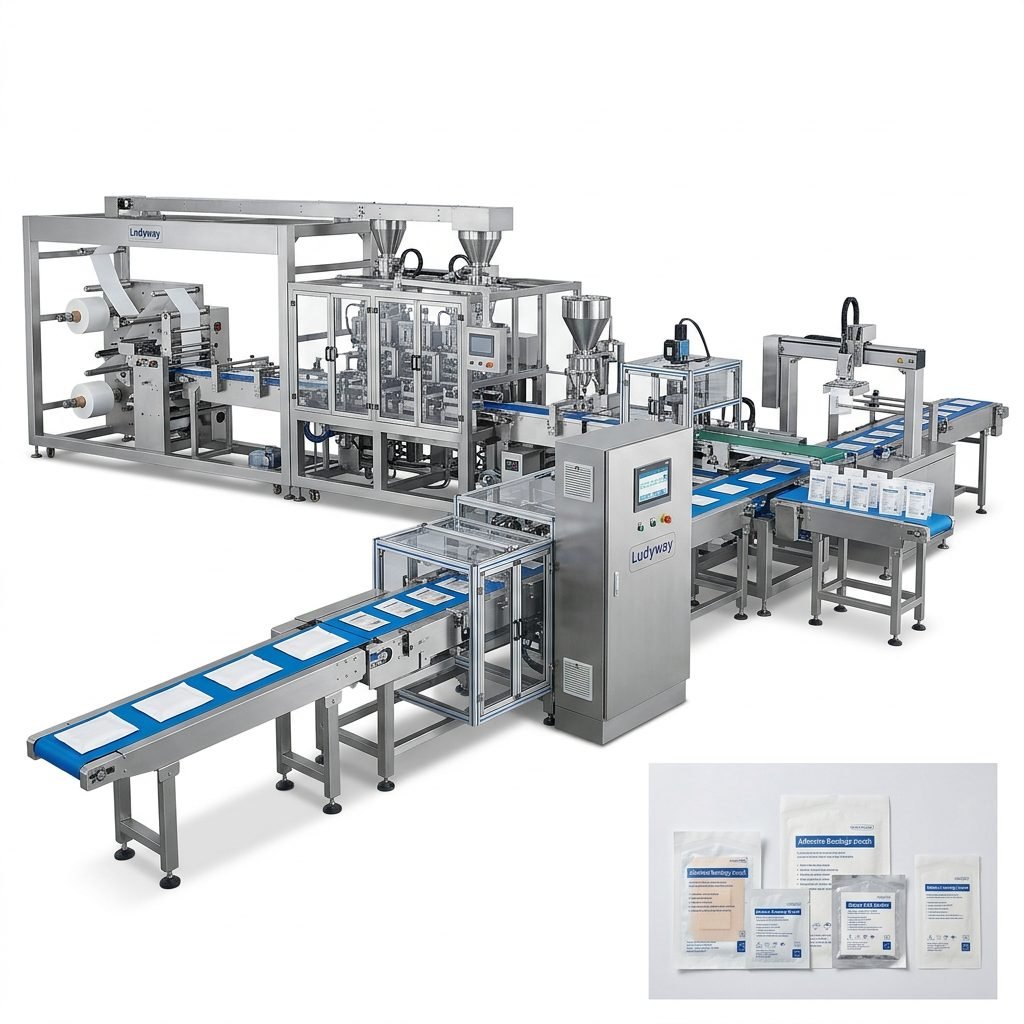
- Automatic Inline Systems: For operations producing 1,000-5,000 packages per hour, automatic systems with conveyorized product feeding deliver consistent throughput. These machines can be integrated with packaging line automation upstream and downstream equipment such as labeling, coding, and cartoning systems.
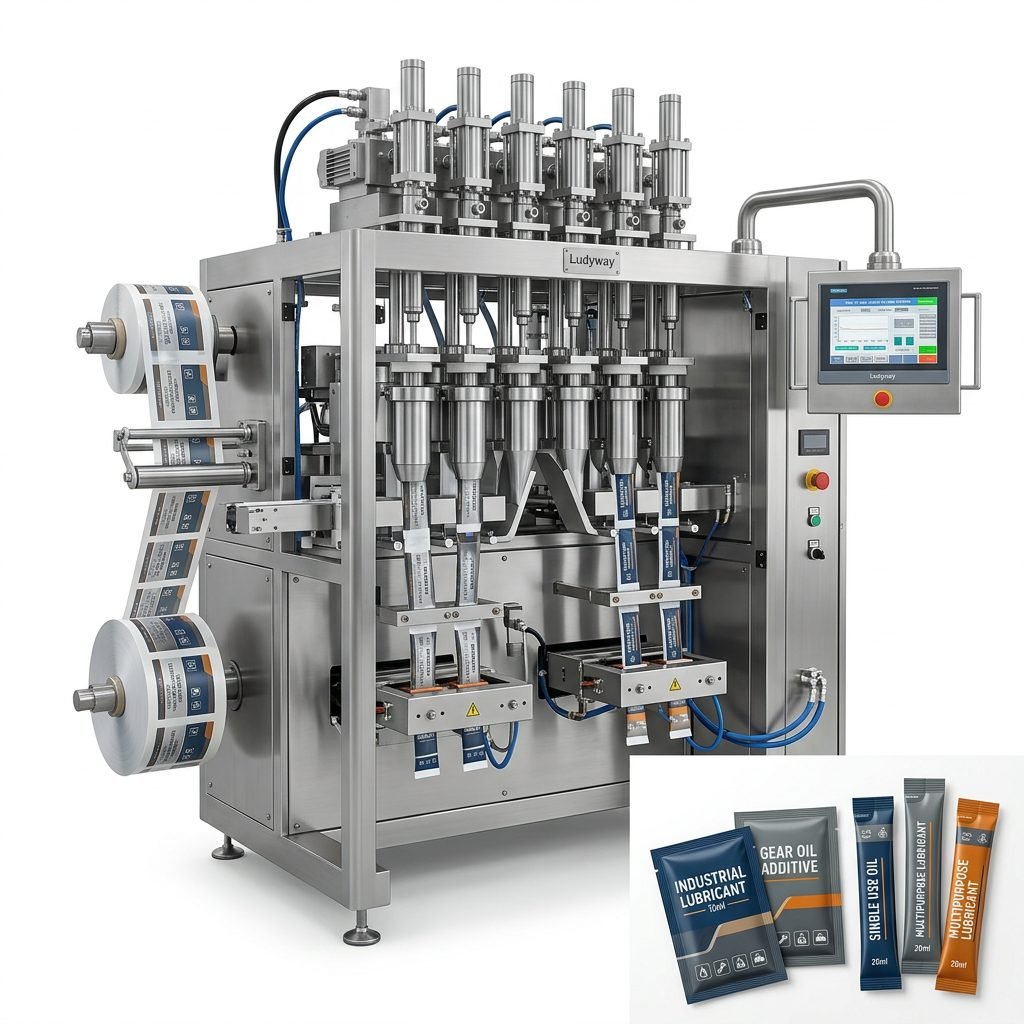
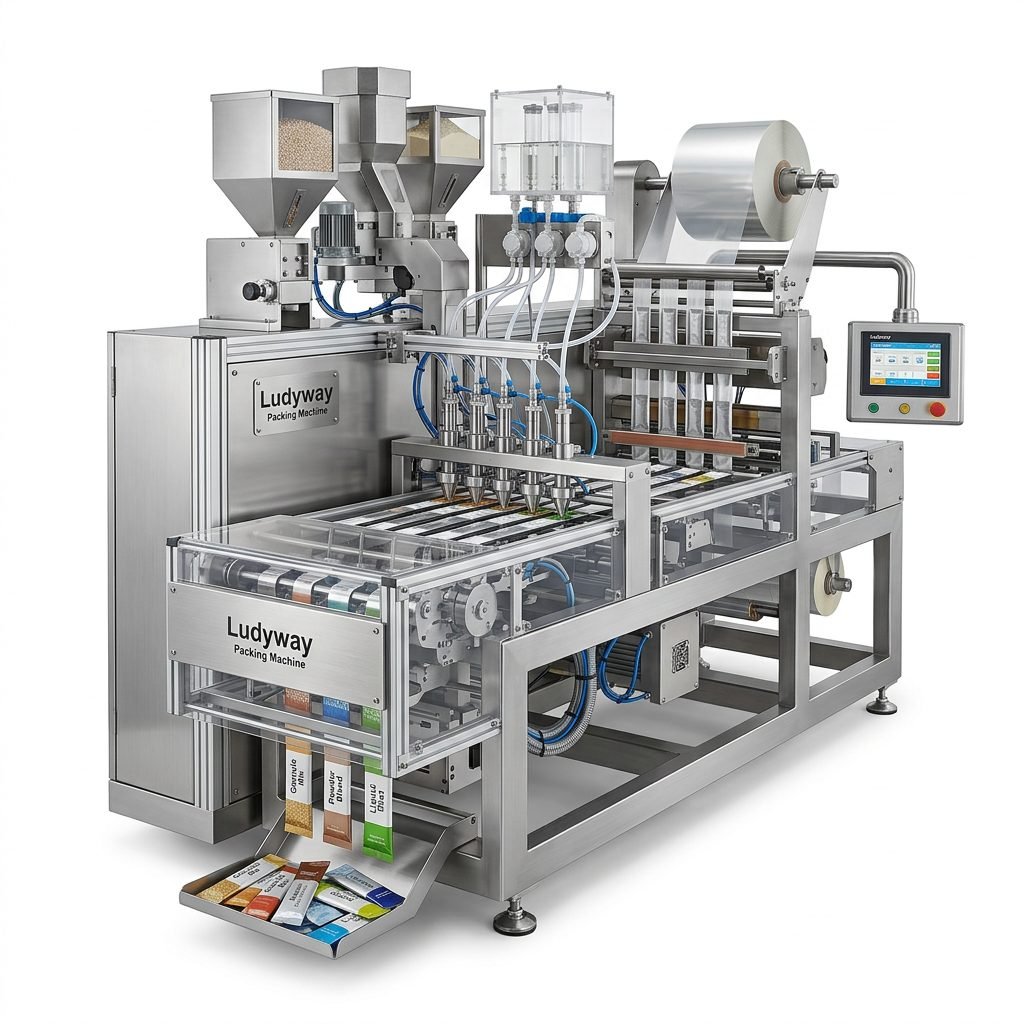
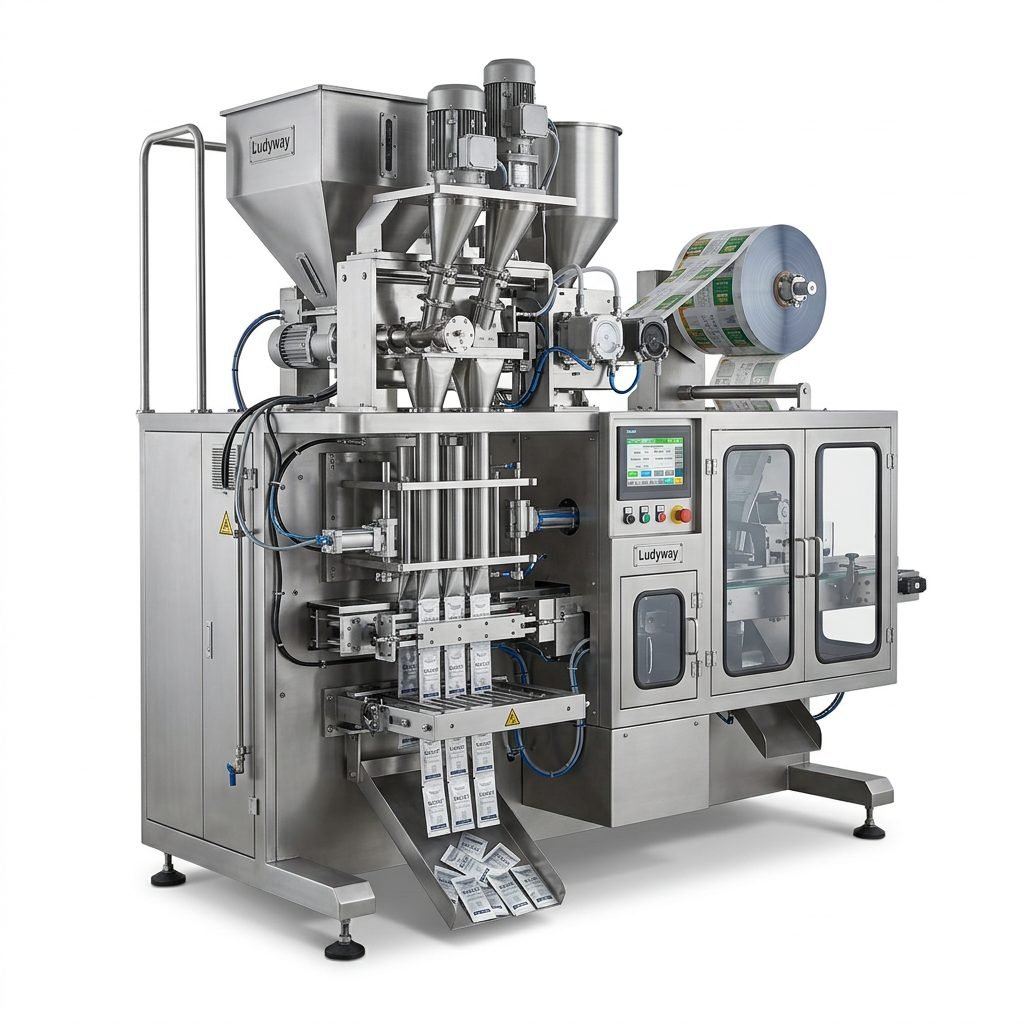
- High-Speed Multi-Lane Configurations: When volumes exceed 5,000 packages per hour, multi-lane stick pack or sachet machines running PVC-compatible configurations provide the necessary capacity. These systems often incorporate servo-driven film registration and vision inspection to maintain quality at speed.
Material Compatibility Beyond PVC
While your current need focuses on PVC film, consider whether the machine can handle alternative materials. Market trends, sustainability requirements, or supply chain disruptions may necessitate switching to polyethylene, polyolefin shrink films, or biodegradable options in the future. Machines with quick-change sealing parameters and adjustable film path configurations provide greater operational resilience. Stored recipe functionality allows operators to recall validated settings for different film types with minimal downtime.
Maintenance, Sanitation, and Serviceability
PVC film processing creates specific maintenance demands that should influence your purchasing decision. The potential release of hydrochloric acid during sealing may accelerate corrosion on non-stainless steel components. Evaluate the machine’s construction materials carefully:
- Frame and structural components should use 304 or 316 stainless steel, particularly in food or pharmaceutical applications
- Seal surfaces and film contact areas benefit from non-stick coatings that reduce residue buildup
- Tool-less access panels simplify routine cleaning and inspection procedures
- Centralized lubrication points reduce maintenance time for mechanical components
For operations subject to FDA food packaging regulations or other hygiene standards, validate that the machine design facilitates thorough sanitation. Crevice-free construction, sloped surfaces for drainage, and sealed electrical enclosures all contribute to compliance and product safety.
Evaluating Machine Manufacturers and Support Infrastructure
The technical capabilities of a PVC packing machine are only as valuable as the manufacturer’s ability to support it throughout its operational life. A comprehensive evaluation should consider several factors beyond the equipment specifications alone.
Examine the manufacturer’s experience with PVC-specific applications. Companies that understand the nuances of PVC film behavior can provide valuable guidance on machine configuration, operating parameters, and troubleshooting. Ask potential suppliers for references from customers running similar PVC packaging applications, and inquire about their response times for technical support and spare parts availability.
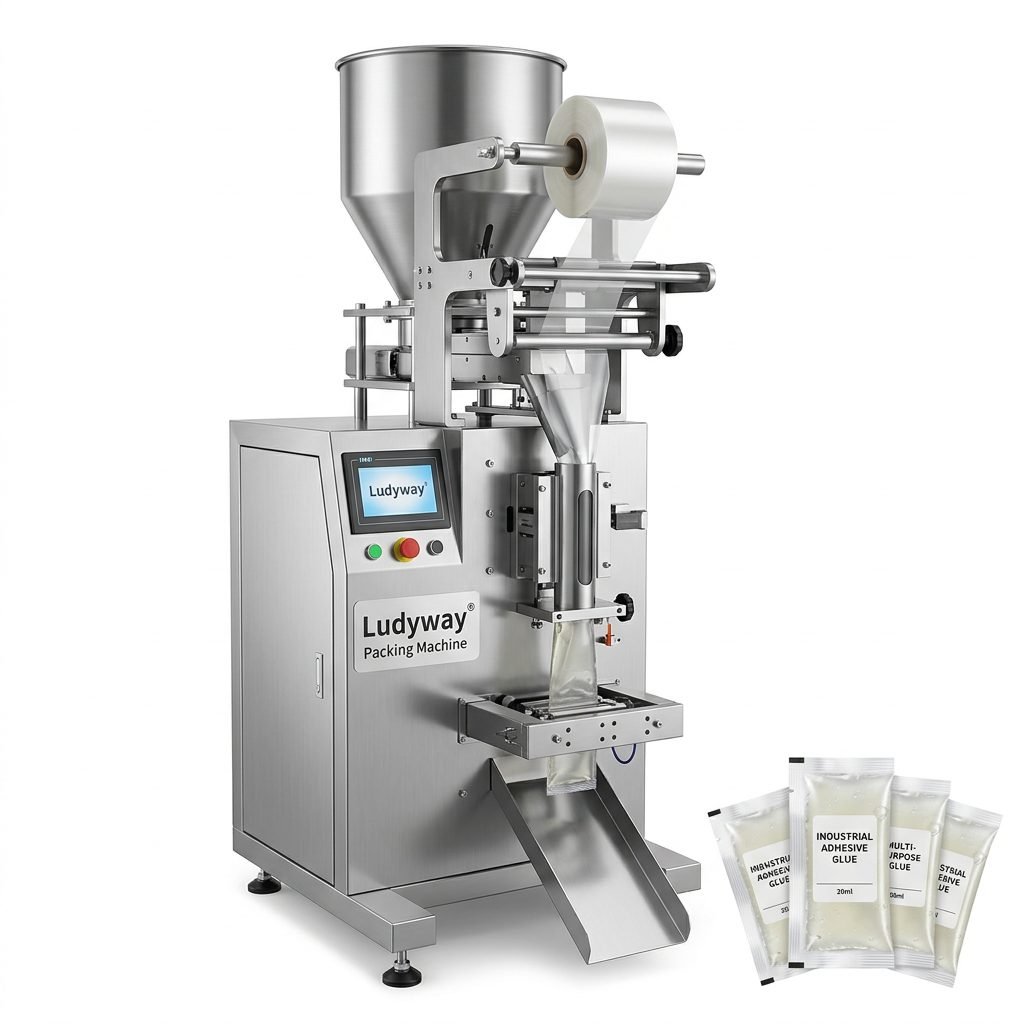
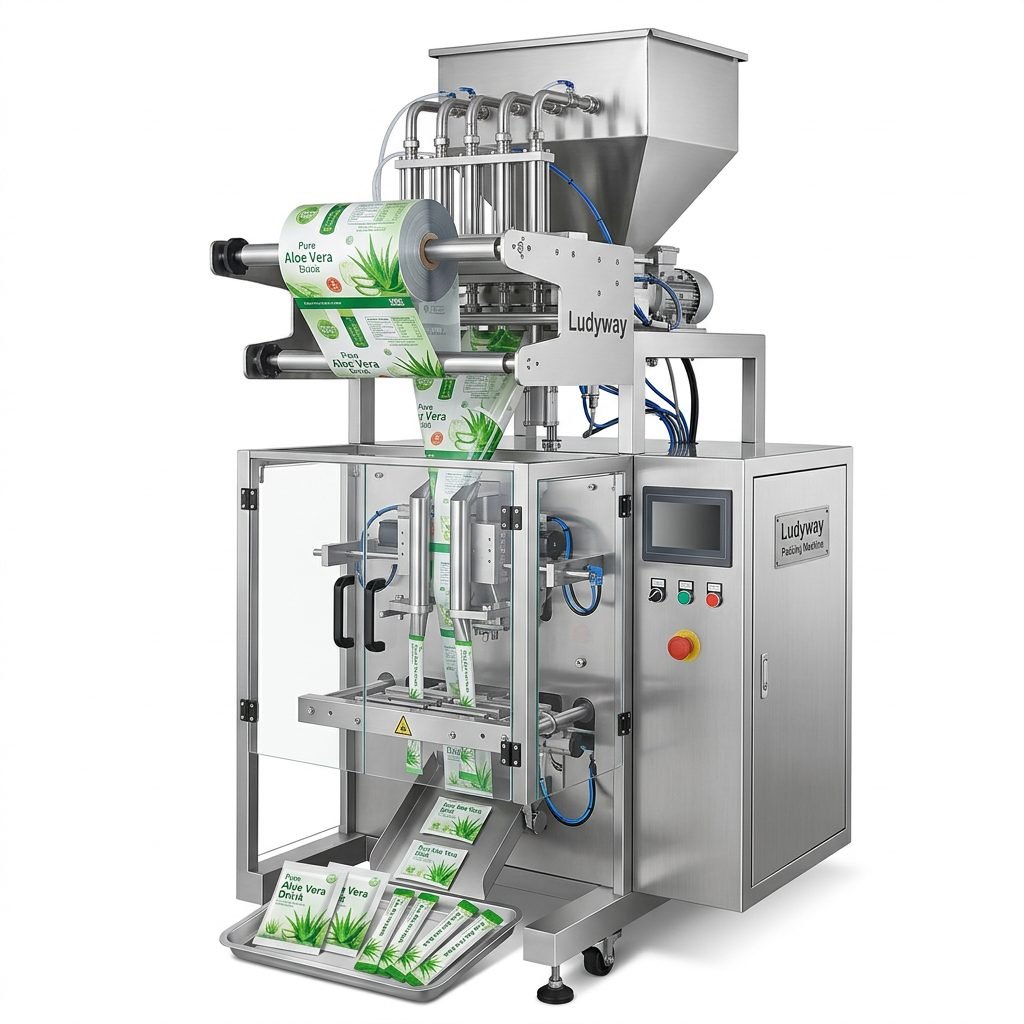
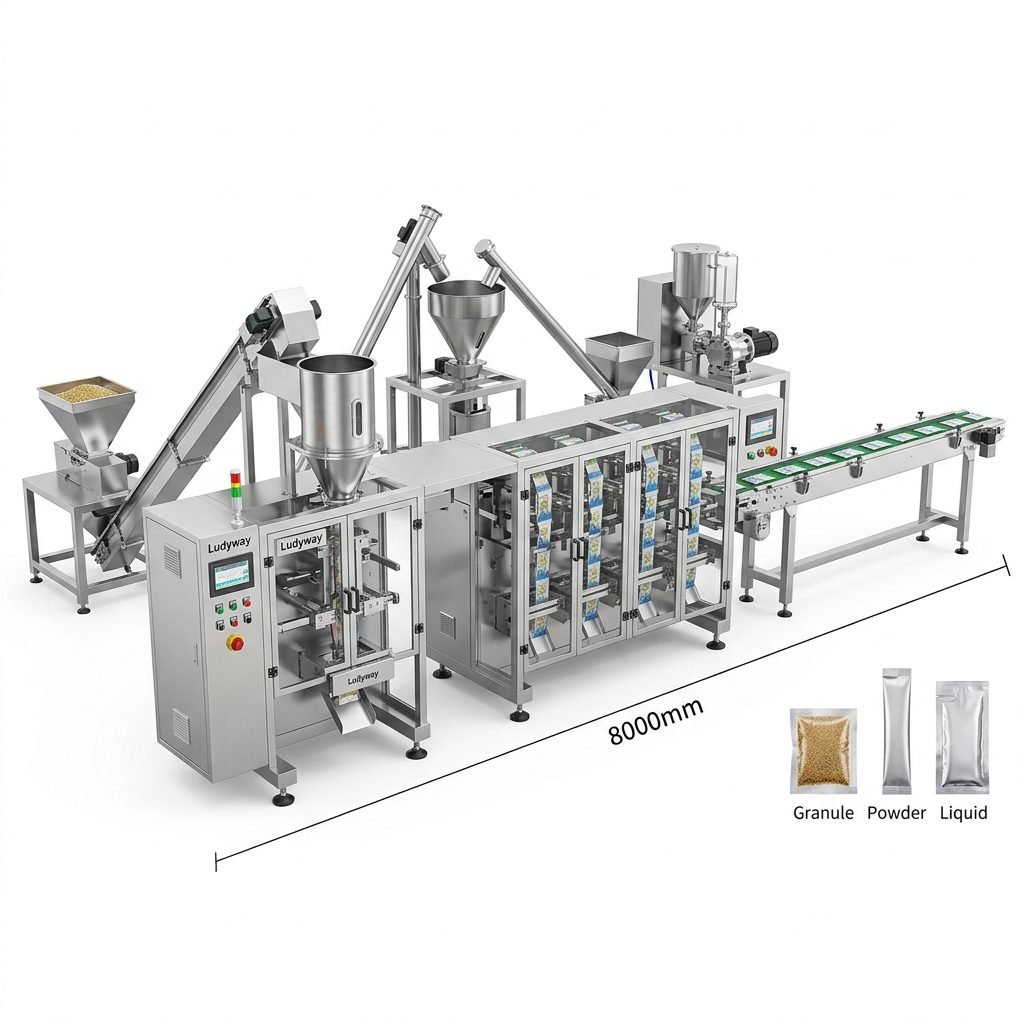
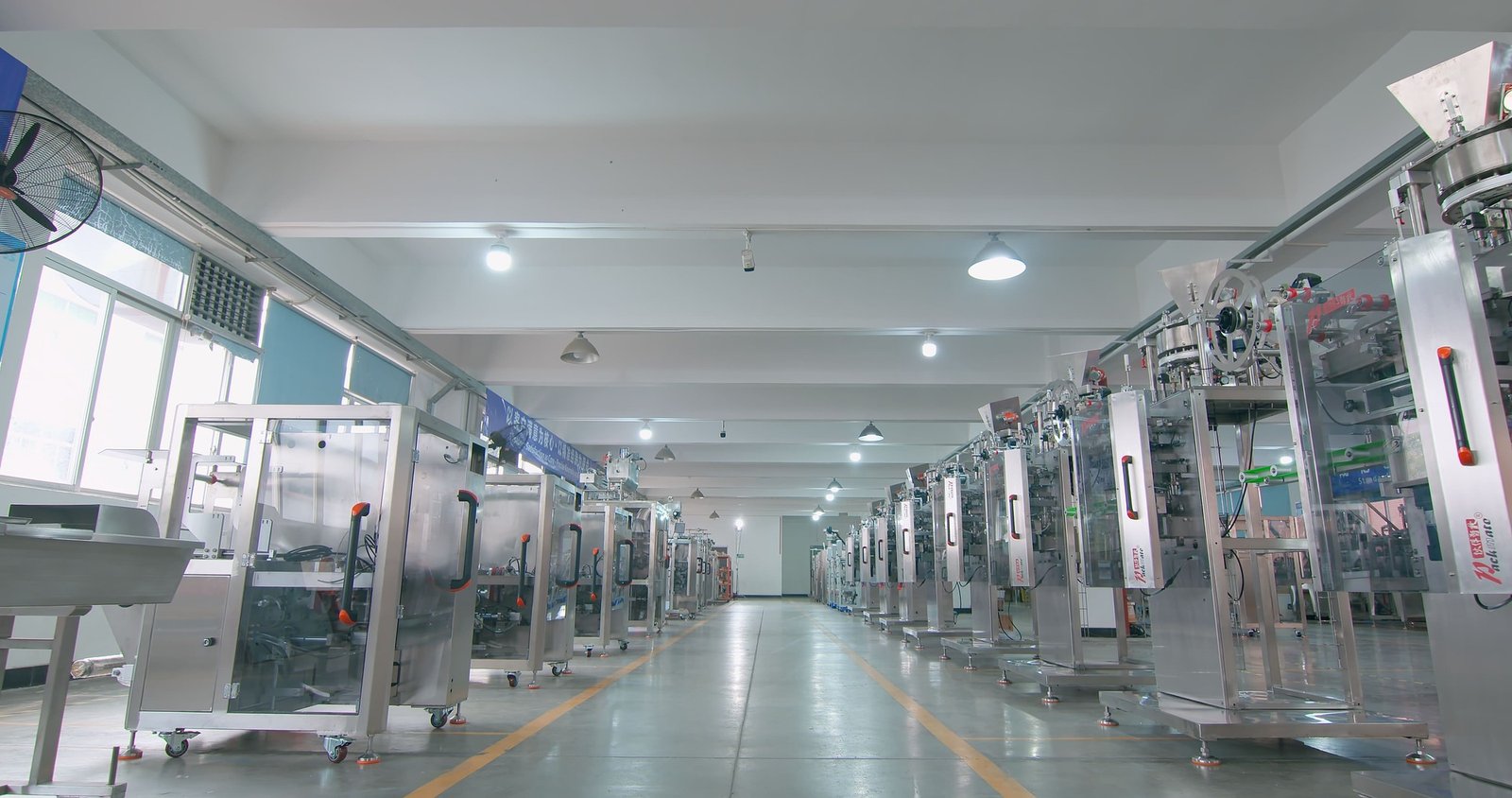
Turnkey solutions providers offer particular advantages for manufacturers seeking comprehensive packaging line integration. Rather than coordinating multiple vendors for different equipment modules, working with a single partner simplifies project management, ensures compatibility between systems, and provides unified after-sales support. Companies like Ludyway Machinery exemplify this approach, combining manufacturing expertise with engineering capabilities to deliver integrated packaging solutions that connect multiple stages of the production process. With more than 30 years of experience in the packaging industry, a 20,000-square-meter manufacturing facility, and over 130 professionals, Ludyway provides automated packaging equipment designed for different products, packaging formats, and production requirements. The company serves customers across more than 100 countries and regions, with machinery that can be configured for different production speeds, filling volumes, packaging materials, and bag formats. Notably, Ludyway is expected to achieve export revenue of more than RMB 500 million (approximately US$69 million) in 2025, and plans to surpass RMB 1 billion (approximately US$138 million) in export revenue in 2026, reflecting its growing global presence as a packaging machinery manufacturer.
Cost of Ownership: Looking Beyond the Purchase Price
The initial capital expenditure represents only one component of the total cost of ownership for a PVC packing machine. A thorough financial analysis should account for these ongoing operational factors:
| Cost Factor | Impact on PVC Operations |
|---|---|
| Film Waste Percentage | Poor temperature control increases scrap; even 2% additional waste on high-volume lines represents significant annual cost |
| Energy Consumption | Heating elements consume substantial power; efficient insulation and standby modes reduce operating costs |
| Consumable Parts | PTFE tape, seal wires, and cutting blades require periodic replacement; calculate annual consumable budgets |
| Changeover Time | Frequent product size changes multiply labor costs; quick-change designs recover investment through reduced downtime |
Integration with Existing Production Infrastructure
A PVC packing machine does not operate in isolation. Its physical footprint, utility requirements, and data communication capabilities must align with your facility’s infrastructure. Verify the machine’s compressed air consumption, electrical requirements, and any special ventilation needs for PVC processing. For integration with packaging machinery production monitoring systems, confirm that the machine supports standard industrial communication protocols such as Ethernet/IP, Profinet, or OPC-UA for real-time data collection and line performance analysis.
Additionally, consider the material handling workflow. How will products enter the machine, and where will finished packages exit? Sufficient clearance for operator access, maintenance activities, and material staging significantly impacts daily operational efficiency. For operations planning flexible packaging expansion in the future, modular equipment that can be reconfigured or relocated provides valuable adaptability as production needs evolve.
Making the Final Decision: A Structured Evaluation Process
After gathering technical specifications and proposals from potential suppliers, a structured evaluation process helps ensure objective comparison. We recommend creating a weighted scorecard that prioritizes the factors most critical to your specific application. Consider inviting shortlisted suppliers to conduct film trials using your actual PVC material and product samples. These trials reveal real-world performance characteristics that specifications alone cannot communicate, including seal quality consistency, film handling behavior, and actual throughput rates.
Finally, visit reference installations where similar PVC packaging applications are running in production environments. Observing machines under daily operating conditions, speaking with operators and maintenance personnel, and assessing the equipment’s condition after months or years of service provides invaluable insights that inform your final purchasing decision.
Selecting the right PVC packing machine is an investment in your production capability and product quality. By thoroughly evaluating film compatibility, technical specifications, automation requirements, support infrastructure, and total ownership costs, you position your operation for efficient, reliable packaging performance that scales with your business growth.