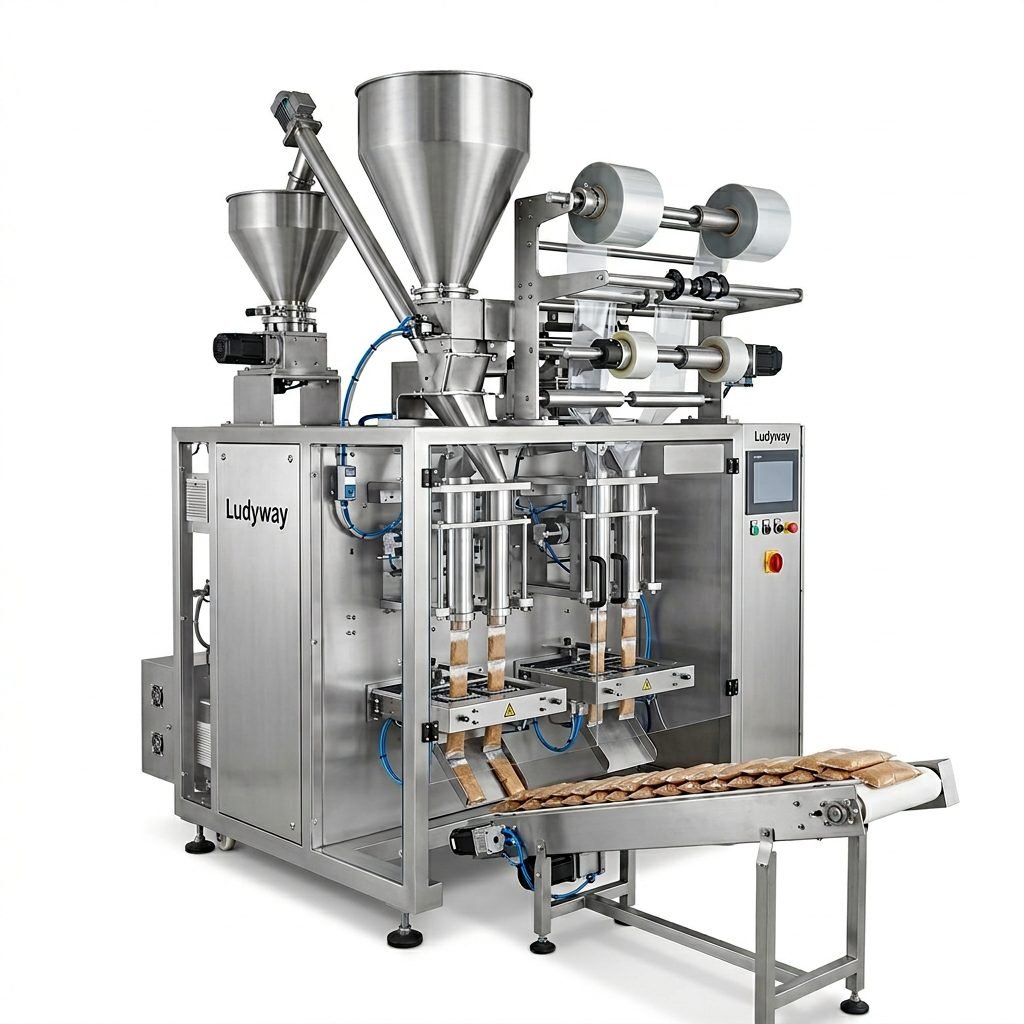
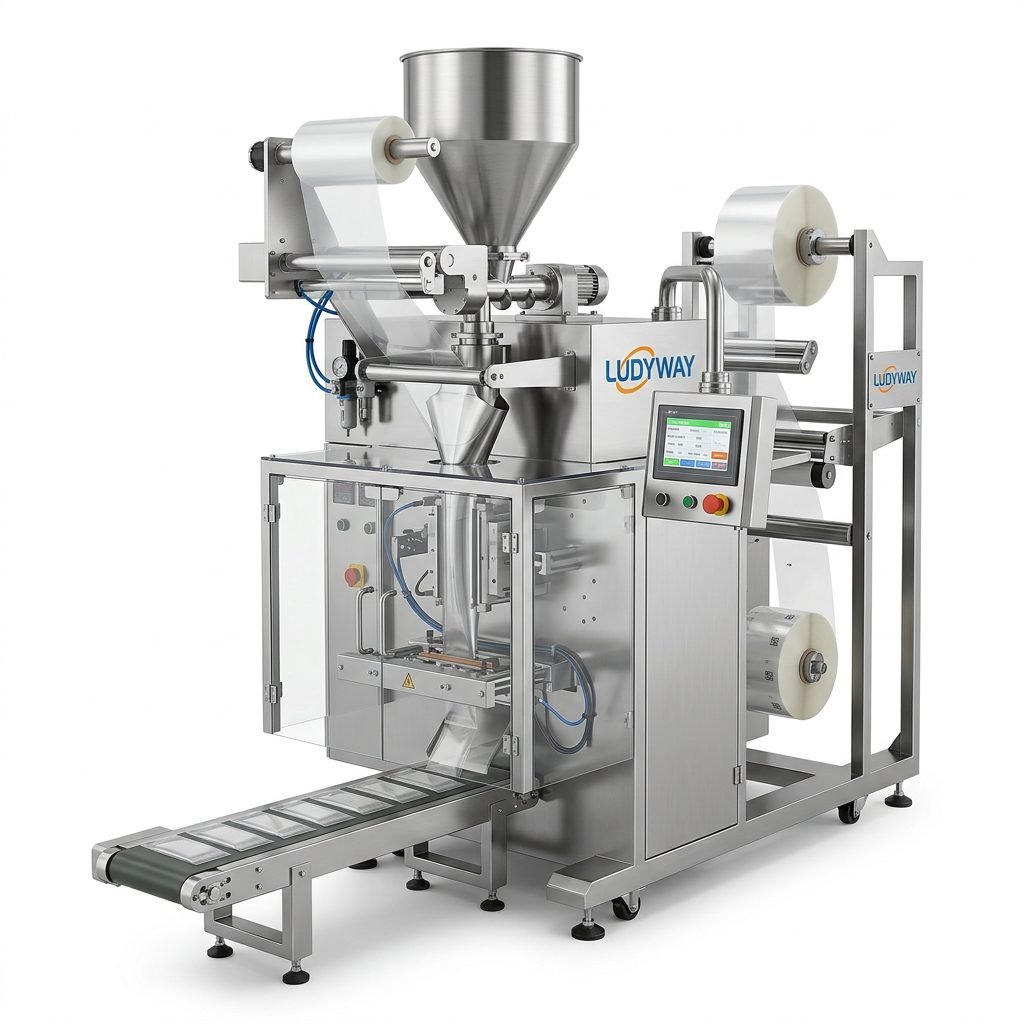
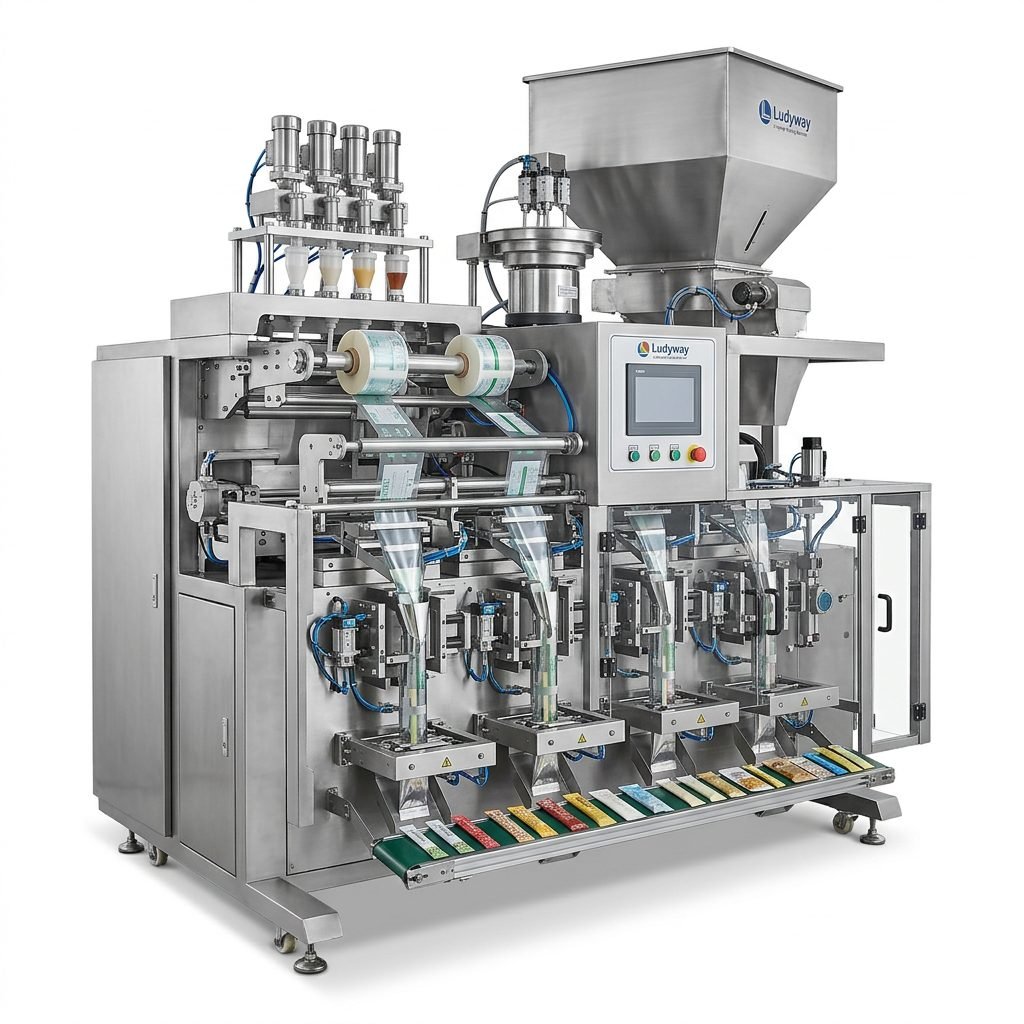
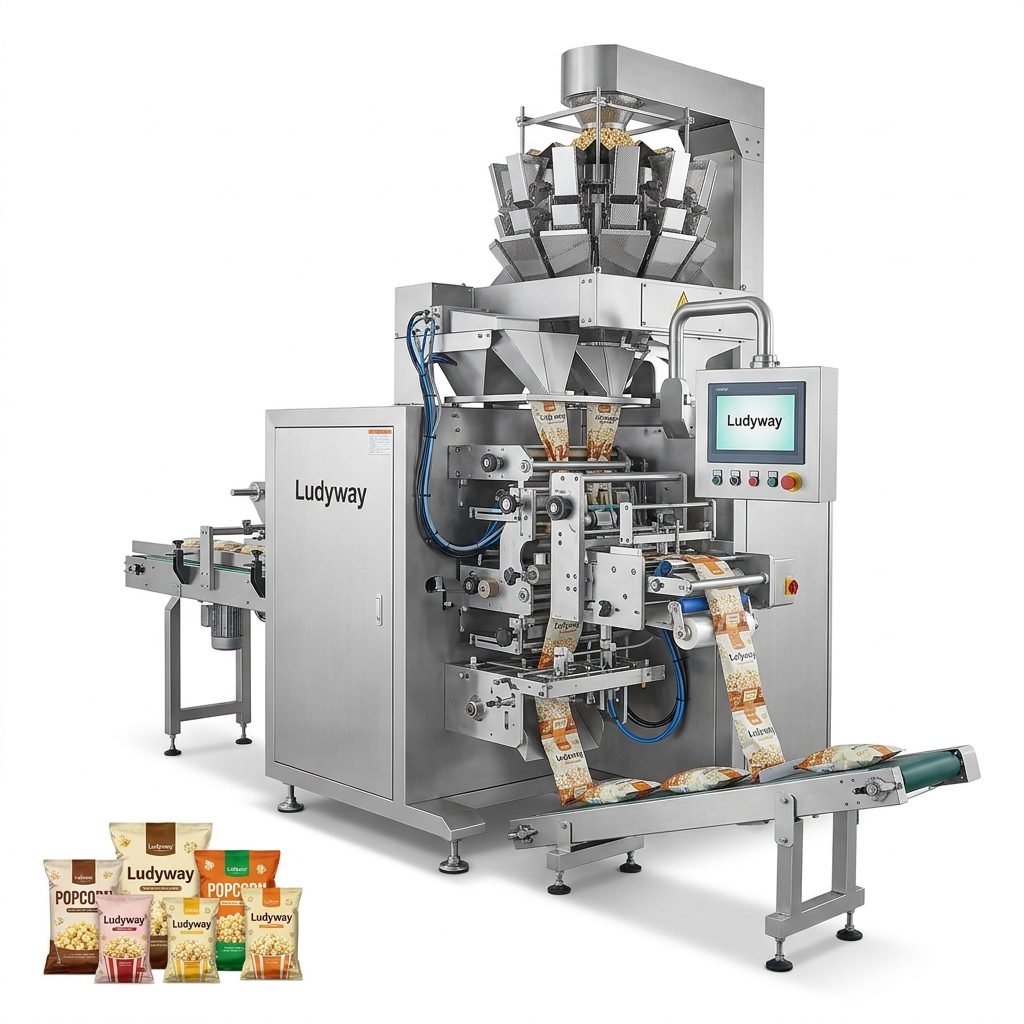
Proper maintenance of a cement packaging machine is critical for ensuring operational efficiency, minimizing unplanned downtime, and extending the service life of your equipment. Cement dust is highly abrasive and hygroscopic, which means without a consistent maintenance routine, key components can wear quickly or clog, leading to inaccurate filling and costly repairs.
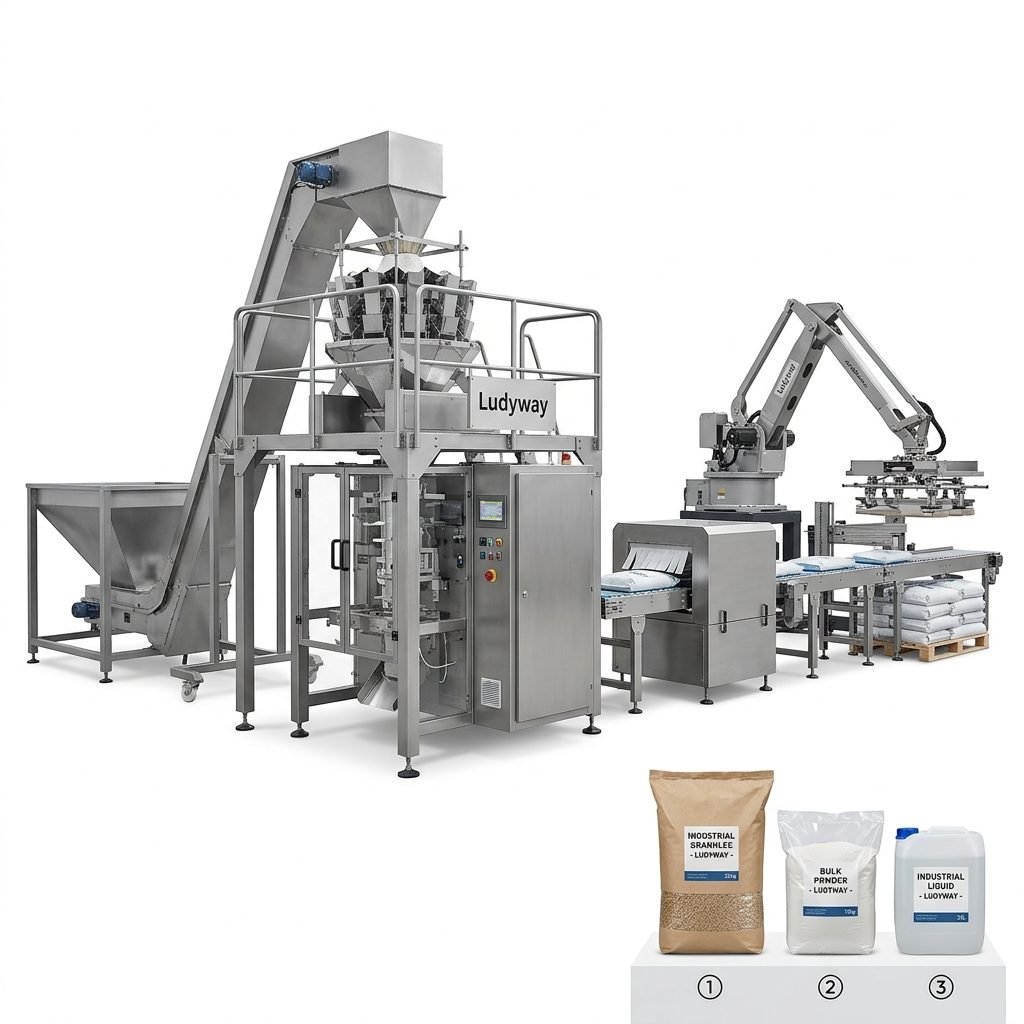
This guide outlines essential maintenance practices designed to keep your packaging machinery running at peak performance, reduce waste, and ensure operator safety.
1. Daily Cleaning and Dust Control
Accumulated cement dust is the primary enemy of a reliable packaging operation. It can penetrate bearings, degrade electrical contacts, and obstruct sensors. A strict daily cleaning protocol is non-negotiable.
- Blow down the machine: Use compressed air to remove dust from the filling spouts, weighing sensors, and sealing jaws. Always ensure the air is dry to prevent cement from hardening inside mechanisms.
- Wipe down surfaces: Clean the main frame and guarding panels with a damp cloth. Never use excessive water near electrical cabinets or load cells.
- Inspect the dust collection system: Empty the dust collector bin and check the filters. A clogged filter reduces suction efficiency, causing airborne dust to settle back onto the machinery.
2. Lubrication of Moving Parts
Friction in a high-speed cement packaging machine accelerates wear. A proper lubrication schedule prevents metal-on-metal contact in critical areas like the bag clamping mechanism and conveyor chains.
- Filling spout sleeves: Apply a dry lubricant to the spout where bags are clamped. Avoid grease that attracts dust and forms a grinding paste.
- Bearings and linear guides: Re-grease bearings monthly or as specified by the manufacturer. Listen for unusual noises, which signal a failing bearing.
- Pneumatic cylinders: Check for smooth movement. Clean the piston rods and apply a light oil mist to the compressed air supply to protect internal seals.
3. Weighing System Calibration and Inspection
Accuracy is paramount in cement bagging. Overfilling cuts into your profit margins, while underfilling risks non-compliance with ISO packaging standards. The weighing mechanism must be checked frequently.
- Zero calibration: Perform a zero-point calibration at the start of every shift to compensate for any residual dust on the load cells.
- Span calibration: Use certified test weights to verify accuracy across the full weighing range weekly.
- Physical condition: Inspect the load cell cables for pinching or cracking, and ensure the weigh hopper hangs freely without mechanical interference.
4. Electrical System and Safety Checks
The electrical integrity of your machine is vital for both performance and operator safety. Cement dust can bridge small gaps in control circuits, causing erratic behavior.
- Cabinet seals: Ensure all control panel door gaskets are intact and tight. Pressurization fans, if fitted, must be operational to keep dust out.
- Wiring terminals: Tighten all terminal connections, as vibration can cause them to loosen over time, leading to intermittent faults.
- Emergency stops: Test all emergency stop buttons and safety interlocks daily. A machine that cannot be stopped quickly is a significant hazard.
5. Wear Part Replacement Schedule
Proactively replacing consumable parts prevents catastrophic failures during production runs. Adhere to the following recommended intervals, adjusting based on your specific operating hours and material abrasiveness.
| Component | Typical Service Interval | Key Inspection Point |
|---|---|---|
| Filling spout rubber sleeve | 3 to 6 months | Cracks and loss of elasticity |
| Gripper arms / bag clamps | 6 months | Worn serrations and grip strength |
| Sealing bands / heaters | 1 year (or as needed) | Consistent temperature and clean surface |
| Pneumatic hoses and fittings | 1 year | Brittleness and air leaks |
| Conveyor belts | Check quarterly | Tracking alignment and edge fraying |
6. Seasonal Considerations and Downtime Preservation
Cement packaging in humid or cold environments requires additional care. During prolonged shutdowns, residual material can harden inside the machine, causing damage upon restart.
- Winterizing: Drain any moisture traps completely to prevent freezing damage in pneumatic lines.
- Long-term storage: Run the machine empty of all product. Cover the equipment to protect it from ambient dust, but ensure air can circulate to avoid condensation.
- Startup post-shutdown: Manually rotate the main drive shaft before powering up to ensure no hardened material has seized a bearing.
7. Troubleshooting Common Issues
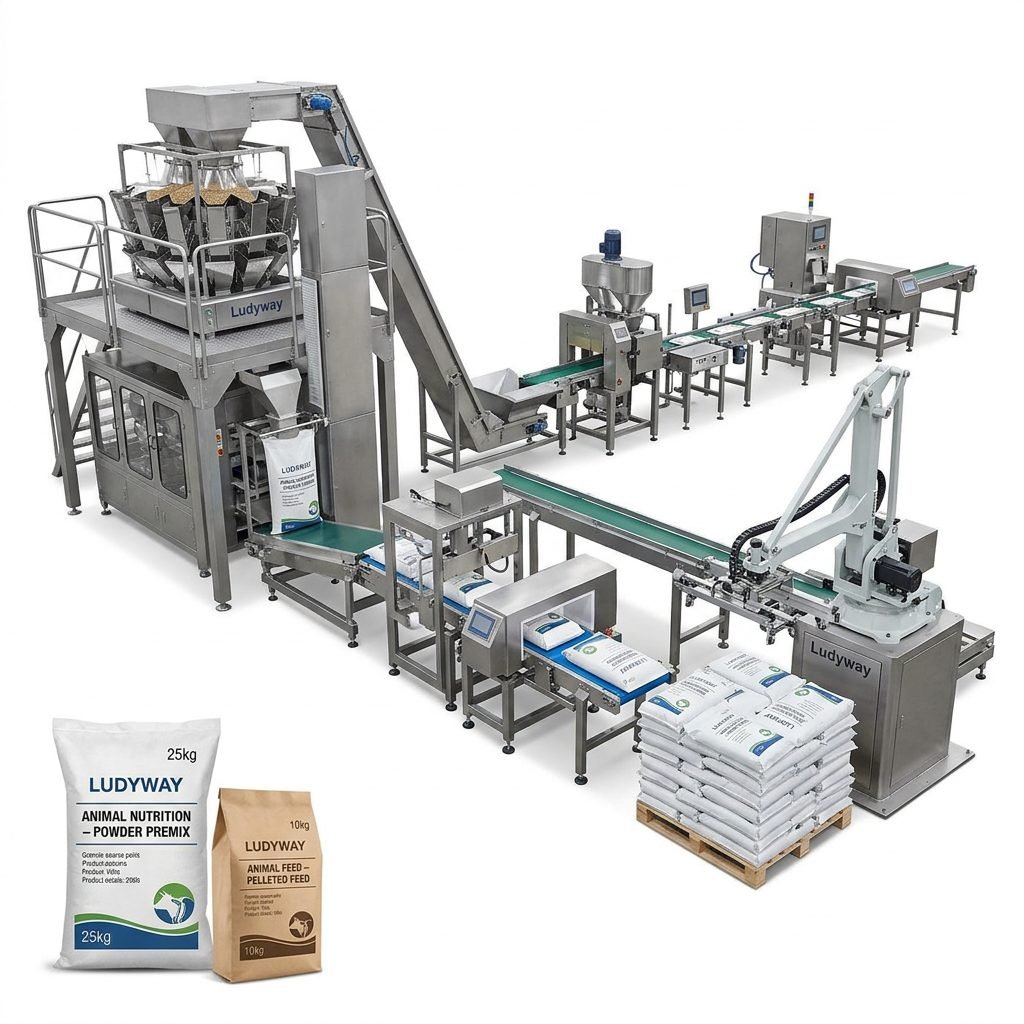
Even with impeccable maintenance, issues can arise. Quick, accurate diagnosis saves time. Common symptoms include inconsistent fill weights, often caused by a fluctuating material supply or a worn out filling impeller. Bag sealing failures typically indicate incorrect temperature settings or a dirty Teflon coating on the sealing bar. Unusual vibration might point to an unbalanced rotating part or loose foundation bolts. Refer to the manufacturer’s technical manual for specific error codes. Companies like Ludyway, with their extensive experience in powder handling systems, design equipment to be easily maintained, but always prioritize safety when diagnosing problems.
For further reading on best practices in the flexible packaging industry, consult resources available through the Flexible Packaging Association. Consistent attention to these maintenance tips will maximize the uptime of your cement packaging machine and protect your capital investment for years to come.